Old Clothes and Old Houses – Chapter 8

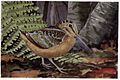
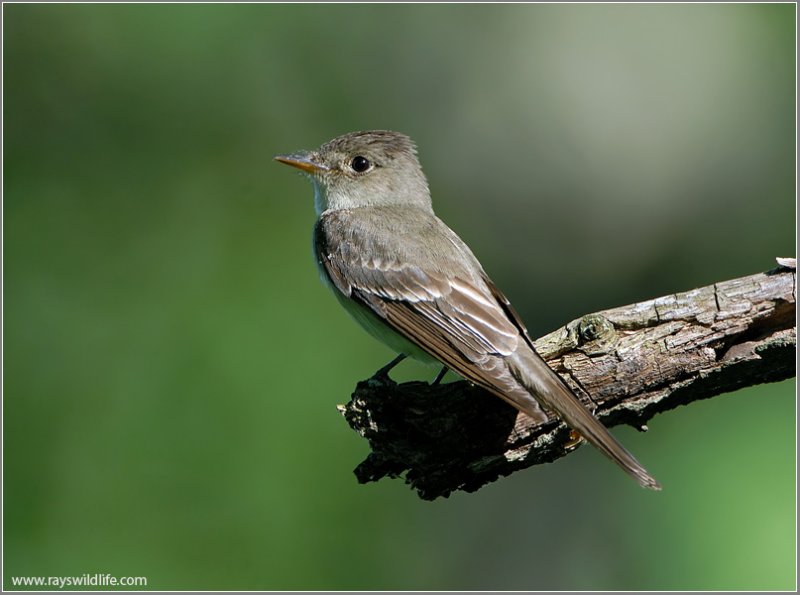
Eastern Wood Pewee (Contopus virens) by Raymond Barlow

Eastern Wood Pewee (Contopus virens) by Raymond Barlow

Old Clothes and Old Houses

The Wood Peewee and Some Nesting Places.

The Burgess Bird Book For Children

*

CHAPTER 8. Old Clothes and Old Houses.

Listen to the story read.

“I can’t stop to talk to you any longer now, Peter Rabbit,” said Jenny Wren, “but if you will come over here bright and early to-morrow morning, while I am out to get my breakfast, I will tell you about Cresty the Flycatcher and why he wants the cast-off clothes of some of the Snake family. Perhaps I should say WHAT he wants of them instead of WHY he wants them, for why any one should want anything to do with Snakes is more then I can understand.”

With this Jenny Wren disappeared inside her house, and there was nothing for Peter to do but once more start for the dear Old Briar-patch. On his way he couldn’t resist the temptation to run over to the Green Forest, which was just beyond the Old Orchard. He just HAD to find out if there was anything new over there. Hardly had he reached it when he heard a plaintive voice crying, “Pee-wee! Pee-wee! Pee-wee!” Peter chuckled happily. “I declare, there’s Pee-wee,” he cried. “He usually is one of the last of the Flycatcher family to arrive. I didn’t expect to find him yet. I wonder what has brought him up so early.”

It didn’t take Peter long to find Pewee. He just followed the sound of that voice and presently saw Pewee fly out and make the same kind of a little circle as the other members of the family make when they are hunting flies. It ended just where it had started, on a dead twig of a tree in a shady, rather lonely part of the Green Forest. Almost at once he began to call his name in a rather sad, plaintive tone, “Pee-wee! Pee-wee! Pee-wee!” But he wasn’t sad, as Peter well knew. It was his way of expressing how happy he felt. He was a little bigger than his cousin, Chebec, but looked very much like him. There was a little notch in the end of his tail. The upper half of his bill was black, but the lower half was light. Peter could see on each wing two whitish bars, and he noticed that Pewee’s wings were longer than his tail, which wasn’t the case with Chebec. But no one could ever mistake Pewee for any of his relatives, for the simple reason that he keeps repeating his own name over and over.

Wood Pewee of Birds Illustrated by Color Photography, 1897

“Aren’t you here early?” asked Peter.

Pewee nodded. “Yes,” said he. “It has been unusually warm this spring, so I hurried a little and came up with my cousins, Scrapper and Cresty. That is something I don’t often do.”

“If you please,” Peter inquired politely, “why do folks call you Wood Pewee?”

Pewee chuckled happily. “It must be,” said he, “because I am so very fond of the Green Forest. It is so quiet and restful that I love it. Mrs. Pewee and I are very retiring. We do not like too many near neighbors.”

“You won’t mind if I come to see you once in a while, will you?” asked Peter as he prepared to start on again for the dear Old Briar-patch.

“Come as often as you like,” replied Pewee. “The oftener the better.”

Back in the Old Briar-patch Peter thought over all he had learned about the Flycatcher family, and as he recalled how they were forever catching all sorts of flying insects it suddenly struck him that they must be very useful little people in helping Old Mother Nature take care of her trees and other growing things which insects so dearly love to destroy.

But most of all Peter thought about that odd request of Cresty’s, and a dozen times that day he found himself peeping under old logs in the hope of finding a cast-off coat of Mr. Black Snake. It was such a funny thing for Cresty to ask for that Peter’s curiosity would allow him no peace, and the next morning he was up in the Old Orchard before jolly Mr. Sun had kicked his bedclothes off.

Jenny Wren was as good as her word. While she flitted and hopped about this way and that way in that fussy way of hers, getting her breakfast, she talked. Jenny couldn’t keep her tongue still if she wanted to.

“Did you find any old clothes of the Snake family?” she demanded. Then as Peter shook his head her tongue ran on without waiting for him to reply. “Cresty and his wife always insist upon having a piece of Snake skin in their nest,” said she. “Why they want it, goodness knows! But they do want it and never can seem to settle down to housekeeping unless they have it. Perhaps they think it will scare robbers away. As for me, I should have a cold chill every time I got into my nest if I had to sit on anything like that. I have to admit that Cresty and his wife are a handsome couple, and they certainly have good sense in choosing a house, more sense than any other member of their family to my way of thinking. But Snake skins! Ugh!”
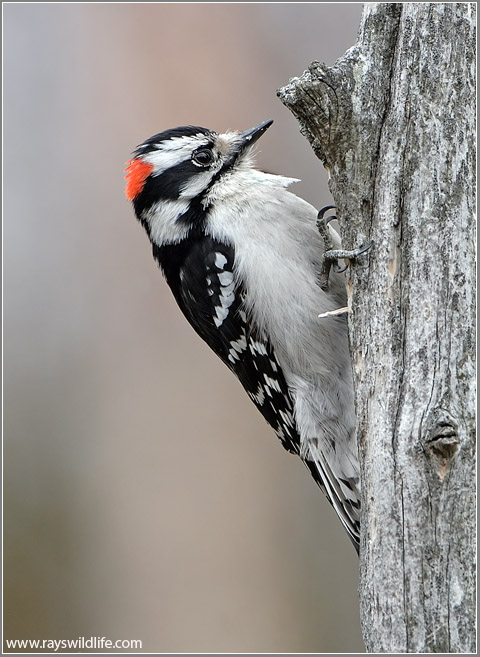
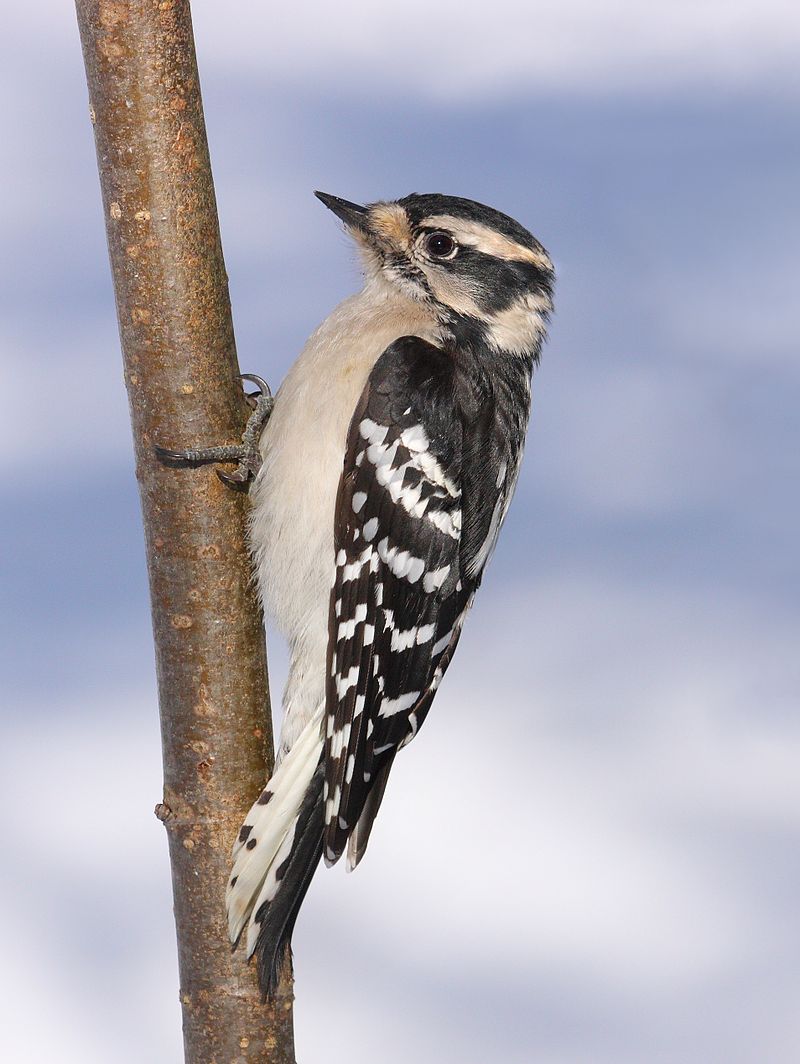
Downy Woodpecker (Picoides pubescens) by Raymond Barlow

Downy Woodpecker (Picoides pubescens) by Raymond Barlow

“By the way, where does Cresty build?” asked Peter.

In a hole in a tree, like the rest of us sensible people,” retorted Jenny Wren promptly.

Peter looked quite as surprised as he felt. “Does Cresty make the hole?” he asked.

“Goodness gracious, no!” exclaimed Jenny Wren. “Where are your eyes, Peter? Did you ever see a Flycatcher with a bill that looked as if it could cut wood?” She didn’t wait for a reply, but rattled on. “It is a good thing for a lot of us that the Woodpecker family are so fond of new houses. Look! There is Downy the Woodpecker hard at work on a new house this very minute. That’s good. I like to see that. It means that next year there will be one more house for some one here in the Old Orchard. For myself I prefer old houses. I’ve noticed there are a number of my neighbors who feel the same way about it. There is something settled about an old house. It doesn’t attract attention the way a new one does. So long as it has got reasonably good walls, and the rain and the wind can’t get in, the older it is the better it suits me. But the Woodpeckers seem to like new houses best, which, as I said before, is a very good thing for the rest of us.”

Who is there besides you and Cresty and Bully the English Sparrow who uses these old Woodpecker houses?” asked Peter.
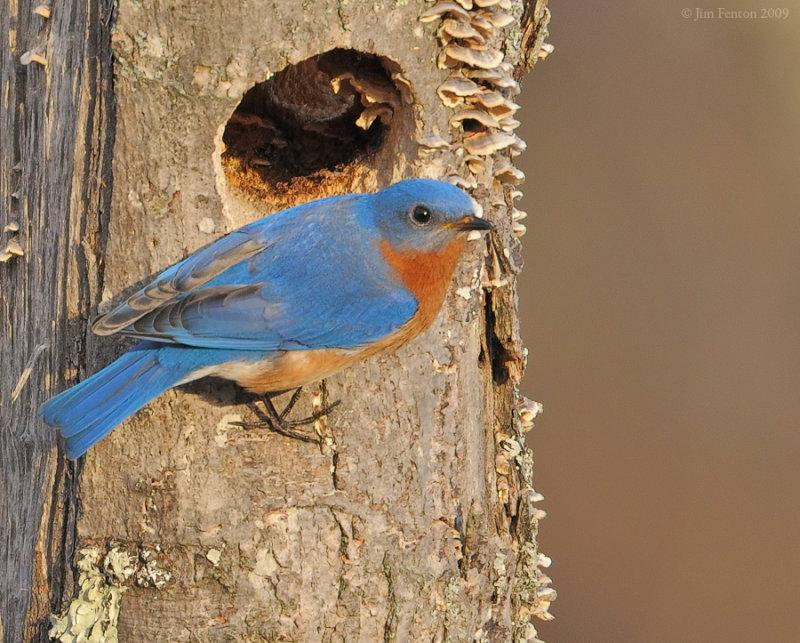
Eastern Bluebird (Sialia sialis) by J Fenton

Eastern Bluebird (Sialia sialis) by J Fenton

“Winsome Bluebird, stupid!” snapped Jenny Wren.

Peter grinned and looked foolish. “Of course,” said he. “I forgot all about Winsome.”

“And Skimmer the Tree Swallow,” added Jenny.

“That’s so; I ought to have remembered him,” exclaimed Peter. “I’ve noticed that he is very fond of the same house year after year. Is there anybody else?”

Again Jenny Wren nodded. “Yank-Yank the Nuthatch uses an old house, I’m told, but he usually goes up North for his nesting,” said she. “Tommy Tit the Chickadee sometimes uses an old house. Then again he and Mrs. Chickadee get fussy and make a house for themselves. Yellow Wing the flicker, who really is a Woodpecker, often uses an old house, but quite often makes a new one. Then there are Killy the Sparrow Hawk and Spooky the Screech Owl.”

Peter looked surprised. “I didn’t suppose THEY nested in holes in trees!” he exclaimed.

“They certainly do, more’s the pity!” snapped Jenny. “It would be a good thing for the rest of us if they didn’t nest at all. But they do, and an old house of Yellow Wing the Flicker suits either of them. Killy always uses one that is high up, and comes back to it year after year. Spooky isn’t particular so long as the house is big enough to be comfortable. He lives in it more or less the year around. Now I must get back to those eggs of mine. I’ve talked quite enough for one morning.”

“Oh, Jenny,” cried Peter, as a sudden thought struck him.

House Wren (Troglodytes aedon) by Ray

House Wren (Troglodytes aedon) by Ray

Jenny paused and jerked her tail impatiently. “Well, what is it now?” she demanded.

“Have you got two homes?” asked Peter.

“Goodness gracious, no!” exclaimed Jenny. “What do you suppose I want of two homes? One is all I can take care of.”

“Then why,” demanded Peter triumphantly, “does Mr. Wren work all day carrying sticks and straws into a hole in another tree? It seems to me that he has carried enough in there to build two or three nests.”

Jenny Wren’s eyes twinkled, and she laughed softly. “Mr. Wren just has to be busy about something, bless his heart,” said she. “He hasn’t a lazy feather on him. He’s building that nest to take up his time and keep out of mischief. Besides, if he fills that hollow up nobody else will take it, and you know we might want to move some time. Good-by, Peter.” With a final jerk of her tail Jenny Wren flew to the little round doorway of her house and popped inside.


Lee’s Addition:

“But now ask the beasts, and they will teach you; And the birds of the air, and they will tell you; (Job 12:7 NKJV)

*

  • What is Peter Rabbit still trying to find?
  • Has he found out why it is need for yet?
  • Who is our newest arrival?
  • Is he on time or early?
  • What does Pewee’s bill look like?
  • Is tail longer or shorter than his wings?
  • Can you find and name the birds listed that use tree holes?
  • Were the birds friendly and kind in this chapter?

A man who has friends must himself be friendly, But there is a friend who sticks closer than a brother. (Proverbs 18:24 NKJV)

“But now ask the beasts, and they will teach you; And the birds of the air, and they will tell you; (Job 12:7 NKJV)

Links:

*

Links:

Longbill the Woodcock - Burgess Bird Book ©©Thum


  Next Chapter (Longbill and Teeter.)


Burgess-Bird-Book-for-Children


Burgess Bird Book For Children


ABC’s Of The Gospel


Sunday Inspiration – Let Everything Praise

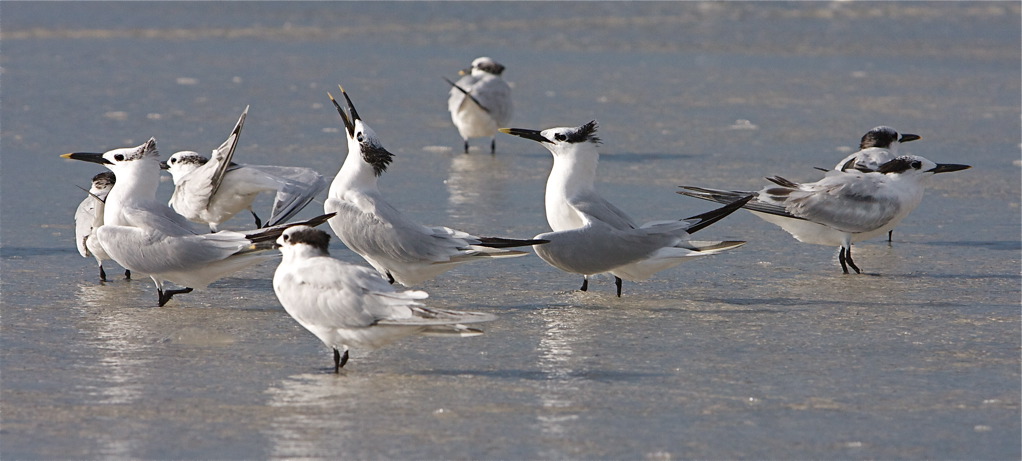
Sandwich Tern Singing (calling) By Mike Bader

Sandwich Tern Singing (calling) By Mike Bader

Let every thing that hath breath praise the LORD. Praise ye the LORD. (KJV)

Let everything that has breath and every breath of life praise the Lord! Praise the Lord! (Hallelujah!) (AMP)

Let every living creature praise the LORD. Shout praises to the LORD! (CEV)

This week the Hyssongs came to our Young At Heart (55 plus) gathering and sang for us. They did a fantastic program of song and praise to our Lord. Last year when they came, they gave me permission to use their music in these Sunday Inspirations. (They are copyrighted and need permission-please, do not copy)

I have purchased their latest CD ~ “Right Time – Right Place” and wanted to share this song, “God Is Great.” Trust you will enjoy their song, what it says, and enjoy our avian friends and some others singing their praise.

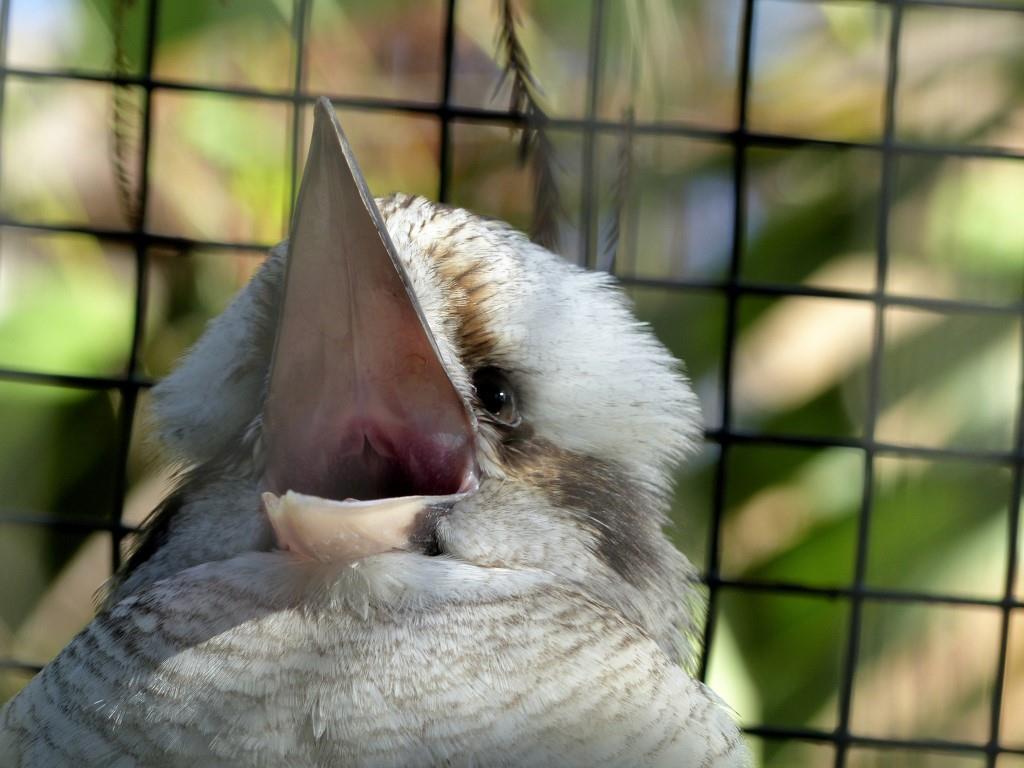
Laughing Kookabura at Lowry Park Zoo by Lee 12-26-14

Laughing Kookabura at Lowry Park Zoo by Lee 12-26-14

Here are a few quotes about Psalm 150 from two commentaries:

Let everything that has breath praise the LORD. Praise the LORD! (NKJV)

Constable – Psalms 150

The inspired poet called on every person to praise Yahweh for His powerful deeds and supreme greatness (10 times out of the 13 uses of “praise” in this psalm). This psalm serves as a final doxology, bringing the collection of psalms to a solemn and joyful conclusion.

“The conclusion of the Psalter is this extravagant summons to praise, which seeks to mobilize all creation with a spontaneous and unreserved act of adoration, praise, gratitude, and awe. There are no ‘bases’ given; no reason needs to be given.” [Note: Brueggemann, p. 167.]

Biblical Illustrator – “IV. By whom (verse 6). Here the psalmist reaches the climax in his exhortation; he has exhausted language; he can particularize no more; he rushes to the culmination; he demands a universal outburst of adoration; he calls upon all in whom the breath of life is to help swell the “hallelujah chorus!” O what a thrilling crash of melody! what a volume of perfect harmony, when animate and inanimate creation, with all creatures, rising rank upon rank, order above order, species above species, purged from corruption, delivered from all evil, and attuned to the euphony of the skies—when “everything that hath breath,” the consecrated breath Divine—“shall join in one harmonious song, and crown Him Lord of all!” (J. O. Keen, D. D.)”

This slideshow requires JavaScript.

Let everything that breathes praise Jehovah. Praise Jehovah! (LITV-TSP)

Todo lo que respira alabe á JAH. Aleluya. (SRV)

(Click to Play)

Let Everything Praise ~ “God Is Great.” ©The Hyssongs

*

Sunday Inspirations

“King” Birds

Hornbills

Bitterns

Hide Thou Me

Resting

Sharing The Gospel

*


Alternative Bird Lists

Various Lists

Various Lists

“Then the LORD said to Moses, “Number every firstborn male of the sons of Israel from a month old and upward, and make a list of their names. (Numbers 3:40 NASB)

Saw this on Alternative Life List from About, which was a side-link from Keeping a Life Yard List.

“Many birders keep a life list, but the guidelines for what birds count on a life list that will be accepted by organizations or competitions can be strict. Fortunately, there are many alternative ways to keep a life list, from serious to silly, and each one adds a new dimension to enjoying the record-keeping side of birding.

Here are some of the List they suggest:

  • Geographic Lists:
  • Seasonal Lists:
  • Photographic Lists:
  • Subspecies Lists
  • Sound Lists
On Way to Lowry Pk Zoo - Crossed County line at 8:42

On Way to Lowry Pk Zoo – Crossed County line at 8:42

Then they list Silly Options For Fun Life Lists:

  • Captive Birds: (See them often)
  • Extinct Birds: (That might be a little difficult)
  • Taxidermy Birds: (Don’t do too many museums)
  • Hollywood Birds: (That might be interesting, you hear them in the backgrounds a lot)
  • Book Birds: (Yep, not too hard)
  • Dream Birds: (That would be hard if you don’t dream much – Wish Birds might be better)
  • Missed Birds: (That might be REAL easy)

I think I need to keep a Captive Bird List (my Zoos, Aviaries, Wildlife Rehabs and other places that have birds that are not free to leave.)

The Photographic Life List also sounds interesting. (I have plenty of “proof shots”)

eBird Report

eBird Report

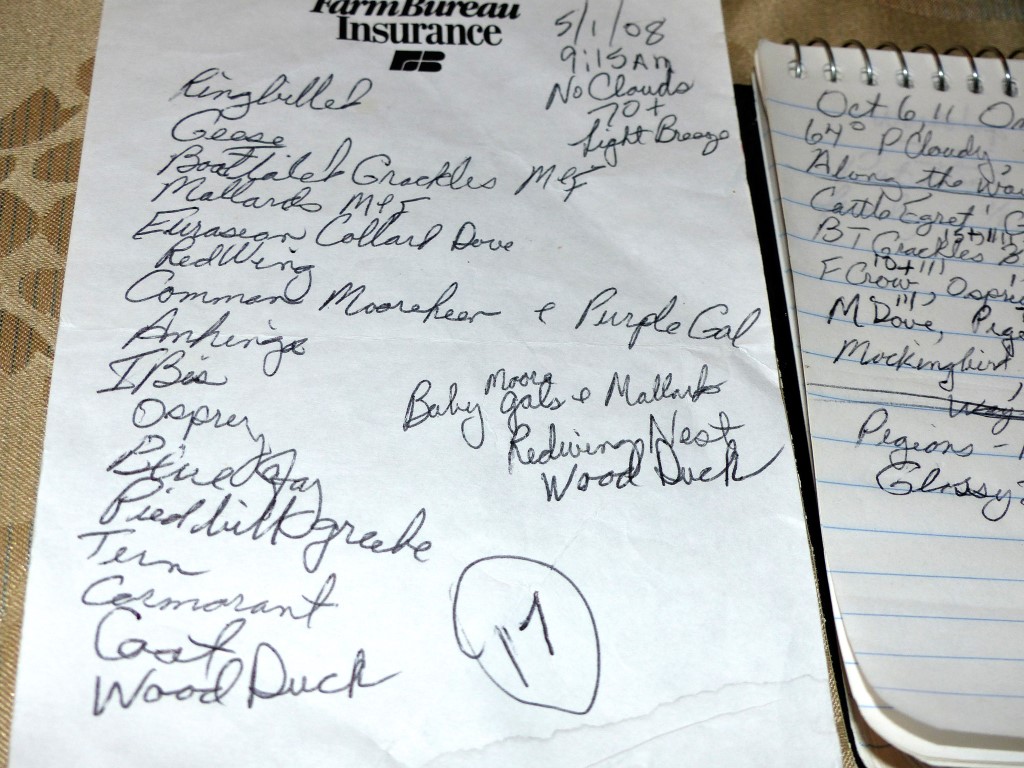
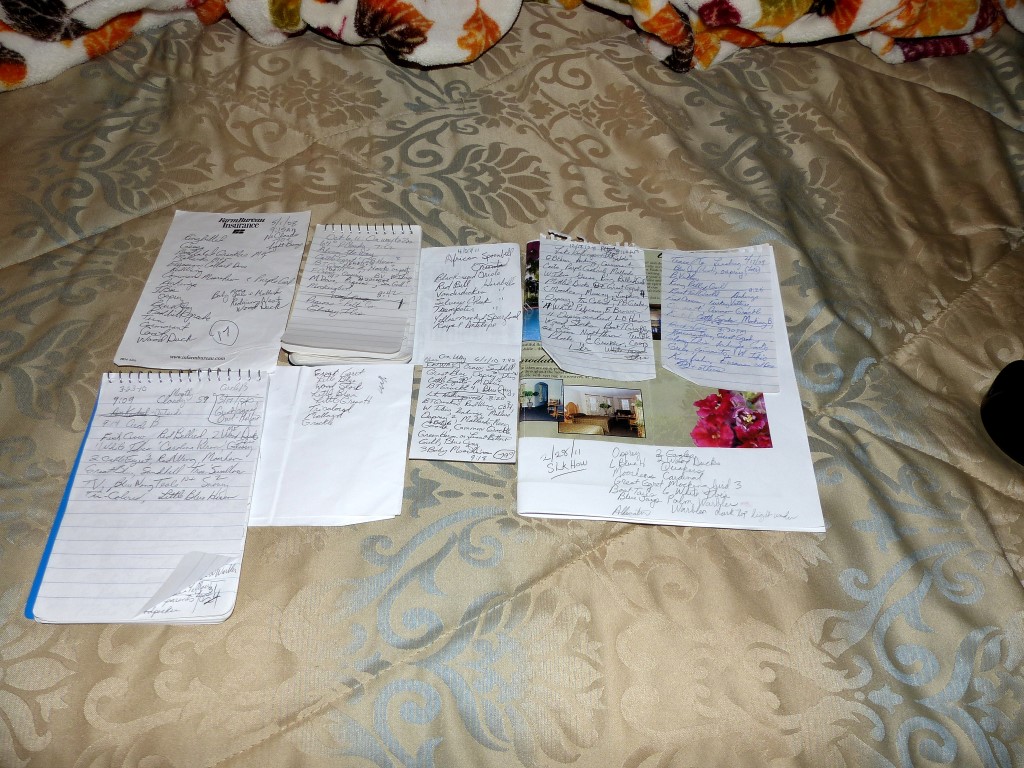
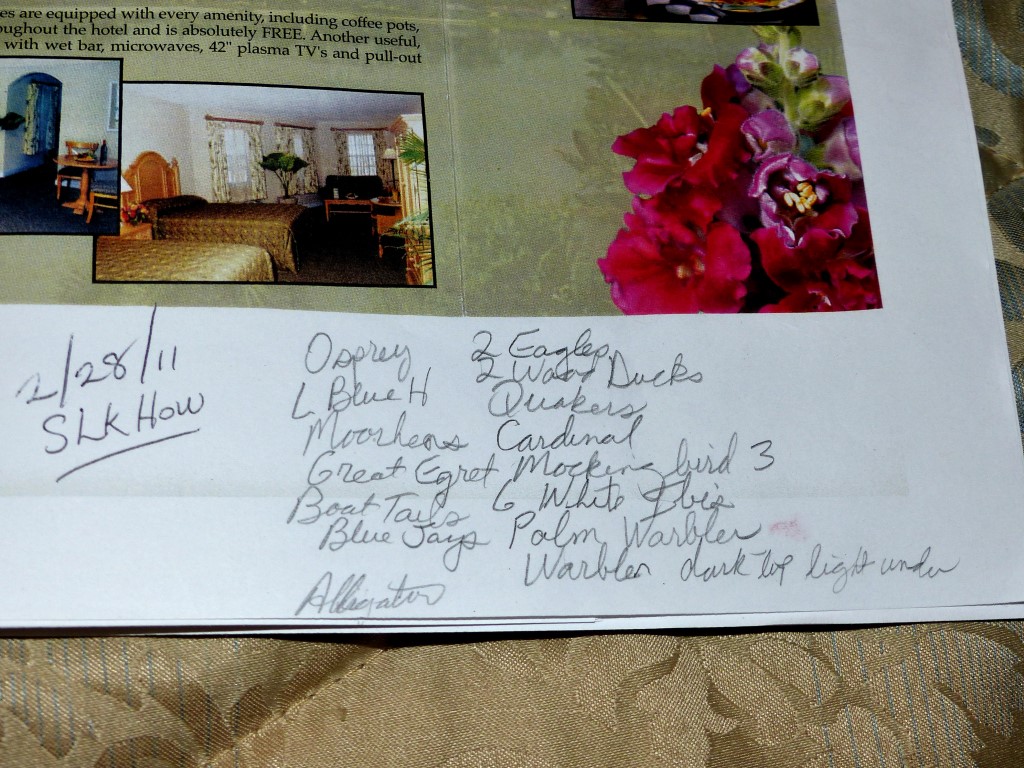
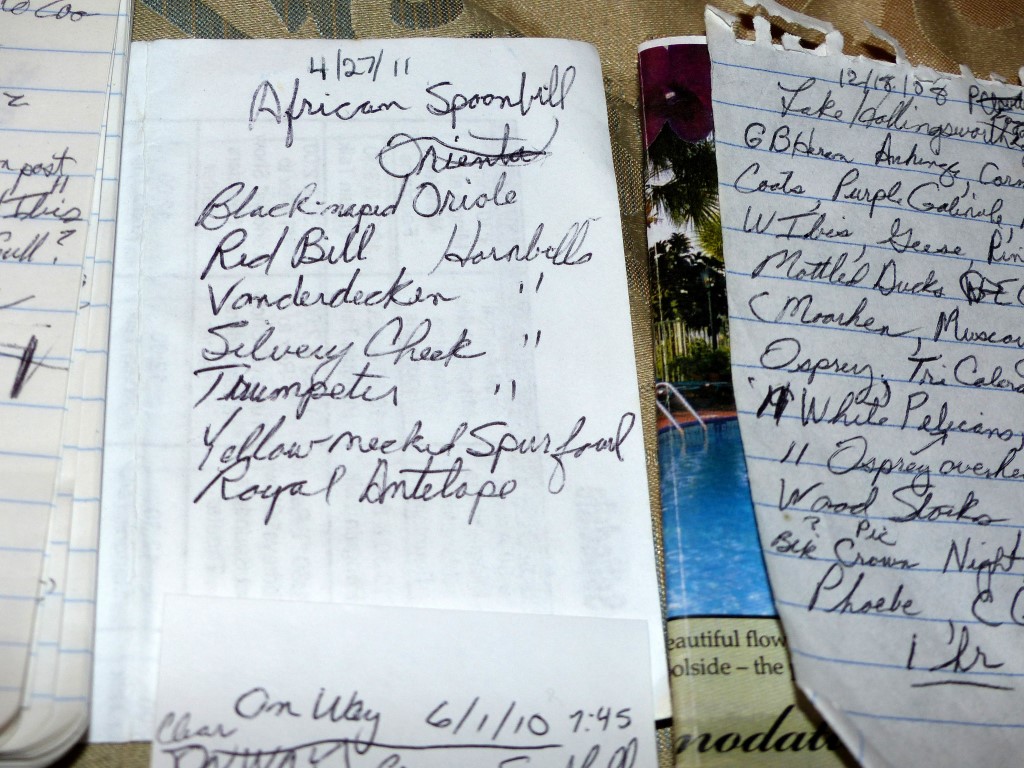
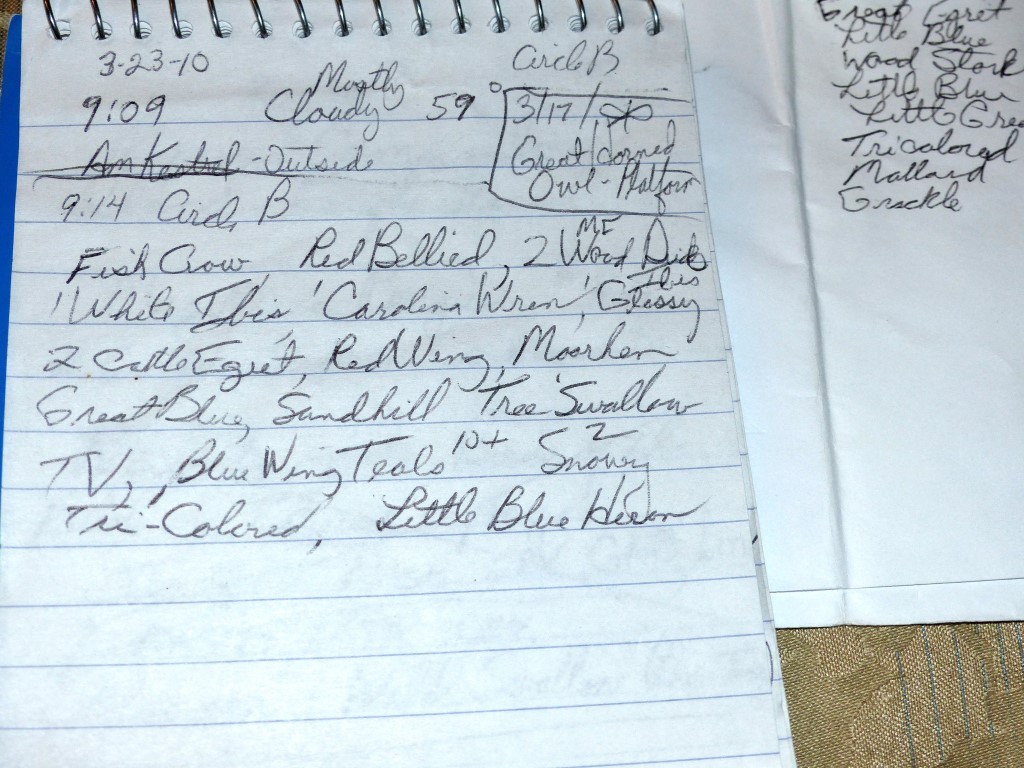
Do you keep a list of birds? I do, but am not always faithful to record them. As we go on trips, I record all the birds I see as Dan drives. I include even the county, time, temp, and whether clear, cloudy, etc. I use eBird to keep North American birds, but again, don’t always log my findings until later. (or when I re-find my notepad)

Here are photos of some list written on trips and outings. You can tell if I forgot my Notepad, I am resourceful.

My List of ALL the Birds I Have Seen is really a combination of many of these.

I have written about Birdwatching Lists before, but found that article interesting and thought you might like to see how I do some of the listing. As you can see, it is not very scientific. Sometimes I draw a marking or shape to help ID it later. Now days, I try to capture my unknowns with my camera. Easier than drawing and I get to keep my eye on the bird.

What ever way you keep a list or lists is up to each one. The main thing is to get out and enjoy the beautiful birds the Lord has created for us to enjoy. I would rather miss getting something on my list, than missing the opportunity to watch the bird as long as possible. For some birds will only give you a glimpse of itself before it dashes away.

Finding a verse to use that had the word “list” in it required me to use my e-Sword again. Looking at different versions I was able to find some The KJV used, “number of their names,” the CJV used “determine how many there are,” DRB used “shalt take the sum of them” and the CRV used probably the best for this, “Write their names on a list”

Check out some other articles we have written about this:

*

Flamingo Gardens – Dan’s Photos

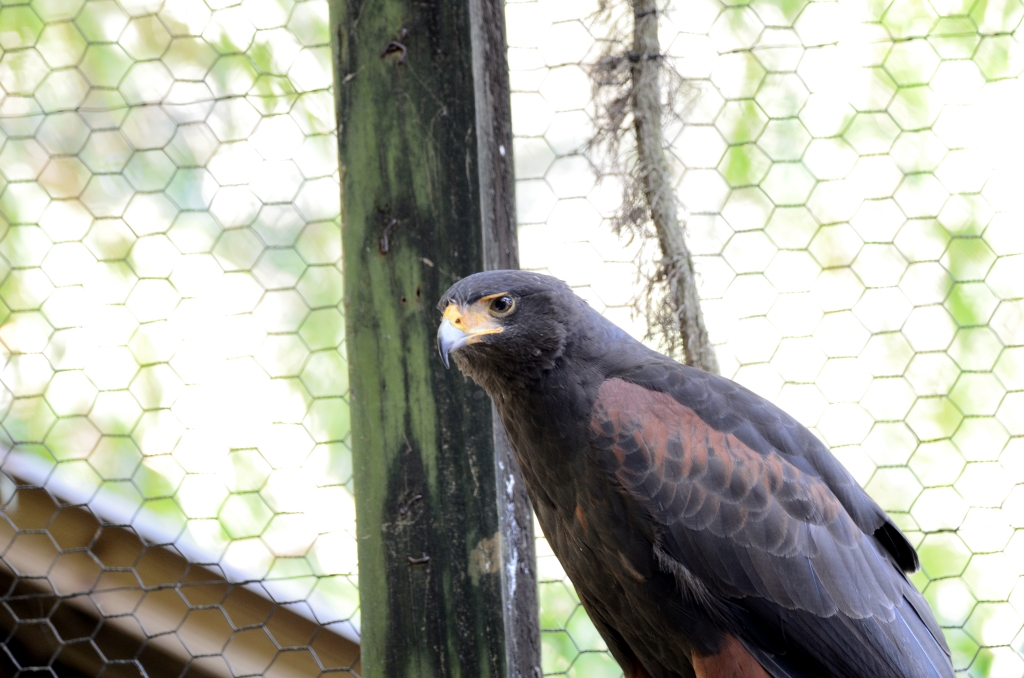
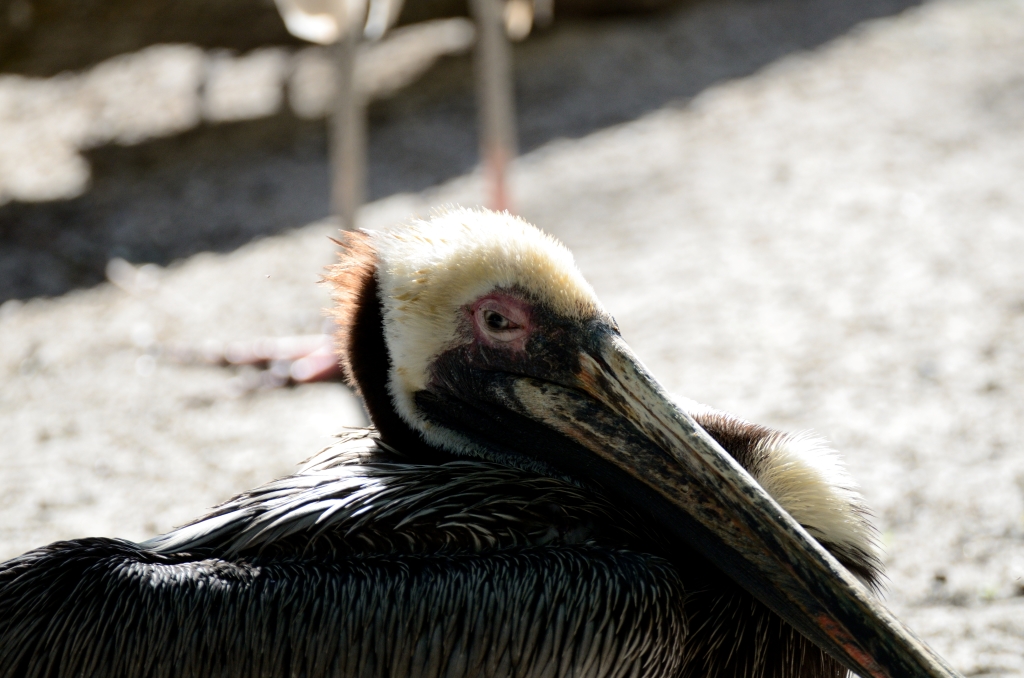
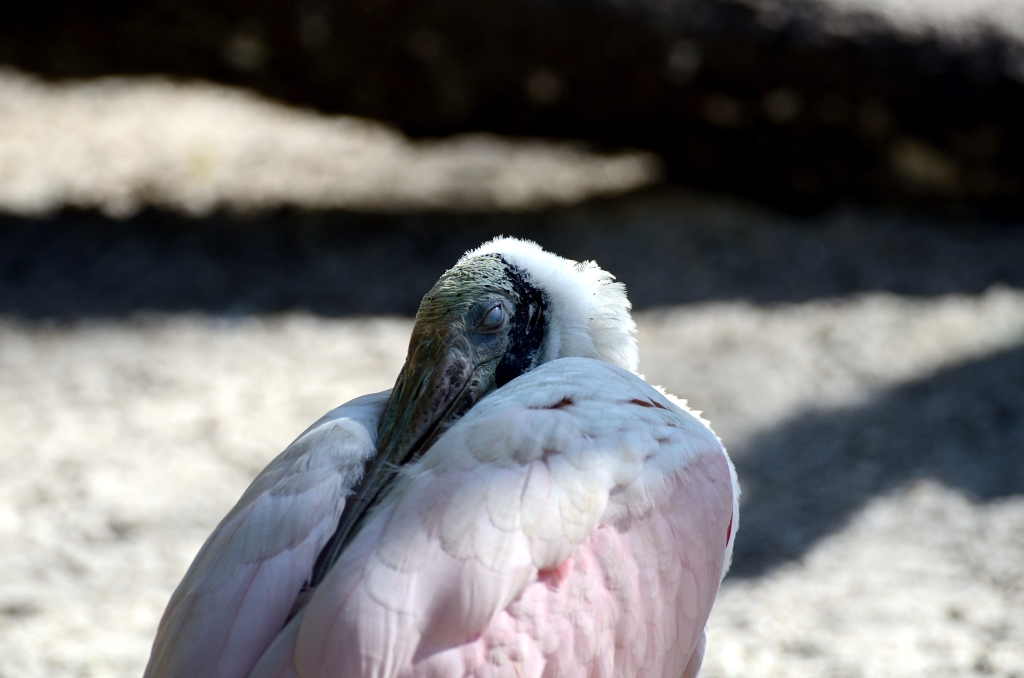
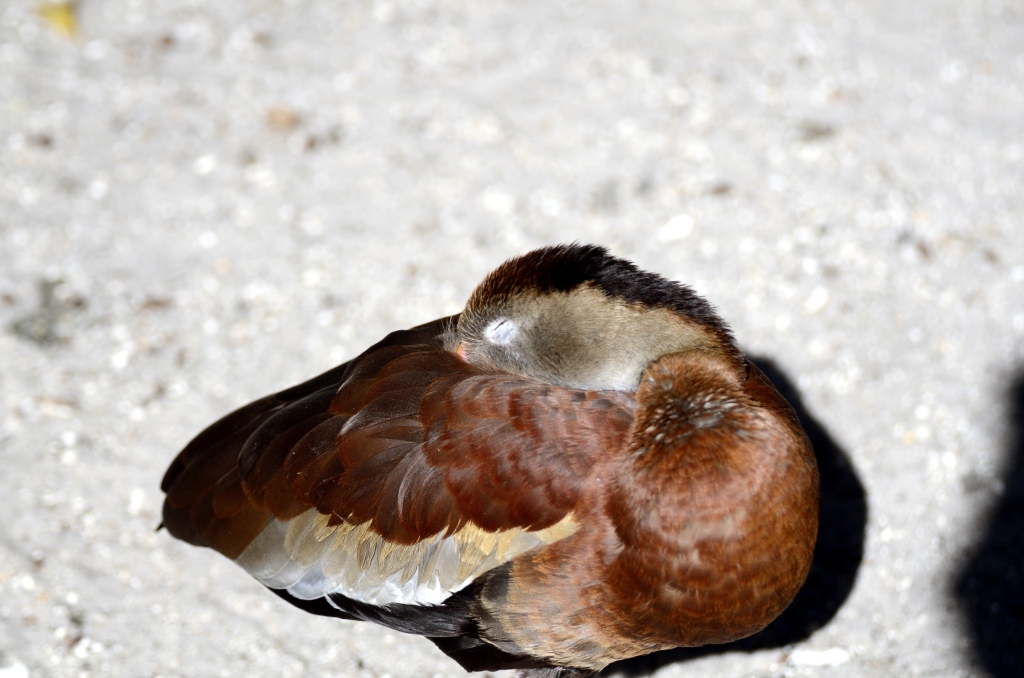
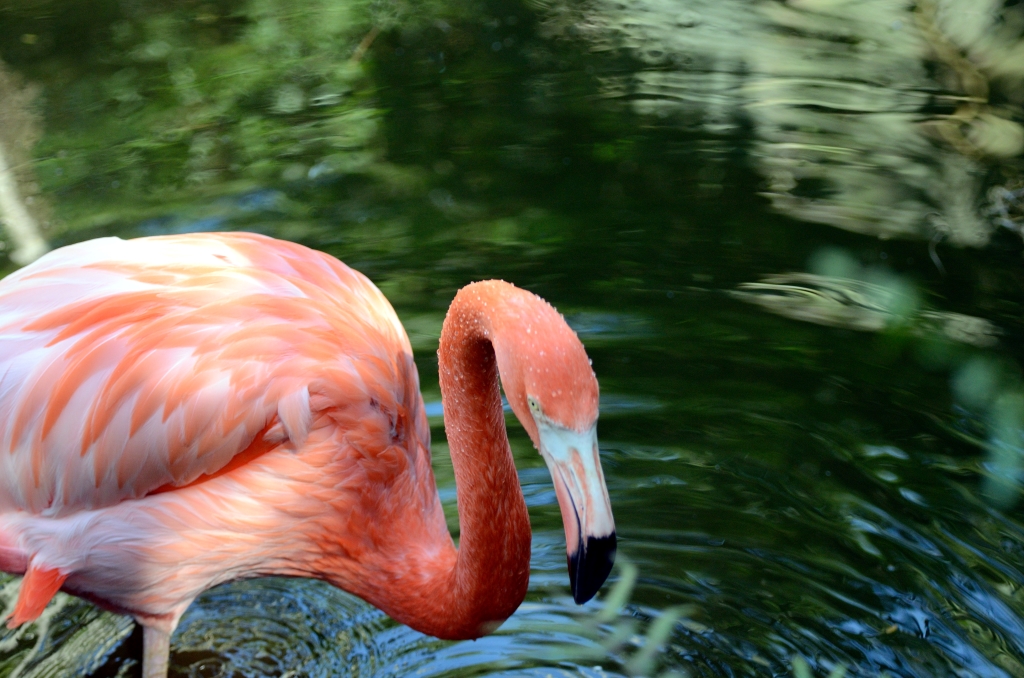
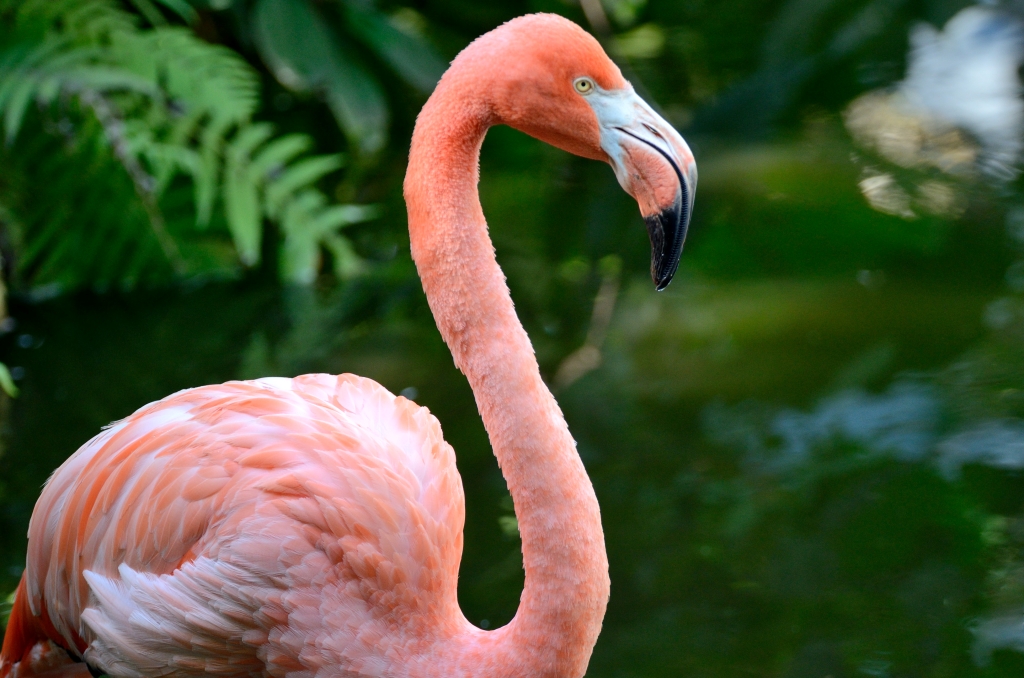
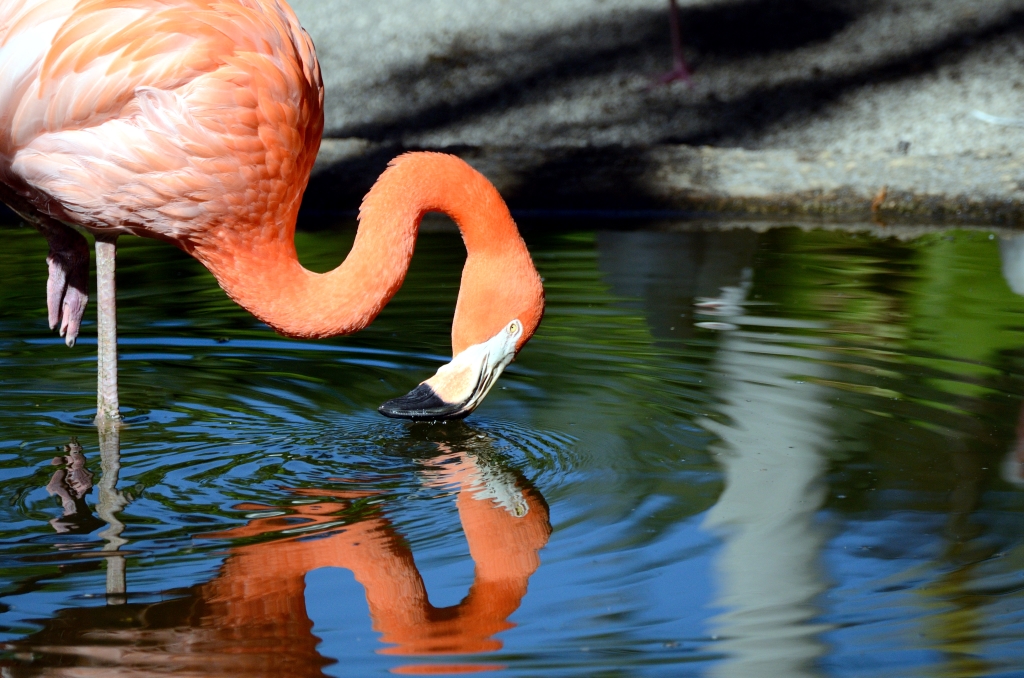
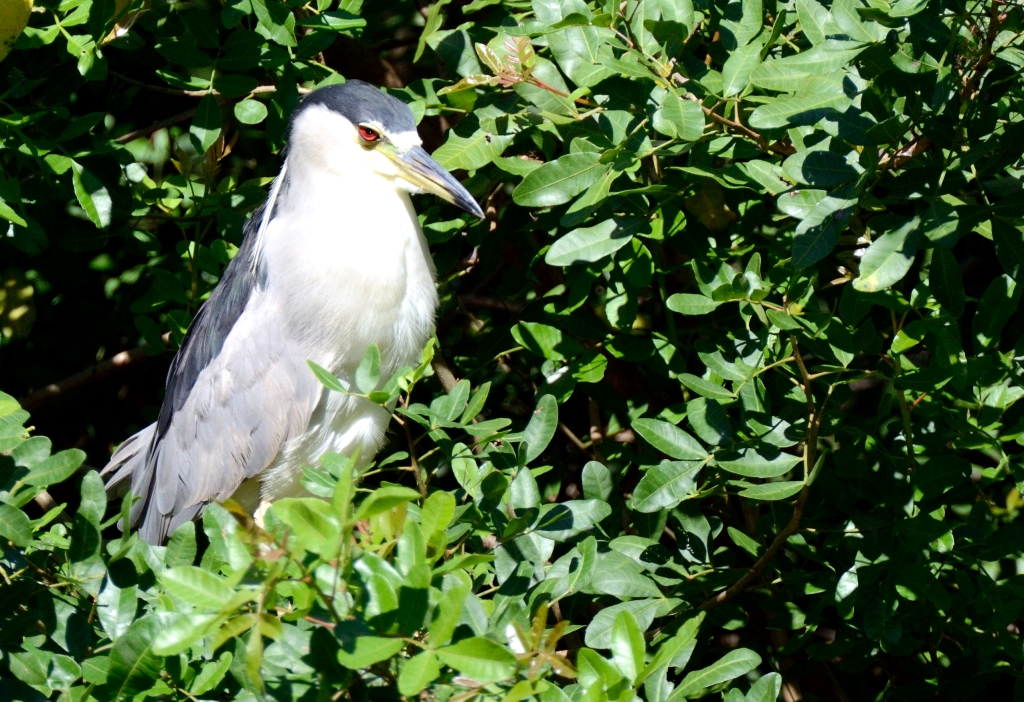
Just got copies of Dan’s photos from our trip to Flamingo Gardens in Davie, Florida. We were there a little over of a month ago, but he is busy and with the Holidays, he finally fixed them, converted them to JPG’s, gave them to me and now have something to use for a blog. You can always find his great photos at Dan’s Pix.

So, thought I would share them with you in a gallery of just his photos. I will spare you from mine, this time. I had wanted them for the Eyes of the Heart blog, but didn’t get them finished until after I posted it. Maybe I can do an “Eyes Part 2 with these eyes, hmmm?

*

“Because that which may be known of God is manifest in them; for God hath shewed it unto them. For the invisible things of him from the creation of the world are clearly seen, being understood by the things that are made, even his eternal power and Godhead; so that they are without excuse: (Romans 1:19-20 KJV)

Dan is not a professional photographer, nor am I a great birdwatcher, but we both thoroughly enjoy going out to see the Lord’s Creative hand at work.

*

Downy Woodpecker Building A Nest

Downy Woodpecker (Picoides pubescens) by Raymond Barlow

Downy Woodpecker (Picoides pubescens) by Raymond Barlow

The trees of the LORD are full of sap, The cedars of Lebanon which He planted, Where the birds make their nests; The stork has her home in the fir trees. (Psalms 104:16-17 NKJV)

This video was mentioned in a BRDBRAIN report. That is a bird reporting service at the Univ. of South Florida. It is so interesting that I wanted to share it and also find out a little more about our little Woodpecker friend.

Downy Woodpecker (Picoides pubescens) Male ©WikiC

Downy Woodpecker (Picoides pubescens) Male ©WikiC

This video was taken by Mark Vance in Sarasota, Florida. I am glad he shared it on YouTube.

So what is a Downy Woodpecker? They are the Woodpecker that we all confuse with a Hairy Woodpecker. In the books they show you the differences, which make sense, but when out in the field, that is another story. Especially if there isn’t one of each to compare with the other. (The joys of birdwatching!)

  • Downy Woodpecker are the one with the smaller bill, about half the size of its head, whereas the Woody’s bill is as long as it head size.
  • The Downy is about 6-7 inches, and the Woody is 9-11 inches.
  • The markings are almost identical and their ranges are almost the same, except the Downy is not in the Southwest and Mexico.
  • Downy are bolder and the Woody is shier.
  • Both downy and hairy woodpeckers are cavity nesting birds, and if you are fortunate to see a nesting hole it can be a clue toward the bird’s identity. Downy woodpeckers excavate smaller, round cavities while hairy woodpeckers have larger, more oval-shaped cavities.


Downy Woodpecker (Picoides pubescens) Female-lacks red patch on back ©WikiC

Downy Woodpecker (Picoides pubescens) Female-lacks red patch on back ©WikiC

From Sibley’s Website:

Downy Woodpecker (Picoides pubescens) Female ©WikiC

Downy Woodpecker (Picoides pubescens) Female ©WikiC

From Others:

Hairy Woodpecker (Picoides villosus) by Daves BirdingPix

Hairy Woodpecker (Picoides villosus) by Daves BirdingPix

*

Eyes of the Heart

Masked Lapwing (Vanellus miles) Eye ©WikiC

I pray that the eyes of your heart may be enlightened, so that you will know what is the hope of His calling, what are the riches of the glory of His inheritance in the saints, (Ephesians 1:18 NASB)

For this people’s heart is waxed gross, and their ears are dull of hearing, and their eyes they have closed; lest at any time they should see with their eyes, and hear with their ears, and should understand with their heart, and should be converted, and I should heal them. But blessed are your eyes, for they see: and your ears, for they hear. (Matthew 13:15-16 KJV)

Luzon Bleeding-heart by Dan

Orni-Theology

After our devotions, Dan and I read from a book. Currently we are reading from Ray Pritchard’s Beyond All You Could Ask Or Think. In talking about prayer, (p78+):

“The heart has eyes. Did you know that? When Paul speaks of “your heart,” he’s not referring to the organ in your chest that pumps blood throughout your body. The term “heart” refers to “the real you,” the place inside where the decisions of life are made.”

He goes on to say that all important decisions are decided in your heart. The question then comes to whether your “eyes” are open or closed to God’s truth. When we explain something about God’s Word and the truth found there, the person listening will either understand or not, depending on whether the “eyes of their heart” are open or closed.

He then goes on to encourage us to pray for us and others to keep our eyes and theirs “open” and on the Lord. (My paraphrase)

So what does this have to do with birdwatching? I enjoy watching birds and many times they have their eyes closed, half-closed or open. If you have followed this blog very long, you also know I like to use e-Sword to help search through the Bible. I know that birds and eyes are mentioned somewhere. Let’s go see what we can find!

“That path no bird knows, Nor has the falcon’s eye seen it. (Job 28:7 NKJV)

“”From where then does wisdom come? And where is the place of understanding? It is hidden from the eyes of all living, And concealed from the birds of the air. (Job 28:20-21 NKJV)

Those verse don’t apply except that we know that wisdom and knowledge are concealed from the birds. The Lord just gave them a built in instinct to do as He created. They do not need to get out a Bible and study to learn.

It is amazing how many verses have “eyes” and “heart” mentioned in the same verse. Enjoy searching for them.

The slide show below will have an eye or eyes zoomed in and then the next slide will show the bird. See if you can ID the bird by the eye before the answer shows.

This slideshow requires JavaScript.

Here are more verses mentioning eye and heart in same verse.

They have not known nor understood: for he hath shut their eyes, that they cannot see; and their hearts, that they cannot understand. (Isaiah 44:18 KJV)

He hath blinded their eyes, and hardened their heart; that they should not see with their eyes, nor understand with their heart, and be converted, and I should heal them. (John 12:40 KJV)

Saying, Go unto this people, and say, Hearing ye shall hear, and shall not understand; and seeing ye shall see, and not perceive: For the heart of this people is waxed gross, and their ears are dull of hearing, and their eyes have they closed; lest they should see with their eyes, and hear with their ears, and understand with their heart, and should be converted, and I should heal them. Be it known therefore unto you, that the salvation of God is sent unto the Gentiles, and that they will hear it. (Acts 28:26-28 KJV)

The light of the eyes rejoiceth the heart: and a good report maketh the bones fat. (Proverbs 15:30 KJV)

My son, give me thine heart, and let thine eyes observe my ways. (Proverbs 23:26 KJV)

The statutes of the LORD are right, rejoicing the heart: the commandment of the LORD is pure, enlightening the eyes. (Psalms 19:8 KJV)

*

Some other articles mentioning the “Eye”:

*

Looking Back: Digging Through The Archives of ‘In Love With Words’ – Reblog

LOOKING BACK: DIGGING THROUGH THE ARCHIVES OF ‘IN LOVE WITH WORDS’

I’ve posted a ton of articles/stories/poems/photos on here the past 3 years. And as I’ve progressed into 2015, I realize that there are a few of those “old” posts that keep pushing their way back into my thoughts even though I’ve moved on. They were the ones I enjoyed writing and sharing so much that they keep drawing me back to read them myself — even though I already know what they say. But every writer has that experience from time to time, and I have to admit that I enjoy looking back.

Sandra Connors Looking Back

For The Rest Of This Article……
*
Sandra Conner is a great writer and I enjoy her writings. She is a Christian and it shows in her stories. Check out some of her stories. I promise you will enjoy them.

*

Here are others that I have reblogged:

*

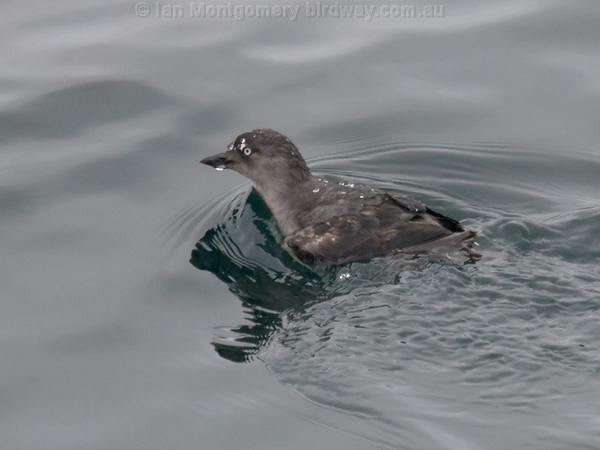
Cassin’s Auklet In Trouble

Cassin's Auklet (Ptychoramphus aleuticus) by Ian

Cassin’s Auklet (Ptychoramphus aleuticus) by Ian

While reading the Sunday paper, I noticed an article about the Cassin’s Auklet being in trouble. There is a big “die-off” happening on the West Coast that has scientist baffled. Wanted to find out about this bird, so here is some information about them.

Cassin’s Auklet (Ptychoramphus aleuticus) is a small, chunky seabird that ranges widely in the North Pacific. It nests in small burrows and because of its presence on well studied islands in British Columbia and off California it is one of the better known auks. It is named for John Cassin, a Pennsylvania businessman and naturalist.

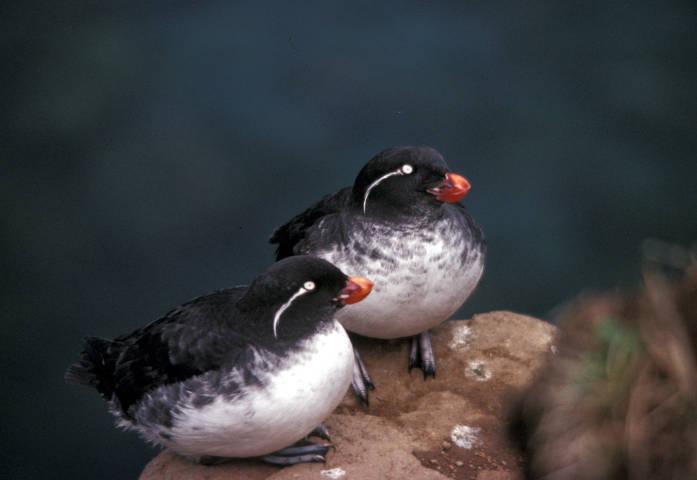
Parakeet Auklet (Aethia psittacula) ©USFWS

Parakeet Auklet (Aethia psittacula) ©USFWS

They belong to the Alcidae – Auks Family which has 25 members. There are Auks, Murres, Guillemots, Murrelets, Auklets, and Puffins in family. Auks are superficially similar to penguins having black-and-white colours, upright posture and some of their habits. Nevertheless they are not closely related to penguins,

Auks live on the open sea and only go ashore for breeding, although some species, like the common guillemot, spend a great part of the year defending their nesting spot from others.

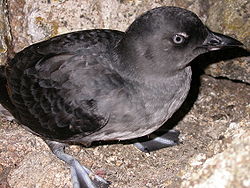
The Cassin’s Auklet are nondescript, usually dark above and pale below, with a small white mark above the eye. Its bill is overall dark with a pale spot, and its feet are blue. Unlike many other auks the Cassin’s auklet lacks dramatic breeding plumage, remaining the same over most of the year. “At sea it is usually identified by its flight, which is described as looking like a flying tennis ball”

“…Strong is thy dwellingplace, and thou puttest thy nest in a rock.” (Numbers 24:21b KJV)

The Cassin’s auklet nests in burrows on small islands, and in the southern area of its range may be found in the breeding colony year round. It either digs holes in the soil or uses natural cracks and crevices to nest in, also readily using man-made structures. Pairs will show a strong loyalty towards each other and to a nesting site for many years. Both the parents incubate the single white egg, returning to swap shifts at night to avoid being taken by predators such as the western gull or peregrine falcon. They also depart from the colony before dawn.

Cassin's Auklet (Ptychoramphus aleuticus) ©WiciC

Cassin’s Auklet (Ptychoramphus aleuticus) ©WiciC

At sea Cassin’s Auklets feeds offshore, in clear often pelagic water, often associating with bathymetric landmarks such as underwater canyons and upwellings. Numbers at sea may be grossly underestimated because the bird moves away from ships at a distance of more than a kilometer. Recently their distribution around Triangle Island has been determined by telemetry. It feeds by diving underwater beating its wings for propulsion, hunting down large zooplankton, especially krill. It can dive to 30 m below the surface, and by some estimates 80 m

According to the article Pacific Coast Sea Bird Die-Off Puzzles Scientists: “Scientists are trying to figure out what’s behind the deaths of seabirds that have been found by the hundreds along the Pacific Coast since October. Mass die-offs …have been reported from British Columbia to San Luis Obispo, California.

“To be this lengthy and geographically widespread, I think is kind of unprecedented,” Phillip Johnson told the reporter.

“The birds appear to be starving to death, so experts don’t believe a toxin is the culprit…. But why the birds can’t find food is a mystery.”

“Researchers say it could be the result of a successful breeding season, leading to too many young birds competing for food. Unusually violent storms might be pushing the birds into areas they’re not used to or preventing them from foraging. Or a warmer, more acidic ocean could be affecting the supply of tiny zooplankton, such as krill, that the birds eat.”

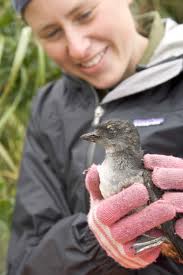
Cassin’s Auklet (Ptychoramphus aleuticus) by Ian

On December 26th of 132 dead birds found on the beach at Tillamook, Oregon, 126 were Cassin’s Auklets.

One thing is for sure, this issue has not caught the Lord by surprise. We were given dominion over the birds and part of that is to help preserve our birds. I am glad the scientist are digging into this issue to hopefully find an answer.

“And God said, Let us make man in our image, after our likeness: and let them have dominion over the fish of the sea, and over the fowl of the air, and over the cattle, and over all the earth, and over every creeping thing that creepeth upon the earth.” (Genesis 1:26 KJV)

Cool Facts from About Birds

  • The Cassin’s Auklet is the only alcid known to produce two broods in a single breeding season, at least in the southern part of the range where birds may be seen at nesting colonies every month of the year.
  • Vulnerable to predators, especially large gulls, the Cassin’s Auklet tends to visit its nest at night.
  • The Cassin’s Auklet is named for John Cassin, a Pennsylvania businessman and naturalist.
  • A group of auks has many collective nouns, including a “colony”, “loomery”, and “raft” of auks.

(Information from Wikipedia and other internet sources)

*

*

Sunday Inspiration – Flamingo Gardens

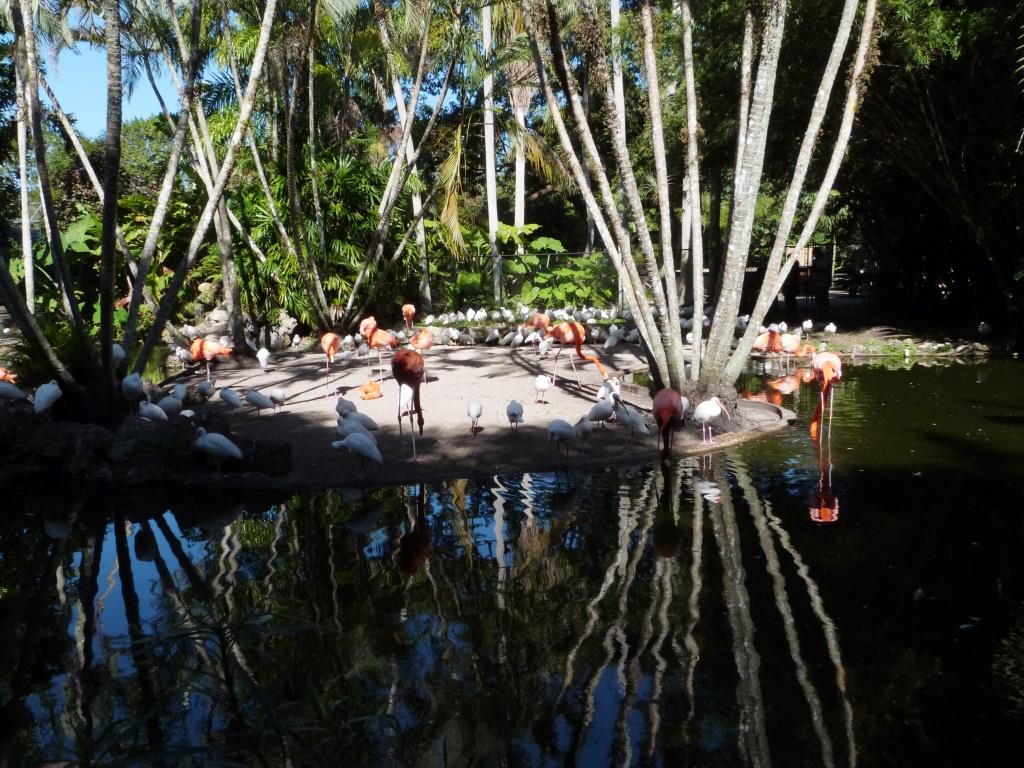
Birds at Flamingo Gardens by Lee 2014

Birds at Flamingo Gardens by Lee 2014

When Jesus had spoken these words, he went forth with his disciples over the brook Cedron, where was a garden, into the which he entered, and his disciples. And Judas also, which betrayed him, knew the place: for Jesus ofttimes resorted thither with his disciples. (John 18:1-2 KJV)

…Did not I see thee in the garden with him? (John 18:26 KJV)

Dan and I stopped at Flamingo Gardens in Davie, Florida in November. Realized I haven’t said anything about it and decided to share some of the photos taken then.

We were there many years ago when they first opened. We lived in the area at the time. Flamingo Garden has grown and is a very delightful place to visit. They have an aviary which contains Florida native birds. Many have been injured and cannot be released to the wild again.

Please enjoy some of the sights as you listen to our orchestra play In “The Garden”. (Click arrow below the slideshow)

This slideshow requires JavaScript.


“In The Garden” ~ Faith Baptist Orchestra with Flute Solo by Lauren D

*

Sunday Inspirations

Flamingo Gardens

Gideon

*

Birds of the Bible – Eye Hath Not Seen

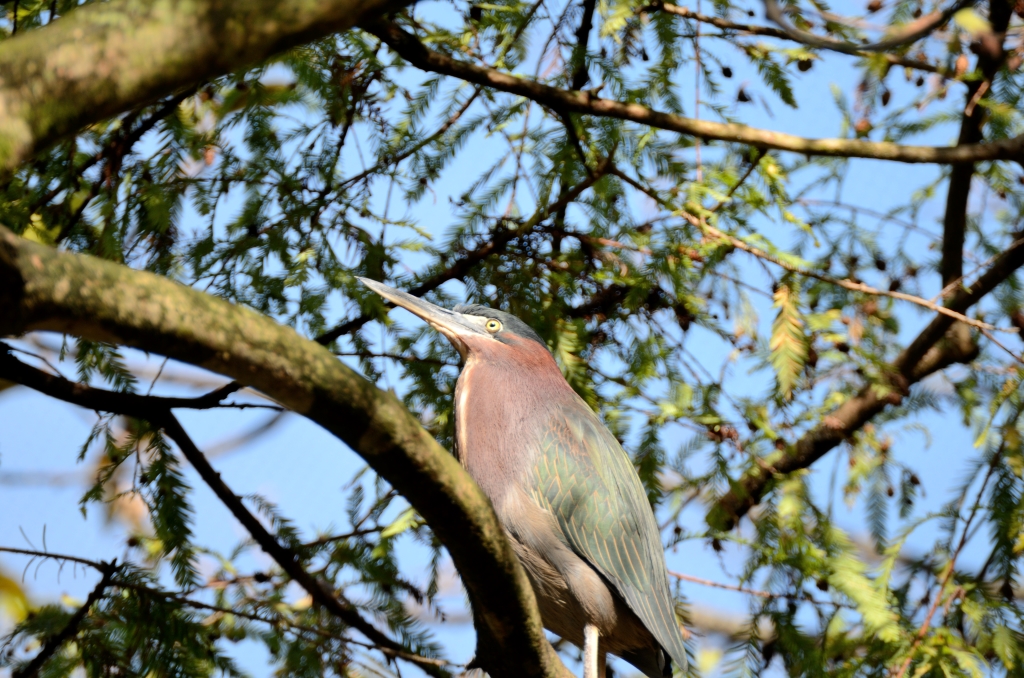
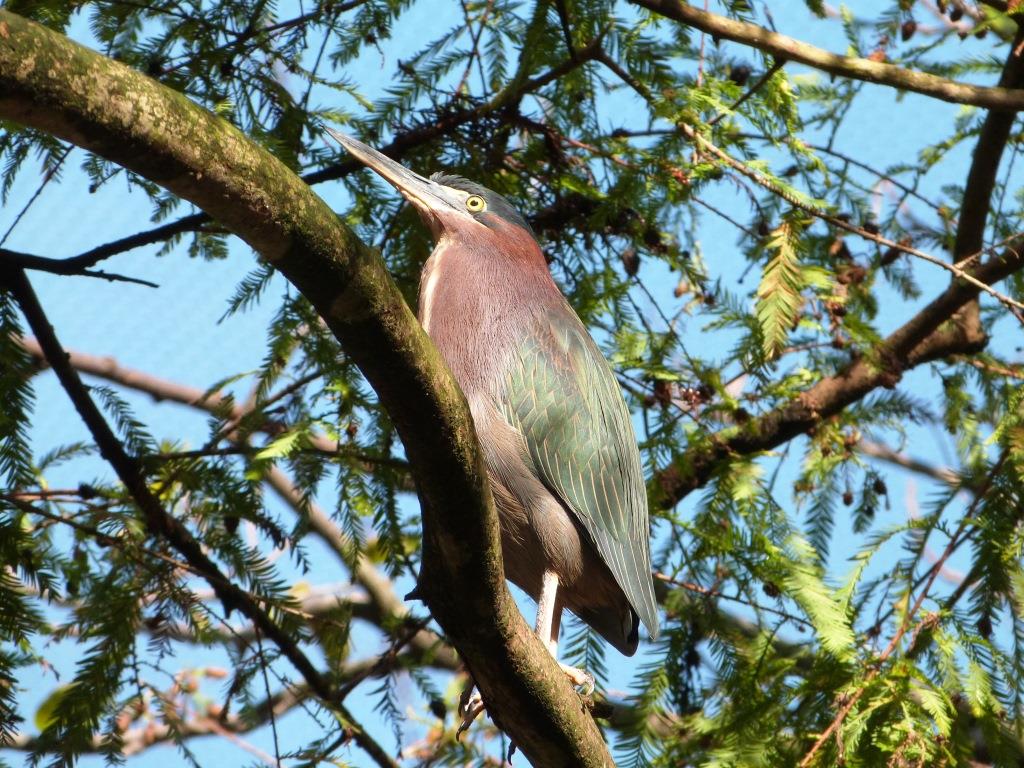
Green Heron at Flamingo Gardens by Lee 2014
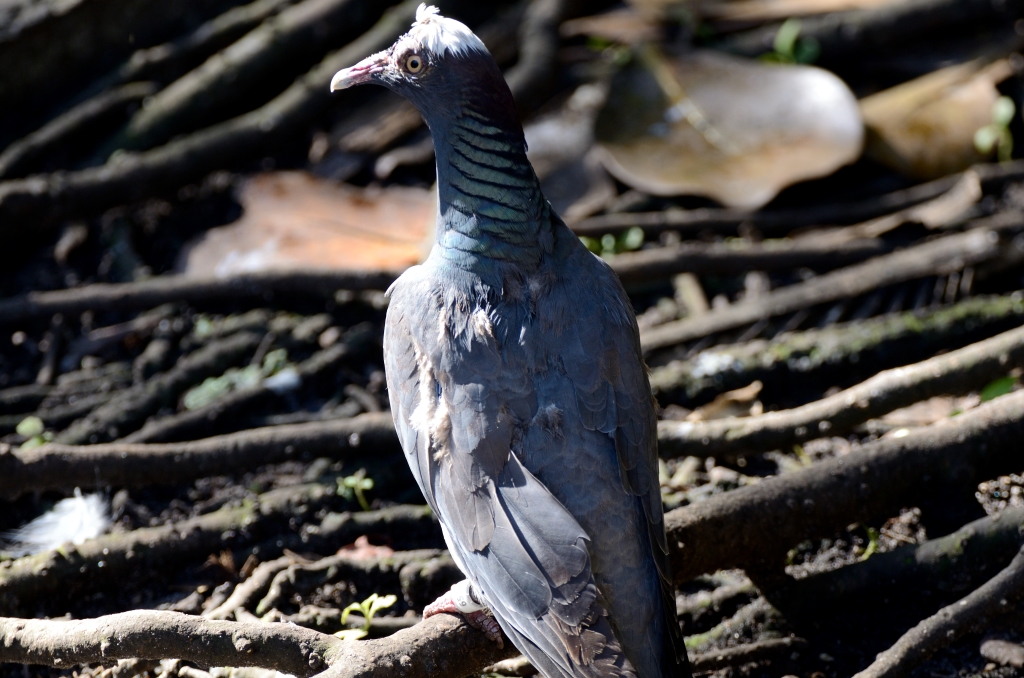
Green Heron at Flamingo Gardens by Lee 2014

But as it is written, Eye hath not seen, nor ear heard, neither have entered into the heart of man, the things which God hath prepared for them that love him. But God hath revealed them unto us by his Spirit: for the Spirit searcheth all things, yea, the deep things of God. (1 Corinthians 2:9-10 KJV)

We see all the world around us and see all the magnificent birds the Lord has created, yet they are nothing compared to what “God hath prepared for them that love him” I trust that you do love God and have accepted His Son as your Savior. Then, you will see what has been revealed and what will yet be revealed.

For now, let’s enjoy what we can see of the Lord’s Creative Hand at work.

O LORD, how manifold are thy works! in wisdom hast thou made them all: the earth is full of thy riches. (Psalms 104:24 KJV)

Some of the birds we saw in 2014:

This slideshow requires JavaScript.

P.S. My First Bird of 2015 was a Boat-tailed Grackle that visited the feeders. Followed close behind were Mourning Doves and Red-winged Blackbirds. Woke up with a sore throat, so that was my birdwatching adventure of the new year so far.

*

Good News

*


2014 in Review

The WordPress.com stats helper monkeys prepared a 2014 annual report for this blog.

Here’s an excerpt:

The Louvre Museum has 8.5 million visitors per year. This blog was viewed about 220,000 times in 2014. If it were an exhibit at the Louvre Museum, it would take about 9 days for that many people to see it.

Click here to see the complete report.

Thank you for all your visits to this blog during 2014. This is encouraging and keeps us motivated to “keep on keeping on.” May we all have a great 2015!

“That I may publish with the voice of thanksgiving, and tell of all thy wondrous works. (Psalms 26:7 KJV)

Lord Bless You In 2015!

Happy New Year!

*

1,300-Year Old Recording Discovered? – Re-post

1,300-YEAR OLD RECORDING DISCOVERED?

©©Creation Moments 2014

“And his brother’s name was Jubal: he was the father of all such as handle the harp and organ.” Genesis 4:21
If you’ve ever seen any photographs of Mayan pyramids, you will probably remember that they typically have a large set of stairs going to the top. Now an acoustics expert offers some interesting evidence that these steps may in fact be the world’s oldest recording.

Pyramid of Kukulkan at Chichen Itza, Mexico

Pyramid of Kukulkan at Chichen Itza, Mexico

If you stand before the stairway of the Pyramid of Kukulkan at Chichen Itza, Mexico, and clap your hands, you will hear a curious, descending echo. If you are familiar with the quetzal, whose feathers the ancient Mayans treasured, the echo will remind you of the call of this bird. The bright green and red quetzal has long tail feathers that can be over two feet long. When sonograms of its call were compared to sonograms of the echo returning off the steps of this pyramid, they were surprisingly close. Both begin at a frequency of about 1,500 hertz and fall at the same rate to less than 1,000 hertz! Making this even more interesting is the fact that the pyramid itself has a picture of Quetzalcoatl wearing a coat of quetzal feathers. According to legend, Quetzalcoatl was half quetzal. Traditional Mayan scholars don’t doubt that the Mayans were clever enough to have purposely built the pyramid to provide this echo, and acoustics experts have found a similar echo at a temple in Uxmal, Mexico.

The Bible tells us that by the eighth generation of human beings musical instruments were in use. This pyramid may be evidence that we were created with the aptitude to understand and use sound, just as the Bible depicts in its opening chapters.

Prayer:

I thank You for the gift of sound and music, dear Father. Let me always be filled with praises for You. Amen.

Notes:

Peter Weiss, “Singing Stairs”, Science News, 1/16/99, v. 155, p. 44. Photo: Pyramid of Kukulkan at Chichen Itza, Mexico. (PD)


Resplendent Quetzal (Pharomachrus mocinno) Reinier Munguia

Resplendent Quetzal (Pharomachrus mocinno) Reinier Munguia

Lee’s Addition:

“They sing to the tambourine and harp, And rejoice to the sound of the flute”. (Job 21:12 NKJV)

Quetzels are members of the Trogonidae – Trogons Family. There are 6 Quetzels among the 43 members of the family. They are beautiful birds and I find this article very interesting.

Here is a recording of a Quetzal from xeno-canto:

*

Trogonidae – Trogons Family

Creation Moments

*