New I.O.C. 2.6 Version is Out

Large Grey Babbler (Turdoides malcolmi) by Ian

Large Grey Babbler (Turdoides malcolmi) by Ian

The newest version of the I.O.C list of birds has been released. Version 2.6 has made quite a few changes. It was released on October 23rd and I have started making the changes to the Birds of the World pages. (One reason I haven’t posted much.) Also making “Kindle-friendly” changes (see below).

When I started with version 2.1 there were 10,340 birds and now they have 10,417 (up from 10,396-ver. 2.5) The families have been increasing also from 224 to 222 to now 233. The ornithologist love to change things around and split and lump the species. Now they have added a new Order (from 39 to 40).

They have already start planning for the 2.7 version. Talk about change. For every change they make every 3 months or so, I have to update this website. This new version is going to call for new pages to be made for that new Order and the new Families, plus the spelling changes. Not complaining, just explaining why the guest writers may be posting more than me.

As for the birds, they are for the most part, the same. It is just how the ornithologist look at them. Some grew a new colored feather and they gave it a new name, and some lost a feather and now it is put back into another group. (Just kidding.) They do work very hard in trying to figure what bird belongs where. The DNA studies that are ongoing are letting them see that the birds are related in different ways than they thought.

So God created … every winged bird according to its kind. And God saw that it was good. And God blessed them, saying, “Be fruitful and let birds multiply on the earth.” And there was evening and there was morning, the fifth day. (Genesis 1:21-23 ESV)

We do know that God told the birds to multiply and fill the earth and they are doing that within their kinds. Luckily, they don’t have to keep up with charts and list and web pages. They just keep looking for the next meal and raising their families.
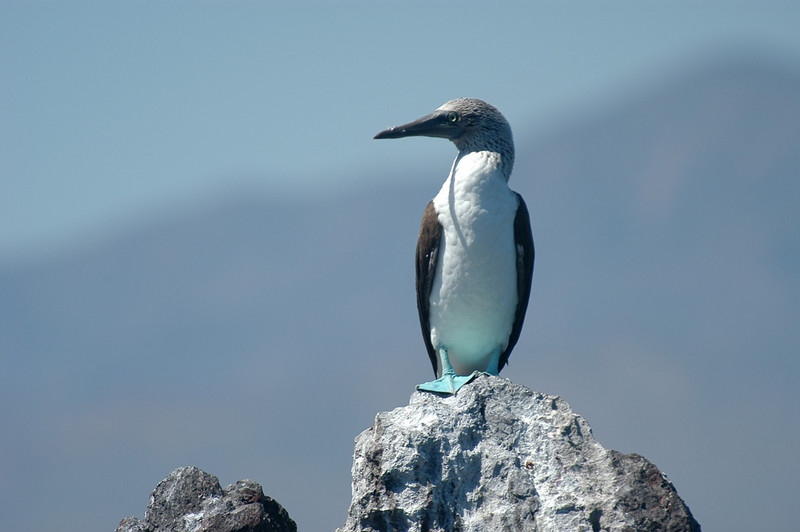
Blue-footed Booby (Sula nebouxii) by Bob-Nan

Blue-footed Booby (Sula nebouxii) by Bob-Nan

The new Order is Suliformes which includes the Frigatebirds-Fregatidae; Gannets, Boobies-Sulidae; Cormorants, Shags-Phalacrocoracidae; and the Anhingas, Darters-Anhingidae Families. (As I make the pages, a link will be provided here)

Another major change is they divided the Babblers into 5 Families -(Timaliidae, Pellorneidae, Leiothrichidae, Sylviidae, Zosteropidae). So I will be busy making and changing pages for awhile. All together the IOC: added 22 species, deleted 1; made 19 English Name changes; changed 16 Ranges; and made 180 Taxonomy changes including the new Order and the new Families mentioned.

Also, as I am making changes, I am making the pages “Kindle-friendly.” I recently got a Kindle that has 3G on it and found out that it will not let you open links, photos, or articles in a New Tab or New Window. As the pages are reworked, I am fixing those links, photos, and articles that link (internal) to this site so that they will Open in the Same Window. All the new articles in the last week or so have also been made “Kindle-friendly.” There are over 1,000 blogs and pages here, so don’t expect it to be changed over night.

Birds of the World (Internal link)

I.O.C Worldbirdnames.org (Not internal link)

*

Birds of the Bible – Ostrich II

Common Ostrich (Struthio camelus) Memphis Zoo by Lee

Common Ostrich (Struthio camelus) Memphis Zoo by Lee

Even a mother wolf will nurse her cubs, but my people are like ostriches, cruel to their young. (Lamentations 4:3 GNB)
Even jackals nurse their young, but my people are like ostriches that abandon their own. (Lamentations 4:3 CEV)

The two versions of Lamentations 4:3 are interesting. In Birds of the Bible – Ostrich, the facts about the Ostriches behavior toward their young were mentioned. Her lack of interest in raising her young by putting them in a communal nest, her “big feet”, and her lack of knowledge.

This verse in Lamentations 4, again mentions how the ostriches are cruel to their young. This time the context is referring to the punishment of Israel and how they have gone from having much and now suffering with little or nothing. Verse 2 says,

These are Zion’s people, worth more than purest gold; yet they are counted worthless like dishes of clay.

May we serve the Lord with a clean heart and keep a “short list” of things that need to be confessed. May we never get so far away from the Lord that we have to have judgment come into our lives to “wake us up.”

Luckily, those of us who know the Lord as our personal Saviour, know:

Let your conversation be without covetousness; and be content with such things as ye have: for he hath said, I will never leave thee, nor forsake thee. (Hebrews 13:5 KJV)

Somali Ostrich (Struthio molybdophanes) by P Kwong

Somali Ostrich (Struthio molybdophanes) by P Kwong

The Ostrich, Struthio camelus, is actually an interesting bird that is flightless and native to Africa. It is the only living species of its family, Struthionidae and its genus, Struthio. Ostriches share the order Struthioniformes with the kiwis, emus, and other ratites. It is distinctive in its appearance, with a long neck and legs and the ability to run at maximum speeds of about 45 mph, the top land speed of any bird. The Ostrich is the largest living species of bird and lays the largest egg of any living bird (extinct elephant birds of Madagascar and the giant moa of New Zealand laid larger eggs).

Ostriches usually weigh from 63 to 130 kilograms (140–290 lb), with exceptional male Ostriches weighing up to 155 kilograms (340 lb). The feathers of adult males are mostly black, with white primaries and a white tail. However, the tail of one subspecies is buff. Females and young males are greyish-brown and white. The head and neck of both male and female Ostriches is nearly bare, with a thin layer of down.[4][6] The skin of the females neck and thighs is pinkish gray, while the male’s is blue-gray, gray or pink dependent on subspecies.
Claws on the wings

The long neck and legs keep their head 6 to 9 ft above the ground, and their eyes are said to be the largest of any land vertebrate – 50 millimetres (2.0 in) in diameter; they can therefore perceive predators at a great distance. The eyes are shaded from sun light falling from above.

Emu Foot Lowry Pk Zoo

Emu Foot Lowry Pk Zoo

At sexual maturity (two to four years), male Ostriches can be from 5 ft 11 in to 9 ft 2 in in height, while female Ostriches range from 5 ft 7 in to 6 ft 7 in. During the first year of life, chicks grow 10 in per month. At one year of age, Ostriches weigh around 100 lb. Their lifespan is up to 40–45 years.

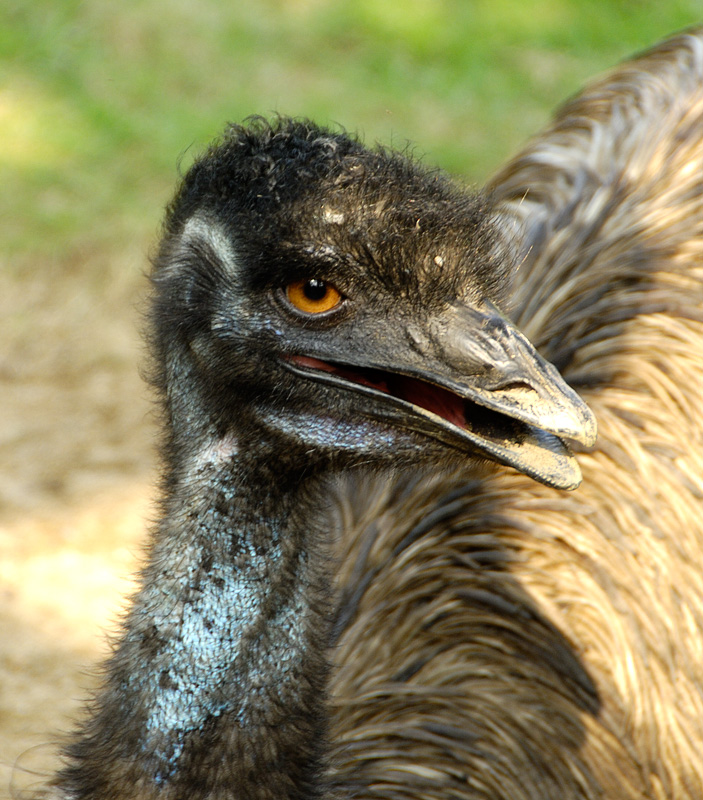
Yesterday, Dan and I were at the Lowry Park Zoo and were watching the Emu pair they have there. Took pictures of their feet and though smaller than the Ostrich, they have “big feet” also.

See Also:

Birds of the Bible – Ostrich

Ostrich

Struthionidae – Ostriches

Struthioniformes – Ostriches

*

Interesting Things – Similar Features Show Design

Gilbert Sturart's Portrait of George Washington©WikiC

Gilbert Sturart's Portrait of George Washington©WikiC

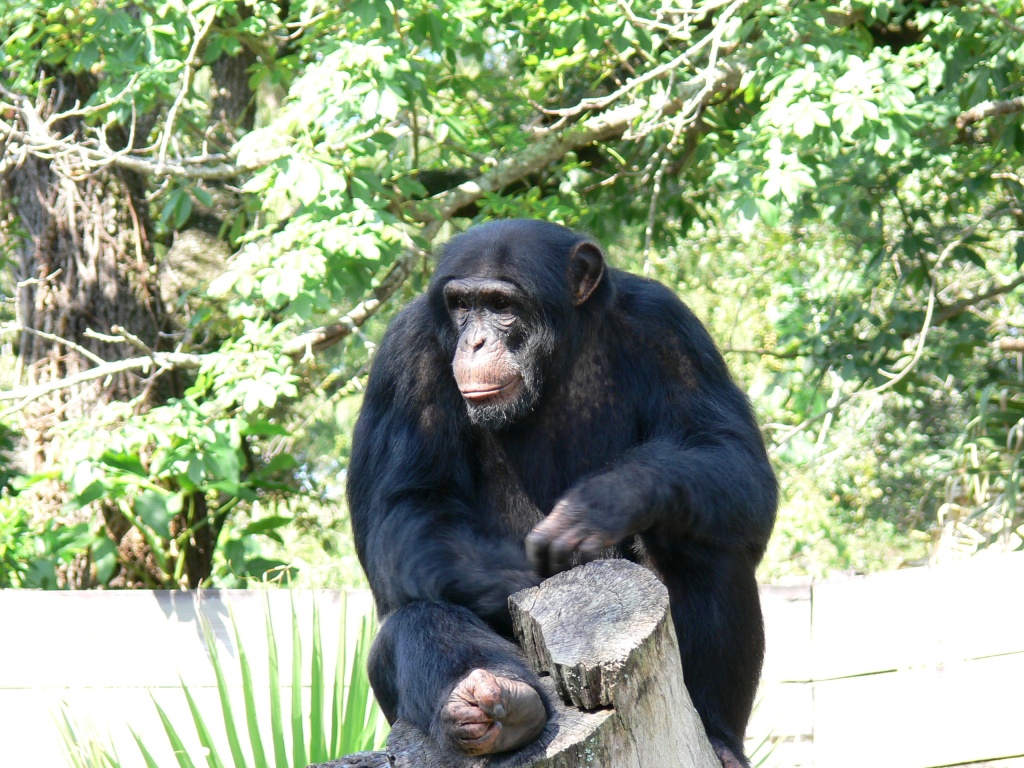
Chimpanzee at Lowry Park Zoo by Lee

Chimpanzee at Lowry Park Zoo

Similar Features Show Design, Not Universal Common Descent by Randy J. Guliuzza, P.E., M.D. is a very interesting article from the October issue of the Acts and Facts from Institute for Creation Research.

“I’m related to George Washington,” an acquaintance announced after searching his genealogical record. He also believes he is closely related to chimpanzees. Though he doesn’t really look like either, all three do share a lot of similar features.

So, are similar looks or features enough to establish whether these three are related closely, remotely, or not at all in regard to their ancestry? No. Similar looks and features can be very deceiving. A true relationship is actually a fact-based connection. A line of connected birth certificates is factual evidence that can be verified. Just comparing similar features—or even DNA—to determine related ancestry is always an inference with a probability of being right ranging from high to zero.

For the rest of the article – Click Here. It is a very good article.

*

Those Ugly Shirts

I don’t know if you were glued to your TV when the miners in Chile were taken up from their 69 day entrapment, but I was. I prayed for them that nothing would go wrong as they brought each one up and for them personally to know the Lord.

Today I received an email with a YouTube about the shirts that many were wearing. I too was curious as to what they said. Here is a great video that tells about those “ugly shirts.”

Video by iranmojdeh.

Wordless Birds

Today’s Birds of the Bible

Updated at 8:10 pm

They are all finished. Hope you enjoy reading them.

********

Today, instead of doing my regular Birds of the Bible article, I am going to try to finish the Scripture Alphabet of Animals series. I have all the birds finished and am working hard to finish the rest of the animals today. All throughout the day, new articles will be posted as they are completed. I will be updating the index to the article (below) as I finish each one.

I trust you have enjoyed reading them as much as I have as the articles are being “modernized.” Harriet N Cook was a very good writer and trust she would have approved of the way that they are being handled here.

Lee

Learning from the Birds – Overwhelmed

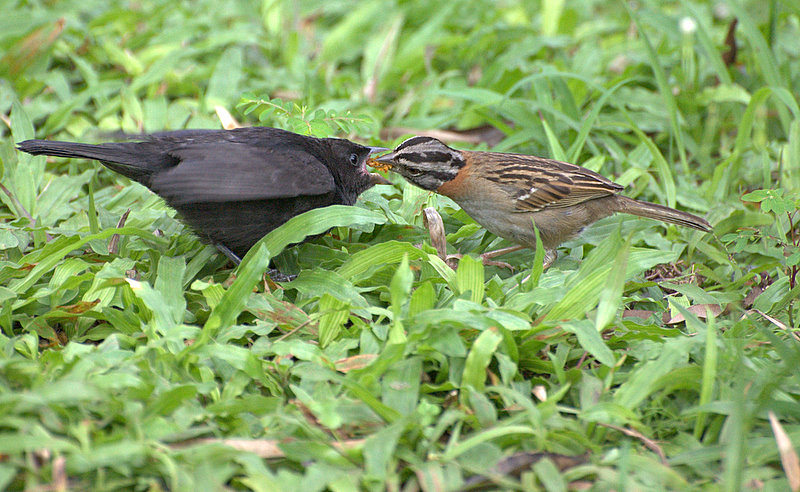
A Shiny Cowbird (Molothrus bonariensis) chick being fed by a Rufous-collared Sparrow (Zonotrichia Capensis)

A Shiny Cowbird (Molothrus bonariensis) chick being fed by a Rufous-collared Sparrow (Zonotrichia Capensis)

But now ask the beasts, and they will teach you; And the birds of the air, and they will tell you; (Job 12:7 NKJV)

Brood parasites are organisms that use the strategy of brood parasitism, found among birds, fish or insects, involving the manipulation and use of host individuals either of the same or different species to raise the young of the brood-parasite. This relieves the parasitic parent from the investment of rearing young or building nests, enabling them to spend more time foraging, producing offspring etc. Additionally, the risk of egg loss to raiders such as raccoons is mitigated, by having distributed the eggs amongst a number of different nests. As this behavior is damaging to the host, it will often result conflict between parasite and host.

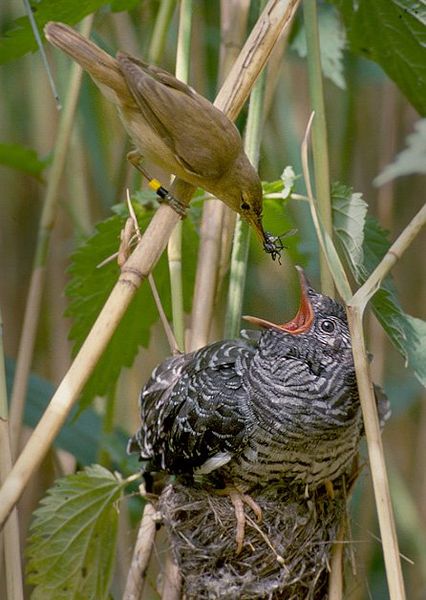
Common Cuckoo (Cuculus canorus) being raised by a Reed Warbler©WikiC

Common Cuckoo (Cuculus canorus) being raised by a Reed Warbler©WikiC

Interspecific brood-parasites include the Old World Cuckoos in Eurasia and Australia, Cowbirds and Black-headed Ducks in the Americas, and Indigobirds, Whydahs, and the Honeyguides in Africa.

Among specialist avian brood parasites, mimetic eggs are a nearly universal adaptation. There is even some evidence that the generalist Brown-headed Cowbird may have developed an egg coloration mimicking a number of their hosts.

Most avian brood parasites will remove a host egg when they lay one of their own in a nest. Depending upon the species, this can happen either in the same visit to the host nest or in a separate visit before or after the parasitism. This both prevents the host species from realizing their nest has been parasitized and reduces competition for the parasitic nestling once it hatches.

Most avian brood parasites have very short egg incubation periods and rapid nestling growth. This gives the parasitic nestling a head start on growth over its nestmates, allowing it to outcompete them. In cases where the host nestlings are significantly smaller than the parasite nestling, the host nestlings will often starve to death. Some brood parasites will eliminate all their nestmates shortly after hatching, either by ejecting them from the nest or killing them with sharp mandible hooks which fall off after a few days.

Whoa! This is NOT NICE! What is so amazing is that if not detected in time, many times the birds do find the intruding egg and toss it out, but most times, the unsuspecting parents raise this young bird as if it were it’s own.

What can we, as observers of this behavior, learn from the birds? I want to consider the host birds who have quite a challenge to face. They either fix the problem or they could be very “overwhelmed” with situation at hand.

My first thoughts were from a physical need. When faced with a health problem, we pray and visit the doctors and try to remedy the situation. Sometimes the ailment is not cured and we may be faced with an “overwhelming” need. Do we accept whatever the outcome and:

Not that I speak in regard to need, for I have learned in whatever state I am, to be content: (Philippians 4:11 NKJV)

Another lesson that could by learned by observing this “overwhelming” task might be in sharing the load. Often in churches, the ones who are willing to serve the Lord become very involved because of others not volunteering or helping. They keep taking on more responsibilities, not complaining, but in time they could become “overwhelmed.” We should find a way to:

Bear one another’s burdens, and so fulfill the law of Christ. (Galatians 6:2 NKJV)

Though one may be overpowered by another, two can withstand him. And a threefold cord is not quickly broken. (Ecclesiastes 4:12 NKJV)

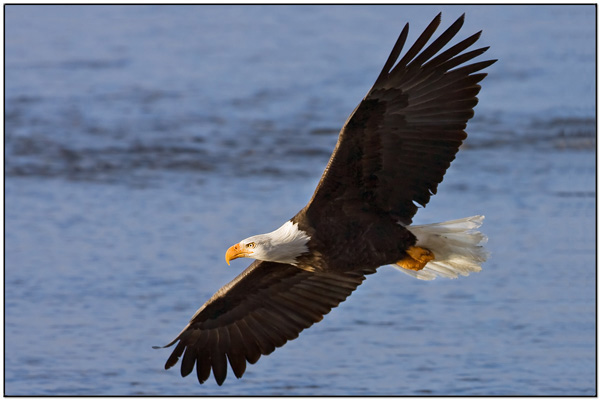
Bald Eagle flying by Dave's BirdingPix

Bald Eagle flying by Dave's BirdingPix

The host birds accept the situation and do the best they can to raise the young bird. How do they do that? One worm at a time! When we become “overwhelmed,” that is just what we need do. No! Not by catching worms, but by taking one step at a time and harkening to the following promises:

But ye, brethren, be not weary in well doing. (2 Thessalonians 3:13 KJV)

And let us not be weary in well doing: for in due season we shall reap, if we faint not. (Galatians 6:9 KJV)

I can do all things through Christ which strengtheneth me.
(Philippians 4:13 KJV)

But they that wait upon the LORD shall renew their strength; they shall mount up with wings as eagles; they shall run, and not be weary; and they shall walk, and not faint. (Isaiah 40:31 KJV)

(Some information from Wikipedia)
*

Harriet Newell Cook – Scripture Alphabet of Animals

Scripture Alphabet of Animals

Harriet Newell Cook (1814-1843) – author of Scripture Alphabet of Animals

Baudet Donkey - Shaky and Brown

Baudet Donkey – Shaky and Brown

While looking for the quoted thoughts by G. D. Watson, “Others May, You Cannot,” I found the Christian Articles Website. It is loaded with articles by numerous pastors and preachers, but also other Christian writers. That is where I found Harriet N. Cook’s “Scripture Alphabet of Animals.” Her works and the others on that website are in the public domain and usable. I have decided to use her as a guest writer and produce the bird sections (finished) she wrote about. The other sections are being done also. They are listed below. Also, her books are available on Google Books and can be read on the computer or one of the eBook readers.

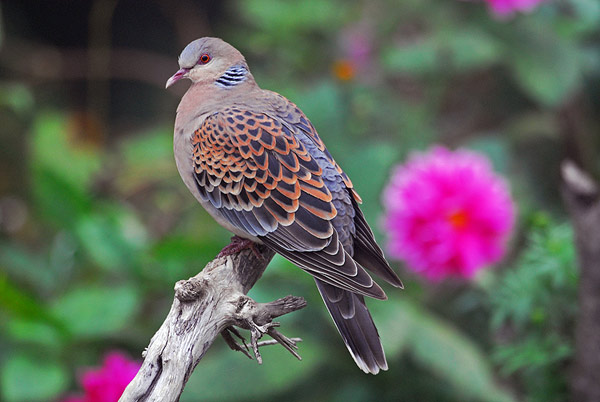
Oriental Turtle Dove (Streptopelia orientalis) by Nikhil

Oriental Turtle Dove (Streptopelia orientalis) by Nikhil

Harriet Newell Cook was born in 1814 and died in 1843. In her short 29 years of life she wrote several juvenile books and thought I would share parts of them here. “Her first volume for the young was one of Natural History, calculated to illustrate portions of the Bible, for the young, and entitled, “The Scripture Alphabet of Animals.” Nearly thirty thousand copies of the work have been printed in its English dress, and eight thousand of the German translation. The style of this work is eminently lucid…”

Her last very interesting work for the young —“The Trees, Flowers and Fruits of the Bible“– she was not permitted to finish, by reason of her death. It was completed by Miss F. M. Caulkins…” (From Memoir of Mrs. Harriet Newell Cook By Lydia Howard Sigourney, at Google Books)

Beasts, and all cattle; creeping things, and flying fowl: Kings of the earth, and all people; princes, and all judges of the earth: Both young men, and maidens; old men, and children: Let them praise the name of the LORD: for his name alone is excellent; his glory is above the earth and heaven. (Psalms 148:10-13 KJV)

It was difficult finding information about her personally. Also, I couldn’t find a picture of her. One thing was for certain, she appears to have loved the Lord greatly and wanted to serve Him through her writing.

See Also:

Scripture Alphabet of Animals: The Ant
Scripture Alphabet of Animals: The Ass (Donkey)
Scripture Alphabet of Animals: The Bear
Scripture Alphabet of Animals: The Bee
Scripture Alphabet of Animals: The Camel
Scripture Alphabet of Animals: The Dog
Scripture Alphabet of Animals: The Eagle
Scripture Alphabet of Animals: The Fox or Jackal
Scripture Alphabet of Animals: The Goat
Scripture Alphabet of Animals: The Hart and Hind
Scripture Alphabet of Animals: The Horse
Scripture Alphabet of Animals: The Ibex or the Wild Goat
Scripture Alphabet of Animals: The Jerboa or Mouse
Scripture Alphabet of Animals: The Kite
Scripture Alphabet of Animals: The Leopard
Scripture Alphabet of Animals: The Lion
Scripture Alphabet of Animals: The Locust
Scripture Alphabet of Animals: The Mole
Scripture Alphabet of Animals: The Night-Hawk
Scripture Alphabet of Animals: The Ostrich
Scripture Alphabet of Animals: The Peacock
Scripture Alphabet of Animals: The Quail
Scripture Alphabet of Animals: The Raven
Scripture Alphabet of Animals: The Roe or Gazelle
Scripture Alphabet of Animals: The Scorpion
Scripture Alphabet of Animals: The Sheep
Scripture Alphabet of Animals: The Stork
Scripture Alphabet of Animals: The Turtle-Dove
Scripture Alphabet of Animals: The Unicorn
Scripture Alphabet of Animals: The Vulture
Scripture Alphabet of Animals: The Whale
Scripture Alphabet of Animals: The Wolf

See:

Bible Birds

Birds of the Bible

Wordless Birds

*

Others May, You Cannot – G. D. Watson

The following challenge was on the inside cover of this month’s “Acts & Facts” from the Institute for Creation Research. It is worth sharing and is a challenge for me that I would like to live up to, with the Lord’s help. As Christians, we should strive to live for the Lord. This article was an inspiration for Dr. Henry Morris and has been for others. George Douglas Watson lived from 1845-1924 and the following is in public domain.

If anyone wishes to come after Me, he must deny himself, and take up his cross and follow Me. For whoever wishes to save his life will lose it; but whoever loses his life for My sake will find it. (Matthew 16:24-25)

“If God has called you to be truly like Jesus in all your spirit, He will draw you into a life of crucifixion and humility. He will put on you such demands of obedience that you will not be allowed to follow other Christians. In many ways, He seems to let other good people do things which He will not let you do.

Others who seem to be very religious and useful may push themselves, pull wires, and scheme to carry out their plans, but you cannot. If you attempt it, you will meet with such failure and rebuke from the Lord as to make you sorely penitent.

Others can brag about themselves, their work, their successes, their writings, but the Holy Spirit will not allow you to do any such thing. If you begin to do so, He will lead you into some deep mortification that will make you despise yourself and all your good works.

G. D. Watson (1845-1924)

Others will be allowed to succeed in making great sums of money, or having a legacy left to them, or in having luxuries, but God may supply you only on a day-to-day basis, because He wants you to have something far better than gold, a helpless dependence on Him and His unseen treasury.

The Lord may let others be honored and put forward while keeping you hidden in obscurity because He wants to produce some choice, fragrant fruit for His coming glory, which can only be produced in the shade.

God may let others be great, but keep you small. He will let others do a work for Him and get the credit, but He will make you work and toil without knowing how much you are doing. Then, to make your work still more precious, He will let others get the credit for the work which you have done; this to teach you the message of the Cross, humility, and something of the value of being cloaked with His nature.

The Holy Spirit will put a strict watch on you, and with a jealous love rebuke you for careless words and feelings, or for wasting your time, which other Christians never seem distressed over.

So make up your mind that God is an infinite Sovereign and has a right to do as He pleases with His own, and that He may not explain to you a thousand things which may puzzle your reason in His dealings with you.

God will take you at your word. If you absolutely sell yourself to be His slave, He will wrap you up in a jealous love and let other people say and do many things that you cannot. Settle it forever; you are to deal directly with the Holy Spirit, He is to have the privilege of tying your tongue or chaining your hand or closing your eyes in ways which others are not dealt with. However, know this great secret of the Kingdom: When you are so completely possessed with the Living God that you are, in your secret heart, pleased and delighted over this peculiar, personal, private, jealous guardianship and management of the Holy Spirit over your life, you will have found the vestibule of heaven, the high calling of God.”

Quote taken from Christian Articles – G.D.Watson page

*

Birdwatching – South Lake Howard Nature Park – 10/2/10

South Lake Howard Nature Park, Winter Haven, FL

South Lake Howard Nature Park, Winter Haven, FL

Saturday, Dan and I were back out birdwatching and enjoying God’s creation. This time we stopped by the South Lake Howard Nature Park in Winter Haven. It was another beautiful “cooler” day like Friday at Circle B.

He put another story before them, saying, The kingdom of heaven is like a grain of mustard seed which a man took and put in his field: Which is smaller than all seeds; but when it has come up it is greater than the plants, and becomes a tree, so that the birds of heaven come and make their resting-places in its branches. (Matthew 13:31-32 BBE)

Testing Camera on a White Ibis

Testing Camera on a White Ibis

We were only testing out my camera this time. After missing so many great photos at the Circle B and other outings, we stopped by Marshall’s Camera Shop in Auburndale that afternoon to discuss my camera’s problem. It had been acting up for some time and it wouldn’t auto-focus right. After some adjustments and an attempt to sell me a new Canon, I was satisfied to try some more with my faithful Panasonic Lumix point-and-shoot, always on “program” mode or “video” mode camera. (I’ll leave all those f-stops and ISO’s for the photographers who know what there doing, like Dan, Ian, and my great photographers.) I shoot “proof-shots” (I saw it) and “ID shots” (What was that bird?).

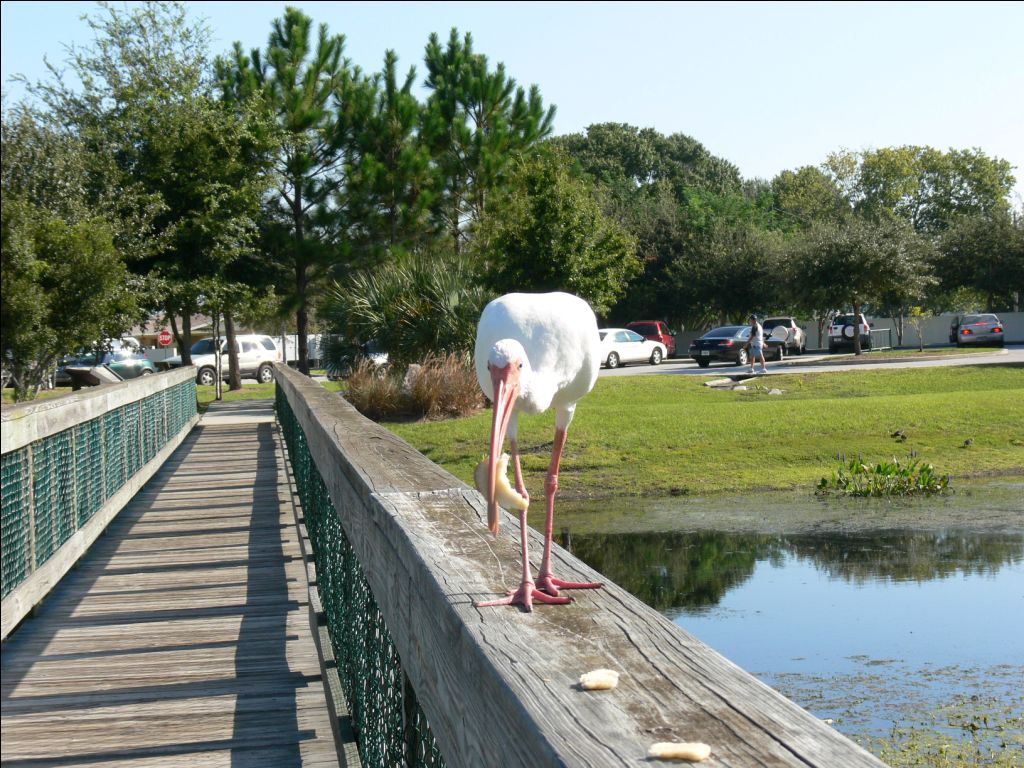
White Ibis on Rail at S. Lake Howard

White Ibis on Rail at S. Lake Howard

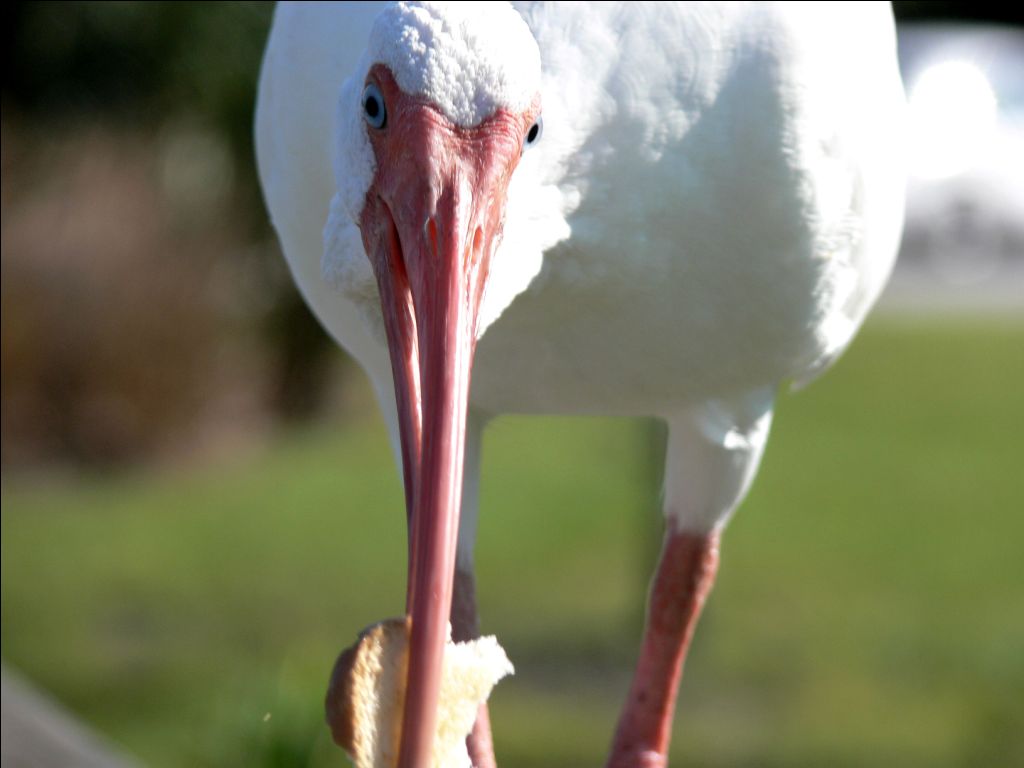
White Ibis on Rail up close

White Ibis on Rail up close

With the camera in hand, we checked out the park and managed to see 18 different species and the camera was behaving much better. The birds we observed were small in number again, like Friday. Not sure why the birds haven’t gotten back down here yet. Hope that big storm that went up the East Coast lately didn’t mess up their migration trips down here.

Tricolored Heron at South Lake Howard

Tricolored Heron

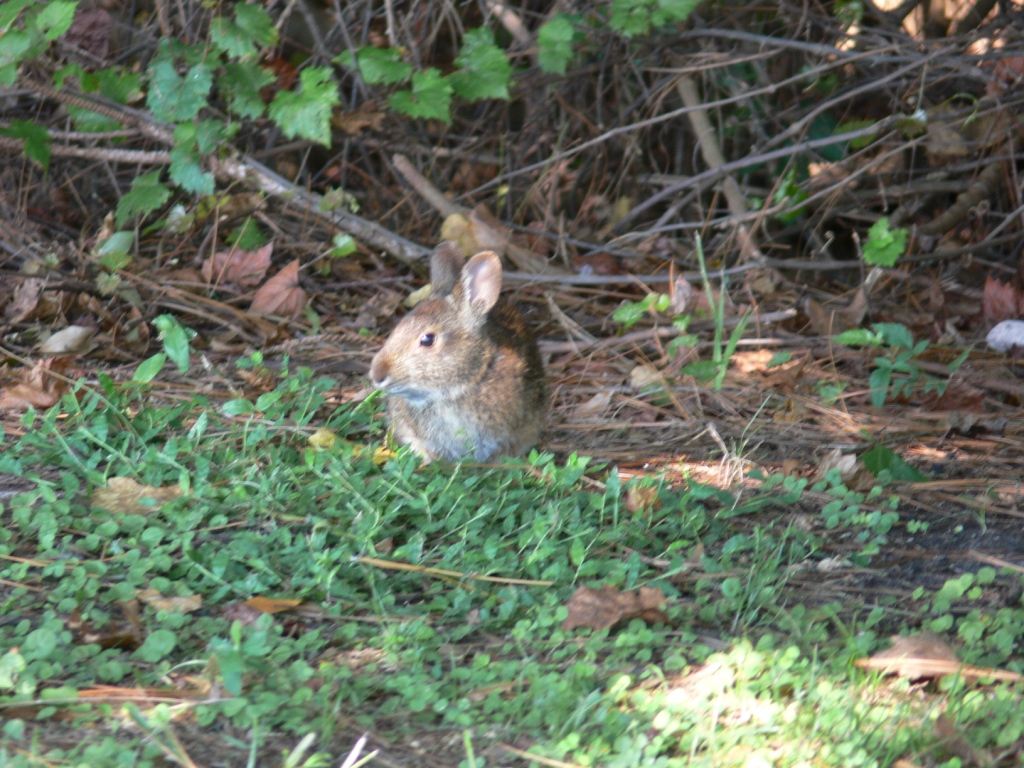
South Lake Howard - Bunny

Bunny at South Lake Howard

Here is a list of what we saw and reported to e-Bird. I didn’t report the bunny rabbit to them.

Number of species:     18
Anhinga     1
Great Blue Heron     2
Great Egret     1
Little Blue Heron     1
Tricolored Heron     2
White Ibis     10
Wood Stork     2
Osprey     2
Purple Gallinule     3
Common Moorhen     9
Mourning Dove     1
Monk Parakeet     5
Belted Kingfisher     1
Blue Jay     3
Blue-gray Gnatcatcher     1
Northern Mockingbird     2
Red-winged Blackbird     2
Boat-tailed Grackle     3

For more visits to South Lake Howard Nature Park.

*

Birdwatching at Circle B – 10/01/2010

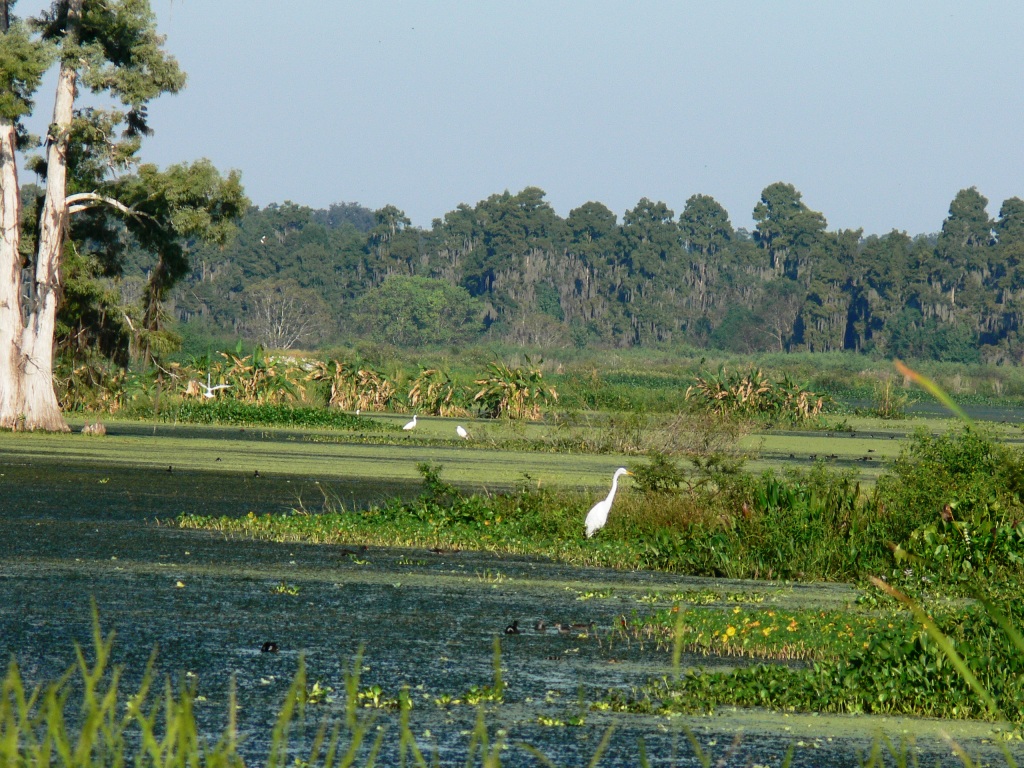
Circle B Bar Reserve View

Circle B Bar Reserve View on 10-1-10

Now that the weather is improving and the humidity is becoming bearable, it’s time to go birdwatching again. Actually we have been out several times in the last few week. We made a trip a few weeks ago to Fort Desoto in Pinellas County. I am still trying to figure out which birds we saw at the beach. I’ll save those birds for another blog. It was a delightful day to be out birdwatching.

This is the day the LORD has made; We will rejoice and be glad in it. … God is the LORD, And He has given us light; (Psalms 118:24, 27a NKJV)

Yesterday, 10-1-10 we went to the Circle B Bar Reserve to take a look around. We only went about a mile round trip. The same birds were there, but few in number. Apparently the migrants that spend the winter haven’t arrive yet. They are just trickling in slowly. Talking to one of the volunteers out there, he agrees that the birds are behind their normal arrival.

Black Vultures Lining the tree limbs-bad shot by you get the idea

Black Vultures Lining the tree limbs-bad shot by you get the idea

We stopped by “Buzzard Beach” which is on the perimeter of the Reserve, but part of it. There were well over 100 Black Vultures lining the trees and on the ground. Unfortunately, my camera was acting up and my shots were bad.

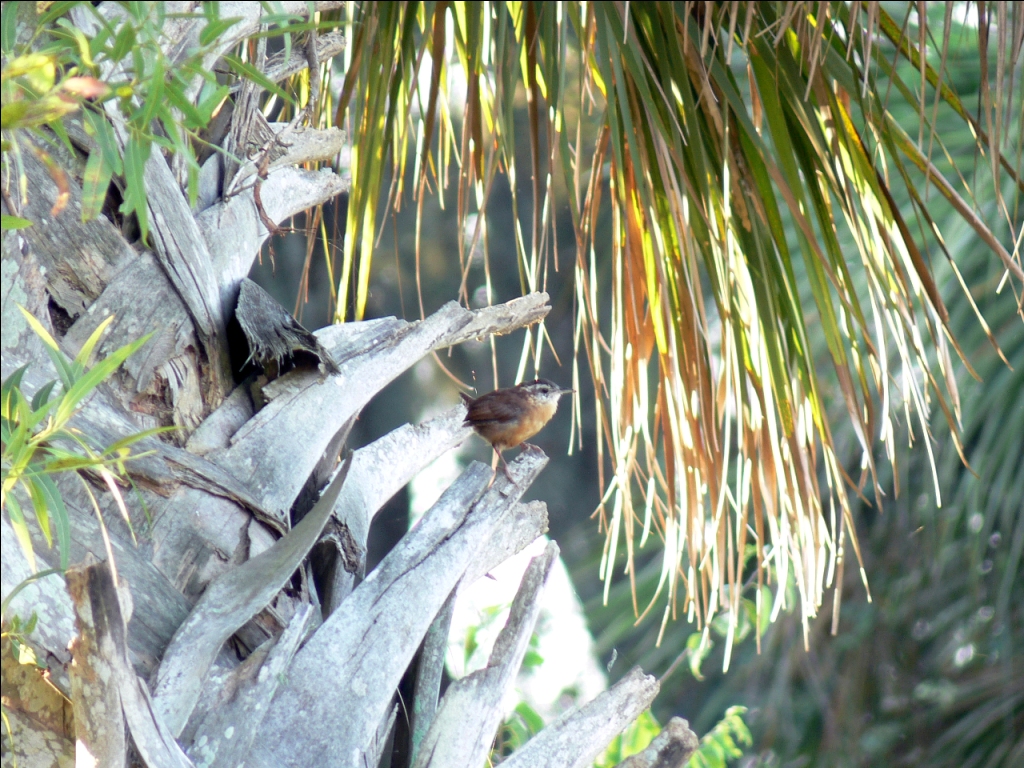
Carolina Wren (Thryothorus ludovicianus) by Lee at Circle B Bar Reserve 10-1-10

Carolina Wren (Thryothorus ludovicianus) by Lee at Circle B Bar Reserve 10-1-10

We started around 7:45 and birded for about 2 hours altogether. My prize of the day was the Carolina Wren. I have been hearing them on previous visits, but could not get one in my camera. Yesterday, I finally got a photo. There were two of them and with help from a friend, we both got them in view.

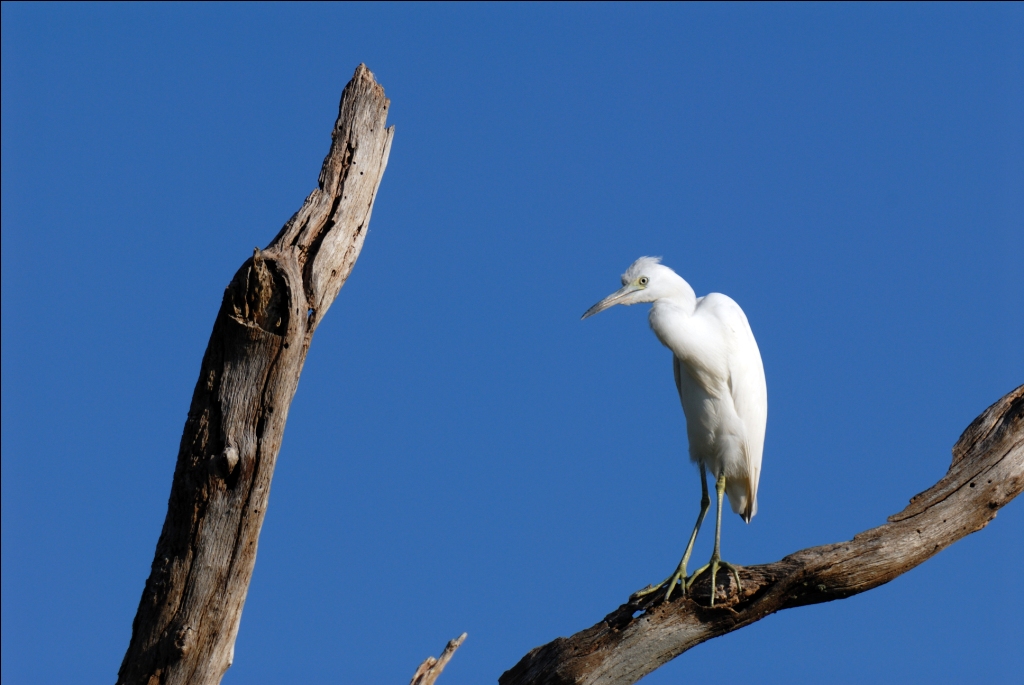
Little Blue Heron immature in a Tree by Dan at Circle B

Little Blue Heron immature in a Tree by Dan at Circle B

Another nice find was a Little Blue Heron that was immature and still in it’s White form. The rest of the birds we pretty much what we get most times out at the Circle B this time of the year.

At any rate, here is the list of birds I reported to eBird at http://ebird.org/content/ebird

Black-bellied Whistling-Duck
Blue-winged Teal
Pied-billed Grebe
Double-crested Cormorant
Anhinga
Great Blue Heron
Great Egret
Snowy Egret
Little Blue Heron
Tricolored Heron
Green Heron
White Ibis
Wood Stork
Black Vulture -100
Osprey
Cooper’s Hawk
Purple Gallinule
Common Moorhen
Sandhill Crane
Mourning Dove
Belted Kingfisher
Red-bellied Woodpecker
Pileated Woodpecker
Blue Jay
Fish Crow
Carolina Wren
Northern Mockingbird
Common Yellowthroat
Northern Cardinal
Red-winged Blackbird
Boat-tailed Grackle

Number of species:     31

For other birdwatching trips to the Circle B Bar Reserve

*

Birds of the Bible – Tamed

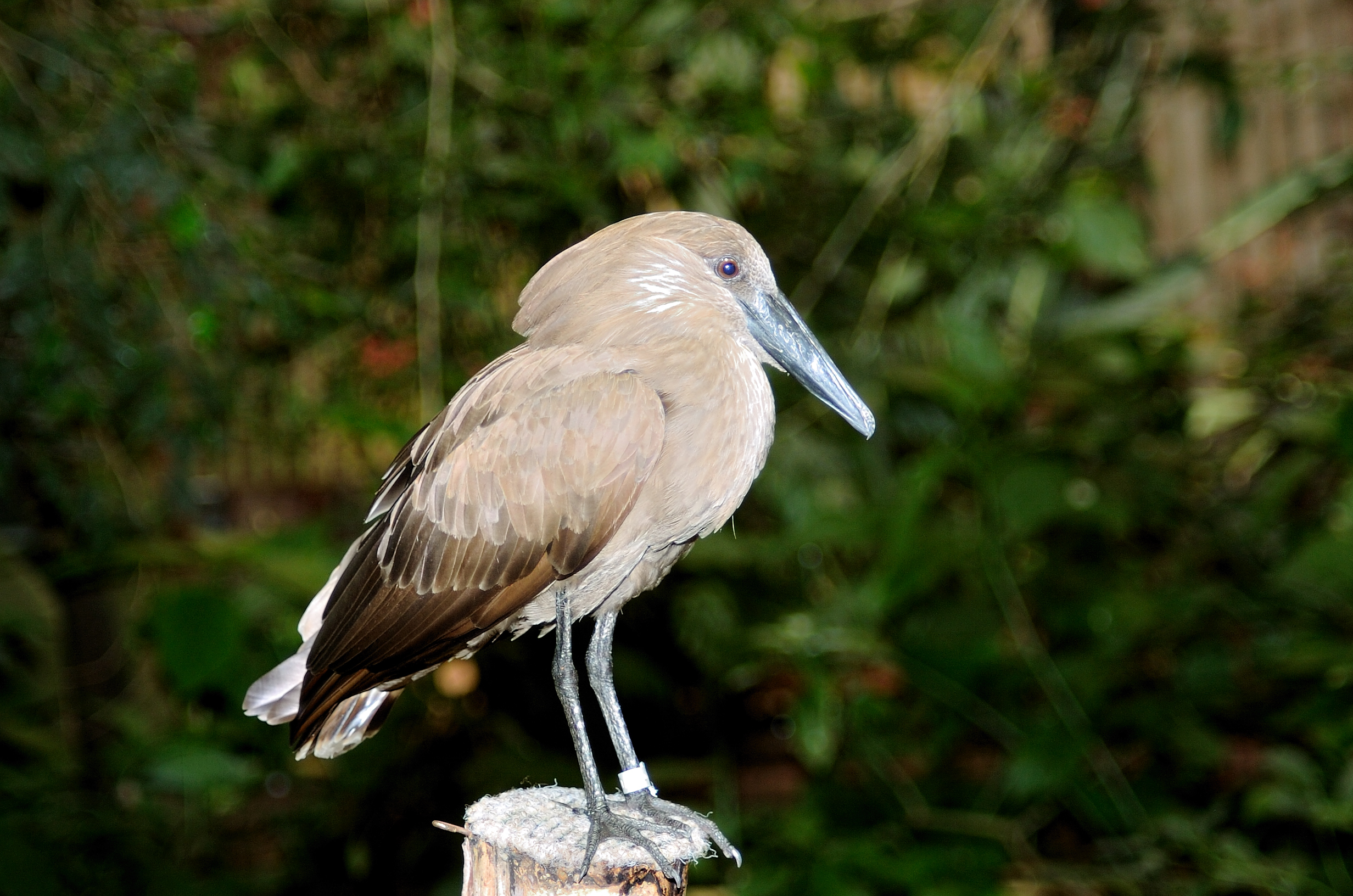
Hamerkop (Scopus umbretta) at NA by Dan

Hamerkop (Scopus umbretta) at National Aviary by Dan

Last week while Dan and I were visiting the Lowry Park Zoo in Tampa, FL, the idea for this article began. We were watching the Birds of Prey show that they have daily. We had also watched the Bird shows at the National Aviary in Pittsburgh, PA back in August.

Both places present some very interesting birds and they are not on leashes. The birds have the freedom to move around on their own, yet they do not run or fly away. They may  have been spooked at times, in Pittsburgh, and they may have to go get them, but they eventually get them back. Both places had birds flying over the heads of the spectators and doing stunts, yet they were  being controlled by the trainers. In other words, they were “tamed.”

Listening to the trainers, they tell how the birds are trained by “positive reinforcement.” The birds are encouraged  to perform for a “reward” for doing it right, but are never “punished” for not doing it right. They are just not given a “treat.” So none of the birds are mistreated.

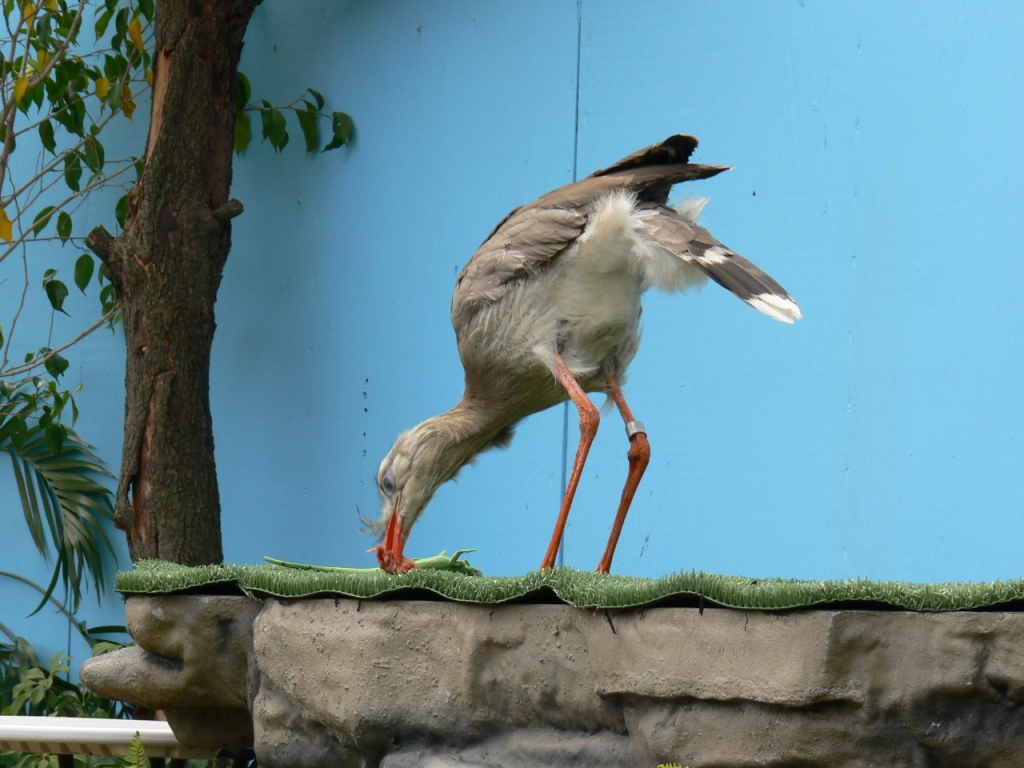
20100921 Lowry Pk Zoo Red-legged Seriema

Lowry Pk Zoo Red-legged Seriema with plastic lizard

Red-legged Seriema (Cariama cristata) by Lee at National Aviary

Red-legged Seriema (Cariama cristata) by Lee at National Aviary

What they do is encourage the bird to perform something that is already one of its behaviors. For instance, both places brought out the Red-legged Seriema, which is a bird of prey, and gave it a plastic lizard. Both birds picked it up and slung it to the floor several times. This is the normal way they kill their prey. So this was an easy task for the birds, yet the trainers had to “train or tame” the bird to where it would do its behavior on command.

The Serierma was just one of many birds doing “behaviors on command” at the Zoo and the Aviary. I felt the breezes of hawks, owls, and an eagle flying just over my head. Below is a Slide show of some of the “tamed” birds at both places.

The Bible only mentions “tame” or “tamed” in two different places. The first is mentioned in Mark 5:3-4 when a man with an unclean spirit, who dwelt in the tombs, “and no one could bind him, not even with chains, because he had often been bound with shackles and chains. And the chains had been pulled apart by him, and the shackles broken in pieces; neither could anyone tame him.” Jesus healed him.

For He said to him,  “Come out of the man, unclean spirit! (Mark 5:8 NKJV)

In James, we find the verses that tell about the birds being tamed. When we look around, we all can see many incidences of tamed critters and birds. Have you ever seen a critter tame a person? Man was given dominion over the critters in Genesis. Dominion did not mean what some think of today as subjugation, but it was more of use of, care of, learning from, and protecting them. Yet, God made man in His image, therefore man and woman are higher than the critters (all of them), not equal with them as some teach. Man has a “soul” which is accountable to God, the critters do not have a “soul.”

For every kind of beast and bird, of reptile and creature of the sea, is tamed and has been tamed by mankind. (James 3:7 NKJV)

The one thing that has a problem is the “tongue.” James goes on to say,

But no man can tame the tongue. It is an unruly evil, full of deadly poison. With it we bless our God and Father, and with it we curse men, who have been made in the similitude of God. Out of the same mouth proceed blessing and cursing. My brethren, these things ought not to be so. (James 3:8-10 NKJV)

These are some of the birds used in the shows or out and about with their trainers.

*

This slideshow requires JavaScript.

*

Birds in Songs – On Eagle’s Wings

Bald Eagle flying by Dave's BirdingPix

Bald Eagle flying by Dave's BirdingPix

I love eagles and I love this song. The song was written by Michael Joncas, in 1979 Unfortunately the words are copyrighted, so I can’t put them here on the blog, but this video has them.

Hope you enjoy the video by mhcaillesrn.

*