Double-crested Cormorant Juvenile at Indian Rocks Beach

Double-crested Cormorant by Angie at beach 7

My niece, Angie, sent the above photo of a bird they observed at the Indian Rocks Beach shore in Florida. She asked what kind of a “sea duck” it was. She was close, but the cormorant family is totally separate. I let her know that it was a juvenile Double-crested Cormorant.

She later told me that it was almost struggling to get out of the water. Angie also provided me with more photos of this youngster. I may be wrong, but, being immature, it may have become too water-logged. I have never experienced seeing one “swimming ashore”. If they were to become too wet, that could happen, I suppose. Whatever the case, enjoy seeing her sequence of another fantastic creation from our Creator. He provides for us and the avian population with provisions to help us when in need.

“Let us therefore come boldly unto the throne of grace, that we may obtain mercy, and find grace to help in time of need.” (Hebrews 4:16 KJV)

The Cormorant is listed in four verses in the Bible, therefore making it a Bird of the Bible. “And the pelican, and the gier eagle, and the cormorant,”
(Deuteronomy 14:17 KJV)

The Double-crested Cormorant (Phalacrocorax auritus) is a member of the cormorant family of seabirds. It occurs along inland waterways as well as in coastal areas, and is widely distributed across North America, from the Aleutian Islands in Alaska down to Florida and Mexico. Measuring 70–90 cm (28–35 in) in length, it is an all-black bird which gains a small double crest of black and white feathers in breeding season. It has a bare patch of orange-yellow facial skin. Five subspecies are recognized.
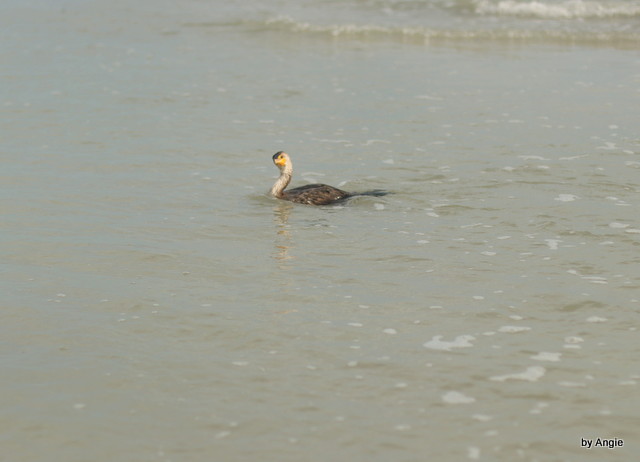
Double-crested Cormorant by Angie at beach 1
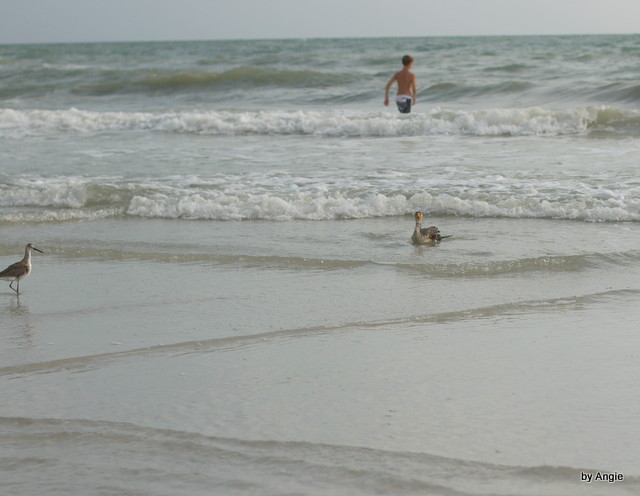
Double-crested Cormorant by Angie at beach 2
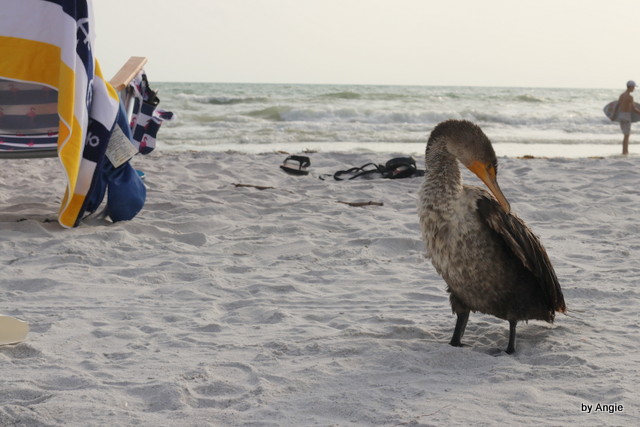
Double-crested Cormorant by Angie at beach 3

After fishing, cormorants go ashore, and are frequently seen holding their wings out in the sun. All cormorants have preen gland secretions that are used ostensibly to keep the feathers waterproof. Some sources state that cormorants have waterproof feathers while others say that they have water permeable feathers. Still others suggest that the outer plumage absorbs water but does not permit it to penetrate the layer of air next to the skin. The wing drying action is seen even in the flightless cormorant but commonly in the Antarctic shags and red-legged cormorants. Alternate functions suggested for the spread-wing posture include that it aids thermoregulation, digestion, balances the bird or indicates presence of fish. A detailed study of the great cormorant concludes that it is without doubt to dry the plumage.
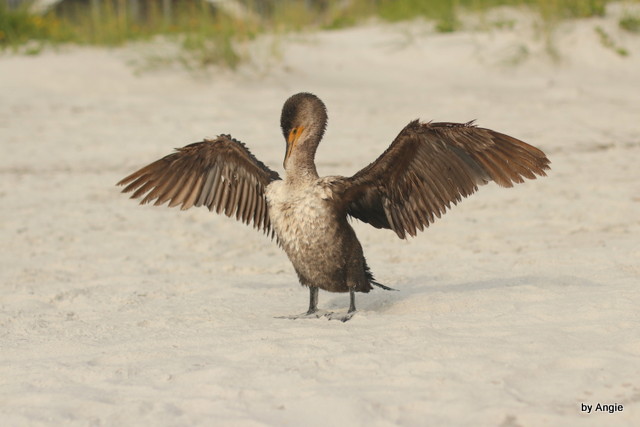
Double-crested Cormorant by Angie at beach 4
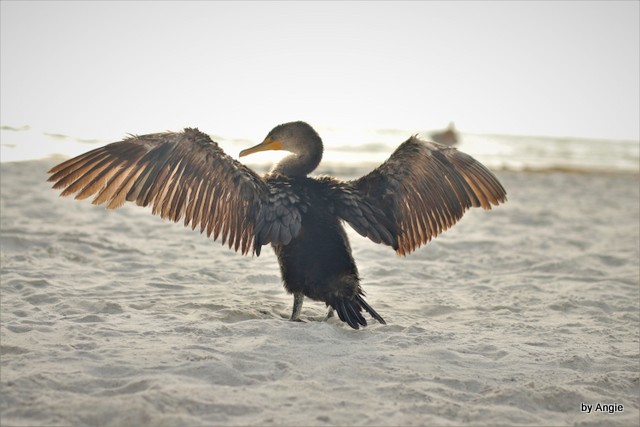
Double-crested Cormorant by Angie at beach 5
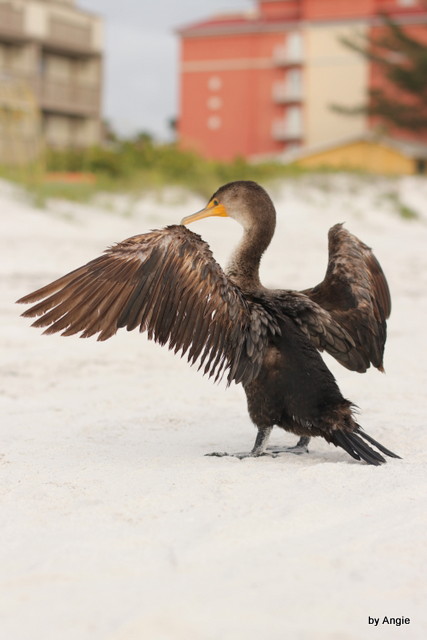
Double-crested Cormorant by Angie at beach 6

The Double-crested Cormorant (Phalacrocorax auritus) is a member of the cormorant family of seabirds. It occurs along inland waterways as well as in coastal areas, and is widely distributed across North America, from the Aleutian Islands in Alaska down to Florida and Mexico. Measuring 70–90 cm (28–35 in) in length, it is an all-black bird which gains a small double crest of black and white feathers in breeding season. It has a bare patch of orange-yellow facial skin. Five subspecies are recognized.

The double-crested cormorant is found near rivers and lakes and along the coastline. It mainly eats fish and hunts by swimming and diving. Its feathers, like those of all cormorants, are not waterproof and it must spend time drying them out after spending time in the water.

[Info from Cormorant] and Double-Crested Cormorant from Wikipedia]

Avian And Attributes – Sapphire

Sapphire Flycatcher (Ficedula sapphira) ©WikiC

“And the foundations of the wall of the city were garnished with all manner of precious stones. The first foundation was jasper; the second, sapphire; the third, a chalcedony; the fourth, an emerald;” (Revelation 21:19 KJV)


Avian and Attributes – Sapphire

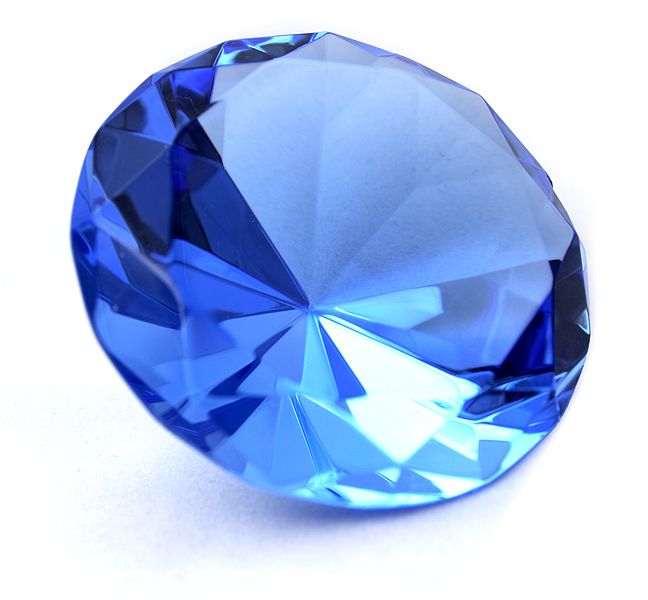
Sapphire Gem ©WikiC

SAP’PHIRE, n. [L. sapphirus; Gr. to scrape, to shine, to be fair, open, beautiful.]

A species of silicious gems or minerals, of several varieties. In hardness it is inferior to the diamond only. Its colors are blue, red, violet, yellow, green, white, or limpid, and one variety is chatoyant, and another asteriated or radiated.

Sapphire is a subspecies of rhomboidal corundum.

The oriental ruby and topaz are sapphires.

Sapphire is employed in jewelry and the arts.


Sapphire Birds

Sapphire Flycatcher

Sapphire Flycatcher (Ficedula sapphira) ©WikiC

Sapphire Quail-Dove

Sapphire Quail-Dove (Geotrygon saphirina) ©Drawing WikiC

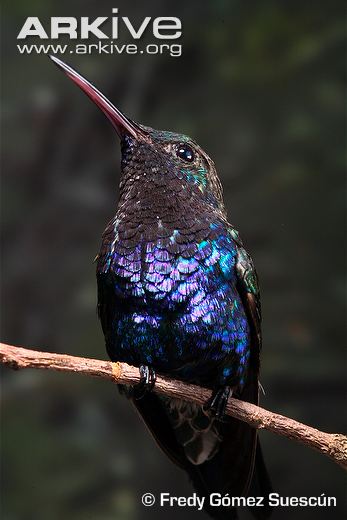
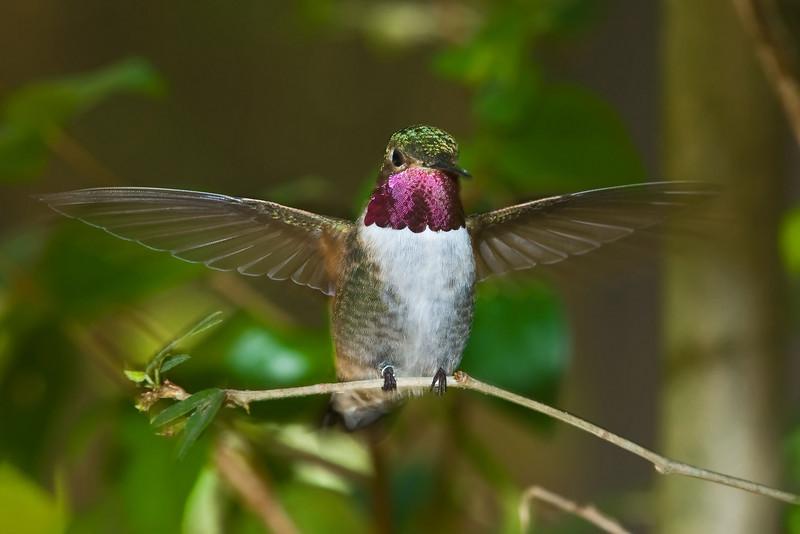
Sapphire-bellied Hummingbird

Sapphire-bellied-hummingbird-perched-on-branch ©ARKive

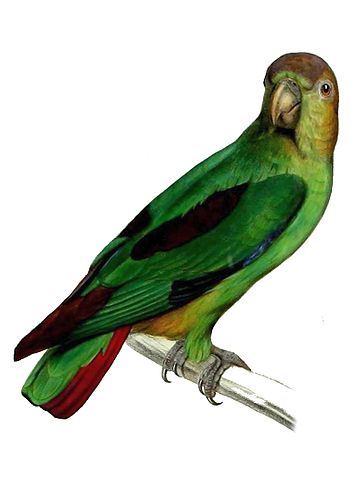
Sapphire-rumped Parrotlet

Sapphire-rumped Parrotlet ©Drawing WikiC

Sapphire-spangled Emerald

Sapphire-spangled Emerald (Amazilia lactea) by Dario Sanches

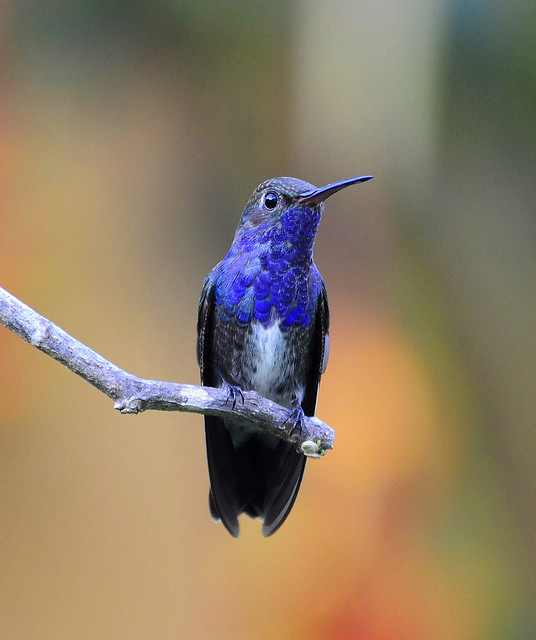
Sapphire-throated Hummingbird

Sapphire-throated Hummingbird (Lepidopyga coeruleogularis) ©WikiC

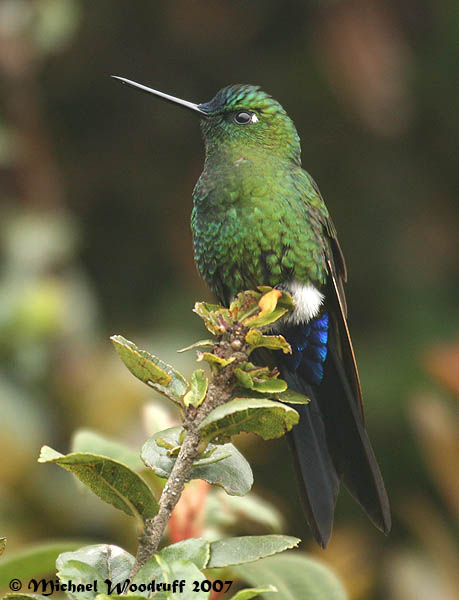
Sapphire-vented Puffleg

Sapphire-vented Puffleg (Eriocnemis luciani) by Michael Woodruff


More Avian and Attributes

Birds whose first name starts with “S”

Good News

*
[Definitions from Webster’s Dictionary of American English (1828), unless noted. Bird info from Wikipedia plus.]

Mistaken Identity – Birds and Ancestors

Brown Thrasher (Toxostoma rufum) by Judd Patterson

Brown Thrasher (Toxostoma rufum) by Judd Patterson

Here is an interesting email notice:

SK?????@?.com via listserv.usf.edu
3:13 PM (4 minutes ago) to BRDBRAIN

Mental error, Brown Thrasher not Brown Creeper. S???? Tampa, Fl

To subscribe, unsubscribe or view archives of the brdbrain listserv list, please visit us on the web at:
http://listserv.usf.edu/archives/brdbrain.html

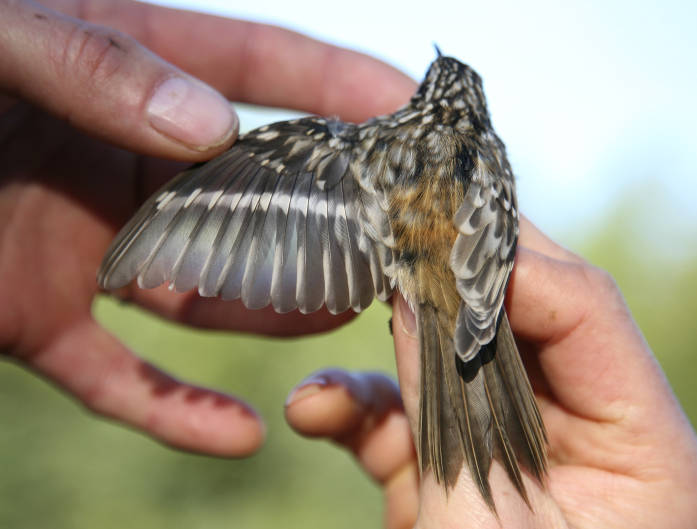
Brown Creeper (Certhia americana) ©USFWS

I belong to the BRDBRAIN reports that come out about bird sitings here in Florida. The University of Florida has several “listserv list.” Birds being one of them. When someone spots especially a bird that is uncommon to the area, they report it. Then, as true birders, especially those trying to build their “Life List” of birds, they scurry off to see it and add it to their Lists. Most of you know what I am referring to.

So, in this case, S???? had reported the wrong bird and was correcting his error. We have all had to “eat crow” over something we have said. At least I have.

In the last article, Where are you from? – Correction, one of my blogging friends made a reply and I answered them. Aussiebirder has a great blog and you should drop by there to see it. I answered them but would like to use this blog to further explain how things happen with bird lists and ancestry lists.

Their remark: “From my findings some of these genealogy companies, especially the ones using DNA typings do not contribute any practical links to a specific family with any accuracy or even traceable evidence.” and here is my reply, “It was not really ancestry’s fault as much as those who blindly connect people to their trees without much research. My problem came before I received my DNA results. This might just be a good topic for a post. I am finding quite a bit from my results. Humm. A post topic. Hope the “only birders” won’t mind. :)”

I just now bolded, the part I would like to address. Just as the person above misidentified the wrong bird, those doing their genealogy, do the same thing. Ancestry and other like services [My Heritage, Family Tree, Geni, etc.], provide “Hints” for a possible fact to be applied to the Family tree they are working on.

We, birders and genealogist, are so eager to add another “notch” to our list, that we overlook some of the other facts. Did the bird have red or black eyes, stripes or streaks, etc? Did the person that you are trying to add live long enough to produce offspring? [That is a favorite mistake that I see. They are like 7 years old when their child is born. WHOA!!

Broken Limb/Branch off of Tree

I had to “chop that branch” off my tree because I had mistakenly not checked all the facts. My new DNA results are actually helping me find some of my great nieces and nephews from parts of our family that we had lost track of. [By the way, I am trying to see if that tree might produce another limb, just as interesting as the other.

Brown Booby (Sula leucogaster) ©WikiC [At least it’s brown! :) ]

As you study the birds more and more and have practical experience in the field, you are less apt to make mistakes. Are you ever going to be right 100% of the time? Dream on!

Am I ever going to remove another limb from my tree, or at least a “twig”? Most likely.

What we do is keep doing our best and do not be afraid to admit that a mistake was made. Not admitting a mistake is worse than making a mistake and not admitting it. Especially, not trying to correct our mistakes.

*

Our paster is always telling us to, “tell the truth, tell the truth, tell the truth.”

Therefore, confess your sins to one another, and pray for one another so that you may be healed. The effective prayer of a righteous man can accomplish much. (James 5:16 NASB)

Where Are You From? II – Correction

Where Are You From? – II

Where Are You From? – I

Where Are You From? Part II – Correction

Broken Limb/Branch off of Tree

For I am not ashamed of the gospel of Christ, for it is the power of God to salvation for everyone who believes, for the Jew first and also for the Greek. For in it the righteousness of God is revealed from faith to faith; as it is written, “THE JUST SHALL LIVE BY FAITH.” (Romans 1:16-17 NKJV)

In Where Are You From? Part II, I have found there was a mistake in my genealogy to Mercy Howland. When I applied to the Howland Society for membership, I had to produce the descendant lines. Apparently, Mercy Howland has been mistreated by Ancestry.com and has caused family trees of members to be misled. Mine included. In other words, I was told that we were related when we weren’t.

Jean, at the Society, was very nice and did try to find out about it, but as you can see from the two emails from her, apparently, I am not related to the Howlands off the Mayflower.

“My problem at the moment is that I have an email in to the Mayflower Society as I see that John and Mary (LEE) Howland did have a child Mercy in Plymouth but she did not live.  Also, all their children were born in Plymouth or Barnstable.  But I do have an email in to the Mayflower as to the status of “Mercy” Howland. because lines are opening up everyday!!!!” More later, Jean”

“Just got word [from Mayflower Society] that there is no additional proofs to indicate that Mercy lived.  Lots of mismanaged “Trees” on Ancestry that indicate otherwise.  But it is not true.  Sorry.”

All of this was said to say, that apparently I am not related to John Howland that fell overboard and hung on to the rope. At least, unless someone can prove that Mercy Howland did have descendants. So for now, I have chopped that limb off of my ancestral tree. Still the Lord, in His sovereignty spared his life for the 2 million descendants of his [John Howlands]

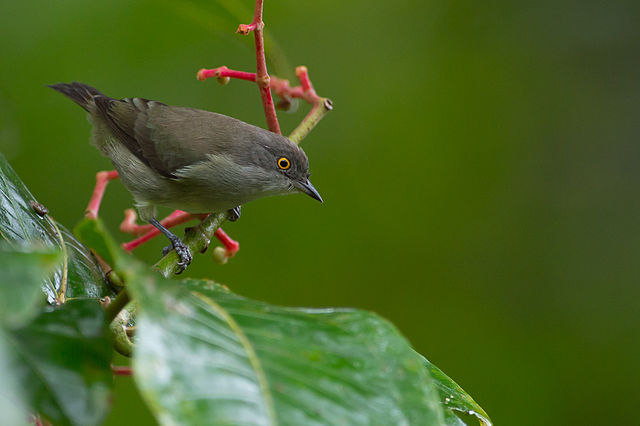
Black-faced Dacnis (Dacnis lineata) Female ©WikiC

All of this still reminds me of the uncertainty and flux in the avian world. They are still reshuffling birds around. The Aves – A Taxonomy in Flux site will give you an idea of how the birds keep changing because of DNA and other studies.

Aves – A Taxonomy in Flux

Just May 19th and 20th this year:

May 20

Chaetura Swifts: Continuing the Ridgely splits (Ridgely and Greenfield, 2001), I’ve split Tumbes Swift, Chaetura ocypetes, from Short-tailed Swift, Chaetura brachyura.
[Apodidae, Apodiformes, 3.09]

Cardinalidae: Another IOC/Ridgely and Greenfield (2001) split is Olive Tanager, Habia frenata, from Carmiol’s Tanager, Habia carmioli.
[Cardinalidae, Core Passeroidea V, 3.05]

Thraupidae: Still following IOC and Ridgely and Greenfield (2001), Yellow-tufted Dacnis, Dacnis egregia (inc. aequatorialis) has been split from Black-faced Dacnis, Dacnis lineata.

Also, the Black-and-chestnut Warbling-Finch, Poospiza whitii, has been split from the Black-and-rufous Warbling-Finch, Poospiza nigrorufa based on Jordan et al. (2017), Shultz and Burns (2013), and SACC Proposal 753.
[Thraupidae, Core Passeroidea V, 3.05]

Caribbean Hornero (Furnarius longirostris) ©©Flickr DaveCurtis

Caribbean Hornero (Furnarius longirostris) ©©Flickr DaveCurtis

May 19

Elaenias: Based on Tang et al. (2018), I have rearranged Elaenia and returned Chilean Elaenia, Elaenia chilensis, to Sierran Elaenia, Elaenia pallatangae.
[Tyrannidae, Tyrannida II, 3.06]

Furnariinae: I have accepted several splits from IOC and Ridgely/Tudor (2009). Subspecies are allocated as in IOC.

  1. Pacific Tuftedcheek, Pseudocolaptes johnsoni, is split from Buffy Tuftedcheek, Pseudocolaptes lawrencii.
  2. Pacific Hornero, Furnarius cinnamomeus, and Caribbean Hornero, Furnarius longirostris, are split from Pale-legged Hornero, Furnarius leucopus.
  3. Striped Woodhaunter, Automolus subulatus, is split into Western Woodhaunter, Automolus virgatus and Eastern Woodhaunter, Automolus subulatus.
  4. Plain Thornbird, Phacellodomus inornatus is split from Rufous-fronted Thornbird, Phacellodomus rufifrons
  5. Creamy-breasted Canastero, Asthenes dorbignyi is split into Pale-tailed Canastero, Asthenes huancavelicae, Rusty-vented Canastero, Asthenes dorbignyi, and Dark-winged Canastero, Asthenes arequipae.

Baron’s Spinetail, Cranioleuca baroni, has been lumped into Line-cheeked Spinetail, Cranioleuca antisiensis. See Seeholzer and Brumfield (2018) and SACC Proposal 762.
[Furnariidae, Furnariida II, 3.05]

From that same page:

2018 Additions and Subtractions

Based on scientific names.

2018 Splits (34)

Tropical Gnatcatcher (Polioptila plumbea) ©Flickr barloventomagico

  1. Tumbes Swift, Chaetura ocypetes
  2. Striolated Manakin / Western Striped-Manakin, Machaeropterus striolatus
  3. Painted Manakin / Peruvian Striped-Manakin, Machaeropterus eckelberryi
  4. Vermilion Flycatcher, Pyrocephalus obscurus
  5. Darwin’s Flycatcher, Pyrocephalus nanus
  6. San Cristobal Flycatcher, Pyrocephalus dubius
  7. Blackish Chat-Tyrant, Ochthoeca nigrita
  8. Maroon-belted Chat-Tyrant, Ochthoeca thoracica
  9. Pacific Tuftedcheek, Pseudocolaptes johnsoni
  10. Pacific Hornero, Furnarius cinnamomeus
  11. Caribbean Hornero, Furnarius longirostris
  12. Western Woodhaunter, Automolus virgatus
  13. Plain Thornbird, Phacellodomus inornatus
  14. Pale-tailed Canastero, Asthenes huancavelicae
  15. Dark-winged Canastero, Asthenes arequipae.
  16. Eastern Tropical Gnatcatcher, Polioptila atricapilla
  17. Western Tropical Gnatcatcher, Polioptila parvirostris
  18. Maranon Gnatcatcher Polioptila maior
  19. Northwestern Tropical Gnatcatcher Polioptila plumbiceps
  20. Yucatan Gnatcatcher, Polioptila albiventris
  21. White-browed Gnatcatcher, Polioptila bilineata
  22. Himalayan Shortwing, Brachypteryx cruralis
  23. Chinese Shortwing, Brachypteryx sinensis
  24. Taiwan Shortwing, Brachypteryx goodfellowi
  25. Sumatran Shortwing, Brachypteryx saturata
  26. Flores Shortwing, Brachypteryx floris
  27. Bornean Shortwing, Brachypteryx erythrogyna
  28. Philippine Shortwing, Brachypteryx poliogyna
  29. Mt. Apo Shortwing, Brachypteryx mindanensis
  30. Peruvian Pipit, Anthus peruvianus
  31. Puna Pipit, Anthus brevirostris
  32. Olive Tanager, Habia frenata
  33. Yellow-tufted Dacnis, Dacnis egregia
  34. Black-and-chestnut Warbling-Finch, Poospiza whitii

2018 Lumps (4)

  1. Chaco Nothura, Nothura chacoensis
  2. Chilean Elaenia, Elaenia chilensis
  3. Baron’s Spinetail, Cranioleuca baroni
  4. South Georgia Pipit, Anthus antarcticus

“the eyes of your understanding being enlightened; that you may know what is the hope of His calling, what are the riches of the glory of His inheritance in the saints,” (Ephesians 1:18 NKJV)

Am disappointed about not being related to John Howland? A little, but I still have a great family and heritage. My Christian family is even larger and I do not have any way to trace their roots. Yet, when we all get to heaven, OH! What a reunion that will be! All my spiritual family and many of my own genetic family there.

What a reunion day!

to Him be glory in the church by Christ Jesus to all generations, forever and ever. Amen.” (Ephesians 3:21 NKJV)

“For I am not ashamed of the gospel of Christ, for it is the power of God to salvation for everyone who believes, for the Jew first and also for the Greek. For in it the righteousness of God is revealed from faith to faith; as it is written, “THE JUST SHALL LIVE BY FAITH.” (Romans 1:16-17 NKJV)

Where Are You From I

Where Are You From II

Avian And Attributes – Sand

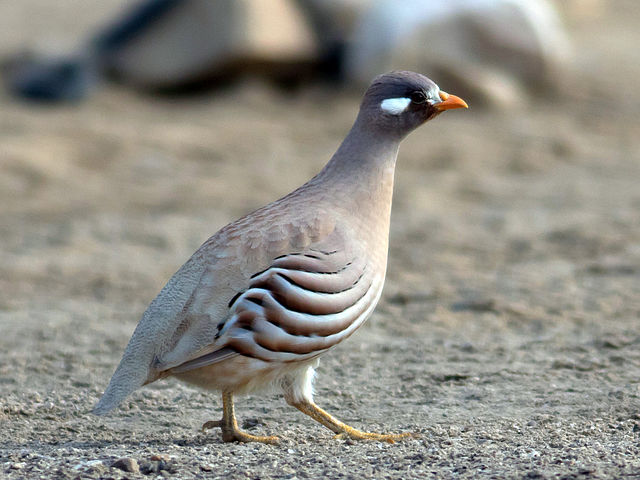
Sand Partridge (Ammoperdix heyi) ©WikiC

How precious also are thy thoughts unto me, O God! how great is the sum of them! If I should count them, they are more in number than the sand: when I awake, I am still with thee.” (Psalms 139:17-18 KJV)

He rained flesh also upon them as dust, and feathered fowls like as the sand of the sea:” (Psalms 78:27 KJV)


Avian and Attributes – Sand

SAND, n.
1. Any mass or collection of fine particles of stone, particularly of fine particles of silicious stone, but not strictly reduced to powder or dust.
That finer matter called sand, is no other than very small pebbles.
2. Sands, in the plural, tracts of land consisting of sand, like the deserts of Arabia and Africa; as the Lybian sands.
SAND, v.t.
1. To sprinkle with sand. It is customary among the common people in America, to sand their floors with white sand.
2. To drive upon the sand.


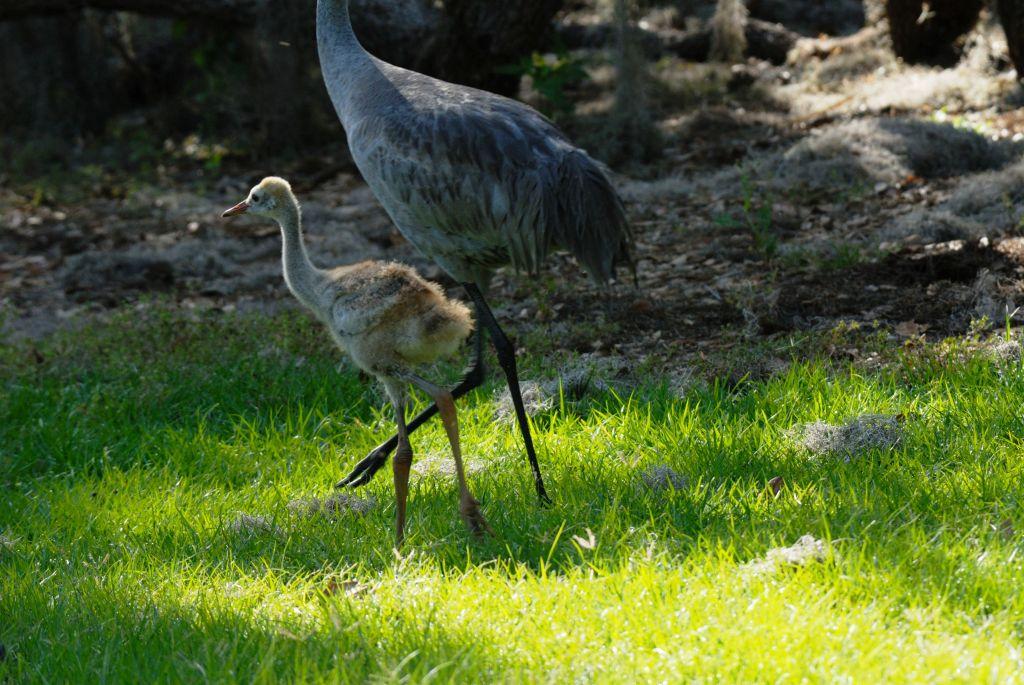
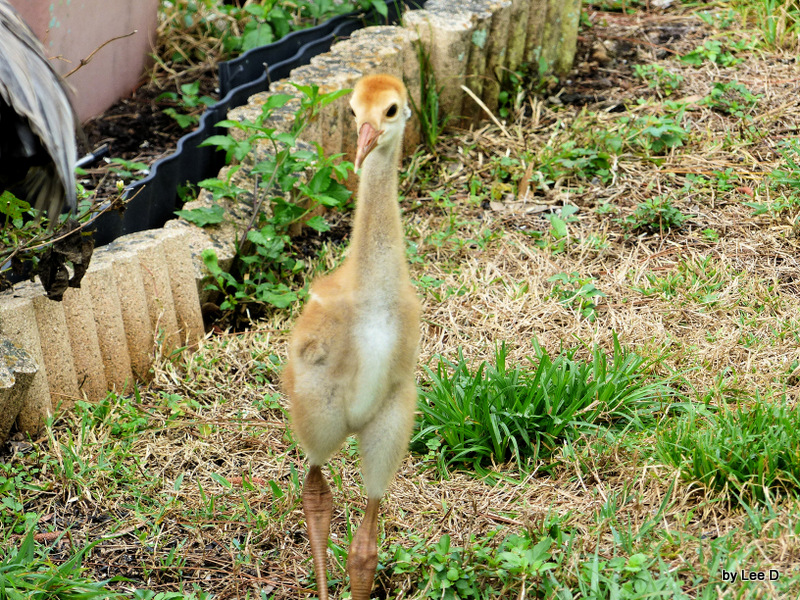
Sandhill Crane (Grus canadensis)and young (4) by Dan's Pix

Sandhill Crane (Grus canadensis)and young by Dan’s Pix

Sand Birds

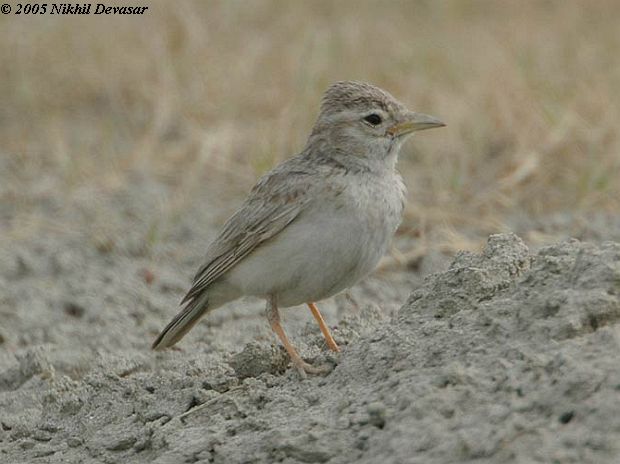
Sand Lark

Sand Lark (Calandrella raytal) by Nikhil Devasar

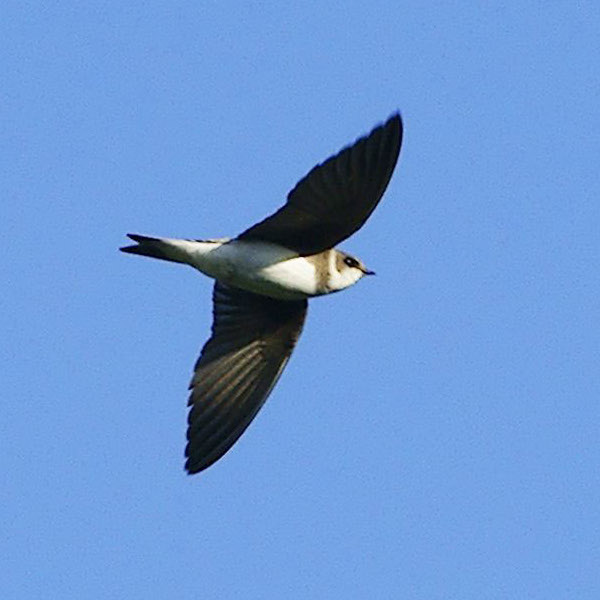
Sand Martin

Sand Martin (Riparia riparia) ©WikiC

Sand Partridge

Sand Partridge (Ammoperdix heyi) ©WikiC

Sand-colored Nighthawk

Sand-colored Nighthawk (Chordeiles rupestris) by ©AGrosset

Sanderling

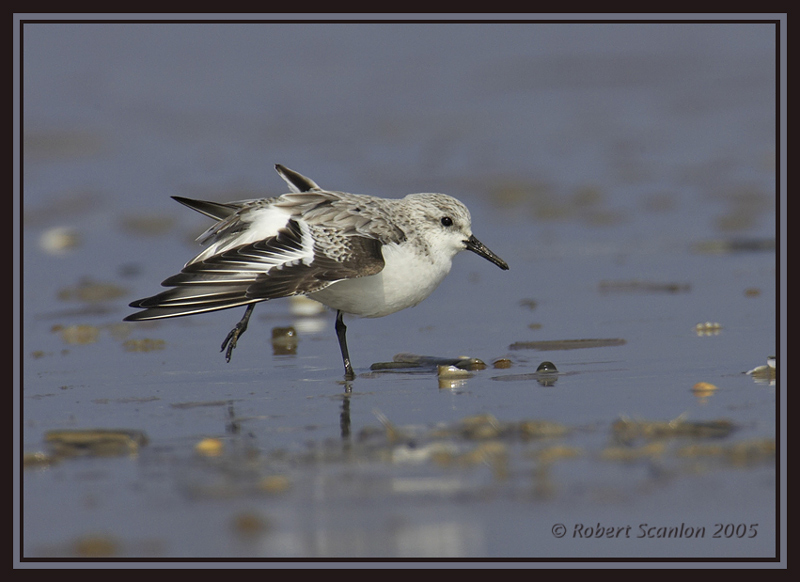
Sanderling (Calidris alba) by Robert Scanlon

Sandhill Crane

Sandhill Youngster in Yard 3-26-16

Therefore whosoever heareth these sayings of mine, and doeth them, I will liken him unto a wise man, which built his house upon a rock: And the rain descended, and the floods came, and the winds blew, and beat upon that house; and it fell not: for it was founded upon a rock. And every one that heareth these sayings of mine, and doeth them not, shall be likened unto a foolish man, which built his house upon the sand: And the rain descended, and the floods came, and the winds blew, and beat upon that house; and it fell: and great was the fall of it.” (Matthew 7:24-27 KJV)


More Avian and Attributes

Birds whose first name starts with “S”

Good News

*
[Definitions from Webster’s Dictionary of American English (1828), unless noted. Bird info from Wikipedia plus.]

Where Are You From? Part II

Replica of Mayflower in Plymouth, Massachusetts ©WikiC

In Where Are You From? [Part I], the birds and my ancestry were both mentioned. Since we have not done much birdwatching lately other than through my window, my time has been spent looking for my ancestors.

Of course, since Creation is how God created the birds and humans, there are no birds in my Ancestorial Tree!! That is a given. I do have a Buzzard [Catherine] listed in Dan’s tree. A Hawk [Susannah] in my tree, and that is about it. The rest are normal human names.

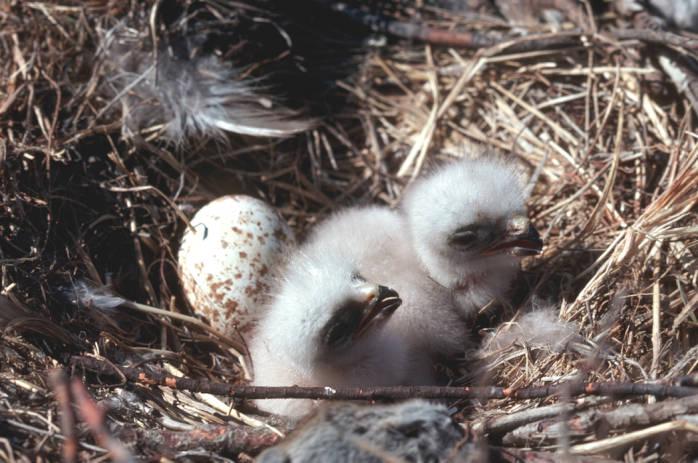
Rough-legged Buzzard (Buteo lagopus) chicks ©USFWS

What is so amazing is how many people [my ancestors] that it took for me to come into existence. If anyone of them had died before they had the child that would be my ancestor was born, I wouldn’t be writing this article. That thought is awesome. God is so merciful and sovereign in His dealings with us. What Grace!

Today I found another ancestor who was on the Mayflower. This one really came close to not making it. This article explains how he fell overboard on the voyage to America: Meet John Howland, a lucky Pilgrim who populated America with 2 million descendants. Here is another interesting article about him on Wikipedia.

“But God, who is rich in mercy, because of His great love with which He loved us,” (Ephesians 2:4 NKJV)

The birds we watch today also come from their ancestors. Had one group died out, as they have, then that branch of birds is extinct. As beautiful as the birds are today, what would they be like had those not become extinct? Interesting thought.

Dodo (Raphus cucullatus) Extinct by Wikipedia

Dodo (Raphus cucullatus) Extinct by Wikipedia

The children today who are prevented from being born would have had many descendants in the future. A quote from the article above:

“Howland and his eventual wife, fellow Mayflower passenger Elizabeth Tilley, had 10 children and more than 80 grandchildren. Now, an estimated 2 million Americans can trace their roots to him.

Howland’s direct descendants include three presidents — Franklin Roosevelt, George H.W. Bush and George W. Bush — as well as former vice-presidential candidate Sarah Palin; poets Ralph Waldo Emerson and Henry Wadsworth Longfellow; actors Alec Baldwin, Humphrey Bogart, and Christopher Lloyd; Mormon church founder Joseph Smith; and child care guru Dr Benjamin Spock.

“The idea that the existence of all these people hinged on that one guy grabbing a rope in the ocean and holding on tight totally caught my imagination,”

The rope with the

The rope with the “Chatterbox” aboard. [Great nephew]

“I thank my God always concerning you for the grace of God which was given to you by Christ Jesus,” (1 Corinthians 1:4 NKJV)

**Updated**

See Where Are You From? II – Corrected

Avian And Attributes – Sad

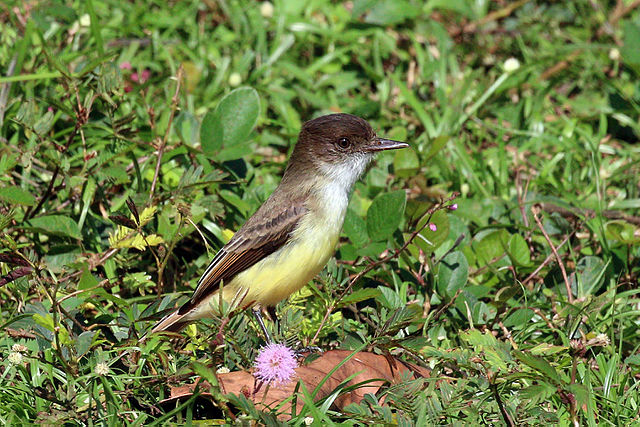
Sad Flycatcher (Myiarchus barbirostris) ©WikiC

“And it came to pass, that, while they communed together and reasoned, Jesus himself drew near, and went with them. But their eyes were holden that they should not know him. And he said unto them, What manner of communications are these that ye have one to another, as ye walk, and are sad? And the one of them, whose name was Cleopas, answering said unto him, Art thou only a stranger in Jerusalem, and hast not known the things which are come to pass there in these days? And he said unto them, What things? And they said unto him, Concerning Jesus of Nazareth, which was a prophet mighty in deed and word before God and all the people: And how the chief priests and our rulers delivered him to be condemned to death, and have crucified him. But we trusted that it had been he which should have redeemed Israel: and beside all this, to day is the third day since these things were done. Yea, and certain women also of our company made us astonished, which were early at the sepulchre; And when they found not his body, they came, saying, that they had also seen a vision of angels, which said that he was alive. And certain of them which were with us went to the sepulchre, and found it even so as the women had said: but him they saw not.

Then he said unto them, O fools, and slow of heart to believe all that the prophets have spoken: Ought not Christ to have suffered these things, and to enter into his glory? And beginning at Moses and all the prophets, he expounded unto them in all the scriptures the things concerning himself.
(Luke 24:15-27 KJV)


Avian and Attributes – Sad

SAD, a. [It is probable this word is from the root of set. I have not found the word is from the root of set. I have not found the word in the English sense, in any other language.]
1. Sorrowful; affected with grief; cast down with affliction.
Th’ angelic guards ascended, mute and sad.
Sad for their loss, but joyful of our life.
2. Habitually melancholy; gloomy; not gay or cheerful.
3. Downcast; gloomy; having the external appearance of sorrow; as a sad countenance. Mat 6.
4. Serious; grave; not gay, light or volatile.
5. Afflictive; calamitous; causing sorrow; as a sad accident; a sad misfortune.
8. Heavy; weighty; ponderous.


Sad Flycatcher (Myiarchus barbirostris) ©WikiC

“The Sad Flycatcher (Myiarchus barbirostris) is a species of bird in the family Tyrannidae. It is endemic to Jamaica. Its natural habitats are subtropical or tropical moist lowland forests, subtropical or tropical moist montane forests, and heavily degraded former forest.” [Wikipedia]
“The Sad Flycatcher is endemic to the island of Jamaica, where it is known colloquially as the Little Tom Fool, but it is apparently most closely related to the very widely distributed Dusky-capped Flycatcher (Myiarchus tuberculifer).” [Neotropical Birds]

These things I have spoken unto you, that in me ye might have peace. In the world ye shall have tribulation: but be of good cheer; I have overcome the world.” (John 16:33 KJV)


More Avian and Attributes

Birds whose first name starts with “S”

Good News

*
[Definitions from Webster’s Dictionary of American English (1828), unless noted. Bird info from Wikipedia plus.]

Where Did the Elephant Get Its Trunk? – Creation Moments

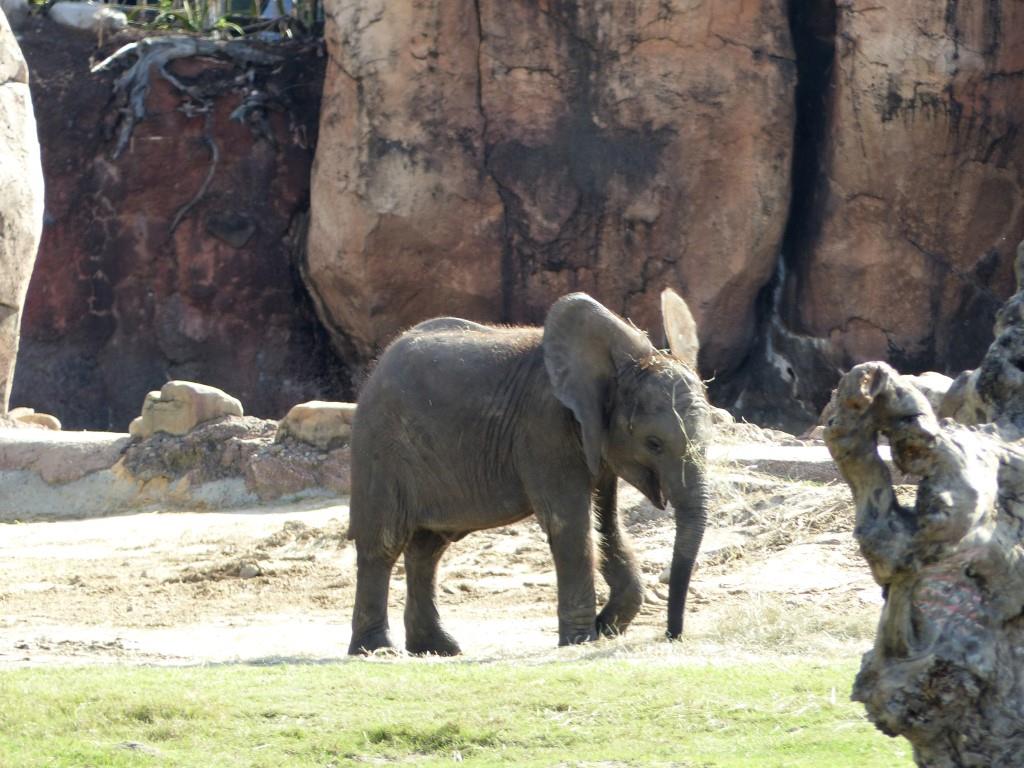
Baby Elephant at Lowry Park Zoo by Lee

Where Did the Elephant Get Its Trunk? – Creation Moments

“And God said, Let the earth bring forth the living creature after his kind, cattle, and creeping thing, and beast of the earth after his kind: and it was so.” (Genesis 1:24)

On a previous Creation Moments program, we told you about the elephant’s trunk with its 40,000 muscles. This is 70 times the number of muscles in your entire body! And that amazing trunk can bulldoze a tree or pick up a pin.

Where Did the Elephant Get Its Trunk? But why does an elephant have a trunk in the first place? For the answer to that question, we looked in a very old book called Natural Theology. It was written by William Paley in 1802. Yes, that’s the same William Paley who came up with the famous analogy of a person who finds a watch and deduces that the watch must have had a watchmaker.

According to Paley, “The short unbending neck of the elephant is compensated by the length and flexibility of his proboscis,” or trunk. “He could not have reached the ground without it.” In other words, the elephant needed such a trunk to reach food and water. But, then, a person could ask why does the elephant have such a short and unbending neck? Paley answers that he needed such a neck to support such a heavy head!

Obviously, the elephant was given its trunk by a very wise Creator. As Paley so well pointed out, if the elephant had waited millions of years for his trunk to grow, “how was the animal to subsist in the meantime… until the prolongation of its snout was completed?” It is a question that evolutionists today are still unable to answer.

Prayer:
Heavenly Father, thank You that even the elephant’s trunk provides a witness to Your hand in creation! In Jesus’ Name. Amen.

Notes:
William Paley, DD, Natural Theology, 1809, p. 140. (The Works of William Paley, Ward Lock & Co.)

Other interesting articles from Creation Moments

Plus

Avian And Attributes – Sacred

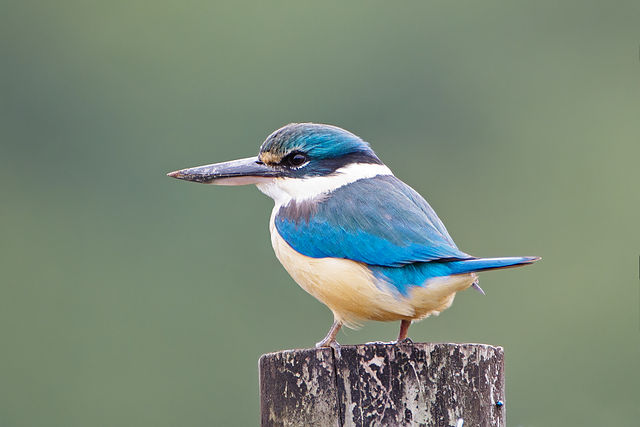
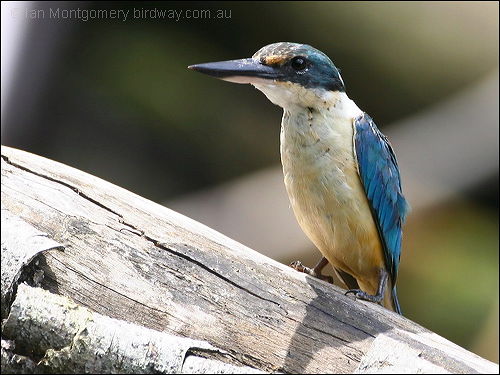
Sacred Kingfisher (Todiramphus sanctus) by Ian

“Consecrate a fast, Call a sacred assembly; Gather the elders And all the inhabitants of the land Into the house of the LORD your God, And cry out to the LORD.” (Joel 1:14 NKJV)


Avian and Attributes – Sacred

SA’CRED, a. [L. sacer, sacred, holy, cursed, damnable. We here see the connection between sacredness and secrecy. The sense is removed or separated from that which is common, vulgar, polluted, or open, public; and accursed is separated from society or the privileges of citizens, rejected, banished.]
1. Holy; pertaining to God or to his worship; separated from common secular uses and consecrated to God and his service; as a sacred place; a sacred day; a sacred feast; sacred service; sacred orders.
2. Proceeding from God and containing religious precepts; as the sacred books of the Old and New Testament.
3. Narrating or writing facts respecting God and holy things; as a sacred historian.
4. Relating to religion or the worship of God; used for religious purposes; as sacred songs; sacred music; sacred history.
5. Consecrated; dedicated; devoted; with to.
A temple sacred to the queen of love.
6. Entitled to reverence; venerable.
Poet and saint to thee alone were given, the two most sacred names of earth and heav’n.
7. Inviolable, as if appropriated to a superior being; as sacred honor or promise.
Secrets of marriage still are sacred held.
Sacred majesty. In this title, sacred has no definite meaning, or it is blasphemy.
Sacred place, in the civil law, is that where a deceased person is buried.

“and that from childhood you have known the sacred writings which are able to give you the wisdom that leads to salvation through faith which is in Christ Jesus. All Scripture is inspired by God and profitable for teaching, for reproof, for correction, for training in righteousness; so that the man of God may be adequate, equipped for every good work.” (2 Timothy 3:15-17 NASB)


Sacred Kingfisher (Todiramphus sanctus) ©WikiC

The Sacred Kingfisher (Todiramphus sanctus) is a medium-sized woodland kingfisher that occurs in mangroves, woodlands, forests, and river valleys in Australia, New Zealand, and other parts of the western Pacific. In New Zealand the species is also known by its Māori name kōtare.

The sacred kingfisher is a medium-sized kingfisher. They are mostly turquoise, with white underparts and collar feathers. Both sexes are similar, but females are usually more dull-colored. Juveniles have rusty-brown edges on the collar and underparts.

It is called “sacred” for it was said to be a holy bird for Polynesians, who believed it to have control over the waves. Likewise, the local subspecies of collared kingfisher and other kingfishers in the southwestern Pacific were ascribed venerable power over the ocean.

Sacred Kingfisher (Todiramphus sanctus) by Ian


More Avian and Attributes

Birds whose first name starts with “S”

Sharing The Gospel

*
[Definitions from Webster’s Dictionary of American English (1828), unless noted. Bird info from Wikipedia plus.]

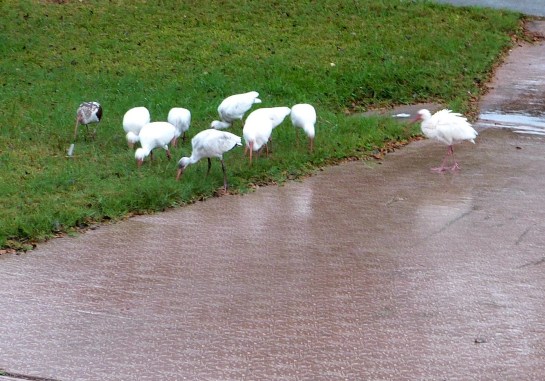
Bible Birds – Ibis Introduction

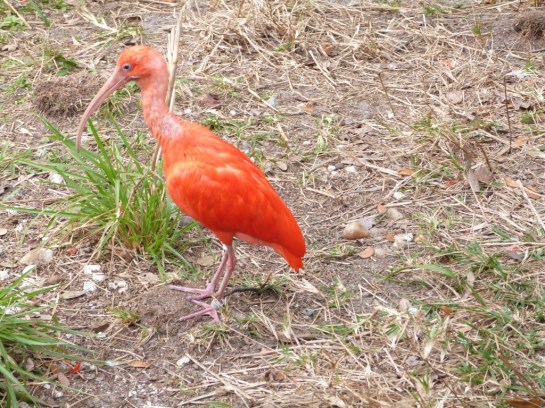
Scarlet Ibis (Eudocimus ruber) Brevard Zoo by Lee

“and for a long time birds and hedgehogs, and ibises and ravens shall dwell in it: and the measuring line of desolation shall be cast over it, and satyrs shall dwell in it.” (Isaiah 34:11 Brenton)

Many of the birds in the Bible are listed differently in some versions. The Ibises is only listed in this verse in the Brenton, DRB, and the ABP versions. Most of the different versions list Pelicans, Cormorants, Bitterns, Heron, and Storks. The Pelicans, Cormorants, Bitterns, and Heron are all found in thePELECANIFORMES Order of birds. The Storks are in the close CICONIIFORMES Order.

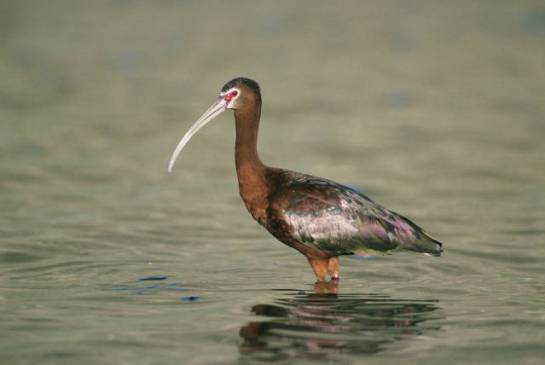
White-faced Ibis (Plegadis chihi) ©USFWS

All of these birds enjoy similar surroundings and the Ibises and Spoonbills make up the Threskiornithidae Family.
The ibises (collective plural ibis; classical plurals ibides and ibes) are a group of long-legged wading birds, that inhabit wetlands, forests and plains. “Ibis” derives from the Latin and Ancient Greek word for this group of birds. It also occurs in the scientific name of the cattle egret, (Bubulcus ibis), mistakenly identified in 1757 as being the sacred ibis.

American White Ibis (Eudocimus albus) 1st Birds of 2014 by Lee cropped

Ibises all have long, down-curved bills, and usually feed as a group, probing mud for food items, usually crustaceans. They are monogamous and highly territorial while nesting and feeding. Most nest in trees, often with spoonbills or herons. The word ibis comes from Latin ibis from Greek ἶβις ibis from Egyptian hb, hīb.

Bible Birds – Ibis

Bible Birds

Birds of the Bible – Ibises

Threskiornithidae Family

The Marvelous Flight of Birds — BIRDS AND BEES HIDEOUT

Bird feathers, though they appear fragile, are actually one of the strongest structures in the animal kingdom. They have allowed birds to become the masters of the air, flying with both speed and grace. As ground dwelling creatures, we’ve admired birds, modeling airplanes after their ingenious design. < Tree sparrows can fly up to 45 […]

via The Marvelous Flight of Birds — BIRDS AND BEES HIDEOUT

“He shall cover thee with his feathers, and under his wings shalt thou trust: his truth shall be thy shield and buckler.” (Psalms 91:4 KJV)

Enjoy!

Avian And Attributes – Ruby

Ruby Throated Hummingbird by Africaddict

“For wisdom is better than rubies; and all the things that may be desired are not to be compared to it.” (Proverbs 8:11 KJV)

“If any of you lack wisdom, let him ask of God, that giveth to all men liberally, and upbraideth not; and it shall be given him.” (James 1:5 KJV)


Avian and Attributes – Ruby

RU’BY, n. [L. rubeo, to be red.]
1. A precious stone; a mineral of a carmine red color, sometimes verging to violet, or intermediate between carmine and hyacinth red; but its parts vary in color, and hence it is called sapphire ruby or orange red, and by some vermeille or rubicel.
There are two kinds of ruby, the oriental or corundum, and the spinelle. The latter is distinguishable from the former by its color and crystallization.
The ruby is next in hardness and value to the diamond, and highly esteemed in jewelry.
2. Redness; red color.
3. Any thing red.
4. A blain; a blotch; a carbuncle. [The ruby is said to be the stone called by Pliny a carbuncle.]
Ruby of arsenic or sulphur, is the realgar, or red combination of arsenic and sulphur.
Ruby of zink, is the red blend.
Rock ruby, the amethystizontes of the ancients, is the most value species of garnet.
RU’BY, v.t. To make red.
RU’BY, a. Of the color of the ruby; red; as ruby lips.


Ruby- Birds

Ruby-cheeked Sunbird (Chalcoparia singalensis) by Ian

Ruby-cheeked Sunbird – It is found in Bangladesh, Bhutan, Brunei, Cambodia, China, India, Indonesia, Laos, Malaysia, Myanmar, Nepal, Thailand, and Vietnam.

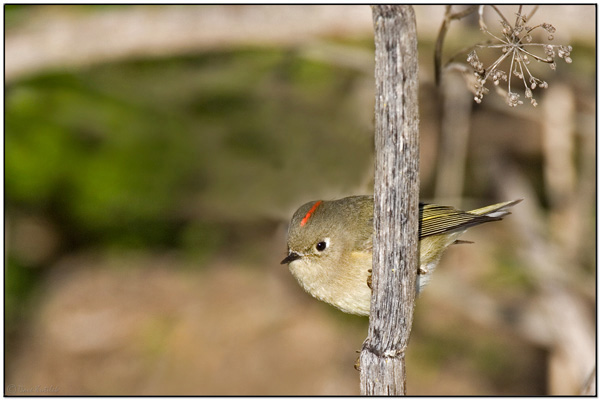
Ruby-crowned Kinglet (Regulus calendula) by BirdingPix

Ruby-crowned Kinglet (Regulus calendula) by BirdingPix

Ruby-crowned Kinglet – It is found throughout North America.

Ruby-crowned Tanager (Tachyphonus coronatus) M-black F-ruby ©WikiC

Ruby-crowned Tanager – It is found in the southern areas of Brazil and the Atlantic Forest.

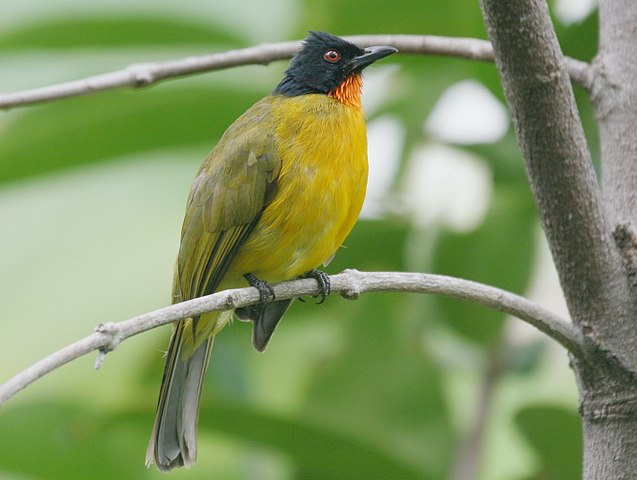
Ruby-throated Bulbul (Pycnonotus dispar) ©WikiC

Ruby-throated Bulbul –  It is found on Sumatra, Java, and Bali.

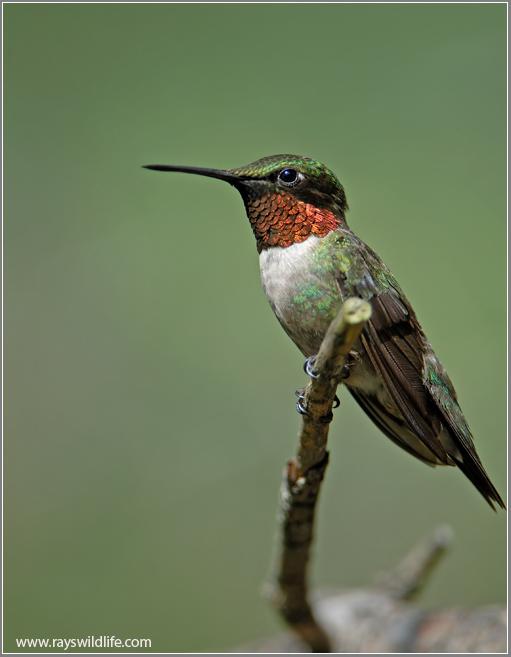
Ruby-throated Hummingbird by Ray’s Wildlfie

Ruby-throated Hummingbird – It spends the winter in Central America, Mexico, and Florida, and migrates to Eastern North America for the summer to breed. It is by far the most common hummingbird seen east of the Mississippi River in North America.

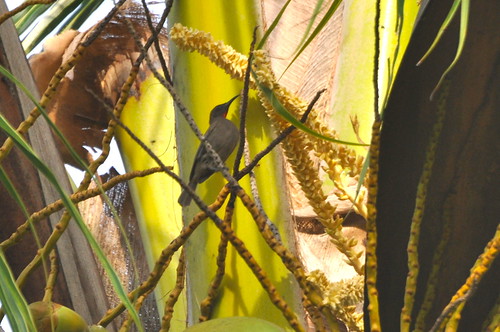
ruby-throated myzomela/red-throated myzomela

Ruby-throated Myzomela [from Flickr] –  It is found in New Guinea

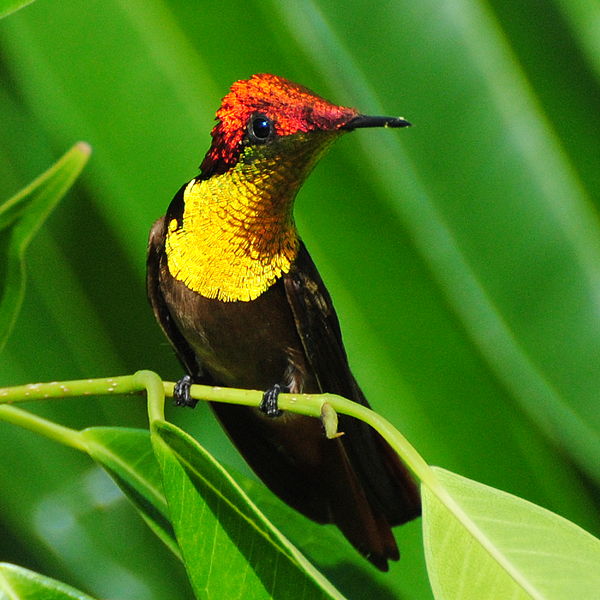
Ruby-topaz Hummingbird (Chrysolampis mosquitus) ©WikiC

Ruby-topaz Hummingbird – It  breeds in the Lesser Antilles and tropical northern South America from Colombia, Venezuela and the Guyanas, south to central Brazil and northern Bolivia; also from Colombia into southern Panama.


More Avian and Attributes

Birds whose first name starts with “R”

Good News

*
[Definitions from Webster’s Dictionary of American English (1828), unless noted. Bird info from Wikipedia plus.]