November’s Bird of the Month – Rooster

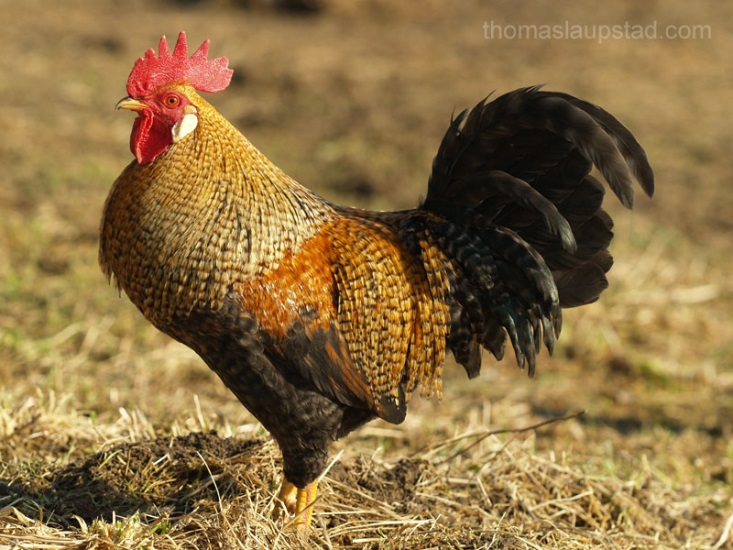
Gallus gallus (rooster) photo credit: ThomasLaupstad.com

According to Birds and Bloom magazine site, there are Birds of the Month.

“You’ve probably heard of birth month gemstones and birth month flowers, but have you heard of birth month birds? It might come as a surprise to learn every month of the year has not only a representative jewel and flower, but also a bird. From owls to ravens, here are the birds that represent everyone’s birthdays.”

More from Birds and Bloom:
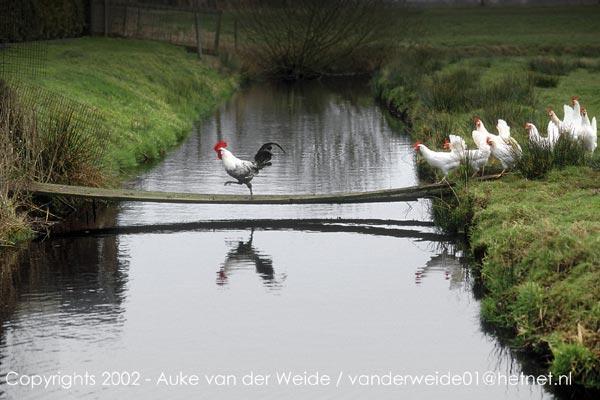
Rooster by ©Flickr one woman's hands

Rooster by ©Flickr one woman’s hands

November: Rooster

If you’re a morning person with a November birthday, it makes sense that your birth month bird is a rooster. After all, the rooster’s loud crowing often marks a new day. It might surprise some to learn that roosters are capable of flight, but not for sustained periods of time or across long distances.

“This brightly colored rooster (above) watches over his farm with vigilance and bravery. He scans the sky for any potential danger that may be lurking around and crows at the crack of dawn to let us know another day has begun. The rooster proudly struts around the farmyard as he protects his flock,” says Crystal Blank.

Can you guess the official state bird of all 50 states?

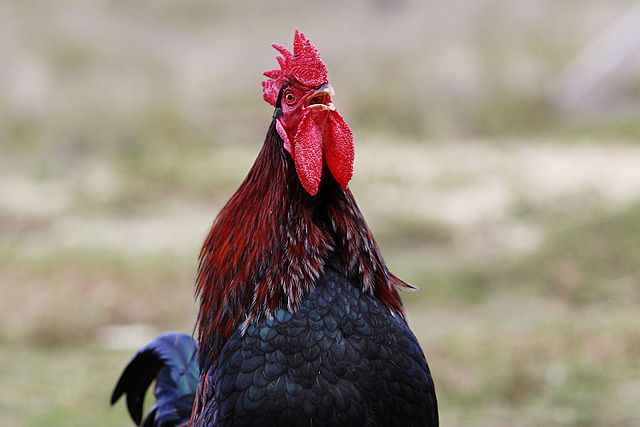
Rooster Portrait ©WikiC

Rooster Portrait ©WikiC

So, where were roosters mentioned in the Bible? Let’s see what we can find out!!

When I put in “rooster” in my eSword program (NKJV) there are 12 verses that list the word “rooster.” Here are some of those:

“Jesus said to him, “Assuredly, I say to you that this night, before the rooster crows, you will deny Me three times.” (Matthew 26:34 NKJV)

Peter denies the Lord in verses 74 and 75:

“Then he began to curse and swear, saying, “I do not know the Man!” Immediately a rooster crowed. And Peter remembered the word of Jesus who had said to him, “Before the rooster crows, you will deny Me three times.” So he went out and wept bitterly.” (Matthew 26:74-75 NKJV)
We are given a WATCH warning in:

Watch therefore, for you do not know when the master of the house is coming—in the evening, at midnight, at the crowing of the rooster, or in the morning— lest, coming suddenly, he find you sleeping. And what I say to you, I say to all: Watch!” (Mark 13:35-37 NKJV)

Jesus gave that warning in Mark:

Mar_14:30  Jesus said to him, “Assuredly, I say to you that today, even this night, before the rooster crows twice, you will deny Me three times.”
Mar_14:68  But he denied it, saying, “I neither know nor understand what you are saying.” And he went out on the porch, and a rooster crowed.
Mar_14:72  A second time the rooster crowed. Then Peter called to mind the word that Jesus had said to him, “Before the rooster crows twice, you will deny Me three times.” And when he thought about it, he wept.

There are a few more verses with the Rooster mention, but in all of them there is a warning to watch and pray. Sounds like great advice to me.

A few of our previous post about the Rooster:
October’s Bird of the Month – Swan

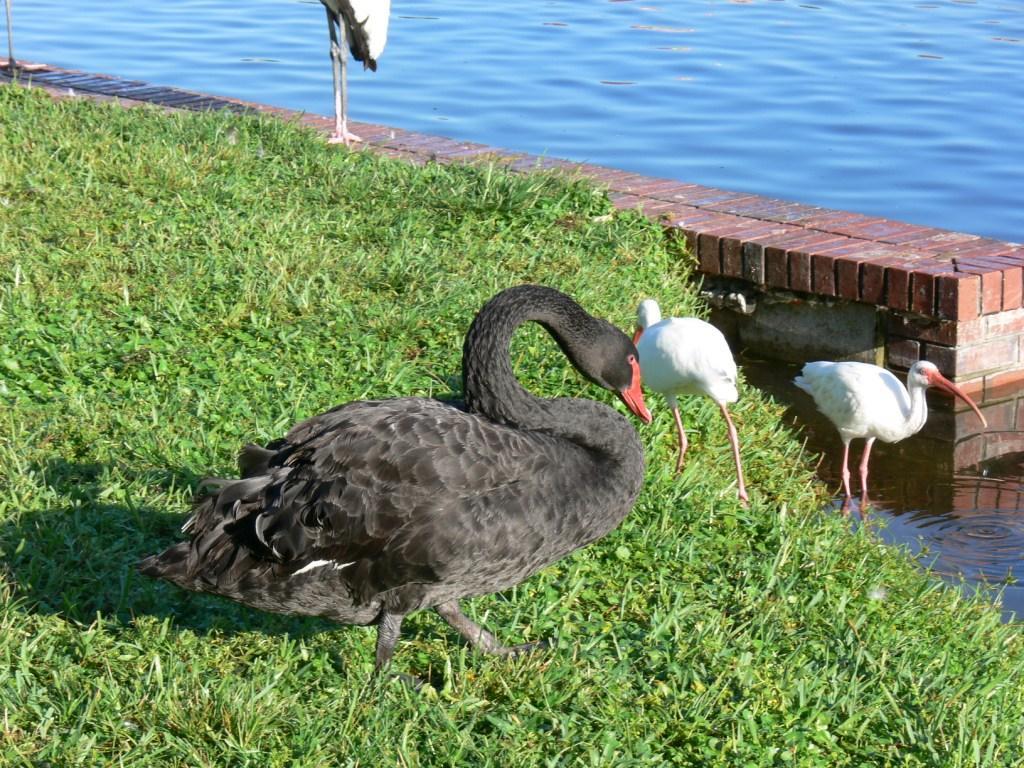
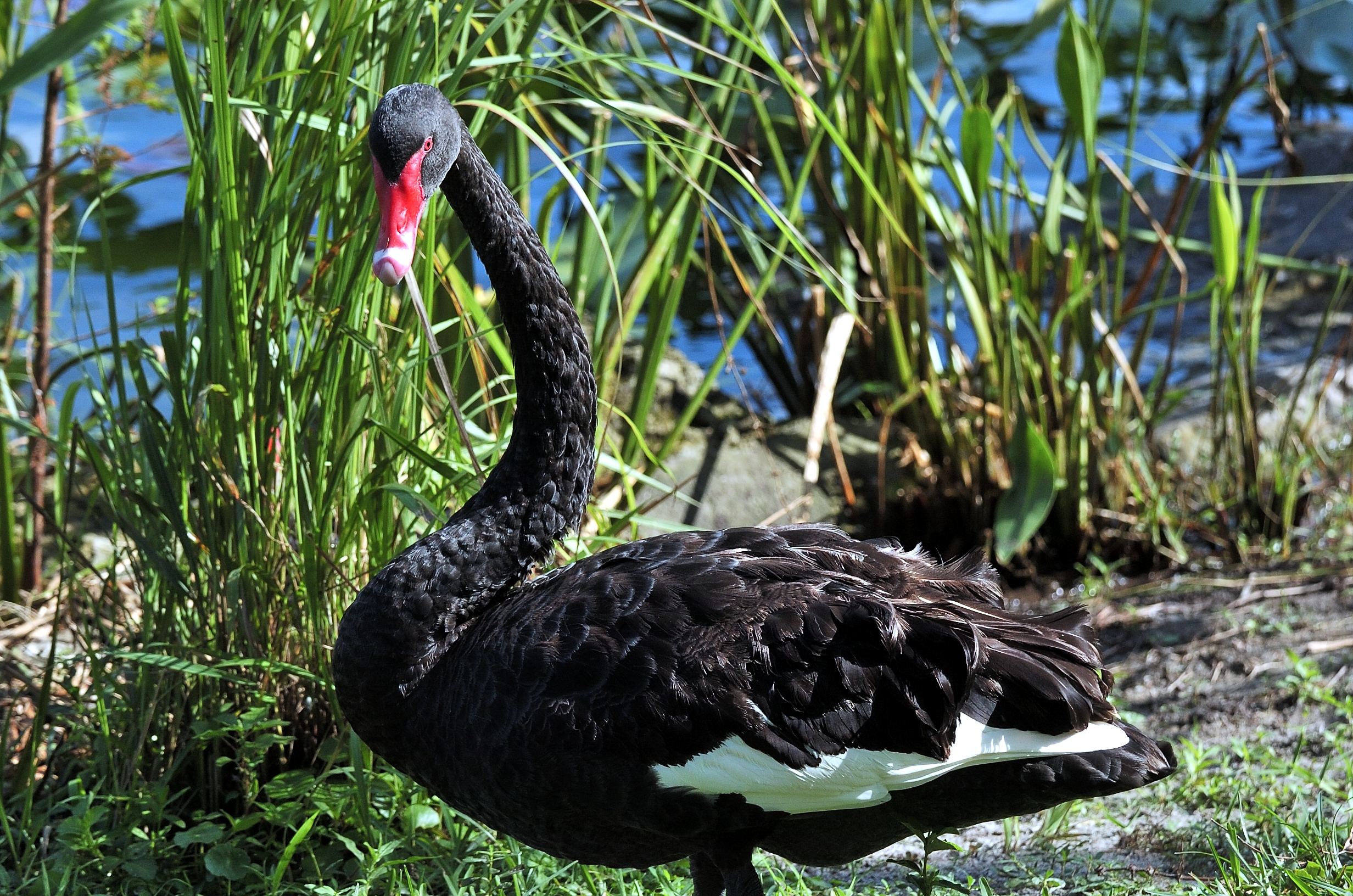
Black Swan by Dan at Lake Morton

According to Birds and Bloom magazine site, there are Birds of the Month.

“You’ve probably heard of birth month gemstones and birth month flowers, but have you heard of birth month birds? It might come as a surprise to learn every month of the year has not only a representative jewel and flower, but also a bird. From owls to ravens, here are the birds that represent everyone’s birthdays.”

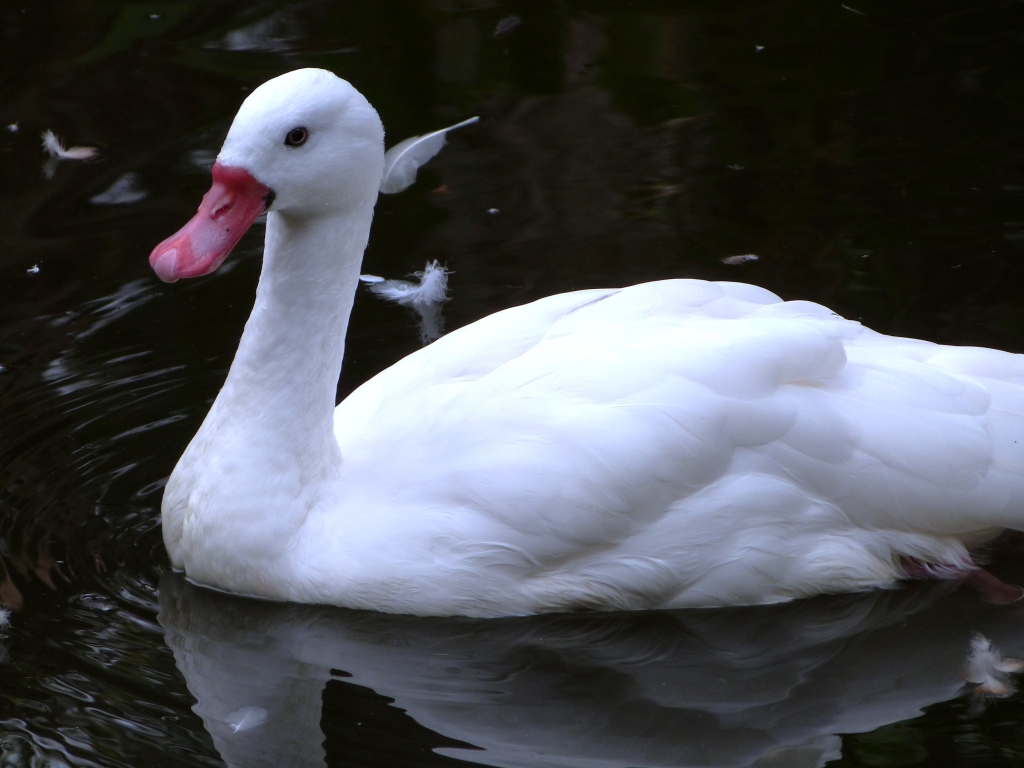
Coscoroba Swan (Coscoroba coscoroba) at Brevard Zoo by Lee

Coscoroba Swan (Coscoroba coscoroba) at Brevard Zoo by Lee

More from Birds and Bloom:

October: Swan

Long seen as symbols of romance and grace, swans are beautiful birds. Swans mate for life and only seek a new one if their previous mate dies. These October birth month birds also have a fiercely protective streak; they’ve been known to attack anyone who gets too close to their nest! Three types of swans live in the United States; the trumpeter swan, the tundra swan and the (non-native) mute swan.

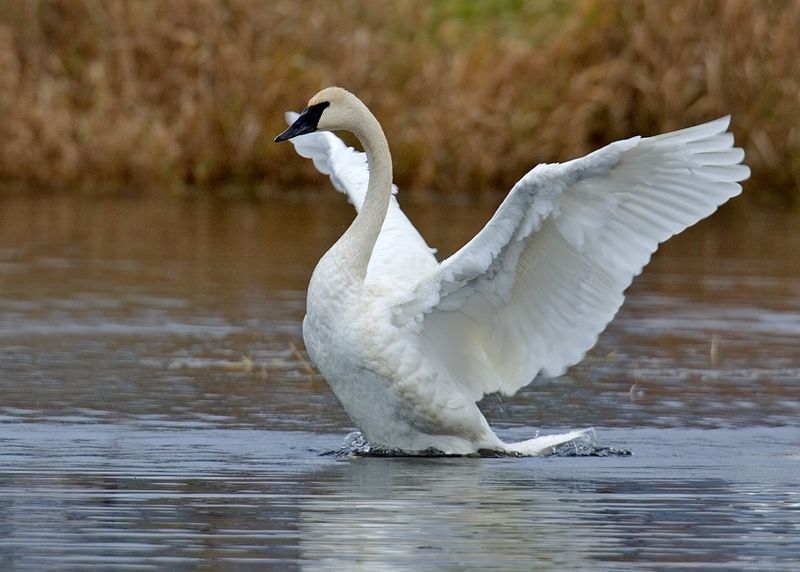
“This beautiful swan was stretching its wings out. The thing that stands out to me in the photo is how beautifully and elegantly the swan was posing,”  ….

Trumpeter Swan (Cygnus buccinator) ©WikiC naturespicsonline

Quite a few of my friends have had birthdays in October, and if you did, now you know your Bird of the Month. Sorry was a bit late getting posted, but it IS STILL October. Trust you had a great birthday.

Depending on what version of the Bible used, the Swan may or not be a Bird of the Bible, but I counted it in when I did the Birds of the Bible – Swan posts.

The little owl, and the great owl, and the swan, (Deuteronomy 14:16 KJV)

the little owl, the screech owl, the white owl, (Deuteronomy 14:16 NKJV)

the little owl, and the great owl, and the swan, (Deuteronomy 14:16 YLT)

The little owl, the great owl, the horned owl, (Deuteronomy 14:16 AMPC)

The little owl and the great owl and the water-hen; (Deuteronomy 14:16 BBE)

little owls, great owls, white owls, (Deuteronomy 14:16 ERV)

All these verses are from the list of Birds Not To Eat for the Israelites. Personally, I have never seen any of these on the menu at my favorite restaurant and don’t plan on eating one of them.

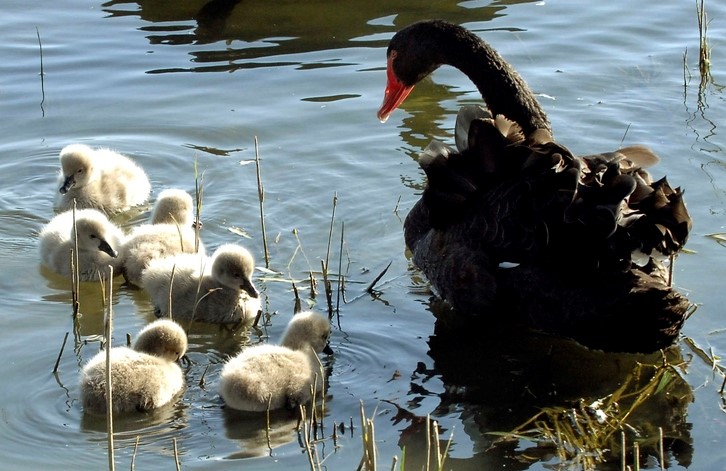
Black Swan (Cygnus atratus) with Cygnets ©WashPost

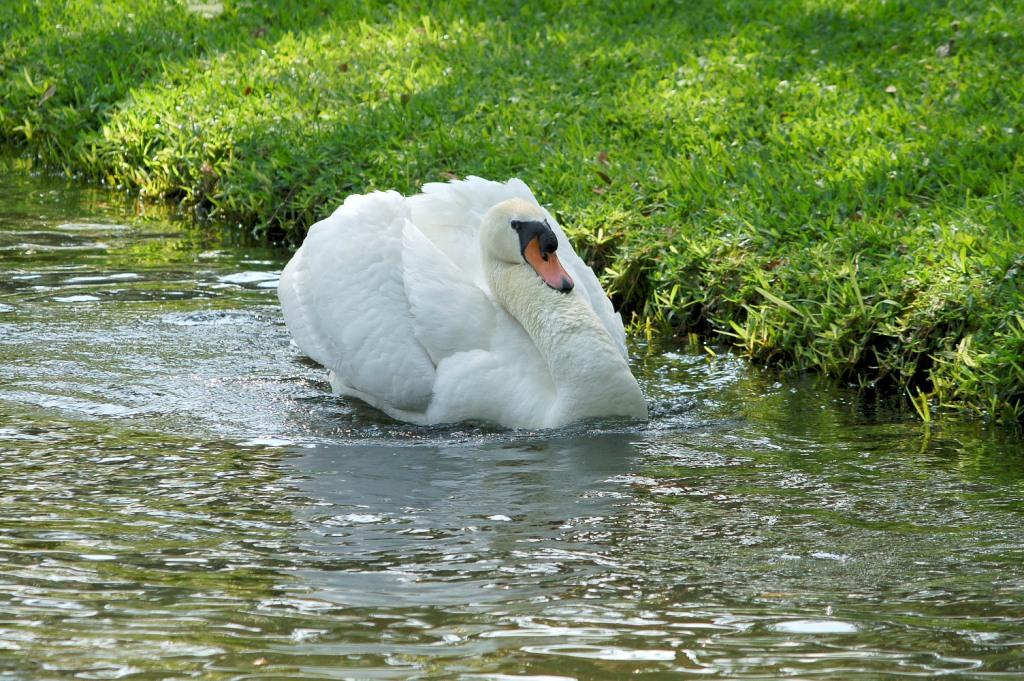
Mute Swan (Cygnus olor) at Bok Sanctuary By Dan’sPix

Black Swan by Lee

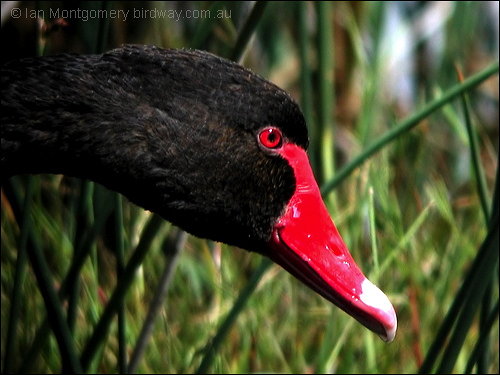
Black Swan (Cygnus atratus) by Ian

Black Swan (Cygnus atratus) by Ian

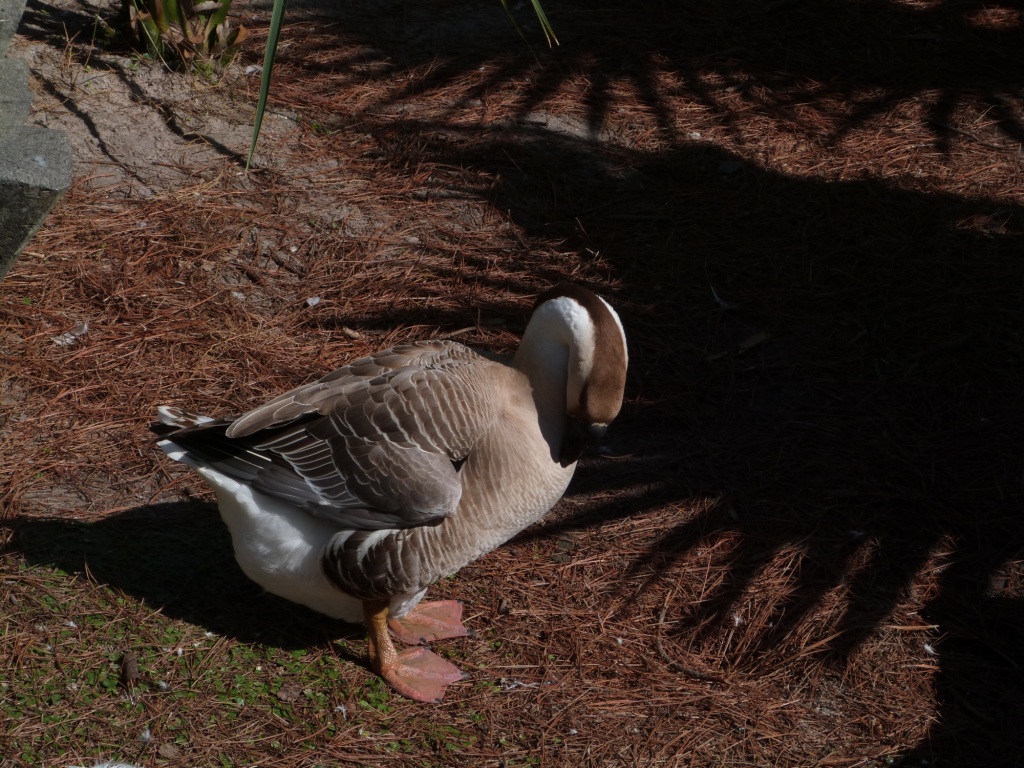
Swan Goose Lowry Park Zoo

Birds and Blooms Bird of the Month Article Birds and Blooms Bird of the Month

See:

Birds of the Bible – Swans

Anatidae – Ducks, Geese, Swans

Good News


September’s Bird of the Month – Hawk

Red Sholdered Hawk by Ray

Red Shouldered Hawk by Ray

According to Birds and Bloom magazine site, there are Birds of the Month.

“You’ve probably heard of birth month gemstones and birth month flowers, but have you heard of birth month birds? It might come as a surprise to learn every month of the year has not only a representative jewel and flower, but also a bird. From owls to ravens, here are the birds that represent everyone’s birthdays.”

Birds and Blooms Birds of the month

September: Hawk

They’re not always a welcome sight around feeders, but there’s plenty to admire about hawks. Resourceful and powerful, they’re striking as they hover in the skies or scan fields for prey. These birds of prey aren’t particularly hard to find, but since many look alike, it can be tricky to identify hawks.

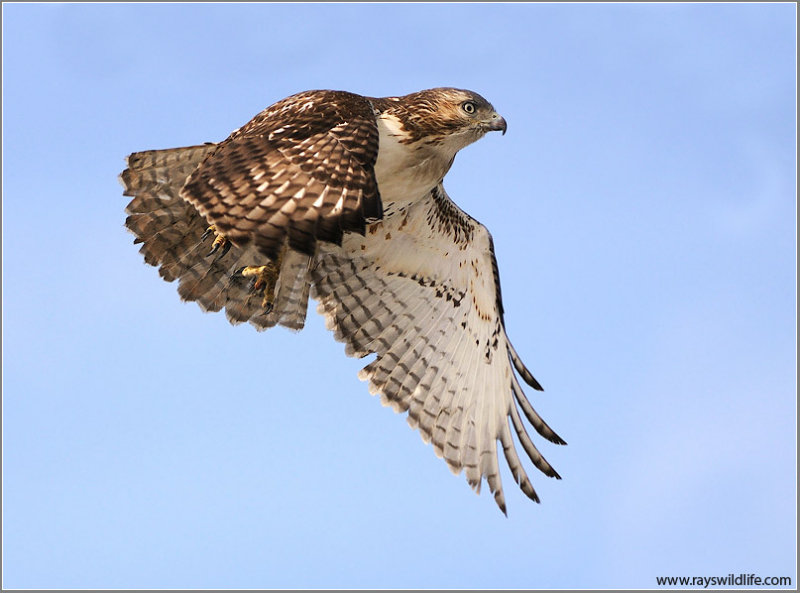
Red-tailed Hawk by Ray

Red-tailed Hawk by Ray

“I heard the undeniable screech of a red-tailed hawk (above) while I was out watering my flowers one early summer morning. It didn’t take me long to locate this beautiful, noisy creature. Majestically, it perched on the highest peak of my neighbor’s roof. It was communicating with its mate, which was perched in a nearby tree. I was lucky to see their interaction and snap a shot as it took off and flew away,” says Carol Holliday.

Can you guess the September birth flower?

September is my birthday month. So, along with the rest of you we now know that we should like Hawks, especially if this is our monthly bird. There have been plenty of Hawks presented over the years on this blog. So, let’s take a look at some of them.

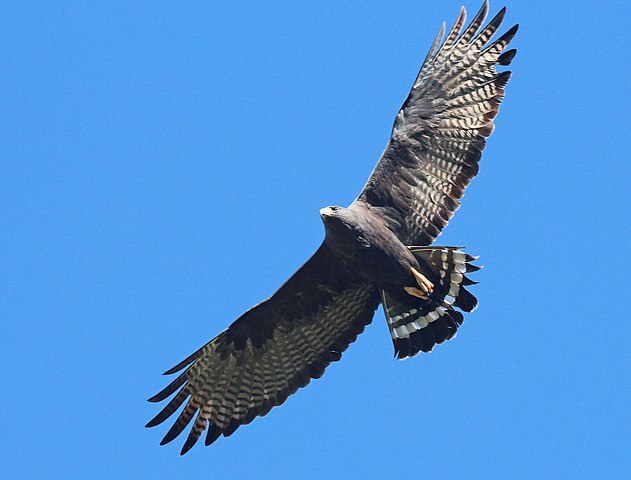
Zone-tailed Hawk (Buteo albonotatus) ©WikiC

“Does the hawk fly by your wisdom, And spread its wings toward the south? (Job 39:26 NKJV)

Job 39:26 asks us if we are the ones who gave the Hawks their wisdom? We know that God created these beautiful avian wonders.

Hawk Photos   Click on the series of photos.

Here are more articles about Hawks:
What will you do with Jesus?


August’s Bird of the Month – Kingfisher

White-collared Kingfisher by Dan's Pix

White-collared Kingfisher by Dan’s Pix

According to Birds and Bloom magazine site, there are Birds of the Month.

“You’ve probably heard of birth month gemstones and birth month flowers, but have you heard of birth month birds? It might come as a surprise to learn every month of the year has not only a representative jewel and flower, but also a bird. From owls to ravens, here are the birds that represent everyone’s birthdays.”

More from Birds and Bloom:

August: Kingfisher

If you’re drawn to water, the kingfisher represents you well. The August birth month birds don’t stray far from water of some kind: rivers, lakes, streams or even swamps. You can find them throughout most of the United States, either year-round or during breeding or migration seasons.

“This is one of my favorite birds, the Belted Kingfisher. I was thrilled to catch this one perched on this branch. They are hard to catch up with as they are always on the move, but this one sat there for a while and posed for us. They have such a distinctive call, and watching one dive into the water to catch a fish is quite a sight!” says Pauline Medori.

Don’t forget to add a card to your bird month gift. We found the best bird cards.

Above from Birds and Blooms about the Birth of Month Birds

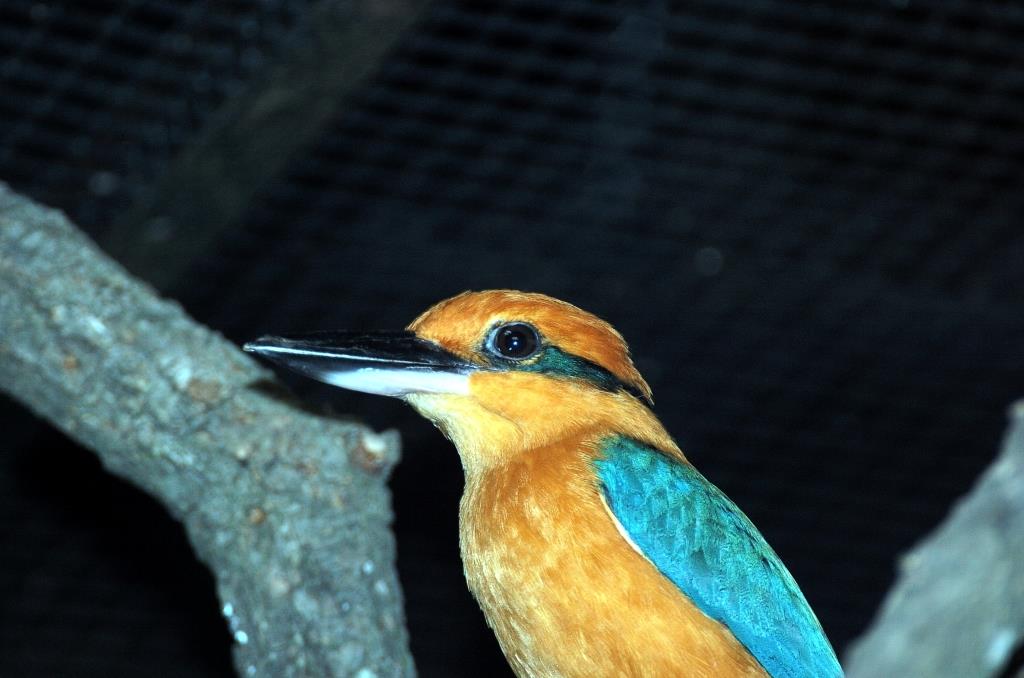
Micronesian Kingfisher by Dan

“Then Jesus said to them, “Follow Me, and I will make you become fishers of men.”
(Mark 1:17 NKJV)

We’ve enjoyed writing about and watching these unique Kingfishers. They have a squatty look to me because of their short neck with that long beak. Luckily, we are able to see them nearby quite often. So, there are quite a few articles here on the blog. Here are some of them.

Check out some of these:

Ian’s Bird of the Week – Collared Kingfisher

Kingfisher Chick Receiving Its First Fish ~ Re-blog

Pied Kingfisher – Concentrated Diver

Kingfisher Chick Receiving Its First Fish ~ Re-blog

The King’s Fisher by William Wise

Lee’s Six Word Saturday – 5/6/17

Lee’s One Word Monday – 4/17/17

Lee’s Four Word Thursday – 2/9/17

Lee’s Six Word Saturday – 11/5/16

Kingfisher Photos

Kingfisher Videos

July’s Bird of the Month – Eagle

Bald Eagle – San Diego Zoo

According to Birds and Bloom magazine site, there are Birds of the Month.

“You’ve probably heard of birth month gemstones and birth month flowers, but have you heard of birth month birds? It might come as a surprise to learn every month of the year has not only a representative jewel and flower, but also a bird. From owls to ravens, here are the birds that represent everyone’s birthdays.”

More from Birds and Bloom:

Bald Eagle (Haliaeetus leucocephalus) by Ray Barlow

July: Eagle

Eagles are regal birds. They’re fierce in flight and stunning to see, with hooked beaks and wide wingspans. In the United States especially, a bald eagle is a prized sight. Watch for white feathers on the head and brown plumage on the rest of the body, as well as yellow talons.

“It was a drizzly fall day on the Potomac Eagle train ride in Romney, West Virginia. I didn’t have high hopes for good photos, but I got lucky,” says Robin Bell.

Check out the July birth flower gift guide.

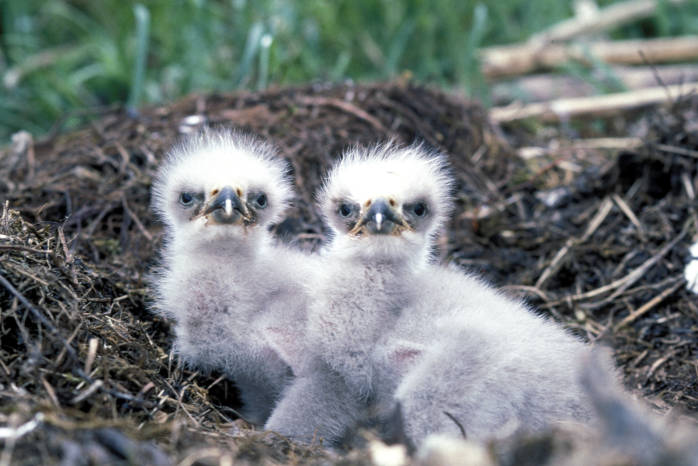
Bald Eagle (Haliaeetus leucocephalus) chicks ©USFWS

I always enjoy seeing our Bald Eagles, but there are many other Eagles around the world. Also many articles here about Eagles.

Here are just a few previous articles that show other eagles:

Clarifying Confusion about Eagles’ Wings

Bald – Golden – Steller’s Sea – Eagles Compared

Sunday Inspiration – Eagles

Birds of the Bible – Eagle in Hosea 8

Birds of the Bible – Harpy Eagle

Accipitridae – Kites, Hawks and Eagles

Good News

So, what are they wading for, in South Florida?

Dr. James J. S. Johnson

“To everything there is a season, and a time to every purpose under the heaven … Everything He [i.e., God] has made beautiful, in its time: also He hath set eternity in their heart, so that no man can find [i.e., fully find/discover] the work that God has done from the beginning to the end.” (Ecclesiastes 3:1 & 3:11)

Lately I’ve been investigating birds of South Florida, especially those of the Everglades and the Florida Keys. God willing, I expect to be part of a scientific/educational tour of those parts of Florida, later this year (more on that later, D.v., if that trip becomes a reality!). Meanwhile, a few of those Florida birds are on my mind, so it’s timely to post a bit on some of these beauties. For starters, let’s consider some heron-like wading birds, the kinds that have long skinny legs, perfect for hunting food in shallow waters.

Interestingly, there is an “albino” version (endemic subspecies) of the Great Blue Heron, called the “Great White Heron”. In other words, this version of the Great Blue Heron is white, but it’s not a Great White Egret. It’s seen in the Florida Keys. In fact, there is a national wildlife refuge named for it: Great White Heron National Wildlife Refuge, just west of national Key Deer Refuge.

The face of a “Great White Heron” looks a lot like that of a regular Great Blue Heron — to compare, consider this mugshot of a Great Blue Heron.

Of course, South Florida has lots of inland and coastal waters, so the opportunities for hunting and eating aquatic prey seems boundless, as a practical matter (to a hungry heron). Consider this Great Blue Heron, eating what looks like a catfish. Of course, there are many other heron-like birds in South Florida. For another example, consider the Little Blue Heron, which is often found in the Everglades. The Little Blue Heron has bluish-grey plumage, ivory white legs and feet, and a whitish dagger-like bill.

For another wading bird of South Florida, consider the Roseate Spoonbill. Well-named, this rose-feathered wader has a distinctively spoon-shaped bill, used for capturing prey (and securing it as the bill-shaking bird drains out excess water before swallowing.

For another example, consider the American Flamingo (a/k/a Pink Flamingo), an icon of South Florida’s colorful wildlife. If the flamingo gets the right diet, and thus gets lots of carotenoid pigment, the red-to-pink color is vivid!

And we should not forget the Wood Stork, which Buddy Davis calls “the only stork of North America” (see SWAMP MAN, Buddy’s classic wildlife DVD produced by Answers in Genesis ministry).

WOOD STORK (“Iron-head”): Nat’l Park Service photo

The clunky-looking Wood Stork is nicknamed “Iron-hHead” (and “Flint-head”) due to its grey scaly neck and head.

Of course, the Snowy Egret is a Florida favorite — especially to LEESBIRD.COM visitors. Snowy legs are black, but look at those yellow feet! Some call them “golden slippers”, since they walk, strut, and amble upon their feet; others say “golden gloves” since snowies use them as prehensile fingers, grasping things.

One of my (this is JJSJ talking) all-time favorite wading birds, of Florida, is the White Ibis. Some become accustomed to eating bread crumbs provided by birdwatchers, e.g., in the Webels’ pondside backyard (St. Petersburg). And, in some public parks, white ibises might even eat bread crumbs out of your hand!

That’s it for now . . . please appreciate that God has providentially equipped the habitats of Florida to be bird’s havens, so those habitats are likewise birder’s havens! Yes, the Lord has made all of these birds “beautiful in their times”–and in ours too!

“To everything there is a season, and a time to every purpose under the heaven … Everything He [i.e., God] has made beautiful, in its time: also He hath set eternity in their heart, so that no man can find [i.e., fully find/discover] the work that God has done from the beginning to the end.” (Ecclesiastes 3:1 & 3:11)

Hey! Is that an egret standing atop my head? (Photo by Marcia Webel)

June’s Bird of the Month – Dove

Mourning Dove (Zenaida macroura) by Daves BirdingPix

“And I said, Oh that I had wings like a dove! for then would I fly away, and be at rest.” (Psalm 55:6)

According to Birds and Bloom magazine site, there are Birds of the Month.

“You’ve probably heard of birth month gemstones and birth month flowers, but have you heard of birth month birds? It might come as a surprise to learn every month of the year has not only a representative jewel and flower, but also a bird. From owls to ravens, here are the birds that represent everyone’s birthdays.”

More from Birds and Bloom:

Mourning Dove by Reinier Munguia

Mourning Dove by Reinier Munguia

June: Dove

Symbols of peace and tranquility, birders everywhere love doves—and in North America, especially the mourning dove. They’re not the most graceful fliers, but they make up for it in song. Listen for their calming call, which comprises a set of cooing notes. You’ll usually find them feeding on the ground, or at a ground or platform feeder.

“This mourning dove let me get close to it in my backyard in Michigan. This bird was certainly comfortable and content. It kept preening and ruffling its feathers even as I kept getting closer and closer,” says Martin Torres.

These 15 photos of mourning doves will make you adore them (if you don’t already!).

https://www.birdsandblooms.com/birding/birth-month-birds/

Mourning Collared Dove (Streptopelia decipiens) With Young ©WikiC

We’ve written quite a few posts about the Dove family which is mentioned quite a few times in the God’s Word. Here are some links to many of them for you to checkout:

Birds of the Bible – Doves and Pigeons

To find out more about Doves:

Doves are in the Columbidae Family of the Columbiformes Order

Birds of the Bible:
Dove and Turtle-Dove
Dove Eyes and Voice
Birds of the Bible – Pigeon
Turtle Doves
Dove’s Dung
Coat of Many Colors – Coat II
Doves and Pigeon Distribution

Interesting Things
World War I Hero – Cher Ami

Ian’s Bird of the Week:
Chestnut-quilled Rock Pigeon
Banded Fruit-Dove
Brush and Common Bronzewings
Christmas Imperial Pigeon
Superb Fruit-Dove
White-headed Dove

Doves in Hymns:
My Refuge is a God of Love
The Friendly Beasts
Christmas Brings Joy to Every Heart
Memories of Galilee
He The Pearly Gates Will Open
Hail to the Lord’s Anointed

Dove and Pigeon Photos

Dove and Pigeon Videos

Nave’s Topical Bible – Dove, turtle
Nave’s Topical Bible – Pigeon
Torrey’s Topical Textbook – Dove

If you do a search of the NKJV Bible, you will find 47 verses that mention Dove or Doves. Sometimes also referred to as Turtledoves.

Jesus said in Matthew 10:16 “Behold, I send you forth as sheep in the midst of wolves: be ye therefore wise as serpents, and harmless as doves.”

ABC’s of the Gospel

May’s Bird of the Month

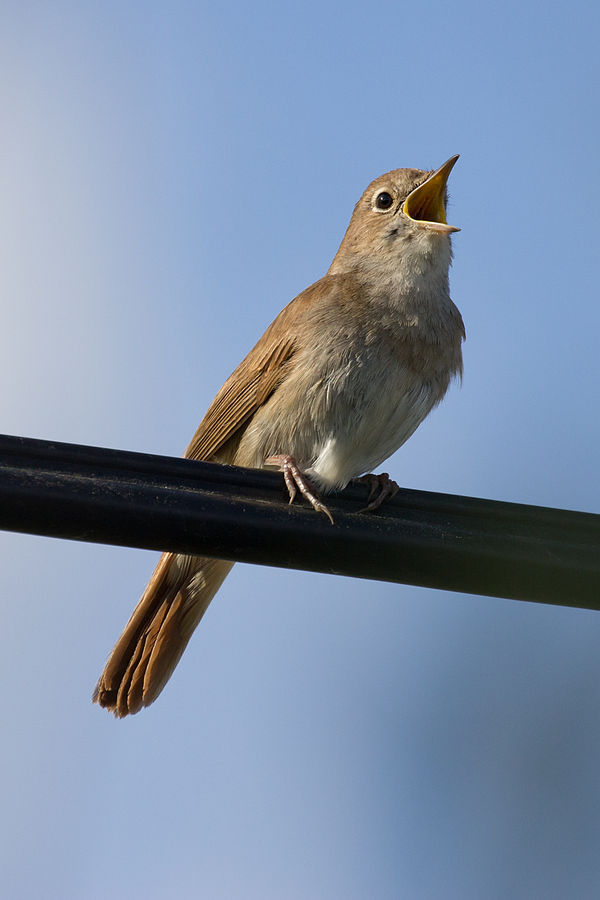
Thrush Nightingale (Luscinia luscinia) ©WikiC

According to Birds and Bloom magazine site, there are Birds of the Month.

“You’ve probably heard of birth month gemstones and birth month flowers, but have you heard of birth month birds? It might come as a surprise to learn every month of the year has not only a representative jewel and flower, but also a bird. From owls to ravens, here are the birds that represent everyone’s birthdays.”

Common Nightingale (Luscinia megarhynchos) ©WikiC

More from Birds and Bloom:

May: Nightingale

It can be hard to spot a common nightingale, especially if you live in North America (their range stretches through much of Europe). They’re elusive birds that keep to themselves, content to remain out of sight in brush or thickets. Belonging to the same family as the American robin, these May birth month birds give a wide variety of calls and songs.

Meet the most musical songbirds in America.

https://www.birdsandblooms.com/birding/birth-month-birds/

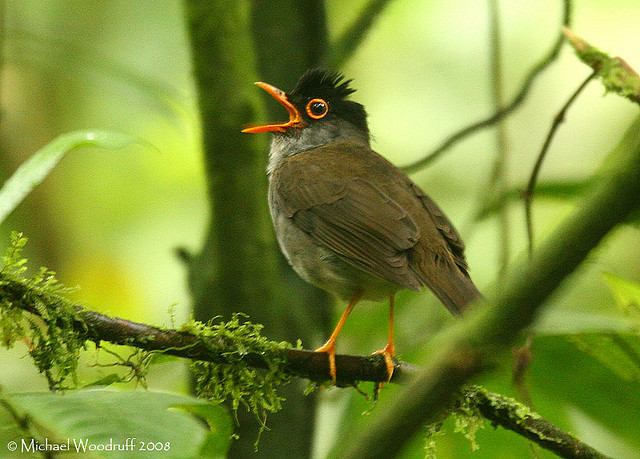
Black-headed Nightingale-Thrush (Catharus mexicanus) by Michael Woodruff

Black-headed Nightingale-Thrush (Catharus mexicanus) by Michael Woodruff

The Wood Thrush is a member of the Turdidae – Thrush family. There are 185 species, including Rufous Thrushes, Whistling Thrushes, Ground Thrushes, our Bluebirds, Solitaires, Nightingale-Thrushes, Cochoas, Shortwings, and our American Robin.

Spotted Nightingale-Thrush (Catharus dryas) ©WikiC

Spotted Nightingale-Thrush (Catharus dryas) ©WikiC

See: A Song Greater Than The Nightingale’s Song – by April Lorier

Nightingale Reed Warbler (Acrocephalus luscinius) ©WikiC

Even the stork in the sky Knows her seasons; And the turtledove and the swift and the thrush Observe the time of their migration; But My people do not know The ordinance of the LORD. (Jeremiah 8:7 NASB)

See Also:

Birds of the Bible – Gleaning’s Noah and the Birds

Birds Vol 1 #5 – The Wood Thrush

Pileated Woodpecker, in Denton County, Texas?

Dr. James J. S. Johnson

And the same John [i.e., John the Baptist] had his raiment of camel’s hair, and a leathern girdle about his loins; and his meat was locusts and wild honey. (Matthew 3:4)

Sometimes you see a bird that “should” be somewhere else: “Hey, bird, you’re not supposed to be here!”

PILEATED WOODPECKERS
(3 males below; 1 female above)
John James Audubon painting

Earlier this month, to my surprise, I saw a red-crested black-and-white woodpecker in one of my trees. The woodpecker’s mostly-black-with-white plumage, plus the characteristic red crest, proved it to be a Pileated Woodpecker (Dryocopus pileatus). Unable to see if its “mustache/neck stripes were red or black, I’m not sure if it was a male or a female. Regardless of that, what is a Pileated Woodpecker doing in Denton County, Texas? Pileated woodpeckers are well-known as year-round residents within the Piney Woods of East Texas, but how did one end up in the Cross Timbers suburbs of Denton County?

PILEATED WOODPECKER female, eating insects
Andrew Brownsword (Wikipedia/public domain)

Yet, I am not the only one claiming to have seen a Pileated Woodpecker inside Denton County, recently. Today, online, I found a report of 2 Pileated Woodpeckers observed on April 13th (A.D.2025) by “Hannah U.”, at Clear Creek Natural Heritage Center (in Denton, Texas — https://ebird.org/region/US-TX-121/bird-list?yr=cur ). Of course, wooded riparian habitats are known to attract insectivorous woodpeckers. If your trees have ants, these woodpeckers would love to feast on those ants! Other bug-plucking woodpeckers recently reported (on that same ebird.org website), inside Denton County (Texas), include Red-bellied Woodpecker, Downy Woodpecker, Hairy Woodpecker, Ladder-backed Woodpecker, and Red-headed Woodpecker. But Pileated Woodpeckers are easily recognized by their scarlet-red crests, plus they are conspicuously large — crow-sized (sometimes longer than 16″)!

WOODPECKERS (AvianReport.com image credit)

In fact, Pileated Woodpeckers are known to casually frequent Texas as far west as Fort Worth, according to Keith A. Arnold, of the Department of Wildlife and Fisheries Sciences, at Texas A&M University (College Station, Texas — https://txtbba.tamu.edu/species-accounts/pileated-woodpecker/ ), saying: “DISTRIBUTION:  This species is fairly common locally to uncommon in wooded portions of eastern third of Texas, west casually to Gainesville and Fort Worth [emphasis added], rarely to Bastrop and Palmetto State Park, south irregularly to Victoria (Oberholser and Kincaid 1974).” [Quoting Keith A. Arnold, “Pileated Woodpecker”, The Texas Breeding Bird Atlas, Texas A&M AgriLife Research (viewed 4-15-AD2025).]

Woodpeckers, unsurprisingly, seek to eat insects found on and in trees.

“The Pileated Woodpecker’s primary food is carpenter ants, supplemented by other ants, woodboring beetle larvae, termites, and other insects such as flies, spruce budworm, caterpillars, cockroaches, and grasshoppers [notice: “locusts” are a type of grasshopper, so these woodpeckers have part of their diet in common with that of John the Baptist!]. They also eat wild fruits and nuts, including greenbrier, hackberry, sassafras, blackberries, sumac berries, poison ivy, holly, dogwood, persimmon, and elderberry. In some diet studies, ants constituted 40 percent of the diet, and up to 97 percent in some individuals. Occasionally, Pileated Woodpeckers visit backyard bird feeders for seeds or suet.” [Quoting “Pileated Woodpecker”, ALL ABOUT BIRDS, CORNELL LAB OF ORNITHOLOGY, posted at http://www.allaboutbirds.org/guide/Pileated_Woodpecker/lifehistory .]

PILEATED WOODPECKERS
Mass Audubon (Massachusetts Audubon) image credit

What beautiful birds — and, considering their large size, imagine how many carpenter ants (and other insects) that a Pileated Woodpecker eats, over its lifespan of perhaps more than 10 years. That a lot of insects!

Yes, some insects are eaten by humans — such as the locusts that John the Baptist was famous for eating — but I still think that I’d rather have eggs, bacon, and some buttered rye toast, with coffee.

Highlights From The Archives: Introduction

Mixed Flock of birds flying in a V Formation- Put together- ©Creative Commons

Mixed Flock of birds flying in a V Formation- Put together- ©Creative Commons

Highlights From the Archives

There are over 350 articles that have been published here on Lee’s Birdwatching Adventures over the years. Just thought I would share some of those posts. The main theme when we started posting, was to introduce the different Birds of the Bible. So, let’s look back and see some of those. (And maybe update them some)

My goal in starting this blog was to introduce the birds that are mentioned in the Bible. It has grown from there and now there are many posts to review and different writers to check out.

The very first birds mentioned by name were just “every winged bird” or “every winged fowl.” God blessed them and told them to be fruitful and multiply. That was on the fifth day of creation.

“So God created great sea creatures and every living thing that moves, with which the waters abounded, according to their kind, and every winged bird according to its kind. And God saw that it was good. And God blessed them, saying, “Be fruitful and multiply, and fill the waters in the seas, and let birds multiply on the earth.” So the evening and the morning were the fifth day.”
(Genesis 1:21-23 NKJV)

Mixed Flock Flyiing 122717 Merritt Is NWR by Lee

Then in Genesis 2:19 the Lord God brought the birds to Adam and let him name them:

So God created great sea creatures and every living thing that moves, with which the waters abounded, according to their kind, and every winged bird according to its kind. And God saw that it was good. And God blessed them, saying, “Be fruitful and multiply, and fill the waters in the seas, and let birds multiply on the earth.” So the evening and the morning were the fifth day.” (Genesis 1:21-23 NKJV)

All the different kinds of the birds were placed on the ark to be kept alive. Then after the Flood, the birds were released and told to repopulate the earth. They did and today we have an array of beautiful avian wonders to watch and enjoy.

Today, I would like to show one of the very first blogs when we began:


Introduction to Birds of the Bible

April’s Bird of the Month – Canary

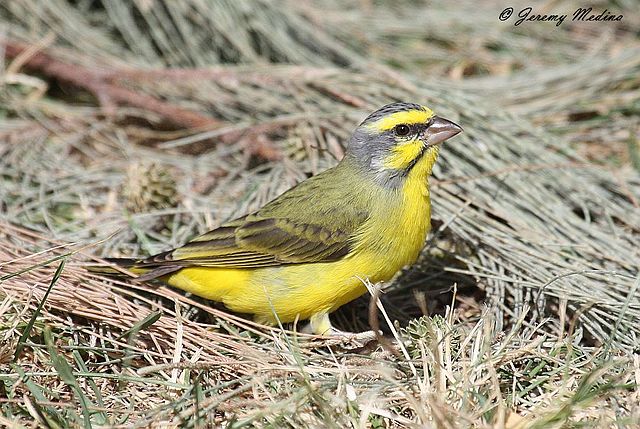
Yellow-fronted Canary (Crithagra mozambica) ©Wiki

According to Birds and Bloom magazine site, there are Birds of the Month.

“You’ve probably heard of birth month gemstones and birth month flowers, but have you heard of birth month birds? It might come as a surprise to learn every month of the year has not only a representative jewel and flower, but also a bird. From owls to ravens, here are the birds that represent everyone’s birthdays.”

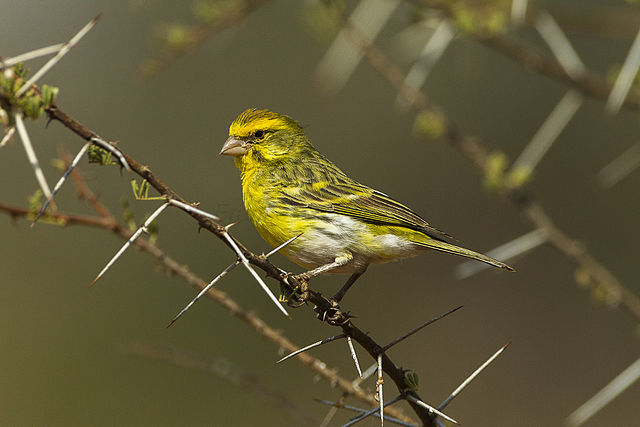
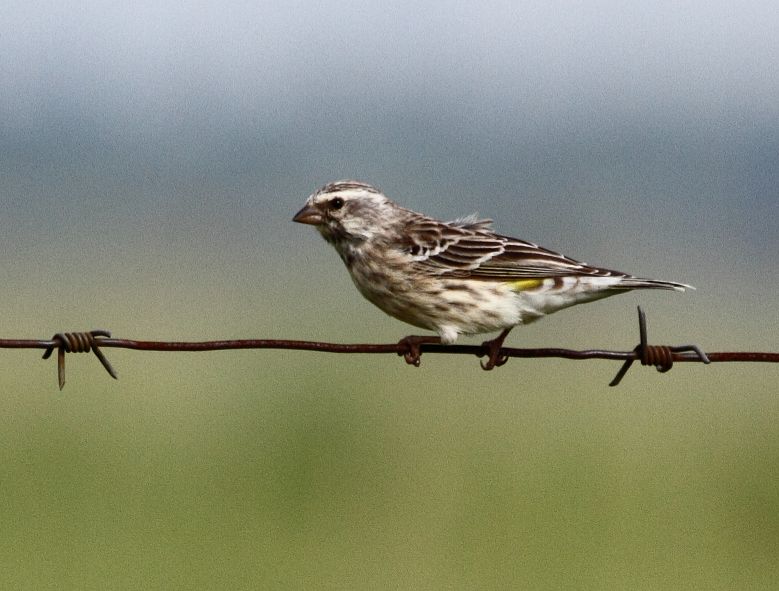
White-bellied Canary (Crithagra dorsostriata) ©WikiC

More from Birds and Bloom:

April: Canary

Perhaps it’s fitting that the bird for the month of Peeps candy is the canary. Some canaries live in the wild, but others, such as the domestic canary, are kept as pets. They’re not all yellow, either; some are red, while others are yellow and black. As part of the finch family, they are cheerful birds with a delightful song. To find them in the wild, you’d need to go to the Canary, Madeira or Azores Islands.

Like canaries? Discover more small yellow birds you should know.

https://www.birdsandblooms.com/birding/birth-month-birds/

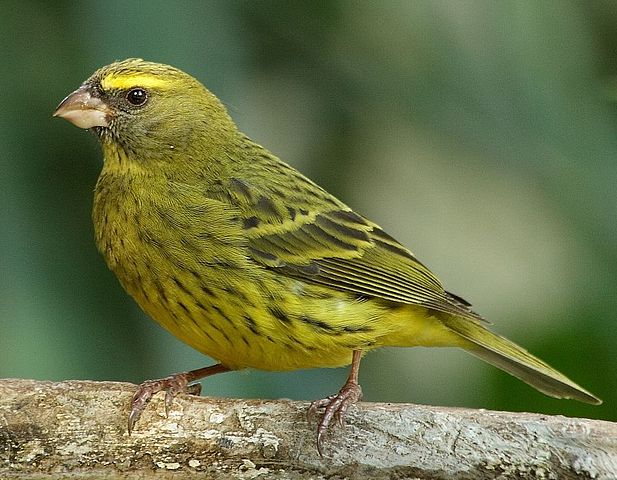
Forest Canary (Crithagra scotops) ©WikiC

When I consider thy heavens, the work of thy fingers, the moon and the stars, which thou hast ordained; What is man, that thou art mindful of him? and the son of man, that thou visitest him? For thou hast made him a little lower than the angels, and hast crowned him with glory and honour. Thou madest him to have dominion over the works of thy hands; thou hast put all things under his feet: All sheep and oxen, yea, and the beasts of the field; The fowl of the air, and the fish of the sea, and whatsoever passeth through the paths of the seas. O LORD our Lord, how excellent is thy name in all the earth! (Psalms 8:3-9 KJV)

Black-throated Canary (Crithagra atrogularis) ©WikiC

Other birds that come from the Canary islands that aren’t Canaries but are yellow. They are all very cute and adorable, in my opinion.

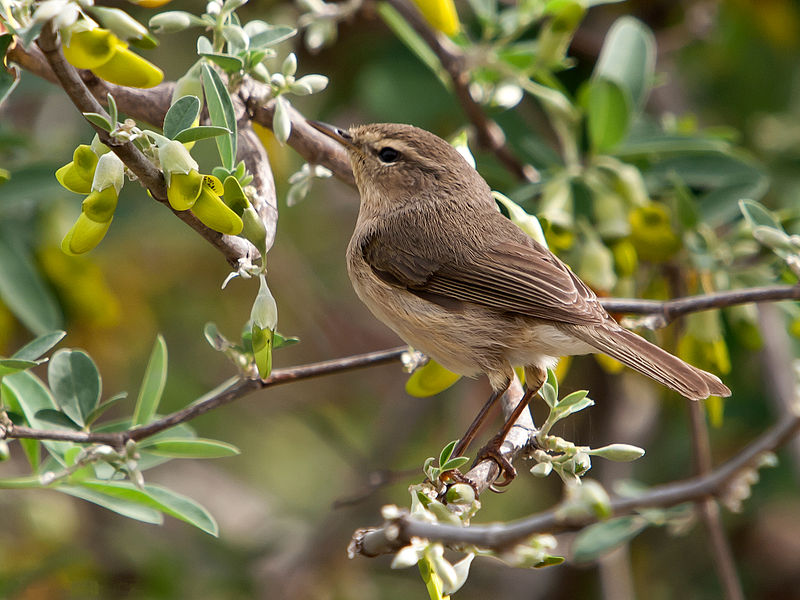
Canary Island Chiffchaff

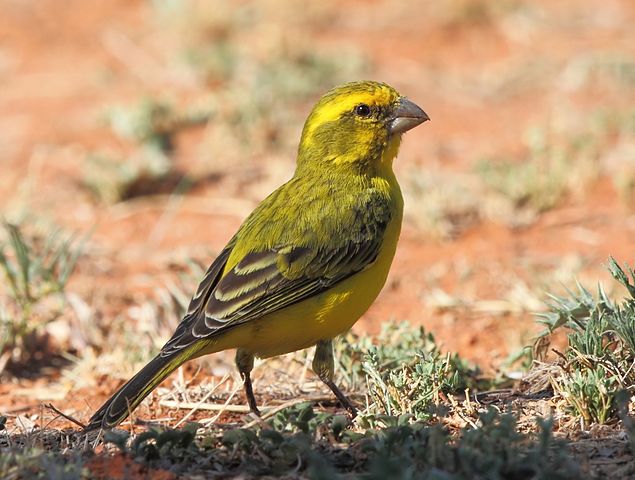
Southern Grosbeak-Canary (Crithagra buchanani) ©WikiC

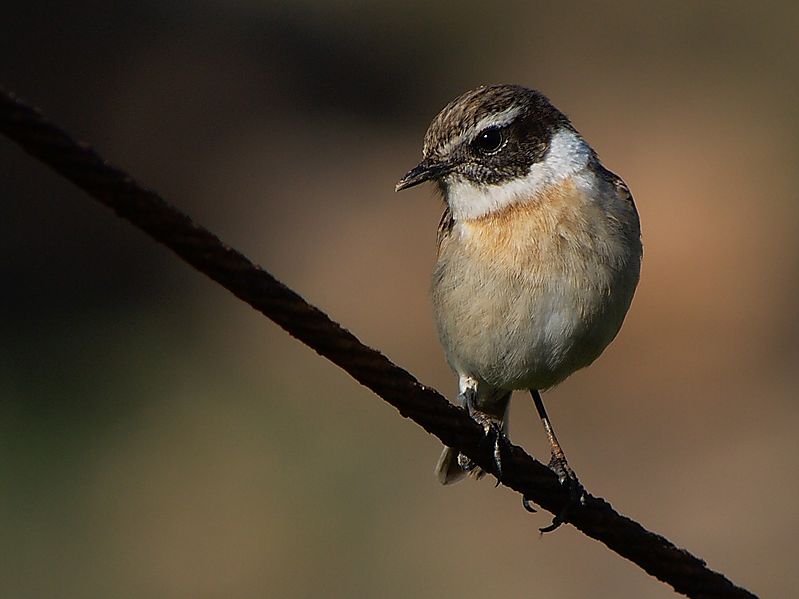
Canary Islands Stonechat (Saxicola dacotiae) ©WikiC

Canary Islands Stonechat (Saxicola dacotiae) ©WikiC

Previous Articles that mention Canarys:

The Rescue of the Canary Bird

SAFETY MONITORING by Canaries, Crayfish, and Brook Trout

Finches at Feeder This Morning

Canaries are part of the Finch Family

Sunday Inspiration – Finches III

Sunday Inspiration – Thraupidae – Flowerpiercers, Sierra Finches, Plus

Gideon

Bird of the Month – February’s Parrot

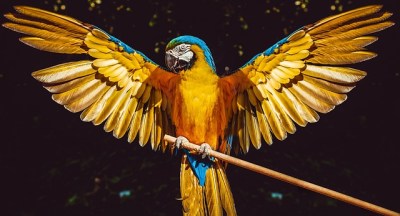
Bird-Wings-Wing-Colored-Ara-Parrot-©Maxpixel

February: Parrot

According to Birds and Bloom magazine site, there are Birds of the Month.

“You’ve probably heard of birth month gemstones and birth month flowers, but have you heard of birth month birds? It might come as a surprise to learn every month of the year has not only a representative jewel and flower, but also a bird. From owls to ravens, here are the birds that represent everyone’s birthdays.”

More from Birds and Bloom:

Spunky, smart, colorful and filled to the brim with personality, parrots always inspire smiles. While they’re perhaps most recognizable for sitting on pirates’ shoulders, there are more than 350 types of parrots in the world—and plenty of them live in the wild.

“I love this this bird because every single time my shutter would snap, he would pose. I took this picture at the Henry Doorly Zoo in Omaha, Nebraska,” says Katelyn Cheek.

https://www.birdsandblooms.com/birding/birth-month-birds/

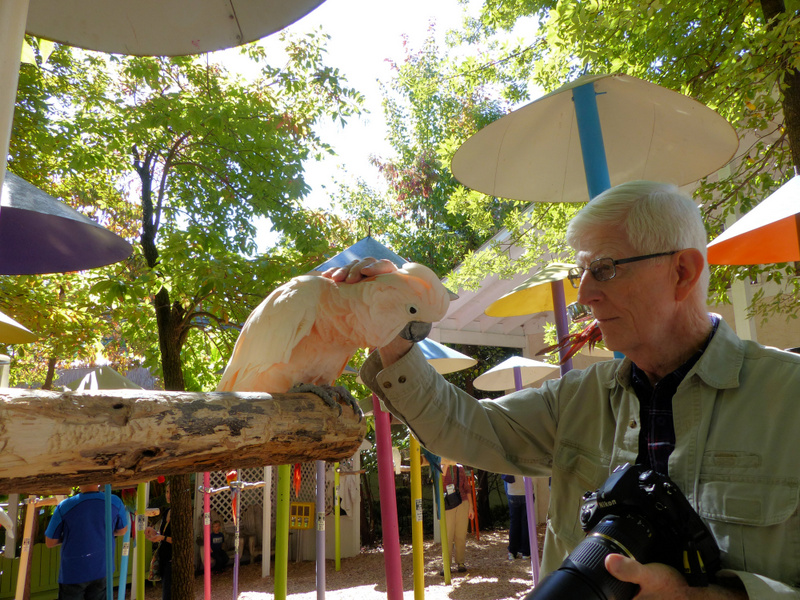
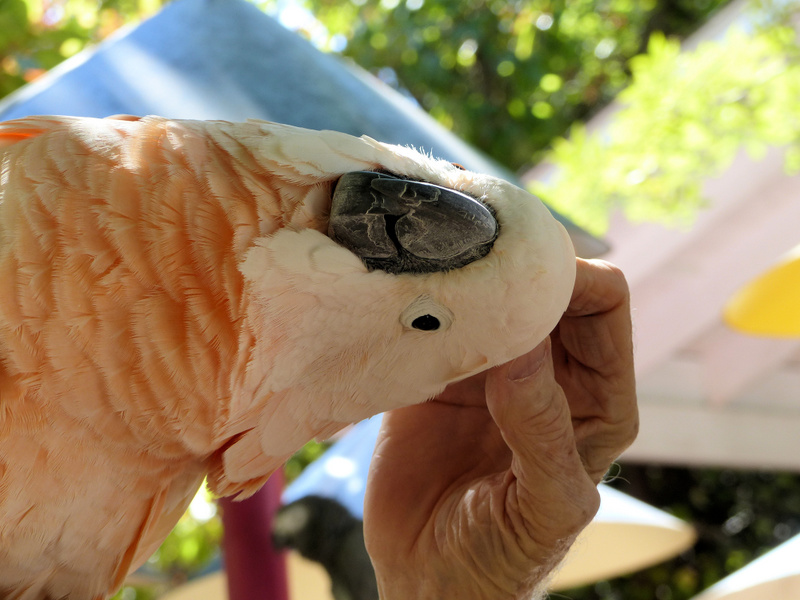
Salmon-crested Cockatoo (Cacatua moluccensis) at Parrot Mtn by Lee

“I set My rainbow in the cloud, and it shall be for the sign of the covenant between Me and the earth.”
(Genesis 9:13 NKJV)

Moluccan King Parrot (Alisterus amboinensis) ©WikiC - Brevard_Zoo

Moluccan King Parrot (Alisterus amboinensis) ©WikiC – Brevard_Zoo

Red-winged Parrot (Aprosmictus erythropterus) by Ian

Red-winged Parrot (Aprosmictus erythropterus) by Ian

Salmon-crested Cockatoo (Cacatua moluccensis) at Parrot Mtn by Lee

The rainbow shall be in the cloud, and I will look on it to remember the everlasting covenant between God and every living creature of all flesh that is on the earth.” (Genesis 9:16 NKJV)

Gathering of Parrots ©I.Ytim

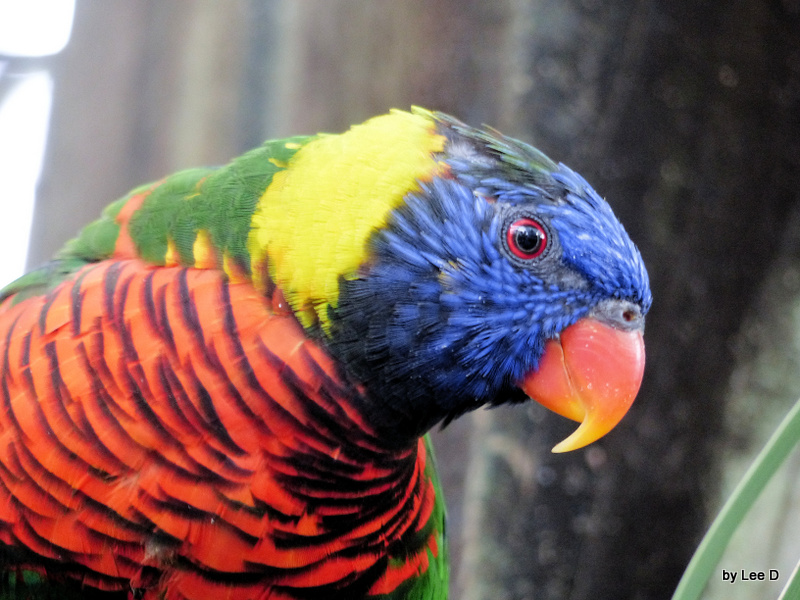
Rainbow Lorikeet

Rainbow Lorikeet Lowry Park Zoo 12-31-15 by Lee

Rainbow Lorikeet

Birds of the Bible do not include parrots by name, but we have written many posts about them. Here are a few:

Wordless Birds