Baby Snowy Egrets at Gatorland

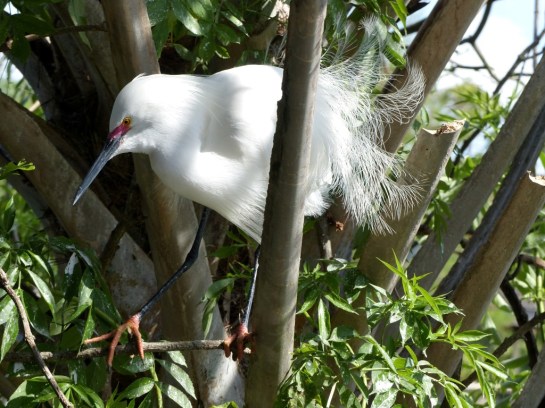
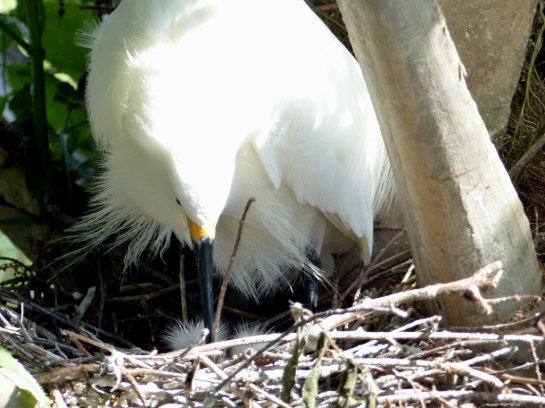
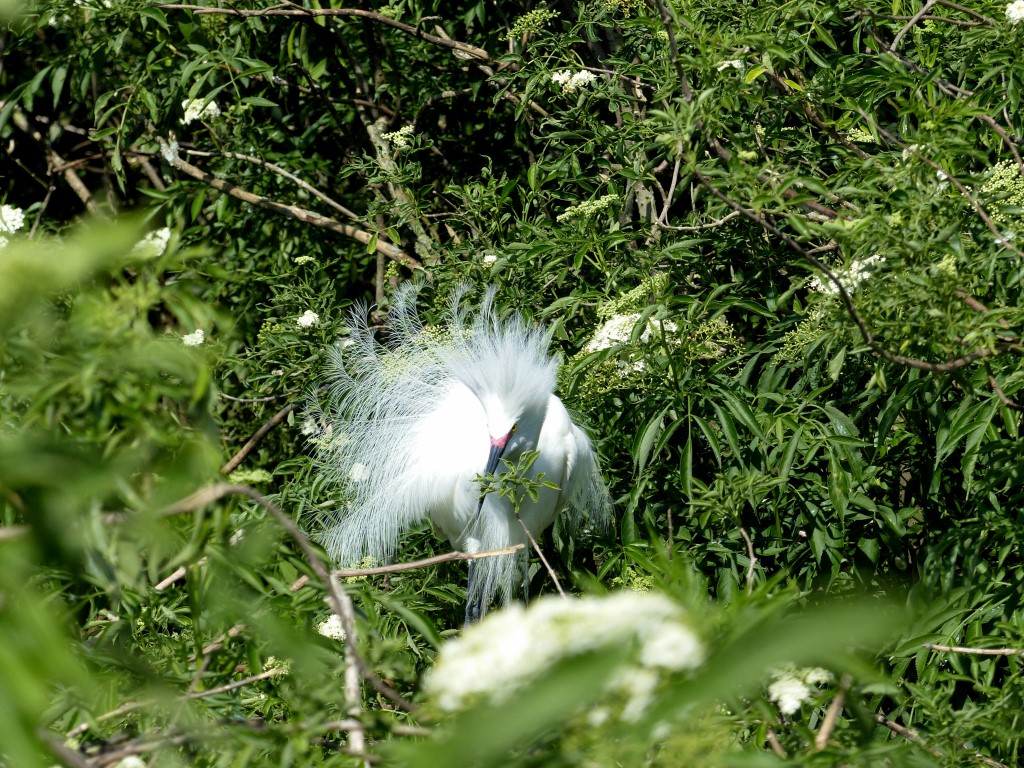
Snowy Egret in Nest by Lee

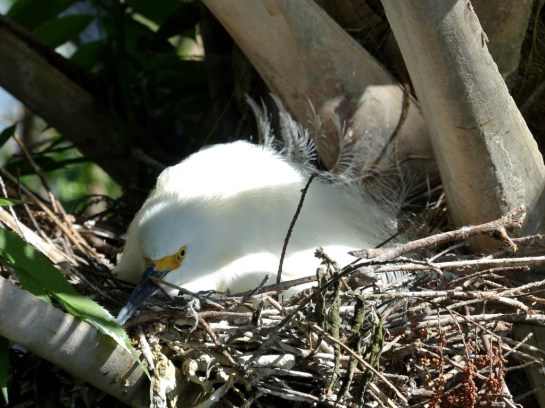
Snowy Egret in Nest by Lee

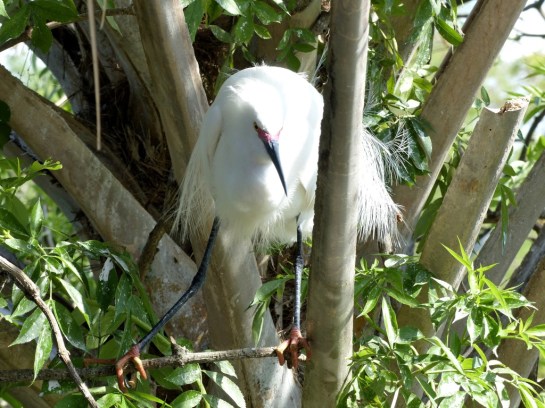
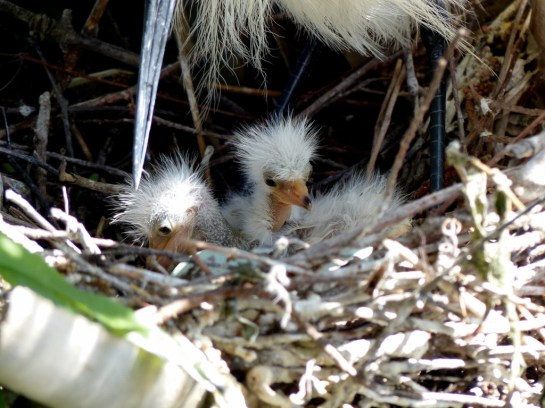
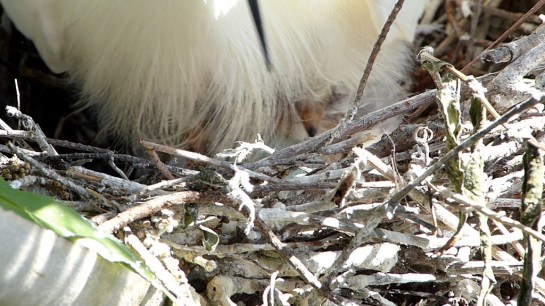
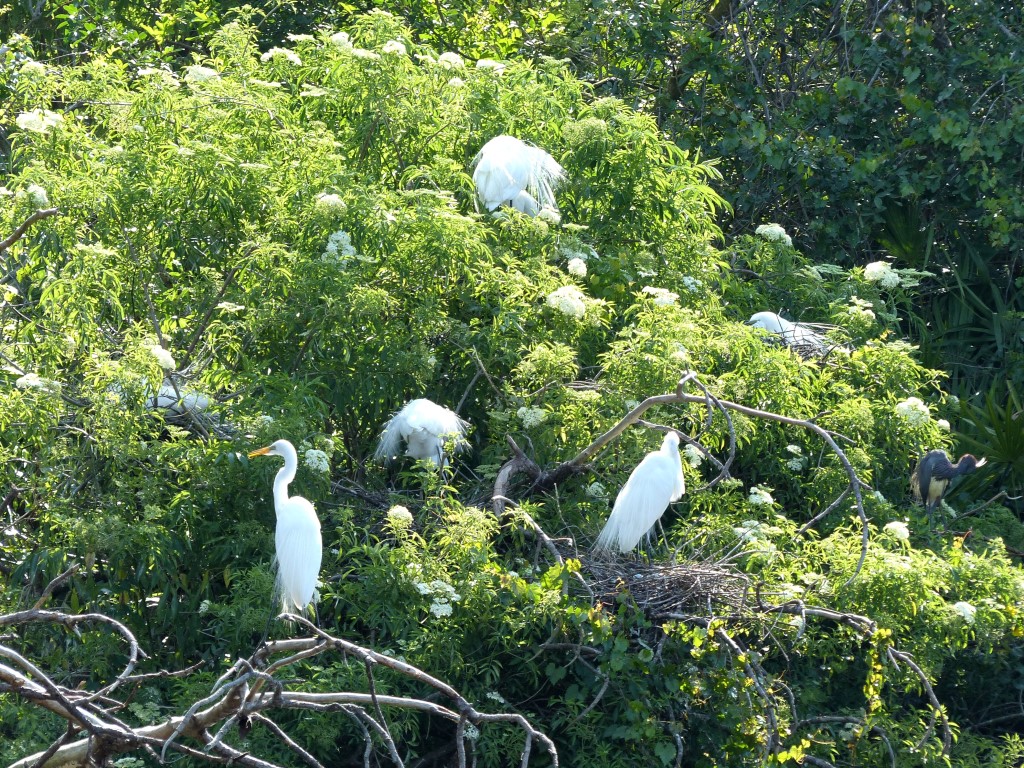
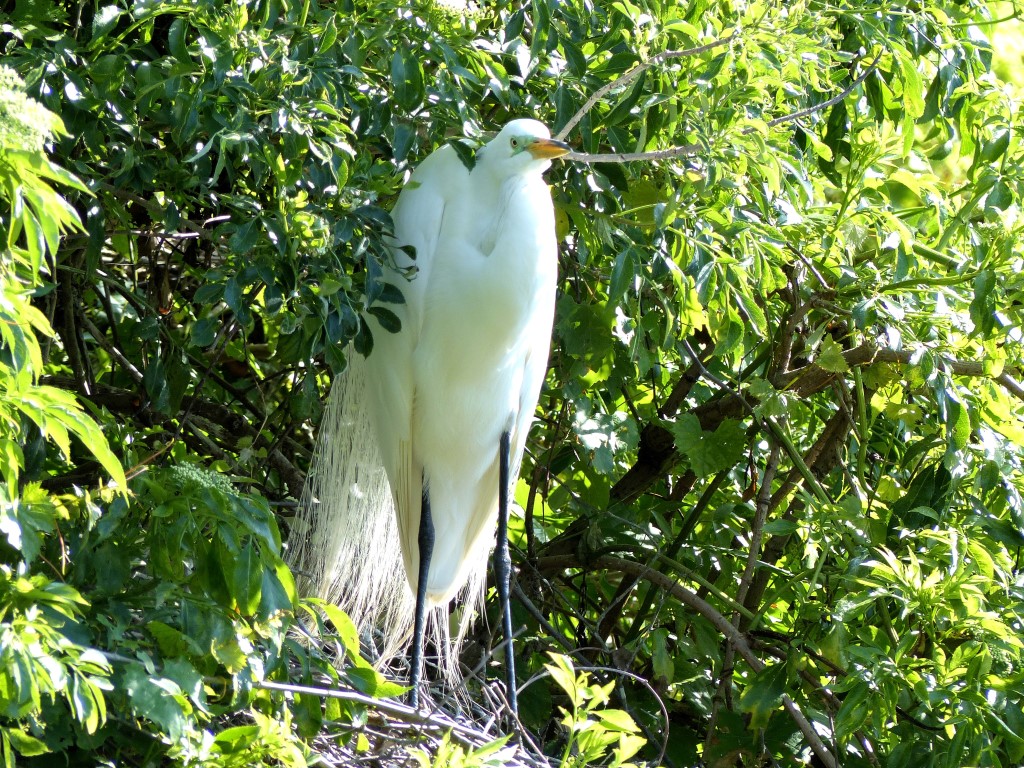
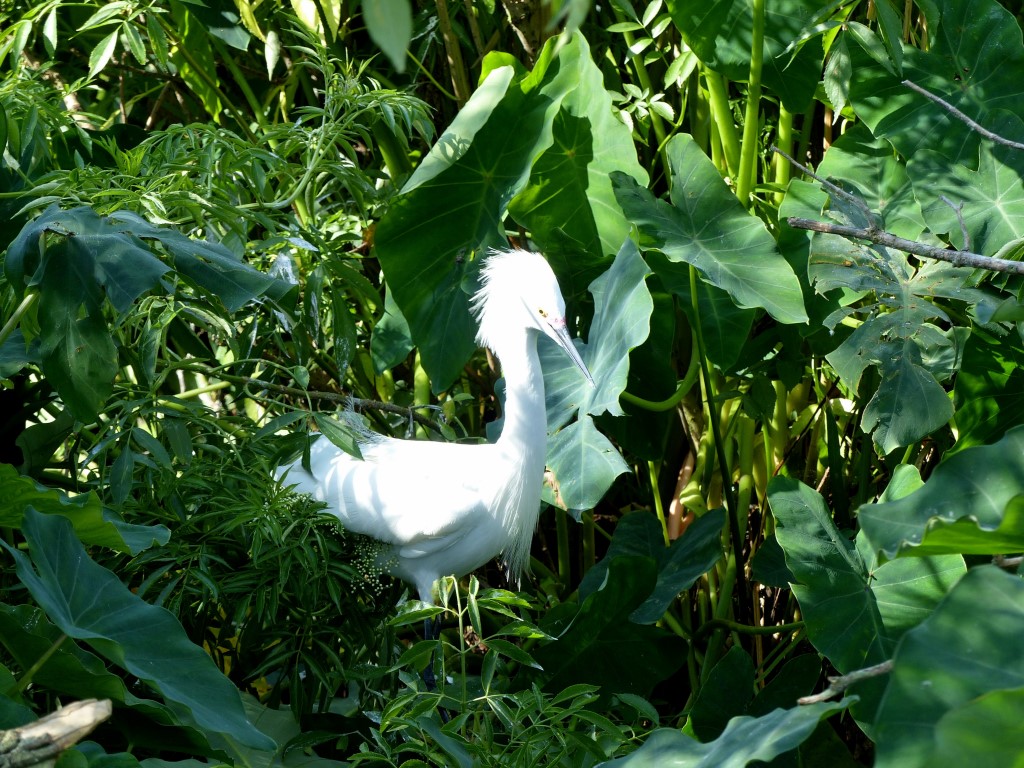
While walking around the rookery at Gatorland, we were able to view some Snowy Egrets at their nest. Dad was watching from above while mom was tending to the two baby “Snowies”.

Snowy Egret Dat at Nest by Lee

Snowy Egret Dat at Nest by Lee

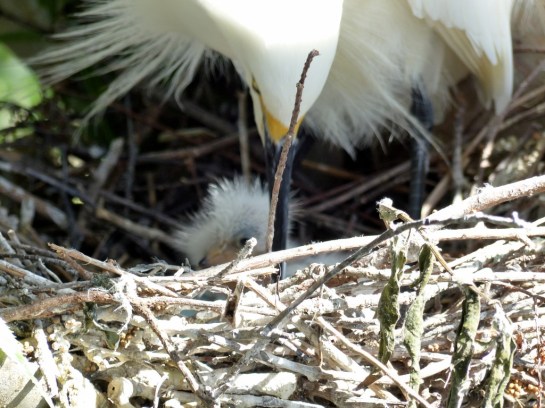
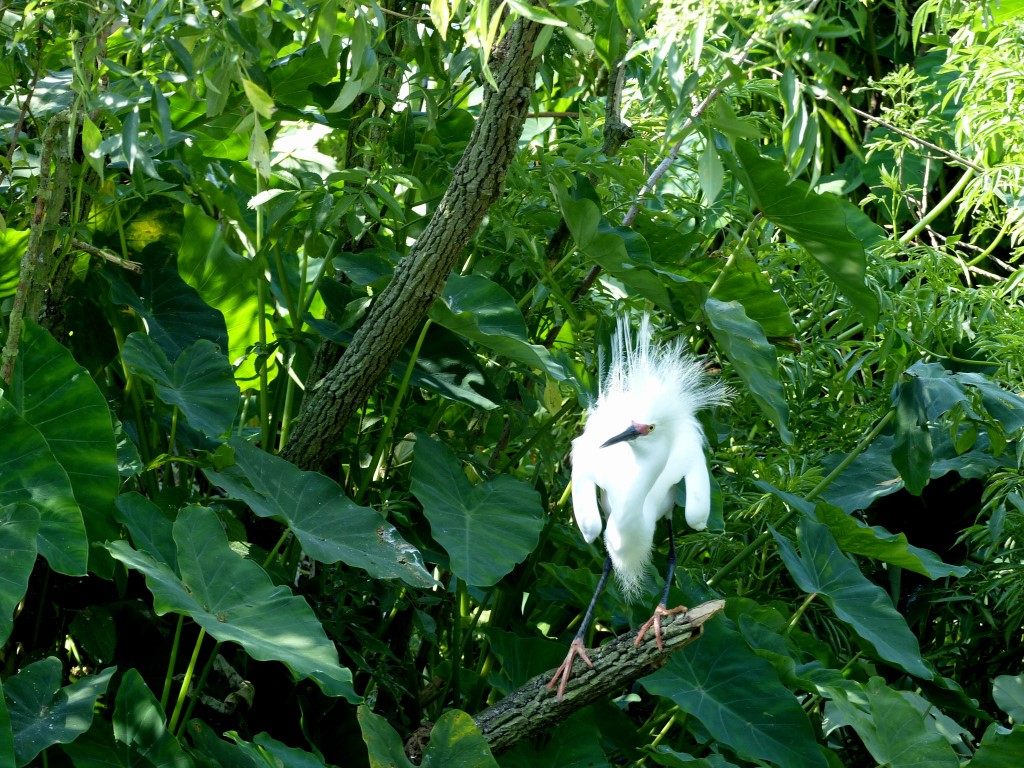
Mom was keeping an eye on the little ones. (This is from my perspective – I could just see the tops of their heads)

Snowy Egret in Nest with babies by Lee

Snowy Egret in Nest with babies by Lee

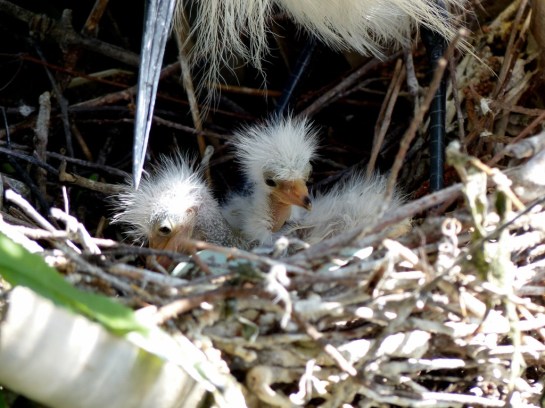
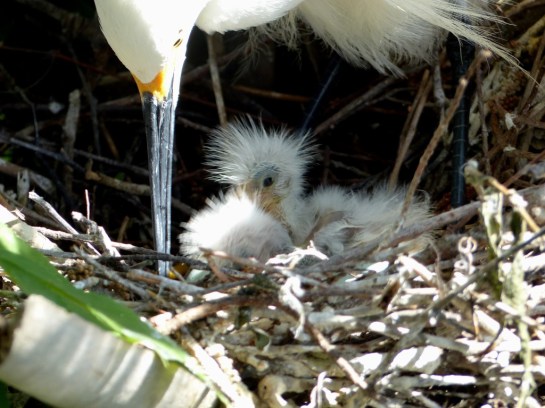
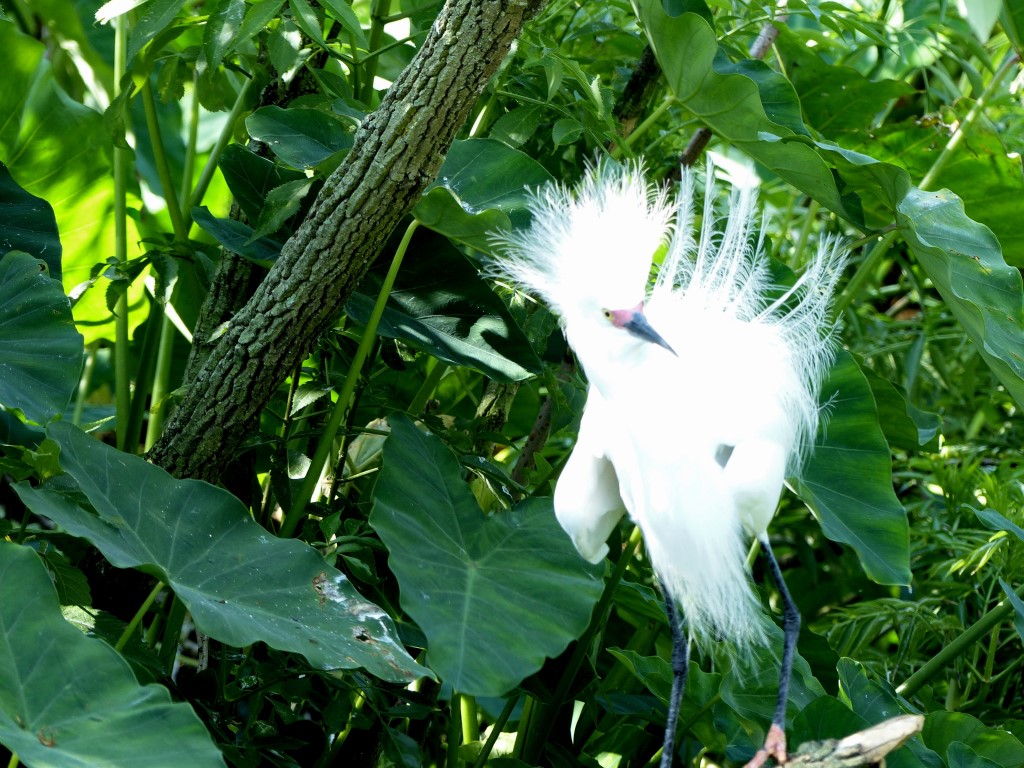
Dan came along and I handed him my camera (to get a better view-he’s taller) Here is one of the babies on his camera:

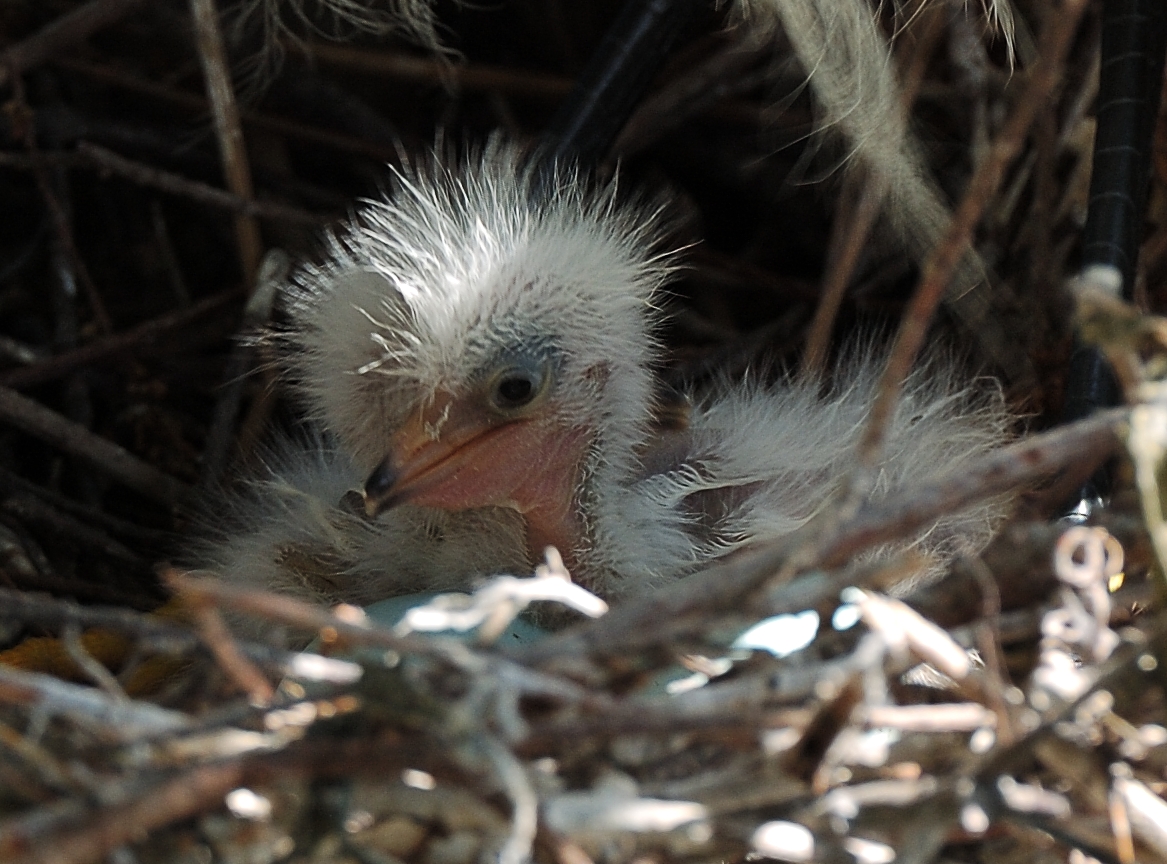
Snowy Egret Baby by Dan

Snowy Egret Baby by Dan

and these are the ones we took with my camera and those with his:

As you view the chicks you will notice there is still an egg in there. That makes me think that these little “snowies” are maybe one or two days old at maximum.

Snowy Egrets are Birds of the Bible in the Heron family Ardeidae – Herons, Bitterns  and are on the “do not eat” list. Who would want to eat these cuties?

the stork, the heron after its kind, the hoopoe, and the bat. (Leviticus 11:19 NKJV)

the stork, the heron after its kind, and the hoopoe and the bat. (Deuteronomy 14:18 NKJV)

We also shot some video to share with you. The first part is by me and a photographer was beside me shooting in “burst” mode. Then Dan shot the second part and you can see in the nest better. – I’m short :)

*

Ardeidae – Herons, Bitterns

Birds of the Bible – Herons

Gatorland, FL

Sharing The Gospel

*

“Flag That Bird!” (Part 1)

“Flag That Bird!”  (Part 1)

We will rejoice in thy salvation, and in the name of our God we will set up our banners; may the Lord fulfil all thy petitions.   (Psalms 20:5 — numbered as 20:6 in Hebrew Bible)
Luzon Bleeding-heart by Dan

Orni-Theology

“Flags” and “banners” herald symbolic messages and institutions, such as a nationality, a dynasty, a military force, or some other kind of organization.  In holy Scripture, the term “flag” (in the KJV) refers to riparian or lacustrine wetland plants, which somewhat resemble banners in their physical appearance (see Job 8:11; Exodus 2:3,5; Isaiah 19:6). The term “banner” denotes the word “flag” as it is commonly used today (see Exodus 17:15; Song of Solomon 2:4 & 6:4,10; Psalms 20:5 & 60:4; Isaiah 13:2).

Bald Eagle and a flag

Whenever birds are featured on a national flag (or on its “armorial banner” version, or on a national province or department), the odds heavily favor the banner-bird being an eagle.   Flags affiliated with American showcase the bald eagle; other nations usually present a golden eagle, like Mexico, or sometimes a mythical “double-headed” eagle, like Mount Athos.

ag of Mexico ©WikiC

flag of Mexico ©WikiC

Consider  –  for just a few representative examples  –  the eagles that appear on the flags  –  some present, some past  —  of these national and state/provincial flags:  Albania;  American Samoa;  Austria (armorial flag);  Brandenburg, Germany;  Ecuador (armorial banner);  Egypt;  Geneva, Switzerland;  Germany (armorial flag );  Iowa;  Italian president’s flag (AD1880-AD1946);  Jordan (armorial banner);  Mexico;  North Dakota;  Oregon (front side of state flag);  Pennsylvania;  Poland (armorial flag);  Prussia (armorial banner, AD1819-AD1850); (Moldova;  Mount Athos (autonomous Greek protectorate);  Russian Czar’s banner (18th century A.D.);  Serbia (during AD1882-AD1918); Silesia (until absorption by Prussia in AD1742 – parts of Silesia now lay within Poland, Germany, and the Czech Republic);  United States Coast Guard and Marine Corps;  Utah;  Virgin Islands (of the USA);  Zambia; etc.

So what about the other birds?  Do any other birds get to show off their plumage on a national flag?  Yes, but just a select few.  Although this listing is likely incomplete (and it will be presented as a mini-series, God willing), herebelow are some non-eagle birds that appear on the official flags of some countries of the world.

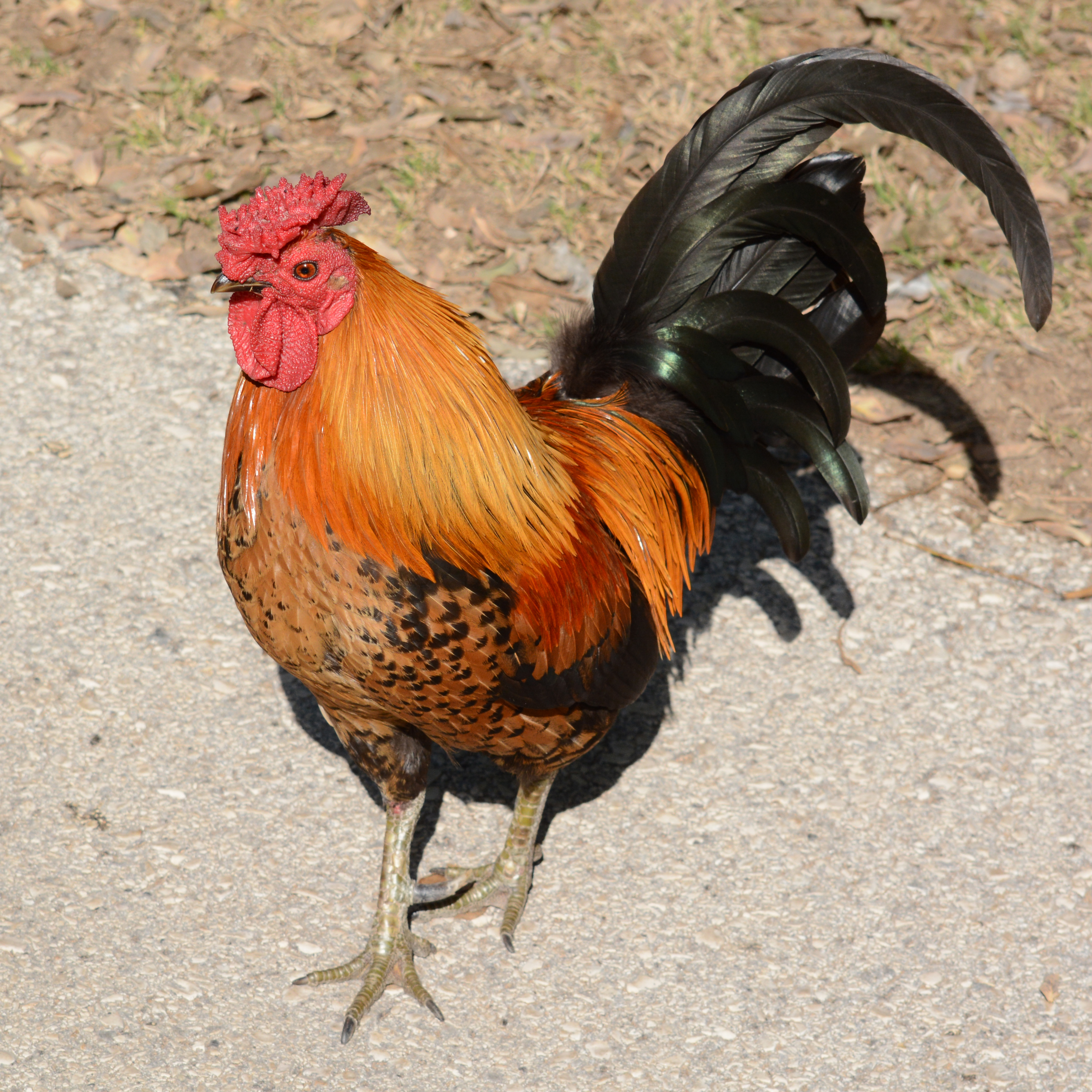
For starters, consider the common – yet ubiquitously valuable – Chicken.
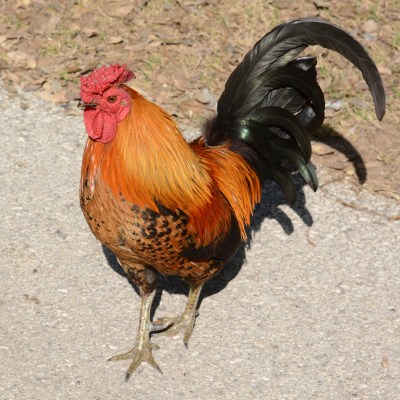
Gallic Chicken (Gallus gallus domesticus) ©WikiC

Gallic Chicken (Gallus gallus domesticus) ©WikiC

Gallic Chicken (Gallus gallus domesticus).

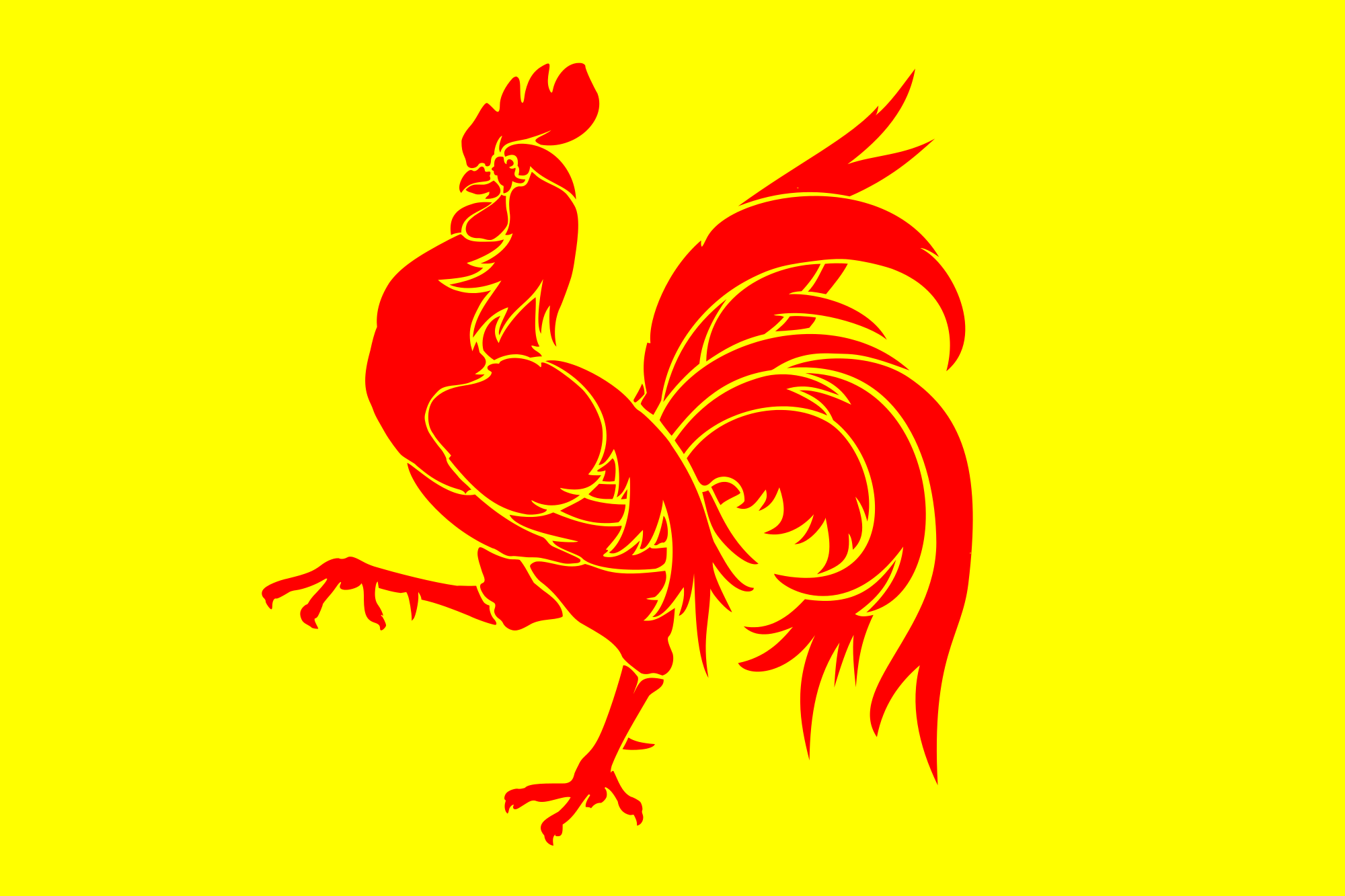
The Gallic Chicken appears on the flag of Wallonia, Belgium.

Wallonia is a region of Belgium, where French is the language usually spoken.  (In Flanders, however, Flemish is spoken; Brussels is bilingual.)  The “Walloon Cock” (i.e., rooster of Wallonia) marches prominently at the center of the regional flag of Wallonia, Belgium.
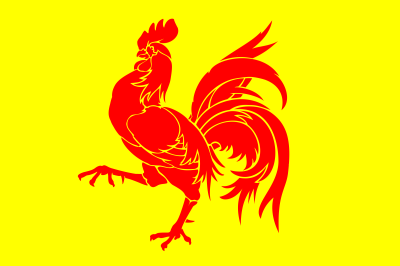
Flag of Wallonia

Flag of Wallonia

During New testament times the country of France (and additional lands that border it) was called “Gaul”, and the symbol of Gaul was the “Gallic cock” (Gallus gallus domestic), i.e., a strutting rooster  –  the adult male of the domestic Chicken, deemed a subspecies of the Red Jungle-fowl (Gallus gallus).  “The cock is a traditional Gallic [i.e., Gaelic/Celtic] emblem and [it] recalls Wallonia’s linguistic and cultural ties with France.”  [Quoting Alfred Znamierowski, The World Encyclopedia of Flags (London: Hermes House, 2002), page 146.]  Chickens are bred and eaten all over the world  –  they even roam the streets of Key West, Florida!   Can you imagine life without chicken?  – think of the almost endless variety of culinary uses of chicken meat and chicken eggs!  Vive le poulet!

The next bird on this list is “bird hawk”, i.e., an accipiter hawk.

Among the birds of prey (“raptors”), there are two main categories of “hawks”:  (1) eagle-or-buzzard-like “buteos” (famous for snatching rodents, lizards, fish, and snakes); (2) and smaller forest-frequenting “accipiters” (famous for snatching birds).  Some would “lump” falcons with accipiters; other do not.  Other groups within the greater “hawk family” include eagles, kites, harriers, vultures, and various “buzzards”.

Buteos include such birds as Red-tailed Hawk, Swainson’s Hawk (which also eats insects), Ferruginous Hawk, Eurasian Buzzard, Broad-winged Hawk, and Osprey.

Accipiters are the smaller category of hawk-like birds  —  the “true hawks”  —  which include the likes of Cooper’s Hawk, Northern Goshawk, Eurasian Sparrowhawk, Sharp-shinned Hawk, etc.  “Accipiters are woodland, bird-catching hawks.  They rely on surprise and a blurring burst of speed to overtake prey.  Short, broad wings provide great acceleration, and slim bodies create little drag.”  [Quoting  Jack L. Griggs, All the Birds of North America (HarperCollins, 1997), page 66 .]  The smaller size of accipiters is a more fitting design for darting in between and around tree branches and shrubbery.  “An accipiter, like the Cooper’s hawk, can chase a songbird through a maze of trees without seeming to slow down, using its long tail as a rudder to help maneuver.  If a songbird does escape the initial attack, it is likely to survive the encounter, for accipiters are sprinters … [who] seldom engage in prolonged tail chases.”  [Again quoting Griggs, All the Birds of North America, page 66.]
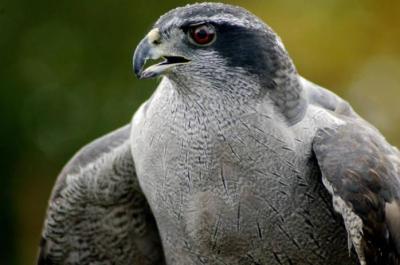
Northern Goshawk (Accipiter gentilis) ©USFWS

Northern Goshawk (Accipiter gentilis) ©USFWS

Northern Goshawk (Accipiter gentilis).

The Northern Goshawk appears on the flag of the Azores, an Atlantic Ocean-surrounded archipelago.  These volcanic islands, located southwest of the European continent, arose from the Mid-Atlantic Ridge, constitute an autonomous protectorate of Portugal.

Portuguese Flag (PD)

Portuguese Flag (PD)

The word “Azores’ derives from açor, the Portuguese word for “goshawk” (which means “goose-hawk”).  Yet it is ironic that both the name and flag of the Azores feature the Northern Goshawk (an accipiter common in continental Europe), because many historians doubt that the Northern Goshawk was a common resident of there, when the Azores were discovered by Portuguese sailors during the AD1400s.  Many think that a local variety of the Eurasian Common Eurasian (Buteo buteo) was mistaken for the Northern Goshawk (Accipiter gentilis) – yet nonetheless the name “Azores” (meaning “goshawks”) stuck.  Accordingly, the depiction of a goshawk, matching the archipelago’s name, was superimposed onto the Azores’ territorial flag.)

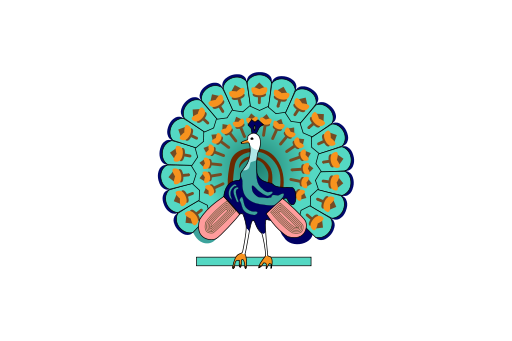
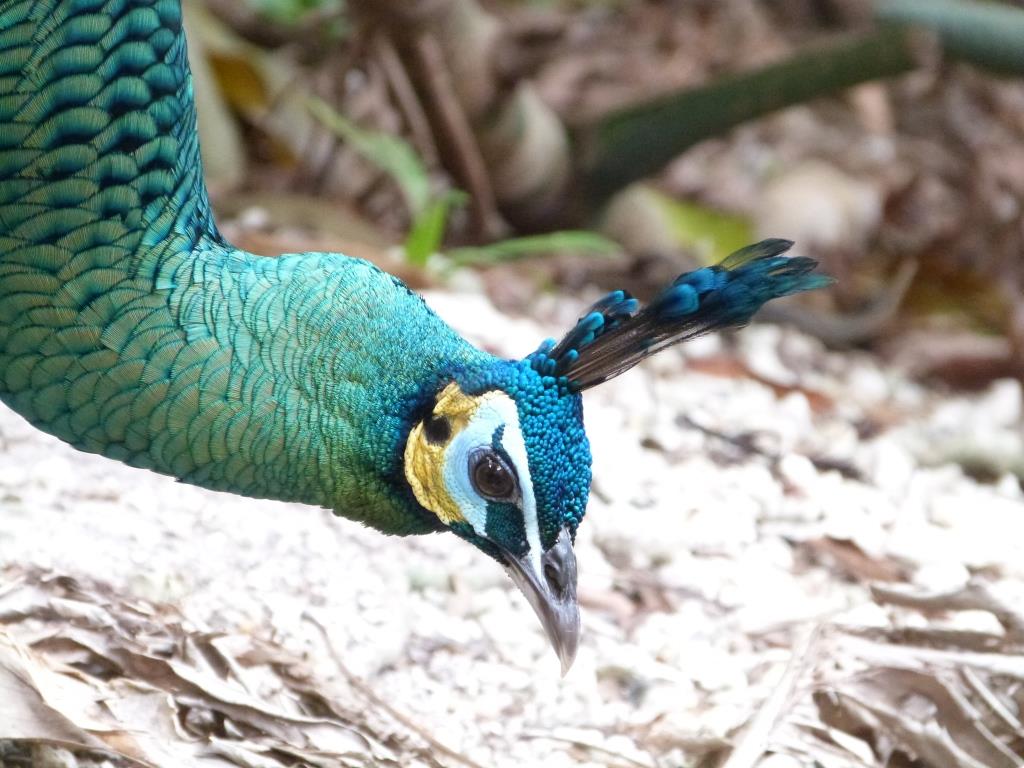
The next flag-featured bird is a spectacularly colored fowl, famous for its fan-like display of extravagant covert plumage, the Peafowl.   Many call this iridescence-decorated fowl the “peacock”, although it is only the male that is appropriately called “peacock”; the female is a “peahen” and the young are “peachicks”.  There are three types of peafowl:  (1) the Blue Peafowl (a/k/a “Indian Peafowl”) of India and Ceylon; (2) the Green Peafowl of southeastern Asia (native to Burma, Indochina, and the Indonesian island of Java); and (3) the Congo Peafowl (native to the Congo River’s drainage basin in Africa).
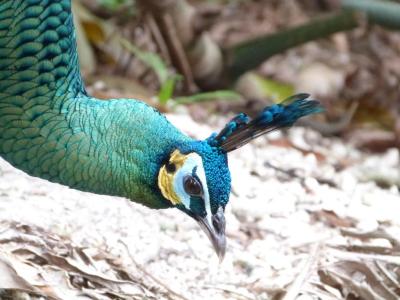
(Javan) Green Peafowl (Pavo muticus muticus) by Lee at Zoo Miami

(Javan) Green Peafowl (Pavo muticus muticus) by Lee at Zoo Miami

Green Peafowl (Pavo muticus).

The Green Peafowl appeared, briefly (AD1939-AD1941), on the British territorial flag of “British Burma” – then a British Commonwealth colony.  (Burma is now called “Myanmar”.)   That colonial flag contained a Green Peafowl prominently displaying its famous covert feathers.

Flag of the Third Burmese Empire

Flag of the Third Burmese Empire (PD)

The Green Peafowl, historically, had symbolized pre-colonial regimes of Burma.

For example, the flag of the “Third Burmese Empire” (Konbaung Dynasty, AD1752-AD1885 – a/k/a “Alompra Dynasty”, which ultimately lost the Anglo-Burmese Wars  –  after persecuting the Great Commission efforts of Baptist missionary Adoniram Judson, who translated the Holy Bible into Burmese), consisted of a fan-tailed Green Peafowl, superimposed on a white background.

Peafowl on Flag of the Third Burmese Empire (PD)

Peafowl on Flag of the Third Burmese Empire (PD)

One more non-eagle bird, displayed on a national flag, will be included, below.  (The remainder must arrive on this blogsite another day, God willing.)  The next bird we will “flag” is a parrot.
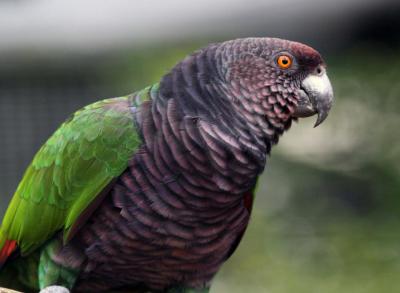
Sisserou Parrot {Imperial Amazon} The national bird of Dominica (PD)

Sisserou Parrot (Amazona imperialis), a/k/a Imperial Amazon Parrot.

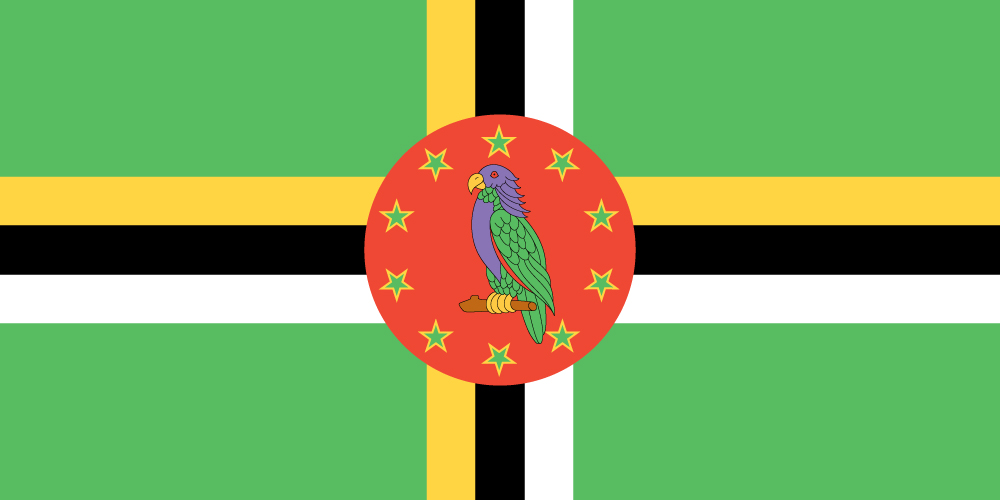
The Sisserou Parrot is a montane rainforest-dwelling parrot “endemic” to the Caribbean island nation of Dominica (not to be confused with another Caribbean country, Dominican Republic).  The term “endemic” means limited to that one location, so the Sisserou Parrot is native only to the island nation of Dominica.  And what a beautiful parrot it is!  As the national bird of Dominica, it is showcased “center-stage” on Dominica’s flag.

Dominican-Flag ©WikiC

Dominica’s-Flag ©WikiC

Sisserou Parrot Insert (Amazonaon Dominic )Flag ©Flickr-

Sisserou Parrot Insert (Amazonaon Dominic) Flag ©Flickr-

The flag’s depiction of the parrot is dominated by green and purple, with the beak and talons presented as yellow.  This coloring approximates the real parrot, though the “real thing” is obviously more beautiful!  The Sisserou is known to keep company with other parrots of Dominica, including the also-endemic Dominican Blue-faced Amazon Parrot (Amazona arausiaca, a/k/a “Red-necked Amazon”  –  no jokes about “rednecks”, please!)

There are more official birds to “flag”:   British Antarctic Territory (penguin);  Saint Helena, British crown colony in the southeastern Atlantic Ocean (Saint Helena Plover, a/k/a “wirebird”);  Fiji (dove);  Kiribati (frigatebird);  Papua New Guinea (bird of paradise);  Australian state of Western Australia (black swan);  Australian state of South Australia (piping shrike, n/k/a white-backed Australian magpie);  royal standard flag of Tonga (dove);  Bolivia (condor);  and Uganda (crested crane).

Till this mini-series continues, “flag those Jehovah-nissi birds!”  Yet more importantly, keep in mind that the Creator of all birds, flagged or otherwise, is JEHOVAH-NISSI (“the LORD our banner”), the One to Whom we pledge our ultimate allegiance!

And Moses built an altar and called the name of it Jehovah-nissi. (Exodus 17:15)

*

More Articles by James J. S. Johnson

*

Tickle Me Tuesday Bonus- 4/7/15

Another video caught my funny bone. Did not want to wait until next Tuesday.

Finally, brethren, whatsoever things are true, whatsoever things are honest, whatsoever things are just, whatsoever things are pure, whatsoever things are lovely, whatsoever things are of good report; if there be any virtue, and if there be any praise, think on these things. (Philippians 4:8 KJV)

Today’s regular “Tickle”
Tickle Me Tuesday – American Woodcock

All The Tickle Me Tuesdays

*
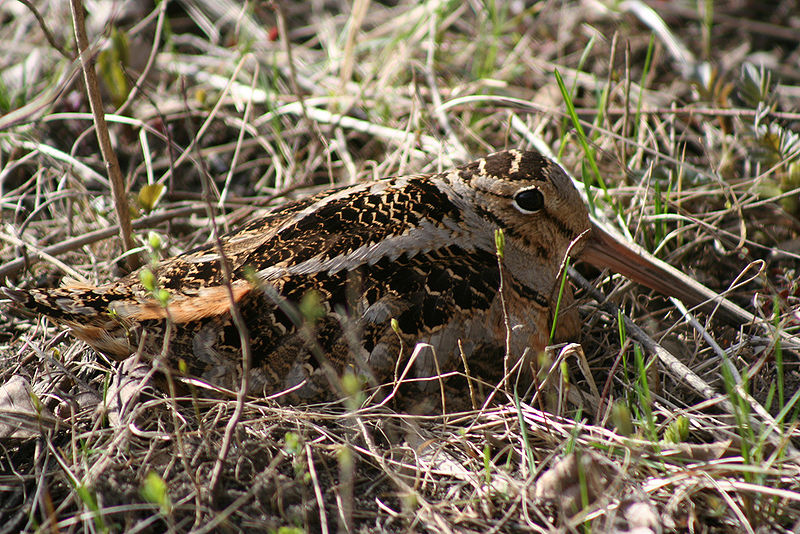
Tickle Me Tuesday – American Woodcock

American Woodcock (Scolopax minor) ©WikiC

American Woodcock (Scolopax minor) ©WikiC

From my friend on Facebook:

“Ok Lee, help me out on this one, is this for real? Is there a bird that really walks like that?
The music they put to this video is perfect, but it’s distracting because I can’t decide if there’s a bird that really does this or not!
Either way, This is a very cute video!”

The answer is Yes! That is an American Woodcock They do that to help make worms move around so they can probe with their beak to find them.

*

Here’s another video of a Woodcock Display using a sound they make:

*

And yet two more videos of one doing the dance minus the music.

So, what is an American Woodcock? They are members of the Scolopacidae – Sandpipers, Snipes Family.

An interesting fact from All About Birds – “The American Woodcock probes the soil with its bill to search for earthworms, using its flexible bill tip to capture prey. The bird walks slowly and sometimes rocks its body back and forth, stepping heavily with its front foot. This action may make worms move around in the soil, increasing their detectablity.

A very wise creator gave these birds good coloration, courtship displays and a very practical “heavy-footed” walk.

Look at the birds of the air, for they neither sow nor reap nor gather into barns; yet your heavenly Father feeds them. Are you not of more value than they? (Matthew 6:26 NKJV)

*

All About Birds – American Woodcock

American Woodcock – Wikipedia

Scolopacidae – Sandpipers, Snipes Family

Articles here about the American Woodcock:

Tickle Me Tuesday – Nesting Falcon

All The Tickle Me Tuesdays

Wordless Birds

*

Bad Hair (Feather) Day at Gatorland

Gatorland 4-2-15 by Lee

Snowy Egret – Gatorland 4-2-15 by Lee

We went over to Gatorland on Thursday last week to see what was happening in the rookery section. We have been trying all year to get there. I was able to take over 300 photos, but haven’t had the energy to work on them. After my stay in the hospital, I do things and then wear down quickly. So, I just keep doing and draining, and collecting photos.

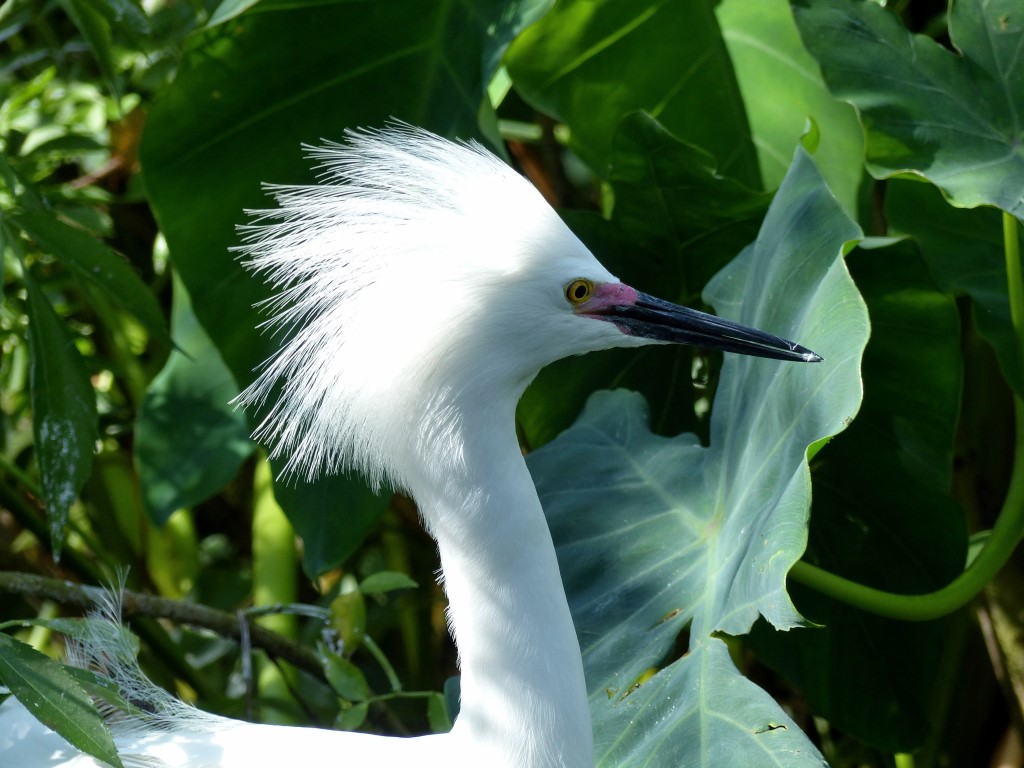
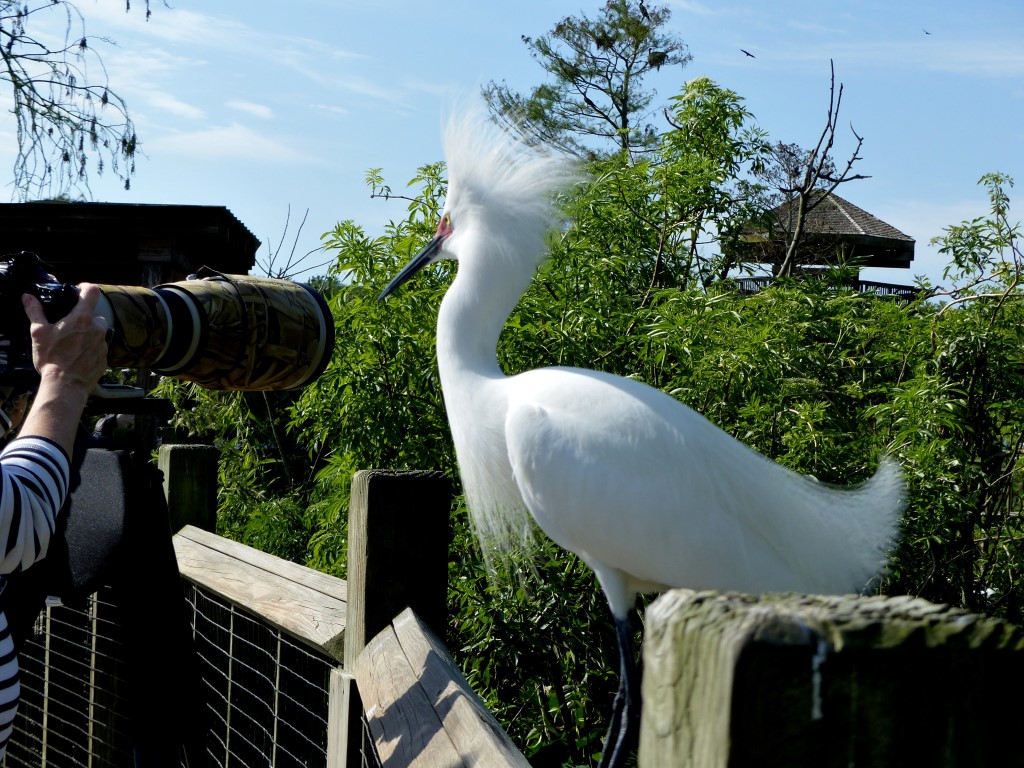
Anyway, just wanted to get something up and share some Snowy Egrets in breeding plumage that look like they are having a bad hair day. The photographers were all around and I had a Snowy land on the rail between me and a photographer.

Snowy Egret on Rail at Gatorland by Lee

Snowy Egret on Rail at Gatorland by Lee

Here is a slideshow of just entering Gatorland and then where you start the boardwalk along the rookery. Actually, the Alligators are the main attraction of course, but they patrol those ponds. That gives protection to the birds to make nest and raise their babies, because land critters choose not to deal with the Gators. Unfortunately, an occasional chick falls and the gators get a “small” snack. I have plenty more photos to share, but that will be later. Even have video of two, 1 or 2 day old, Snowy Egrets.

It was a great visit getting to see more of the Lord’s Creation up close and doing what they were told to do. Reproduce.

Bring out with you every living thing of all flesh that is with you: birds and cattle and every creeping thing that creeps on the earth, so that they may abound on the earth, and be fruitful and multiply on the earth.” (Genesis 8:17 NKJV)

*

Other Birdwatching Trips to Gatorland

Gatorland – March 2014 ~ I
Gatorland’s Snowy Egrets
Tricolored Herons at Gatorland
Gatorland, FL
Gatorland II – Great Egrets at the Nest>
Gatorland II – Great Egret Chick
Wood Storks at Gatorland

Gideon


Sunday Inspiration – Worthy

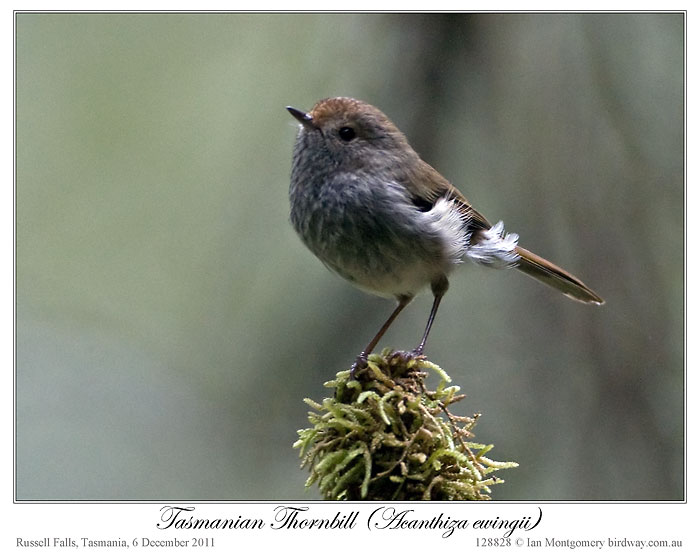
Tasmanian Thornbill (Acanthiza ewingii) by Ian 1

Tasmanian Thornbill (Acanthiza ewingii) by Ian

Whenever the living creatures give glory and honor and thanks to Him who sits on the throne, who lives forever and ever, the twenty-four elders fall down before Him who sits on the throne and worship Him who lives forever and ever, and cast their crowns before the throne, saying: “You are worthy, O Lord, To receive glory and honor and power; For You created all things, And by Your will they exist and were created.” (Revelation 4:9-11 NKJV)

There really aren’t any birds named Easter or Cross, so I decided to continue on through the Passerine Order. Actually, some of the birds in one of these families are the “Thornbills” and that is appropriate. Enjoy the Lord Creator’s avian Creations as you listen to the words and realize just how Worthy He is of our praise and honor. Happy Easter!

And they sung a new song, saying, Thou art worthy to take the book, and to open the seals thereof: for thou wast slain, and hast redeemed us to God by thy blood out of every kindred, and tongue, and people, and nation; And hast made us unto our God kings and priests: and we shall reign on the earth. And I beheld, and I heard the voice of many angels round about the throne and the beasts and the elders: and the number of them was ten thousand times ten thousand, and thousands of thousands; Saying with a loud voice, Worthy is the Lamb that was slain to receive power, and riches, and wisdom, and strength, and honour, and glory, and blessing. (Revelation 5:9-12 KJV)

This slideshow requires JavaScript.

“Worthy” ~ Faith Baptist Choir and Orchestra

*

Dasyornithidae – Bristlebirds
Pardalotidae – Pardalote
Acanthizidae – Australasian Warblers
Pomatostomidae – Australasian Babblers
Sunday Inspirations

Previous Easter Blogs:

Happy Easter
He is Risen! Happy Easter
The Creator and His Love

What A Wonderful Savior
Sunday Inspiration – Palm Birds
Happy Easter – He Is Risen

Gospel Message

*

The Crow and the Screwdriver

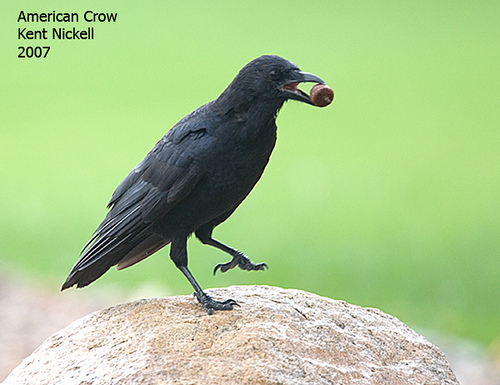
American Crow (Corvus brachyrhynchos) by Kent Nickell

American Crow (Corvus brachyrhynchos) by Kent Nickell

The Crow and the Screwdriver

by Emma Foster

(This is Emma’s Updated version of an article here – Birds of the Bible – Gifts From Birds)

~

Once there was a crow named Albert who would come to the front yard of a young girl’s house with other crows every day. They came daily because the girl would wait for the crows and feed them bread. This went on every day until the crows decided to bring her a gift in return for the bread.

One by one the crows started bringing little gifts for the girl. One crow found a nickel in a gutter, another found two paperclips by the side of the road, and a third found a shiny gum wrapper by a trashcan.

Albert wanted to bring something to the girl who was very special. Every day after the girl fed all the crows their bread, Albert would start his search. It couldn’t be just anything.

Albert didn’t know it, but a few days before, the girl’s father had been driving down a rough and bumpy road. The girl’s father worked at a construction company so all of his tools were in a toolbox in the passenger seat. The window had been open when the girl’s father went down the rough road so the screwdriver had fallen out the window after the truck had hit a small hole.

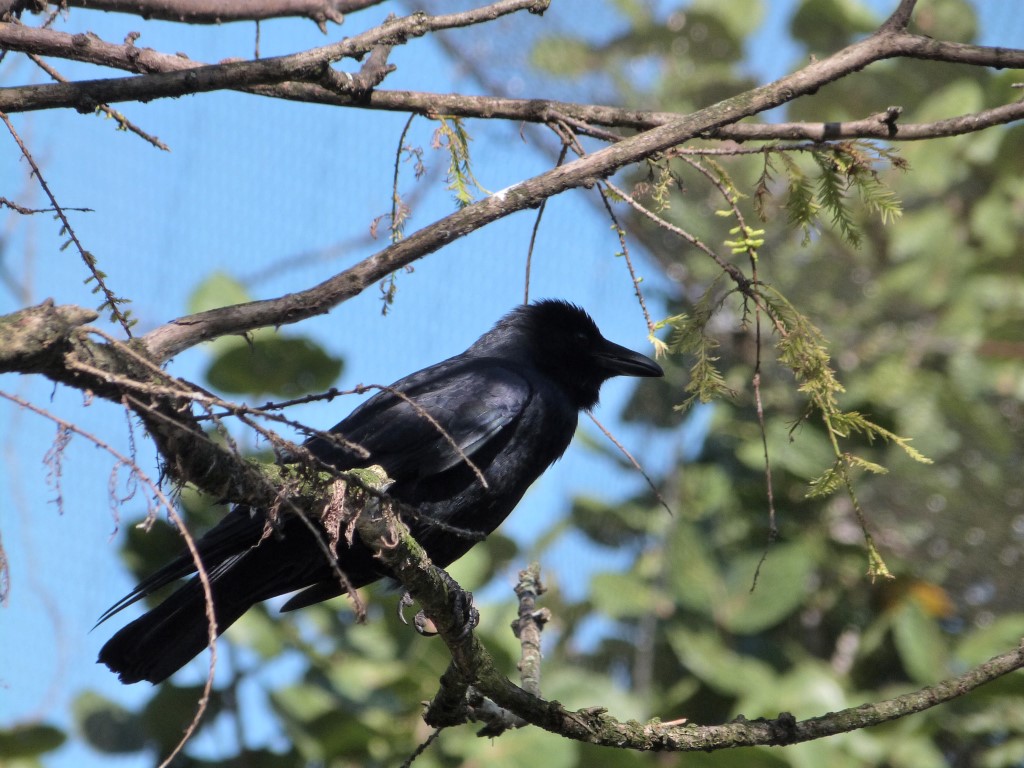
Crow at Flamingo Gardens by Lee (210)

Crow

Albert had been flying past that road when he noticed something shiny. Swooping down, Albert found the screwdriver and decided to bring it back to the girl.

It took a while for Albert to get the screwdriver in his beak to carry because it was very heavy, but Albert eventually was able to fly off the ground a few feet.

Screwdriver Found ©WikiC

Screwdriver Found ©WikiC

It took even longer to get back to the girl’s house, but when Albert flew to the front yard, the girl walked out to find Albert sitting there with the screwdriver next to him. The girl and her father were happy to see the screwdriver because the girl’s father had been looking for it and he needed it for construction. It was the only screwdriver that he owned.

From then on, the girl was sure to give Albert an extra big crumb of bread whenever he came to her front yard.

The End

And when she has found it, she calls her friends and neighbors together, saying, ‘Rejoice with me, for I have found the piece which I lost!’
(Luke 15:9 NKJV)

Another fine tale from our developing young writer, Emma. Thanks again, Emma. We can all learn from caring about other, even when it quite a struggle to help.

The original post – Birds of the Bible – Gifts From Birds

More articles by Emma Foster:

Wordless Birds

*

Tickle Me Tuesday – Nesting Falcon

Barred Forest Falcon (Micrastur ruficollis) ©WikiC

Barred Forest Falcon (Micrastur ruficollis) ©WikiC

That path no bird knows, Nor has the falcon’s eye seen it. (Job 28:7 NKJV)

My brother-in-law sent me this photo recently. Had seen it before, but thought I would share it for a “tickle”.

For those of you who may not be familiar with our automobiles, the Falcon was quite popular, in its time.

Nesting Falcon

 Let the field be joyful, and all that is in it. Then all the trees of the woods will rejoice before the LORD. (Psalms 96:12 NKJV)

Other Tickle Me Tuesday’s

A Restful Song

He sends the springs into the valleys; They flow among the hills. They give drink to every beast of the field; The wild donkeys quench their thirst. By them the birds of the heavens have their home; They sing among the branches. He waters the hills from His upper chambers; The earth is satisfied with the fruit of Your works. (Psalms 104:10-13 NKJV)

Thought you just might enjoy a little song and restfulness from Our Creator.

Come to Me, all you who labor and are heavy laden, and I will give you rest. Take My yoke upon you and learn from Me, for I am gentle and lowly in heart, and you will find rest for your souls. For My yoke is easy and My burden is light.” (Matthew 11:28-30 NKJV)

*

Wordless Birds

*

Sabbath Rest Invitaional – Week 5

Wanted to share this from Hanging out with God

Radical About Jesus's avatarHangin' Out With God

Today is the final “Sabbath Rest Invitational” Post. I hope these March offerings have helped you relax and let the stress go for a while. If you have a picture or text of any kind that represents rest to you, please share it on this post. Just post it on your own blog and come over here to paste the link in the “Comments” window.

Here’s my restful gift for this week:

BLUE BIRD - JOHN, KAREN HOLLINGSWORTH - CROPPED # 2BE STILL AND KNOW

“Be Still and know that I am God.”  (Psalm 46:10)

I’ve come to the end of myself, Lord.
I’ve come to the end of my road.
To the place that my strength’s too depleted
To wield the sword of Your Word.

I’ve come to the end of my struggle,
And there’s no earthly place I can turn.
But Your strength’s made perfect in weakness;
That’s one lesson, Lord, I have learned.

So reach down…

View original post 45 more words

Thank You

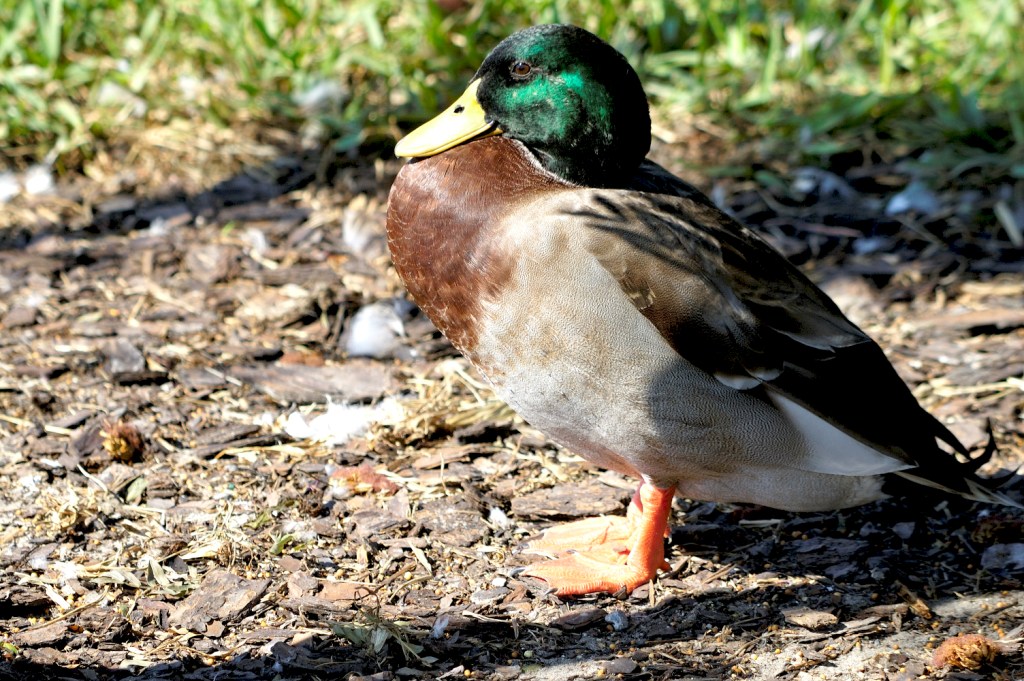
Mallard (Anas platyrhynchos) at Lake Parker By Dan'sPix

Mallard Back up on Feet. By Dan’sPix

And let the peace of God rule in your hearts, to which also you were called in one body; and be thankful. (Colossians 3:15 NKJV)

Thank you for all your prayers and thoughts. I never dreamed that when I went to the hospital last Thursday, 19th, that they would keep me a week.

Finally got released last evening. This was the worst case of bronchitis I have had to deal with. Was on oxygen the whole week. Many of you were praying for me and those prayers were felt. Our Lord is great.

Not only did I get “rest,” (who rest in the hospital?) but multiple opportunities came available to encourage others around me. We were originally suppose be at a Bible Conference this week in South Carolina, but had decided to stay home and watch some of it on Livestream. With Hospital internet and electronic gadgets, I saw more of the conference than if we had driven up. The Lord knew ahead of time all about what would happen here.

Did get in a few bird sighting out my window. Fish Crows, Ospreys and a Mockingbird flew by to make part of my day.

Will try to get some articles rolling again. Had two waiting to be worked up before I went to hospital, but just didn’t feel up to doing them. Will get Ian’s Bird of the Week out soon and have one waiting from James J S Johnson.

Thanks again for all your thoughts and prayers. I still have more healing to do, but way on the mend.

Lee

Update – In Hospital

Duck slipping on Ice from the Telegraph

Oops! – (from the Telegraph)

Just an upstate. Was admitted to the hospital yesterday and they are going to keep me a few more days. The bronchitis is sever, but praise the Lord there is no pneumonia!

Thanks for those who have prayed for me, because they were felt, Especially when multiple needle attempts were made. I stayed calm while they made them.

Will be a few days with no blogs as sending from IPad not as easy, harder to do with photos. Please keep me in you prayers and thanks in advance.

(Rejoicing in hope; patient in tribulation; continuing instant in prayer; (Romans 12:12)