Tickle Me Tuesday Bonus- 4/7/15

Another video caught my funny bone. Did not want to wait until next Tuesday.

Finally, brethren, whatsoever things are true, whatsoever things are honest, whatsoever things are just, whatsoever things are pure, whatsoever things are lovely, whatsoever things are of good report; if there be any virtue, and if there be any praise, think on these things. (Philippians 4:8 KJV)

Today’s regular “Tickle”
Tickle Me Tuesday – American Woodcock

All The Tickle Me Tuesdays

*

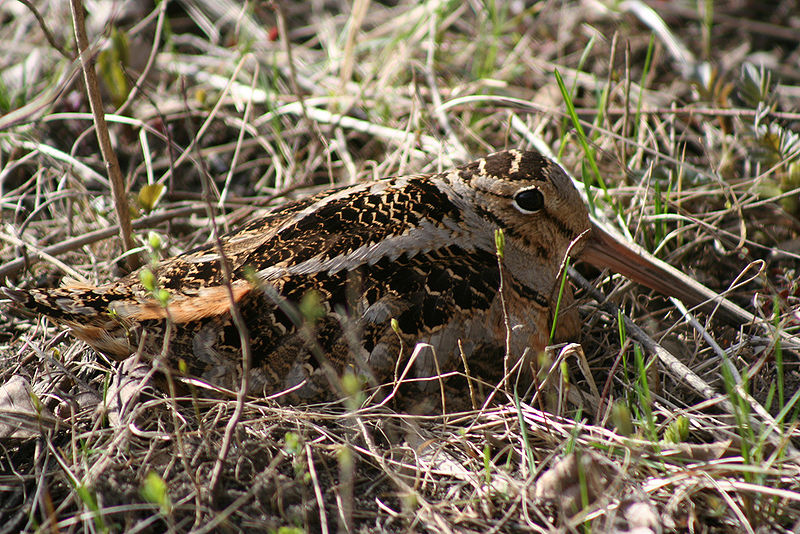
Tickle Me Tuesday – American Woodcock

American Woodcock (Scolopax minor) ©WikiC

American Woodcock (Scolopax minor) ©WikiC

From my friend on Facebook:

“Ok Lee, help me out on this one, is this for real? Is there a bird that really walks like that?
The music they put to this video is perfect, but it’s distracting because I can’t decide if there’s a bird that really does this or not!
Either way, This is a very cute video!”

The answer is Yes! That is an American Woodcock They do that to help make worms move around so they can probe with their beak to find them.

*

Here’s another video of a Woodcock Display using a sound they make:

*

And yet two more videos of one doing the dance minus the music.

So, what is an American Woodcock? They are members of the Scolopacidae – Sandpipers, Snipes Family.

An interesting fact from All About Birds – “The American Woodcock probes the soil with its bill to search for earthworms, using its flexible bill tip to capture prey. The bird walks slowly and sometimes rocks its body back and forth, stepping heavily with its front foot. This action may make worms move around in the soil, increasing their detectablity.

A very wise creator gave these birds good coloration, courtship displays and a very practical “heavy-footed” walk.

Look at the birds of the air, for they neither sow nor reap nor gather into barns; yet your heavenly Father feeds them. Are you not of more value than they? (Matthew 6:26 NKJV)

*

All About Birds – American Woodcock

American Woodcock – Wikipedia

Scolopacidae – Sandpipers, Snipes Family

Articles here about the American Woodcock:

Tickle Me Tuesday – Nesting Falcon

All The Tickle Me Tuesdays

Wordless Birds

*

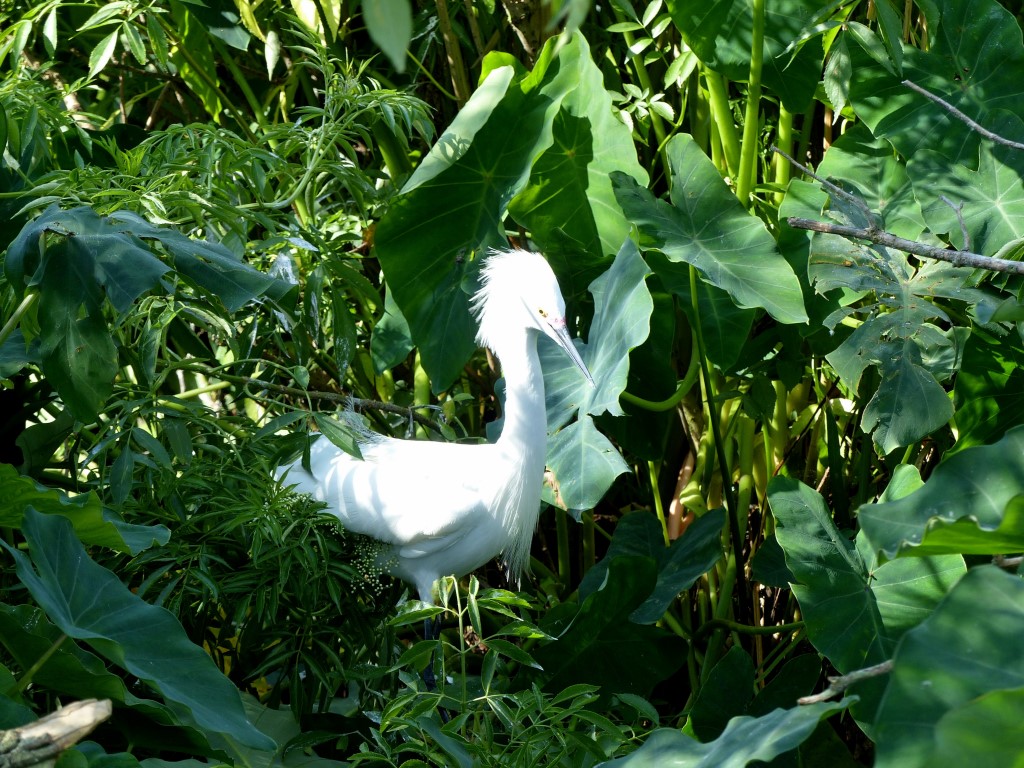
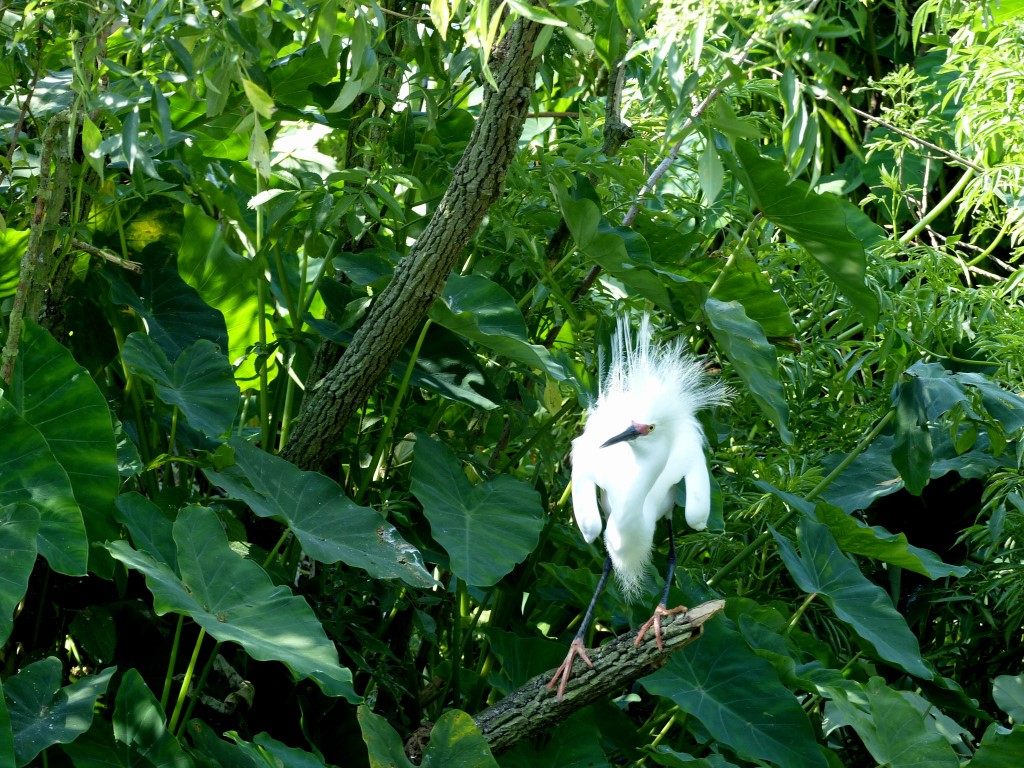
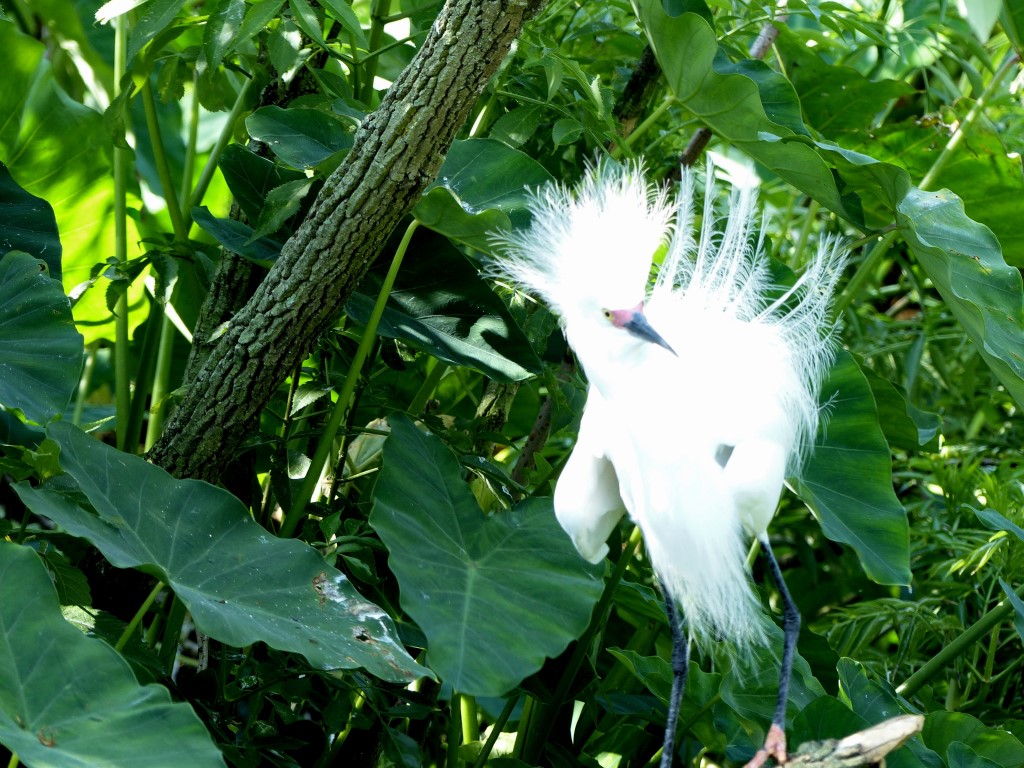
Bad Hair (Feather) Day at Gatorland

Gatorland 4-2-15 by Lee

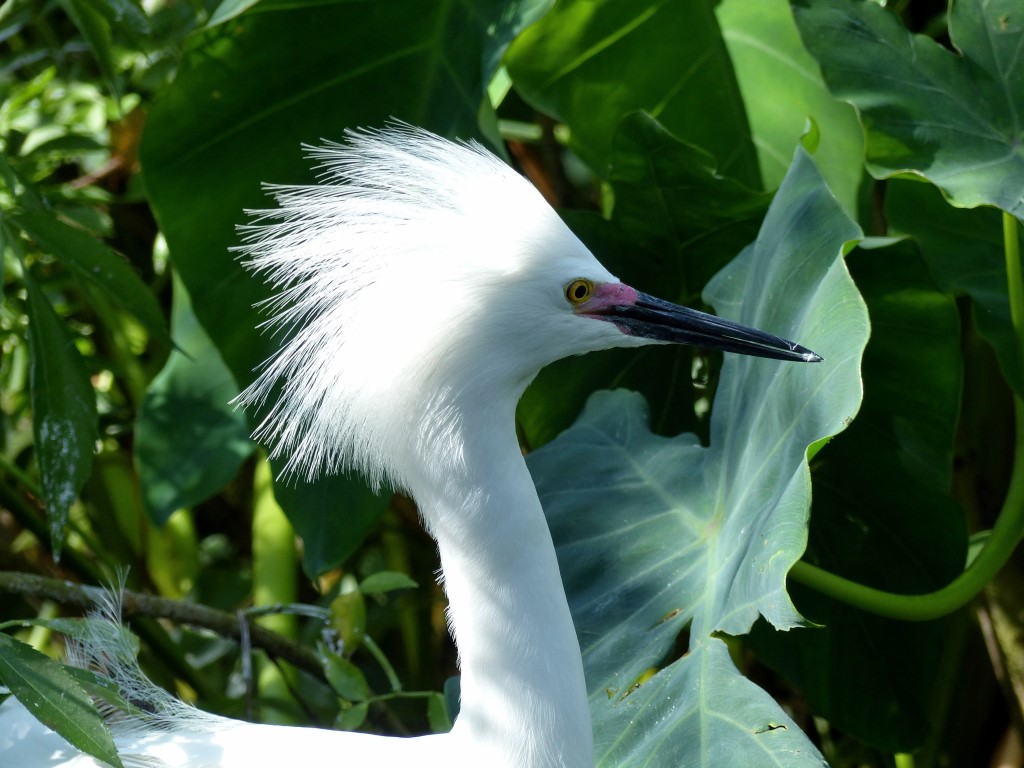
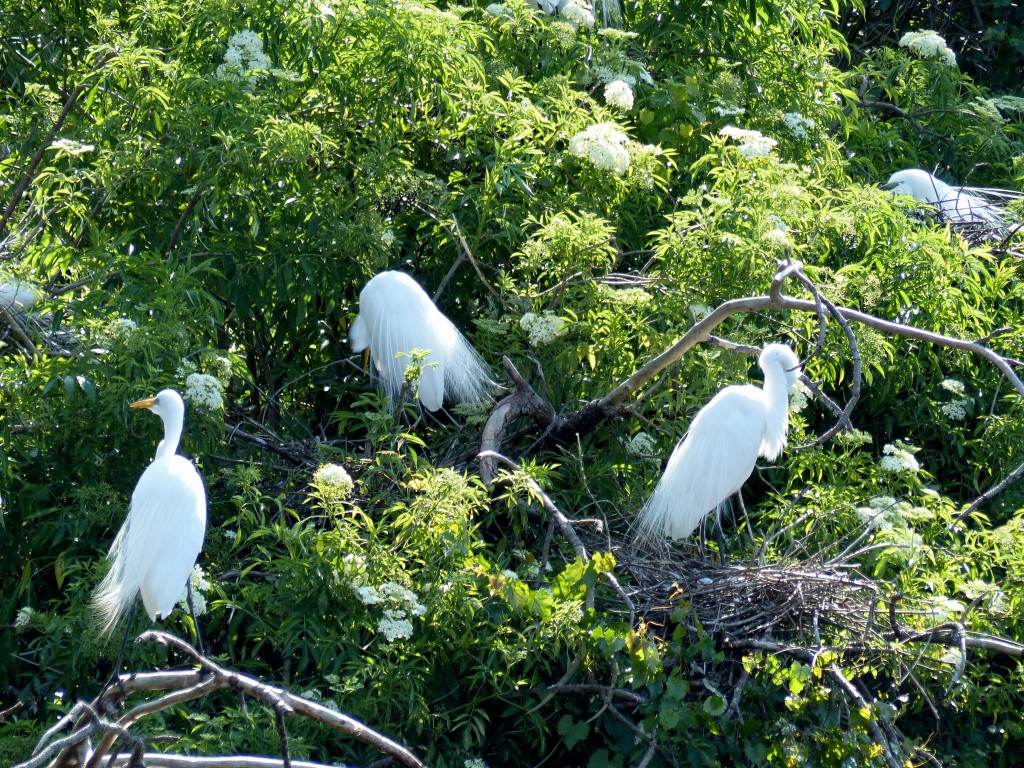
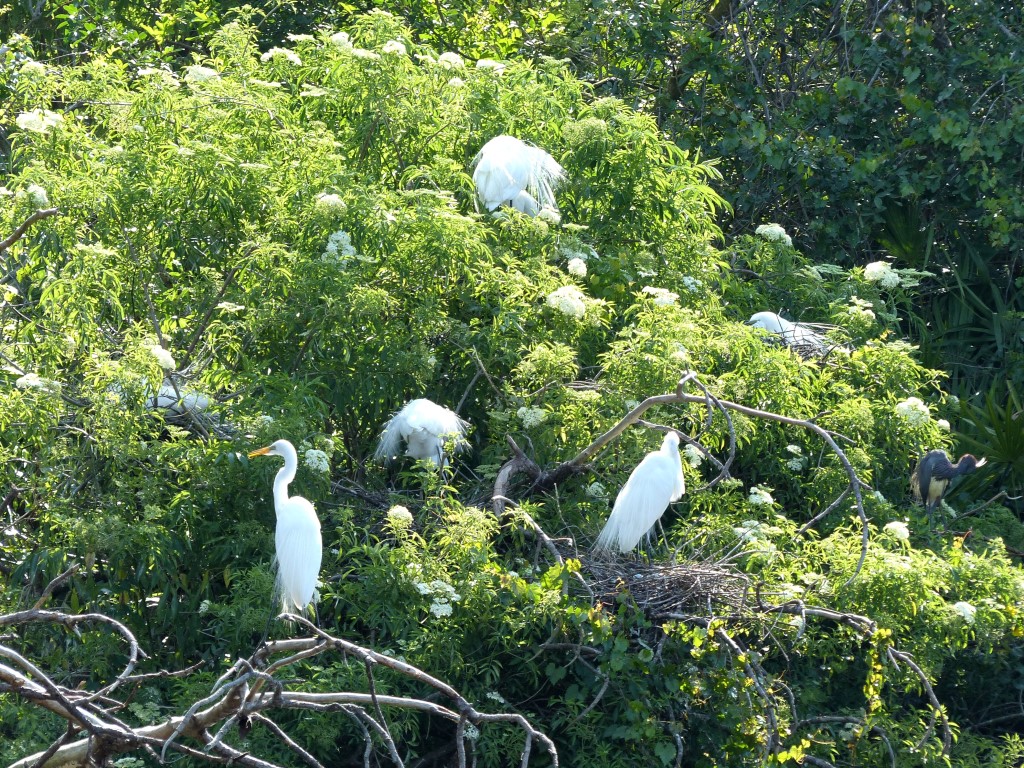
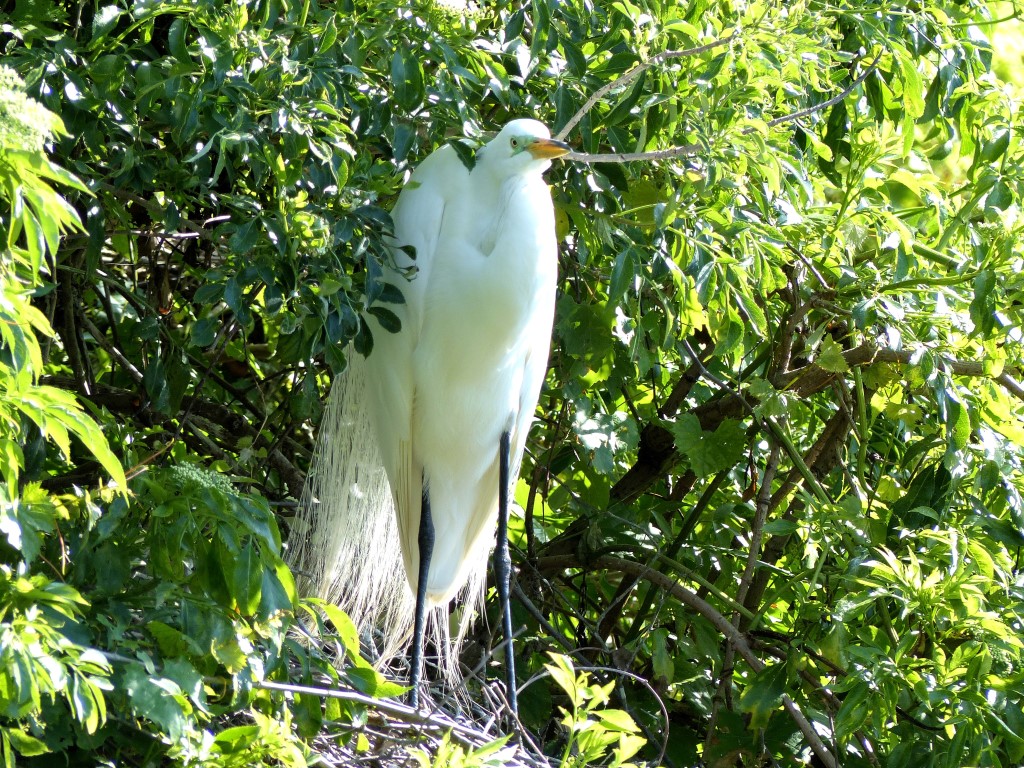
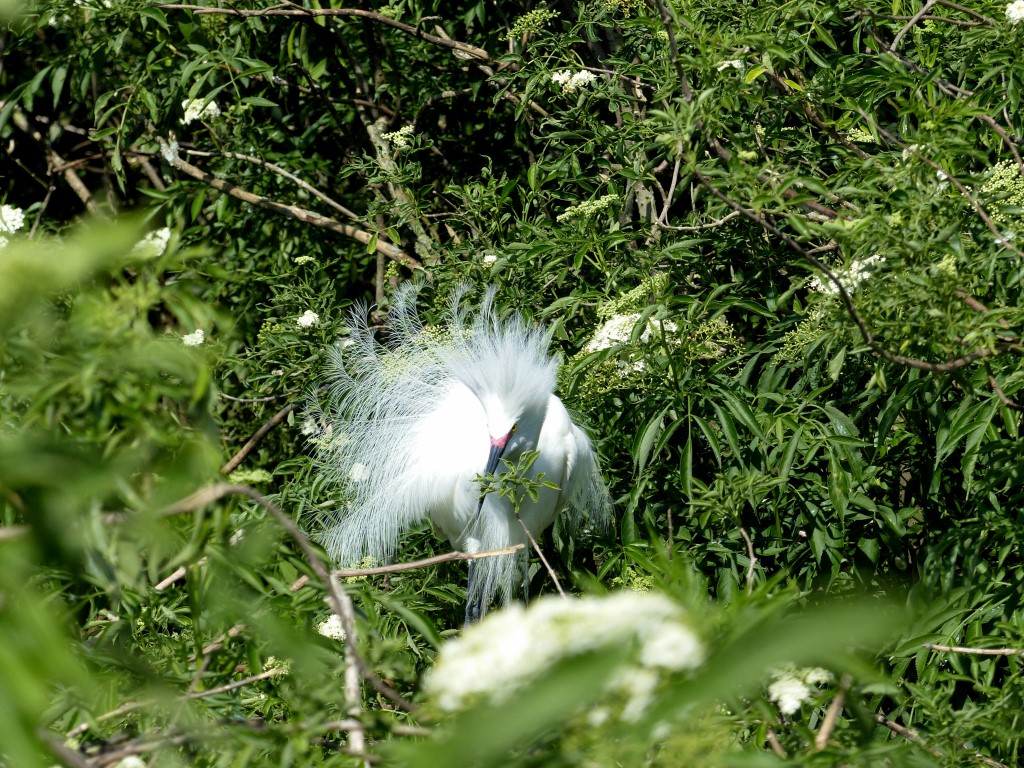
Snowy Egret – Gatorland 4-2-15 by Lee

We went over to Gatorland on Thursday last week to see what was happening in the rookery section. We have been trying all year to get there. I was able to take over 300 photos, but haven’t had the energy to work on them. After my stay in the hospital, I do things and then wear down quickly. So, I just keep doing and draining, and collecting photos.

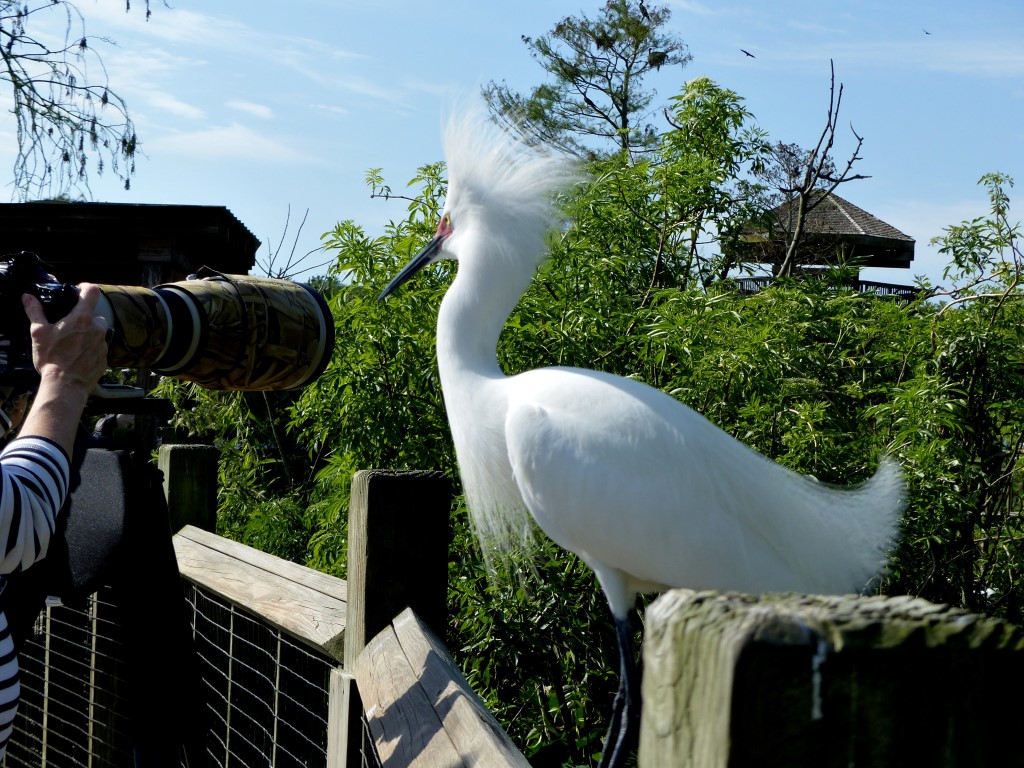
Anyway, just wanted to get something up and share some Snowy Egrets in breeding plumage that look like they are having a bad hair day. The photographers were all around and I had a Snowy land on the rail between me and a photographer.

Snowy Egret on Rail at Gatorland by Lee

Snowy Egret on Rail at Gatorland by Lee

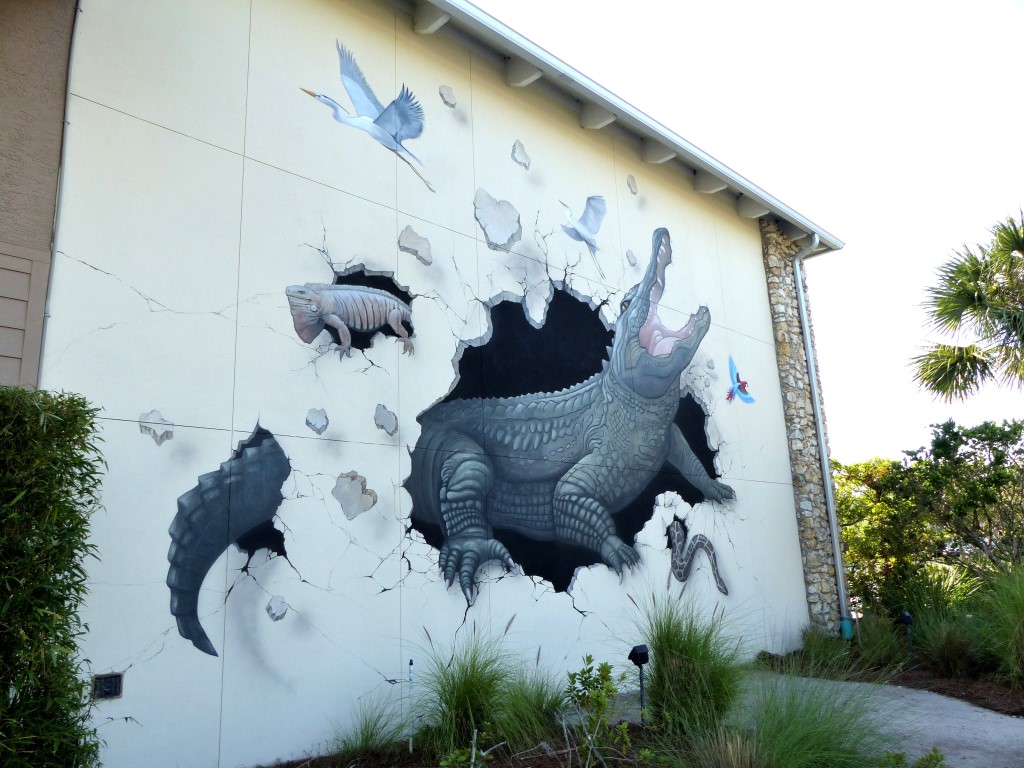
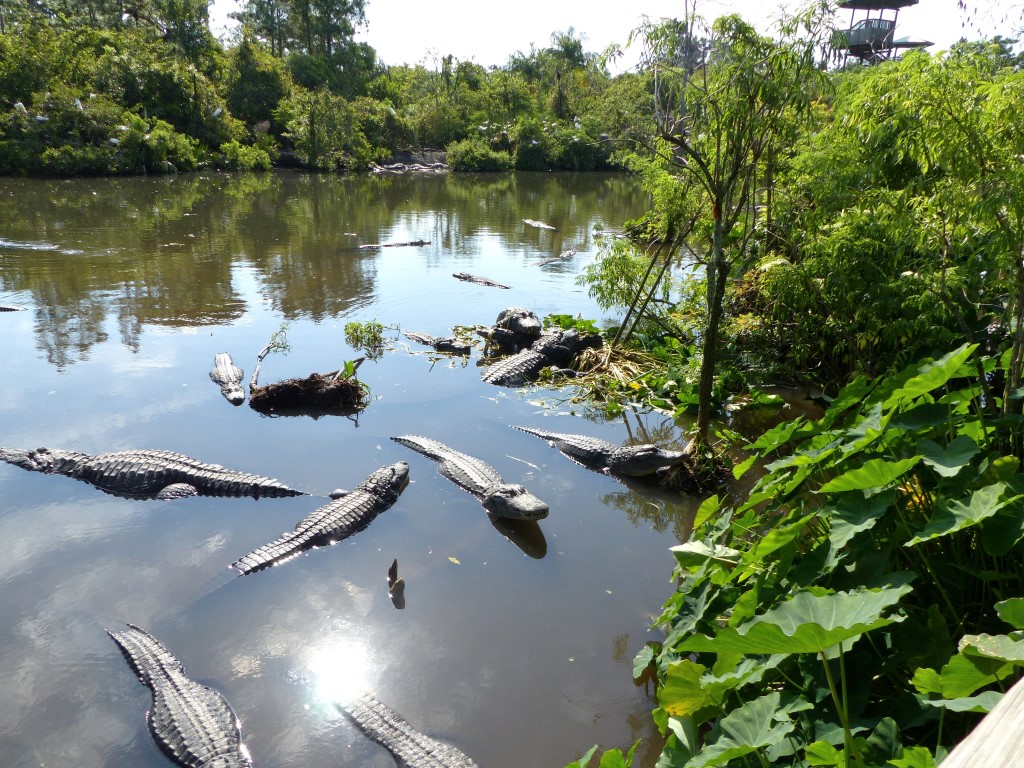
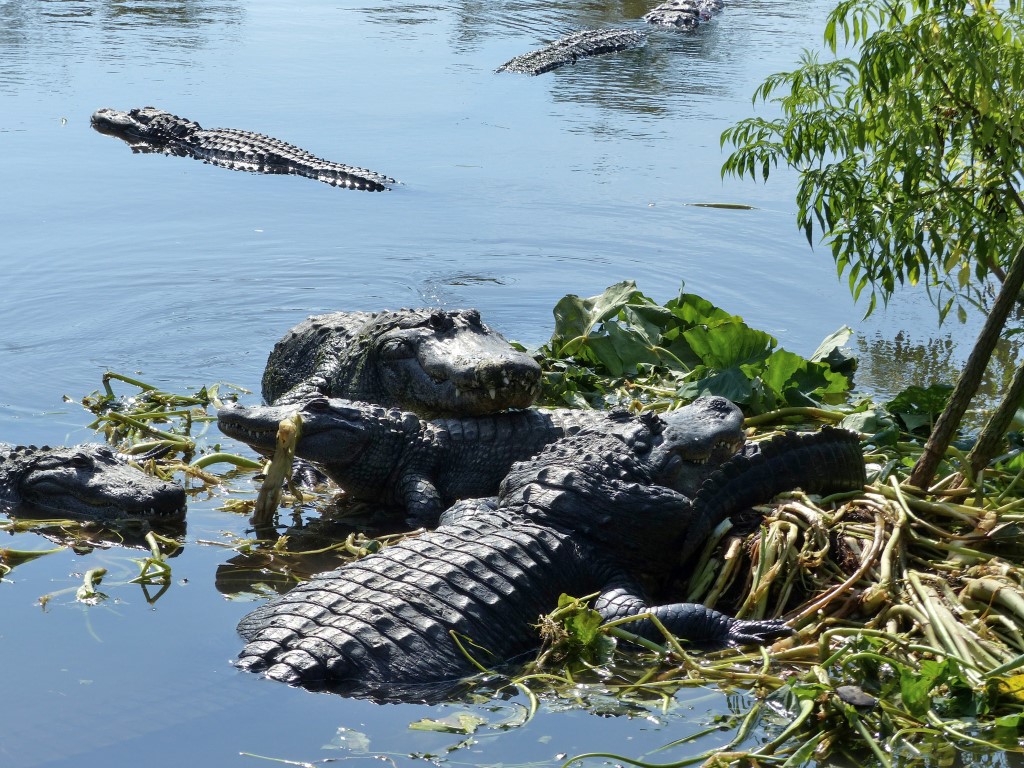
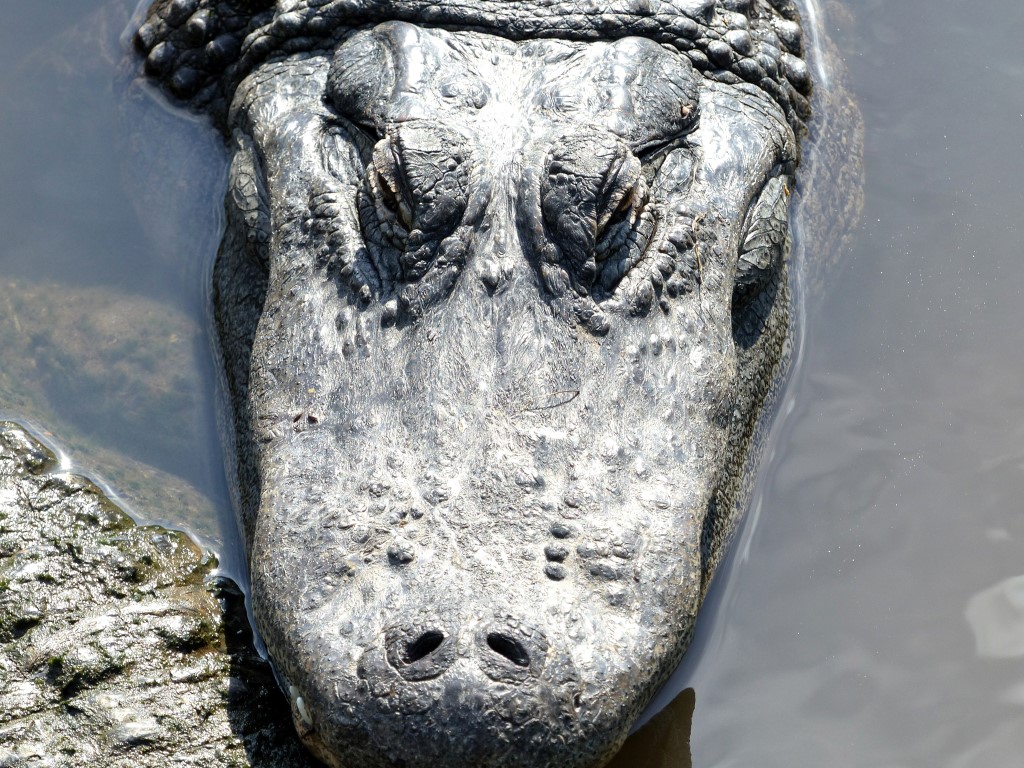
Here is a slideshow of just entering Gatorland and then where you start the boardwalk along the rookery. Actually, the Alligators are the main attraction of course, but they patrol those ponds. That gives protection to the birds to make nest and raise their babies, because land critters choose not to deal with the Gators. Unfortunately, an occasional chick falls and the gators get a “small” snack. I have plenty more photos to share, but that will be later. Even have video of two, 1 or 2 day old, Snowy Egrets.

It was a great visit getting to see more of the Lord’s Creation up close and doing what they were told to do. Reproduce.

Bring out with you every living thing of all flesh that is with you: birds and cattle and every creeping thing that creeps on the earth, so that they may abound on the earth, and be fruitful and multiply on the earth.” (Genesis 8:17 NKJV)

*

Other Birdwatching Trips to Gatorland

Gatorland – March 2014 ~ I
Gatorland’s Snowy Egrets
Tricolored Herons at Gatorland
Gatorland, FL
Gatorland II – Great Egrets at the Nest>
Gatorland II – Great Egret Chick
Wood Storks at Gatorland

Gideon


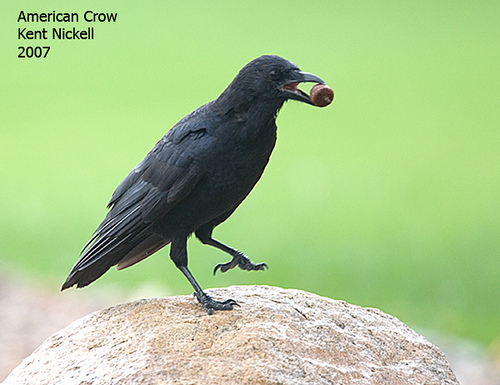
The Crow and the Screwdriver

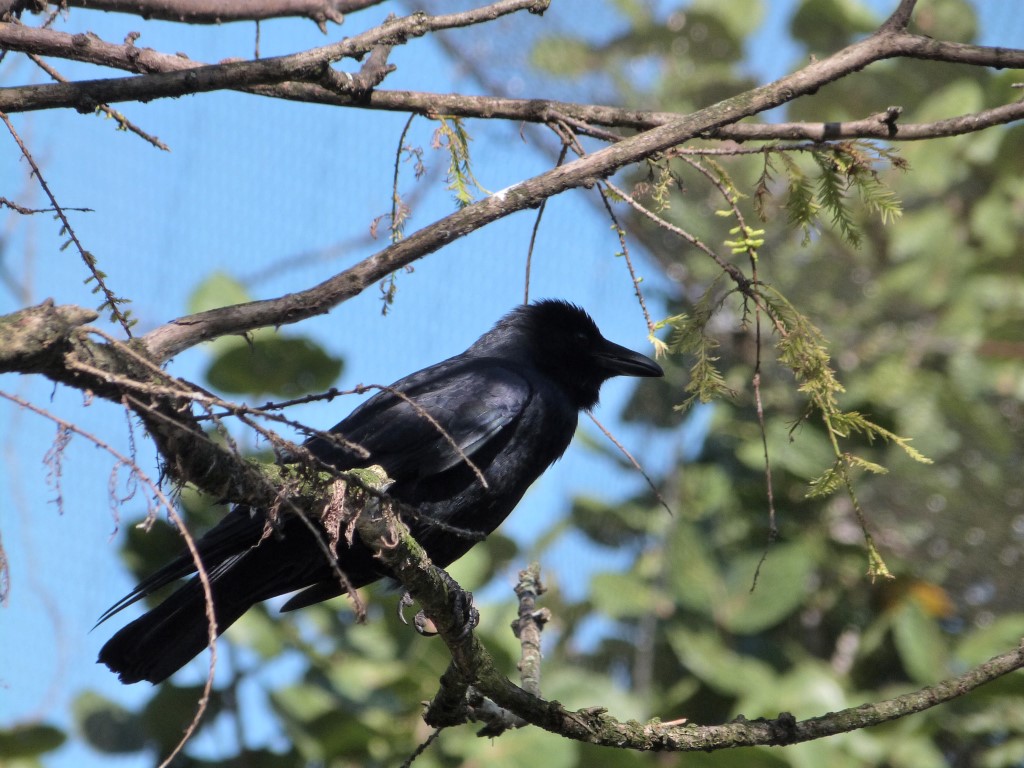
American Crow (Corvus brachyrhynchos) by Kent Nickell

American Crow (Corvus brachyrhynchos) by Kent Nickell

The Crow and the Screwdriver

by Emma Foster

(This is Emma’s Updated version of an article here – Birds of the Bible – Gifts From Birds)

~

Once there was a crow named Albert who would come to the front yard of a young girl’s house with other crows every day. They came daily because the girl would wait for the crows and feed them bread. This went on every day until the crows decided to bring her a gift in return for the bread.

One by one the crows started bringing little gifts for the girl. One crow found a nickel in a gutter, another found two paperclips by the side of the road, and a third found a shiny gum wrapper by a trashcan.

Albert wanted to bring something to the girl who was very special. Every day after the girl fed all the crows their bread, Albert would start his search. It couldn’t be just anything.

Albert didn’t know it, but a few days before, the girl’s father had been driving down a rough and bumpy road. The girl’s father worked at a construction company so all of his tools were in a toolbox in the passenger seat. The window had been open when the girl’s father went down the rough road so the screwdriver had fallen out the window after the truck had hit a small hole.

Crow at Flamingo Gardens by Lee (210)

Crow

Albert had been flying past that road when he noticed something shiny. Swooping down, Albert found the screwdriver and decided to bring it back to the girl.

It took a while for Albert to get the screwdriver in his beak to carry because it was very heavy, but Albert eventually was able to fly off the ground a few feet.

Screwdriver Found ©WikiC

Screwdriver Found ©WikiC

It took even longer to get back to the girl’s house, but when Albert flew to the front yard, the girl walked out to find Albert sitting there with the screwdriver next to him. The girl and her father were happy to see the screwdriver because the girl’s father had been looking for it and he needed it for construction. It was the only screwdriver that he owned.

From then on, the girl was sure to give Albert an extra big crumb of bread whenever he came to her front yard.

The End

And when she has found it, she calls her friends and neighbors together, saying, ‘Rejoice with me, for I have found the piece which I lost!’
(Luke 15:9 NKJV)

Another fine tale from our developing young writer, Emma. Thanks again, Emma. We can all learn from caring about other, even when it quite a struggle to help.

The original post – Birds of the Bible – Gifts From Birds

More articles by Emma Foster:

Wordless Birds

*

Tickle Me Tuesday – Nesting Falcon

Barred Forest Falcon (Micrastur ruficollis) ©WikiC

Barred Forest Falcon (Micrastur ruficollis) ©WikiC

That path no bird knows, Nor has the falcon’s eye seen it. (Job 28:7 NKJV)

My brother-in-law sent me this photo recently. Had seen it before, but thought I would share it for a “tickle”.

For those of you who may not be familiar with our automobiles, the Falcon was quite popular, in its time.

Nesting Falcon

 Let the field be joyful, and all that is in it. Then all the trees of the woods will rejoice before the LORD. (Psalms 96:12 NKJV)

Other Tickle Me Tuesday’s

A Restful Song

He sends the springs into the valleys; They flow among the hills. They give drink to every beast of the field; The wild donkeys quench their thirst. By them the birds of the heavens have their home; They sing among the branches. He waters the hills from His upper chambers; The earth is satisfied with the fruit of Your works. (Psalms 104:10-13 NKJV)

Thought you just might enjoy a little song and restfulness from Our Creator.

Come to Me, all you who labor and are heavy laden, and I will give you rest. Take My yoke upon you and learn from Me, for I am gentle and lowly in heart, and you will find rest for your souls. For My yoke is easy and My burden is light.” (Matthew 11:28-30 NKJV)

*

Wordless Birds

*

Thank You

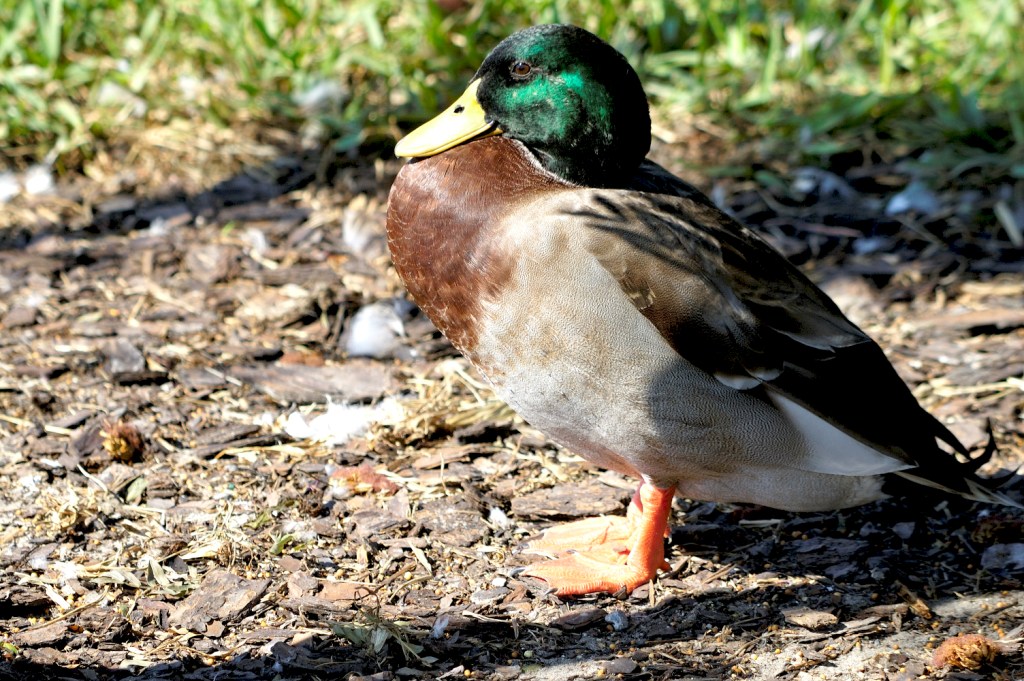
Mallard (Anas platyrhynchos) at Lake Parker By Dan'sPix

Mallard Back up on Feet. By Dan’sPix

And let the peace of God rule in your hearts, to which also you were called in one body; and be thankful. (Colossians 3:15 NKJV)

Thank you for all your prayers and thoughts. I never dreamed that when I went to the hospital last Thursday, 19th, that they would keep me a week.

Finally got released last evening. This was the worst case of bronchitis I have had to deal with. Was on oxygen the whole week. Many of you were praying for me and those prayers were felt. Our Lord is great.

Not only did I get “rest,” (who rest in the hospital?) but multiple opportunities came available to encourage others around me. We were originally suppose be at a Bible Conference this week in South Carolina, but had decided to stay home and watch some of it on Livestream. With Hospital internet and electronic gadgets, I saw more of the conference than if we had driven up. The Lord knew ahead of time all about what would happen here.

Did get in a few bird sighting out my window. Fish Crows, Ospreys and a Mockingbird flew by to make part of my day.

Will try to get some articles rolling again. Had two waiting to be worked up before I went to hospital, but just didn’t feel up to doing them. Will get Ian’s Bird of the Week out soon and have one waiting from James J S Johnson.

Thanks again for all your thoughts and prayers. I still have more healing to do, but way on the mend.

Lee

Update – In Hospital

Duck slipping on Ice from the Telegraph

Oops! – (from the Telegraph)

Just an upstate. Was admitted to the hospital yesterday and they are going to keep me a few more days. The bronchitis is sever, but praise the Lord there is no pneumonia!

Thanks for those who have prayed for me, because they were felt, Especially when multiple needle attempts were made. I stayed calm while they made them.

Will be a few days with no blogs as sending from IPad not as easy, harder to do with photos. Please keep me in you prayers and thanks in advance.

(Rejoicing in hope; patient in tribulation; continuing instant in prayer; (Romans 12:12)

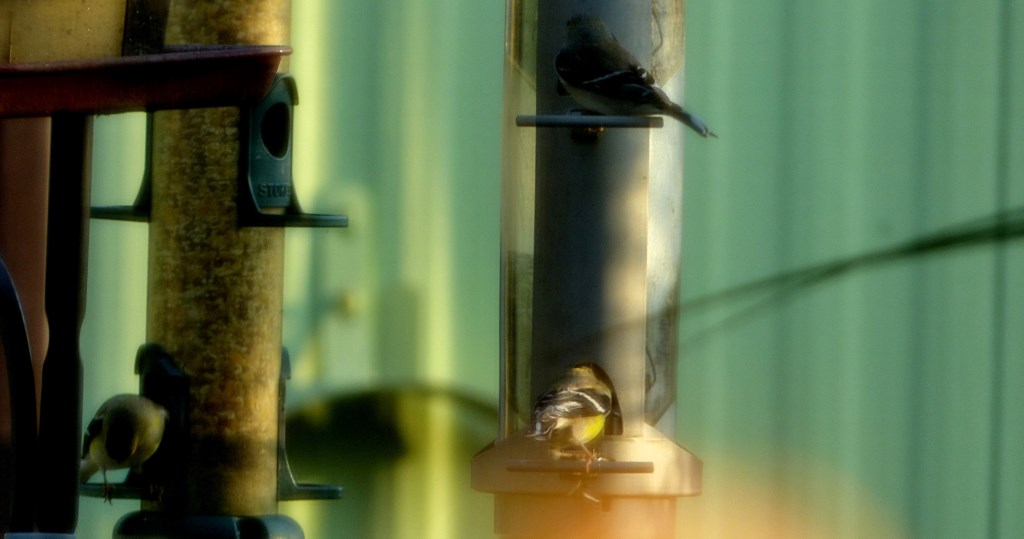
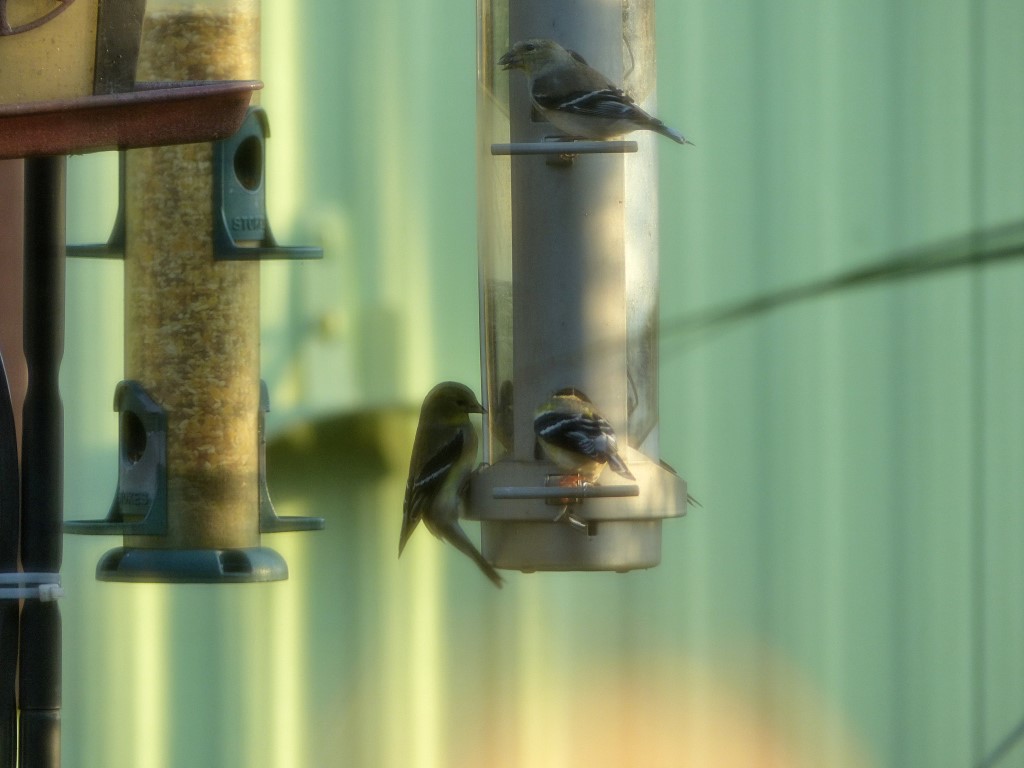
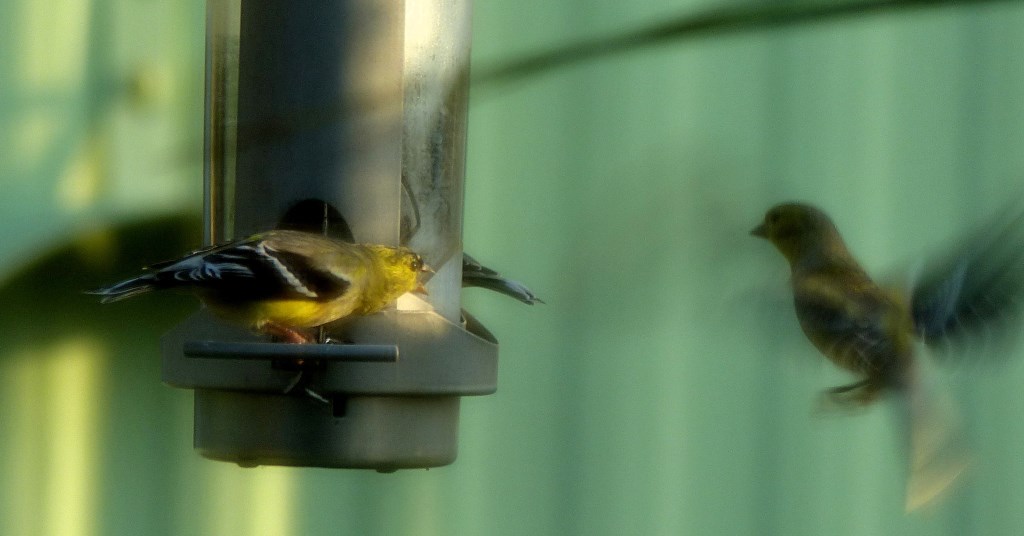
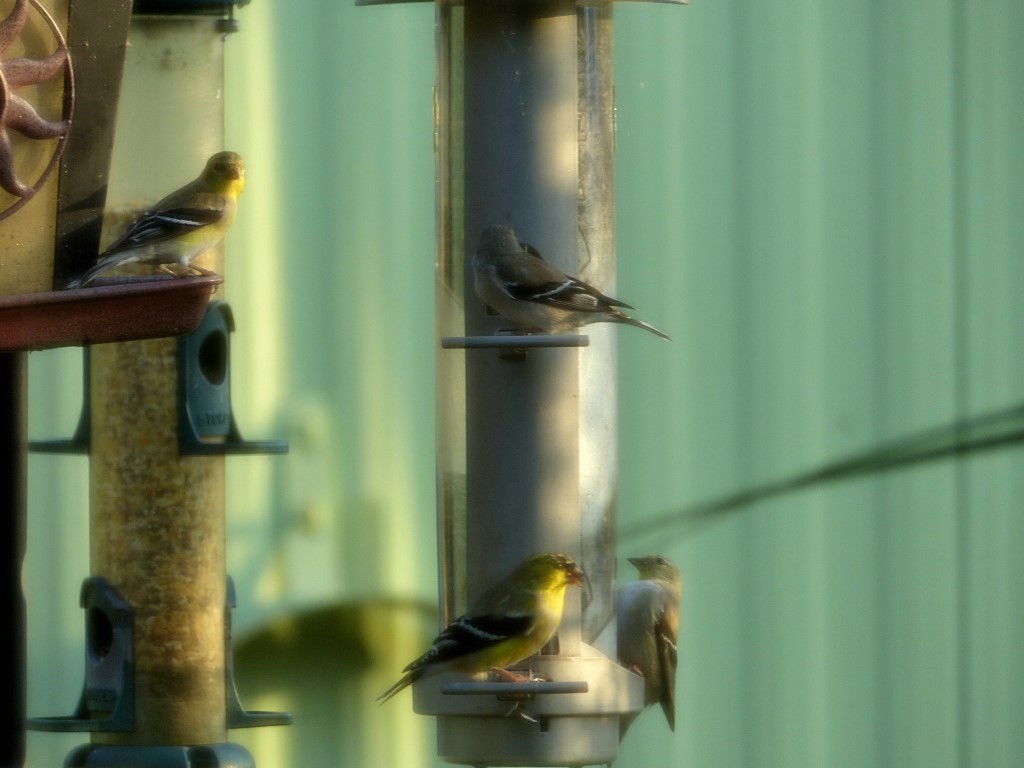
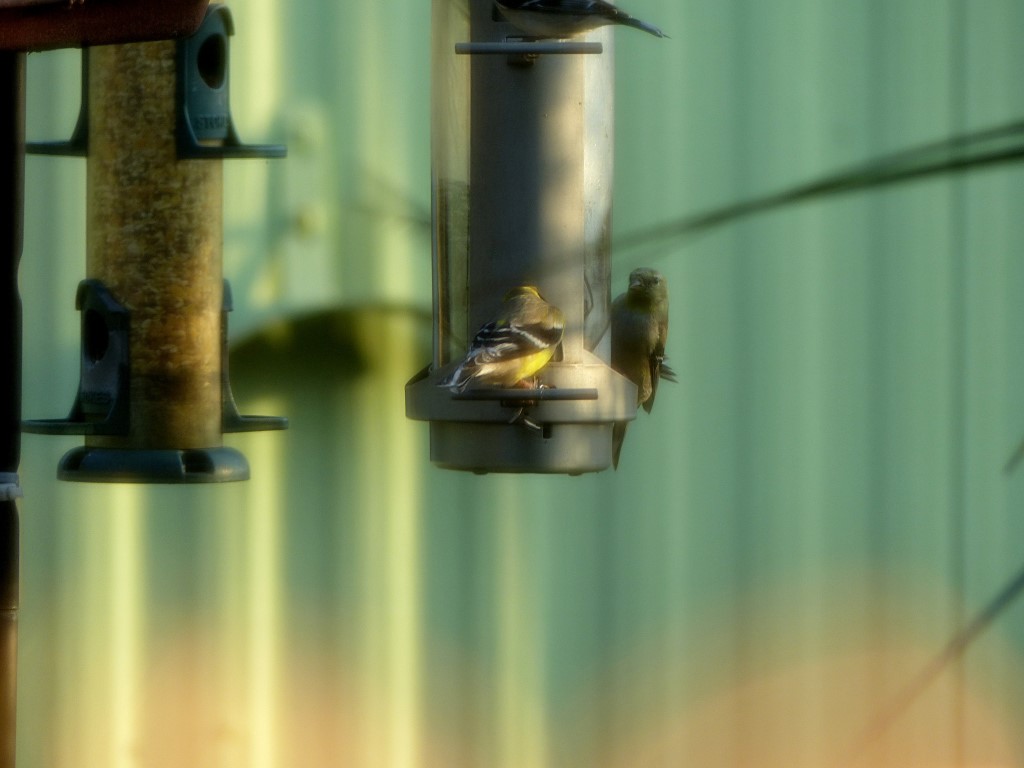
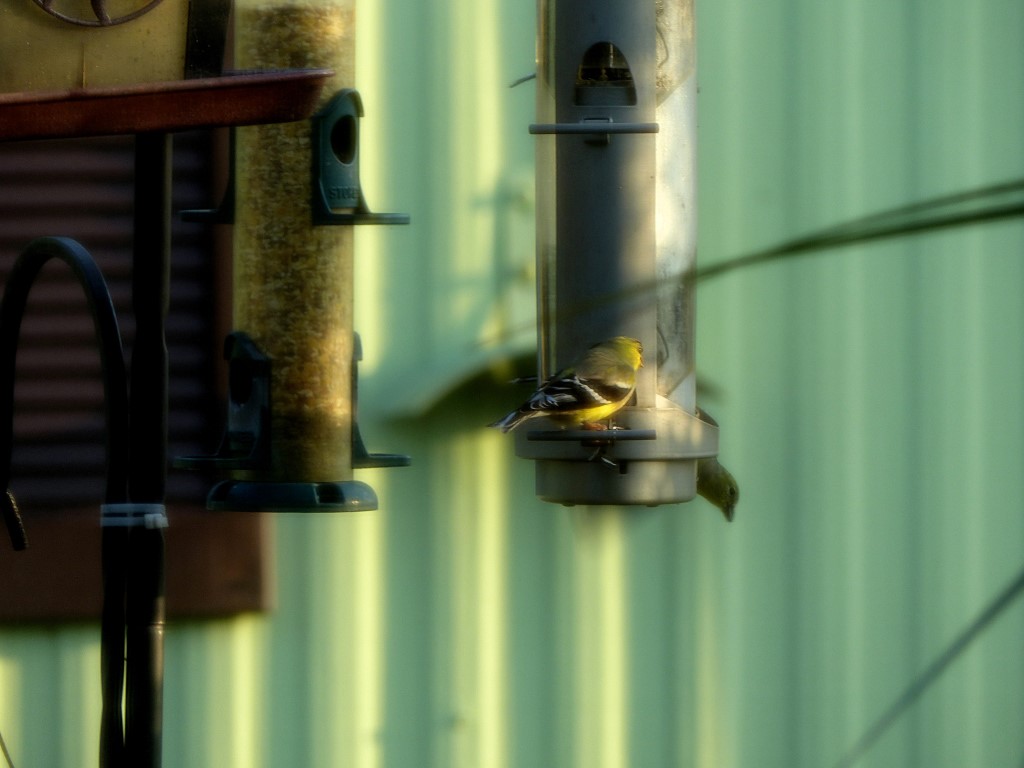
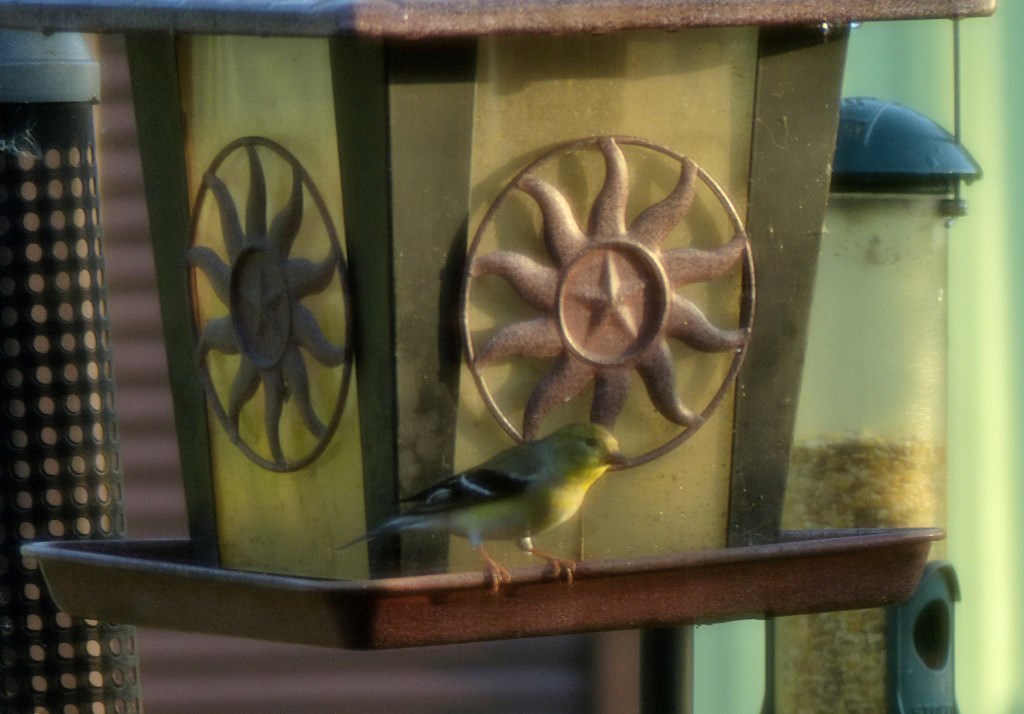
Finches at Feeder This Morning

Goldfinches at Feeder

Goldfinches at Feeder

The blessing of the LORD, it maketh rich, and he addeth no sorrow with it. (Proverbs 10:22 KJV)

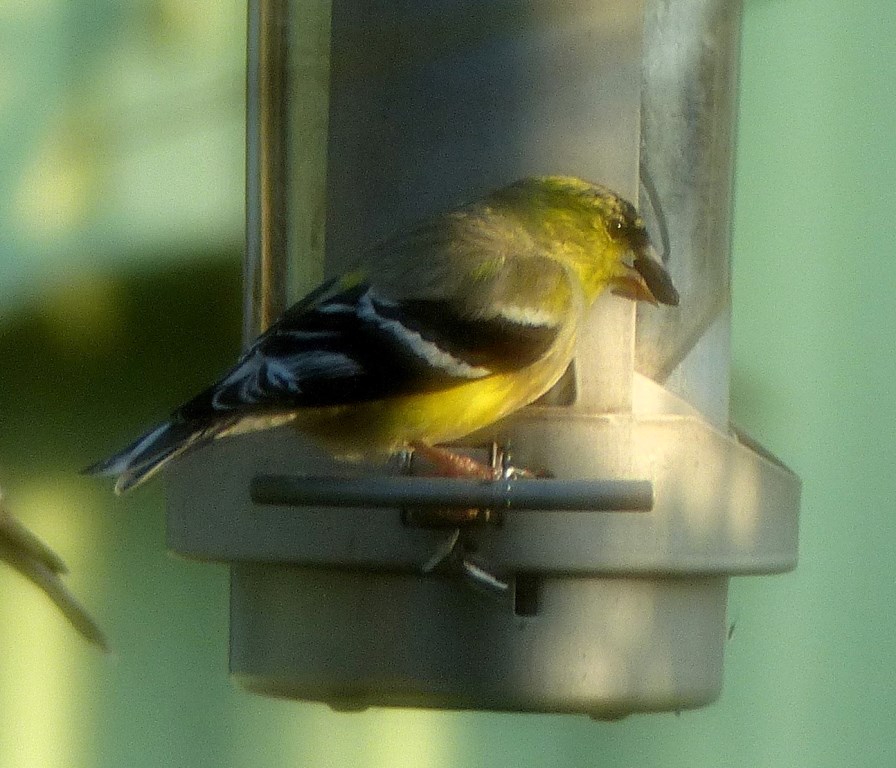
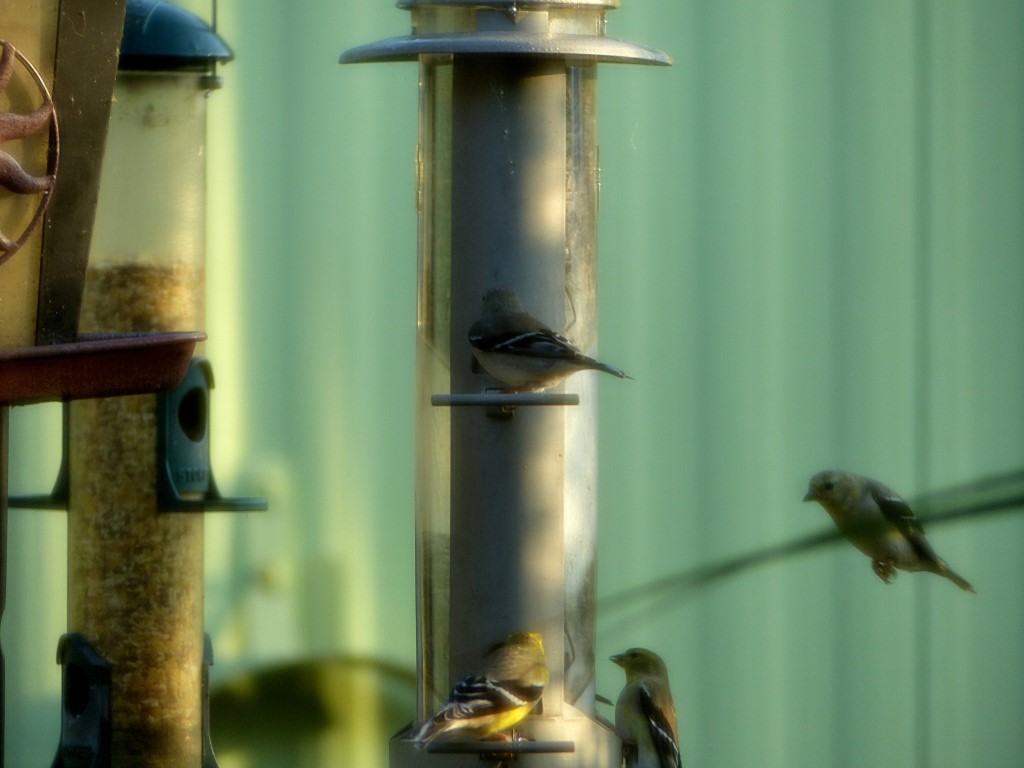
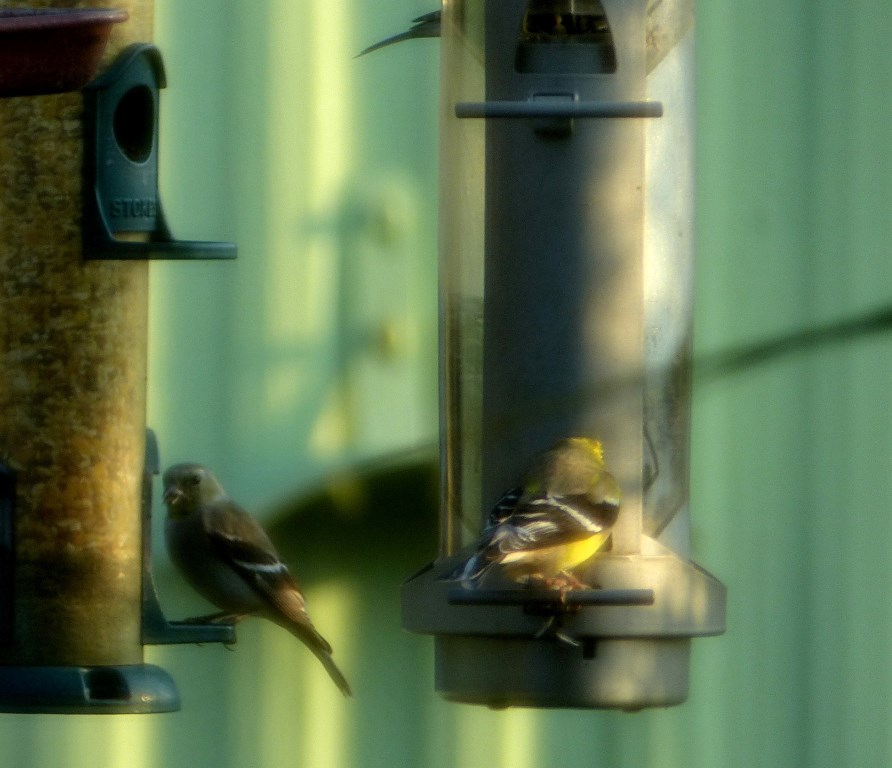
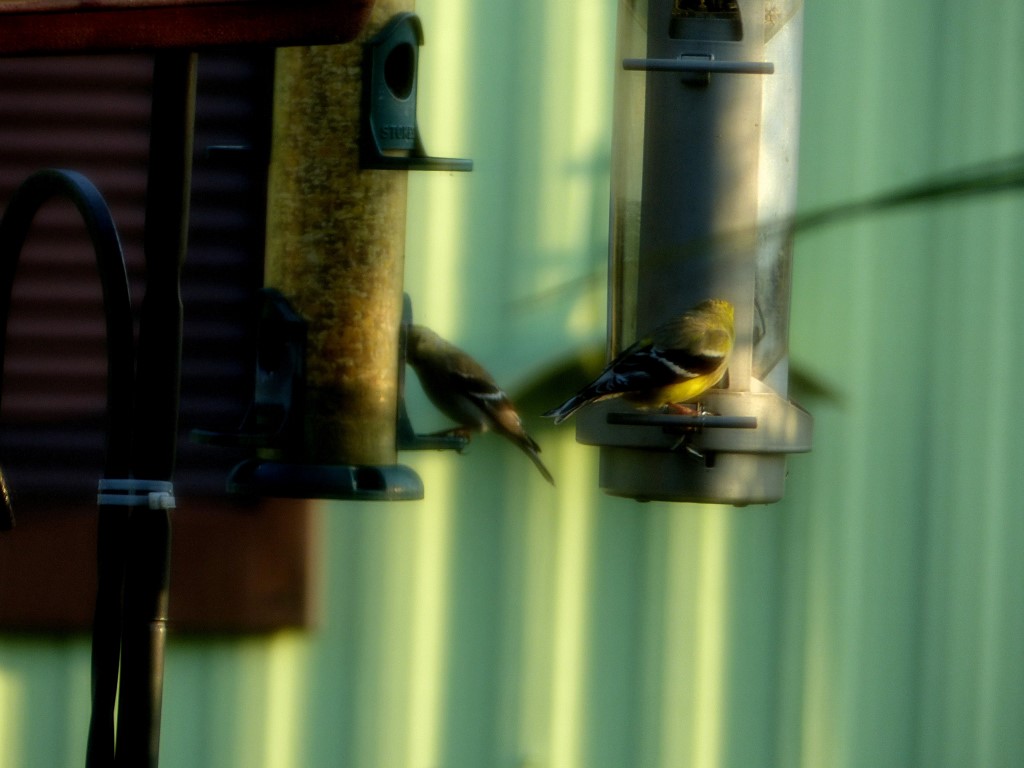
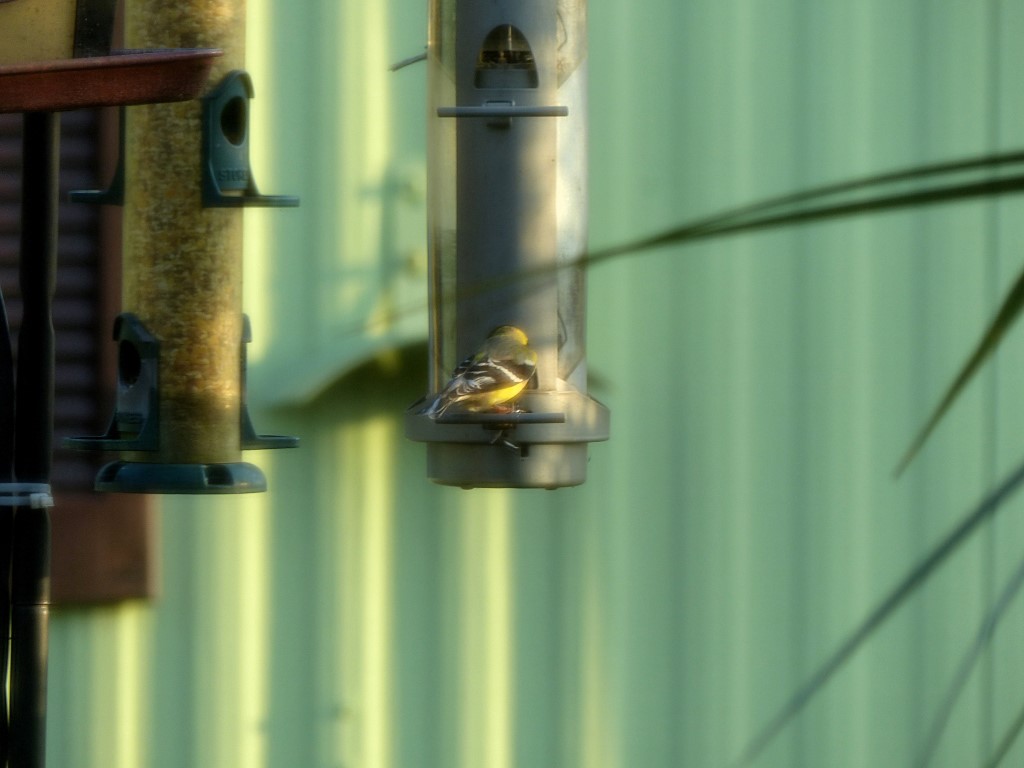
What a great surprise and blessing when I looked out the kitchen window this morning. Spotted an American Goldfinch at my feeder. Haven’t seen any in months. So it was neat to watch them. They kept coming and before long there were at least six. Went to get the camera when the first one showed up and recorded them as they kept coming in.

These photos are through the screen, so forgive the quality, but just wanted to share them with you. I have been battling another round of bronchitis, third one this winter, hence not many birdwatching adventures to report lately. They almost put me in hospital yesterday with possible pneumonia, because of a low oxygen reading. Because of this, I have not been to many of your sites lately to stop by. Your prayers are again appreciated and always welcome.

Goldfinches at Feeder - avoiding the crowd

Goldfinches at Feeder – avoiding the crowd

Wordless Birds

*

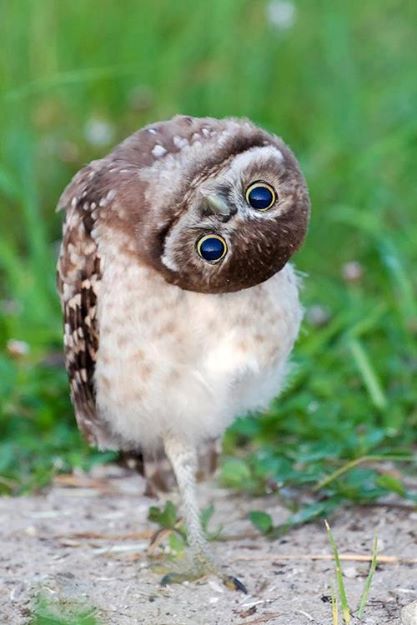
Tickle Me Tuesday – Burrowing Owls

Burrowing Owl from Dusky's Wonders

Burrowing Owl from Dusky’s Wonders


One was posted several years back, but it is worth seeing again and getting a “tickle.”

The LORD opens the eyes of the blind; The LORD raises up those who are bowed down; The LORD loves the righteous; (Psalms 146:8 NASB)

The burrowing owl (Athene cunicularia) is another of the Lord’s creation, It is a small, long-legged owl found throughout open landscapes of North and South America. Burrowing owls can be found in grasslands, rangelands, agricultural areas, deserts, or any other open dry area with low vegetation. They nest and roost in burrows, such as those excavated by prairie dogs (Cynomys spp.). Unlike most owls, Burrowing Owls are often active during the day, although they tend to avoid the midday heat. But like many other kinds of owls, burrowing owls do most of their hunting from dusk until dawn, when they can use their night vision and hearing to their advantage

Burrowing owls have bright eyes; their beaks can be dark yellow or gray depending on the subspecies. They lack ear tufts and have a flattened facial disc. The owls have prominent white eyebrows and a white “chin” patch which they expand and display during certain behaviors, such as a bobbing of the head when agitated.

Adults have brown heads and wings with white spotting. The chest and abdomen are white with variable brown spotting or barring, also depending on the subspecies. Juvenile owls are similar in appearance, but they lack most of the white spotting above and brown barring below. The juveniles have a buff bar across the upper wing and their breast may be buff-colored rather than white. Burrowing owls of all ages have grayish legs longer than other owls.

Bonus:

If I say, “My foot slips,” Your mercy, O LORD, will hold me up. (Psalms 94:18 NKJV)

Duck slipping on Ice from the Telegraph

Duck slipping on Ice from the Telegraph

Kind of goes with the Tickle Me Tuesday – Birds and Ice

*

Tickle Me Tuesday –

Gideon

*


Sunday Inspiration – Australian Birds

Here are three more families of Passerine birds. Today’s three families live mostly in the Austro-Papuan (Australia, New Guinea, Paupa) vicinity.

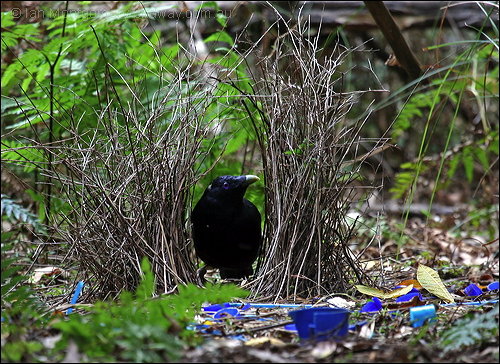
Satin Bowerbird (Ptilonorhynchus violaceus) in bower by Ian

Satin Bowerbird (Ptilonorhynchus violaceus) in bower by Ian

My son, if sinners entice you, Do not consent. (Proverbs 1:10 NKJV)

The Ptilonorhynchidae – Bowerbirds are renowned for their unique courtship behaviour, where males build a structure and decorate it with sticks and brightly coloured objects in an attempt to attract a mate.

Their diet consists mainly of fruit but may also include insects (especially for nestlings), flowers, nectar and leaves in some species. The satin and spotted bowerbirds are sometimes considered agricultural pests due to their habit of feeding on introduced fruit and vegetable crops and have occasionally been killed by affected orchardists.

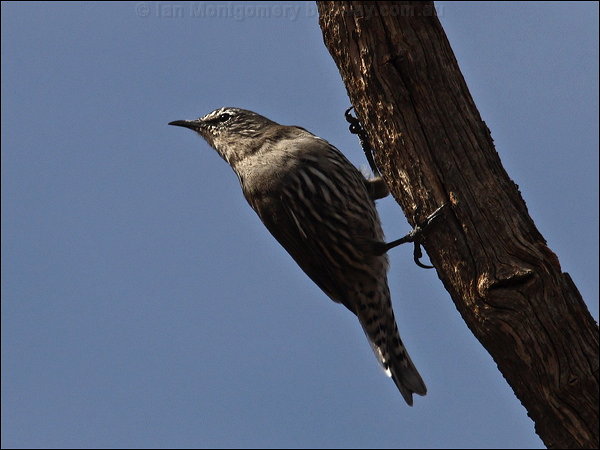
White-browed Treecreeper (Climacteris affinis) by Ian

White-browed Treecreeper (Climacteris affinis) by Ian

Let love be without hypocrisy. Abhor what is evil. Cling to what is good. (Romans 12:9 NKJV)

The Climacteridae – Australasian Treecreepers are separate from the European Treecreeper family, which will be highlighted later. As their name implies, treecreepers forage for insects and other small creatures living on and under the bark of trees, mostly eucalypts, though several species also hunt on the ground, through leaf-litter, and on fallen timber. Unlike the Holarctic treecreepers they do not use their tail for support when climbing tree trunks, only their feet.

Variegated Fairywren (Malurus lamberti) ©WikiC

Variegated Fairywren (Malurus lamberti) ©WikiC

Let them praise the name of the LORD, For He commanded and they were created. (Psalms 148:5 NKJV)

The Maluridae – Australasian Wrens are a family of small, insectivorous passerine birds endemic to Australia and New Guinea. Commonly known as wrens, they are unrelated to the true wrens of the Northern Hemisphere. The family includes 14 species of fairywren, 3 emu-wrens, and 10 grasswrens.

Malurids are small to medium birds, inhabiting a wide range of environments, from rainforest to desert, although most species inhabit grassland or scrub. The grasswrens are well camouflaged with black and brown patterns, but other species often have brilliantly coloured plumage, especially in the males. They are insectivorous, typically foraging in underbrush. They build domed nests in areas of dense vegetation, and it is not unusual for the young to remain in the nest and assist in raising chicks from later clutches.

This slideshow requires JavaScript.

“How Can I Keep From Singing” ~ Pastor Jerry Smith, Jessie and Caleb Padgett and Reagan Osborne

*

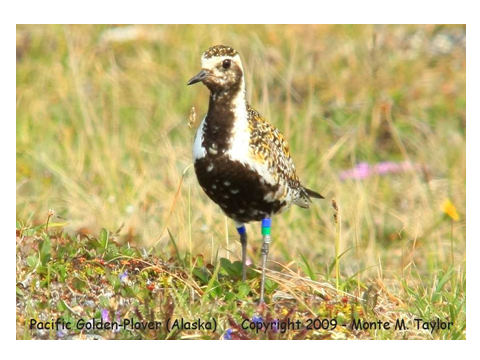
Pacific Golden Plover’s Teamwork

Pacific Golden Plover

Pacific Golden Plover

James J. S. Johnson

“For which of you, intending to build a tower, sitteth not down first, and counteth the cost [psêphizei tôn dapanên], whether he have sufficient to finish it?  Lest haply, after he hath laid the foundation, and is not able to finish it, all that behold it begin to mock him, saying, ‘This man began to build, and was not able to finish’.”  (Luke 14:28-30)

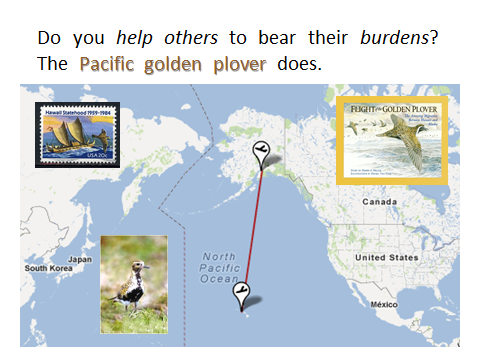
Imagine how inconvenient it would be for a bird to emigrate from Alaska, to Hawaii, only to run out of fuel en route, fall out of the sky from exhaustion, only to drown in the Pacific Ocean, somewhere north of Hawaii.  What a shame that would be!  And yet the Golden Plover’s pre-winter migratory mission, each year, would seem doomed from the start for that very reason – yet the little sandpiper-like migrant survives the journey on less fuel than seems possible.  How do they do it?
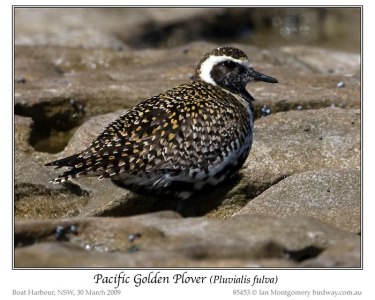
Pacific Golden Plover (Pluvialis fulva) by Ian

“The average weight of the golden plover before it leaves Alaska to fly to Hawaii is 200 grams.  It is a small bird about the size of a pigeon.  It is also a bird that does not swim!  Researchers have concluded that 70 grams of its 200 grams is burnable energy. The rate at which the bird burns fuel when flying is about one gram per hour.  This means right at 70 hours of flight is possible. Now we have a potentially disastrous situation.  The flight to Hawaii takes 88 hours of  continuous, non-stop flight!  The little bird must fly for 3 days and 4 nights without food or rest or stopping at all. Impossible! How does it do this?  The birds fly in a formation that breaks the wind, taking [~1/4] less energy to fly.  New leaders are constantly rotating in and out. Formation flight saves energy and when the birds arrive in Hawaii, they have as much as 6 grams of fuel left over.  God must have built the reserve fuel supply into the plover in case of a strong head wind along the way.   Scientists are not certain how the plovers navigate from Alaska to Hawaii and back, since there is no land under their flight path.   Utilization of earth’s magnetic field seems to be the best solution at this point.  Some have suggested that they use the sun and stars.  And how do the young birds find their way to Hawaii without an experienced adult guide, weeks after their parents have already flown back to Hawaii?  A one degree mistake in navigation over the more than 4,000 kilometer flight and the birds miss Hawaii completely!  But they never miss!”

[Quoting Dr. Jobe Martin, The Evolution of a Creationist, rev. ed. (Rockwall, TX: Biblical Discipleship Publishers, 2004), page 203, emphasis added.]
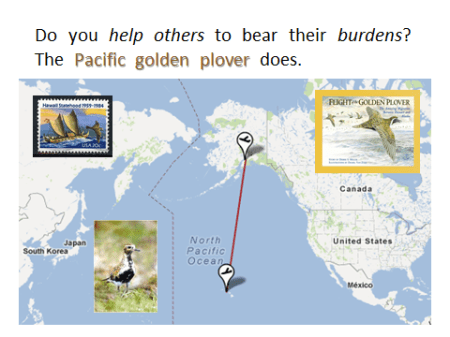
Pacific Golden Plover Map

That’s amazing!  Due to their instinctive behavior to “take turns” as “point man”, the migrating plovers use only ¾ of the food energy they would need to use if flying solo.  Birds display God’s providential programming in their anatomies and physiologies!  Why is that?  Because God carefully planned them before He created their original ancestors on Day 5 of Creation Week (Genesis 1:21).  God planned their genetics, their bio-diversity potentials and limits, their developmental biologies, and all of the bio-engineering needed to accomplish all the contingent details, —  and God has been actively participating in and regulating their lives and world ever since.

As humans we often need to plan out projects before we undertake them; we need to “count the cost” before embarking on an expensive and risky undertaking.  Yet God has already done this for the Pacific Golden Plover, to ensure its successful migrations twice a year.   And notice how God designed teamwork to be part of His plan – and that teamwork involves bearing one another’s burdens.

Bear  ye  one  another’s  burdens,  and  so fulfil  the  law  of  Christ.        (Galatians 6:2)

In sum, collaborating with teammates is usually a good idea, — so long as your colleagues are aimed at the same goal as you (see Amos 3:3.)

Dr. James J. S. Johnson has served as a lecturer (on ecology, geography, and history of Alaska) aboard 4 cruise ships visiting Alaska and the Inside Passage (Norwegian Wind, Norwegian Sky, Radiance of the Seas, and Rhapsody of the Seas).  During those trips he tried valiantly to (and did) eat lots of finfish, such as Pacific salmon and halibut, and shellfish, such as Dungeness crabs – but no Golden Plover.

*
I asked Dr. Jim to post this article because of the devotional emphasis he used. We have used the Plover before, see Incredible Pacific Golden Plover, which is all about the science and creation aspect of this remarkable Plover. Just wanted to review for you an amazing bird our Creator has created for us to learn about and from.

Orni-Theology

Incredible Pacific Golden Plover

Charadriidae – Plovers

Wordless Birds

*