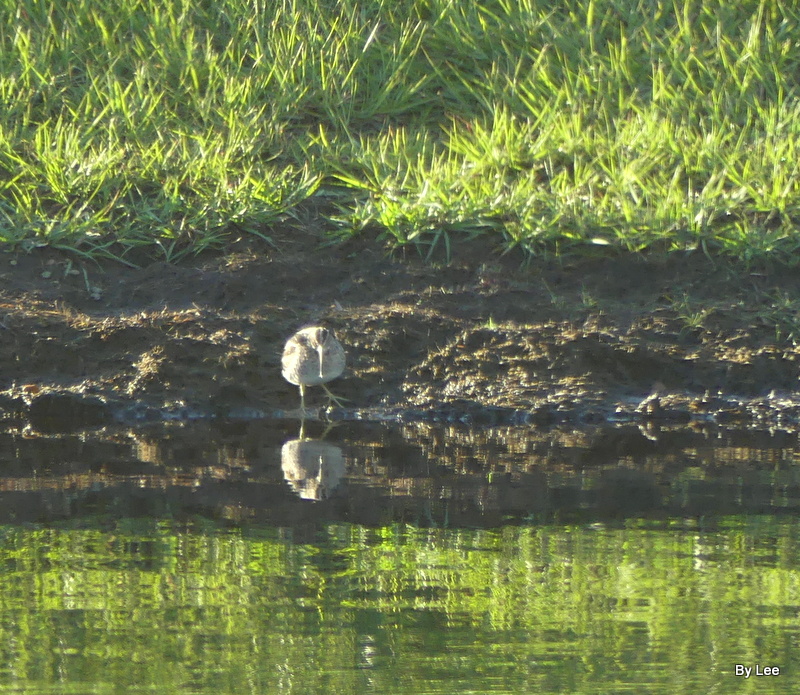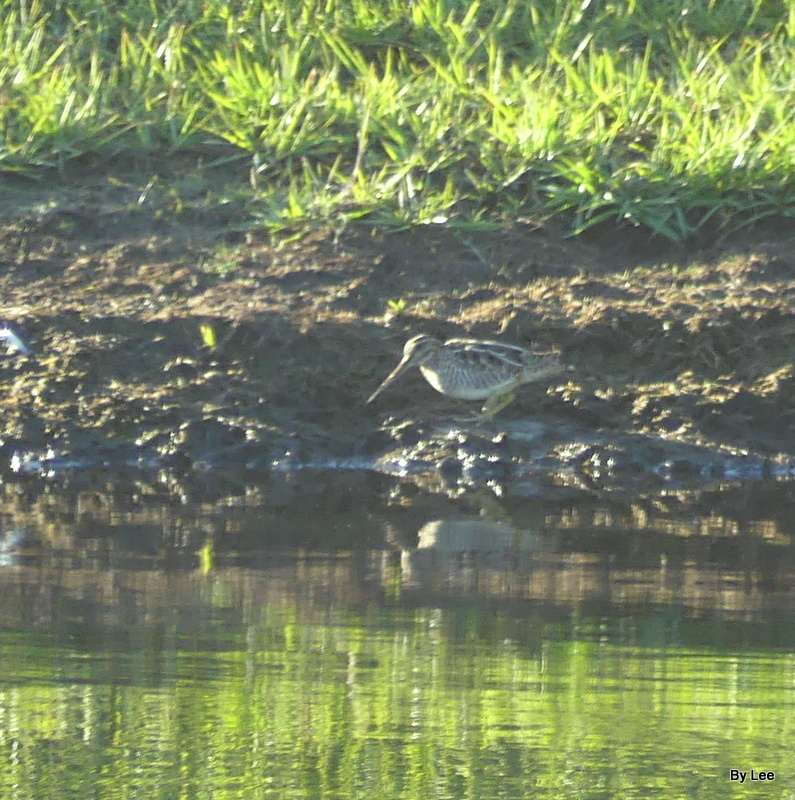
Palm Warbler Through Our Window

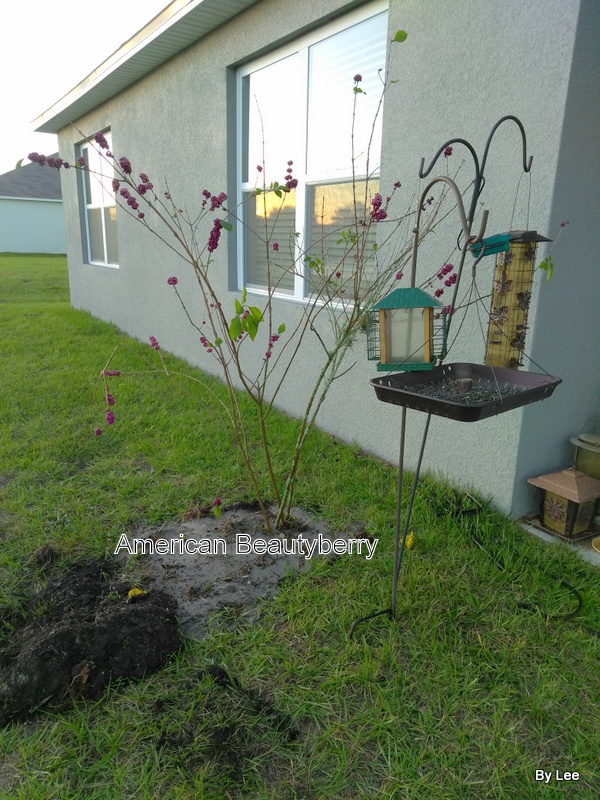
Beautyberry in backyard

In the last week, we added an American Beautyberry (Callicarpa americana) to our backyard. Actually, we dug it up from our previous house, before we sold it Monday. (Yeah!) It was in the backyard and ignored since we moved to our new house. Therefore, it is a bit dried up, but will bounce back with some TLC. [Tender Love and Care]

Palm Warbler on Beautyberry

Palm Warbler on Beautyberry

This morning while eating our breakfast, the Palm Warbler came and sat in the Beautyberry plant/bush. This time I was ready for him/or her. I had the camera right on the table. Yes!! This warbler and a Phoebe have been checking the plant out. [More about that visit in another post.]

The next three photos show how hard it is to try to focus on the bird with your camera in “program mode”. That is the way I use my camera as I have mentioned before. At least you can see the front, back, and side view.  :) Thankfully the video came out much clearer. [After all, I was sitting at the breakfast table.]
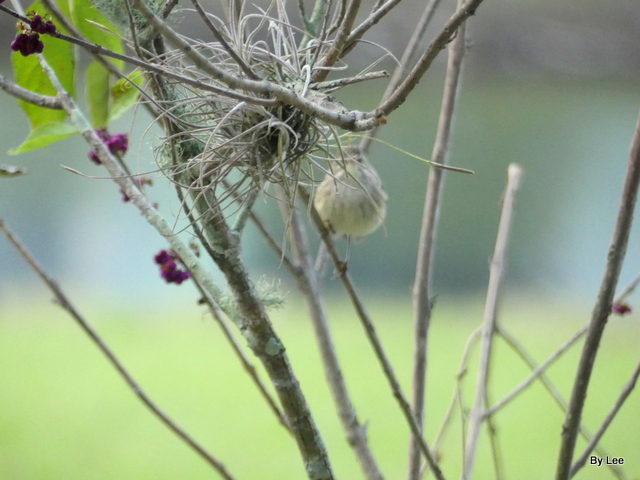
Palm Warbler on Beautyberry

Palm Warbler on Beautyberry

“Palm Warblers are small songbirds, but they are on the larger side for a warbler and have a fuller looking belly. Their posture is more upright than a typical warbler and more like a pipit—especially noticeable when they are on the ground. Their tails and legs are longer than most warblers contributing to the pipitlike shape.” [All About Birds]
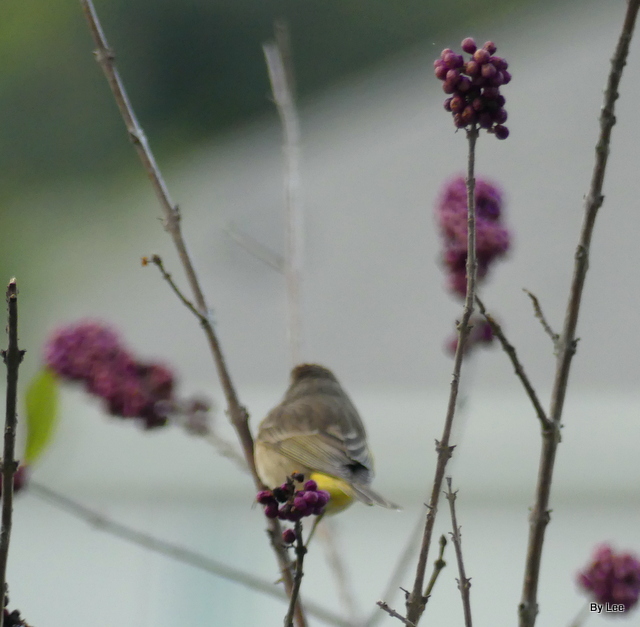
Palm Warbler on Beautyberry

Palm Warbler on Beautyberry

“This is one bird where behavior—this bird’s near-constant tail-wagging—can help confirm its identity. They mainly forage on open ground or in low vegetation, rather than in forest canopy as many warblers do (although they do sing from high perches in trees and shrubs).” [All About Birds]
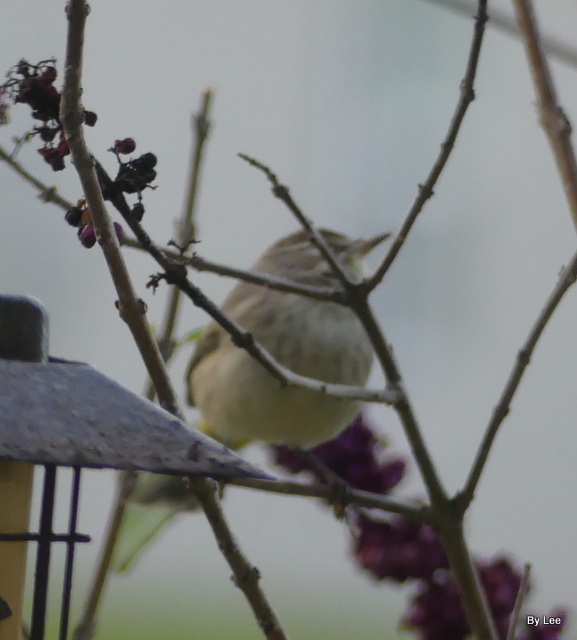
Palm Warbler on Beautyberry

Palm Warbler on Beautyberry

Check out this photo from All About Birds:

Palm Warbler in Non-breeding color

Oops!!! This is not a Palm Warbler on Beautyberry, It is the Eastern Phoebe!! [Edited after Published]

“Who provideth for the raven [or Warbler] his food?… they wander for lack of meat.” (Job 38:41 KJV)

“Another parable put he forth unto them, saying, The kingdom of heaven is like to a grain of mustard seed, which a man took, and sowed in his field: Which indeed is the least of all seeds: but when it is grown, it is the greatest among herbs, and becometh a tree, so that the birds of the air come and lodge in the branches thereof.” (Matthew 13:31-32 KJV)

In Mark, Luke, and in Matthew, the parable of the mustard seed is told. They all mention the small grain of mustard seed that grows up into a tree that the birds use for rest and shelter. This little warbler has found rest in this plant just as we find rest for our souls when we know the Lord Jesus Christ as our Savior. With the Christmas season here, there are plenty of reminders of His Love and Salvation.
[All About Birds]

Gospel Presentation

Ian’s Bird of the Moment – Jabiru

Storks (Ciconiidae on Birdway) are a small, varied, global family of 19 or 20 species depending on whether the African and Asian Woolly-necked Storks are split. Some like the Black-necked Stork of Australasia and Asia are striking in appearance while others such as the Marabou Stork of Africa perhaps qualify as the ugliest birds in existence.
black_necked_stork_32778.jpg
This Marabou Stork, photo scanned from film, is hanging around near a buffalo carcass, killed by lions, waiting for its turn after the vultures have left some scraps it can pick up. Stork bills are designed for fishing, not dismembering carcasses. They also frequent rubbish dumps; no doubt they play an important role as garbage collectors but it doesn’t add to their appeal.
marabou_stork_s6109_pp.jpg
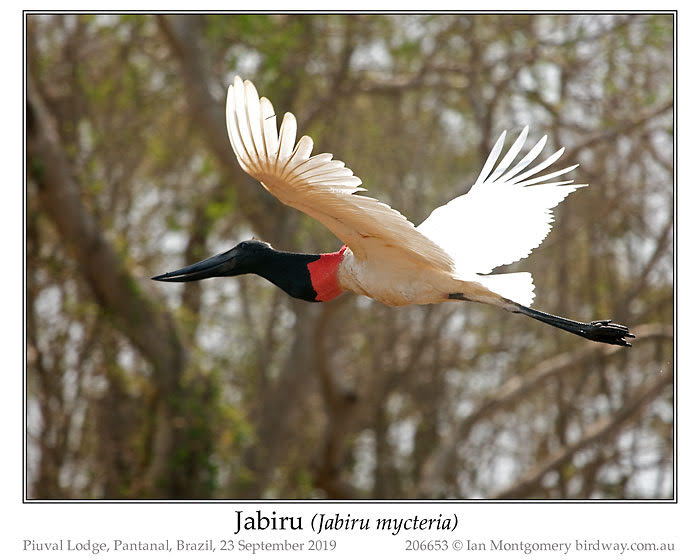
The Jabiru of South America was on the must-see list for the Pantanal and is, I think, bizarre rather than plain ugly, with its naked, swollen, black and red neck. It’s also impressive with its huge size, not quite as big as the Marabou but the tallest flying land-bird of the Americas (only the flightless Greater Rhea is marginally taller) and massive black bill. They pay a price for their bare skin. It may be good for personal hygiene but we often noticed that they were bothered by small brown biting flies like the bird below, and often swirled their heads in the water in an apparent attempt to get rid of them.
jabiru_202551_pp.jpg
This one we saw on our first boat trip on the Rio Claro. We try to convince our boatman that we just have to find a Sunbittern (Birdway) but he has other tricks up his sleeve and we have to wait until the following day before he gets serious about the Sunbittern. This particular Jabiru is accustomed to being fed on frozen piranhas and makes sure we take notice by gliding low over our heads and landing in the water nearby.
jabiru_202572_pp.jpg
Before swallowing the fish, the bird washes it thoroughly in the water, or so I assume: maybe it is thawing it. I don’t suppose swallowing a frozen fish is very pleasant but birds aren’t famous for savouring their food and usually just try to swallow it before anyone else gets it or it escapes.
jabiru_202588_pp.jpg
Later in the day we are to enjoy a similar fish-feeding spectacle with well-trained Black-collared Hawk (Birdway) and Great Black Hawks (Birdway), so we are well compensated for the boatman’s initial reluctance to satisfy our lust for the Sunbittern.
jabiru_206653_pp.jpg
Jabirus are strong flyers even if taking off requires a bit of effort. They are widespread through Central and South America, make local movements in response to the availability of water and food, and are known to cross the Andes in Peru. They are up to 1.4m/4ft 7in in length, with a wingspan to 2.6m/8.5ft and weight up to 8kg/18lbs. Greater Rheas (Birdway) have a similar length but can weigh more than 25kg/55lbs.
jabiru_206626_pp.jpg
They build huge nests at the top of trees including palms. The same site may be used repeatedly and the tree, particularly if is a palm, may die. In this nest the two juveniles are nearly fledged though not yet as big as their parents. The adult on the left has a red patch on back of the head: the amount of red on the head and neck is quite variable. I can’t find any explanation for the function of the swollen neck, except perhaps for signalling, as the red gets more intense when a bird is “excited”.
The name Jabiru comes from the South American Tupi-Guraní languages and means “swollen neck” and it is used in the scientific name (Jabiru mycteria). “Jabiru” is also used as a common name for the Black-necked Stork (Birdway), the only Stork occurring in Australia. It would seem that the unrelated South American species has a stronger claim to the use of the name, making it preferable to use the alternative name of Black-necked Stork. I don’t suppose, however, that the town of Jabiru in Kakadu in the Northern Territory is going to be renamed any time soon.
Greetings
Ian

We have not seen these Jabirus in a zoo, but we get to enjoy them through Ian’s lens in the wild. Ian’s trip to the Pantana has been providing many interesting avian wonders for us to enjoy. Also, he has been writing more often. Yeah.
Jabiru (Jabiru mycteria) by Ian

Jabiru (Jabiru mycteria) by Ian

“Then I raised my eyes and looked, and there were two women, coming with the wind in their wings; for they had wings like the wings of a stork, and they lifted up the basket between earth and heaven.” (Zechariah 5:9 NKJV)
“Yea, the stork in the heaven knoweth her appointed times; and the turtle and the crane and the swallow observe the time of their coming; but my people know not the judgment of the LORD.” (Jeremiah 8:7 KJV)

Tickle Me Tuesday – Bouncy Woodcock

American Woodcock through door 12-3-19 by Lee

American Woodcock through door 12-3-19 by Lee

Today I am going combine a “Tickle Me Tuesday” with a “Through My Window” avian wonder. In fact, the photos were taken last Tuesday “through my window/sliding door.”

Thanks to my zoom lens on my camera, which I now keep sitting in a chair at the breakfast table, I was able to get my first idea of what kind of bird this was.

American Woodcock through door 12-3-19 by Lee 2

American Woodcock through door 12-3-19 by Lee 2

Once he turned sideways, the identification became clear. It was an American Woodcock.

American Woodcock through door 12-3-19 by Lee 3

American Woodcock through door 12-3-19 by Lee 3

He was doing their “bouncy dance,” but, of course, as I started filming, he stopped. [ignore TV was in background]

Here is a American Woodcock doing an early morning “sky dance”

or how about this one?

“They wander up and down for food, And howl if they are not satisfied.” (Psalms 59:15 NKJV)

I used that verse out of text, but the next two verses are great challenges for us to sing praises to our Lord. Creation of the amazing Woodcocks are reasons to sing of His Creative Power.

“But I will sing of Your power; Yes, I will sing aloud of Your mercy in the morning; For You have been my defense And refuge in the day of my trouble. To You, O my Strength, I will sing praises; For God is my defense, My God of mercy.” (Psalms 59:16-17 NKJV)

“Superbly camouflaged against the leaf litter, the brown-mottled American Woodcock walks slowly along the forest floor, probing the soil with its long bill in search of earthworms. Unlike its coastal relatives, this plump little shorebird lives in young forests and shrubby old fields across eastern North America. Its cryptic plumage and low-profile behavior make it hard to find except in the springtime at dawn or dusk, when the males show off for females by giving loud, nasal peent calls and performing dazzling aerial displays.”

The American Woodcock belongs to the Scolopacidae – Sandpipers, Snipes Family

Cool Facts:

“Wouldn’t it be useful to have eyes in the back of your head? American Woodcocks come close—their large eyes are positioned high and near the back of their skull. This arrangement lets them keep watch for danger in the sky while they have their heads down probing in the soil for food.”

“The American Woodcock probes the soil with its bill to search for earthworms, using its flexible bill tip to capture prey. The bird walks slowly and sometimes rocks its body back and forth, stepping heavily with its front foot. This action may make worms move around in the soil, increasing their detectability.” [All About Birds]

American Woodcock – All About Birds

American Woodcock – A Wonderfully Bizarre Bird

Tickle Me Tuesday Revived – Laughing Kookaburras

Wages or a Gift

Ian’s Bird of the Moment – Andean Condor

When a Bird of the Moment recalls a special day out in the field, I get great pleasure from reliving the experience by preparing and describing the event. Such was our first full day, a Sunday, in Chile on the return journey. The day dawned sunny and unseasonably warm for Santiago in late September, forecast maximum 23ºC/73ºF so we decided to look for Andean Condors, our must-see bird in Chile and we are going to take you along with us.
mirador_lomas_del_viento.gif
Over a leisurely breakfast – tired after the long journey the previous day from Cuiabá in western Brazil via São Paolo on the east coast – we consult our reliable oracle Google to suggest a good place for the search. The one that sounds most promising is near a place not far away called Farellones in the Andes west of the city at an altitude of about 2,400 metres/7,800 feet.. We know that Condors are easiest to find when winds and topography provide suitable updrafts for soaring, so we are a little concerned by the calm conditions as we navigate the steep hairpin bends on the road to our destination. We get there in the early afternoon after a few birding stops along the way.
parque_yerba_loca_6940-ps.jpg
Just before arriving we spot a large raptor, which we think is a immature Condor but we can’t stop as we are sharing the road with hundreds of cyclists heading back towards the city and the many vehicles of spectators blocking the down traffic lane waiting to follow the cyclists. We go round another hairpin bend at Mirador Lomas del Viento (“Lookout, Hills of the wind”) where we see several Condors soaring both above and below us. Throwing caution and fear of disapproval to the wind we stop blocking, the remaining free lane, to take the first photos. Then we drive on a bit further, find a parking spot and walk back to a good vantage point overlooking Cordillera Yerba Loca (“Mountain Range Crazy Plant”).
andean_condor_207207-pp.jpg
If you look at Parque Cordillera Yerba Loca on the map and at the photo you can see that the lookout is at the end of a 20km long steeply-sided valley running approximately north-south. On such a warm day the breeze is from the north and we have fortuitously chosen perfect conditions for Condors at this place and time where the “Hills of the Wind” channel the breeze into a steady updraft. Yerba (or Hierba) Loca refers to a high altitude plant called Astragalus looseri, a legume that looks a bit like a purple Lupin in flower, which can tolerate intense sunlight, freezing temperatures and being buried under snow for months on end. It contains an alkaloid, which the literature coyly describe as toxic – supposedly the reason for the name – but we are not convinced. Naturally one, not the plant, would be loco or loca to eat it, but if you Google “Hierba Loca” you’ll find a reference to Dr Stoner’s Hierba Loca Tequila, which Hercule Poirot suspects is closer to the truth.
andean_condor_207321-pp.jpg
Anyway, back to the Condors. The first Condor photo is of an adult male, the second and third of an immature female. Adult Andean Condors have large white panels on the upper surface of the wing (secondary and tertiary flight feathers), a white ermine ruff, and reddish heads, and males of all ages have crests which grow larger with age. Older males, we’ll see shortly also have wattles or flaps on the side of the head. Juveniles and immature birds have entirely brown plumage which changes gradually to the adult plumage at an age of about seven years.
andean_condor_207355-pp.jpg
The Andean Condor is the only New World Vulture, Cathartidae, in which the sexes are different (they’re the same in the California Condor). The males with a wingspan to 320cm/10ft 6in and weighting up to 15kg/33lbs are larger than the females which weigh up to 11kg/24lbs. Of birds that can fly, only the Wandering Albatross has a greater wingspan (to 351cm) and the males of some bustards such as the African Kori Bustard weight more (up to 19kg), but the male Andean Condor is the largest raptor, just slightly bigger than the California. It is also unusual for male raptors to be larger than females; it’s often the other way round. Female Condor must trust their male partners who share in incubation of the single egg and care of the young.
andean_condor_207230-pp.jpg
Some of the Condors land periodically on a rocky outcrop just below us (fourth Condor photo). It looks to us like the adults are training the immature birds in flight manoeuvres. Both the birds in the photo are males, the adult on the left having a long crest and the immature bird on the right having a very short one, so maybe it’s a father and son pair. Most of the birds we see are males and we wonder why that is so. As the lookout faces north we are facing into the sun so the lighting conditions in the early afternoon are not ideal for photography.
Eventually hunger takes over and we end up in the restaurant of a charming, local ski lodge for a late lunch before returning to the lookout. By now all the cyclists, support vehicles and spectators have left and we have the place almost to ourselves. The number of Condors increases and at some points we can count eleven taking part in this wonderful aerial ballet. The birds are so graceful in the air that it’s hard to grasp how large they are until we see close by the passing shadow of a curious bird, flying overhead to check us out like the ones in the fifth and sixth photos.
It’s now about two hours before sunset and the sun is lower in the west with a softer intensity, much better for photography. The photos are numbered in sequence so you can see that I’ve taken more than two hundred in the interval between the one of the two birds on the rock and the female in the fifth photo. She is about six years old and is in transition to adult plumage. She has only a faint white collar and the lack of a crest indicates her gender.
andean_condor_207513-pp.jpg
The bird in the sixth photo, directly overhead is an old male with a reddish head and long wattles on the cheeks. You can see that in adult birds the distal edge of the underneath of the flight feathers of the white wing panel on the upper surface are also white. If you look carefully at the right wing of the female in the previous photo you can see that the bird is moulting and five secondary flight feathers with white edges are just beginning to grow and will replace the corresponding completely dark feathers.
andean_condor_207426-pp.jpg
I’m now satisfied with the quantity of photos I’ve taken so I’m concentrating on trying to get photos of birds with snowy mountains in the background. This isn’t easy as the mountains are quite far away and the birds are a bit distant when they have the mountains in the background. The seventh Condor photo shows an older male while the eighth is of a younger male with a second bird behind it.
andean_condor_207466-pp.jpg
We’ve had a wonderful afternoon with the Condors, just magic. Eventually we continue up the road to the Vale Nevada (“Snowy Valley”) ski resort at about 3,000 metres/10,000 feet. It consists of a number of tall, starkly modern apartment blocks around a largely deserted central car park, the season being over. We park in the visitor parking area – the rest is severely private – and have a wander round. The air is noticeably thin at this altitude. We don’t find the resort picturesque, an understatement, so here is the view enjoyed by the buildings on the southern side. The south facing slope still has quite a lot of snow and the sun is sinking in the west after a cloudless day.
vale_nevada_6960-ps.jpg
We don’t see any more Condors along this route, but we do see a few other high altitude raptors like an immature Mountain Caracara beside the road and a pair of Variable Hawks perching on one of the power poles supplying the resort. Caracaras are in the same family as Falcons but scavenge like Crows. Time now to go back to Santiago before it gets dark after a wonderful day. It’s misión cumplida in Chile and we have three full days left for relaxed birding. What would you like to see and where would you like to go? Let’s do some wetlands on the coast near Valparaiso for a change: the trip reports on the internet say they’re good.
Greetings
Ian

Lee’s Addition:

“Is it by your understanding that the hawk soars, Stretching his wings toward the south? “Is it at your command that the eagle mounts up And makes his nest on high? “On the cliff he dwells and lodges, Upon the rocky crag, an inaccessible place. “From there he spies out food; His eyes see it from afar.” (Job 39:26-29 NASB)

Great photos and thanks for sharing your adventure to watch and photograph this interesting birds, Ian. The Lord has created so much variety in His Avian Wonders. The birds just seem to find the niche that they were created for. I trust that we find that spot, or niche that the Lord has for us.

I have got to admit, these Condors are not the prettiest birds we have ever seen, but yet, the Creator, in His wisdom, makes no mistakes.

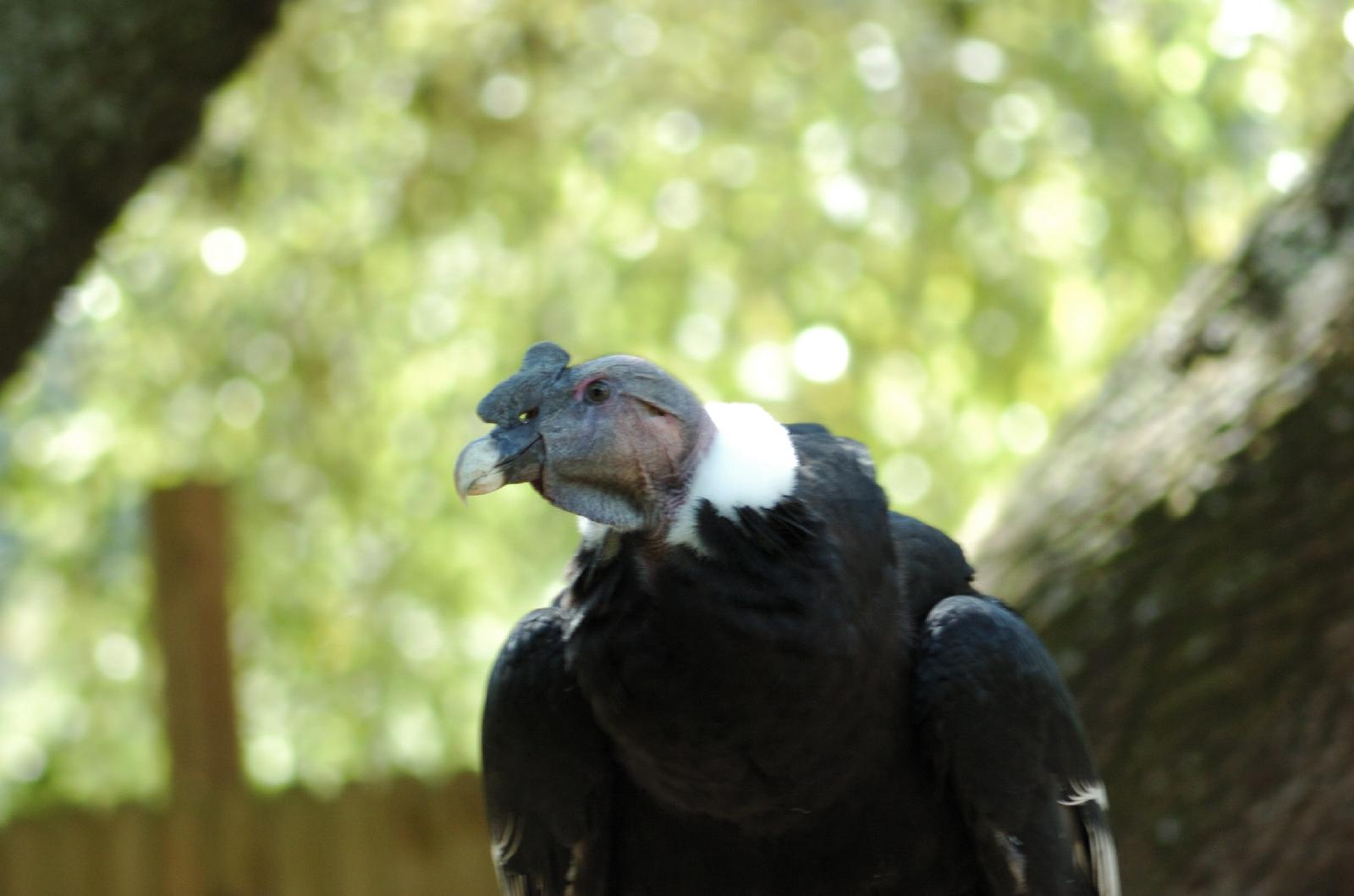
Andean Condor – Lowry Park Zoo (Zoo Tampa) by Dan

See more of Ian’s Bird of the Week, Moments, or whenever:

Ian’s Bird of the Week

Cathartidae – New World Vultures

Who Paints The Leaves

Tickle Me Tuesday – Peekaboo and Einstein

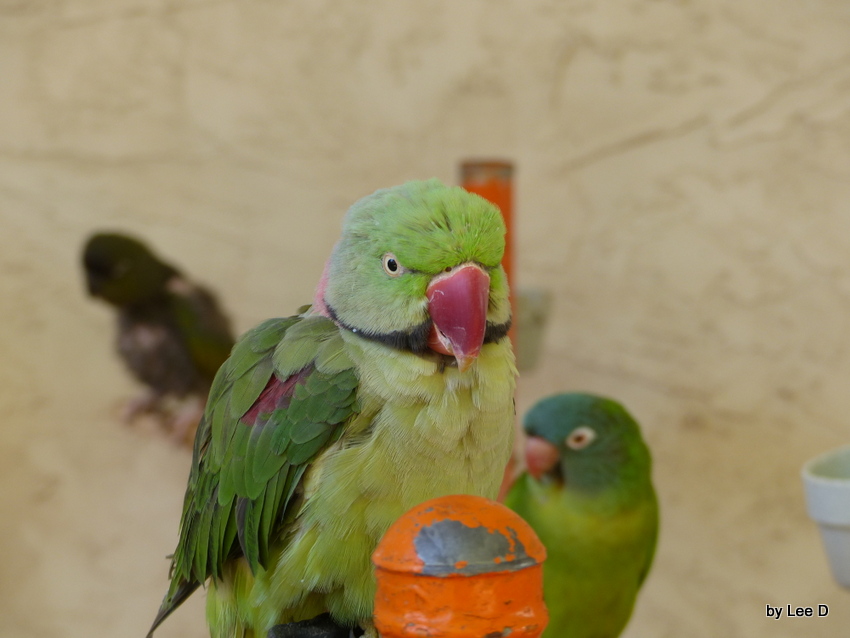
Indian Ring Neck Parakeet

Indian Ring Neck Parakeet

Indian Ringneck Parrot

Occurred on March 12, 2019 / Christchurch, Canterbury, New Zealand “Oscar the two-year-old Indian Ringneck parrot playing peekaboo with the cat from across the street.”

“And He kept repeating, Do you not yet understand?” (Mark 8:21 AMP)

African Grey

Meet the Knoxville Zoo ‘s avian SUPERSTAR, Einstein. Come visit Einstein the African gray parrot at the Knoxville Zoo’s Bird Show, Knoxville, TN USA. [This was in 2008]

(African) Grey Parrot (Psittacus erithacus lenne) at Parrot Mountain by Lee

“He that covereth a transgression seeketh love; but he that repeateth a matter separateth very friends.” (Proverbs 17:9 KJV)

“Also when you pray, you must not be like the hypocrites, for they love to pray standing in the synagogues and on the corners of the streets, that they may be seen by people. Truly I tell you, they have their reward in full already. But when you pray, go into your [most] private room, and, closing the door, pray to your Father, Who is in secret; and your Father, Who sees in secret, will reward you in the open. And when you pray, do not heap up phrases (multiply words, repeating the same ones over and over) as the Gentiles do, for they think they will be heard for their much speaking. [I Kings 18:25-29.] Do not be like them, for your Father knows what you need before you ask Him.” (Matthew 6:5-8 AMP)

See other Tickle Me Tuesdays

Tickle Me Tuesday Revived – Laughing Kookaburras

2015’s Tickle Me Tuesday’s

Sharing The Gospel

Hummingbird from John 10:10 Project

“Few creatures in the animal kingdom can capture the imagination more powerfully than a hummingbird. Their aeronautical abilities are stunning. But the genius of these birds isn’t limited to flight. Each day, they must consume twice their body weight in nectar to fuel their voracious metabolisms. The incredible biological mechanisms that make this possible are masterpieces of engineering and design.”

“The thief cometh not, but for to steal, and to kill, and to destroy: I am come that they might have life, and that they might have it more abundantly.” (John 10:10 KJV)

A friend sent me this link. Thanks, Pastor Pete.

Two Suppers – By William Wise

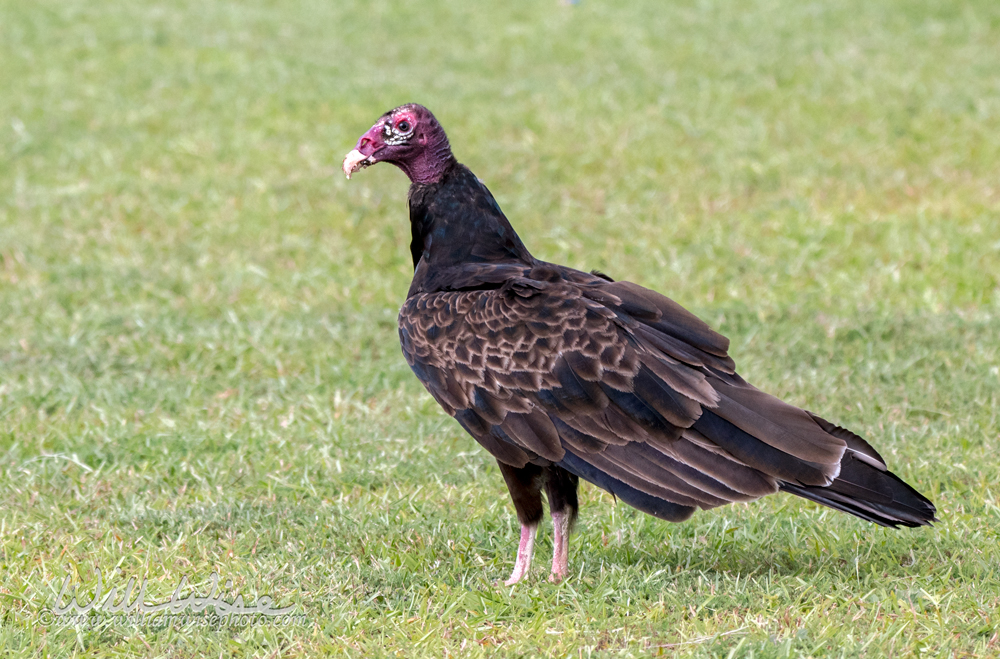
Turkey Vulture; Walton County, Georgia by William Wise

Turkey Vulture; Walton County, Georgia by William Wise

Two Suppers

By William Wise of www.williamwisephoto.com

Revelation 19:17-18  And I saw an angel standing in the sun; and he cried with a loud voice, saying to all the fowls that fly in the midst of heaven, Come and gather yourselves together unto the supper of the great God;  18 That ye may eat the flesh of kings, and the flesh of captains, and the flesh of mighty men, and the flesh of horses, and of them that sit on them, and the flesh of all men, both free and bond, both small and great.

While running a 10K race with my 69-year-old father, I laughed as he looked up and shouted at a group of circling vultures and said, “Go away! I’m not dead yet!” Although they were waiting to dine on him, he wasn’t quite ready to be their supper.

King James Authorized 1611 Pulpit Folio

The Bible tells us (and yes, I believe it) that one day in the future, God is going to host two great suppers, or feasts. The first is the party of the century… no, the party of the millennia… no, the party of the ages! It is called the Marriage Supper of the Lamb. And all the followers of Jesus Christ will be given clean, white garments and enjoy the greatest wedding reception of all time.

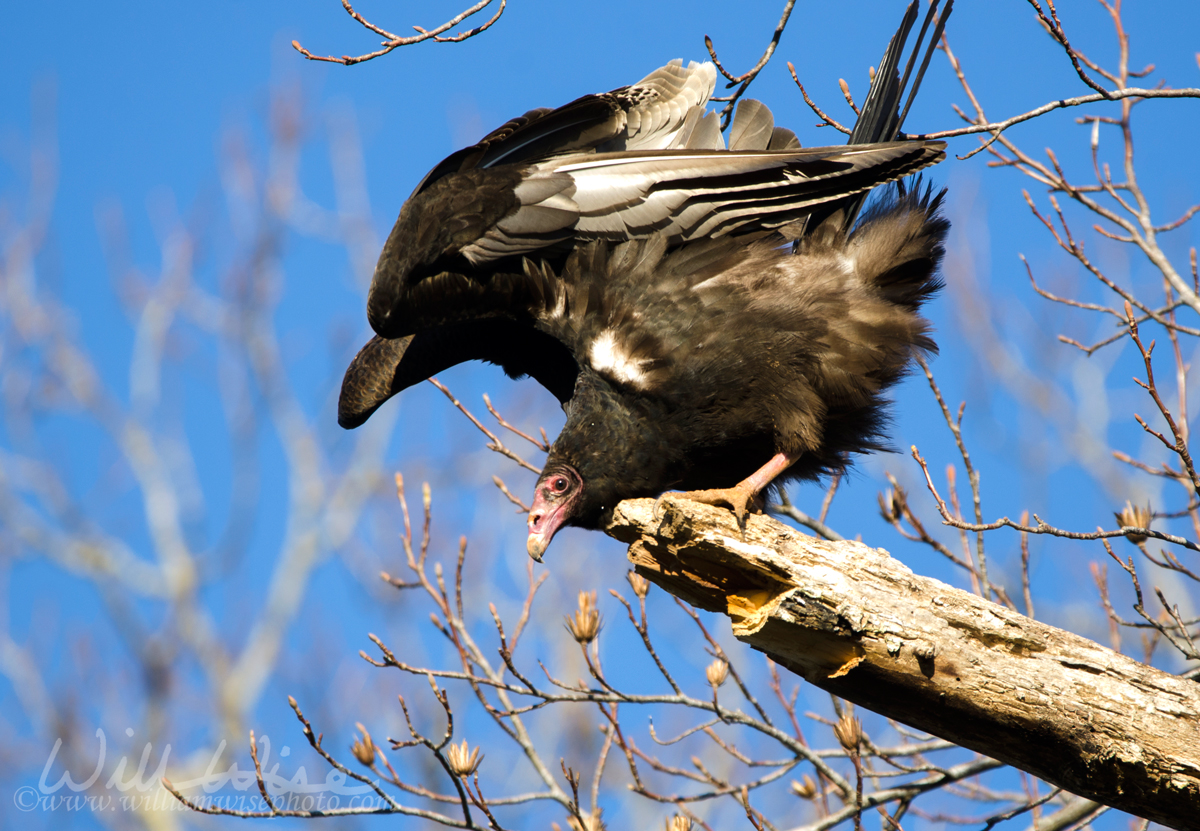
Georgia Vultures by William Wise

Georgia Vultures by William Wise

But simultaneously, there is another feast. It is called the Supper of the Great God. Those who did not RSVP for the Marriage Supper of the Lamb, but lived for themselves, will be attendees at this gathering. For it is a gathering of fowls; of carrion crows and vultures to feed upon the slain who turned in battle against returning Messiah. But you need not attend that feast.

Turkey Vulture; Clarke County, Georgia by William Wise

Turkey Vulture; Clarke County, Georgia by William Wise

When you pass a roadside party of vultures dining on last night’s unlucky road crossing, just remind yourself, “I’d rather feast at the Marriage Supper of the Lamb than be feasted upon at the Supper of the Great God.”


We are excited to introduce a new Photographer/Writer to the Lee’s Birdwatching Adventures blog. Not only is he a great Christian photographer, but a blogger who writes about Creation topics also. Welcome, William!

Check out his website at: http://www.williamwisephoto.com/index.html

Ian’s Bird of the Moment – Hyacinth Macaw

The Pantanal has two iconic species that all wildlife tourists want to see: the Hyacinth Macaw and the Jaguar. Both are spectacular in quite different ways and the Pantanal is the best place to see them. The Pantanal has many wonderful species of birds, but the Macaw is noteworthy as being perhaps the rarest and being now largely restricted in range to this area. Current population estimates are about 6,500 individual wild birds of which perhaps 5,000 are in the Pantanal.
hyacinth_macaw_202473_pp.jpg
Like the Sunbittern, the Macaw was a must-see bird for us. In fact, it is no shrinking violet, if you’ll excuse the pun, being both the largest flying parrot and incredibly noisy. We saw our first ones on the first day, perched on the fence beside the road (the Transpantaneira) and they were present, with breeding sites, at all three lodges where we stayed. They’re up to a metre/39 inches in length and weight up to 1,700gms/60oz. Only the enigmatic Kakapo of New Zealand is heavier (up to 3,000g) but is, not surprisingly, flightless.
hyacinth_macaw_202410_pp.jpg
Handbook of Birds of the World describes their voice as “Very loud croaking and screeching sounds including ‘kraaa’ and screeching ‘trara’ warning cry”: something of an understatement. The first four photos here were of a pair near Rio Claro lodge which first attracted my attention by the noise they were making, which reminded me of a very loud, traditional wooden football rattle. They clearly weren’t pleased to see me near what I assumed was their nesting tree, but the shape of their bills gives them a happy, welcoming appearance even if the calls and body language suggest otherwise.
hyacinth_macaw_202453_pp.jpg
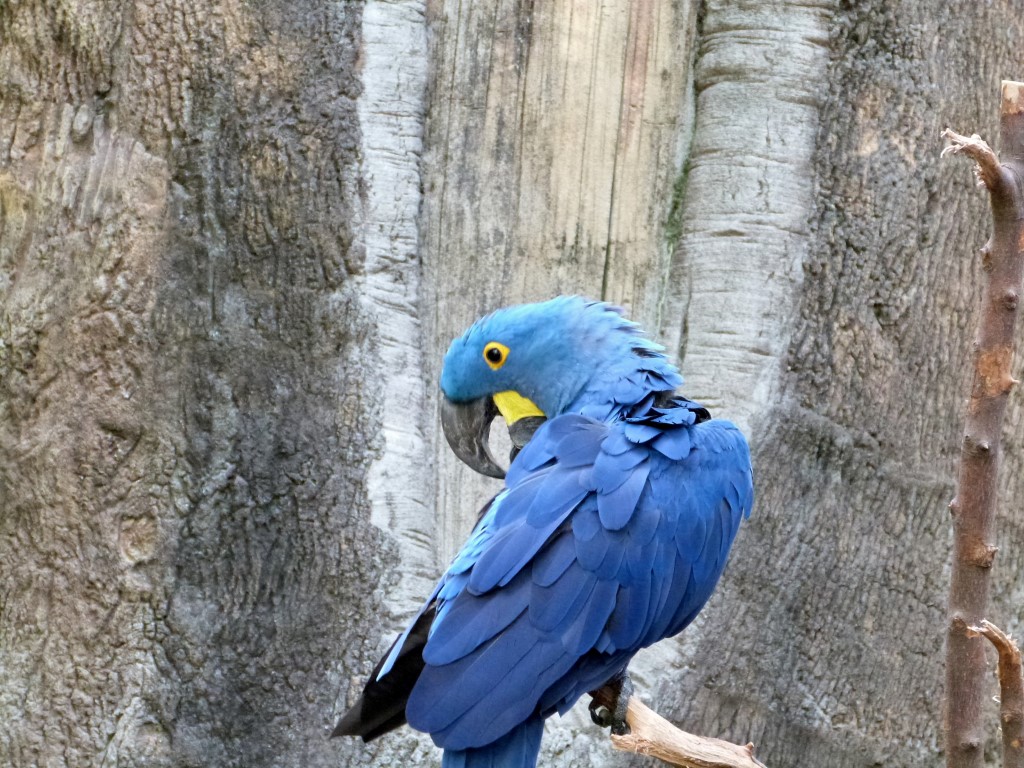
The Hyacinth Macaw lived up to its reputation. It’s a beautiful and fascinating bird. The plumage is a striking cobalt blue blending to more indigo on the upper surface of the wings, with the undersides of the flight feathers being dark grey.  The plumage contrasts wonderfully with the complementary chrome yellow bare skin on the head, an artistic touch suggestive of intelligent design. Unfortunately, its beauty makes it a popular cage bird which almost led to its demise, more about that shortly.
hyacinth_macaw_202408_pp.jpg
They’re monogamous, normally maintaining the pair bond until the death of one partner, so they are often seen in pairs (second and fourth photos). They do not breed until they are about seven years old and have a life-span of perhaps thirty years. In the Pantanal they nest in hollows in trees, usually the Panama Tree (Sterculia apetala).  This is a soft-timbered member of the Mallow family (Malvaceae) prone to the formation of hollows from termites, fungi and woodpeckers. The Macaws don’t initiate but enlarge existing hollows as nesting sites, and often use the same site in consecutive years. They will also use the stumps of palm trees and in northeastern Brazil they also nest on cliffs.
hyacinth_macaw_206512_pp.jpg
Typically they lay two eggs, but usually at most one young survives to fledging. The eggs and young are particularly vulnerable to predation by reptiles, birds and mammals because of the large size of the hollow and its entrance. Hyacinth Macaws are difficult to breed and rear in captivity for a variety of reasons including the specialised dietary requirements of both young and adult birds.
hyacinth_macaw_203874_pp.jpg
In the Pantanal, the birds feed mainly on the nuts of two species of palm tree, the Acuri Palm (Scheelea phalerata) above and the Bocaiúva (Acrocomia aculeata). The Acuri fruits all year long and is the main source of food, while the Bocaiúva nuts ripen between September and December, coinciding with the peak period of hatching of the chicks.
hyacinth_macaw_202471_pp.jpg
The nutcracker bill of Macaws are similar to those of Cockatoos, with a strong slender upper mandible aligning with a groove in the lower mandible and both can crack hard nuts with ease. The two groups are not closely related so the structures have evolved [were created] independently. Cockatoos are a purely Australasian family (Cacatuidae) while the Macaws belong to several, genera of South American Parrots (family Psittacidae, sensu stricto, or sub-family Arinae, depending on the taxonomic authority).
palm_cockatoo_104877-pp.jpg
The popularity of Hyacinth Macaws as cage birds almost led to their extinction in the wild in the 1980s. In this decade, perhaps 10,000 birds were trapped leaving only about 3,000 in total. The population also suffered from habitat destruction and removal of the trees on which they depend. Happily in 1990, the Hyacinth Macaw Project was started by the biologist Neives Guedes and has resulted in a tripling of the population to 5,000 in the Pantanal. You can read about it here World Wildlife Fund Brazil or download this pdf Hyacinth Macaw Project. There are, however, other populations in Brazil which have declined from a total of 1,500 birds to 1,000 in the same period, so the species is still listed as Vulnerable (2014), an improvement on its Endangered status in 2000.
jaguar_204090-pp.jpg
Ecotourism in the Pantanal has played its part too because of its economic importance and the other major icon, the Jaguar, has benefitted also. Boat trips from Porto Jofre in search of Jaguars is big business these days and some of the local jaguars have become quite habituated to throngs of boats and allow approach to within ten metres or so. We saw our first Jaguar crossing the road at Pixaim on our way to the Jaguar Lodge and subsequently spent two full days on boat trips when we saw another four, some of which we watched for long periods at close quarters. The one in the photo is a female which has  just emerged from hunting in the river and her fur is still wet. She is lactating, so we can suppose that she has some cubs hidden in the forest.
I’ve been steadily adding Brazilian and Chilean bird photos to the website at the rate of about one per day. If your interested in viewing them, start at the Recent Additions page which has thumbnail links to each of the species.
Greetings
Ian

Lee’s Addition:

Ian’s comment, “Current population estimates are about 6,500 individual wild birds of which perhaps 5,000 are in the Pantanal.” makes one want to hop on a plane and visit that area. Wow. Your “Bird List” would grow immensely.I am alway glad when Ian stops by to show some more of his birdwatching adventures. Those Hyacinth Macaws are so neat to see. We have only seen them in Zoos, but always thankful to see more of the Creator’s magnificent birds.

“And God saw every thing that he had made, and, behold, it was very good. And the evening and the morning were the sixth day.” (Genesis 1:31 KJV)
“For every kind of beasts, and of birds, and of serpents, and of things in the sea, is tamed, and hath been tamed of mankind:” (James 3:7 KJV)
Macaws are definitely “tameable.”
Hyacinth Macaw (Anodorhynchus hyacinthinus) Cincinnati Zoo 9-5-13 by Lee

Hyacinth Macaw (Anodorhynchus hyacinthinus) by Lee

Ian’s Bird of the Week

In Our Place

Tilly’s Pumpkin House – by Emma Foster

Tilly’s Pumpkin House

by Emma Foster

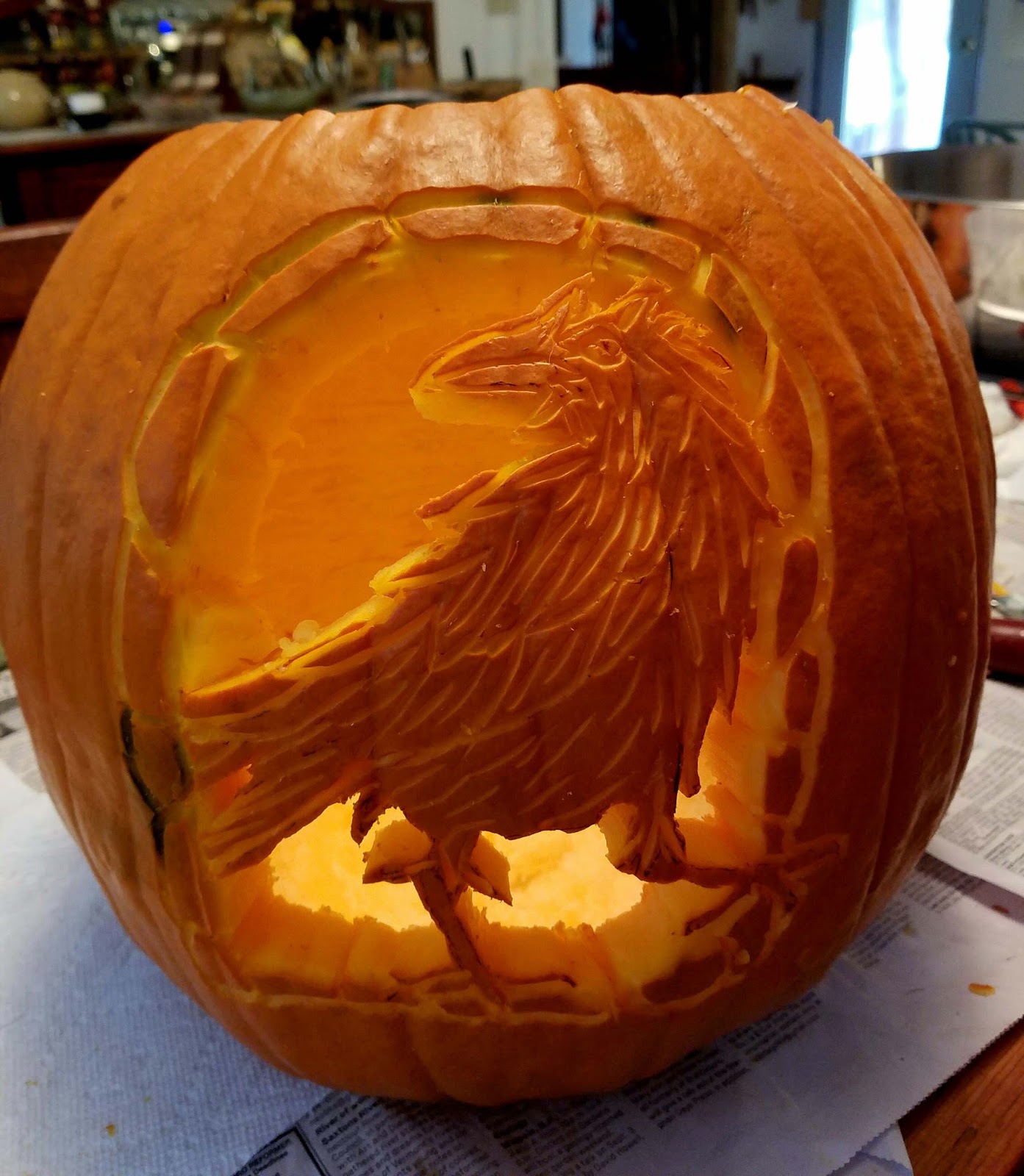
Tilly the raven normally lived in a tree, but as winter came closer, the weather felt colder, and Tilly knew she needed to find a warmer place to live.

Her tree was near a small pumpkin farm, and several pumpkins had been left behind, going unused for Halloween. Tilly observed the different kinds of pumpkins that were still in the field. Many of them looked old, with green and yellow splotches on them. One of the pumpkins, however, looked perfect.

The pumpkin was large and perfectly round. When Tilly pecked at it with her beak, she noticed that it was soft enough for her to make a little door in it. She pecked her way into the pumpkin and surveyed the inside.

For a while, Tilly pulled out the seeds and guts from the inside of the pumpkin, until she had enough room to sit comfortably. Tilly felt protected from the wind and cold. Eventually, she fell asleep.

Gathering Pumpkins ©casienserio.blogspot.com

The next morning, Tilly woke up to her pumpkin house shaking. Someone had picked up her house and was taking it somewhere. Tilly peeked her head out of the door of her house. She noticed groups of people taking the old pumpkins and placing them to a pickup truck.

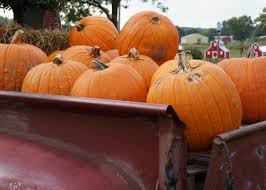
Pickup Truck With Pumpkins

Someone placed Tilly’s house in a pile beside other pumpkins. A second later, she rolled around and around and around as her house fell down a hill.

Splash! Tilly landed in the river. Fortunately, her house floated to the top, and the door she had made pointed up to the sky. Tilly carefully climbed out and flew back to land, sad that her house was floating away.

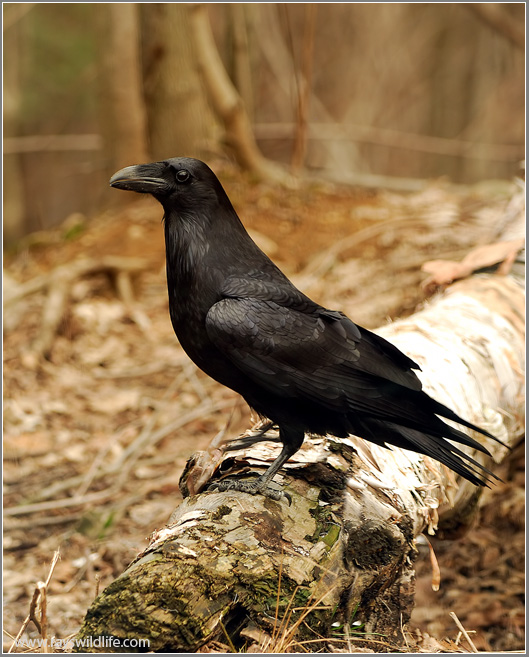
Northern Raven (Corvus corax) by Ray

Northern Raven (Corvus corax) by Ray

Snow started to fall to the ground. Tilly needed to come up with another plan. She decided to leave the pumpkin field and find somewhere else to live. Flying through the air as the snow fell, Tilly searched and found another pumpkin field. She searched for the next perfect pumpkin she could use. One of the pumpkins was soft and round just like the other one, and by the time she settled down inside, night had fallen and Tilly fell asleep instantly.

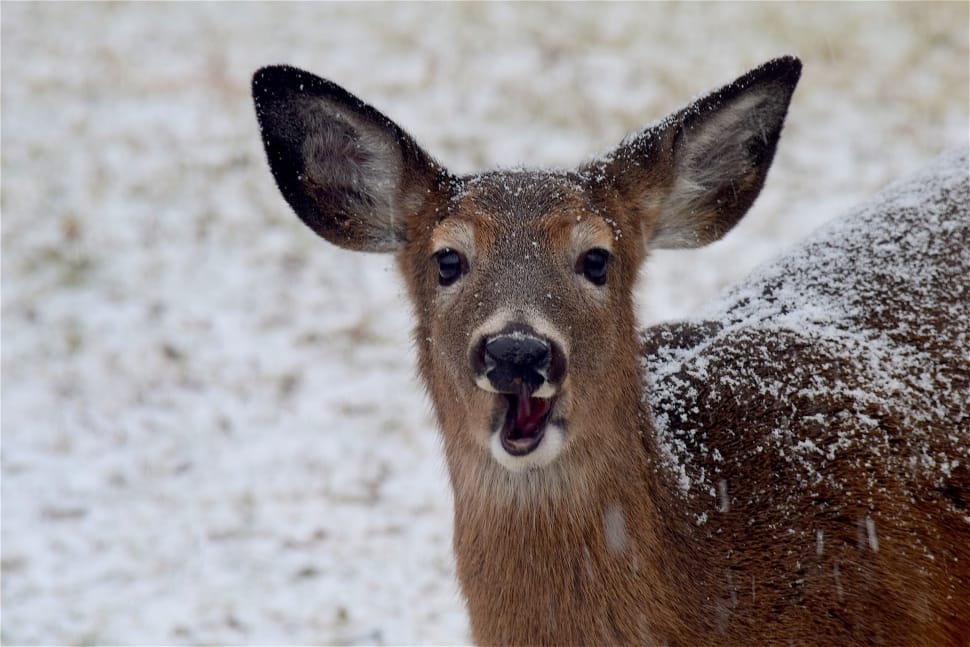
The next morning, Tilly woke up to something knocking against her new house. A deer she didn’t recognize was sniffing at her pumpkin and then took a giant chunk out of the top. Tilly looked up at the deer and the deer stared back at her. She flew out of her house, forced to watch the deer eat the rest of her pumpkin.

Deer Looking at Tilly ©CC

Deer Looking at Tilly ©CC

The snow made everything colder until Tilly could barely fly. She flew into some woods, hoping to find a tree in which to get warm. Eventually, she found a tree with a small hole in it. Tilly flew inside only to discover a small owl in the hole in the tree.

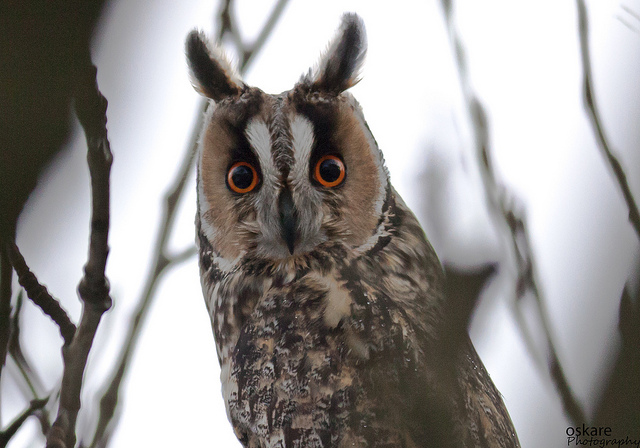
The owl introduced herself as Milly the long-eared owl. Tilly offered to leave since this was Milly’s home, but Milly explained that she was only stopping there for a minute. She said that she had found a nest in a tree a few miles away that had belonged to a raven. She also explained that long-eared owls liked to live in nests that belonged to ravens.

“Milly” – Long-eared Owl (Asio otus) ©Flickr Slgurossom

Tilly grew excited, believing that the nest Milly was talking about was hers, which meant she had to explain the pumpkin houses she had had, and how she had ended up there. Milly offered to let Tilly keep the tree to stay warm. Tilly also said that it was perfectly all right if Milly kept her nest.

All throughout the winter, Tilly stayed in the tree where she had met Milly, while Milly lived in Tilly’s nest next to the pumpkin field. When spring came around, Tilly and Milly remained friends, and Tilly even showed Milly how to make her own pumpkin house, though she didn’t recommend living there.

*

Linda Marcille carved the Raven in pumpkin.


“Now it came to pass, as they went, that he entered into a certain village: and a certain woman named Martha received him into her house.” (Luke 10:38 KJV)

“Be careful for nothing; but in every thing by prayer and supplication with thanksgiving let your requests be made known unto God.” Philippians 4:6 KJV)

What a great story from Emma. It is enjoyable to watch her talent developing. Also, it is good to see Tilly and Milly being so hospitable. This is only fiction, but how did the animals interact with each other before the fall and the curse affected all of nature? Maybe this story is just a glimpse of how they got along so well.

Emma’s Stories

Good News

Birds of the Bible – Deuteronomy 14:16-18 V (WYC)

Sharp-tailed Sandpiper (Calidris acuminata) ©WikiC

“16 a falcon, and a swan, and a ciconia,
17 and a dipper, a porphyrio, and a rearmouse, a cormorant,
18 and a calidris, all in their kind; also a lapwing and a bat.” Deuteronomy 14:16-18 Wycliffe Bible (WYC)

As we conclude our investigation of the interesting interpretation of these three verses from Wycliffe’s Bible, another amazing critter is encountered. We have been looking at these verse in these recent blogs:

Normally, these verses would read something similar to this:

Deuteronomy 14:16-18 KJV
(16)  The little owl, and the great owl, and the swan,
(17)  And the pelican, and the gier eagle, and the cormorant,
(18)  And the stork, and the heron after her kind, and the lapwing, and the bat.

Or maybe the New American Standard’s Version:

Deuteronomy 14:16-18 NASB
(16) the little owl, the great owl, the white owl,
(17) the pelican, the carrion vulture, the cormorant,
(18) the stork, and the heron in their kinds, and the hoopoe and the bat.

Webster Dictionary 1913 says:

(1): (n.) A bare-legged person; — a contemptuous appellation formerly given to the Scotch Highlanders, in allusion to their bare legs.
(2): (n.) The fieldfare.
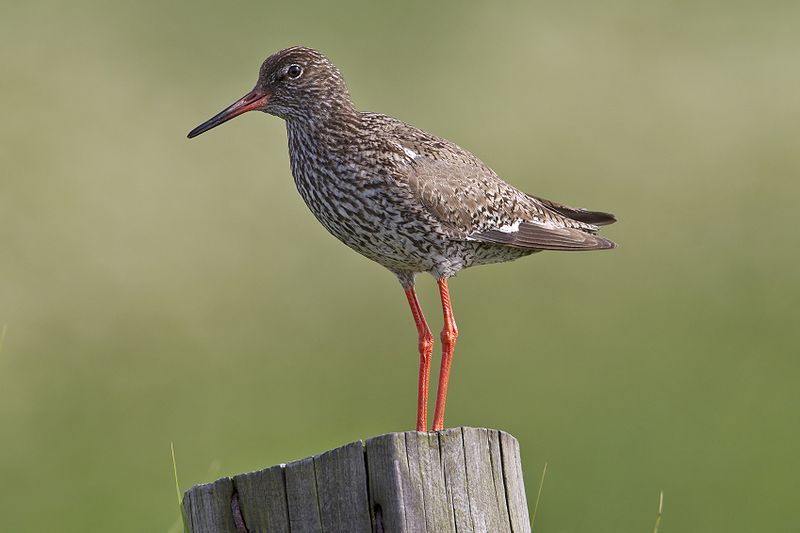
(3): (n.) A common Old World limicoline bird (Totanus calidris), having the legs and feet pale red. The spotted redshank (T. fuscus) is larger, and has orange-red legs. Called also redshanks, redleg, and clee.

If this older dictionary entry indicates this genus, then it would refer to the Redshank clan.

Common Redshank (Tringa totanus) ©WikiC

Common Redshank (Tringa totanus) ©WikiC

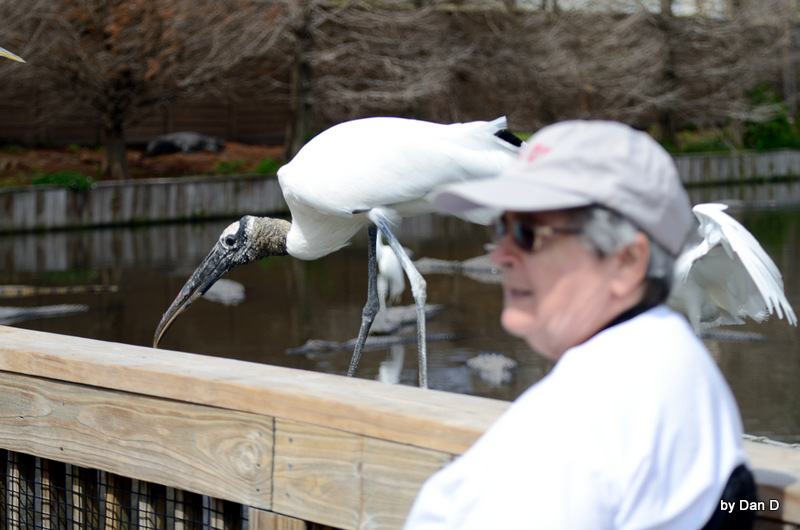
Or maybe the Stork would be referred to:

Wood Stork at Gatorland Walking Past Me

My personal opinion, would be that the stork is not the calidris. But my opinion does not matter, only what the Greek or Hebrew of the original languages means. In this case, I have no clue other than Do Not Eat them. Thanksgiving is next week, and there is no plan to have a stuffed Stork or one of the Redshanks or Calidis clan on the table.

Today, as Christians, we are not “forbidden” to eat any certain birds, BUT, there are some of the Lord’s Avian Wonders that shouldn’t be eaten. They could be very dangerous to our health. COMMON SENSE still makes great sense.

I trust you have found this investigation of the Wycliffe’s Version of these verses interesting and informative. It definitely had me scratching my head at times. It helped me dig into the Bible and the Bird families to try to find answers.

See the Calidris clan here: Calidris

Birds of the Bible

Gospel Message


Woodstock’s Migration Fear

As most of you are aware, the northern birds in this hemisphere, prefer to head south, but there are a few exceptions.

Common Cranes in Israel. Many species of crane gather in large groups during migration and on their wintering grounds

There are many stories of how far they migrate, how many flock together to travel together, and many other amazing feats that the Lord’s Avian Wonders perform this time of the year.

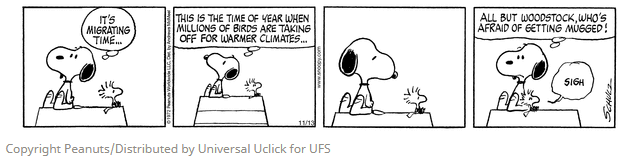
But there are a few exceptions, Woodstock being one of them:

Snoopy and Woodstock - migration fear

Snoopy and Woodstock – migration fear

“He will bless them that fear the LORD, both small and great.” (Psalms 115:13 KJV)

I would have loved to have had my camera handy the other morning. I was walking to the breakfast table and noticed a huge black bird through my glass sliding doors. It appeared that he was swooping up and going to land on the roof corner of our patio/lanai. I mentioned to Dan that I thought I had just seen a cormorant try to land on the roof.

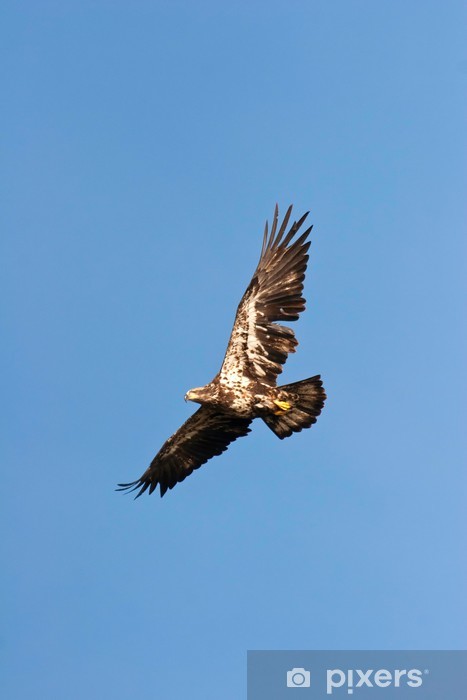
While seated for breakfast, here came the bird again. This time I realized what I was seeing. [No camera handy, of course] It was a huge, immature Bald Eagle being chased by a angry Boat-tailed Grackle. Wow! He swooped up again.

Wild Immature Bald Eagle in Flight

Wild Immature Bald Eagle in Flight ©Pixers

This is similar to what it looked like underneath, but, it was a whole lot closer!!

“For thus saith the LORD; Behold, he shall fly as an eagle, and shall spread his wings over Moab.” (Jeremiah 48:40 KJV)

This happened one more time and the last time he was just about 20 to 25 feet from where I was seated. When he flew up the last time I had a great view of his head and then all those feathers under his wings as they were fully stretched out. Double WOW!

I came to the conclusion, that this must have been the first time it had been mobbed. [Even though it was just one bird.] Maybe he felt Mugged as Woodstock was worrying about.

P.S. Dan knee surgery was Monday and he is progressing quite well. Has pain, but it gets less each day. Thanks for the continued prayer.

Birds of the Bible – Deuteronomy 14:16-18 IV (WYC)

Rearmouse (Vespertilio murinus) ©WikiC

Rearmouse or Parti-colored Bat (Vespertilio murinus) ©WikiC

“16 a falcon, and a swan, and a ciconia,
17 and a dipper, a porphyrio, and a rearmouse, a cormorant,
18 and a calidris, all in their kind; also a lapwing and a bat.” Deuteronomy 14:16-18 Wycliffe Bible (WYC)

As we continue our investigation of the interesting interpretation of these three verses from Wycliffe’s Bible, we find another amazing critter. We have been looking at these verse in these recent blogs:

Normally, these verses would read something similar to this:

Deuteronomy 14:16-18 KJV
(16)  The little owl, and the great owl, and the swan,
(17)  And the pelican, and the gier eagle, and the cormorant,
(18)  And the stork, and the heron after her kind, and the lapwing, and the bat.

Or maybe the New American Standard’s Version:

Deuteronomy 14:16-18 NASB
(16) the little owl, the great owl, the white owl,
(17) the pelican, the carrion vulture, the cormorant,
(18) the stork, and the heron in their kinds, and the hoopoe and the bat.

Notice that all three versions us the bat in verse 18, yet now we find in Wycliff’s verse 17 a rearmouse mentioned.

According to information from the internet, the rearmouse is an archaic word used for a type of bat.

Parti-colored Bat (Vespertilio murinus) ©Flickr Rudo Jurecek

Parti-colored Bat (Vespertilio murinus) ©Flickr Rudo Jurecek

The parti-coloured bat or rearmouse (Vespertilio murinus) is a species of vesper bat that lives in temperate Eurasia.

Their twittering call, similar to a bird’s call, are to be heard particularly in the autumn during the mating season. The parti-coloured bat has a body size of 4.8–6.4 centimetres (1.9–2.5 in) with a wingspan of 26–33 cm (10–13 in), and a weight of 11–24 grams (0.39–0.85 oz). Its name is derived from its fur, which has two colours. Its back (dorsal side) is red to dark-brown, with silver-white-frosted hair. The ventral side is white or grey. The ears, wings and face are black or dark brown. The wings are narrow. The ears are short, broad and roundish. The highest known age is 12 years.

The Websters 1913 addition has this about it:

Reremouse
(1):
(n.) The leather-winged bat (Vespertilio murinus).
(2):
(n.) A rearmouse.

Parti-coloured bat or Rearmouse Wikipedia

This version, Wycliffe’s Bible Version, was taken from Bible Gateways site.

The Bat has already been written about in these two articles:

Birds of the Bible

What is the Gospel?