ABA 2014 Bird of the Year – Rufous Hummingbird

Rufous-tailed Hummingbird (Amazilia tzacatl) by Judd Patterson

Rufous-tailed Hummingbird (Amazilia tzacatl) by Judd Patterson

For who hath despised the day of small things? for they shall rejoice, … (Zec 4:10a KJV)

The Birding Bunch left me a comment and reminded me that the ABA Bird of the Year for 2014 has been announced. So, I have updated the Badge on the Sidebar. The bird they chose this year is another beautiful creation from the Lord.

ABA Bird of the Year

The Rufous Hummingbird (Selasphorus rufus) is a small hummingbird, about 3 inches  long (8 cm) with a long, straight and very slender bill. The female is slightly larger than the male.

Rufous Hummingbird (Selasphorus rufus) by Africaddict

Rufous Hummingbird (Selasphorus rufus) by Africaddict

The adult male, (shown in the photo), has a white breast, rufous face, upperparts, flanks and tail and an iridescent orange-red throat patch (gorget). Some males have some green on back and/or crown. The female has green upperparts with some white, some iridescent orange feathers in the center of the throat, and a dark tail with white tips and rufous base. Females and the rare green-backed males are extremely difficult to differentiate from Allen’s Hummingbird.

They feed on nectar from flowers using a long extendable tongue or catch insects on the wing. These birds require frequent feeding while active during the day and become torpid at night to conserve energy.

Because of their small size, they are vulnerable to insect-eating birds and animals.

He will bless them that fear the LORD, both small and great. The LORD shall increase you more and more, you and your children. Ye are blessed of the LORD which made heaven and earth. (Psalm 115:13-15 KJV)

Read more about this beautifully created Hummingbird at:

*

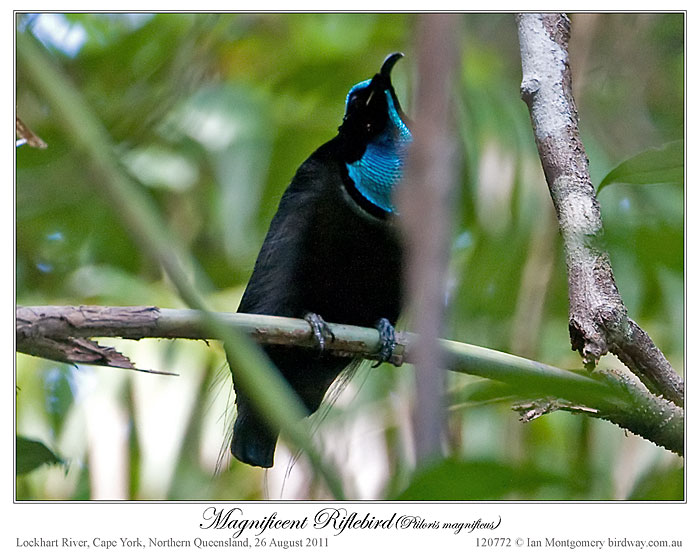
Birds of the World – Magnificent Riflebird

Magnificent Riflebird (Ptiloris magnificus) by Ian

Magnificent Riflebird (Ptiloris magnificus) by Ian

Let them praise the name of the LORD: for his name alone is excellent; his glory is above the earth and heaven. (Psa 148:13 KJV)

The Magnificent Riflebird is a member of the Paradisaeidae – Birds-of-paradise Family. They are a family of birds that really showcase the Lord’s Creative Hand.

The Magnificent Riflebird (Ptiloris magnificus) is a medium-sized (up to 34 cm long) passerine bird of the Paradisaeidae family. The male is velvet-black bird of paradise with elongated black filamental flank plumes, an iridescent blue-green crown, a wide, triangle-shaped breast shield, and on central tail feathers. It has a black curved bill, yellow mouth, blackish feet and a dark brown iris. The female is brownish with dark spots and buff bars below.

The Magnificent Riflebird is widely distributed throughout lowland rainforests of New Guinea and far Northeastern Australia. The diet consists mainly of fruits and arthropods.

Males perform solitary courtship displays on a ‘dancing perch’. During these displays, the male fully extends his wings and raises his tail; he hops upward while swinging his head from side to side, showing off his metallic blue-green breast shield. Multiple females will observe these displays. Females subsequently build nests, incubate, brood, and feed young without male assistance. (Wikipedia with editing)

The Lab of Ornithology produced this clip.

*

Praise him for his mighty acts: praise him according to his excellent greatness. (Psa 150:2 KJV)

P.S. I am off on a birdwatching adventure, but wanted to share this with you. More about our adventure later.

*

Paradisaeidae – Birds-of-paradise Family

Ian’s Bird of the Week – Magnificent Riflebird

Magnificent Riflebird – Wikipedia

*

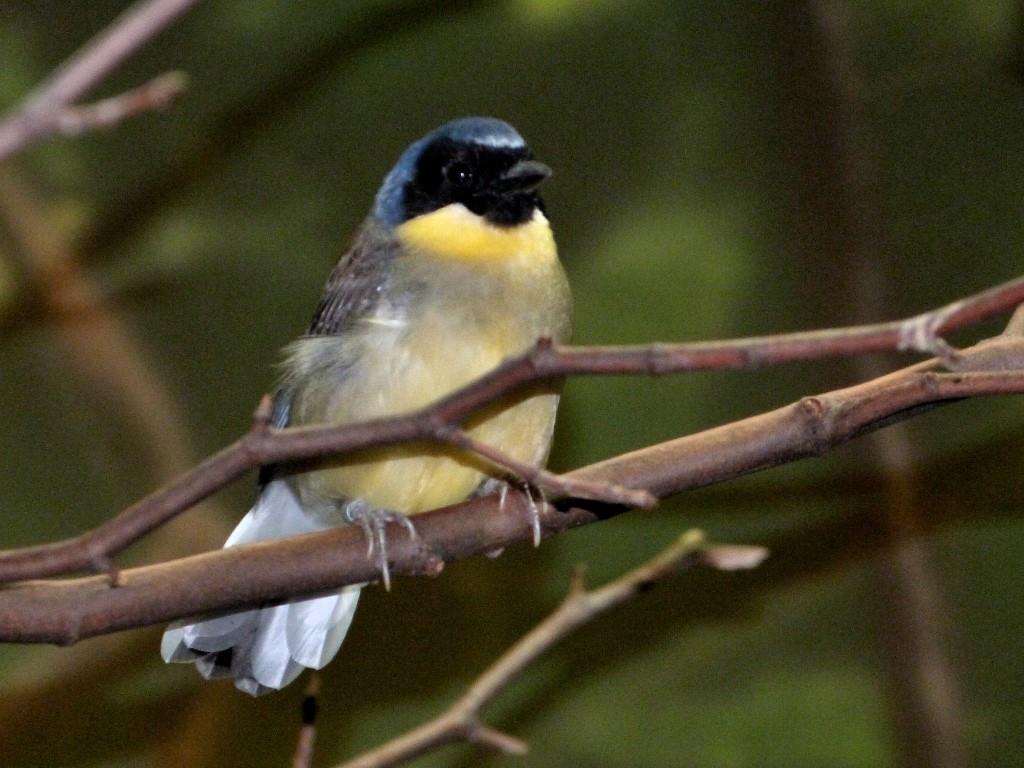
Sunday Inspiration – Laughingthrush

Blue-crowned Laughingthrush (Garrulax courtoisi) at Cincinnati Zoo by Lee

Blue-crowned Laughingthrush (Garrulax courtoisi) at Cincinnati Zoo by Lee

Let us hold fast the confession of our hope without wavering, for He who promised is faithful. And let us consider one another in order to stir up love and good works, not forsaking the assembling of ourselves together, as is the manner of some, but exhorting one another, and so much the more as you see the Day approaching.
(Hebrews 10:23-25 NKJV)

*

This slideshow requires JavaScript.

*

My Faith Still Holds by the Faith Baptist Orchestra. (Used With Permission of Faith Baptist Church)

(Music and photos are used by permission. If copied, you must obtain permission also.)

*

Laughingthrushes are members of the Leiothrichidae – Laughingthrushes Family.

See:

Falling Plates

*

More Sunday Inspiration

*

Lake Hollingsworth 1/17/14

Lake Hollingsworth

Lake Hollingsworth 1-17-2014

Today we finally got out to do a little birdwatching. Dan wanted to check out something on his camera, so we stopped by Lake Hollingsworth in Lakeland today.

After working on the update for the Birds of the World, I thought I would take Peter England’s advice on his comment and get out in the sunshine.

Peter England

Well done Lee, go outside and enjoy the warm sun. Wear a hat….! Birds have a strange way of congratulating people like you !
Still your friend ? Peter E.

Yes, he is still my friend. :o)  I did not wear my hat though.  :o(    But I received kind congrats from the birds, so all is well.

We saw mostly the normal birds for that lake, though there was a lack of birds today. It had been cold last night and maybe they were still under their blankets.

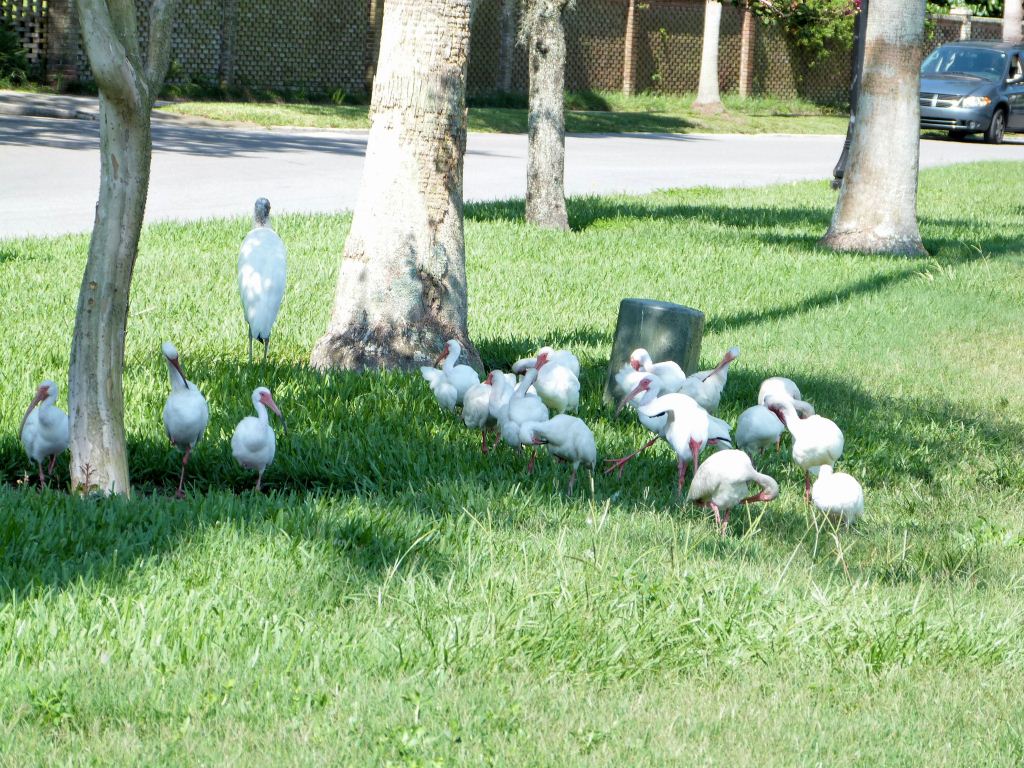
Ibises and Wood Stork

The White Ibises, about 40 of them, greeted us. They were looking for a handout, but we were just there to take a few pictures. So they walked back off. Some of the birds seen were the Mallards, Common Gallinules, Royal Terns, Ring-billed Gulls, Double-crested Cormorants (way out on the lake), Anhingas, Muscovy Ducks, Tricolored and Great Blue Herons, Red-winged Blackbirds and Boat-tailed Grackles. A flock of about 200 or more Fish Crows flew over, making their calls as they flew by.

Palm Warbler (Setophaga palmarum) yellow by Lee

Palm Warbler (Setophaga palmarum) yellow by Lee

The hardest part was trying to get a photo of the numerous Warblers that were flitting around the trees. They kept moving so much, I couldn’t get a decent shot. I did ID a Palm Warbler because it was standing on the dock. Also, some Yellow-rumped Warblers, because their yellow rumps showed up. Not sure if they are one of the split ones like a Magnolia or not.

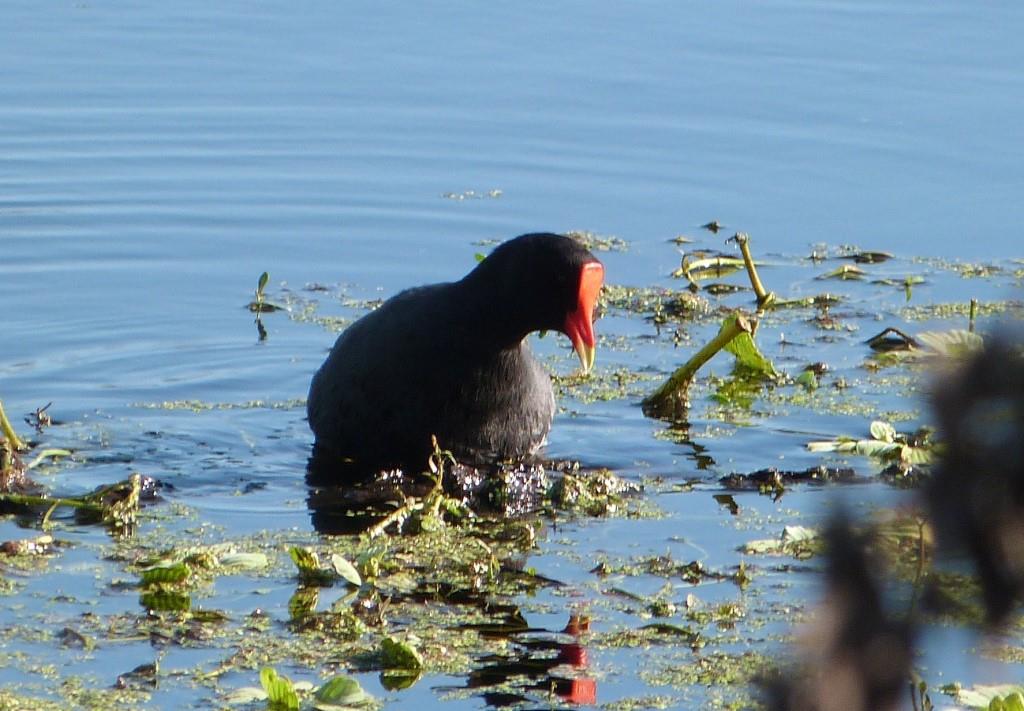
Common Gallinule (Gallinula galeata) by Lee at Circle B

Common Gallinule (Gallinula galeata) by Lee at Circle B

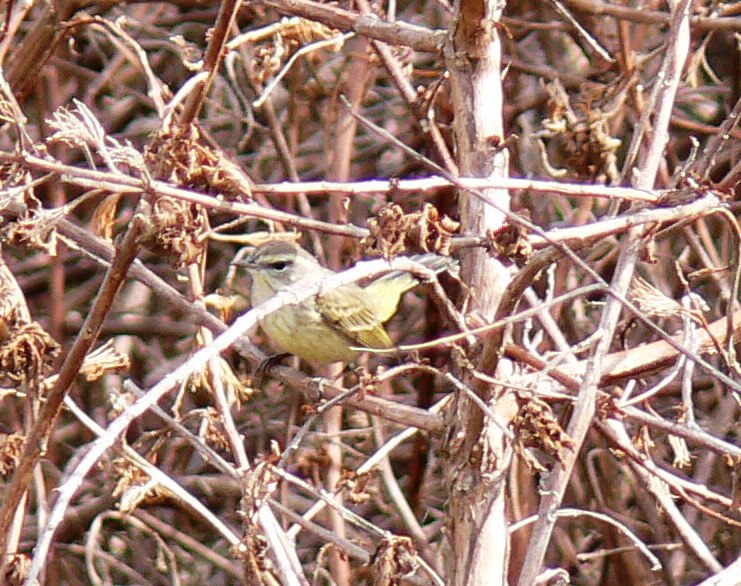
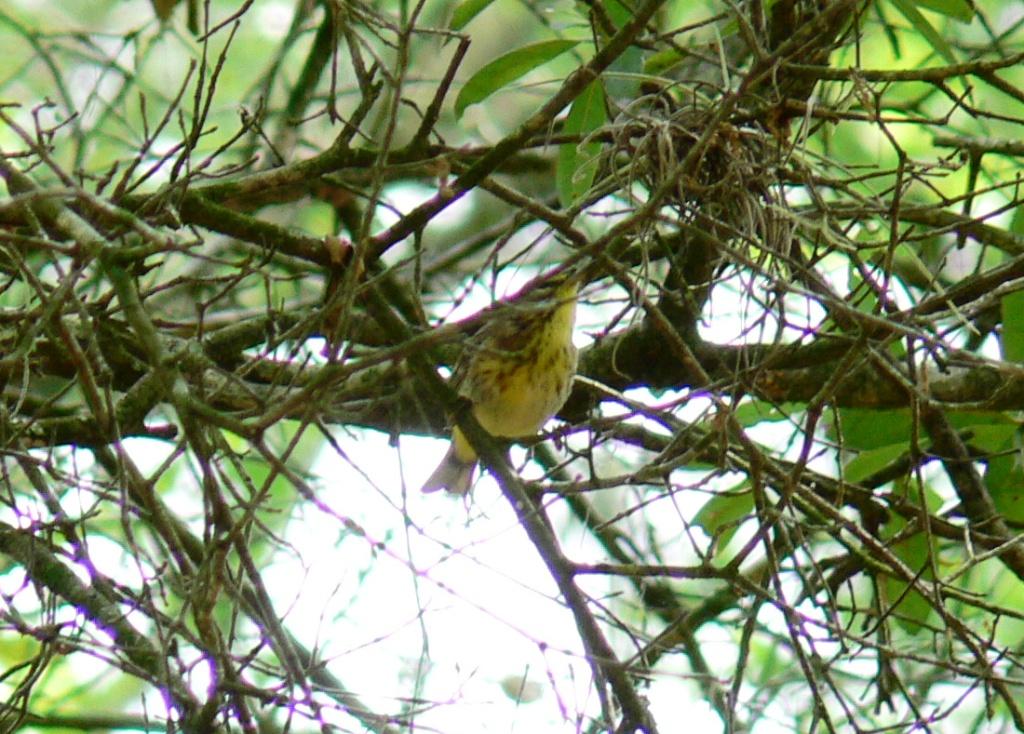
Dan got a decent photo of a Yellow-throated Warbler and I have one that is yellow, but not sure what it is. So, it is right here. Maybe someone knows for sure and will leave a comment. We get most of our Warblers down here in the winter and I really do not know that many of them. (Update: It is a Pine Warbler thanks to a reader.) It is easier to photograph the big birds like Herons, Ibises, Egrets, Anhingas and Cormorants which we see often.

Unknown Warbler by Lee

Unknown Warbler by Lee

We also found a snake sunning itself. Dan got up close to get its picture, but I stayed back. It never moved the whole time we were watching it. We were down in the mid-30’s (F) last night, so it may not have been able to scurry away.

Not a bad birdwatching adventure for about 30 minutes worth of time. I just enjoy seeing the Lord’s neat birds out and about doing their thing.

You are worthy, O Lord, To receive glory and honor and power; For You created all things, And by Your will they exist and were created. (Revelation 4:11 NKJV)

*

This slideshow requires JavaScript.

*** My original photos were hacked. These are not the ones used originally. ***
*

Birdwatching Trips

Lake Hollingsworth Birdwatching Trips

*

Family Pages Done – IOC 4.1

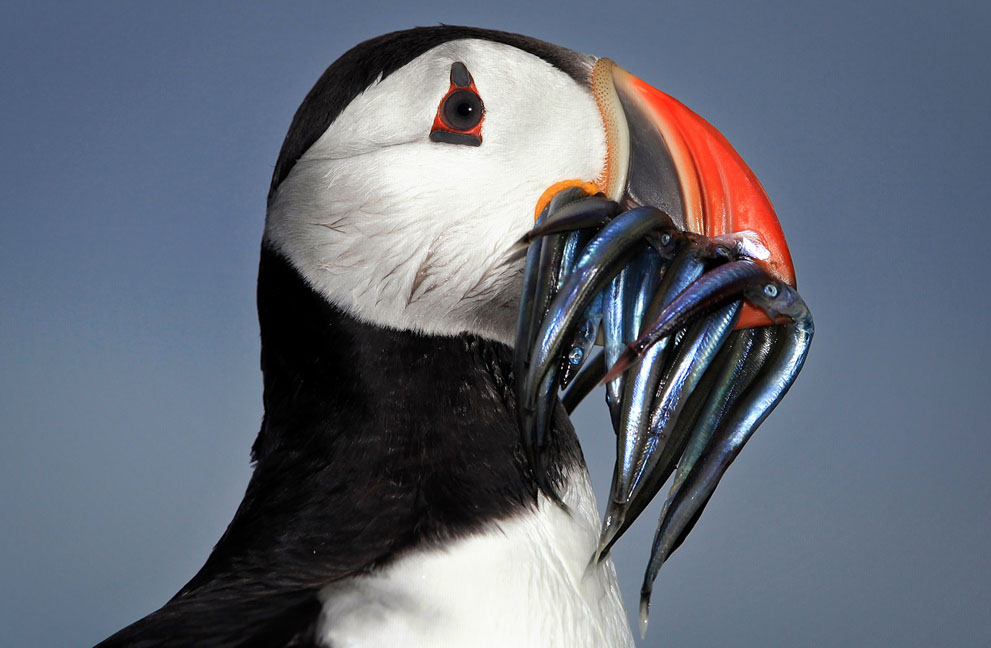
Puffin with Sand Eels

Puffin with Sand Eels

All 237 Family pages are updated to the new I.O.C. 4.1 Version. I am still kicking up dust and now preparing the Alphabetical Indexes.

Stay Tuned! Thanks for the encouraging Likes and Comments.

And further, my son, be admonished by these. Of making many books there is no end, and much study is wearisome to the flesh. (Ecclesiastes 12:12 NKJV)

In the mean time, a friend sent me this article and I love the photo of the Puffin.

http://www.theatlantic.com/infocus/2014/01/a-trip-to-the-farne-islands/100658/

There are some great photos of the Farne Islands. It is from The Atlantic.

Birds of the World (When you see that page show 4.1 Version, you’ll know I am finished.)

*

Odds and Ends – Jan 2014

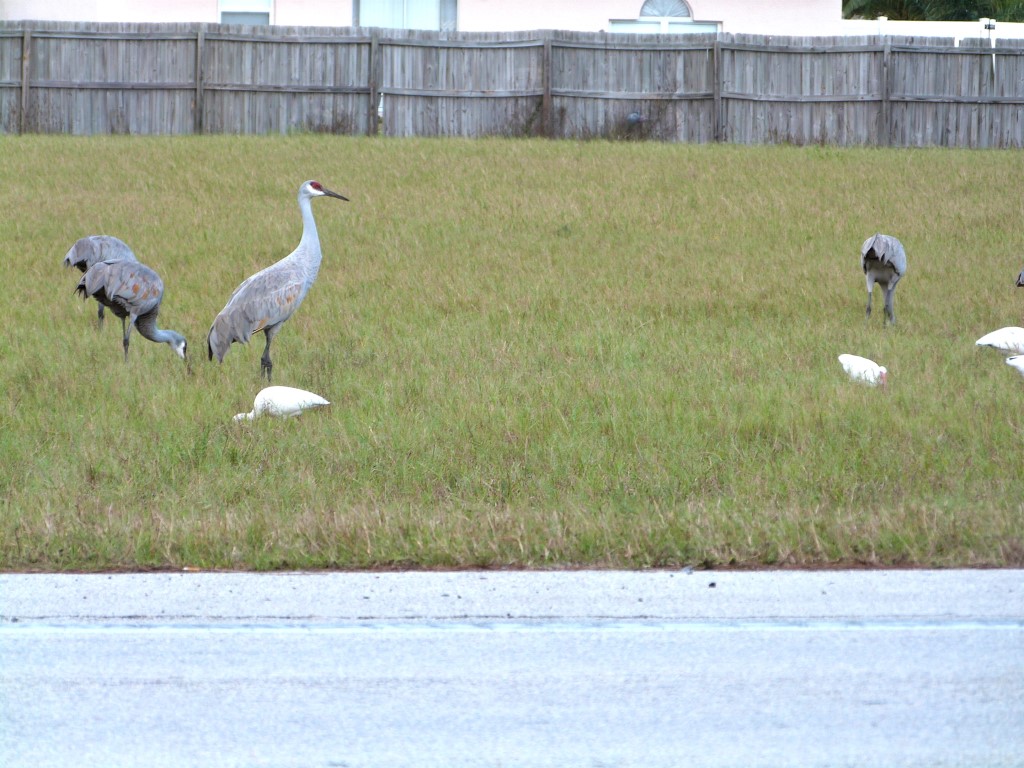
Sandhill Cranes and American White Ibis by Lee across street

Sandhill Cranes and American White Ibis by Lee across street

I am behind the scene kicking up dust again. The new I.O.C. World Bird List Version 4.1 just came out on the 7th. Yesterday, they finally released the Excel spreadsheet to update our sites. As you may know, I use the IOC’s list for my Birds of the World lists. So each page has to be updated, even if it is only changing 3.5 to 4.1. It still has to be done. There are around 350 pages involved.

There now 10,518 extant species and 150 extinct species of birds of the world (Version 4.1), with subspecies (20,976) and annotations. Classification of 40 Orders, 232 Families (plus 5 Incertae sedis), 2274 Genera are included. They added 12 new species and deleted one.

Superb Parrot (Polytelis swainsonii) by Ian

Superb Parrot (Polytelis swainsonii) by Ian

One of the big changes is in the Taxonomic orders of the Parrots and Falcons. They are now placed just before the Passerines and right after the Woodpeckers. I have that much done and am now starting on the Passeriformes Order. (Those are the perching birds and also the largest Order) Another big change is a reshuffling of the Muscicapidae – Chats, Old World Flycatchers family. (It is on my “to do” list :o) )

In the mean time, we had the privilege of seeing 22 Sandhill Cranes feeding across the street from my backyard a few days back. Then today, we spotted that same group feeding about a 1/2 mile down the road. Two more groups were spotted of 7 and 4. That is about the most I have ever seen in one day.

Did you enjoy the Sunday Inspiration – Eagles I posted Sunday? I am thinking about making that a weekly post. Either using photos of different families or some theme like “Rock Birds” in a slideshow and play a song related to the Rock of our salvation, etc. Sundays are busy for us and I don’t always post on that day. It is a day of “rest” you know.

On Duty Sandhill Crane by Lee

On Duty Sandhill Crane by Lee

By the way, when Sandhills eat, there is always at least one who is on guard and watches over the others. Brings to mind a couple of verses.

Obey those who rule over you, and be submissive, for they watch out for your souls, as those who must give account. Let them do so with joy and not with grief, for that would be unprofitable for you. (Hebrews 13:17 NKJV)

Therefore humble yourselves under the mighty hand of God, that He may exalt you in due time, casting all your care upon Him, for He cares for you. (1 Peter 5:6-7 NKJV)

Back to the dust, I have work to do.

*

My Heart is Fixed (Re-blog)

“O God, my heart is fixed ; I will sing and give praise , even with my glory.” Psalm 108:1

“Praise ye the LORD.

Blessed is the man that feareth the LORD, that delighteth greatly in his commandments.

His seed shall be mighty upon earth; the generation of the upright shall be blessed.

Wealth and riches shall be in his house: and his righteousness endureth for ever.

Read the rest

(Re-blogged from Faithrises)

*

Sunday Inspiration – Eagles

But they that wait upon the LORD shall renew their strength; they shall mount up with wings as eagles; they shall run, and not be weary; and they shall walk, and not faint. (Isaiah 40:31 KJV)

*

This slideshow requires JavaScript.

Listen to music as the slideshow presents some of the Lord’s beautifully created birds.

*

Don’t Give Up © by The Hyssongs (Used With Permission of the Hyssongs)

(Music and photos are used by permission. If copied, you must obtain permission also.)

*

Eagles are members of the Accipitridae – Kites, Hawks and Eagles Family.

*

*

More Sunday Inspiration

*

Bird of the World – Blue-Cheeked Bee-eater

What a neat video of the Blue-cheeked Bee-eater. I have seen photos of them, but seeing birds in action is always special. There are some birds that just hit my fancy as I admire the Lord’s Handiwork. The Bee-eaters are one of those.

By Igor Byshnev

Matthew 6:25-34 NKJV
(25) “Therefore I say to you, do not worry about your life, what you will eat or what you will drink; nor about your body, what you will put on. Is not life more than food and the body more than clothing?
(26) Look at the birds of the air, for they neither sow nor reap nor gather into barns; yet your heavenly Father feeds them. Are you not of more value than they?
(27) Which of you by worrying can add one cubit to his stature?
(28) “So why do you worry about clothing? Consider the lilies of the field, how they grow: they neither toil nor spin;
(29) and yet I say to you that even Solomon in all his glory was not arrayed like one of these.
(30) Now if God so clothes the grass of the field, which today is, and tomorrow is thrown into the oven, will He not much more clothe you, O you of little faith?
(31) “Therefore do not worry, saying, ‘What shall we eat?’ or ‘What shall we drink?’ or ‘What shall we wear?’
(32) For after all these things the Gentiles seek. For your heavenly Father knows that you need all these things.
(33) But seek first the kingdom of God and His righteousness, and all these things shall be added to you.
(34) Therefore do not worry about tomorrow, for tomorrow will worry about its own things. Sufficient for the day is its own trouble.

Bee-eaters belong to the Meropidae – Bee-eaters Family which has 27 species.

As the name suggests, bee-eaters predominantly eat flying insects, especially bees and wasps, which are caught in the air by sallies from an open perch. While they pursue any type of flying insect, honey bees predominate in their diet. Hymenoptera (ants, bees and wasps) comprise from 20% to 96% of all insects eaten, with honey bees comprising approximately one-third of the Hymenoptera. (Wikipedia with editing)

Articles Mentioning Birds From This Family:

Other Websites that have photos of this Family:

Gideon

*

Birds of the World – Blue-cheeked Bee-eater

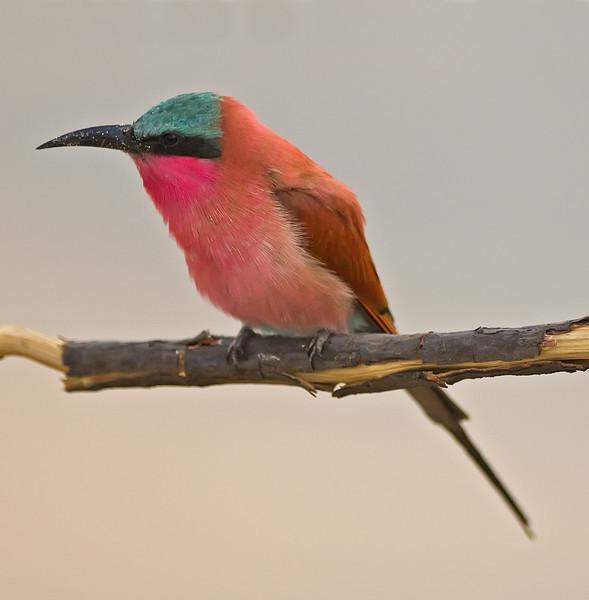
Southern Carmine Bee-eater (Merops nubicus) by Marc at Africaddict

Southern Carmine Bee-eater (Merops nubicus) by Marc at Africaddict

What a neat video of the Blue-cheeked Bee-eater. I have seen photos of them, but seeing birds in action is always special. There are some birds that just hit my fancy as I admire the Lord’s Handiwork. The Bee-eaters are one of those.

By Igor Byshnev

Matthew 6:25-34 NKJV
(25) “Therefore I say to you, do not worry about your life, what you will eat or what you will drink; nor about your body, what you will put on. Is not life more than food and the body more than clothing?
(26) Look at the birds of the air, for they neither sow nor reap nor gather into barns; yet your heavenly Father feeds them. Are you not of more value than they?
(27) Which of you by worrying can add one cubit to his stature?
(28) “So why do you worry about clothing? Consider the lilies of the field, how they grow: they neither toil nor spin;
(29) and yet I say to you that even Solomon in all his glory was not arrayed like one of these.
(30) Now if God so clothes the grass of the field, which today is, and tomorrow is thrown into the oven, will He not much more clothe you, O you of little faith?
(31) “Therefore do not worry, saying, ‘What shall we eat?’ or ‘What shall we drink?’ or ‘What shall we wear?’
(32) For after all these things the Gentiles seek. For your heavenly Father knows that you need all these things.
(33) But seek first the kingdom of God and His righteousness, and all these things shall be added to you.
(34) Therefore do not worry about tomorrow, for tomorrow will worry about its own things. Sufficient for the day is its own trouble.

Bee-eaters belong to the Meropidae – Bee-eaters Family which has 27 species.

As the name suggests, bee-eaters predominantly eat flying insects, especially bees and wasps, which are caught in the air by sallies from an open perch. While they pursue any type of flying insect, honey bees predominate in their diet. Hymenoptera (ants, bees and wasps) comprise from 20% to 96% of all insects eaten, with honey bees comprising approximately one-third of the Hymenoptera. (Wikipedia with editing)

Articles Mentioning Birds From This Family:

Other Websites that have photos of this Family:

Wordless Birds

*

Grey (or Gray) Catbird Mimicry

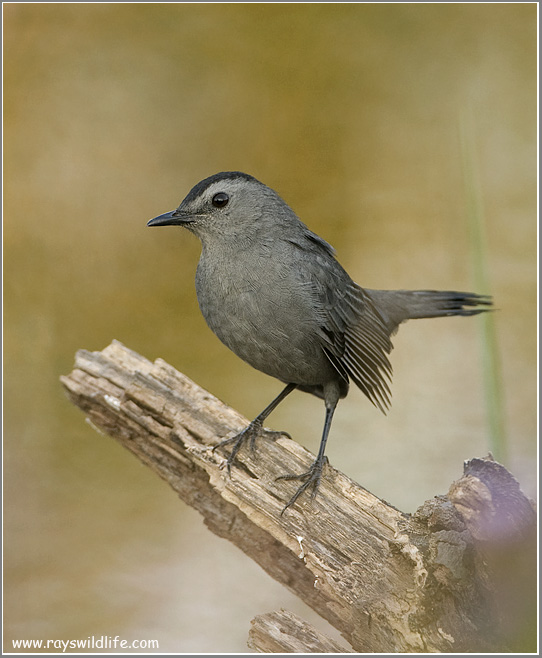
Grey Catbird (Dumetella carolinensis) by Africaddict

Grey Catbird (Dumetella carolinensis) by Africaddict

I came across a very interesting YouTube from the LabofOrnithology. It tells about how the Grey (Gray) Catbird mimics so many bird species (and a frog also). Listen as Greg Budney, audio curator at the Macaulay Library, dissects the recording and notes each snippet of mimicked song. (IOC uses the name Grey Catbird and some others still use the Gray spelling.)

*

*

Isn’t that amazing? He produced it very well by showing the bird and then the Catbird mimicking it. I have always enjoyed finding our Grey Catbirds in this area. (When you can find them!)

Catbirds get their name because they belong to several unrelated groups of songbirds because their wailing calls, which resemble a cat’s meowing. The genus name Ailuroedus likewise is from the Greek for “cat-singer” or “cat-voiced”.

Australasian catbirds are the genera Ailuroedus and the monotypic Scenopooetes. They belong to the bowerbird family (Ptilonorhynchidae) of the basal songbirds:

  • White-eared Catbird (Ailuroedus buccoides) *LLABS
  • Green Catbird (Ailuroedus crassirostris)
  • Spotted Catbird (Ailuroedus melanotis)

New World catbirds are two monotypic genera from the mimid family (Mimidae) of the passeridan superfamily Muscicapoidea. Among the Mimidae, they represent independent basal lineages probably closer to the Caribbean thrasher and trembler assemblage than to the mockingbirds and Toxostoma thrashers:

  • Grey Catbird (Dumetella carolinensis)*LLABS*
  • Black Catbird (Melanoptila glabrirostris)

A monotypic genus from Africa. It is tentatively placed in the Sylviidae – Sylviid Babblers of the passeridan superfamily Sylvioidea, but possibly closer to the typical warblers of the Sylviidae.

  • Abyssinian Catbird (Parophasma galinieri)
Grey Catbird (Dumetella carolinensis) by Raymond Barlow

Grey Catbird (Dumetella carolinensis) by Raymond Barlow

Woe to the world for such temptations to sin and influences to do wrong!… (Matthew 18:7 AMP)

And Samuel heard all the words of the people, and he repeated them in the hearing of the LORD. (1 Samuel 8:21 NKJV)

He who covers and forgives an offense seeks love, but he who repeats or harps on a matter separates even close friends. (Proverbs 17:9 AMP)

By the blessing of the influence of the upright and God’s favor [because of them] the city is exalted, but it is overthrown by the mouth of the wicked. He who belittles and despises his neighbor lacks sense, but a man of understanding keeps silent. He who goes about as a talebearer reveals secrets, but he who is trustworthy and faithful in spirit keeps the matter hidden. (Proverbs 11:11-13 AMP)

As I was watching the video some verses came to mind. What are we mimicking? I’ve written about the birds that repeat what we say in, Birds of the Bible – Repeating Birds. When we watch TV, listen to music, listen to speeches, read the newspaper, etc. We are being influenced. There are times when we “mimic” what we have seen or heard. It can go either way.

We can hear and mimic (copy) the good OR we can hear and mimic (copy) the bad. I trust we are following the Lord and His teachings.

If we mimic, let us mimic the Lord.

See:

*

Interesting Things – Dragonfly

Thinking

Here is an interesting video fromYouTube.com – Exploration Films about the Dragonflies. It is very interesting.

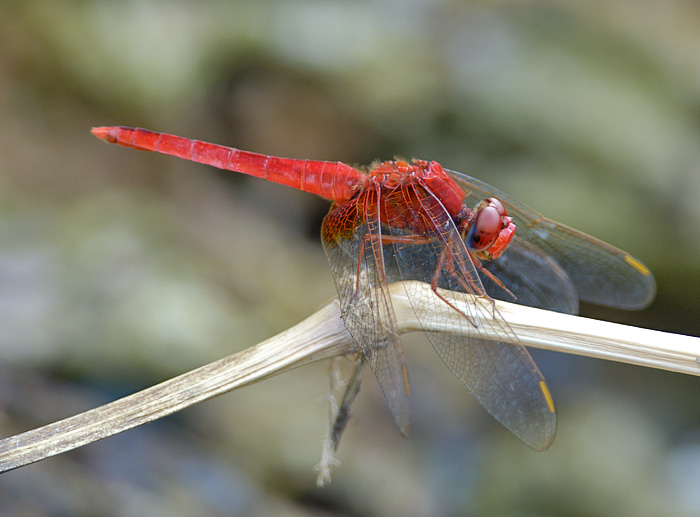
Dragonfly by Phil Kwong

Dragonfly by Phil Kwong

Learning from the Dragonfly by Creation Moments

“Scientists studying the dragonfly are learning even more secrets of flight. Our best high-performance aircraft can barely lift themselves off the ground. However, the dragonfly can lift 15 times his own weight into the air.”

The Amazing Mosquito Hawk by Creation Moments

But ask now the beasts, and they shall teach thee; and the fowls of the air, and they shall tell thee: Or speak to the earth, and it shall teach thee: and the fishes of the sea shall declare unto thee. Who knoweth not in all these that the hand of the LORD hath wrought this?
(Job 12:7-9 KJV)

More articles from Creation Moments:

100 Foot Ferns “dragonflies had wingspans of six feet”

The Pre-Flood Atmosphere “dragonflies were the size of hawks”

From Creation Ministries International:

“Dragonflies

Dragonflies are probably the most beautiful of the flying insects. There are about 4,500 different varieties. They begin their life in water, where eggs hatch into rather ugly brown nymphs. The time spent living in water varies from a few weeks to several years, but for all the varieties the day comes when the nymph suddenly has the urge to climb out of the water. It sits for a while at the top of a piece of grass until its skin splits open and out comes a dragonfly! After waiting for its wings to become firm and dry, the dragonfly flies away, its lovely colours glinting in the sunshine.

Although they are very small, dragonflies are wonderfully designed for flying. Their two pairs of wings are very light, but strengthened by a network of tiny veins, which not only carry blood fluid to keep the wings stiff, but also nerves and oxygen. Some dragonflies beat their wings 40 times in one second! Dragonflies are like tiny helicopters—they can even fly backwards! In fact, Igor Sikorsky, who first designed helicopters, for the idea from watching dragonflies.

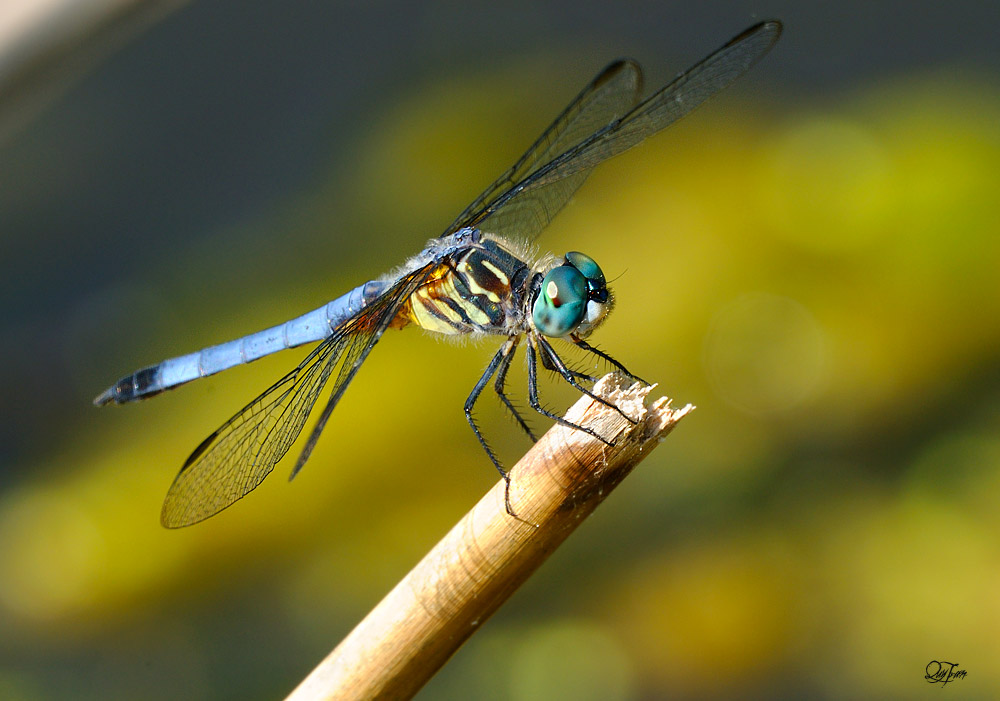
Dragonfly by QuyTran

Dragonfly by QuyTran

Another wonderful thing about dragonflies is their eyes. Each pair of eyes is actually made up of as many as 30,000 separate eyes, each with its own lens! This enables the insect to see what is happening over a wide area, and spot every tiny movement without moving its head.

The supposedly oldest fossil dragonflies are just like dragonflies are now, except that they were much larger—75 centimeters (2.5 feet) from wing-tip to wing-tip! So there is no evidence that they evolved from ancestors without wings. And surely those amazing eyes did not evolve? Dragonflies are another of the many wonders of God’s creation!” From Our World (Answers for Kids.)

Astonishing acrobatics – dragonflies – by Johathan Sarfati

(Updated 4/29/09)

Dragonflies and fighter pilots – what can we learn? by Ken Ham

*

Originally posted in 2009 – this is a duplicate.

More Interesting Things:

Interesting Things – Dragonflies II

*

*