Who Provides For The Sawfly?

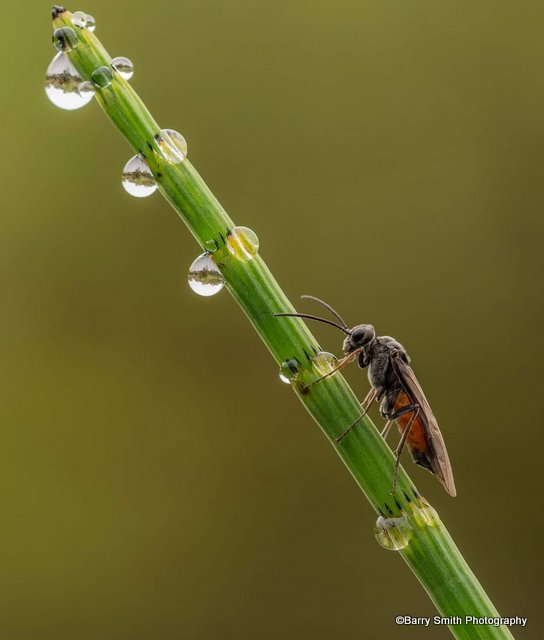
Sawfly on Horsetail drinking dew Cornwall UK Drinking Dew ©Photography of B Smith

“Who hath divided a watercourse for the overflowing of waters, or a way for the lightning of thunder; To cause it to rain on the earth, where no man is; on the wilderness, wherein there is no man; To satisfy the desolate and waste ground; and to cause the bud of the tender herb to spring forth? Hath the rain a father? or who hath begotten the drops of dew?” (Job 38:25-28 KJV)

When I saw this photo today, I asked permission from Barry Smith to use it. Thankfully, he has given permission and also for the usage of others on his Facebook site. Thanks, Barry.

Many species of sawfly have retained their ancestral attributes throughout time, specifically their plant-eating habits, wing veins and the unmodified abdomen, where the first two segments appear like the succeeding segments. The absence of the narrow wasp waist distinguishes sawflies from other members of hymenoptera, although some are Batesian mimics with coloration similar to wasps and bees, and the ovipositor can be mistaken for a stinger. Most sawflies are stubby and soft-bodied, and fly weakly. Sawflies vary in length: Urocerus gigas, which can be mistaken as a wasp due to its black-and-yellow striped body, can grow up to 20 millimetres (0.8 in) in length, but among the largest sawflies ever discovered was Hoplitolyda duolunica from the Mesozoic, with a body length of 55 millimetres (2.2 in) and a wingspan of 92 millimetres (3.6 in). The smaller species only reach lengths of 2.5 millimetres (0.1 in).

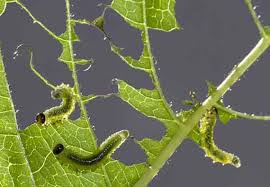
Sawfly Larvae Damage by their Larvae ©Pests.org

Predators include birds, insects and small animals. The larvae of some species have anti-predator adaptations such as regurgitating irritating liquid and clustering together for safety in numbers. Sawflies are hosts to many parasitoids, most of which are Hymenoptera, the rest being Diptera.

Adult sawflies are short-lived, with a life expectancy of 7–9 days, though the larval stage can last from months to years, depending on the species.

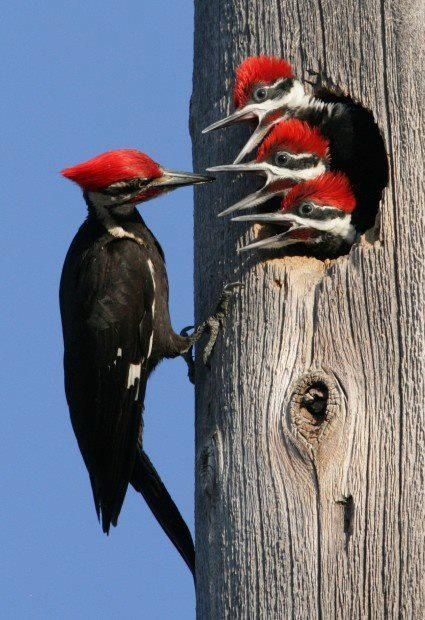
Woodpeckar Feeding Chicks From Pinterest

They are a pest for humans

Sawflies are major economic pests of forestry. For example, species in the Diprionidae, such as the pine sawflies, Diprion pini and Neodiprion sertifer, cause serious damage to pines in regions such as Scandinavia. D. pini larvae defoliated 500,000 hectares (1,200,000 acres) in the largest outbreak in Finland, between 1998 and 2001. Up to 75% of the trees may die after such outbreaks, as D. pini can remove all the leaves late in the growing season, leaving the trees too weak to survive the winter. Little damage to trees only occurs when the tree is large or when there is minimal presence of larvae. Eucalyptus trees can regenerate quickly from damage inflicted by the larvae; however, they can be substantially damaged from outbreaks, especially if they are young. The trees can be defoliated completely and may cause “dieback”, stunting or even death.

Sawflies are serious pests in horticulture. Different species prefer different host plants, often being specific to a family or genus of hosts. For example, Iris sawfly larvae, emerging in summer, can quickly defoliate species of Iris including the yellow flag and other freshwater species. Similarly the rose sawflies, Arge pagana and A. ochropus, defoliate rose bushes.

They are a pest for humans, yet the Lord, their Creator, cares enough for them to provide dew to drink.

“The LORD by wisdom hath founded the earth; by understanding hath he established the heavens. By his knowledge the depths are broken up, and the clouds drop down the dew.” (Proverbs 3:19-20 KJV)

Do we not sometimes misbehave, yet the Lord continues to provide water, sun, air to breathe, and other benefits for us? Critters are provided for, but we, humans, have even a greater blessing available to us. Salvation through the Lord Jesus Christ.

Photograghy of B Smith

Sawfly Wikipedia

Who Paints The Leaves?

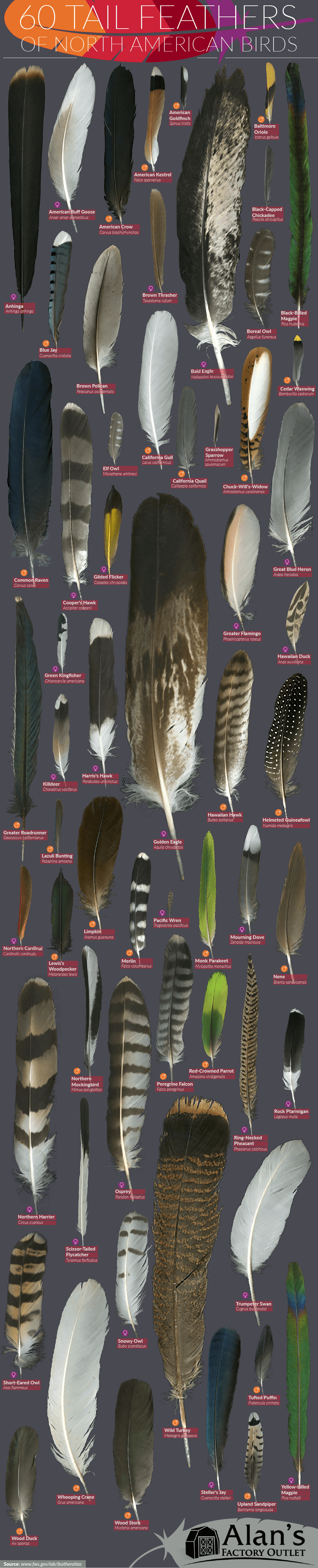
Tail Feathers of North American Birds

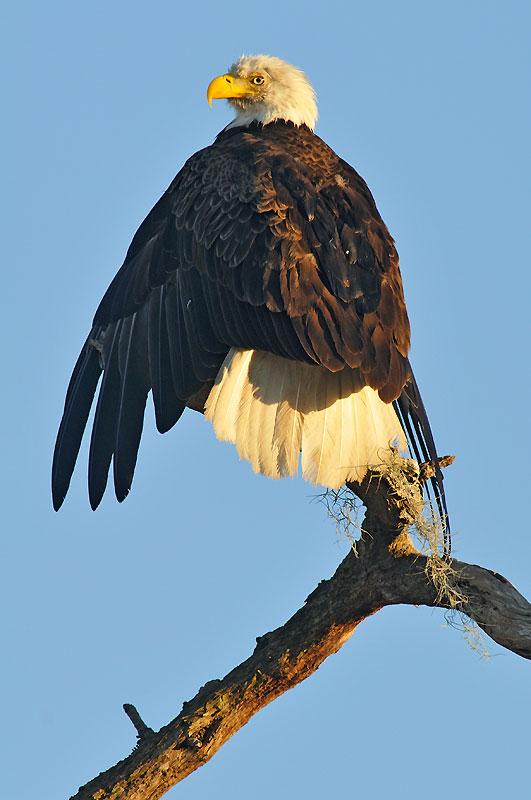
Bald Eagle with Tail spread out

I’m thankful for an email from a Boy Scouts of America leader. He suggested placing links to this information about Tail Feathers in the Birdwatching section. [Which are now there, plus on two other pages.] It is part of a badge they are working on.

These feathers are interesting and would love to see each of these species in the field. Isn’t it amazing how the Creator of these Avian Wonders goes into such details in tail feather design. Along with the rest of the feathers attached to the birds. :)

60 Tail Feathers of North American Birds - AlansFactoryOutlet.com - Infographic
By AlansFactoryOutlet.com

“Of the birds after their kind, of animals after their kind, and of every creeping thing of the earth after its kind, two of every kind will come to you to keep them alive.” (Genesis 6:20 NKJV) [In to the Ark]

“Bring out with you every living thing of all flesh that is with you: birds and cattle and every creeping thing that creeps on the earth, so that they may abound on the earth, and be fruitful and multiply on the earth.
(Genesis 8:17 NKJV) [Out of the Ark]

Here are most of the birds that these feathers would be attached to:

Wordless Birds

McGuffey’s 6th Grade Reader – The Morning Oratorio

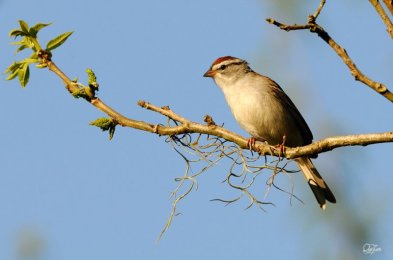
Chipping Sparrow (Spizella passerina) by Quy Tran

Chipping Sparrow (Spizella passerina) by Quy Tran

“He sends forth springs in the valleys; They flow between the mountains; They give drink to every beast of the field; The wild donkeys quench their thirst. Beside them the birds of the heavens dwell; They lift up their voices among the branches.” (Psalms 104:10-12 NASB)

McGuffey Readers were a series of graded primers for grade levels 1-6. They were widely used as textbooks in American schools from the mid-19th century to the mid-20th century, and are still used today in some private schools and in homeschooling.

Here is a story of The Oratorio from the Sixth Grade Reader. (From Gutenberg) Pictures are current photos.

hairbird

Noun (plural hairbirds) – birdSpizella passerina, the chipping sparrow. [from Your Dictionary]

XI. THE MORNING ORATORIO. (90)

Wilson Flagg, 1806-1884, was born in Beverly, Mass. He pursued his academical course in Andover, at Phillips Academy, and entered Harvard College, but did not graduate. His chief Works are: “Studies in the Field and Forest,” “The Woods and Byways of New England,” and “The Birds and Seasons of New England.”

Nature, for the delight of waking eyes, has arrayed the morning heavens in the loveliest hues of beauty. Fearing to dazzle by an excess of delight, she first announces day by a faint and glimmering twilight, then sheds a purple tint over the brows of the rising morn, and infuses a transparent ruddiness throughout the atmosphere. As daylight widens, successive groups of mottled and rosy-bosomed clouds assemble on the gilded sphere, and, crowned with wreaths of fickle rainbows, spread a mirrored flush over hill, grove, and lake, and every village spire is burnished with their splendor.

At length, through crimsoned vapors, we behold the sun’s broad disk, rising with a countenance so serene that every eye may view him ere he arrays himself in his meridian brightness. Not many people who live in towns are aware of the pleasure attending a ramble near the woods and orchards at daybreak in the early part of summer. The drowsiness we feel on rising from our beds is gradually dispelled by the clear and healthful breezes of early day, and we soon experience an unusual amount of vigor and elasticity.

During the night, the stillness of all things is the circumstance that most powerfully attracts our notice, rendering us peculiarly sensitive to every accidental sound that meets the ear. In the morning, at this time of year, on the contrary, we are overpowered by the vocal and multitudinous chorus of the feathered tribe. If you would hear the commencement of this grand anthem of nature, you must rise at the very first appearance of dawn, before the twilight has formed a complete semicircle above the eastern porch of heaven.

Chipping Sparrow (Spizella passerina) by Daves BirdingPix

The first note that proceeds from the little warbling host, is the shrill chirp of the hairbird,—occasionally vocal at an hours on a warm summer night. This strain, which is a continued trilling sound, is repeated with diminishing intervals, until it becomes almost incessant. But ere the hairbird has uttered many notes, a single robin begins to warble from a neighboring orchard, soon followed by others, increasing in numbers until, by the time the eastern sky is flushed with crimson, every male, robin in the country round is singing with fervor.

It would be difficult to note the exact order in which the different birds successively begin their parts in this performance; but the bluebird, whose song is only a short, mellow warble, is heard nearly at the same time with the robin, and the song sparrow joins them soon after with his brief but finely modulated strain. The different species follow rapidly, one after another, in the chorus, until the whole welkin rings with their matin hymn of gladness.

I have often wondered that the almost simultaneous utterance of so many different notes should produce no discords, and that they should result in such complete harmony. In this multitudinous confusion of voices, no two notes are confounded, and none has sufficient duration to grate harshly with a dissimilar sound. Though each performer sings only a few strains and then makes a pause, the whole multitude succeed one another with such rapidity that we hear an uninterrupted flow of music until the broad light of day invites them to other employments.

When there is just light enough to distinguish the birds, we may observe, here and there, a single swallow perched on the roof of a barn or shed, repeating two twittering notes incessantly, with a quick turn and a hop at every note he utters. It would seem to be the design of the bird to attract the attention of his mate, and this motion seems to be made to assist her in discovering his position. As soon as the light has tempted him to fly abroad, this twittering strain is uttered more like a continued song, as he flits rapidly through the air.

Purple Martin (Progne subis) ©WikiC

But at this later moment the purple martins have commenced their more melodious chattering, so loud as to attract for a while the most of our attention. There is not a sound in nature so cheering and animating as the song of the purple martin, and none so well calculated to drive away melancholy. Though not one of the earliest voices to be heard, the chorus is perceptibly more loud and effective when this bird has united with the choir.

American Robin (Turdus migratorius) eating by Jim Fenton

American Robin (Turdus migratorius) eating by Jim Fenton

When the flush of the morning has brightened into vermilion, and the place from which the sun is soon to emerge has attained a dazzling brilliancy, the robins are already less tuneful. They are now becoming busy in collecting food for their morning repast, and one by one they leave the trees, and may be seen hopping upon the tilled ground, in quest of the worms and insects that, have crept out during the night from their subterranean retreats.

Bobolink (Dolichonyx oryzivorus) by J Fenton

But as the robins grow silent, the bobolinks begin their vocal revelries; and to a fanciful mind it might seem that the robins had gradually resigned their part in the performance to the bobolinks, not one of which is heard until some of the former have concluded their songs. The little hairbird still continues his almost incessant chirping, the first to begin and the last to quit the performance. Though the voice of this bird is not very sweetly modulated, it blends harmoniously with the notes of other birds, and greatly increases the charming effect of the combination.

Eastern Wood Pewee (Contopus virens) by Raymond Barlow

Eastern Wood Pewee (Contopus virens) by Raymond Barlow

It would be tedious to name all the birds that take part in this chorus; but we must not omit the pewee, with his melancholy ditty, occasionally heard like a short minor strain in an oratorio; nor the oriole, who is really one of the chief performers, and who, as his bright plumage flashes upon the sight, warbles forth a few notes so clear and mellow as to be beard above every other sound. Adding a pleasing variety to all this harmony, the lisping notes of the meadowlark, uttered in a shrill tone, and with a peculiar pensive modulation, are plainly audible, with short rests between each repetition.

Western Meadowlark (Sturnella neglecta)©USFWS

Western Meadowlark (Sturnella neglecta)©USFWS

There is a little brown sparrow, resembling the hairbird, save a general tint of russet in his plumage, that may be heard distinctly among the warbling host. He is rarely seen in cultivated grounds, but frequents the wild pastures, and is the bird that warbles so sweetly at midsummer, when the whortleberries are ripe, and the fields are beautifully spangled with red lilies.

There is no confusion in the notes of his song, which consists of one syllable rapidly repeated, but increasing in rapidity and rising to a higher key towards the conclusion. He sometimes prolongs his strain, when his notes are observed to rise and fall in succession. These plaintive and expressive notes are very loud and constantly uttered, during the hour that precedes the rising of the sun. A dozen warblers of this species, singing in concert, and distributed in different parts of the field, form, perhaps, the most delightful part of the woodland oratorio to which we have listened.

Carolina Wren (Thryothorus ludovicianus) by Quy Tran

Carolina Wren (Thryothorus ludovicianus) by Quy Tran

At sunrise hardly a robin can be beard in the whole neighborhood, and the character of the performance has completely changed during the last half hour. The first part was more melodious and tranquilizing, the last is more brilliant and animating. The grass finches, the vireos, the wrens, and the linnets have joined their voices to the chorus, and the bobolinks are loudest in their song. But the notes of the birds in general are not so incessant as before sunrise. One by one they discontinue their lays, until at high noon the bobolink and the warbling flycatcher are almost the only vocalists to be heard in the fields.


Title: McGuffey’s Sixth Grade Eclectic Reader, Author: William Holmes McGuffey
Release Date: September 26, 2005 [EBook #16751], Language: English

McGuffey’s Sixth Grade Reader

Wordless Birds
Avian And Attributes – Stone

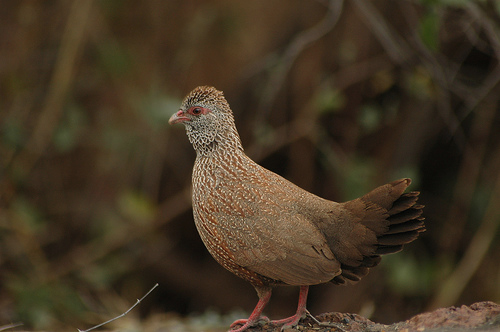
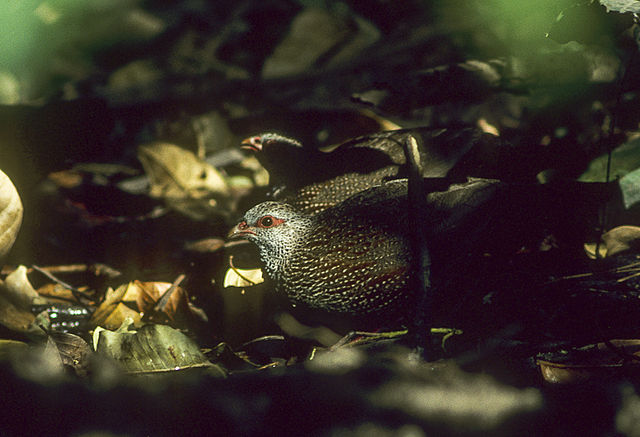
Stone Partridge (Ptilopachus petrosus) ©WikiC

Stone Partridge (Ptilopachus petrosus) ©WikiC

“Jesus saith unto them, Did ye never read in the scriptures, The stone which the builders rejected, the same is become the head of the corner: this is the Lord’s doing, and it is marvellous in our eyes?” (Matthew 21:42 KJV)


Avian and Attributes – Stone

STONE, n. [Gr.]
2. A gem; a precious stone.
Inestimable stones, unvalued jewels.
3. Any thing made of stone; a mirror.
8. A monument erected to preserve the memory of the dead.
Should some relentless eye glance on the stone where our cold relics lie–
9. It is used to express torpidness and insensibility; as a heart of stone.
I have not yet forgot myself to stone.
10. Stone is prefixed to some words to qualify their signification. Thus stone-dead, is perfectly dead, as lifeless as a stone; stone-still, still as a stone, perfectly still; stone-blind, blind as a stone, perfectly blind.
To leave no stone unturned, a proverbial expression which signifies to do every thing that can be done; to use all practicable means to effect an object.
STONE, a. Made of stone, or like stone; as a stone jug.
STONE, v.t.
1. To pelt, beat or kill with stones.
And they stoned Stephen calling on God and saying, Lord Jesus, receive my spirit. Acts 7.


Stone Partridge (Ptilopachus petrosus) ©Flickr Jean

The Stone Partridge (Ptilopachus petrosus) is a bird of the new world quail family. This largely brown bird, which commonly holds its tail raised, is found in scrubland and lightly wooded habitats, often near rocks, from Kenya and Ethiopia to Gambia (a large part if its range is in the Sudanian Savanna). As traditionally defined, it is the only member of Ptilopachus, but based on genetic evidence this genus also includes the Nahan’s “francolin”

Stone Partridge (Ptilopachus petrosus) ©WikiC

The Stone Partridge is exceptional among gamebirds in that the female, to human eyes, is showier than the male. Both sexes are predominantly earthy chocolate brown above, with sparse pale cream-grey spotting. The head, neck and chest are paler brown and have broad cream edging to the feathers that gives the bird a scaled appearance. In males the lower chest and belly are orange-cream; in females, very pale cream. Both sexes raise their crown feathers to form a rudimentary crest but the feathers of females are somewhat longer and hence more obvious when raised.

Eggs are pale pink, fading to cream, juveniles are dark chocolate-brown throughout, moulting into adult plumage at several weeks old. In captivity at least, the male plays a major role in both incubation and rearing of the young, offering young small items of food by picking them up, dropping them and calling to the chicks.


“But ye believe not, because ye are not of my sheep, as I said unto you. My sheep hear my voice, and I know them, and they follow me: And I give unto them eternal life; and they shall never perish, neither shall any man pluck them out of my hand. My Father, which gave them me, is greater than all; and no man is able to pluck them out of my Father’s hand. I and my Father are one. Then the Jews took up stones again to stone him. Jesus answered them, Many good works have I shewed you from my Father; for which of those works do ye stone me?” (John 10:26-32 KJV)

More Avian and Attributes

Birds whose first or last name starts with “S”

Good News

*
[Definitions from Webster’s Dictionary of American English (1828), unless noted. Bird info from Wikipedia plus.]

Bird Barks And Lizard Growls – Creation Moments

Numbers 22:30

“So the donkey said to Balaam, ‘Am I not your donkey on which you have ridden, ever since I became yours, to this day? Was I ever disposed to do this to you?’ And he said, ‘No.’”

Have you ever noticed that we can usually sense whether an animal is hostile or friendly, simply by its sound? Did you ever wonder about the universal features that allow for important basic information to be shared between animals and humans?

None of us ever had to be taught that a dog, growling deeply and showing its teeth, was trying to threaten us. We’re all familiar with the high-pitched yips that same dog makes to welcome its owner home. Research shows that the motivations expressed by high-pitched and low-pitched sounds are universal among most creatures.

Researchers say that almost all animals bark (the high-pitched sounds) or growl (the low-pitched sounds). They were surprised to learn that animals don’t simply make arbitrary noises. Sound has meaning. Even the higher-pitched voice of birds has a barking mode that can be seen on a graph and heard when a slowed-down recording is played. Animals make lower, harsher sounds when they’re being aggressive. This is the growl. When friendly, an animal makes higher-pitched sounds. The bark seems to mean that an animal is neither hostile nor friendly, simply curious. Human speech follows the same general pattern.

These universal features of communication reflect the work of our Creator who intended for many different kinds of creatures to coexist. He gave us all a universal method for understanding important basic messages like fear, aggression and joy.

Prayer: I thank You, Lord, for the joy that animals add to our lives. I also thank You that You have made us able to share some basic but important features of communication. However, help me to value, most highly, Your communication to me in Your Holy Word. Amen.

REF.: Bennett, Dawn D. 1985. Making sense of animal sounds. Science Ne   Photo: Pembroke Corgi – pixabay.com (PD)

Used with permission. Creation Moments ©2019

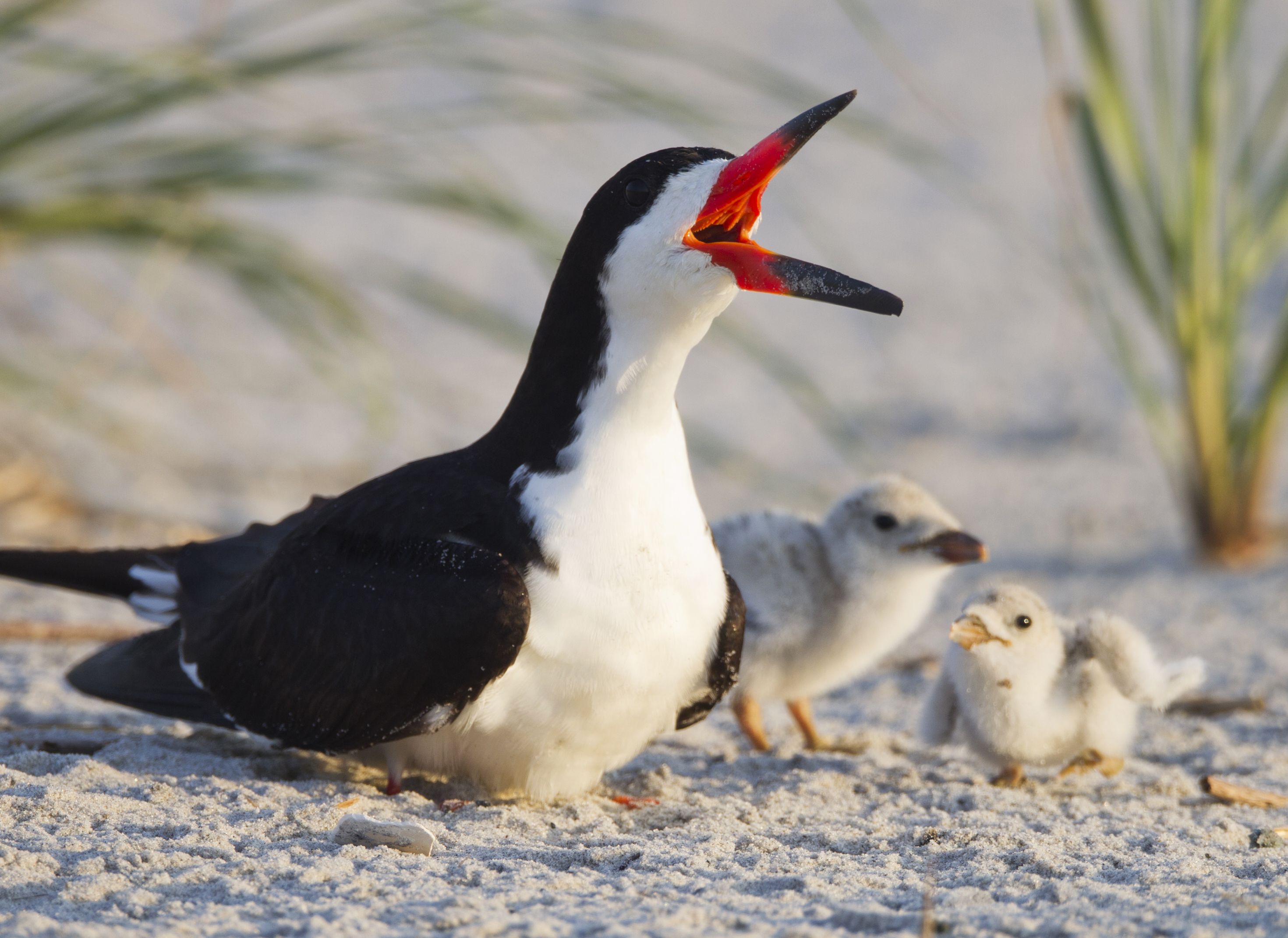
Black Skimmer (Rynchops niger niger), Northern subspecies, adult in breeding plumage calling and a pair of well camouflaged downy chicks at Nickerson Beach Park on Long Island, New York.

Wonder if this Skimmer is growling or barking?

More Creation Moments articles:

Interesting Things

What is the Gospel?

*

Nice Birdwatching Video About Circle B Bar Reserve

This is by one of the photographers that visits Circle B Bar Reserve in Lakeland, Florida. It is only a few miles from our house “as the crow flies.” We have spent many enjoyable trips there. This was from Dennis Hollingsworth.

Belted Kingfisher (Megaceryle alcyon) by Lee Circle B

Belted Kingfisher (Megaceryle alcyon) by Lee Circle B

Great Blue Heron (Ardea herodias) at Circle B By Dan'sPix

Bible Birds – Herons

Snowy Egret (Egretta thula) Notice Yellow Feet by Lee at Circle B

Snowy Egret (Egretta thula) Notice Yellow Feet by Lee at Circle B

“For since the creation of the world His invisible attributes are clearly seen, being understood by the things that are made, even His eternal power and Godhead, so that they are without excuse,” (NKJV)

This is by one of the photographers that visits Circle B Bar Reserve in Lakeland, Florida. It is only a few miles from our house “as the crow flies.” We have spent many enjoyable trips there. This was from Dennis Hollingsworth.
Belted Kingfisher (Megaceryle alcyon) by Lee Circle B Belted Kingfisher (Megaceryle alcyon) by Lee Circle BGreat Blue Heron (Ardea herodias) at Circle B By Dan'sPix Bible Birds – HeronsSnowy Egret (Egretta thula) Notice Yellow Feet by Lee at Circle B Snowy Egret (Egretta thula) Notice Yellow Feet by Lee at Circle B
“For since the creation of the world His invisible attributes are clearly seen, being understood by the things that are made, even His eternal power and Godhead, so that they are without excuse,” (Romans 1:20 NKJV)


Sandhill Crane Chick at Circle B by Lee

Sandhill Crane Chick at Circle B by Lee

Blue-Gray Gnatcatcher at Circle B Reserve by Lee

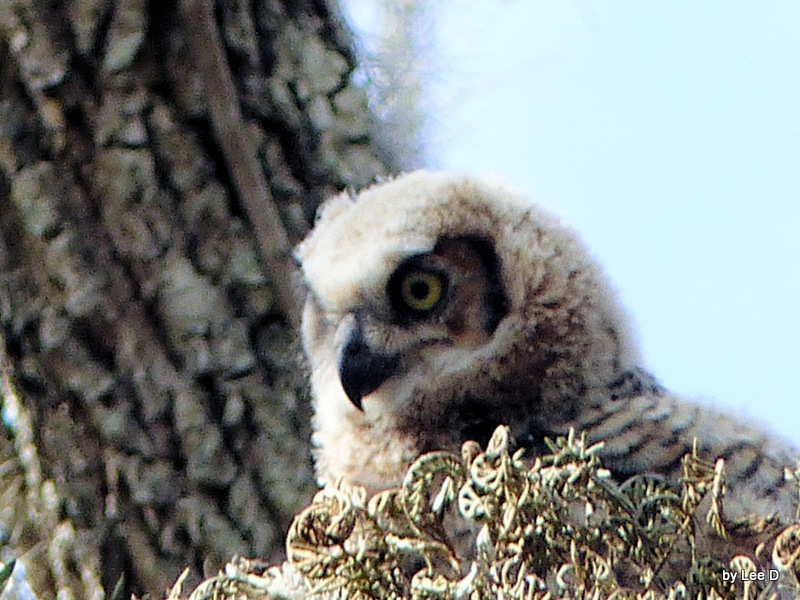
Great Horned Owl Youngsters at Circle B Bar Reserve by Lee

Snowy Egret Circle B 8-3-12 by Lee

Snowy Egret Circle B by Lee

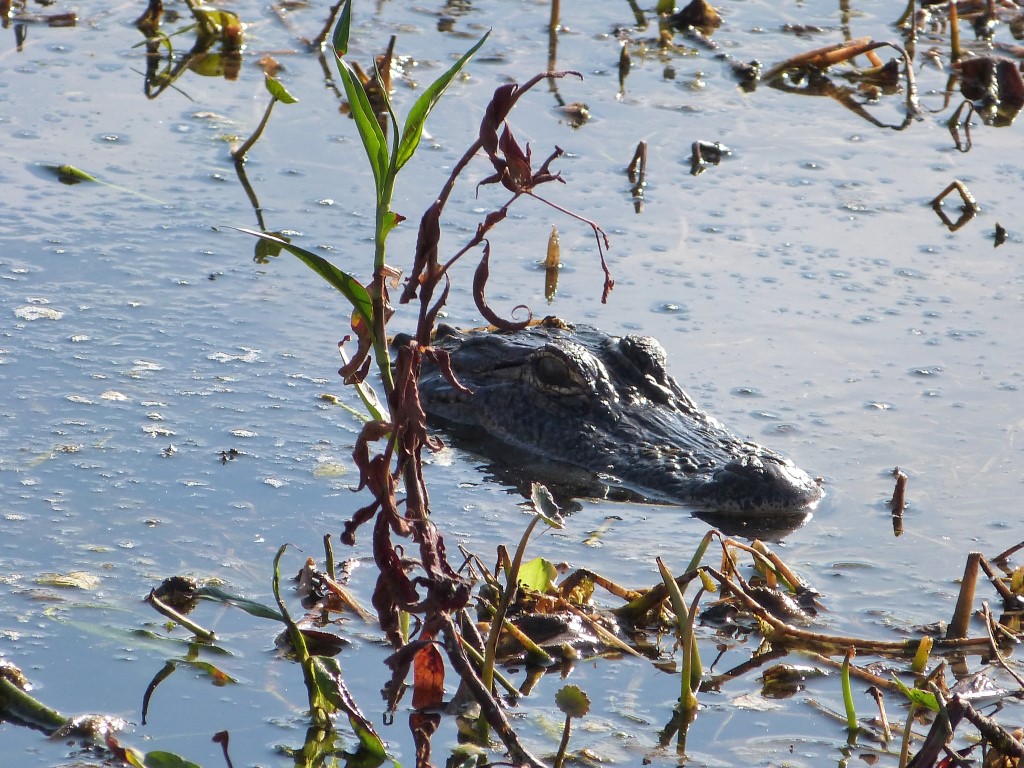
Alligator Circle B Bar Reserve by Lee

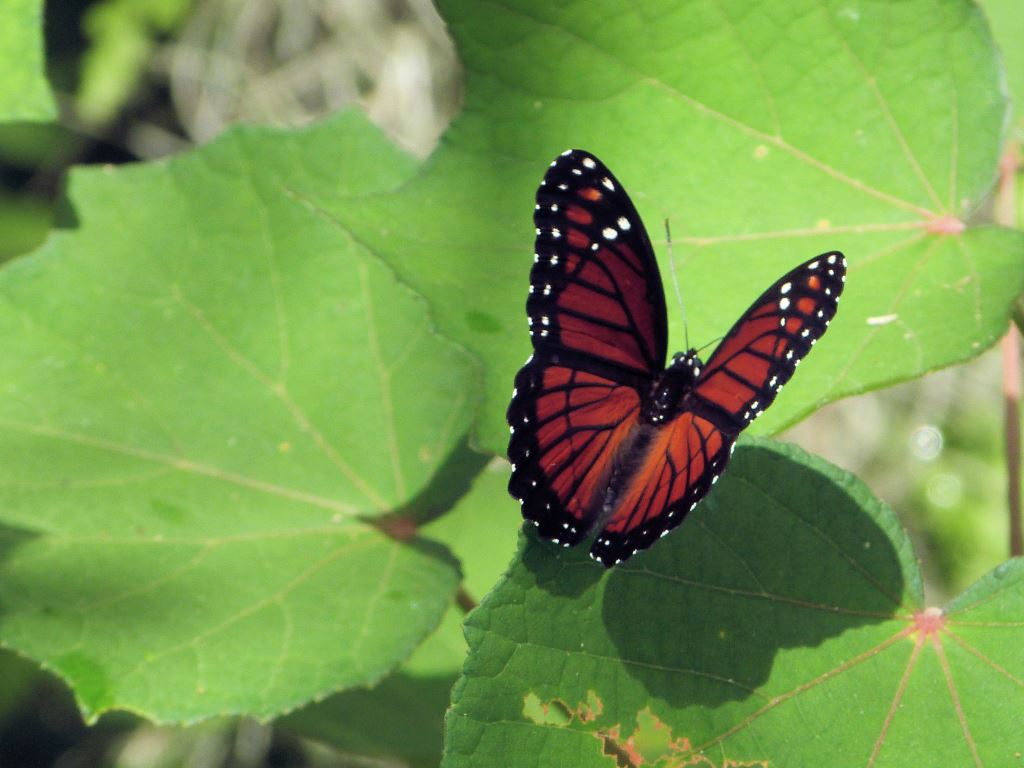
Butterfly Circle B by Lee 7-16-14

American White Ibis (Eudocimus albus) by Lee at Circle B

American White Ibis (Eudocimus albus) by Lee at Circle B

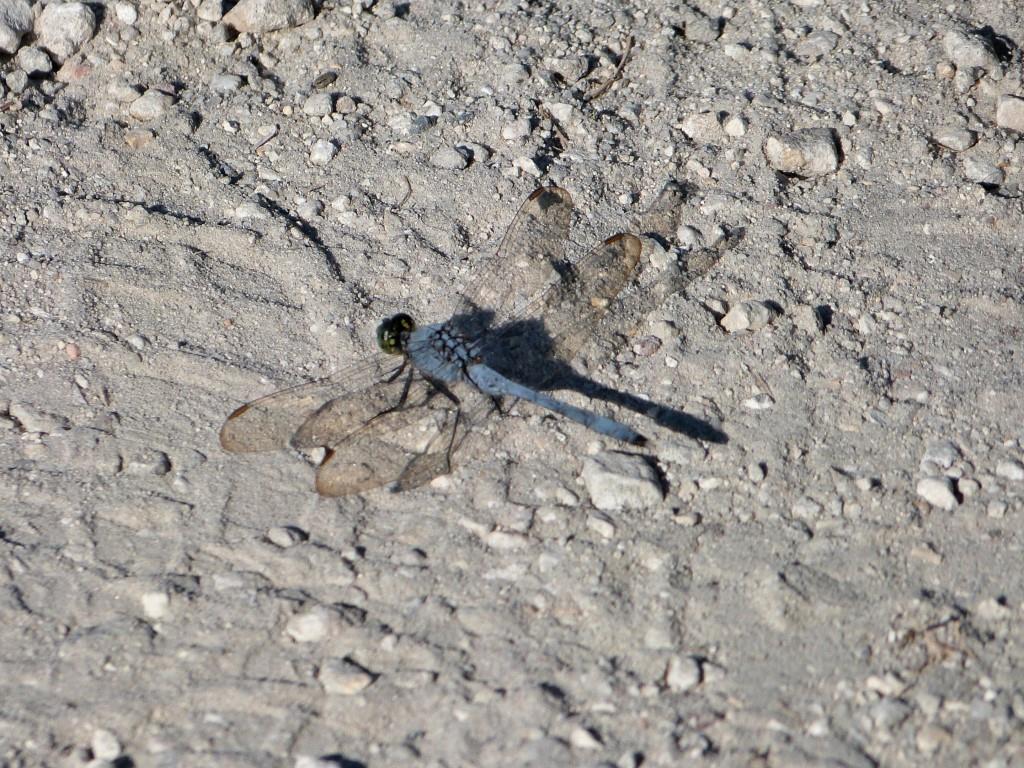
Dragonfly by Lee at Circle B

Dragonfly by Lee at Circle B

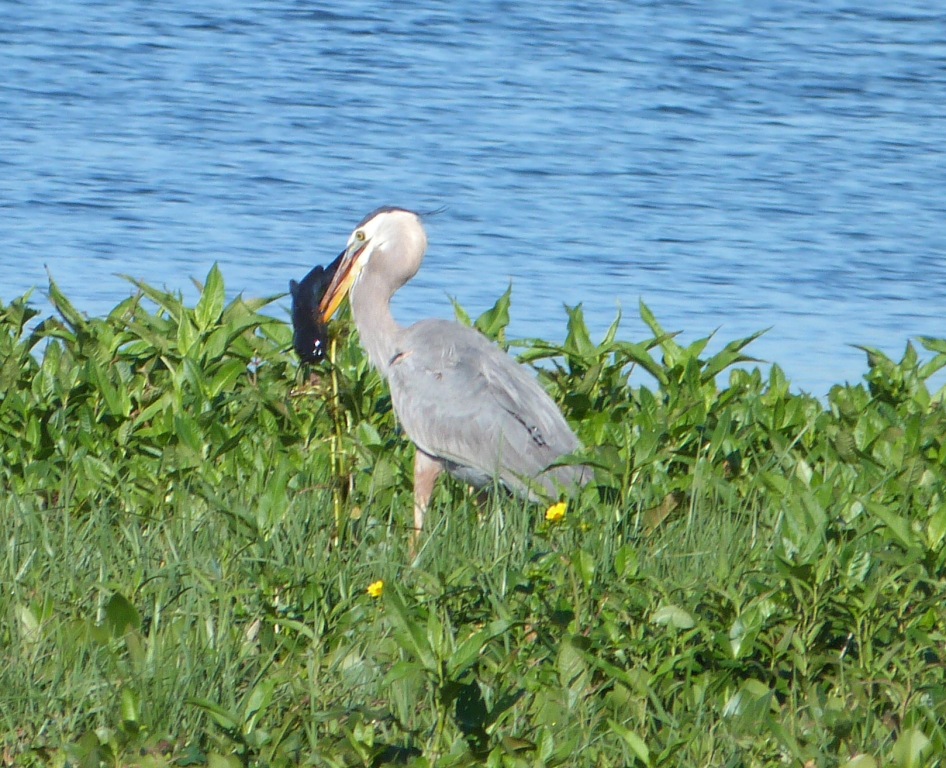
Great Blue Heron with Catfish at Circle B by Lee - cropped

Great Blue Heron with Catfish at Circle B by Lee – cropped

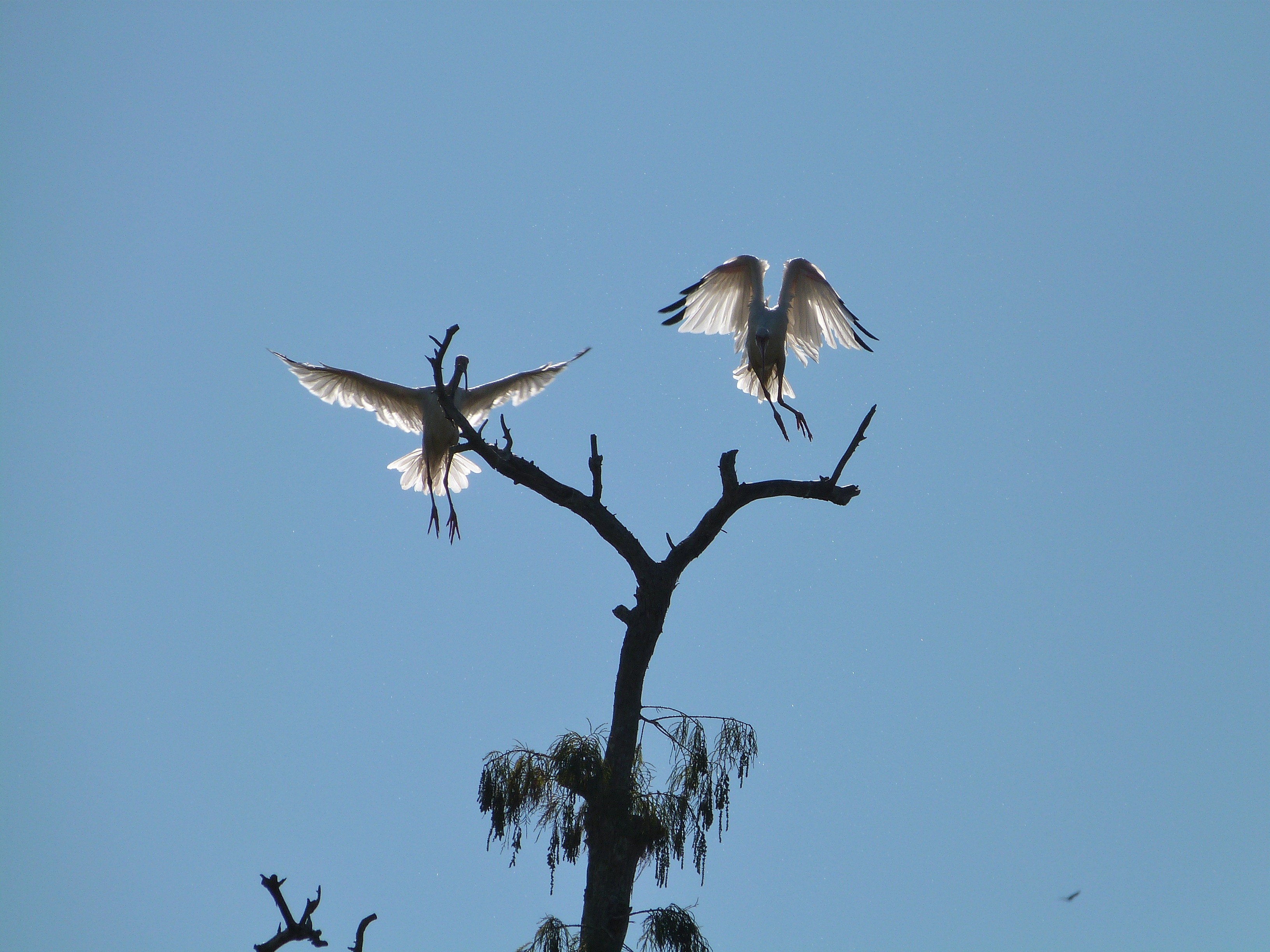
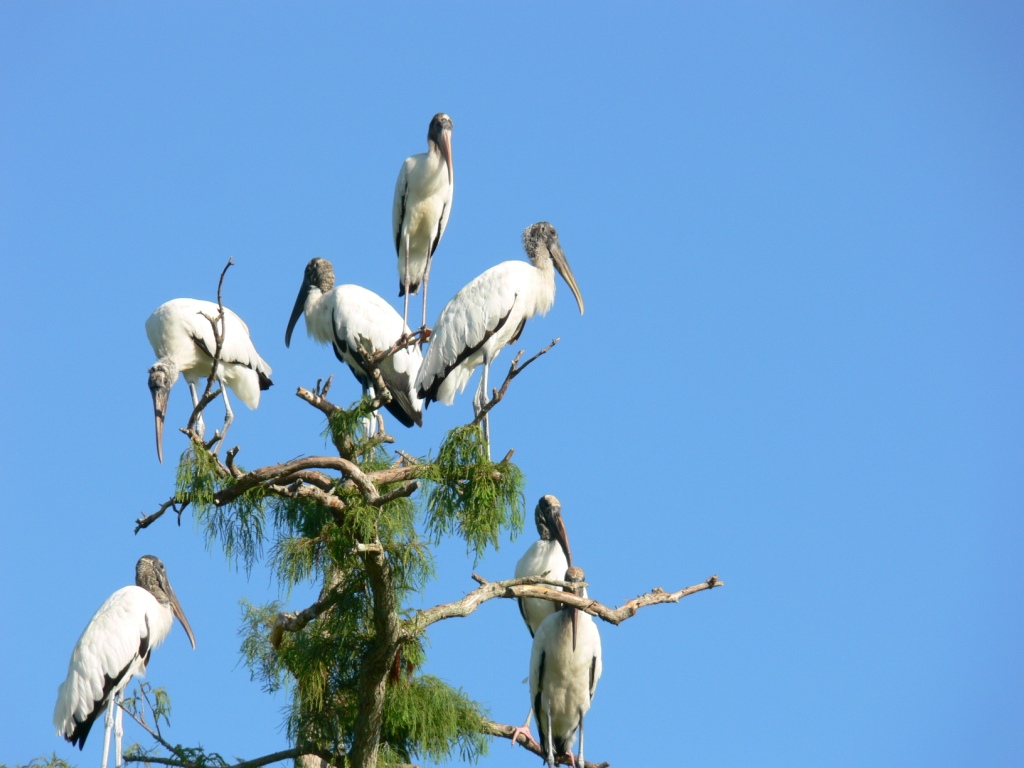
Wood Storks on top of tree at Circle B -7-22-11 by Lee

Wood Storks on top of tree at Circle B by Lee

Sunset at Circle B by TommyT

IOC Version 9.2- Name Changes – Part III

IOC Version 9.2 (June 22, 2019) Name Changes

The nice thing about these name changes is that the Scientific Name normally stays with the bird. Many countries refer to birds by various names, but the scientific name helps everyone know which avian wonder is being referred to.
PREVIOUS IOC LISTS – SCIENTIFIC NAME – New Name IOC LIST V9.2

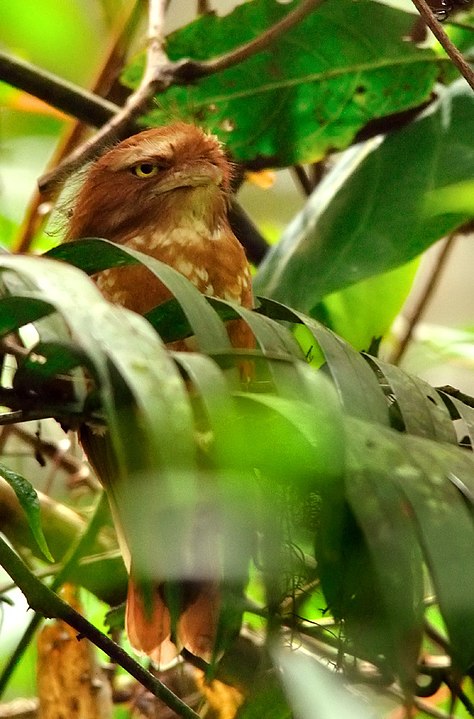
Sumatran Frogmouth ((Batrachostomus poliolophus) Female ©WikiC

Short-tailed Frogmouth – Batrachostomus poliolophus – Sumatran Frogmouth

Stipple-throated Antwren – Epinecrophylla haematonota ©Oiseaux_net

Napo Stipple-throated Antwren – Epinecrophylla haematonota – Stipple-throated Antwren

PAS-Tham Rio Madeira Antwren (Epinecrophylla amazonica) ©Flickr Claudio Dias Timm

Rio Madeira Antwren (Epinecrophylla amazonica) ©Flickr Claudio Dias Timm

Madeira Stipple-throated Antwren – Epinecrophylla amazonica – Rio Madeira Antwren

Wayanad Laughingthrush (Pterorhinus delesserti) ©WikiC

Wynaad Laughingthrush – Pterorhinus delesserti – Wayanad Laughingthrush

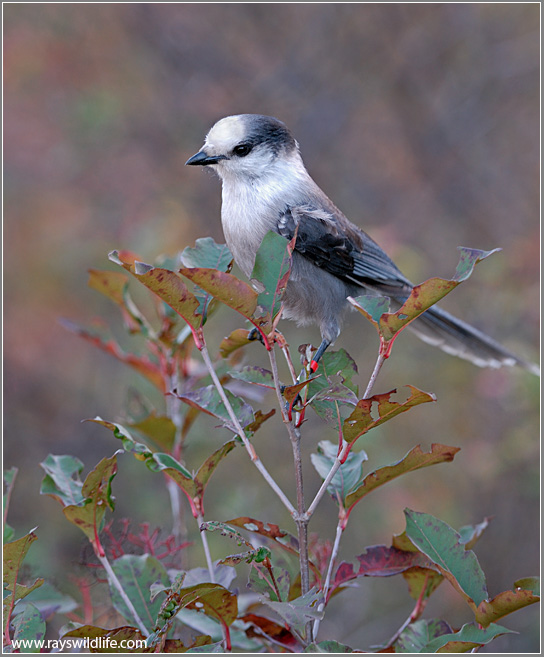
Grey Jay (Perisoreus canadensis) by Raymond Barlow

Canada Jay (Perisoreus canadensis) by Raymond Barlow

Grey Jay – Perisoreus canadensis – Canada Jay

Biak Whistler (Pachycephala megarhyncha)

Biak Whistler (Pachycephala megarhyncha) ©Flickr Graham Winterflood

Biak [Little] Shrikethrush – Pachycephala [Colluricincla] melanorhyncha – Biak Whistler

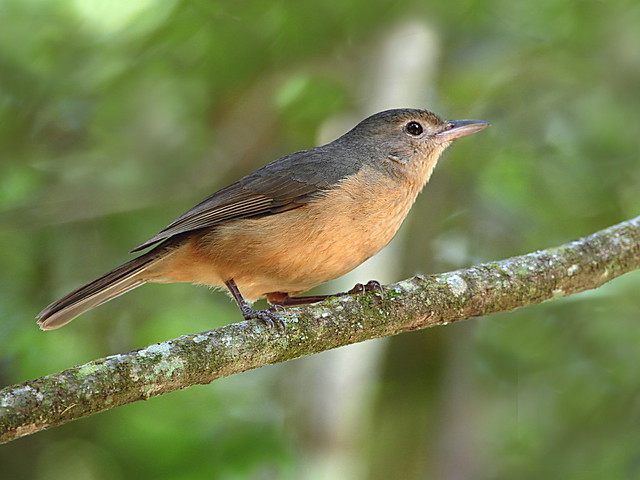
Arafura Shrikethrush (Colluricincla megarhyncha) ©WikiC

Arafura Shrikethrush (Colluricincla megarhyncha) ©WikiC

Little Shrikethrush – Colluricincla megarhyncha – Arafura Shrikethrush

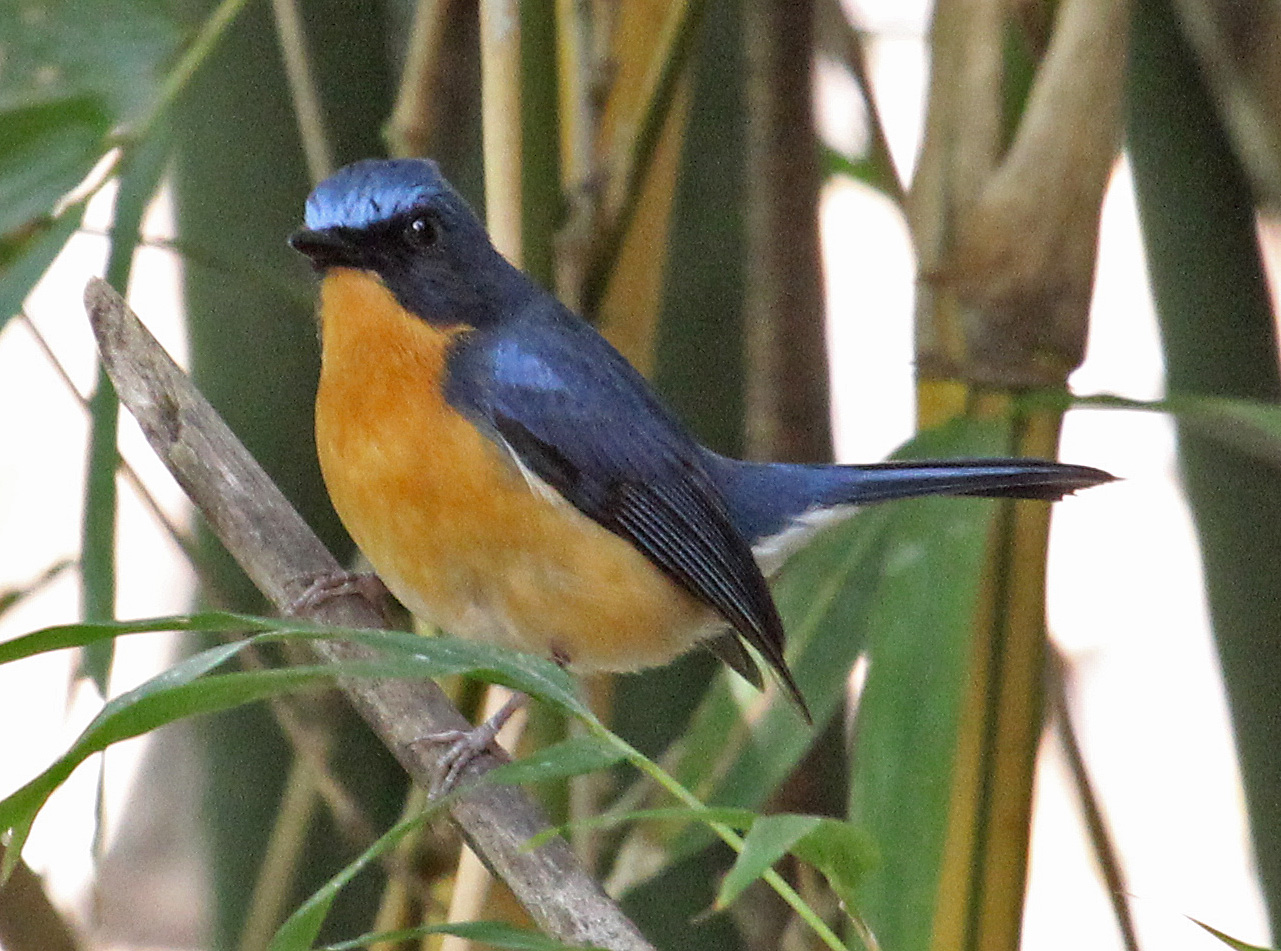
Javan Blue Flycatcher (Cyornis banyumas) ©©Flickr

Hill Blue Flycatcher – Cyornis banyumas – Javan Blue Flycatcher

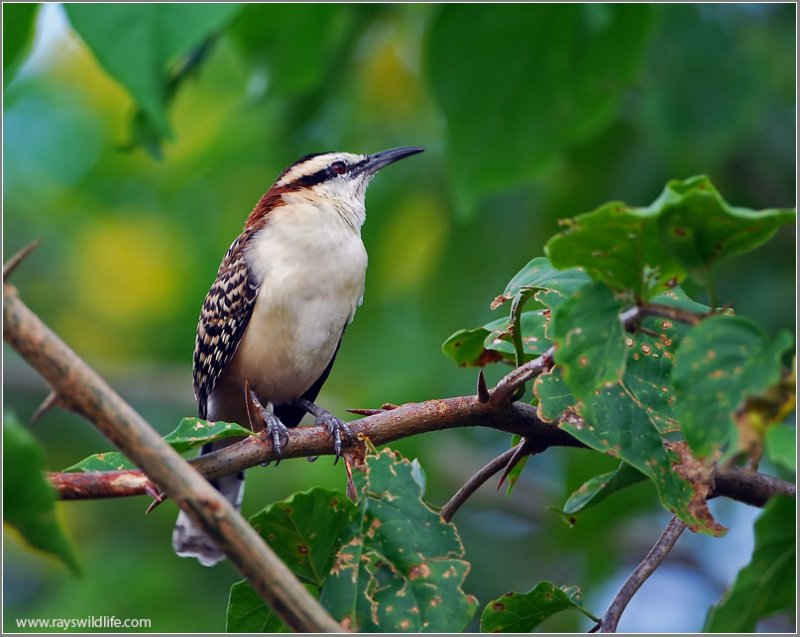
Rufous-naped Wren (Campylorhynchus rufinucha) by Ray

Veracruz Wren (Campylorhynchus rufinucha) by Ray

Rufous-naped Wren – Campylorhynchus rufinucha – Veracruz Wren

These were the name changes that I have found so far with this update. For those of us who have photos, it also required changing names of photos on the hard drive.

But names have been changing for years:

“Now among them from the sons of Judah were Daniel, Hananiah, Mishael and Azariah. Then the commander of the officials assigned new names to them; and to Daniel he assigned the name Belteshazzar, to Hananiah Shadrach, to Mishael Meshach and to Azariah Abed-nego.” (Daniel 1:6-7 NASB)

Now for the rest of the updates. Stay Tuned!

The Amazing Butterfly

World Birds I.O.C. Version 9.2 Part II
Blue-throated Hillstar (Oreotrochilus cyanolaemus) ©Sci-news

Blue-throated Hillstar (Oreotrochilus cyanolaemus) ©Sci-news

The post yesterday, I.O.C. 9.2 Update A Few Days Ago, was to inform you off the latest update. New birds aren’t usually discovered as much as the DNA studies they are providing better insight into how the birds are related. So, they like to shuffle things around, like the 5 new Families. The new species added are many times from subspecies being elevated to full species status.
Today, we will try to figure out who the new species are. As I type this, I have no clue until some investigation begins. So, Let’s Begin!

Version 9.2 (June 22, 2019)

The IOC World Bird List 9.2 contains 10,758 extant species (and 158 extinct species)  classified in 40 Orders,  250 Families and 2,320 Genera.  The list also includes 20,034 subspecies, their ranges and  authors.

Updates include:

SPECIES ADDED:                25 

SPECIES DELETED:             5

ENGLISH NAMES:              9

TAXONOMY:                         37 including  sequence of Orders,  five new Families, and genera of  Petroicidae
Add Species

I know some of this below is confusing for some, but is beneficial for many birdwatchers.

Added Species:

Stejneger’s Scoter (Melanitta stejnegeri) – Split of Stejneger’s Scoter M. stejnegeri from White-winged Scoter M. deglandi
Australian Tern (Gelochelidon macrotarsa) – Split of G. macrotarsa is based on morphological differences
Malagasy Palm Swift (Cypsiurus gracilis) – from African Palm Swift Cypsiurus parvus split
Green-headed Hillstar (Oreotrochilus stolzmanni) – Newly described species based on striking plumage differences from Andean Hillstar (Oreotrochilus estella stolzmanni)
Blue-throated Hillstar (Oreotrochilus cyanolaemus) – Newly described species based on striking plumage differences from Andean Hillstar O. (estella) stolzmanni
Indochinese Roller (Coracias affinis) – Morphologically distinct Indochinese Roller is sister to Purple-winged Roller (C. temmincki) not to Indian Roller despite narrow hybrid zone
Small-headed Elaenia (Elaenia sordida) – Elaenia sordida is split (9.2) from Highland Elaenia based on mtDNA genetics and vocal
Ceara? Woodcreeper (Xiphorhynchus atlanticus) – Split of monotypic Ceara? Woodcreeper is based on genetic, morphological and vocal distinctions
Biak Whistler (Pachycephala [Colluricincla] melanorhyncha) – The endemic Biak Little ‘Shrikethrush’ C. m. melanorhyncha is a whistler, sister to Pachycephala phaionota. Elevated from ssp Colluricincla to species of Pachycephala. Rename

Little Shrikethrush spp Colluricincla spp – The following splits (9.2) of subspecies groups of the [Arafura] Little Shrikethrush species complex are based on genetics and morphology (Marki et al. 2018, Schodde pers. comm).
Variable Shrikethrush (Colluricincla fortis) – Arafura [Little] Shrikethrush C. megarhyncha Split (9.2) of Variable Shrikethrush includes ssp trobriandi and despecta (with neos and superflua)
Waigeo Shrikethrush (Colluricincla affinis) – Variable Shrikethrush C. fortis Split Waigeo Shrikethrush is monotypic
Mamberamo Shrikethrush (Colluricincla obscura) – Waigeo Shrikethrush C. affinis Split (9.2) of Mamberamo Shrikethrush includes ssp hybridus
Tagula Shrikethrush (Colluricincla discolor) – Split (9.2) monotypic Tagula Shrikethrush
Sepik-Ramu Shrikethrush (Colluricincla tappenbecki) -Split (9.2) of Sepik-Ramu Shrikethrush C. tappenbecki includes ssp madaraszi and maeandrina.
Rufous Shrikethrush (Colluricincla rufogaster) – Split (9.2) of Rufous Shrikethrush includes ssp griseata and goodsoni. Ssp aelptes and normani are included in goodsoni; gouldii and synaptica are included in nominate rufogaster.
Stejneger’s Scoter (Melanitta stejnegeri) – Split (9.2) of Stejneger’s Scoter M. stejnegeri from White-winged Scoter M. deglandi based on lack of hybridization and on morphological characters that include the black rather than brown flanks (deglandi also has brown tinged scapulars), a more obvious hook “nose” on stejnegeri, a longer white post-ocular mark on stejnegeri, and different bill coloration.
Australian Tern (Gelochelidon macrotarsa) – Split of G. macrotarsa is based on morphological differences (Rogers et al. 2005, HBW, Schodde pers. comm).
Malagasy Palm Swift (Cypsiurus gracilis) – Split of Malagasy Palm Swift from African Palm Swift (C. parvus) based on vocalizations and plumage coloration. Includes griveaudi on Comoro Is.
Green-headed Hillstar (Oreotrochilus stolzmanni) – Green-headed Hillstar is split from O. estella based on plumage differences and mtDNA relationship to O. melanogaster.
Blue-throated Hillstar (Oreotrochilus cyanolaemus) – Newly described species based on striking plumage differences from Andean Hillstar O. (estella) stolzmanni.. Genomic analysis of estella species complex desired. New Hummingbird Species Discovered in Ecuador
Indochinese Roller (Coracias affinis) – Morphologically distinct Indochinese Roller is sister to Purple-winged Roller (C. temmincki) not to Indian Roller despite narrow hybrid zone.
Small-headed Elaenia (Elaenia sordida) – Elaenia sordida is split (9.2) from Highland Elaenia based on mtDNA genetics and vocals (Rheindt et al. 2008, Minns 2017, HBW, SACC 806). ENG Small-headed Elaenia follows SACC.

Ceara Woodcreeper (Xiphorhynchus atlanticus) ©HBW

Ceara? Woodcreeper (Xiphorhynchus atlanticus) –  Split of monotypic Ceara? Woodcreeper is based on genetic, morphological and vocal distinctions. ENG: Ceara?
Biak Whistler (Pachycephala [Colluricincla] melanorhyncha) – The endemic Biak Little ‘Shrikethrush’ C. m. melanorhyncha is a whistler, sister to Pachycephala phaionota. Elevated from ssp Colluricincla to species of Pachycephala. Rename
Little Shrikethrush spp (Colluricincla) spp – The following splits (9.2) of subspecies groups of the [Arafura] Little Shrikethrush species complex are based on genetics and morphology, Schodde pers. comm).
Variable Shrikethrush (Colluricincla fortis) – Split (9.2) of Variable Shrikethrush includes ssp trobriandi and despecta (with neos and superflua)
Waigeo Shrikethrush (Colluricincla affinis) – Split Waigeo Shrikethrush is monotypic
Mamberamo Shrikethrush (Colluricincla obscura) – Split (9.2) of Mamberamo Shrikethrush includes ssp hybridus
Tagula Shrikethrush (Colluricincla discolor) – Split (9.2) monotypic Tagula Shrikethrush
Sepik-Ramu Shrikethrush (Colluricincla tappenbecki) – Split (9.2) of Sepik-Ramu Shrikethrush C. tappenbecki includes ssp madaraszi and maeandrina.
Rufous Shrikethrush (Colluricincla rufogaster) – Split (9.2) of Rufous Shrikethrush includes ssp griseata and goodsoni. Ssp aelptes and normani are included in goodsoni; gouldii and synaptica are included in nominate rufogaster.
Hill Blue Flycatcher (Cyornis whitei) – C. whitei is split (9.2) from C. banyumas based on genetics and vocalizations. Includes subspecies lekhakuni, deignani, coerulifrons. Note transfer of established English name Hill Blue Flycatcher to C. whitei.
Indochinese Blue Flycatcher (Cyornis sumatrensis) – Widespread Indochinese Blue Flycatcher is split (9.2) from Tickell’s Blue Flycatcher based on morphology and vocalizations. Includes sumatrensis, indochina, lamprus.
Morotai White-eye (Zosterops dehaani) – Split of Morotai White-eye Z. dehaani from Cream-throated White-eye is based on distinct plumage, exceptional dawn song and submontane/montane ecology
Wakatobi White-eye (Zosterops flavissimus) – Split of Wakatobi White-eye is based on morphology, genetics, and vocalizations (O’Connell et al. 2019)
Campina Thrush (Turdus arthuri) – Split (9.2) of Campina Thrush T. arthuri from Black-billed Thrush T. ignobilis is based on sympatry without intergradation at two Colombian localities.
Pantepui Thrush (Turdus murinus) – Pantepui Thrush is split (9.2) from Black-billed Thrush T. ignobilis based on genetic divergence
Yucatan Gnatcatcher (Polioptila albiventri) – Split (9.2) of Yucatan Gnatcatcher P. albiventris from White-lored Gnatcatcher is based on genetic and vocal distinctions
Nicholson’s Pipit (Anthus nicholsoni) – Split (9.2) of South African pops of Long-billed Pipit is based on their allopatric distributions (southern and East African populations separated by ca. 1 800 km), their non-migratory nature and their high cyt b sequence divergence values. Includes palliditinctus, leucocraspedon, petricolus, and primarius.

***

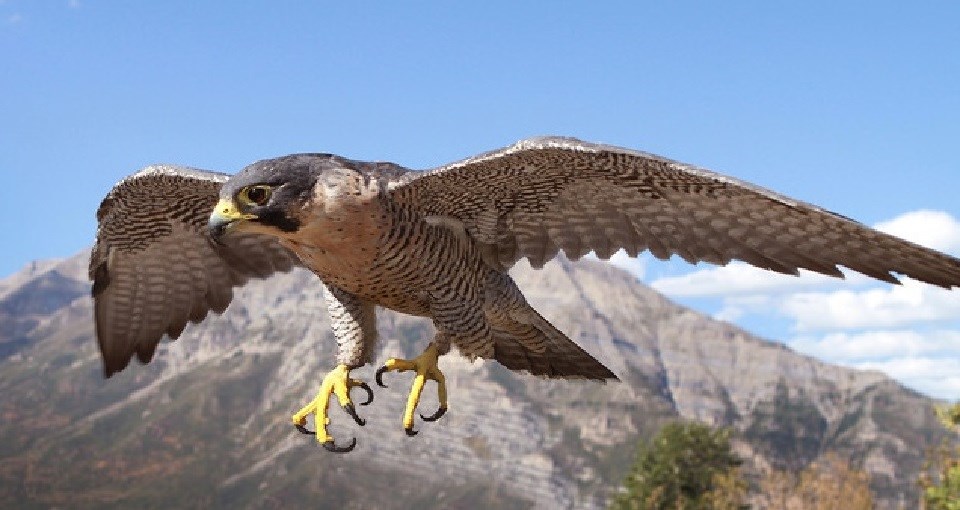
Barbery Falcon now Perregrine Falcon ©Drew Avery

Barbary Falcon now Perregrine Falcon (Falco peregrinus pelegrinoides) ssp©Drew Avery

Deleted Species (I can only find 4)
Schouteden’s Swift (Schoutedenapus schoutedeni) DEL AL Scarce Swift S. myioptilus Deemed to be darker juvenile or sub-adult Scarce Swifts subspecies chapini (Fishpool 2019)
Barbary Falcon (Falco pelegrinoides)SSP of Peregrine Falcon F. peregrinus Barbary Falcon (including subspecies babylonicus) is genetically similar to other subspecies of Peregrine Falcon and treated thus. Demoted back to SSP
Negro Stipple-throated Antwren (Epinecrophylla pyrrhonota)SSP Negro Stipple-throated Antwren was split from [Napo] Stipple-throated Antwren, but vocalizations are identical and morphological differences slight. Demoted back to SSP
Yasuni Antwren (Epinecrophylla fjeldsaai) – SSP Yasuni Stipple-throated Antwren was split from [Napo] Stipple-throated Antwren, but vocalizations are identical and morphological differences slight. Demoted back to SSP

“He determines and counts the number of the stars; He calls them all by their names. Great is our Lord and of great power; His understanding is inexhaustible and boundless.” (Psalms 147:4-5 AMP)

If the Lord knows the names of all the stars, I wonder what names He calls the Birds by?

Still need to rework the Indexes – Stay Tuned

Avian And Attributes – Stitch

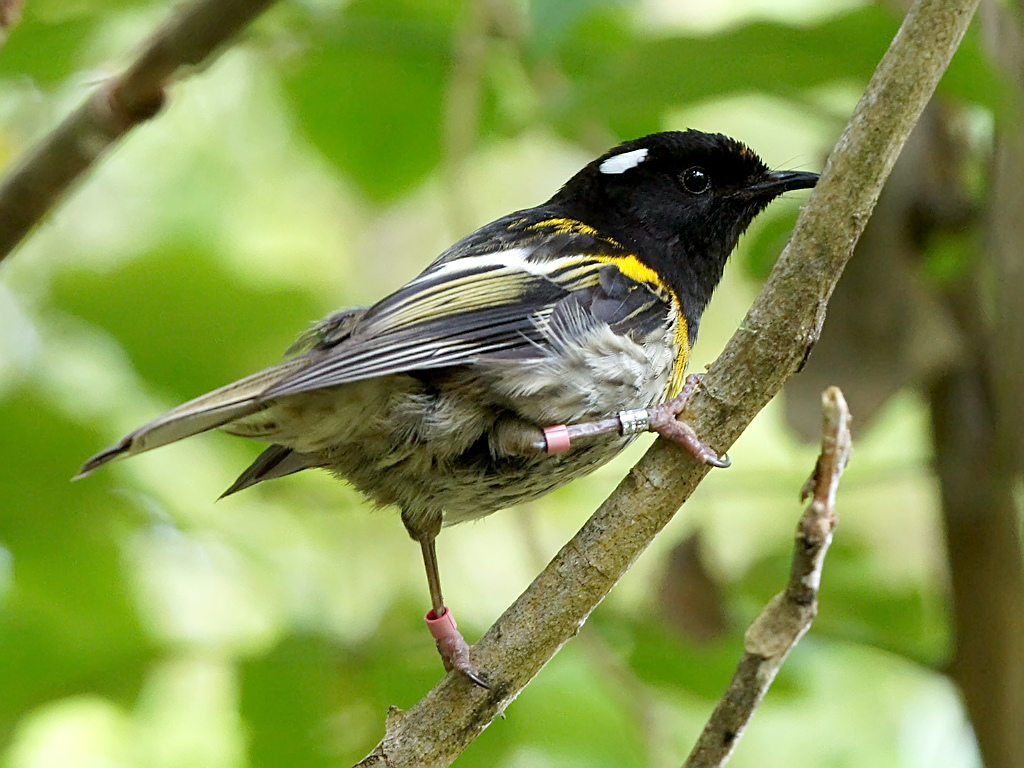
Stitchbird (Notiomystis cincta) by Tom Tarrant

“A time to tear, And a time to sew; A time to keep silence, And a time to speak;” (Ecclesiastes 3:7 NKJV)


Avian and Attributes – Stitch

STITCH, v.t. [G. This is another form of stick.]
1. To sew in a particular manner; to sew slightly or loosely; as, to stitch a collar or wristband; to stitch the leaves of a book and form a pamphlet.
2. To form land into ridges. [N. England.]
To stitch up, to mend or unite with a needle and thread; as, to stitch up a rent; to stitch up an artery.
STITCH, v.i. To practice stitching.
STITCH, n.
1. A single pass of a needle in sewing.
2. A single turn of the thread round a needle in knitting; a link of yarn; as, to let down a stitch; to take up a stitch.


Stitchbird (Notiomystis cincta) female ©Flickr Kathrin -Stefan Marks

“Then the eyes of both of them were opened, and they knew that they were naked; and they sewed fig leaves together and made themselves coverings.” (Genesis 3:7 NKJV)

The Stitchbird or hihi (Notiomystis cincta) is a rare honeyeater-like bird endemic to the North Island and adjacent offshore islands of New Zealand. It became extirpated everywhere except Little Barrier Island but has been reintroduced to three other island sanctuaries and two locations on the North Island mainland. Its [genealogical] relationships have long puzzled ornithologists, but it is now classed as the only member of its own family, the Notiomystidae.

Stitchbird (Notiomystis cincta) ©Flickr Duncan

Stitchbird (Notiomystis cincta) ©Flickr Duncan

The stitchbird is a small honeyeater-like bird. Males have a dark velvety cap and short white ear-tufts, which can be raised somewhat away from the head. A yellow band across the chest separates the black head from the rest of the body, which is grey. Females and juveniles are duller than males, lacking the black head and yellow chest band. The bill is rather thin and somewhat curved, and the tongue is long with a brush at the end for collecting nectar. Thin whiskers project out and slightly forward from the base of the bill.

Sewing has been around since Adam and Eve sinned in the Garden of Eden. When the fig leaves were sewed together, they must have used stitches.

[The word stitch is not in the Bible, but sewing is there. I took a bit of liberty with the verses.]


More Avian and Attributes

Notiomystidae – Stitchbird

Stitchbird– Wikipedia

Birds whose first or last name starts with “S”

In Our Place

*
[Definitions from Webster’s Dictionary of American English (1828), unless noted. Bird info from Wikipedia plus.]

Do Not Eat The Gripe Or The Aliet!

PEREGRINE FALCON (National Park Service photo / public domain)

Here are two more birds that are listed on the “Do Not Eat” list. A Gripe and an Aliet.

Leviticus 11:13 These things be of (the) fowls which ye shall not eat, and shall be eschewed of you (and shall be shunned by you); an eagle, and a gripe, [and] an aliet,
Deuteronomy 14:12 (but) eat ye not unclean birds, that is, an eagle, and a gripe, and an aliet,
These verses are in the Wycliffe Bible (WYC) version. “The earliest existing edition is from 1525, but manuscripts of that only have a part of Matthew. Of the whole New Testament, the earliest manuscripts available are from 1526. Old Testament books are from later, 1530’s for some. This means that these two birds mentioned, the Gripe and the Aliet, were the names they were called by back then. Languages change over hundreds of years.

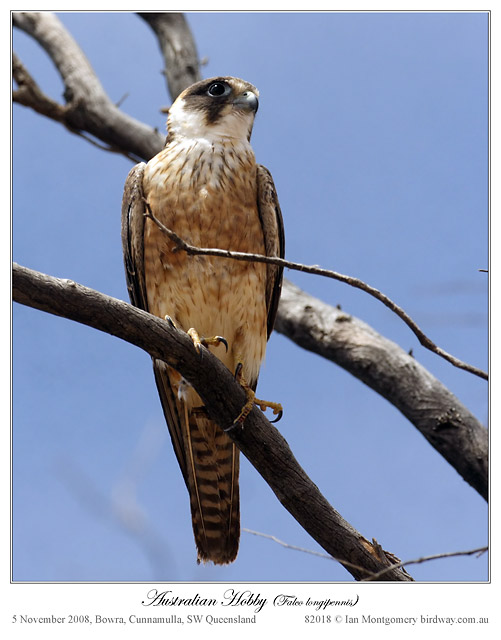
Australian Hobby by Ian Montgomery

Interesting note about how these birds are listed in the “Do Not Eat List” Here is what the Expositor’s Bible Commentary (Abridged Edition): Old Testament says:

13-19 There was no easy rule of thumb for clean birds. A negative list is given that in cases is difficult to translate with certainty. The different modern versions vary in detail. In general carrion-eating and fish-eating birds were forbidden, just as they are not used for food today. Chickens are not mentioned in the OT. The eating of bird eggs and the mother bird together is forbidden in Deuteronomy 22:6, apparently for conservation reasons. If the eggs are taken, the mother bird will lay more; but if the mother bird is taken, there will be no more eggs! Doves, their eggs, and their young were eaten.

After doing some searching on Google, the Gripe doesn’t seem to be a recognizable bird today. When searching for the Aliet, After just about giving up, this interesting article was found:

Hearldry is a displaying of different Coats of Arms. The bird in on this Crest or Coat of Arms is the Aliet:

These verses in other translations indicate some type of birds of prey. That is what is article is saying also. If you can read the “old English”, notice that it mentions “This Fowl hath her Tallons or Pounces inwardly crooked like a hook.” That is a good description of a Hawk, Falcon, or some other type of bird of prey. “and is called in Latine [Latin], Falco (faith Calepine). Falco is the genus for Falcons and includes 15 Kestrels, 22 Falcons and 4 Hobbys.

It also mentions the “Alietus is a little Fowl that preyeth upon small birds…”

American Kestrel by AestheticPhotos

Falcons, Kestrels and Hobbies are part of the Falconidae Family.


Woodstock’s Dilemma

Peanuts for Sunday June 9, 2019 – A Dilemma

“A friend loves at all times,…” (Proverbs 17:17a NKJV)

Well, my friends Woodstock and Snoopy were at it again this Sunday. It appears that Woodstock has a Dilemma and patient Snoopy listened, and then offered a solution to the problem. It’s nice to have friends like that as we go through life.

Peanuts for Sunday June 9, 2019 – Split Hairs

“…And the sweetness of a man’s friend gives delight by hearty counsel.” (Proverbs 27:9b NKJV)

Here is some information that helps us understand how birds do get “Split Ends.” Notice the number 3 feather.

“A close look at feather growth reveals how these intricate structures form.

  1. Each new feather grows from a small outgrowth of skin called the papilla.
  2. As feathers mature, their tips get pushed away from the papilla, where the newest parts of the feather form. Like human hair, feathers are youngest at their base.
  3. The feather’s structure develops as proteins are laid down around the surface of this bump of skin. It’s here that the branching patterns form by smaller branches fusing at the base to make thicker ones—barbules fuse into barbs and barbs fuse into a rachis.
  4. As the feather grows, it stays curled in a tubular shape around the papilla until it is pushed away from the growth area.
  5. A protective sheath maintains the feather’s cylindrical shape until it starts to disintegrate near the tip, allowing the mature part of the feather to unfurl.
  6. The sheath falls off and the growth process is complete.”

The feather photo and above information is from: Everything You Need To Know About Feathers

Here is an interesting video that explains quite a bit about moulting. Even though she explains with captive birds, the principles are the same.

Most of us have watched birds preening their feathers. Often, they are working on a new feather that they are fixing up.

Limpkin (Aramus guarauna) Preening at Circle B

Limpkin (Aramus guarauna) Preening at Circle B

What a wonderful Creator of these Avian Wonders. I’ll never believe that feathers and their structures “just evolved.” No, their was, is, and will be a Master Creator at work.

“Then God said, “Let the waters abound with an abundance of living creatures, and let birds fly above the earth across the face of the firmament of the heavens.” (Genesis 1:20 NKJV)

Interesting Things

Save The Parrots

Unique Feeding Of The Spoonbills

African Spoonbill Zoo Tampa by Lee

The Spoonbill family has a unique or uncommon way of feeding. They swing their beak back and forth in the water to find food. The inside of the “spoon” is very sensitive. When they feel a “goodie,” their beak snaps shut. They then swallow their food.

I have been trying to capture this action on video for some time, and finally, watched this African Spoonbill catch his food. This was taken at Zoo Tampa (Lowry Park Zoo) in their aviary.

“For who makes you differ from another? And what do you have that you did not receive? Now if you did indeed receive it, why do you boast as if you had not received it?” (1 Corinthians 4:7 NKJV)

Just as the Spoonbills eat differently from other species of birds, it was the Creator that made them this way. You were created different than anyone else. Enjoy your uniqueness, because God made you the way your are. You were given different talents and abilities than someone else. What are you going to do with what the Lord has given?

African Spoonbill Zoo Tampa by Lee

The Spoonbills are using their uniqueness very well!

Spoonbill – Wikipedia