“Then I raised my eyes and looked, and there were two women, coming with the wind in their wings; for they had wings like the wings of a stork, and they lifted up the basket between earth and heaven.” (Zechariah 5:9 NKJV)“Yea, the stork in the heaven knoweth her appointed times; and the turtle and the crane and the swallow observe the time of their coming; but my people know not the judgment of the LORD.” (Jeremiah 8:7 KJV)
Tag Archives: Home School
Tickle Me Tuesday – Bouncy Woodcock
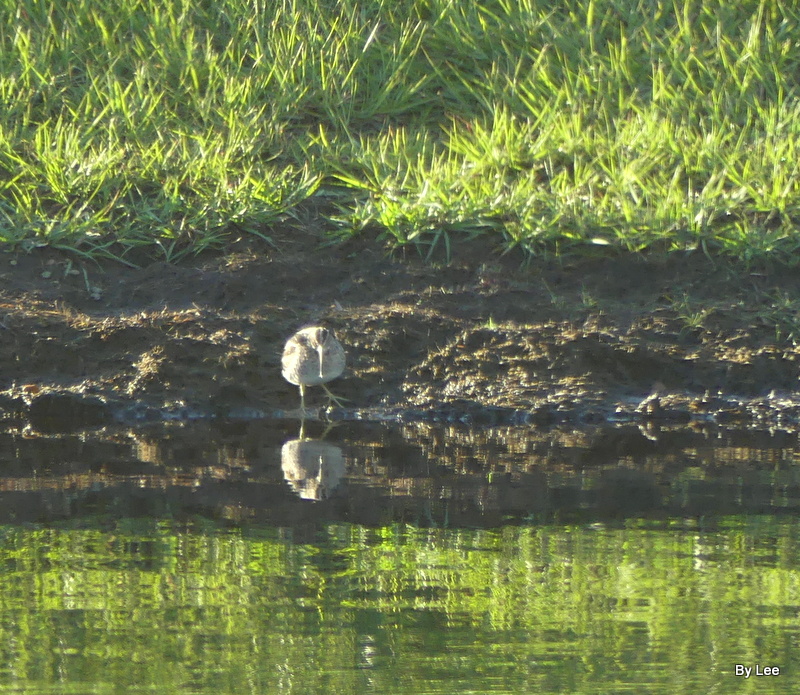
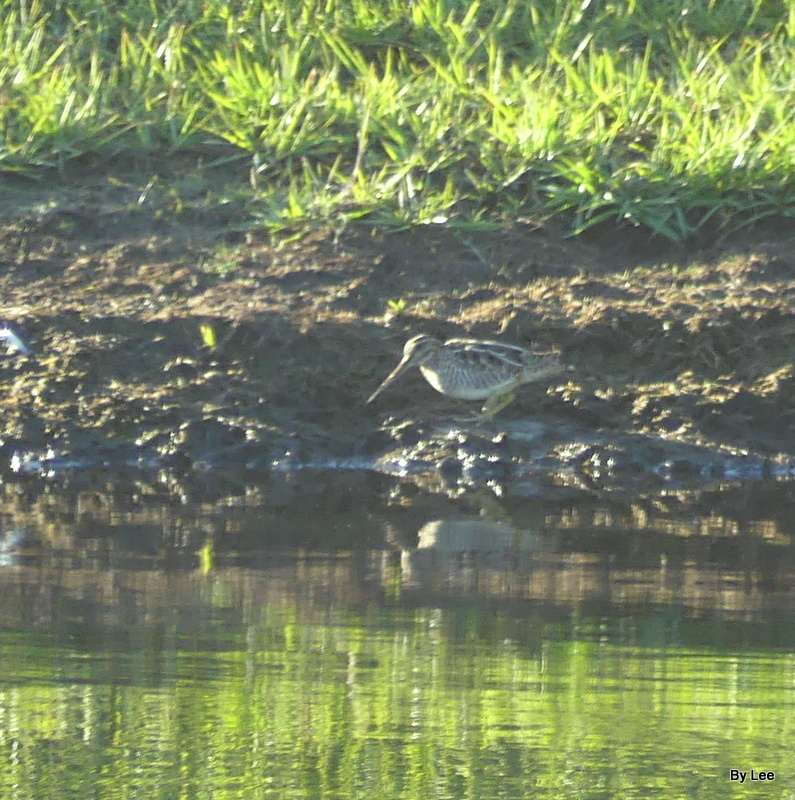
Today I am going combine a “Tickle Me Tuesday” with a “Through My Window” avian wonder. In fact, the photos were taken last Tuesday “through my window/sliding door.”
Thanks to my zoom lens on my camera, which I now keep sitting in a chair at the breakfast table, I was able to get my first idea of what kind of bird this was.
Once he turned sideways, the identification became clear. It was an American Woodcock.
He was doing their “bouncy dance,” but, of course, as I started filming, he stopped. [ignore TV was in background]
Here is a American Woodcock doing an early morning “sky dance”
or how about this one?
“They wander up and down for food, And howl if they are not satisfied.” (Psalms 59:15 NKJV)
I used that verse out of text, but the next two verses are great challenges for us to sing praises to our Lord. Creation of the amazing Woodcocks are reasons to sing of His Creative Power.
“But I will sing of Your power; Yes, I will sing aloud of Your mercy in the morning; For You have been my defense And refuge in the day of my trouble. To You, O my Strength, I will sing praises; For God is my defense, My God of mercy.” (Psalms 59:16-17 NKJV)
“Superbly camouflaged against the leaf litter, the brown-mottled American Woodcock walks slowly along the forest floor, probing the soil with its long bill in search of earthworms. Unlike its coastal relatives, this plump little shorebird lives in young forests and shrubby old fields across eastern North America. Its cryptic plumage and low-profile behavior make it hard to find except in the springtime at dawn or dusk, when the males show off for females by giving loud, nasal peent calls and performing dazzling aerial displays.”
The American Woodcock belongs to the Scolopacidae – Sandpipers, Snipes Family
Cool Facts:
“Wouldn’t it be useful to have eyes in the back of your head? American Woodcocks come close—their large eyes are positioned high and near the back of their skull. This arrangement lets them keep watch for danger in the sky while they have their heads down probing in the soil for food.”
“The American Woodcock probes the soil with its bill to search for earthworms, using its flexible bill tip to capture prey. The bird walks slowly and sometimes rocks its body back and forth, stepping heavily with its front foot. This action may make worms move around in the soil, increasing their detectability.” [All About Birds]
American Woodcock – All About Birds
American Woodcock – A Wonderfully Bizarre Bird
Hummingbird from John 10:10 Project
“Few creatures in the animal kingdom can capture the imagination more powerfully than a hummingbird. Their aeronautical abilities are stunning. But the genius of these birds isn’t limited to flight. Each day, they must consume twice their body weight in nectar to fuel their voracious metabolisms. The incredible biological mechanisms that make this possible are masterpieces of engineering and design.”
“The thief cometh not, but for to steal, and to kill, and to destroy: I am come that they might have life, and that they might have it more abundantly.” (John 10:10 KJV)
A friend sent me this link. Thanks, Pastor Pete.
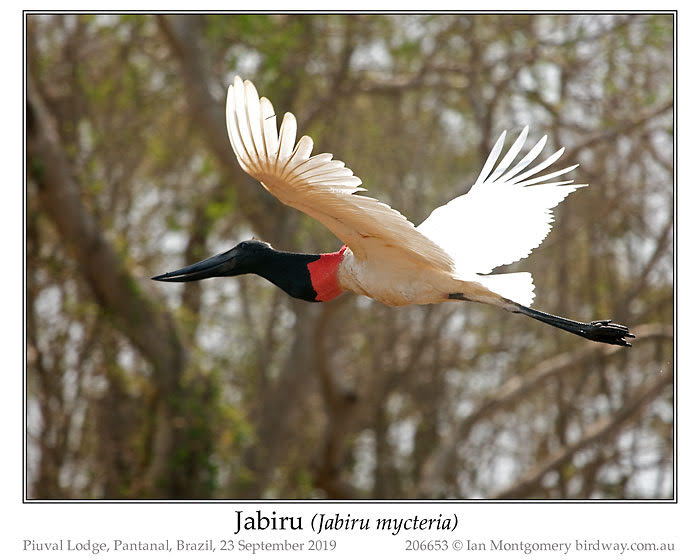
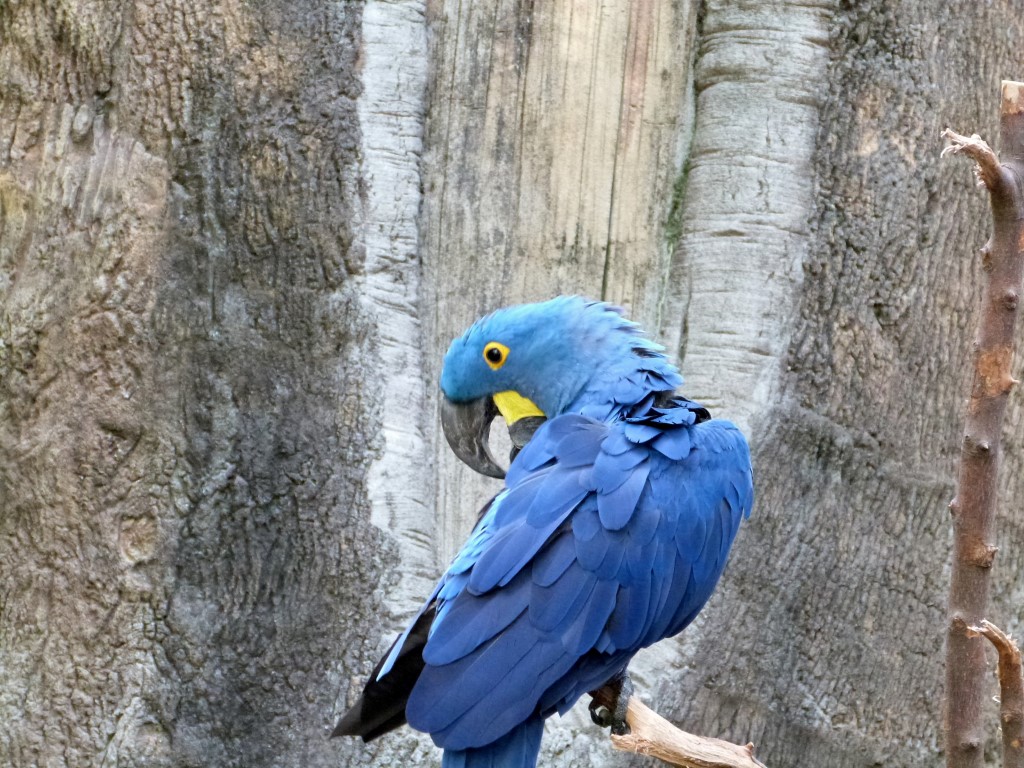
Ian’s Bird of the Moment – Hyacinth Macaw
Lee’s Addition:
Ian’s comment, “Current population estimates are about 6,500 individual wild birds of which perhaps 5,000 are in the Pantanal.” makes one want to hop on a plane and visit that area. Wow. Your “Bird List” would grow immensely.I am alway glad when Ian stops by to show some more of his birdwatching adventures. Those Hyacinth Macaws are so neat to see. We have only seen them in Zoos, but always thankful to see more of the Creator’s magnificent birds.
“And God saw every thing that he had made, and, behold, it was very good. And the evening and the morning were the sixth day.” (Genesis 1:31 KJV)“For every kind of beasts, and of birds, and of serpents, and of things in the sea, is tamed, and hath been tamed of mankind:” (James 3:7 KJV)
Tilly’s Pumpkin House – by Emma Foster
Tilly’s Pumpkin House
by Emma Foster
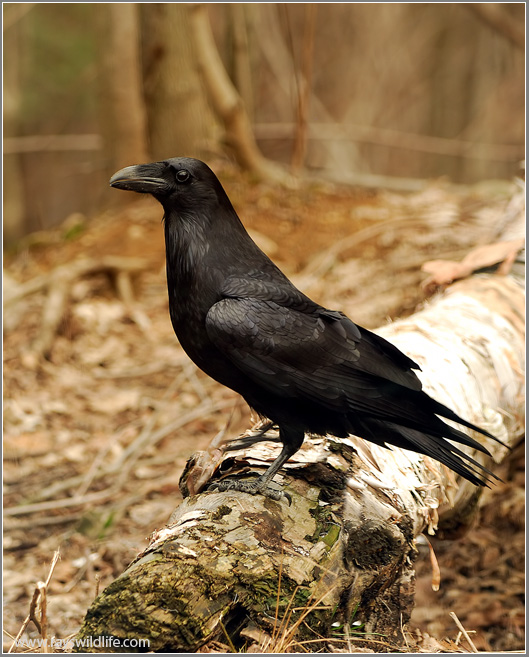
Tilly the raven normally lived in a tree, but as winter came closer, the weather felt colder, and Tilly knew she needed to find a warmer place to live.
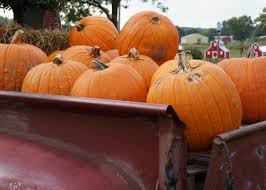
Her tree was near a small pumpkin farm, and several pumpkins had been left behind, going unused for Halloween. Tilly observed the different kinds of pumpkins that were still in the field. Many of them looked old, with green and yellow splotches on them. One of the pumpkins, however, looked perfect.
The pumpkin was large and perfectly round. When Tilly pecked at it with her beak, she noticed that it was soft enough for her to make a little door in it. She pecked her way into the pumpkin and surveyed the inside.
For a while, Tilly pulled out the seeds and guts from the inside of the pumpkin, until she had enough room to sit comfortably. Tilly felt protected from the wind and cold. Eventually, she fell asleep.
The next morning, Tilly woke up to her pumpkin house shaking. Someone had picked up her house and was taking it somewhere. Tilly peeked her head out of the door of her house. She noticed groups of people taking the old pumpkins and placing them to a pickup truck.
Someone placed Tilly’s house in a pile beside other pumpkins. A second later, she rolled around and around and around as her house fell down a hill.
Splash! Tilly landed in the river. Fortunately, her house floated to the top, and the door she had made pointed up to the sky. Tilly carefully climbed out and flew back to land, sad that her house was floating away.
Snow started to fall to the ground. Tilly needed to come up with another plan. She decided to leave the pumpkin field and find somewhere else to live. Flying through the air as the snow fell, Tilly searched and found another pumpkin field. She searched for the next perfect pumpkin she could use. One of the pumpkins was soft and round just like the other one, and by the time she settled down inside, night had fallen and Tilly fell asleep instantly.
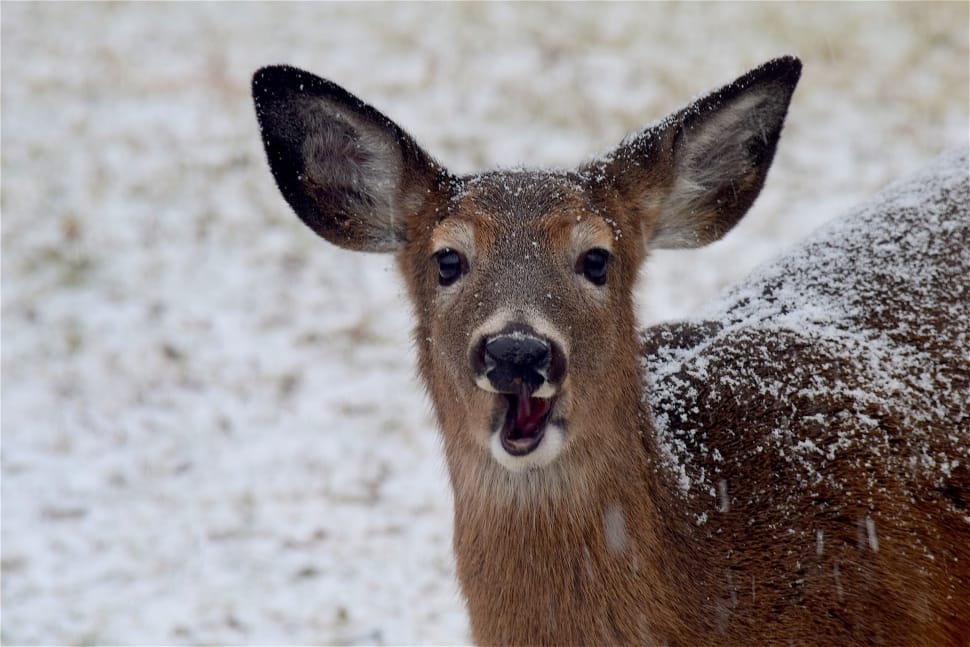
The next morning, Tilly woke up to something knocking against her new house. A deer she didn’t recognize was sniffing at her pumpkin and then took a giant chunk out of the top. Tilly looked up at the deer and the deer stared back at her. She flew out of her house, forced to watch the deer eat the rest of her pumpkin.
The snow made everything colder until Tilly could barely fly. She flew into some woods, hoping to find a tree in which to get warm. Eventually, she found a tree with a small hole in it. Tilly flew inside only to discover a small owl in the hole in the tree.
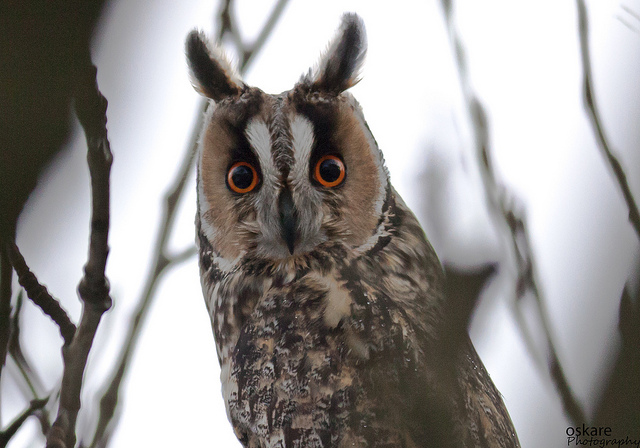
The owl introduced herself as Milly the long-eared owl. Tilly offered to leave since this was Milly’s home, but Milly explained that she was only stopping there for a minute. She said that she had found a nest in a tree a few miles away that had belonged to a raven. She also explained that long-eared owls liked to live in nests that belonged to ravens.
Tilly grew excited, believing that the nest Milly was talking about was hers, which meant she had to explain the pumpkin houses she had had, and how she had ended up there. Milly offered to let Tilly keep the tree to stay warm. Tilly also said that it was perfectly all right if Milly kept her nest.
All throughout the winter, Tilly stayed in the tree where she had met Milly, while Milly lived in Tilly’s nest next to the pumpkin field. When spring came around, Tilly and Milly remained friends, and Tilly even showed Milly how to make her own pumpkin house, though she didn’t recommend living there.
*
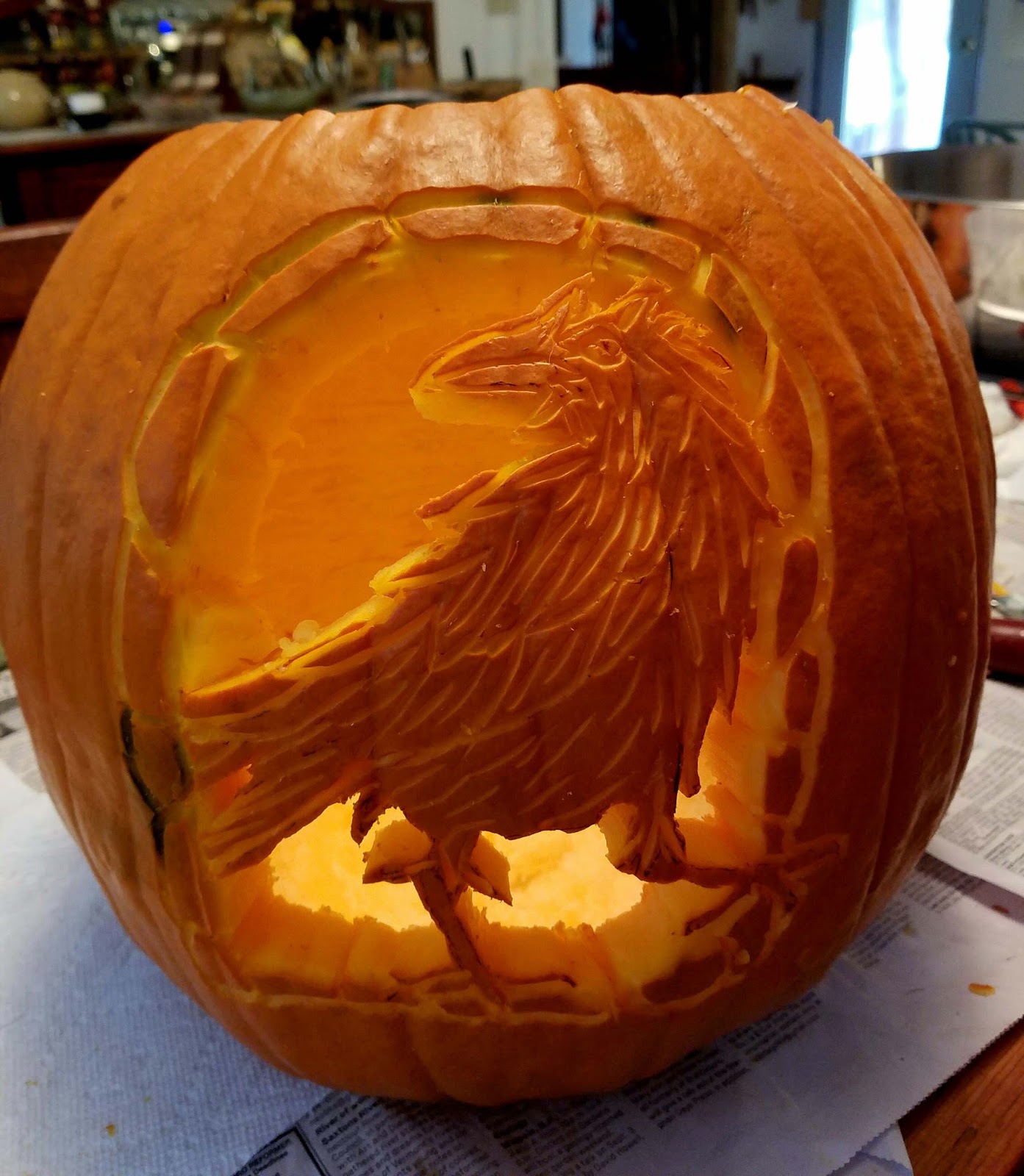
Linda Marcille carved the Raven in pumpkin.
“Now it came to pass, as they went, that he entered into a certain village: and a certain woman named Martha received him into her house.” (Luke 10:38 KJV)
“Be careful for nothing; but in every thing by prayer and supplication with thanksgiving let your requests be made known unto God.” Philippians 4:6 KJV)
What a great story from Emma. It is enjoyable to watch her talent developing. Also, it is good to see Tilly and Milly being so hospitable. This is only fiction, but how did the animals interact with each other before the fall and the curse affected all of nature? Maybe this story is just a glimpse of how they got along so well.
Birds of the Bible – Deuteronomy 14:16-18 V (WYC)
“16 a falcon, and a swan, and a ciconia,
17 and a dipper, a porphyrio, and a rearmouse, a cormorant,
18 and a calidris, all in their kind; also a lapwing and a bat.” Deuteronomy 14:16-18 Wycliffe Bible (WYC)
As we conclude our investigation of the interesting interpretation of these three verses from Wycliffe’s Bible, another amazing critter is encountered. We have been looking at these verse in these recent blogs:
- Birds of the Bible – Deuteronomy 14:16-18 (WYC) – Dipper
- Birds of the Bible – Deuteronomy 14:16-18 II (WYC) – Ciconia
- Birds of the Bible – Deuteronomy 14:16-18 III (WYC) – Porphyrio
- Birds of the Bible – Deuteronomy 14:16-18 IV (WYC – Rearmouse
Normally, these verses would read something similar to this:
Deuteronomy 14:16-18 KJV
(16) The little owl, and the great owl, and the swan,
(17) And the pelican, and the gier eagle, and the cormorant,
(18) And the stork, and the heron after her kind, and the lapwing, and the bat.
Or maybe the New American Standard’s Version:
Deuteronomy 14:16-18 NASB
(16) the little owl, the great owl, the white owl,
(17) the pelican, the carrion vulture, the cormorant,
(18) the stork, and the heron in their kinds, and the hoopoe and the bat.
Webster Dictionary 1913 says:
(1): (n.) A bare-legged person; — a contemptuous appellation formerly given to the Scotch Highlanders, in allusion to their bare legs.
(2): (n.) The fieldfare.
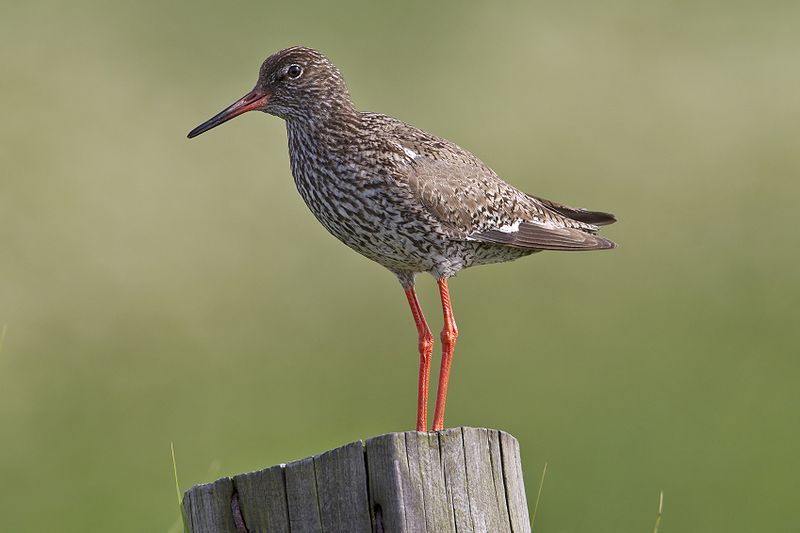
(3): (n.) A common Old World limicoline bird (Totanus calidris), having the legs and feet pale red. The spotted redshank (T. fuscus) is larger, and has orange-red legs. Called also redshanks, redleg, and clee.
If this older dictionary entry indicates this genus, then it would refer to the Redshank clan.
Or maybe the Stork would be referred to:
My personal opinion, would be that the stork is not the calidris. But my opinion does not matter, only what the Greek or Hebrew of the original languages means. In this case, I have no clue other than Do Not Eat them. Thanksgiving is next week, and there is no plan to have a stuffed Stork or one of the Redshanks or Calidis clan on the table.
Today, as Christians, we are not “forbidden” to eat any certain birds, BUT, there are some of the Lord’s Avian Wonders that shouldn’t be eaten. They could be very dangerous to our health. COMMON SENSE still makes great sense.
I trust you have found this investigation of the Wycliffe’s Version of these verses interesting and informative. It definitely had me scratching my head at times. It helped me dig into the Bible and the Bird families to try to find answers.
See the Calidris clan here: Calidris
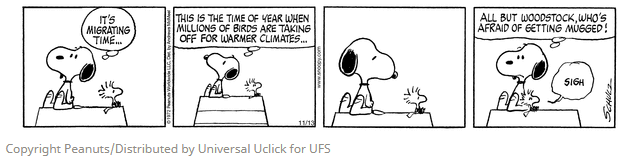
Woodstock’s Migration Fear
As most of you are aware, the northern birds in this hemisphere, prefer to head south, but there are a few exceptions.

Common Cranes in Israel. Many species of crane gather in large groups during migration and on their wintering grounds
There are many stories of how far they migrate, how many flock together to travel together, and many other amazing feats that the Lord’s Avian Wonders perform this time of the year.
But there are a few exceptions, Woodstock being one of them:
“He will bless them that fear the LORD, both small and great.” (Psalms 115:13 KJV)
I would have loved to have had my camera handy the other morning. I was walking to the breakfast table and noticed a huge black bird through my glass sliding doors. It appeared that he was swooping up and going to land on the roof corner of our patio/lanai. I mentioned to Dan that I thought I had just seen a cormorant try to land on the roof.
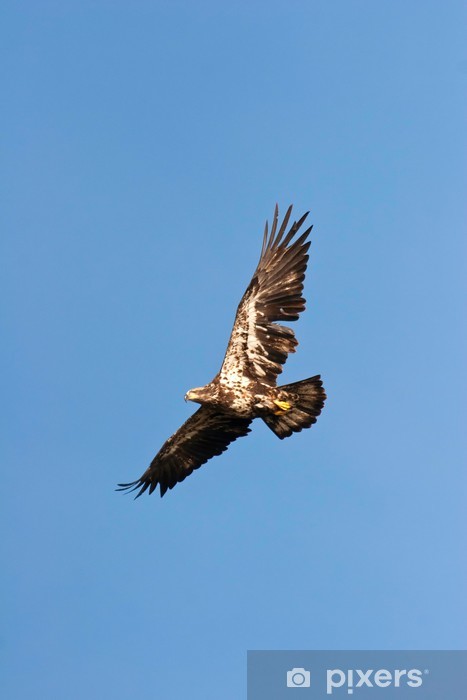
While seated for breakfast, here came the bird again. This time I realized what I was seeing. [No camera handy, of course] It was a huge, immature Bald Eagle being chased by a angry Boat-tailed Grackle. Wow! He swooped up again.
This is similar to what it looked like underneath, but, it was a whole lot closer!!
“For thus saith the LORD; Behold, he shall fly as an eagle, and shall spread his wings over Moab.” (Jeremiah 48:40 KJV)
This happened one more time and the last time he was just about 20 to 25 feet from where I was seated. When he flew up the last time I had a great view of his head and then all those feathers under his wings as they were fully stretched out. Double WOW!
I came to the conclusion, that this must have been the first time it had been mobbed. [Even though it was just one bird.] Maybe he felt Mugged as Woodstock was worrying about.
P.S. Dan knee surgery was Monday and he is progressing quite well. Has pain, but it gets less each day. Thanks for the continued prayer.
Birds of the Bible – Deuteronomy 14:16-18 IV (WYC)
“16 a falcon, and a swan, and a ciconia,
17 and a dipper, a porphyrio, and a rearmouse, a cormorant,
18 and a calidris, all in their kind; also a lapwing and a bat.” Deuteronomy 14:16-18 Wycliffe Bible (WYC)
As we continue our investigation of the interesting interpretation of these three verses from Wycliffe’s Bible, we find another amazing critter. We have been looking at these verse in these recent blogs:
- Birds of the Bible – Deuteronomy 14:16-18 (WYC)
- Birds of the Bible – Deuteronomy 14:16-18 II (WYC)
- Birds of the Bible – Deuteronomy 14:16-18 III (WYC)
Normally, these verses would read something similar to this:
Deuteronomy 14:16-18 KJV
(16) The little owl, and the great owl, and the swan,
(17) And the pelican, and the gier eagle, and the cormorant,
(18) And the stork, and the heron after her kind, and the lapwing, and the bat.
Or maybe the New American Standard’s Version:
Deuteronomy 14:16-18 NASB
(16) the little owl, the great owl, the white owl,
(17) the pelican, the carrion vulture, the cormorant,
(18) the stork, and the heron in their kinds, and the hoopoe and the bat.
Notice that all three versions us the bat in verse 18, yet now we find in Wycliff’s verse 17 a rearmouse mentioned.
According to information from the internet, the rearmouse is an archaic word used for a type of bat.
The parti-coloured bat or rearmouse (Vespertilio murinus) is a species of vesper bat that lives in temperate Eurasia.
Their twittering call, similar to a bird’s call, are to be heard particularly in the autumn during the mating season. The parti-coloured bat has a body size of 4.8–6.4 centimetres (1.9–2.5 in) with a wingspan of 26–33 cm (10–13 in), and a weight of 11–24 grams (0.39–0.85 oz). Its name is derived from its fur, which has two colours. Its back (dorsal side) is red to dark-brown, with silver-white-frosted hair. The ventral side is white or grey. The ears, wings and face are black or dark brown. The wings are narrow. The ears are short, broad and roundish. The highest known age is 12 years.
The Websters 1913 addition has this about it:
Reremouse
(1):
(n.) The leather-winged bat (Vespertilio murinus).
(2):
(n.) A rearmouse.
Parti-coloured bat or Rearmouse Wikipedia
This version, Wycliffe’s Bible Version, was taken from Bible Gateways site.
The Bat has already been written about in these two articles:
Wordless Book Video
The Wordless Book by jmiketish
*
For God so loved the world, that he gave his only begotten Son, that whosoever believeth in him should not perish, but have everlasting life. (John 3:16 KJV)
But Jesus said, “Let the little children come to Me, and do not forbid them; for of such is the kingdom of heaven.” (Matthew 19:14 NKJV)
*
See the Wordless Birds
Whoa!! From My Window
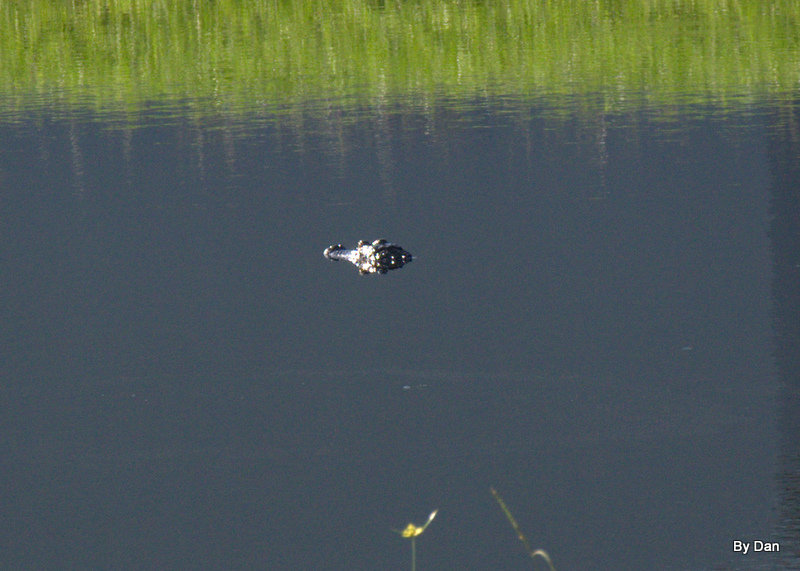
When I showed the first From My Window, you could see this is just a neighborhood with a small retention pond behind our home. Well, the latest photo, taken by Dan, came as a surprise.
While I was finishing up my breakfast, I noticed, what I thought was a crumpled up paper on the other side of the bank. I kept watching as it “floated” toward our side of the pond. As it got closer, I mentioned to Dan that it looked like two eyes. I stopped eating and walked to the door so I could watch closer.
WHOA!!
Finally, my suspicions were verified. A back popped up behind those eyes. AN ALLIGATOR!!!
Dan’s camera was handy, but he didn’t have his zoom lens on. So this is the best we could do. Here is the photo after I cropped it.
It was not a very large one, maybe four or five feet long. Just a guess. I have been watching for it since Thursday, but so far haven’t seen it again.
We have noticed all the ducks that were around the pond have disappeared. They must have flown off to one of the other ponds in the neighborhood. Playing it safe. I doubt that the gator could have eaten all of them in one day. We saw the ducks on Wednesday.
I did watch an Anhinga swimming with just his head up today. Typical for the Anhingas, but he came out after a while without getting eaten. Plus, a Great Blue Heron safely fished along the bank today. So, maybe Mr. Beedie Eyes [as I have named him] has left.
Stay Tuned!!
“For all the law is fulfilled in one word, even in this: “YOU SHALL LOVE YOUR NEIGHBOR AS YOURSELF.” But if you bite and devour one another, beware lest you be consumed by one another!” (Galatians 5:14-15 NKJV)
“Then he said to them, “The LORD had better be with you when I let you and your little ones go! Beware, for evil is ahead of you.” (Exodus 10:10 NKJV)
Wow!! Two Million And Counting!!
“Therefore I will give thanks to You among the nations, O LORD, And I will sing praises to Your name.” (Psalms 18:49 NASB)
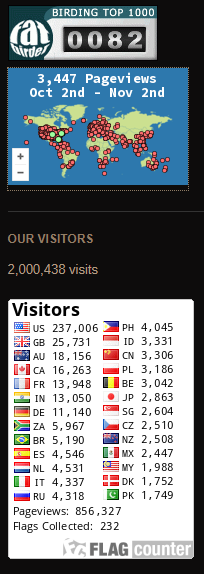
Thank You!!, Thank You!! again for all visits and views of this blog. Last night (Oct 31, 2019) sometime the counter flipped over the Two Million mark on the visitor counter on the left side of the blog.
Here’s a closer view:
On October 20th in 2013, we hit the One Million Mark. See:
Thank You – One Million And Counting!
Now, here we are just a tad over 6 years to the two million mark. Who ever thought that we would still be blogging after all these years. We have now been using WordPress for over 11 years, and the blog is almost 12 years old. It was begun in February 2008, but when it was moved to WordPress the counter was reset.
I am so thankful to the Lord for letting this blog be used to present His beautifully Created birds. Also, without you readers, it would not have been successful. Thank You for every visit, pages viewed, and the many comments. Those comments have come many times when I was thinking of quitting and giving up. But, just when I needed a little extra encouragement, along came a comment that was perfectly timed to keep me going.
After these many years, we have met so many people from around the world, and many have become personal friends. [At least I consider you personal friends.]
Also, those that write for the blog have made great contributions: James J.S. Johnson. or Dr. Jim, as I call him; Emma Foster and her Emma’s Stories, have been two of the newest writers used during this six year span. Also, Golden Eagle drops by occasionally. Our Ian Montgomery has provide numerous post from his birding adventures.
“God created the great sea monsters and every living creature that moves, with which the waters swarmed after their kind, and every winged bird after its kind; and God saw that it was good. God blessed them, saying, “Be fruitful and multiply, and fill the waters in the seas, and let birds multiply on the earth.” (Genesis 1:21-22 NASB)
Thank you, Lord, for giving us so many birds to learn and write about. Thank you, readers, for every visit to this blog. I trust that the Lord will allow me the wisdom, strength, and curiosity about the Avian Wonders from His Hand to keep writing about them.
Stay Tuned!
Tickle Me Tuesday – Owls With A Message
“My eyes are awake through the night watches, That I may meditate on Your word.” (Psalms 119:148 NKJV)
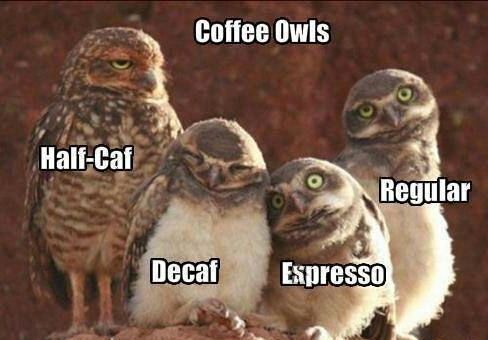
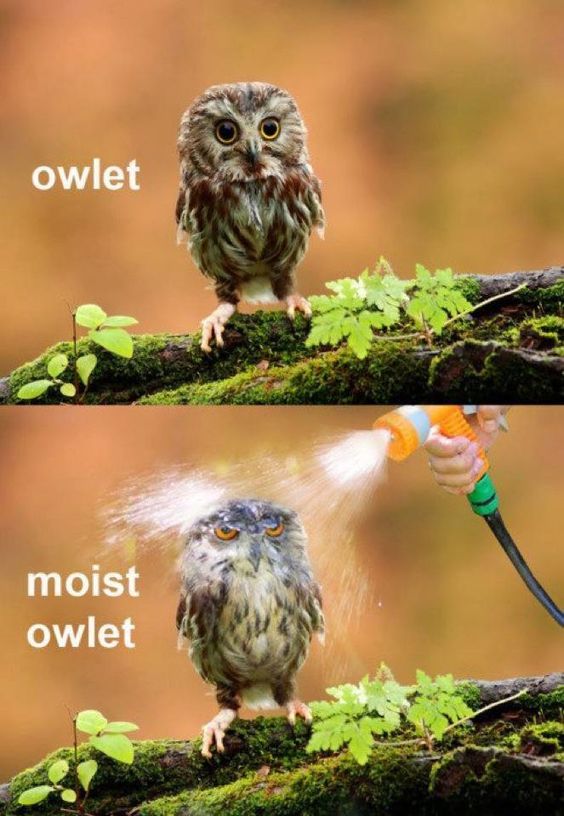
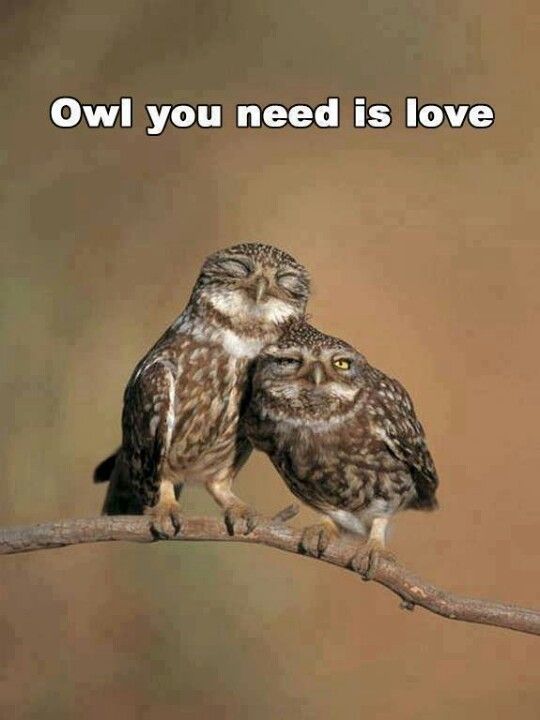
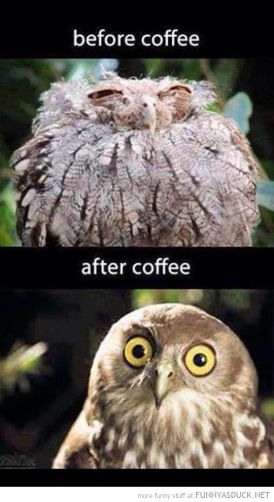
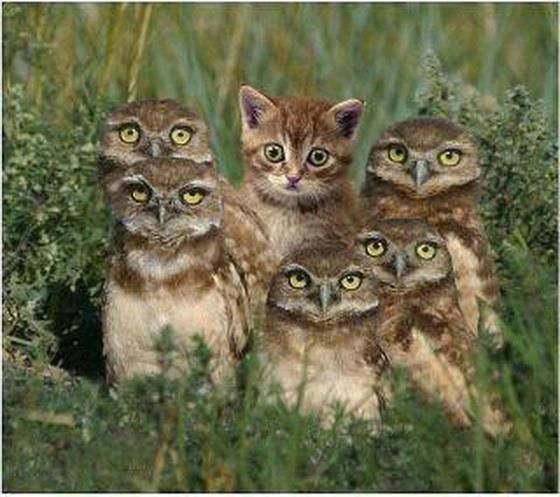
Most of us don’t need coffee to open our eyes, but some do. Owls would not need to worry about being awake during the night watches, because that is when they are most active.
Just thought you might enjoy a few “tickles” from the Owl family members.
“At the noise of the stamping hooves of his strong horses, At the rushing of his chariots, At the rumbling of his wheels, The fathers will not look back for their children, Lacking courage,” (Jeremiah 47:3 NKJV)
“But concerning brotherly love you have no need that I should write to you, for you yourselves are taught by God to love one another;” (1 Thessalonians 4:9 NKJV)
“Do not be deceived: “Bad company corrupts good morals.” (1 Corinthians 15:33 NASB)


“My eyes are awake through the night watches, That I may meditate on Your word.” (Psalms 119:148 NKJV)