Sunday Inspiration – Vangas and Friends

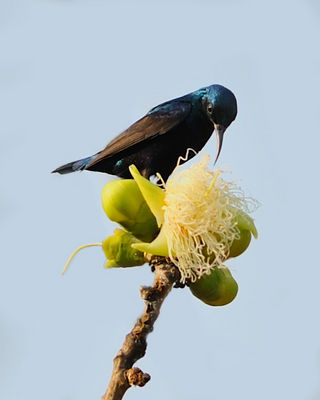
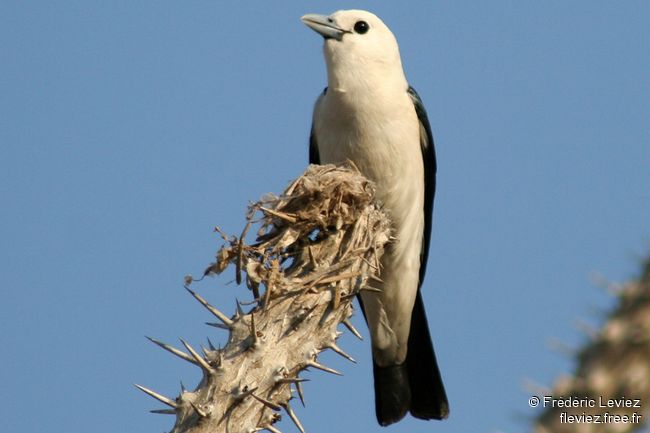
White-headed Vanga (Artamella viridis) ©WikiC

White-headed Vanga (Artamella viridis) ©WikiC

For every beast of the forest is mine, the cattle on a thousand hills. I know all the birds of the hills, and all that moves in the field is mine. (Psalms 50:10-11 ESV)

The Vangas (from vanga, Malagasy for the hook-billed vanga, Vanga curvirostris) are a group of little-known small to medium-sized passerine birds restricted to Madagascar and the Comoros. They are usually classified as the family Vangidae. There are about 21 or 22 species, depending on taxonomy. Most species are shrike-like, arboreal forest birds, feeding on reptiles, frogs and insects. Several other Madagascan birds more similar to Old World warblers, Old World babblers or Old World flycatchers are now often placed in this family. Vangas differ greatly in bill shape and have a variety of foraging methods. Their stick nests are built in trees. They do not migrate.

Mounted Bornean Bristlehead (Pityriasis gymnocephala), at the Muséum d'Histoire naturelle de Genève. ©WikiC

Mounted Bornean Bristlehead (Pityriasis gymnocephala), at the Muséum d’Histoire naturelle de Genève. ©WikiC

The Bornean Bristlehead (Pityriasis gymnocephala), also variously known as the bristled shrike, bald-headed crow or the bald-headed wood-shrike, is the only member of the passerine family Pityriaseidae and genus Pityriasis. It is an enigmatic and uncommon species of the rainforest canopy of the island of Borneo, to which it is endemic.

White-breasted Woodswallow (Artamus leucorynchus amydrus) by Lee Zoo Miami

White-breasted Woodswallow (Artamus leucorynchus amydrus) by Lee ZM

Woodswallows are soft-plumaged, somber-coloured passerine birds. There are 24 a single genus, Artamus, The woodswallows are either treated as a subfamily, Artaminae in an expanded family Artamidae, which includes the butcherbirds and Australian Magpie, or as the only genus in that family. The generic name, which in turn gives rise to the family name, is derived from the Ancient Greek artamos, meaning butcher or murder. The name was given due to their perceived similarity to shrikes, indeed a former common name for the group was “swallow-starlings”

Woodswallows are smooth, agile flyers with moderately large, semi-triangular wings. They are among the very few passerines birds that soar, and can often be seen feeding just above the treetops. One sedentary species aside, they are nomads, following the best conditions for flying insects, and often roosting in large flocks.
Although woodswallows have a brush-tipped tongue they seldom use it for gathering nectar.

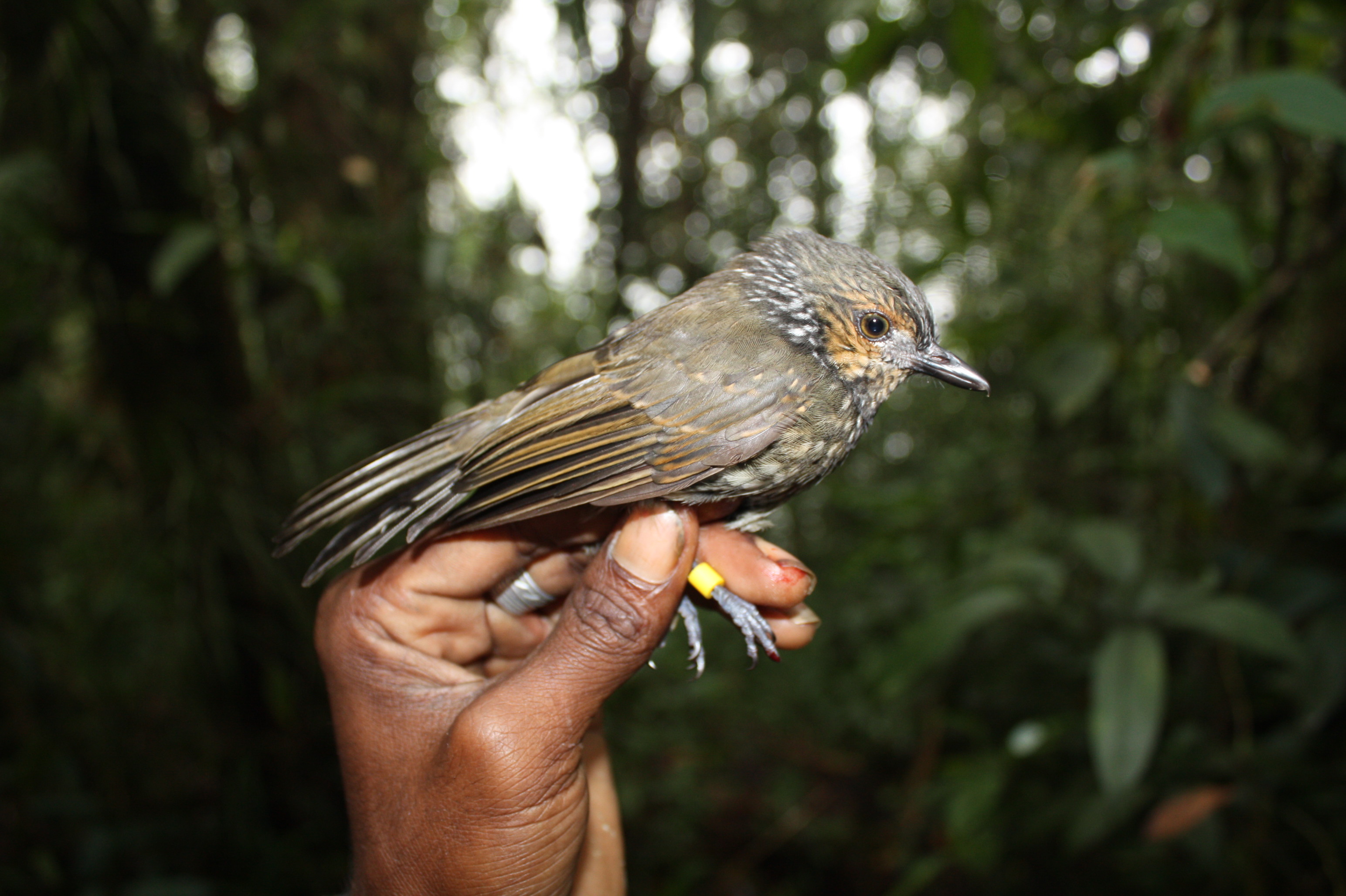
Mottled Whistler (Rhagologus leucostigma) ©©Katerina Tvardikova

Mottled Whistler (Rhagologus leucostigma) ©©Katerina Tvardikova

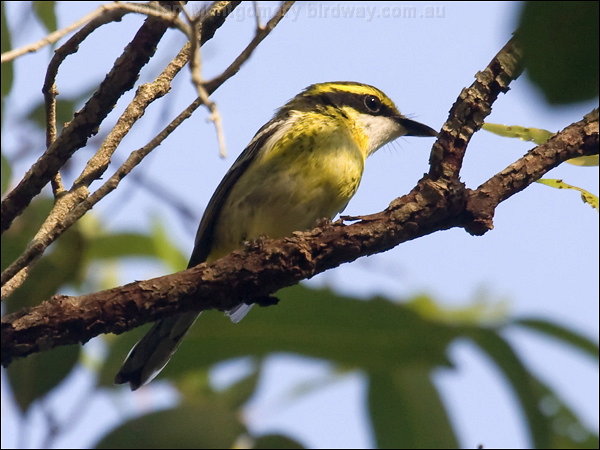
The Mottled Whistler (Rhagologus leucostigma) is a species of bird whose relationships are unclear but most likely related to the woodswallows, boatbills and butcherbirds. It is monotypic within the genus Rhagologus and family Rhagologidae. It is found in Indonesia and Papua New Guinea, where its natural habitat is subtropical or tropical moist montane forests

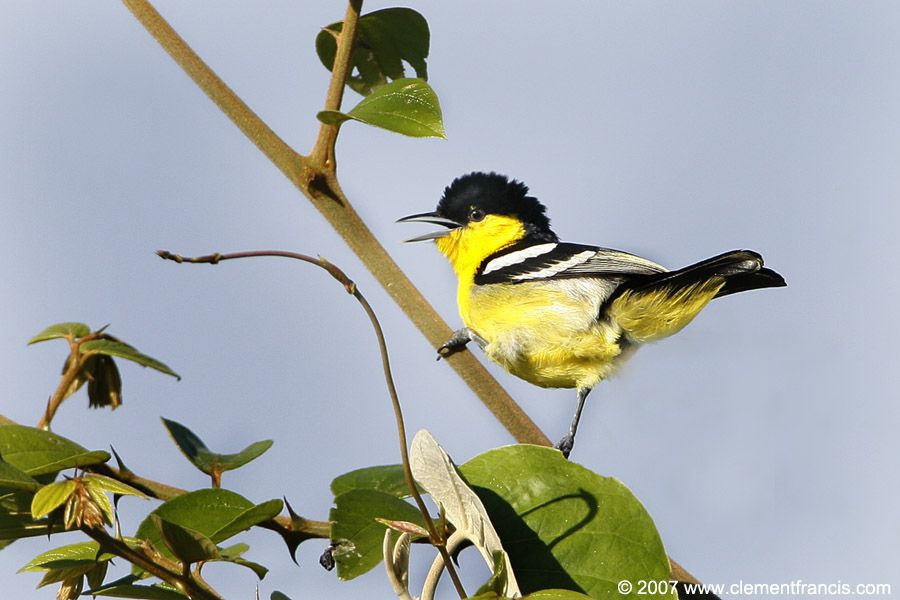
Common Iora (Aegithina tiphia) by Clement Francis

Common Iora (Aegithina tiphia) by Clement Francis

The Ioras (Aegithinidae) are a small family of four passerine bird species found in India and southeast Asia. The Ioras are small to medium small sized passerines, ranging from 11.5 to 15.5 cm (4.5–6.1 in) in length. Overall the males are larger than the females. These are reminiscent of the bulbuls, but whereas that group tends to be drab in colouration, the ioras are more brightly colored. The group exhibits sexual dimorphism in its plumage, with the males being brightly plumaged in yellows and greens. Unlike the leafbirds, ioras have thin legs, and their bills are proportionately longer. Calls are strident whistles; songs are musical to human ears.

This slideshow requires JavaScript.

Jesus said unto him, If thou canst believe, all things are possible to him that believeth. (Mark 9:23 KJV)

Then said Jesus unto the twelve, Will ye also go away? Then Simon Peter answered him, Lord, to whom shall we go? thou hast the words of eternal life. And we believe and are sure that thou art that Christ, the Son of the living God. (John 6:67-69 KJV)

Listen to the Hyssongs as you watch these five different families the Lord has created for us to enjoy.

“I Still Believe” – ©The Hyssongs

Sunday Inspirations

Birds of the World

*

Gospel Presentation

*

Bob White and Carol the Meadow Lark – Chapter 14

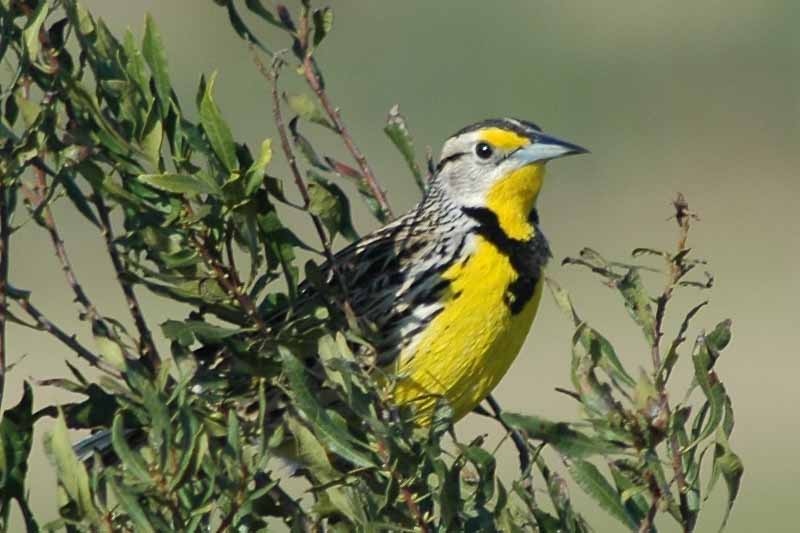
Eastern Meadowlark (Sturnella magna) by Bob-Nan

Eastern Meadowlark (Sturnella magna) by Bob-Nan

Bob White and Carol the Meadow Lark

The So-called Quail and the Meadow Lark.

The Burgess Bird Book For Children

*

Listen to the story read.

CHAPTER 14. Bob White and Carol the Meadow Lark.

“Bob—Bob White! Bob—Bob White! Bob—Bob White!” clear and sweet, that call floated over to the dear Old Briar-patch until Peter could stand it no longer. He felt that he just had to go over and pay an early morning call on one of his very best friends, who at this season of the year delights in whistling his own name—Bob White.

“I suppose,” muttered Peter, “that Bob White has got a nest. I wish he would show it to me. He’s terribly secretive about it. Last year I hunted for his nest until my feet were sore, but it wasn’t the least bit of use. Then one morning I met Mrs. Bob White with fifteen babies out for a walk. How she could hide a nest with fifteen eggs in it is more than I can understand.”

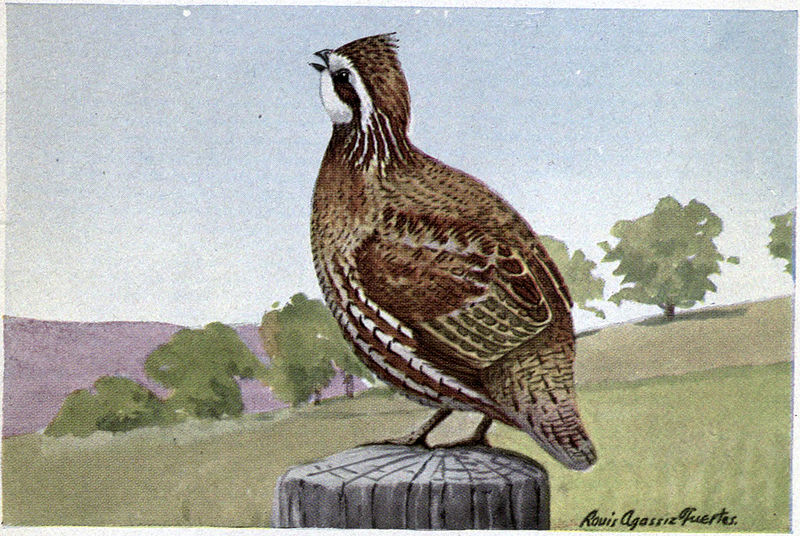
Bob White - Burgess Bird Book ©©

Bob White – Burgess Bird Book ©©

Peter left the Old Briar-patch and started off over the Green Meadows towards the Old Pasture. As he drew near the fence between the Green Meadows and the Old Pasture he saw Bob White sitting on one of the posts, whistling with all his might. On another post near him sat another bird very near the size of Welcome Robin. He also was telling all the world of his happiness. It was Carol the Meadow Lark.

Peter was so intent watching these two friends of his that he took no heed to his footsteps. Suddenly there was a whirr from almost under his very nose and he stopped short, so startled that he almost squealed right out. In a second he recognized Mrs. Meadow Lark. He watched her fly over to where Carol was singing. Her stout little wings moved swiftly for a moment or two, then she sailed on without moving them at all. Then they fluttered rapidly again until she was flying fast enough to once more sail on them outstretched. The white outer feathers of her tail showed clearly and reminded Peter of the tail of Sweetvoice the Vesper Sparrow, only of course it was ever so much bigger.

Peter sat still until Mrs. Meadow Lark had alighted on the fence near Carol. Then he prepared to hurry on, for he was anxious for a bit of gossip with these good friends of his. But just before he did this he just happened to glance down and there, almost at his very feet, he caught sight of something that made him squeal right out. It was a nest with four of the prettiest eggs Peter ever had seen. They were white with brown spots all over them. Had it not been for the eggs he never would have seen that nest, never in the world. It was made of dry, brown grass and was cunningly hidden is a little clump of dead grass which fell over it so as to almost completely hide it. But the thing that surprised Peter most was the clever way in which the approach to it was hidden. It was by means of a regular little tunnel of grass.

“Oh!” cried Peter, and his eyes sparkled with pleasure. “This must be the nest of Mrs. Meadow Lark. No wonder I have never been able to find it, when I have looked for it. It is just luck and nothing else that I have found it this time. I think it is perfectly wonderful that Mrs. Meadow Lark can hide her home in such a way. I do hope Jimmy Skunk isn’t anywhere around.”

Peter sat up straight and anxiously looked this way and that way. Jimmy Skunk was nowhere to be seen and Peter gave a little sigh of relief. Very carefully he walked around that nest and its little tunnel, then hurried over toward the fence as fast as he could go.

“It’s perfectly beautiful, Carol!” he cried, just as soon as he was near enough. “And I won’t tell a single soul!”

“I hope not. I certainly hope not,” cried Mrs. Meadow Lark in an anxious tone. “I never would have another single easy minute if I thought you would tell a living soul about my nest. Promise that you won’t, Peter. Cross your heart and promise that you won’t.”

Peter promptly crossed his heart and promised that he wouldn’t tell a single soul. Mrs. Meadow Lark seemed to feel better. Right away she flew back and Peter turned to watch her. He saw her disappear in the grass, but it wasn’t where he had found the nest. Peter waited a few minutes, thinking that he would see her rise into the air again and fly over to the nest. But he waited in vain. Then with a puzzled look on his face, he turned to look up at Carol.

Carol’s eyes twinkled. “I know what you’re thinking, Peter,” he chuckled. “You are thinking that it is funny Mrs. Meadow Lark didn’t go straight hack to our nest when she seemed so anxious about it. I would have you to know that she is too clever to do anything so foolish as that. She knows well enough that somebody might see her and so find our secret. She has walked there from the place where you saw her disappear in the grass. That is the way we always do when we go to our nest. One never can be too careful these days.”

Then Carol began to pour out his happiness once more, quite as if nothing had interrupted his song.

Western Meadowlark (Sturnella neglecta)©USFWS

Western Meadowlark (Sturnella neglecta)©USFWS

Somehow Peter never before had realized how handsome Carol the Meadow Lark was. As he faced Peter, the latter saw a beautiful yellow throat and waistcoat, with a broad black crescent on his breast. There was a yellow line above each eye. His back was of brown with black markings. His sides were whitish, with spats and streaks of black. The outer edges of his tail were white. Altogether he was really handsome, far handsomer than one would suspect, seeing him at a distance.

Having found out Carol’s secret, Peter was doubly anxious to find Bob White’s home, so he hurried over to the post where Bob was whistling with all his might. “Bob!” cried Peter. “I’ve just found Carol’s nest and I’ve promised to keep it a secret. Won’t you show me your nest, too, if I’ll promise to keep THAT a secret?”

Rob threw back his head and laughed joyously. “You ought to know, Peter, by this time,” said he, “that there are secrets never to be told to anybody. My nest is one of these. If you find it, all right; but I wouldn’t show it to my very best friend, and I guess I haven’t any better friend than you, Peter.” Then from sheer happiness he whistled, “—Bob White! Bob—Bob White!” with all his might.

Peter was disappointed and a little put out. “I guess,” said he, “I could find it if I wanted to. I guess it isn’t any better hidden than Mrs. Meadow Lark’s, and I found that. Some folks aren’t as smart as they think they are.”

Bob White, who is sometimes called Quail and sometimes called Partridge, and who is neither, chuckled heartily. “Go ahead, old Mr. Curiosity, go ahead and hunt all you please,” said he. “It’s funny to me how some folks think themselves smart when the truth is they simply have been lucky. You know well enough that you just happened to find Carol’s nest. If you happen to find mine, I won’t have a word to say.”

Bob White took a long breath, tipped his head back until his bill was pointing right up in the blue, blue sky, and with all his might whistled his name, “Bob—Bob White! Bob—Bob White!”

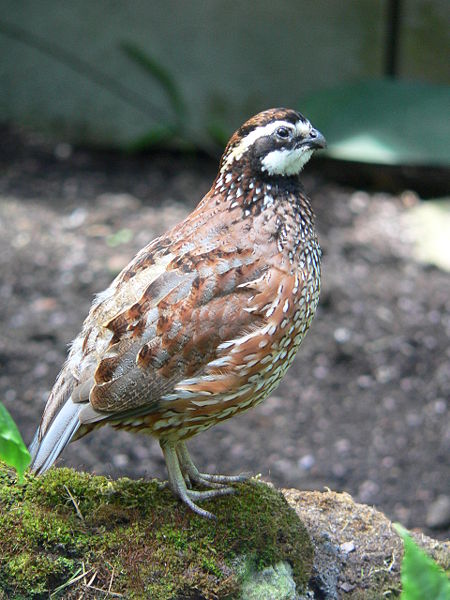
Northern Bobwhite

Northern Bobwhite

As Peter looked at him it came over him that Bob White was the plumpest bird of his acquaintance. He was so plump that his body seemed almost round. The shortness of his tail added to this effect, for Bob has a very short tail. The upper part of his coat was a handsome reddish-brown with dark streaks and light edgings. His sides and the upper part of his breast were of the same handsome reddish-brown, while underneath he was whitish with little bars of black. His throat was white, and above each eye was a broad white stripe. His white throat was bordered with black, and a band of black divided the throat from the white line above each eye. The top of his head was mixed black and brown. Altogether he was a handsome little fellow in a modest way.

Suddenly Bob White stopped whistling and looked down at Peter with a twinkle in his eye. “Why don’t you go hunt for that nest, Peter?” said he.

“I’m going,” replied Peter rather shortly, for he knew that Bob knew that he hadn’t the least idea where to look. It might be somewhere on the Green Meadows or it might be in the Old Pasture; Bob hadn’t given the least hint. Peter had a feeling that the nest wasn’t far away and that it was on the Green Meadows, so he began to hunt, running aimlessly this way and that way, all the time feeling very foolish, for of course he knew that Bob White was watching him and chuckling down inside.

It was very warm down there on the Green Meadows, and Peter grew hot and tired. He decided to run up in the Old Pasture in the shade of an old bramble-tangle there. Just the other side of the fence was a path made by the cows and often used by Farmer Brown’s boy and Reddy Fox and others who visited the Old Pasture. Along this Peter scampered, lipperty-lipperty-lip, on his way to the bramble-tangle. He didn’t look either to right or left. It didn’t occur to him that there would be any use at all, for of course no one would build a nest near a path where people passed to and fro every day.

And so it was that in his happy-go-lucky way Peter scampered right past a clump of tall weeds close beside the path without the least suspicion that cleverly hidden in it was the very thing he was looking for. With laughter in her eyes, shrewd little Mrs. Bob White, with sixteen white eggs under her, watched him pass. She had chosen that very place for her nest because she knew that it was the last place anyone would expect to find it. The very fact that it seemed the most dangerous place she could have chosen made it the safest.

… and do not reveal another’s secret, (Proverbs 25:9b ESV)

Can anyone hide himself in secret places, So I shall not see him?” says the LORD; “Do I not fill heaven and earth?” says the LORD. (Jeremiah 23:24 NKJV)

Questions:

  • Which bird whistles his own name?
  • How many little ones did they have?
  • Did Peter ever find their nest?
  • Who’s nest did Peter find?
  • What did he promise not to tell?
  • Can you describe the Meadow Lark?
  • What does the Bob White look like?
  • How does the Meadow Lark fly?
  • How do the birds keep people and animals from finding their nest?
  • Do you keep others secret, or do you tell them?
  • Who knows all secrets?

Links:

*

Links:


  Next Chapter (A Swallow and One Who Isn’t)


Burgess-Bird-Book-for-Children


Burgess Bird Book For Children


Savannah Sparrow by Ray    Wordless Birds

*

FEATHERED DINOSAURS from Creation Moments

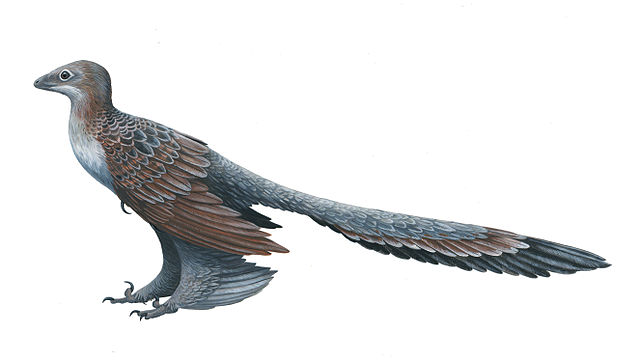
Changyuraptor yangi (aka feathered dinosaur)©WikiC

Changyuraptor yangi (aka feathered dinosaur)©WikiC

FEATHERED DINOSAURS

“As birds flying, so will the LORD of hosts defend Jerusalem; defending also he will deliver it; and passing over he will preserve it.” Isaiah 31:5

A new species of dinosaur has been found. Scientists are calling Changyuraptor yangi the biggest feathered dinosaur ever discovered. Here at Creation Moments, however, we’re calling it a feathered bird. Dinosaur-to-bird evolution is nothing more than a flight of fancy.

Changyuraptor yangi (aka feathered dinosaur) ©Stephanie Abramowicz

Changyuraptor yangi (aka feathered dinosaur) ©Stephanie Abramowicz

Naturally, USA Today, BBC News and many other news outlets are calling it a four-winged dinosaur. Changyuraptor yangi, they say, is a new species of dinosaur that offers “clues to the origin of flight – and the transition from feathered dinosaurs to birds.” Research scientists also say that “the new fossil possesses the longest known feathers for any non-avian dinosaur.”

Non-avian? No, we’re still calling them birds, and here’s why. For one thing, dinosaurs and other reptiles have scales, which are folds in their skin. Birds, on the other hand, have feathers which grow out of follicles. Scales and feathers are completely different. No known fossils, in fact, provide evidence of a transition from scales to feathers.

Furthermore, for a dinosaur to evolve into a bird, it would need to develop hollow bones, and it would need to gain powerful flight muscles and develop a new heart with four chambers rather than three.

So, too, do we need a new heart to understand the things of God. We don’t evolve our old heart into a new one. Our new heart comes to us through the work of the Holy Spirit.

Prayer:
Thank You, Father, for sending the Holy Spirit so we can have a close and enduring relationship with You! Amen.

Notes:
Scientists discover largest four-winged dinosaur to date“, USA Today, 7/15/14. “Four-winged dinosaur is ‘biggest ever‘”, BBC News Science & Environment, 7/16/14. “A new raptorial dinosaur with exceptionally long feathering provides insights into dromaeosaurid flight performance,” Nature Communications, 7/15/14. Illustration: Changyuraptor yangi. Courtesy of Stephanie Abramowicz, Dinosaur Institute, NHM. Used for educational purposes under U.S. fair use doctrine.

Used with permission from Creation Moments©2015


Lee’s Addition:

Actually, there are several verses in Scripture that mention a creature with four wings. Ezekiel 1:6&8: 10:21 and this verse in Daniel 7:6 says:

“After this I looked, and there was another, like a leopard, which had on its back four wings of a bird. The beast also had four heads, and dominion was given to it. (Daniel 7:6 NKJV)

Flying with four wings seems to be possible.

Now for some other rebuttal  articles from Christian Creation sources:

Plus

Falling Plates

Latest Visitors to Yard

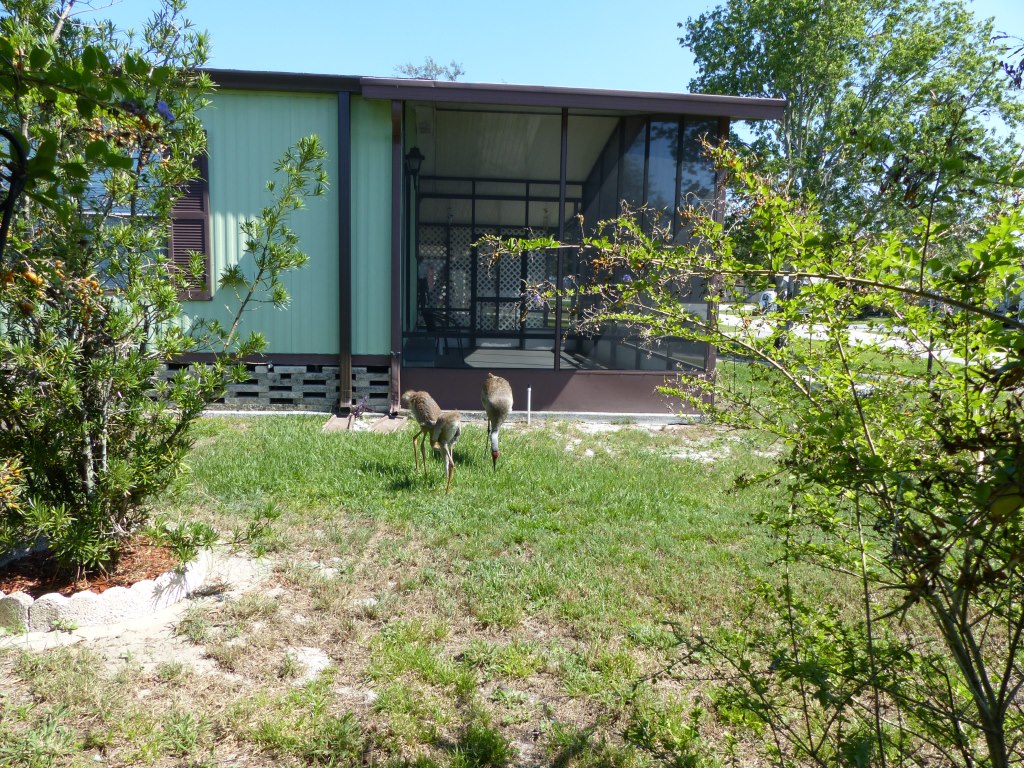
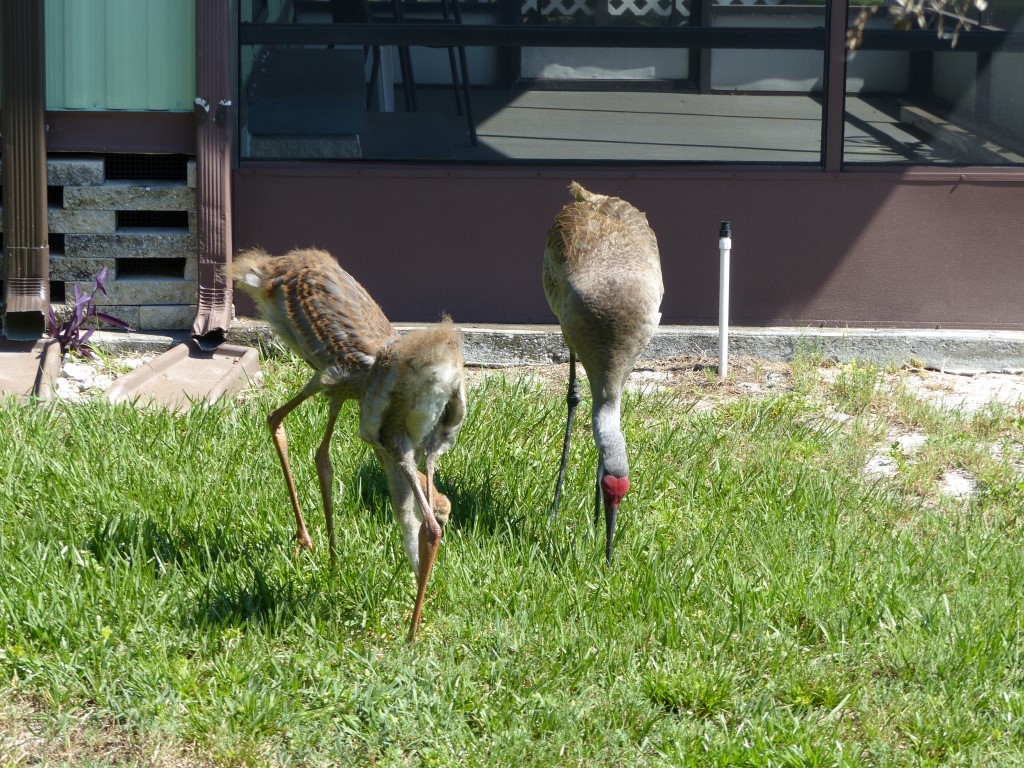
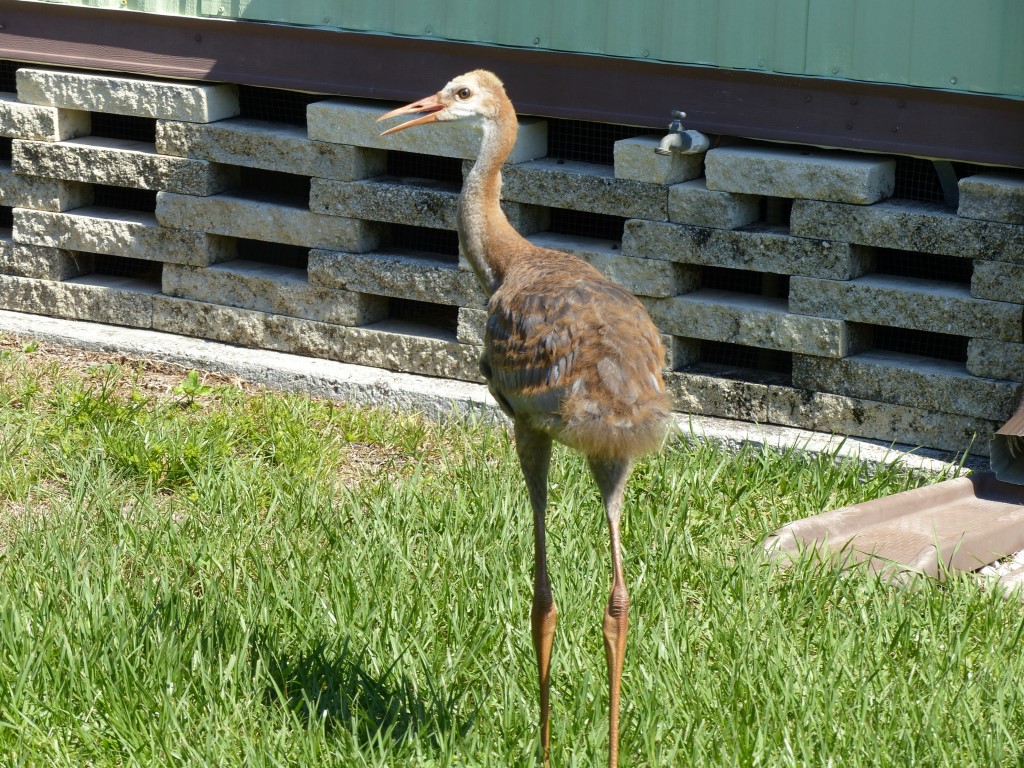
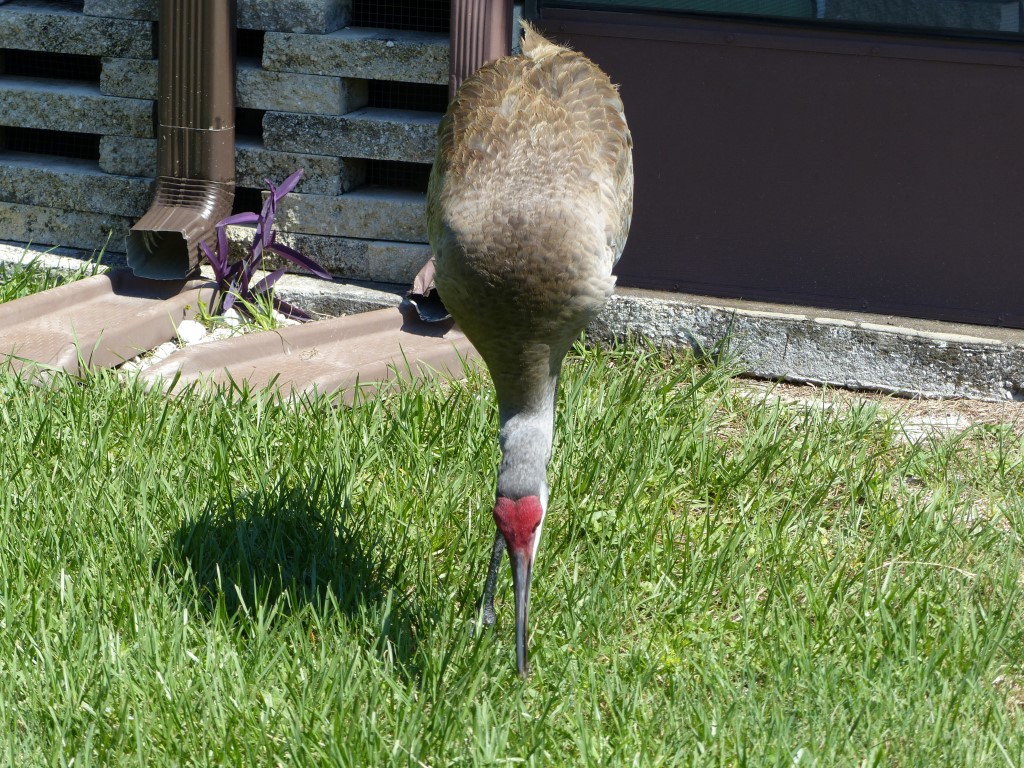
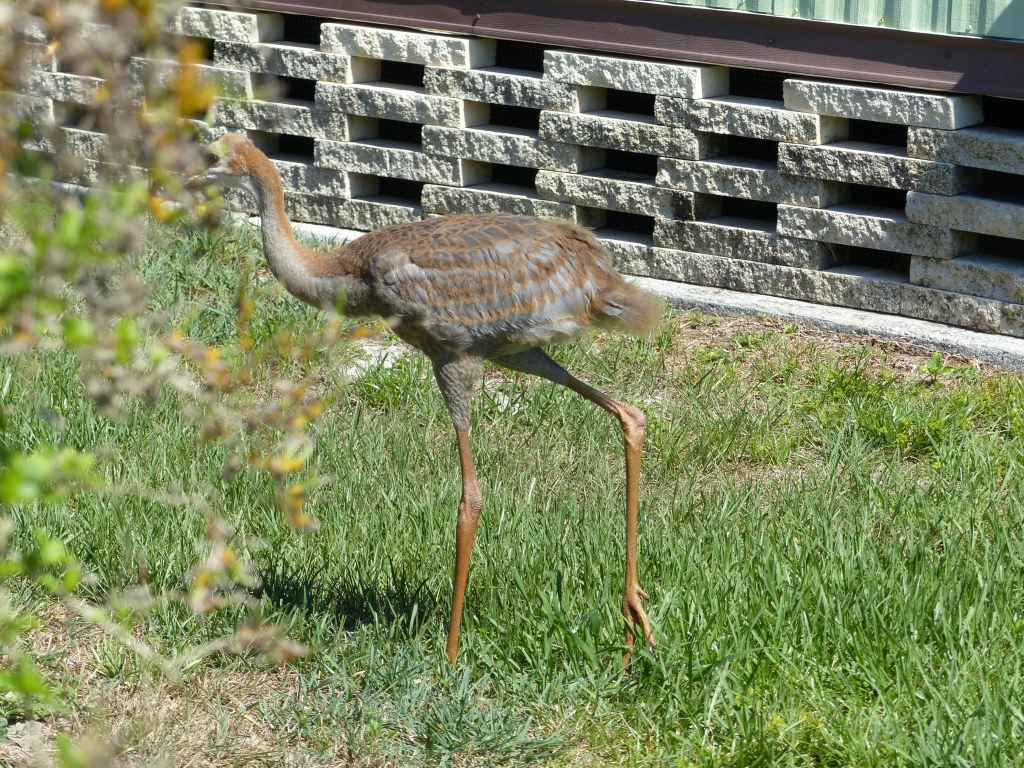
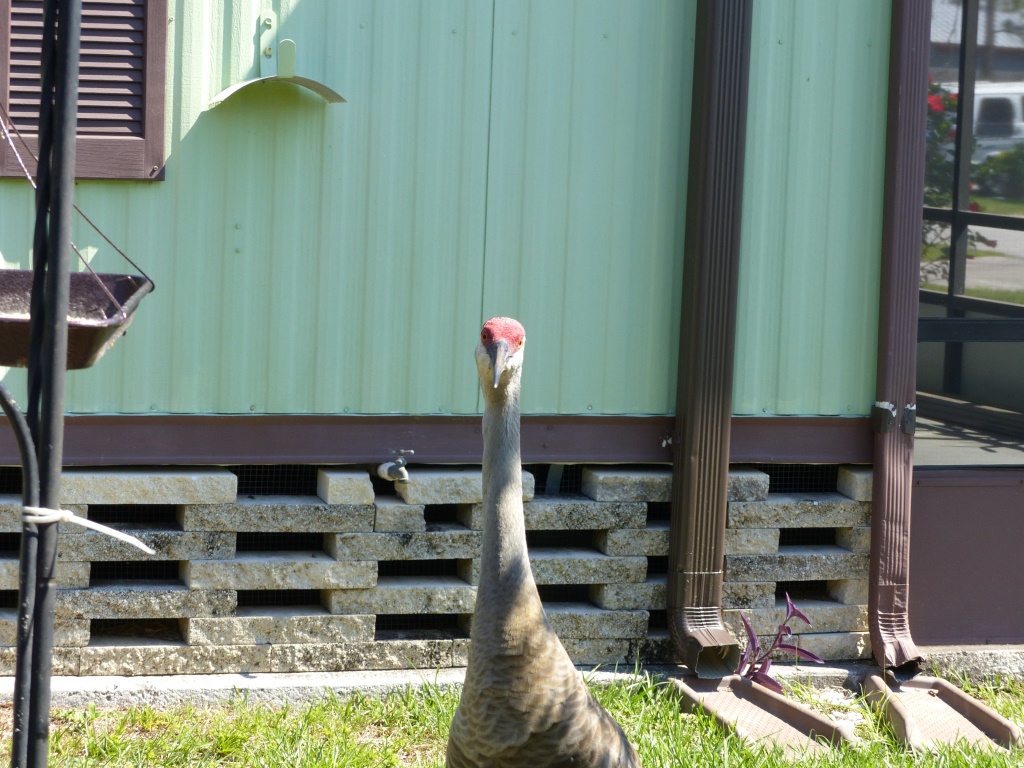
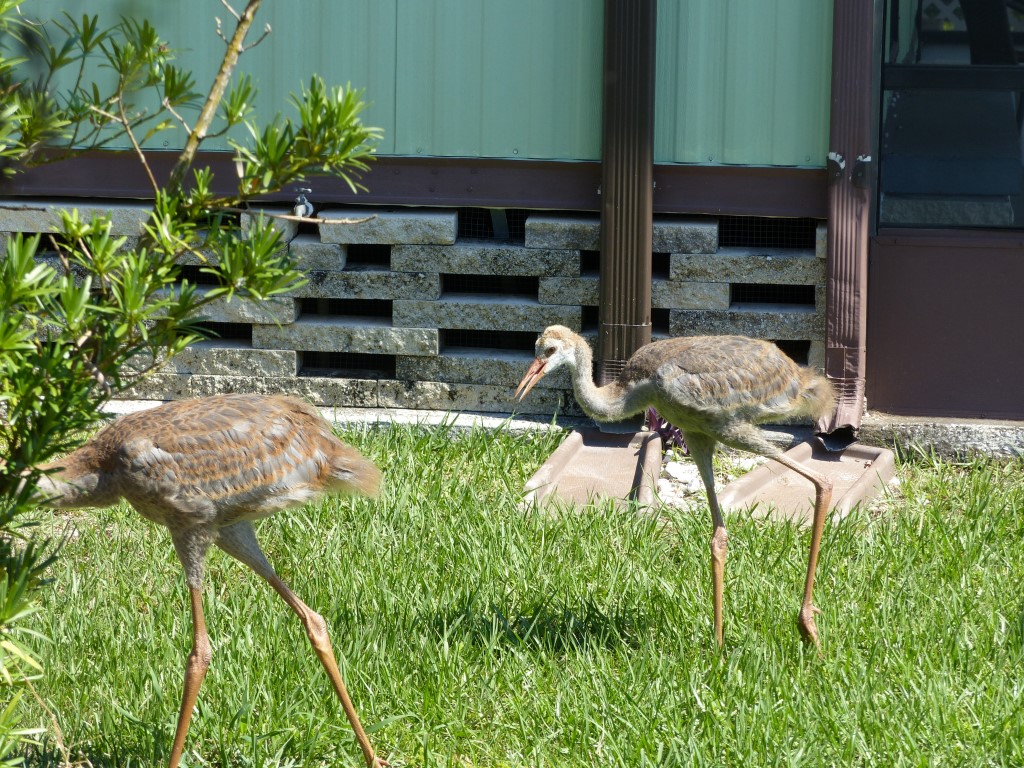
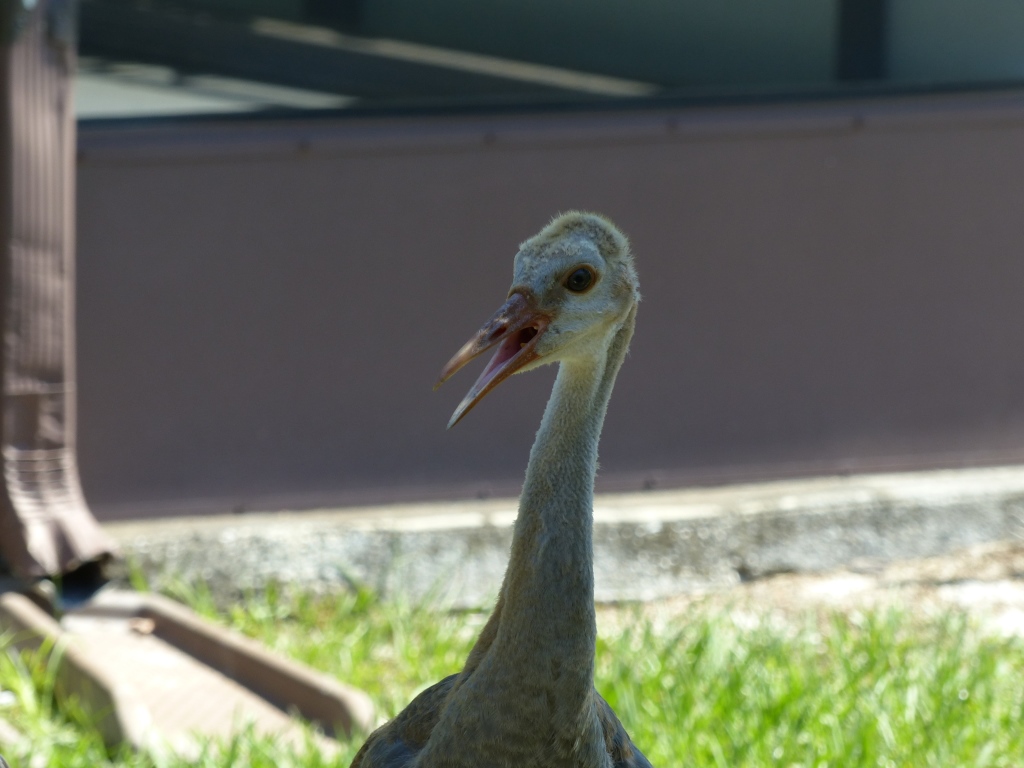
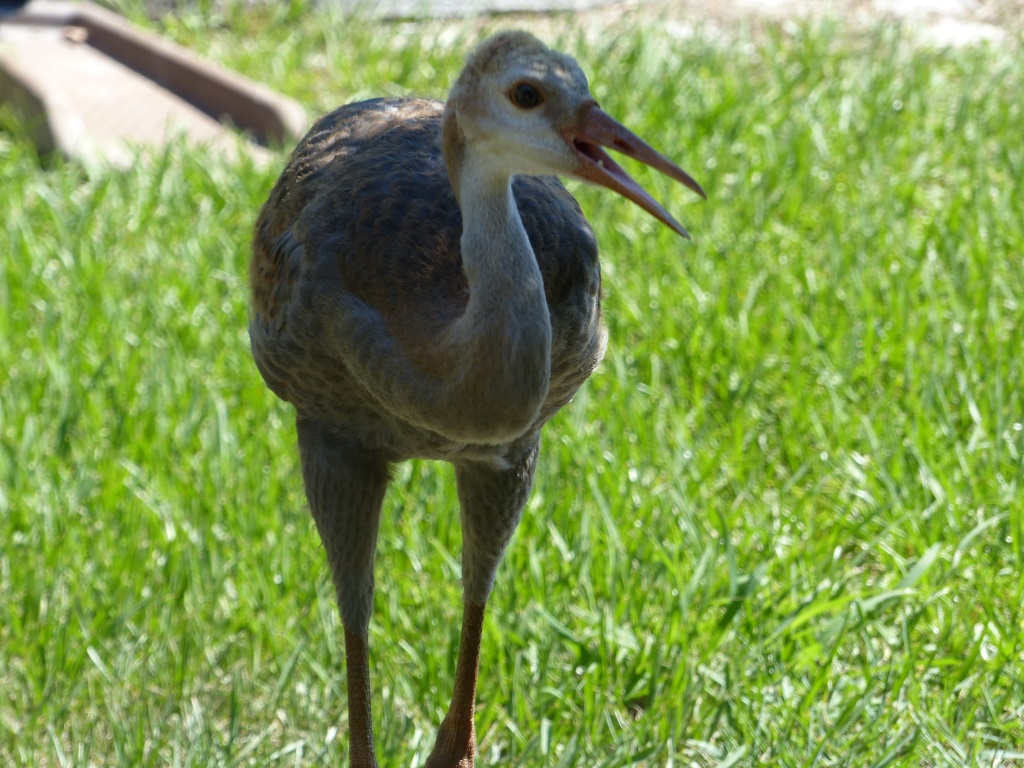
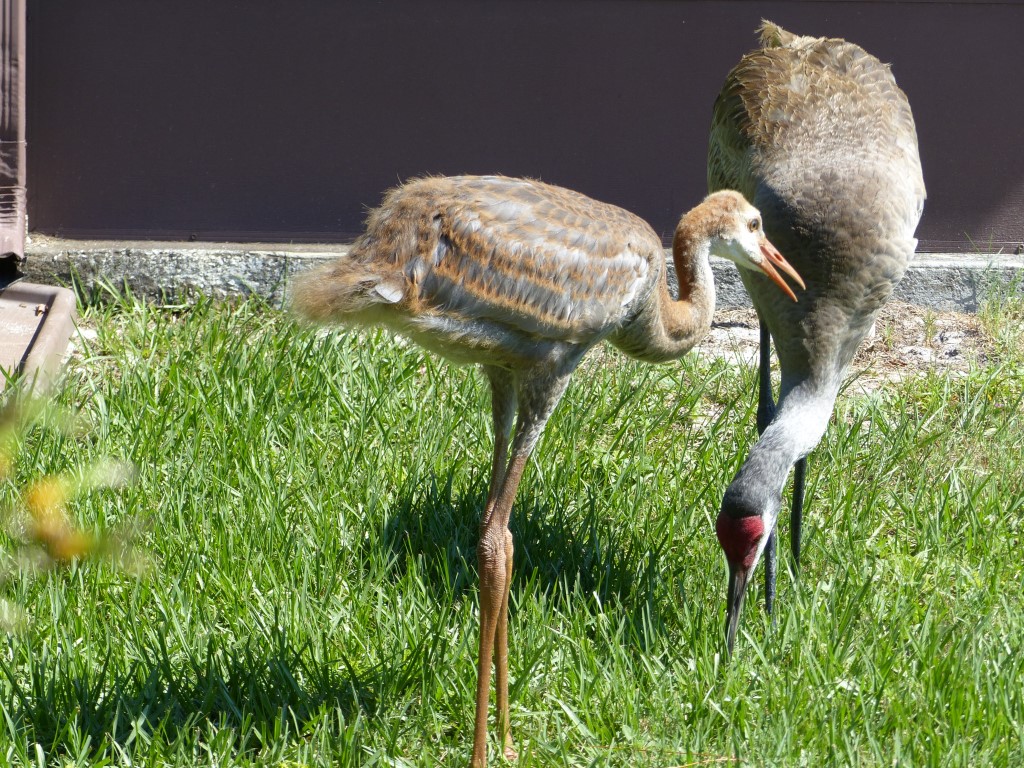
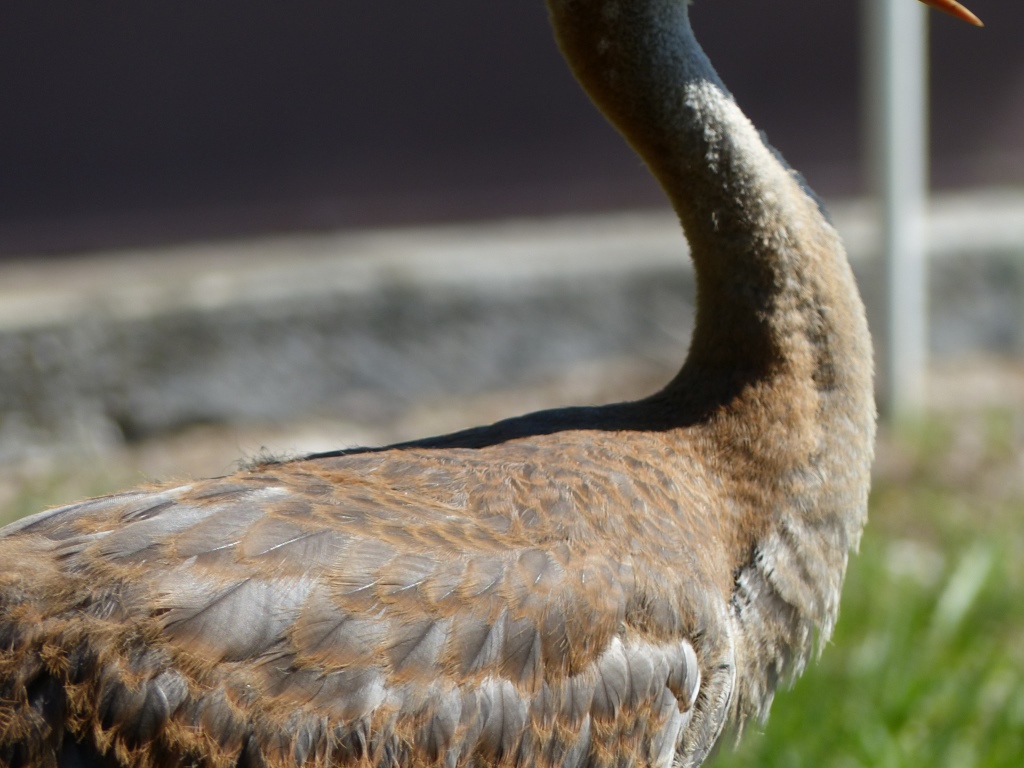
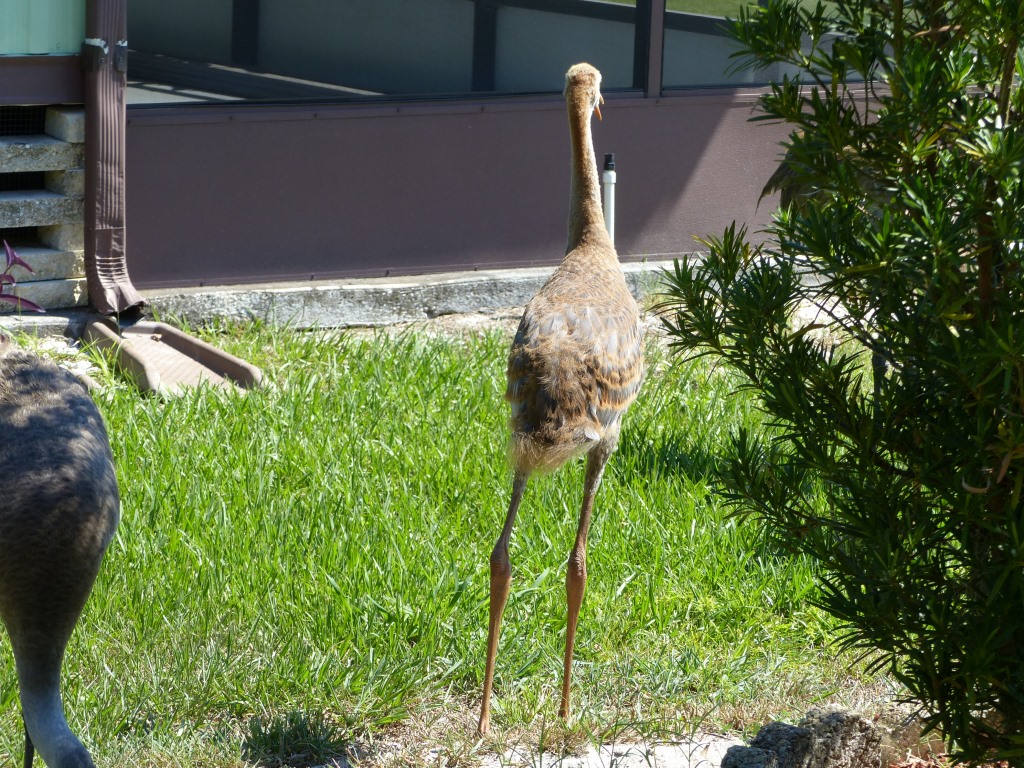
A few days ago while I was filling up my feeders, I looked up and here came Mom and Pop Sandhill Crane with their two latest youngsters. (The 2015 family) Needless to say I stopped and watched them for a while and then remembered to go get my camera. Here are some of those images. I shared a little seed with them. Not suppose to feed cranes, but even if I put seed in that hanging tray for the other birds, they have been known to eat from it. ( I felt sorry for the little ones. :) )

It looks like the little Sandhills need to grow into their knees.

Leaving

Leaving

I always enjoy when the Sandhill Crane parents bring their little ones by to check them out. When you get to watch the Lord’s created critters up close and see how really look and act is enjoyable. The Cranes are mentioned in Scripture and so they are some of our Birds of the Bible.

Like a crane or a swallow, so did I chatter: I did mourn as a dove: mine eyes fail with looking upward: O LORD, I am oppressed; undertake for me. (Isaiah 38:14 KJV)

The parents made some chatter when I got too close to the little ones, but didn’t get it on video. Here is video of them in the yard (The noise is Dan edging the driveway):

*
You can tell by how many articles that I’ve written about that the cranes, that I like them and they visit often:

*

Sunday Inspiration – Bushshrikes and Boatbills

Rosy-patched Bushshrike (Telophorus cruentus) ©WikiC

Rosy-patched Bushshrike (Telophorus cruentus) ©WikiC

And the angel of the LORD appeared unto him in a flame of fire out of the midst of a bush: and he looked, and, behold, the bush burned with fire, and the bush was not consumed. And Moses said, I will now turn aside, and see this great sight, why the bush is not burnt. (Exodus 3:2-3 KJV)

This Sunday you get to meet two more families from the Song Birds (Passerines), the Malaconotidae – Bushshrikes Family with 50 members and the Machaerirhynchidae – Boatbills Family with only 2 species.

Orange-breasted Bushshrike (Chlorophoneus sulfureopectus) ©WikiC

Orange-breasted Bushshrike (Chlorophoneus sulfureopectus) ©WikiC

The Bushshrikes are smallish passerine bird species. They were formerly classed with the true shrikes in the family Laniidae, but are now considered sufficiently distinctive to be separated from that group as the family Malaconotidae.

This is an African group of species which are found in scrub or open woodland. They are similar in habits to shrikes, hunting insects and other small prey from a perch on a bush. Although similar in build to the shrikes, these tend to be either colorful species or largely black; some species are quite secretive.

Some bushshrikes have flamboyant displays. The male puffbacks puff out the loose feathers on their rump and lower back, to look almost ball-like.
These are mainly insectivorous forest or scrub birds. Up to four eggs are laid in a cup nest in a tree.

Yellow-breasted Boatbill (Machaerirhynchus flaviventer) by Ian

Yellow-breasted Boatbill (Machaerirhynchus flaviventer) by Ian

Boatbills or the Machaerirhynchus is a genus of passerine birds with affinities to woodswallows and butcherbirds. The two species are known as boatbills. The genus is distributed across New Guinea and northern Queensland. (Info from Wikipedia)

This slideshow requires JavaScript.

Listen to a quartet sing as you watch these two beautifully created families of birds:

“We Shall See Jesus” ~ Margaret Hiebert, Pastor and Jill Osborne and Pastor Jerry Smith

Sunday Inspirations

Birds of the World

*

Gospel Message

*

The World’s Ugliest Animal – Creation Moment

Blobfish ©Simon Elgood

Blobfish ©Simon Elgood

Now here is an interesting and “ugly” fish. This was shared by Creation Moments.

For in six days the LORD made heaven and earth, the sea, and all that in them is, and rested the seventh day: wherefore the LORD blessed the sabbath day, and hallowed it. (Exodus 20:11 KJV)

Published on Apr 22, 2015

http://www.CreationMoments.com

When this fish is taken out of the water, its face almost looks like a very sad person. In 2013 it was voted the “World’s Ugliest Animal”. What is this creature that was adopted as the mascot of the Ugly Animal Preservation Society? It’s the appropriately named blobfish.
Photos of the ugly blobfish have been making the rounds on the Internet. And yet, even the blobfish has beauty when you consider that it was designed to function perfectly in its environment.

Blobfish inhabit the deep waters off the coasts of Australia, Tasmania and New Zealand. If you wanted to see one in its natural habitat, you would have to dive to a depth of between 2,000 and 3,900 feet where the pressure is several dozen times higher than at sea level. The pressure is no problem for the blobfish, though. Its jelly-like body is slightly less dense than water, allowing it to float effortlessly just above the sea floor.
Blobfish don’t have much muscle for swimming, but they don’t need it. They simply swallow edible matter that floats into their mouth. Sadly, they are an endangered species because of fishing trawlers dragging their nets on the seafloor.

Yes, the blobfish is far from attractive. But it serves as a reminder that sinful human beings are unattractive in the sight of God. And yet, while we were still sinners, God sent His Son to die for us and to exchange His righteousness for our sins, making us acceptable in God’s sight. What a Savior!
Prayer:

Father, thank You for sending Your Holy Spirit to reveal the ugliness brought about by sin. Thank You also for sending Your Son to remove my sin and make me righteous in Your sight. Amen.

*

Plus

Sunday Inspiration – Woodshrikes and Helmetshrikes

White-crested Helmetshrike (Prionops plumatus) ©WikiC

White-crested Helmetshrike (Prionops plumatus) ©WikiC

And take the helmet of salvation, and the sword of the Spirit, which is the word of God: (Ephesians 6:17 KJV)

The two families this week are the Woodshrikes from tropical Asia and the Helmetshrikes are birds of Africa. Both are from the PASSERIFORMES – Passerines Order, which are Songbirds. The Lord has given them all a song to sing. Trust you will enjoy seeing them and listening to our orchestra play about ‘Joy.”

Large woodshrike (Tephrodornis gularis) ©WikiC

Large woodshrike (Tephrodornis gularis) ©WikiC

Tephrodornithidae – Woodshrikes and allies – 8 Species – is a family of birds that includes the genera Hemipus, Tephrodornis and Philentoma. The family was proposed in 2006 on the basis of a molecular phylogenetic study by Moyle which showed a close relation between Hemipus and Tephrodornis. Some taxonomists argue for a broader treatment of the genera under the Vangidae

Chestnut-fronted Helmetshrike (Prionops scopifrons) ©WikiC

Chestnut-fronted Helmetshrike (Prionops scopifrons) ©WikiC

Prionopidae – Helmetshrikes – 8 Species –This is an African and south Asian group of species which are found in scrub or open woodland. They are similar in feeding habits to shrikes, hunting insects and other small prey from a perch on a bush or tree. Although similar in build to the shrikes, these tend to be colourful species with the distinctive crests or other head ornaments, such as wattles, from which they get their name.

Helmetshrikes are noisy and sociable birds, some of which breed in loose colonies. They lay 2-4 eggs in neat, well-hidden nests.

This slideshow requires JavaScript.

But let us who are of the day be sober, putting on the breastplate of faith and love, and as a helmet the hope of salvation. For God did not appoint us to wrath, but to obtain salvation through our Lord Jesus Christ, (1 Thessalonians 5:8-9 NKJV)

But the fruit of the Spirit is love, joy, peace, longsuffering, gentleness, goodness, faith, (Galatians 5:22 KJV)

Make me to hear joy and gladness; that the bones which thou hast broken may rejoice. (Psalms 51:8 KJV)

Listen to the Faith Baptist Orchestra play as you watch these two beautifully created families of birds:

” I’ve Got Joy” ~ by the Faith Baptist Orchestra

Sunday Inspirations

Birds of the World

Tephrodornithidae – Wikipedia

Tephrodornithidae – Le quide ornitho

Helmetshrike – Wikipedia

Helmetshrikes – Bird Families of the World

Wordless Birds

*

I.O.C. Version 5.2 Updated

Ashy Gerygone (Gerygone cinerea) ©PNG Katerina Tvardikova

Grey Thornbill (Acanthiza cinerea) – (was the Ashy Gerygone) ©PNG Katerina Tvardikova

For the last few days I have been updating to the new I.O.C. Version 5.2. This update wasn’t too bad.

“The IOC World Bird List 5.2 contains 10,567 extant species (and 149 extinct species)  classified in 40 Orders,  238 Families (plus 2 Incertae Sedis) and 2277 Genera.  The list also includes 20,803 subspecies.” I don’t list the subspecies here.

Version 5.2 added 10 species:

And Deleted 3 species:

  • Forsten’s Megapode (Megapodius forsteni)
  • Central Nicobar Serpent Eagle (Spilornis [cheela] minimus)
  • Northern Parrotbill (Paradoxornis polivanovi)

They changed the name of 8 species:

Bluebonnet (Northiella haematogaster) to Eastern Bluebonnet
Swan River Honeyeater (Melithreptus chloropsis) to Gilbert’s Honeyeater
Wattled Honeyeater (Foulehaio carunculatus) to Greater Wattled Honeyeater
Giant Honeyeater (Gymnomyza viridis) to Yellow-billed Honeyeater
Ashy Gerygone (Acanthiza [Gerygone] cinerea) to Grey Thornbill
Chestnut-backed Quail-thrush (Cinclosoma castanotum) to Chestnut Quail-thrush
Mottled Whistler (Rhagologus leucostigma) to Mottled Berryhunter
Blue Seedeater (Amaurospiza concolor) to Cabanis’s Seedeater

They changed 2 scientific names:

  • Ashy Gerygone – Gerygone cinerea to Acanthiza cinerea (then changed the name to Grey Thornbill – see above)
  • Yellow-bellied Fantail – Chelidorhynx hypoxantha to Chelidorhynx hypoxanthus

As far as I know, all Family pages and all the Indexes have been changed. The Update is so new that photos are difficult to locate at this time. Many of the “new species” are subspecies raised to specie level. I am sure the Lord knows all about how many birds He Created and where they all are.

My son, fear thou the LORD and the king: and meddle not with them that are given to change: (Proverbs 24:21 KJV)

For I am the LORD, I change not; (Malachi 3:6a KJV)

Jesus Christ the same yesterday, and to day, and for ever. (Hebrews 13:8 KJV)

Birds of the World

*

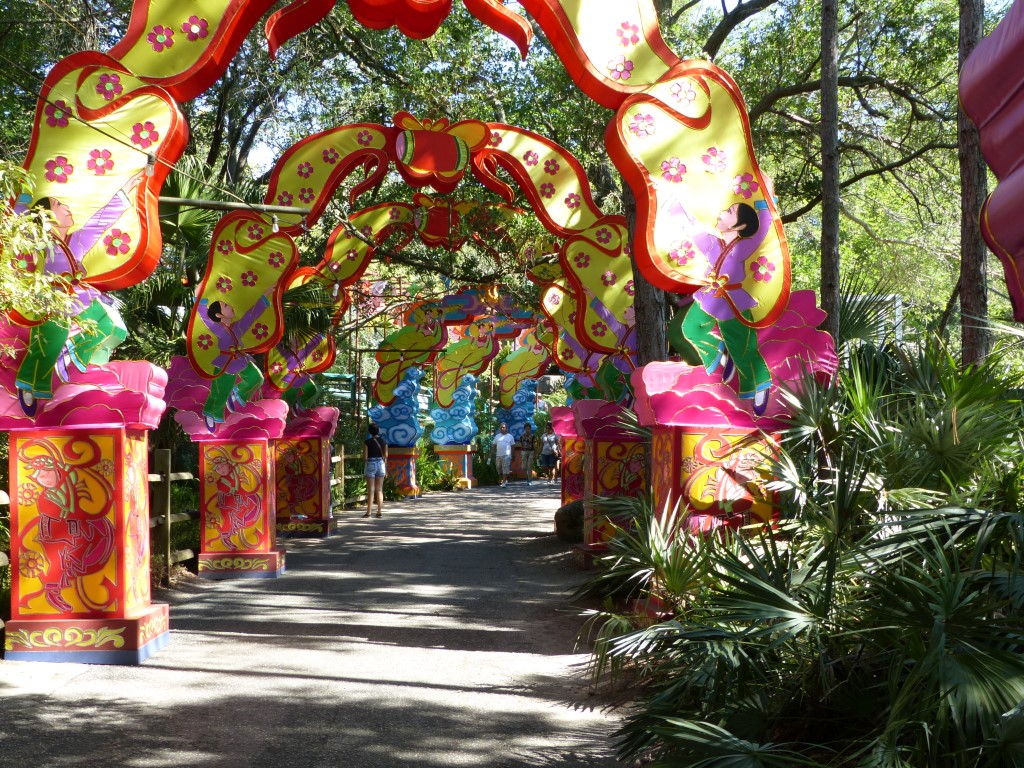
Zoominations at Lowry Park Zoo

Pandas - ZooMinations at Lowry Park Zoo

Pandas – ZooMinations at Lowry Park Zoo

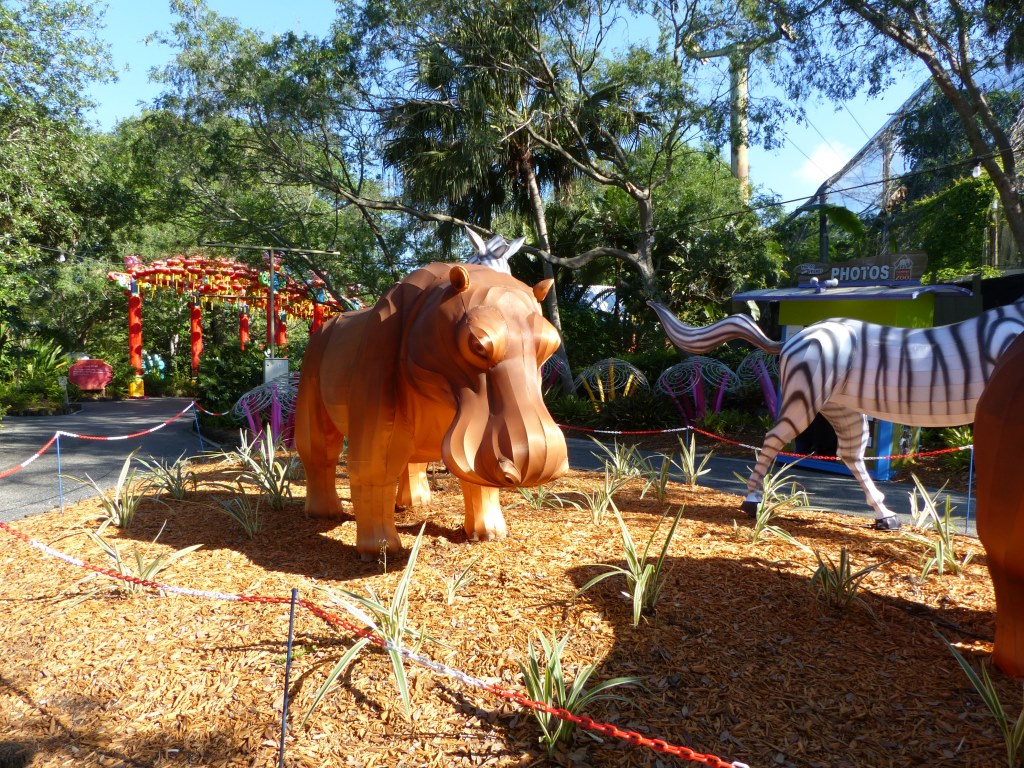
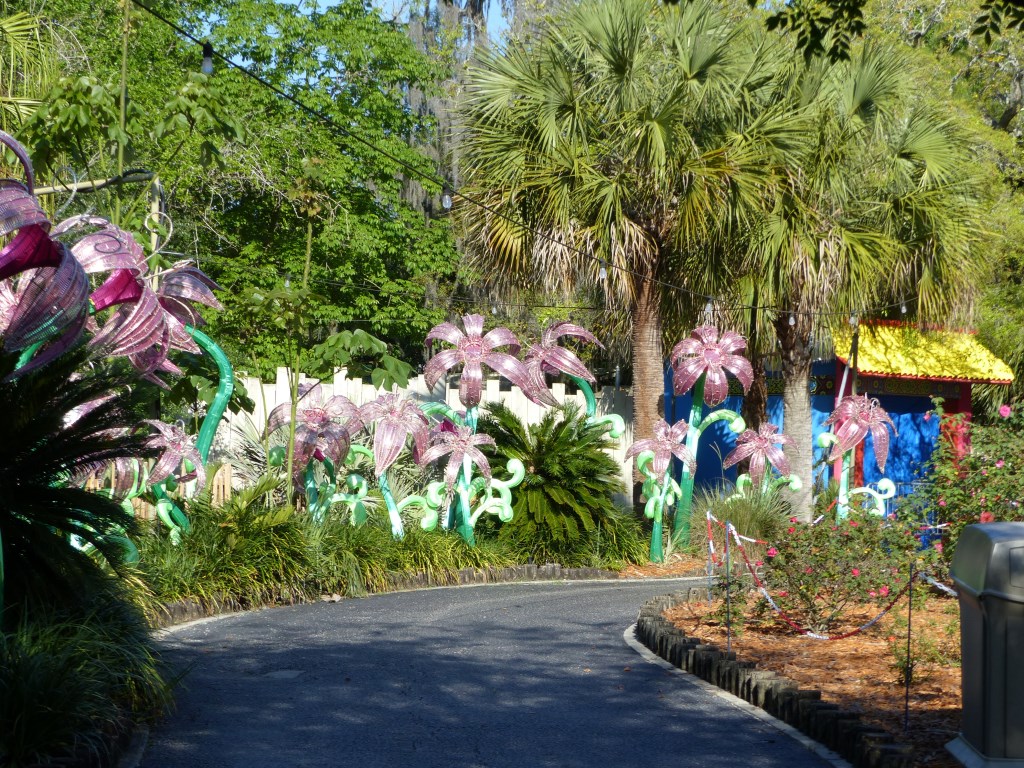
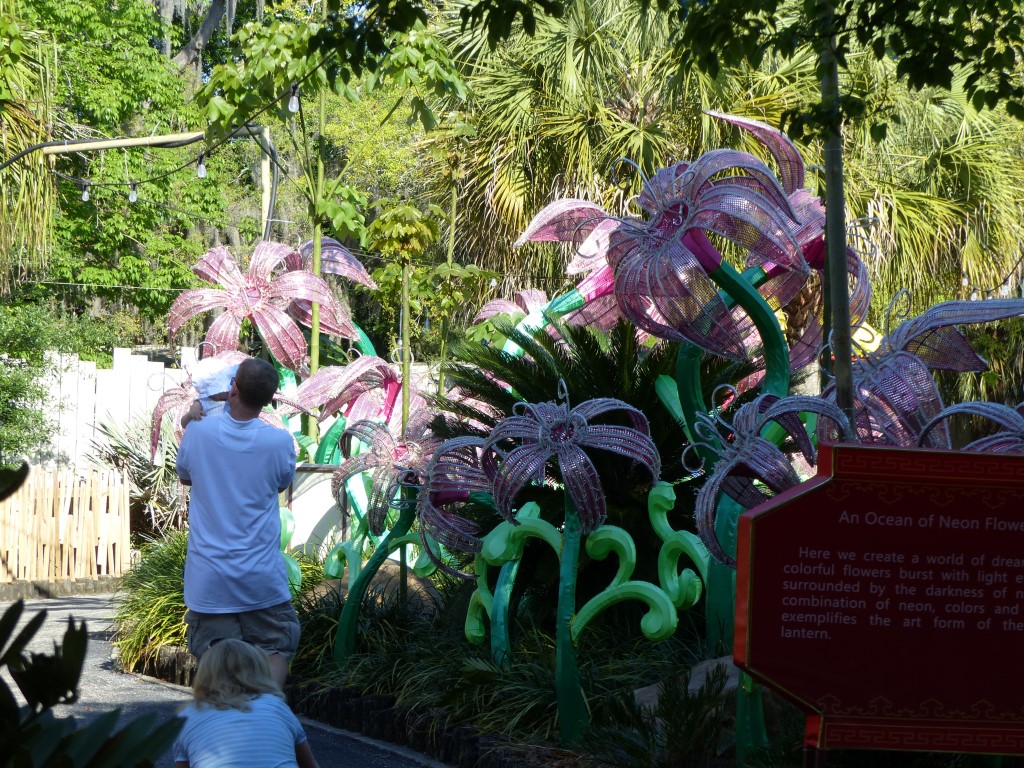
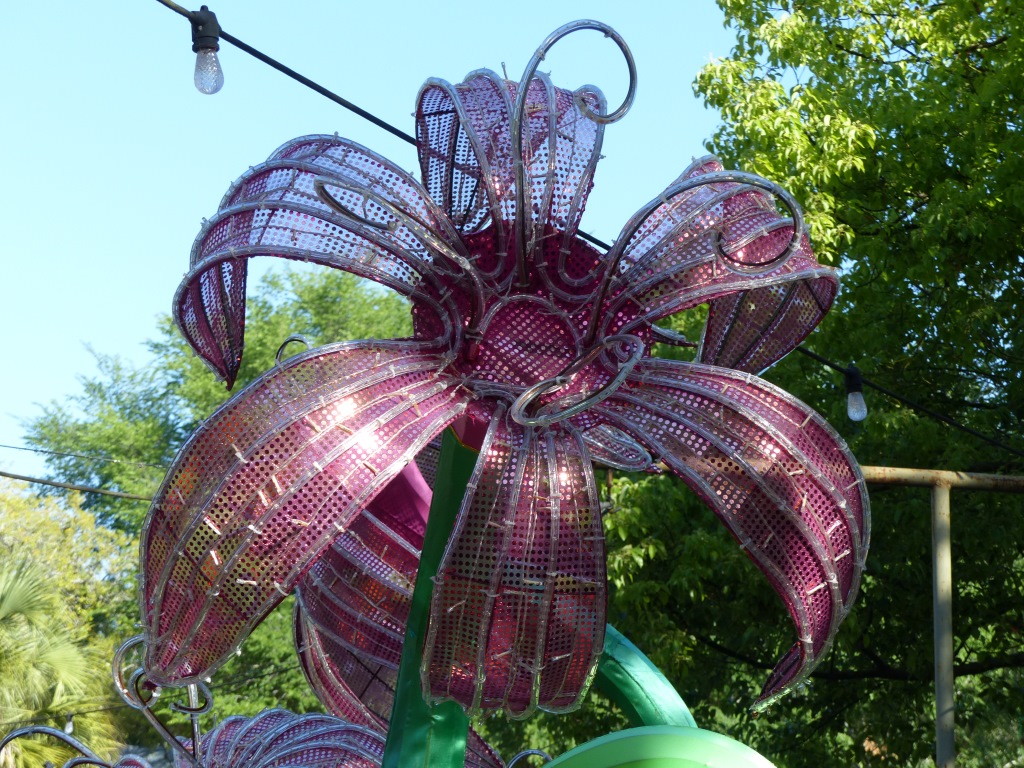
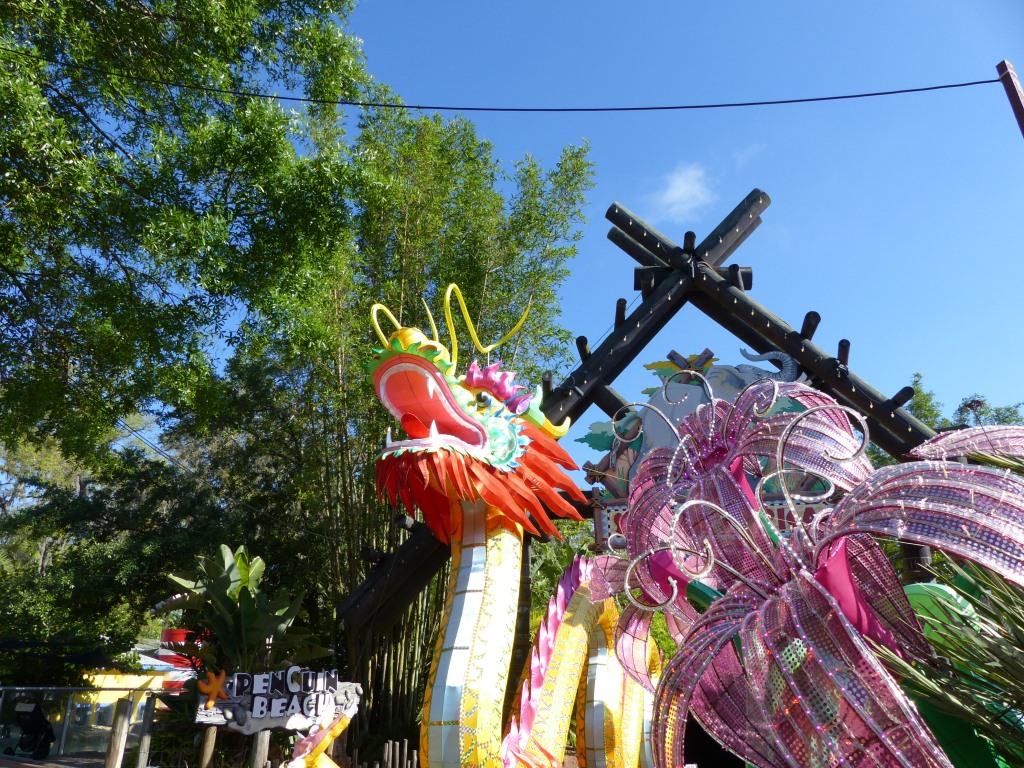
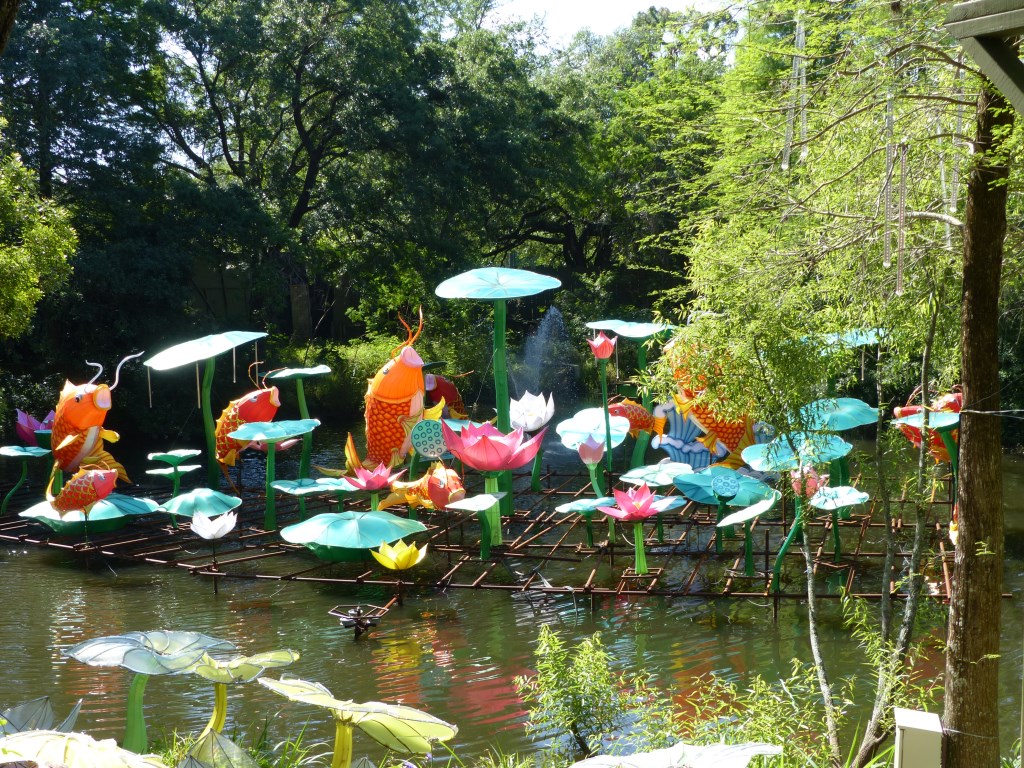
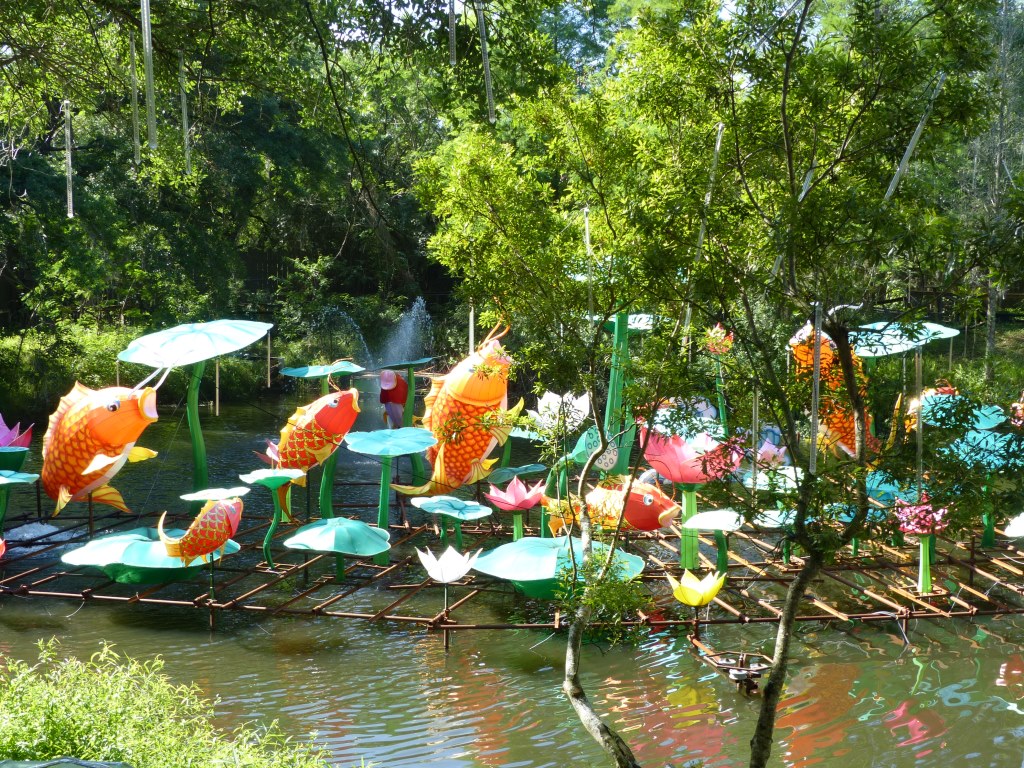
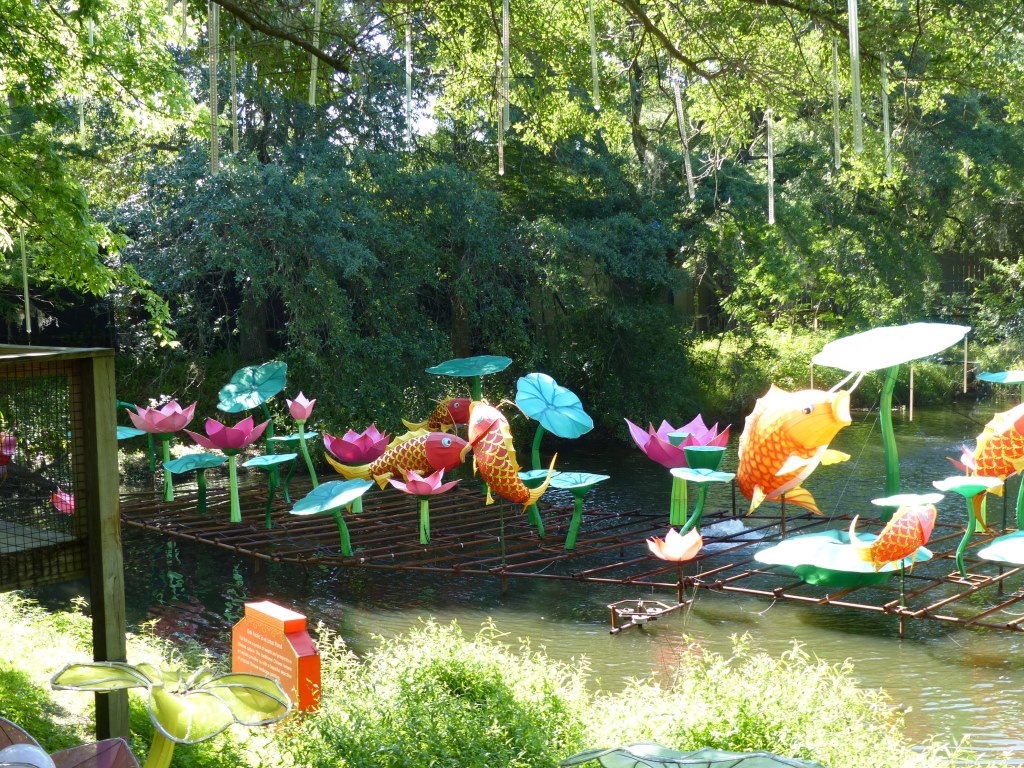
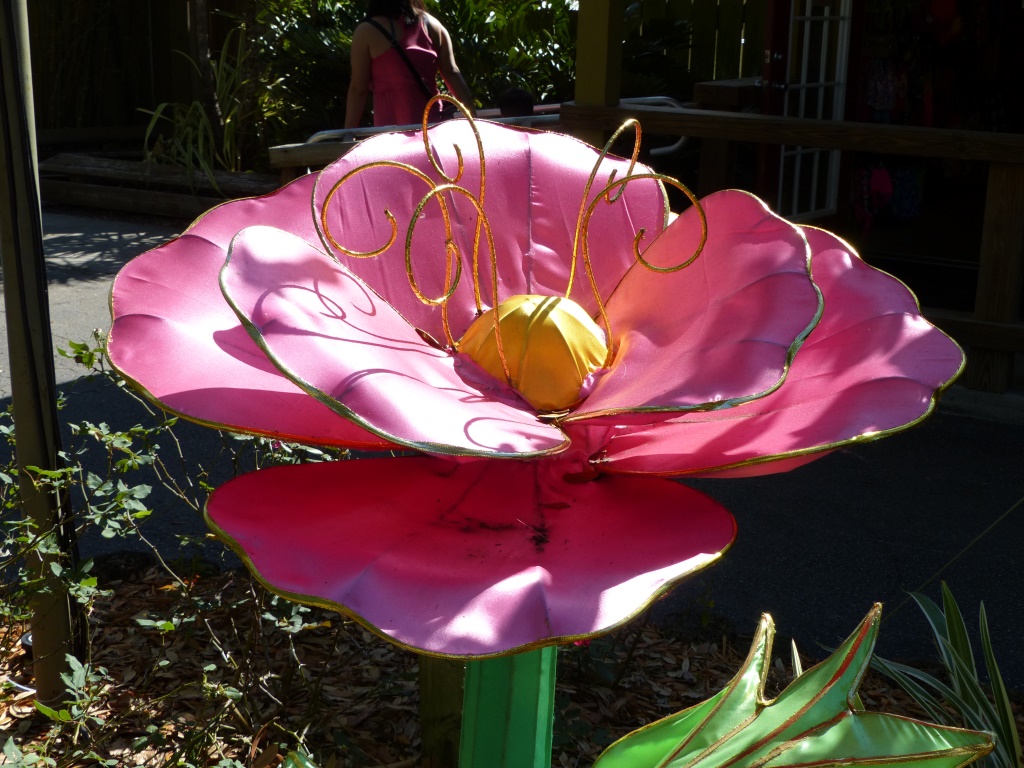
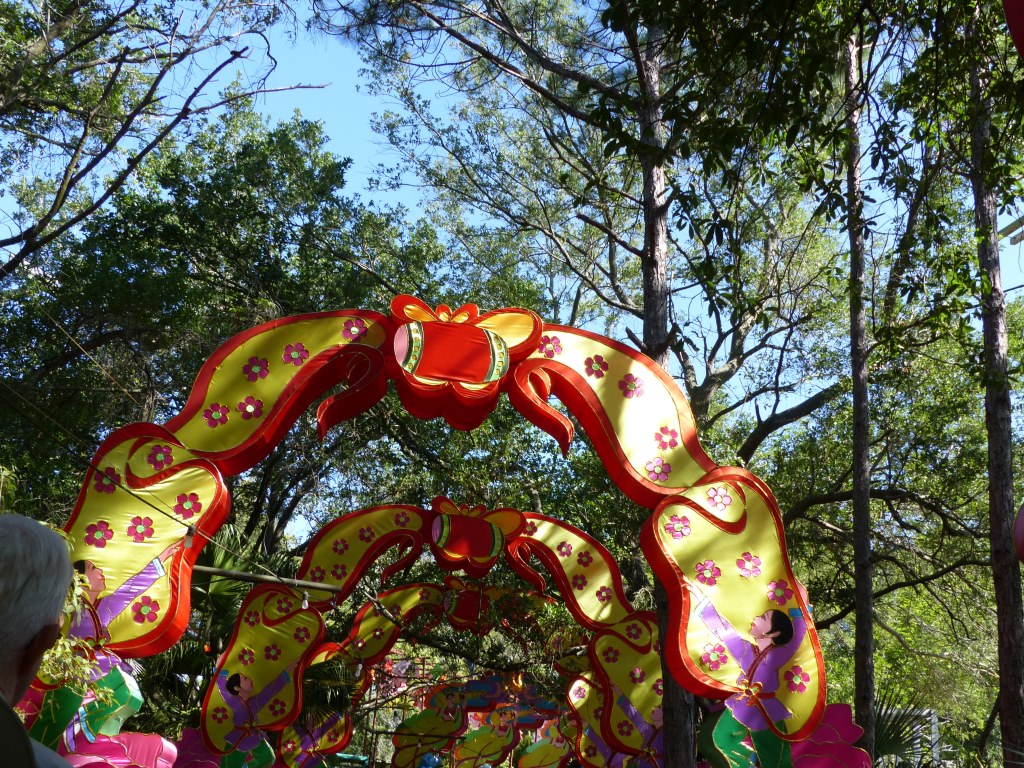
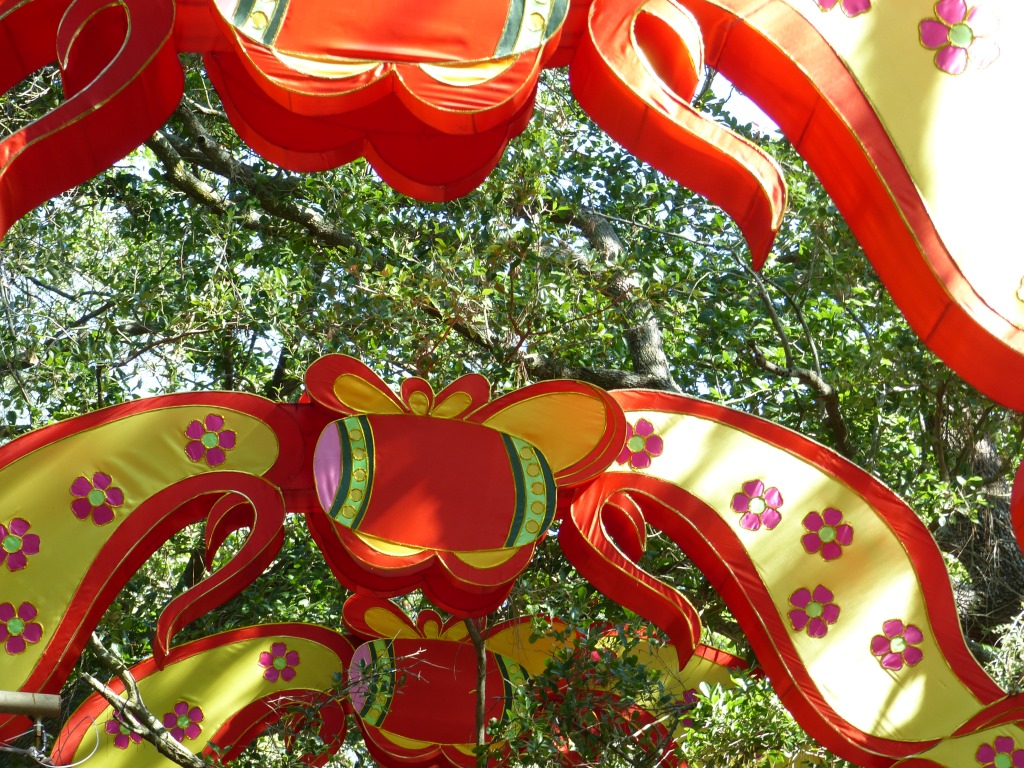
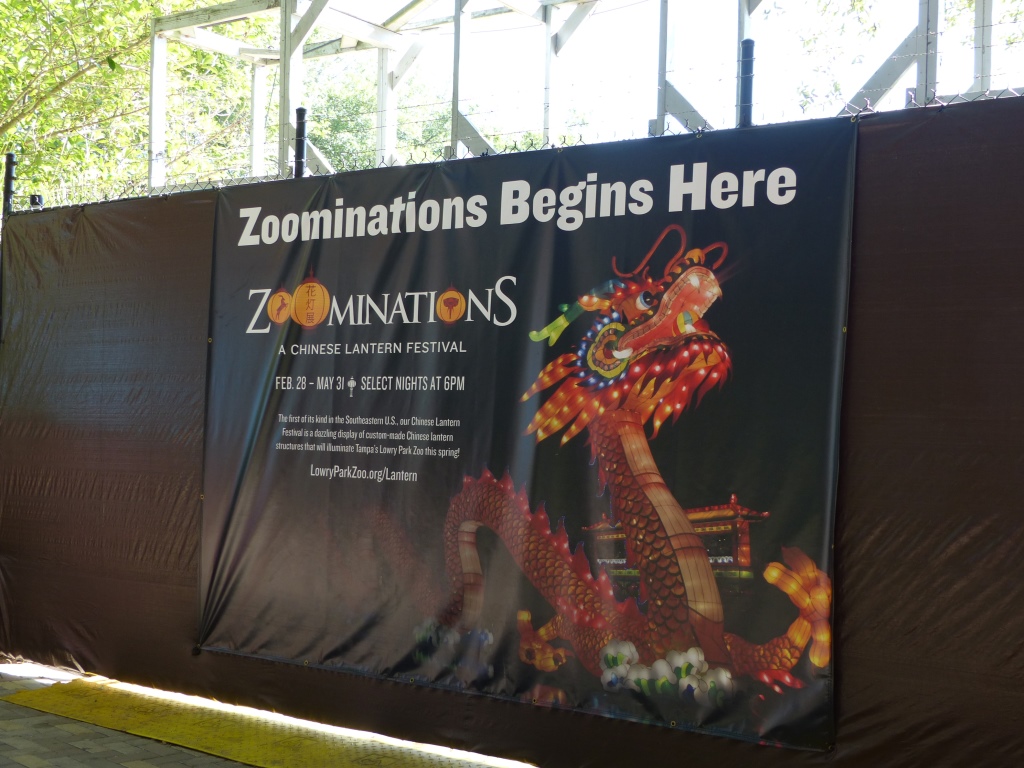
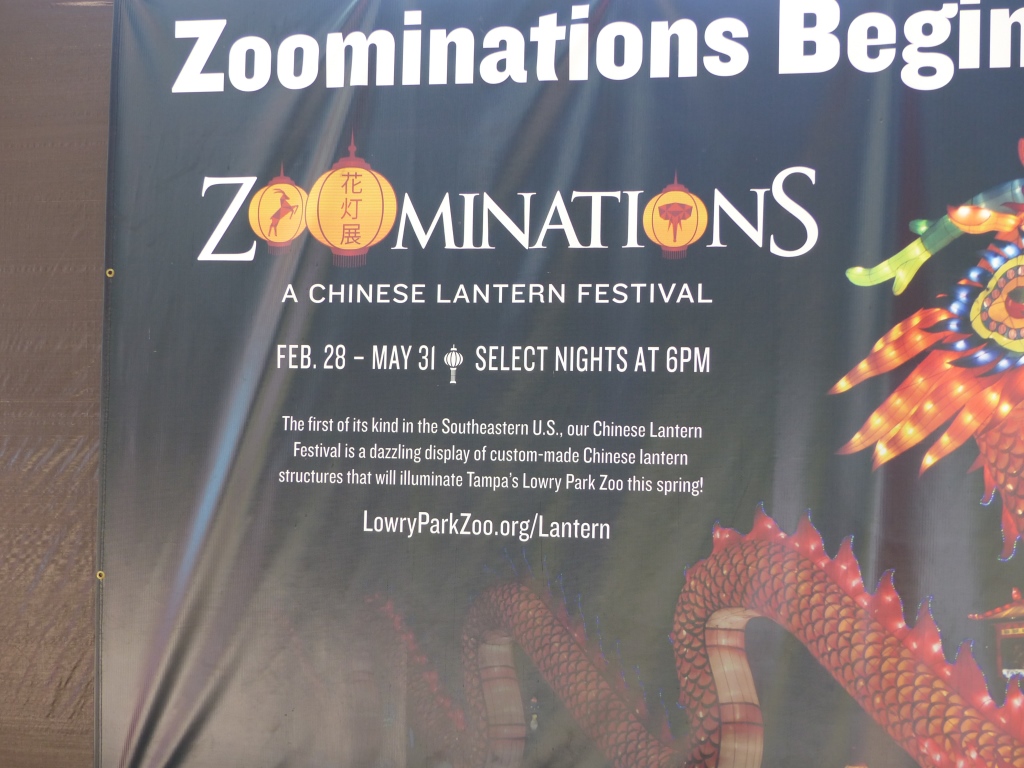
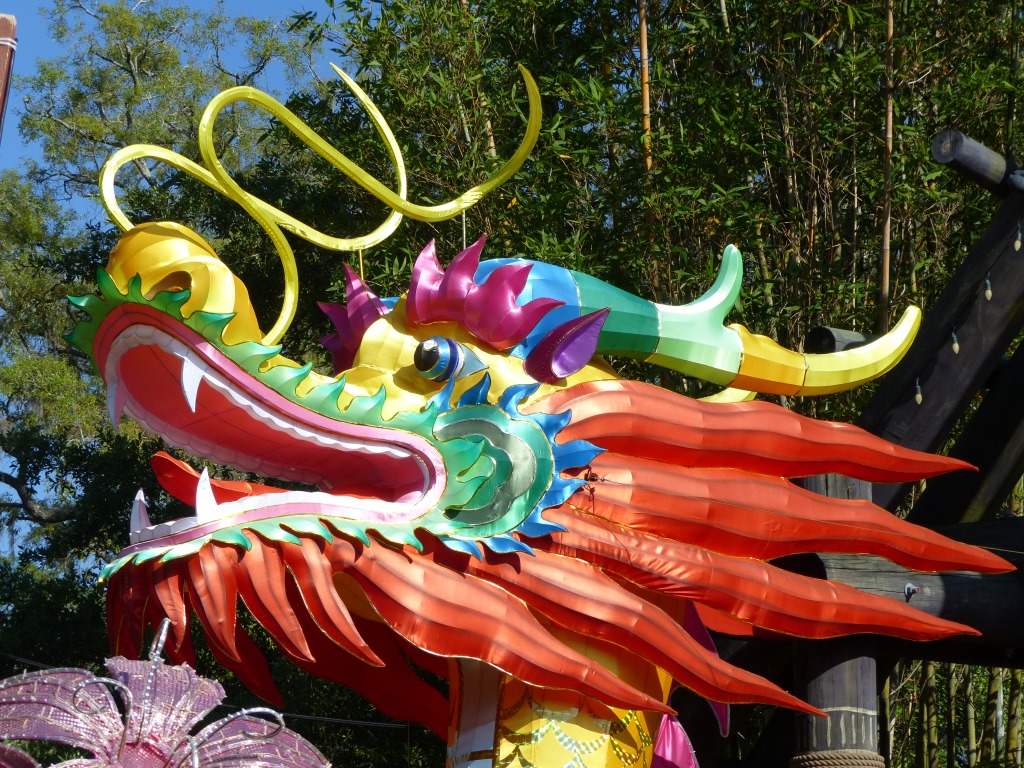
On that last visit to Lowry Park Zoo a few weeks ago, we took photos of their Zoominations celebration decorations. It is a Chinese Lantern Festival. We only saw these fantastic festival luminations without the lights. I have included our photos and links to the LPZ Zoominations.

Peacock – ZooMinations at Lowry Park Zoo

The animals and critters are silk and other materials stretched over wire sculptures. I touched one, before I knew about how they were made, and could tell it was material. They are so gorgeous.

My favorites were the Pandas, Peacock and the Dragon.

Dragon - ZooMinations at Lowry Park Zoo

Dragon – ZooMinations at Lowry Park Zoo

Every good gift and every perfect gift is from above, and cometh down from the Father of lights, with whom is no variableness, neither shadow of turning. (James 1:17 KJV)

Check these photos out:

Zoominations Video tells about it. 

Gallery of Zoominations lit up.

Who Paints The Leaves?

*

Plus – Melipona Bee Defies Evolution

Melipona Bee ©WikiC

Melipona Bee ©WikiC

For by him were all things created, that are in heaven, and that are in earth, visible and invisible, whether they be thrones, or dominions, or principalities, or powers: all things were created by him, and for him: And he is before all things, and by him all things consist. (Colossians 1:16-17 KJV)

While reading an article from Sage Brush’s “The Vine Vigil” he included this video from exploration films:

To find out more about this relationship between bees and the vanilla bean plus other videos, go to:

God’s Creation – Vanilla Beans and Melipona Bees

Let them praise the name of the LORD: for he commanded, and they were created. (Psalms 148:5 KJV)

*

Just realized this little jewel has been written about before, but Sage Brush’s article is very interesting.

*

Tickle Me Tuesday – Laughing Kookaburras

Kookaburra at Brevard Zoo by Dan

Kookaburra at Brevard Zoo by Dan

…God has made me to laugh; all who hear will laugh with me. (Genesis 21:6 AMP – emphasis by me)

He will yet fill your mouth with laughter [Job] and your lips with joyful shouting. (Job 8:21 AMP)

While at the Lowry Park Zoo, we were able to hear and video the Laughing Kookaburras. They will put a smile on your face and a tickle in your heart. We have featured them before, but thought they should be featured again.

For You, O Lord, have made me glad by Your works; at the deeds of Your hands I joyfully sing. (Psalms 92:4 AMP)

Make a joyful noise to the Lord, all the earth; break forth and sing for joy, yes, sing praises! (Psalms 98:4 AMP)

and

Then were our mouths filled with laughter, and our tongues with singing. Then they said among the nations, The Lord has done great things for them. The Lord has done great things for us! We are glad! (Psalms 126:2-3 AMP)

See also:

Unless, I change my mind or someone sends me a link to some birds in a “Tickle Me” action, this will probably be the last one for now. While trying to find some videos to use or photos, I became frustrated while searching for appropriate items for this blog. Either evolution, cuss words, or innuendos were used, that I choose not to share. Call me “old-fashioned” or whatever, but we try to honor the Lord on this site.

Here are the Tickle Me Tuesday that were produced. This post will become a link on the menu under PLUS, so all of them can be found again, if you choose. Typing “Tickle Me” in the search will also bring them all back up.

Other Tickle Me Tuesday’s

*

Sunday Inspiration – Whipbirds, Wattle-eyes and Allies

As you have been viewing the Sunday Inspirations lately, we have been going through the Passerines or Passerfiormes Order in taxonomic order. So far, I have shown you 30 families, which makes us almost a forth of the way through the 125 Passerine families.

Today’s families are the Psophodidae – Whipbirds, Jewel-babblers, Quail-thrushes Family with 16 members and the Platysteiridae – Wattle-eyes, Batises Family with 33 species.

Whipbirds, Jewel-babblers, Quail-thrushes that make up the Psophodidae family are native to Australia and nearby areas. They occur in forest, generally replacing each other at different altitudes. The painted quail-thrush is also found in the forests of New Guinea.The other quail-thrushes are restricted to Australia where they are found in drier habitats, occurring in open forest, scrub and on stony ground.[8] None of the species are thought to be threatened but one subspecies of the spotted quail-thrush is possibly extinct.

The whipbirds and wedgebills are all found in Australia, occurring in a range of habitats from rainforest to arid scrub. The western whipbird is considered to be near-threatened because of habitat loss and fires while the Papuan whipbird is classed as data deficient..

They are terrestrial birds which fly fairly weakly and prefer to squat or run when disturbed. They forage on the ground feeding mainly on insects and other invertebrates.[9] In the desert, quail-thrushes also eat some seeds. They build a cup-shaped nest among shrubs or on the ground. Two or three eggs are laid.

Eastern Whipbird (Psophodes olivaceus) by Ian

Eastern Whipbird (Psophodes olivaceus) by Ian

Here is the song of the Eastern Whipbird. It sounds like someone snapping a whip.

Brown-throated Wattle-eye (Platysteira cyanea) ©WikiC

Brown-throated Wattle-eye (Platysteira cyanea) Male ©WikiC

The Platysteiridae Wattle-eyes, Batises Family are a favorite of mine because of their eyes. They are a family of small stout birds living in trees, primarily of the woodlands and forests of sub-Saharan Africa. The family contains the wattle-eyes, batises and shrike-flycatchers. They were previously classed as a subfamily of the Old World flycatcher family Muscicapidae.

These insect-eating birds are found in usually open forests or bush. They hunt by flycatching, or by taking prey from the ground like a shrike. The nest is a small neat cup low in a tree or bush. The most important component of the diet of all species is insects, although spiders, millipedes and scorpions are also taken, and there are even records of small lizards being consumed.

This slideshow requires JavaScript.

For the ways of man are before the eyes of the LORD, And He ponders all his paths. (Proverbs 5:21 NKJV)

My son, give me your heart, And let your eyes observe my ways. (Proverbs 23:26 NKJV)

The humble shall see this and be glad; And you who seek God, your hearts shall live. (Psalms 69:32 NKJV)

Listen to Sean play as you watch these two beautifully created families of birds:

” Be Thou My Vision and Battle Hymn of the Republic” ~ played by Sean Fielder

Sunday Inspirations

Passeriformes Birds so far:

Birds of the World

Cinclosomatidae or Psophodidae Family – Wikipedia

Platysteiridae – Wattle-eye – Wikipedia

Good News

*