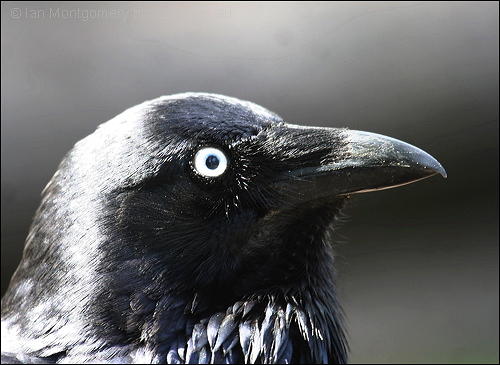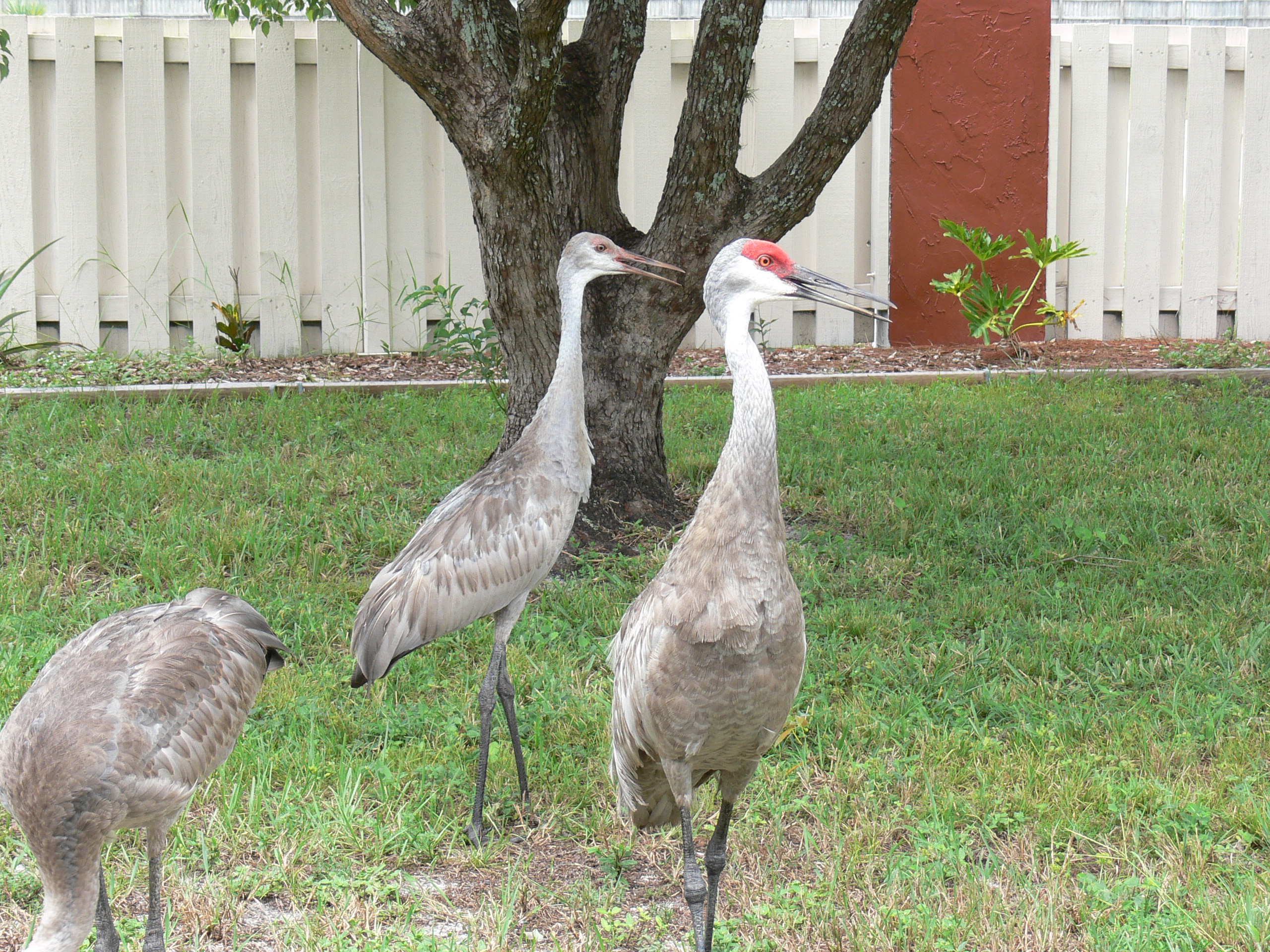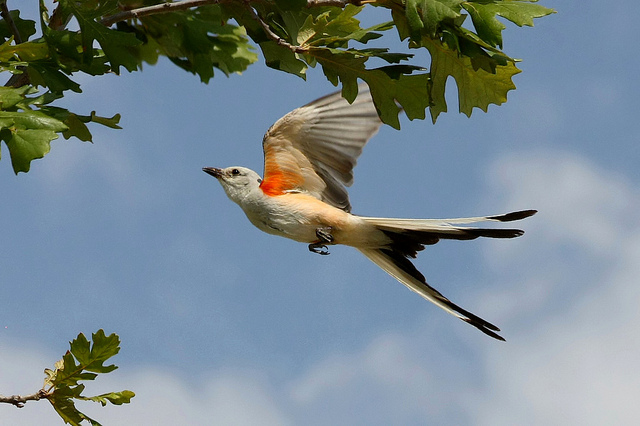
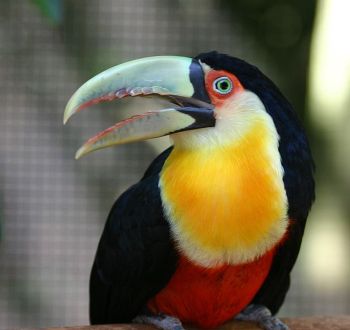
For the king had at sea a navy of Tharshish with the navy of Hiram: once in three years came the navy of Tharshish, bringing gold, and silver, ivory, and apes, and peacocks. (1 Kings 10:22 KJV)For the king’s ships went to Tarshish with the servants of Huram: every three years once came the ships of Tarshish bringing gold, and silver, ivory, and apes, and peacocks. (2 Chronicles 9:21 KJV)
Author Archives: Lee
Birds of the Bible – Peacocks II
For the king had at sea a navy of Tharshish with the navy of Hiram: once in three years came the navy of Tharshish, bringing gold, and silver, ivory, and apes, and peacocks. (1 Kings 10:22 KJV)
For the king’s ships went to Tarshish with the servants of Huram: every three years once came the ships of Tarshish bringing gold, and silver, ivory, and apes, and peacocks. (2 Chronicles 9:21 KJV)
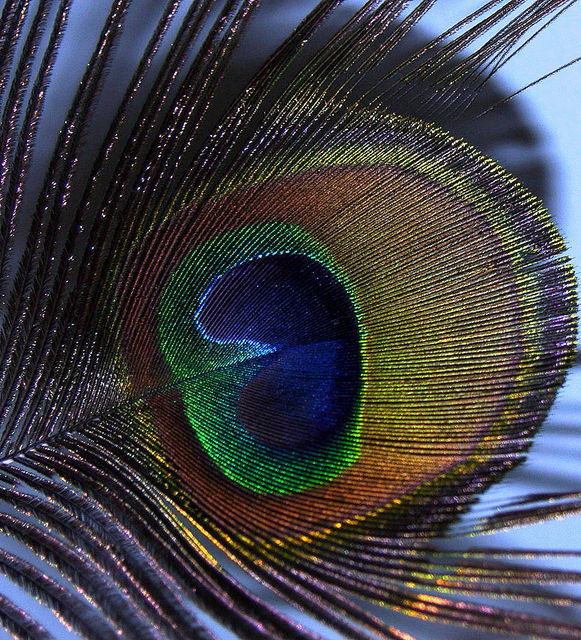
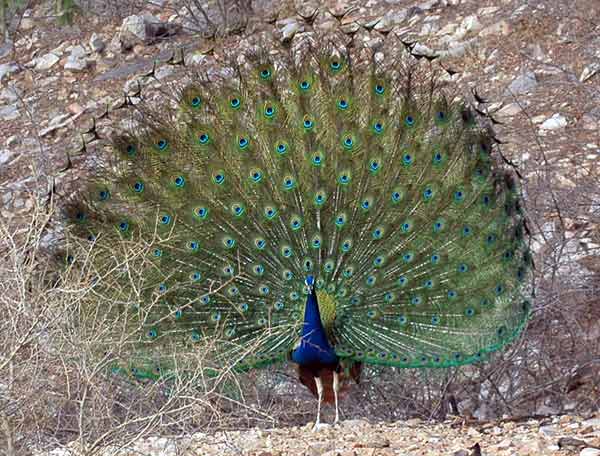
In my reading today in I Kings 10, I came to the peacocks arriving to Israel via the Navy of Tharshish or Tarshish. We have written about them in Birds of the Bible – Peacocks (2008) and Birds of the Bible – Pied Peacock and Allies (2011). It’s time to see what else can be discovered about these beautifully created birds by the Lord.
We know He, The LORD, questioned Job about the Peacocks “goodly wings” in Job 39.
Gavest thou the goodly wings unto the peacocks? or wings and feathers unto the ostrich? (Job 39:13 KJV)
Now, in I Kings and II Chronicles, the Peacocks are arriving in ships by the Navy of Tharshish. It appears that every three years those ships arrived with its precious cargos. Where had the ships gone to collect these items. There is speculation by some writers that the ships went west to Spain and other think in another way toward India and areas in that direction. The Bible does not say, so, we really don’t know.
Does that make you curious? It make me wonder where they found those peacocks.
Checking the history of Peacocks from CreationWiki and Wikipedia, they say that there are two species of Peafowl from Asia and one species from Africa. Is that were they got these Peacocks mentioned here in Scripture? When you are reading the Bible, do questions like this every give you an urge to dig a little deeper?
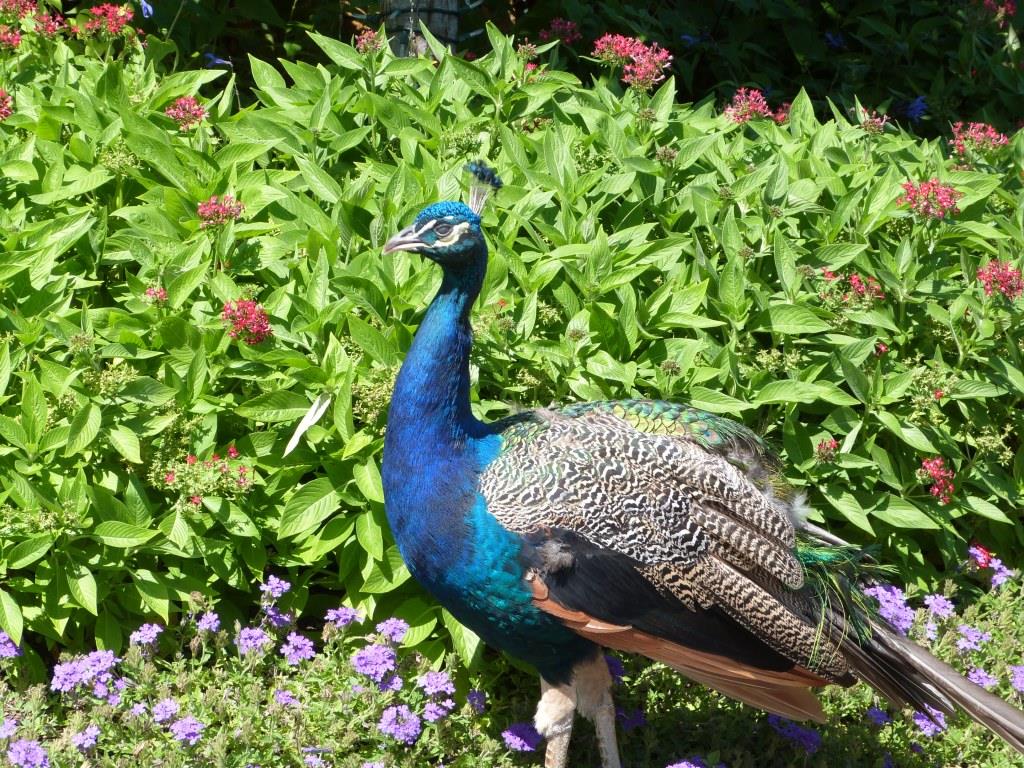
First, the “Peacocks” are the males. The females are called “Peafowl” and their chicks are called “Peachicks.” Collectively the birds are called Peafowl. They all belong to the Phasianidae – Pheasants, Fowl & Allies Family.
The two species from India-Asia are the Indian Peafowl (Pavo cristatus)
and the Green Peafowl (Pavo muticus).
The African member of the family is the Congo Peacock (Afropavo congensis).
Here are some of the thought of various commentaries:
JFB – once in three years — that is, every third year. Without the mariner’s compass they had to coast along the shore. The ivory, apes, and peacocks might have been purchased, on the outward or homeward voyage, on the north coast of Africa, where the animals were to be found. They were particularized, probably as being the rarest articles on board.
Geneva – By Tharshish is meant Cilicia, which was abundant in the variety of precious things.
Darby – 1 Kings 10:1-29 – The king of Tyre also was dependent on the king of Israel; and the queen of Sheba comes from the far south to delight herself in the wisdom of the head of God’s people, and to be filled with wonder at the sight of his glory, and to praise Jehovah who had raised him so high, and who had blessed the people in giving him to be their king. She also came with gifts; for the king’s renown had spread into distant lands. Nevertheless, although it was a true report that she had heard, the sight of his glory went far beyond all that had been said of it.
Constable – God forbade Israel’s kings from multiplying chariots (1Ki_10:26), the most effective and dreaded military machines of their day (Deu_17:16). God wanted His people to depend on Him primarily for their protection. Material prosperity and security often lead people to conclude that they have no needs when really our need for God never diminishes. Solomon fell into this trap. Wealth is not sinful in itself, but it does bring temptations with it (cf. Jam_5:1-6).
Though Solomon experienced great blessings from his faithful God, he fell prey to the sins these blessings make easier, as the writer explained in the next chapter.
Barnes – This is given as the reason of the great bountifulness of silver in the time of Solomon. The “navy of Tharshish” (not the same as the navy of Ophir, 1Ki_9:26) must therefore have imported very large quantities of that metal. Tharshish, or Tartessus, in Spain, had the richest silver mines known in the ancient world, and had a good deal of gold also; apes and ivory were produced by the opposite coast of Africa; and, if north Africa did not produce “peacocks,” which is uncertain, she may have produced the birds called here “tukkiyim,” which some translate “parrots,” others “guinea-fowl” – the latter being a purely African bird. The etymology of the Hebrew words here rendered “ivory,” “apes,” and “peacocks,” is uncertain; but even if of Indian origin, the Jews may have derived their first knowledge of ivory, apes, and peacocks, through nations which traded with India, and may thus have got the words into their language long before the time of Solomon. The names once fixed would be retained, whatever the quarter from where the things were procured afterward.
We have no clear idea of where they came from, and it really does not matter other than we are told they came by ship. We know that Solomon was the wisest and wealthiest king because God promised him back when he prayed for wisdom.
And now, O LORD my God, thou hast made thy servant king instead of David my father: and I am but a little child: I know not how to go out or come in….. Give therefore thy servant an understanding heart to judge thy people, that I may discern between good and bad: for who is able to judge this thy so great a people? And the speech pleased the Lord, that Solomon had asked this thing. And God said unto him, Because thou hast asked this thing, and hast not asked for thyself long life; neither hast asked riches for thyself, nor hast asked the life of thine enemies; but hast asked for thyself understanding to discern judgment; Behold, I have done according to thy words: lo, I have given thee a wise and an understanding heart; so that there was none like thee before thee, neither after thee shall any arise like unto thee. And I have also given thee that which thou hast not asked, both riches, and honour: so that there shall not be any among the kings like unto thee all thy days. And if thou wilt walk in my ways, to keep my statutes and my commandments, as thy father David did walk, then I will lengthen thy days. (1 Kings 3:7-14 KJV)
Wow! Is that not true of those of us who know the Lord? The Lord answers our prayers many times by giving us much more than we ever asked for. As long as our prayers are in line with His Word.
That Christ may dwell in your hearts by faith; that ye, being rooted and grounded in love, May be able to comprehend with all saints what is the breadth, and length, and depth, and height; And to know the love of Christ, which passeth knowledge, that ye might be filled with all the fulness of God. Now unto him that is able to do exceeding abundantly above all that we ask or think, according to the power that worketh in us, (Ephesians 3:17-20 KJV)
*
- Birds of the Bible
- Birds of the Bible – Peacocks – Page
- Birds of the Bible – Peacocks – article
- Birds of the Bible – Pied Peacock and Allies
- Who Paints The Leaves?
- Phasianidae – Pheasants, Fowl & Allies Family
*
Plus – Our Created Birds
Following is a YouTube from Ian Juby about the creation of our birds. This is from his
Our Created Birds – this is Genesis Week episode 10, season 3
*
To see all of the video click on YouTube symbol or go to wazooloo for more of his videos.
Then God said, “Let the waters teem with swarms of living creatures, and let birds fly above the earth in the open expanse of the heavens.” God created the great sea monsters and every living creature that moves, with which the waters swarmed after their kind, and every winged bird after its kind; and God saw that it was good. God blessed them, saying, “Be fruitful and multiply, and fill the waters in the seas, and let birds multiply on the earth.” (Genesis 1:20-22 NASB)
*
Bible Birds – Hasting’s Sparrow Poem
So do not fear; you are more valuable than many sparrows. (Matthew 10:31 NASB)
Some years ago King Edward the Seventh visited Norwich. The school children were drawn up in a line to meet him, and when he passed along they cheered just as loud as ever they could, and they sang “God save the king” with all their heart and soul. But after the monarch had passed by one little girl was found in floods of tears. The teacher, trying to comfort her, asked, “Didn’t you see the king?” “Ye—es,” sobbed the girl, “but he did—didn’t see me!”
An earthly king, no matter how kind and willing he may be, cannot see everybody, but the great King of kings sees and knows and loves each one of us as though that one were the only person in the world. He knows you far more intimately than your father or mother does. He is never too busy looking after the world to forget one of you. It doesn’t matter how plain you are, or how poor, or how little thought of, God cares for you. He cares for the plain, despised sparrow, and He cares far, far more for you.
I’m only a little sparrow,
A bird of low degree;
My life is of little value,
But the dear Lord cares for me.
I know there are many sparrows;
All over the world they are found;
But our Heavenly Father knoweth
When one falls to the ground.
I fly through the thickest forest,
I alight on many a spray;
I have no chart or compass,
But I never lose my way.
I just fold my wings at nightfall
Wherever I happen to be;
For the Father is always watchings
No harm can happen to me.
I am only a little sparrow,
A bird of low degree,
But I know that the Father loves me.
Dost thou know His love for thee?
***
The thoughts and poem are from The Children’s Great Text of the Bible by James Hastings. Part of the commentary on Matthew 10:31.
See:
*
Bird Tales – The Woodpeckers Bird Band
The Woodpeckers Bird Band
The Woodpecker family were around on various trees drumming, drumming on the bark. Mr. Hairy Woodpecker, Mr. Downy Woodpecker, and Mr. Red-Headed Woodpecker were hard at work.
“Let’s start a band,” suggested Mr. Hairy Woodpecker.
“What’s that you say?” asked Mr. Red-Headed Woodpecker, who had been so busy at work that he had not heard what Mr. Hairy Woodpecker had been suggesting. “A band,” repeated Mr. Hairy Woodpecker. “What sort of a band?” asked Mr. Red-Headed Woodpecker. “In the first place,” continued Mr. Hairy Woodpecker, “our bills are not only fine tools for the work we have to do getting the insects from the trees, and burrowing for our nests, but they would be splendid to use in beating the drums in a band.” “Where would we get the drums?” asked Mr. Red-Headed Woodpecker. “The trees, of course, you silly!” said Mr. Hairy Woodpecker. “Oh yes, yes,” agreed Mr. Red-Headed Woodpecker. And Mr. Downy Woodpecker said, “Of course, of course. The trees will be our drums.”
“We’ll get the other birds,” said Mr. Hairy Woodpecker, “to help us. We need something in a band besides the drums. We will ask the goldfinches, the mocking-birds, the bobolinks, the phœbe and chickadee families, all of the warbler and vireo families, and the robins of course. Then I think we’ll ask the orioles, the whippoorwills, the thrush family, and the song sparrows.”
“Oh,” said Mr. Downy Woodpecker, “that will make a perfect band. We’d better get started right away.” And the woodpeckers began to practise. They made such a noise that the birds came from far and near to see what they were doing. Mr. Sapsucker, Mr. Crested Woodpecker, and Mr. Flicker Woodpecker had all joined in beating the drums too!
“Why are you making so much noise?” asked the birds as they flew around to the nearby trees to talk to the woodpeckers. “Oh,” said Mr. Hairy Woodpecker, “we were just going to ask you all to join our band. We will beat the drums.”
“And just what do you want us to do?” asked Mr. Robin Redbreast, who was always eager to help. “You must all sing.”
“But we all sing differently,” chirped a song sparrow. “We know different tunes and different songs.” “Oh,” said Mr. Hairy Woodpecker, “I never thought about that. But never mind, you can have little parts to sing alone, and other choruses where you will all sing together. I’m sure it will be a very fine band after we have practised.” And they began pounding the drums again. “Well,” said Mr. Robin Redbreast, “if the bird band isn’t to be the finest in the land, at least we’ll make a cheerful noise!”
* Another Bird Tale From
Daddy’s Bedtime Bird Stories – Gutenberg ebooks
By
Mary Graham Bonner
With four illustrations in color by Florence Choate and Elizabeth Curtis
These stories first appeared in the American Press Association Service and the Western Newspaper Union.
Many of the sketches in this volume are the work of Rebecca McCann, creator of the “Cheerful Cherub,” etc.
Daddy’s Bedtime Bird Stories by Mary Graham Bonner – 1917
Lee’s Addition:
Psalms 98:4-8 KJV (4) Make a joyful noise unto the LORD, all the earth: make a loud noise, and rejoice, and sing praise. (5) Sing unto the LORD with the harp; with the harp, and the voice of a psalm. (6) With trumpets and sound of cornet make a joyful noise before the LORD, the King. (7) Let the sea roar, and the fulness thereof; the world, and they that dwell therein. (8) Let the floods clap their hands: let the hills be joyful together
Meet the whole band: (a few missed the photo session)
*
*
Inside A Birdhouse
Thought you might enjoy seeing “Inside A Birdhouse”
A friend sent me a link to this commercial. Couldn’t resist.
Keep an eye out for the Human Clock.
A happy heart is good medicine and a cheerful mind works healing, but a broken spirit dries up the bones. (Proverbs 17:22 AMP)
(A fruit drink called Squash)
*
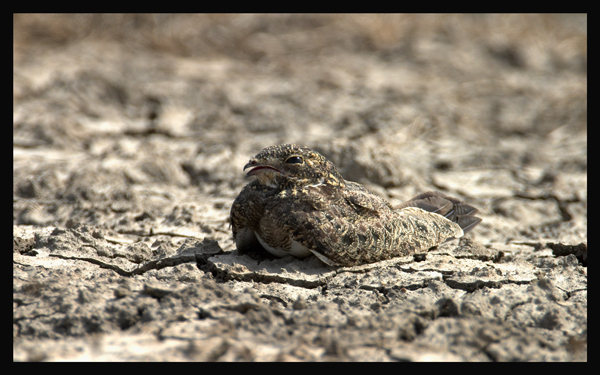
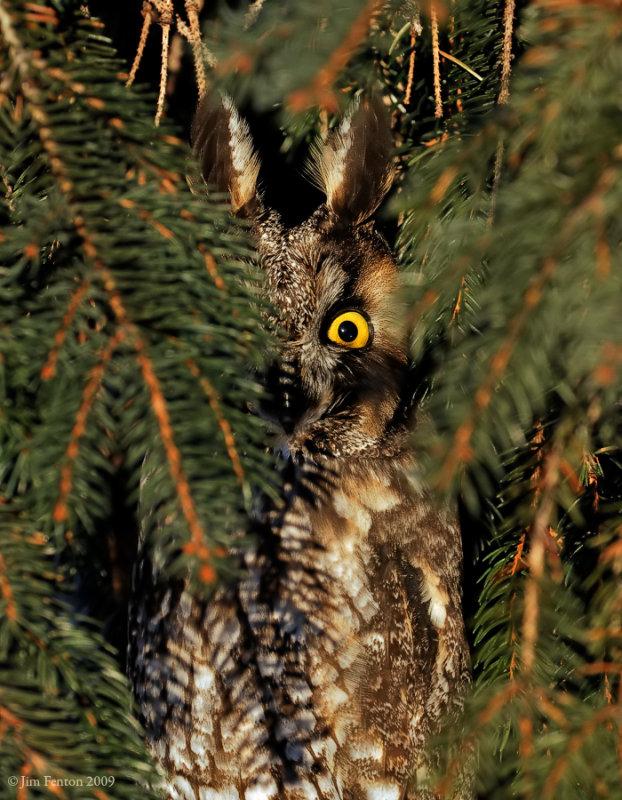
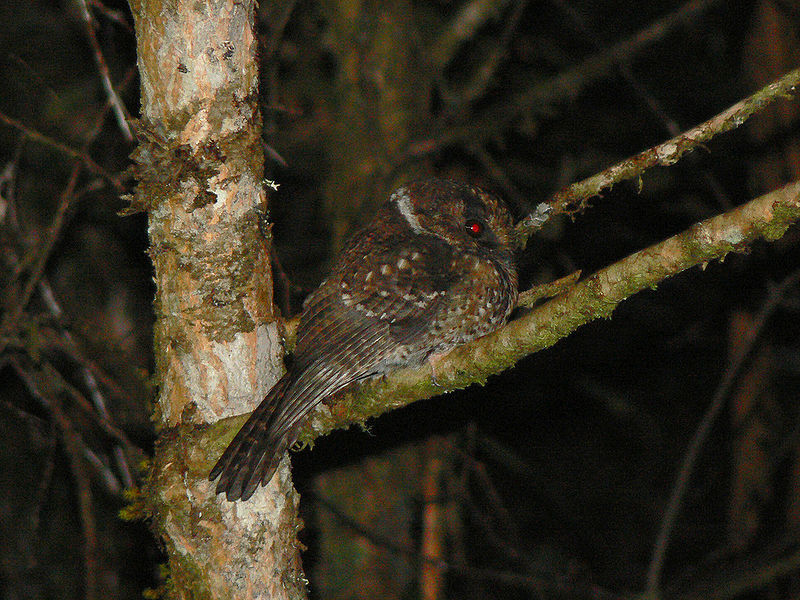
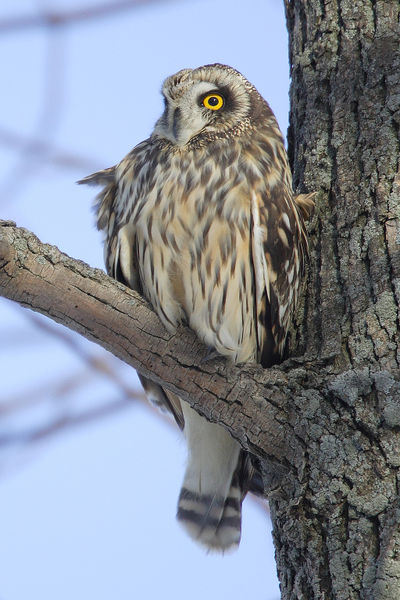
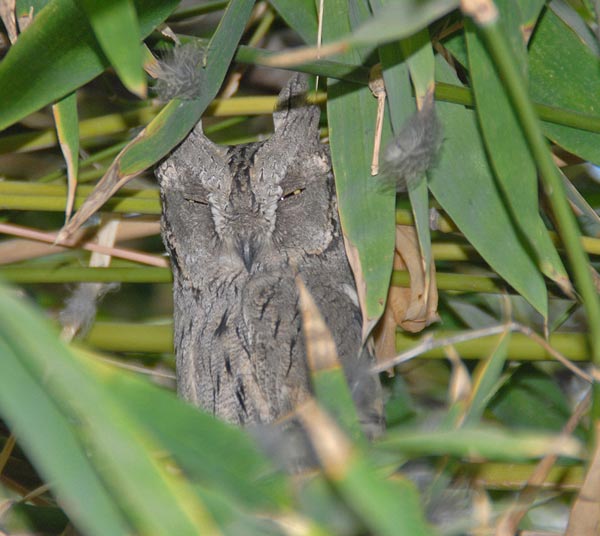
Bible Birds – Owl Introduction
The beast of the field shall honour me, the dragons and the owls: because I give waters in the wilderness, and rivers in the desert, to give drink to my people, my chosen. (Isaiah 43:20 KJV)
“Owl” is mentioned in 8 verses in the KJV and the word “Owls” is in 6 verses.
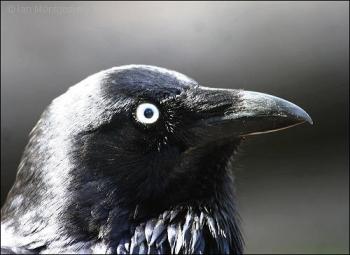
- The owls, little owls, great owls, and screech owls are in the Bible.
- Other versions list – horned owls, eagle owl, short-eared, long-eared owl, barn owl and a white owl.
The first mention of owls in the Bible is in Leviticus and Deuteronomy that list the unclean birds that are not to be eaten.
And the owl, and the night hawk, and the cuckow, and the hawk after his kind, And the little owl, and the cormorant, and the great owl, (Leviticus 11:16-17 KJV)
And the owl, and the night hawk, and the cuckow, and the hawk after his kind, The little owl, and the great owl, and the swan,
(Deuteronomy 14:15-16 KJV)
Owls are divided into two (2) families.
The Barn Owls (Tytonidae Family) are medium to large-sized owls with large heads and characteristic heart-shaped faces. They have long, strong legs with powerful talons (claws). They also differ from the Typical Owls (Strigidae Family) in the sternum (breast) and feet.
They live in a wide range of habitats from deserts to forests, and from temperate latitudes to the tropics. Little is known of many of them. The barn-owls are mostly nocturnal (active at night), and generally non-migratory, living in pairs or singly.
The barn-owls’ main characteristic is the heart-shaped facial disc, formed by stiff feathers which serve to amplify and locate the source of sounds when hunting. Their wing feathers were created to eliminate sound caused by flying, aiding both the hearing of the owl listening for hidden prey and keeping the prey unaware of the owl. Barn-owls overall are darker on the back than the front, usually an orange-brown colour, the front being a paler version of the back or mottled, although there is considerable variation even amongst species. The bay-owls closely resemble the Tyto owls but have a divided facial disc, ear tufts, and tend to be smaller.
The Typical Owls (Strigidae Family) is a large family that comprises around 189 living species in 25 genera. The typical owls have a cosmopolitan distribution and are found on every continent except Antarctica.
While typical owls vary greatly in size, with the smallest species, the Elf Owl, being a hundred times smaller than the largest, the Eurasian Eagle-Owl and Blakiston’s Fish Owl, owls generally share an extremely similar body plan. They tend to have large heads, short tails, cryptic plumage and round facial discs around the eyes. The family is generally arboreal (live in trees) (with a few exceptions like the Burrowing Owl) and obtain their food on the wing. The wings are large, broad, rounded and long.
Owls are generally nocturnal and spend much of the day roosting. They are often perceived as tame since they will allow people to approach quite closely before taking flight, but they are instead attempting to avoid detection. The cryptic plumage (help camouflage them) and inconspicuous locations (not likely to be seen or noticed) adopted are an effort to avoid predators and mobbing by small birds.
We will learn more about these beautifully created birds in other Bible Birds – Owls articles.
See:
- Owl – CreationWiki
- STRIGIFORMES (Owls) Order
- Tytonidae – Barn Owls Family
- Strigidae – Owls
- Bible Birds – Owls
- Bible Birds
- Birds of the Bible – Owls
*
April Lorier With The Lord
Therefore we are always confident, knowing that, whilst we are at home in the body, we are absent from the Lord: (For we walk by faith, not by sight:) We are confident, I say, and willing rather to be absent from the body, and to be present with the Lord. (2 Corinthians 5:6-8 KJV)
A well know writer and friend has gone to be with Her Lord. April Lorier became a friend and has written several articles on this blog. April was the author of God’s Battered Child: Journey From Abuse to Leader. Here are the blogs she produced April Lorier Perspective – God Woman Blog – Christian Nature. They have all been made inactive. She also contributed to Nature Blog Network
Here is an excerpt from Yahoo:
April Lorier, Author and Encourager
Inspirational author, poet, writer and Christian blogger. Children’s rights activist who successfully fought for the Child Abuse and Neglect Reporting Act (CANRA) which was signed into law by Ronald Reagan. Encourager of Christian believers worldwide.
I know that she has been ailing for sometime and I do not have details about her death. Her websites have been removed, but we still have some of her articles here. It may take a day or two to find all the links to her sites, but they will be corrected.
April found my blog not long after I started it up. She began giving me tips on how to raise my ratings and just encouraged me to continue to develop this blog by honoring Our Lord. We exchanged many phone calls and became good friends. Never met her, she lived in California and I am here in Florida, but distance didn’t get between our friendship. She allowed me to repost several of her blogs and she shared links to my articles on her blog.
Now her blogs have been removed and I am glad some of her articles are still here to be enjoyed. But as for April, she could care less about what is going on here. She is in the presence of Her Lord, whom she loved. Her faith has become site.
April, you will be missed.
Here are some links to her articles:
- Sparrows and God Care
- Maturing Cockatiels and Christians
- A Song Greater Than A Nightingale’s Song
- Eagles and the Atmosphere of Grace
- Cockatiel Bird Brain Wisdom
- Lessons from Smallest Bird
- The Secret Only God Knows About Hummingbirds
- Who is Worth More – Me or Ravens?
- Intelligence of Parrots
- Thousands of Eyes, But No Brain?
Her book God’s Battered Child on Amazon
*
Mnemonics – What is That?
When birdwatchers want to identify a bird, many times all they are able to do is hear it. Can you listen to a bird and know what kind it is? Some birders use a help called “mnemonics.”
hen birdwatchers want to identify a bird, many times all they are able to do is hear it. Can you listen to a bird and know what kind it is? Some birders use a help called “mnemonics.”
(Definition of mnemonics from Kids Wordsmyth)
mne·mon·ics
pronunciation: ni ma nihks [or] nih ma nihks
part of speech: plural noun
definition: a process, system, or technique used to aid and improve the memory.
Many birds say their name, like a Eastern Wood Pewee.
Carolina Chickadee – “feebee feebay, chick’adee-dee-dee”
Blue Jay – -“jay”
Another way mnemonics are used is to make up a phrase or saying of what the bird sounds like.
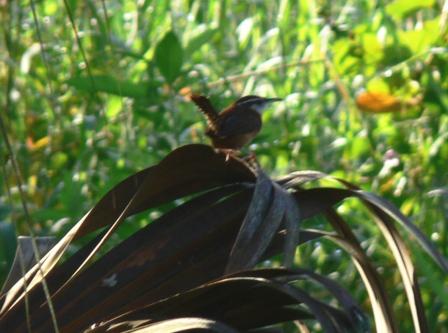
Carolina Wren – “teakettle, teakettle, teakettle”
Eastern Towhee – “drink-your-teeee”
White-Throated Sparrow – “poor Sam Pea’body, Pea’body, Pea’body”
This is just an introduction to using “mnemonics” to help you find out what that neat bird your listening to is called. We will cover more birds later. The Lord has given us so many beautiful birds to watch and listen to. Each bird has it’s own songs and calls, but there are so many. How do we figure out who is who? Using this method is just one more way to help.
Hear instruction and be wise, and do not neglect it. (Proverbs 8:33 ESV)
Let the wise hear and increase in learning, and the one who understands obtain guidance, (Proverbs 1:5 ESV)
See:
Birds of the Bible – Solomon’s Wisdom About Birds I
Also he spoke of trees, from the cedar tree of Lebanon even to the hyssop that springs out of the wall; he spoke also of animals, of birds, of creeping things, and of fish. (1 Kings 4:33 NKJV)
In my daily reading from Scripture recently, I came across I Kings 4:33 again. The article Birds of the Bible – Solomon’s Birds, discusses how some of the lessons Solomon had learned were applied. Now let’s look at how Solomon might have attained those illustrations and how we can apply them.
More questions come to my mind, in no set order, like:
- What kind of birds did he have to observe?
- What did he learn about the birds?
- Did he write any of his bird observations out?
- The Lord gave him the wisdom, so how did he apply it?
- What can we learn from Solomon about birds?
We know from the Bible that Solomon asked for wisdom to be able to know right and wrong and how to rule the people. God granted Solomon his request and gave him more besides. See I Kings 3.
Checking with my e-Sword commentaries and helps, here are some interesting thoughts. (Italics are mine)

Matthew Henry’s Concise Commentary
Solomon’s wisdom was more his glory than his wealth. He had what is here called largeness of heart, for the heart is often put for the powers of the mind. He had the gift of utterance, as well as wisdom. It is very desirable, that those who have large gifts of any kind, should have large hearts to use them for the good of others. What treasures of wisdom and knowledge are lost! But every sort of knowledge that is needful for salvation is to be found in the holy Scriptures. There came persons from all parts, who were more eager after knowledge than their neighbours, to hear the wisdom of Solomon. Solomon was herein a type of Christ, in whom are hid all treasures of wisdom and knowledge; and hid for us, for he is made of God to us, wisdom. Christ’s fame shall spread through all the earth, and men of all nations shall come to him, learn of him, and take upon them his easy yoke, and find rest for their souls.
Gill
he spake also of beasts, and of fowls, and of creeping things, and of fishes; he understood the nature of all sorts of animals in the earth, air, and sea, and discoursed of their names, kinds, qualities, and use, with the greatest ease and perspicuity; the Jews fancy that Aristotle’s History of Animals is his, which that philosopher came upon, and published it in his own name. …
MacLaren
But the main thing to notice is that in Solomon we see exemplified the normal relation between religion and intellectual power and learning. Judge, artist, scientist, and all other thinkers and students, draw their power from God, and should use it for Him. And, on the other hand, Solomon’s example is a rebuke to those …Christians who look askance at men of learning, letters, or science, as well as to those … who think that science and religion must be sworn foes. If our religion is what it should be, it will widen our understanding all round.
‘Let knowledge grow from more to more, But more of reverence in us dwell.’
Barnes
Of beasts, and of fowls, and of creeping things, and of fishes – This is the usual Biblical division of the animal kingdom Gen_1:26; Gen_9:2; Psa_148:10.
Believer’s Bible Commentary
Verse 33 means that his wide knowledge of many sciences enabled him to use object lessons from nature in expounding his wisdom. People traveled from afar to hear him.

Bible Knowledge Commentary
1 Kings 4:32-34
Several hundred of Solomon’s 3,000 proverbs have been preserved in the Book of Proverbs as well as a few in Ecclesiastes. One of his 1,005 songs is the Song of Songs. Solomon’s literary output was extremely prolific. He became an authority in botany and zoology too. … He was recognized as the wisest man of his day as God had promised he would be.
Biblical Illustrator
The study of Nature
It is said of Wordsworth that a stranger having on one occasion asked to see his study, the maid said, “This is master’s room, but he studies in the fields.” In doing so the poet followed a venerable example. We read that Isaac went out to meditate in the field at eventide, where in the margin “to pray” is put for “to meditate.” Nor could there be a better place either for prayer or for study than the fields. The Word of God is written very clearly for His seers in the green book of Nature. Wordsworth’s study is one that we can all use, however small our house may be. (Quiver.)
The world is worth seeing
Men must not live under a bushel. A gentleman once met a French priest on board an Atlantic liner. They entered into conversation, and the priest said that months ago he had a dream. He dreamt that he was dead, and that God asked him how much of the world he had seem His answer was that he had seen only a very little of it, for he had been so long in preparing for death, and in helping other people to die, that he had no time to see the world. He saw that God was displeased, and on awakening he resolved to see as much of this beautiful world as he could. It was a wise resolve. The earth is the Lord’s and not the devil’s, and we have no right to ignore it. Nature is a temple of God, and we must ever walk through it in a sacramental mood. (Sunday Circle.).
K & D
“And of beasts and birds, of creeping things and fishes;” the four principal classes into which the Hebrews divided the animal kingdom. Speaking of plants and animals presupposes observations and researches in natural science, or botanical and zoological studies.
McGee
We are told that Solomon spoke three thousand proverbs. We have only a few hundred recorded in the Bible. His songs were a thousand and five. Believe me, he was a song writer. We have only one of his songs, The Song of Solomon. Solomon was a dendrologist—”He spake of trees, from the cedar tree that is in Lebanon even unto the hyssop that springeth out of the wall.” The hyssop is a humble little plant that grows on rocks. Solomon was also a zoologist—”he spake also of beasts”—and an ornithologist since he spoke of birds. He was an entomologist: he spoke of creeping things, or insects. He was an ichthyologist: he spoke of fishes. He spoke of these things because he had studied them and was an authority in these particular realms. This, apparently, is the beginning of the sciences. Solomon was interested in these things.
Some Answers
I have another Commentary to share thoughts from, but will save it for Part II. For now, let’s see if any of the first questions were answered.
The first two questions are unanswered for now. We will dig into that later. The next three seem to have some answers.
- What kind of birds did he have to observe?
- What did he learn about the birds?
- Did he write any of his bird observations out?
- The Lord gave him the wisdom, so how did he apply it?
- What can we learn from Solomon about birds?
Solomon observed the birds and seems to have learned lessons and applications from them which are seen in Proverbs, Song of Solomon and some Psalms. So he recorded his findings. He gained his knowledge from the Lord, but he used his senses and observational skills to gain more knowledge. That is something we can do also with the Lord’s help. If we don’t apply ourselves to a topic, the knowledge is not going to just “pop” into our heads.
See:
- Birds of the Bible
- Birds of the Bible – Solomon’s Birds
- Aristotle’s History of Animals – Wikipedia
- The History of Animals – The Internet Classics
*
Cher Ami – World War I Hero
Thought I would repost Cher Ami’s story in honor of Veteran’s Day. Thank all of you who have served our country or your country to help preserve peace.
To grant us that we, Being delivered from the hand of our enemies, Might serve Him without fear, (Luke 1:74 NKJV)
Cher Ami – WW1 Hero
While researching for a hero for an article on our church blog, I tried to find out about my father, who was in WW1. Being as he died when I was four years old, it is hard to find out a lot of details. All I knew is that he was in the trenches where they were poisoned with mustard gas and that it took years, but he died as a result of that gassing. Talking to my family, I also found out that he was at the Meuse-Argonne Offensive (Argonne Forrest) in which 117,000 of our American troops gave their lives and that he was in a company that had few survivors. Also found that he had fought hand-to-hand with bayonets. But the actual details are still a mystery. So, my dad and all of our men that fought in WW1 are my heroes.
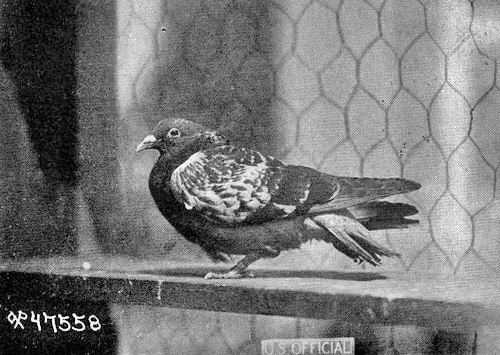
What I did find is a hero of the avian kind. His name was Cher Ami (French for “dear friend”, in the masculine) and he was a homing pigeon which had been donated by the pigeon fanciers of Britain for use by the U.S. Army Signal Corps in France during World War I and had been trained by American pigeoneers. He helped save the Lost Battalion of the 77th Division in the battle of the Argonne, October 1918.
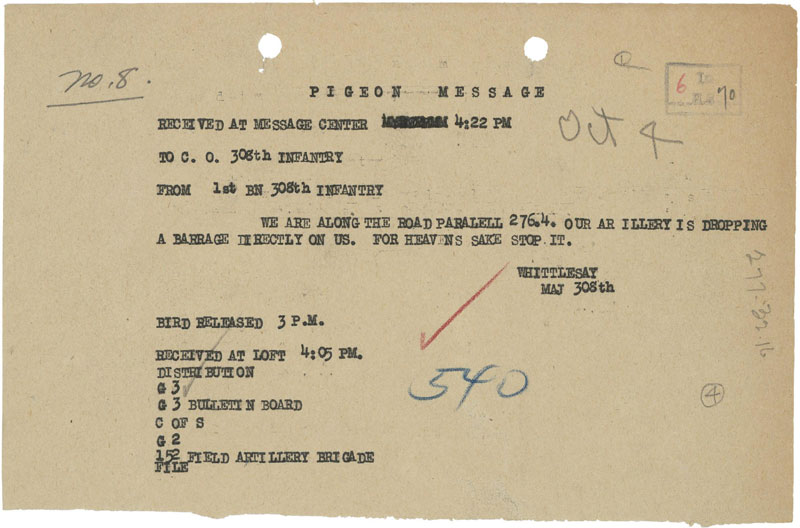
On October 3, 1918, Charles Whittlesey and more than 500 men were trapped in a small depression on the side of the hill behind enemy lines without food or ammunition. They were also beginning to receive friendly fire from allied troops who did not know their location. Surrounded by the Germans, many were killed and wounded in the first day and by the second day, only a little more than 200 men were still alive. Whittlesey dispatched messages by pigeon. The pigeon carrying the first message (“Many wounded. We cannot evacuate.”) was shot down. A second bird was sent with the message, “Men are suffering. Can support be sent?” That pigeon also was shot down. Only one homing pigeon was left: ‘Cher Ami’. He was dispatched with a note in a canister on his left leg,
We are along the road parallel to 276.4. Our own artillery is dropping a barrage directly on us. For heaven’s sake, stop it!
As Cher Ami tried to fly back home, the Germans saw him rising out of the brush and opened fire and for several minutes, bullets zipped through the air all around him.The men of the Lost Battalion saw Cher Ami tragically shot down, but miraculously, he was airborne again soon. He managed to arrive back at his loft at division headquarters 25 miles to the rear in just 25 minutes, helping to save the lives of the 194 survivors. In this last mission, Cher Ami had delivered the message despite having been shot through the breast, blinded in one eye, covered in blood and with a leg hanging only by a tendon.
Cher Ami had become the hero of the 77th Infantry Division, so army medics worked long and hard to save his life. They were unable to save his leg, so they carved a small wooden one for him. When he recovered enough to travel, the little one-legged hero was put on a boat to the United States, with General John J. Pershing personally seeing Cher Ami off as he departed France.
Upon return to America, Cher Ami became the mascot of the Department of Service. The pigeon was awarded the Croix de Guerre Medal with a palm Oak Leaf Cluster for his heroic service in delivering 12 important messages in Verdun. He died at Fort Monmouth, New Jersey, on June 13, 1919 from the wounds he received in battle and was later inducted into the Racing Pigeon Hall of Fame in 1931. He also received a gold medal from the Organized Bodies of American Racing Pigeon Fanciers in recognition of his extraordinary service during World War I.
Cher Ami was as well-known as any human World War I heroes. Cher Ami was later mounted by a taxidermist and donated to the Smithsonian where he is enshrined in the Smithsonian Institution, and is currently on display with Sergeant Stubby in the National Museum of American History’s “Price of Freedom” exhibit.
Who are these who fly like a cloud, And like doves to their roosts? (Isa 60:8)
Pigeons and Doves are in the Columbidae Family of the Columbiformes Order.
(Wikipedia and other internet sources)
*
Original Post – Interesting Things – World War I Hero – Cher Ami
*