Spectacular Journey to Africa by Honey Buzzard

What an amazing story!! This is from the BirdGuides.Com

…..

A young European Honey Buzzard, satellite tagged by the Roy Dennis Foundation at a nest near Forres, Scotland, in mid-August, has already reached the African continent – albeit via a remarkably risky route that included two long sea crossings.

The bird, ‘620’, was tagged on 11 August and remained in the vicinity of her natal woodland until early September. Her first significant flight came on 11 September, when she moved 50 km to the east, aided by a stiff breeze.
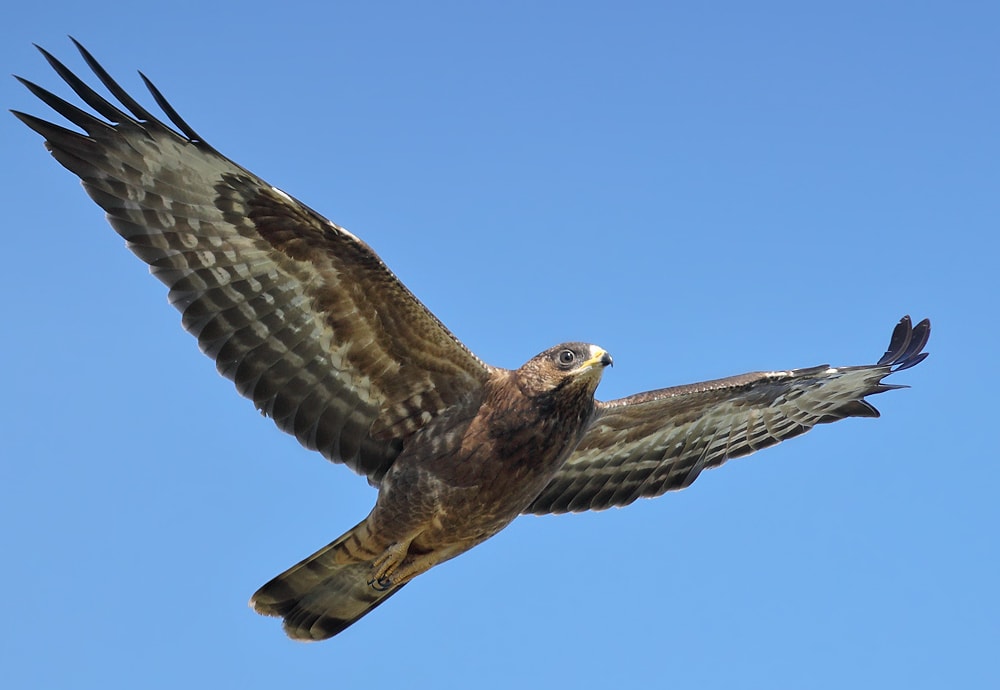
“Doth the hawk (or buzzard) fly by thy wisdom, and stretch her wings toward the south?” (Job 39:26 KJV)

Young European Honey Buzzards, such as this one, often end up taking more convoluted migrations south in their first autumn than the more experienced adults (Per Schans Christensen).

However, this could have given no clues for the extraordinary events that took place on 12-13 September. Clear skies and a brisk westerly wind on the morning of 12th encouraged the young honey buzzard to continue her eastward journey, although the Aberdeenshire coast seemingly provided no deterrant – she continued out to sea just north of Aberdeen at around 11.20 am, with the next GPS position logging her at an altitude of 477 m some 57 km out to sea, south-east of the Scottish city.

She continued on an easterly trajectory and, as darkness fell, she was only half-way across the North Sea. Flying through the night, the next tag fix at 2.34 am placed her a further 282 km east of the previous evening’s reading. By 6.30 am, she reached the Danish coast safely, having made a 640-km sea crossing in a non-stop 19-hour flight, largely during the hours of darkness – hugely impressive given it was the bird’s first long-distance movement since fledging the nest.

After a couple of days’ recuperation, her southward journey recommenced as she gradually made her way through Denmark, reaching Germany by the evening of 17th. She continued on a south-westerly route, skirting the western border of Germany and entering south-east Belgium on 20th, roosting in the country that evening. The south-westerly trajectory continued over the following five days, and ‘620’ had reached Clermont-Ferrand, France, by the evening of 25th.
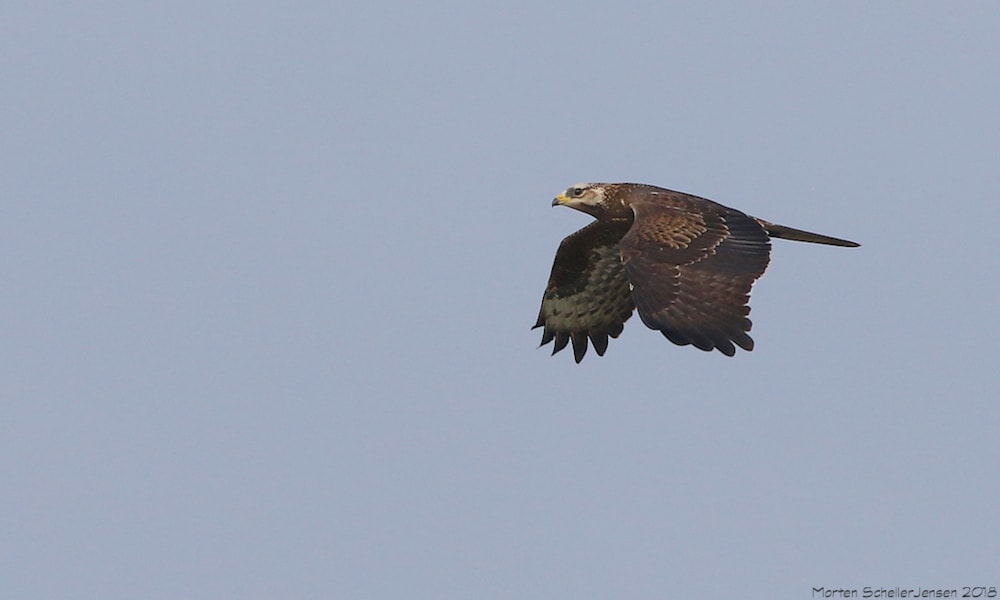

Juvenile European Honey Buzzard photographed on migration in Denmark – a route used by many youngsters of this species, including ‘620’ (Morten Scheller Jensen).

At this point, it seemed as if the south-westerly route would continue, taking the bird into Iberia and, most likely, across the Strait of Gibraltar, which is a well-practised spring and autumn migration route for adult European Honey Buzzards. However, ‘620’ had other ideas.

After two days near Clermont-Ferrand, she flew due south to a wood near Montpellier on the afternoon of 27th. Her migration recommenced the next morning and by 8.40 am she was at the coast. But, instead of following this south-west into Spain, strong north-westerly winds encouraged her to fly directly out to sea.

As she moved south over the Mediterranean Sea the wind veered to a north-easterly and, with a brisk tailwind, her flying speed reached 87 km/h as she flew at altitudes of up to 750 m. By 1 pm she had reached Menorca – but did not land there, instead continuing southwards. By 8.30 pm, the wind had dropped and she was flying due west, having travelled almost 750 km over open sea in 12 hours of continuous flight.

Satellite data suggests she rested on a boat for a couple of hours in the middle of the night, before recommencing her journey south. Finally, by 12.50 pm the following day, she reached the Algerian coast, completing a 1,000-km migration over open sea in just over 28 hours – an astonishing feat for such a young bird tackling its first migration. Not done there though, the young honey buzzard continued inland for a further 160 km, roosting in mountains on the northern edge of the Sahara. It then made a further 60-km movement south and roosted in one of the last patches of woodland on the north side of the Sahara on the evening of 29th.
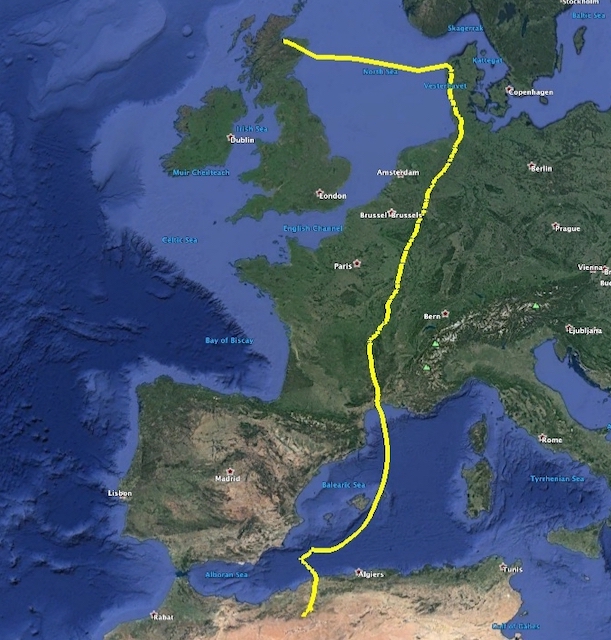

The movements of young European Honey Buzzard ‘620’ between 11 and 29 September, from Scotland to Algeria via Denmark, Germany and France (Roy Dennis Foundation).

This amazing journey shows just how treacherous life can be for migrant birds, especially youngsters in their first autumn, yet also exhibits the impressive feats that they are capable of. But the journey isn’t done there, with the world’s largest desert still left to negotiate. As the Roy Dennis Foundation wrote on its blog on 30 September: “After two very long sea crossings, the young honey buzzard now faces another daunting challenge – her first flight across the Sahara.”

Following 620’s exploits at www.roydennis.org/category/honey-buzzard-620.

“Was it through your know how that the hawk learned to fly, soaring effortlessly on thermal updrafts? Did you command the eagle’s flight, and teach her to build her nest in the heights,” (Job 39:26-27 MSG) [I don’t use this version normally, but I liked these verses, in respect to this story.]

What A Creator!!

Birds of the Bible – Buzzard

Wordless Birds
Garfield – Early Bird Gets the Worm

American Robin (Turdus migratorius)with youngsters by Raymond Barlow

One of the birds that, I personally have seen, dig worms out the ground is the American Robin. When we lived in Indiana, there were many Robin available to watch. Down here in central Florida, we very seldom see any. Mostly in the winter, a few Robins migrate through here. They do not stay for the winter, but keep heading further down the state.

Eastern Bluebird (Sialia sialis) by S Slayton

Eastern Bluebird (Sialia sialis) by S Slayton

Many other birds like worms also, including Bluebirds.

Yet, it seems that Garfield met a very interesting Bluebird that has a problem feeding her little ones:

” A merry heart does good, like medicine, But a broken spirit dries the bones.”  Proverbs 17:22

Have a Merry Hearted Day!!

I shared this on the Birds of the Bible For Kids blog today. We all need a Merry Hearted Day!!

Wordless Birds

Isaiah’s Eagle – A Promise For Us

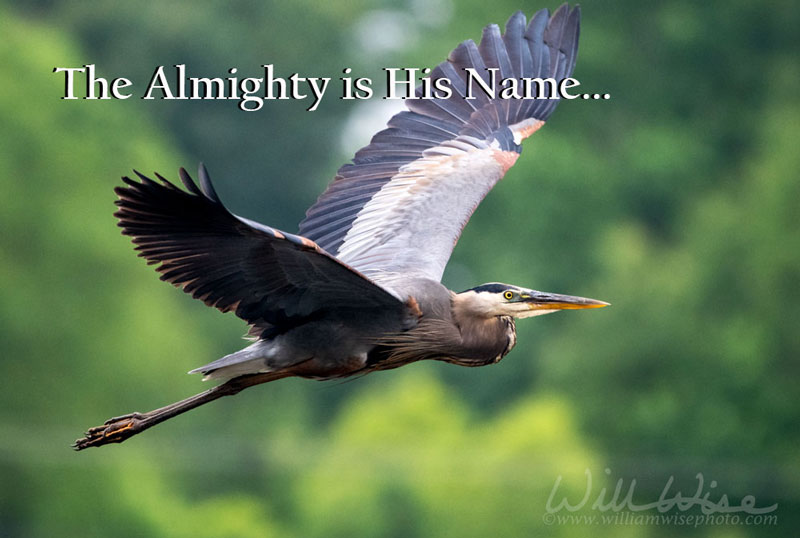
Great Blue Heron; Walton County, Georgia birding photogaphy blog by williamwisephoto.com

Last week, William Wise posted his great photo and post, Almighty Is His Name. And all week, I desired to post the scripture verses in Isaiah 40, that we read the next day. Somehow lately, time seems to get away from me. Not going birding, or having but few birds visiting the back yard, . . . . . .

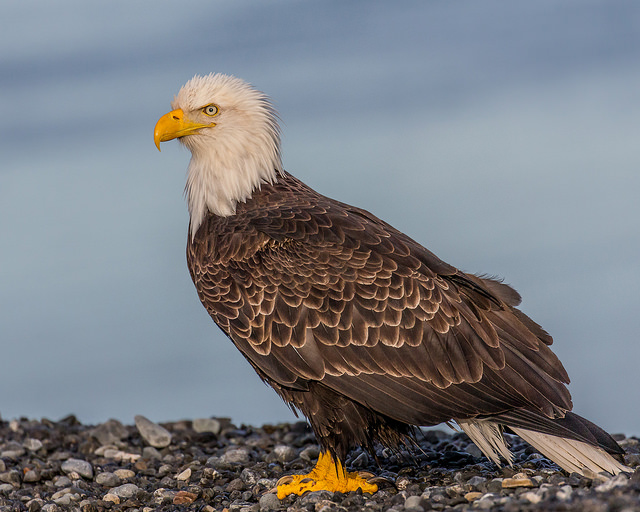
Bald Eagle (Haliaeetus leucocephalus) Resting ©Flickr Andy Morffew

“Have you not known? Have you not heard?”

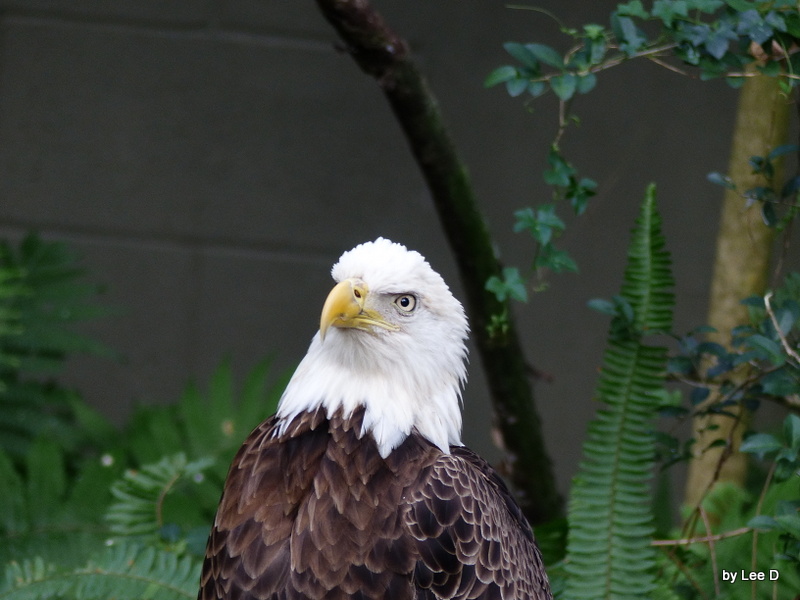
Bald Eagle Lowry Park Zoo 12-31-15 by Lee

The everlasting God, the LORD, The Creator of the ends of the earth, Neither faints nor is weary. His understanding is unsearchable.

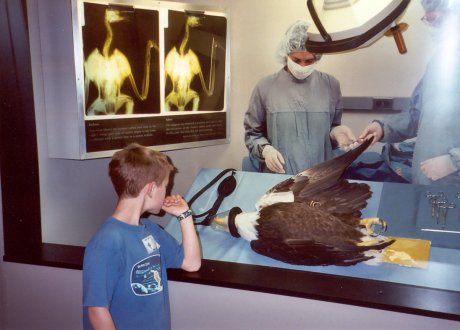
Eye Surgery on an Eagle ©phillipdthomas

He gives power to the weak, And to those who have no might He increases strength.

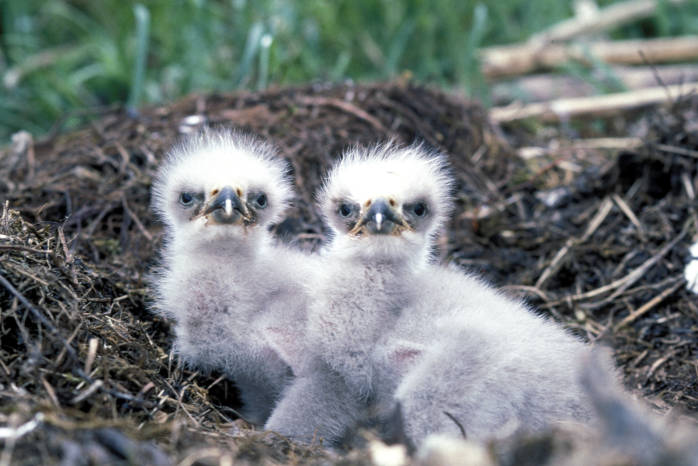
Bald Eagle (Haliaeetus leucocephalus) chicks ©USFWS

Even the youths shall faint and be weary, And the young men shall utterly fall,”

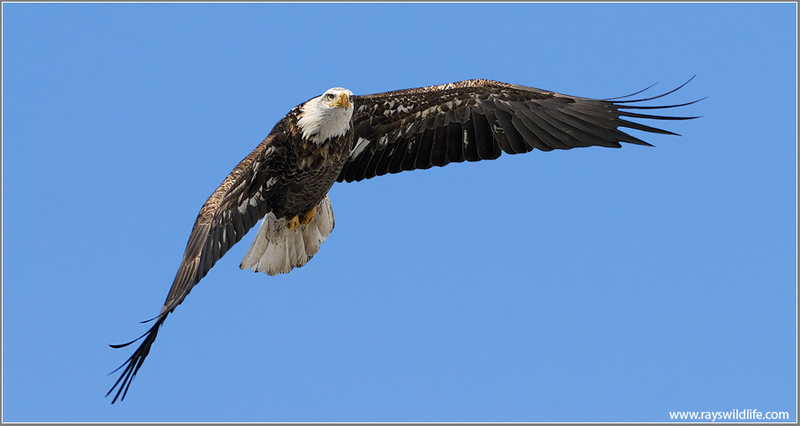
Bald Eagle (Haliaeetus leucocephalus) by Ray

Bald Eagle (Haliaeetus leucocephalus) by Ray

But those who wait on the LORD Shall renew their strength; They shall mount up with wings like eagles, They shall run and not be weary, They shall walk and not faint.” (Isaiah 40:28-31 NKJV)

Sparrow Frozen To A Fence – DoDo

Another interesting video from “the dodo” channel.

“Bird Frozen To Metal Fence Rescued by Kind Man | This little bird landed on a fence that was so cold, his feet froze to it and he couldn’t fly away. But luckily the nicest guy came along and knew exactly what to do.”

Not sure if this bird prayed like this, but it would apply to us if we were in such a predicament as this.

“Be pleased, O LORD, to deliver me: O LORD, make haste to help me.” (Psalms 40:13 KJV)

P.S. This wouldn’t happen here in Central Florida. :)

See more from “the dodo” channel.

Millions of Years Old DNA? – Creation Moments

 Timothy 6:20
“O Timothy, keep that which is committed to thy trust, avoiding profane and vain babblings, and oppositions of science falsely so called…”

While even many Christians feel obligated to accept millions of evolutionary years, evidence continues to build for a young creation. The evidence has mounted to the point that even many evolutionists feel they must find some explanation for it.

In a previous Creation Moments program, we talked about DNA and other cell material found unfossilized in what was otherwise a fossilized T. rex. Since then, a hadrosaur leg bone with intact blood cells has also been found. Then there is the mummified hadrosaur that was the subject of a television special. Even its internal organs were intact. According to evolutionists, we are supposed to believe that this mummy had not crumbled to dust in 77 million years. That claim is not credible, given our experience with the best preserved Egyptian mummies that are only a few thousand years old. Segments of DNA have also been found from Neanderthals, supposedly prehistoric mammals, plants and even bacteria. According to evolutionary dating, these samples range in age from 40,000 to 250 million years. Yet, we know that DNA is totally decayed in 10,000 years. Enough color pigment cells remain in a fossilized feather that you can still see the color pattern. Yet, it is supposedly more than 100 million years old.
While evolutionists have tried some explanations for this evidence, the simplest explanation is that they are young.

Prayer: Father, fill me with a greater hunger for Your Word so that, taught by You, I will not be misled by falsehood. Amen.

 Author: Paul A. Bartz

Ref: Acts & Facts, 6/09, p. 17, Brian Thomas, “Fossilized Biomaterials Must Be Young.” Photo: Corythosaurus casuarius skeleton a type of hadrosaur. (PD)

© 2020 Creation Moments.  All rights reserved.

Other articles about DNA

Mute Swans – From AviBirds

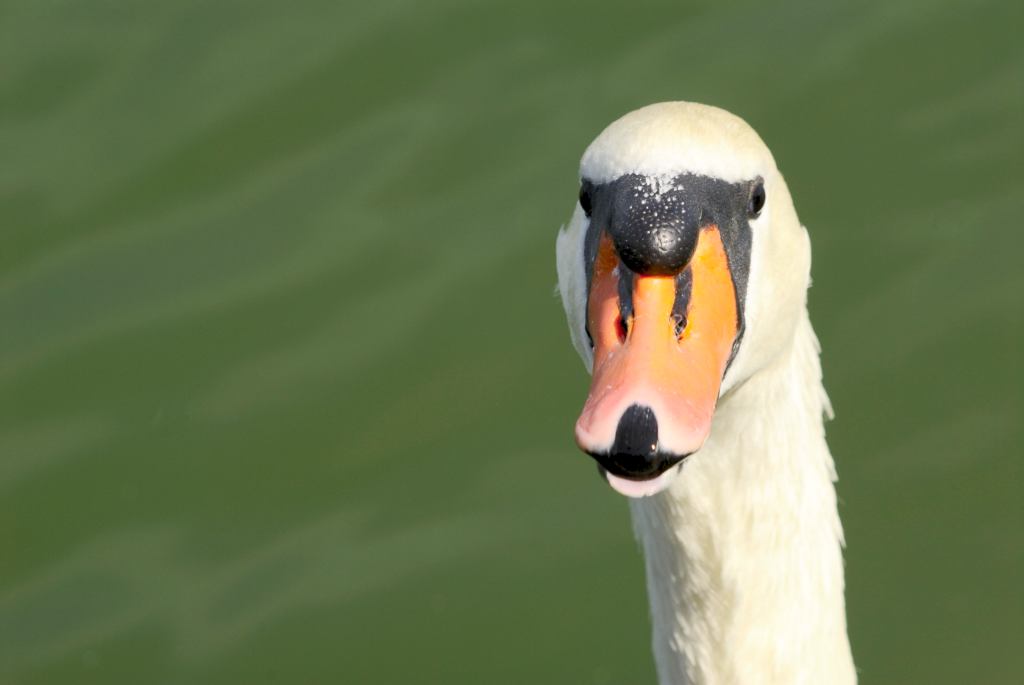
Mark, from AviBirds, has given us the privledge of viewing the various videos that they produce. Here is the one about the Mute Swan (Cygnus Olor).

We are fortunate to see the Mute on several of the Lakes over in Lakeland, Florida. Plus, other places around here, but we have birded Lake Morton and Lake Hollingsworth many times over the years. Here are a few of those sightings:

Why you looking at my foot – Mute Swan at Lake Morton

Mute Swan (Cygnus olor) (close up) at Lake Morton, Lakeland, FL By Dan’sPix

Mute Swan on Nest at Lake Morton

Mute Swan on Nest at Lake Morton by Dan

“And the swan, and the pelican, and the gier eagle,” (Leviticus 11:18 KJV) From the “Do Not Eat List”

Stop by AviBirds for all of their videos, or stay tuned for more postings here.

Birds of the Bible – Swans

Good News

Hawk Stuck In Grill Of Car – Dodo Channel

Dan found this on The DoDo channel and I thought we would share it here:

But you, God, see the trouble of the afflicted; you consider their grief and take it in hand. The victims commit themselves to you; you are the helper of the fatherless. (Hawk in the case) (Psalms 10:14 NIV)

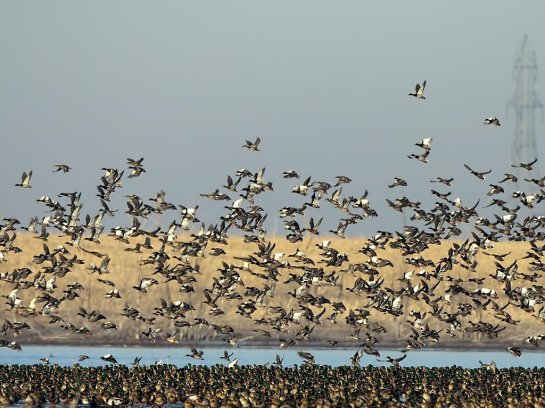
Ducks “Social Distancing”

Black-bellied Whistling Ducks by Lee 3-15-20

Recently we were visited by a small flock of Black-bellied Whistling Ducks. Not sure who told them to “Social Distance,” but they seem to be doing it.

A few years ago, we were at the shore where these birds were not practicing this. Then again, who had ever heard of “Social Distancing” until recently?

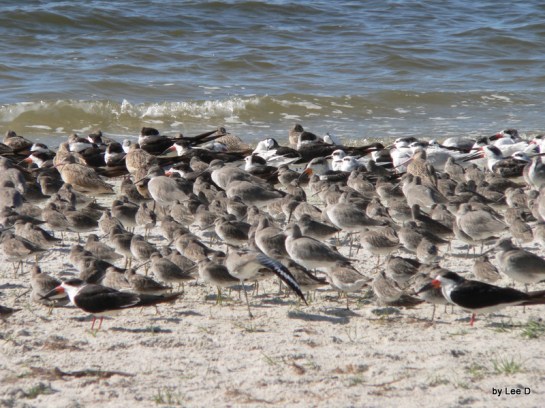
Crowded Shore at MacDill by Lee

These shorebirds definitely are NOT “Social Distanced.” We are trusting and praying that you are staying safe and finding things to do while staying home. Check the links along the sides of this page. There are many things and birds you can read about.

Remember that the Lord never wants us to “Social distance” from Him.

“But it is good for me to draw near to God; I have put my trust in the Lord GOD, That I may declare all Your works.” (Psalms 73:28 NKJV)

Spend some of your time at home checking out these topics:

Indecisive Black-bellied Whistling-Ducks

Bible Birds – Whistling Ducks

Bible Birds

Scriptural Alphabet

Watching Birds

Golden Eagle

Bird Tales

Orni-Theology

Wordless Birds


Reflections and A House Ornament

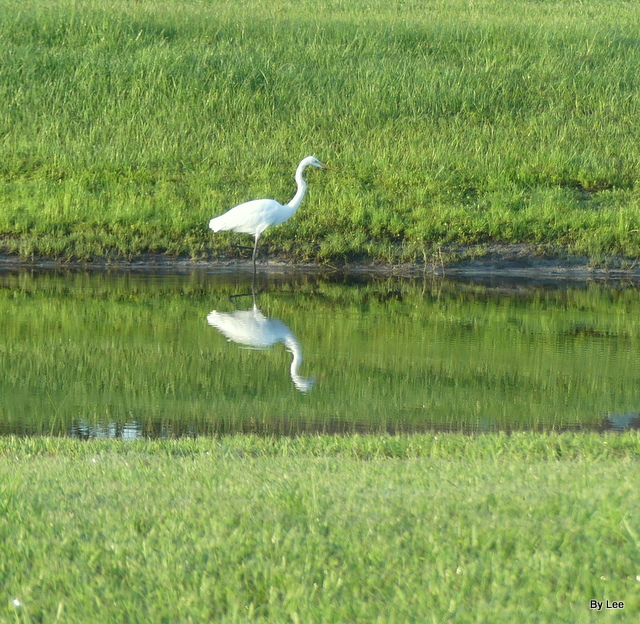
Great Egret Reflecting off the pond by Lee

Great Egret Reflecting off the pond by Lee

“Iron sharpens iron, So one man sharpens another. He who tends the fig tree will eat its fruit, And he who cares for his master will be honored. As in water face reflects face, So the heart of man reflects man.” (Proverbs 27:17-19 NASB)

“When I saw, I reflected upon it; I looked, and received instruction.” (Proverbs 24:32 NASB)

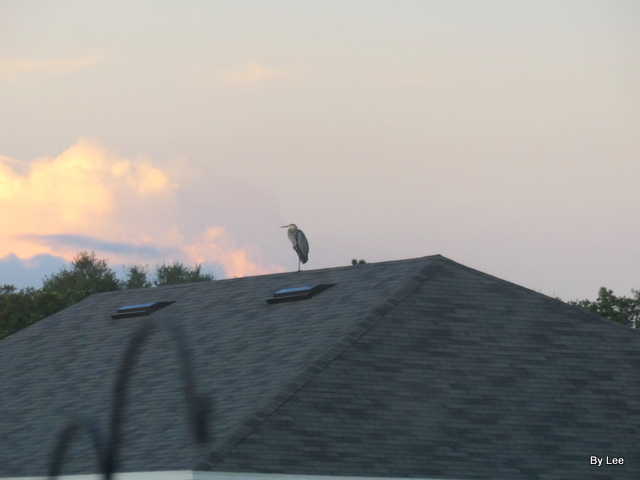
As you know, we have not been birding, or really going anywhere much lately. So, breakfast birding is becoming our birding adventures. Lately, when we go in and out of our housing addition, we have noticed quite frequently, a Great Blue Heron sitting on some houses. Of course, I have never had a camera ready or even in the car.

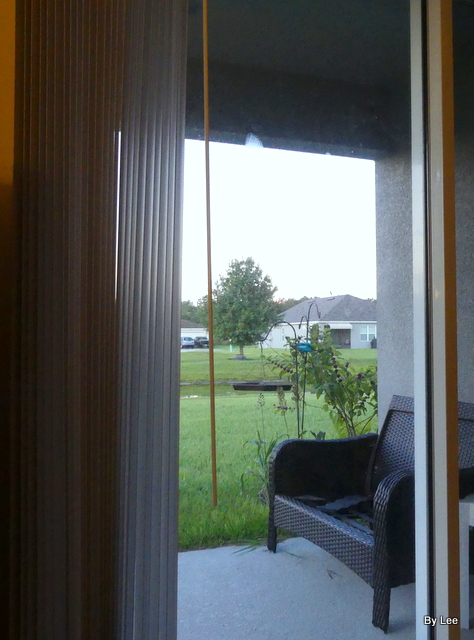
BUT, when we looked out, from the breakfast table, the other morning, this is what I saw. I grabbed the camera and took these photos:

Great Blue Heron on Housetop by Lee

Great Blue Heron on Housetop from breakfast table by Lee

I zoomed in closer, and sure enough, there the Great Blue Heron was on my neighbors house. Back in the “old days” we used to have hood ornaments on car hoods.

Hood Ornament on a Packard (Library of Congress PD)

Hood Ornament on a Packard (Library of Congress PD)

This Heron is making a great “House Ornament.”

Great Blue Heron on Housetop by Lee

Great Blue Heron on Housetop by Lee

Great Blue Heron of Housetop by Lee

Great Blue Heron of Housetop by Lee

“For there is nothing covered, that shall not be revealed; neither hid, that shall not be known. Therefore whatsoever ye have spoken in darkness shall be heard in the light; and that which ye have spoken in the ear in closets shall be proclaimed upon the housetops.” (Luke 12:2-3 KJV)

Well, it’s back to relaxing until the next Breakfast bird/birds show up to entertain us. In the mean time, I have been working on my Geneology.

LEE’S ANCESTRY ADVENTURES

Wordless Birds – With Hummingbirds

Bee-eaters – Creation Moments

White-fronted Bee-eater (Merops bullockoides) ©WikiC

White-fronted Bee-eater (Merops bullockoides) ©WikiC

Here is another interesting video from Creation Moments about the habit of Bee-eaters of eating bees loaded with poison.

 Watch our video about
one of God’s most amazing
creatures – birds that eat bees!


Bee-eaters make their living catching and eating bees and wasps with stingers. The poison in many of these stinging insects is powerful enough to kill bee-eaters, but the birds are not only skilled at avoiding stings, they know how to remove the poison from the bee when they eat it! And they have one other important skill, which you’ll learn about when you watch our “Birds Who Build Pyramids” video.

Click here to watch or click the photo above.

From Creation Moments ©2020

“I know every bird of the mountains, And everything that moves in the field is Mine.” (Psalms 50:11 NASB)

Interesting Things

From The Breakfast Table – 7/24/20

White Ibis checking out our yard.

White Ibises checking out our yard.

Well, while eating our breakfast today, we had another birdwatching adventure. Since I have been staying in more again because of this Covid-19 pandemic, there have been no trips to watch birds. No birds, no posts. Thankfully, Dr. Johnson (JJSJ) and William Wise have been adding post here.

With the heat of summer, the birds are less frequent this time of year. Many migrate north, but they will return this fall. Also thankfully, there are those who are resident birds and hang around. Today was a show of Northern Mockingbirds. When we moved here recently, I brought a Beautyberry shrub with me. My neighbor helped me prune it, and it is the best it has ever been. I have been watching the little berries develop, and now, some of them are ripening up.

Northern Mockingbird on Hook 2

Northern Mockingbird on Hook

“For at the window of my house I looked out through my lattice,” [double sliding door] (Proverbs 7:6 NASB)

First a few White Ibises walked through the yard, and then the Mockingbirds started to appear. I have only seen one most of the time. Must be something about those berries that brought the whole family in. Before breakfast was over, five had come in at once. Three of them seem like juveniles or almost mature, the other two, I assume are the adults.

Here are some of the photos I took while sitting at the breakfast table:

American White Ibises checking for whatever:

White Ibis checking out our yard.

White Ibis checking out our yard.

Northern Mockingbirds on the hook and the Beautyberry plant:

Northern Mockingbird on Hook

2 Northern Mockingbirds on Hook

Young Northern Mockingbird on Hook

Eating berries

“Look at the birds of the air, that they do not sow, nor reap nor gather into barns, and yet your heavenly Father feeds them. Are you not worth much more than they?” (Matthew 6:26 NASB)

All these visitors made for an entertaining and blessed start to our day. Here is a video of some of this activity. All from my chair at breakfast.

Video of Mockingbirds:

And video of Juvenile Mockingbird

Good News

Creation Moment’s – Tool Users That Are Something To Crow About

New Caledonian Crow (Corvus moneduloides) by Ian Montgomery

Genesis 4:22

And Zillah, she also bare Tubal-cain, an instructor of every artificer in brass and iron: and the sister of Tubal-cain was Naamah.”

Many creatures have been found that use sticks, leaves and other items as tools. Chimpanzee parents teach their youngsters to poke sticks in termite holes to get termites. However, no animal has shown an instinctive tendency to make and use tools, until now.

Caledonian crows are among the known tool-users. A pair of captive New Caledonian crows were having trouble incubating their four eggs. So researchers decided to incubate and raise the young crows themselves. Upon hatching, the young crows were separated into two pairs. One pair received lessons on how to use twigs to poke food out of slots. The other pair received no lessons, nor were they allowed to see their siblings using tools. When they were given sticks and leaves, they spontaneously began using the twigs to poke food out of a slot. One of them also tore a leaf into a food poker. After evaluating all the behavioral data, researchers concluded that while crows have a natural tendency to make and use tools, they also learn how to make improved tools from their elders.

Tool making is not what separates man from animals, although we can make tools far superior to those made by animals. The Bible tells us that the earliest man was made in the image of God and that the earliest generations of man were already making iron tools.

Prayer: Father, thank You for making me for a relationship with You and making a relationship possible through Christ. Amen.

Author: Paul A. Bartz

Ref: Science News, 1/15/05, p. 38, S. Milius, “Crow Tools.” Image: New Caledonian crow (PD)

© 2020 Creation Moments. (Used with permission)


Lee’s Addition:

We have had several previous articles about the tool usage of birds:

Birds of the Bible – Uniquely Created Tools

Interesting Things – Fleas, Birds and Tools

The Best Toolmakers in the World by Emma Foster

The Crow and the Screwdriver – by Emma Foster

*

Hope for Hard Times