Birds of the Bible – Better Than The Birds

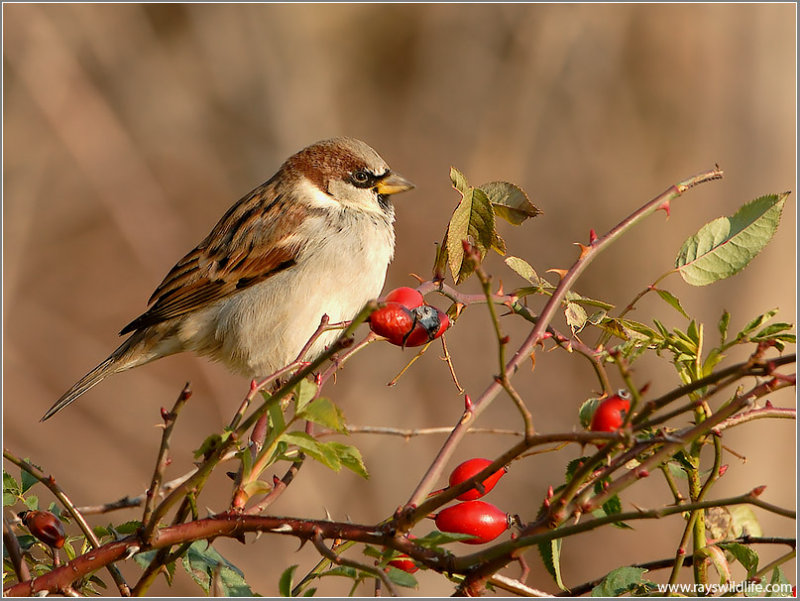
House Sparrow by Ray

In 2013, the Birds of the Bible – Worry and Sparrows articles were posted for part I and II. It’s 2020 now, and I’d like to repost these, plus add III and IV, which were never posted. They were overlooked by me. If your memory is like mine, you need a refresher. This time I will add the last 2 articles.


While listening to Wisdom For The Heart on BBN (Bible Broadcasting Network), I heard this message by Pastor Stephen Davey and wanted to share it. His message was “Better than the Birds” and of course it caught my attention. There are four parts, this is the introduction and part one.

Better than the Birds

Luke 12:6-31

I have read that a dense fog – so extensive that it covers seven city blocks a hundred feet deep is actually composed of no more than one glass of water; water, of course that’s divided into more than 60 billion droplets of water.i

Just a couple gallons of water can cripple an entire city.

In many ways, this perfectly illustrates the substance of worry. Just a little bit of it can spread and deepen and ultimately cripple the mind and the heart of even believers.

One author put it this way when he wrote, “Worry is a thin stream of fear that trickles through the mind, which, if encouraged, will cut a channel so wide that all other thoughts will be drained out.”ii

I find it extremely gracious of our Lord that whenever He addressed the subject of worry, and He did on several occasions, He went much further than simply saying, “You know better than that . . . worrying isn’t good for you . . . it’ll mess up your mind . . . isn’t right . . . stop worrying right now!”

Instead, Jesus graciously causes us to think through this vaporous substance of worry; He gives us several reasons to stop worrying and He even condescends in His patience to give us illustrations – effectively – giving us principles to teach us why we really don’t ever need to worry.

And several of His key principles are the form of questions.

Let me invite you to Luke chapter 12 where Jesus asks some profound questions.
He’s teaching His disciples – this chapter in Luke corresponds to His sermon in Matthew’s Gospel.

Now if you’ve ever read His sermon, you’ll notice that He goes from one subject to the next – almost randomly touching on a series of different topics.

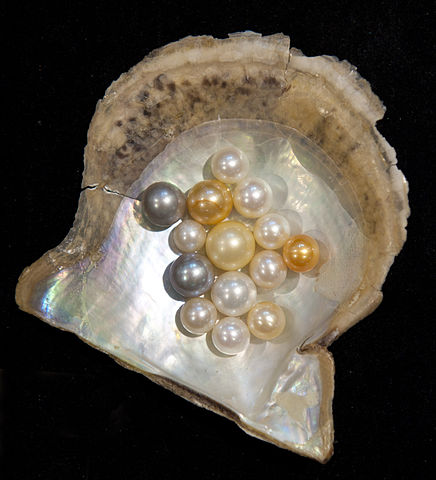
Jesus is actually employing a Jewish teaching style called Charaz – which means, stringing pearls.iii

In other words, Jesus will string pearls of wisdom on a number of subjects, like someone might string together a rare necklace of pearls.

And one of the pearls He adds to his string of pearls is this subject of worry.

Let me give you four principles in this regard as we work through His comments on overcoming worry.

The first principle to understand is that:
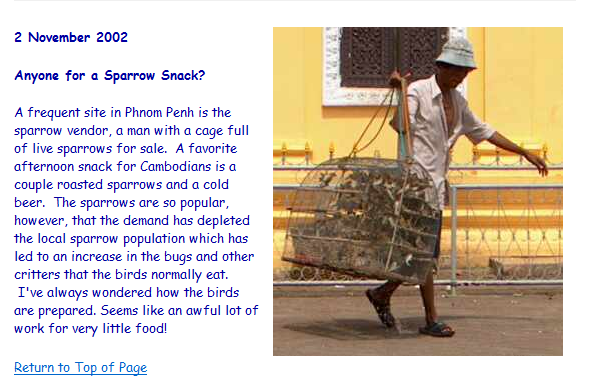
Anyone for a Sparrow Snack?

Anyone for a Sparrow Snack?

   1. Worry denies the gracious care of God

And He proves His point by asking two questions – notice His first question at verse 6. Are not five sparrows sold for two cents? Yet not one of them is forgotten before God.

Now if you compared this account with Matthews account, we’re told that 2 sparrows were sold for 1 penny.

The Greek term for this coin refers to a small brass coin worth about 1/10th of a day’s wage for a working laborer.

Which is a long way of saying, sparrows were the cheapest meat sold in the marketplace.iv

They were the food of the poorest of the poor. You barely got a mouthful of meat from a little sparrow.
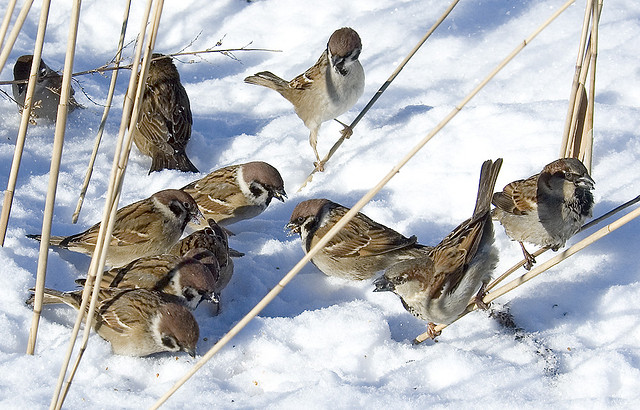
Sparrows in snow ©©Bing

Sparrows in snow ©©Bing

In fact, Matthew’s Gospel tells us that you can buy 2 sparrows for a penny and Luke here tells us that you can get 5 sparrows for 2 penny’s; how’s that add up?

Well, we know from history that during the days of Christ, sparrows were so abundant and so cheaply sold to the poor that if you bought 4, you got one thrown in for nothing.

And that’s what Luke alludes to here – are not five sparrows sold for two cents? Yet not one of them is forgotten before God.

Now watch this – Luke is effectively saying, even the free sparrow is not forgotten by God. Even the sparrow that got thrown in for nothing matters to God.

You want to know why you never need to worry? Because to God you are never lost in the crowd.v

Not only does God not lose track of even one sparrow – he doesn’t even lose track of one single hair from your head.

Notice further in verse 7. Indeed the very hairs of your head are all numbered.

I’ve read that the average person’s head holds more than 100,000 hairs. Some of us are down to a few hundred.vi

A few dozen . . .

Now some commentators don’t think Jesus is being serious here – that He’s just exaggerating to make a point.

I mean, come on . . . He counts the number of the hairs on our heads? That number changes daily. Surely God doesn’t bother with that kind of detail. Gary Hallquist – 60,000; Dr. Burggraff – 12 . . . hundred.

No, I think that’s exactly His point. The glory of God revealed here is that He actually does know!

Jesus is effectively asking us, “Look, do you really think you can slip out of your Heavenly Father’s care – that you can somehow slip out from underneath the radar of His divine omniscience? Do you think He’s forgotten about you or that your problems are too numerous to keep up with?

I mean if He can keep track of 100,000 hairs on somebody’s head of hair, do you think He’ll get frustrated with you coming to Him over and over again to give Him your worries?

Do you think He’s going to say, “Look, there’s only so much room on my ledger and you’ve already been here a dozen times today . . . I just can’t keep track.”

Listen, if God is actually such a gracious, omniscient God – that He doesn’t overlook a single sparrow – even the one that gets thrown in for free – He will never overlook you either.

Worry denies the gracious care of God
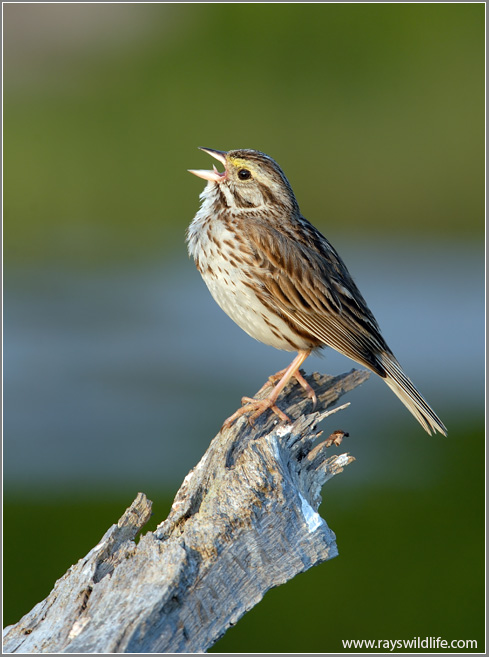
Savannah Sparrow singing by Ray

Savannah Sparrow singing by Ray

(Copied with permission from Wisdom for the Heart and Pastor Stephen Davey.)

i John MacArthur, Matthew 1-7 (Moody Publishers, 1985), p. 419
ii Ibid
iii William Barclay, The Gospel of Luke (Westminster, 1975), p. p. 160
iv Bruce B. Barton, Life Application Bible: Luke (Tyndale, 1997), p. 314
v Barclay, p. 161
vi MacArthur, p. 119


Lee’s Addition:

Are not five sparrows sold for two farthings, and not one of them is forgotten before God? But even the very hairs of your head are all numbered. Fear not therefore: ye are of more value than many sparrows. (Luke 12:6-7 KJV)

What a great encouragement not to worry. Thanks, Pastor Davey for a great message.

See:

*

Two Suppers – By William Wise

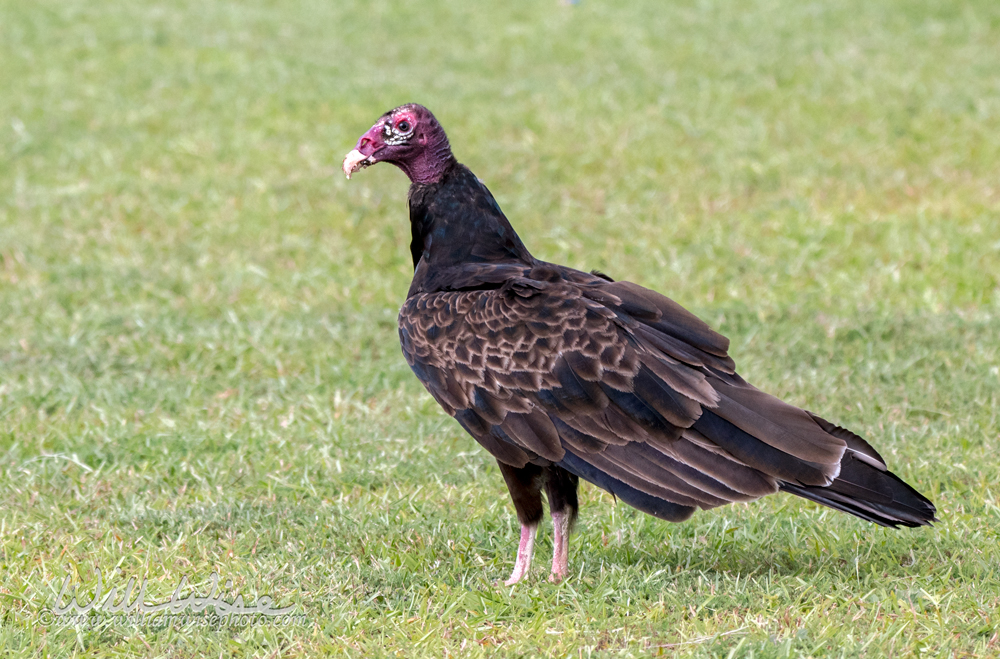
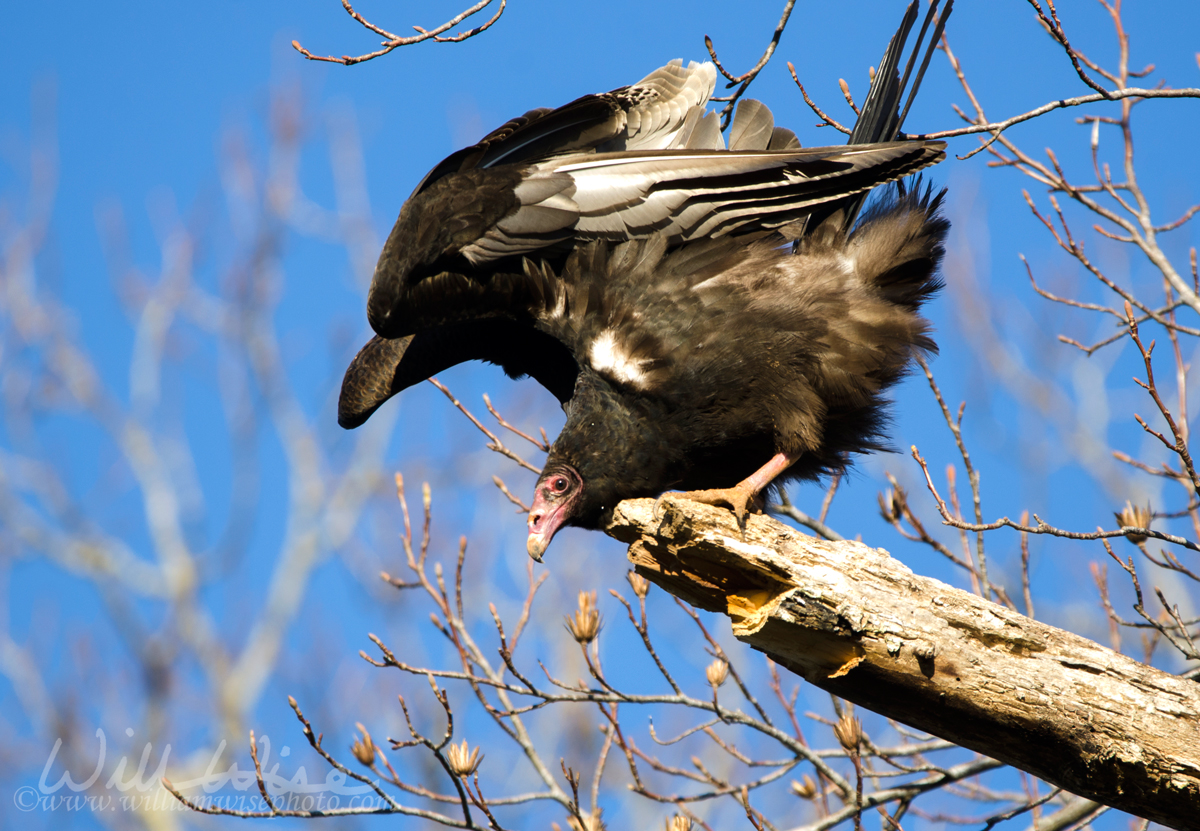
Turkey Vulture; Walton County, Georgia by William Wise

Turkey Vulture; Walton County, Georgia by William Wise

Two Suppers

By William Wise of www.williamwisephoto.com

Revelation 19:17-18  And I saw an angel standing in the sun; and he cried with a loud voice, saying to all the fowls that fly in the midst of heaven, Come and gather yourselves together unto the supper of the great God;  18 That ye may eat the flesh of kings, and the flesh of captains, and the flesh of mighty men, and the flesh of horses, and of them that sit on them, and the flesh of all men, both free and bond, both small and great.

While running a 10K race with my 69-year-old father, I laughed as he looked up and shouted at a group of circling vultures and said, “Go away! I’m not dead yet!” Although they were waiting to dine on him, he wasn’t quite ready to be their supper.

King James Authorized 1611 Pulpit Folio

The Bible tells us (and yes, I believe it) that one day in the future, God is going to host two great suppers, or feasts. The first is the party of the century… no, the party of the millennia… no, the party of the ages! It is called the Marriage Supper of the Lamb. And all the followers of Jesus Christ will be given clean, white garments and enjoy the greatest wedding reception of all time.

Georgia Vultures by William Wise

Georgia Vultures by William Wise

But simultaneously, there is another feast. It is called the Supper of the Great God. Those who did not RSVP for the Marriage Supper of the Lamb, but lived for themselves, will be attendees at this gathering. For it is a gathering of fowls; of carrion crows and vultures to feed upon the slain who turned in battle against returning Messiah. But you need not attend that feast.

Turkey Vulture; Clarke County, Georgia by William Wise

Turkey Vulture; Clarke County, Georgia by William Wise

When you pass a roadside party of vultures dining on last night’s unlucky road crossing, just remind yourself, “I’d rather feast at the Marriage Supper of the Lamb than be feasted upon at the Supper of the Great God.”


We are excited to introduce a new Photographer/Writer to the Lee’s Birdwatching Adventures blog. Not only is he a great Christian photographer, but a blogger who writes about Creation topics also. Welcome, William!

Check out his website at: http://www.williamwisephoto.com/index.html

Birds of the Bible – Deuteronomy 14:16-18 V (WYC)

Sharp-tailed Sandpiper (Calidris acuminata) ©WikiC

“16 a falcon, and a swan, and a ciconia,
17 and a dipper, a porphyrio, and a rearmouse, a cormorant,
18 and a calidris, all in their kind; also a lapwing and a bat.” Deuteronomy 14:16-18 Wycliffe Bible (WYC)

As we conclude our investigation of the interesting interpretation of these three verses from Wycliffe’s Bible, another amazing critter is encountered. We have been looking at these verse in these recent blogs:

Normally, these verses would read something similar to this:

Deuteronomy 14:16-18 KJV
(16)  The little owl, and the great owl, and the swan,
(17)  And the pelican, and the gier eagle, and the cormorant,
(18)  And the stork, and the heron after her kind, and the lapwing, and the bat.

Or maybe the New American Standard’s Version:

Deuteronomy 14:16-18 NASB
(16) the little owl, the great owl, the white owl,
(17) the pelican, the carrion vulture, the cormorant,
(18) the stork, and the heron in their kinds, and the hoopoe and the bat.

Webster Dictionary 1913 says:

(1): (n.) A bare-legged person; — a contemptuous appellation formerly given to the Scotch Highlanders, in allusion to their bare legs.
(2): (n.) The fieldfare.
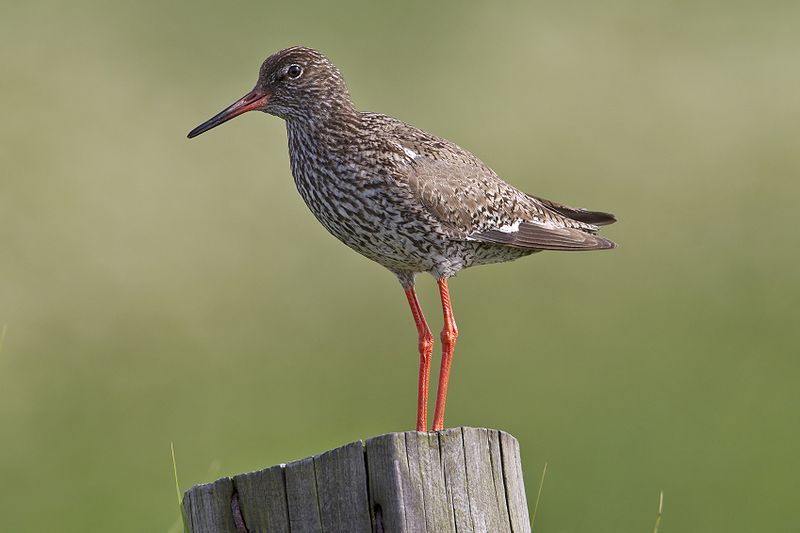
(3): (n.) A common Old World limicoline bird (Totanus calidris), having the legs and feet pale red. The spotted redshank (T. fuscus) is larger, and has orange-red legs. Called also redshanks, redleg, and clee.

If this older dictionary entry indicates this genus, then it would refer to the Redshank clan.

Common Redshank (Tringa totanus) ©WikiC

Common Redshank (Tringa totanus) ©WikiC

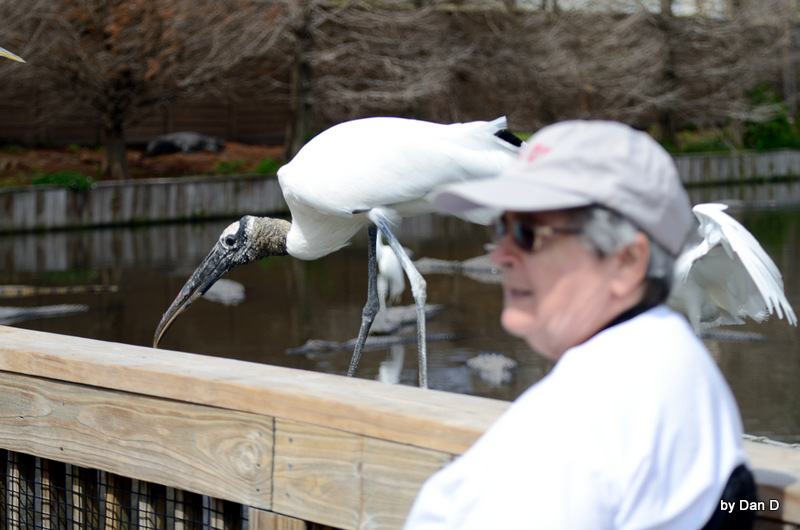
Or maybe the Stork would be referred to:

Wood Stork at Gatorland Walking Past Me

My personal opinion, would be that the stork is not the calidris. But my opinion does not matter, only what the Greek or Hebrew of the original languages means. In this case, I have no clue other than Do Not Eat them. Thanksgiving is next week, and there is no plan to have a stuffed Stork or one of the Redshanks or Calidis clan on the table.

Today, as Christians, we are not “forbidden” to eat any certain birds, BUT, there are some of the Lord’s Avian Wonders that shouldn’t be eaten. They could be very dangerous to our health. COMMON SENSE still makes great sense.

I trust you have found this investigation of the Wycliffe’s Version of these verses interesting and informative. It definitely had me scratching my head at times. It helped me dig into the Bible and the Bird families to try to find answers.

See the Calidris clan here: Calidris

Birds of the Bible

Gospel Message


Wow!! Two Million And Counting!!

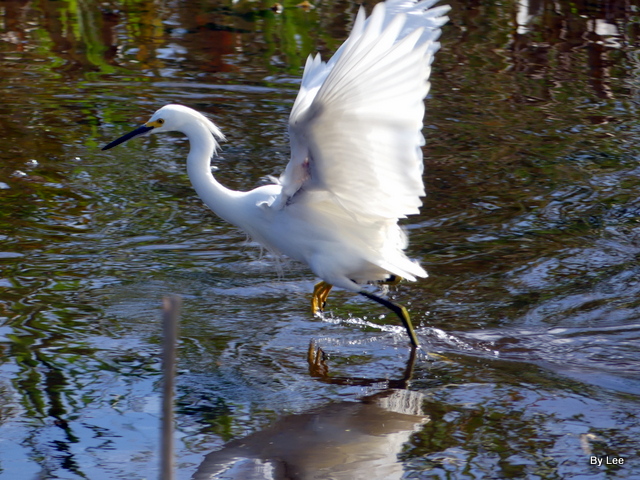
Snowy Egret Viera Wetlands – 12-31-2018 by Lee

“Therefore I will give thanks to You among the nations, O LORD, And I will sing praises to Your name.” (Psalms 18:49 NASB)

Thank You!!, Thank You!! again for all visits and views of this blog. Last night (Oct 31, 2019) sometime the counter flipped over the Two Million mark on the visitor counter on the left side of the blog.

2 Million Views

2 Million Views

Here’s a closer view:

Close-up of Two Million Views

Close-up of Two Million Views

On October 20th in 2013, we hit the One Million Mark. See:

Thank You – One Million And Counting!

Now, here we are just a tad over 6 years to the two million mark. Who ever thought that we would still be blogging after all these years. We have now been using WordPress for over 11 years, and the blog is almost 12 years old. It was begun in February 2008, but when it was moved to WordPress the counter was reset.

I am so thankful to the Lord for letting this blog be used to present His beautifully Created birds. Also, without you readers, it would not have been successful. Thank You for every visit, pages viewed, and the many comments. Those comments have come many times when I was thinking of quitting and giving up. But, just when I needed a little extra encouragement, along came a comment that was perfectly timed to keep me going.

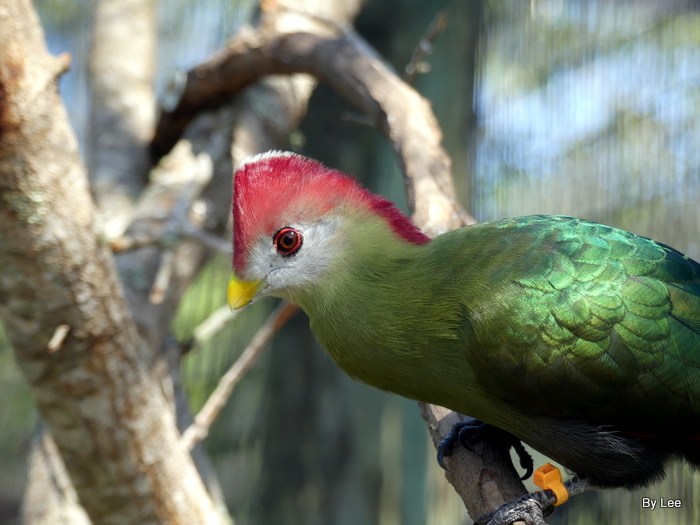
Red-crested Turaco at Brevard Zoo by Lee

After these many years, we have met so many people from around the world, and many have become personal friends. [At least I consider you personal friends.]

Also, those that write for the blog have made great contributions: James J.S. Johnson. or Dr. Jim, as I call him; Emma Foster and her Emma’s Stories, have been two of the newest writers used during this six year span. Also, Golden Eagle drops by occasionally. Our Ian Montgomery has provide numerous post from his birding adventures.

“God created the great sea monsters and every living creature that moves, with which the waters swarmed after their kind, and every winged bird after its kind; and God saw that it was good. God blessed them, saying, “Be fruitful and multiply, and fill the waters in the seas, and let birds multiply on the earth.” (Genesis 1:21-22 NASB)

Thank you, Lord, for giving us so many birds to learn and write about. Thank you, readers, for every visit to this blog. I trust that the Lord will allow me the wisdom, strength, and curiosity about the Avian Wonders from His Hand to keep writing about them.

Stay Tuned!

Feeding White Ibises at Lake Morton, by Lee [Dr. J.J.S. Johnson, Baron, and Dan]

Birds of the Bible – Deuteronomy 14:16-18 III (WYC)

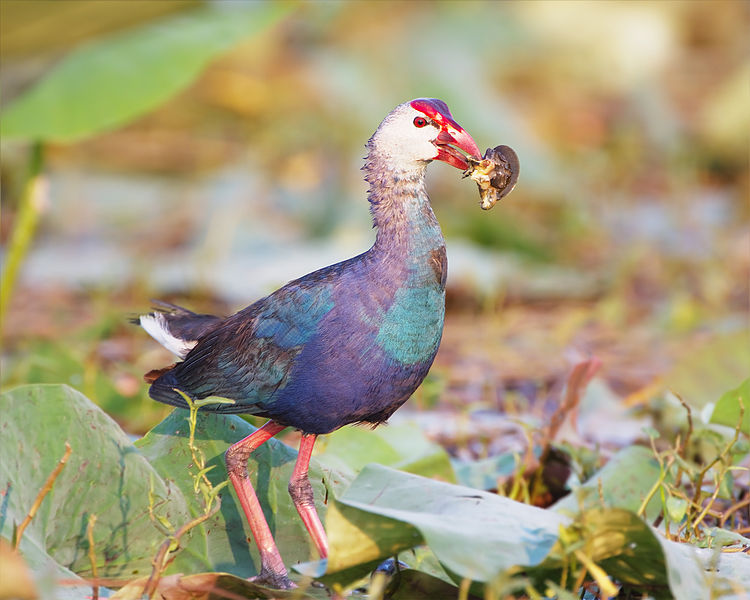
Framed Purple Gallinule by Dan

Purple Gallinule (Porphyrio martinica) by Dan

“16 a falcon, and a swan, and a ciconia,
17 and a dipper, a porphyrio, and a rearmouse, a cormorant,
18 and a calidris, all in their kind; also a lapwing and a bat.” Deuteronomy 14:16-18 Wycliffe Bible (WYC)

Now here is an interesting interpretation of these 3 verses. We are going to look at these verse in a few blogs. Normally, these verses would read something similar to this:

Deuteronomy 14:16-18 KJV
(16)  The little owl, and the great owl, and the swan,
(17)  And the pelican, and the gier eagle, and the cormorant,
(18)  And the stork, and the heron after her kind, and the lapwing, and the bat.

Purple Swamphen (Porphyrio porphyrio) ©WikiC

Purple Swamphen (Porphyrio porphyrio) ©WikiC

or like this:

Deuteronomy 14:16-18 NKJV
(16)  the little owl, the screech owl, the white owl,
(17)  the jackdaw, the carrion vulture, the fisher owl,
(18)  the stork, the heron after its kind, and the hoopoe and the bat.

Purple Swamphen (Porphyrio porphyrio) by Bob-Nan

Or maybe the New American Standard’s Version:

Deuteronomy 14:16-18 NASB
(16) the little owl, the great owl, the white owl,
(17) the pelican, the carrion vulture, the cormorant,
(18) the stork, and the heron in their kinds, and the hoopoe and the bat.

Purple Swamphen (Porphyrio porphyrio) ©WikiC parent and chick

In the first post about the Wycliffe translation, the Dipper was mentioned. Part II was about the Circonia or Stork. Now, let’s look at the third bird – Part III in these verses from the Wycliffe’s

“The Porphyrio is the swamphen or swamp hen bird genus in the rail family. It includes some smaller species which are usually called “purple gallinules”, and which are sometimes separated as genus Porphyrula or united with the gallinules proper (or “moorhens”) in Gallinula. The Porphyrio gallinules are distributed in the warmer regions of the world.”

“The genus Porphyrio was introduced by the French zoologist Mathurin Jacques Brisson in 1760 with the western swamphen (Porphyrio porphyrio) as the type species. The genus name Porphyrio is the Latin name for “swamphen”, meaning “purple”.

Another point about this name Porphyrio that the name used for the Order and the Family use a similar name:

Check out a previous article in more depth about these birds: Name Study of the Swamphen or Waterhen

This version, Wycliffe, was taken from Bible Gateways site.

Birds of the Bible

Wordless Birds

Birds of the Bible – Deuteronomy 14:16-18 II (WYC)

Storm's Stork (Ciconia stormi) ©©SanDiegoShooter

Storm’s Stork (Ciconia stormi) ©©SanDiegoShooter

“16 a falcon, and a swan, and a ciconia,
17 and a dipper, a porphyrio, and a rearmouse, a cormorant,
18 and a calidris, all in their kind; also a lapwing and a bat.” Deuteronomy 14:16-18 Wycliffe Bible (WYC)

Now here is an interesting interpretation of these 3 verses. We are going to look at these verse in a few blogs. Normally, these verses would read something similar to this:

Deuteronomy 14:16-18 KJV
(16)  The little owl, and the great owl, and the swan,
(17)  And the pelican, and the gier eagle, and the cormorant,
(18)  And the stork, and the heron after her kind, and the lapwing, and the bat.

or like this:

Deuteronomy 14:16-18 NKJV
(16)  the little owl, the screech owl, the white owl,
(17)  the jackdaw, the carrion vulture, the fisher owl,
(18)  the stork, the heron after its kind, and the hoopoe and the bat.

Or maybe the New American Standard’s Version:

Deuteronomy 14:16-18 NASB
(16) the little owl, the great owl, the white owl,
(17) the pelican, the carrion vulture, the cormorant,
(18) the stork, and the heron in their kinds, and the hoopoe and the bat.

In the first post about the Wycliff translation, the Dipper was mentioned.

Since names change sometimes in translations, our new one seems to be a bit strange. This is not as hard to figure out. Ciconia is the Latin name used to for a genus of Storks.  See Wikipedia. One of the differences here is that it shows up in verse 16 and not in verse 18 as these mentioned. Whatever, it is still a kind of bird that was not to be eaten. It (Circonia) is used today for these Storks:

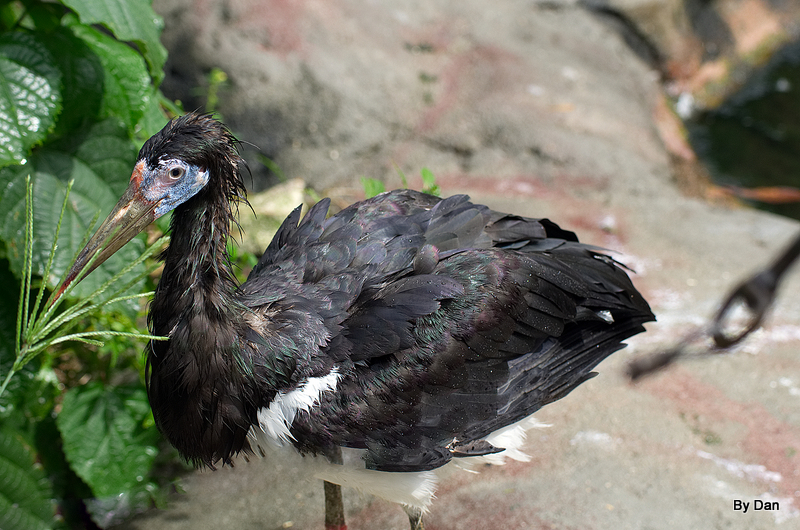
Wet Abdin’s Ibis at Jacksonville Zoo by Dan

Abdim’s Stork (Ciconia abdimii)

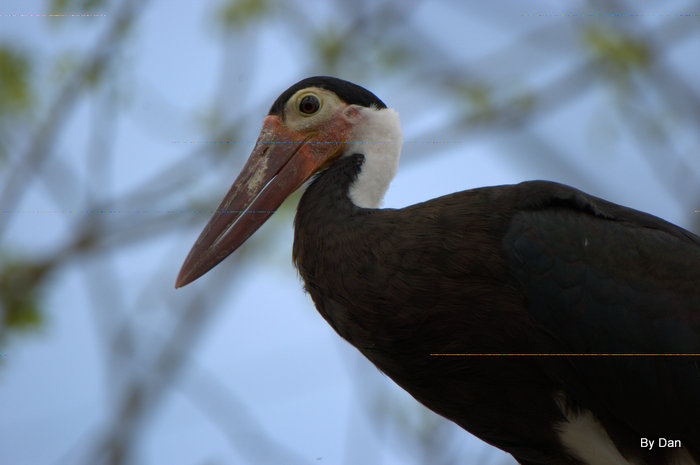
Woolly-necked Stork

Woolly-necked stork (Ciconia episcopus)

Storm’s Stork (Ciconia stormi) by Dan at Zoo Miami

Storm’s Stork (Ciconia stormi)

Maguari Stork (Ciconia maguari) ©©ClaudioTimm

Maguari Stork (Ciconia maguari) ©©ClaudioTimm

Maguari Stork (Ciconia maguari)

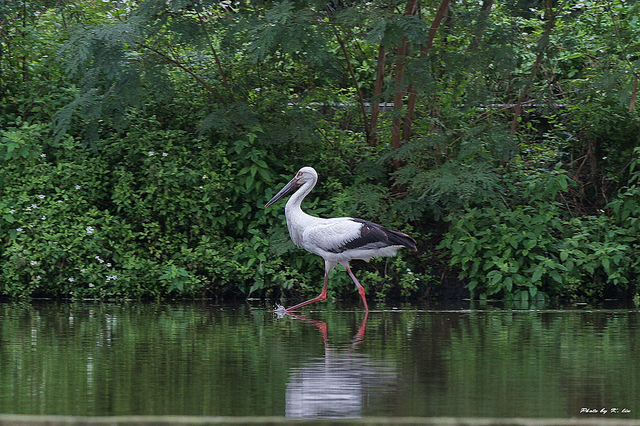
Oriental Stork (Ciconia boyciana) ©©Hiyashi Haka

Oriental Stork (Ciconia boyciana) ©©Hiyashi Haka

Oriental Stork (Ciconia bouciana)

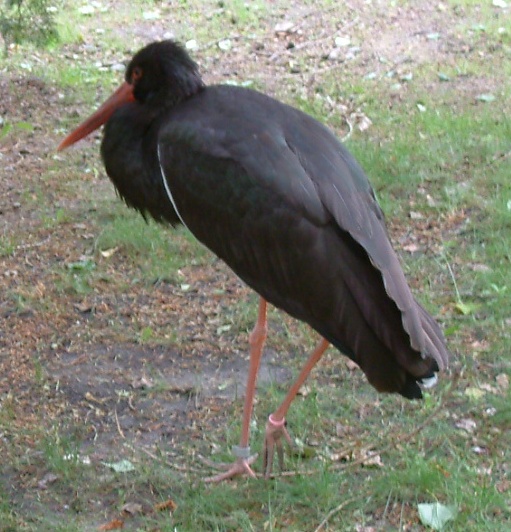
Black Stork (Ciconia nigra) ©WikiC

Black Stork (Ciconia nigra) ©WikiC

Black Stork (Ciconia nigra)

Another point about this name Ciconia is that the name used for the Order and the Family use a similar name:

Maybe, the Ciconia could be referring to the whole Order of Storks. See Birds of the Bible – Storks or Wikipedia Storks. I believe that is what most of the translations is indicating.

This version, Wycliffe, was taken from Bible Gateways site.

Birds of the Bible

Wordless Birds

Birds of the Bible – Deuteronomy 14:16-18 (WYC)

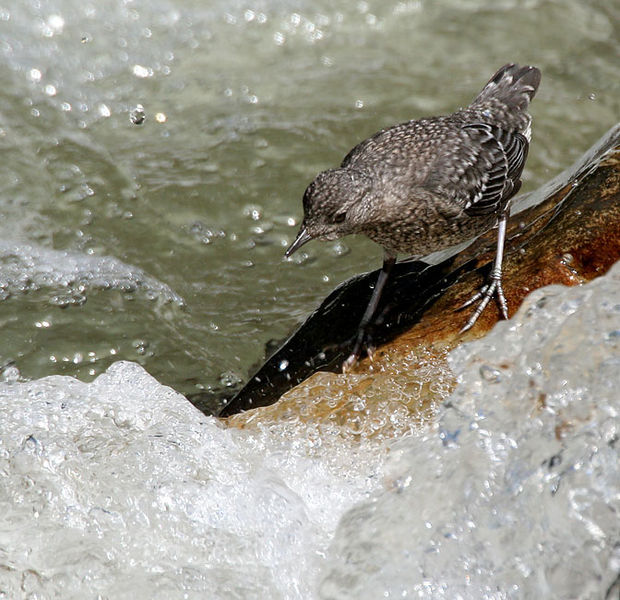
Brown Dipper (Cinclus pallasii) WikiC

Brown Dipper (Cinclus pallasii) WikiC

“16 a falcon, and a swan, and a ciconia,
17 and a dipper, a porphyrio, and a rearmouse, a cormorant,
18 and a calidris, all in their kind; also a lapwing and a bat.” Deuteronomy 14:16-18 Wycliffe Bible (WYC)

Now here is an interesting interpretation of these 3 verses. We are going to look at these verse in a few blogs. Normally, these verses would read something similar to this:

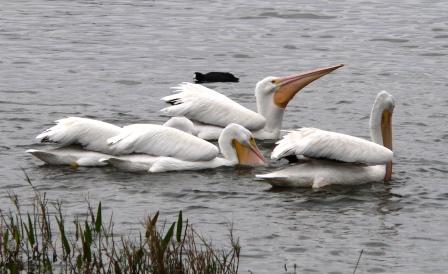
American White Pelicans at Lake Hollingsworth

Deuteronomy 14:16-18 KJV
(16)  The little owl, and the great owl, and the swan,
(17)  And the pelican, and the gier eagle, and the cormorant,
(18)  And the stork, and the heron after her kind, and the lapwing, and the bat.

or like this:

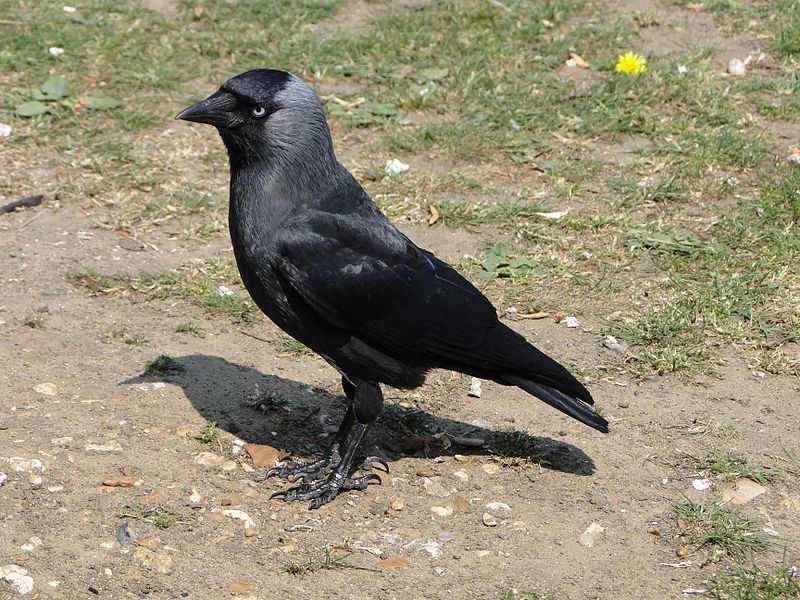
Western Jackdaw (Coloeus monedula) ©WikiC

Western Jackdaw (Coloeus monedula) ©WikiC

Deuteronomy 14:16-18 NKJV
(16)  the little owl, the screech owl, the white owl,
(17)  the jackdaw, the carrion vulture, the fisher owl,
(18)  the stork, the heron after its kind, and the hoopoe and the bat.

Or maybe the New American Standard’s Version:

Deuteronomy 14:16-18 NASB
(16) the little owl, the great owl, the white owl,
(17) the pelican, the carrion vulture, the cormorant,
(18) the stork, and the heron in their kinds, and the hoopoe and the bat.

The bird that caught my attention first was the Dipper. A Dipper?? Nothing similar to a Pelican or a Jackdaw are they? Huh? Well at least a Pelican dips into the water for its fish. But a Jackdaw? Not very similar to the Dipper, other than they are both dark colored.

Since names change sometimes in translations, this one seems to be a bit strange. [At least to me] Stay tuned as we look further into these different birds. Do you have an idea as to how these birds vary in the translations?

This version, Wycliffe, was taken from Bible Gateways site.

Birds of the Bible

Wordless Birds

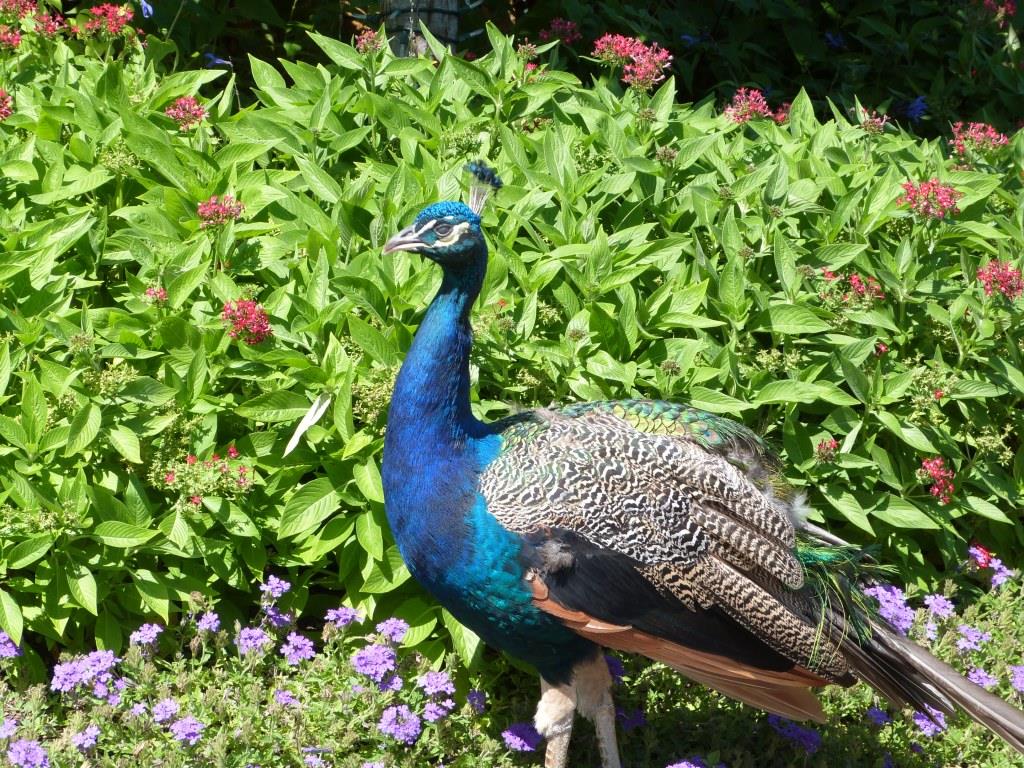
Artistic Birds – Peafowls or Peacocks

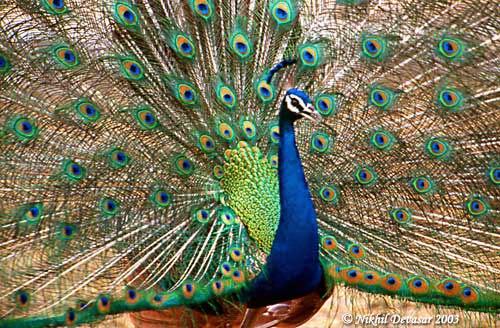
Indian Peafowl (Pavo cristatus) by Nikhil Devasar

Gavest thou the goodly wings unto the peacocks? or wings and feathers unto the ostrich?  (Job 39:13)

Before we leave the Phasianidae Family, there is a bird that is very familiar to many that shows God’s Creative and Artistic Hand at work. We always enjoy watching them. The Peacock/Peafowl is also listed as a Bird of the Bible.

Indian Peafowl (Pavo cristatus) at Cincinnati Zoo by Lee

Indian Peafowl (Pavo cristatus) at Cincinnati Zoo by Lee

Peafowl is a common name for three species of birds in the genera Pavo and Afropavo of the Phasianidae family, the pheasants and their allies. Male peafowl are referred to as peacocks, and female peafowl as peahens.] The two Asiatic species are the blue or Indian peafowl originally of the Indian subcontinent, and the green peafowl of Southeast Asia; the one African species is the Congo peafowl, native only to the Congo Basin. Male peafowl are known for their piercing calls and their extravagant plumage. The latter is especially prominent in the Asiatic species, which have an eye-spotted “tail” or “train” of covert feathers, which they display as part of a courtship ritual.

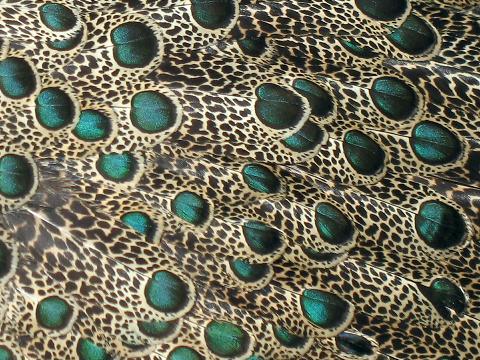
Malayan Peacock-Pheasant (Polyplectron malacense) Feathers ©WikiC

Malayan Peacock-Pheasant (Polyplectron malacense) Feathers ©WikiC

“For the king had at sea a navy of Tharshish with the navy of Hiram: once in three years came the navy of Tharshish, bringing gold, and silver, ivory, and apes, and peacocks.” (1 Kings 10:22 KJV)

Peacock at Magnolia Plantation by Dan

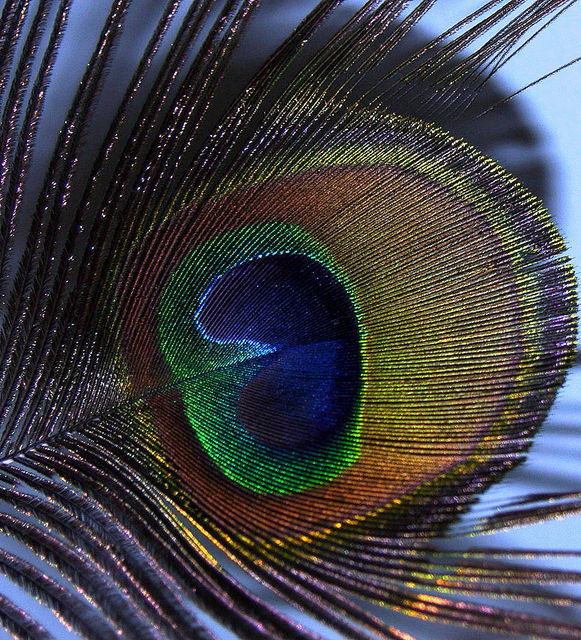
Peacock Feather

Peacock Feather by Lee

“For the king’s ships went to Tarshish with the servants of Huram: every three years once came the ships of Tarshish bringing gold, and silver, ivory, and apes, and peacocks.” (2 Chronicles 9:21 KJV)

13. Peacock

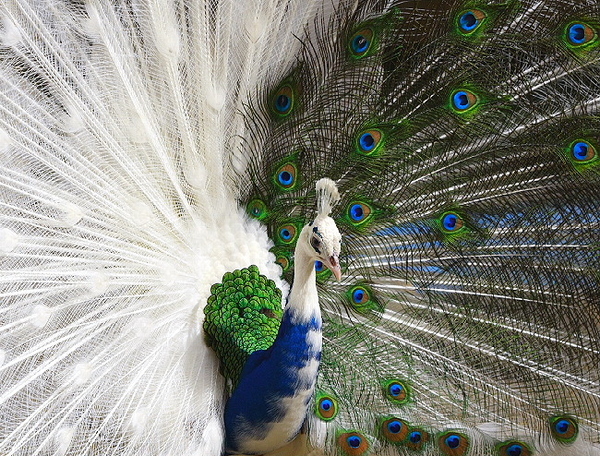
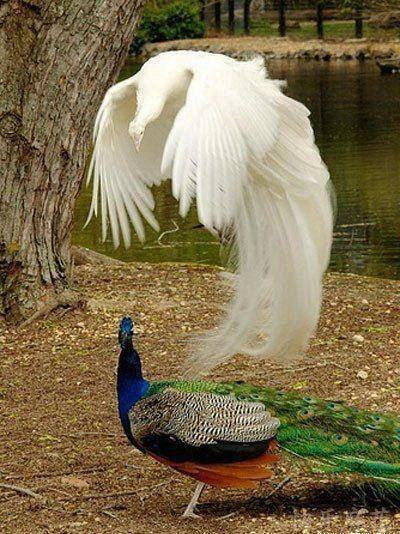
White Peacock

White and Regular Peacocks from email

White Peacock from email

Wow! What another beautiful artistic Avian Wonder from our Lord.

Artistic Work In Birds – Introduction

Wordless Birds

Does an Eagle Carry Its Young on Its Wings?

Bald Eagle (Haliaeetus leucocephalus) by Aesthetic Photos

Here is a great article from Answers in Genesis that tells about the Eagle and their young. We have used these passages here, but Troy Lacey has done quite a bit of research about this. It is definitely worth reading.

Deuteronomy 32:9-14 is an inspiring passage which speaks of God’s care for Israel. Written by Moses at the end of the wilderness wandering, just before the Israelites would cross the Jordan river into the land of Israel, it speaks of God’s past care for the Israelites. In the middle of this passage (verse 11), Moses speaks of an eagle’s care for its fledglings as an obvious analogy of God’s care for Israel during this time.

This verse has become a popular topic for sermons and a much-copied inspirational social media post. But has the verse been misunderstood, misapplied, or misused? There have even been charges that this verse is not accurate and thus is a “Bible error.”…

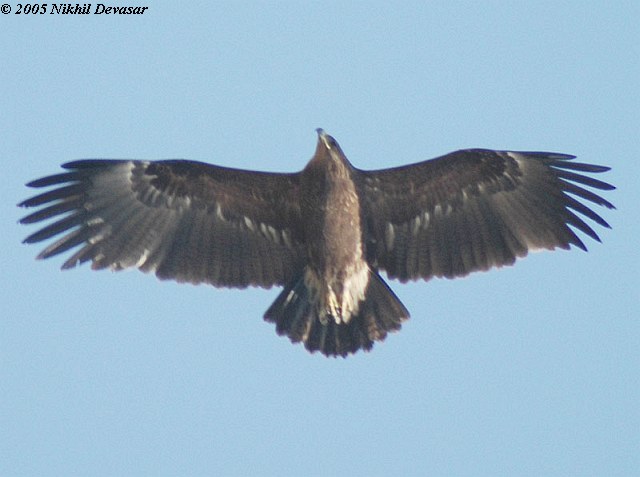
Greater Spotted Eagle (Aquila clanga) by Nikhil

Greater Spotted Eagle (Aquila clanga) by Nikhil

Does an Eagle Carry Its Young on Its Wings? To read the rest of the article.

“For the LORD’s portion is His people; Jacob is the place of His inheritance. “He found him in a desert land And in the wasteland, a howling wilderness; He encircled him, He instructed him, He kept him as the apple of His eye. As an eagle stirs up its nest, Hovers over its young, Spreading out its wings, taking them up, Carrying them on its wings, So the LORD alone led him, And there was no foreign god with him. “He made him ride in the heights of the earth, That he might eat the produce of the fields; He made him draw honey from the rock, And oil from the flinty rock; Curds from the cattle, and milk of the flock, With fat of lambs; And rams of the breed of Bashan, and goats, With the choicest wheat; And you drank wine, the blood of the grapes.” (Deuteronomy 32:9-14 NKJV)

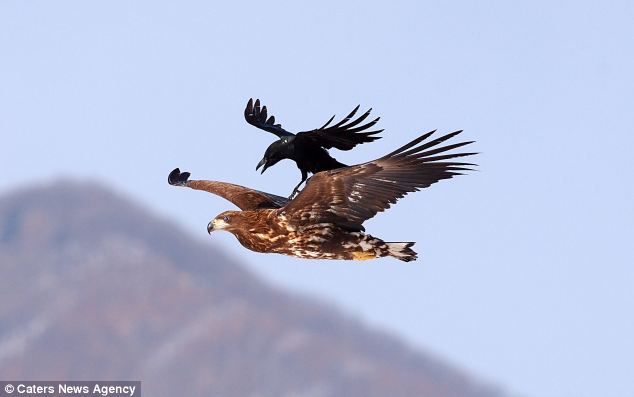
Not to take away from this article, but we know that birds have been known to catch a ride of the backs of eagles:

Crow on Eagle’s Back ©©

Answers in Genesis

Good News Tracts

Porphyrion On The “Do Not Eat” List?

Is The Porphyrion On The Do Not Eat List? This is one of the reasons we post a Disclaimer about the different Bible versions. When the Birds of the Bible articles were written several years ago, I used my e-Sword program to search for the names of different species of birds on the “Do Not Eat List.” Now, the BibleGateway Bibles are also available for me to use. Time to check these new resources to see if any other name of bird is in one of their Bible translations.

I started with Leviticus 11:18 and Deuteronomy 14:17 [The beginning of the “Do Not Eat List” of birds] Looking through the list, Porphyrion caught my attention.

When I first started searching this word out on Google, here is what came up: “In Greek mythology, Porphyrion (Ancient Greek: Πορφυρίων) was one of the Gigantes (Giants)…” Whoa! That’s not a bird, but a Greek Mythology character, and not a very nice one. That is the reason for this title.

Purple Swamphen (Porphyrio porphyrio) ©WikiC

Purple Swamphen (Porphyrio porphyrio) ©WikiC

Ah! But further researching found that the Porphyrion is actually another name for the Swamphen. Notice the scientific name in the photo.

Porphyrio porphyrio. That is most likely why the Douay-Rheims 1899 [American edition DRA] translated it that way. They are the only English Bible that translates the bird this way.

They translated the two verses as:

“And the swan, and the bittern, and the porphyrion,” Leviticus 11:18 DRA

“And the cormorant, the porphyrion, and the night crow,” Deuteronomy 14:17 DRA
also
“and a dipper, a porphyrio, and a rearmouse, a cormorant,” WYC [Here’s a verse to check out :) ]

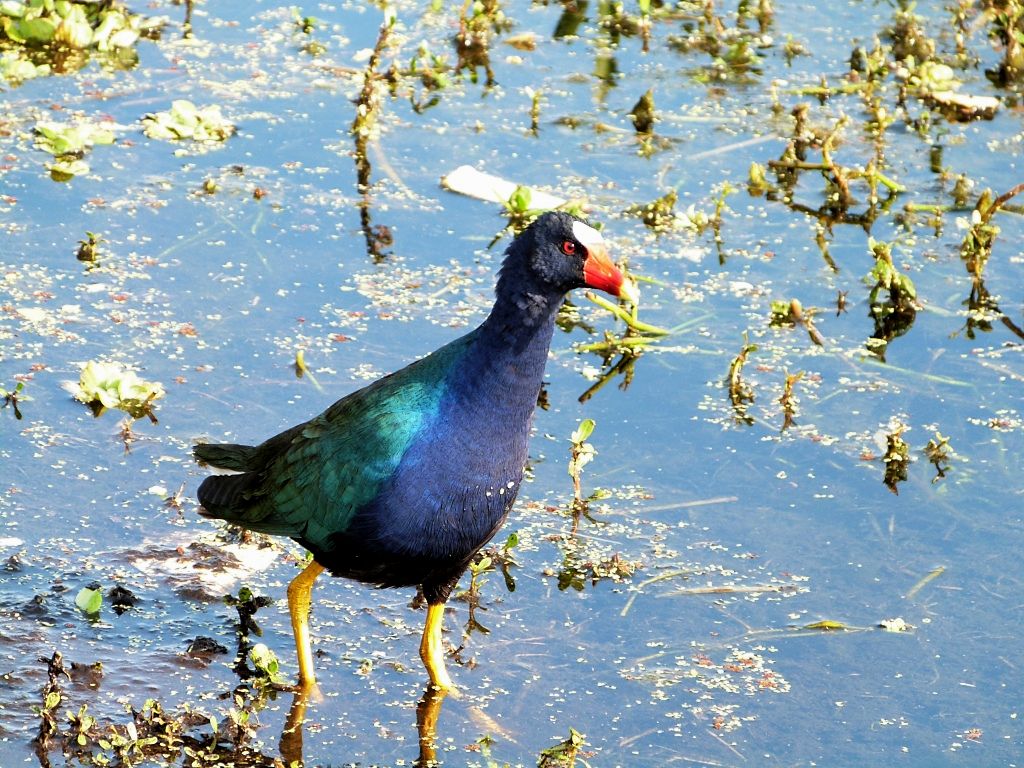
Purple Gallinule at Lake Hollingsworth by Lee

Here is a bit about this Swamphen family:

“Porphyrio is the swamphen or swamp hen bird genus in the rail family. It includes some smaller species which are usually called “purple gallinules”, and which are sometimes separated as genus Porphyrula or united with the gallinules proper (or “moorhens”) in Gallinula. The Porphyrio gallinules are distributed in the warmer regions of the world.

The genus Porphyrio was introduced by the French zoologist Mathurin Jacques Brisson in 1760 with the western swamphen (Porphyrio porphyrio) as the type species. The genus name Porphyrio is the Latin name for “swamphen”, meaning “purple“. [Wikipedia – Swamphen]

Purple Gallinule by Lee at Lake Parker 1-7-12

Purple Gallinule by Lee at Lake Parker 1-7-12

Searching this blog, there is a previous post written about the porphyrion or Swamphen in 2013. Birds of the Bible – Name Study – Swamphen or Waterhen
Stay tuned for more searches of the Birds of the Bible – Do Not Eat list!
[Yes, I believe in using the main translations of the Bible; like KJV, NKJV, and NASB, but these searches are for just finding different birds to write about. God created all the birds, and I find it interesting to see how these birds are translated.]

Avian and Attributes – Step

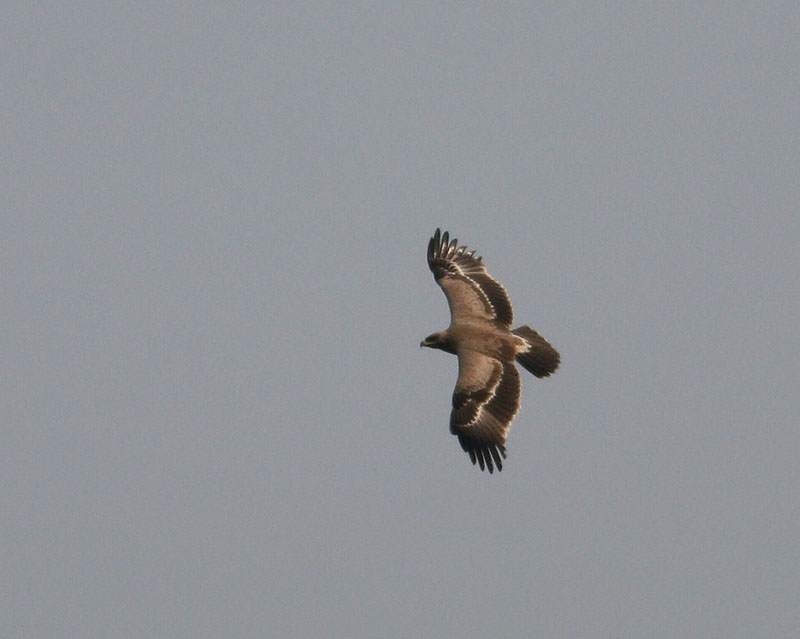
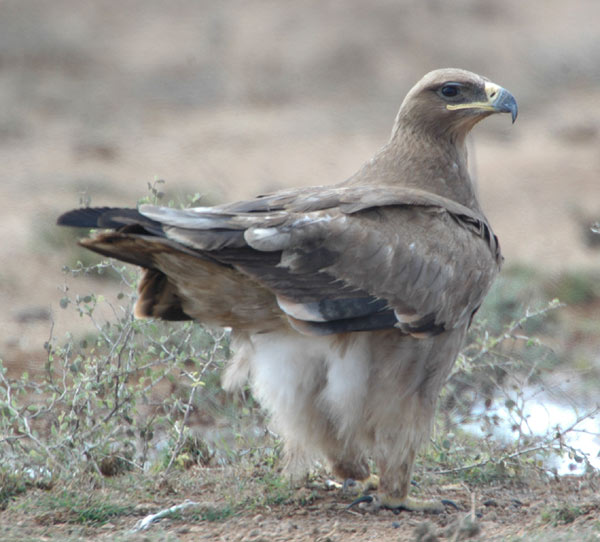
Steppe Eagle (Aquila nipalensis) by Nikhil Devasar

Steppe Eagle (Aquila nipalensis) by Nikhil Devasar

“The steps of a good man are ordered by the LORD: and he delighteth in his way.” (Psalms 37:23 KJV)

STEP, v.i. [Gr., the foot. The sense is to set, as the foot, or move probably to open or part, to stretch or extend.]
1. To move the foot; to advance or recede by a movement of the foot or feet; as, to step forward, or to step backward.
2. To go; to walk a little distance; as, to step to one of the neighbors.
3. To walk gravely, slowly or resolutely.
To step forth, to move or come forth.
To step in or into,
1. To walk or advance into a place or state; or to advance suddenly in John 5.
2. To enter for a short time. I just stepped into the house for a moment.

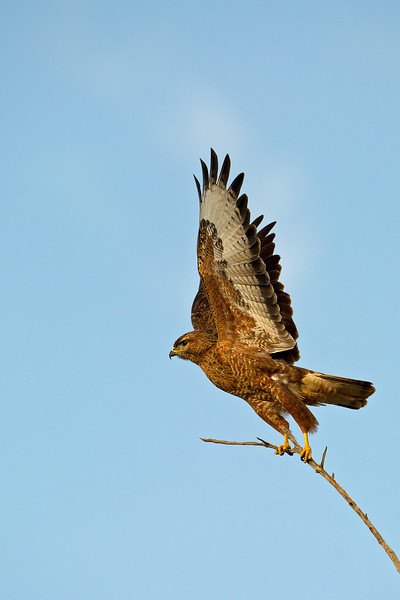
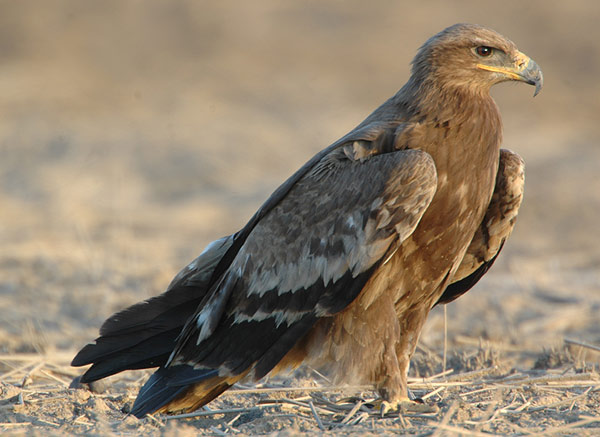
Steppe Eagle (Aquila nipalensis) by Peter Ericsson

Steppe Eagle (Aquila nipalensis) by Peter Ericsson

Order my steps in thy word: and let not any iniquity have dominion over me.” (Psalms 119:133 KJV)

STEP, v.t.
1. To set, as the foot.

“My foot hath held his steps, his way have I kept, and not declined.” (Job 23:11 KJV)

Steppe Eagle (Aquila nipalensis) by Africaddict

STEP, n. [G., to form a step or ledge.]
1. A pace; an advance or movement made by one removal of the foot.
6. Gradation; degree. We advance improvement step by step, or by steps.
7. Progression; act of advancing.
8. Footstep; print or impression of the foot; track.
9. Gait; manner of walking. The approach of a man is often known by his step.
10. Proceeding; measure; action.
The reputation of a man depends of the first steps he makes in the world.

Steppe Eagle

STEP, STEPP, n. In Russ, an uncultivated desert of large extent. [Webster Dictionary 1828, with editing]

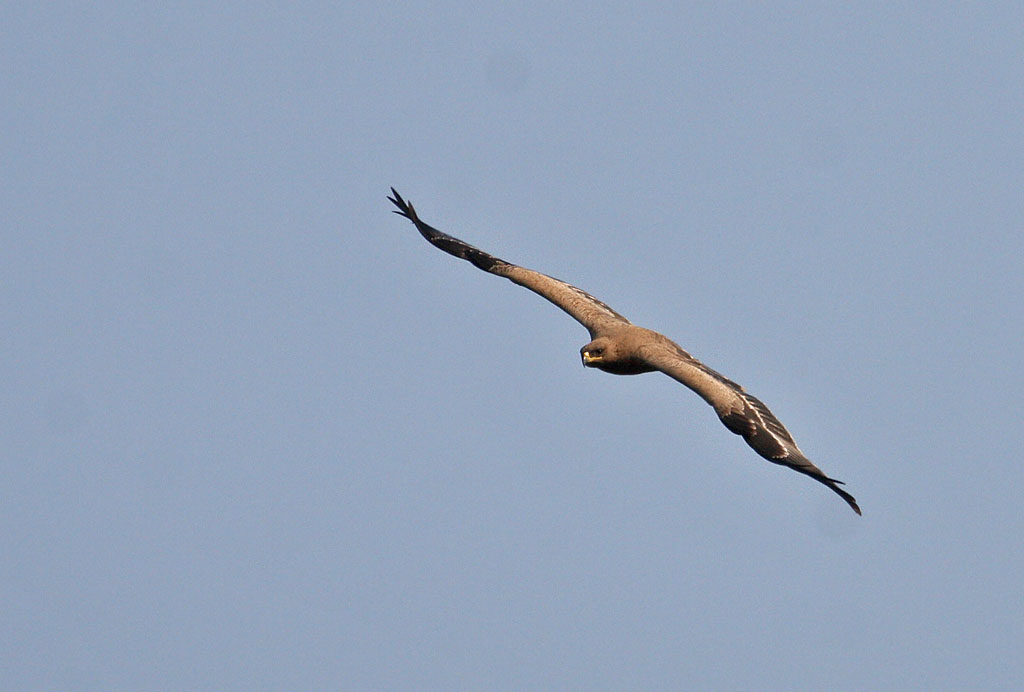
Steppe Eagle (Aquila nipalensis) by Peter Ericsson

Steppe Eagle (Aquila nipalensis) by Peter Ericsson

The steppe eagle (Aquila nipalensis) is a bird of prey. Like all eagles, it belongs to the family Accipitridae. It was once considered to be closely related to the non-migratory tawny eagle (Aquila rapax) and the two forms have previously been treated as conspecific.

It is:

  • about 62–81 cm (24–32 in) in length
  • wingspan of 1.65–2.15 m (5.4–7.1 ft).
  • Females, weighing 2.3–4.9 kg (5.1–10.8 lb), are slightly larger than males
  • Males, 2–3.5 kg (4.4–7.7 lb)

This is a large eagle with brown upperparts and blackish flight feathers and tail. This species is larger and darker than the tawny eagle, and it has a pale throat which is lacking in that species. Immature birds are less contrasted than adults, but both show a range of variation in plumage colour. The eastern subspecies A. n. nipalensis is larger and darker than the European and Central Asian A. n. orientalis.

The call of the steppe eagle sounds like a crow barking, but it is rather a silent bird.

Steppe Eagle (Aquila nipalensis) by Nikhil Devasar

Steppe Eagle (Aquila nipalensis) by Nikhil Devasar

The steppe eagle breeds from Romania east through the south Russian and Central Asian steppes to Mongolia. The European and Central Asian birds winter in Africa, and the eastern birds in India. It lays 1–3 eggs in a stick nest in a tree. Throughout its range it favours open dry habitats, such as desert, semi-desert, steppes, or savannah.

It is found in south-eastern Pakistan especially in Karachi. Large numbers are seen at certain places such as Khare in Nepal during migration.

Steppe Eagle (Aquila nipalensis) by Nikhil Devasar

Steppe Eagle (Aquila nipalensis) by Nikhil Devasar

The steppe eagle’s diet is largely fresh carrion of all kinds, but it will kill rodents and other small mammals up to the size of a hare, and birds up to the size of partridges. It will also steal food from other raptors. Like other species, the steppe eagle has a crop in its throat allowing it to store food for several hours before being moved to the stomach. [Wikipedia, with editing]

“For even hereunto were ye called: because Christ also suffered for us, leaving us an example, that ye should follow his steps: Who did no sin, neither was guile found in his mouth: Who, when he was reviled, reviled not again; when he suffered, he threatened not; but committed himself to him that judgeth righteously: Who his own self bare our sins in his own body on the tree, that we, being dead to sins, should live unto righteousness: by whose stripes ye were healed.” (1 Peter 2:21-24 KJV)

More Avian and Attributes

Birds whose first name starts with “S”

Good News

Birds of the Bible – Mountain Bird’s Majestic Cedar IV

Cèdre de la Chaux (Cuisery) – Branches ©WikiC

Thus says the Lord GOD: “I will take also one of the highest branches of the high cedar and set it out. I will crop off from the topmost of its young twigs a tender one, and will plant it on a high and prominent mountain. On the mountain height of Israel I will plant it; and it will bring forth boughs, and bear fruit, and be a majestic cedar. Under it will dwell birds of every sort; in the shadow of its branches they will dwell. And all the trees of the field shall know that I, the LORD, have brought down the high tree and exalted the low tree, dried up the green tree and made the dry tree flourish; I, the LORD, have spoken and have done it.” (Ezekiel 17:22-24 NKJV)

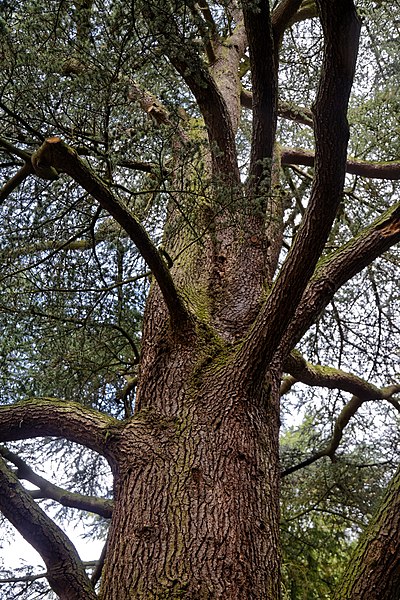
That tree above is not on a mountain, but that is quite a majestic Cedar tree to me. How about the trunk of that same tree? WOW! Think the birds could find a home in a Cedar Tree?

Cèdre de la Chaux (Cuisery) – trunk ©WikiC 2

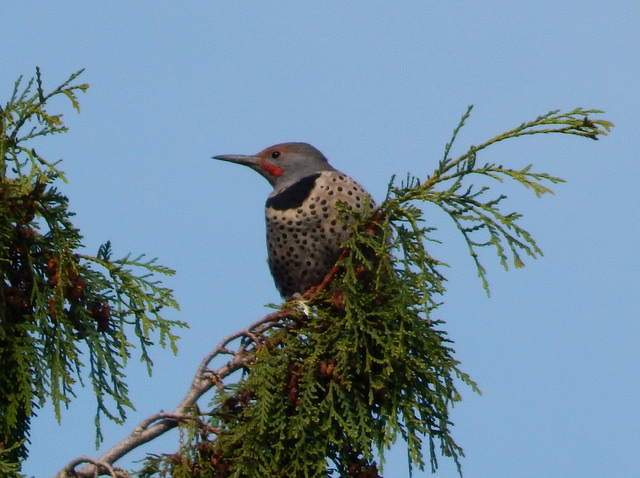
Flicker in Cedar Tree ©Flickr Todd Petit

Here is another Cedar Tree, this time planted back in 1886 AD. There is plenty of places for birds to dwell.

Cedar tree planted c.1886 by Edward VII when Prince of Wales, in the Gardens of Easton Lodge ©WikiC

Syrian Woodpecker (Dendrocopos syriacus) in Israel ©WikiC

What are these verses referring to? Here are some comments from several Commentaries:

“17:22, 23 one of the highest branches. This is messianic prophecy stating that God will provide the Messiah from the royal line of David (“the high cedar”) and establish Him in His kingdom (like a mountain, cf. Dan. 2:354445). He will be “a high branch” reigning in the height of success. “Branch” is a name for Messiah (cf. 34:232437:2425Is. 4:2Jer. 23:533:15Zech. 3:86:12). Messiah will be “a tender one” (v. 22) growing into a “majestic cedar” (v. 23). Under His kingdom rule, all nations will be blessed and Israel restored.” [NKJV MacArthur Study Bible 17:22,23]

Lacrimose Mountain Tanager (Anisognathus lacrymosus) ©FlickrScott Loarie

17:24 — “I bring down the high tree, exalt the low tree, dry up the green tree and make the dry tree flourish. I am the Lord; I have spoken, and I will perform it.”

The Lord wants us to remember that He is absolutely sovereign. If a nation becomes powerful and prominent, it does so because He allowed it. If a nation falls, it does so because He permitted it to happen. God rules among the nations, and only He can truly give His children hope. [NASB Charles F. Stanley Life Principles Bible Notes]

Brown-necked Raven of Israel

Brown-necked Raven, Israel ©WikiC

17:22 I will take: The Hebrew is emphatic: “I Myself will take” In contrast to human kings, God declared that He personally would pick out, plant, and make prominent a tender one—that is, a twig or a sprig. Cedar branches are symbolic of rulers on the Davidic throne (see 17:341213), and elsewhere of a line of David’s descendants prophesied to produce the Messiah (see 2 Sam. 7:16Is. 11:1–5Jer. 22:24–3023:1–6Zech. 6:9–13Matt. 1:1–17). If not directly messianic in intention, vv. 22–24 at least have strong messianic implications. Thus, with reference to His humanity, we discover a new title for the Savior Jesus. He is the Tender One.”

“17:2324 What was accomplished in the restoration under Zerubbabel was a fulfillment of this promise. But as is often the case in biblical prophecy, the greater fulfillment is still to come in the reign of the Savior King. The establishment of the cedar twig, the Messiah, over Israel will make the nation a fruitful and majestic cedar where diverse people will live in unity and harmony. all the trees of the field: All nations will realize that the Lord is their sovereign God and that He has accomplished what He said He would do.”

Mountain Chiffchaff (Phylloscopus sindianus) by Nikhil Devasar

Mountain Chiffchaff (Phylloscopus sindianus) by Nikhil Devasar

“For you shall go out with joy, And be led out with peace; The mountains and the hills Shall break forth into singing before you, And all the trees of the field shall clap their hands.
(Isaiah 55:12 NKJV) Would that big cedar clap? Yes!

I like to just let God’s Work speak for itself.

“Let the heavens rejoice, and let the earth be glad; Let the sea roar, and all its fullness; Let the field be joyful, and all that is in it. Then all the trees of the woods will rejoice before the LORD. For He is coming, for He is coming to judge the earth. He shall judge the world with righteousness, And the peoples with His truth.” (Psalms 96:11-13 NKJV)


Gideon