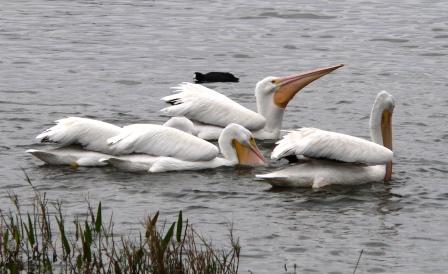
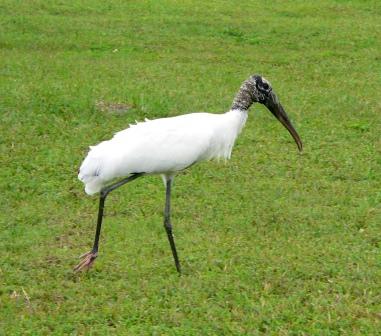
“So God created great sea creatures and every living thing that moves, with which the waters abounded, according to their kind, and every winged bird according to its kind. And God saw that it was good. And God blessed them, saying, “Be fruitful and multiply, and fill the waters in the seas, and let birds multiply on the earth.” So the evening and the morning were the fifth day.” (Genesis 1:21-23 NKJV)
You have got to check out this interesting article from Birds & Blooms!!
Still haven’t been doing much birdwatching lately, except through my back door. So, I trust you will enjoy these great photos. We have had some nice photos of hummingbirds here over the years, but these are all right together.
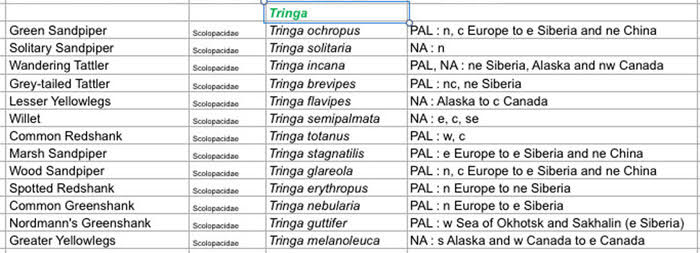
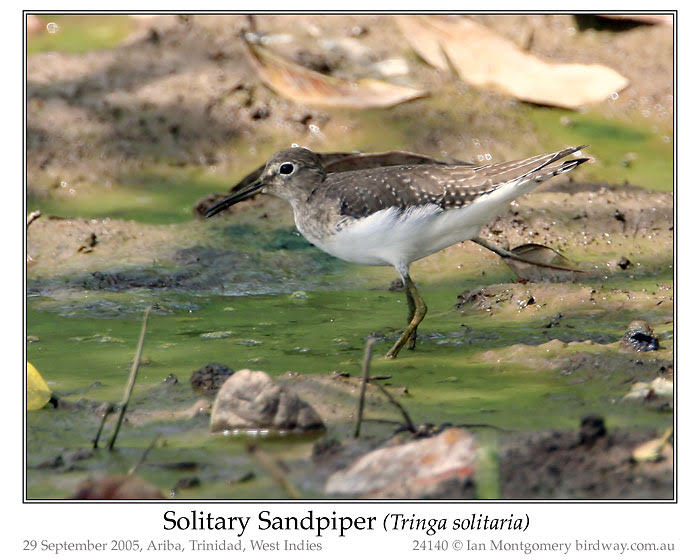
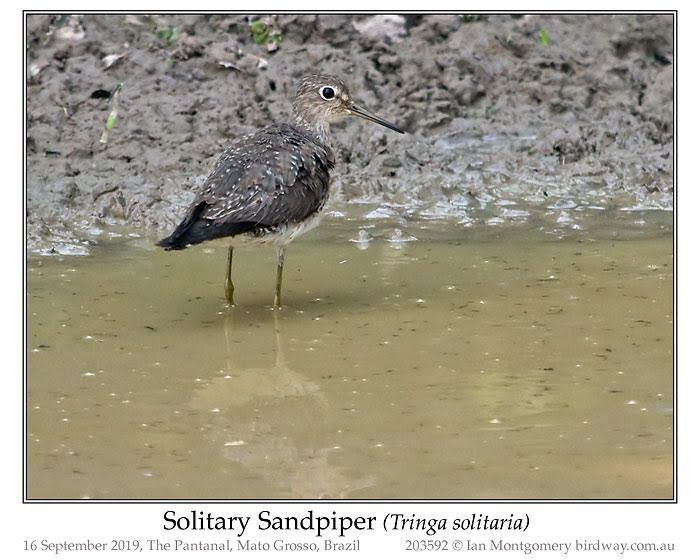
You may remember from the last Irregular Bird (Green Sandpiper) that the plan is to work through all the waders in the genus Tringa, the Shanks and relatives, in the order used by the IOC, below. This is the next one the Solitary Sandpiper.
It’s fairly similar to the Green Sandpiper and they were originally treated as a single species. In fact, they are easy to distinguish in flight as the Green Sandpiper has a white rump and a tail with side to side barring, while the central feathers of the rump and tail of the Solitary Sandpiper are brown creating a longitudinal stripe. These features are visible under the flight feathers in the first photo and shown in a drawing later.
In practice you can also use their ranges as the Green Sandpiper occurs in Eurasia and Africa, while the Solitary Sandpiper is an American species. It nesting range is almost entirely in Canada and Alaska. It migrates through the United States and winters in Mexico, Central America, and in northern, central and eastern South America as far south as Peru in the west and northern Argentina in the east.
I haven’t got photos of either species in flight so here is a crude drawing to illustrate the difference in flight pattern. Don’t take too much notice of anything except the different rumps, tail and length of the legs. The latter are longer and protrude farther beyond the tail in the Solitary Sandpiper. So, if you’re a dedicated twitcher, as I am now, keep a beady eye out for something special if you are in a place where either or both of these birds don’t usually occur. There are a few records of Green Sandpipers in northern Australia and a few records of Solitary Sandpiper in Siberia and Western Europe.
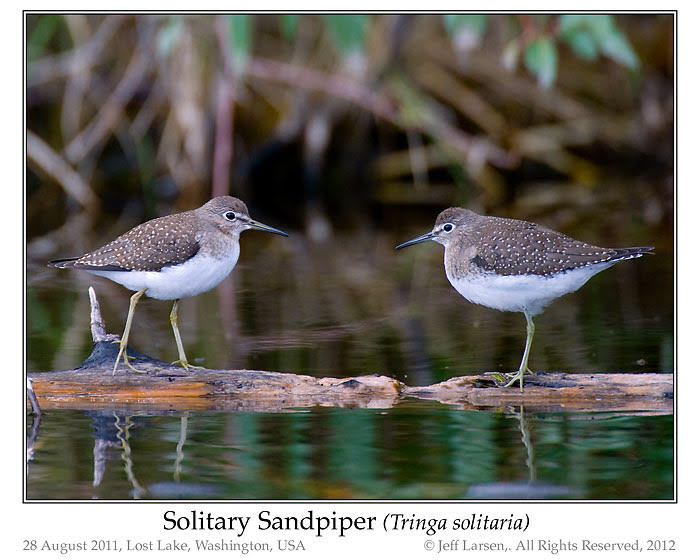
There isn’t much difference among the plumages of breeding adults, non-breeding adults, and juveniles though there is less streaking in juveniles and the spots on breeding adults are whiter, rather than buff and more conspicuous. I think the bird in the second photo in Trinidad is a juvenile, the one in the third photo in Brazil is an adult but I don’t know about the one in the first photo. If you’re an expert on the plumages of Solitary Sandpipers, I’d be happy to get your opinion: ianbirdway@gmail.com.
Actually, I misidentified the two in Trinidad as Spotted Sandpipers in non-breeding plumage but maybe I had Spotted Sandpiper on the brain as I’d seen the one in the third photo in Tobago eleven days earlier. Non-breeding Spotted Sandpipers don’t have spots (go figure, as they say), just a little barring on the wings but they have conspicuous long white eyebrow stripes and shorter, much yellower legs, so I lack a reasonable excuse for the confusion.
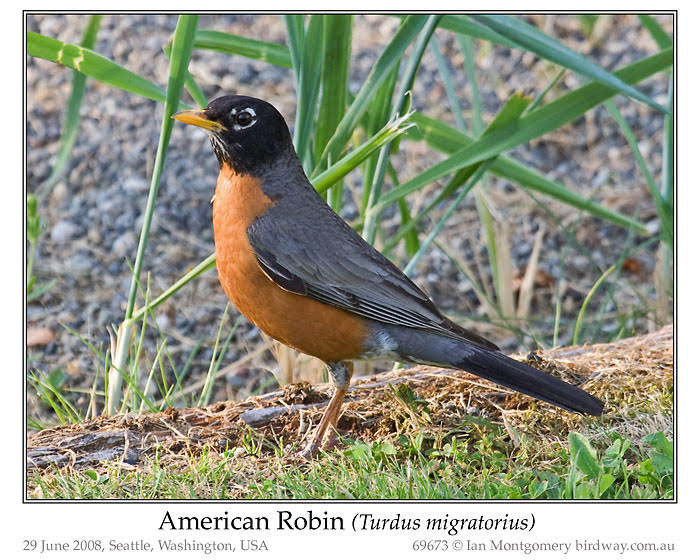
Like their Eurasian cousins, Solitary Sandpipers breed in trees and shrubs using the old nests of thrushes. It so happens that the range of perhaps the commonest thrush in North America, the American Robin, overlaps the range of the Solitary Sandpiper in Canada and Alaska. The Robin, despite its name which is based on colour not taxonomy, is a Thrush and a close relative of the Eurasian Blackbird and is the most likely candidate as a provider of nests, though not much is known about the breeding behaviour of the Sandpiper.
So how does the Solitary Sandpiper get its name? Amazingly, unlike most waders which believe in safety in numbers, it migrates either alone or in small groups and often appear at stopovers or at the destination in ones or twos. It migrates mostly at night. I don’t know whether juvenile birds instinctively know where to go or whether the adults teach them. The mind boggles at what we don’t know about bird migration.
Jeff Larsen sent me this lovely photo of two birds together in Washington state, so they’re clearly not completely antisocial. He calls them Solitary Chickens, which appeals to me and he gave me permission to share this photo with you.
Solitary Sandpipers are birds of freshwater and are usually found on small ponds or in marshy areas, even in winter. We spotted the one in Brazil in a roadside pond in the Pantanal.
Next time we’ll talk about the Tattlers, two rather similar species that are next on the IOC list.
The last irregular bird, Nordmann’s Greenshank, could have had a sub-heading of The Joys of Twitching. In it, I confessed to being a Twitcher at heart, discarding the respectable facade of “Wildlife Photographer”. Here follows the justifications, or at least illustrations of why it can be enjoyable. The background to this particular obsession/passion was the fact that, worldwide, there are thirteen species of Tringa sandpipers, or Shanks, characterised by different coloured legs. I had reasonable photos of all of them except the rarest, Nordmann’s Greenshank, since 2008 (when I photographed the second last one, the Willet of North America). That is, the seven-year itch twice over.
If you are, or ever were, a stamp collector, you would know the feeling. Suppose the following stamps are from a set of 13 stamps of Queen Victoria, including the first ever stamp, the Penny Black and imagine you have all of them except the rarest, the iconic Two Penny Blue, issued shortly after the first ever stamp, The Penny Black, in May 1840.
Imagine the thrill when you finally lay your hands on one, as I did in the 1960s. This one is a rather daggy example, but it is one from the original two plates issued until February 1841 and lacking white lines under “POSTAGE” and above “TWO PENCE”. The much commoner later series called ‘white lines added issue’ continued until 1858. I’m still a kid at heart, and the subtlety of distinguishing different series of Two Penny Blues has a similar appeal to separating Common and Nordmann’s Greenshank.
Alternatively, maybe you were or are a card player. Suppose you’re playing a game in which you the best hand is an entire suit of cards, say a complete Straight Flush, as opposed to a mere Royal Straight Flush in Poker, but you lack the Queen.
At long last, after fourteen nail-biting years, you finally get the missing card. I’ve chosen the Queen as it’s number twelve (if you have the Ace as the first rather than the last in the suit) and Nordmann’s Greenshank is also the twelfth Tringa if you follow the IOC classification of birds. Continuing the metaphor, I’ve chosen Spades as the Queen of Spades is the most valuable card in the game Hearts. The metaphor fails if you go any further, because in Hearts, a vicious game which we loved as kids, the aim is not to win points and to force your opponents to get a high score, It’s Whist in reverse. Clearly, I also have a passion for Queens.
After that it’s just a question of whether you’re an introvert or an extrovert. An introvert gets a deep personal satisfaction from achieving a complete collection, an extrovert gets a sense of triumph in beating the competition. Of course, you may be a bit of both: I’m mainly an introvert, but publishing all this stuff as the Irregular Bird, showing off obviously, is characteristic of extroverts.
So, back to Tringas. Waders (birdway) are fascinating birds, not least because many of them migrate extraordinary distances. As a consequence, they’re of special interest to twitchers when avian GPSs go awry and they end up in strange places. Many species, however, are hard to distinguish in non-breeding plumages, which is how we usually see them in temperate and tropical latitudes except just before the migration back to the breeding zones. Most, but not all, of the Shanks are fairly easy to identify because of their coloured legs; many of them having corresponding common names as you can see in the IOC table. Four of them, comprising the two Redshanks and the two Tattlers, have featured as Irregular Birds in the past, so I want to do a series on the remaining eight and I’ll do them in the IOC order shown in the table at the beginning of this article. The first is the Green Sandpiper.
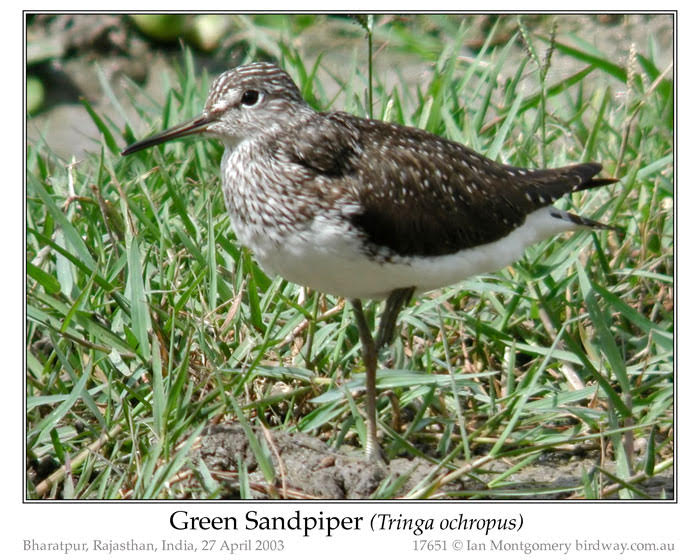
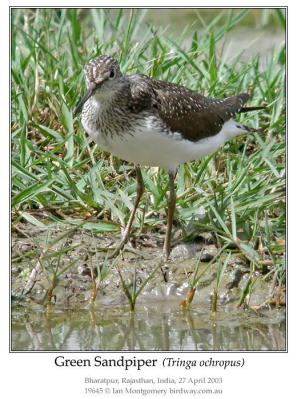
The breeding range of the Green Sandpiper stretches right across northern Eurasian from Norway to Siberia and it winters mainly in tropical Africa, South and Southeast Asia, around the Mediterranean and, to a lesser extent in Western Europe. It’s mainly a bird of fresh water marshy areas even in the non-breeding zones. I’ve photographed it only once, in India in 2003, though I had seen it in England in the 1960s before I came to Australia.It’s even rarer in Australia than Nordmann’s Greenshank with only one confirmed record, near Darwin in 1998. There are a few unconfirmed records but care needs to be taken to distinguish it from the closely related Solitary Sandpiper of America and the Wood Sandpiper.
In fact, I mistakenly identified the Indian bird as a Wood Sandpiper, reasonably common in Australia and also a fresh water species, and posted it as such to the website, and only years later did the twitcher in me take a closer look and realise happily that it was actually a Green Sandpiper. Distinguishing features of the Green Sandpiper include larger size, bulkier appearance, short white eye-stripe ending at eye, longer bill, shorter, greenish legs, sharp gradation from streaked breast to white belly and, particularly in breeding plumage like this one, darker, greener rather than brown upper parts.
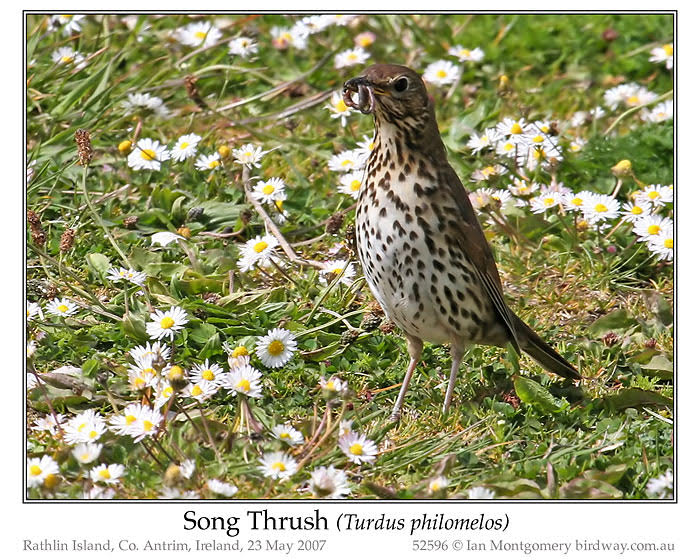
I mentioned when discussing the unusual arboreal nest building habits of Nordmann’s Greenshank that the Green and Solitary Sandpipers also nest in trees, but use the old nests of thrushes. Coincidentally the name Tringa comes from a description of a thrush-sized waterbird by Aristotle (“trungas”). He didn’t distinguish it further but later authors have suggested it was a sandpiper, a Wagtail Motacilla or a Dipper Cinclus. Thanks very much. While we’re at it, ochropus means pale-yellow footed, while the specific identifier of Normann’s Greenshank, guttifer, means spotted, which isn’t very illuminating either. Aristotle preceded the taxonomic and evolutionary ideas of Linnaeus and Darwin, and “thrush-like waterbird” is a reasonable description, except for the length of the legs. He was interested in biology, classified 500 species of animals in the work later known by philosophers as the Scala Naturae and would have been familiar with the Song Thrush, below, in Greece. The Scala Naturae was approved by the Christian Church (and probably all others) as it is hierarchical in form with man at the top, towering above all the lower species.
On the subject of passion and obsession, I’ve decided that the difference is mainly one of perception. A person might think they (in deference to gender fluidity) have a passion for another person and, if not reciprocated, the other party might regard it as an obsession. My cousin in Ireland suggests that obsessions have a negative effect, so maybe it’s more than just perception. Either way, I’ll continue the passion for Tringas next time with the closely related but geographically distinct (“allopatric”), thrush-nest-using, Solitary Sandpiper of America.
You can’t reply directly to these emails, so if you want to write to me, use my email address below. I’ve recently had occasional problems with receiving emails to ian@birdway.com.au, so ianbirdway@gmail.com is preferable.
Seems that Ian is getting active again with his birdwatching. He, like the rest of us, was quite for awhile during all these lockdowns. I have another of his articles coming soon. Stay tuned.
“As a bird that wandereth from her nest, so is a man that wandereth from his place.” (Proverbs 27:8 KJV)
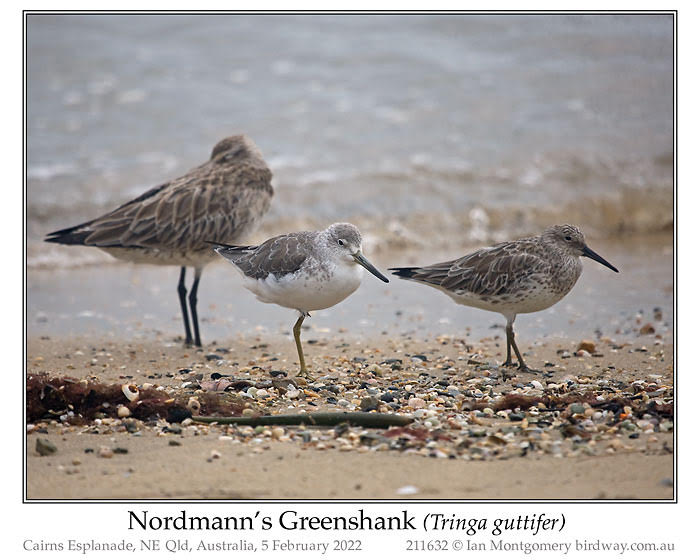
Because it’s so long since the last irregular bird, here is a special one of a very rare wader that has become something of a celebrity, perhaps the most photographed individual bird in Australian history. So you may already have superb photos of it, and I apologize in advance if you find this boring. Nordmann’s Greenshank is, sadly, one of the rarest waders in the world with a population of probably less than 2,000 individuals and a red book status of endangered as its population is declining.
Nordmann’s Greenshank (Tringa guttifer) by Ian
Its breeding range is along the coast of the Sea of Okhotsk in Siberia and is subject to disturbance from oil and gas extraction. It normally winters in southeast Asia and, very occasionally, birds end up in Australia. There are three records from wader counts along 80 Mile Beach near Broome in NW Western Australia, and this one. It first appeared in Cairns in the (northern) winter of 2021 and stayed around long enough for anyone able to navigate covid restrictions and see it. I couldn’t drive to Cairns then and resigned myself to the prospect of missing out on it. To everyone’s surprise, it reappeared this year and the scramble to see it started again.
Nordmann’s Greenshank (Tringa guttifer) by Ian
I drove the 340km/210 miles to Cairns at the end of January to catch up with some good friends of long standing from Victoria. They were on the hunt for it, in airline transit from a boat trip to Torres Strait islands to Iron Range National Park on Cape York. We spent four days checking every wader along the Cairns Esplanade at suitable and sometimes unsuitable tides without success. It definitely wasn’t there, but reappeared when they had gone to Cape York and I had returned to Townsville. I rejoined them in Cairns for two days, when it did its disappearing act again, only to reappear for them after I’d returned to Townsville for a meeting that, in hindsight, I deeply regretted attending. so I dropped everything again and returned to Cairns, determined to see and photograph it.
On the second morning of my third visit, the bird relented and I spent an exciting two hours as the incoming tide slowly coaxed it closer and closer. Ultimately, I ended up sitting a mere 6m/20ft from it on the sandy edge of the mudflat, second photo, having taken more than 400 photos. I’ll talk about obsession later. Then I rang Trish, the friend with whom I went to Brazil pre-Covid, who was flying from Brisbane to Townsville that afternoon and suggested she fly to Cairns instead. Which she did, changing her flight at the airport, and we got lovely views of it the following day. We also visited the wonderful Bill Cooper exhibition of tropical bird and fruit paintings at the Cairns Gallery.
Nordmann’s Greenshank (Tringa guttifer) by Ian
Trish suggested bringing our painter/birder friend Marjory and a botanist friend Chrissa to Cairns to see the bird and the exhibition before the latter finished on the 13 February. So we came up again at the weekend, this time in her larger, more comfortable car and saw both the exhibition and the bird yet again. What fun.
Nordmann’s Greenshank (Tringa guttifer) by Ian
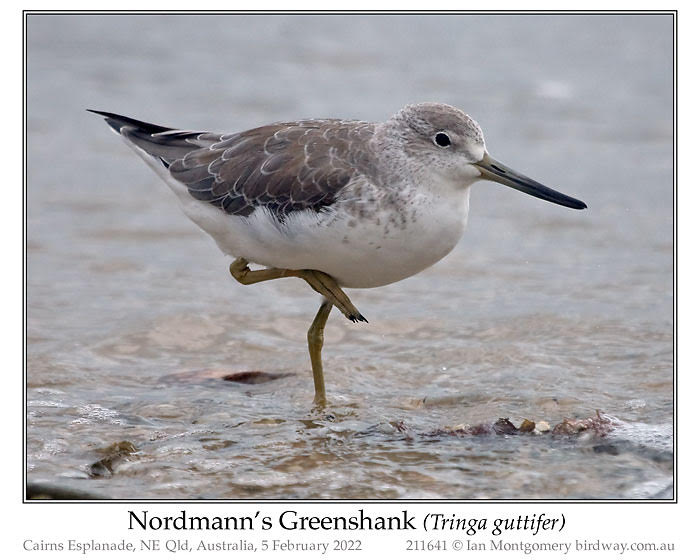
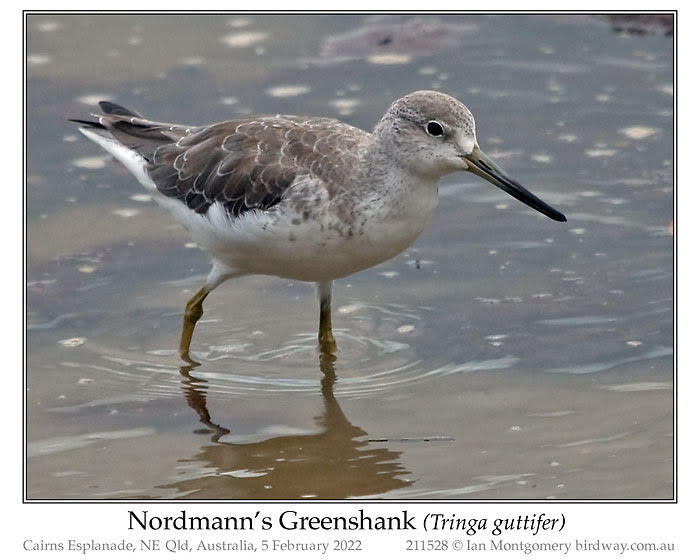
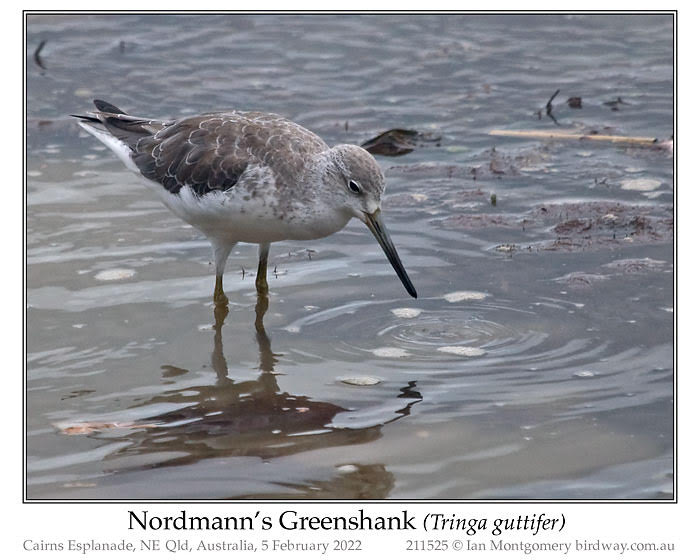
Time to mention the bird itself. It looks quite similar to the Common Greenshank and, slightly less so, to the Terek Sandpiper, both of which were present along the Esplanade. The first photo shows some of the diagnostic features: shorter, yellowish rather than greenish legs, the more robust bi-coloured bill (paler at the base) and shorter legs and bigger head (‘bull-headed’) which give it a rather stocky appearance. It’s behaviour when feeding is different too, and when one becomes accustomed to it, this is a good distinction at a distance, with poor light or muddy legs and bill. In the third and fourth photos it is feeding actively in shallow water, attempting to catch prey with a stabbing motion. It also uses its slightly upcurved bill to sieve the water surface by sweeping it back and forth, in a similar way to other waders with such bills such as the Terek Sandpiper and the Avocets. The fifth photo shows its size relative to a Bar-tailed Godwit, left, and a Great Knot, right.
Nordmann’s Greenshank (Tringa guttifer) by Ian
The second photo shows it standing on one leg, a pose it adopted often using one or the other leg, when resting or roosting (second and fifth photos) and when forced by the tide to move, it often hopped quite long distances to do so, sixth photo. In flight, last photo, the shorter legs protrude less beyond the tail than those of the Common Greenshank, it has less barring on the tail, whiter underwing coverts contrasting with dark flight feathers and it look stockier. Not much is known about its breeding habits, though it’s the only shorebird known to often build its own nest in trees. unlike its tree nesting relatives the Green and Solitary Sandpipers which use old nests of thrushes.
Nordmann’s Greenshank (Tringa guttifer) by Ian
This whole saga has revived my interest in bird photography, which rather flagged during Covid, when I took up other interests less dependent on mobility. It was also a time for personal honesty and admitting my twitching tendencies to myself rather than hiding behind the more dignified facade of a wildlife photographer. Next time, I’ll talk a bit more about the joy of twitching and explain why getting photos of this particular species was so important for me. I’m still pondering the difference between a passion and an obsession.
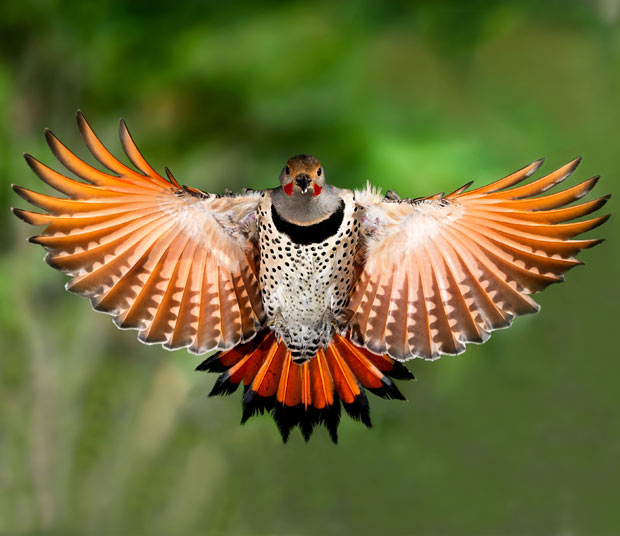
NORTHERN FLICKER (red-shafted form) photo credit: Evergreen State College
“Out of the ground the LORD God formed every beast of the field and every bird of the air, and brought them to Adam to see what he would call them. And whatever Adam called each living creature, that was its name.” (Genesis 2:19 NKJV)
During our devotions this morning, Dan and I were reading John chapter 9. It tells about the Lord healing the blind man. Also, how the religious rulers doubted his story, and wanted to know if he had really been blind. They called the parents in, and questioned them. The temple rulers were especially upset because Jesus had healed the man on the Sabbath. Many of you know this story.
“Now as Jesus passed by, He saw a man who was blind from birth. And His disciples asked Him, saying, “Rabbi, who sinned, this man or his parents, that he was born blind?” Jesus answered, “Neither this man nor his parents sinned, but that the works of God should be revealed in him. I must work the works of Him who sent Me while it is day; the night is coming when no one can work. As long as I am in the world, I am the light of the world.” When He had said these things, He spat on the ground and made clay with the saliva; and He anointed the eyes of the blind man with the clay. And He said to him, “Go, wash in the pool of Siloam” (which is translated, Sent). So he went and washed, and came back seeing.”
(John 9:1-7 NKJV) [Bolding mine]
Here is a comment from my Chronological Life Application Study Bible (KJV, p 1350)
“John 9:6 When Jesus spit on the ground and made mud in order to repair the man’s eyes, he was working with original materials. Gen2:7 states that God formed Adams body from the dust of the Ground. Jesus was demonstrating a creator’s awareness of the materials he first used to shape the human body”
I had never made that connected in that story before, but it is another view of the fact that our Creator WAS here on earth in the person of the Lord Jesus Christ. Praise the Lord for all His creation, and especially the birds, which we enjoy so much. Along with all the other parts of His Creation.
While working on updating the indexes to the Birds of the Bible-Sparrows, I came across an interesting question. How many Sparrows are mentioned in the Bible? I discovered a previous search I had started from the Bible Gateway website.
The Young’s Literal Translation found 6 verses mentioning Sparrows.
Psalm 84:3 – “a sparrow”
Hosea 11:11- “a sparrow”
Matthew 10:29 – “two sparrows”
Matthew 10:31 – “many sparrows”
Luke 12:6 – “five sparrows”
Luke 12:7 – “many sparrows”
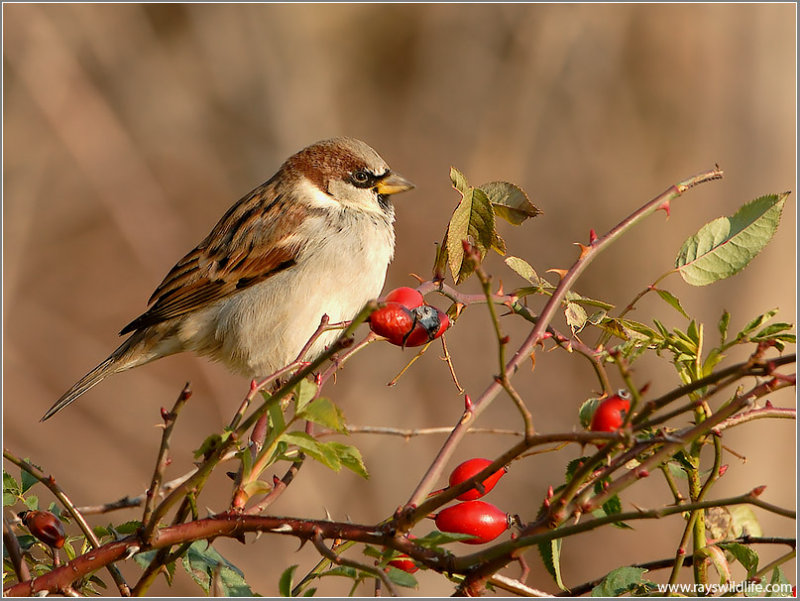
House Sparrows visiting NA Parrot Show Outside by Lee
Okay, so what, you might ask? One, it challenges you to actually study what’s in the Word of God. It is also nice to see what the Bible actually says about the Sparrows and how that impacts us. Try using a website like e-sword.net or Biblegateway.com, and do a little investigation of these questions:
In Psalm 84:3, where was the sparrow and what was she doing?
Hosea 11:22, why was the sparrow trembling?
Matthew 10:29 and 31, what assurance can we get from that verse?
Luke 12:6, who remembers the sparrows?
Luke 12:7, what has been numbered? What about fear?
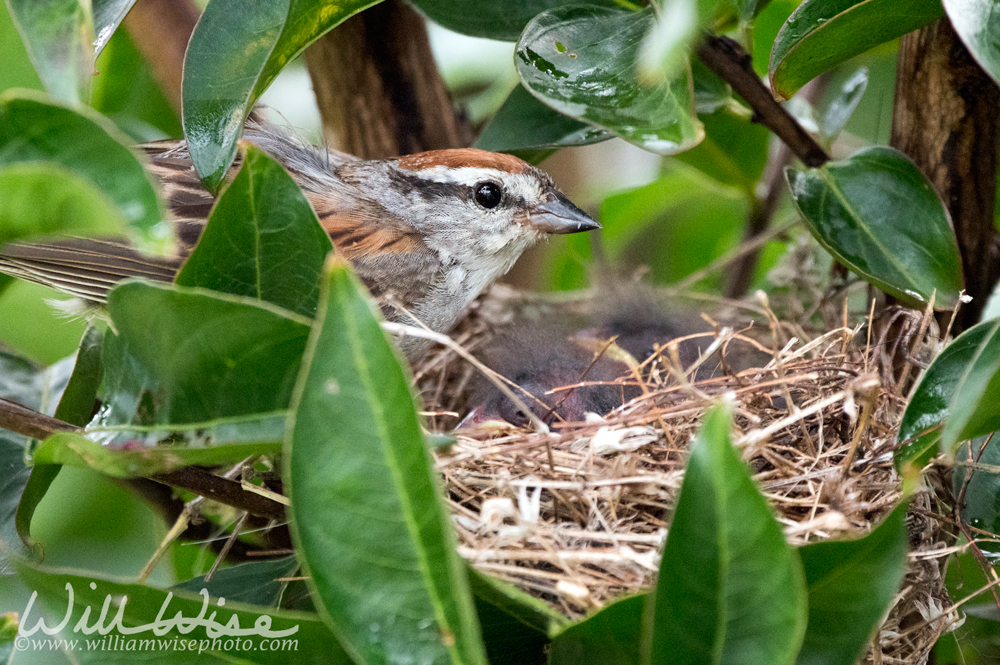
Female Chipping Sparrow bird feeding three baby Chipping Sparrow nestlings, Athens, Clarke County, GA. by William Wise
These are just some of the previous posts about these little Avian Wonders:
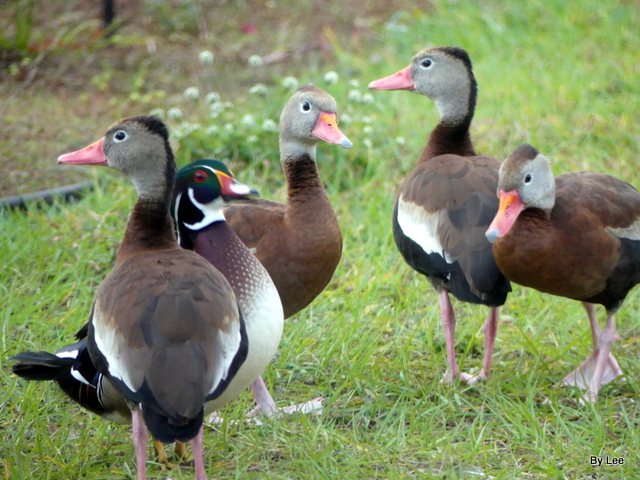
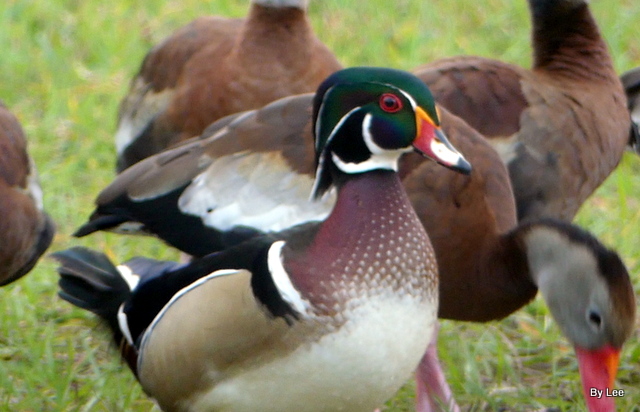
Wood Duck among Black-bellied Whistling Ducks by Lee
Yesterday we added a new bird to our backyard list. He tried to hide, but with a look like that, it’s hard to do. So finally, he came out of hiding. Some of those Whistling Ducks don’t seem to be too happy with him being there. [I was very happy! :) ]
Wood Duck in our yard. 1-17-22
We’ve written about this beautiful bird before, but usually, we have seen them over in Lakeland on their lakes. So, this was a treat to be able to have him visit us.
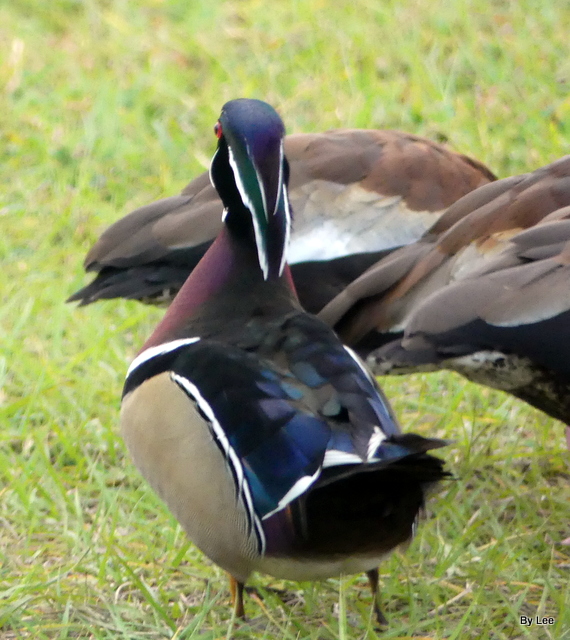
When I see this duck, I think about how the Lord when he created these Avian Wonders must have had a delight in decorating this Wood Duck. What clear lines!
Wood Duck’s Crested Head and Back
I have to admit that the Duck had a bit of an attitude. While he was strutting around, ever so often he would throw his head like he was trying to flip that long “bonnet” of his. [my term] I tried to capture it on video, but I was only able to capture it once.
Several verses came to mind about this encounter with our beautiful duck:
The first photo, where he was sort of hidden behind the others.
“Ye are the light of the world. A city that is set on an hill cannot be hid. Neither do men light a candle, and put it under a bushel, but on a candlestick; and it giveth light unto all that are in the house. Let your light so shine before men, that they may see your good works, and glorify your Father which is in heaven.” (Matthew 5:14-16 KJV)
We should not be afraid to let our Christianity be seen. Also, the look on the faces reminds me of how some people react to us when we do accept the Lord as our Savior.
Wow! Looking over the previous articles that have been written through the years on our blog, I thought it would be nice to read through some of our many posts.
To build a house, you need a foundation. To build a blog, you need a foundation. So, our foundation from the beginning for Lee’s Birdwatching Adventures Plus, has always been this:
“For no other foundation can anyone lay than that which is laid, which is Jesus Christ.” (1 Corinthians 3:11 NKJV)
He created our world, universe, us, and all His Avian Wonders, which we like to write about. We love to write about His birds and how we can learn from them. We’ve done our best, with a few stumbles here and there, but we have tried to honor Him through it all. He has been gracious to send me extra writers, photographers, and friends along this journey.
My thanks to Him, these extra hands to assist, my husband, and all of you who have visited us along the way.
Now, what has been written about the Foundations? Let’s take a look:
In Genesis Chapter 2, the birds and animals were named, but what happened in Chapter 3 caused the birds to be cursed and death now became a reality to them and others. But there is hope.
This post presents many of the “theories” about where birds came from, versus how the creationist view where and how the Avian Wonders of this world came into being.
We trust you will enjoy reading (or re-reading_ through these Foundation of the Birds of the Bible posts.
Goal: To encourage your understanding and help you form a mental picture of the fowls or birds of the air found in scripture.
God has created the fowls and birds and they are mentioned throughout the Bible. When you read the name of a bird, does a mental picture come to view or do you just keep reading without a thought to what you just read? Sure, you know some of them, like the Eagle or a Sparrow, but how about a Bittern, Ossifrage, Hoopoe, or Lapwing? Not just their names are important, but how about the illustrations that use birds to teach lessons? God’s care, strength, provision and other lessons are taught with birds as the examples.
“But now ask the beasts, and they will teach you; And the birds of the air, and they will tell you;” Job 12:7
So, let’s get started with:
The Birds of the Bible
“Then God said, ‘Let the waters abound with an abundance of living creatures, and let birds fly above the earth across the face of the firmament of the heavens.’ So God created great sea creatures and every living thing that moves, with which the waters abounded, according to their kind, and every winged bird according to its kind. And God saw that it was good. And God blessed them, saying, ‘Be fruitful and multiply, and fill the waters in the seas, and let birds multiply on the earth.’ So the evening and the morning were the fifth day.” Gen 1: 20-23
Here we see that God created the birds on day five of creation and that “it was good.”
“Out of the ground the LORD God formed every beast of the field and every bird of the air, and brought them to Adam to see what he would call them. And whatever Adam called each living creature, that was its name.” Gen 2:19-20a
Adam was given the privilege of giving all the “critters” their names. Were there as many varieties of birds then as now? There have been changes within the species (kinds), but not evolution (changing from one kind to another kind).
Depending on which copy of the Bible you use, here are some of the names of birds mentioned in the Bible. These will be introduced in following blogs. Not necessarily in the following order. Bittern; Chicken; Cormorant; Crane; Cuckoo; Dove; Eagle; Falcon; Glede; Hawk; Hen; Heron; Hoopoe; Kite; Lapwing; Night Hawk; Osprey; Ossifrage; Ostrich; Owl; Partridge; Peacock; Pelican; Pigeon; Quail; Raven; Sparrow; Stork; Swallow; Swan; Vulture
House Sparrows visiting NA Parrot Show Outside
“Look at the birds of the air, for they neither sow nor reap nor gather into barns; yet your heavenly Father feeds them. Are you not of more value than they?” (Matthew 6:26 NKJV)
Now it is 2022, and time to revisit these wonderful Birds of the Bible. Because of the Covid situation, we haven’t really been birdwatching much in almost two years. Yet, that doesn’t mean it’s time the “throw in the towel”, or the blog, in this case. So, we plan on writing more Birds of the Bible articles about the different Avian Wonders found in the Bible. Trying to bring in fresh material as we review the previous birds that we have written about. We will even ask some of our current writers like Dr. J. J. S. Johnson (Dr. Jim) and William Wise to join in. Will also try to update the all the links to these articles.
Let them give glory unto the LORD, and declare [lit., “cause to be clarified”] His praise in the islands.
(Isaiah 42:12)
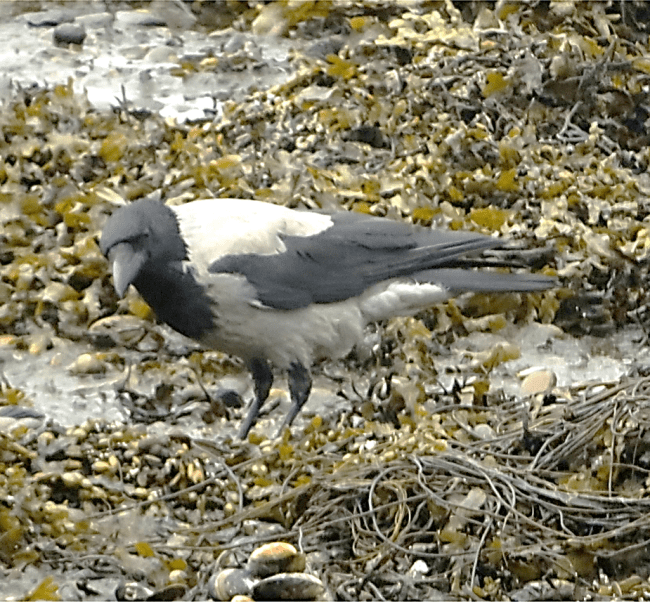
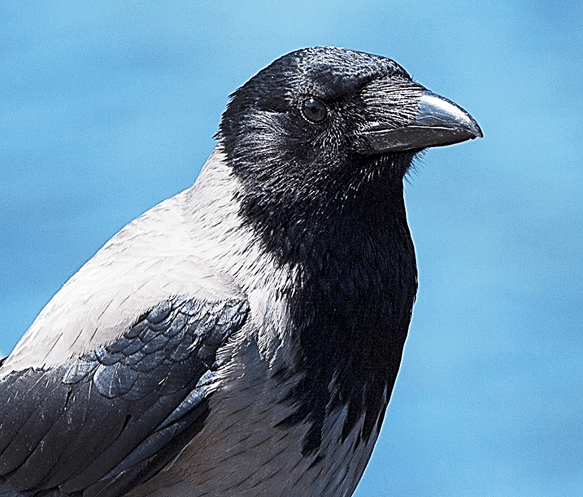
HOODED CROW (Corvus cornix) over water, Wikipedia photo credit
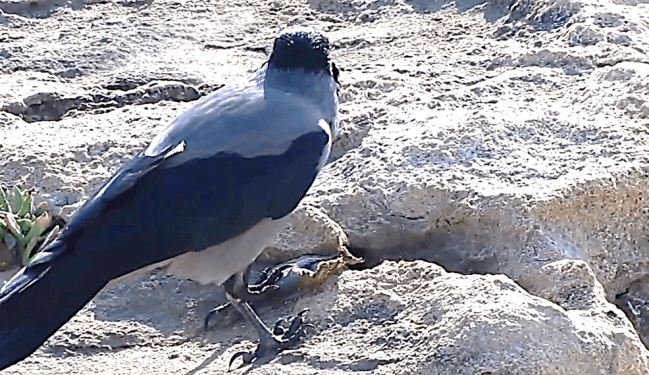
What could be more Scottish than “Scotch Crow” (Corvus cornix)? The Scotch Crow is better known, especially on the Eurasian landmass, as the Hooded Crow (a/k/a “Hoodie Crow” by some Britons, and “Grey Crow” by some Scandinavians and Irish). As the following paragraphs will document, the opportunity-grabbing Scotch Crow (a/k/a Hooded Crow) is as resourceful as a Scotsman (or Scotswoman).
Yet we need not be surprised at the wisdom of crows, because Proverbs 30:24-28 teaches us that God has caringly chosen to give wisdom to many of His creatures. For more explanation on this, with more corvid illustrations, see “Clever Creatures: ‘Wise from Receiving Wisdom’”, Acts & Facts, 46(3):21 (March 2017), posted at www.icr.org/article/clever-creatures-wise-from-receiving — as well as “Jackdaws Identify ‘Dangerous’ from ‘Safe’ Humans”, Creation Science Update (May 4, 2020), posted at www.icr.org/article/jackdaws-identify-dangerous-from-safe-humans .
Hooded Crow, Isle of Lewis (Outer Hebrides) A.D.2019 photo by Marnix Roels, “Hooded Crows from Scotland” MarnixBirdGallery.WordPress.com
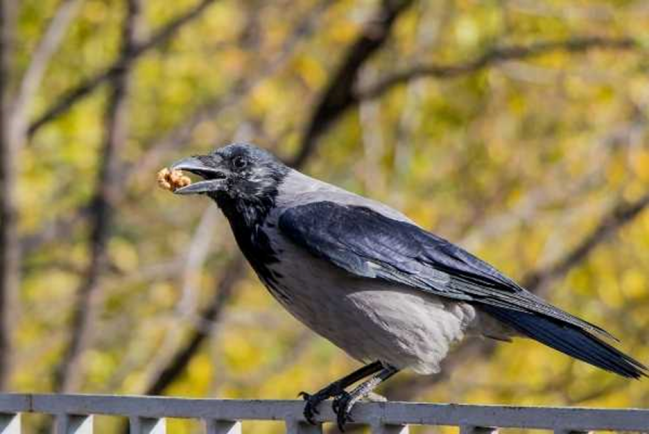
The black-and-grey Hooded Crow, like other corvids (i.e., members of the raven/crow superfamily), is a generalist—like the scavenging Carrion Crow (Corvus corone, its “southern cousin”, with which Hoodies sometimes hybridize), it eats almost anything available, dead or alive—carrion (which includes a huge variety of remains form other predators’ hunting successes, as well as roadkill), seeds, nuts, food scraps discarded by humans (esp. junk food), insects gathered on pieces of meat, grains (including corn), other plant materials (including fruits), small birds, bird eggs (such as eggs of seagulls or cormorants), crustaceans (such as Green Crabs, gooseneck barnacles), gastropod mollusks (such as European limpet, Blue-rayed Limpet, European periwinkle, rough periwinkle, Atlantic dogwinkle rock snail, thick-lipped dogwhelk mudsnail, European mudsnail, top snail), bivalve mollusks (such as Blue Mussel, Warty Venus hard-shell clam, Palourde clam, cockles), purple sea urchins, small mammals (such as Norwegian rat, mice, frogs, Eurasian pygmy shrew, juvenile rabbit), spiders, insects (e.g., fly larvae and adults), fish, snakes, etc.
In sum, Hooded Crows—such as those who make a living on coasts of the British Isles—are resourceful generalists. These coast-living crows are not picky eaters!
Hooded Crow perching with food (BirdsAcademy.com photo credit)
In fact, Hooded Crows who habituate coastal territories, such as beaches of the British Isles, have been studied to see what their diet looks like.
In one such research investigation, the diet of Hooded Crows was scrutinized (and quantified) near Lough Hyne Marine Reserve, a saltwater-fed coastal lake of West Cork (County Cork, Ireland). With informative details and quantified data, these corvid diet research results were reported in a Copenhagen-based science journal (“The Diet of Coastal Breeding Hooded Crows Corvus cornix cornix”, ECOGRAPHY, 15:337-346 (Oct.-Dec. 1992), by Simon D. Berrow, Tom C. Kelly, & Alan A. Myers).
The regular collection of prey items from these [coastal food-acquisition] sites … was integrated with pellet and stomach analysis to determine diet. Intertidal organisms [e.g., beach shellfish] occurred in over 80% of pellets and 43% of stomachs and occupied over 77% of the total weight of foods identified in pellets. All prey items recovered from drop sites originated from the intertidal habitat, involved either large-sized species or larger individuals of smaller-sized species, and were only dropped during October to February. Twenty-five intertidal species were identified but only a few of these species contributed to the bulk of the diet. Hooded crows were shown to consume a wide range of intertidal species throughout the year, though the species composition in the diet was seasonally influenced. Depletion and weight loss of intertidal molluscs through the winter was shown to have a minimal effect on selection suggesting that prey switching was driven by the bird’s nutritional requirements.
[Quoting Simon Berrow, Tom Kelly, & Alan Myers, at page 337]
Hooded Crow eating a beached fish (OutOfSamsara photo credit)
Interestingly, the Hooded Crows somehow know that they need protein rich foods for their nestling young, plus they need calcium-rich food when their bodies are preparing for the breeding season. These reproductive-linked-to-phenological requirements of corvids is alluded to by Dr. Simon Berrow’s research team.
Vertebrate remains and insects were the most frequently occurring prey items in six food boluses fed by crows to their nestling [young] and together accounted for 90% by volume. Dipteran [i.e., fly] larvae and adults occurred in half of the boluses with Lepidopteran [i.e., moth/butterfly] larvae and Araneae [spiders] also present.
[Quoting Berrow, Kelly, & Myers, at page 340]
. . .
The nutritional requirements of a predator [such as Hooded Crow] have been shown to influence prey selection. Ravens in Scotland tended to feed only on prey items obtained from the seashore during the breeding season which was attributed to their requirement for calcium. …. In the winter, crows tend to have an energy rich diet, but during the breeding season more protein is requiredfor provisioning the nestlings. Insects are considered a good source of protein for crows with dependent young and calcium for bone development may be obtained from crabs. Although small gastropod molluscs are abundant at Lough Hyne they are only consumed by crows during the spring and summer, which may also be a reflection of the birds’ calcium requirement.
[Quoting Berrow, Kelly, & Myers, at page 345]
Now that’s something to crow about!
Hooded Crow at the beach (Freepik.com photo credit)
Like all corvids, the crow is also extremely intelligent. Specimens of Corvus cornix [hooded crow] living on European coasts have developed a simple yet surprising nutrition strategy. To feed on molluscs, they drop the shells from heights … [so] that they shatter on the first attempt, so that they can feed on the animal hidden inside. Furthermore, they deliberately ignore smaller shells and focus on those that guarantee a larger meal.
[Quoting Federico Fiorillo, “The Hooded Crow—Not So Pretty, But Very Smart”, AviBirds.com (accessed AD2021-12-29)]
In other words, Scotch Crows—like the Scotch people—are opportunistic, versatile, adaptable, flexible, resourceful. Whatever is available will be used to achieve whatever is needed. Very Scottish! And the Scotch Crows (a/k/a Hooded Crows) of the Western Isles are no exception—they will find and eat what they need! 😊
So, what could be more Scottish than a “Scotch Crow”? Wonderful birds are there to be seen, in the Outer Hebrides (“Western Isles”). If you get the opportunity, go see them! Meanwhile, appreciate that they are there, living their daily lives—filling their part of the earth—glorifying their Creator. As Isaiah (42:12) said, these birds cause God’s glory, especially in the islands, to be clearly seen (Romans 1:20).
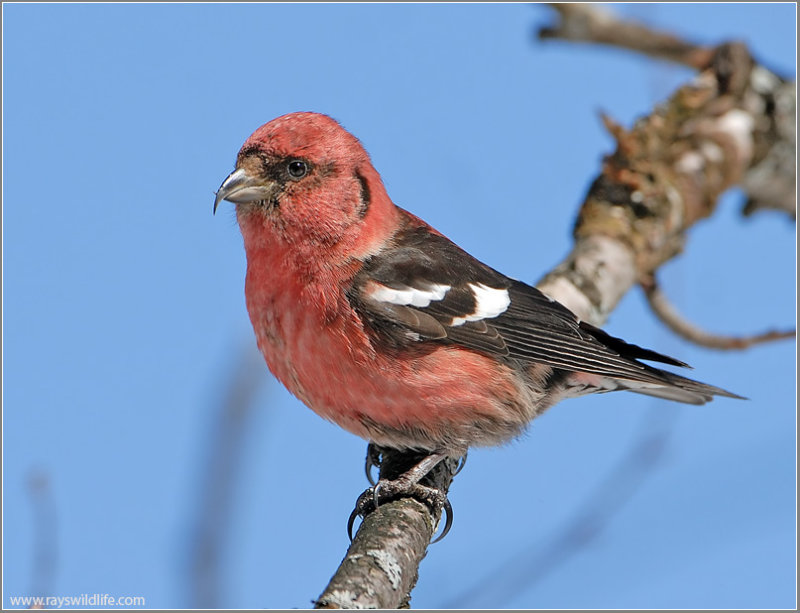
Two-barred Crossbill (Loxia leucoptera)(White-winged) by Raymond Barlow
Now when Jesus was born in Bethlehem of Judaea in the days of Herod the king, behold, there came wise men from the east to Jerusalem, Saying, Where is he that is born King of the Jews? for we have seen his star in the east, and are come to worship him. (Matthew 2:1-2 KJV)
Thought you might enjoy a Christmas post from the past. (2012)
Today I am doing something a little different. Instead of a song, there is a short Christmas message from my pastor. This was given during the Camel Lot Christmas Musical that we had in 2012. It applies for today, as well. Listen to Pastor Nathan Osborne III as you watch some of the Lord Jesus Christ’s creation among the birds.
The birth of the Jesus, His death on the cross and His resurrection are all a part of Christmas.
This slideshow requires JavaScript.
Our Pastor at the Christmas Camel Lot Musical – 2012
*
(Started adding Christmas colored birds, but then added newer photos from this year.)
Let them give glory unto the LORD, and declare his praise in the islands.
Isaiah 42:12
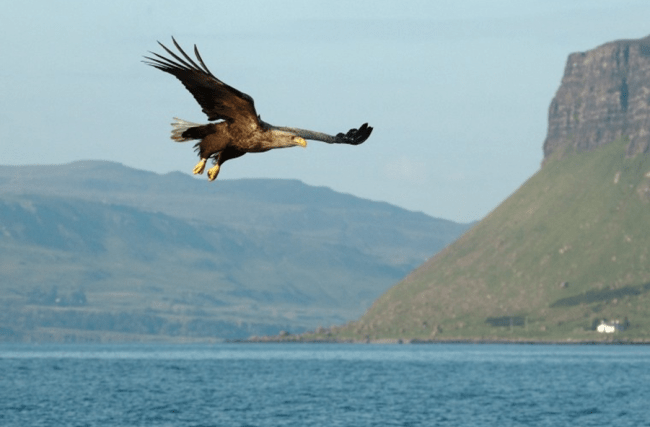
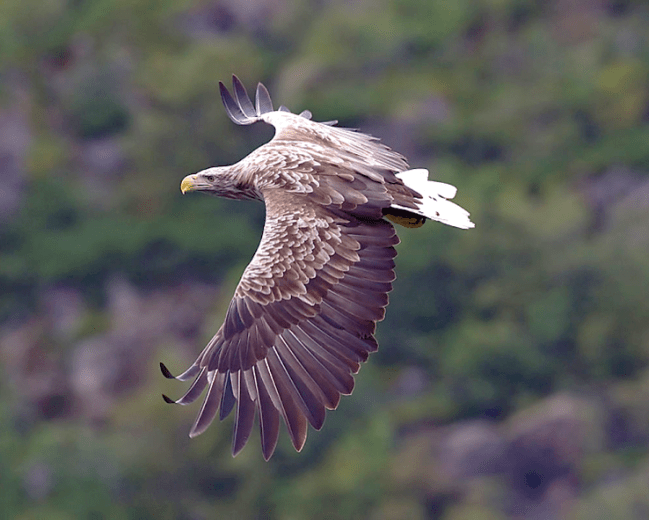
White-tailed Eagle aloft in the Outer Hebrides (LHH Scotland photo credit)
Watching coastal birds is a favorite pastime in the Outer Hebrides, according to Outer Hebrides Tourism. Having visited some of the Inner Hebrides, with marvelous birdwatching opportunities (including puffins!), I am not surprised.
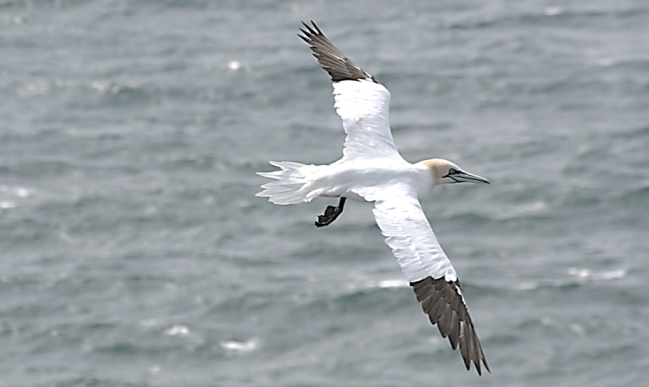
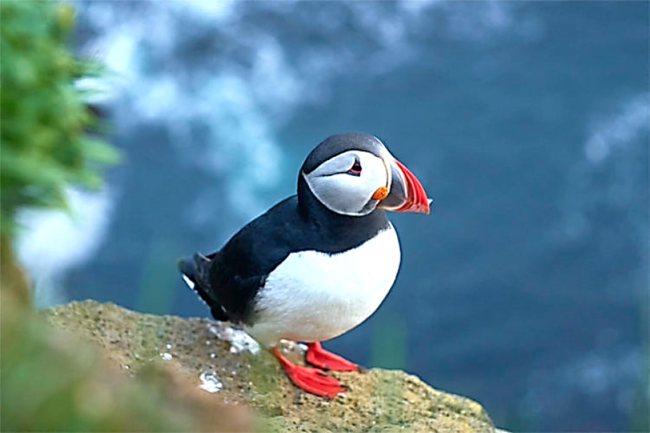
The Outer Hebrides archipelago is a unique island chain perched on the North Western edge of Europe. Here the landscape ranges from white sand beaches and flower covered machair grasslands to barren hilltops, fjord like sea lochs and vast peatlands. Wildlife is abundant and birds of prey are a particularly visible feature of the open landscapes . . . Spring and autumn are the best times to spot migrating birds in the Outer Hebrides with large numbers of seabirds passing up and down the coasts of our islands on their way to and from northern breeding grounds and wintering grounds to the south. These are both exciting birding seasons in the Outer Hebrides when almost anything can turn-up but the highlights of spring and autumn birding in the Western Isles include the passage of Skuas offshore and the flocks of geese and whooper swans passing overhead. Visit in the spring and summer to see the Outer Hebrides seabird breeding colonies of terns and gulls, which be found scattered along the coastline on headlands, beaches, islands and sand dunes. Although most breeding colonies are found offshore they will travel long distances to feed and birdwatchers can often see seabirds in the Western Isles from the shore. Spot Gannets in the Outer Hebrides as they make their spectacular dives after fish and keep eyes open for Black Guillemot, Guillemot, [Atlantic] Puffin, Razorbill and Fulmars, as all are common island birds.
Quoting from “Bird of Prey Trail Locations” and “Wildlife: Coastal Birds”, VisitOuterHebrides.co.UK — emphasis added by JJSJ
Northern Gannet, aloft in the Outer Hebrides (Islandeering photo credit)
Some of the coastal birds that frequent the Outer Hebrides include shorebirds (such as Black-tailed Godwit, Curlew Sandpiper, Dotterel, Dunlin, Jack Snipe, Little Stint, Oystercatcher, Pectoral Sandpiper, Purple Sandpiper, Redshank, Ringed Plover, Ruff, Sanderling, Turnstone, Heron), seagulls (such as Glaucous Gull, Iceland Gull, Lesser Black-backed Gull, Greater Black-backed Gull), as well as various ducks (such as Eider, Goldeneye, Black-throated Diver, Great-northern Diver, Red-throated Diver, Red-breasted Merganser, Shelduck, Shoveler, Long-tailed Duck), plus Shag and Cormorant, Atlantic puffin, Northern Gannet, geese (Dark-bellied Brent Goose, Greylag Goose), Mute Swan, plus a mix of passerine songbirds (such as Barred Warbler, Blackcap, Bluethroat, Brambling, Chiffchaff, Common Crossbill, Common Whitethroat Warbler, Corn Bunting, Dunnock, Hawfinch, House Martin, House Sparrow, Meadow Pipit, Pechora Pipit, Pied Flycatcher, Redwing, Rose-colored Starling, Stonechat, Yellow-browed Warbler), the Ring Ouzel, the ever-versatile Woodpigeon, and more!
Atlantic Puffin, ashore in the Outer Hebrides (Sykes Cottages photo credit)
The Hebrides, formerly known as the “Western Isles”, are wildlife-watching venues.
With the islands enjoying one of the last untouched natural landscapes in Europe, wildlife in the Western Isles is some of the finest in the world, with Outer Hebrides animals and plants all at home in their surrounding without fear of poaching, pollution or disturbance. Wildlife watching in the Outer Hebrides offers a glimpse into a time almost forgotten by the rest of the world, where the white -tailed eagle soars over the rugged coastline as red deer roam proudly over the peaty moorlands and [river] otters swim in many sea lochs. Much of the wildlife in the Western Isles is unique and protected, meaning that visitors enjoying Scottish island nature breaks here can enjoy pursuits as diverse as spotting minke whale in the sea around the Outer Hebrides and eagle watching in the sky.
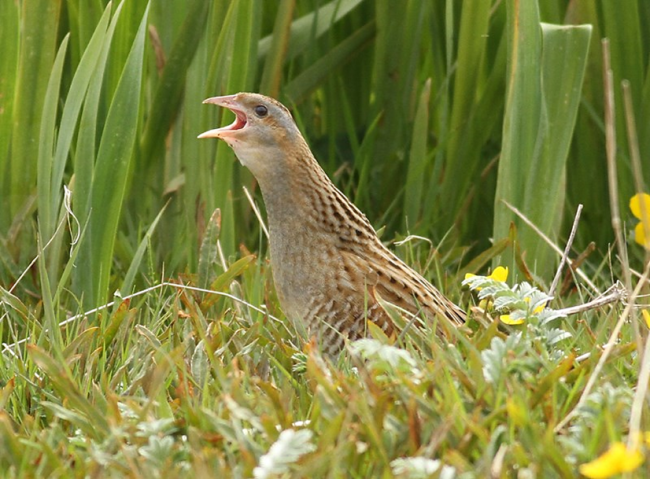
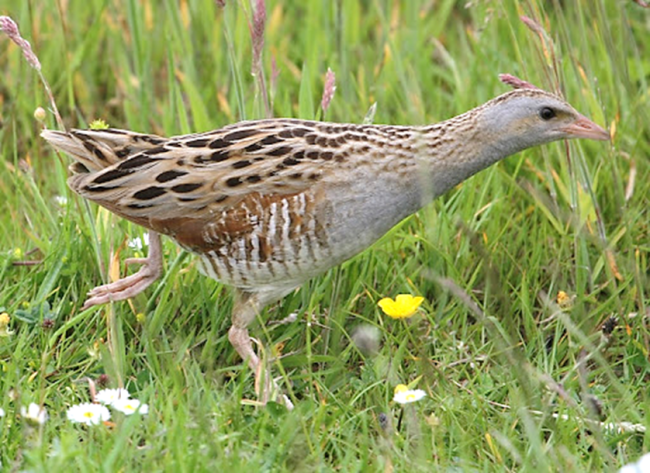
[The Outer Hebrides] are a popular destination for birdwatching in Scotland, as birding in the Western Isles offers opportunities to see everything from birds of prey to seabirds and waders. Look out for the Bird of Prey Trail which spans the Outer Hebrides with location markers for the best places to see birds of prey. As well as this, the Western Isles are the summer home to two thirds of the elusive British corncrake population from April to September.
[Quoting VisitOuterHebrides.co.UK, “Closer to Wildlife” — emphasis added by JJSJ]
White-tailed Eagle [ photo credit: Animalia.bio ]
In the above quotation the White-tailed Eagle (a/k/a “Sea Eagle”) is mentioned; this raptor is Great Britain’s (and thus also Scotland’s) largest bird of prey. It habituates almost all of Scotland, including the Inner and Outer Hebrides.
The White-tailed eagle is one of the largest living birds of prey. It is sometimes considered the fourth largest eagle in the world and is on average the fourth heaviest eagle in the world. White-tailed eagles usually live most of the year near large bodies of open water and require an abundant food supply and old-growth trees or ample sea cliffs for nesting. They are considered a close cousin of the Bald eagle, which occupies a similar niche in North America. The adult White-tailed eagle is a greyish mid-brown color overall. Contrasting with the rest of the plumage in the adult are a clearly paler looking head, neck and upper breast which is most often a buffy hue. The brownish hue of the adult overall makes the somewhat wedge-shaped white tail stand out in contrast. All the bare parts of their body on adults are yellow in color, including the bill, cere [nose-like part of upper bill], feet, and eyes.
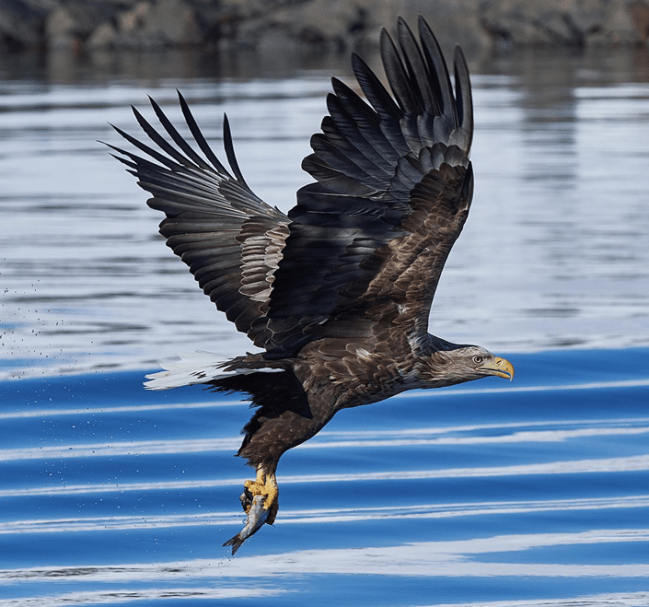
White-tailed Eagle with caught fish ( Wikipedia photo credit )
Watching these sea eagles catch fish in their talons, as they wing to, near, and then away from the seawater surface, is much like watching Bald Eagles catch fish in the coastal seawaters of Southeastern Alaska. [See video clip of a Sea Eagle catching fish, at rspb.org.UK – website of the Royal Society for the Protection of Birds.]
White-tailed eagles are powerful predators and hunt mostly from perches, in a “sit-and-wait” style, usually from a prominent tree perch. Fish is usually grabbed in a shallow dive after a short distance flight from a perch, usually with the eagles only getting their feet wet. At times they will also fish by wading into shallows, often from shores or gravel islands. When it comes to non-fish prey, White-tailed eagles often hunt by flying low over sea coast or lake shore and attempt to surprise victims. [emphasis added]
These coastal raptors mostly eat fish. However, they also eat waterfowl and small mammals (such as rodents). During winter they eat lots of carrion.
In previous centuries the White-tailed eagle populated the coasts of Scotland, but it was hunted to extirpation in the A.D.1920s. However, it was conservationally re-established on Rhum in A.D.1975, and (thankfully) it has since re-colonized (beyond 25 breeding pairs, apparently) many of the indented inlets of the coastal strands of Outer Hebrides islands, including Harris, Lewis, and South Uist.
White-tailed Eagles are large birds (2-to-3 feet, from bill-tip to tail-tip; 6-to-8 feet wingspan; 9-to-16 pounds), famous for eating fish (such as salmon, trout), yet they also prey on rabbits and hares, geese, available seabirds (such as fulmars and petrels), and lamb carrion. Like their Golden Eagle cousins—which reside in the Hebrides—these eagles establish and defend territories for their families.
Other birds of prey, habituating the Outer Hebrides, include two types of owls, the Short-eared Owl and the Long-eared Owl. Other birds of prey include hawks (such as harriers, sparrow hawks, and ospreys) and falcons (such as kestrels, peregrines, and hobbies), which routinely find and consume rodents (such as voles). Other birds of prey, sometimes observed, include Buzzards, Snowy Owl, and Gyrfalcon.
However, in contrast to such carnivorous raptors, consider the common Corncrake.
Corncrake in grass (Wikipedia photo credit)
The chicken-like Corncrake is a migratory rail that frequents grassy parts of Hebridean islands, as well as Scotland’s semi-marshy floodplain grasslands (dominated by grasses or sedges) and coastal wetlands (such as nettle beds, iris beds, and reed beds), yet the Corncrake prefers the tall plant-cover of farmed crop-fields (such as hayfields, fields of wheat and other cereals, and clover meadows). This rail arrives from mid-April and stays for breeding and beyond, till August or September. After that the Corncrake migrates to North Africa, for over-wintering.
Corncrake in camouflage (IBTimes UK photo credit)
The Corncrake’s appearance somewhat resembles a young Grey Partridge (or somewhat like a moorhen or coot), yet it is almost as small as a blackbird.
Plumage softly but richly coloured, with pale grey face, fore-neck and breast, yellowish-buff upper parts, lined with cream and spotted or streaked blackish-brown, chestnut wings ‘catch fire’ in flight, barred white flanks. Bill and legs dull pink. Flight typical of [rail] family, loose-winged and clumsy; usually escapes by running into dense cover.
[Quoting Roger Tory Peterson, Guy Mountfort, et al., A Field Guide to Birds of Britain and Europe (Houghton Mifflin, 1993), page 93.]
“Singing” male Corncrake, Hebrides (Steven Fryer/BirdGuides.com photo credit)
Because Corncrakes (a/k/a Land Rails) routinely reside in grassy fields, where photosynthetic biomass productivity is high, they have a smörgåsbord of seeds – as well as other foods, available just for the taking.
Besides seeds these rails eat bugs (especially cockroaches and beetles, including dung beetles), fly larvae, termites, ticks, spiders, dragonflies, earthworms, grasshoppers, slugs, snails, weevils, and even small frogs. [Regarding the diet of Corncrakes, see further Suzanne Arbeiter, Heiner Flinks, et al., “Diet of Corncrakes Crex crex and Prey Availability in Relation to Meadow Management”, ARDEA, 108(1):55-64 (April 24, 2020), posted at https://doi.org/10.5253/arde.v108i1,a7 . ]
Corncrake, on the island of Iona, Inner Hebrides (Flickr photo credit)
Corncrakes themselves must be careful—they serve as prey to other animals, including mustelids (mink, ferrets, and river otters), foxes, larger birds (such as white stork, harrier hawks, seagulls, and corvids, especially hooded crows).
Wonderful birds are there to be seen, in the Outer Hebrides (Scotland’s “Western Isles”). If you get the opportunity, go see them!
Meanwhile, appreciate that they are there, living their daily lives—filling their part of the earth—glorifying their Creator (Isaiah 42:12).









 I mentioned when discussing the unusual arboreal nest building habits of Nordmann’s Greenshank that the Green and Solitary Sandpipers also nest in trees, but use the old nests of thrushes. Coincidentally the name Tringa comes from a description of a thrush-sized waterbird by Aristotle (“trungas”). He didn’t distinguish it further but later authors have suggested it was a sandpiper, a Wagtail Motacilla or a Dipper Cinclus. Thanks very much. While we’re at it, ochropus means pale-yellow footed, while the specific identifier of Normann’s Greenshank, guttifer, means spotted, which isn’t very illuminating either. Aristotle preceded the taxonomic and evolutionary ideas of Linnaeus and Darwin, and “thrush-like waterbird” is a reasonable description, except for the length of the legs. He was interested in biology, classified 500 species of animals in the work later known by philosophers as the