Birds of the Bible – Deuteronomy 14:16-18 III (WYC)

Framed Purple Gallinule by Dan

Purple Gallinule (Porphyrio martinica) by Dan

“16 a falcon, and a swan, and a ciconia,
17 and a dipper, a porphyrio, and a rearmouse, a cormorant,
18 and a calidris, all in their kind; also a lapwing and a bat.” Deuteronomy 14:16-18 Wycliffe Bible (WYC)

Now here is an interesting interpretation of these 3 verses. We are going to look at these verse in a few blogs. Normally, these verses would read something similar to this:

Deuteronomy 14:16-18 KJV
(16)  The little owl, and the great owl, and the swan,
(17)  And the pelican, and the gier eagle, and the cormorant,
(18)  And the stork, and the heron after her kind, and the lapwing, and the bat.

Purple Swamphen (Porphyrio porphyrio) ©WikiC
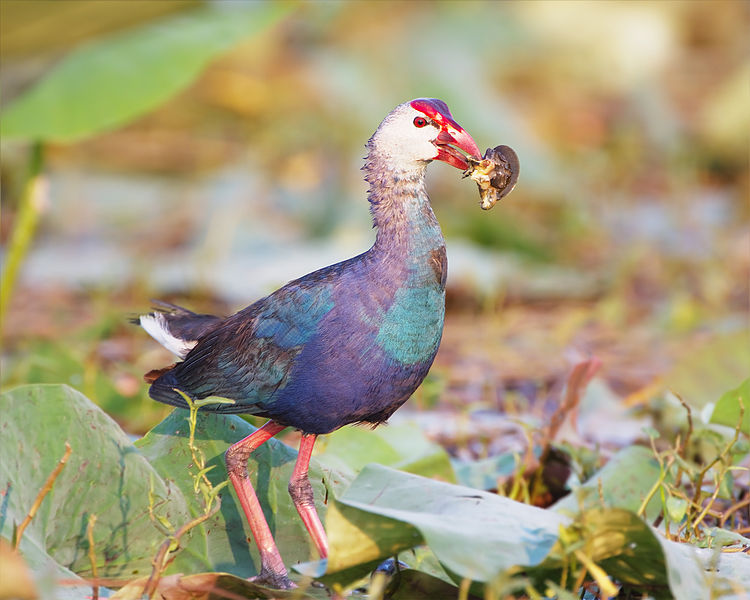
Purple Swamphen (Porphyrio porphyrio) ©WikiC

or like this:

Deuteronomy 14:16-18 NKJV
(16)  the little owl, the screech owl, the white owl,
(17)  the jackdaw, the carrion vulture, the fisher owl,
(18)  the stork, the heron after its kind, and the hoopoe and the bat.

Purple Swamphen (Porphyrio porphyrio) by Bob-Nan

Or maybe the New American Standard’s Version:

Deuteronomy 14:16-18 NASB
(16) the little owl, the great owl, the white owl,
(17) the pelican, the carrion vulture, the cormorant,
(18) the stork, and the heron in their kinds, and the hoopoe and the bat.

Purple Swamphen (Porphyrio porphyrio) ©WikiC parent and chick

In the first post about the Wycliffe translation, the Dipper was mentioned. Part II was about the Circonia or Stork. Now, let’s look at the third bird – Part III in these verses from the Wycliffe’s

“The Porphyrio is the swamphen or swamp hen bird genus in the rail family. It includes some smaller species which are usually called “purple gallinules”, and which are sometimes separated as genus Porphyrula or united with the gallinules proper (or “moorhens”) in Gallinula. The Porphyrio gallinules are distributed in the warmer regions of the world.”

“The genus Porphyrio was introduced by the French zoologist Mathurin Jacques Brisson in 1760 with the western swamphen (Porphyrio porphyrio) as the type species. The genus name Porphyrio is the Latin name for “swamphen”, meaning “purple”.

Another point about this name Porphyrio that the name used for the Order and the Family use a similar name:

Check out a previous article in more depth about these birds: Name Study of the Swamphen or Waterhen

This version, Wycliffe, was taken from Bible Gateways site.

Birds of the Bible

Wordless Birds

Bible Birds – Pelican Introduction

American White Pelican (Pelecanus erythrorhynchos) by AestheticPhotos

American White Pelican (Pelecanus erythrorhynchos) by AestheticPhotos

“And the swan, and the pelican, and the gier eagle,” (Leviticus 11:18 KJV)

Bible Birds – Pelican Introduction

The Pelican is mentioned in three verses in the Bible (KJV). In Leviticus 11:18 and in Deuteronomy 14:17, the Pelican is listed as one of the “Do Not Eat” birds. The Jewish people, from God’s chosen people, were given a list of birds that they were not to eat. [My “Do Not Eat” birds]

In Psalms 102:6, it mentions the Pelican in the wilderness. That will be mentioned in a later article.

Pelicans are huge birds that are larger than swans and have a remarkably enormous bill. The lower part of the bill is like a large pouch or bag that can expand to hold quarts of water. The pelican places the fish they catch in this lower part of the bill.

Brown Pelican with fish and Laughing Gull

Brown Pelican with fish in pouch and a Laughing Gull

The White Pelican was recording holding three gallons of water in that pouch. Wow! They belong to the Pelecanidae family which is in the Pelecaniformes Order. There are eight species of Pelicans:

Mature Brown Pelican by Dan at MacDill

Mature Brown Pelican by Dan at MacDill AFB

Great White Pelican, Pink-backed Pelican, Spot-billed Pelican, Dalmatian Pelican, Australian Pelican, American White Pelican, Brown Pelican, and the Peruvian Pelican.

The Kingbird – McGuffey’s 2nd Grade Reader

Grey Kingbird (Tyrannus dominicensis) by Lee at Honeymoon Is SP

McGuffey Readers were a series of graded primers for grade levels 1-6. They were widely used as textbooks in American schools from the mid-19th century to the mid-20th century, and are still used today in some private schools and in homeschooling. [Posting these for young readers to enjoy and practice reading while school is out.]

Here is a story of Kingbird from the Second Grade Reader. (From Gutenberg)

McGuffey Reader Set ©WikiC

LESSON XVIII.

New Words:

ber’ries strikes rob’in ea’gle short king rid

foe dart fails sharp hawk worms ac’tive

Eastern Kingbird (Tyrannus tyrannus) by Margaret Sloan

THE KINGBIRD.

1. The kingbird is not bigger than a robin.

2. He eats flies, and worms, and bugs, and berries.

3. He builds his nest in a tree, near some house.

4. When there are young ones in the nest, he sits on the top of a tree near them.

5. He watches to see that no bird comes to hurt them or their mother.

6. If a hawk, a crow, or even an eagle comes near, he makes a dash at it.

7. Though he is so small, he is brave, and he is also very active.

8. He never fails to drive off other birds from his nest.

9. He flies around and around the eagle, and suddenly strikes him with his sharp bill.

10. He strikes at his eye, and then darts away before the eagle can catch him.

11. Or he strikes from behind, and is off again before the eagle can turn round.

12. In a short time, the great eagle is tired of such hard blows, and flies away. He is very glad to get rid of his foe.

13. Is not the little fellow a brave bird?

14. Because he can drive off all other birds, he is called the KINGBIRD.

“Watch, stand fast in the faith, be brave, be strong.” (1 Corinthians 16:13 NKJV)

***


Title: McGuffey’s Second Grade Reader – Gutenberg – Author: William Holmes McGuffey

Release Date: June 29, 2005 [EBook #14668] – Language: English

Wordless Birds

More McGuffey’s Second Grade Reader Stories

The Owl – McGuffey’s 2nd Grade Reader

Western Screech Owl (Megascops kennicottii)(captive) by Raymond Barlow

Western Screech Owl (Megascops kennicottii)(captive) by Raymond Barlow

McGuffey Readers were a series of graded primers for grade levels 1-6. They were widely used as textbooks in American schools from the mid-19th century to the mid-20th century, and are still used today in some private schools and in homeschooling.

LESSON LII.

oak dusk fight squeak ruf’fled

bag Fred whoo a wake’ creep’ing

THE OWL.

1. “Where did you get that owl, Harry?”

2. “Fred and I found him in the old, hollow oak.”

3. “How did you know he was there?”

4. “I’ll tell you. Fred and I were playing ‘hide and seek’ round the old barn, one night just at dusk.

5. “I was just creeping round the corner, when I heard a loud squeak, and a big bird flew up with something in his claws.

6. “I called Fred, and we watched him as he flew to the woods. Fred thought the bird was an owl, and that he had a nest in the old oak.

Barn Owls (Family Tytonidae) with catch ©Pixelbirds

7. “The next day we went to look for him, and, sure enough, he was there.”

8. “But how did you catch him? I should think he could fight like a good fellow with that sharp bill.”

9. “He can when he is wide awake; but owls can’t see very well in the daytime, and he was taking a nap.

Northern Barred Owl (Strix varia) LPZ by Dan 2014

Northern Barred Owl (Strix varia) LPZ by Dan 2014

10. “He opened his great eyes, and ruffled up his feathers, and said, “Whoo! Whoo!’ ‘Never mind who,’ Fred said, and slipped him into a bag.”

Eurasian Eagle-Owl (Bubo bubo) by Nikhil Devasar

Eurasian Eagle-Owl (Bubo bubo) by Nikhil Devasar

May kinds of owls are mentioned in the Bible. Most of them are listed as birds to not eat.

“… the short-eared owl, ;… the little owl, the fisher owl, and the screech owl; the white owl,… (Leviticus 11:16-18 NKJV)

McGuffey’s Reader for 2nd Grade:

ABC’s of the Gospel

More McGuffey’s Second Grade Reader Stories

What A Bird Taught – McGuffey’s 2nd Grade Reader

MacGillivray's Warbler

[Illustration: Bird perched on tree branch.] MacGillivray’s Warbler

LESSON XI.

twit-twee bough (bow) twit-twit top’most lock

spray mate close’ly ros’y an’swer (an’ser)

WHAT A BIRD TAUGHT.

1. Why do you come to my apple tree,
Little bird so gray?
Twit-twit, twit-twit, twit-twit-twee!
That was all he would say.

2. Why do you lock your rosy feet
So closely round the spray?
Twit-twit, twit-twit, twit-tweet!
That was all he would say.

3. Why on the topmost bough do you get,
Little bird so gray?
Twit-twit-twee! twit-twit-twit!
That was all he would say.

4. Where is your mate? come, answer me,
Little bird so gray.
Twit-twit-twit! twit-twit-twee!
That was all he would say.
Alice Cary.

***


Title: McGuffey’s Second Grade Reader – Gutenberg – Author: William Holmes McGuffey

Release Date: June 29, 2005 [EBook #14668] – Language: English

“And whoso shall receive one such little child in my name receiveth me.” (Matthew 18:5 KJV)

Wordless Birds

More McGuffey’s Second Grade Reader Stories

Birds of the Bible – Deuteronomy 14:16-18 II (WYC)

Storm's Stork (Ciconia stormi) ©©SanDiegoShooter

Storm’s Stork (Ciconia stormi) ©©SanDiegoShooter

“16 a falcon, and a swan, and a ciconia,
17 and a dipper, a porphyrio, and a rearmouse, a cormorant,
18 and a calidris, all in their kind; also a lapwing and a bat.” Deuteronomy 14:16-18 Wycliffe Bible (WYC)

Now here is an interesting interpretation of these 3 verses. We are going to look at these verse in a few blogs. Normally, these verses would read something similar to this:

Deuteronomy 14:16-18 KJV
(16)  The little owl, and the great owl, and the swan,
(17)  And the pelican, and the gier eagle, and the cormorant,
(18)  And the stork, and the heron after her kind, and the lapwing, and the bat.

or like this:

Deuteronomy 14:16-18 NKJV
(16)  the little owl, the screech owl, the white owl,
(17)  the jackdaw, the carrion vulture, the fisher owl,
(18)  the stork, the heron after its kind, and the hoopoe and the bat.

Or maybe the New American Standard’s Version:

Deuteronomy 14:16-18 NASB
(16) the little owl, the great owl, the white owl,
(17) the pelican, the carrion vulture, the cormorant,
(18) the stork, and the heron in their kinds, and the hoopoe and the bat.

In the first post about the Wycliff translation, the Dipper was mentioned.

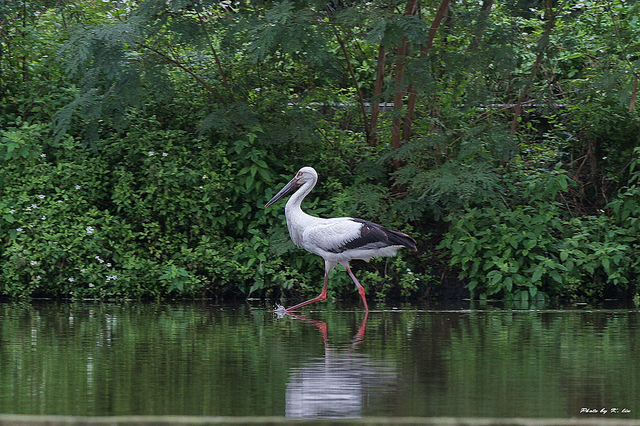
Since names change sometimes in translations, our new one seems to be a bit strange. This is not as hard to figure out. Ciconia is the Latin name used to for a genus of Storks.  See Wikipedia. One of the differences here is that it shows up in verse 16 and not in verse 18 as these mentioned. Whatever, it is still a kind of bird that was not to be eaten. It (Circonia) is used today for these Storks:

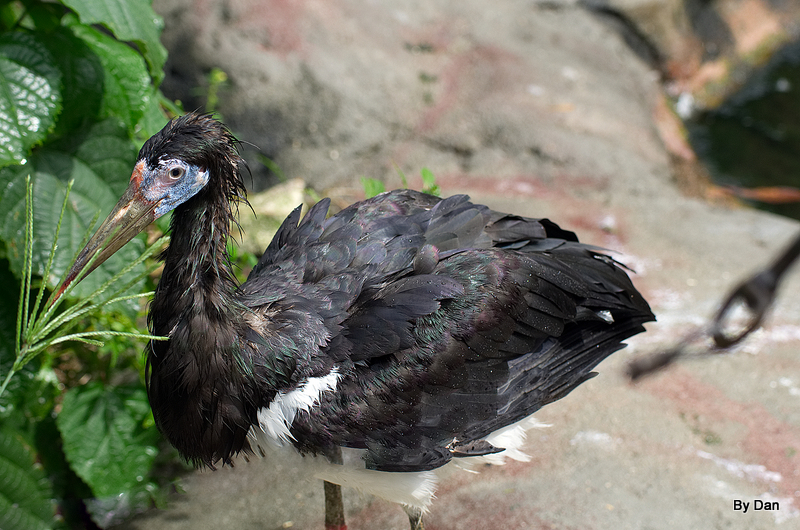
Wet Abdin’s Ibis at Jacksonville Zoo by Dan

Abdim’s Stork (Ciconia abdimii)

Woolly-necked Stork

Woolly-necked stork (Ciconia episcopus)

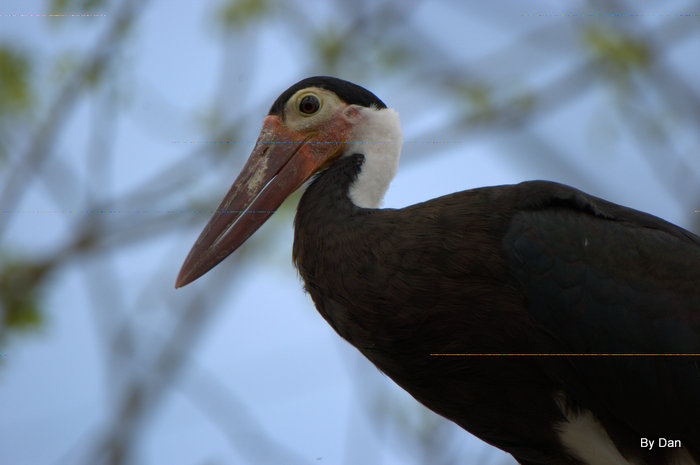
Storm’s Stork (Ciconia stormi) by Dan at Zoo Miami

Storm’s Stork (Ciconia stormi)

Maguari Stork (Ciconia maguari) ©©ClaudioTimm

Maguari Stork (Ciconia maguari) ©©ClaudioTimm

Maguari Stork (Ciconia maguari)

Oriental Stork (Ciconia boyciana) ©©Hiyashi Haka

Oriental Stork (Ciconia boyciana) ©©Hiyashi Haka

Oriental Stork (Ciconia bouciana)

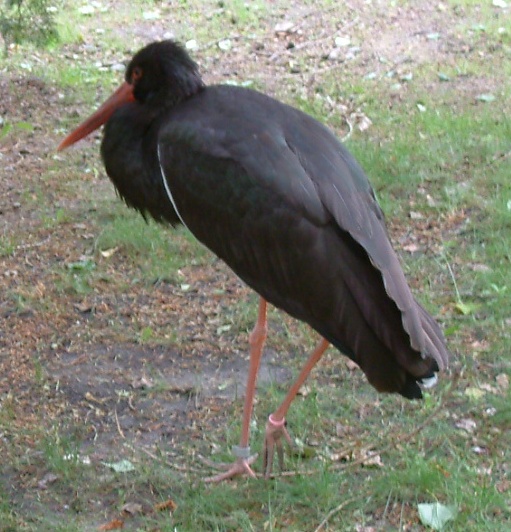
Black Stork (Ciconia nigra) ©WikiC

Black Stork (Ciconia nigra) ©WikiC

Black Stork (Ciconia nigra)

Another point about this name Ciconia is that the name used for the Order and the Family use a similar name:

Maybe, the Ciconia could be referring to the whole Order of Storks. See Birds of the Bible – Storks or Wikipedia Storks. I believe that is what most of the translations is indicating.

This version, Wycliffe, was taken from Bible Gateways site.

Birds of the Bible

Wordless Birds

Birds of the Bible – Deuteronomy 14:16-18 (WYC)

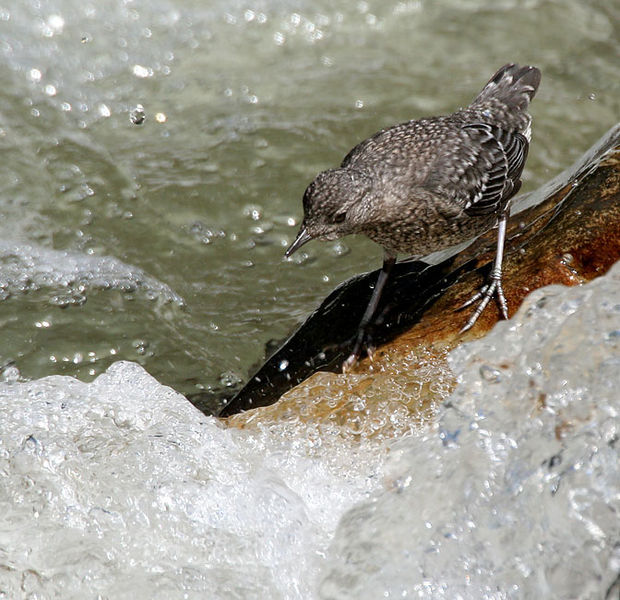
Brown Dipper (Cinclus pallasii) WikiC

Brown Dipper (Cinclus pallasii) WikiC

“16 a falcon, and a swan, and a ciconia,
17 and a dipper, a porphyrio, and a rearmouse, a cormorant,
18 and a calidris, all in their kind; also a lapwing and a bat.” Deuteronomy 14:16-18 Wycliffe Bible (WYC)

Now here is an interesting interpretation of these 3 verses. We are going to look at these verse in a few blogs. Normally, these verses would read something similar to this:

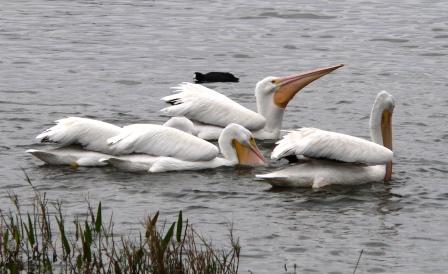
American White Pelicans at Lake Hollingsworth

Deuteronomy 14:16-18 KJV
(16)  The little owl, and the great owl, and the swan,
(17)  And the pelican, and the gier eagle, and the cormorant,
(18)  And the stork, and the heron after her kind, and the lapwing, and the bat.

or like this:

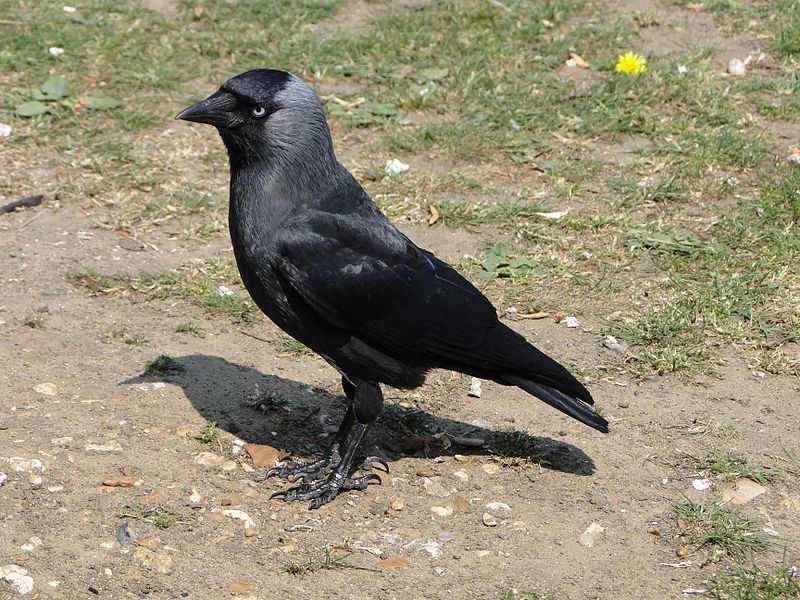
Western Jackdaw (Coloeus monedula) ©WikiC

Western Jackdaw (Coloeus monedula) ©WikiC

Deuteronomy 14:16-18 NKJV
(16)  the little owl, the screech owl, the white owl,
(17)  the jackdaw, the carrion vulture, the fisher owl,
(18)  the stork, the heron after its kind, and the hoopoe and the bat.

Or maybe the New American Standard’s Version:

Deuteronomy 14:16-18 NASB
(16) the little owl, the great owl, the white owl,
(17) the pelican, the carrion vulture, the cormorant,
(18) the stork, and the heron in their kinds, and the hoopoe and the bat.

The bird that caught my attention first was the Dipper. A Dipper?? Nothing similar to a Pelican or a Jackdaw are they? Huh? Well at least a Pelican dips into the water for its fish. But a Jackdaw? Not very similar to the Dipper, other than they are both dark colored.

Since names change sometimes in translations, this one seems to be a bit strange. [At least to me] Stay tuned as we look further into these different birds. Do you have an idea as to how these birds vary in the translations?

This version, Wycliffe, was taken from Bible Gateways site.

Birds of the Bible

Wordless Birds

Ted and Red – By Emma Foster

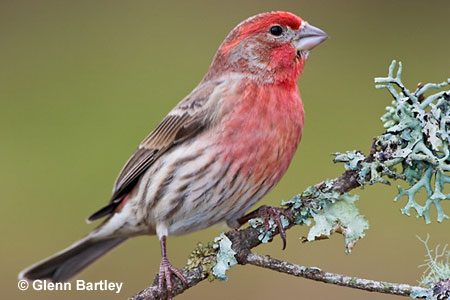
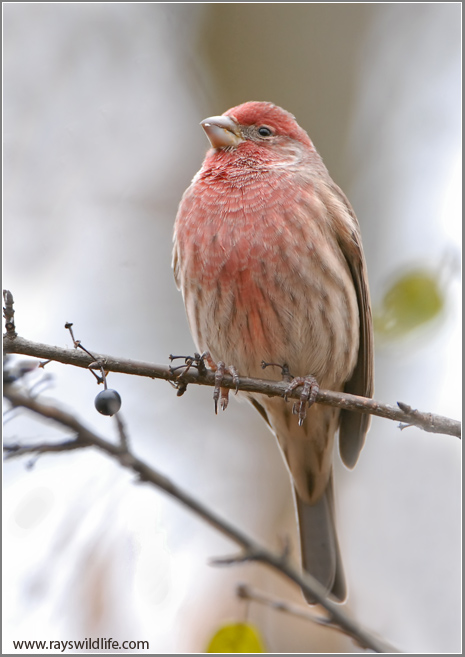
House Finch male ©Glenn Bartley-Wichita StateU

Ted and Red

by Emma Foster

Once there were two finches named Ted and Red who were brothers. They lived in two trees that had been planted next to each other. Their trees were in a courtyard by a museum, which provided them with plenty of shade because Florida was almost always hot. Both birds had many friends in the courtyard.

The birds spent most of their time flying around the beaches and hectic streets searching for food or just having fun watching the different tourists around the coast. Many times, people on the dock would feed them breadcrumbs.

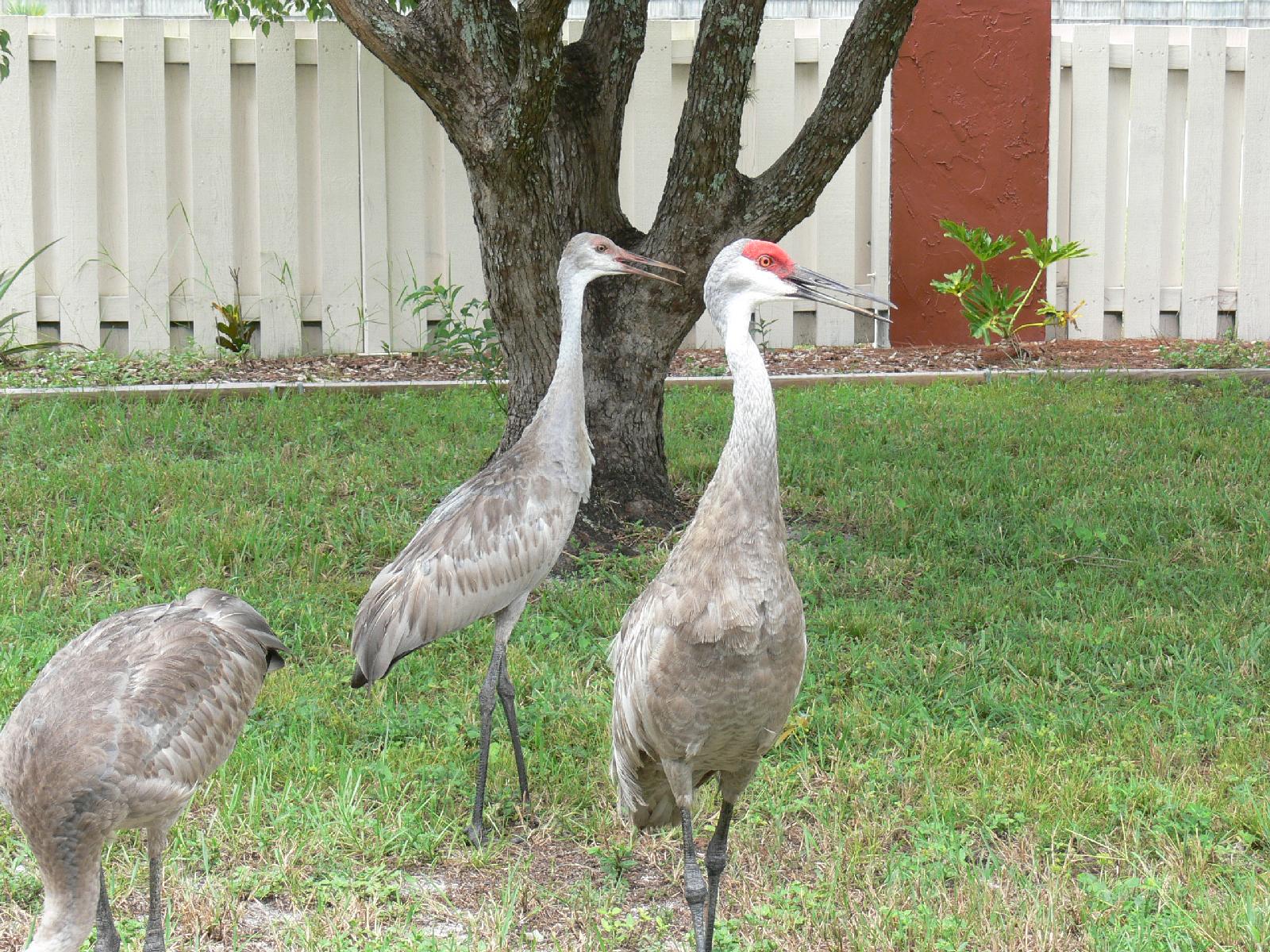
Sandhill Cranes

Sandhill Cranes

But as summer came, the days grew hotter and longer, and there were many rainy days. Ted and Red stayed in their nests most of the time under the protection of their large shady trees. Their friends stayed in their little homes too: the fish remained comfortable in their pond, the two cranes who lived nearby nestled in their nests in the bushes, and the black snake stayed in his small hole in the grass.

House Finch Resting

One day when there wasn’t much rain, Red went out to search for some food. While he was gone, the clouds grew black, and Red knew he needed to hurry home. However, when he reached the courtyard, the rain poured down harder, and Red couldn’t see very well. He flew toward a light that he saw up ahead and accidentally flew into the museum, sliding across the slippery floor. Red knocked against a small object, sending it crashing to the ground. An alarm went off somewhere, and Red quickly flew back outside and into his nest, where he told Ted what had happened. The rain slowly lessened, and the alarm stopped. Several museum employees had to clean up the mess. Red felt terrible for breaking the vase, but Ted and their friends told him it was an accident and it wasn’t his fault.
House Finch (Carpodacus mexicanus) by Raymond Barlow

Just then, another alarm went off, and someone ran out of one of the entrances, holding a large vase. Ted, Red, and their friends thought fast. The fish quickly pointed to the machine that visitors inserted quarters into to obtain fish food to throw to the fish. Ted and Red flew against it and beat on it with their feet as hard as they could, while the two cranes beat their wings against it. The black snake followed behind the man in case he turned around, hoping that the man would be too scared to step over him. The fish food spilled across the walkway, and the man stealing the vase fell over, while the security guards ran after him and caught him. The security guards were afraid to step over the black snake too. Ted and Red flew back into their nests. Red felt much better afterwards, knowing that he made up for his earlier mistake.

House Finch (Haemorhous mexicanus) by Ian

House Finch (Haemorhous mexicanus) by Ian

Ted and Red spent the rest of their summer with their friends in the courtyard. From then on, whenever it rained Ted and Red were careful to stay in their comfortable nests. To their friends, they were now considered honorary security guards.


What an interesting story, Emma. I trust our readers enjoy it as much as I do. The teamwork of this mixture of critters reminds us of how, as Christians, we work together, even though we have different gifts. The seems to blend us together to accomplish His Will.

“Now there are varieties of gifts, but the same Spirit; and there are varieties of service, but the same Lord; and there are varieties of activities, but it is the same God who empowers them all in everyone. To each is given the manifestation of the Spirit for the common good.” (1 Corinthians 12:4-7 ESV)

See More of Emma’s Stories

From My Window

View Though Patio Door

I apologize for the lack of post lately. We recently purchased a new home and have been in the process of moving. Needless to say, the computer was packed up and also moved. When we finally got it up and running, the internet went down in a hugh area.

We haven’t moved in years, and this has been quite an experience. It is amazing how many things that can be re-discovered while packing or unpacking. It is also amazing, how things we packed haven’t been discovered yet. Boxes, Boxes, Everywhere Boxes. :)

So, that helps explain the lack of blogs [actually none] for awhile.

Our new backyard has a retention channel behind it about 40 to 50 feet across. While we are eating, we can see that area and have enjoyed building a list of birds seen from the table.

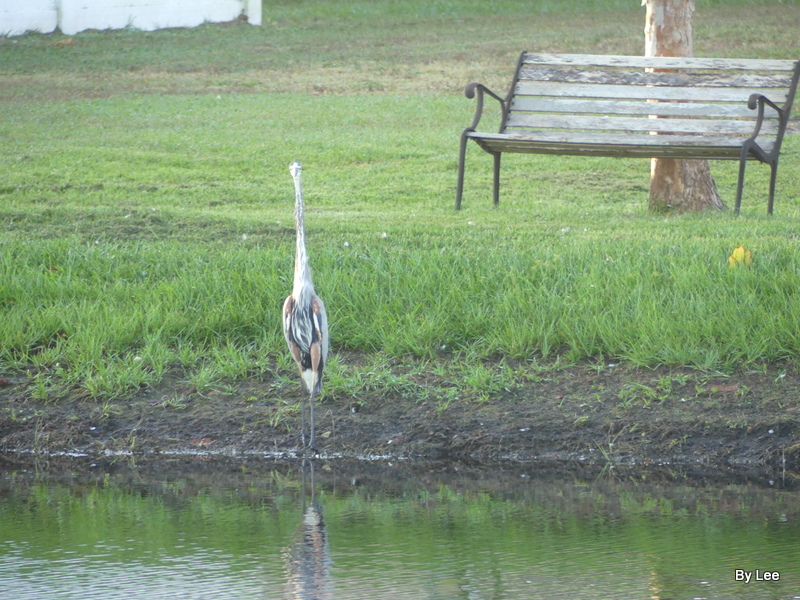
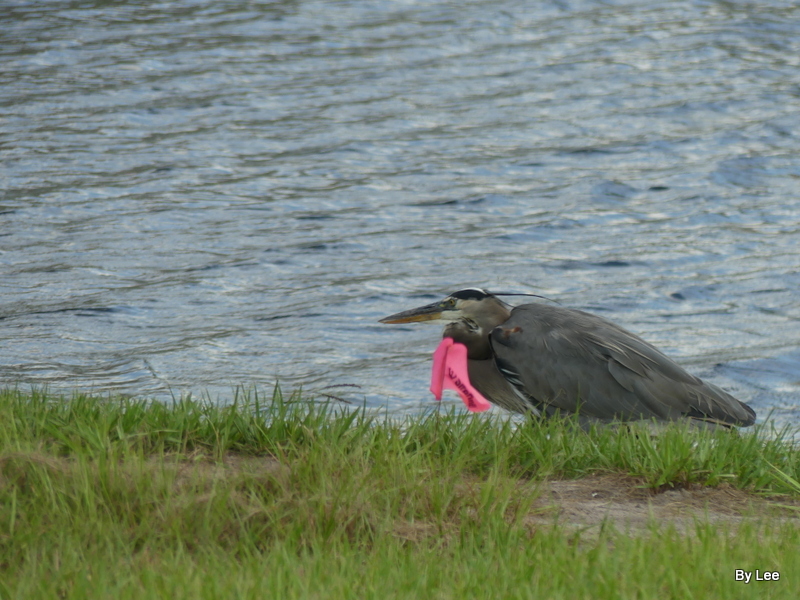
Great Blue Heron on other side

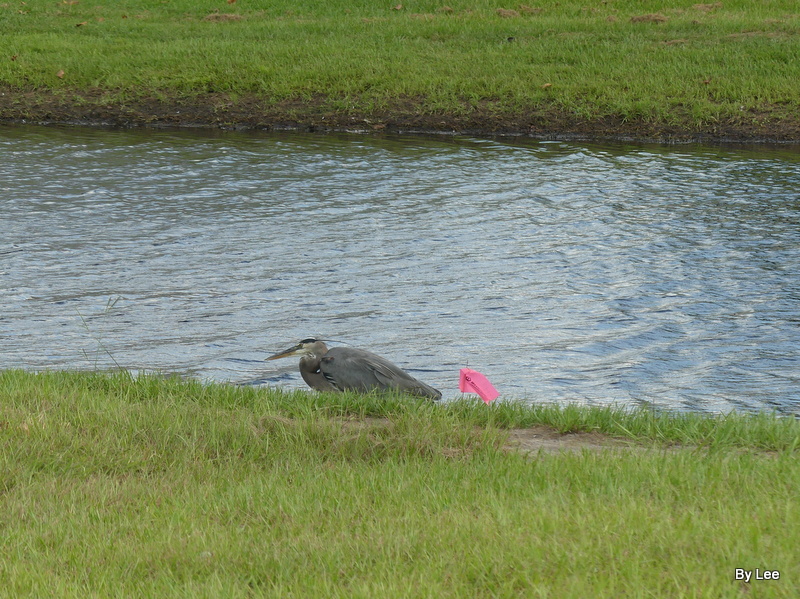
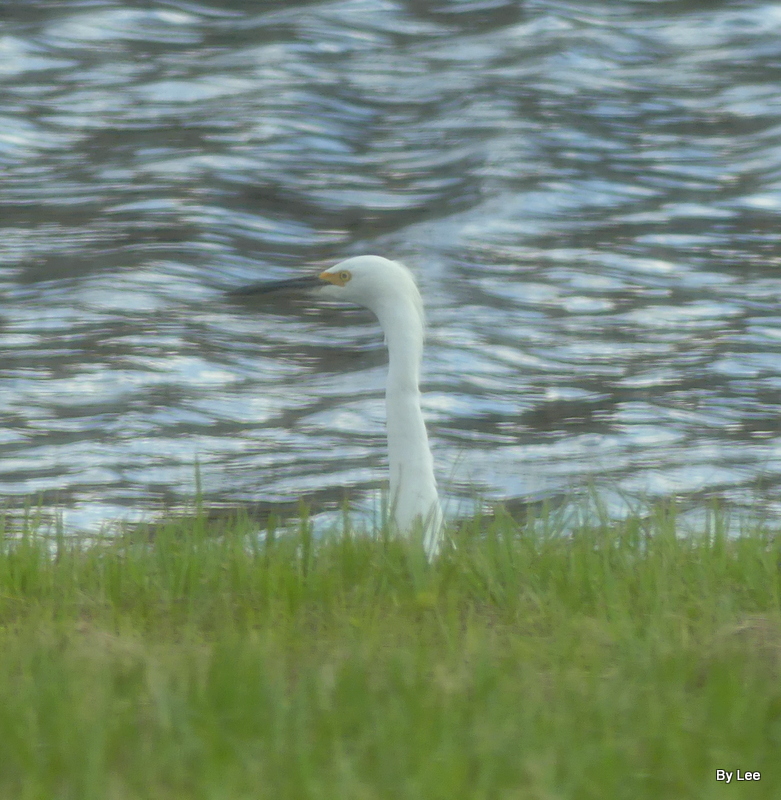
A Great Blue Heron has visited and sat on the other side several times. The Snowy Egret walked along the bank with his yellow feet showing. A Little Blue Heron also came by about the same time a Tricolored Heron took a stroll along the bank.

Great Blue Heron on our side

We have also seen a couple of either female Mallards or Mottled Ducks swimming in the water.

Almost forgot the Great Egret that visited.

Great Egret through screen

The yucking Muscovy Ducks seem to own this pond and yonder bank. There is a group of ten of them swimming and resting everyday, so far. [We have been here one week now.]

“Gracious is the LORD, and righteous; yea, our God is merciful.” (Psalms 116:5 KJV)

The Lord has been very gracious to us and we thank Him for our new house and the energy that we’ve somehow found to move. We only moved about four miles, but it is still very tiring.

Great Blue Heron on our side up close

I can’t wait to see what we will see through our windows and door as the “Winter” birds stop by. Lord willing, there should be posts again soon.

Good News

Tickle Me Tuesday – Smiling Penguins

In 2013, this post called Smiling Penguins was produced and should cause a “tickle.” Also, Emma Foster’s “Lizzy and the Penguin Catapult” is also worth re-reading.

Chinstrap Penguin direct look

Chinstrap Penguin direct look

When I smiled at them, they scarcely believed it; the light of my face was precious to them. (Job 29:24 NIV)

I know Our Lord has such kind and loving attributes. Also, I believe He has a sense of humor. Having just written about the “peach fuzz” penguin, I came across this Penguin family member. The Chinstraps.

 Chinstrap Penguins (Orne Island)

Chinstrap Penguins (Orne Island)

Be glad in the LORD and rejoice, you righteous ones; And shout for joy, all you who are upright in heart. (Psalms 32:11 NASB)

Chinstrap Penguin (Pygoscelis antarcticus) by Bob-Nan

Chinstrap Penguin (Pygoscelis antarcticus) by Bob-Nan

Strength and dignity are her clothing, And she smiles at the future. (Proverbs 31:25 NASB – virtuous woman)

Chinstrap Penguin (Pygoscelis antarcticus) ©WikiC

Chinstrap Penguin (Pygoscelis antarcticus) ©WikiC

But the fruit of the Spirit is love, joy, peace, longsuffering, kindness, goodness, faithfulness, gentleness, self-control. Against such there is no law. (Galatians 5:22-23 NKJV)

Smile And Sing

When the heart is heavy and the days are long,
Let each passing moment echo with a song.
Fill some life with courage, comfort now the sad—
Many lives are lonely, you can make them glad.

Refrain

Smile and sing, some happy, happy song,
Days of sadness will not tarry long;
Smile and sing, ’twill drive the clouds away—
Smile and sing thro’ every passing day.

Someone needs the comfort that a song can bring,
If thy heart is happy let it gaily sing.
Someone’s pathway brighten, lift some load of care—
Seek some heart to brighten, and its burden share.

Refrain

Smile and sing, some happy, happy song,
Days of sadness will not tarry long;
Smile and sing, ’twill drive the clouds away—
Smile and sing thro’ every passing day.

Many are in sorrow and the clouds hang low,
You can cheer and comfort as you onward go.
Win some soul for Jesus, from the path of shame
Giving all the glory to His precious Name.

Refrain

Smile and sing, some happy, happy song,
Days of sadness will not tarry long;
Smile and sing, ’twill drive the clouds away—
Smile and sing thro’ every passing day.

(Words & Music: Grant C. Tull­ar, 1899)

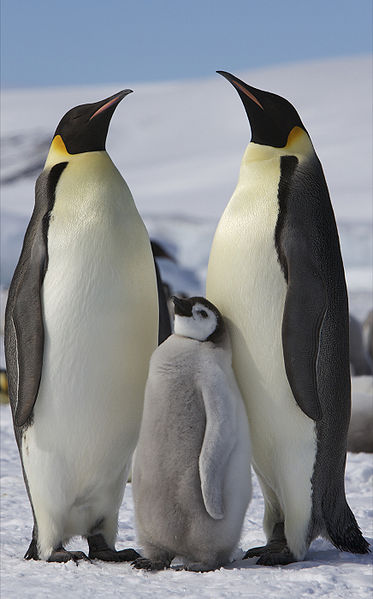
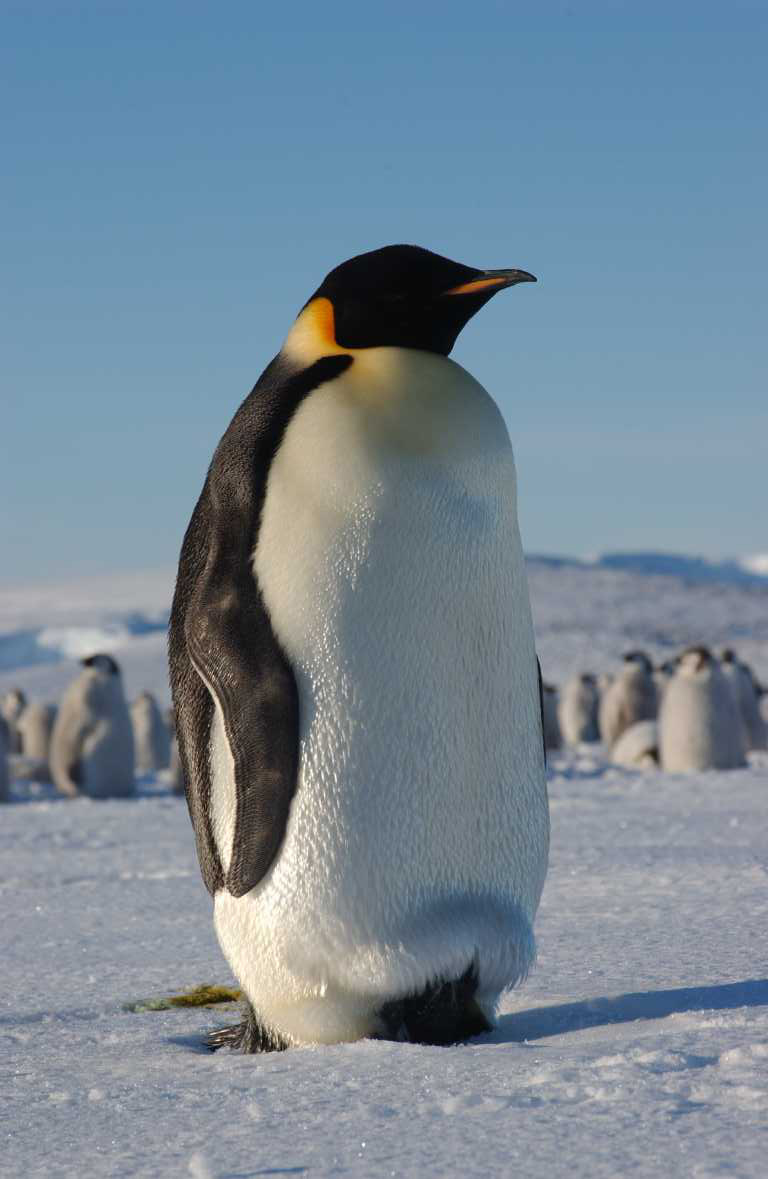
Emperor Penguin (Aptenodytes forsteri) ©WikiC

Emperor Penguin (Aptenodytes forsteri) ©WikiC

Lizzy and the Penguin Catapult ~ by Emma Foster

Once there was a penguin named Lizzy who lived with many other penguins in cold Antarctica.

As the penguins traveled through the winter, Lizzy watched with great interest all the eggs that lay on the penguin dad’s feet. Lizzy was too young to go fishing with all the mother penguins that year, so she was traveling with the father penguins to someplace slightly warmer.

Emperor with egg on feet ©WikiC

Emperor with egg on feet ©WikiC

Eventually all of the penguins came to an enormous, icy lake that was too large to go around. The penguin parents huddled together and decided to build a catapult out of some wood they brought with them to build their homes. The catapult would shoot penguins one at a time over the lake. The penguins decided this because the dad penguins could not cross the lake with eggs; and, if they all traveled across it at once, the ice might break. The penguins decided the eggs would be safe because there was a lot of snow on the other side of the lake which would cushion their landing.

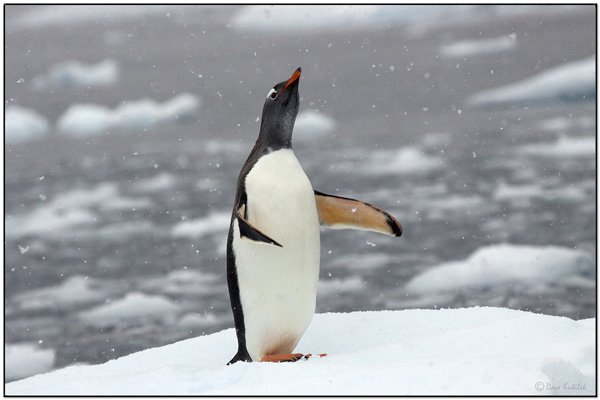
Gentoo Penguin - Paradise Bay

Gentoo Penguin – Paradise Bay

Lizzy helped build the catapult and it wasn’t long before it was finally completed.

The first penguin had to be launched by the catapult, but no penguin was willing to do it. Lizzy was a brave penguin and decided to go first.

The catapult was launched, and Lizzy flew through the air. She was actually flying!

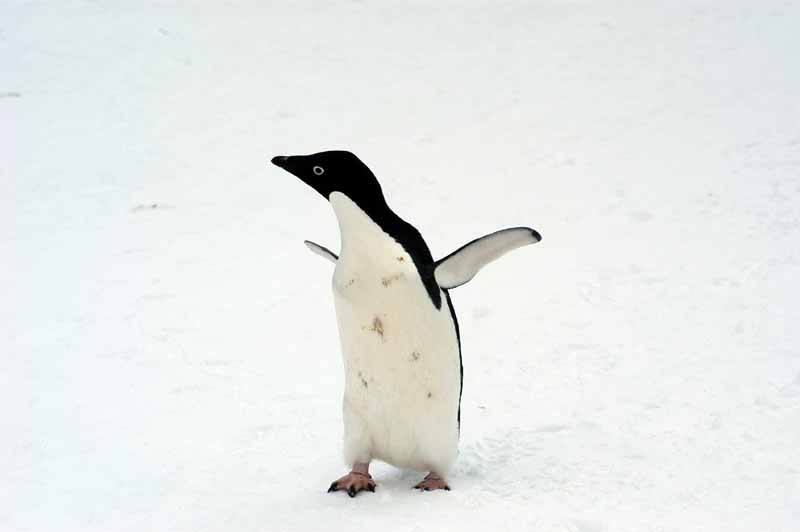
Adelie Penguin (Pygoscelis adeliae) by Bob-Nan

Adelie Penguin (Pygoscelis adeliae) by Bob-Nan

Lizzy landed softly and safely in the snow on the other side of the lake and waved to the other penguins. One by one, the rest of the penguins catapulted over the lake with the eggs. When they were all safely on the other side, they traveled to their new home.

The End

See:

*

Avian and Attributes – Torrent

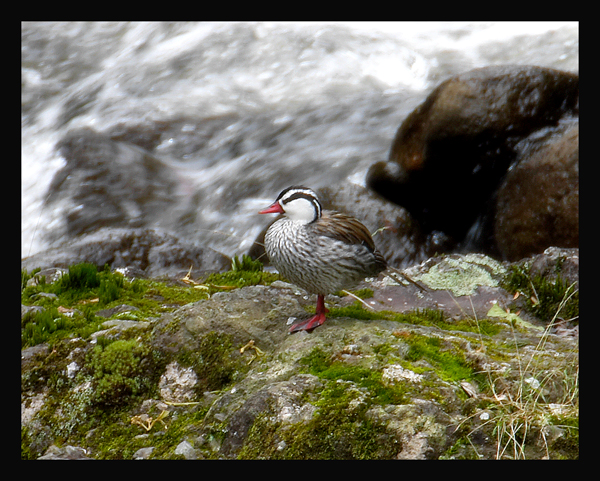
Torrent Duck (Merganetta armata) by Robert Scanlon

Torrent Duck (Merganetta armata) by Robert Scanlon

Who has prepared a channel for the torrents of rain, or a path for the thunderbolt, To cause it to rain on the uninhabited land [and] on the desert where no man lives, To satisfy the waste and desolate ground and to cause the tender grass to spring forth?” (Job 38:25-27 AMP)

Torrent Flyrobin (Monachella muelleriana) ©WikiC

Torrent

TOR’RENT, n. [L. torrens. This is the participle of torreo, to parch; Eng. tear.]
1. A violent rushing stream of water or other fluid; a stream suddenly raised and running rapidly, as down a precipice; as a torrent of lava.
2. A violent or rapid stream; a strong current; as a torrent of vices and follies; a torrent of corruption.
Erasmus, that great injur’d name,
Stemm’d the wild torrent of a barb’rous age.
TOR’RENT, a. Rolling or rushing in a rapid stream; as waves of torrent fire.

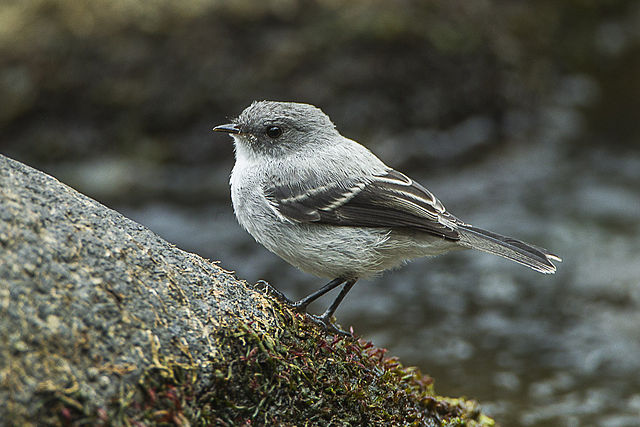
Torrent Tyrannulet (Serpophaga cinerea) ©WikiC

Why do you call Me, ‘Lord, Lord,’ and do not do what I say? “Everyone who comes to Me and hears My words and acts on them, I will show you whom he is like: he is like a man building a house, who dug deep and laid a foundation on the rock; and when a flood occurred, the torrent burst against that house and could not shake it, because it had been well built. “But the one who has heard and has not acted accordingly, is like a man who built a house on the ground without any foundation; and the torrent burst against it and immediately it collapsed, and the ruin of that house was great.” (Luke 6:46-49 NASB)

And one more Torrent bird:

Torrent-lark (Grallina bruijnii) ©Drawing WikiC

Due to a very busy time right now, this is short, but our Creator of these Torrent birds Always has time for us. The Lord is the one who created the “channel for the torrents”, and He is the same Creator and Lord who offers us salvation. He wants us to build on the Foundation that He provides. Lord’s Blessings.

Wordless Birds


Tickle Me Tuesday – Hummingbirds

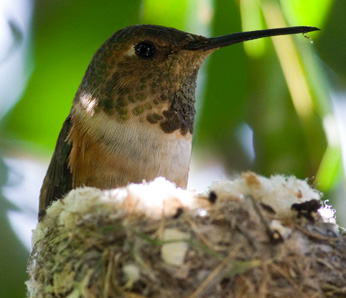
Allen's Hummingbird (Selasphorus sasin) ©WikiC

Allen’s Hummingbird (Selasphorus sasin) ©WikiC

The first video is of the various places that Hummingbirds place their nest:

“Where the birds make their nests:…” (Psalms 104:17a KJV)

Here is another video that shows a mother tending to two youngsters. More enjoyable than funny. Just thought I would share it also.

Hummingbirds are favorites of mine. Unfortunately, I have not been able to get to visit our yard here, let alone make a nest.

“And Jesus saith unto him, The foxes have holes, and the birds of the air have nests; but the Son of man hath not where to lay his head.” (Matthew 8:20 KJV)

See other Tickle Me Tuesdays

Tickle Me Tuesday Revived – Laughing Kookaburras

2015’s Tickle Me Tuesday’s

Sharing The Gospel