Sunday Inspiration – Larks

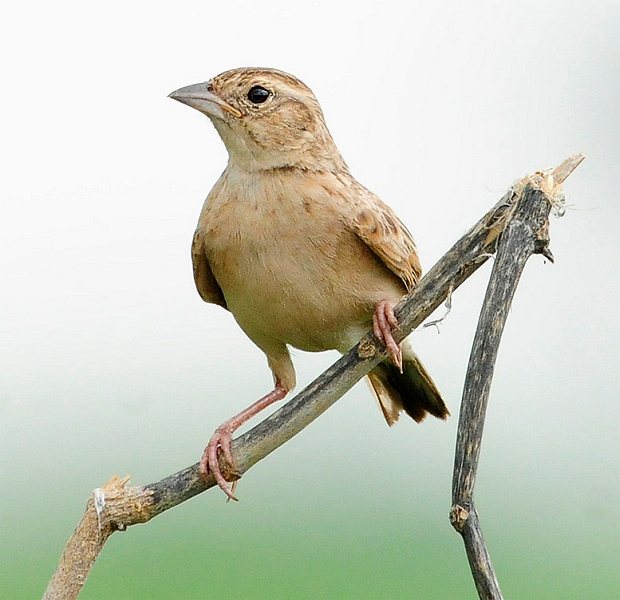
Singing Bush Lark (Mirafra cantillans) by Nikhil Devassar

Singing Bush Lark (Mirafra cantillans) by Nikhil Devassar

The Lark family has 97 members which are busy doing what the Lord commanded them  to when they left the Ark:

Then God spoke to Noah, saying, “Go out of the ark, you and your wife, and your sons and your sons’ wives with you. Bring out with you every living thing of all flesh that is with you: birds and cattle and every creeping thing that creeps on the earth, so that they may abound on the earth, and be fruitful and multiply on the earth.” So Noah went out, and his sons and his wife and his sons’ wives with him. Every animal, every creeping thing, every bird, and whatever creeps on the earth, according to their families, went out of the ark.(Genesis 8:15-19 NKJV)

Larks are passerine birds of the family Alaudidae. All species occur in the Old World, and in northern and eastern Australia. Only one, the Horned Lark, is native to North America. Habitats vary widely, but many species live in dry regions.

They have more elaborate calls than most birds, and often extravagant songs given in display flight (Kikkawa 2003). These melodious sounds (to human ears), combined with a willingness to expand into anthropogenic habitats — as long as these are not too intensively managed — have ensured larks a prominent place in literature and music, especially the Eurasian Skylark in northern Europe and the Crested Lark and Calandra Lark in southern Europe.

Personally, these Larks look very similar to Sparrows, which are very common.

Are not two sparrows sold for a copper coin? And not one of them falls to the ground apart from your Father’s will. (Matthew 10:29 NKJV)

Larks, commonly consumed with bones intact, have historically been considered wholesome, delicate, and light game. Yet. Traditionally larks are kept as pets in China. In Beijing, larks are taught to mimic the voice of other songbirds and animals. It is an old-fashioned habit of the Beijingers to teach their larks 13 kinds of sounds in a strict order (called “the 13 songs of a lark”, Chinese: 百灵十三套). The larks that can sing the full 13 sounds in the correct order are highly valued. (Info from Wikipedia)

This slideshow requires JavaScript.

“His Eye Is On The Sparrow ” – by Kathy Lisby, Faith Baptist Church
*
Sunday Inspirations

Alaudidae – Larks Family

Larks – Wikipedia

Sharing The Gospel

*


Ian’s Bird of the Week – Yellow-bellied Robin/Flyrobin

Ian’s Bird of the Week – Yellow-bellied Robin ~ by Ian Montgomery

Newsletter – 8-7-15

If your familiar with Australian birds you might assume – initially – that this photo was taken in an Australian rainforest, though you might have trouble pinning down the actual species.

Yellow-bellied Flyrobin (Microeca or Eopsaltria flaviventis) by Ian

Its dumpy shape and short tail suggested strongly to me the Pale-yellow Robin (Tregellasio capito) of coastal eastern Australia, second photo, but the colour pattern on the breast is more like the Western Yellow Robin (Eopsaltria griseogularis) of coastal southwestern Australia (no photo, sorry). It’s behaviour was very like that of the Pale-yellow Robin, often perching at precipitous angles on steep branches on the vertical trunks of trees.

Pale-yellow Robin (Tregellasia capito) by Ian

In fact I assumed that it was in the same genus as the Pale-Yellow (Tregellasio) and was surprised the find later that it was either in the same genus as the Eastern and Western Yellow Robins (Eopsaltria) or in the process of being moved to Microeca, the genus that includes the Jacky Winter, the Lemon-bellied and Yellow-legged Flycatchers or Flyrobins as the purists would have, being Australasian Robins. The reason for the move is based on genetic studies (Loynes et al , 2007).

Yellow-bellied Flyrobin (Microeca or Eopsaltria flaviventis) by Ian

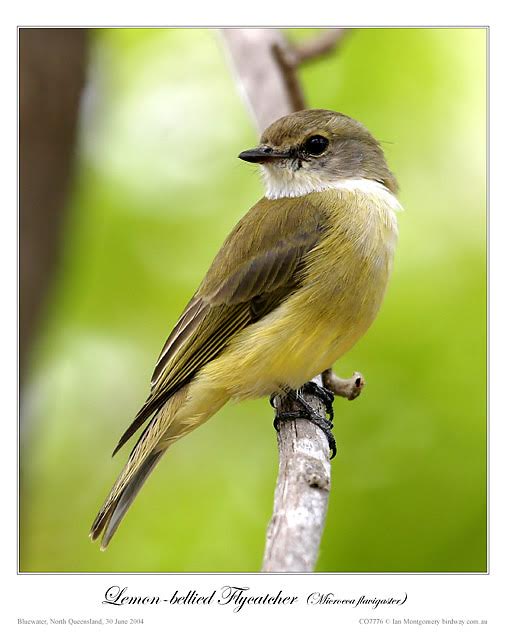
The fourth photo shows the Lemon-bellied Flycatcher/Flyrobin for comparison; it featured as bird of the week almost exactly ten years ago.

Lemon-bellied Flyrobin (Microeca flavigaster) by Ian

When we were in New Caledonia, I was intrigued by the call of the Yellow-bellied (Fly)robin. It didn’t sound like the Pale-yellow Robin or the any of the Yellow Robins, all of which have rather monotonous repeated calls. The Yellow-bellied sounded rather like the rhythmic ‘squeaky bicycle wheel’ songs of the unrelated Gerygones. It does, however, sound rather like that of the Lemon-bellied Flycatcher/Flyrobin, however, which supports the genetic analysis and the subsequent taxonomic switch. If you want to compare them, you can do so here http://www.xeno-canto.org/species/Microeca-flavigaster and http://www.xeno-canto.org/species/Microeca-flaviventris.

Both these web pages show distribution maps, so it would be interesting to speculate whether the ancestors of the Yellow-bellied got to New Caledonia from New Guinea or from Australia. Either way they’d either have had to do some island hopping or got carried across by one of the many cyclones that track from east to west across the southwestern Pacific.

Yellow-bellied Flyrobin (Microeca or Eopsaltria flaviventis) by Ian

Anyway, enough about taxonomy and back to the original point about similarities between the birds of Australia and those of New Caledonia. So far, the birds of the week have dealt with the more unusual ones that represent either families (the Kagu) or genera (Horned Parakeet, Crow Honeyeater) not found in Australia. Most of the other endemic species have counterparts in the same genus in Australia. That had its own fascination coming across familiar-looking but different species but we were left in no doubt that we were still in the Australasian ecozone. To handle this on the Birdway website, the original Australian section – which became Australia and New Zealand after 2012 – is now becoming the Australasian section and I’ve put a map of the ecozone on the home page to support this.

I’ve more or less finished putting the New Caledonian bird photos on the website: http://www.birdway.com.au/index.htm#updates. Here are links to some species with Australian counterparts that probably won’t feature as bird of the week that may be of interest:

Greetings
Ian

P.S. (Be warned: this is a commercial break!) If you’ve ever been to Northern Queensland, might ever go there or are interested in the region (who couldn’t be?) then your life isn’t complete without the ebook Where to Find Birds in Northeastern Queensland. The price ranges from AUD13.22 on Google Play to AUD22.00 in the Apple iTunes Store.

**************************************************
Ian Montgomery, Birdway Pty Ltd,
454 Forestry Road, Bluewater, Qld 4818
Tel 0411 602 737 ian@birdway.com.au
Bird Photos http://www.birdway.com.au/
Where to Find Birds in Northern QueenslandiTunes; Google Play Kobo Books
Recorder Society http://www.nqrs.org.au


Lee’s Addition:

What an adorable little Flyrobin. As Ian said, the name Robin or Flyrobin is in flux. When I check the I.O.C. list, which is what this blog uses, the Microeca flavivetris is called the Yellow-bellied Flyrobin.

Out of the ground the LORD God formed every beast of the field and every bird of the air, and brought them to Adam to see what he would call them. And whatever Adam called each living creature, that was its name. So Adam gave names to all cattle, to the birds of the air, and to every beast of the field. But for Adam there was not found a helper comparable to him. (Genesis 2:19-20 NKJV)

Wonder is Adam kept changing the names.? While checking out the I.O.C., I realized that the new 5.3 version is out. Guess I’ll have to start updating the site again. :) or maybe it is :(

*

Ian’s Bird of the Week

Ian’s Birdway Site

Good News

*

Are Dinosaurs Extinct? (Re-post)

Here is an interesting Creation Moments Minute from Creation Moments:

I am a brother to dragons, and a companion to owls. (Job 30:29 KJV)

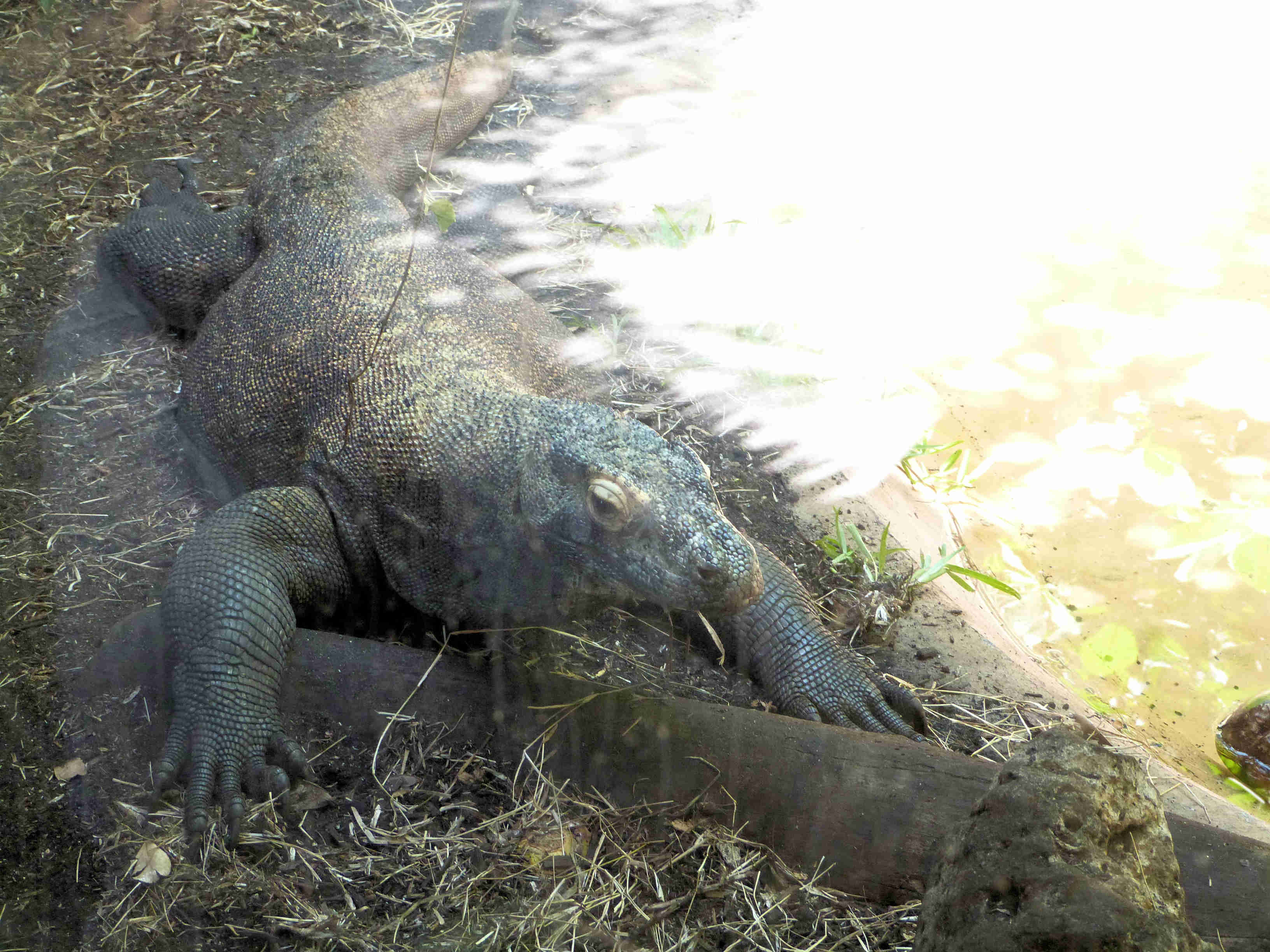
We see these quite frequently in the Zoos. Lowry Park Zoo in Tampa has one we have watched, but he usually just lays there and looks around. The one in the video surprised me that they can run that fast.

This one was taken at the Palm Beach Zoo in Florida last year.

Kamodo Dragon Palm Beach Zoo by Lee

Kamodo Dragon Palm Beach Zoo by Lee

The beast of the field shall honour me, the dragons and the owls: because I give waters in the wilderness, and rivers in the desert, to give drink to my people, my chosen. (Isaiah 43:20 KJV)

*

*

Birds of the Bible – Jeremiah 19:7

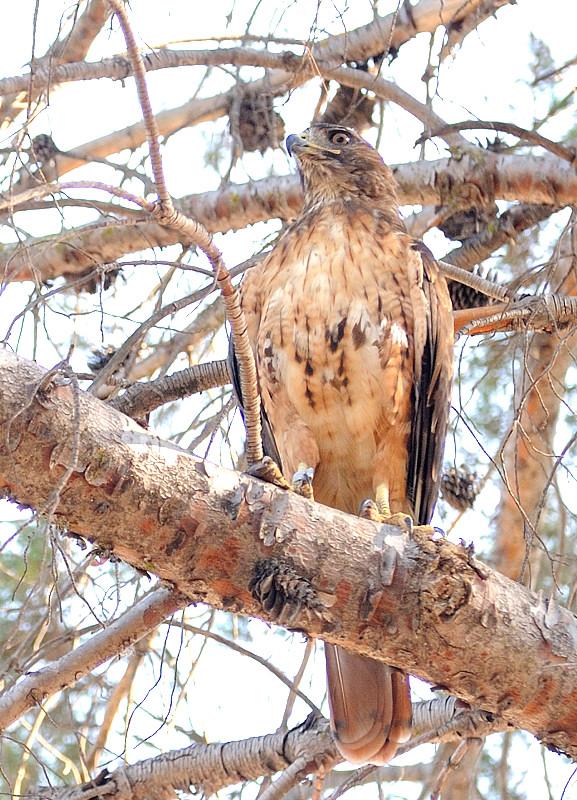
Bird of Prey by Phil Kwong Galleries

Bird of Prey by Phil Kwong Galleries

“And I will make void the counsel of Judah and Jerusalem in this place, and I will cause them to fall by the sword before their enemies and by the hands of those who seek their lives; their corpses I will give as meat for the birds of the heaven and for the beasts of the earth.” (Jeremiah 19:7 NKJV)

I’m currently traveling through Jeremiah in my personal reading of the Bible. Jeremiah is known as the weeping prophet and it is easy to see why he was called that. Parts of the Scripture are hard to read, not that the words are hard, but because of that which is happening.

When birds are mentioned, of course, those verses catch my attention. What, where, and why are they being mentioned? Normally if you just pick out a verse those questions would pop into your head. Because of reading through Jeremiah, those thoughts were already answered.

Jeremiah was sent to inform the Israelites of the judgment coming because of their sins. He was told: “Thus says the LORD: “Go and get a potter’s earthen flask, and take some of the elders of the people and some of the elders of the priests. And go out to the Valley of the Son of Hinnom.” So he did as commanded.

When they got to the valley, he was told to proclaim there the words that I will tell you.

and say, ‘Hear the word of the LORD, O kings of Judah and inhabitants of Jerusalem. Thus says the LORD of hosts, the God of Israel: “Behold, I will bring such a catastrophe on this place, that whoever hears of it, his ears will tingle. “Because they have forsaken Me and made this an alien place, because they have burned incense in it to other gods whom neither they, their fathers, nor the kings of Judah have known, and have filled this place with the blood of the innocents (they have also built the high places of Baal, to burn their sons with fire for burnt offerings to Baal, which I did not command or speak, nor did it come into My mind), therefore behold, the days are coming,” says the LORD, “that this place shall no more be called Tophet or the Valley of the Son of Hinnom, but the Valley of Slaughter. And I will make void the counsel of Judah and Jerusalem in this place, and I will cause them to fall by the sword before their enemies and by the hands of those who seek their lives; their corpses I will give as meat for the birds of the heaven and for the beasts of the earth. (Jeremiah 19:3-7 NKJV)

That is hard, but God is Just. God is Longsuffering. God is Love. God is all these at the same time. People like to say because God loves he would never condemn or judge someone. Not true. He destroyed the whole world with a universal flood because of sin, yet he saved eight souls and the critters. He destroyed Sodom because of sexual sin of those who perverted it, yet he saved three. There are other examples throughout the Bible.

Here we have a nation, His chosen people, had grown cold in their worship of Him and turned to other gods and even sacrificed their children. Sound like our nations today? People do not believe in God, but would rather believe in evolution, have abortions, pervert God’s gift of intimate relations in marriage. On and on, the churches are accepting all kinds of things that God said ” which I did not command or speak, nor did it come into My mind.” Will we come to that judgment also?

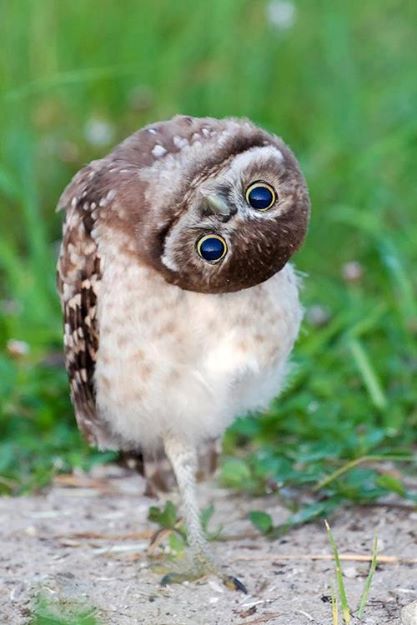
Burrowing Owl from Dusky's Wonders

Burrowing Owl from Dusky’s Wonders

I love watching the Birds of the Air, but am sorry that they have to become Birds of Prey because of people’s denial of the God and Savior, the Lord Jesus Christ.

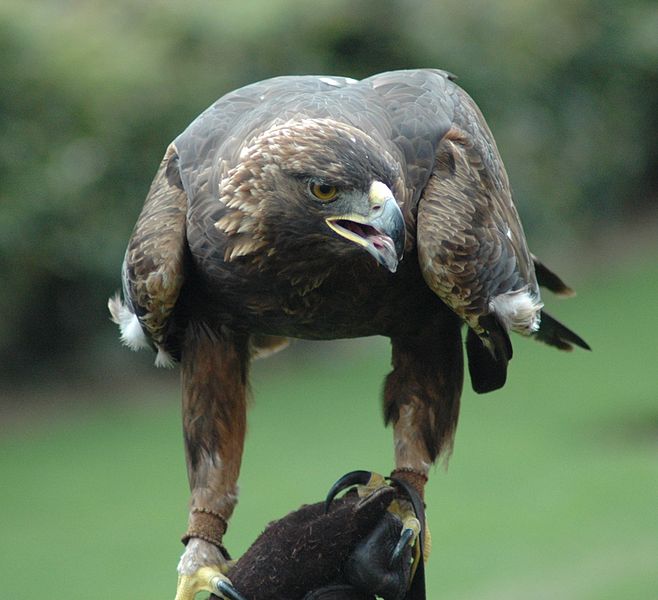
Golden Eagle (Aquila chrysaetos) ©WikiC

Golden Eagle (Aquila chrysaetos) ©WikiC

We are encouraged to return to the Lord God’s Word.

For God so loved the world that He gave His only begotten Son, that whoever believes in Him should not perish but have everlasting life. (17) For God did not send His Son into the world to condemn the world, but that the world through Him might be saved. (18) “He who believes in Him is not condemned; but he who does not believe is condemned already, because he has not believed in the name of the only begotten Son of God. (19) And this is the condemnation, that the light has come into the world, and men loved darkness rather than light, because their deeds were evil. (20) For everyone practicing evil hates the light and does not come to the light, lest his deeds should be exposed. (21) But he who does the truth comes to the light, that his deeds may be clearly seen, that they have been done in God.” (John 3:16-21 NKJV)

Like I said earlier, some things are hard to read and share, but it is there in the Word and the Word is True.

*

Birds of the Bible

Gospel Message

*

The Hawk on the Washington Monument

Hawk Nest On A Building ©©Flickr

Hawk Nest On A Building ©©Flickr

The Hawk on the Washington Monument

by Emma Foster

Once there were two hawks named Jerry and Jemima. They were looking for a place to live. They both needed just the right place if they wanted to watch some fireworks launch for the Fourth of July in Washington, D.C. The Fourth was almost here and Jerry and Jemima wanted to get the best view.

Capital Dome at Night ©WikiC

Capital Dome at Night ©WikiC

There were a lot of interesting monuments to nest in, but none of them seemed quite right. First, Jerry decided to make a nest on top of the capital building, but many construction workers were working on the dome of the building. He tried the Lincoln memorial next, but there were so many people, even more the night when the fireworks went off.

Jefferson Memorial at Dusk - ©©Fact Monster

Jefferson Memorial at Dusk – ©©Fact Monster

Jerry and Jemima tried the Jefferson memorial because there were many birds and geese since it was close to a lake and people fed them. But it seemed to Jerry that there were too many birds.

All this time there was another monument taking up their view. It was the Washington monument and it was the tallest out of all of them.

The Reflecting Pool from the Washington Monument from window ©WikiC

The Reflecting Pool from the Washington Monument from window ©WikiC

Jerry and Jemima flew up to the top of the Washington monument. There, on all four sides, were small windows. Jerry and Jemima flew up right past one of the windows and landed above it. They both scared some people who were looking out at that very moment.

Jerry and Jemima had a good view of everything, and Jerry decided this was the perfect place to build a nest.

By that night, they both had collected a bunch of sticks and twigs to make the nest. They finished just in time to see the bright fireworks go off for the Fourth of July celebration.

Fireworks behind Washington Monument ©©

Fireworks behind Washington Monument ©©

The End


“Does the hawk fly by your wisdom, And spread its wings toward the south? Does the eagle mount up at your command, And make its nest on high? On the rock it dwells and resides, On the crag of the rock and the stronghold.” (Job 39:26-28 NKJV)

Lee’s Addition:

Emma has given us another great story and part of it is true. She and her father were recently in Washington DC and a hawk flew at the window they were looking out of. Both were startled and stepped back. Tried to find a photo with the windows, but couldn’t find one that wasn’t copyrighted.

More of Emma’s Bird Tales

Wordless Birds

*

Sunday Inspiration – Tits, Chickadees and Penduline Tits

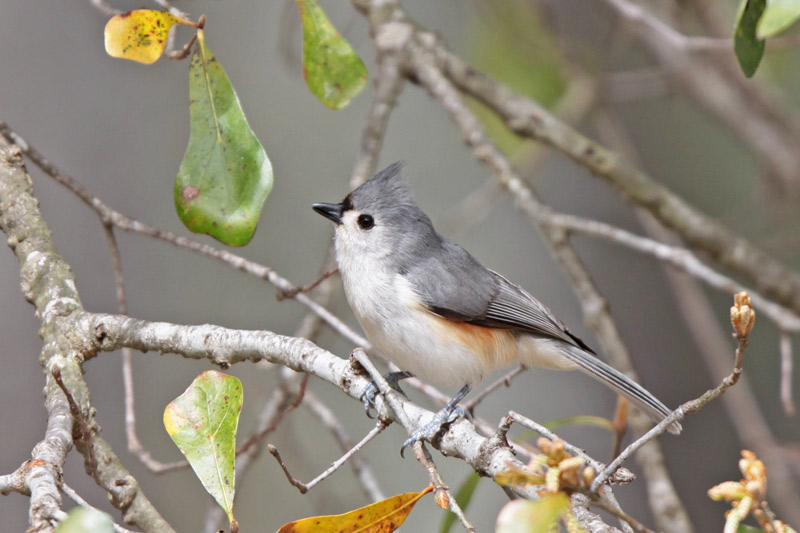
Tufted Titmouse (Baeolophus bicolor) by Margaret Sloan

Tufted Titmouse (Baeolophus bicolor) by Margaret Sloan

The little birds have places for themselves, where they may put their young, even your altars, O Lord of armies, my King and my God. (Psalms 84:3 BBE)

This week we come to two families of avian wonders that are next to one another in taxonomic order. The families are the Paridae – Tits, Chickadees with 61 species and the Remizidae – Penduline Tits with 11 more cuties.

The tits, chickadees, and titmice constitute the Paridae, a large family of small passerine birds which occur in the Northern Hemisphere and Africa. Most were formerly classified in the genus Parus.

These birds are called either “chickadees” (derived from their distinctive “chick-a dee dee dee” alarm call) or “titmice” in North America, and just “tits” in the rest of the English-speaking world. The name titmouse is recorded from the 14th century, composed of the Old English name for the bird, mase (Proto-Germanic *maison, German Meise), and tit, denoting something small. The spelling (formerly titmose) was influenced by mouse in the 16th century. Emigrants to New Zealand presumably identified some of the superficially similar birds of the genus Petroica of the family Petroicidae, the Australian robins, as members of the tit family, giving them the title tomtit, although, in fact, they are not related.

These birds are mainly small, stocky, woodland species with short, stout bills. Some have crests.  They are adaptable birds, with a mixed diet including seeds and insects. Many species live around human habitation and come readily to bird feeders for nuts or seed, and learn to take other foods.

Verdin (Auriparus flaviceps) Building Nest ©Earle Robinson

Verdin (Auriparus flaviceps) Building Nest ©Earle Robinson

The Penduline Tits constitute a family of small passerine birds, related to the true tits. All but the Verdin and Fire-capped Tit make elaborate bag nests hanging from trees (whence “penduline”, hanging), usually over water; inclusion of the fire-capped tit in this family is disputed by some authorities.

Verdin (Auriparus flaviceps) by D

Verdin (Auriparus flaviceps) by D

The Verdin was one of the Life Birds seen on our vacation this year. Didn’t want to stay put to have its photo taken. Then again, most of the titmice act that way. (Is it titmouses or titmice? :)  )

This slideshow requires JavaScript.

Little is much when God is in it, and these little birds are great creations from their Creator.

So God created great sea creatures and every living thing that moves, with which the waters abounded, according to their kind, and every winged bird according to its kind. And God saw that it was good. (Genesis 1:21 NKJV)

“Just a Little Talk With Jesus Makes It Right” ~ Vegter Quartet (together for Vi’s 90th Birthday)

*

Ian’s Bird of the Week – Crow Honeyeater

Ian’s Bird of the Week – Crow Honeyeater ~ by Ian Montgomery

Newsletter – 7/31/15

I mentioned last week that the Horned Parakeet was second on my wanted list for New Caledonia but probably third on Joy’s. I knew that number two for Joy, after the Kagu, was this week’s species, the Crow Honeyeater, chosen by her for its scarcity as it is the rarest of the surviving New Caledonian endemics. I’m excluding the four critically endangered/probably extinct endemics: NC (New Caledonian) Rail (last definite record 1890), NC Lorikeet (1860), NC Nightjar (1939) and NC Owlet-Nightjar (possible sight record 1998).

Current estimates of the population of Crow Honeyeater are as low as 250 individuals, based on the density of 18 known pairs in a recent study in Rivière Bleue. Some think this is an overestimate and the population is thought to be continuing to decline. The reasons for this are uncertain with loss of habitat and introduced rats being proposed. It’s preferred habitat is primary rainforest but it is now absent from areas of apparently suitable habitat and its smaller Fijian relative, the Giant Honeyeater Gymnomyza viridis being apparently unaffected by rats. So there may be other factors involved that are not understood.

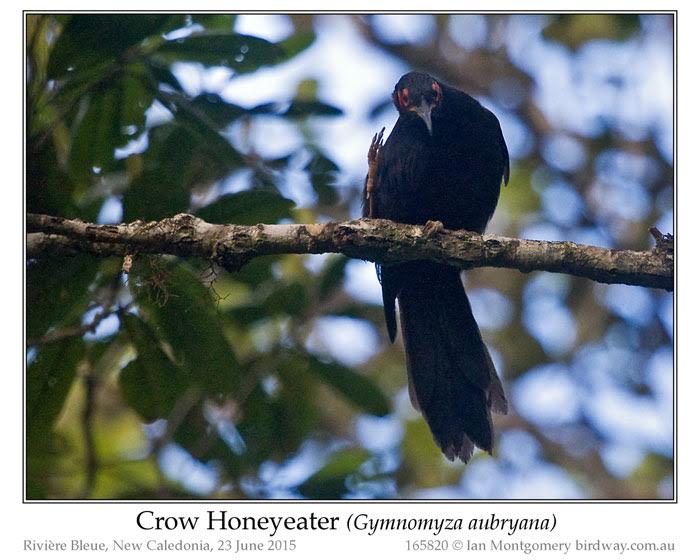
Crow Honeyeater (Gymnomyza aubryana) by Ian

In any case, I hadn’t really expected to see it so it didn’t make my seriously wanted list – I try to avoid unreasonable expectations to prevent disappointment. But our guide Jean Marc Meriot wasn’t going to be discouraged by such pessimism and, after we had had our fill of Kagus, worked very hard indeed to find one.

Crow Honeyeater (Gymnomyza aubryana) by Ian

Eventually, after lunch this very obliging bird appeared suddenly and perched in full view on an uncluttered perch near the road through the dense forest and posed for photographs. Unlike the Horned Parakeet, it was a brief encounter, but the bird displayed a number of poses in that time including a wing stretch, second photo, and an apparent wave, third photo.

Crow Honeyeater (Gymnomyza aubryana) by Ian

This is a huge honeyeater, and as far as I can ascertain vies with the Yellow Wattlebird of Tasmania as the world’s largest. Length varies from at 35-42.5cm/14-17in with males being larger and recorded at 211-284g/7.4-10oz and two females at 152g/5.4oz and 159g/5.6oz. This compares with the longer-tailed Yellow Wattlebird with males ranging from 44-50cm/17-20in and 135-260g/4.8-9.2oz and females 37-43cm/15-17in and 105-190g/3.7-6.7. So, I’d declare the Crow Honeyeater the winner as the heaviest, and the Yellow Wattlebird as the winner in the length stakes.

Incidentally, the ‘Giant’ Honeyeater of Fiji is a mere 25-31cm/10-12in and similar in size to the only other close relative of the Crow Honeyeater, the Mao of Samoa (Gymnomyza samoensis). Neither the Giant Honeyeater nor the Moa is black and neither has facial wattles, so the Crow Honeyeater is quite special. The bird we saw had red wattles, but they can be yellowish, while the feet are pinkish-yellow and juveniles lack wattles.

It makes me sad to write this as its future looks rather bleak. So, I hope the bird in the third photo is just pausing in mid-itch – it had been been itching its ear a moment earlier – and not waving goodbye on behalf of its kind. To end on a brighter note, there are about nearly 20 other New Caledonian endemics that are doing rather better, and several others that are endemic to New Caledonian and Vanuatu, so New Caledonia’s record is fairly good compared with many other islands in the Pacific. We got photos of nearly all of these, so I’ll have more to say about them in the future. I’ve been busy putting them up on the website and you can find them via the Recent Additions thumbnails on the website: http://www.birdway.com.au/index.htm#updates.

Greetings
Ian

**************************************************
Ian Montgomery, Birdway Pty Ltd,
454 Forestry Road, Bluewater, Qld 4818
Tel 0411 602 737 ian@birdway.com.au
Bird Photos http://www.birdway.com.au/
Where to Find Birds in Northern Queensland: iTunes; Google Play Kobo Books
Recorder Society http://www.nqrs.org.au


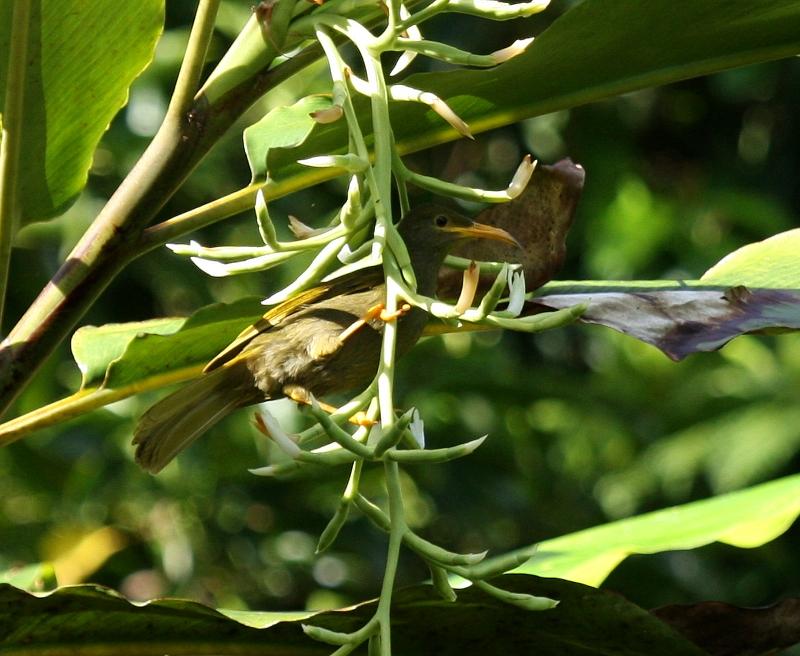
PAS-Meli Giant Honeyeater (Gymnomyza viridis) by Tom Tarrant

PAS-Meli Giant Honeyeater (Gymnomyza viridis) by Tom Tarrant

Lee’s Addition:

More to be desired are they than gold, yea, than much fine gold: sweeter also than honey and the honeycomb. (Psalms 19:10 KJV)

Added a photo of a Giant Honeyeater. When I first looked at the photos, I thought it was a Mynah, but as Ian explains, this is a different species. It was the eyes.

Common Myna (Acridotheres tristis) by Ian

Common Myna (Acridotheres tristis) by Ian

*
Ian’s Bird of the Week
*

Kneeling Before Royalty?

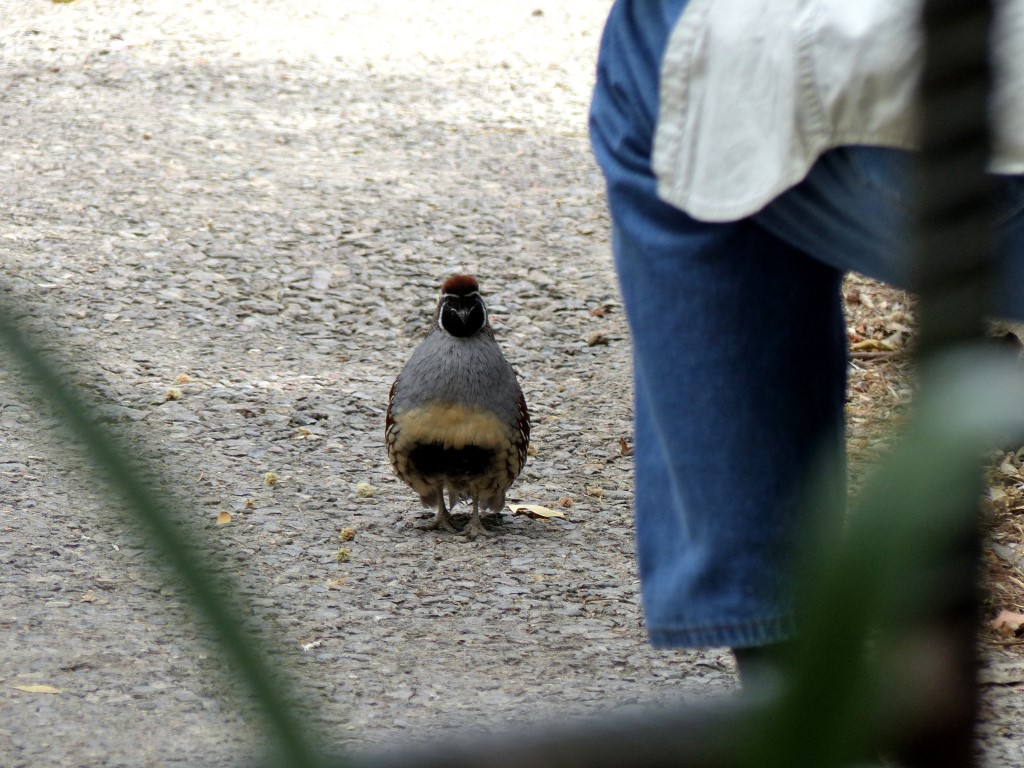
Gambel's Quail and Dan at Desert Mus-Tucson by Lee

Gambel’s Quail and Dan at Desert Mus-Tucson by Lee

O come, let us worship and bow down: let us kneel before the LORD our maker. (Psalms 95:6 KJV)

Bow down Your ear to me, deliver me speedily! Be my Rock of refuge, a strong Fortress to save me! Yes, You are my Rock and my Fortress; therefore for Your name’s sake lead me and guide me. (Psalms 31:2-3 AMP)

Ian’s Horned Parakeet newsletter showed that the “horn” was really feathers. While on vacation, we also saw birds with prominent feathers. One was walking around the aviary and it was near Dan. He was kneeling down to get a photo and I caught him doing so.

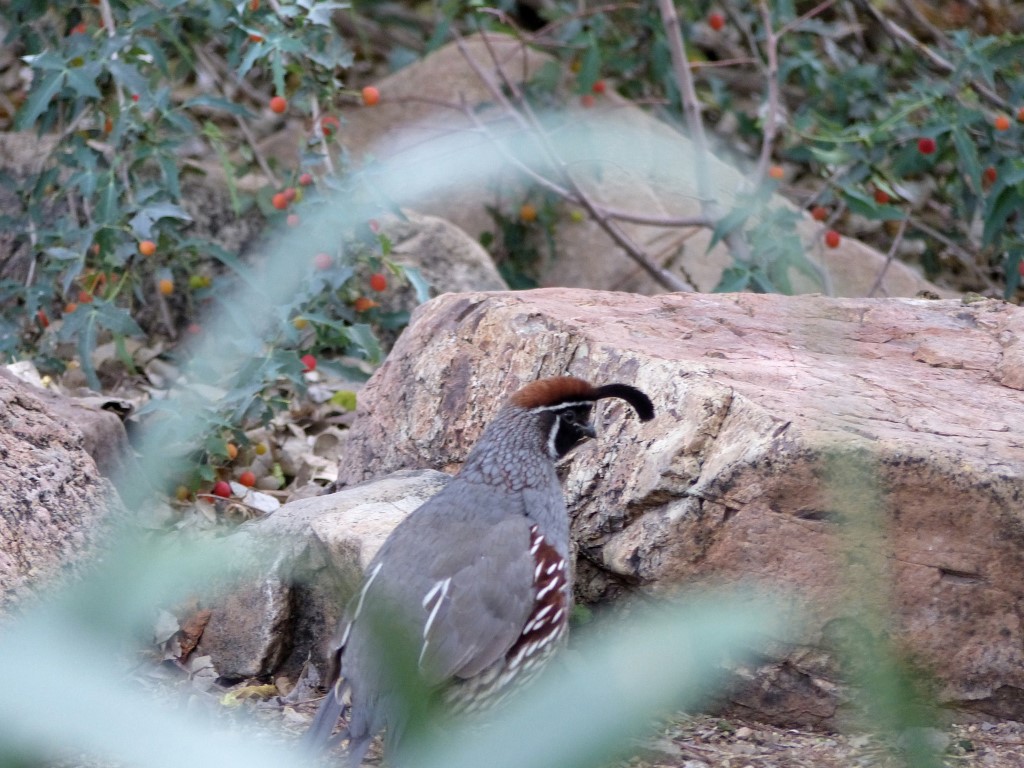
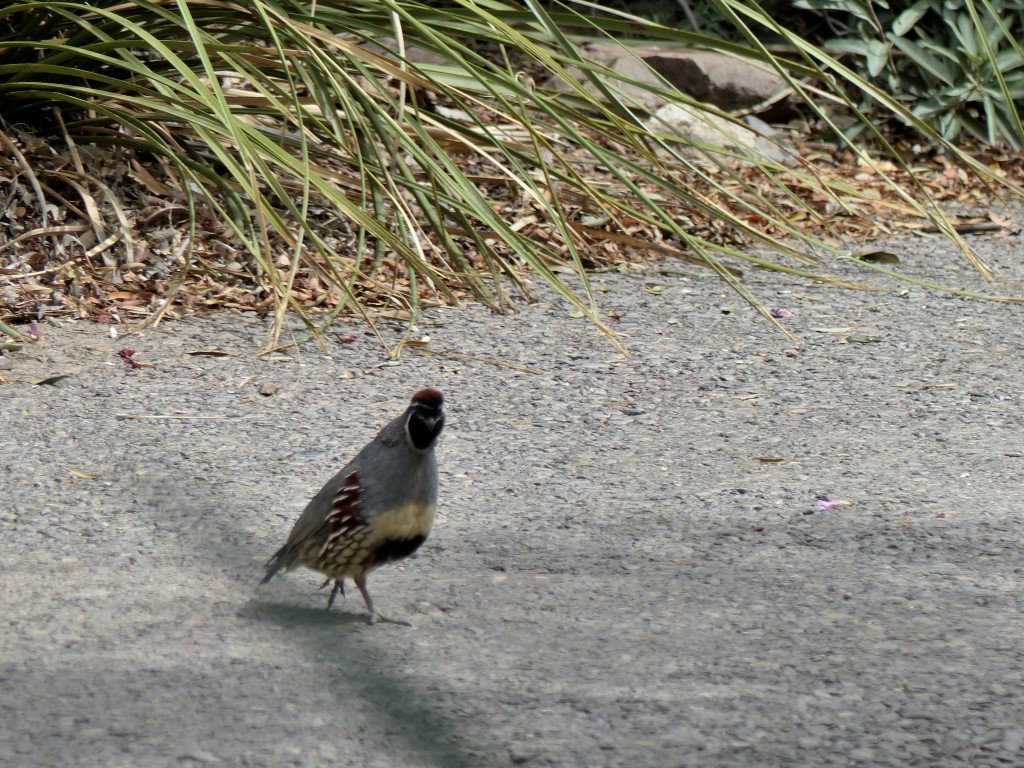
Those western quails like to parade around like they are Royalty. Not really, but they are cute with that bobbing curved topknot. It bobs because of the way they walk around putting their head up and down or “bobbing”.

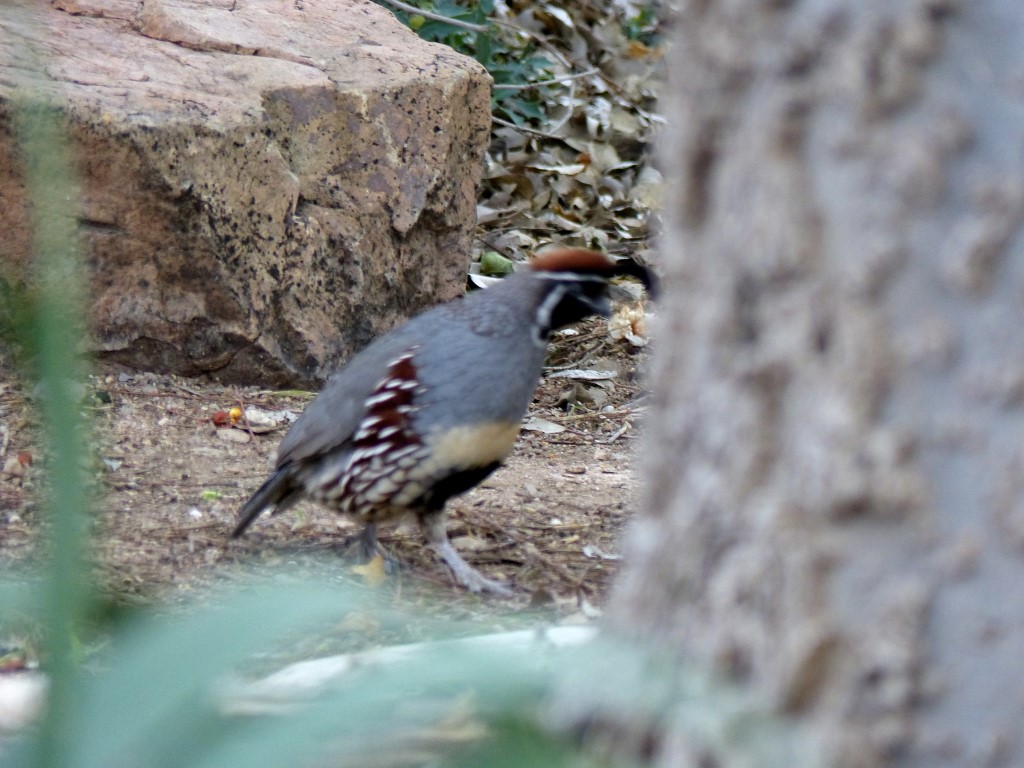
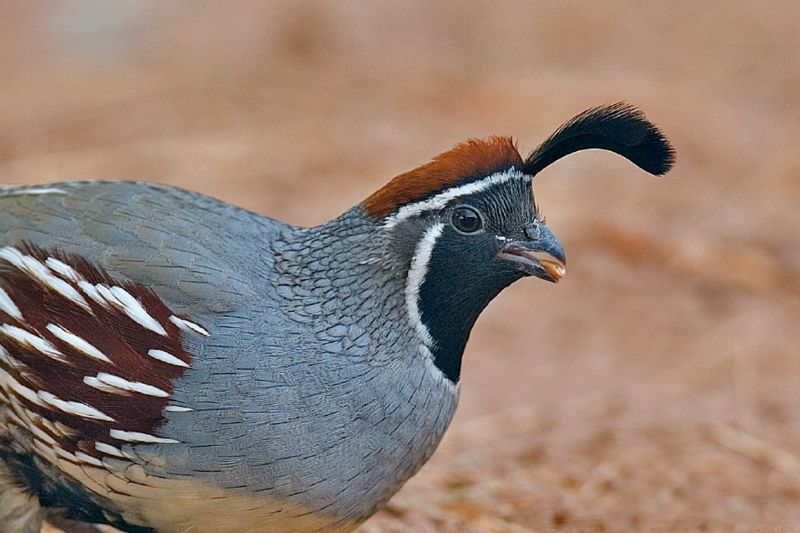
Gambel's Quail by Dan at Arizona-Sonora Desert Museum

Gambel’s Quail by Dan at Arizona-Sonora Desert Museum

The first quail we encountered were three Gambel’s Quail marching across the road on a street in Tuscon. Then in an aviary we saw this Gambel’s Quail. This is what Dan was taking while I was taking his photo.

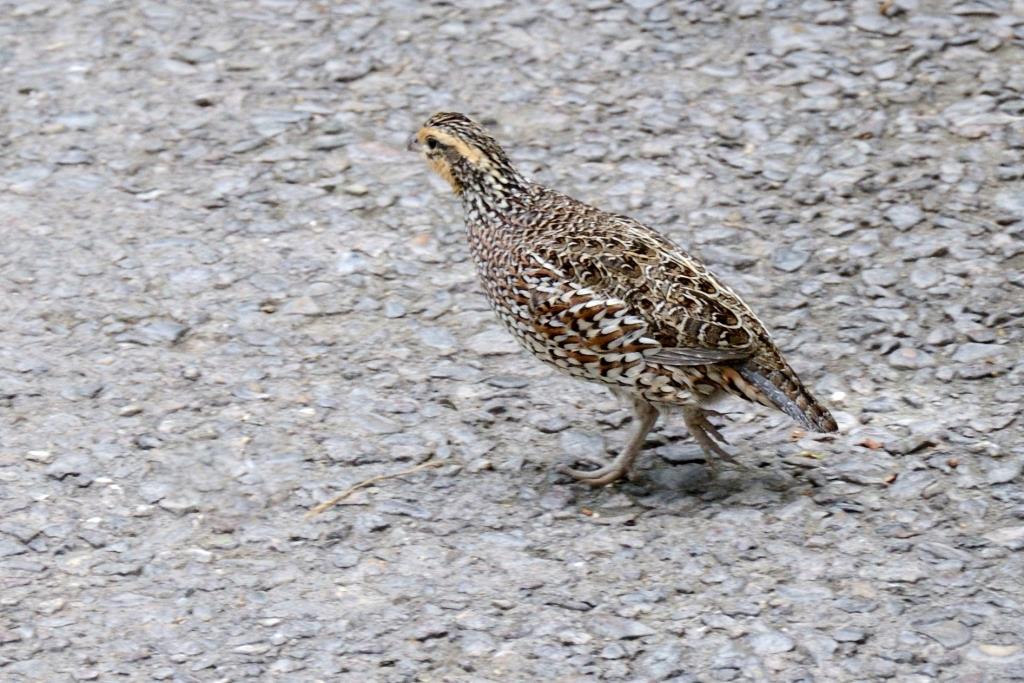
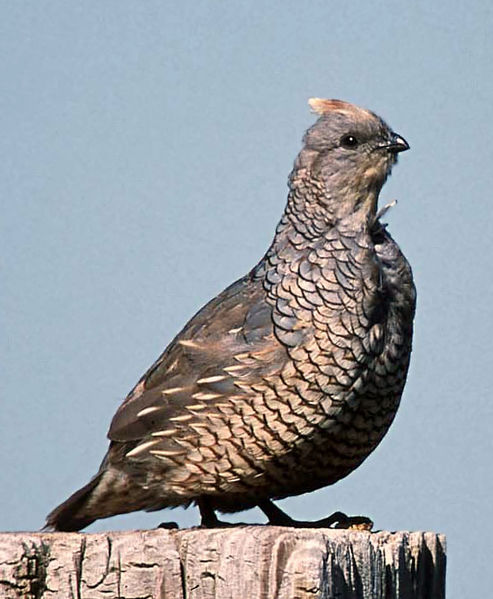
We also saw the Scaled Quail there at the Desert Museum’s aviary.

Scaled Quail by Dan at Arizona-Sonora Desert Museum

Scaled Quail by Dan at Arizona-Sonora Desert Museum

Here are the photos we took of these two quail at the aviary on our vacation:

For it is written, As I live, saith the Lord, every knee shall bow to me, and every tongue shall confess to God. (Romans 14:11 KJV)

Wherefore God also hath highly exalted him, and given him a name which is above every name: That at the name of Jesus every knee should bow, of things in heaven, and things in earth, and things under the earth; And that every tongue should confess that Jesus Christ is Lord, to the glory of God the Father. (Philippians 2:9-11 KJV)

*
The Gambel’s quail (Callipepla gambelii) is a small ground-dwelling bird in the New World quail family. It inhabits the desert regions of Arizona, California, Colorado, New Mexico, Nevada, Utah, Texas, and Sonora; also New Mexico-border Chihuahua and the Colorado River region of Baja California. The Gambel’s quail is named in honor of William Gambel, a 19th-century naturalist and explorer of the Southwestern United States.  (Wikipedia)

The Scaled quail (Callipepla squamata), also commonly called blue quail or cottontop, is a species of the New World quail family. It is a bluish gray bird found in the arid regions of the Southwestern United States to Central Mexico. This bird is named for the scaly appearance of its breast and back feathers. Along with its scaly markings, the bird is easily identified by its white crest that resembles a tuft of cotton. (Wikipedia)

*

*

Update to Ian’s Bird of the Week

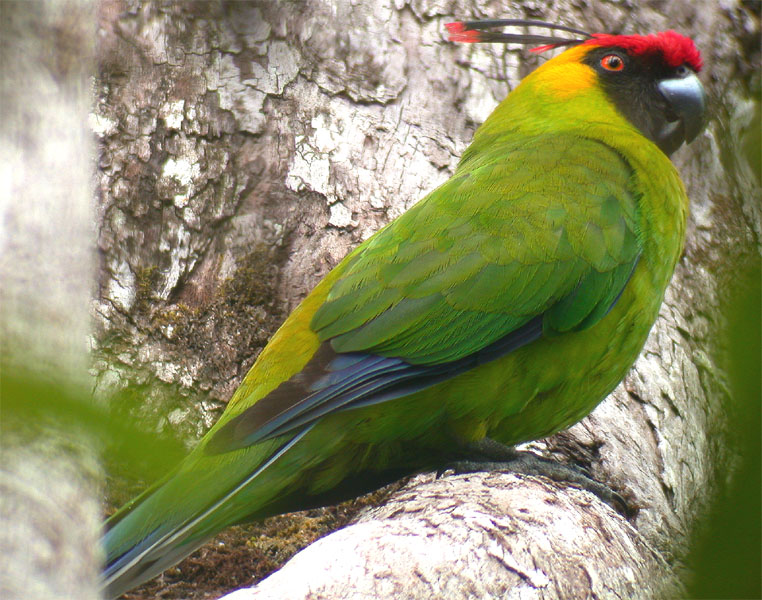
Horned Parakeet (Eunymphicus cornutus) ©WikiC

Horned Parakeet (Eunymphicus cornutus) ©WikiC

O LORD, correct me, but with justice; Not in Your anger, lest You bring me to nothing. (Jeremiah 10:24 NKJV)

** Update to Ian’s Bird of the Week **

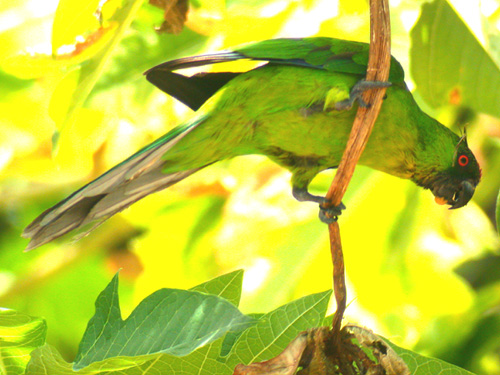
Just thought you might like to see a Hooded Parakeet with the two “horns”. Also, I assumed this was in Australia, but it was taken in New Caledonia.

Here is a drawing of the Horned parakeet, (Nymphicus cornutus) (above) and Ouvea Parakeet, (Nymphicus uvaensis) that Ian mentioned.

Horned Parakeet, (Nymphicus cornutus) (above) and Ouvea Parakeet, Nymphicus uvaensis) ©WikiC

Horned Parakeet, (Nymphicus cornutus) (above) and Ouvea Parakeet, Nymphicus uvaensis) ©WikiC

The Ouvea Parakeet is really similar:

Ouvea Parakeet (Eunymphicus uvaeensis) ©WikiC

Ouvea Parakeet (Eunymphicus uvaeensis) ©WikiC

This is a great link to compare the two birds.

Animal Photos

*


Ian’s Bird of the Week – Horned Parakeet

Ian’s Bird of the Week – Horned Parakeet ~ by Ian Montgomery

Newsletter – 7/27/15

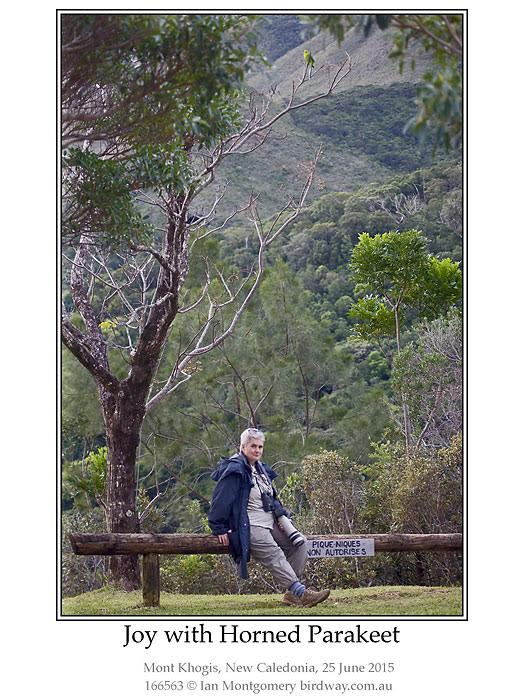
The Kagu was naturally top of our target list in New Caledonia being the most bizarre in appearance, behaviour, taxonomy and general curiosity value. Second on my list and I think third on Joy’s were the horned parakeets of Grande Terre (the main island) and Ouvéa, one of the Loyalty Island off the east coast of Grande Terre. These birds used to be treated as a single species, but have recently been split into the Horned and Ouvéa Parakeets respectively. I mentioned in a previous post that the Kagu nearly got upstaged as bird of the trip by an individual Horned Parakeet at Mont Khogis near Noumea, so here is the bird in question and the interaction that we had with it, a memorable birding experience by any measure.

On an earlier visit to the Inn (Auberge) at Mont Khogis we’d had brief views of three Horned Parakeets flying across the road and we had been told by Serge, the owner of the Inn, that the parakeets came in the late afternoon to feed on the Lavender trees in front of the building. On our visit to Rivière Blue we also tried with little success to photograph a back-lit one feeding in dense foliage right above us, a good situation for chiropractic business but not much else. All was quiet at the Inn on our second visit, so we started on the nearby rainforest walk until Roman, one of the staff, came charging after us with the welcome news that a parakeet had arrived.

We set ourselves up very cautiously at an unobtrusive distance from the tree and started taking remote photos of the parakeet and very gradually working our way towards it. I mean gradually: I and Joy had each taken about a hundred more distant shots before the first one in this series, above. As you can see the bird was very aware of our presence and looked as if it could take off at any time.

We moved slowly closer and the bird started to look more relaxed. In the second photo it is showing its skill at perching on one foot, holding a little bunch of Lavender fruit in the other, munching on them and watching us at the same time. We started to get the impression that it was actually enjoying the attention and showing off for our benefit, third photo.

Eventually,we worked our way up to the tree and around the other side so that we could photograph it in the sunlight a little over an hour before sunset with the mountains in the background. The bird munched on regardless and seemed completely unworried by our approach. It seemed to have an extraordinary appetite. We reckoned that it ate about 700 of the fruit in the time that we were there. It wouldn’t take too long for a small flock to complete strip the tree.
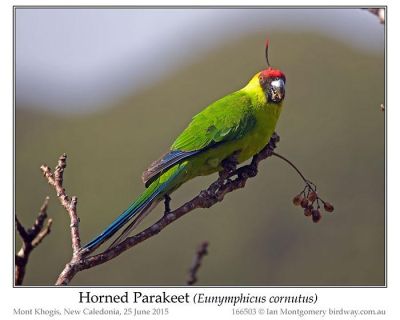
They’re referred to as ‘horned’ rather than ‘crested’ as the feathers of the horn are permanent erect. There should be two horns, but one of this bird’s may have been broken off. They are probably more than just decorative as they nest in hollows in trees and the horns seem to be used to sense the space, or lack of it, above the head. That at least is the suggestion made for the similarly equipped but very different Crested Auklet. It nest in holes in coastal boulders and being able to avoid cracking your skull against rocks would seem to be very desirable.

We can become blasé about even the most riveting spectacles. Three hundred photos each later, here is Joy relaxing under the tree and the parakeet, top centre, looking in the opposite direction. It was still there when we decided it was time to leave but it called after us as if sorry to see us go. By the time we walked around to the car park below the inn, it had left too and joined a couple of other parakeets in another Lavender tree. Joy and I agreed that this was one of the most beautiful parrots that we had encountered.

The horned parakeets belong to the sub-family of Australasian parrots called broad-tailed parrots. The best known members of this group (Playtcercini) are the Australian Rosellas, Ringnecks and Mulga Parrot and its relatives. The group also includes the Shining Parrots of Fiji and the Cyanorhamphus Parakeets of various islands of the southwest Pacific including Norfolk Island, New Caledonia, New Zealand and its sub-Antarctic islands and, formerly, Lord Howe Island and Macquarie Island. Most parrots are fairly sedentary, but these island ones seem to be quite good at island hopping, maybe helped by the cyclones that move generally in an easterly or southeasterly direction in this part of the world.

The Horned Parakeet is listed as Vulnerable with an estimated population on Grande Terre of between 5000 and 10,000 individuals. The Ouvéa Parakeet has a limited distribution on the northern end of this small island (about 40km long) and is listed as Endangered. Recent estimates of the population are about 2000 individuals and it is thought to be increasing. We did, of course, go to Ouvéa later in our stay….

I had some interesting correspondence on giant tree ferns after the last Kagu bird of the week. The Guinness Book of Records has a Norfolk Island Cyathea brownii species as the tallest and I had photos of a very tall one in Vanuatu, and a carving made from another one.

Greetings
Ian

**************************************************
Ian Montgomery, Birdway Pty Ltd,
454 Forestry Road, Bluewater, Qld 4818
Tel 0411 602 737 ian@birdway.com.au
Bird Photos http://www.birdway.com.au/
Where to Find Birds in Northern Queensland: iTunes; Google Play Kobo Books
Recorder Society http://www.nqrs.org.au


Lee’s Addition:

And hath raised up an horn of salvation for us in the house of his servant David; (Luke 1:69 KJV)

What an amazing “horn”! As Ian said, it was supposed to have a second one. Sounds like the usefulness of their “horn” spares their head. I’ve raised up under things before and hit my head. Maybe I need one of those. :)

*

*
Say’s Phoebe and Nest

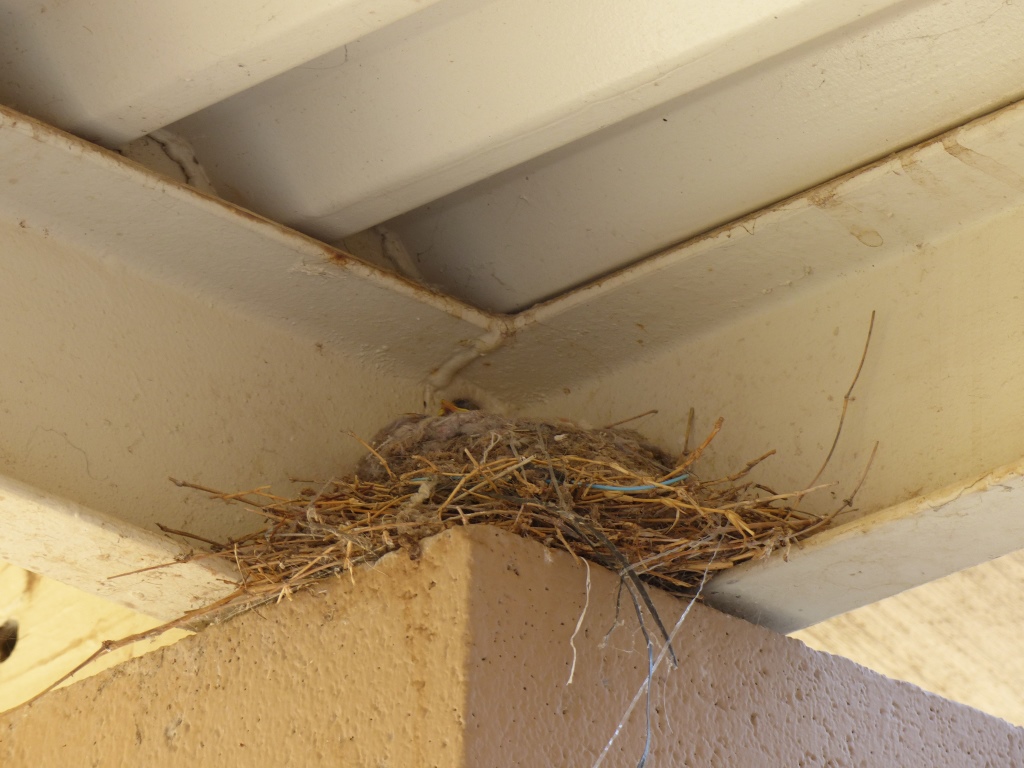
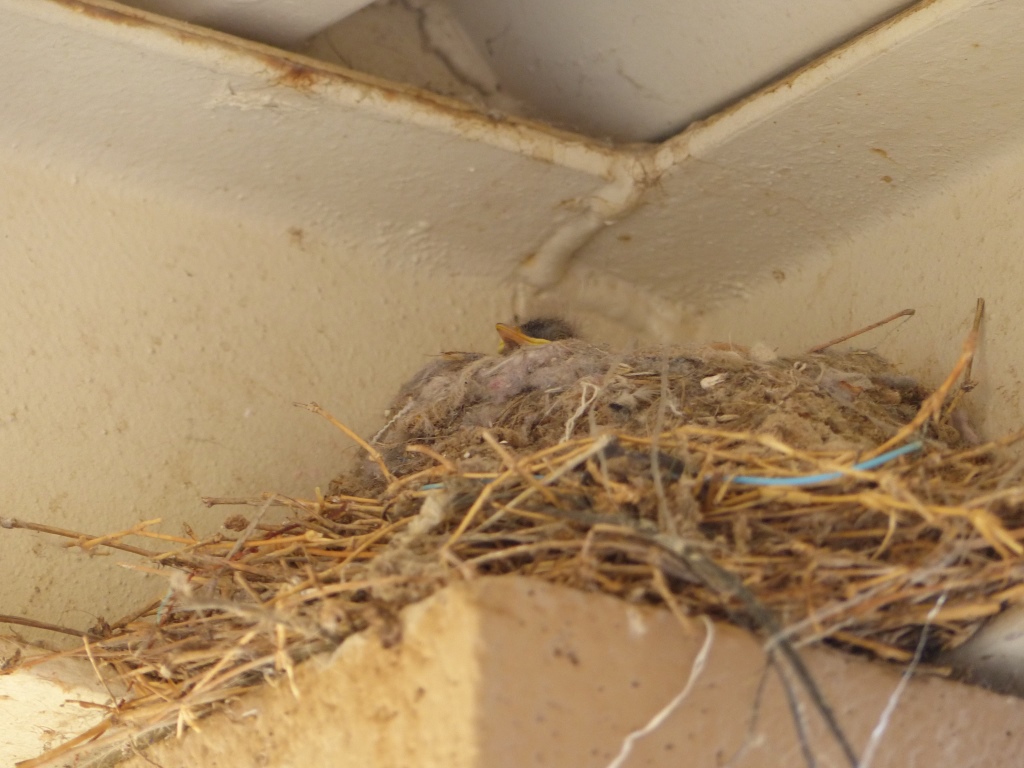
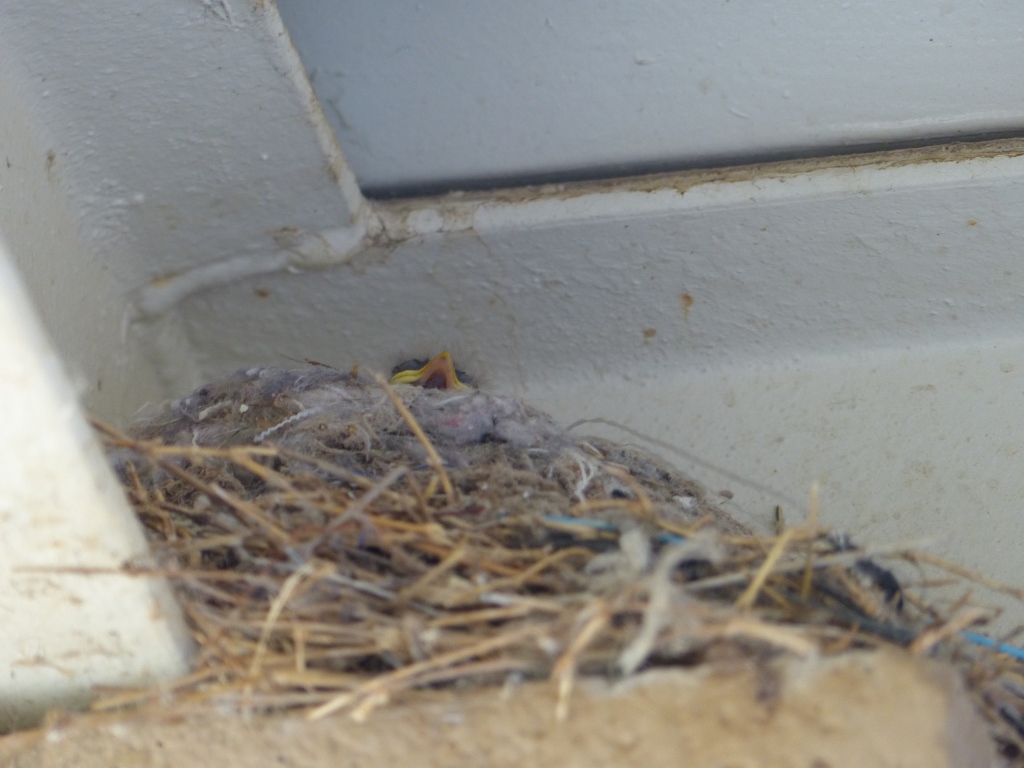
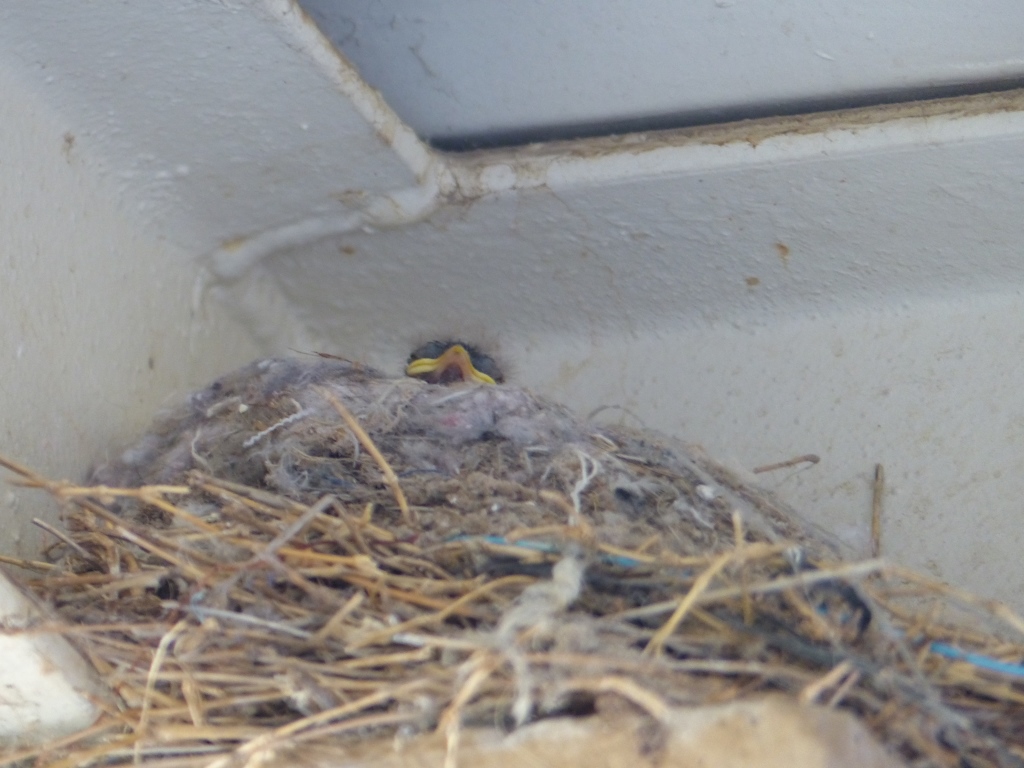
On our vacation, we spent the night in El Centro, California. In the morning, while loading the luggage back in the car, I noticed a bird flying in and out of a corner. Investigating, here is what I found:

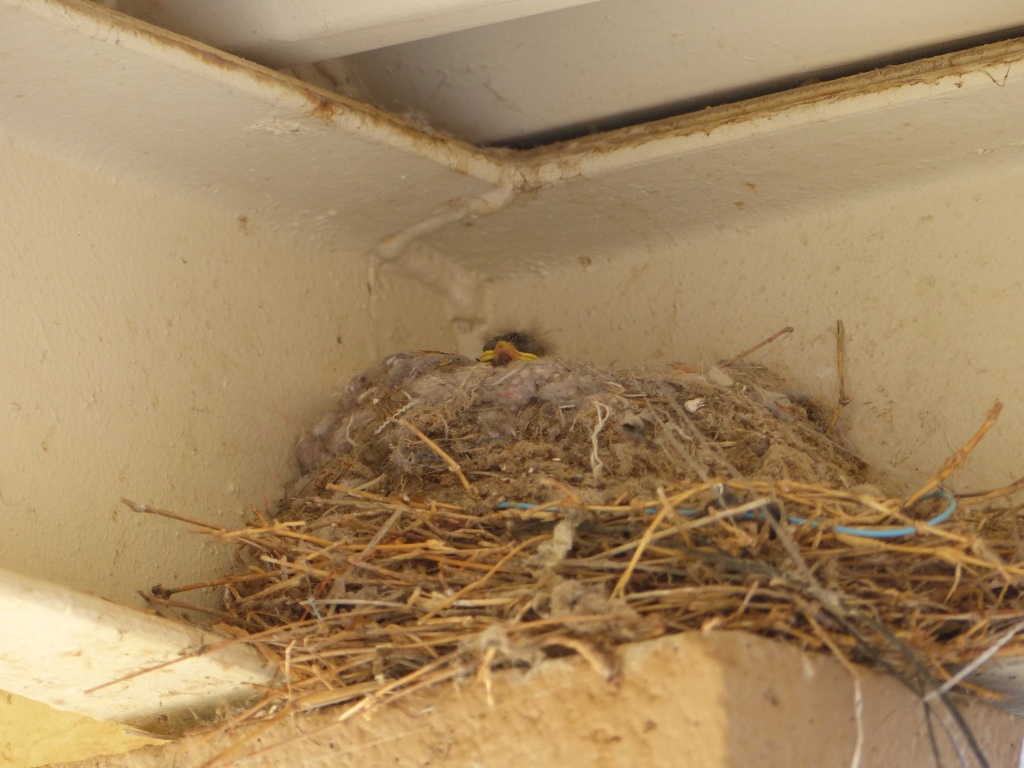
Say's Phoebe nestling at El Centro Ca by Lee

Say’s Phoebe nestling at El Centro Ca by Lee

Yea, the sparrow hath found an house, and the swallow a nest for herself, where she may lay her young, even thine altars, O LORD of hosts, my King, and my God. (Psalms 84:3 KJV)

The nest with a young bird in it was patiently waiting for mom/pop to show up with some more food. Sure enough, the parent came and went but didn’t stay long enough for me to get a photo. Finally, they landed on a spot long enough to get a few photos. (He/she was in the direct sun and not the best photo.)

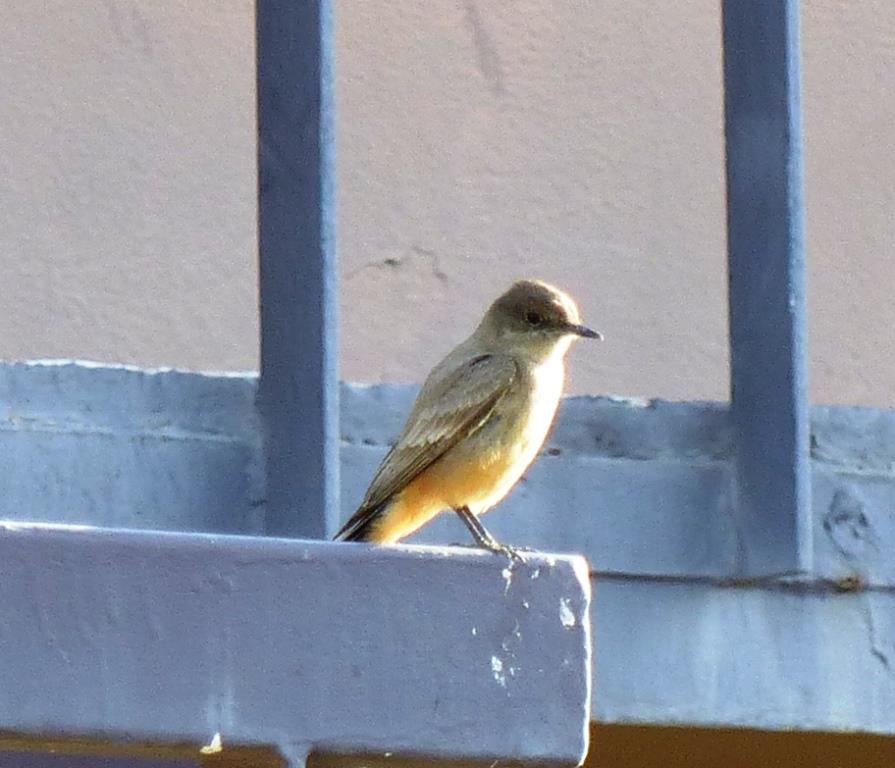
Say's Phoebe (Sayornis saya) at El Centro Ca by Lee

Say’s Phoebe (Sayornis saya) at El Centro Ca by Lee

Yeah! A new Life Bird for my list. This is a Say’s Phobe. Been reading up on this beautiful creation from the Creator. The Say’s phoebe (Sayornis saya) is a passerine bird in the Tyrannidae – Tyrant Flycatchers Family. A common bird in the western United States. It prefers dry, desolate areas. This bird was named for Thomas Say, the American naturalist.

Here is a better photo from Flickr by Dawn Ellner:

Say's Phoebe (Sayornis saya) ©©Flickr Dawn Ellner

Say’s Phoebe (Sayornis saya) ©©Flickr Dawn Ellner

The adult Say’s phoebe is a drab, chunky bird. It is gray-brown above with a black tail and buffy cinnamon below, becoming more orange around the vent. The tail is long and the primaries end just past the rump on resting birds. The wings seem pale in flight and resemble a female mountain bluebird. The juvenile is similar to adult, but has buffy orange to whitish wingbars and a yellow gape. Adult birds are 7.5 in (19 cm) long. They have a 13 in (33 cm) wingspan and they weigh 0.75 oz (21 g). Their diet is almost exclusively insects which they dart out to capture. Sometimes they hover over grass to catch the insects.

Nest – Adherent also under eaves, bridges, in wells; of grass, forbs, moss, plant fibers, lined with fine materials, especially hair. Female believed to build nest. The Eggs – White, mostly unmarked, some (last laid) with small red spots. 0.8″ (19 mm). The female incubates for 12-14 days. Development is altricial (immobile, downless, eyes closed, fed). Young leave the nest after 14-16 days. Both sexes tend young. “Say’s Phoebe is common around people, often nesting on buildings.” (All About Birds)

(Info from Wikipedia, internet and Thayer’s Birding Software)

More about that nest in the next post. Photos can be clicked on to enlarge them.

(Update: Orni-Theology and The Nest)
*
Good News
*

Sunday Inspiration – Australian Robin and Friends

Cape Rockjumper (Chaetops frenatus) ©WikiC

Cape Rockjumper (Chaetops frenatus) ©WikiC

“The LORD lives! Blessed be my Rock! Let God be exalted, The Rock of my salvation! (2 Samuel 22:47 NKJV)

This week’s birds from their Creator include the Petroicidae – Australasian Robins, Picathartidae – RockfowlChaetopidae – Rockjumpers and the Eupetidae – Rail-babbler Families.

The Robins are all endemic to Australasia: New Guinea, Australia, New Zealand and numerous Pacific Islands as far east as Samoa. For want of an accurate common name, the family is often called the Australasian robins. There are 46 members presently. They are not related to our American Robin.

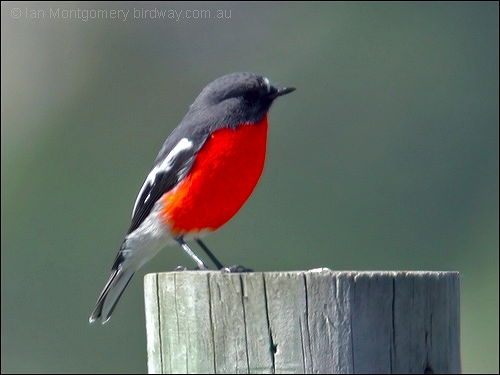
Flame Robin by Ian

Flame Robin by Ian

Most species have a compact build with a large, rounded head, a short, straight bill, and rounded wingtips. They occupy a wide range of wooded habitats, from subalpine to tropical rainforest, and mangrove swamps to semi-arid scrubland. All are primarily insectivorous, although a few supplement their diet with seeds. Hunting is mostly by perch and pounce, a favoured tactic being to cling sideways onto a treetrunk and scan the ground below without moving.

They have long-term pair-bonds and small family groups. Most members practice cooperative breeding, with all family members helping defend a territory and feed nestlings. Nests are cup-shaped, usually constructed by the female, and often placed in a vertical fork of a tree or shrub. Many species are expert at adding moss, bark or lichen to the outside of the nest as camouflage, making it very difficult to spot, even when it is in a seemingly prominent location.

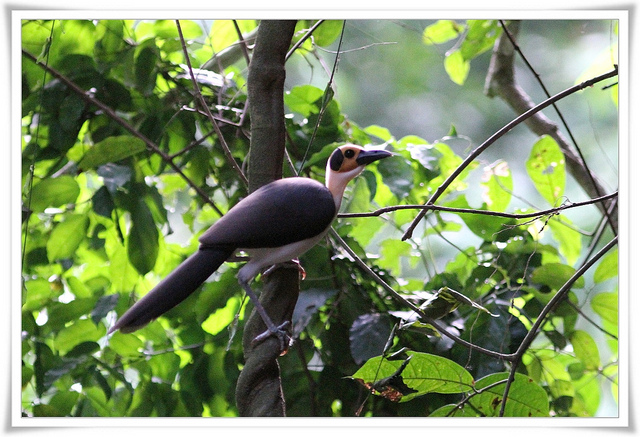
White-necked Rockfowl (Picathartes gymnocephalus) cc Ross@Texas

White-necked Rockfowl (Picathartes gymnocephalus) cc Ross@Texas

The White-necked and Grey-necked Rockfowls are the only members of the Picatharitidae family. They are also called “bald crows’ and are found in the rain-forests of tropical west and central Africa. They have unfeathered heads, and feed on insects and invertebrates picked from damp rocky areas. Both species are totally non-migratory, being dependent on a specialised rocky jungle habitat.

They are large (33–38 centimetres (13–15 in) long) passerines with crow-like black bills, long neck, tail and legs. They weigh between 200–250 grams (7.1–8.8 oz). The strong feet and grey legs are adapted to terrestrial movement, and the family progresses through the forest with long bounds on the ground. The wings are long but are seldom used for long flights. Rockfowl are generalized feeders, taking a wide range of invertebrate prey.

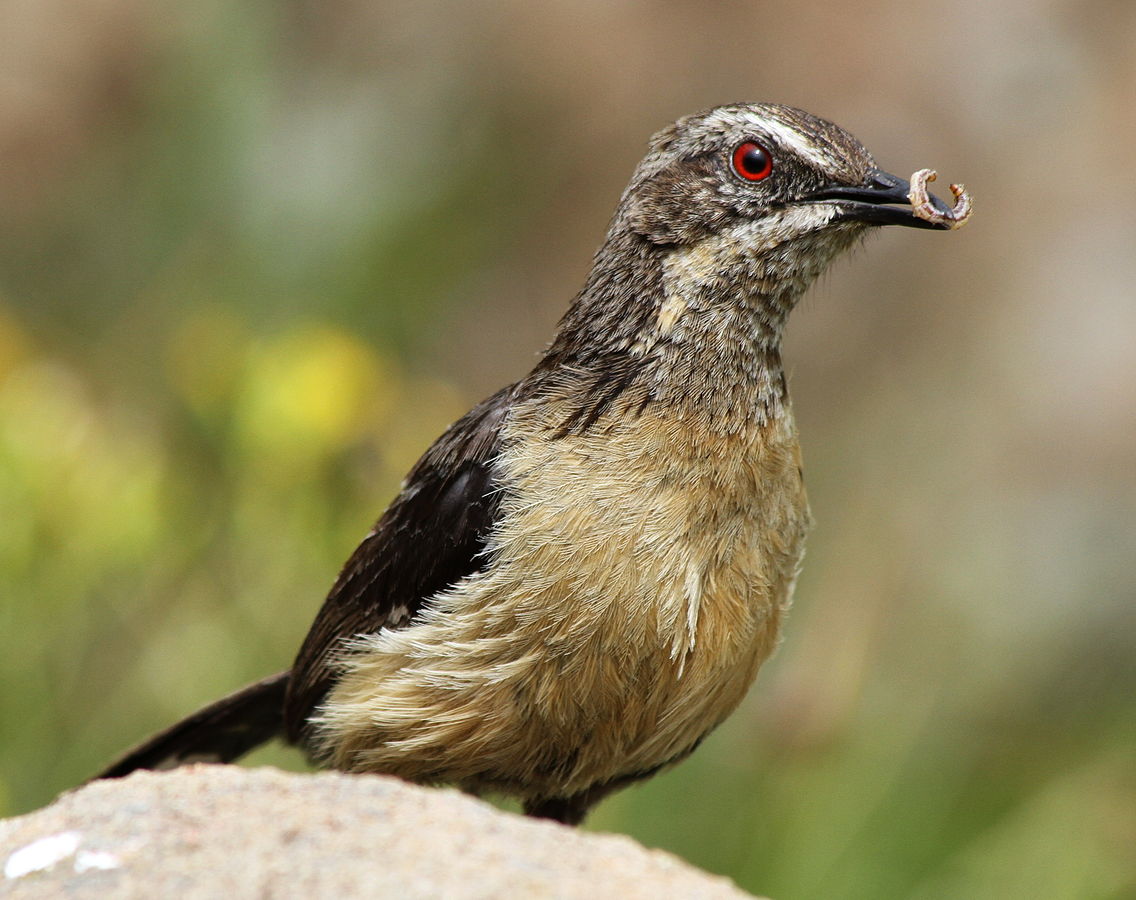
Drakensberg Rockjumper (Chaetops aurantius) by ©WikiC

He is the Rock, His work is perfect; For all His ways are justice, A God of truth and without injustice; Righteous and upright is He. (Deuteronomy 32:4 NKJV)

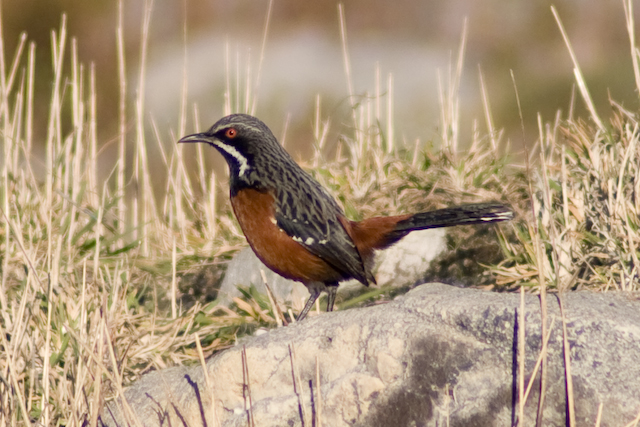
The Rockjumpers are medium-sized insectivorous or omnivorous birds in the genus Chaetops, which constitutes the entire family Chaetopidae. The two species, the Cape Rockjumper,, and the Drakensberg Rockjumper, are endemic residents of southern Africa. The Cape Rockjumper is a resident of the West Cape and SW East Cape, and the Orange-breasted (or Drakensberg) Rockjumper is distributed in the Lesotho highlands and areas surrounding this in South Africa. These are birds with mostly brown and red plumage. Both with long, white tipped black tails, black throats, broad white submoustachial lines, rufous or orange bellies and rumps and grey and black patterned backs and wings.[The iris is red and the bills and legs are black. Their wings are very small and they do not fly very often. They spend most of their lives running and jumping among rocks and grasses while hunting insects.

Rail-babbler (Eupetes macrocerus) by Peter Ericsson

Rail-babbler (Eupetes macrocerus) by Peter Ericsson

The Rail-babbler or Malaysian Rail-babbler (Eupetes macrocerus) is a strange, rail-like, brown and pied inhabitant of the floor of primary forest in the Malay Peninsula and Sumatra (the nominate subspecies macrocerus), as well as Borneo (ssp. borneensis), distantly related to African crow-like birds. Its population has greatly decreased, however, it is locally still common in logged forest or on hill-forest on slopes. The species is poorly known and rarely seen, in no small part due to its shyness.

(Most information from Wikipedia)

*

This slideshow requires JavaScript.

“Hiding in the Shadow of the Rock” ~ © Dr. Richard Gregory (Used with permission)

Each will be like a hiding place from the wind, a shelter from the storm, like streams of water in a dry place, like the shade of a great rock in a weary land. (Isaiah 32:2 ESV)

*