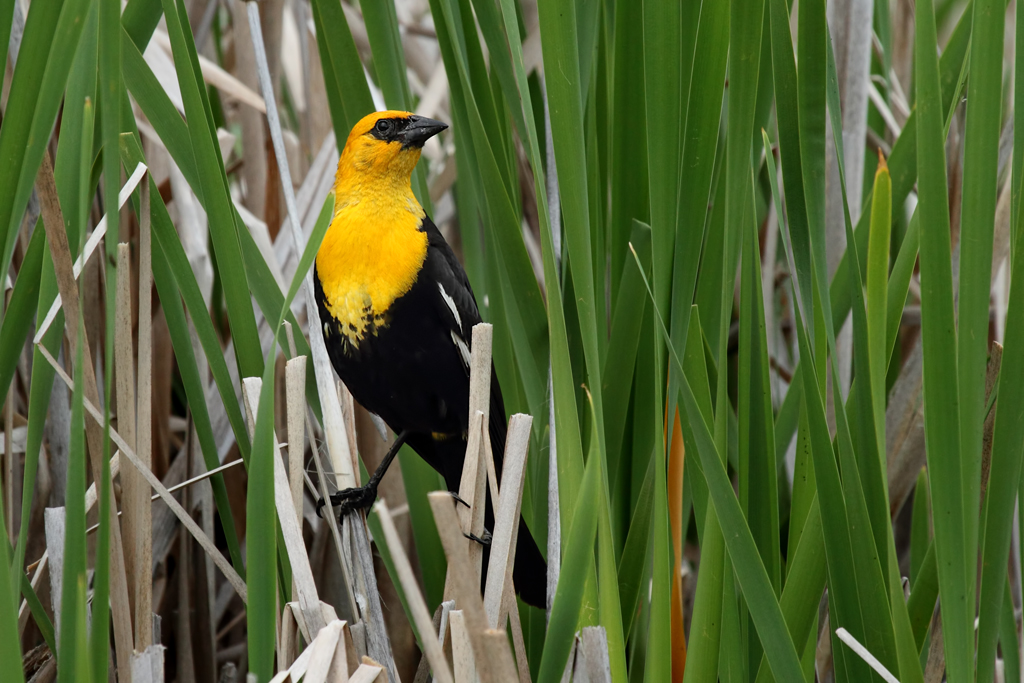
Yellow-headed and Red-winged Blackbirds: Living on the Inside or the Outside?

Yellow-headed Blackbird (Xanthocephalus xanthocephalus) ©WikiC Alan Vernon

Yellow-headed Blackbird (Xanthocephalus xanthocephalus) ©WikiC Alan Vernon

Draw nigh to God and He will draw nigh to you. (James 4:8)

Luzon Bleeding-heart by Dan

Orni-Theology

The Visitor Center at Jackson Hole, Wyoming (“Jackson Hole & Greater Yellowstone Visitor Center”), is a good place to go to for information on Grand Teton National Park, which borders the more-famous Yellowstone National Park.  Yet for bird-lovers, the visitor’s center itself is an attraction, in summer, because the marshy ponded area next to the building hosts a congregation of blackbirds, both Red-winged Blackbirds (Agelaius phoeniceus) and Yellow-headed Blackbirds (Xanthocephalus xanthocephalus).

If you are helping city kids to see these passerine icterids, tell them to “look for the tall corny-dogs growing in the wild” (cattails – Typha species, tall-stemmed wetland plants topped by a sausage-shaped flowering “spike”), around the pond.

As in many other lacustrine marshlands, red-winged blackbirds are often found perched among the cattails that grow as emergents among the wavy shoreline of pond.  For a redwing this is “prime real estate”, until the yellow-heads move in. How so?  In cattail dominated marsh-ponds, if both yellow-heads and red-wings are both present, the innermost places of the cattail “ring” are routinely occupied by the yellow-headed blackbirds, leaving the “outer” cattail positions (i.e., slightly farther away from the pond-water) for the redwings.

Why?  I have no idea why, but others have notice this. [E.g., see W. Braun’s observations in Blackbirds In Cattail Marshes , saying “The YHBs [yellow-headed blackbirds] clearly are the rulers of the cattails. They often, but not always, nest in the same marsh as the Red-winged Blackbird and the Common Grackles. The larger Yellow-headed Blackbird is dominant to the Red-winged Blackbird and displaces the smaller blackbird from the prime nesting spots.”]

Red-winged and Yellow-headed Blackbirds on Cattails ©Orcawatcher.com

Red-winged and Yellow-headed Blackbirds on Cattails ©Orcawatcher.com

Photo credit Orcawatcher.Com

But it reminds me of the dramatic difference between the apostle Peter and the Pharisee Nicodemus.  Peter was (almost) always close to Christ, and often so, but Nicodemus mostly kept his distance from Christ, at least publicly.

Far from being infallible, Peter is infamous for his cowardice that was indicted by a rooster crowing thrice (Luke 22:54-61).  Peter is also remembered for getting distracted, and becoming fearful, and sinking into the Sea of Galilee, after having miraculously walked on water for only a few steps (Matthew 14:24-33).  But Peter was wise enough to immediately cry out “Lord, save me!”  (And Jesus did.)  At least Peter did some walking on water (at Christ’s command, of course), which is a lot better than the other disciples who just stayed in the boat, as mere spectators, wonderfully how Jesus was enabling Peter to walk on water.
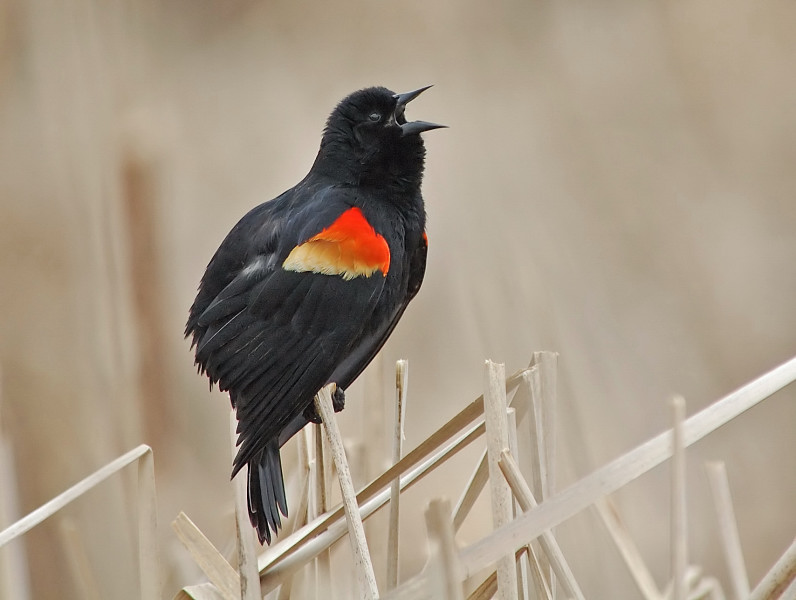
Red-winged Blackbird (Agelaius phoeniceus) by Ray

Red-winged Blackbird (Agelaius phoeniceus) by Ray

Likewise, Peter had the courage to step up and speak up – to call Jesus “the Christ, the Son of the living God” – a deed that the Lord Jesus commended Peter  — and God the Father —  for doing (Matthew 16:15-17).  And Peter did what he could to defend Jesus, in the Garden of Gethsemane, as Jesus was being arrested – Peter used a sword to chop off one man’s ear (Luke 22:49-51; John 18:10-11)!  (But unlike the Orcadian Viking known to history as Thorfinn Skull-splitter, Peter missed most of his victim’s head.)  It’s the thought that counts, right?
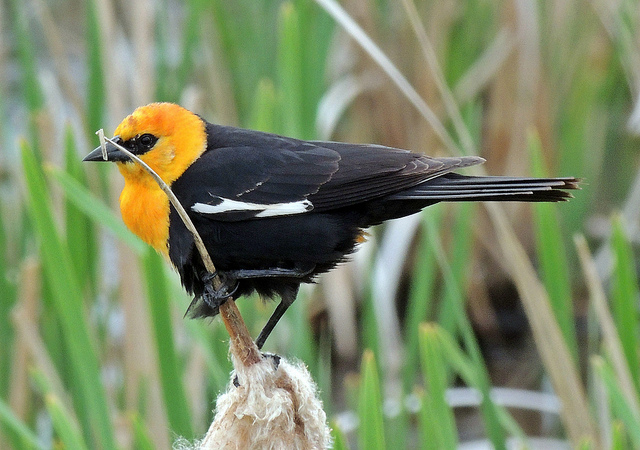
Yellow-hooded Blackbird (Chrysomus icterocephalus) ©Flickr Bob

Yellow-hooded Blackbird (Chrysomus icterocephalus) ©Flickr Bob

So you really have to love Peter.  (Jesus certainly did!)  Peter was one of the “inner” circle of three  –  just James, John, and Peter  — who were invited to witness the Lord Jesus Christ being glorified upon the Mount of Transfiguration (Matthew 17:1-8).  What an unforgettable privilege that was (2nd Peter 1:16-18)!  Jesus later invited the same “inner circle” of three to pray for Him in the Garden of Gethsemane (Matthew 26:37-38).  With all his faults, Peter was a truly privileged member of Christ’s “inner circle”.

But Peter’s privileges are not so high that we should feel sorry for Nicodemus.  Not at all!
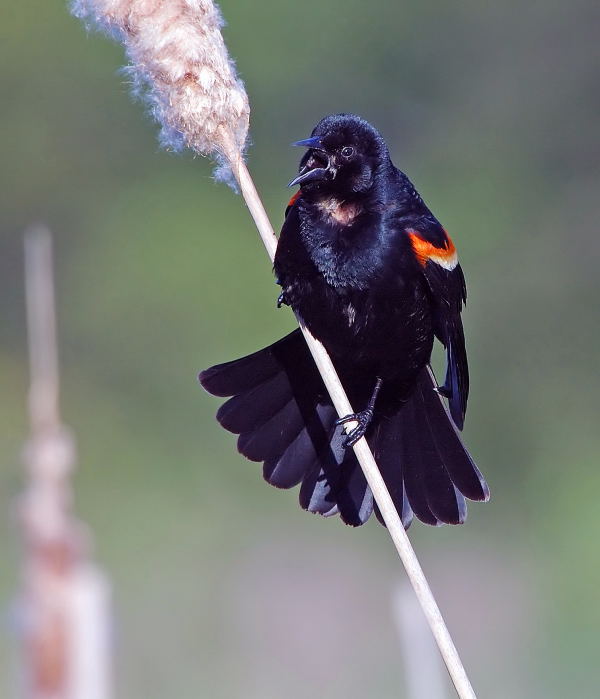
Red-winged Blackbird (Agelaius phoeniceus) by Ray

What a privilege it was for Nicodemus to be the first listener to hear, what we now read in, John’s third chapter (John 3:1-9), including the everlastingly famous promise of John 3:16, spoken by Jesus Himself!  Later Nicodemus took a modest stand for Jesus (John 7:50-52), and in time Nicodemus had an official role in Christ’s burial (John 19:39-40) three days before Jesus rose triumphantly from the grave!

Even so, if one had the choice, why visit Christ, in secret, keeping a distance from Him in public, when the opportunity to belong to His “inner circle” is available?

Am I more like Peter or Nicodemus?  Maybe that question will come to mind next time you see a group of “inner circle” yellow-headed blackbirds, perching on cattails, as the “outer circle” of cattails hosts the red-winged blackbirds. And, if you like the idea of being in the Lord’s “inner circle”, you might sing this as a prayer:  “Just a closer walk with Thee…”

James J. S. Johnson, with his family, has repeatedly visited Wyoming’s Jackson Hole Visitor Center, in summer, to admire the yellow-headed and red-winged blackbirds that congregate on and among the pond-ringed cattails there. (And a very special thank-you to Lee for teaching me how to edit the typos in this blog.)

*
Sunday Inspiration – Hawks

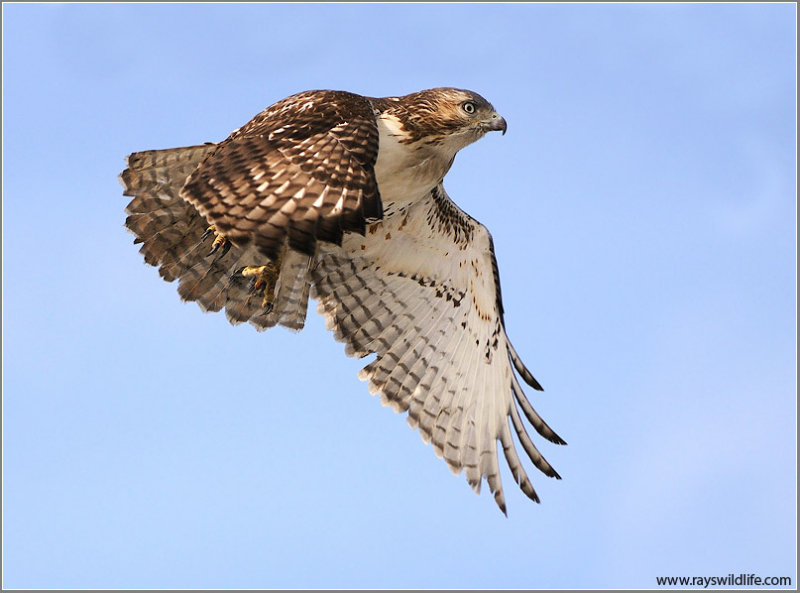
Red-tailed Hawk (Buteo jamaicensis) by Raymond Barlow

Red-tailed Hawk (Buteo jamaicensis) by Raymond Barlow

Does the hawk fly by your wisdom, And spread its wings toward the south? (Job 39:26 NKJV)

Hawks are members of the Accipitridae Family which includes the Hawks, Kites, Eagles, Vultures, plus Buzzards and other Birds of Prey. There are 256 species in the family. There are 3 or 4 references to hawks and their kinds in the Bible. Therefore they are also a Bird of the Bird.

Even though they catch live animals and are considered a bird of prey, they are beautiful creations from our Creator. Until the curse they would have been vegetarian like all the rest of creation. Unfortunately, sin entered, and now some look down on hawks, but even in that, the Lord provided for them to have the capability to catch prey as they do today.

Enjoy viewing these beautiful birds from their creator, the Lord Jesus Christ.
*

This slideshow requires JavaScript.

Does the hawk fly by your wisdom, And spread its wings toward the south? (Job 39:26 NKJV)

“I Will Pilot Thee” ~ by Dr. Richard Gregory

*

Sunday Inspirations

Birds of the Bible

Accipitridae – Kites, Hawks & Eagles Family

Hope for Hard Times

*

Ian’s Bird of the Week – Australian King Parrot

Ian’s Bird of the Week – Australian King Parrot ~ Ian Montgomery

Newsletter – 7-31-14

Mea culpa again for the long delay since the last bird of the week. The good news is that, apart from dotting a few i’s, my current obsession Where to Find Birds in Northern Queensland is finished, so with luck you may get more frequent BotWs in the future. Here is an attractive and surprising omission from the BotW series, the Australian King Parrot. It’s one of the most spectacular Australian parrots and deserves the ‘King’ moniker. The French call it la Perruche royale.

King Parrot by Ian

King Parrot by Ian


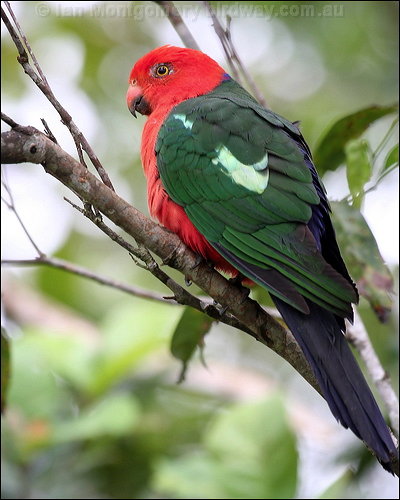
It’s quite common along the eastern seaboard of Australia, with a preference for fairly dense coastal and highland forests including rainforest. That can make it hard to see but it’s quite vocal and the whistling call of the males is a very characteristic sound of eastern forest. It responds readily to being fed and can get quite tame. The one in the first photo was taken at O’Reilly’s in Lamington National Park, where the birds will perch on arms and shoulders and pose happily for photos. The males are distinguished from the females by the brilliant scarlet of the breast extending onto the head and having a conspicuou peppermint green blaze on the wings.


Australian King Parrot (Alisterus scapularis) Male by Ian

Australian King Parrot (Alisterus scapularis) Male by Ian

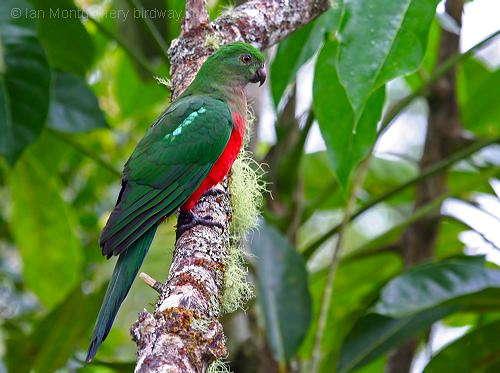
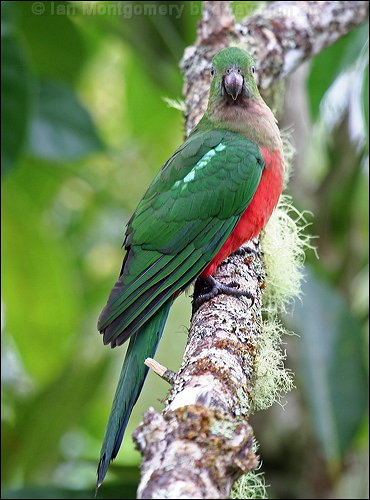
The females are gorgeous too with scarlet lower breast and belly, green heads and pinkish necks. The one in the second photo was busy exploring hollows in trees, but it was hard to imagine that she was contemplating nesting in May. Both sexes have blue backs, third photo, but this is usually hidden by the folded wings. The wing blaze may be missing or inconspicuous in females.


Australian King Parrot (Alisterus scapularis) Female WikiC

Australian King Parrot (Alisterus scapularis) Female WikiC

It’s usually just called the King Parrot in Australia and I used to wonder vaguely about the ‘Australian’ qualification. The reason for it is that is a Papuan one in New Guinea and a Moluccan one in western New Guinea and the islands of eastern Indonesia. Both these are rather similar to the Australian one, but smaller and differ mainly in the colour or lack of the blaze on the wings, and the amount of blue in the plumage.

Australian King Parrot (Alisterus scapularis) Male Closeup by Ian

Australian King Parrot (Alisterus scapularis) Male Closeup by Ian


There are two races of the Australian species. The larger nominate race occurs along most of the east coast, while the smaller race minor (obviously) occurs in northeastern Queensland. The literature doesn’t say much about minor except that it’s smaller, and there’s disagreement in the field guides about how far south it occurs: choose between Cardwell, Townsville and Mackay. I suspect Townsville is correct as there a big gap between the Paluma Range population and the Eungella/Clark Range one near Mackay. Anyway, the male in photo 4 and the female in photo 5 were photographed on the Atherton Tableland and are certainly minor.

Australian King Parrot (Alisterus scapularis) by Ian

Australian King Parrot (Alisterus scapularis) by Ian

It seemed to me from the photos that I took there that the northern males had brighter and more extensive blue hind collars and the females had brighter wing-blazes than southern birds. My sample size was small, but it might be an interesting project to check out whether these differences are consistent and to establish the exact geographical ranges of the subspecies. In northeastern Queensland it is mainly a highland species, with some movement to the lowlands in winter and I have seen them very occasionally near where I live.

Links:
Australian King-Parrot (I should have put hyphens in the photo captions)
Red-winged Parrot

Anyway, back to dotting i’s. The next stage in the book is to check out publishing via Apple iBooks, Google Play, etc. That’s something I know nothing about, so it will be interesting to find out how it’s done.

Greetings

Ian
**************************************************
Ian Montgomery, Birdway Pty Ltd,
454 Forestry Road, Bluewater, Qld 4818
Tel 0411 602 737 ian@birdway.com.au
Bird Photos http://www.birdway.com.au/
Recorder Society http://www.nqrs.org.au


Lee’s Addition:

Now unto the King eternal, immortal, invisible, the only wise God, be honour and glory for ever and ever. Amen. (1 Timothy 1:17 KJV)

What beautifully created Parrots! They are just fantastic. Also, I was beginning to worry about Ian. It has been over a month since his last newsletter, Plum-headed Finches.

These parrots are members of the Psittacidae – Parrots Family. There are approximately 365 members, depending on whose list. The greatest diversity of parrots is in South America and Australasia.

Checkout all of Ian’s Parrot photos (around 50 species)

King Parrot at Wikipedia

Psittacidae – Parrots Family

*

Interesting Things – Meerkat School

SmileyCentral.com

MEERKAT SCHOOL

“… and I will be with thy mouth, and with his mouth, and will teach you what ye shall do.” Exodus 4:15b

Behavioral researchers define teaching very specifically. First, of course, a teacher must have pupils. Then the teacher must be less efficient in doing whatever he is doing than he normally would be if he were alone, as a means of showing the pupils how to do the task. And finally, the pupils must learn the task more quickly than they would on their own.

Meerkats at the Auckland Zoo ©©Auckland_Zoo

Meerkats at the Auckland Zoo ©©Auckland_Zoo

Meerkats at the Auckland Zoo by that definition, humans, of course, are teachers. Among animals, only a species of ant meets this definition of teaching. But now researchers from the University of Cambridge in England say that meerkats also qualify as teachers. They found that experienced hunters will take young, inexperienced pups with them when they hunt. They will let the youngsters watch them as they catch prey. Of course, when they catch some small prey, the youngsters will vocally beg for a handout. However, only 35 percent of those handouts are served to the youngsters dead. The rest of the time they have to learn how to subdue the caught prey themselves. On the other hand, older, more experienced pups received already-killed handouts only 10 percent of the time. Further tests involving live and dead prey show that those given live prey could learn to subdue it in only three days.

Despite the researchers’ presupposition that teaching evolved, God is still the One that teaches the teachers.

Meerkat at LP Zoo by Lee

Meerkat at LP Zoo by Lee

Prayer:
Father, I pray that you would provide Your church with faithful teachers of the forgiveness we have in Jesus Christ. Amen.
Notes:
Science News, 7/15/06, p. 36, S. Milius, “Live Prey for Dummies.” Photo: Meerkats at the Auckland Zoo. Courtesy of Ashleigh Thompson. Licensed under the Creative Commons Attribution 2.0 Generic license.

©Creation Moments – Meerkat School, 2014.


Lee’s Additions:

Meerkat at LP Zoo by Lee

Meerkat at LP Zoo by Lee

I have always enjoy watching Meerkats and thought you might enjoy another Interesting Things blog. Lowry Park Zoo and other zoos keep them.

*

*

Birds of the World – Laughingthrush and Allies

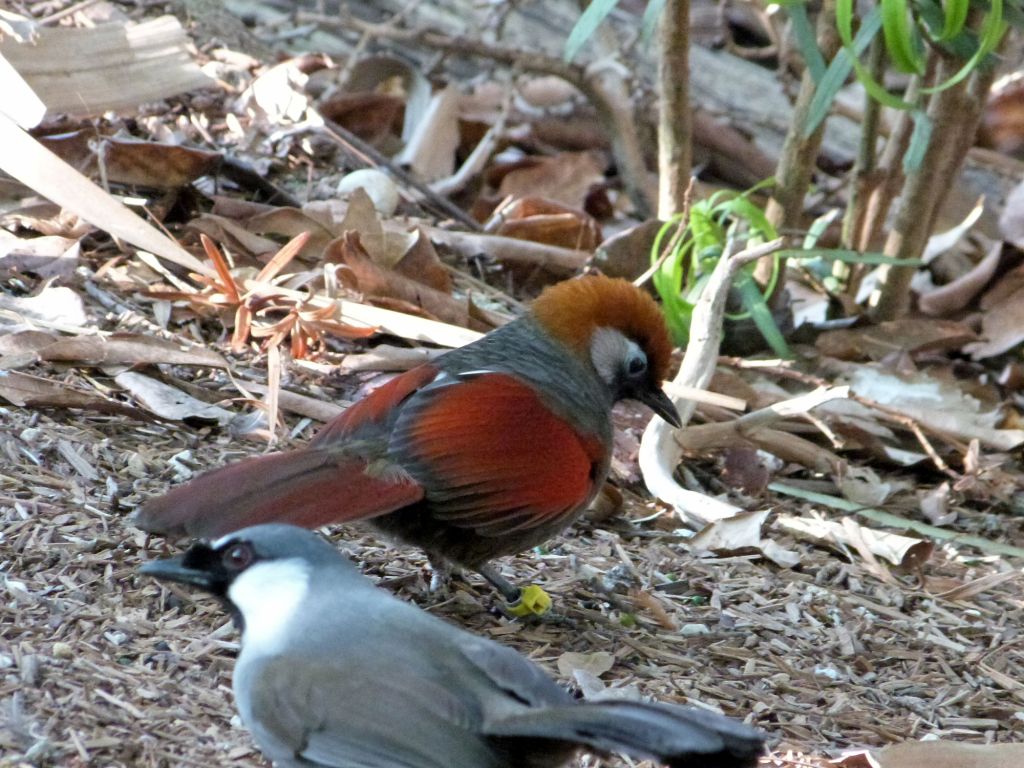
Red-tailed Laughingthrush (Trochalopteron milnei) and Black-throated Laughingthrush by Lee at Zoo Miami

Red-tailed Laughingthrush and Black-throated Laughingthrush by Lee at Zoo Miami

A time to weep, And a time to laugh; A time to mourn, And a time to dance; (Ecclesiastes 3:4 NKJV)

Blessed are you who hunger now, For you shall be filled. Blessed are you who weep now, For you shall laugh. (Luke 6:21 NKJV)

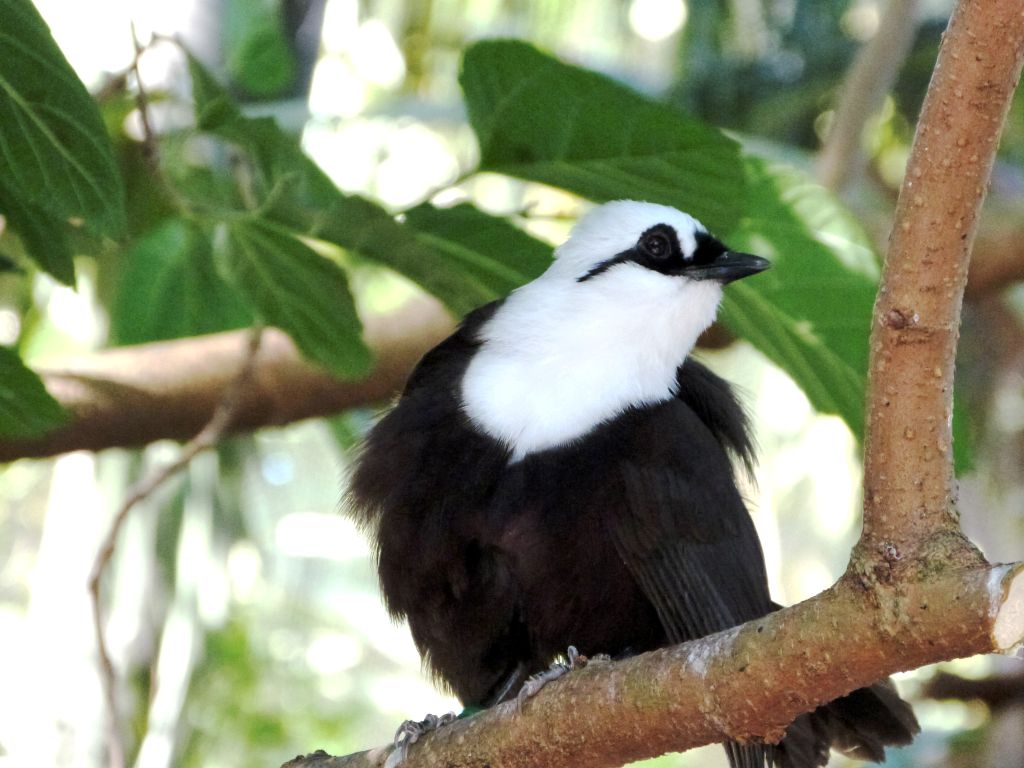
I trust you enjoyed seeing the Laughingthrush – Leiothrichidae family in the Sunday Inspiration – Laughingthrush article. From my first encounter with them, they have been a delight to watch. We have only seen them in Zoos, because they live in Southeast Asia and Indian Subcontinent.

(Black and White) Sumatran Laughingthrush (Garrulax bicolor) by Lee

(Black and White) Sumatran Laughingthrush (Garrulax bicolor) by Lee

The Laughingthrushes are the genus Garrulax and Trochalopteron of the Leiothrichidae family of passerine birds. They primarily occur in tropical Asia. These are rangy, medium-sized landbirds. These birds have strong legs and are quite terrestrial. This group is not strongly migratory, and most species have short rounded wings, and a weak flight.

A few, like the Streaked Laughingthrush occur in fairly open habitats, but most are jungle species, difficult to observe in the dense vegetation they prefer.

These are noisy birds, and the characteristic laughing calls are often the best indication that these birds are present. They frequently occur in groups of up to a dozen, and the rainforest species like the Ashy-headed Laughingthrush often occur in the mixed feeding flocks typical of tropical Asian jungle.

They are small to medium sized birds. They have strong legs, and many are quite terrestrial. They typically have generalised bills, similar to those of a thrush. Most have predominantly brown plumage, with minimal difference between the sexes, but many more brightly coloured species also exist. This group is not strongly migratory, and most species have short rounded wings, and a weak flight. They live in lightly wooded or scrubland environments, ranging from swamp to near-desert. They are primarily insectivorous, although many will also take berries, and the larger species will even eat small lizards and other vertebrates. (Wikipedia)

The Sumatran Laughingthrush (Garrulax bicolor), also known as the Black-and-white Laughingthrush, is a member of the Leiothrichidae family. It is endemic to highland forest on the Indonesian island of Sumatra, The laughingthrushes are a family of mostly Old World passerine birds. They are rather diverse in size and coloration. These are birds of tropical areas, with the greatest variety in Southeast Asia and the Indian Subcontinent. The entire family was previously included in the Timaliidae.


From the Life List of All Birds We Have Seen (Not up to date), here are the family members we have seen so far.

Laughingthrushes (Family Leiothrichidae)

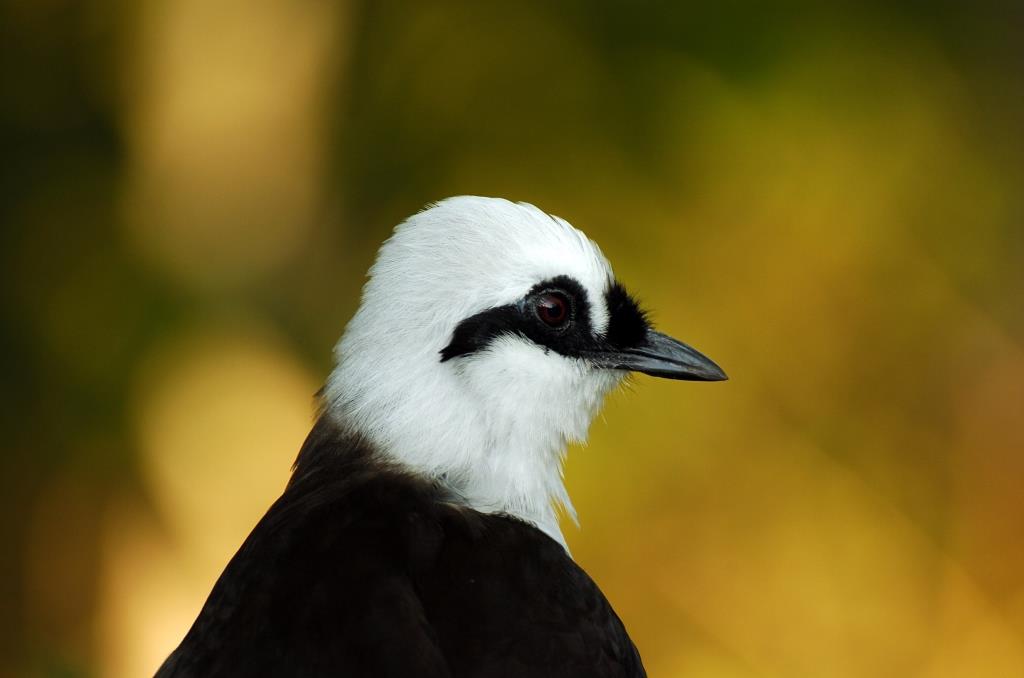
White-crested Laughingthrush (Garrulax leucolophus) by Lee Miami WA

White-crested Laughingthrush (Garrulax leucolophus) by Lee Miami WA

FUN FACT – White-crested Laughing Thrushes are noisy, social birds who occasionally burst into loud calls that sound just like laughter. (National Aviary)

White-crested Laughingthrush (Garrulax leucolophus) MZ NA WA

Sumatran Laughingthrush (Garrulax bicolor) by Dan at  Wing of Asia ZM

Sumatran Laughingthrush (Garrulax bicolor) by Dan at Wing of Asia ZM

Sumatran Laughingthrush (Garrulax bicolor) WA by Dan

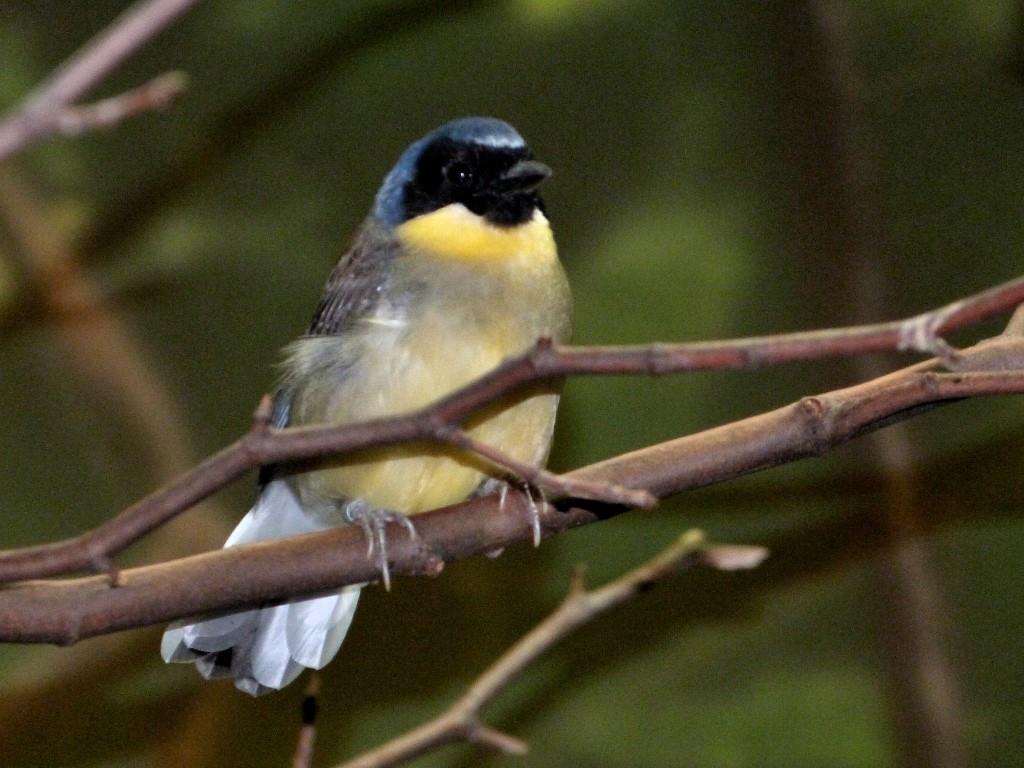
Blue-crowned Laughingthrush (Garrulax courtoisi) at Cincinnati Zoo by Lee

Blue-crowned Laughingthrush (Garrulax courtoisi) at Cincinnati Zoo by Lee

*

*

Black-throated Laughingthrush (Garrulax chinensis) ProofShot

Black-throated Laughingthrush (Garrulax chinensis) ProofShot – Zoo Miami by Lee

Black-throated Laughingthrush (Garrulax chinensis) WA by Lee

Spotted Laughingthrush (Garrulax ocellatus) WA

Chestnut-capped Laughingthrush (Garrulax mitratus) WA

(Spectacled) Red-winged Laughingthrush (Garrulax formosus) WA

Red-tailed Laughingthrush  by Dan at Wings of Asia Zoo Miami

Red-tailed Laughingthrush by Dan at Wings of Asia Zoo Miami

Red-tailed Laughingthrush (Trochalopteron milnei) WA by Dan

Red-faced Liocichla (Liocichla phoenicea) Proof shot by Lee Riverbanks Zoo

Red-faced Liocichla (Liocichla phoenicea) Proof shot by Lee Riverbanks Zoo

Red-faced Liocichla (Liocichla phoenicea) WA RZ by Lee

Red-billed Leiothrix (Leiothrix lutea) by Dan's Pix at National Aviary

Red-billed Leiothrix (Leiothrix lutea) by Dan’s Pix at National Aviary

*

Sunday Inspiration – Laughingthrush

Laughingthrushes (Family Leiothrichidae)

Life List of All Birds We Have Seen

*


Farmer’s Scarecrow Protect A Corn-Field

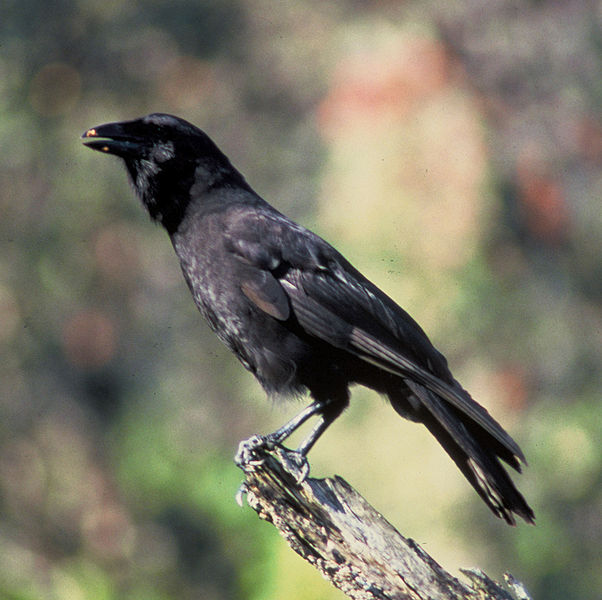
Hawaiian Crow (Corvus hawaiiensis) ©WikiC

Hawaiian Crow (Corvus hawaiiensis) ©WikiC

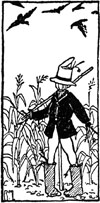
FARMER’S SCARECROW PROTECTS A CORN-FIELD

"It's a man."

“It’s a man.”

“To-night,” said daddy, “we are going to have the story of the meeting of the brownies, crows, and old Mr. Scarecrow. The crows had been giving feasts in a corn-field almost every morning bright and early before any of the big people who lived in the nearby farm-house were up. Such feasts as they did have! And one day they asked the brownies if they wouldn’t come to their next one.

“‘Caw-caw,’ said the crows together.

“‘Where are we going?’ asked one of the brownies teasingly, for they had been going around and around in circles and hadn’t reached any place.

“‘I don’t quite know,’ said Black Crown Crow, ‘it’s a question which is very hard to decide.’

“‘But we thought you had chosen a special spot,’ said one of the brownies.

“Black Crown Crow looked very sad, and his black wings seemed to droop. ‘It’s that guest I never asked. He’s causing all the trouble. How very rude it is of folks to come to a feast who aren’t invited, and to arrive before us, too. It’s very e-x-a-s-p-e-r-a-t-i-n-g!’

“‘Who is he?’ shouted the brownies, for every little while Black Crown Crow had gone ahead and then had come back. In these little trips he had seen right in the center of the corn-field a man—a real man, he thought, with a hat and a coat and trousers and boots—and carrying something which he couldn’t quite make out. It was either a great huge stick—or worse still—it was a gun. He shivered whenever he thought of that awful word gun.

“‘Caw-caw,’ again shrieked Black Crown Crow, ‘it’s a man and he has a gun—I’m sure it’s a gun. Now the rudeness of him! As if we wanted a man and a gun at our corn feast!’

“‘Oh, it was to have been a corn feast, and now the man has stopped it,’ laughed one of the brownies. ‘Well, such a joke! But to show you how nice we’ll be when we’re here ready for a party which can’t take place, we’ll give a nice party ourselves.’

“And the brownies scampered about a little grove near the corn-field, and there they made a bonfire over which they cooked some corn-meal which they had carried with them in their bags. They knew all along, ever since they’d started, where the crows wanted them to go for the feast, and they also knew that the farmer had made that scarecrow in his corn-field to frighten off Black Crown Crow and his followers.

“The brownies made a fine feast, but how they did chuckle among themselves that the pole dressed up as a man had succeeded in saving the corn for the people of the farm-house.”


American Crow (Corvus brachyrhynchos) by Daves BirdingPix

American Crow (Corvus brachyrhynchos) by Daves BirdingPix

Lee’s Addition:

Come, you children, listen to me; I will teach you the fear of the LORD. (Psalms 34:11 NKJV)

Looks like the Brownies, helped out the “exasperated” Crows and had a good laugh at the same time. The farmer was only trying to protect his crop and the crows were only trying to eat.

What can we learn?

  • The Farmer had a right to protect his food.
  • The Crows were afraid of something that wasn’t really frightening.
  • The Crows were hungry, but maybe they were “over-eating.”
  • The Brownies were helpful and provided food for them.

Consider the ravens, for they neither sow nor reap; they have no storeroom nor barn, and yet God feeds them; how much more valuable you are than the birds! (Luke 12:24 NASB)

This verse tells us that God will provide for the Ravens (and Crows, which are in the same bird family). The Crows may need to go to another field where they can be provided for. Also, are you ever afraid of something, that isn’t really scary?

If the Lord feeds the Crows and other birds, He provides for us and also helps our fears.

From

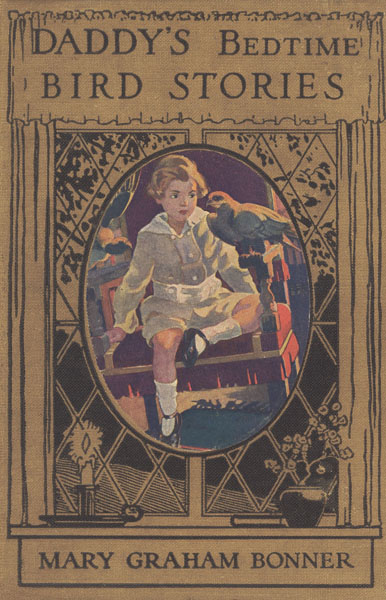
Daddy’s Bedtime Bird Stories – Gutenberg ebooks

By

Mary Graham Bonner

With four illustrations in color by
Florence Choate and Elizabeth Curtis

Daddys Bedtime Story Images


These stories first appeared in the American Press Association Service and the Western Newspaper Union.


Many of the sketches in this volume are the work of Rebecca McCann, creator of the “Cheerful Cherub,” etc.

Daddy's Bedtime Bird Stories by Mary Graham Bonner - 1917

*
Daddy’s Bedtime Bird Stories by Mary Graham Bonner – 1917

*

Links:

Painted Bunting (Passerina ciris) ©©Flickr


  Bird Tales


  Daddy’s Bedtime Bird Stories


Spanish Sparrow (Passer Hispaniolensis) female ©WikiC


  Wordless Birds


*


“Horn” Birds

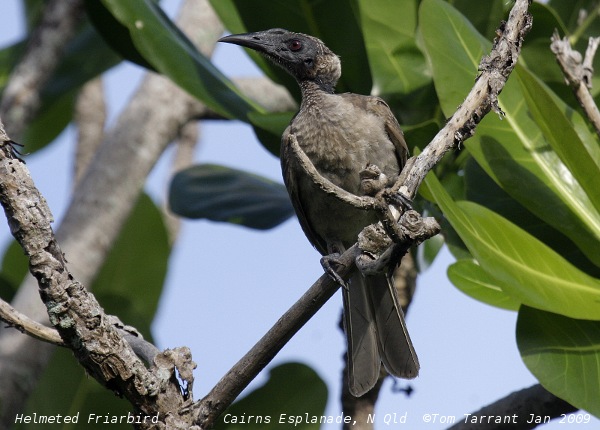
 Hornbill Friarbird (Philemon yorki) by Tom Tarrant

Hornbill Friarbird (Philemon yorki) by Tom Tarrant

The LORD is my rock, and my fortress, and my deliverer; my God, my strength, in whom I will trust; my buckler, and the horn of my salvation, and my high tower. (Psalms 18:2 KJV)

The Sunday Inspiration this week was about Hornbills. That put me to wondering what other birds have “Horn” in their name. So, let’s see what is listed in the IOC’s List of Birds, which is what this blog uses:

The first thing I found is a Hornbill Friarbird (Philemon yorki), formerly (Philemon buceroides yorki), is one of the newer splits. It was a subspecies of the Helmeted Friarbird (Philemon buceroides). In fact, Wikipedia doesn’t even cover it yet, but others do.

Call from xeno-canto by Marc Anderson

Next I sorted my IOC List of names alphabetically by first name of birds. Here is what I found:

Hornby’s Storm Petrel (Oceanodroma hornbyi)
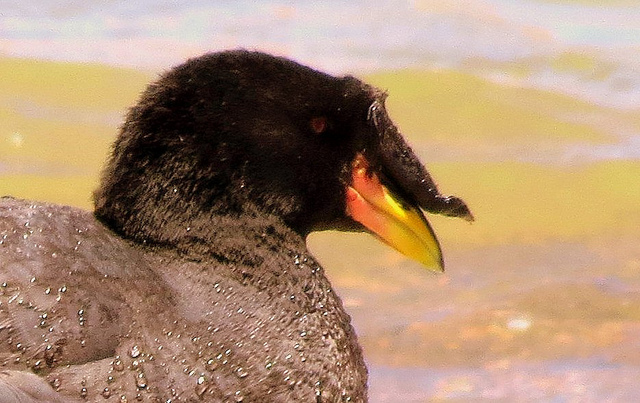
Horned Coot (Fulica cornuta)
Horned Curassow (Pauxi unicornis)
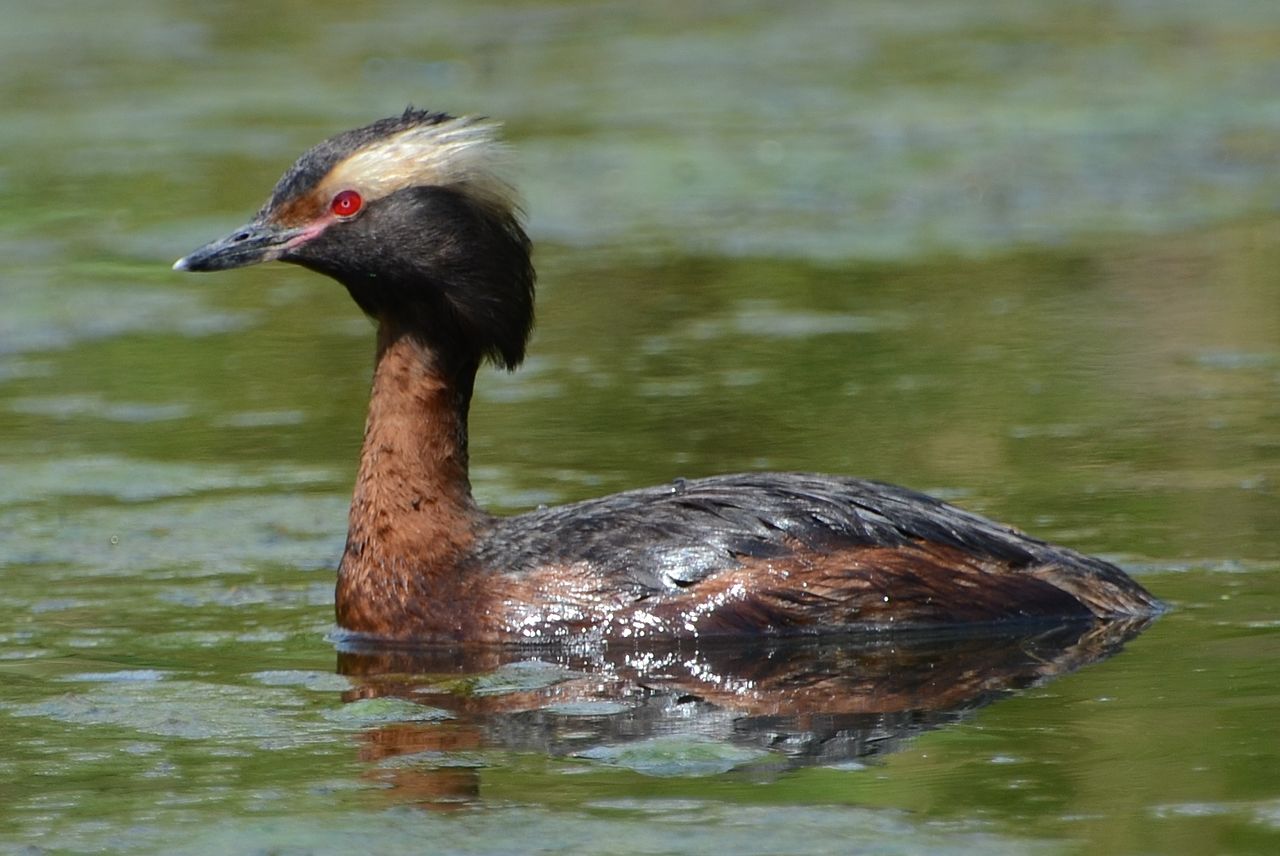
Horned Grebe (Podiceps auritus)
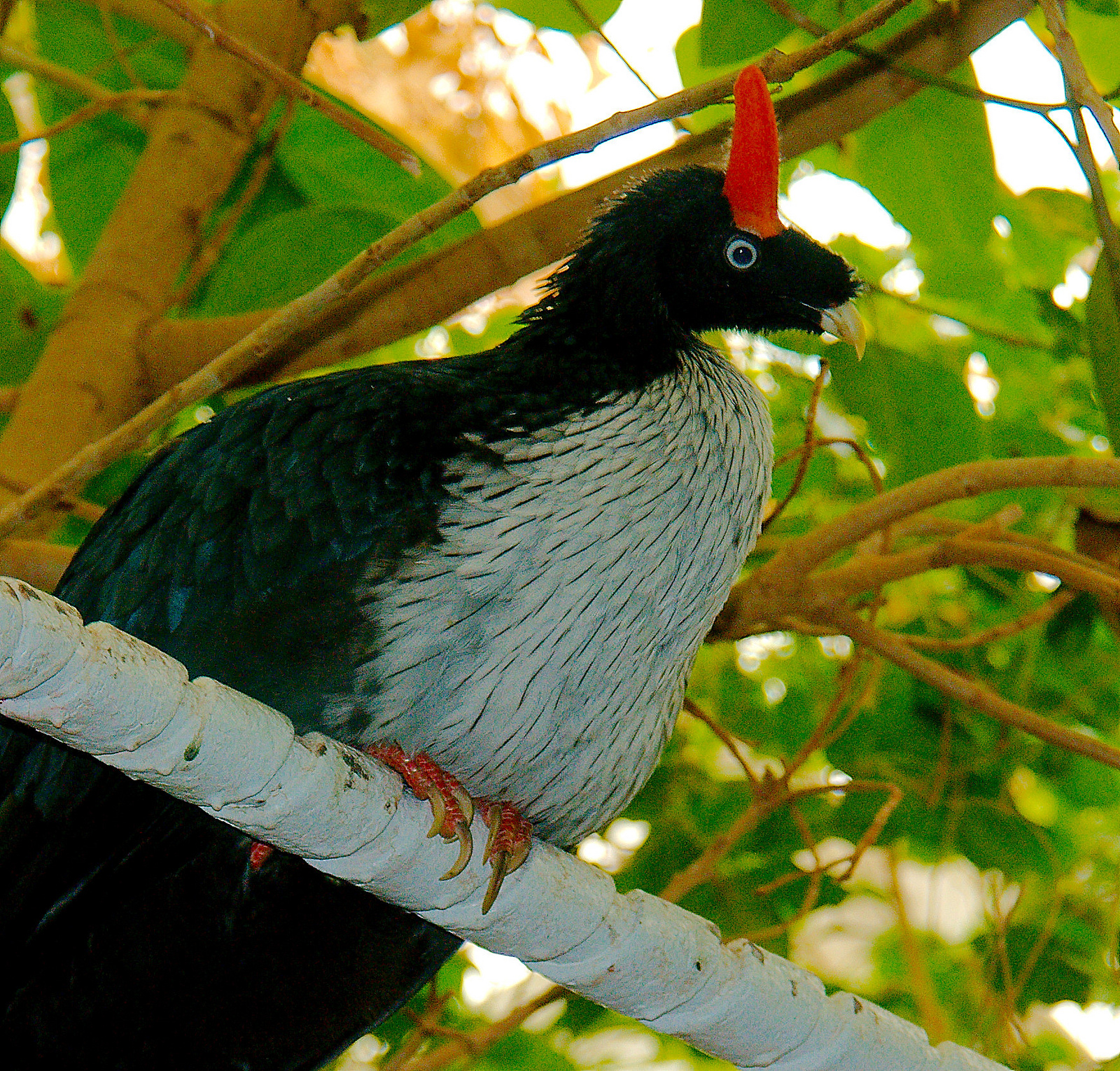
Horned Guan (Oreophasis derbianus)
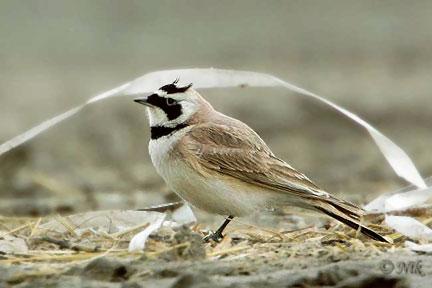
Horned Lark (Eremophila alpestris)
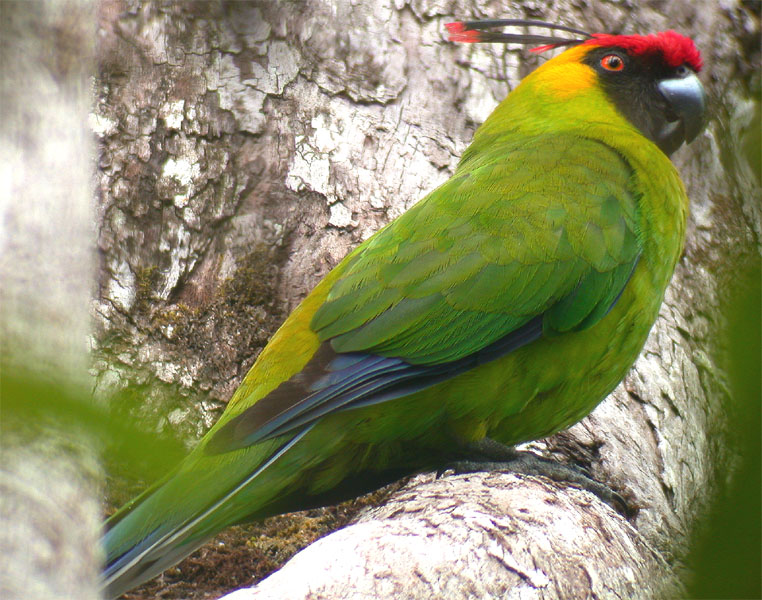
Horned Parakeet (Eunymphicus cornutus)
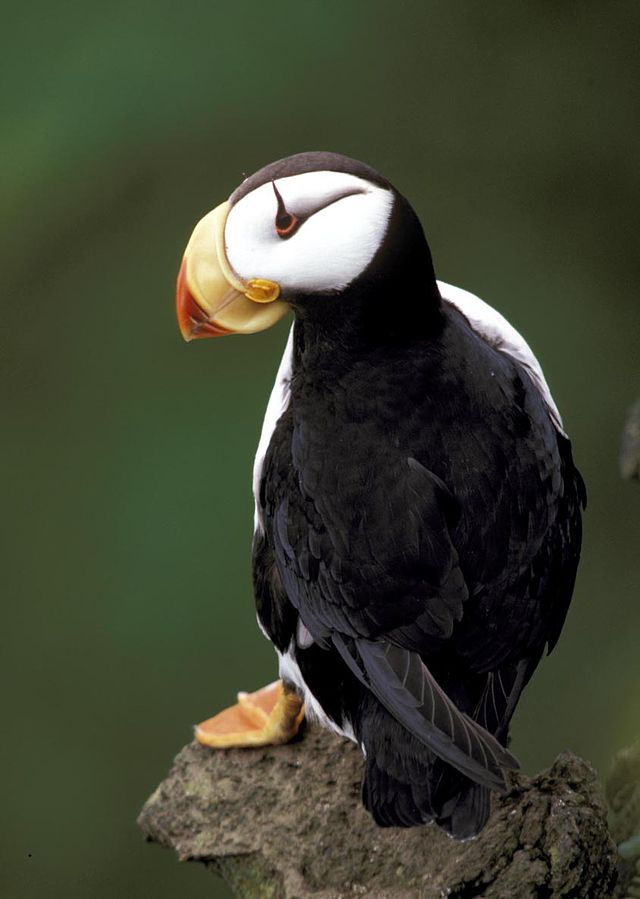
Horned Puffin (Fratercula corniculata)
Horned Screamer (Anhima cornuta)
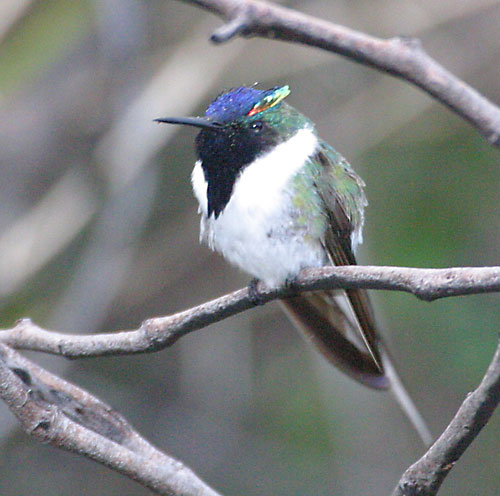
Horned Sungem (Heliactin bilophus)

I know there is a Great Horned Owl, so I guess I need to sort some more.

Great Horned Owl (Bubo virginianus)
Lesser Horned Owl (Bubo magellanicus)
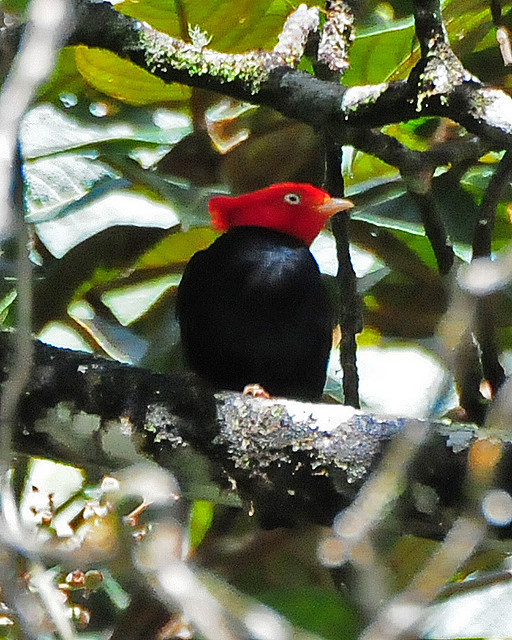
Scarlet-horned Manakin (Dixiphia cornuta)
Hornby’s Storm Petrel (Oceanodroma hornbyi)
Lesser Hornero (Furnarius minor)
Band-tailed Hornero (Furnarius figulus)
Pale-legged Hornero (Furnarius leucopus)
Pacific Hornero (Furnarius cinnamomeus)
Caribbean Hornero (Furnarius longirostris)
Bay Hornero (FurRufous Hornero (Furnarius rufus)
Rufous Hornero (Furnarius rufus)
Crested Hornero (Furnarius cristatus)

Trust you don’t mind finding out this information. When we stop being curious, we stagnate. Besides, the Lord has made so many birds out there for us to find, 10,530 at the time, this is a way to discover a few more of them. I found some “Thornbirds”, but will save that for another time. Also, birds do not have horns, but rather tufts of feathers that stick up like horns.

The blessing of the LORD, it maketh rich, and he addeth no sorrow with it. (Proverbs 10:22 KJV)

Also he (Solomon) spoke of trees, from the cedar tree of Lebanon even to the hyssop that springs out of the wall; he spoke also of animals, of birds, of creeping things, and of fish. (1 Kings 4:33 NKJV)


This slideshow requires JavaScript.

———————

Birds of the World

Sunday Inspiration – Hornbills

Other Sunday Inspirations

Good News Tracts

*


Sunday Inspiration – Hornbills

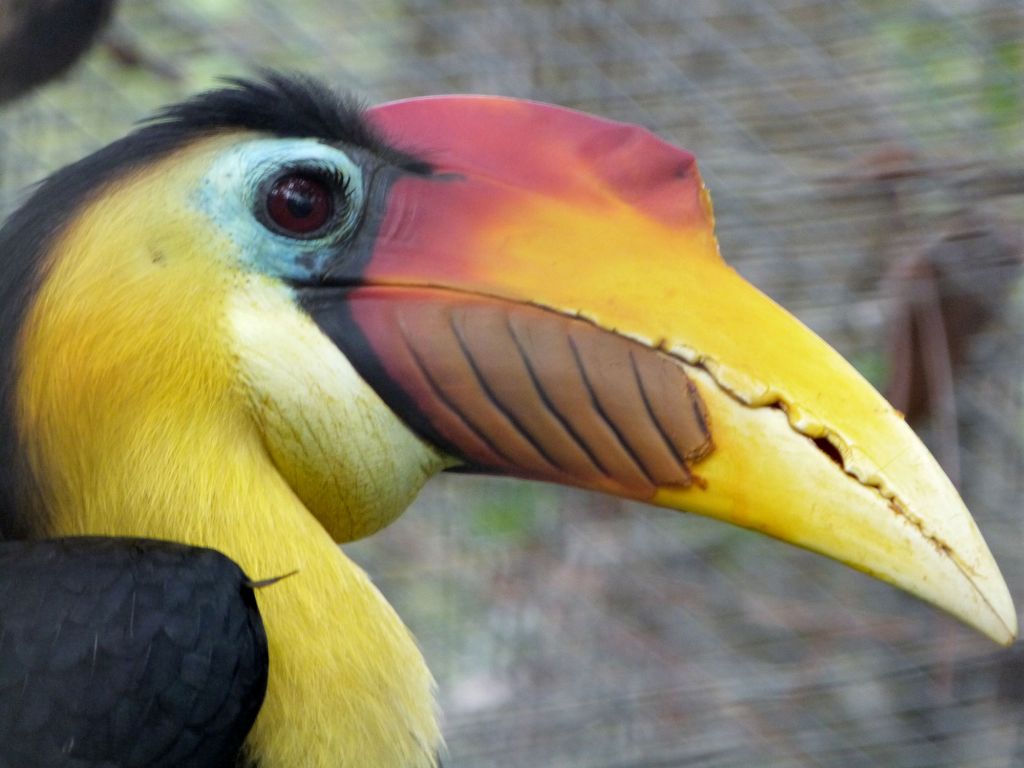
Wrinkled Hornbill (Aceros corrugatus) Brevard Zoo by Lee

Wrinkled Hornbill (Aceros corrugatus) Brevard Zoo by Lee

The God of my strength, in whom I will trust; My shield and the horn of my salvation, My stronghold and my refuge; My Savior, You save me from violence. (2 Samuel 22:3 NKJV)

The LORD is my rock and my fortress and my deliverer; My God, my strength, in whom I will trust; My shield and the horn of my salvation, my stronghold. (Psalms 18:2 NKJV)

Oh, my, what interesting group of birds the Lord’s Creative Hand created with these two Hornbill Families! They come from the Bucerotidae – Hornbills and Bucorvidae – Ground Hornbills. There are 61 hornbills in the two families.

Shout joyfully to the LORD, all the earth; Break forth in song, rejoice, and sing praises. Sing to the LORD with the harp, With the harp and the sound of a psalm, With trumpets and the sound of a horn; Shout joyfully before the LORD, the King. (Psalms 98:4-6 NKJV)

And has raised up a horn of salvation for us In the house of His servant David, (Luke 1:69 NKJV)

This slideshow requires JavaScript.

*

“I Sing The Mighty Power Of God” ~ by the ©Hyssongs

*

More:

*

Mr. Plain Sparrow Calls on Ducks

House Sparrow (Passer domesticus)

House Sparrow (Passer domesticus)

MR. PLAIN SPARROW CALLS ON DUCKS

"Would you like to join us?"

“Would you like to join us?”

“It was such a hot day yesterday,” said daddy, “that Mr. Plain Sparrow simply could not get cool. You see he never goes away in the winter and so he gets used to really cold weather. On a day as hot as it was yesterday he simply doesn’t know what to do with himself. He called himself Mr. Plain Sparrow because that was exactly what he was. He was just a plain, ordinary sparrow, and he thought it such a wise thing to call himself that—and not put on any silly frills. He prided himself on being sensible.

“‘If there’s anything in this world I hate,’ he said, ‘it’s pretending to be what a creature is not.’ And so he called himself by the name of Mr. Plain Sparrow, and his wife was Mrs. Plain Sparrow, and his children were the Plain Sparrow Children.

“‘I think,’ he said, ‘that I will take a walk or a fly to the duck pond in the park nearby. Yes, it seems to me that’s an excellent scheme. I would like to see those ducks, for they’re right smart creatures, and I like to hear their funny quack-quack talk.’

“‘What are you up to, ducks?’ he called, as he flew over the pond, and then perched on a small bush that was at one side.

“‘We’re well,’ said the ducks. ‘We’re enjoying a cooling drink between swims. Would you like to join us? It’s just tea time.’

“‘Tea time, eh?’ said Mr. Plain Sparrow. ‘And would you give a fellow a good, fat worm in place of bread and butter and cake?’

“‘Quack-quack! ha, ha!’ laughed the ducks. ‘We don’t like bread and butter and cake. But we can’t get the worm for you just now, as we’re not very good at digging on such a hot day!’

“‘Well, then, how about my digging for a couple of them, and then joining all you nice ducks when you’re ready to have your tea?’

“‘Splendid idea,’ quacked the ducks. And off went Mr. Plain Sparrow to a soft place in the earth where he thought there would be some good worms.

“Pretty soon he came back with some fine ones, and he sat on his perch and ate them, while the ducks nibbled at their food, and had drinks of pond water, which they called tea. Mr. Plain Sparrow flew down and took sips of water by the side of the pond, and in one very shallow place he had some nice showerbaths while the ducks were having swims. And before he left he told the ducks what a good time he had had, and how nice and cool he felt.

“‘Well, you’re so friendly we’re glad you came,’ quacked the ducks once again.”


House Sparrow by Nikhil Devasar

Lee’s Addition:

A man who has friends must himself be friendly, But there is a friend who sticks closer than a brother. (Proverbs 18:24 NKJV)

Here is another Bird Tale to remind us to be friendly. Even though Mr. Plain Sparrow was having a rough day, he still showed himself friendly to others around him. When things don’t go the way we want, do we become unfriendly to those around us? What should we do?

Who is the friend who sticks closer than a brother? See ABC’s of the Gospel


From

Daddy’s Bedtime Bird Stories – Gutenberg ebooks

By

Mary Graham Bonner

With four illustrations in color by
Florence Choate and Elizabeth Curtis

Daddys Bedtime Story Images


These stories first appeared in the American Press Association Service and the Western Newspaper Union.


Many of the sketches in this volume are the work of Rebecca McCann, creator of the “Cheerful Cherub,” etc.

Daddy's Bedtime Bird Stories by Mary Graham Bonner - 1917

*
Daddy’s Bedtime Bird Stories by Mary Graham Bonner – 1917

*

Links:

Painted Bunting (Passerina ciris) ©©Flickr


  Bird Tales


  Daddy’s Bedtime Bird Stories


Spanish Sparrow (Passer Hispaniolensis) female ©WikiC


  Wordless Birds


*

Photos from Circle B and MacDill Shore

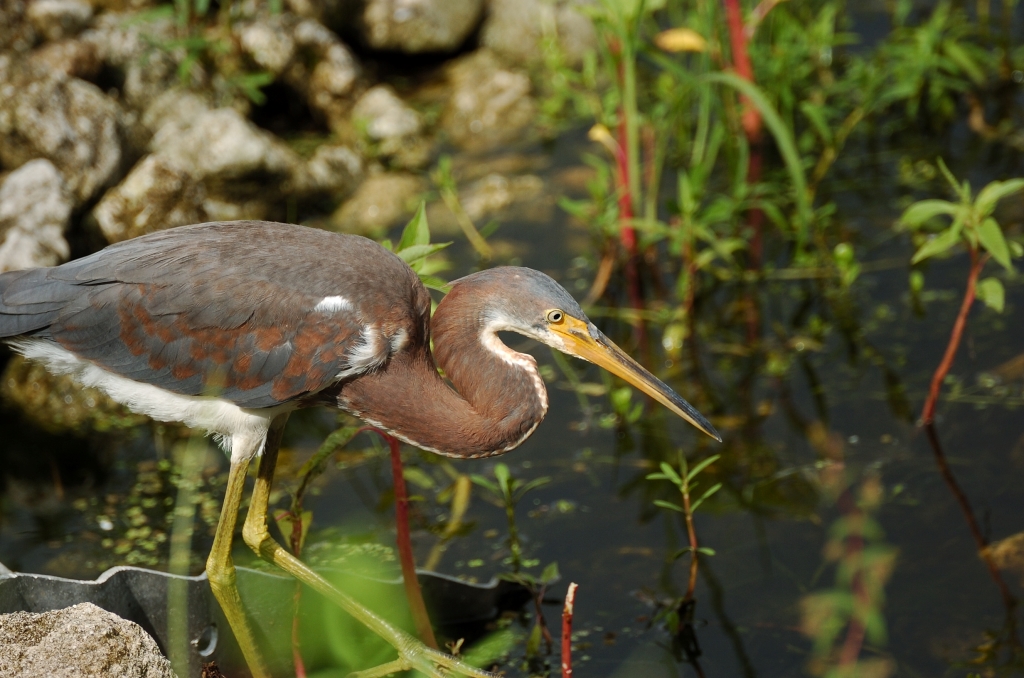
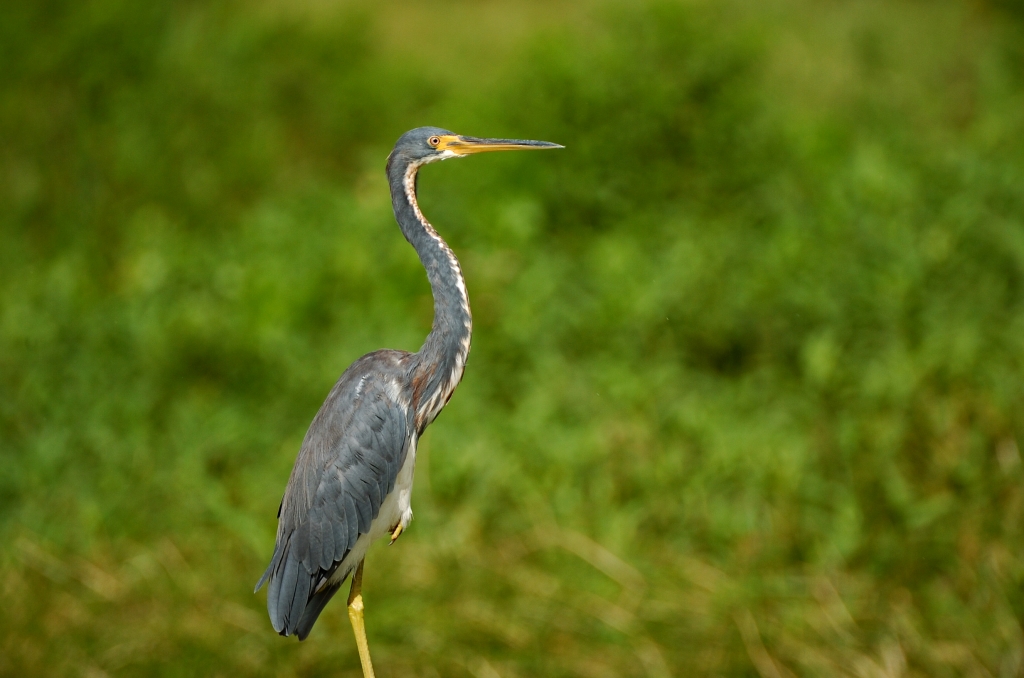
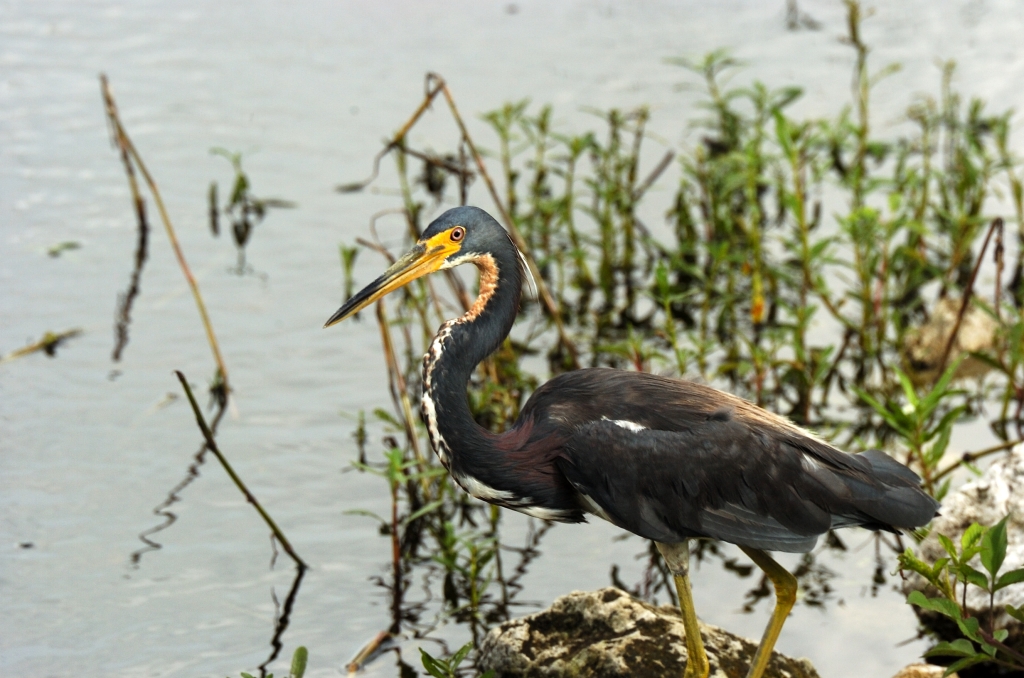
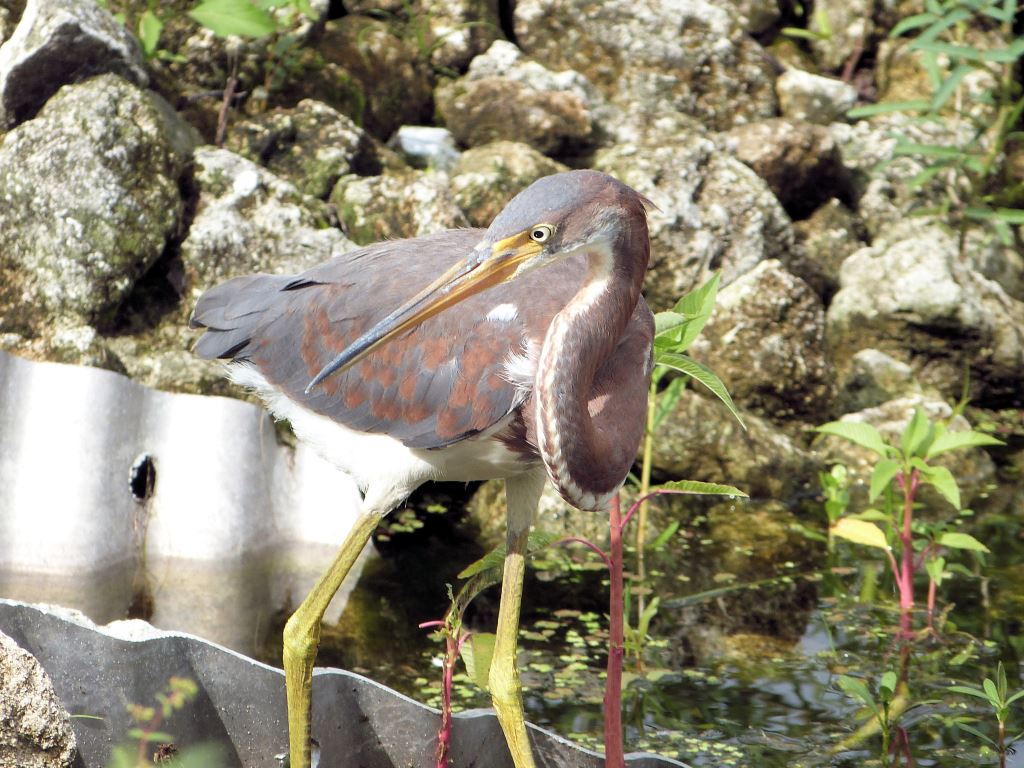
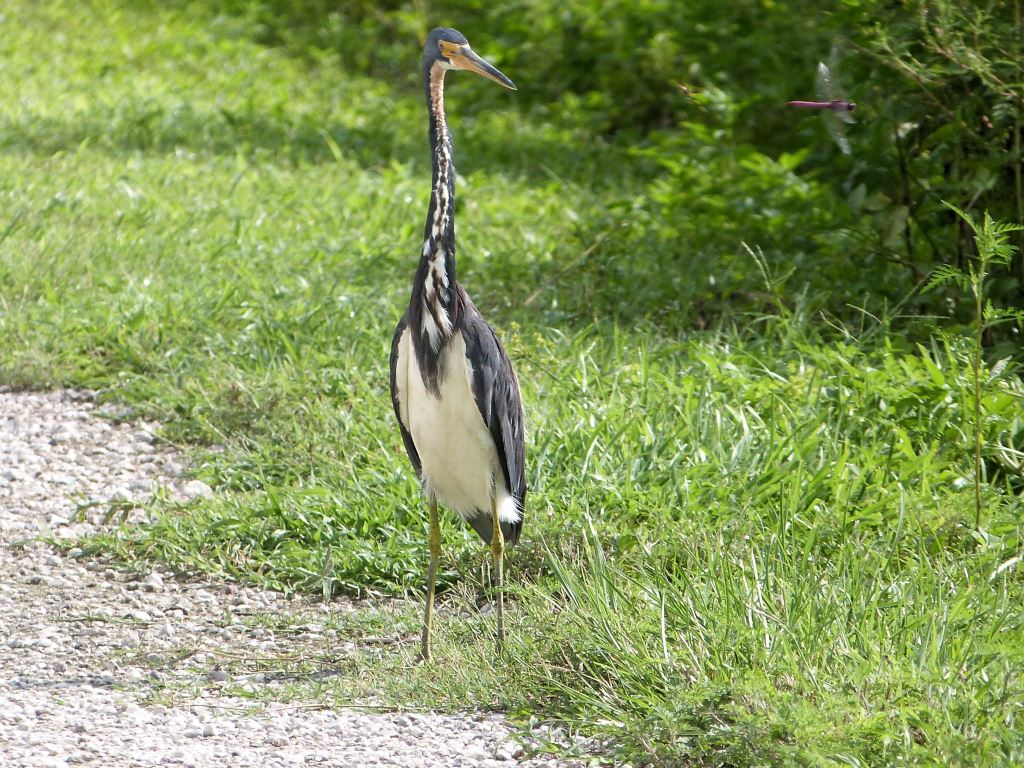
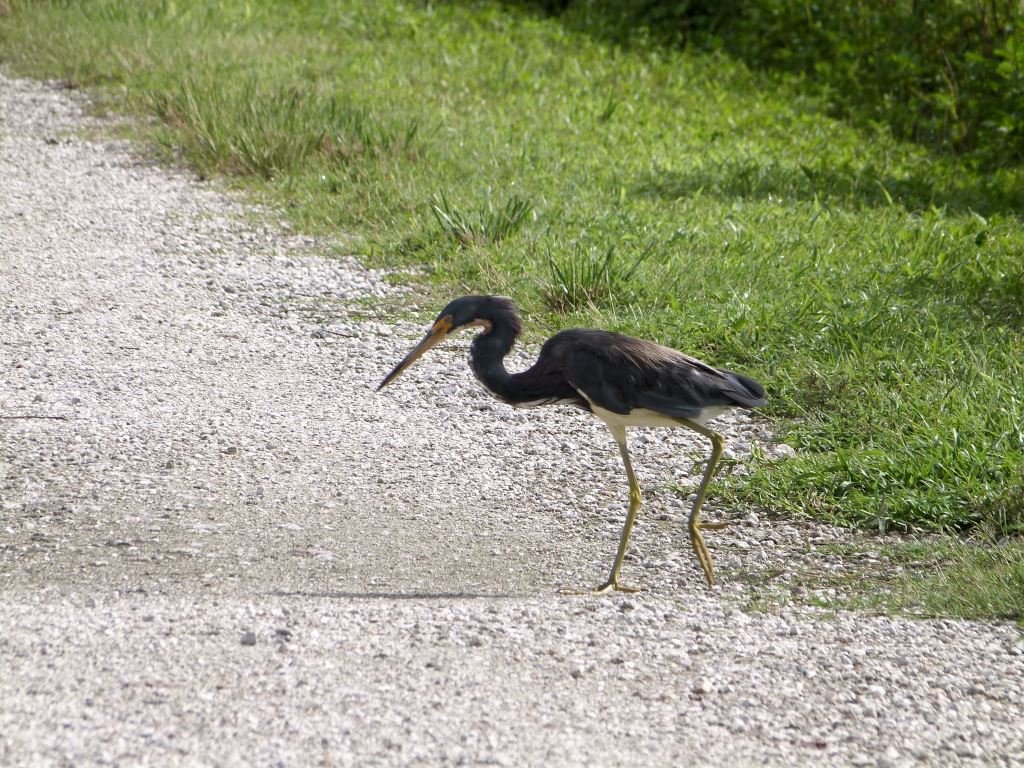
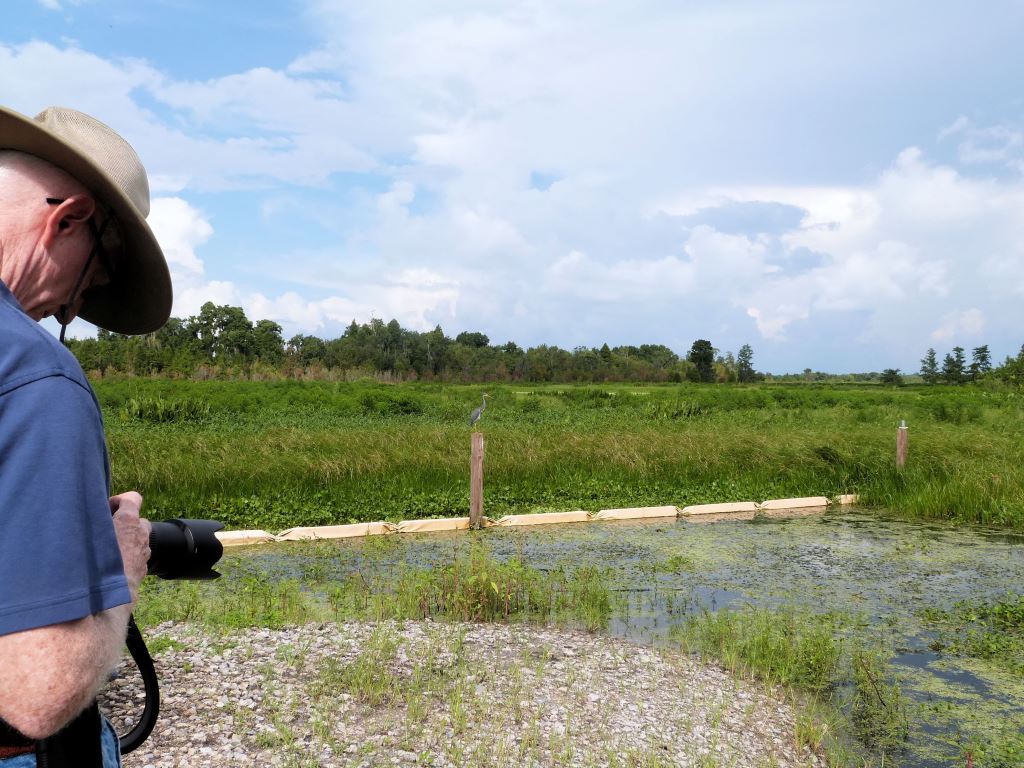
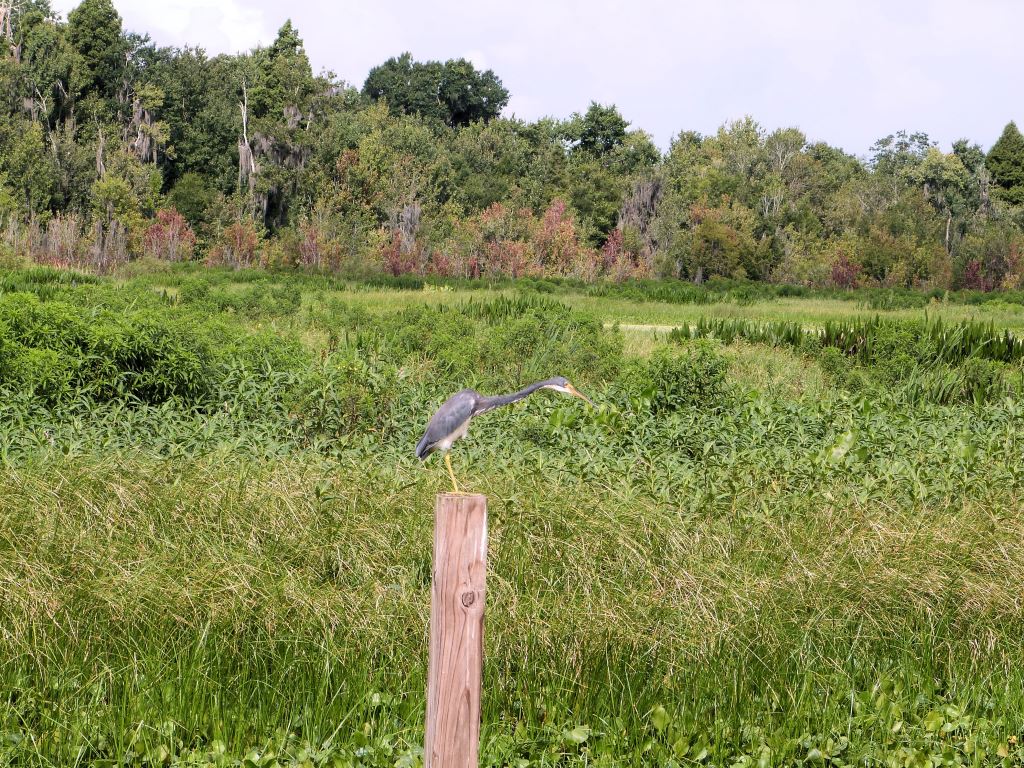
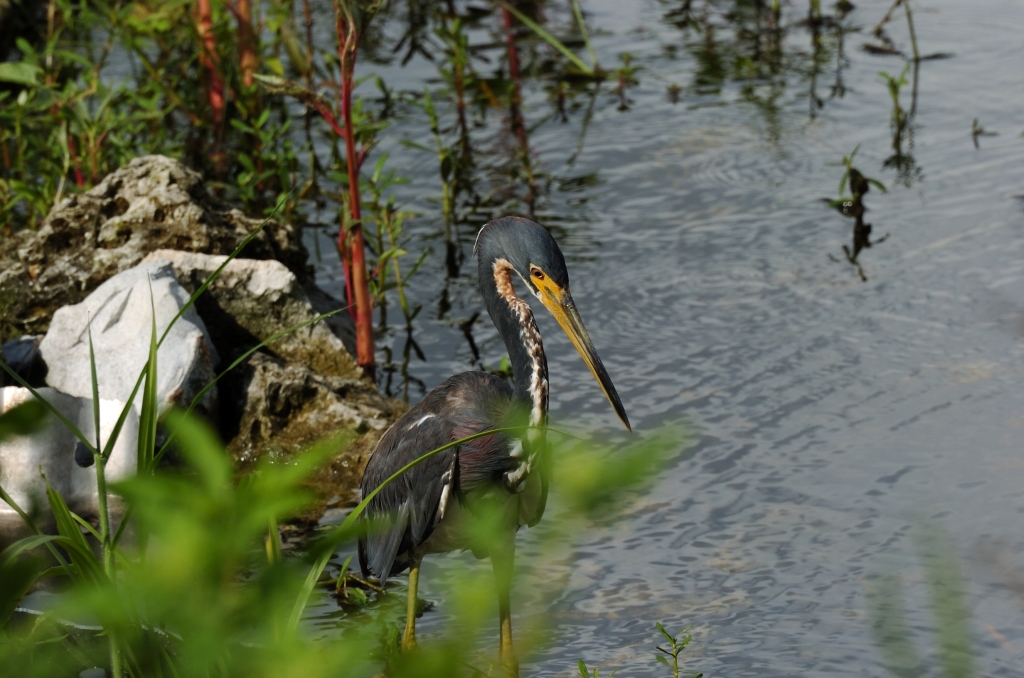
Tricolored Heron Juvenile by Dan at Circle B

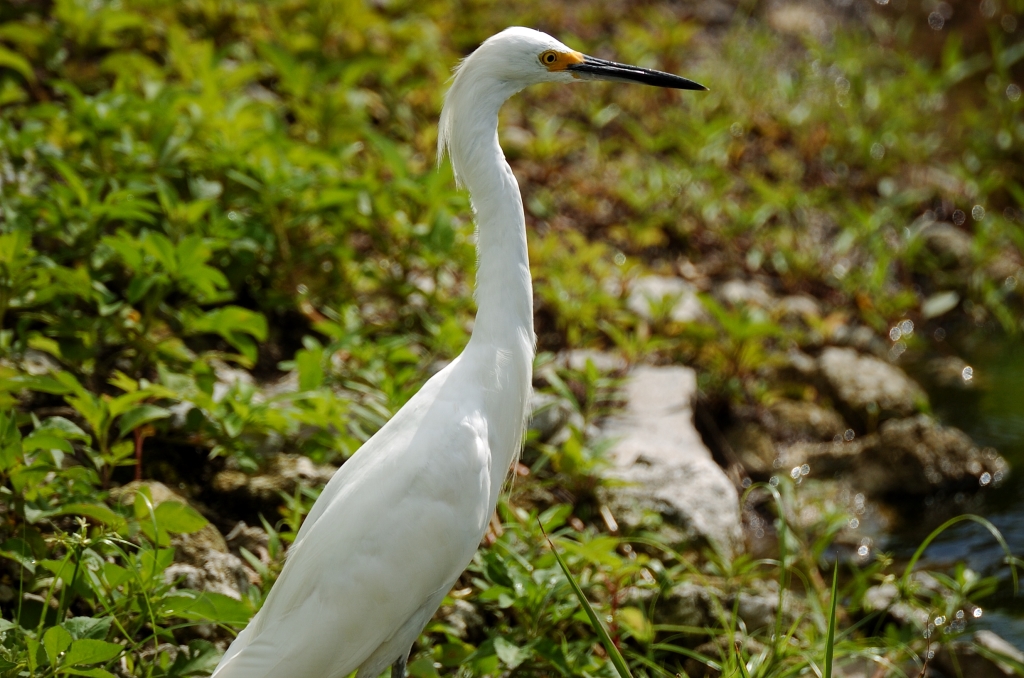
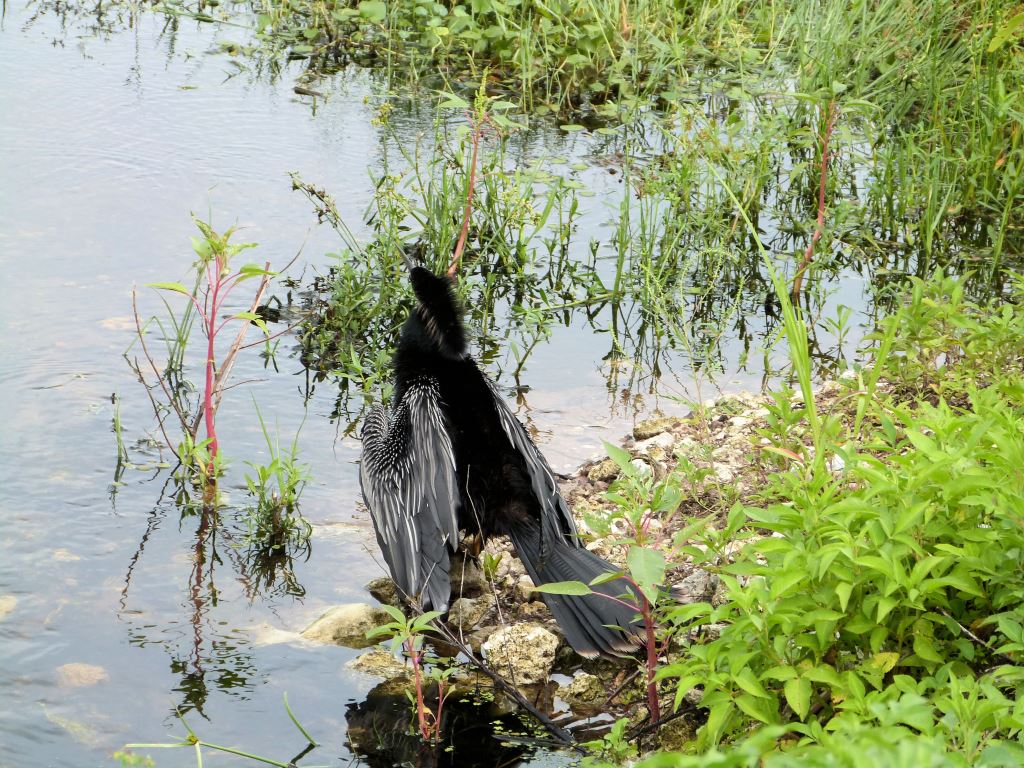
The last post had my photos and videos from our trip to Circle B Bar Reserve (Circle B After Recent Rains) . Today, I am showing you the GOOD ONES! These were taken by Dan.

Also, I am adding his photos from the shore at MacDill AFB on Tampa Bay. The names were added by me and some are uncertain. I know many of you who visit this blog are better at naming birds than we are. Identifying shorebirds is still in the beginning stages for us, though I “think” I know what these are. So, If you can help, please leave a comment.

I have searched my books for Dan’s #19, and can’t find it. It must be an immature.

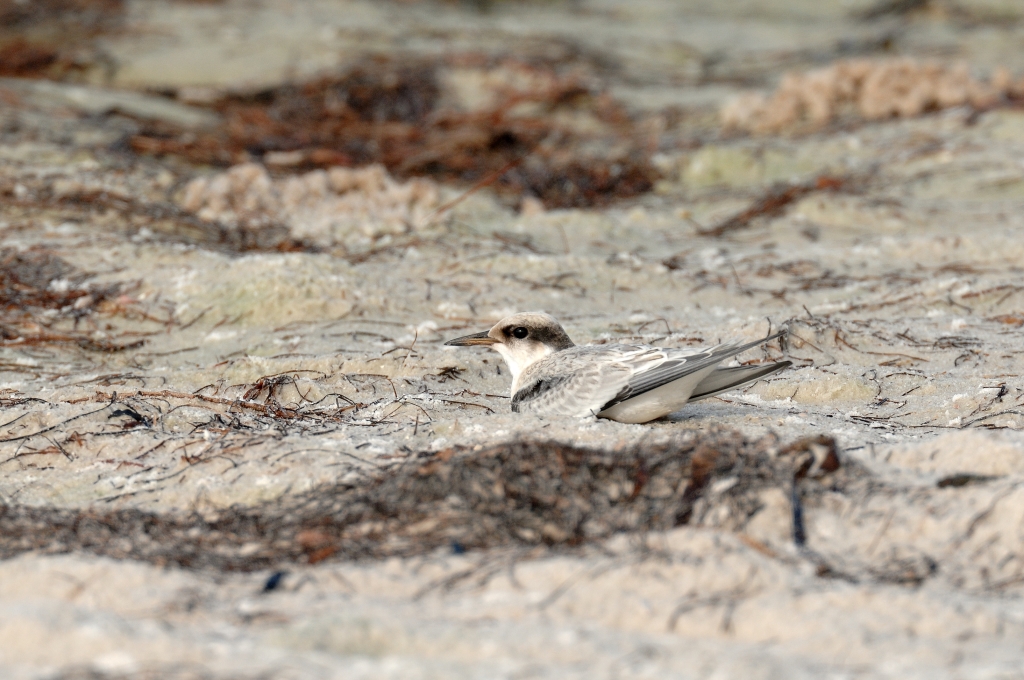
Unknown by Dan MacDill Shore 2014 (19)

Unknown by Dan MacDill Shore 2014 (19)

When the photos I took on this recent trip are blogged about, it would be nice to have proper names on the birds. (At least most of them.)

Enjoy Dan’s photos. He is the one that takes the great ones. You can also visit his website at Dan’s Pix.

*

But these are they of which ye shall not eat: the eagle, and the ossifrage, and the osprey, (Deuteronomy 14:12 KJV)

And the stork, the heron after her kind, and the lapwing, and the bat. (Leviticus 11:19)

I am like a pelican of the wilderness; I am like an owl of the desert. (Psalms 102:6 NKJV)

See:

Circle B After Recent Rains

Dan’s Pix

Birdwatching Trips

Birdwatching Trips – Circle B Bar Reserve, FL

Birds of the Bible – Herons – PelicansOsprey Sea Gulls

Good News Tracts

*

Circle B After Recent Rains

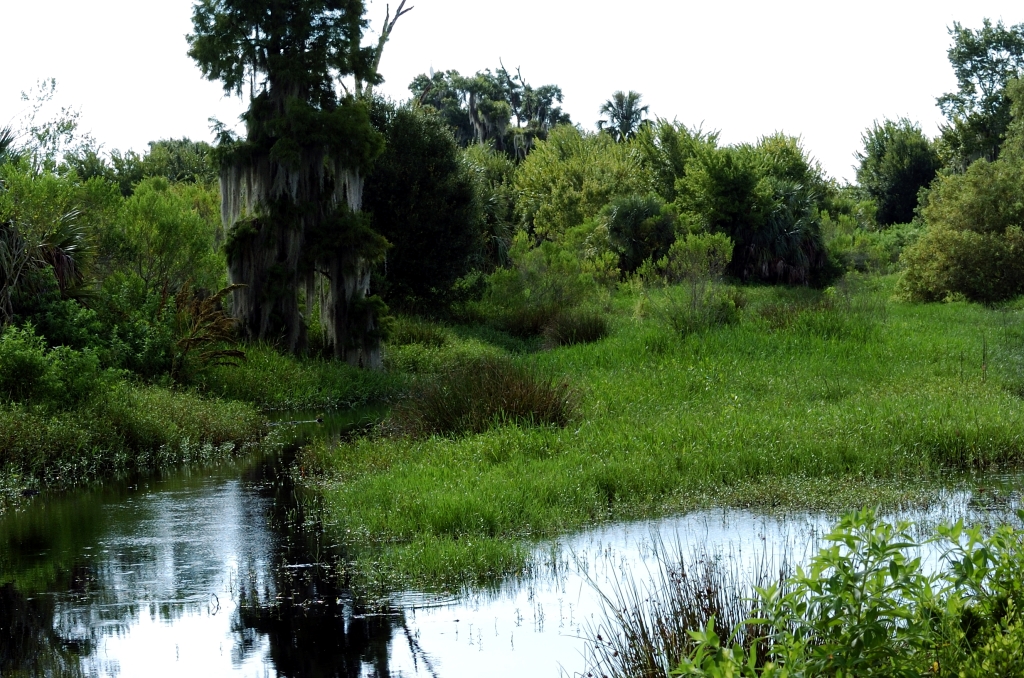
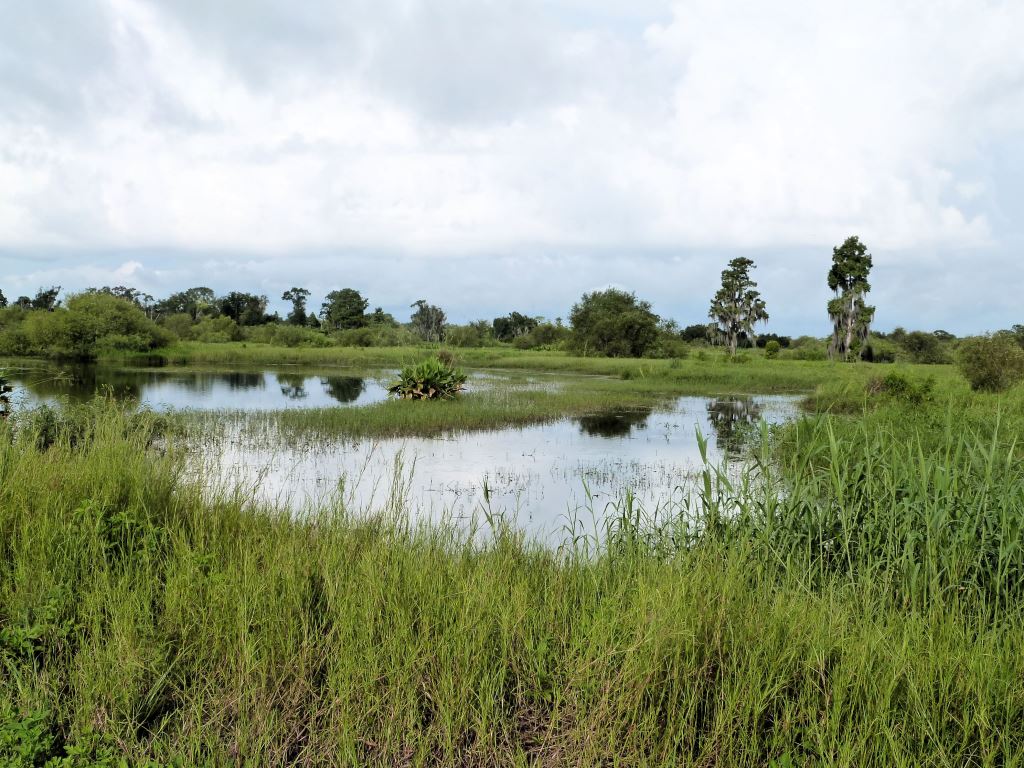
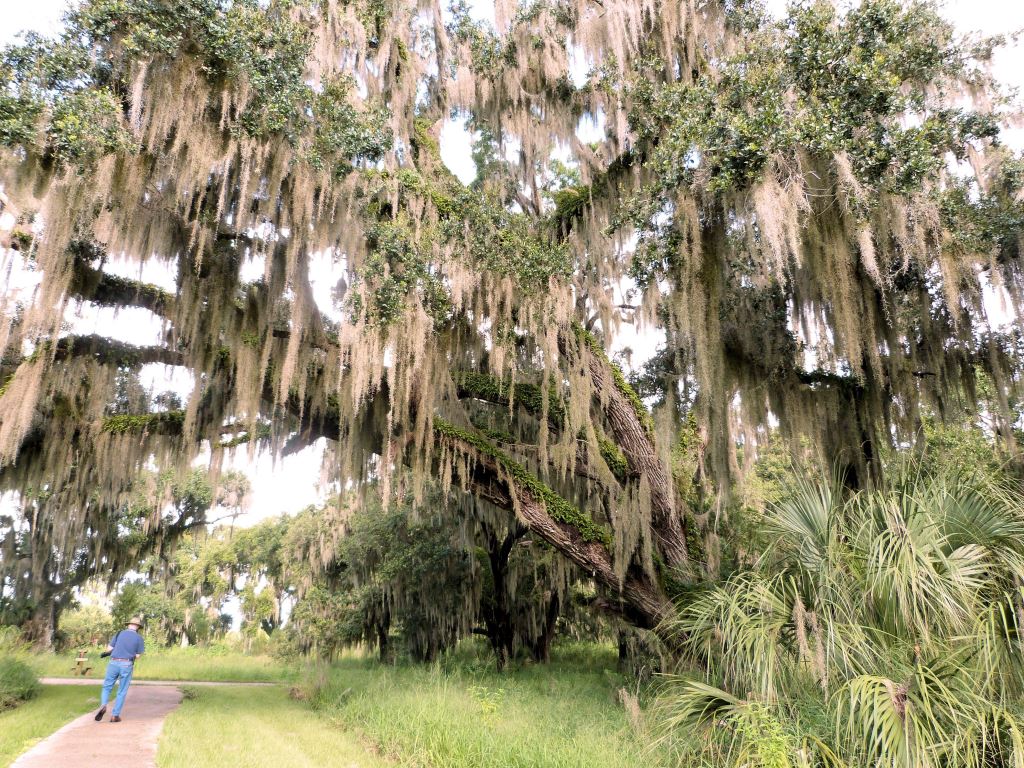
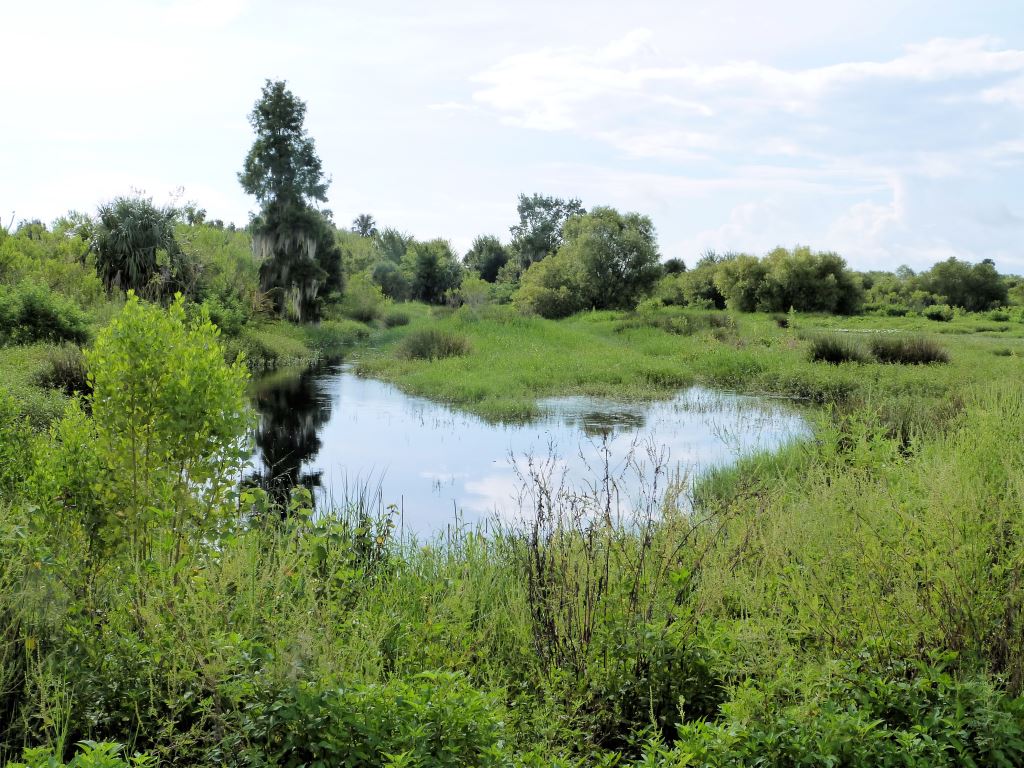
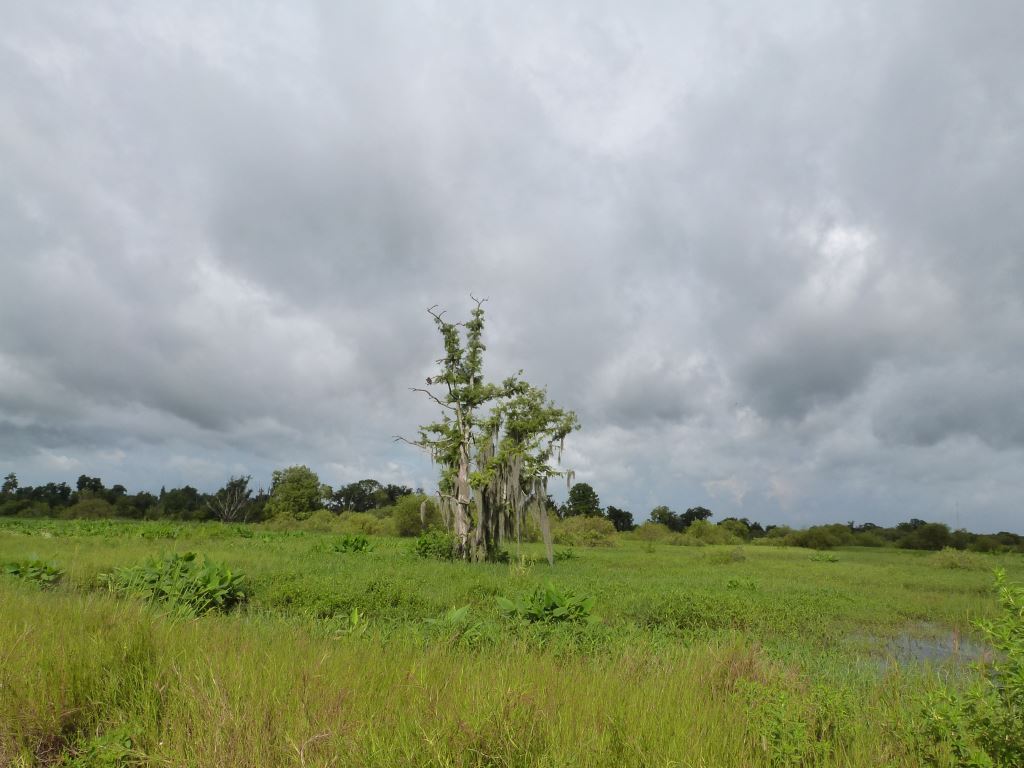
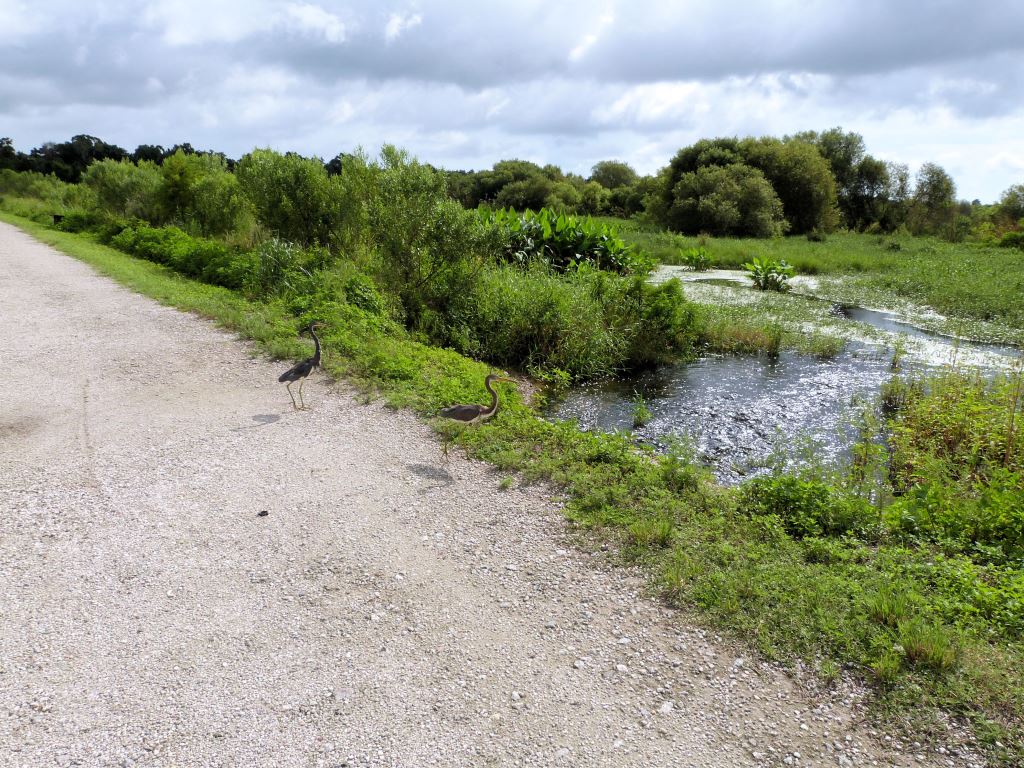
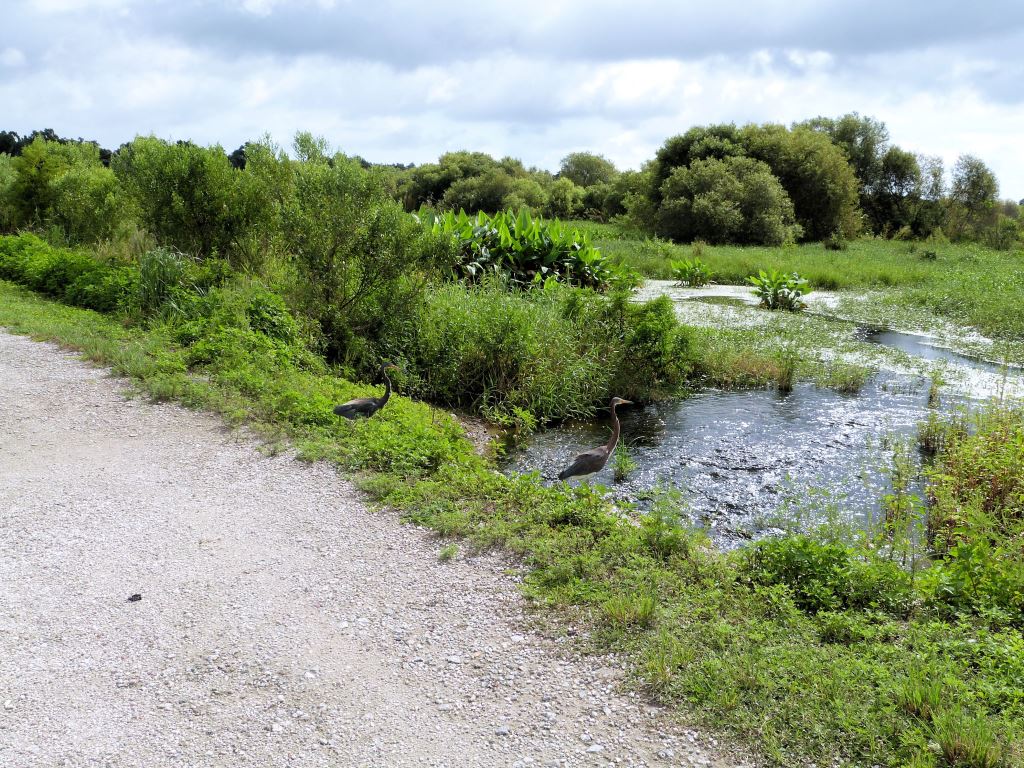
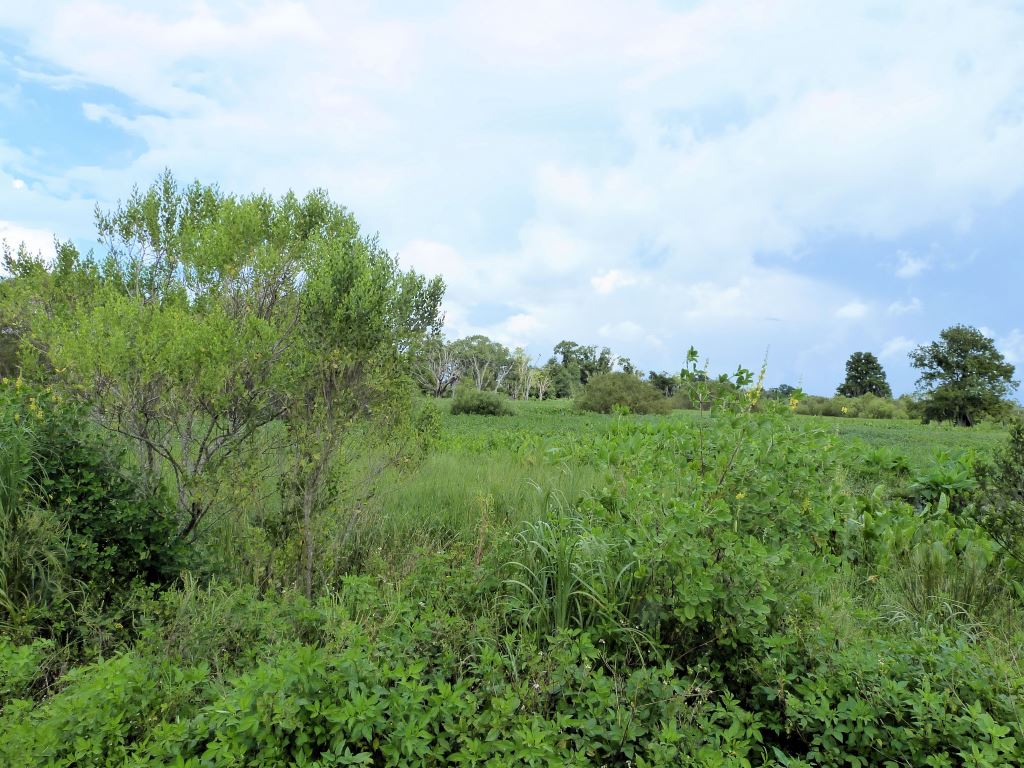
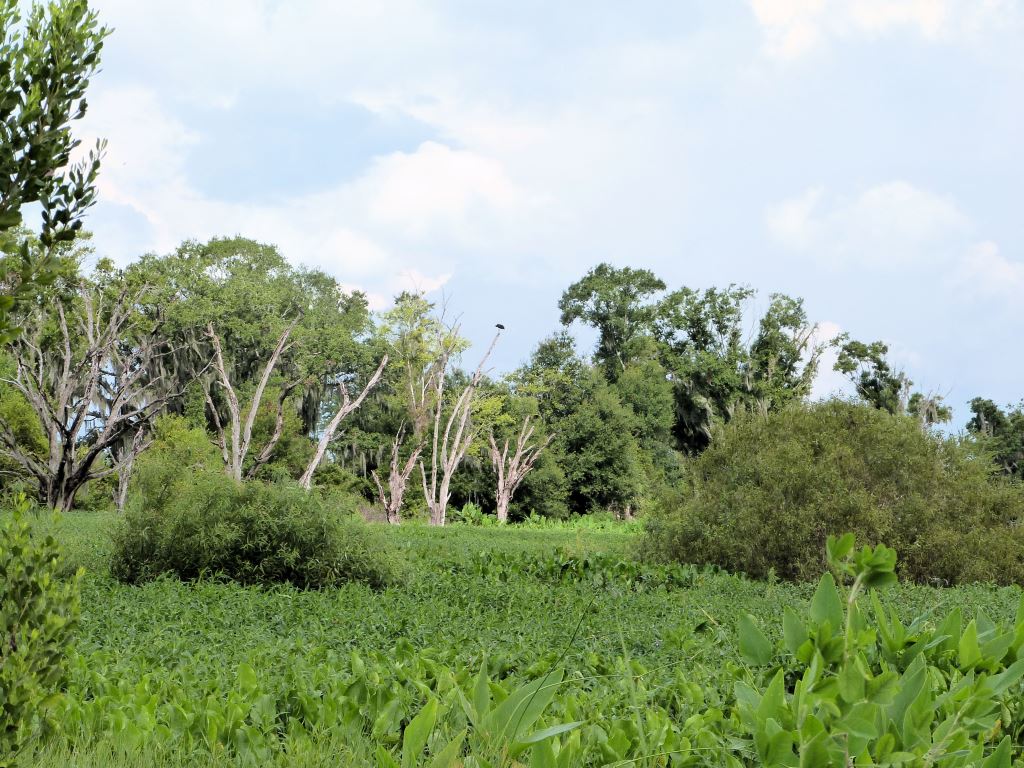
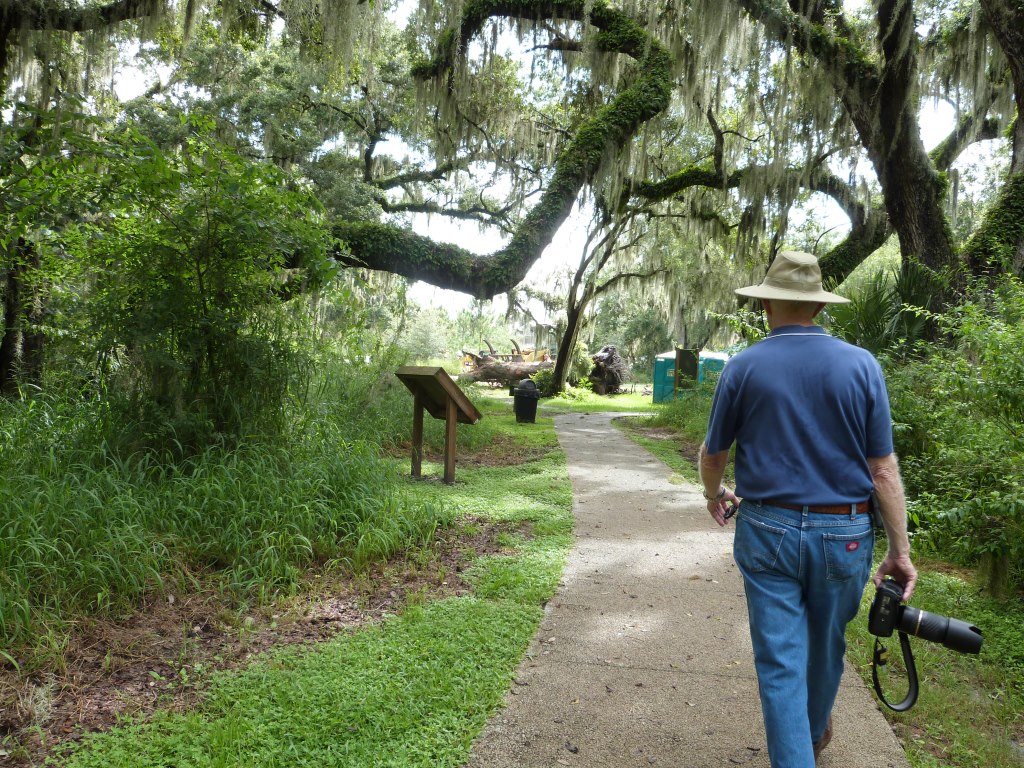
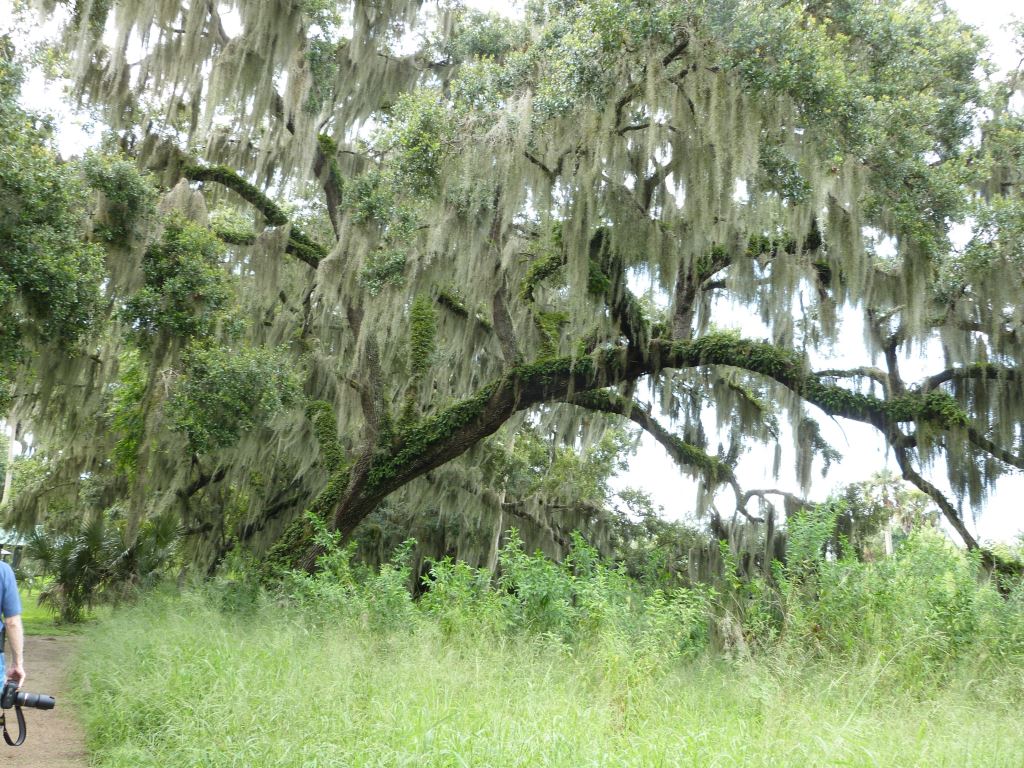
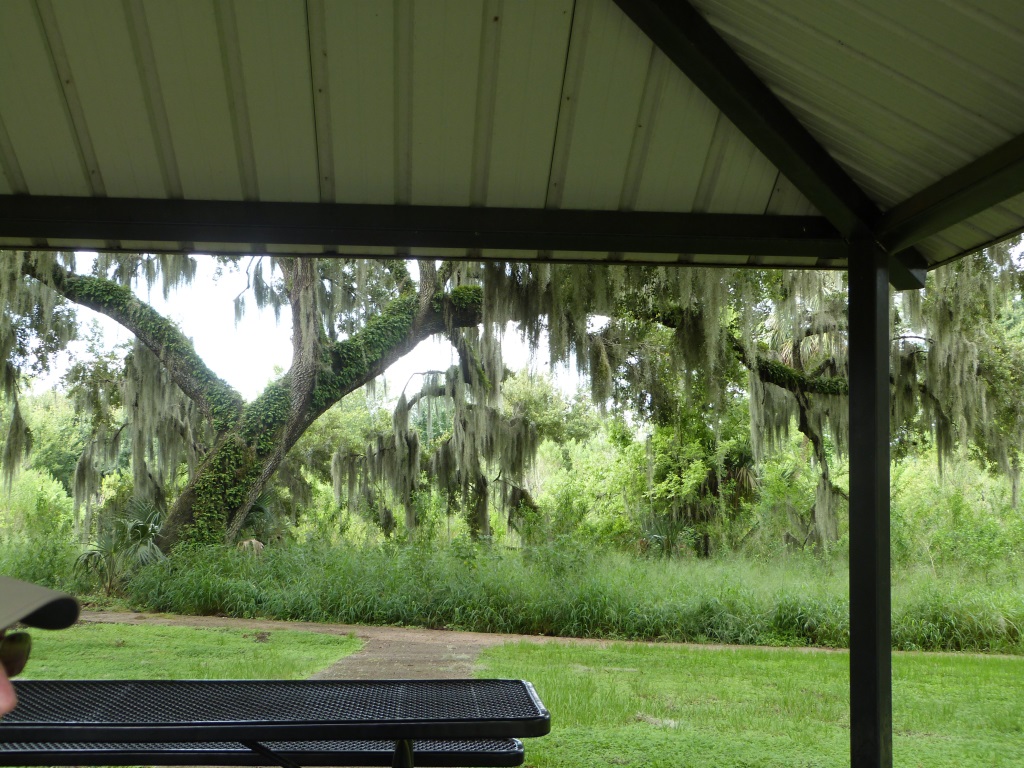
On Wednesday morning, July 16th, we decided to go out to Circle B Bar Reserve and see how the water levels were doing. We have had quite a bit of rain recently and figured that it had to be better than last time. It was quite dry then.

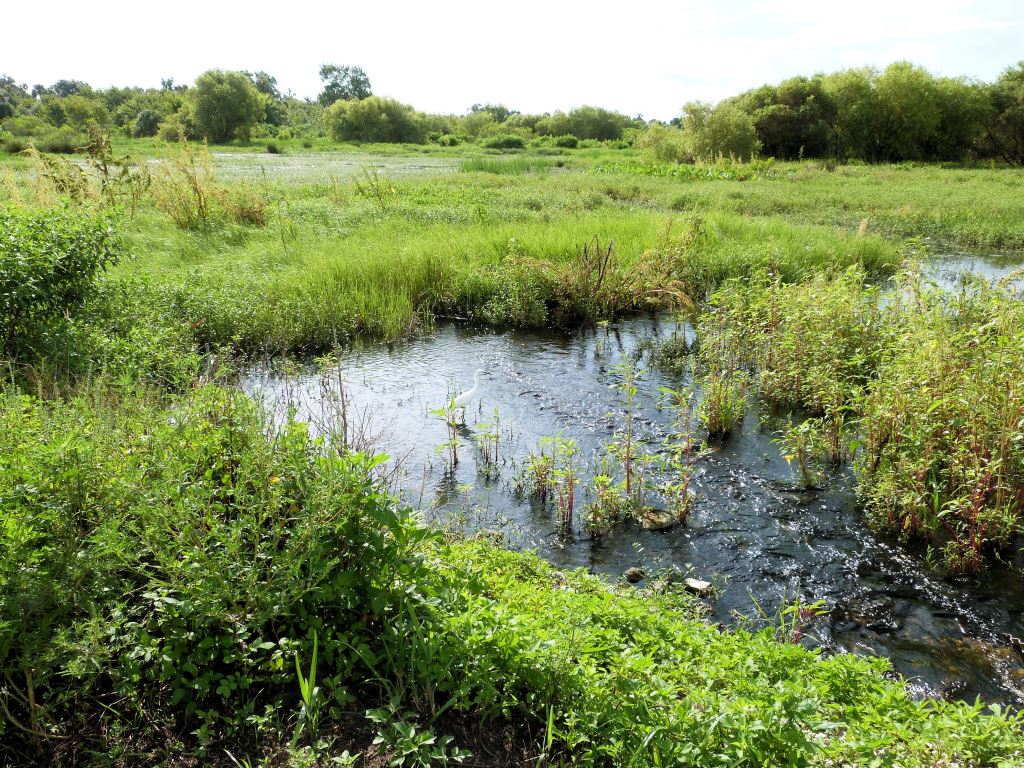
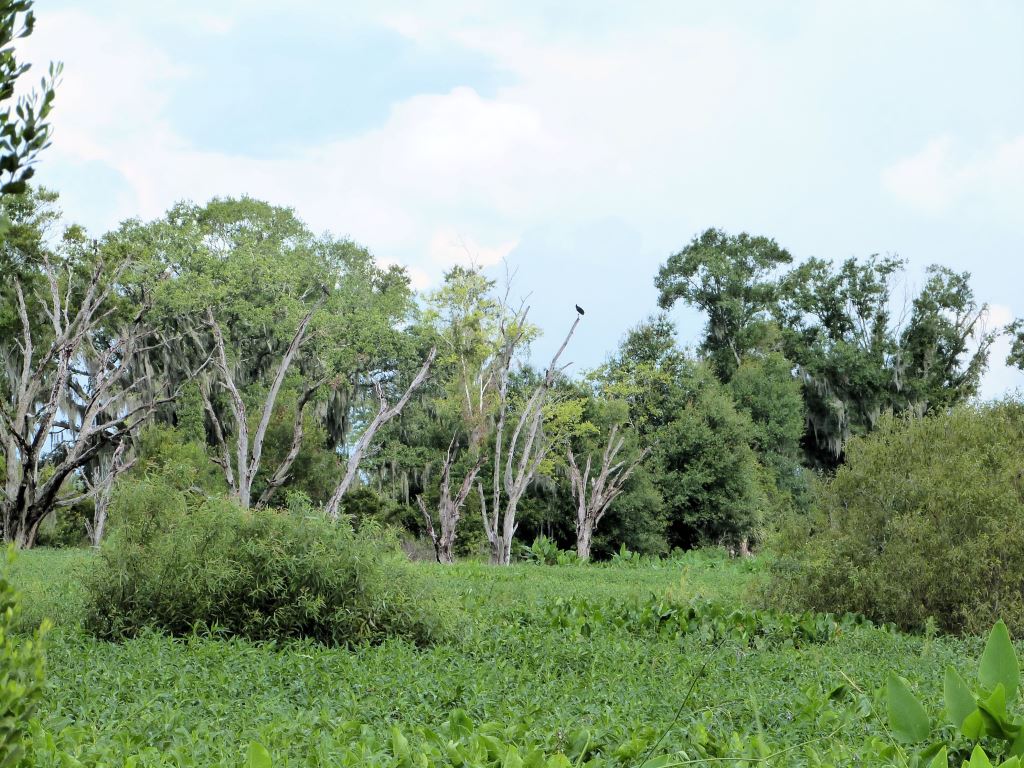
We were not disappointed. The marsh actually looked like a marsh for a change. There weren’t too many birds, but then again this time of the year most are up north.

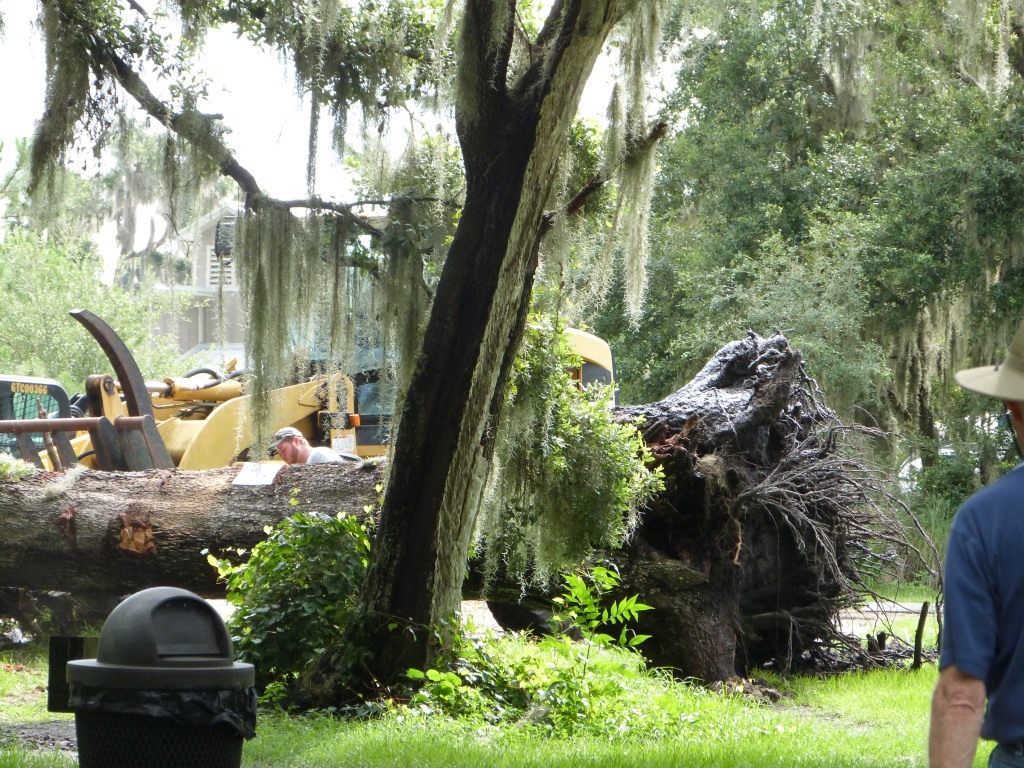
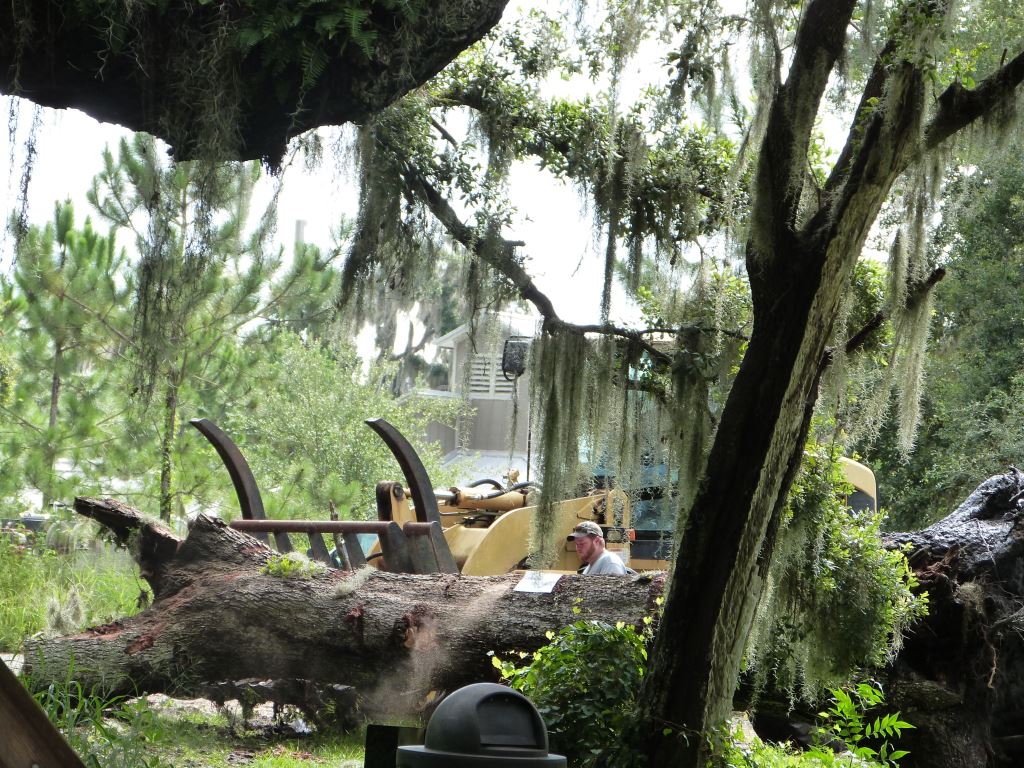
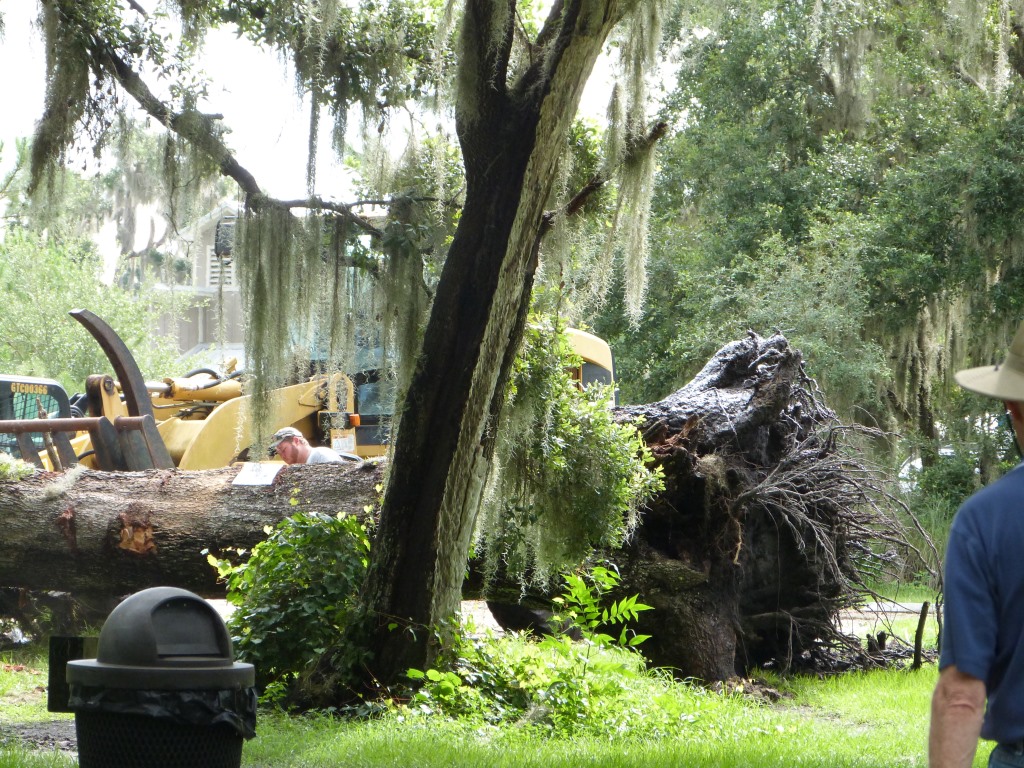
Removing the huge fallen Oak tree at Circle B

Removing the huge fallen Oak tree at Circle B

If the clouds are full of rain, They empty themselves upon the earth; And if a tree falls to the south or the north, In the place where the tree falls, there it shall lie. He who observes the wind will not sow, And he who regards the clouds will not reap. As you do not know what is the way of the wind, Or how the bones grow in the womb of her who is with child, So you do not know the works of God who makes everything. (Ecclesiastes 11:3-5 NKJV)

We were greeted at the parking lot by a crew working on a huge oak tree that had fallen. They were removing it. Sure glad no cars had been parked there at the time it came down.

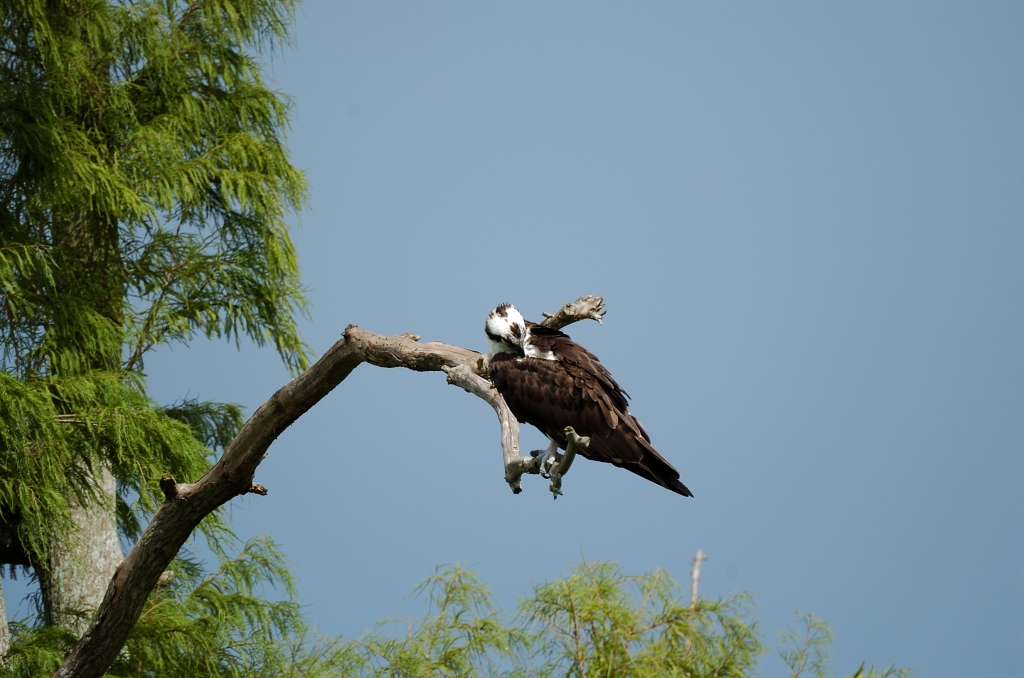
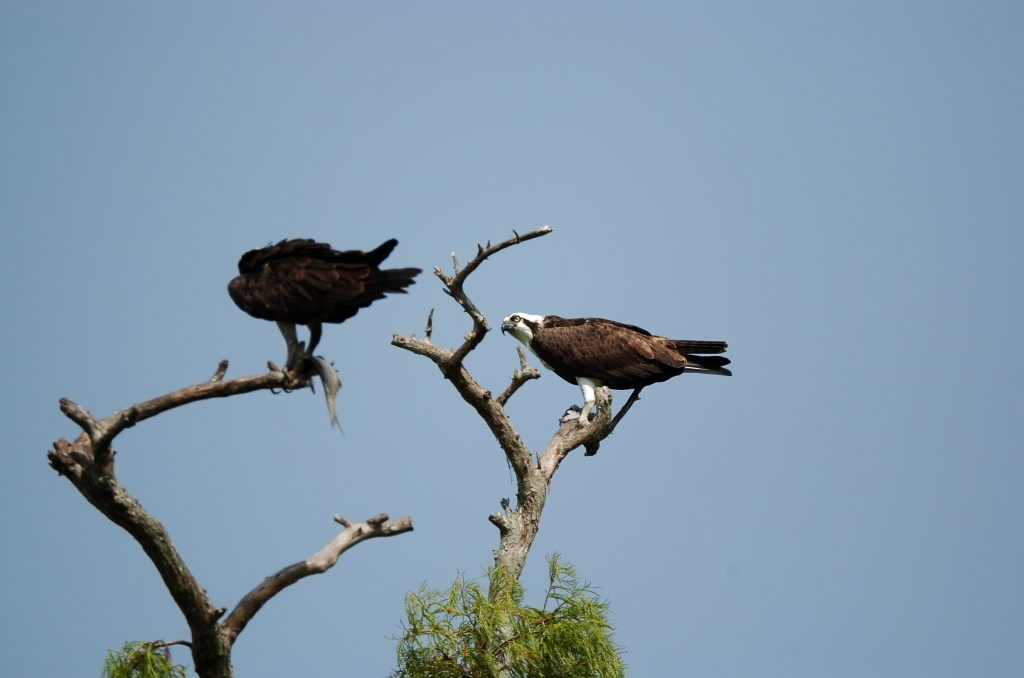
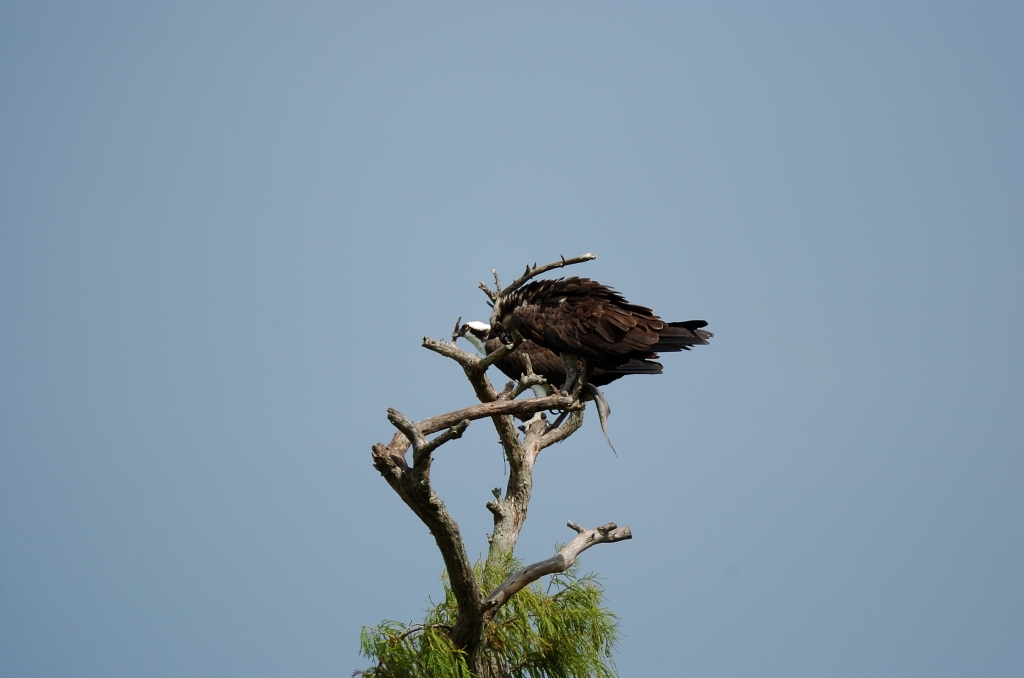
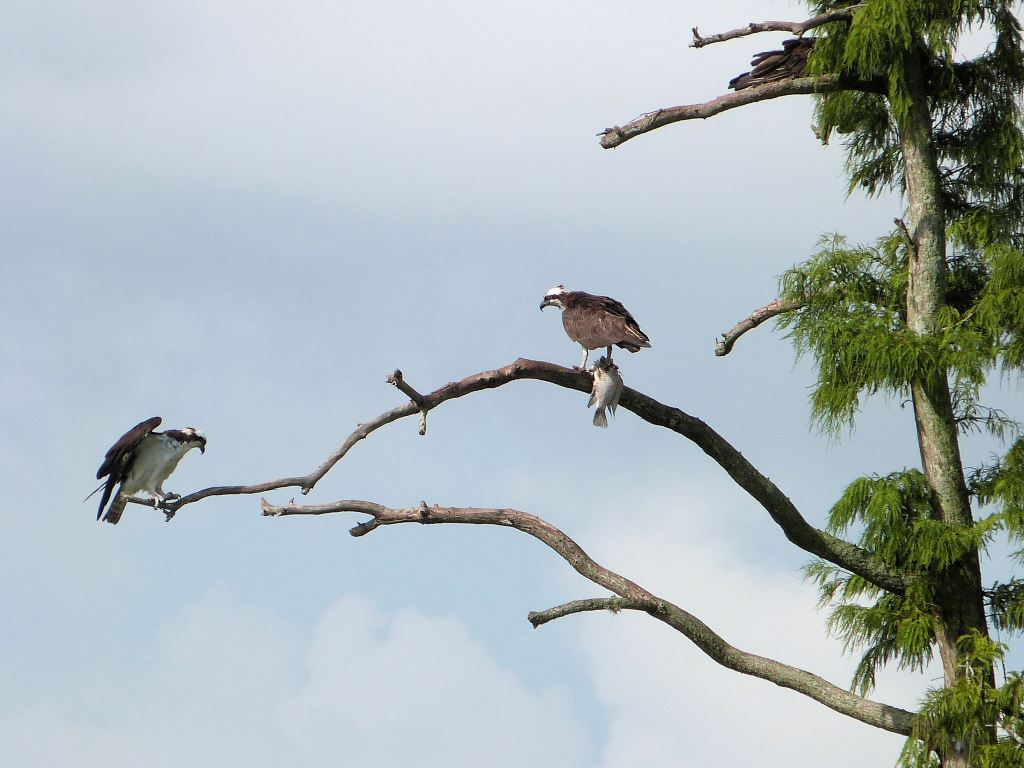
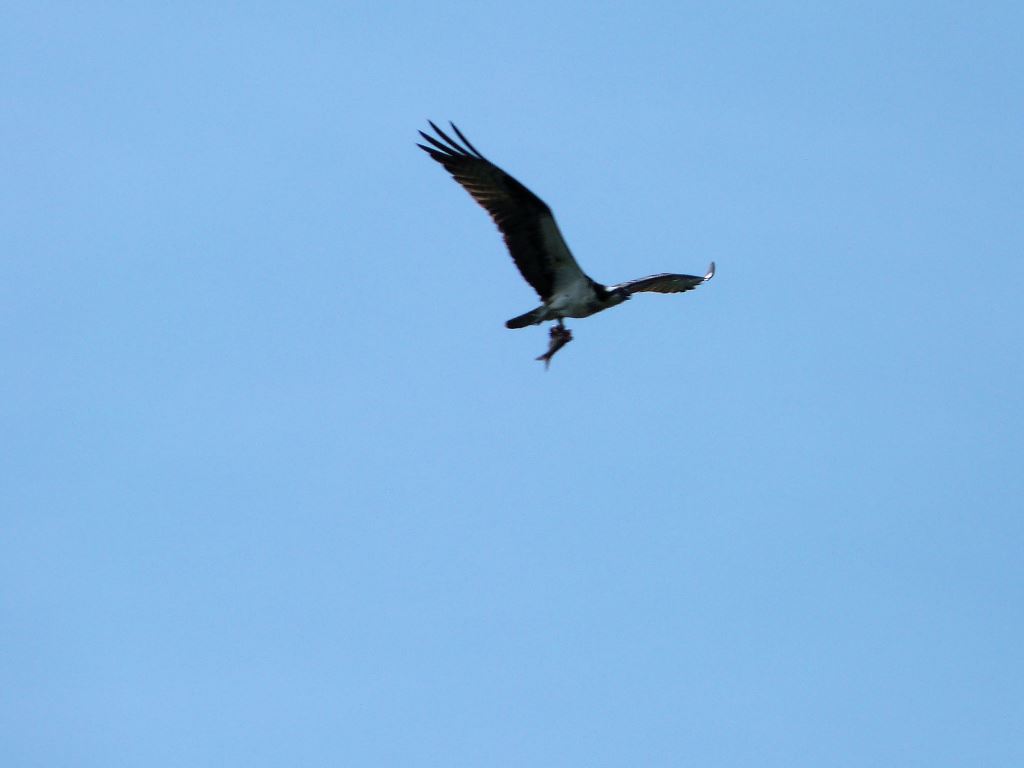
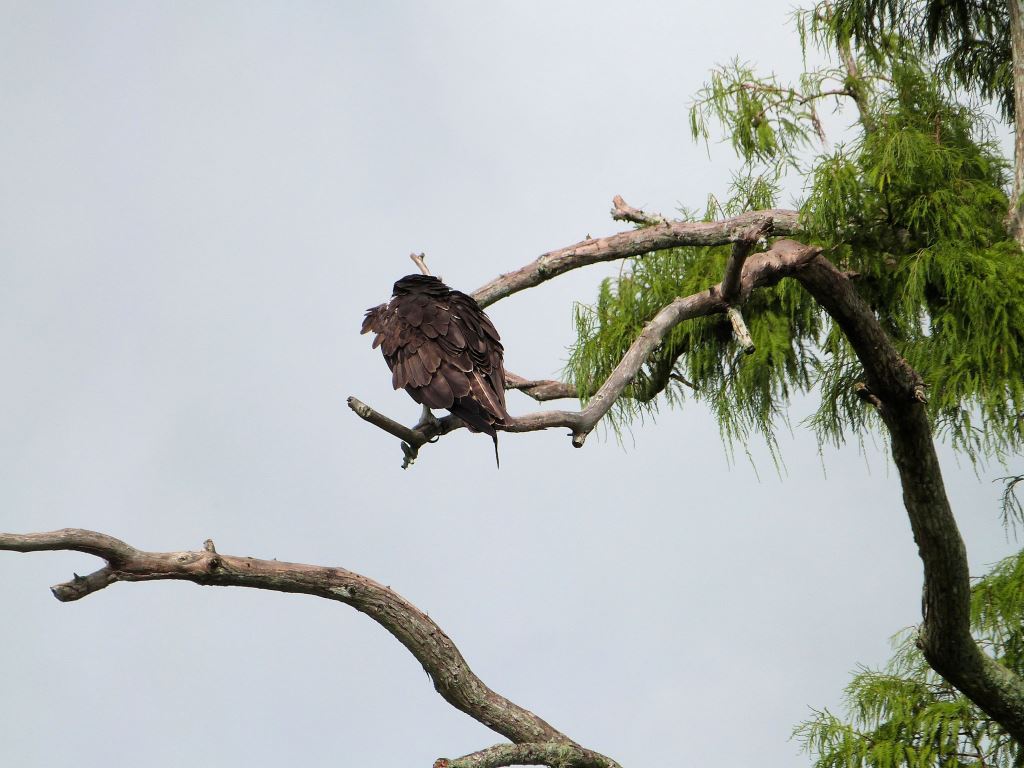
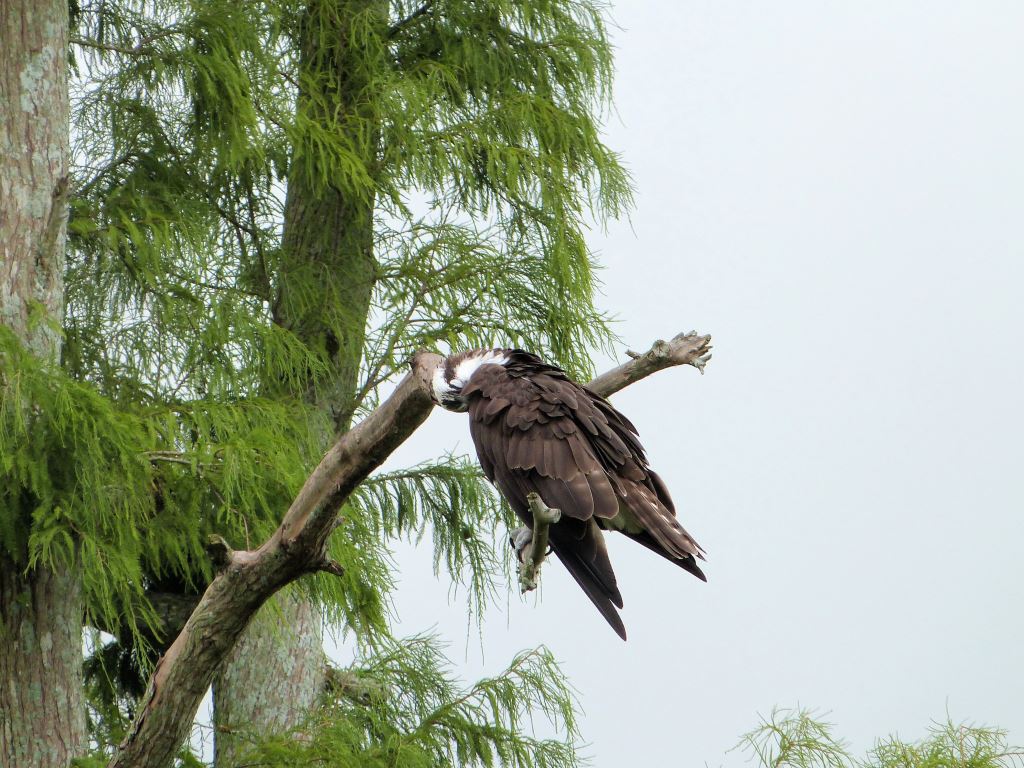
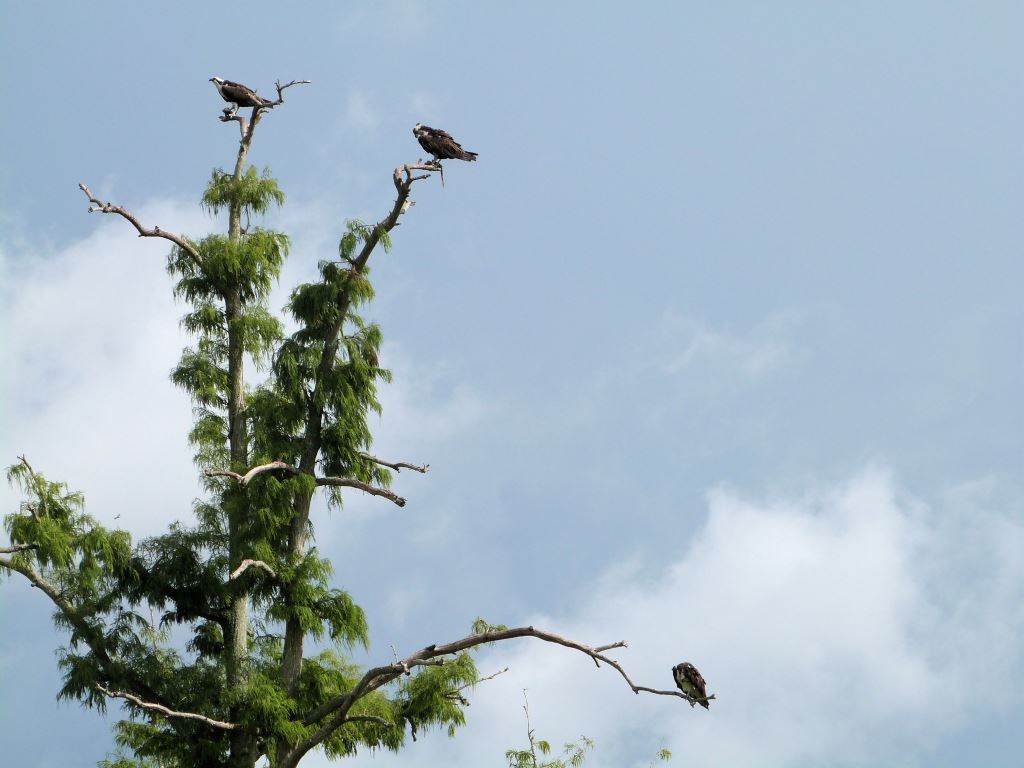
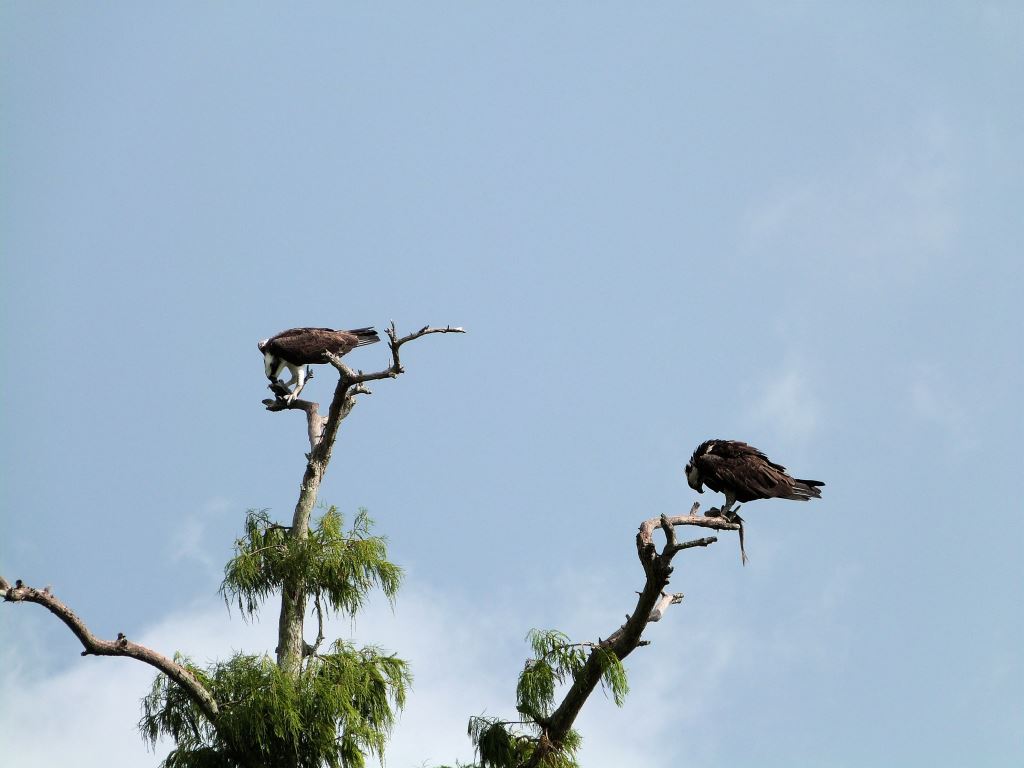
Western Osprey (Pandion haliaetus) With Fish

Western Osprey (Pandion haliaetus) With Fish

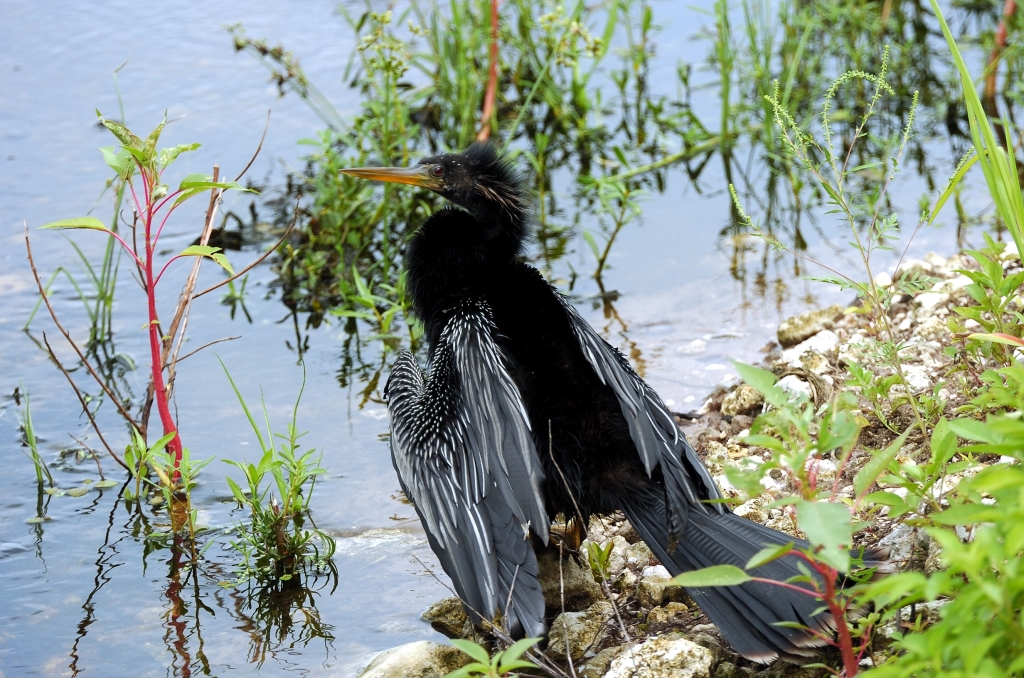
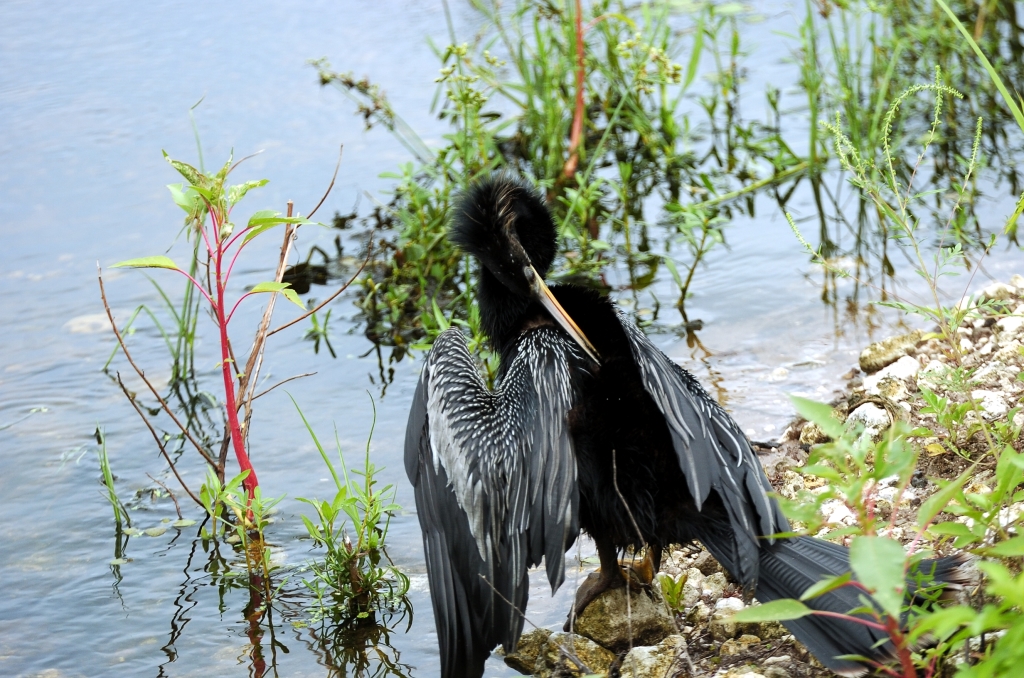
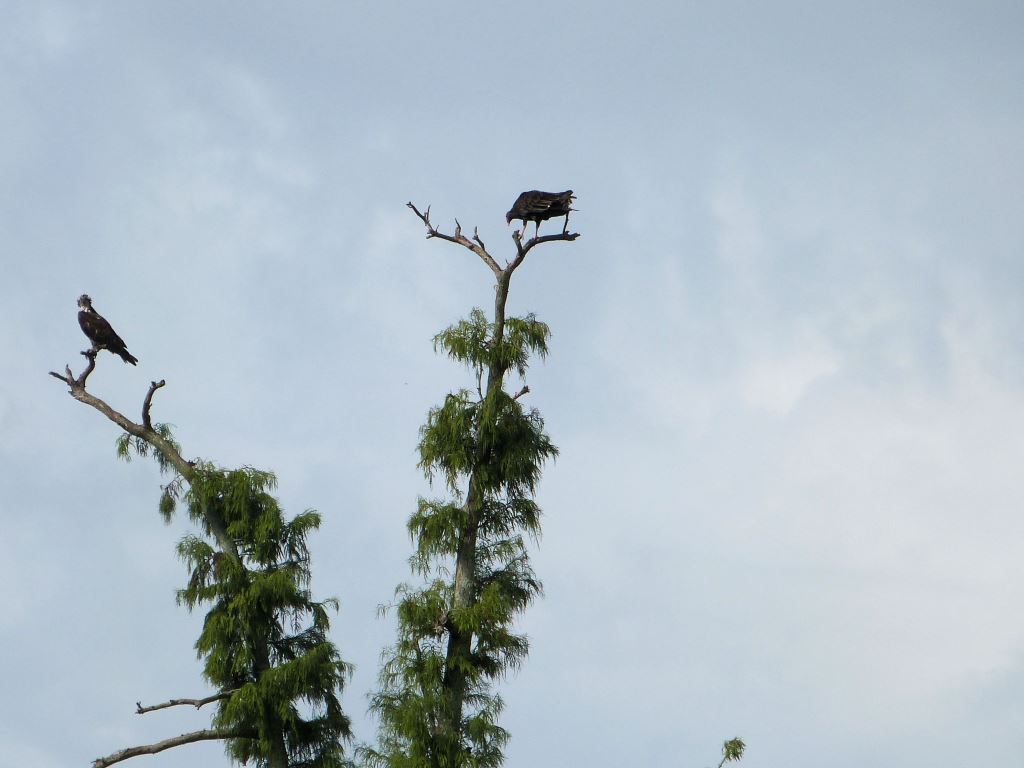
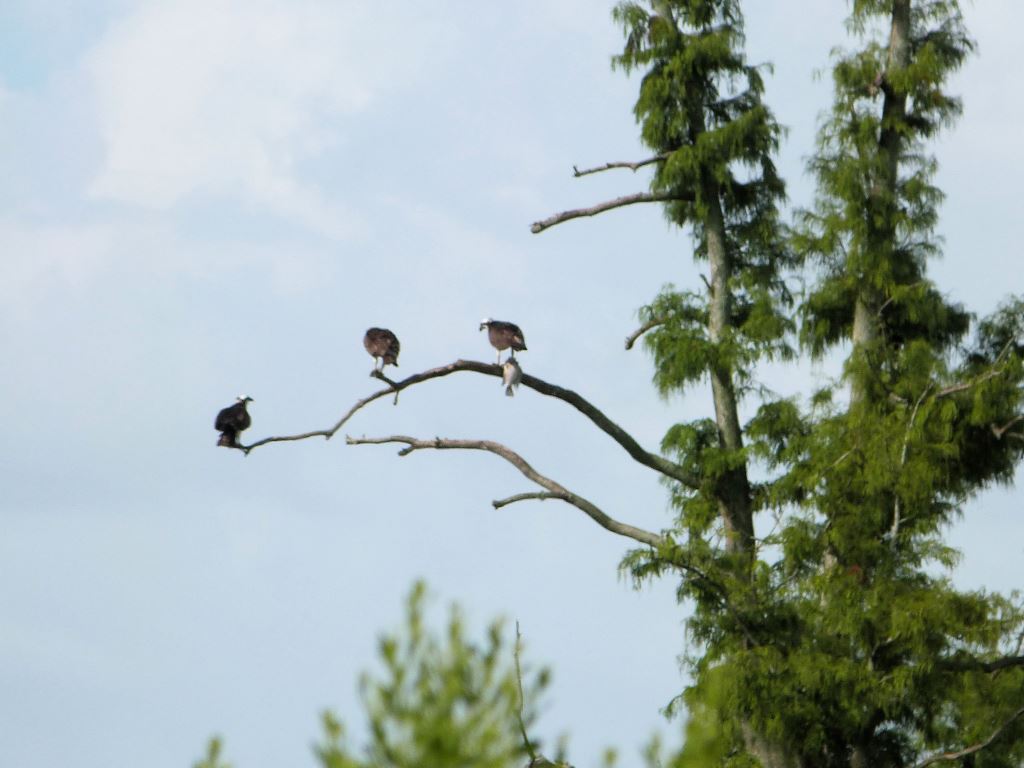
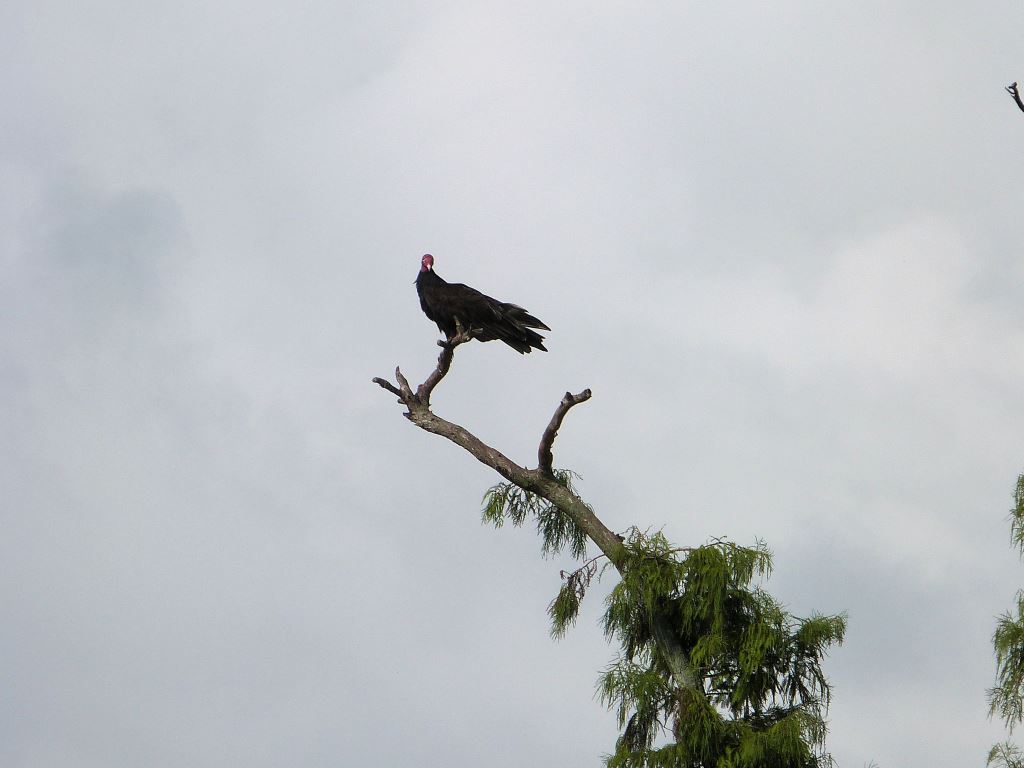
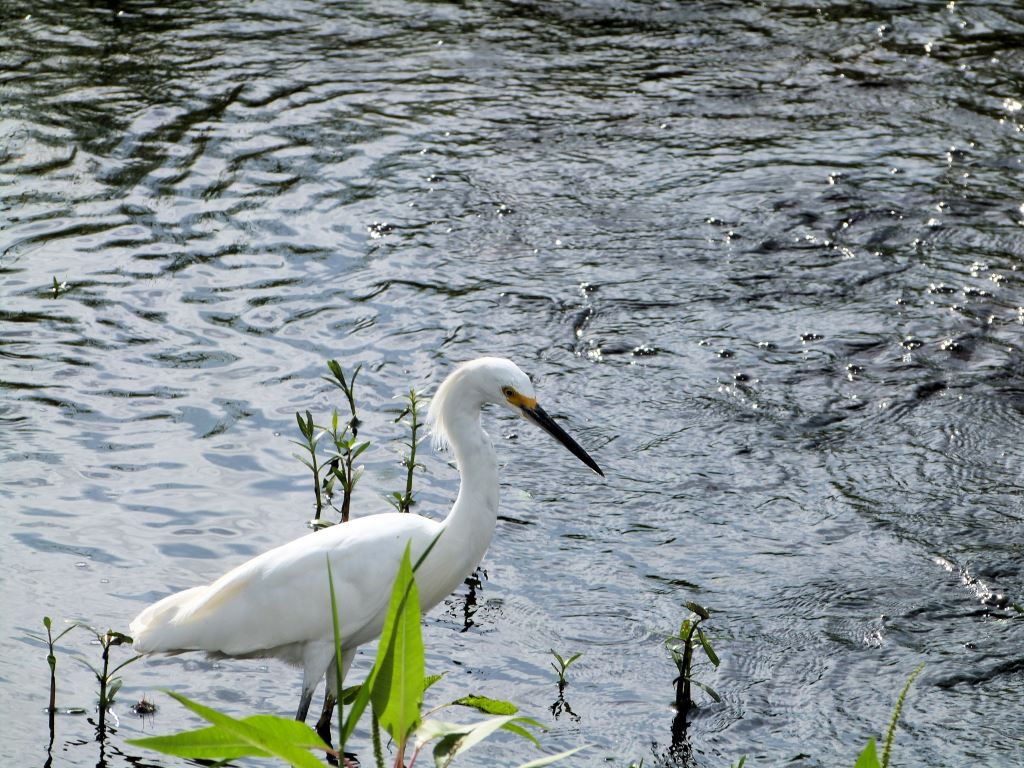
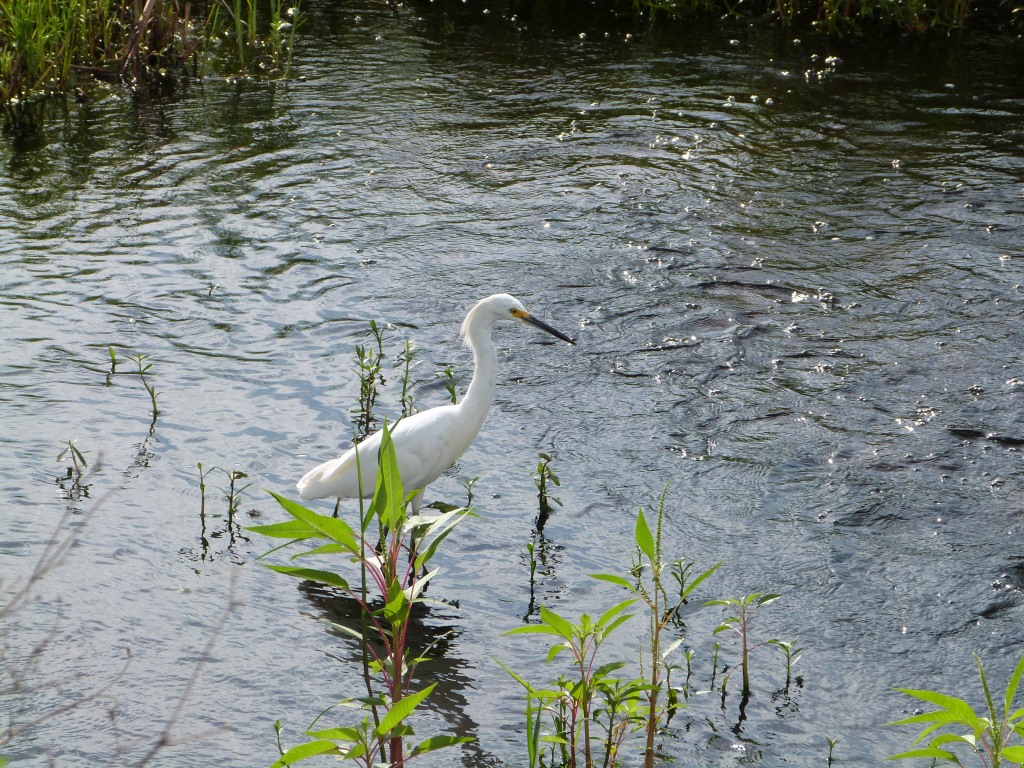
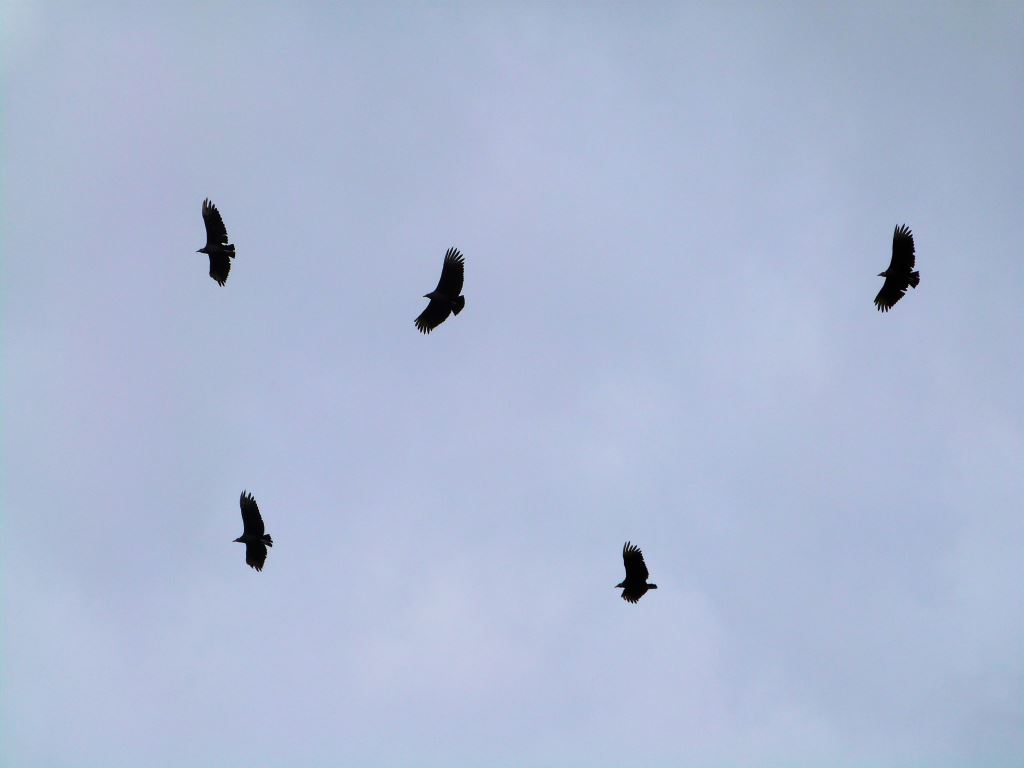
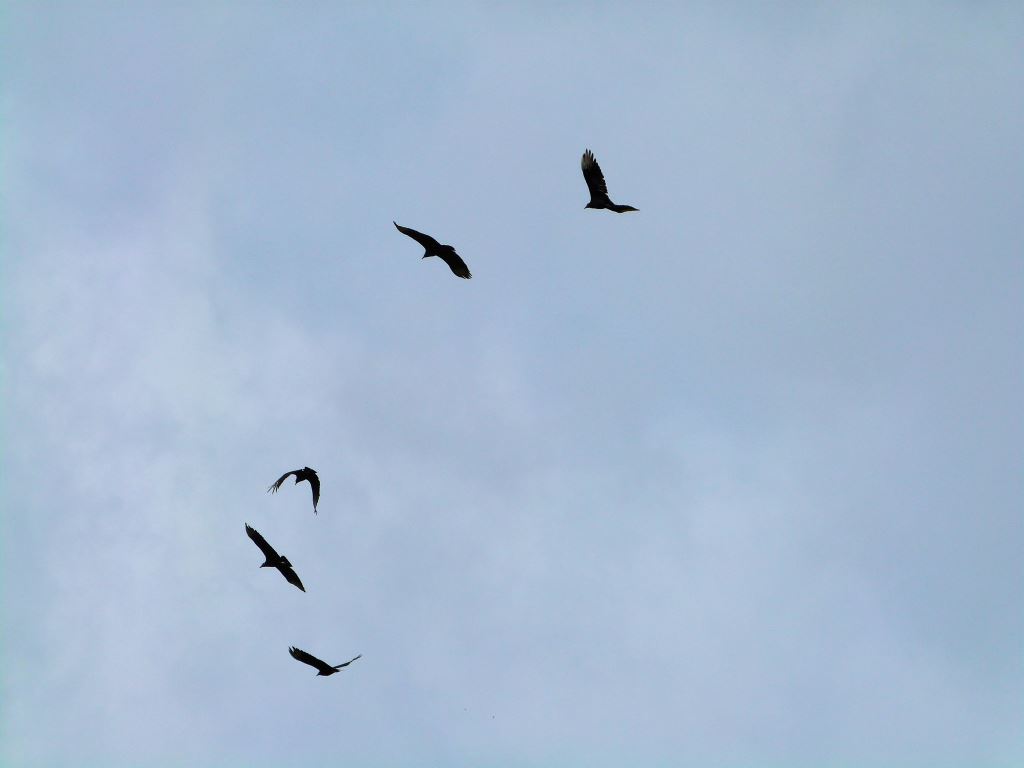
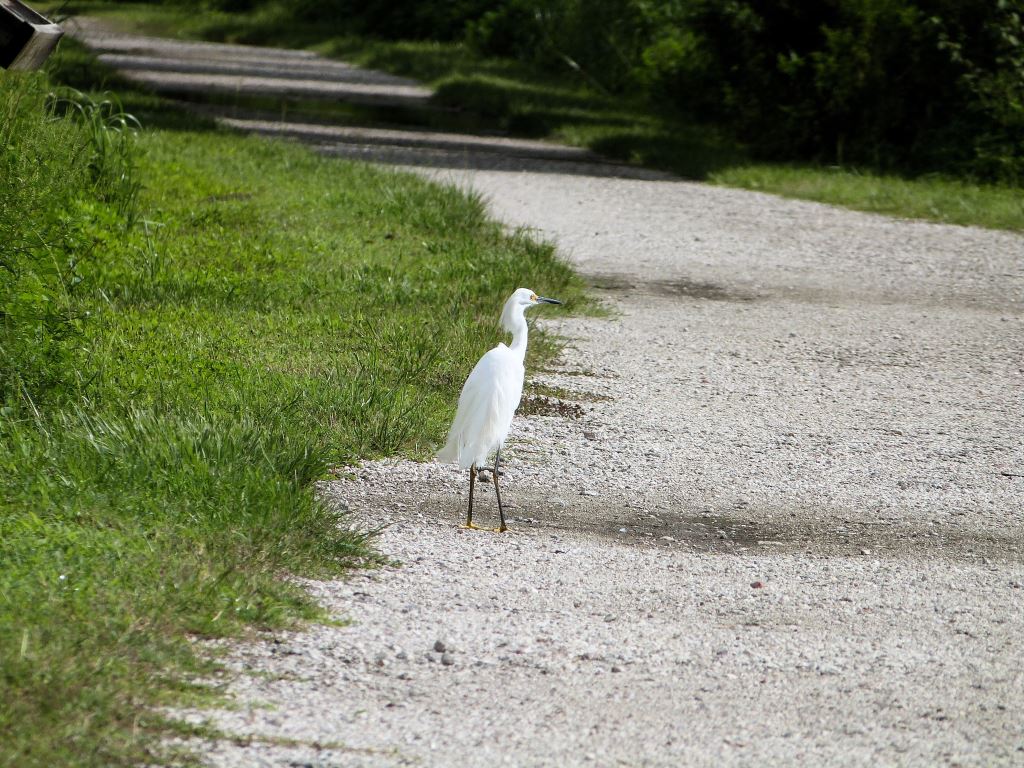
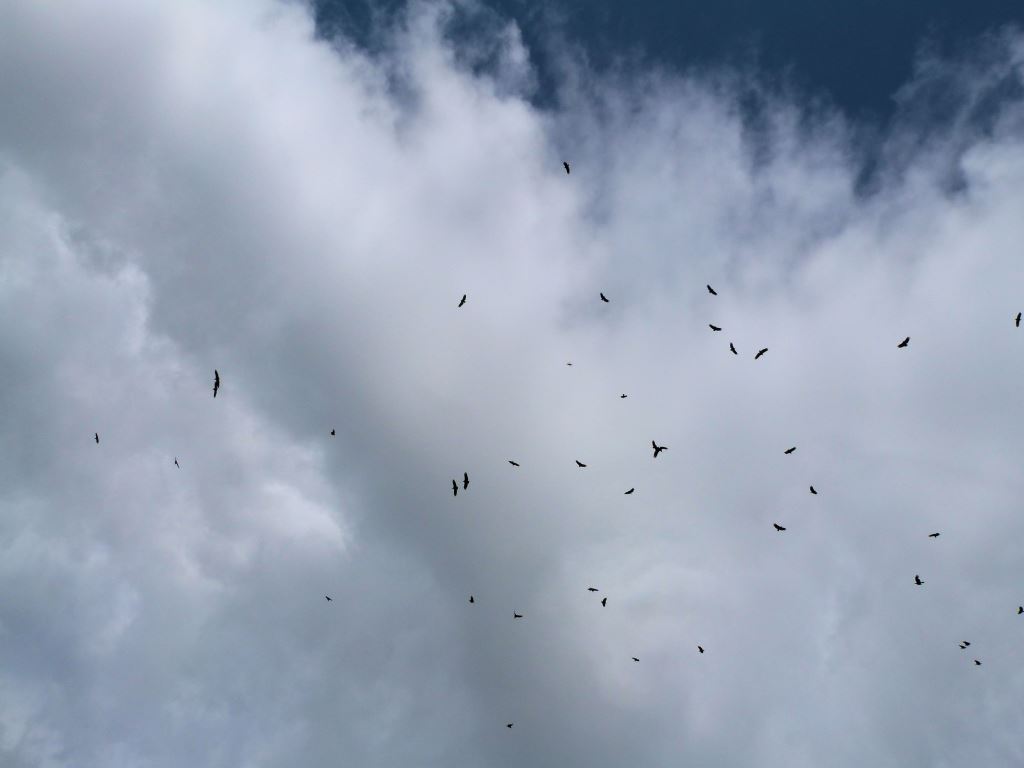
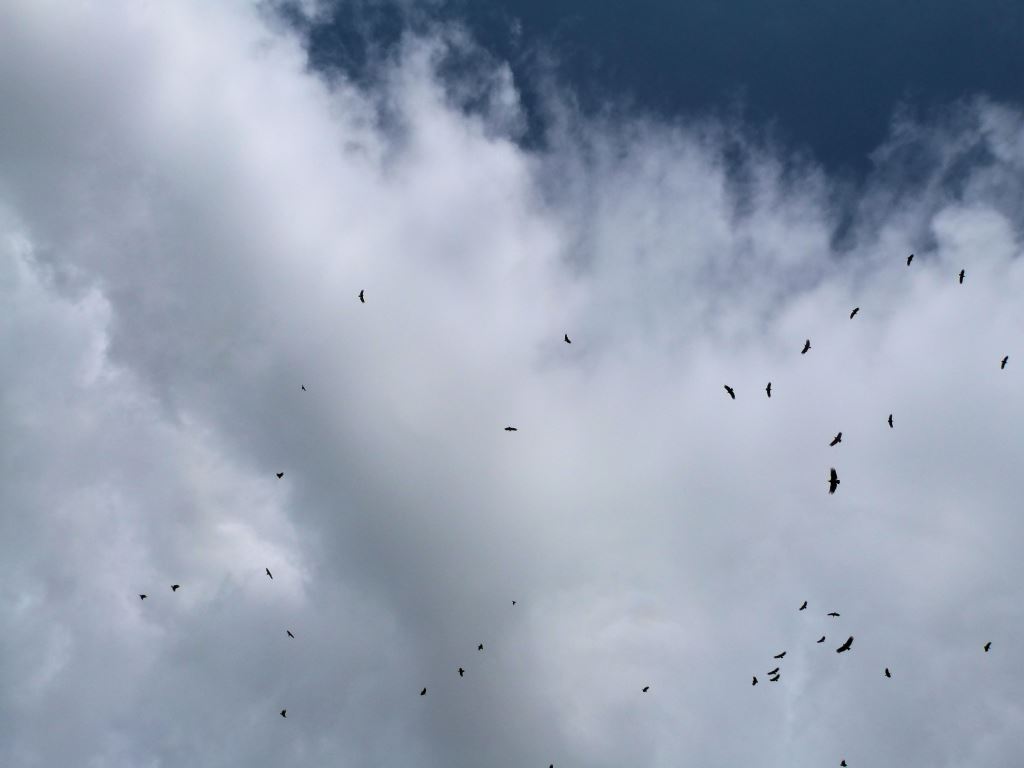
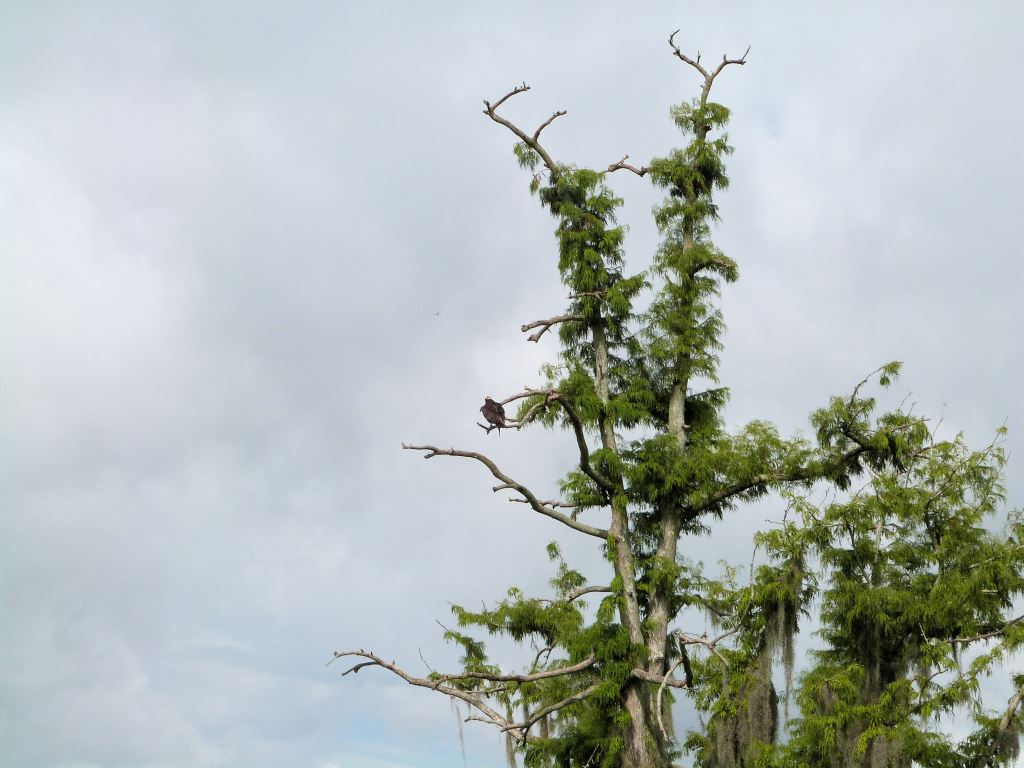
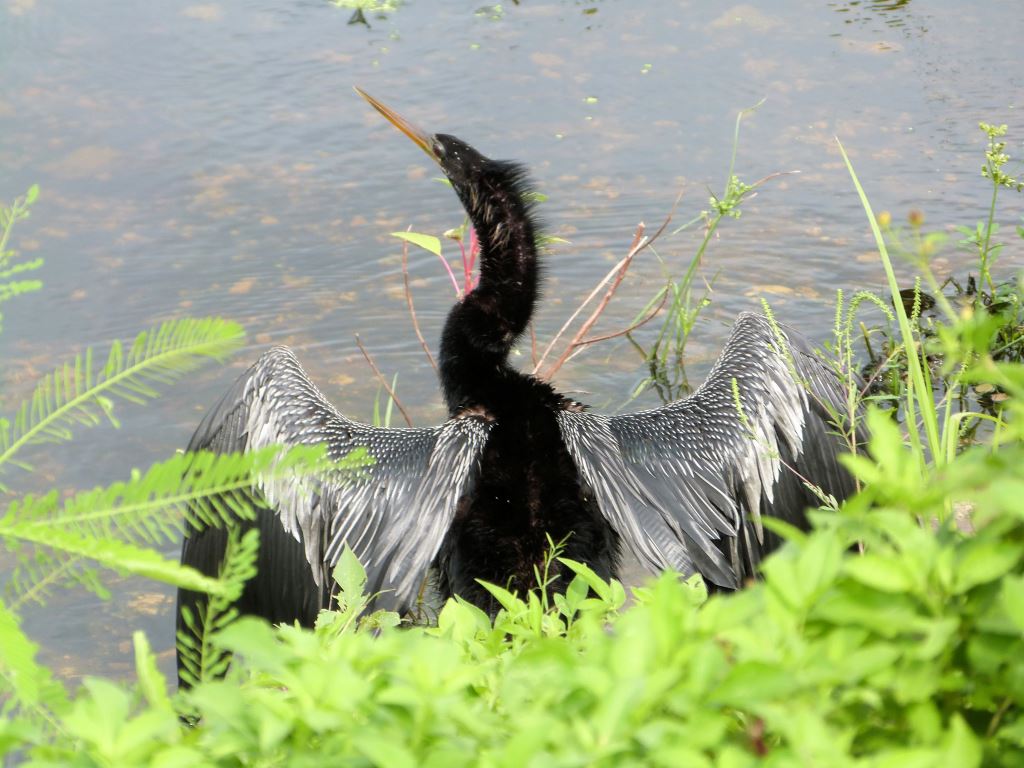
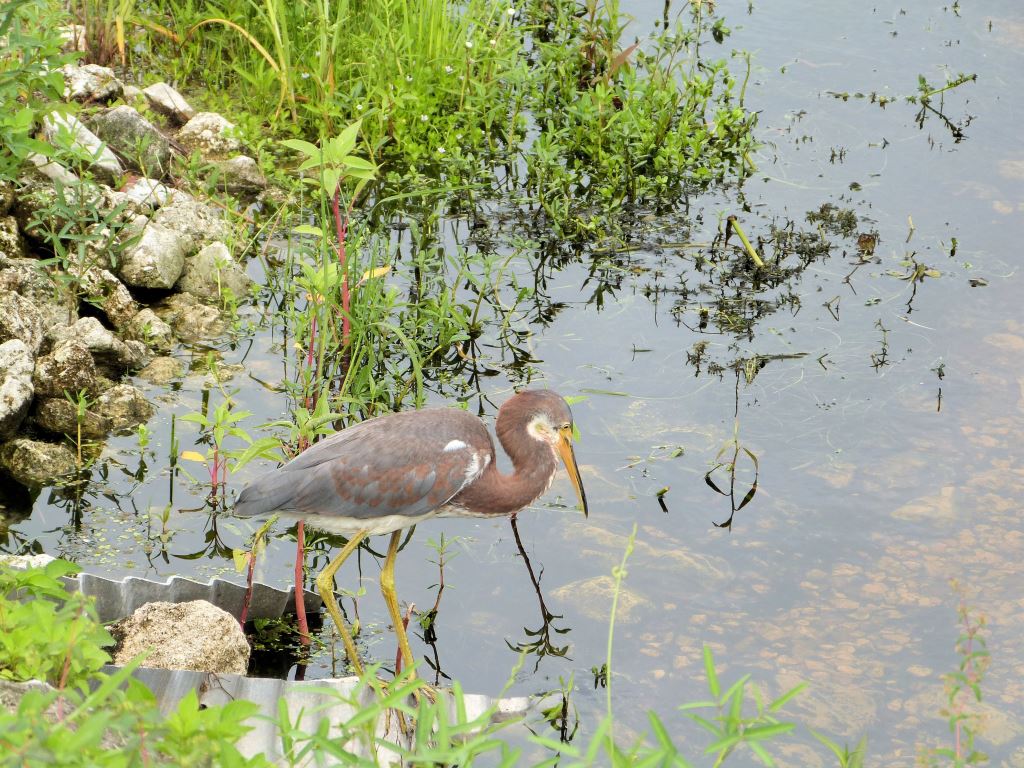
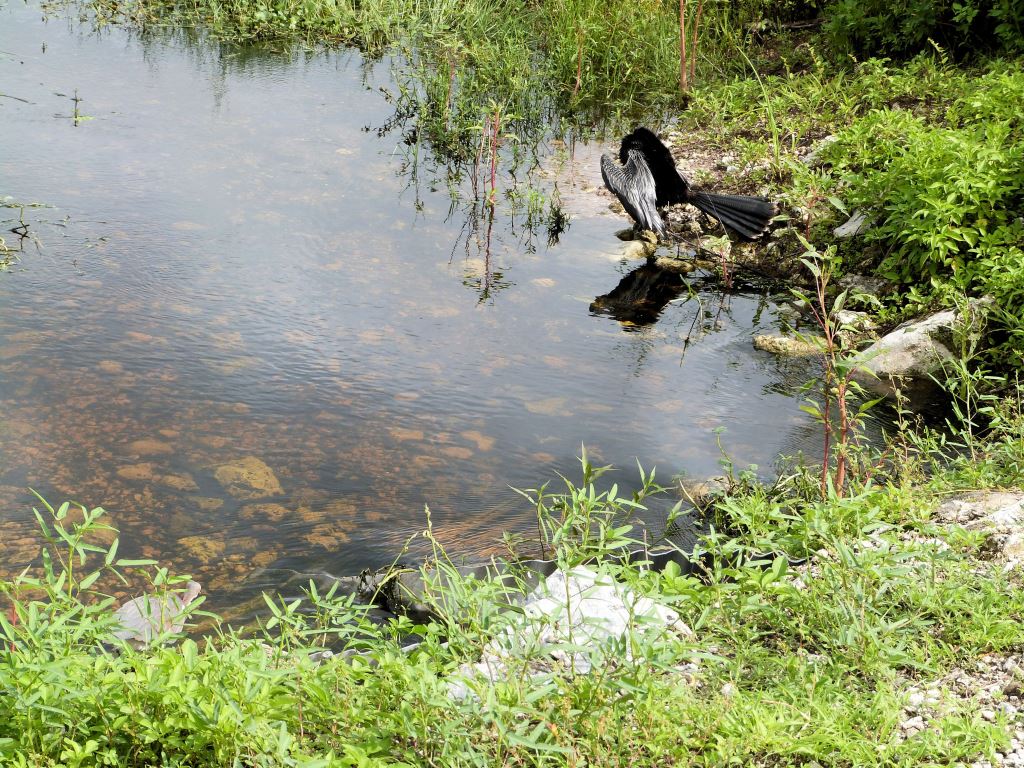
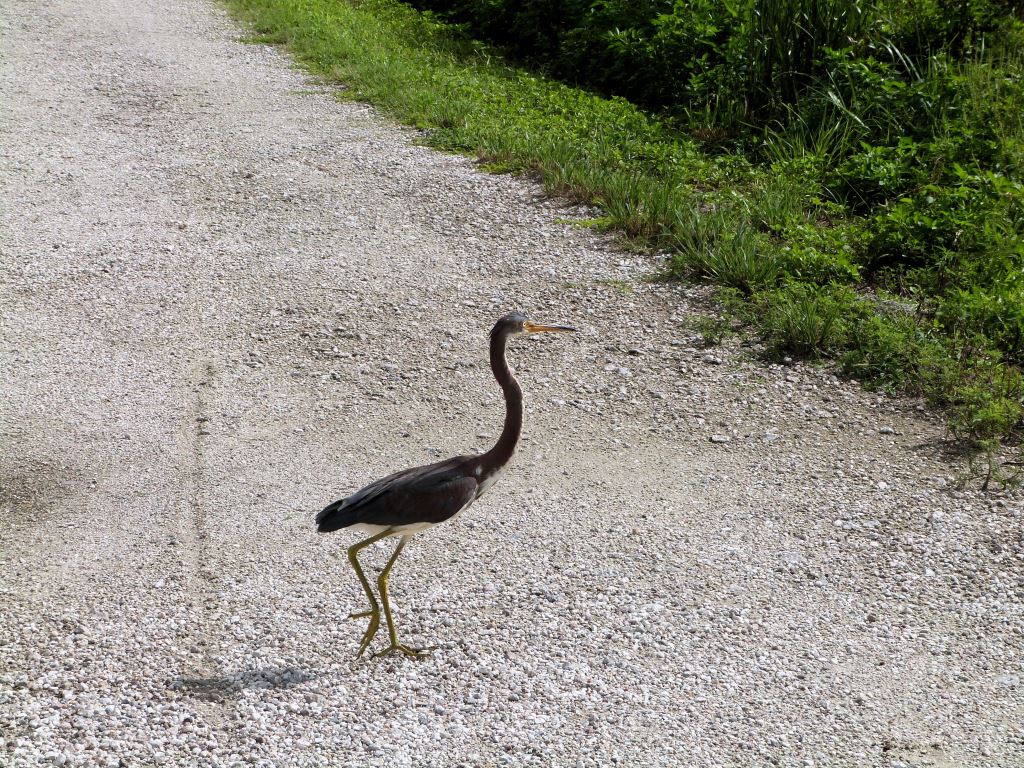
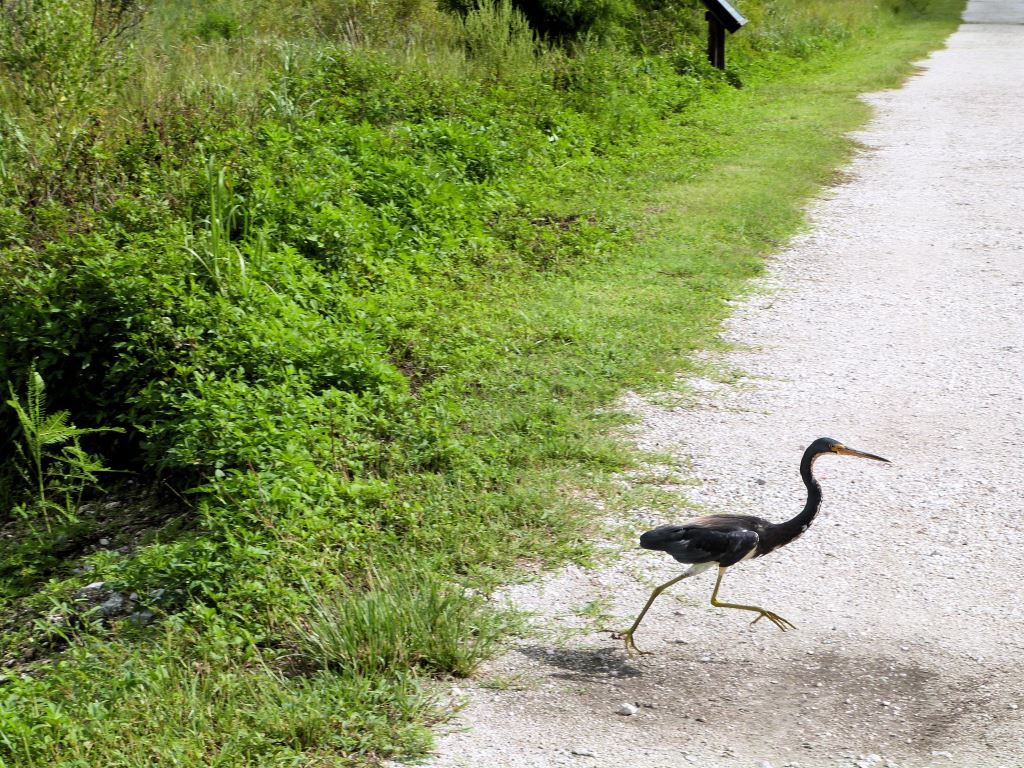
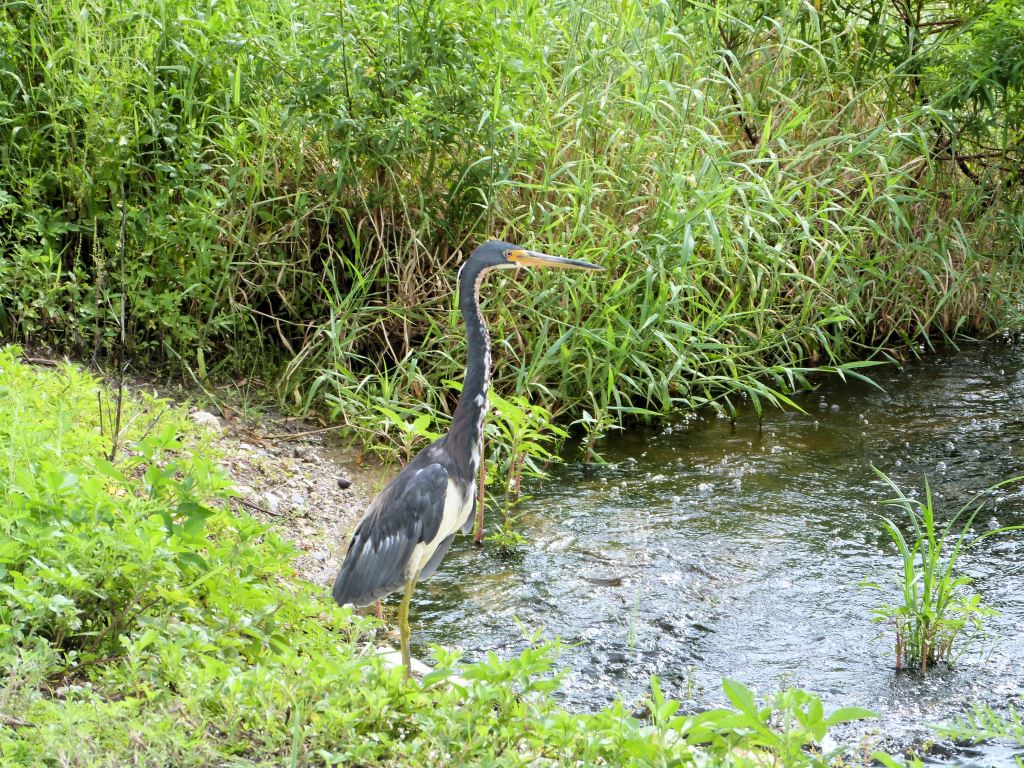
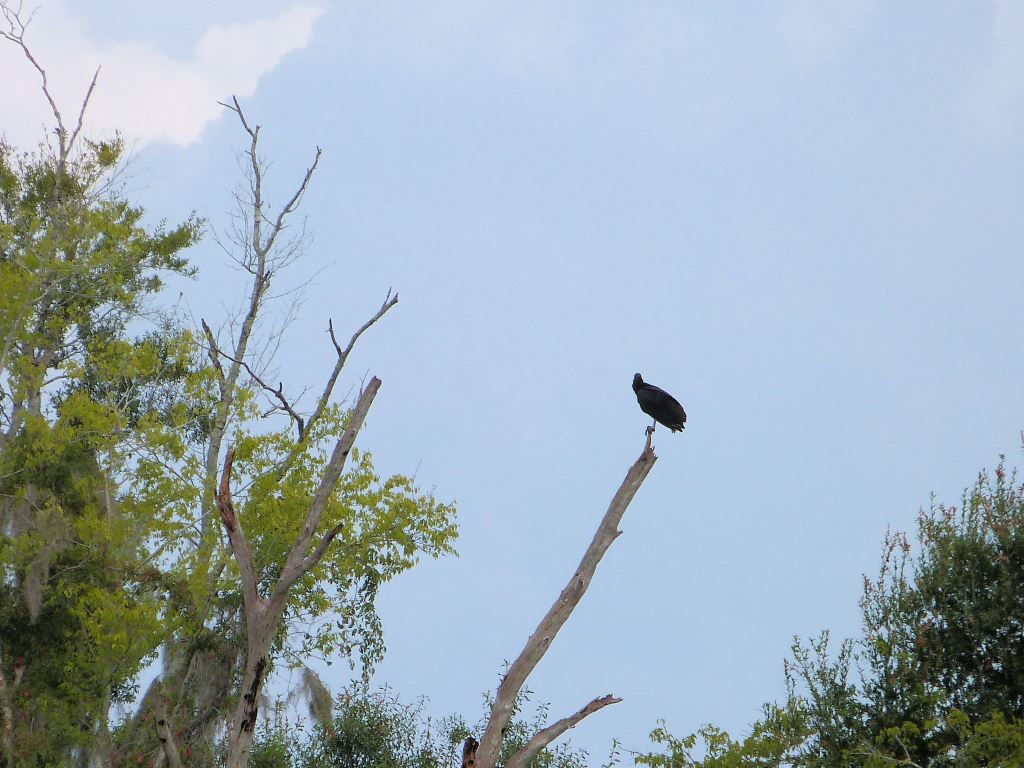
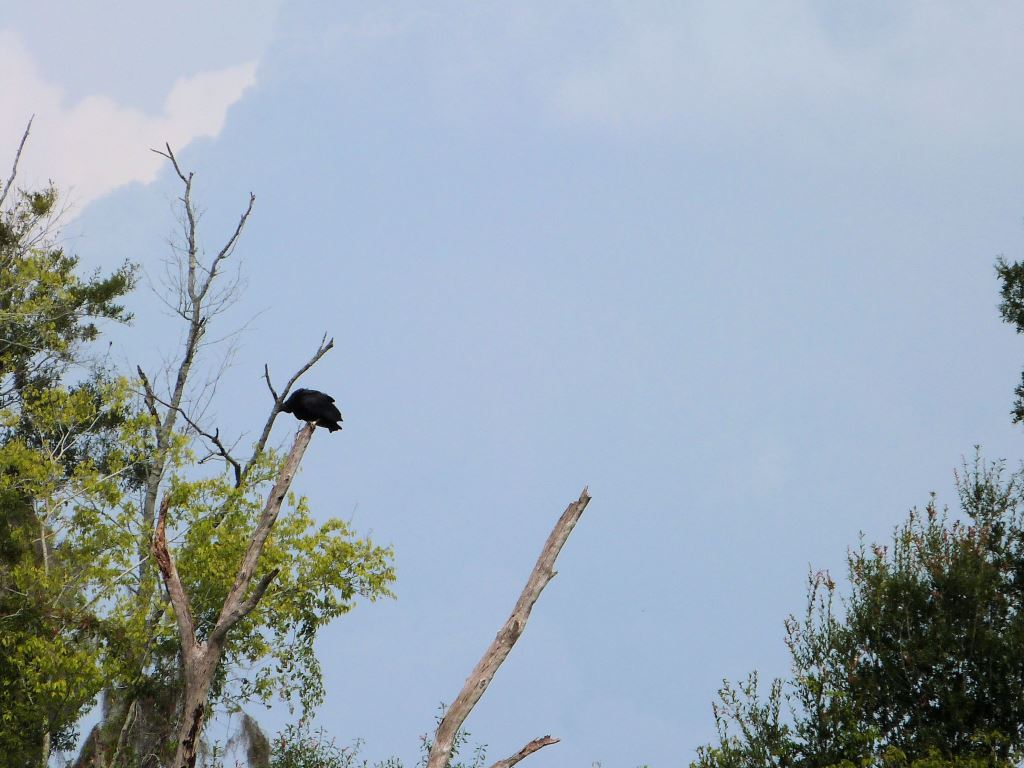
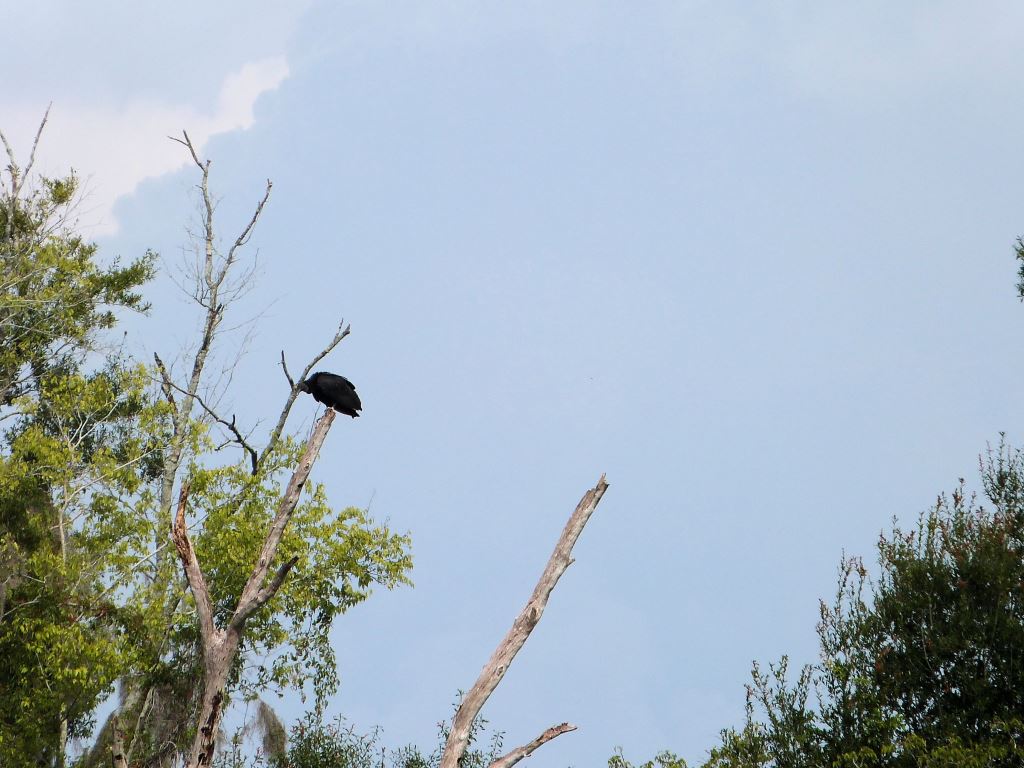
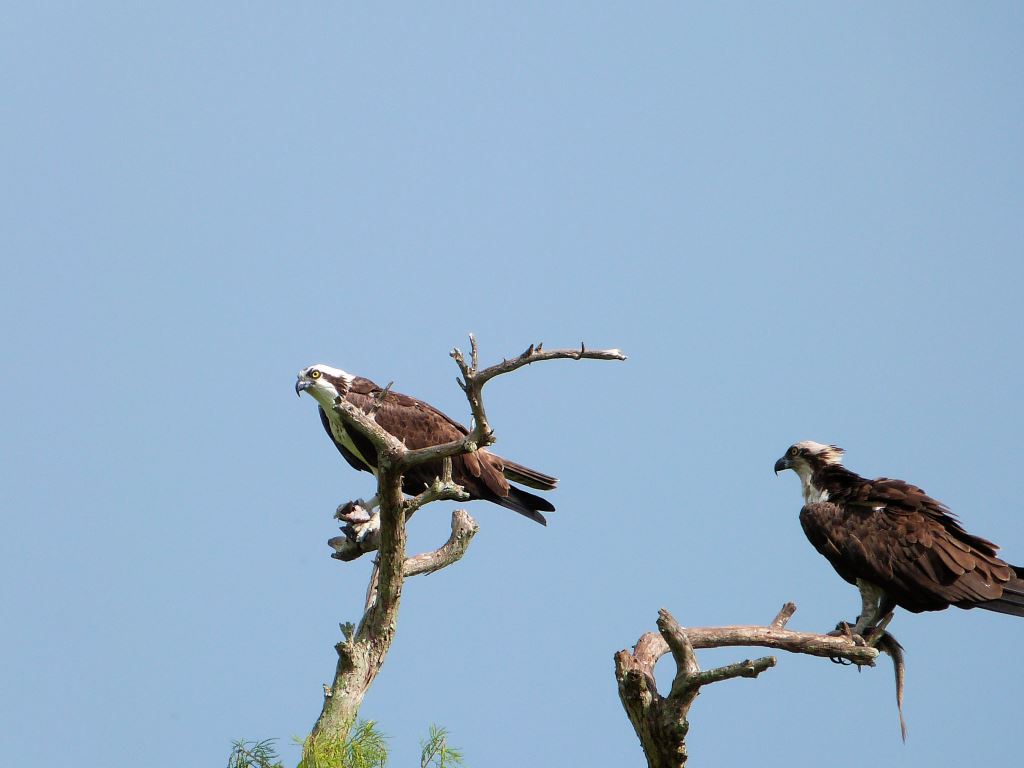
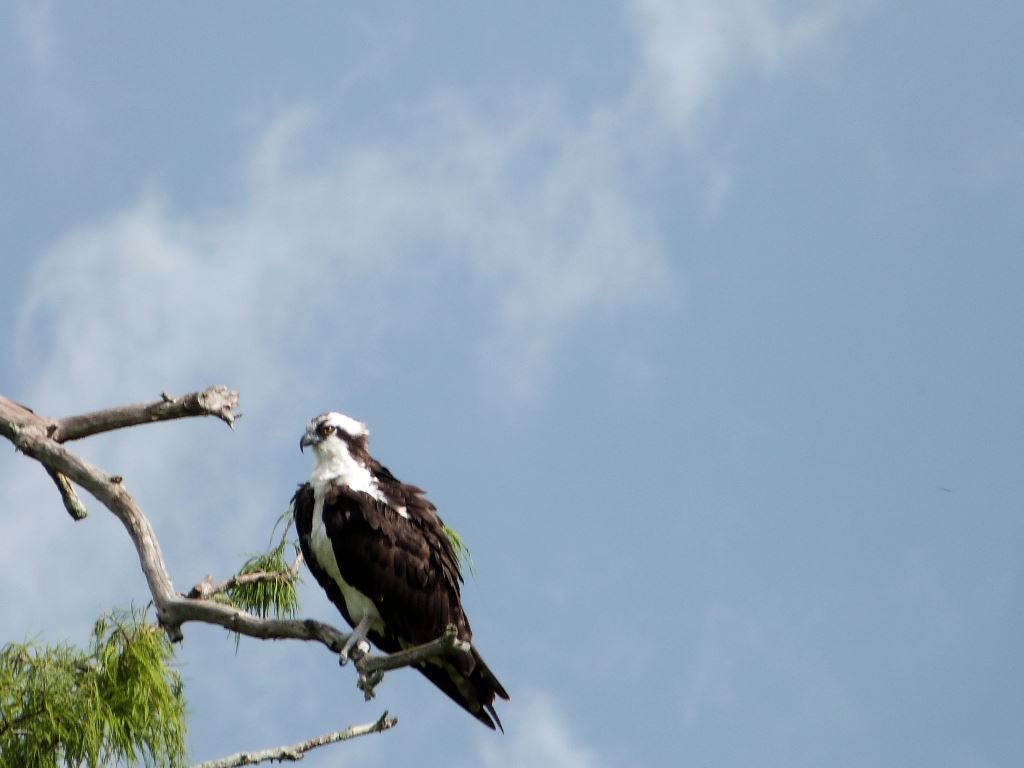
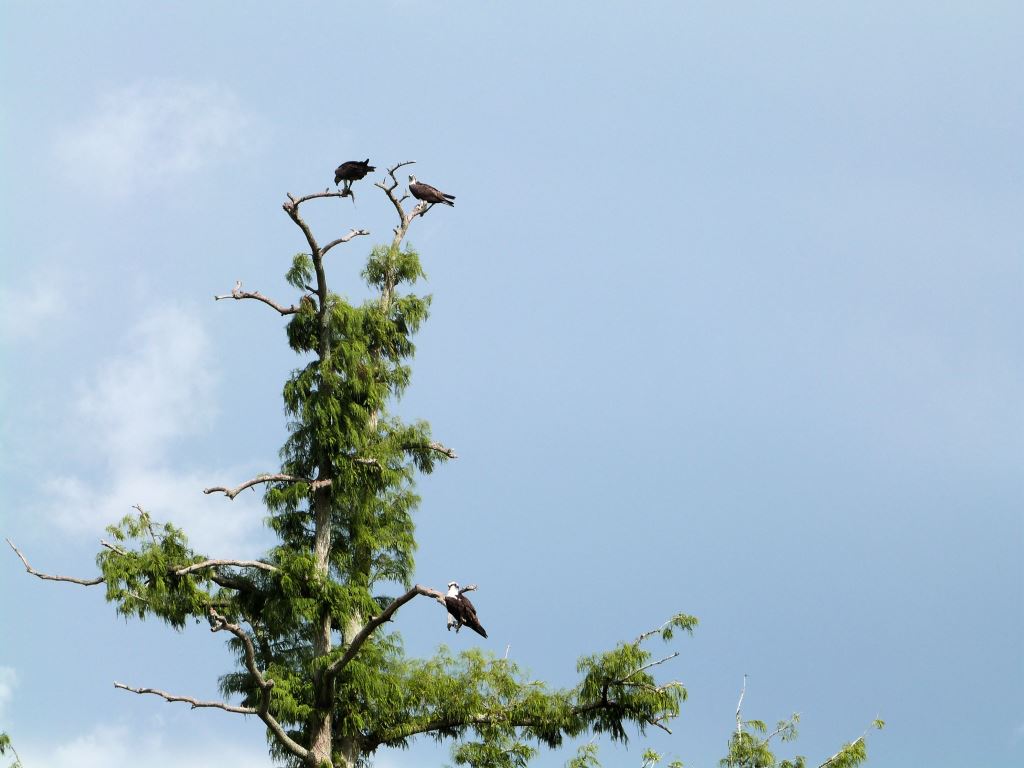
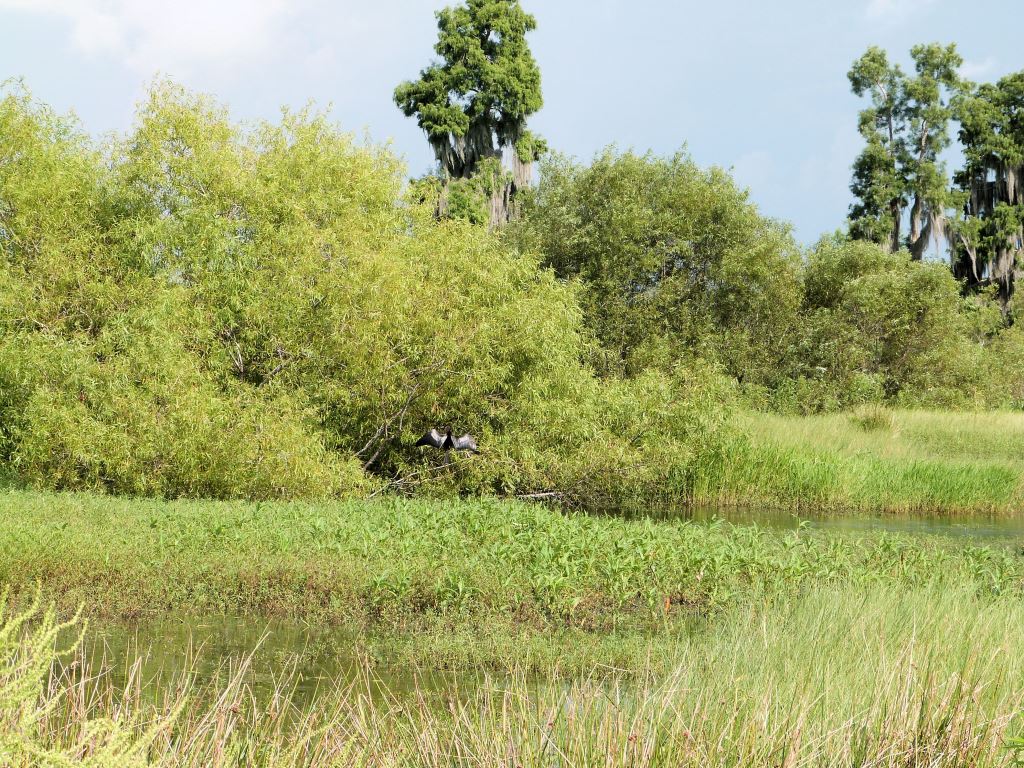
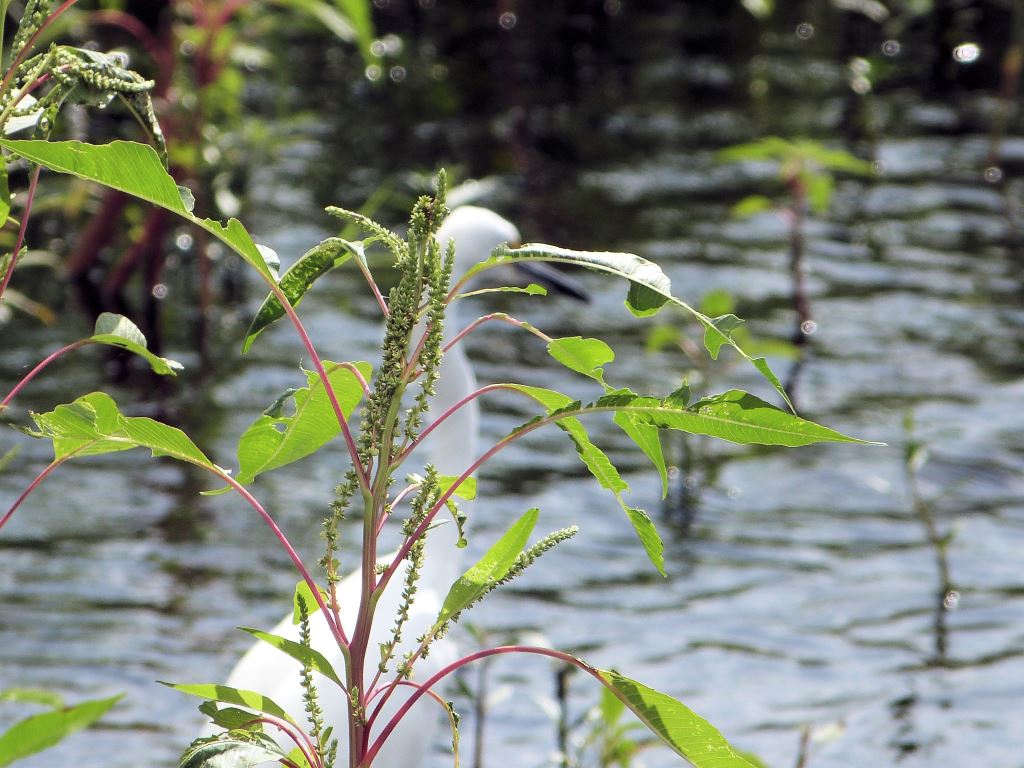
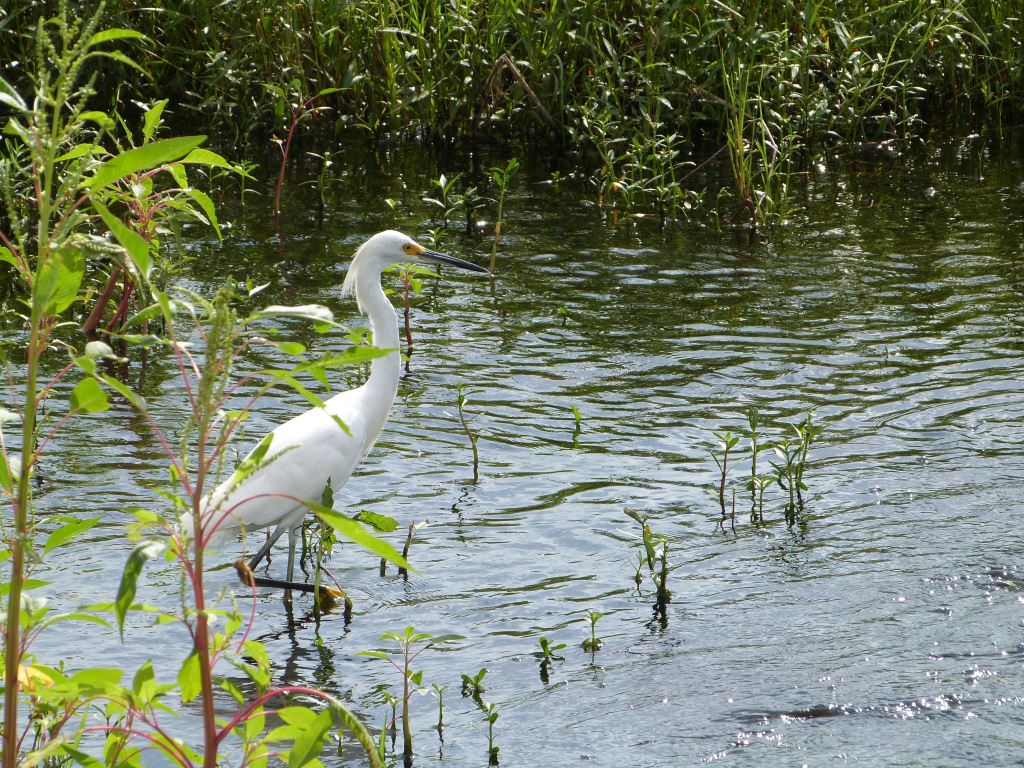
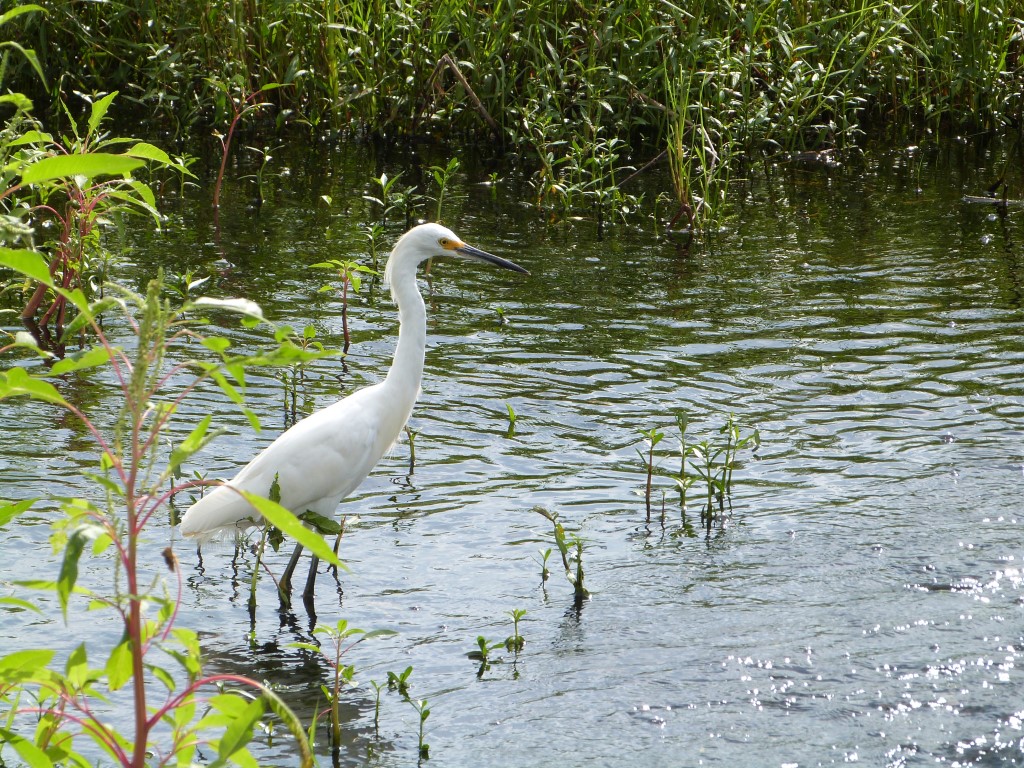
We managed to see quite a few Ospreys, one eating a huge fish up in a tree. There were at least five Tricolored Herons, one of them a juvenile, a Snowy Egret, two Black-bellied Whistling Ducks, some Common Gallinules, an Anhinga and lots of Black and Turkey Vultures circling overhead.


Tricolored Heron (Egretta tricolor) Juvenile Circle B by Lee

Tricolored Heron (Egretta tricolor) Juvenile Circle B by Lee

It was hot, humid, and it began to sprinkle, so we left after about 50 minutes or so. None the less, it is always enjoyable to get out and enjoy the Lord’s creations. I am also thankful that the Lord gave the rain recently to fill up the marsh again and water to drink. We had cool water in the car and did it ever “hit the spot.”

Here are some of my photos and videos that I took.

How great are his signs! and how mighty are his wonders! his kingdom is an everlasting kingdom, and his dominion is from generation to generation. (Daniel 4:3 KJV)

*


*
*
Rock Partridges: Lessons About Hunting And Hatching

Rock Partridge (Alectoris graeca) WikiC

Rock Partridge (Alectoris graeca) WikiC

Rock Partridges: Lessons about Hunting and Hatching ~ James J. S. Johnson

Now therefore, let not my blood fall to the earth before the face of the LORD: for the king of Israel is come out to seek a flea, as when one doth hunt a partridge in the mountains. (1 Samuel 26:20 KJV)

Luzon Bleeding-heart by Dan

Orni-Theology

Rock Partridges – like other partridges – prefer to hide from people, yet their voices are quite detectable. “Rock partridges are masters of concealment and are best spotted when perched on a boulder sending out a challenge; however, when we were [in Israel] we probably heard ten for every one of which we had a glimpse” [quoting George Cansdale, All the Animals of the Bible Lands (Zondervan, 1970), pages 165-166].   Yet if we look for partridges carefully, in Scripture, we will find them mentioned twice, providing us with two lessons for our own lives (and “callings”, pardon the pun).  But, before looking at those two Bible passages, first let us consider what a “partridge” is.

 So what is a partridge?

Partridges are chicken-sized ground-dwelling birds, classified together with other “pheasant family” birds like pheasant, grouse, bobwhite, quail, junglefowl, chicken, peafowl, and ptarmigan. Specifically, partridges are categorized as fowl belonging to the order Galliformes, family Phasianidae, subfamily Perdicinae).

Partridges don’t migrate.  Partridges  — such as the Rock Partridges of the Holy Land — often nest in hilly or montane areas, in fairly dry climate zones, laying more than a dozen eggs in a minimally lined ground scrape – quite a humble nest!   This habit leaves partridge eggs quite vulnerable, for many ovivorous predators (including hungry humans – see Deuteronomy 22:6-7) hunt around the nesting grounds of partridges.  Resourceful foragers themselves, partridges routinely eat accessible ants, seeds, berries, lichen, and other low-to-the-ground vegetation.  Like other land-fowl partridges spend most of their time on the ground, hidden in ground cover, so don’t expect to see them flying around much, or perching in tree branches.

Partridges are mentioned only twice in the Old Testament (noted below), as translations of the Hebrew word qoré’ – a noun derived from the verb qara’ (meaning “to call”, “to cry”).   The Hebrew root  verb qara’ is used to describe calling out someone’s name, when you wish to speak to that person, and it is used to describe God’s actions when He “called” the light Day, the dark Night, the dry land Earth, etc. (in Genesis chapter 1).  Partridges, therefore, are “criers”, famous for their calls.  The Rock Partridge (Alectoris graeca), which seems to have been common during Bible times, is known for its “cok-cok-cokrr” call, in the arid piedmonts of Israel.

The Rock Partridge ranges “from the mountains of Lebanon in the north across the coastal plains to the dry hills of Judaea, but its range also extends westwards through Greece and all over Italy” [quoting George Cansdale, All the Animals of the Bible Lands (Zondervan, 1970), page 165].  Its Holy Land cousin, the Red-legged Partridge (Alectoris rufa), resembles the Rock Partridge from a distance, so the Bible could refer to either or both, as well as any hybrids.  Another partridge found in Israel’s desert lands is Hey’s Partridge (Ammoperdrix heyi), by the Dead Sea.

“Partridges” ae mentioned once in 1st Samuel 26:20 and once in Jeremiah 17:11.  Both verses illustrate important life lessons.

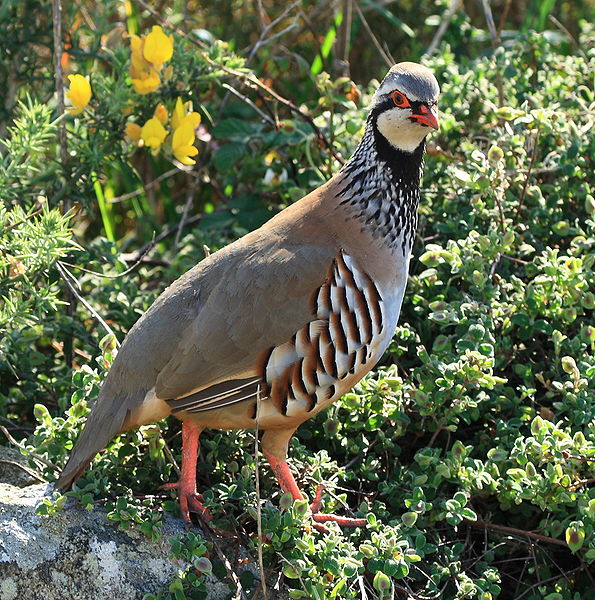
Red-legged Partridge (Alectoris rufa) ©WikiC

Red-legged Partridge (Alectoris rufa) ©WikiC

Living life on the run

As a fugitive trying to escape King Saul, David compares himself (in 1st Samuel 26:20, quoted above) to a partridge being hunted in the mountains.  Because partridges don’t fly far away, as chased ducks or geese may, hunters chase partridges in the hilly scrublands, causing the partridges to run this way and that, often wearying the partridges to the point that they became targets for whatever weapons (even sticks used for clubbing) the hunters have available.  Surely David saw such partridges in the arid wilderness scrublands he hid in, and likely David himself hunted, caught, and ate such partridges.  Because David was daily fleeing Saul’s soldiers, in the hilly wilderness  of Israel, David knew what partridges felt like, being pursued by hunters.  Yet God protected David from Saul’s evil efforts, and in God’s providence it was David, when the dust settled, who survived and reigned over Israel, not Saul.

What can we learn from David’s fugitive plight?

First, there is no good reason to surrender to one’s enemies!  When persecutors aim at innocent victims, as has been the plight of believers ever since Cain murdered Abel (Genesis 4:8-9; Matthew 23:35; Luke 11:51), we are counseled to evade persecutions when possible (Matthew 7:6 & 10:14 & 10:23; Luke 9:5 & 10:11 & 21:21; Acts 9:25 & 13:51).

Second, David’s example reminds us that God is sovereign – He will not let us die until it is the proper time for dying.  So long as God has earthly work for us to do, He will sustain us (James 4:13-15).

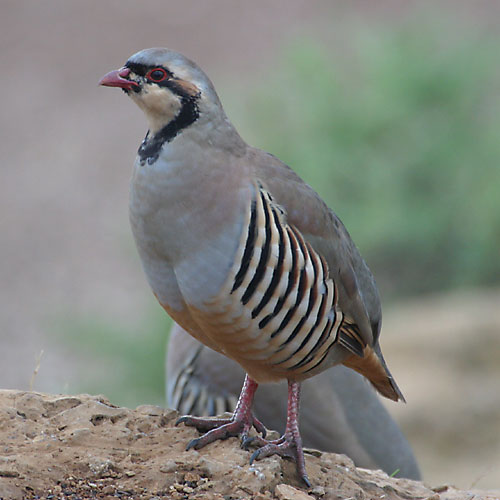
Rock Partridge (Alectoris graeca) ©Arthur Grosset

Rock Partridge (Alectoris graeca) ©Arthur Grosset

Don’t count your chickens (or partridges) before they hatch

Another lesson from the partridge comes from Jeremiah 17:11.  It seems that partridges have a bad reputation for being less than fully successful in hatching their eggs!  This parental deficiency is compared to the tentative gains of those who acquire wealth by unrighteous means – they will, in the end, be seen as the fools they are!  Why?  Because the wealth of this world, even if kept until death, is only transitory wealth.  It is like eggs laid in a slipshod nest, never to be successfully hatched.

Don’t invest the best of your life in the transitory things of this world  —  because the investment will be a disappointment, when life is over.  Rather, invest your time and treasure in what God values.  It is truly foolish to lay up temporal treasures, “where moth and rust doth corrupt, and where thieves break through and steal” (Matthew 6:19).  Materialistic treasures are a long-term waste of investment, to be displayed as folly in eternity (and often earlier, on earth), as “gains” wrongly gotten – because we are only stewards of the assets God entrusts to us.

Therefore, let us rather, on a daily basis, accrue (by God’s grace) “treasures in Heaven, where neither moth nor rust doth corrupt, and where thieves do not break through nor steal” (Matthew 6:20).  It’s really a matter of the heart:  “For where your treasure is, there will your heart be also” (Matthew 6:21).

(Dr. James J. S. Johnson, an apologetics professor for ICR, previously taught ornithology at Dallas Christian College.)


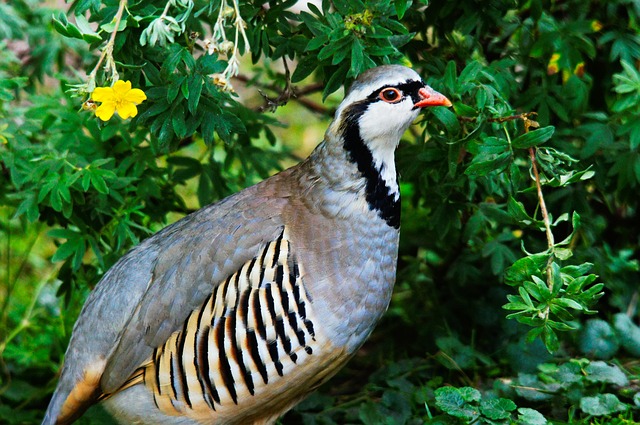
Rock Partridge (Alectoris graeca) ©Pixabay

Rock Partridge (Alectoris graeca) ©Pixabay

Lee’s Addition:

Rock Partridges belong to:

*
P.S. – As of this post, James J. S. Johnson is now one of our regular contributors to the blog. An introduction will be given soon.

*