Sunday Inspiration – Chats and Old World Flycatchers II

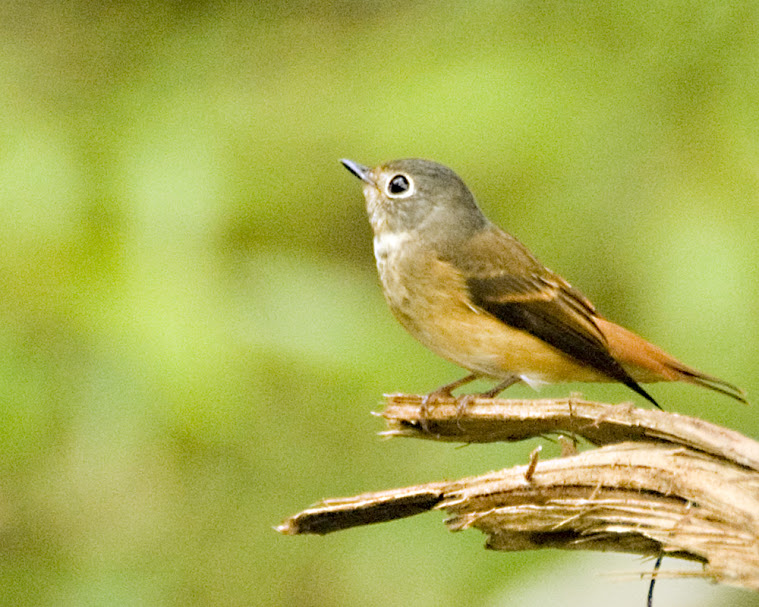
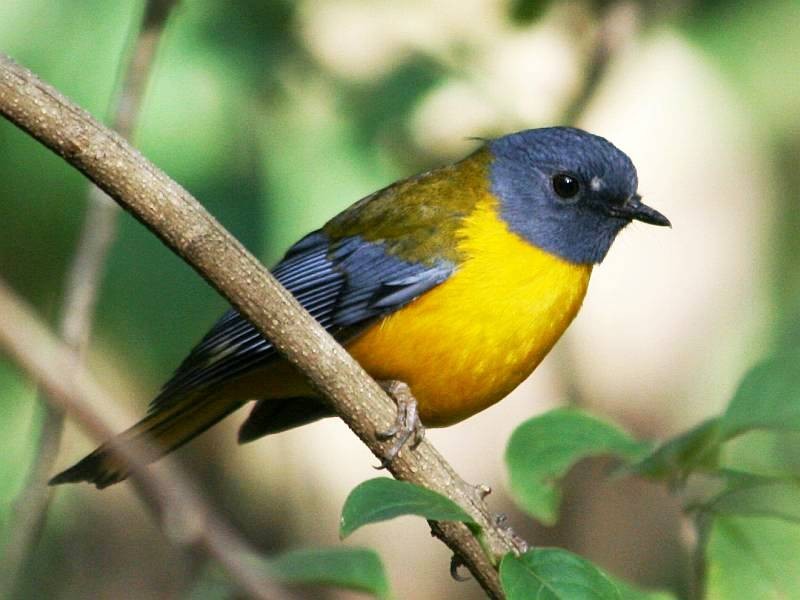
Rufous-bellied Niltava (Niltava sundara) by Nikhil Devasar

Rufous-bellied Niltava (Niltava sundara) by Nikhil Devasar

Out of the ground the LORD God formed every beast of the field and every bird of the sky, and brought them to the man to see what he would call them; and whatever the man called a living creature, that was its name. (Genesis 2:19 NASB)

Last week’s Sunday Inspiration – Chats and Old World Flycatchers covered the first part of the Muscicapidae Family. This week, we will show the some more of the Family. There are 321 Members that make up the Muscicapidae Family. What great looking birds from their Creator.
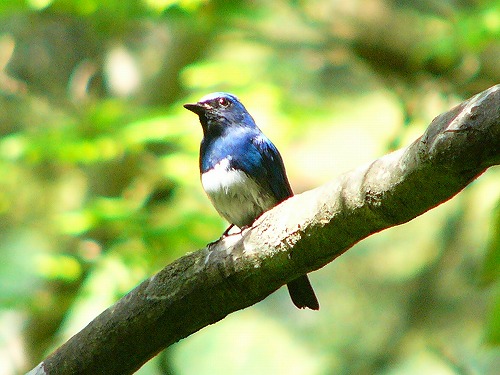
Blue-and-white Flycatcher (Cyanoptila cyanomelana) ©WikiC

Blue-and-white Flycatcher (Cyanoptila cyanomelana) ©WikiC

Chats (formerly sometimes known as “chat-thrushes”) are a group of small Old World insectivorous birds formerly classified as members of the thrush family Turdidae, but now are considered Old World flycatchers. The name is normally applied to the more robust ground-feeding flycatchers found in Europe and Asia and most northern species are strong migrants.

The Old World flycatchers, the Muscicapidae, are small passerine birds mostly restricted to the Old World (Europe, Africa and Asia). These are mainly small arboreal insectivores, many of which, as the name implies, take their prey on the wing.
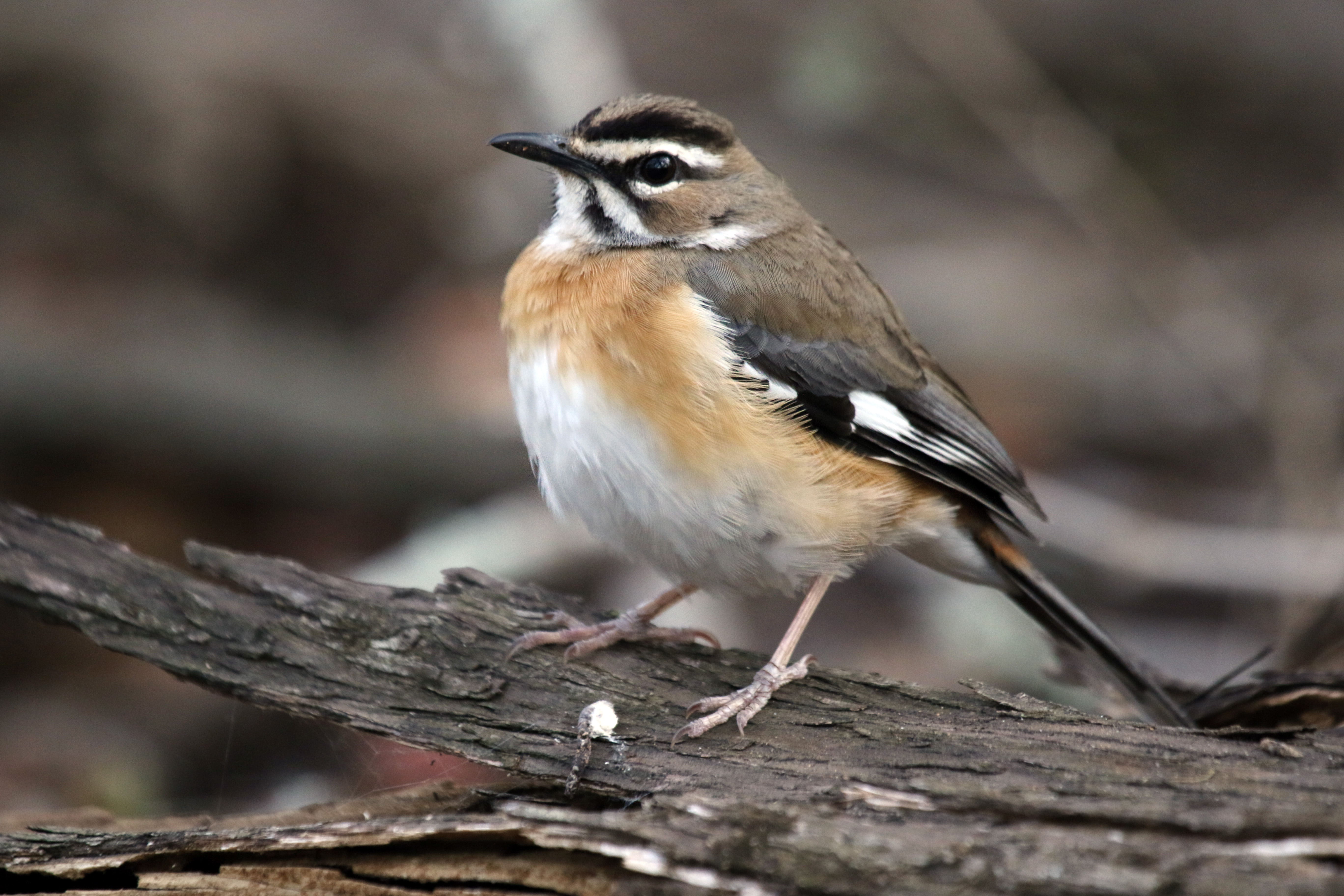
White-starred Robin (Pogonocichla stellata) WikiC

White-starred Robin (Pogonocichla stellata) ©WikiC

The appearance of these birds is very varied, but they mostly have weak songs and harsh calls. They are small to medium birds, ranging from 9 to 22 cm in length. Many species are dull brown in colour, but the plumage of some can be much brighter, especially in the males. Most have broad, flattened bills suited to catching insects in flight, although the few ground-foraging species typically have finer bills.

Old World flycatchers live in almost every environment with a suitable supply of trees, from dense forest to open scrub, and even the montane woodland of the Himalayas. The more northerly species migrate south in winter, ensuring a continuous diet of insects.

Depending on the species, their nests are either well-constructed cups placed in a tree or cliff ledge, or simply lining in a pre-existing tree hole. The hole-nesting species tend to lay larger clutches, with an average of eight eggs, rather than just two to five.

White-browed Robin-Chat (Cossypha heuglini) by Daves BirdingPix

White-browed Robin-Chat (Cossypha heuglini) by Daves BirdingPix

Because this Muscicapidae family is so large, this week’s Sunday Inspiration and last week’s were divided. The reason for this is so the slideshow will not be too long. This divides them in taxonomic order in to several groups. I was going to divide this family in half, but there are so many photos available that I would have to find a symphony to provide enough music to show them all at once. ☺♪♫☺

Last week, the first 97-98 members were shown from these genera: Alethe, Cercotrichas, Copsychus, Fraseria, Myioparus, Melaenornis, Empidornis, Muscicapa, Anthipes, Cyornis.

This Slideshow of Muscicapidae in taxonomic order – Second Part (includes the genera- Niltava, Cyanoptila, Eumyias, Erithacus, Pseudalethe, Cossyphicula, Cossypha, Swynnertonia, Pogonocichla, Stiphrornis, Sheppardia, Cichladusa, Heinrichia, Leonardina, Heteroxenicus, Brachypteryx , Vauriella, Larvivora, Luscinia, Irania and Calliope.) 75 Species

Start with Niltava 

This slideshow requires JavaScript.

Let this mind be in you which was also in Christ Jesus, who, being in the form of God, did not consider it robbery to be equal with God, but made Himself of no reputation, taking the form of a bondservant, and coming in the likeness of men. And being found in appearance as a man, He humbled Himself and became obedient to the point of death, even the death of the cross. Therefore God also has highly exalted Him and given Him the name which is above every name, that at the name of Jesus every knee should bow, of those in heaven, and of those on earth, and of those under the earth, and that every tongue should confess that Jesus Christ is Lord, to the glory of God the Father. (Philippians 2:5-11 NKJV)

“The Birthday of a King” ~ by Dr. Richard Gregory, now in Glory.

*

Sunday Inspiration – Chats and Old World Flycatchers I

More Sunday Inspirations

Muscicapidae – Chats and Old World Flycatchers

Faith Baptist Church

Gospel Presentation

*

Sunday Inspiration – Chats and Old World Flycatchers I

Bearded Scrub Robin (Cercotrichas quadrivirgata) ©WikiC

Bearded Scrub Robin (Cercotrichas quadrivirgata) ©WikiC

In all labor there is profit, But idle chatter leads only to poverty. (Proverbs 14:23 NKJV)

The Old World flycatchers are a large family (321 Members), the Muscicapidae, of small passerine birds mostly restricted to the Old World (Europe, Africa and Asia). These are mainly small arboreal insectivores, many of which, as the name implies, take their prey on the wing.

The appearance of these birds is very varied, but they mostly have weak songs and harsh calls. They are small to medium birds, ranging from 9 to 22 cm in length. Many species are dull brown in color, but the plumage of some can be much brighter, especially in the males. Most have broad, flattened bills suited to catching insects in flight, although the few ground-foraging species typically have finer bills.

Old World flycatchers live in almost every environment with a suitable supply of trees, from dense forest to open scrub, and even the montane woodland of the Himalayas. The more northerly species migrate south in winter, ensuring a continuous diet of insects.
Depending on the species, their nests are either well-constructed cups placed in a tree or cliff ledge, or simply lining in a pre-existing tree hole. The hole-nesting species tend to lay larger clutches, with an average of eight eggs, rather than just two to five.

Ferruginous Flycatcher (Muscicapa ferruginea) by MAMuin

Ferruginous Flycatcher (Muscicapa ferruginea) by MAMuin

“For the wisdom of this world is foolishness with God. For it is written, “HE CATCHES THE WISE IN THEIR OWN CRAFTINESS”; (1 Corinthians 3:19 NKJV)

Because this Muscicapidae family is so large, this Sunday Inspiration and next week’s will be divided. The reason for this is so the slideshow is not too long. This will divide them in taxonomic order about half way.

Slideshow of Muscicapidae in taxonomic order – First Half

This slideshow requires JavaScript.

Now when Jesus was born in Bethlehem of Judaea in the days of Herod the king, behold, there came wise men from the east to Jerusalem, Saying, Where is he that is born King of the Jews? for we have seen his star in the east, and are come to worship him. (Matthew 2:1-2 KJV)

“Wise Men Still Seek Him” – Trio and Choir

*

“Heaven’s Announcement” – message by Pastor Osborne last Sunday. About the birth of Christ.

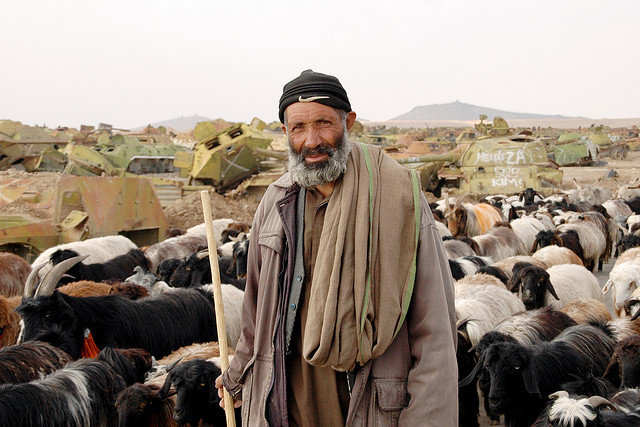
Shepherd ©Flickr

Shepherd ©Flickr

More Sunday Inspirations

Muscicapidae – Chats and Old World Flycatchers

Faith Baptist Church

*


Lord’s Avian Wonders – A Christmas Turkey?

“The works of the LORD are great, Studied by all who have pleasure in them.” (Psalms 111:2 NKJV)

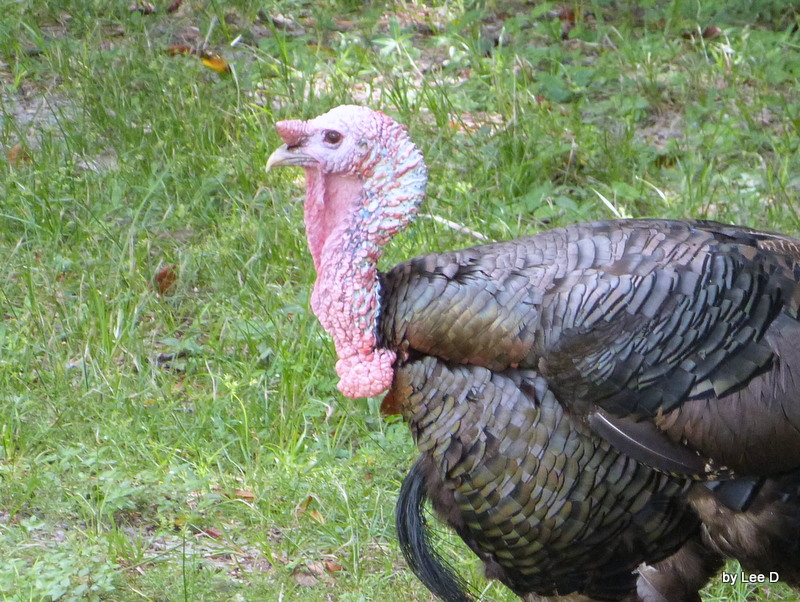
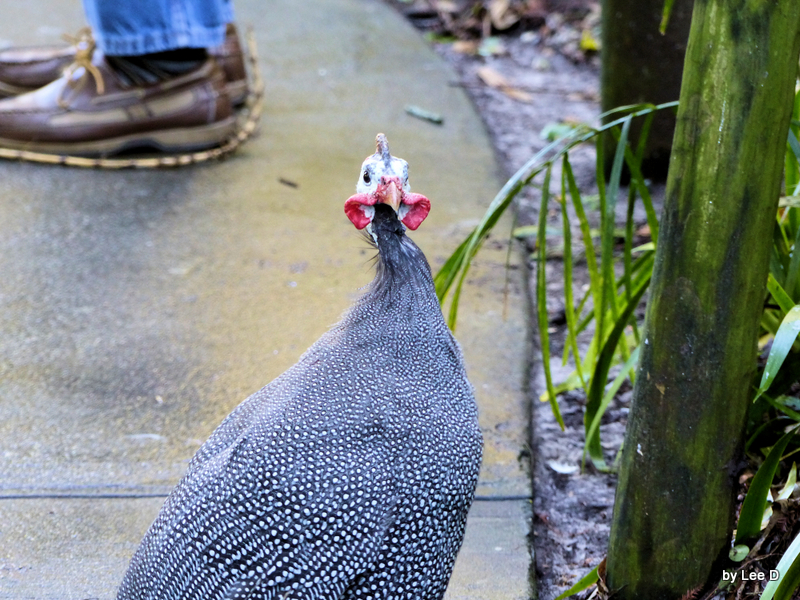
While updating our passes at Lowry Park Zoo last week, I found this startled “Turkey” insisting that he was not a “Turkey”

Non-Turkey at Lowry Park Zoo cropped

Startled Non-Turkey at Lowry Park Zoo (cropped)

To me, he had wattles like a turkey!

Well, maybe it’s not a turkey after all. It is actually is a Guineafowl. Plus, they are not even in the same family.

Guinefowl at Lowry Park Zoo

Helmeted Guineafowl (Numida meleagris) at Lowry Park Zoo

Turkeys have to keep a low profile during the Christmas season as you have learned from several of Emma’s stories about the Commander Turkey. 

“Now the birth of Jesus Christ was as follows: After His mother Mary was betrothed to Joseph, before they came together, she was found with child of the Holy Spirit.” (Matthew 1:18 NKJV)

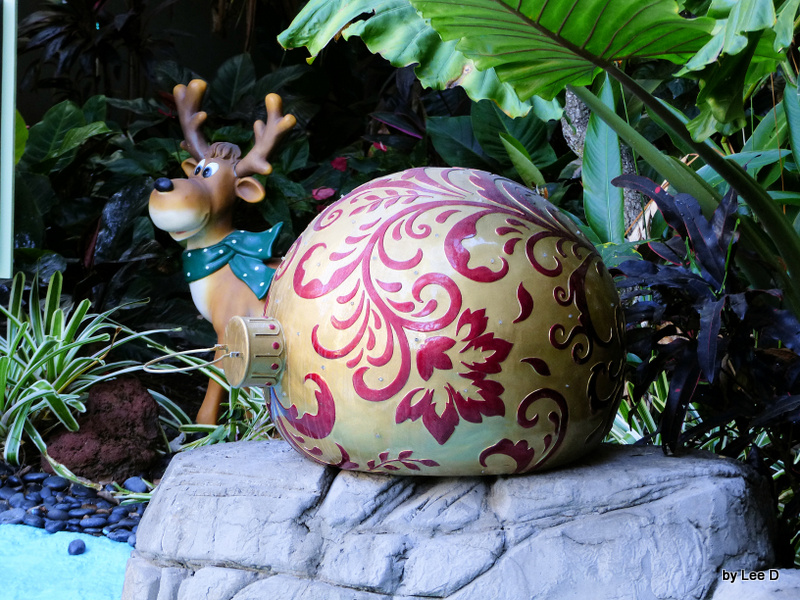
Here are some of the decorations as you enter the zoo:

*

Guineafowl – Numididae

Pheasants and allies – Phasianidae

Lowry Park Zoo

Gospel Presentation

*

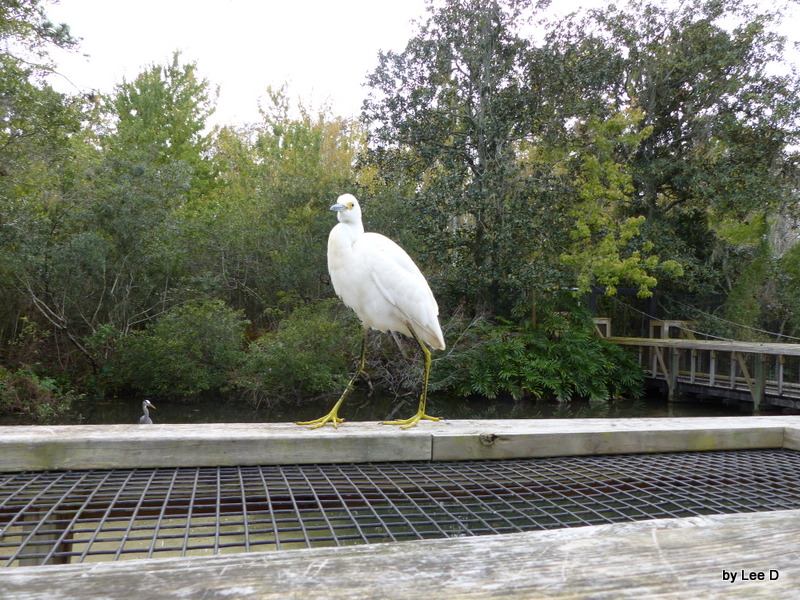
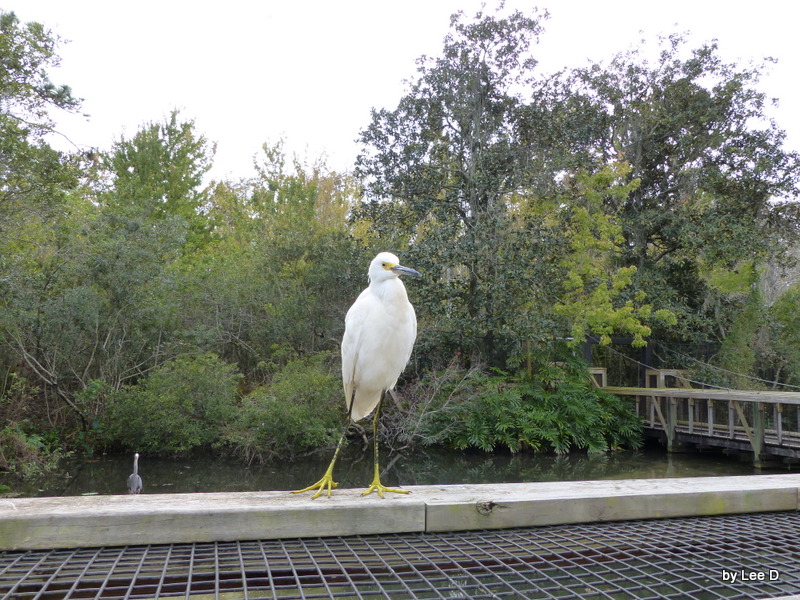
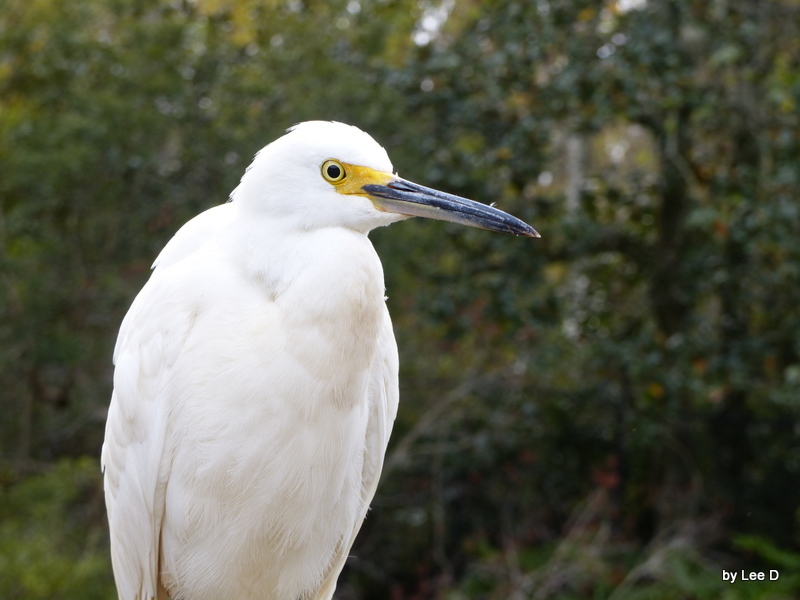
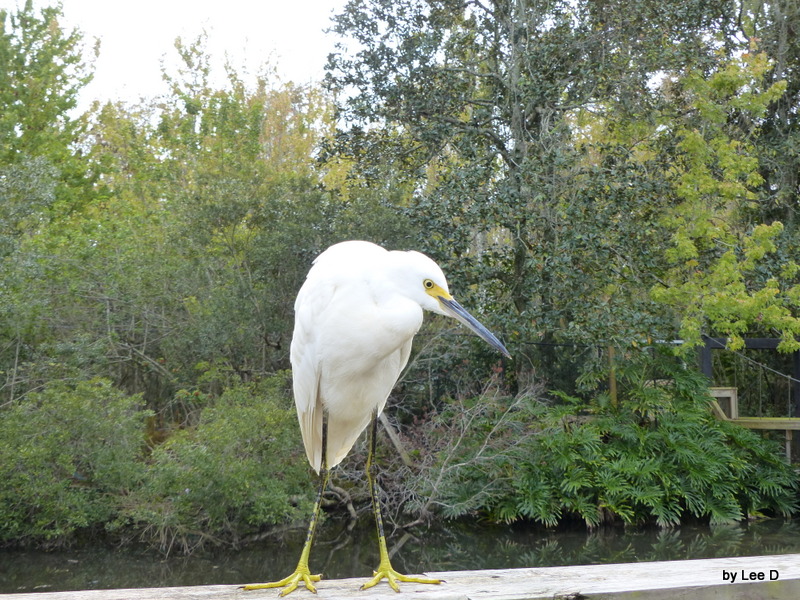
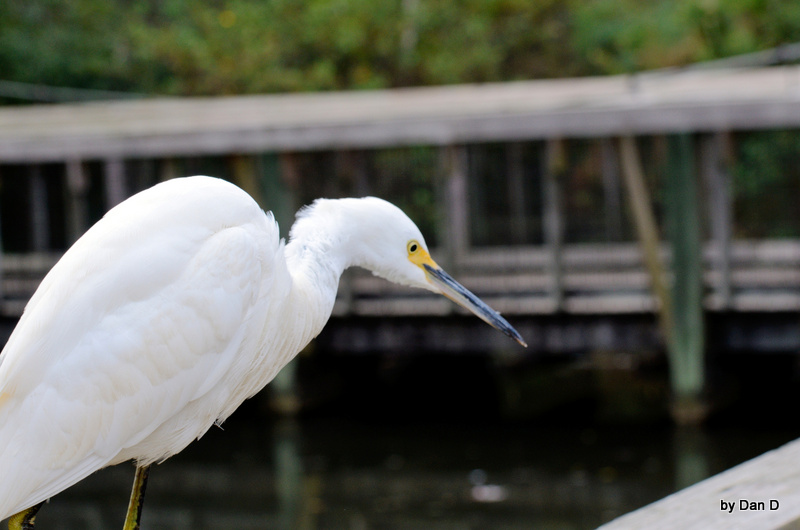
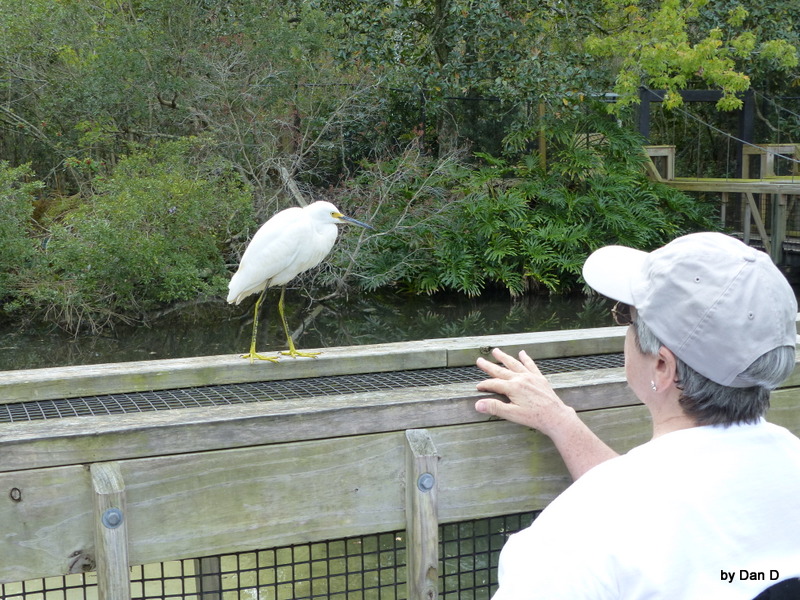
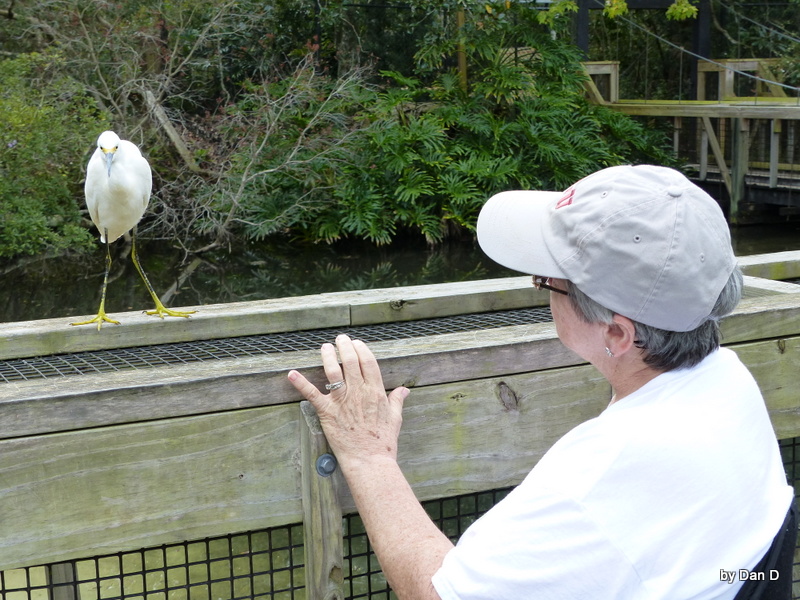
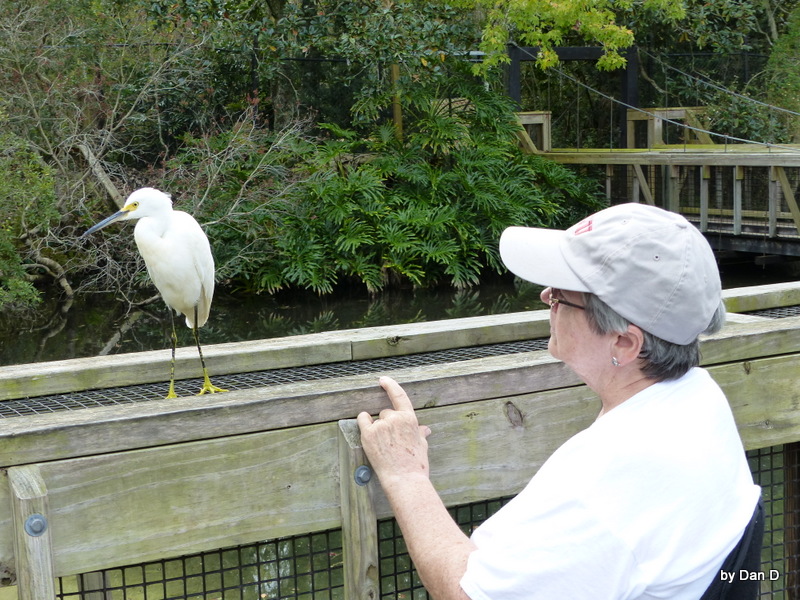
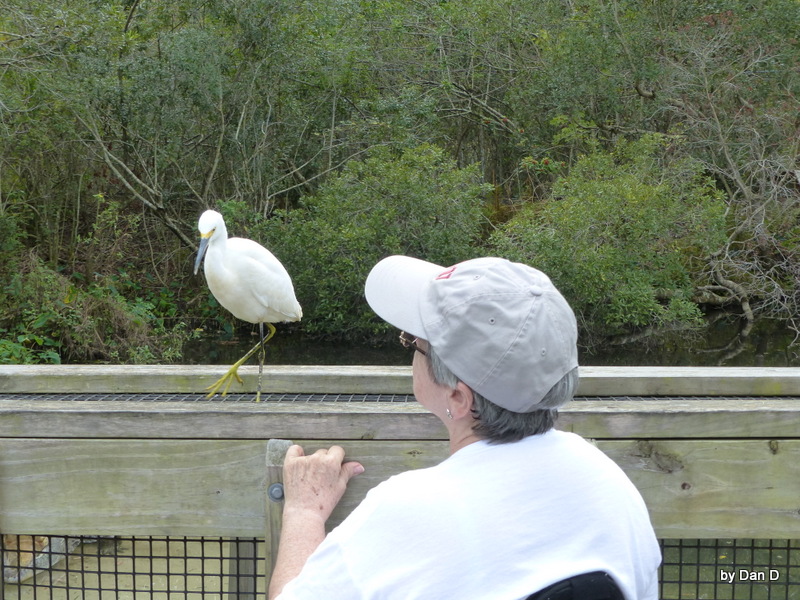
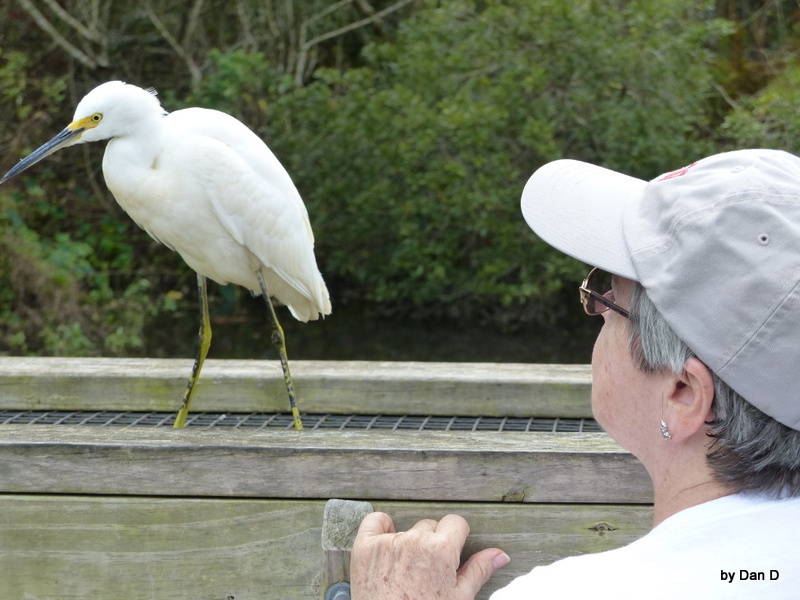
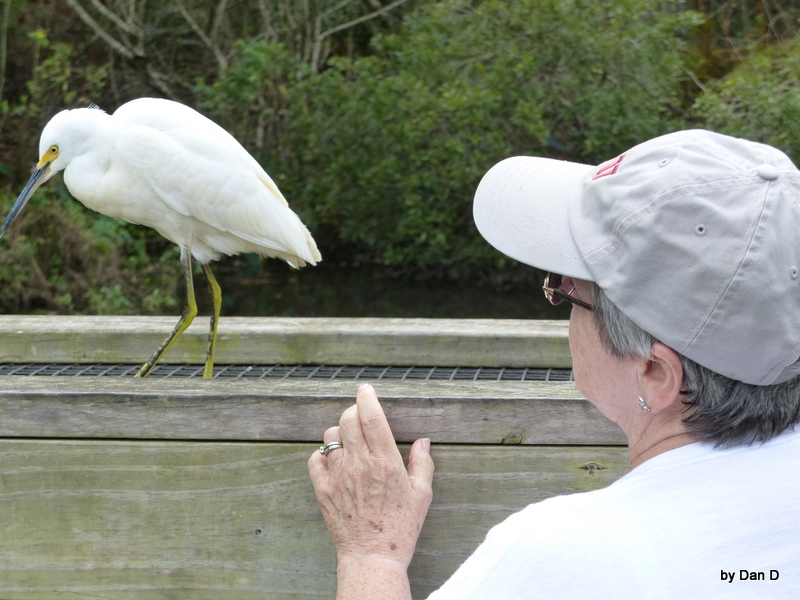
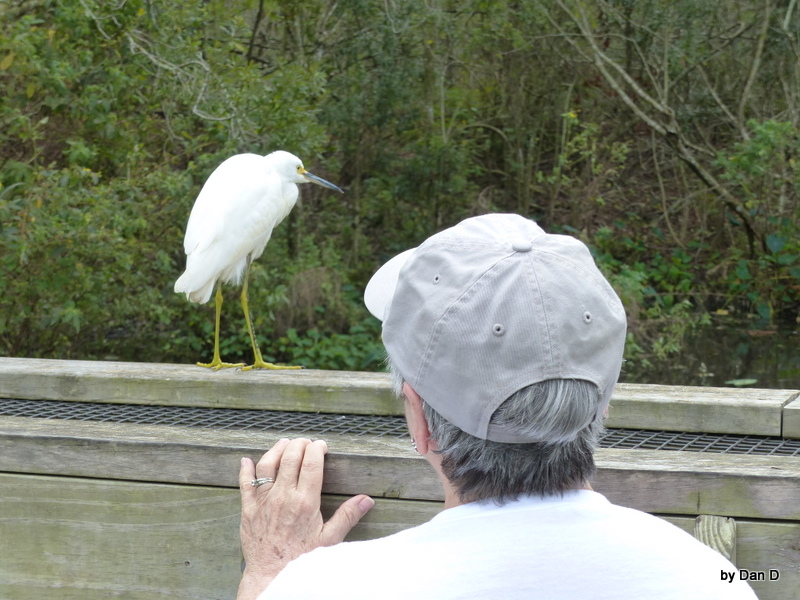
Close Encounter With A Snowy

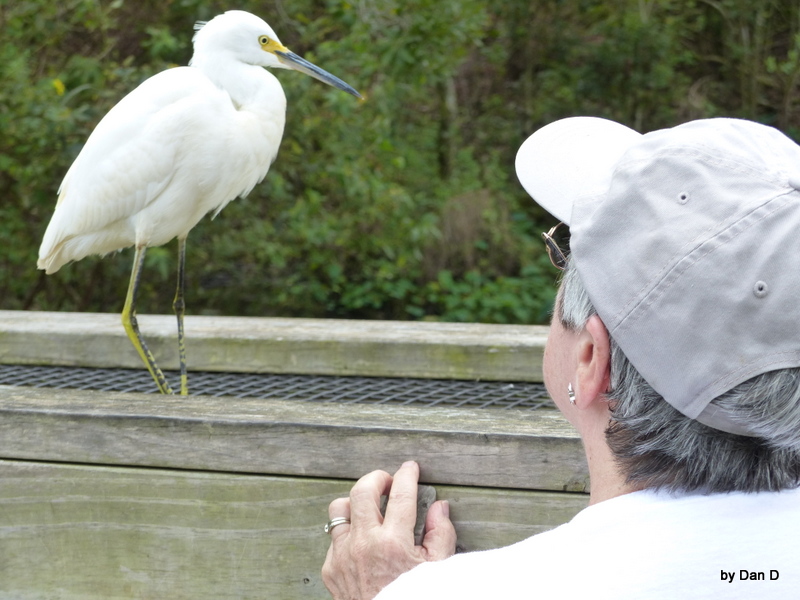
Snowy Egret and Lee Gatorland by Dan

Snowy Egret and Lee Gatorland by Dan

But the fruit of the Spirit is love, joy, peace, longsuffering, kindness, goodness, faithfulness, gentleness, self-control. Against such there is no law. (Galatians 5:22-23 NKJV)

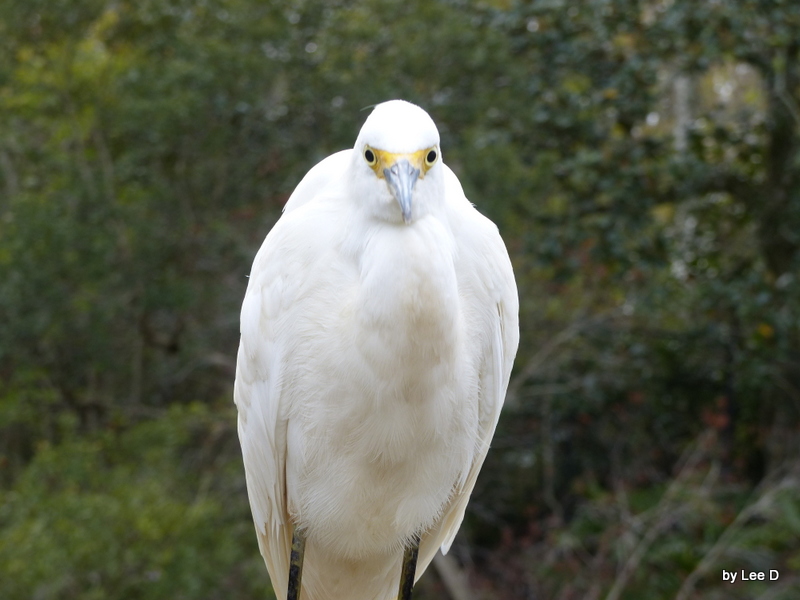
While we were at Gatorland, I had the delight to be able to get really close to a Snowy Egret. I was taking a photo of him when he got so close I couldn’t focus the camera. I backed the zoom out and realized just how close we were.

Snowy Egret stepped so close it blurred my shot.

Snowy Egret stepped so close it blurred my shot.

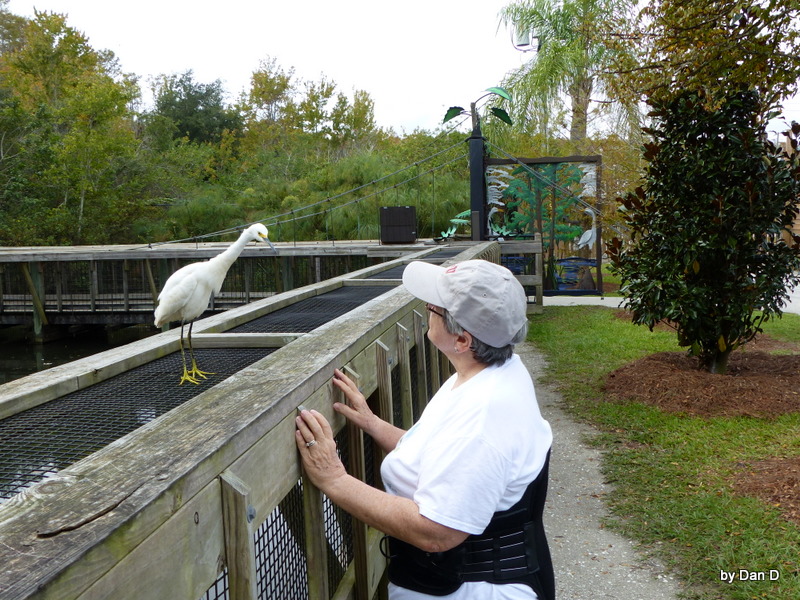
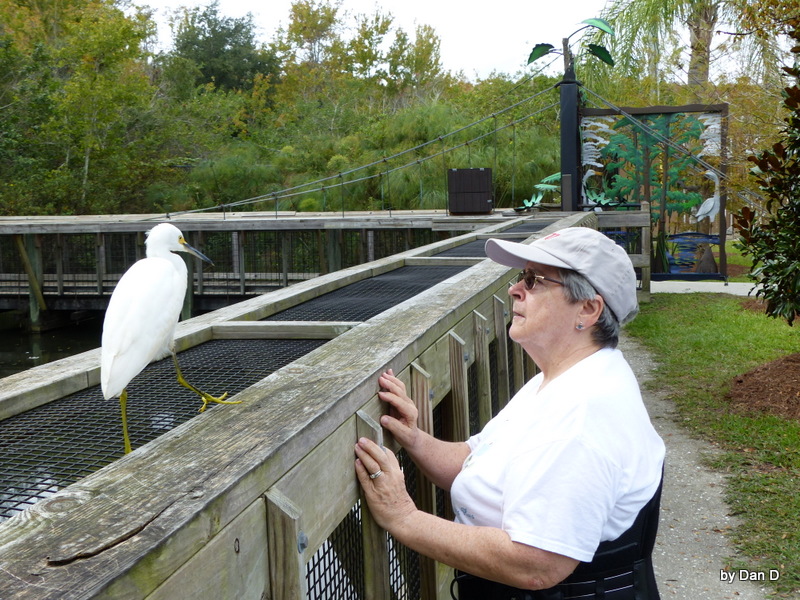
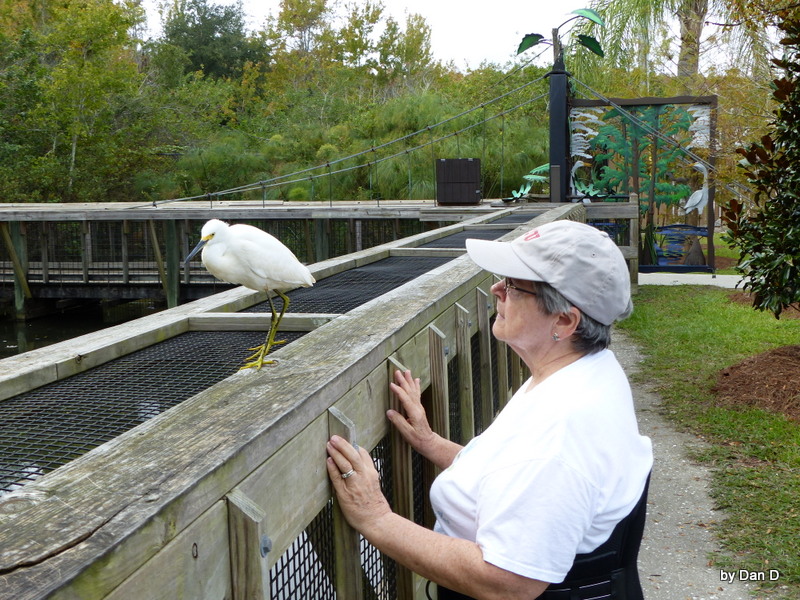
I tried to give my camera to Dan to get a photo of me and the Snowy. That spooked him and he flew off a few yards. I coached him back and thankful he came.

This time I handed Dan my camera down low and he stayed put. The following photos are what Dan took of the close encounter with my Snowy Egret friend. I could have touched the bird, if I had wanted, but have you ever seen that beak up close? Looked like a sharp needle from my point of view.

I am very thankful that the Lord created such a neat bird and helped him not be afraid of me. I am glad the Lord lets us have joy from just watching His critters.

Sunday Inspiration – Oxpeckers and Thrushes

Red-billed Oxpecker (Buphagus erythrorynchus) by Africaddict

Red-billed Oxpecker (Buphagus erythrorynchus) by Africaddict

Then He answered them, saying, “Which of you, having a donkey or an ox that has fallen into a pit, will not immediately pull him out on the Sabbath day?” (Luke 14:5 NKJV)

This Sunday’s continuation of the Passerines (Songbirds) bring us to two more families, one small with only 2 species of Oxpeckers and the other, the large Thrush family with 167 members.

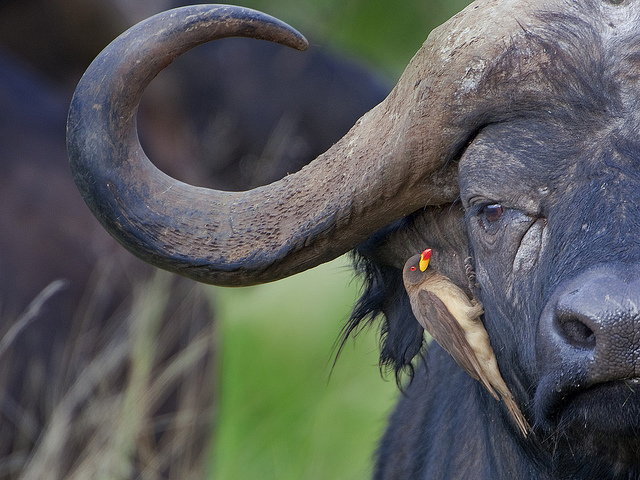
Yellow-billed Oxpecker with Water Buffalo ©©

Yellow-billed Oxpecker with Water Buffalo ©©

The oxpeckers are two species of bird which make up the family Buphagidae. Oxpeckers are endemic to the savanna of Sub-Saharan Africa. Both the English and scientific names arise from their habit of perching on large mammals (both wild and domesticated) such as cattle or rhinoceroses, and eating ticks, botfly larvae, and other parasites.

Oxpeckers feed exclusively on the backs of large mammals. Certain species are seemingly preferred, whereas others, like the Lichtenstein’s hartebeest or Topi are generally avoided. Smaller antelope such as lechwe, duikers and reedbuck are also avoided, the smallest regularly used species is the Impala, probably because of the heavy tick load and social nature of that species. In many parts of their range they now feed on cattle, but avoid camels. They feed on ectoparasites, particularly ticks, as well as insects infecting wounds and the flesh and blood of some wounds as well. (Info from Wikipedia)

Orange-headed Thrush (Geokichla citrina) ©WikiC

Orange-headed Thrush (Geokichla citrina) ©WikiC

Thrushes are medium-sized mostly insectivorous or omnivorous birds. The genus, Turdus, is the largest genus of the thrush family, Turdidae.

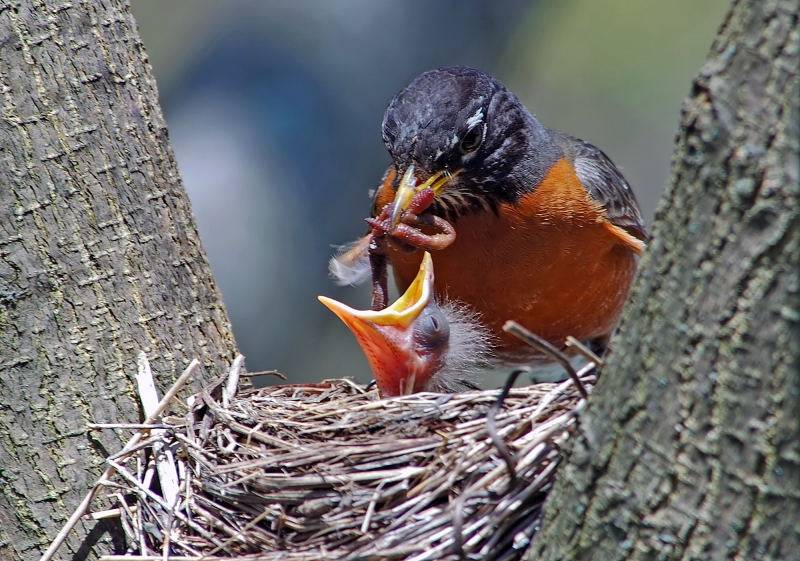
The Turdus genus has a cosmopolitan distribution, with species in the Americas, Europe, Asia, Africa and Australia. Several species have also colonized some oceanic islands, and two species have been introduced to New Zealand. Some New World species are called robins, the most famous of which is the American robin. Several species are migratory.

American Robin (Turdus migratorius)with youngsters by Raymond Barlow

American Robin (Turdus migratorius)with youngsters by Raymond Barlow

They are insectivorous, but most species also eat worms, land snails, and fruit. Many species are permanently resident in warm climes, while others migrate to higher latitudes during summer, often over considerable distances.

Thrushes build cup-shaped nests, sometimes lining them with mud. They lay two to five speckled eggs, sometimes laying two or more clutches per year. Both parents help in raising the young.

The songs of some species, including members of the genera Catharus, Myadestes, and Turdus, are considered to be among the most beautiful in the avian world. (Info from Wikipedia)

This slideshow requires JavaScript.

“Even the stork in the sky Knows her seasons; And the turtledove and the swift and the thrush Observe the time of their migration; But My people do not know The ordinance of the LORD. (Jeremiah 8:7 NASB)

“I Heard The Bells With Peace On Earth” – with Jessie Padgett, Angel Long and the FX Girls

*

Faith Baptist has just recently started posting our services on YouTube. Here is last Sunday’s Message (Dec 6, 2015) if you would like to watch it. We have a great pastor and church. He is doing a Christmas theme during December.

*
Sunday Inspirations

Buphagidae – Oxpeckers Family

Turdidae – Thrushes Family

PASSERIFORMES Order

Birds of the Bible – Thrushes

Birds of the Bible – Bluebirds

*
 

Ian’s Bird of the Week – Oriental Plover

Ian’s Bird of the Week – Oriental Plover by Ian Montgomery

 Newsletter – 12/10/14
_
You may remember that we had Oriental Pratincole as bird of the week early last month as I couldn’t fulfil a request from a local birder for Oriental Plover. Since then, Rex Whitehead, a bird photographer in Mt Isa, 900km west of Townsville as sent me some lovely Oriental Plover photos that he took very recently on Lake Moondarra, a reservoir just outside Mt Isa.
The first two photos are of adult birds in non-breeding plumage. These are elegant mid-sized plovers slightly smaller than Golden Plovers with a length 22-25cm/8.5-10in. The second photo shows the slim profile well. The third photo is of a juvenile bird, and like many plover species it has buff fringes to the dorsal feathers.
The entire population of about 70,000 birds breeds in Mongolia and adjacent areas of southern Siberia and northwestern China and migrates to northern Australia for the northern winter. In both regions it is a bird of dry arid areas and in Australia it visits the coast less frequently and in response to severe drought inland. Some birds reach the southern states, but it’s main range is north of the Tropic of Capricorn. On migration in both directions it appears in large numbers in the Yangtze Valley but records are rare both in more northerly parts of China and in Indonesia. So it is assumed that it is a long distant migrant and does the entire journey in two hops.
In breeding plumage it has a chestnut breast-band with a dark lower edge which forms a sharp border to the white breast. With some reluctance I’ve included a poor distant shot of mine taken at Norfolk Island airport in March 2012 to illustrate the breeding plumage and do a size comparison with the Pacific Golden Plover. if you look carefully you can see the chestnut breast-band on the Oriental Plover and the Pacific Golden Plover is also coming into breeding plumage. Oriental Plovers can run swiftly and the specific name veredus is the Latin for a swift horse.
I’ve been busy working on the website to make it ‘mobile friendly’ so Christmas has approached stealthily and more-or-less unnoticed. I did see in my calendar program yesterday that there is a full moon on Christmas Day and the same program reminded me today that there is a New Moon tomorrow. That gave me a shock as it means Christmas only a couple of weeks away. So, don’t forget the gift giving facilities on the Apple Store and Kobo Books and the ebooks Where to Find Birds in Northern Queensland and Diary of a Bird Photographer! Use the Gifting Gifts section in the Publications Page for links and instructions. Both the thumbnails below are linked to their newly mobile friendly pages on the website.
    
I released the new mobile friendly home page a few days ago. This involved breaking it up into smaller parts to make it more manageable – it had grown to become a monster over the years. The home page now has links to all its erstwhile components like thumbnails to bird families (‘Visual Links’ in the menus), the bird of the week index page, and recent additions. The alphabetic and taxonomic indices are collectively called Text Links, and like the Visual Links are all inter-connected. The move to a mobile world has provided an opportunity for a complete redesign to make the website more consistent and easier to use but, given its size, it will be many months before all the family and species pages get updated but I’ll keep you posted.
Greetings
Ian

Lee’s Addition:

[Even the migratory birds are punctual to their seasons.] Yes, the stork [excelling in the great height of her flight] in the heavens knows her appointed times [of migration], and the turtledove, the swallow, and the crane observe the time of their return. But My people do not know the law of the Lord [which the lower animals instinctively recognize in so far as it applies to them]. (Jeremiah 8:7 AMP)

Wow! If you looked at all the links Ian shared, he has really been busy updating his Birdway website. I’m impressed! The Oriental Plover is also very interesting.

*

Ian’s Bird of the Week

Charadriidae – Plovers  Family

Wordless Birds

*


Black-capped Chickadees Fed by Hand

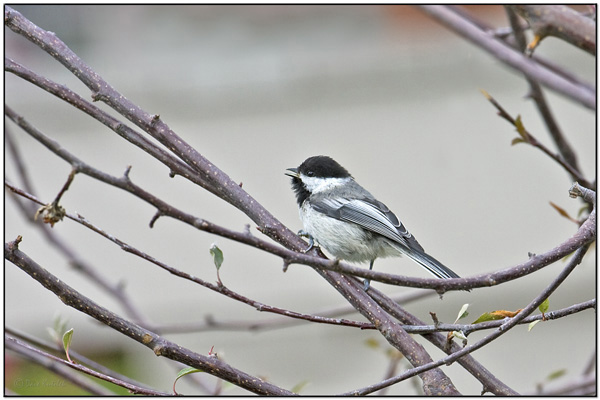
Black-capped Chickadee by Dave's BirdingPix

Black-capped Chickadee by Dave’s BirdingPix

Thought you might enjoy watching Black-capped Chickadees being fed by hand. Video from LesleytheBirdNerd. It is one of the YouTube birders I follow. I like the music also.

Behold the fowls of the air: for they sow not, neither do they reap, nor gather into barns; yet your heavenly Father feedeth them. Are ye not much better than they? (Matthew 6:26 KJV)

Who has measured the waters in the hollow of His hand, Measured heaven with a span And calculated the dust of the earth in a measure? Weighed the mountains in scales And the hills in a balance? Who has directed the Spirit of the LORD, Or as His counselor has taught Him? (Isaiah 40:12-13 NKJV)

*

Paridae – Tits, Chickadees

Black-capped Chickadee – All About Birds

Black-capped Chickadee – Audubon

Black-capped Chickadee – Wikipedia

Black-capped Chickadee – National Geographic

Black-capped Chickadee – What Bird

*

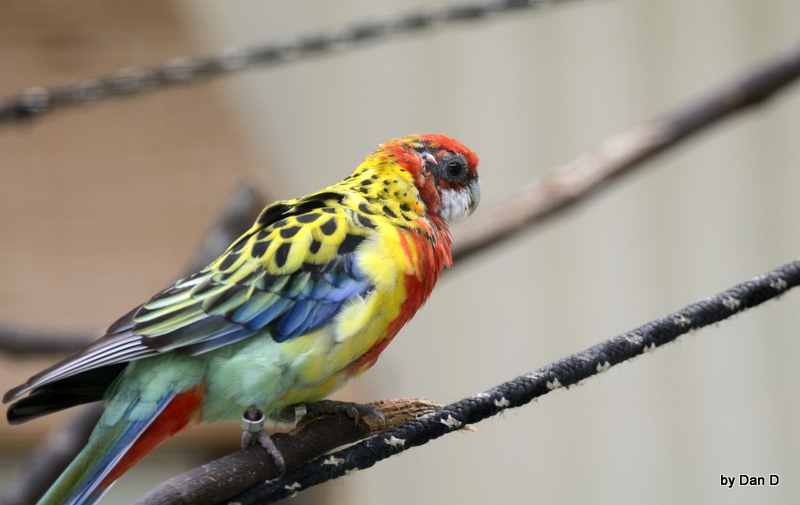
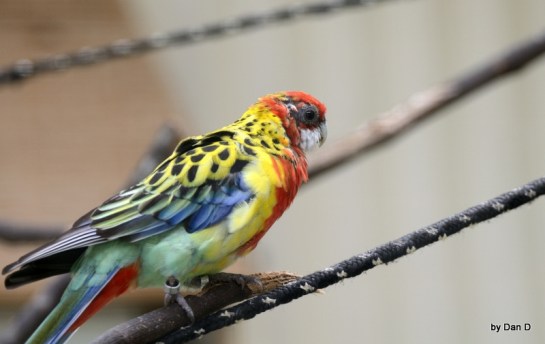
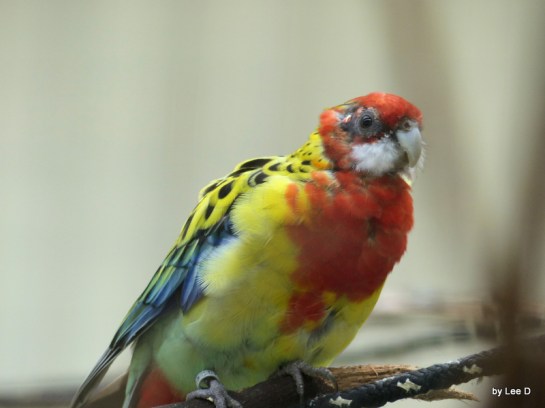
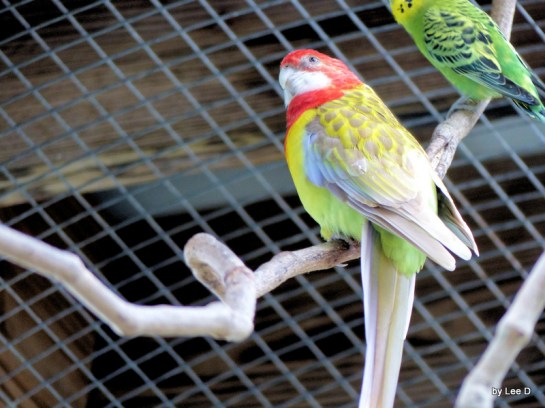
Lord’s Avian Wonders – Eastern Rosella

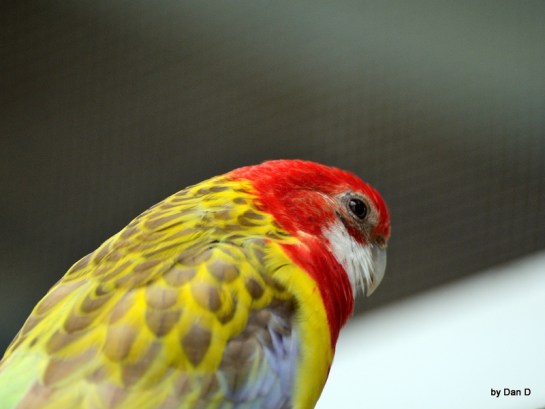
Eastern Rosella Gatorland by Dan

Eastern Rosella Gatorland by Dan

“I set My rainbow in the cloud, and it shall be for the sign of the covenant between Me and the earth.” (Genesis 9:13 NKJV)

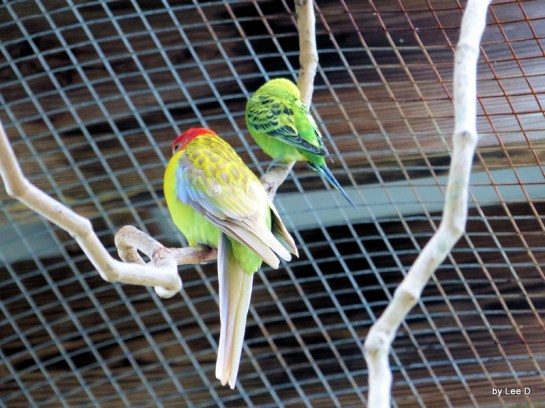
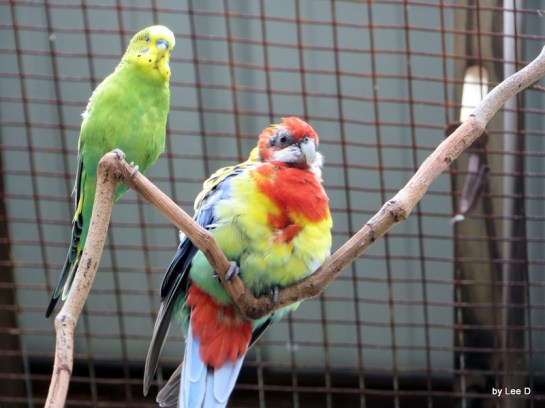
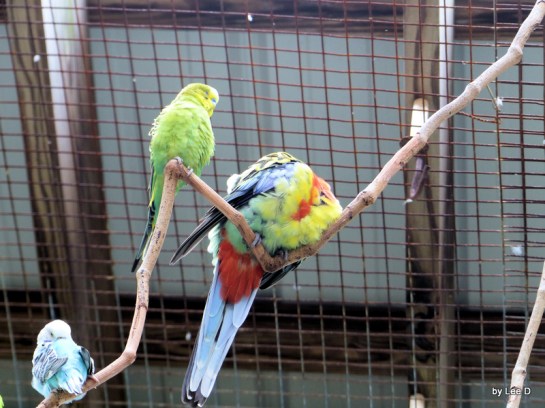
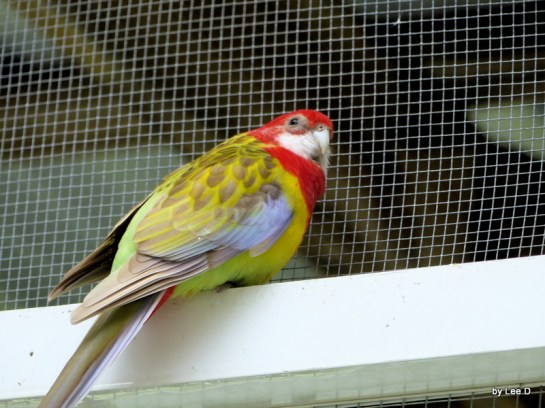
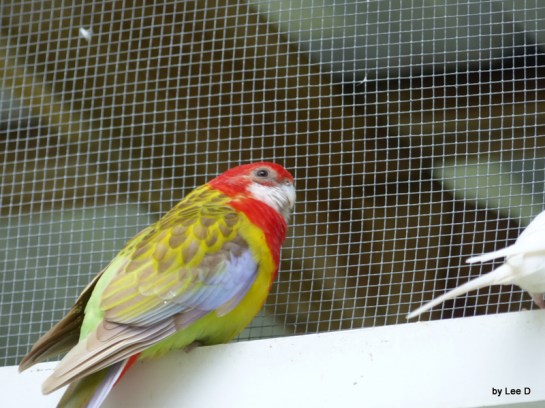
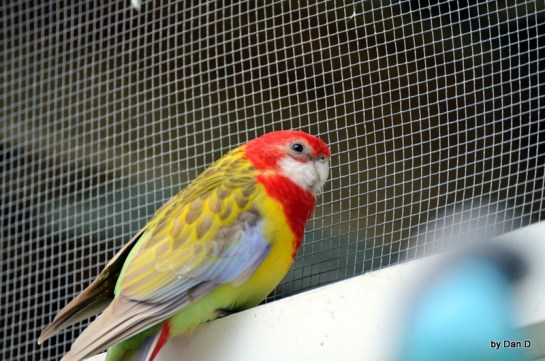
What a delight for me to find two Eastern Rosellas in the little free-flight aviary at Gatorland last week. We have been there two other times, but not when the aviary was open.

Because of Ian’s Bird of the Week articles about the Rosella, these two caught my eye. Never did get a decent photo of them, but never the less, we enjoyed seeing them in person. Dan’s photos were better, of course. They seem quite pale compared to Ian’s photo of one in the wild.

Eastern Rosella (Platycercus eximius) by Ian

Eastern Rosella (Platycercus eximius) by Ian

“The rainbow shall be in the cloud, and I will look on it to remember the everlasting covenant between God and every living creature of all flesh that is on the earth.” (Genesis 9:16 NKJV)

This Rosella reminds me of the colors of a rainbow. Maybe the Lord gave us this beautiful bird to remind us of his promise, even on a non-rainy day.

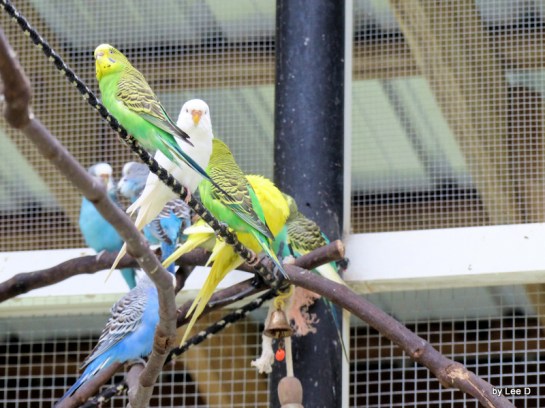
Here are just a few photos from the aviary:

Gatorland, Florida

Ian’s Eastern Rosella photos at Birdway

Psittaculidae – Old World Parrots

Enjoy seeing the really good photos and newsletters from Ian Montgomery:

Who Paints The Leaves?

*

Sunday Inspiration – Starlings, Mynas and Rhabdornis

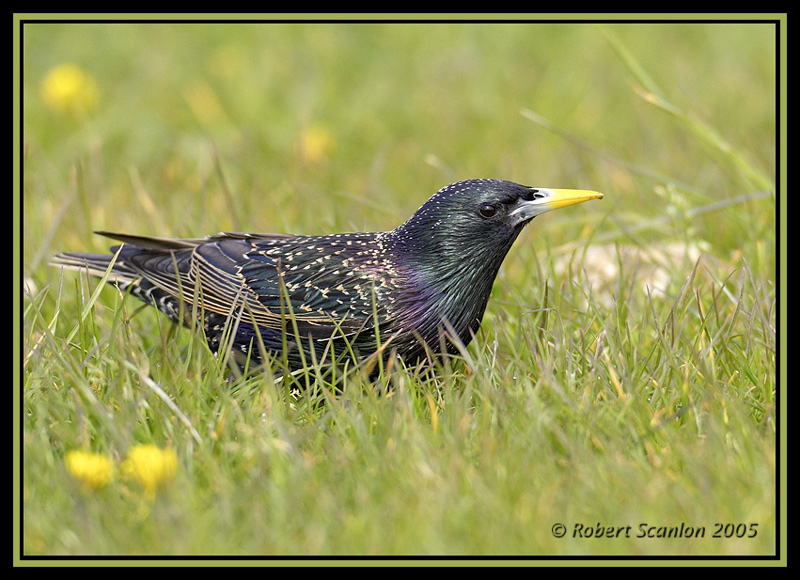
Common Starling (Sturnus vulgaris) by Robert Scanlon

Common Starling (Sturnus vulgaris) by Robert Scanlon

I know all the birds of the mountains, And the wild beasts of the field are Mine. (Psalms 50:11 NKJV)

This weeks Sturnidae Family is rather large with 123 species presently. (Twenty-three are Mynas; three are Rhabdornis; one Coleto and the rest are Starlings.) Here in the U. S., when we think of a Starling it is a very the plain Common (European) Starling. Yet other Starlings are very colorful and beautiful creations from our Lord.

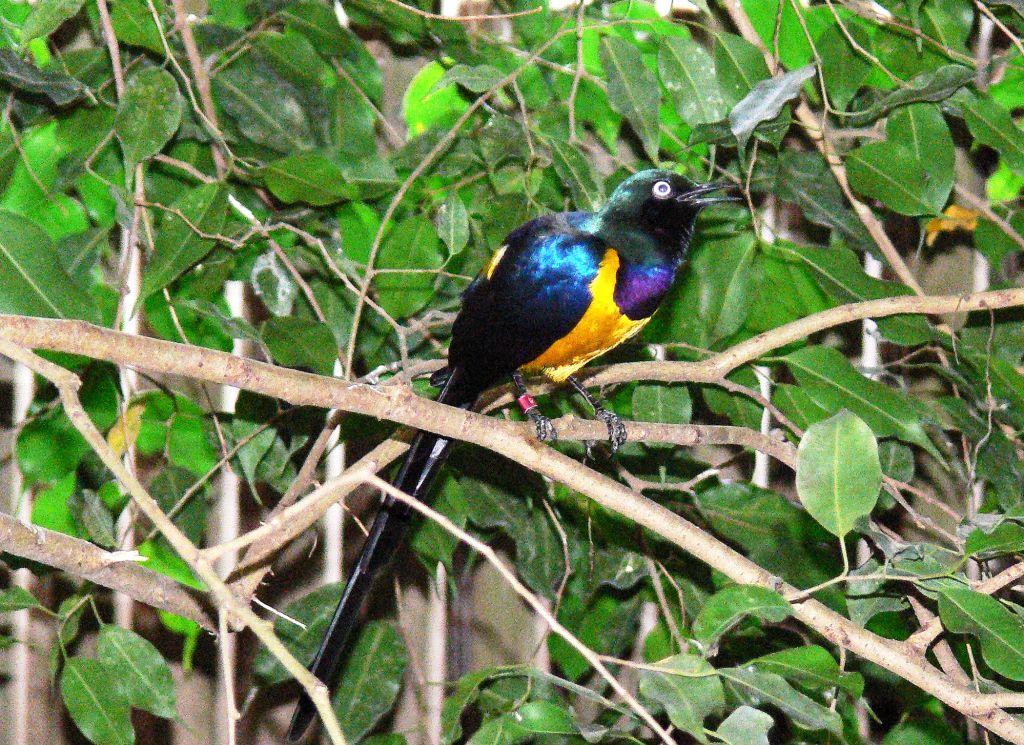
Golden-breasted Starling at NA

Golden-breasted Starling at National Aviary by Lee

The name “Sturnidae” comes from the Latin word for starling, sturnus. Many Asian species, particularly the larger ones, are called mynas, and many African species are known as glossy starlings because of their iridescent plumage. Starlings are native to the Old World, from Europe, Asia and Africa, to northern Australia and the islands of the tropical Pacific. Several European and Asian species have been introduced to these areas as well as North America, Hawaii and New Zealand, where they generally compete for habitats with native birds and are considered to be invasive species. The starling species familiar to most people in Europe and North America is the common starling, and throughout much of Asia and the Pacific, the common myna is indeed common.

Bali Myna (Leucopsar rothschildi Palm Beach Zoo by Lee

Bali Myna (Leucopsar rothschildi Palm Beach Zoo by Lee

Starlings have strong feet, their flight is strong and direct, and they are very gregarious. Their preferred habitat is fairly open country, and they eat insects and fruit. Several species live around human habitation and are effectively omnivores. Many species search for prey such as grubs by “open-bill probing”, that is, forcefully opening the bill after inserting it into a crevice, thus expanding the hole and exposing the prey; this behaviour is referred to by the German verb zirkeln (pronounced [ˈtsɪʁkəln]).

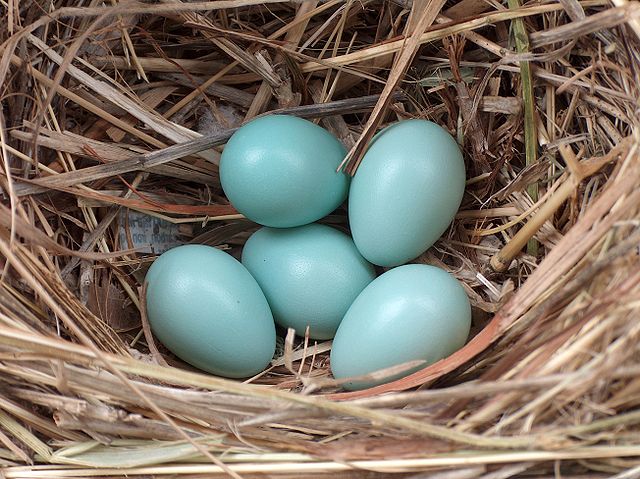
Common Starling (Sturnus vulgaris) Eggs ©WikiC

Common Starling (Sturnus vulgaris) Eggs ©WikiC

Plumage of many species is typically dark with a metallic sheen. Most species nest in holes and lay blue or white eggs.

Metallic Starling (Aplonis metallica) by Ian

Metallic Starling (Aplonis metallica) by Ian

Starlings have diverse and complex vocalizations and have been known to embed sounds from their surroundings into their own calls, including car alarms and human speech patterns. The birds can recognize particular individuals by their calls and are currently the subject of research into the evolution of human language.

Stripe-headed Rhabdornis (Rhabdornis mystacalis) ©©

Stripe-headed Rhabdornis (Rhabdornis mystacalis) ©©

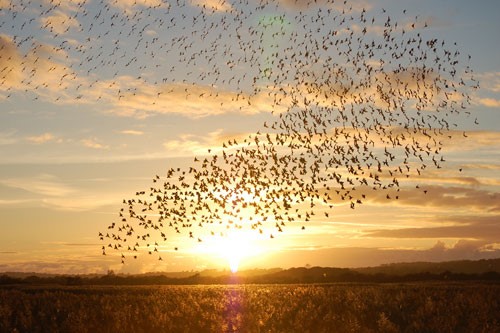
James J. S. Johnson just wrote about the murmuration of the Starlings in Choreographed Choir on the Wing: Birds of a Feather Flock Together. “The starlings are generally a highly social family. Most species associate in flocks of varying sizes throughout the year. A flock of starlings is called a murmuration. These flocks may include other species of starlings and sometimes species from other families. This sociality is particularly evident in their roosting behavior; in the non-breeding season some roosts can number in the thousands of birds.” (Most information from Wikipedia)

Starling Murmuration

Starling Murmuration

*

Many of the family members in random order:

This slideshow requires JavaScript.

*

“Once Upon A Tree” ~ Choir – and – “Sing To Jesus” ~ Angel Long & Jessie Padgett

More Sunday Inspirations

Sturnidae – Starlings, Rhabdornis

Ian’s Bird of the Week – Metallic Starling

Starling – Wikipedia

Wages or a Gift


Lord’s Avian Wonders – Can’t We Talk In Private?

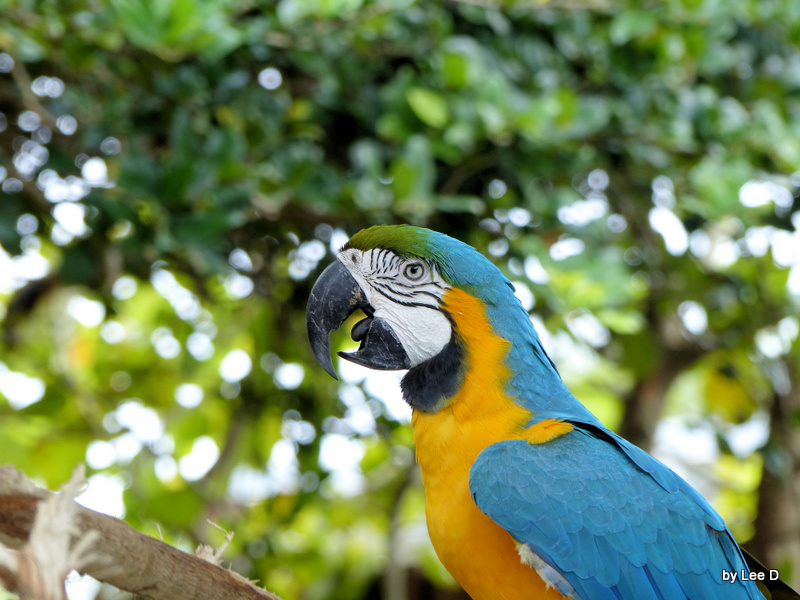
Blue-and-yellow Macaw (Ara ararauna)

Blue-and-yellow Macaw (Ara ararauna) by Lee

Therefore I love thy commandments above gold; yea, above fine gold. (Psalms 119:127 KJV)

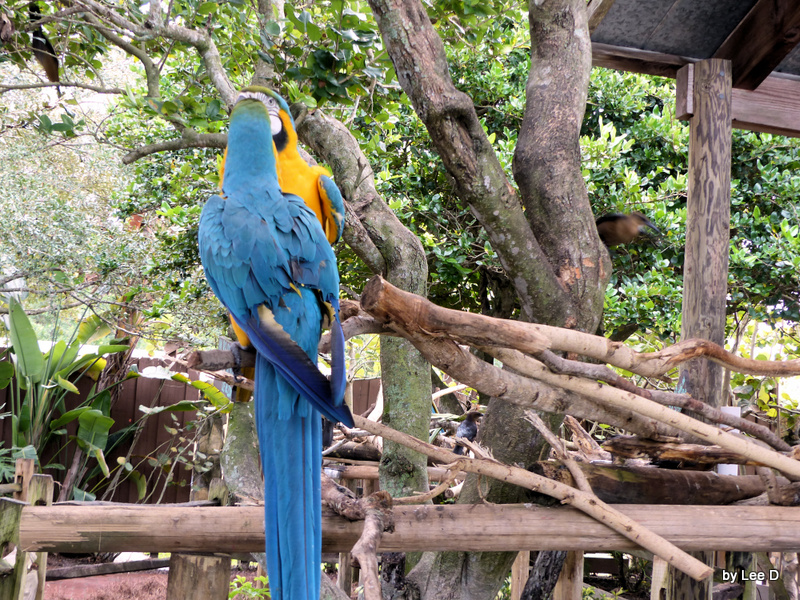
On Tuesday, Dan and I took a ride over to Gatorland in Orlando. Just wanted to share a sequence of photos of some Blue-and-yellow Macaws (Ara ararauna) I took. One allowed me to get a nice view of him (or her) and then walked over to its friend. (Click on photos to enlarge)

Blue-and-yellow Macaws are also known as Blue-and-golds.

They are all plain to him that understandeth, and right to them that find knowledge. Receive my instruction, and not silver; and knowledge rather than choice gold. For wisdom is better than rubies; and all the things that may be desired are not to be compared to it. (Proverbs 8:9-11 KJV)

Psittacidae – African and New World Parrots

Who Paints The Leaves?

*

Lord’s Avian Wonders – Bad Feather Day

Bad Feather Day Gatorland by Lee

Bad Feather Day at Gatorland by Lee

He shall cover thee with his feathers, and under his wings shalt thou trust: his truth shall be thy shield and buckler. (Psalms 91:4 KJV)

Bad Feather Day Gatorland by Lee

Bad Feather Day at Gatorland by Lee

For this is thankworthy, if a man for conscience toward God endure grief, suffering wrongfully.(1 Peter 2:19 KJV)

Bad Feather Day Gatorland by Lee

Bad Feather Day at Gatorland by Lee

Now therefore there is utterly a fault among you, because ye go to law one with another. Why do ye not rather take wrong? why do ye not rather suffer yourselves to be defrauded? Nay, ye do wrong, and defraud, and that your brethren. (1 Corinthians 6:7-8 KJV)

Bad Feather Day Gatorland by Dan

Bad Feather Day at Gatorland by Dan

Click on photos to enlarge them.

*

Sometimes there are pictures that I’d like to share, but don’t really have much to say. The photos say it all. This new category is called Lord’s Avian Wonders to just post a picture or pictures. They are all the Lord’s Avian Creations.

So God created great sea creatures and every living thing that moves, with which the waters abounded, according to their kind, and every winged bird according to its kind. And God saw that it was good. And God blessed them, saying, “Be fruitful and multiply, and fill the waters in the seas, and let birds multiply on the earth.” So the evening and the morning were the fifth day.
(Genesis 1:21-23 NKJV)

*

Birds of the Bible – Foundation #3 Updated

Mourning Dove (Zenaida macroura) by Quy Tran

Mourning Dove (Zenaida macroura) by Quy Tran

We will continue on with the Birds of the Bible – Foundation series.

If you have not read the previous blogs:
Foundation #1 Updated
Foundation #2 Updated

In the last blog the “Fall” of Adam and Eve was mentioned and because of that, the “Curse” is now on them and all of God’s creation. Death comes on the scene, mankind now has sinned and now each person is born as a sinner. The ground is cursed and thorns and thistle now appear.

By Genesis Chapter 6, God has had it with the sins of man.

And GOD saw that the wickedness of man was great in the earth, and that every imagination of the thoughts of his heart was only evil continually. And it repented the LORD that he had made man on the earth, and it grieved him at his heart. And the LORD said, I will destroy man whom I have created from the face of the earth; both man, and beast, and the creeping thing, and the fowls of the air; for it repenteth me that I have made them. (Genesis 6:5-7 KJV)

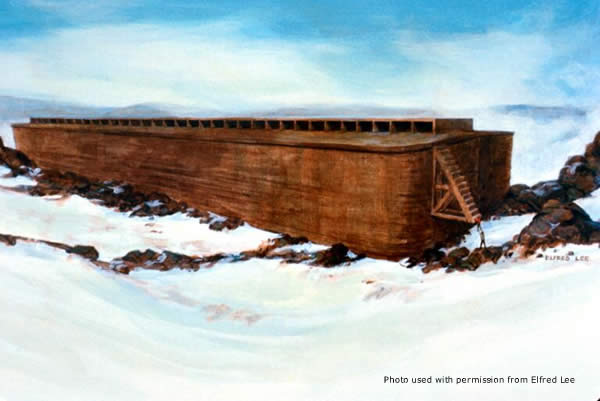
The Ark by Elfred Lee

The Ark by Elfred Lee

All is not lost because, “But Noah found grace in the eyes of the LORD.” (Genesis 6:8 KJV) Because of the grace found by Noah, the LORD gives him instructions about how to build an ark including the size, materials to use, who and what will be on board, and why the ark will be needed. God makes a covenant with Noah and tells him to come in with his wife and his sons and his son’s wives.

And of every living thing of all flesh, two of every sort shalt thou bring into the ark, to keep them alive with thee; they shall be male and female. Of fowls after their kind, and of cattle after their kind, of every creeping thing of the earth after his kind, two of every sort shall come unto thee, to keep them alive. (Genesis 6:19-20 KJV)

He was also to provide food for all of them. And Noah obeyed all that he was told. Noah spent over 100 years preparing the ark and trying to warn others of the coming judgment. There was plenty of room on the ark for more than the 8 people who boarded the ark. The others refused to repent.

Noah's Ark ©©Flickr elmada

Noah’s Ark ©©Flickr elmada

When we get to Chapter 7, the boarding of the ark takes place and the rain and flood begins. “And the LORD said unto Noah, Come thou and all thy house into the ark; for thee have I seen righteous before me in this generation. Of every clean beast thou shalt take to thee by sevens, the male and his female: and of beasts that are not clean by two, the male and his female. Of fowls also of the air by sevens, the male and the female; to keep seed alive upon the face of all the earth. For yet seven days, and I will cause it to rain upon the earth forty days and forty nights; and every living substance that I have made will I destroy from off the face of the earth. And Noah did according unto all that the LORD commanded him.” (Genesis 7:1-5)

Noah did not have to round up the animals, they came to him. Because not every animal we see today came on board but the main kinds (for instance the “bird kinds” may have had a “warbler kind” but not have black and white warblers, yellow-rumped warblers, hooded warbler, etc.), which ever ones they were, there was plenty of room for them. I have an idea that because the LORD sent the animals, birds, and critters, that their DNA’s were of the highest quality. (That is my opinion)

Dove in Israel

Doves in Israel

If you read the rest of Genesis 7, you will see that the global flood came and covered everything and only those who were in the ark survived, plus some of those that live in the water.

And all flesh died that moved upon the earth, both of fowl, and of cattle, and of beast, and of every creeping thing that creepeth upon the earth, and every man: All in whose nostrils was the breath of life, of all that was in the dry land, died. And every living substance was destroyed which was upon the face of the ground, both man, and cattle, and the creeping things, and the fowl of the heaven; and they were destroyed from the earth: and Noah only remained alive, and they that were with him in the ark. (Genesis 7:21-23)

In Foundation #4 we will find out about what the birds go through as they come off the ark and after.

Gospel Presentation

*