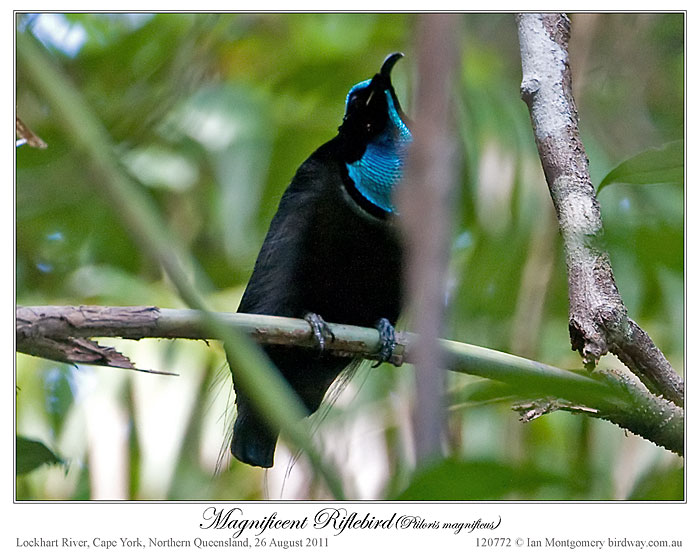
Magnificent Riflebird (Ptiloris magnificus) by Ian
Let them praise the name of the LORD: for his name alone is excellent; his glory is above the earth and heaven. (Psa 148:13 KJV)
The Magnificent Riflebird is a member of the Paradisaeidae – Birds-of-paradise Family. They are a family of birds that really showcase the Lord’s Creative Hand.
The Magnificent Riflebird (Ptiloris magnificus) is a medium-sized (up to 34 cm long) passerine bird of the Paradisaeidae family. The male is velvet-black bird of paradise with elongated black filamental flank plumes, an iridescent blue-green crown, a wide, triangle-shaped breast shield, and on central tail feathers. It has a black curved bill, yellow mouth, blackish feet and a dark brown iris. The female is brownish with dark spots and buff bars below.
The Magnificent Riflebird is widely distributed throughout lowland rainforests of New Guinea and far Northeastern Australia. The diet consists mainly of fruits and arthropods.
Males perform solitary courtship displays on a ‘dancing perch’. During these displays, the male fully extends his wings and raises his tail; he hops upward while swinging his head from side to side, showing off his metallic blue-green breast shield. Multiple females will observe these displays. Females subsequently build nests, incubate, brood, and feed young without male assistance. (Wikipedia with editing)
The Lab of Ornithology produced this clip.
*
Praise him for his mighty acts: praise him according to his excellent greatness. (Psa 150:2 KJV)
P.S. I am off on a birdwatching adventure, but wanted to share this with you. More about our adventure later.
What a neat video of the Blue-cheeked Bee-eater. I have seen photos of them, but seeing birds in action is always special. There are some birds that just hit my fancy as I admire the Lord’s Handiwork. The Bee-eaters are one of those.
Matthew 6:25-34 NKJV
(25) “Therefore I say to you, do not worry about your life, what you will eat or what you will drink; nor about your body, what you will put on. Is not life more than food and the body more than clothing?
(26) Look at the birds of the air, for they neither sow nor reap nor gather into barns; yet your heavenly Father feeds them. Are you not of more value than they?
(27) Which of you by worrying can add one cubit to his stature?
(28) “So why do you worry about clothing? Consider the lilies of the field, how they grow: they neither toil nor spin;
(29) and yet I say to you that even Solomon in all his glory was not arrayed like one of these.
(30) Now if God so clothes the grass of the field, which today is, and tomorrow is thrown into the oven, will He not much more clothe you, O you of little faith?
(31) “Therefore do not worry, saying, ‘What shall we eat?’ or ‘What shall we drink?’ or ‘What shall we wear?’
(32) For after all these things the Gentiles seek. For your heavenly Father knows that you need all these things.
(33) But seek first the kingdom of God and His righteousness, and all these things shall be added to you.
(34) Therefore do not worry about tomorrow, for tomorrow will worry about its own things. Sufficient for the day is its own trouble.
As the name suggests, bee-eaters predominantly eat flying insects, especially bees and wasps, which are caught in the air by sallies from an open perch. While they pursue any type of flying insect, honey bees predominate in their diet. Hymenoptera (ants, bees and wasps) comprise from 20% to 96% of all insects eaten, with honey bees comprising approximately one-third of the Hymenoptera. (Wikipedia with editing)
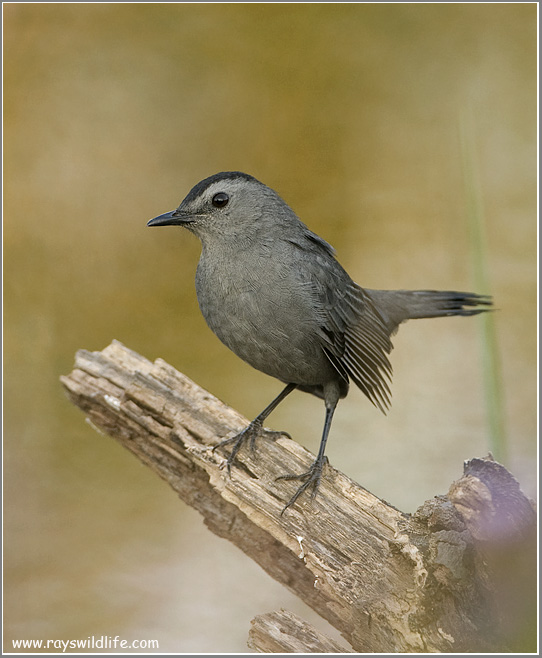
Grey Catbird (Dumetella carolinensis) by Africaddict
I came across a very interesting YouTube from the LabofOrnithology. It tells about how the Grey (Gray) Catbird mimics so many bird species (and a frog also). Listen as Greg Budney, audio curator at the Macaulay Library, dissects the recording and notes each snippet of mimicked song. (IOC uses the name Grey Catbird and some others still use the Gray spelling.)
*
*
Isn’t that amazing? He produced it very well by showing the bird and then the Catbird mimicking it. I have always enjoyed finding our Grey Catbirds in this area. (When you can find them!)
Catbirds get their name because they belong to several unrelated groups of songbirds because their wailing calls, which resemble a cat’s meowing. The genus name Ailuroedus likewise is from the Greek for “cat-singer” or “cat-voiced”.
Australasian catbirds are the genera Ailuroedus and the monotypic Scenopooetes. They belong to the bowerbird family (Ptilonorhynchidae) of the basal songbirds:
New World catbirds are two monotypic genera from the mimid family (Mimidae) of the passeridan superfamily Muscicapoidea. Among the Mimidae, they represent independent basal lineages probably closer to the Caribbean thrasher and trembler assemblage than to the mockingbirds and Toxostoma thrashers:
A monotypic genus from Africa. It is tentatively placed in the Sylviidae – Sylviid Babblers of the passeridan superfamily Sylvioidea, but possibly closer to the typical warblers of the Sylviidae.
Abyssinian Catbird (Parophasma galinieri)
Grey Catbird (Dumetella carolinensis) by Raymond Barlow
Woe to the world for such temptations to sin and influences to do wrong!… (Matthew 18:7 AMP)
And Samuel heard all the words of the people, and he repeated them in the hearing of the LORD. (1 Samuel 8:21 NKJV)
He who covers and forgives an offense seeks love, but he who repeats or harps on a matter separates even close friends. (Proverbs 17:9 AMP)
By the blessing of the influence of the upright and God’s favor [because of them] the city is exalted, but it is overthrown by the mouth of the wicked. He who belittles and despises his neighbor lacks sense, but a man of understanding keeps silent. He who goes about as a talebearer reveals secrets, but he who is trustworthy and faithful in spirit keeps the matter hidden. (Proverbs 11:11-13 AMP)
As I was watching the video some verses came to mind. What are we mimicking? I’ve written about the birds that repeat what we say in, Birds of the Bible – Repeating Birds. When we watch TV, listen to music, listen to speeches, read the newspaper, etc. We are being influenced. There are times when we “mimic” what we have seen or heard. It can go either way.
We can hear and mimic (copy) the good OR we can hear and mimic (copy) the bad. I trust we are following the Lord and His teachings.
“Scientists studying the dragonfly are learning even more secrets of flight. Our best high-performance aircraft can barely lift themselves off the ground. However, the dragonfly can lift 15 times his own weight into the air.”
But ask now the beasts, and they shall teach thee; and the fowls of the air, and they shall tell thee: Or speak to the earth, and it shall teach thee: and the fishes of the sea shall declare unto thee. Who knoweth not in all these that the hand of the LORD hath wrought this?
(Job 12:7-9 KJV)
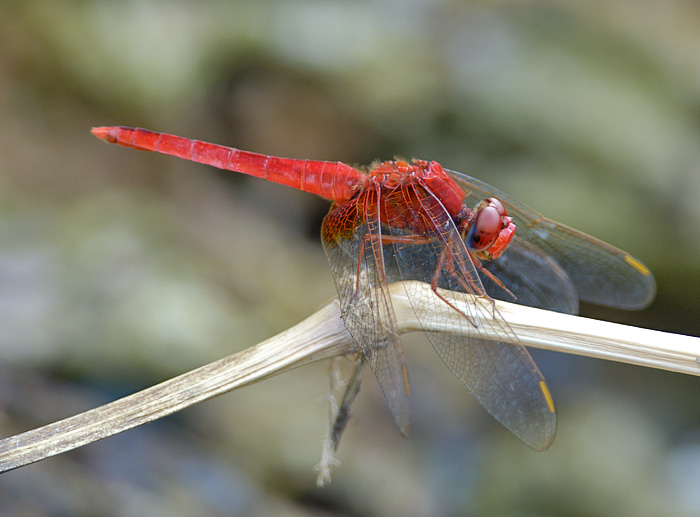
Dragonflies are probably the most beautiful of the flying insects. There are about 4,500 different varieties. They begin their life in water, where eggs hatch into rather ugly brown nymphs. The time spent living in water varies from a few weeks to several years, but for all the varieties the day comes when the nymph suddenly has the urge to climb out of the water. It sits for a while at the top of a piece of grass until its skin splits open and out comes a dragonfly! After waiting for its wings to become firm and dry, the dragonfly flies away, its lovely colours glinting in the sunshine.
Although they are very small, dragonflies are wonderfully designed for flying. Their two pairs of wings are very light, but strengthened by a network of tiny veins, which not only carry blood fluid to keep the wings stiff, but also nerves and oxygen. Some dragonflies beat their wings 40 times in one second! Dragonflies are like tiny helicopters—they can even fly backwards! In fact, Igor Sikorsky, who first designed helicopters, for the idea from watching dragonflies.
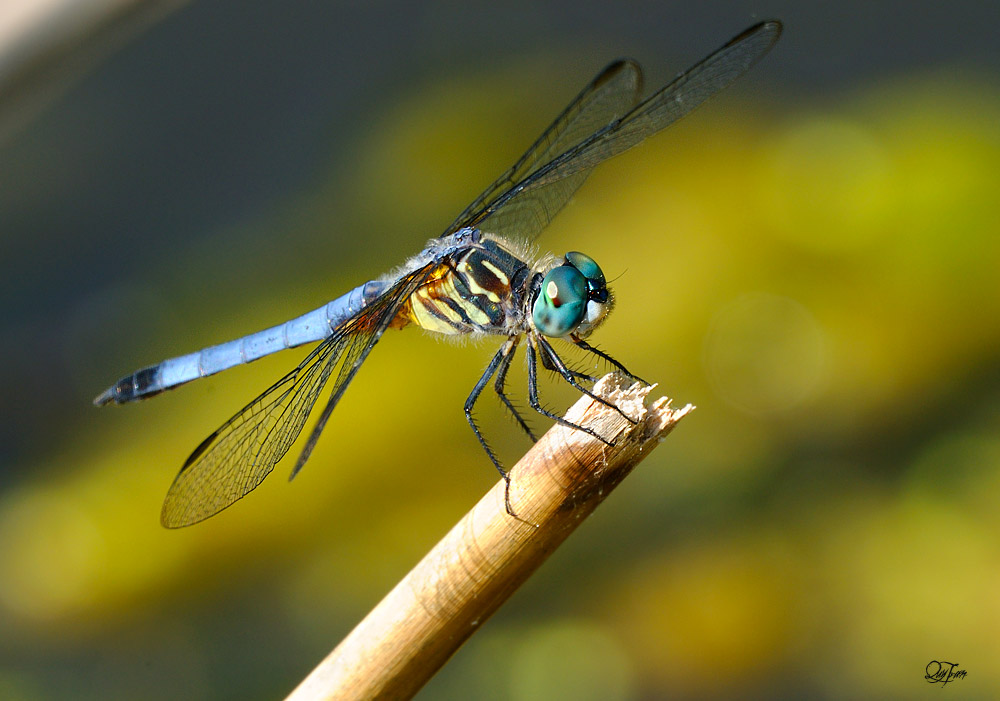
Dragonfly by QuyTran
Another wonderful thing about dragonflies is their eyes. Each pair of eyes is actually made up of as many as 30,000 separate eyes, each with its own lens! This enables the insect to see what is happening over a wide area, and spot every tiny movement without moving its head.
The supposedly oldest fossil dragonflies are just like dragonflies are now, except that they were much larger—75 centimeters (2.5 feet) from wing-tip to wing-tip! So there is no evidence that they evolved from ancestors without wings. And surely those amazing eyes did not evolve? Dragonflies are another of the many wonders of God’s creation!” From Our World (Answers for Kids.)
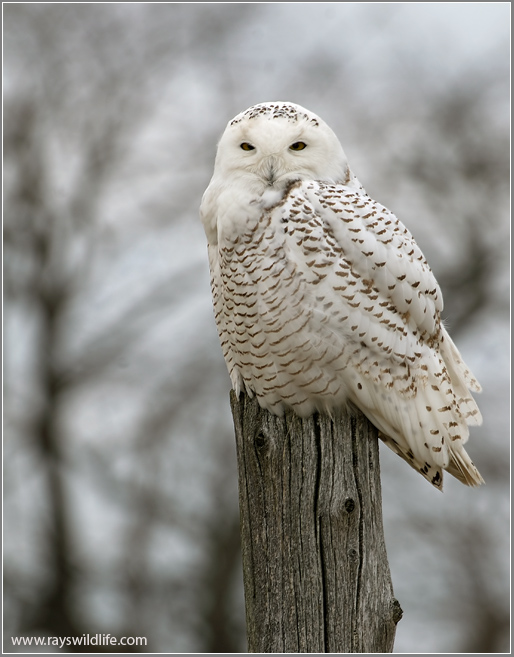
Snowy Owl (Bubo scandiacus) by Raymond Barlow (Not the one being seen)
the ostrich, the short-eared owl, the sea gull, and the hawk after its kind; the little owl, the fisher owl, and the screech owl; the white owl, the jackdaw, and the carrion vulture;
(Leviticus 11:16-18 NKJV)
And the owl, and the night hawk, and the cuckow, and the hawk after his kind, And the little owl, and the cormorant, and the great owl, (Leviticus 11:16-17 KJV)
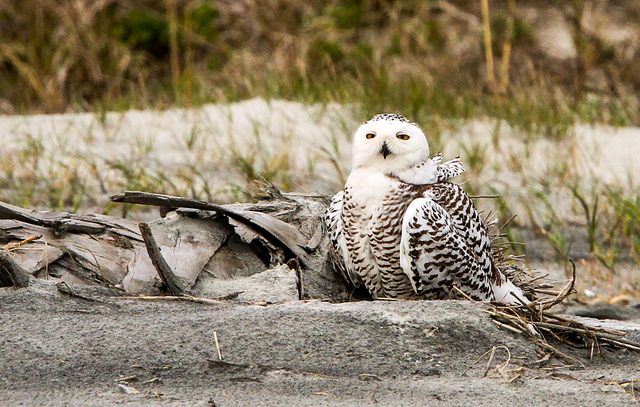
Florida birdwatchers are pleased to have an odd appearance of a Snowy Owl. She is a young owl, but she has quite a following down here. What makes this so unusual is that she is way out of the normal winter grounds for these birds. This is only the third observation of the Snowy Owl in Florida. We are known for our “Snowbirds,” but the Snowy Owl definitely qualifies as a “Snowbird.”
This bird has made a temporary home at the Little Talbot Island State Park. Not sure how the bird has any privacy. Birdwatchers from all around are making trips to Duval County, where Jacksonville is located. She was still there as of yesterday, Jan 5, 2014.
Snowy Owl (bubo scandiacus) are members of the Strigidae – Owl Family. They are the largest North American Owl. Owls are a Bird of the Bible and depending on which version you use, Owls are mentioned in 14 verses in the KJV, but a “Snowy Owl” is not mentioned, but the “great” and “white” owls are mentioned. What a lovely creation from our Lord.
This yellow-eyed, black-beaked white bird is easily recognizable. It is 52–71 cm (20–28 in) long, with a 125–150 cm (49–59 in) wingspan. Also, these birds can weigh anywhere from 1.6 to 3 kg (3.5 to 6.6 lb).[3] It is one of the largest species of owl and, in North America, is on average the heaviest owl species. The adult male is virtually pure white, but females and young birds have some dark scalloping; the young are heavily barred, and dark spotting may even predominate. Its thick plumage, heavily feathered taloned feet, and colouration render the Snowy Owl well-adapted for life north of the Arctic Circle.
Snowy Owl calls are varied, but the alarm call is a barking, almost quacking krek-krek; the female also has a softer mewling pyee-pyee or prek-prek. The song is a deep repeated gahw. They may also clap their beak in response to threats or annoyances. While called clapping, it is believed this sound may actually be a clicking of the tongue, not the beak.
This powerful bird relies primarily on lemmings and other small rodents for food during the breeding season, but at times of low prey density, or during the ptarmigan nesting period, they may switch to favoring juvenile ptarmigan. They are opportunistic hunters and prey species may vary considerably, especially in winter. They feed on a wide variety of small mammals such as meadow voles and deer mice, but will take advantage of larger prey, frequently following traplines to find food. Some of the larger mammal prey includes hares, muskrats, marmots, squirrels, rabbits, raccoons, prairie dogs, rats, moles, smaller birds, entrapped furbearers. Birds preyed upon include ptarmigan, other ducks, geese, shorebirds, pheasants, grouse, coots, grebes, gulls, songbirds, and even other raptors, including other owl species. Most of the owls’ hunting is done in the “sit and wait” style; prey may be captured on the ground or in the air, or fish may be snatched off the surface of bodies of water using their sharp talons. Each bird must capture roughly 7 to 12 mice per day to meet its food requirement and can eat more than 1,600 lemmings per year.
Snowy Owls, like many other birds, swallow their small prey whole. Strong stomach juices digest the flesh, while the indigestible bones, teeth, fur, and feathers are compacted into oval pellets that the bird regurgitates 18 to 24 hours after feeding. Regurgitation often takes place at regular perches, where dozens of pellets may be found. Biologists frequently examine these pellets to determine the quantity and types of prey the birds have eaten. When large prey are eaten in small pieces, pellets will not be produced. (Wikipedia)
American White Ibis (Eudocimus albus) 1st Birds of 2014 by Lee
About 8:30 am I was sitting at our table and caught a glimpse of some white birds landing in the front yard. Looking out, I saw 22 American White Ibises. Yeah! My first birds sighted in 2014. I went back in and after a while decided to get my camera. Three had left, but 19 were left. Here are some photos and a video I made of them.
Oh, sing to the LORD a new song! Sing to the LORD, all the earth. (Psalms 96:1 NKJV)
For the Athenians, all of them, and the foreign residents and visitors among them spent all their leisure time in nothing except telling or hearing something newer than the last– (Acts 17:21 AMP)
American White Ibis (Eudocimus albus) 1st Birds of 2014 by Lee
The photos are blurred around their heads, but when you watch the video, you will see why. Their heads are bobbing constantly as they probe for goodies out of my neighbor’s and my yard. They had originally landed in our yard on the right. By the time I got the camera, they had worked their way next door. I figured that I would do good to get a photo. But! They turned around and worked their way back to our yard.
As you can tell it was drab and drizzling rain. It was also cool and I was standing out in my bare feet and my pajamas. What we won’t do to get that 1st sighting and photo of a bird in a new year.
Boat-tailed Grackle (Quiscalus major) 2nd Bird of 2014 by Lee
I kept hearing a Boat-tailed Grackle in the tree, so decided to get his photo. So he was #2 and as I looked through the lens, there was #3 behind him. That is an Eurasian Collared Dove. Not to be left out, #4 landed on that tree. A male Red-bellied Woodpecker.
Eurasian Collared Dove and Red-bellied Woodpecker 3rd and 4th Birds of 2014 by Lee
There you have my first birds of 2014
1. American White Ibis (Eudocimus albus)
2. Boat-tailed Grackle (Quiscalus major)
3. Eurasian Collared Dove (Streptopelia decaocto)
4. Red-bellied Woodpecker (Melanerpes carolinus)
How about you?
Also, if there are any photographers that would like to share photos with the blog on a regular basis, contact me at Lee@Leesbird.com. I am always eager to have photos available for showing the birds as we write about them. A link and credit are given to you.
Based upon the observations of Mr. William Brewster.
As the house of the woodpecker has no windows and the old bird very nearly fills the doorway when she comes home, it is hard to find out just how she feeds her little ones. But one of our best naturalists has had the opportunity to observe it, and has told what he saw.
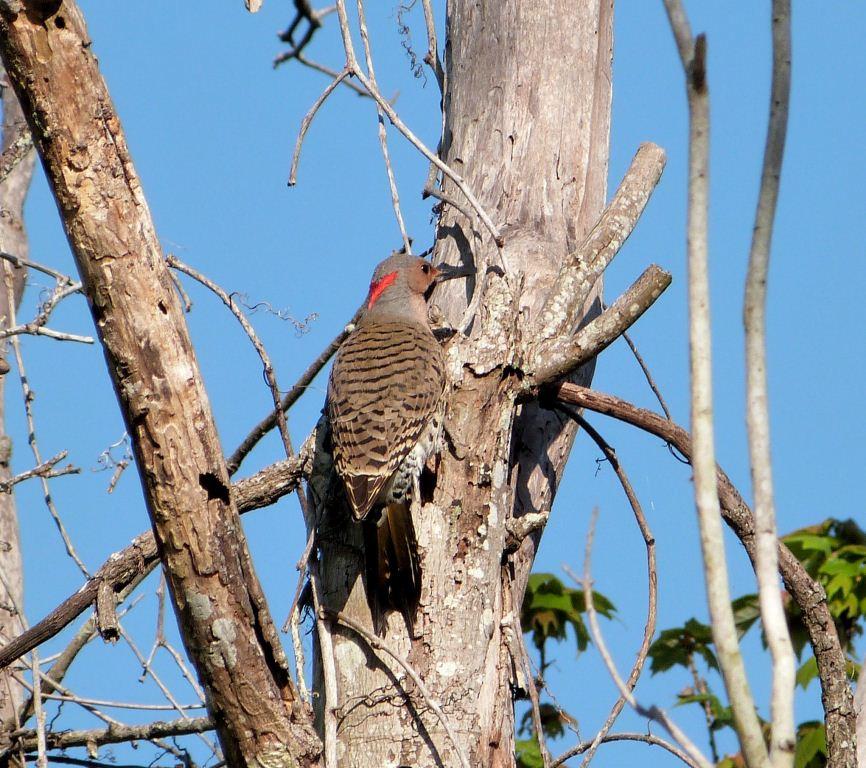
A flicker had built a nest in the trunk of a rather small dead tree which, after the eggs were hatched, was accidentally broken off just at the entrance hole. This left the whole cavity exposed to the weather; but it was too late to desert the nest, and impossible to remove the young birds to another nest.
When first visited, the five little birds were blind, naked, and helpless. They were motherless, too. Some one must have killed their pretty mother; for she never came to feed them, and the father was taking all the care of his little family. When disturbed the little birds hissed like snakes, as is the habit of the callow young of woodpeckers, chickadees, and other birds nesting habitually in holes in trees. When they were older and their eyes were open, they made a clatter much like the noise of a mowing-machine, and loud enough to be heard thirty yards away.
The father came at intervals of from twenty to sixty minutes to feed the little ones. He was very shy, and came so quietly that he would be first seen when he alighted close by with a low little laugh or a subdued but anxious call to the young. “Here I am again!” he laughed; or “Are you all right, children?” he called to them. “All right!” they would answer, clattering in concert like a two-horse mower.
As soon as they heard him scratching on the tree-trunk, up they would all clamber to the edge of the nest and hold out their gaping mouths to be fed. Each one was anxious to be fed first, because there never was enough to go round. There was always one that, like the little pig of the nursery tale, “got none.” When he came to the nest, the father would look around a moment, trying to choose the one he wanted to feed first. Did he always pick out the poor little one that had none the time before, I wonder?
After the old bird had made his choice, he would bend over the little bird and drive his long bill down the youngster’s throat as if to run it through him. Then the little bird would catch hold as tightly as he could and hang on while his father jerked him up and down for a second or a second and a half with great rapidity. What was he doing? He was pumping food from his own stomach into the little one’s. Many birds feed their young in this way. They do not hold the food in their own mouths, but swallow and perhaps partially digest it, so that it shall be fit for the tender little stomachs.
While the woodpecker was pumping in this manner his motions were much the same as when he drummed, but his tail twitched as rapidly as his head and his wings quivered. The motion seemed to shake his whole body.
In two weeks from the time when the little birds were blind, naked, helpless nestlings they became fully feathered and full grown, able to climb up to the top of the nest, from which they looked out with curiosity and interest. At any noise they would slip silently back. A day or two later they left the old nest and began their journeys.
No naturalist has been able to tell us whether other woodpeckers than the golden-winged flicker feed their young in this way; and little is known of the number of kinds of birds that use this method, but it is suspected that it is far more common than has ever been determined. If an old bird is seen to put her bill down a young one’s throat and keep it there even so short a time as a second, it is probable that she is feeding the little one by regurgitation, that is, by pumping up food from her own stomach. Any bird seen doing this should be carefully watched. It has long been known that the domestic pigeon does this, and the same has been observed a number of times of the ruby-throated hummingbird. A California lady has taken some remarkable photographs of the Anna’s hummingbird in the act, showing just how it is done.
Lee’s Addition:
And Jesus saith unto him, The foxes have holes, and the birds of the air have nests; but the Son of man hath not where to lay his head. (Matthew 8:20 KJV)
This is Chapter V from The Woodpeckers book. Our writer, Fannie Hardy Eckstorm, wrote this in 1901. There are 16 chapters, plus the Forward, which are about the Woodpecker Family here in America. All the chapters can be found on The Woodpeckers page. I added photos to help enhance the article. In 1901, photography was not like today.
The Northern Flicker (Colaptes auratus) is a medium-sized member of the woodpecker family. It is native to most of North America, parts of Central America, Cuba, the Cayman Islands, and is one of the few woodpecker species that migrate. There are over 100 common names for the Northern Flicker. Among them are: Yellowhammer, clape, gaffer woodpecker, harry-wicket, heigh-ho, wake-up, walk-up, wick-up, yarrup, and gawker bird. Many of these names are attempts at imitating some of its calls.
Their breeding habitat consists of forested areas across North America and as far south as Central America. They are cavity nesters who typically nest in trees but they will also use posts and birdhouses if sized and situated appropriately. They prefer to excavate their own home although they will reuse and repair damaged or abandoned nests. Abandoned Flicker nests create habitat for other cavity nesters. Flickers are sometimes driven from nesting sites by another cavity nester, European starlings.
It takes about 1 to 2 weeks to build the nest which is built by both sexes of the mating pairs. The entrance hole is roughly 5 to 10 cm (2.0 to 3.9 in) wide.
A typical clutch consists of 6 to 8 eggs whose shells are pure white with a smooth surface and high gloss. The eggs are the second largest of the North American woodpecker species, exceeded only by the Pileated Woodpecker’s. Incubation is by both sexes for approximately 11 to 12 days. The young are fed by regurgitation and fledge about 25 to 28 days after hatching. (Wikipedia)
He hath made his wonderful works to be remembered: the LORD is gracious and full of compassion. (Psalms 111:4 KJV)
Thank all of you who have been checking out the reviews the last few days. Today will be the last of my “coasting mode” as the stitches are supposed to be removed later today. Also, thank you for your prayers. It appears the infection is decreasing and the healing is finally taking hold.
“His Eye Is On The Sparrow” – House Sparrow (Passer domesticus) by Nikhil Devasar
So, what is left to review? One of my enjoyable series has been the Birds in Hymns. That came about because so many hymns and songs mention birds. Listen to the words as you sing and you will be amazed how much “birdwatching” you can do while singing. Most of the material is in the Hymnssection.
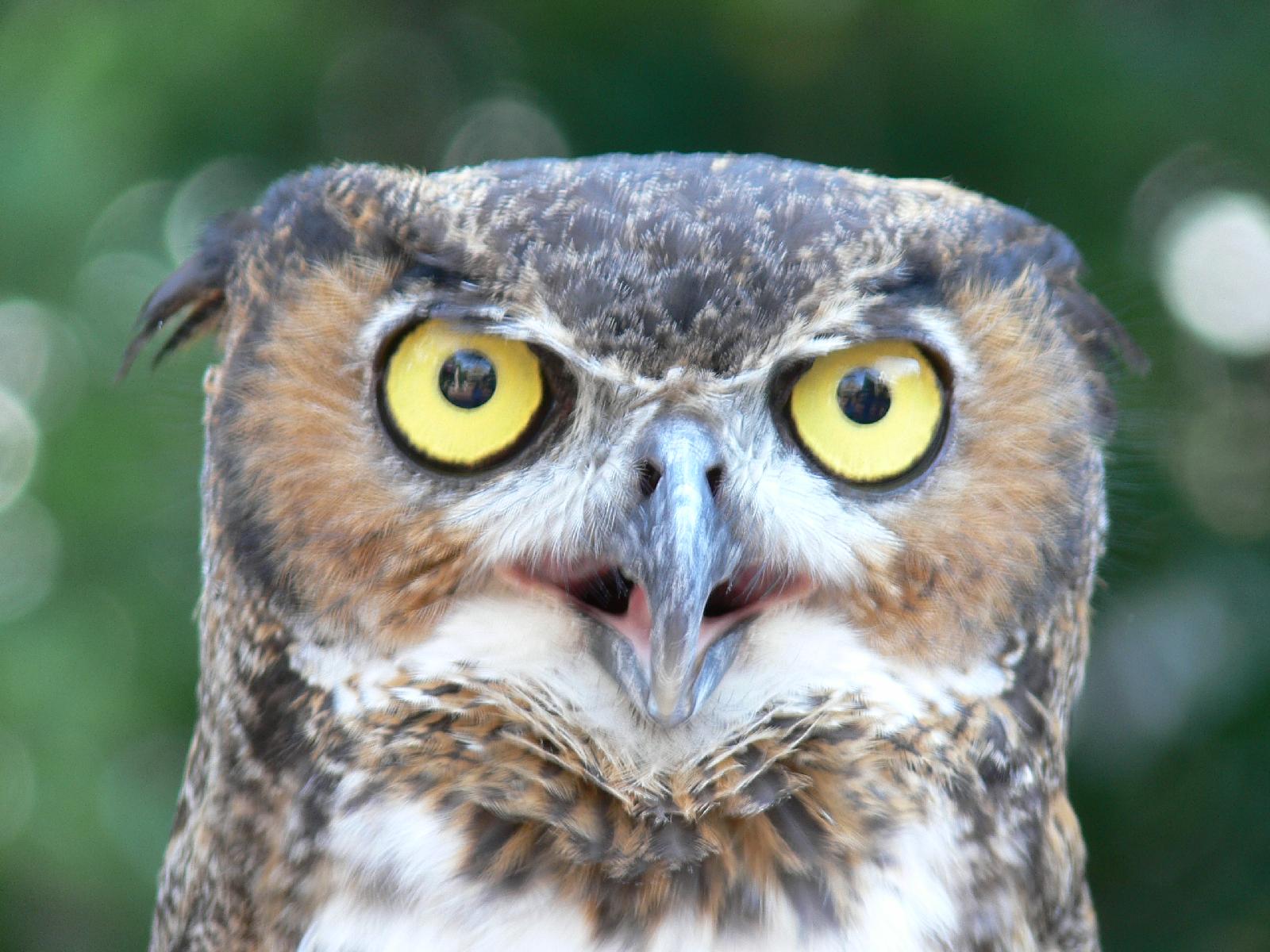
Great Horned Owl – Lowry Pk Zoo by Lee
A fairly new section are our (mine and Dan’s)Photos from various birdwatching trips. This is still in the “rounding up stage.” The are being presented by families, but the photos are filed by our trips. Stay tuned as the photos and videos are sorted into the correct families.
Platypus From Creation Wiki
Most readers know that I believe the Lord created the birds and all the rest of the animals, plants, world, universe and all the rest, The Formed By Him blogs are about birds, where as the When I Consider! is not limited to only our avian friends.
The fear of the LORD is the beginning of wisdom: a good understanding have all they that do his commandments: his praise endureth for ever. (Psalms 111:10 KJV)
I am sure by now, you have noticed that this website is titled “Lee’s Birdwatching Adventures PLUS.” The PLUSwas added so that other interesting topics could be shared, especially Creation type articles.
The works of the LORD are great, sought out of all them that have pleasure therein. (Psalms 111:2 KJV)
Without the permission of these fantastic photographers to use their photos, where would this blog be? Please check out their sites for spectacular birds and other topics. Each have different areas of the world and interest that keep them “snapping away.”
There are other articles scattered around, but most of the main topics have been shared in these four Reviews. Thank you for visiting and looking around. You may not have noticed the
Our Visitors
992,129 visits
tally down the sidebar, but the 1 Million mark is coming up soon. Not sure how it will be celebrated, but it will mostly be thanking you for your visits and the Lord for giving me the ideas for these many blogs and the other writers like A J, Ian and the other guest writers.
…I will praise thee, O LORD, with my whole heart; I will shew forth all thy marvellous works. (Psalms 9:1 KJV)
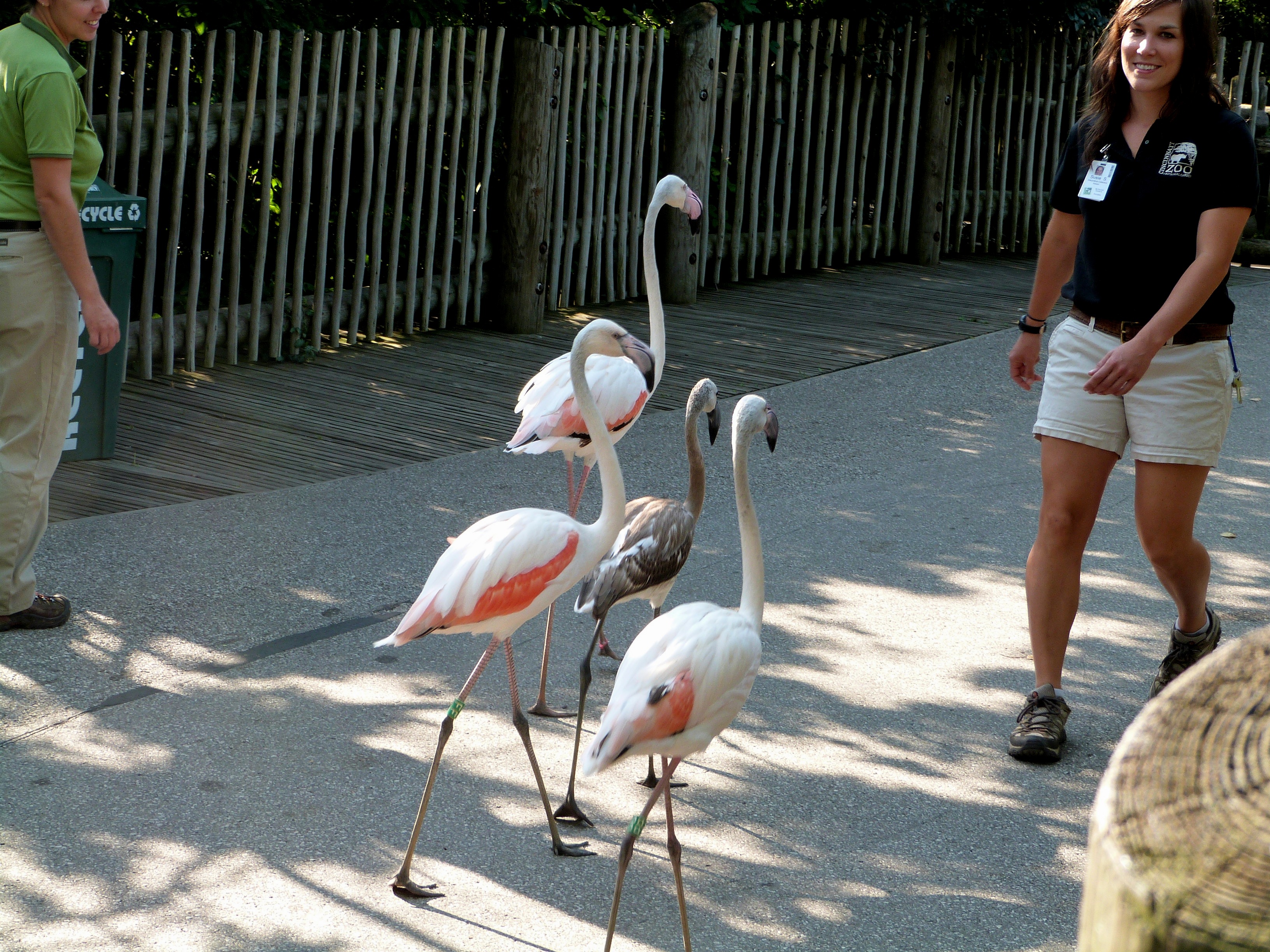
Greater Flamingo (Phoenicopterus roseus) at Cincinnati Zoo by Dan – First walk
The Cincinnati Zoo has the Greater Flamingo (Phoenicopterus roseus) species, another beautiful creation from God, that they take for a walk. They walked past us twice so close you could touch them, which we didn’t.
It was really neat to watch them just strolling along as if you were walking your dogs or whatever. The Bible says:
For every kind of beast and bird, of reptile and creature of the sea, is tamed and has been tamed by mankind. (James 3:7 NKJV)
Well, the strolls were definitely an indication that these Greater Flamingos were in control of their trainers.
Greater Flamingo (Phoenicopterus roseus) at Cincinnati Zoo by Lee
The Greater Flamingo (Phoenicopterus roseus) is the most widespread species of the flamingo family. They belong to the Phoenicopteridae – Flamingos Family. It is found in parts of Africa, southern Asia (coastal regions of Pakistan and India), and southern Europe (including Spain, Albania, Turkey, Greece, Cyprus, Portugal, Italy and the Camargue region of France). Some populations are short distance migrants, and sightings north of the breeding range are relatively frequent; however, given the species’ popularity in captivity, whether or not these are truly wild individuals is a matter of some debate.
This is the largest species of flamingo, averaging 43–60 in (110–150 cm) tall and weighing 4.4–8.8 lbs (2–4 kg). The largest male flamingos have been recorded at up to 74 in (187 cm) tall and 10 lbs (4.5 kg).[2] It is closely related to the American Flamingo and Chilean Flamingo.
Greater Flamingo (Phoenicopterus roseus) at Cincinnati Zoo by Lee
Like all flamingos, this species lays a single chalky-white egg on a mud mound. Most of the plumage is pinkish-white, but the wing coverts are red and the primary and secondary flight feathers are black. The bill is pink with a restricted black tip, and the legs are entirely pink. The call is a goose-like honking. Sub-adult flamingos are whitish-grey and only attain the pink coloration several years into their adult life.
The bird resides in mudflats and shallow coastal lagoons with salt water. Using its feet, the bird stirs up the mud, then sucks water through its bill and filters out small shrimp, seeds, blue-green algae, microscopic organisms and mollusks. The Greater Flamingo feeds with its head down and its upper jaw is movable and not rigidly fixed to its skull.
Greater Flamingo (Phoenicopterus roseus) Juvenile at Cincinnati Zoo by Lee
The average lifespan in captivity, according to Zoo Basel, is over 60 years.
The oldest known Greater Flamingo, a resident of the Adelaide Zoo in Australia, is at least 77 years old. The bird’s exact age is not known; however, he was already a mature adult when he arrived in Adelaide in 1933, and he was still there as of 2011.
Here is a short video of them walking through the Cincinnati Zoo.
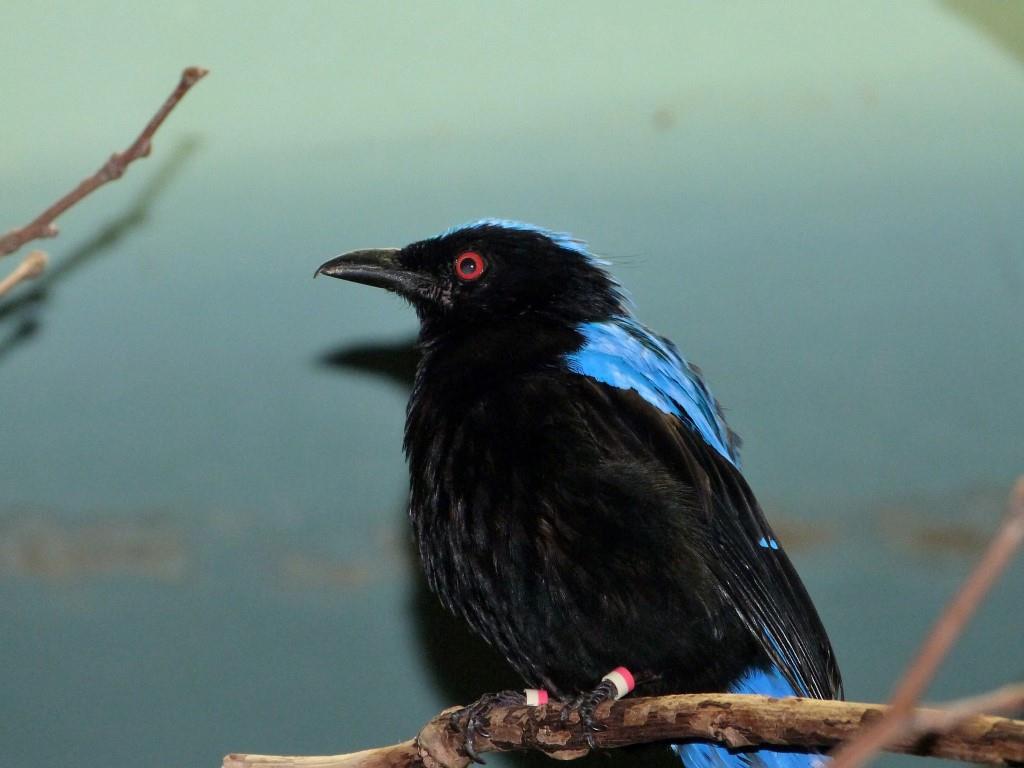
Asian Fairy-bluebird (Irena puella) at Cincinnati Zoo by Lee
Declare His glory among the nations, His wonders among all peoples. (Psalms 96:3 NKJV)
In Birdwatching at the Cincinnati Zoo I, you were introduced to the outside of the Wings of the World exhibit where the different birds are presented according to their habitats. Birds of the Bible – The Bat Revisited was about the two species of Bats at the Zoo. Today, I like to introduce two more species that the Lord created. The Asian Fairy-bluebird and the Blue-crowned Laughingthrush which were sharing the same aviary and the same tree.
The Asian Fairy-bluebird (Irena puella) is a medium-sized, arboreal passerine bird. They are members of the Irenidae – Fairy-bluebirds Family.
This fairy-bluebird is found in forests across tropical southern Asia from the Himalayan foothills, India and Sri Lanka east through Indochina, the Greater Sundas and Palawan (Philippines). Two or three eggs are laid in a small cup nest in a tree. The only other member of the genus and family is the Philippine Fairy-bluebird, I. cyanogastra, which replaces the Asian Fairy-bluebird in most of the Philippines.
Asian Fairy-bluebird (Irena puella) at Cincinnati Zoo by Lee
The male has glossy, iridescent blue upperparts, and black underparts and flight feathers. The female and first year male are entirely dull blue-green.
The Asian Fairy Bluebird eats fruit, nectar and some insects. Its call is a liquid two note glue-it.
The name of this bird commemorates the French missionary Frédéric Courtois.
*
Blue-crowned Laughingthrush (Garrulax courtoisi) at Cincinnati Zoo by Lee
He will yet fill your mouth with laughter And your lips with shouting. (Job 8:21 NASB)
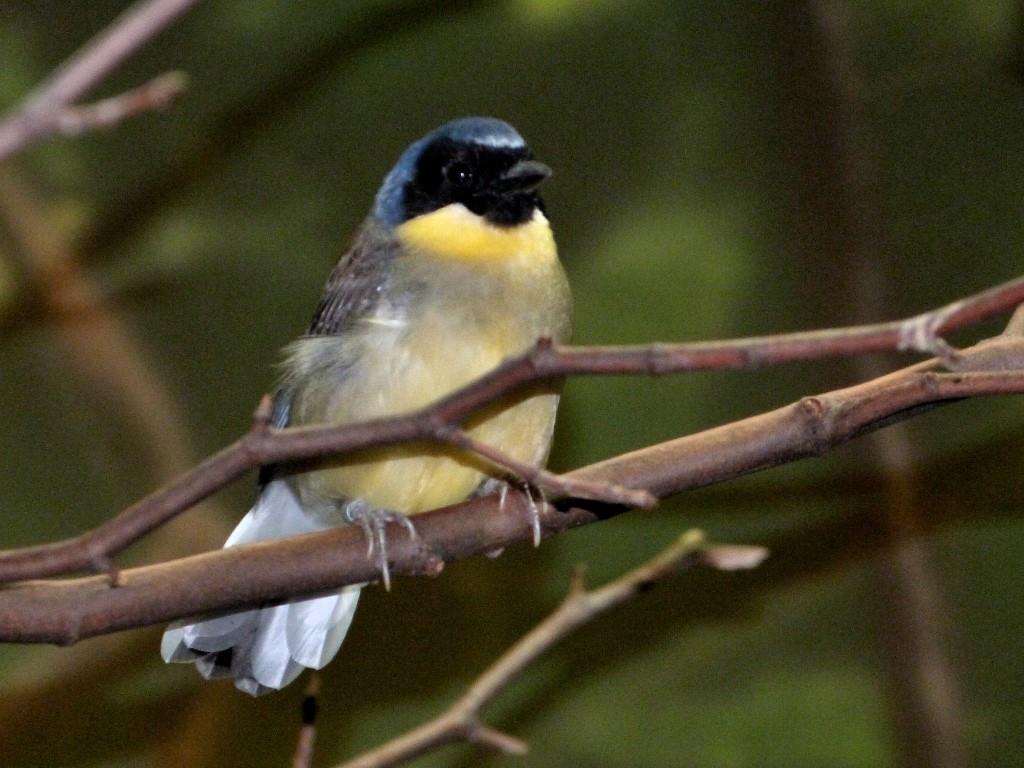
The other bird keeping him company is a Blue-crowned Laughingthrush. The Blue-crowned Laughingthrush or Courtois’s Laughingbird (Garrulax courtoisi) is a Chinese species of bird in the Leiothrichidae – Laughingthrushes Family. Until recently, this critically endangered species was generally treated as a subspecies of the Yellow-throated Laughingthrush, but that species has a pale grey (not bluish) crown.
It feeds principally on fruit and is generally found on the larger forest-trees.
Blue-crowned Laughingthrush (Garrulax courtoisi) at Cincinnati Zoo by Lee
It breeds from February to April, constructing a shallow cup-shaped nest, sometimes of moss and sometimes of small twigs, in a sapling or small tree. The eggs, which are generally two in number, are greenish white marked with brown.
*
Here are three short videos of them that I took. Sorry for the shakiness.
(Information from Wikipedia and other internet resources)










 Lee's Birdwatching Adventures Plus