Ian’s Bird of the Week – New Zealand Pipit

Ian’s Bird of the Week – New Zealand Pipit 
~ by Ian Montgomery
Newsletter – 1/12/16
There are two ways to acquire photos of additional species to add to the website: one is to go out and photograph something new; the other is to sit at your computer and wait for the taxonomists to provide them via splits. I mentioned, in passing, the Eurasian and Pacific Wrens last week. This week we have the Australian and New Zealand Pipits, a split I discovered a week ago when revising the Pipit and Wagtail family page and switching the sequence from BirdLife International to the IOC. That split stirred vague memories of pipits on Enderby Island in the Auckland Islands group south of New Zealand and I dug out some neglected photos of New Zealand Pipits from my archives and published them on the website.
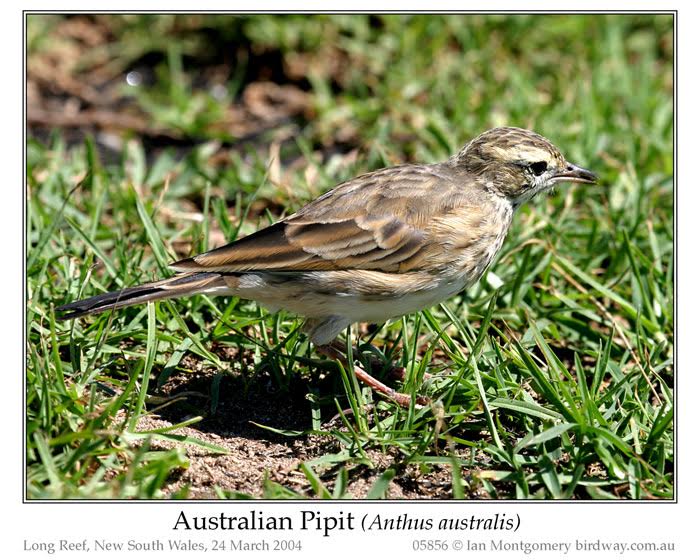
New Zealand Pipit (Anthus novaeseelandiae) by Ian

New Zealand Pipit (Anthus novaeseelandiae) by Ian

Pipits have been completely ignored as subjects for bird of the week because they aren’t, I don’t think, very interesting: they all look much the same – brown and streaked; they don’t behave in particular interesting ways; and they aren’t famous for the quality of their songs. So I was left the problem of finding a way of making them interesting. You could do a spot the difference quiz between the Australian  above, and the New Zealand below but even that is a bit limited in extent. The Australian is more buffish, the New Zealand more rufous; the New Zealand has more streaks on the flanks; if you had the birds in the hand you might notice that the Australian has a white belly, the New Zealand has a greyish one. That’s about it.
I could talk about their biology and show this photo of an adult feeding an insatiable fledgling, which was begging raucously for more food in another photo taken less than a second later. Instead, I decided this morning to Google the information contained in the sentence: “I took this photo of a New Zealand pipit (Anthus novaeseelandiae, J. F. Gmelin, 1789, Queen Charlotte Sound, South Island, New Zealand) on Enderby Island in November 2011”. Google led me on never-ending links of interesting information about the history of the Auckland Islands, voyages to Queen Charlotte Sound in the late 18th century, the work and publications of Johann Friedrich Gmelin and even to the novel Moby Dick* while I reminisced about the 2011 trip to the Sub-Antarctic Islands and dug out more photos of what we saw on Enderby Island. My task now is to distill all that stuff into a few sentences.
The Auckland islands are a rugged group of now uninhabited islands about 460km south of the South Island of New Zealand. Traces of Polynesian settlement dating back to the 13th century have been on Enderby Island, a small island about 5km long at the north eastern tip of the main island. They were rediscovered in 1806 by the whaling ship Ocean. Captain Bristow named the Islands after his friend the first Baron Auckland and Enderby Island after his boss Samuel Enderby, whose company owned the ship. The islands became an important sealing and whaling station, though by 1812 most of the New Zealand Sea Lions had been hunted and the focus switched to Campbell Island and Macquarie island farther south. There were several unsuccessful attempts at settlement later in the 19th century.
Most of the human activity on Enderby Island was at a sheltered bay called Sandy Cove on the south side of the island (below). That was where we landed and we hiked from there across to the north coast and then back along the coast in a clockwise direction, a distance of about 10km. Sandy Cove had lots of sea lions and Red-crowned Parakeets, strange to see on such a chilly windswept island.
I remember the last few kilometres along the south coast as being hard work wading through waist-deep tussocky grass but the wildlife along the way was wonderful and well worth the effort. In the tundra on the north coast there were New Zealand Snipe and Double-banded Plovers, while the cliffs on the north coast (below) had nesting Light-mantled Albatrosses. We watched their display flight  in the updrafts along the cliffs,a  veritable aerial ballet a deux, and could look down on other birds on their nests.
There were flightless Auckland Teal both along the coast and in pools of freshwater and we had to run the gauntlet of assertive male sea lions. We found that if you held your ground, they calmed down quite quickly and the following photo shows me making friends with one.
See? I’ve hardly mentioned pipits and, given the competition, it is surprising that I actually took any photos of them. Because various pipits all look much the same their taxonomy has long been, well, a mess.  There are – at the moment based on DNA studies – five similar species in Eurasian, Africa and Australasia that have in the past been treated as a single species. The other three are Richard’s pipit (central Asia), the African Pipit and the Paddyfield Pipit (south and southeast Asia). The first one to be named was a New Zealand specimen in 1789 by the German naturalist Johann Friedrich Gmelin, below, so according to the rules of taxonomic precedent that single species should have been novaeseelandiae.
Gmelin, 1748-1804, is best known for continuing to update and publish new volumes of the Systema Naturae after the death in 1778 of Linnaeus, the father of modern taxonomy. Here is the cover of the 1788 edition of Gmelin’s Volume I. Note that the classification is of the three natural kingdoms (Regna Tria Naturae) of animals, plants and minerals. This was in the days before anyone had to worry about evolution, and was all about managing the complexity of specimens of everything that were accumulating in vast numbers in museums, herbaria and other collections in Europe.
There were four levels of generalisation: classes, orders, genera and species. So the New Zealand Lark (as it was called then) belongs to the class Aves (birds), the order Passeres (sparrow-like), genus Alauda (larks) and species novae Zeelandiae (of Nova Seelandia). The system has proved remarkably robust. Class ‘Aves’ is still used for birds; ‘formes’ has been added to avian order names so Passeres survives as PasseriformesAlauda is still used for true larks. The New Zealand Lark is now recognised as a pipit and has been moved to the Pipit genus Anthus. The main change to the classification structure is the addition of the Family level between order and genus. Pipits and Old World Wagtails are in the family Motacillidae and I was interested to find that the name Motacilla, the Wagtail genus, is to be found later in the same volume.
The volume makes interesting reading just at the level of habitats which hints at the enormity of the task faced by Linnaeus and Gmelin. The species above the New Zealand Lark is the ‘Cape Lark’ Alauda capensis from a specimen collected at the Cape of Good Hope (caput bonae spei). On just these two pages are species from Portugal, Argentina, Mongolia and Siberia and this on pages 798-799 of the volume on birds. I found another whole volume on worms and another on a subset of plants. Gmelin was primarily a botanist was published various books on plant and chemical poisons. On the zoological side he specialised in amphibians, reptiles and molluscs, so his publication of bird species was fairly incidental. Such was the all-encompassing nature of scholarship in those times.
Meanwhile, back at the website, progress continues. I’ve finished updating all the family pages and I’m now working through the 1,500 species and updating their pages to make them mobile-friendly. On a good day, I can do about 20 species. On the way, I’m adding new photos of previously prepared but not included photos and you can track this progress on the new Recent Additions page – the most recent photos are at the top of this page. This used to be a section on the Home Page which had become unmanageably large for mobiles and needed to be broken up. The Home Page now serves as a gateway to the rest of the website and to advise of updates. such as recent additions and the latest bird of the week.
I started by listing the two ways of getting new species for the website. I’m planning to do the other way next week, take a break from the website and go up to the Daintree River in search of nesting Black Bitterns. This is one of my bogey birds. I’ve seen them only flying away since the single occasion on which I saw one stationary at Chittaway Point on the Central Coast of New South Wales in the year 2000 before I took up serious bird photography with serious equipment. So this (scanned from film) is what I’m trying to improve on:
As usual I ask for your moral and spiritual support!
_
Greetings
Ian
_
*PS. In Moby Dick the fictitious ship Pequod of Nantucket met a whaling ship from London called the Samuel Enderby which had also encountered the white whale. The Samuel Enderby was a real ship belonging to the Enderby company and was one of three that arrived at Auckland Island in 1849 to attempt a new settlement with 150 settlers.
**************************************************
Ian Montgomery, Birdway Pty Ltd,
454 Forestry Road, Bluewater, Qld 4818
Tel 0411 602 737 ian@birdway.com.au
Bird Photos http://www.birdway.com.au/
Recorder Society http://www.nqrs.org.au

Lee’s Addition:

Are not five sparrows sold for two farthings, and not one of them is forgotten before God? But even the very hairs of your head are all numbered. Fear not therefore: ye are of more value than many sparrows. (or Pipits) (Luke 12:6-7 KJV) (emphasis mine)

All work and no play is hard for anyone. We will be praying that you find that elusive Black Bittern. Then you can tell us all about them next.

Here are a few articles that tell about Carolus Linnaeus:

*

*

Lord’s Avian Wonders – Dipper and a Beluga Whale

Oops! Had to withdraw an article and will re-post it later. For now. This video is amazing. A baby Beluga plays with an American Dipper at the Vancouver Aquarium. When the Creator originally brought the critters into existence they got along fine.

Reminds me of the following passage from Isaiah. That condition will return again in the future. Enjoy!

And the wolf shall dwell with the lamb, and the leopard shall lie down with the kid, and the calf and the young lion and the fatted domestic animal together; and a little child shall lead them. And the cow and the bear shall feed side by side, their young shall lie down together, and the lion shall eat straw like the ox. And the sucking child shall play over the hole of the asp, and the weaned child shall put his hand on the adder’s den. They shall not hurt or destroy in all My holy mountain, for the earth shall be full of the knowledge of the Lord as the waters cover the sea. (Isaiah 11:6-9 AMP)

Maybe we should learn to get along with our neighbors also.

A new commandment I give unto you, That ye love one another; as I have loved you, that ye also love one another. (John 13:34 KJV)

*

Sunday Inspiration – Dippers, Leafbirds and Flowerpeckers

*


George And The Happy New Year

House Finch (Carpodacus mexicanus) by Ian

House Finch (Carpodacus mexicanus) by Ian

George and the Happy New Year

~ by Emma Foster

   In the countryside, where farms dotted the land along the hills and the only sounds that could be heard were birds chirping and cows mooing, there lived a small finch named George. He lived in a small red barn out in the countryside. George had built his nest up in the rafters where he could look down at all the other farm animals during the day. In the barn, he had a clear view out the window of the sky and the big city very far away.

New Year’s Day was drawing near, and every night for the past week, George and the other animals were kept up late because of all of the fireworks being set off outside the city. One night, George decided he would fly to the city. He had always wondered what people did on New Year’s Eve and how they celebrated the coming year. George figured the city was the perfect place for celebration.

That morning, on December thirty-first, George flew out the window while all the other farm animals were still sleeping, and began flying to the city.

House Finch Resting

House Finch Resting

The dirt road that stretched to the farm eventually turned into a gravel road as George flew farther on. He flew past many apple tree orchards and corn fields until the gravel road split off into two concrete roads. Here there were many different houses and stores.

Every now and then George would take a break from flying and land on a powerline. He was able to see how far he had to fly before arriving at the city.

By the time George could see large skyscrapers up ahead it was late evening. When he entered the city, he could see many other birds flying around looking for tall buildings to land on so they could see the celebration with a good point of view. George passed by lots of buildings, but none of them seemed good enough. He wanted to be able to see everything, including all the people celebrating.

Finally George spotted a large, shiny ball on top of a tall building in the middle of a busy street. Flying to it, he decided this would be the perfect place to watch the celebration because he could see throngs of people standing in the street below eagerly cheering. By then it was late at night, and George hoped he hadn’t missed much.

Times Square Ball

Times Square Ball

Landing on the ball, he watched the crowd, and he remarked how bright the ball was and wondered what it was for. Suddenly it started lowering and everyone began counting down from ten. When they all reached one, everyone cheered. George didn’t know why, but afterwards, everyone started to leave and call for taxis to take them home. George realized this must have been the celebration.

It was late in the afternoon when George arrived back at the farm, and all of the animals were eager to hear where he had been. George was glad to tell all the animals what he had seen, and of how people celebrated New Year’s Day. None of the animals ever understood exactly why people celebrated the day by counting backwards from ten, and George never understood what the huge ball was used for other than to go up and down.

The End


Lee’s Addition:

O sing unto the LORD a new song: sing unto the LORD, all the earth. (Psalms 96:1 KJV)

Yes, they shall sing of the ways of the Lord and joyfully celebrate His mighty acts, for great is the glory of the Lord. (Psalms 138:5 AMP)

What a celebration for George even if he didn’t quite figure out what it was all about. Thanks, Emma, for another great bird tale. Sounds like you must have stayed up and watched the celebration New Years Eve. At least you didn’t have to fly to see it.

You can see all of Emma’s other great articles here:

Sunday Inspiration – Dippers, Leafbirds and Flowerpeckers

White-throated Dipper (Cinclus cinclus) by Ian 5

White-throated Dipper (Cinclus cinclus) by Ian

This week we have birds running around in the water, another family of birds that are mostly green and a group that loves nectar. Which ones are they?

Let’s start with the Cinclidae – Dippers family. There are only five members in the Cinclus genus. They get their name from their bobbing or dipping movements. They are unique among passerines for their ability to dive and swim underwater. What an ability the Lord gave this family of dippers. Watch!

***

Orange-bellied Leafbird (Chloropsis hardwickii) by W Kwong

Orange-bellied Leafbird (Chloropsis hardwickii) by W Kwong

Our next group belong to the Chloropseidae – Leafbirds Family and they have 11 species with many subspecies. They are small birds found in India, Sri Lanka and Southeast Asia. They are one of only three bird families that are entirely endemic to the Indomalayan ecozone.

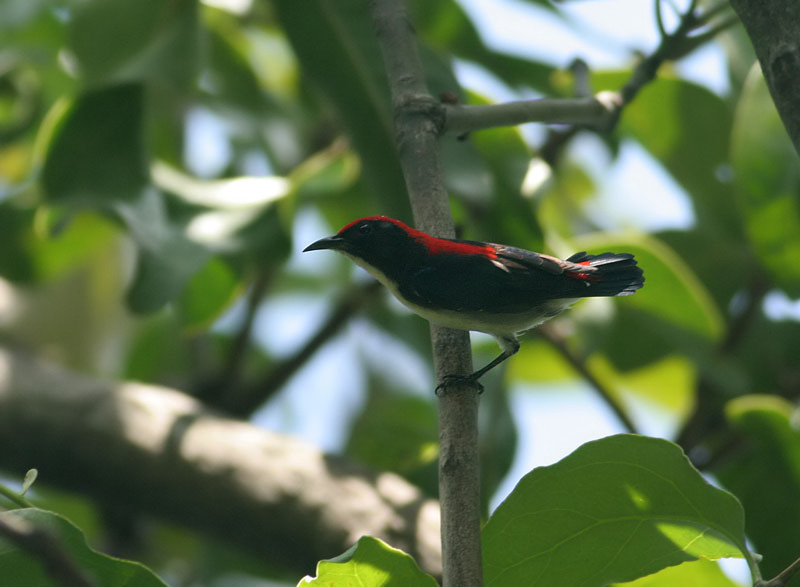
Scarlet-backed Flowerpecker (Dicaeum cruentatum) by Peter Ericsson

Scarlet-backed Flowerpecker (Dicaeum cruentatum) by Peter Ericsson

The flowers appear on the earth; The time of singing has come (Song of Solomon 2:12a NKJV)

This last family,  Dicaeidae – Flowerpeckers, has 48 species. The family is distributed through tropical southern Asia and Australasia from India east to the Philippines and south to Australia. The family is catholic in its habitat preferences, occupying a wide range of environments from sea level to montane habitats. Some species, such as the Mistletoebird of Australia, are recorded as being highly nomadic over parts of their range.

Nectar forms part of the diet, although they also take berries, spiders and insects. Mistletoes of 21 species in 12 genera have been found to be part of the diet of flowerpeckers, and it is thought that all species have adaptations (Creative design) to eat these berries and dispose of them quickly. (Wikipedia with modification)

This slideshow requires JavaScript.

“Faith Medley” ~ Faith Baptist Choir

*

Sunday Inspirations

Cinclidae – Dippers

Chloropseidae – Leafbirds

Dicaeidae – Flowerpeckers

Assurance: The Certainty of Salvation

*

Winter Is Coming/Here

Eurasian Blue Tit (Cyanistes caeruleus) by Robert Scanlon

Eurasian Blue Tit (Cyanistes caeruleus) by Robert Scanlon

And the LORD smelled a sweet savour; and the LORD said in his heart, I will not again curse the ground any more for man’s sake; for the imagination of man’s heart is evil from his youth; neither will I again smite any more every thing living, as I have done. While the earth remaineth, seedtime and harvest, and cold and heat, and summer and winter, and day and night shall not cease. (Genesis 8:21-22 KJV)

Another great video was sent to me. Time to share another one. It’s titled, “Wild December”

The birds appear to be European as far as I can tell. Enjoy!

Thou hast set all the borders of the earth: thou hast made summer and winter. (Psalms 74:17 KJV)


Deceptive Cuckoo

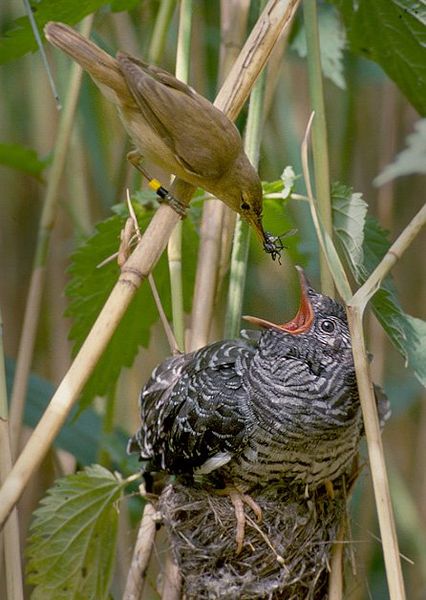
Common Cuckoo (Cuculus canorus) being raised by a Reed Warbler©WikiC

Common Cuckoo (Cuculus canorus) being raised by a Reed Warbler©WikiC

Earlier this week James J. S. Johnson wrote Teach Your Children The Right Passwords! He mentioned brood parasitism by the Cuckoo and how they like to lay their egg in another unsuspecting bird’s nest. Creation Moments just released this video and I thought you would enjoy seeing it.

The thoughts of the righteous are right: but the counsels of the wicked are deceit. (Proverbs 12:5 KJV)

Deceit is in the heart of them that imagine evil: but to the counsellors of peace is joy. (Proverbs 12:20 KJV)

*

Creation Moments YouTube Channel

Teach Your Children The Right Passwords! by James J. S. Johnson

Orni-Theology

Wordless Birds

*
Lord’s Avian Wonders – Some Zoo Critters

Thought I would share some more photos from the Zoo and a video that has challenged me. So far, in this new year the Lord is treating me well. I trust it is starting out alright for you also.

A land which the LORD thy God careth for: the eyes of the LORD thy God are always upon it, from the beginning of the year even unto the end of the year. (Deuteronomy 11:12 KJV)

Sacred Ibis Lowry Park Zoo 12-31-15 by Lee

Sacred Ibis Lowry Park Zoo 12-31-15 by Lee

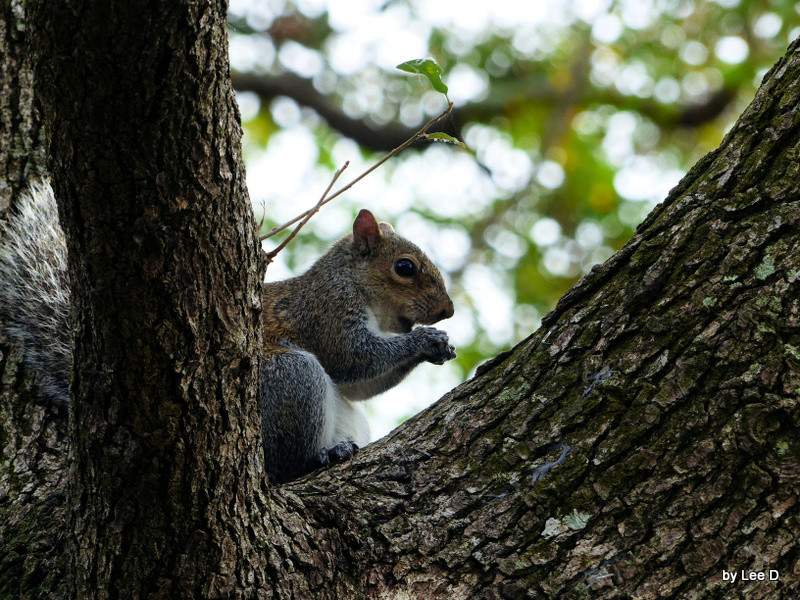
Squirrel Lowry Park Zoo 12-31-15 by Lee

Squirrel Lowry Park Zoo 12-31-15 by Lee

The fear of the LORD is the beginning of knowledge: but fools despise wisdom and instruction. (Proverbs 1:7 KJV)

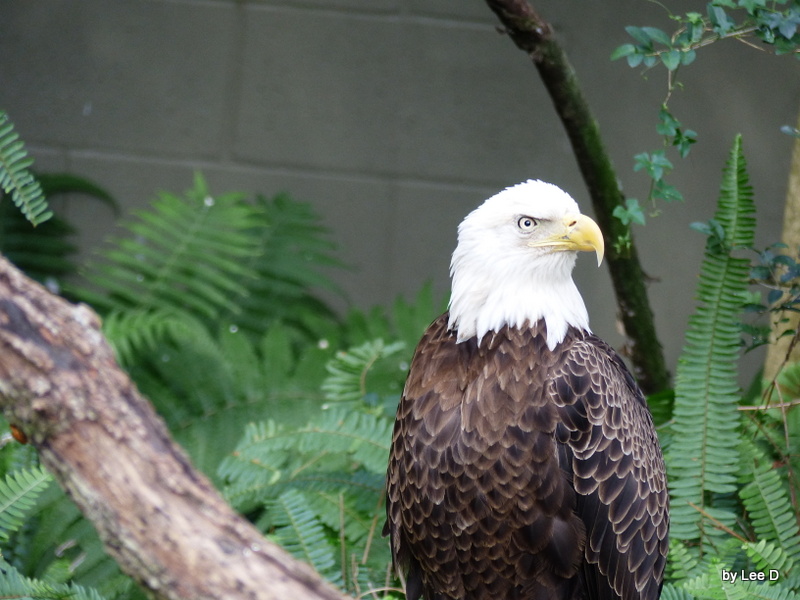
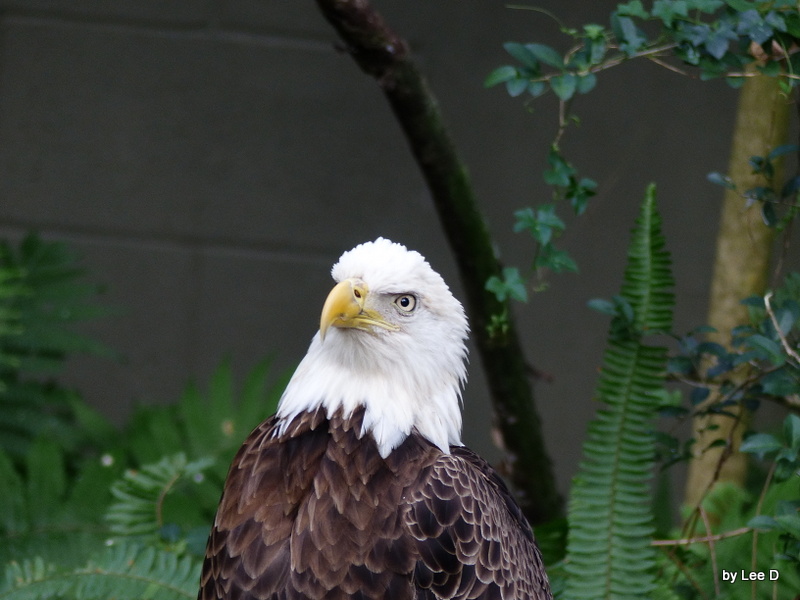
Bald Eagle Lowry Park Zoo 12-31-15 by Lee

Bald Eagle Lowry Park Zoo 12-31-15 by Lee

Bald Eagle Lowry Park Zoo 12-31-15 by Le

Bald Eagle Lowry Park Zoo 12-31-15 by Le

In the beginning was the Word, and the Word was with God, and the Word was God. The same was in the beginning with God. All things were made by him; and without him was not any thing made that was made. (John 1:1-3 KJV)

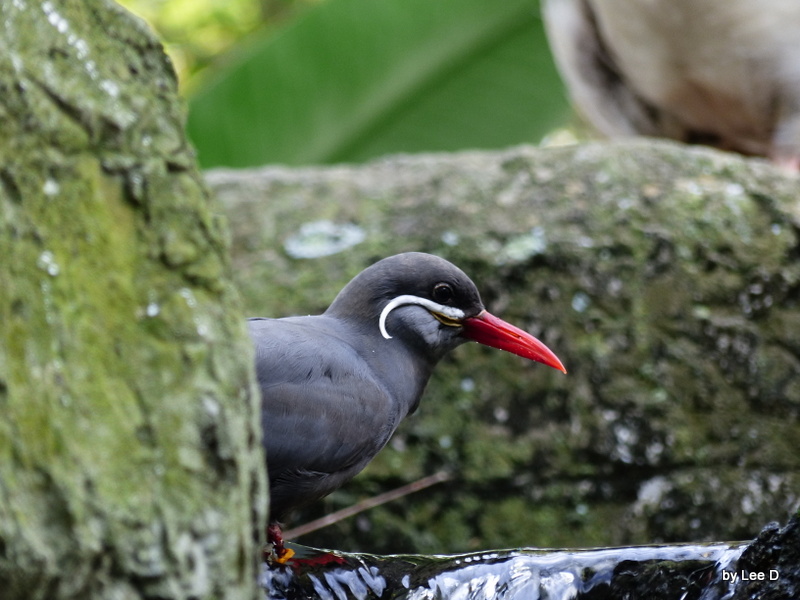
Inca Tern Lowry Park Zoo 12-31-15 by Lee

Inca Tern Lowry Park Zoo 12-31-15 by Lee

Inca Tern Lowry Park Zoo 12-31-15 by Lee

Inca Tern Lowry Park Zoo 12-31-15 by Lee

Thy word is true from the beginning: and every one of thy righteous judgments endureth for ever. (Psalms 119:160 KJV)

“Winning Life’s Battles” by Pastor Nathan Osborne was a great message that challenged for AD 2016. It is worth the time to watch. Our pastor’s messages are now being placed on the Faith Baptist Church website.

“Reach for the impossible” was one of his points that challenged my heart. I have some interesting challenges coming during this new year and the Lord has and is using this message to encourage me.

I can do all things through Christ which strengtheneth me. (Philippians 4:13 KJV)

Abide in me, and I in you. As the branch cannot bear fruit of itself, except it abide in the vine; no more can ye, except ye abide in me. I am the vine, ye are the branches: He that abideth in me, and I in him, the same bringeth forth much fruit: for without me ye can do nothing. (John 15:4-5 KJV)

I trust we will all have a productive new year. Whether it is accepting new challenges or just doing regular things like birdwatching and, then after finding the bird, trying to get a decent photo of it. :0)

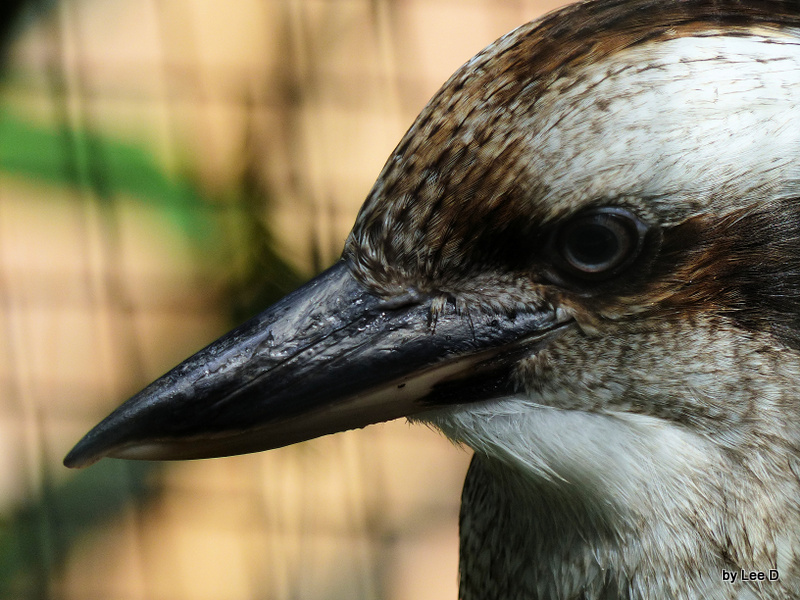
Kookaburra Lowry Park Zoo 12-31-15 by Lee

Kookaburra Lowry Park Zoo 12-31-15 by Lee

Kookaburra Lowry Park Zoo 12-31-15 by Lee

Kookaburra Lowry Park Zoo 12-31-15 by Lee

Better is the end of a thing than the beginning thereof: and the patient in spirit is better than the proud in spirit. (Ecclesiastes 7:8 KJV)

(Bolding in verses is mine)

*

*


Lord’s Avian Wonders – Juvenile Scarlet Ibis

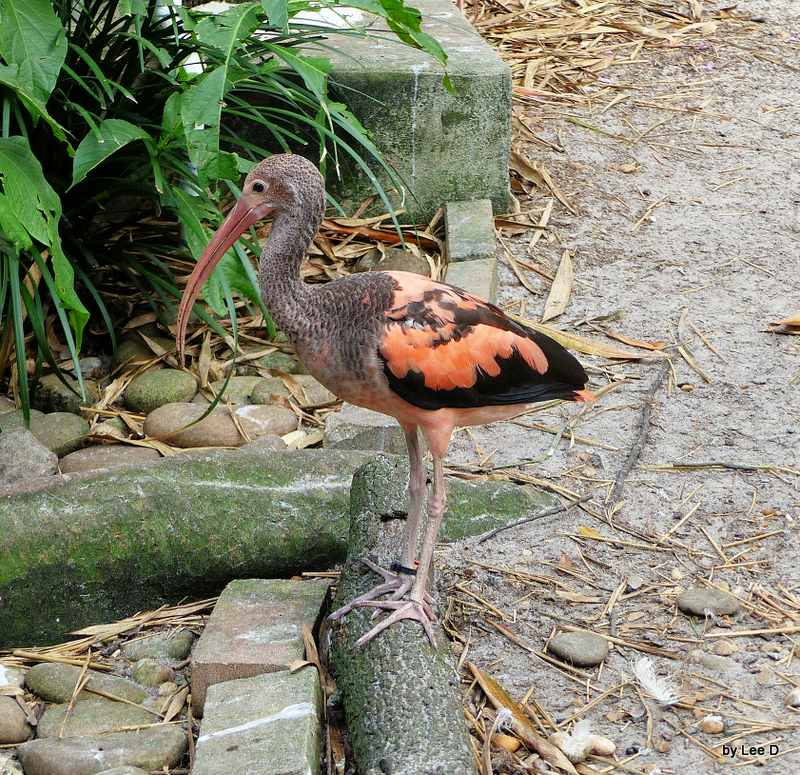
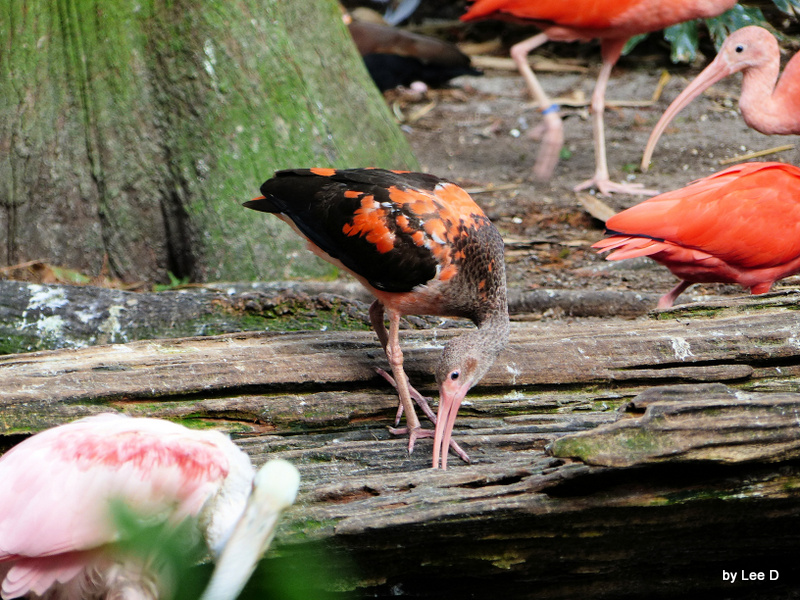
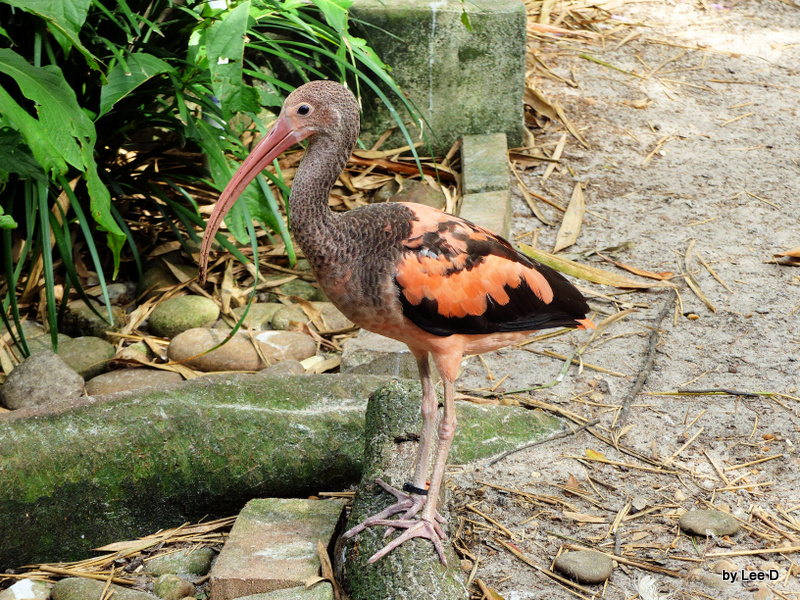
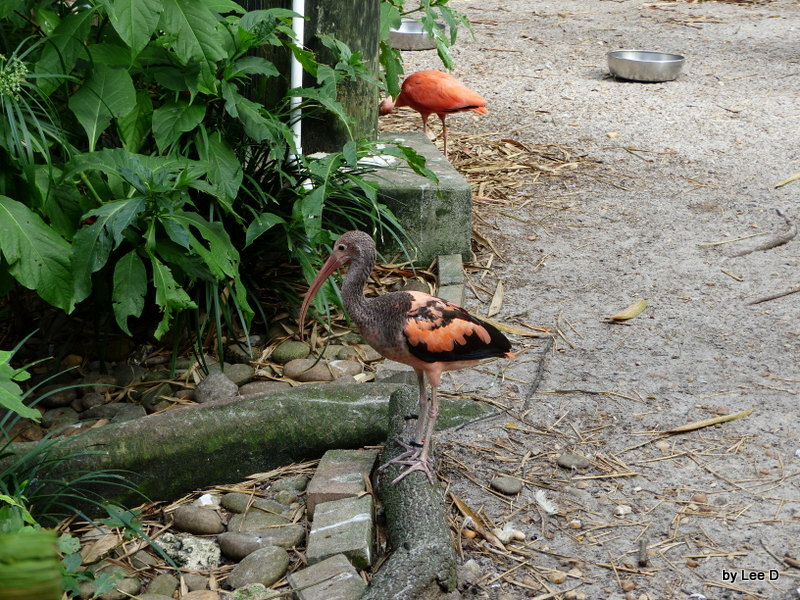
Scarlet Ibis (Eudocimus ruber) Juvenile Lowry Park Zoo

Scarlet Ibis (Eudocimus ruber) Juvenile Lowry Park Zoo

Behold, I tell you a mystery: We shall not all sleep, but we shall all be changed—in a moment, in the twinkling of an eye, at the last trumpet. For the trumpet will sound, and the dead will be raised incorruptible, and we shall be changed. For this corruptible must put on incorruption, and this mortal must put on immortality. (1 Corinthians 15:51-53 NKJV) (emphasis mine)

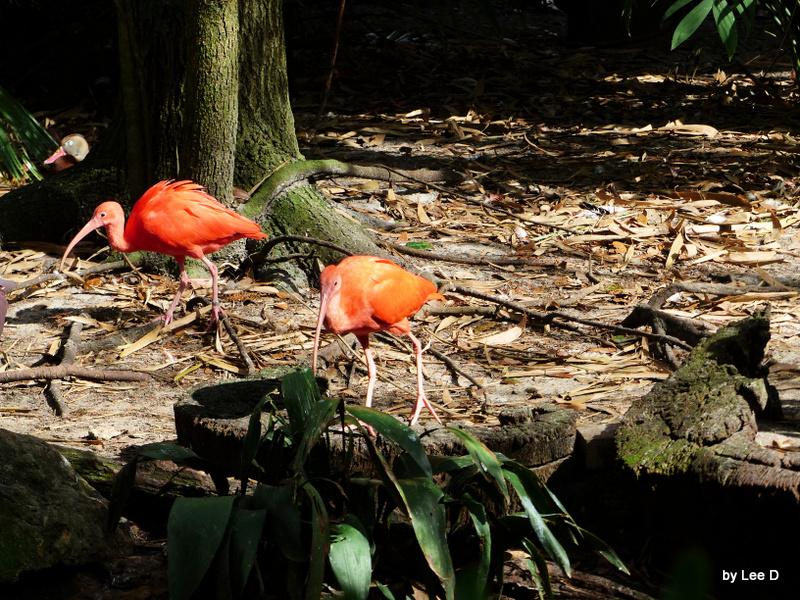
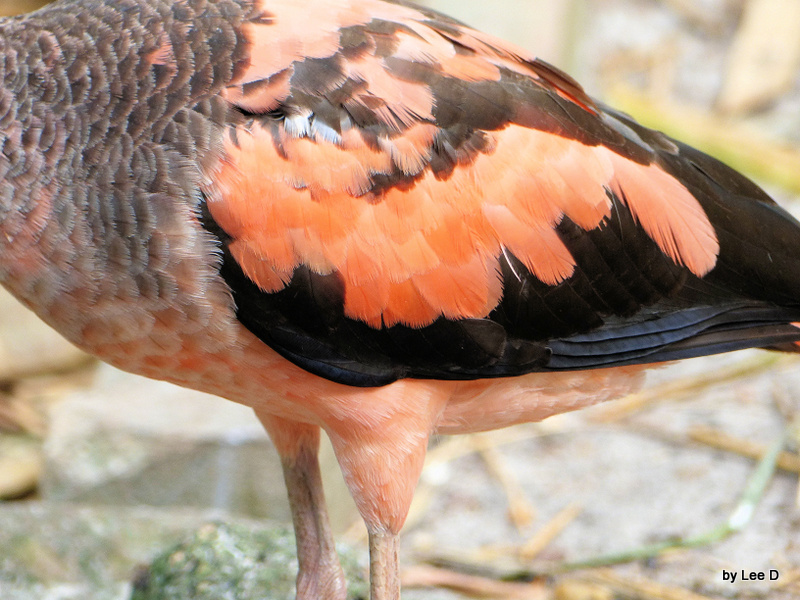
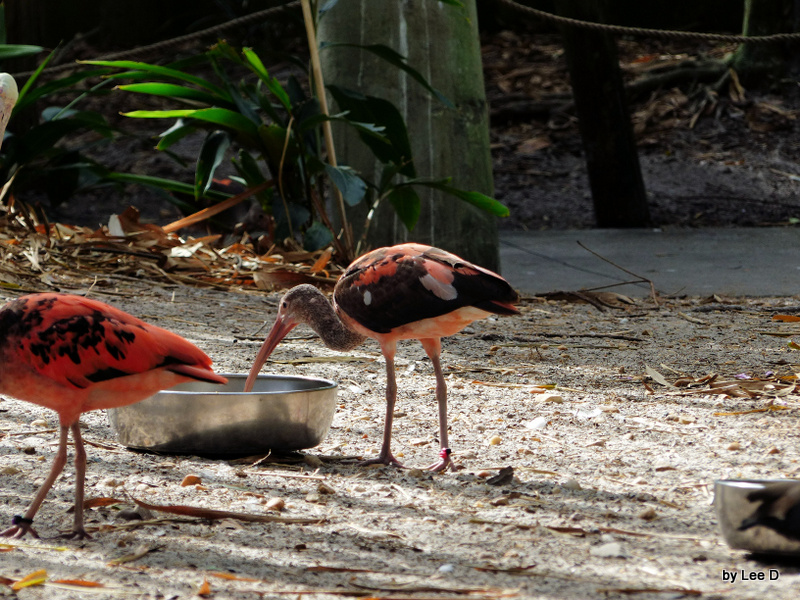
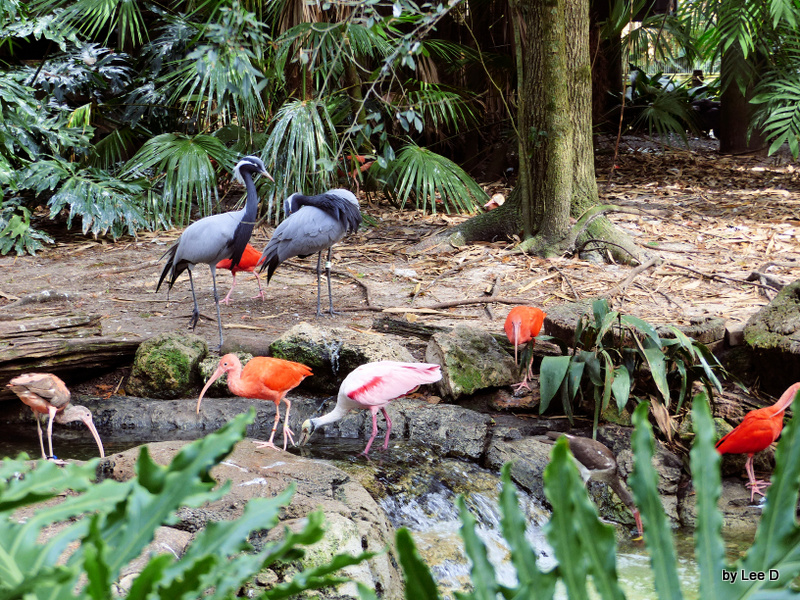
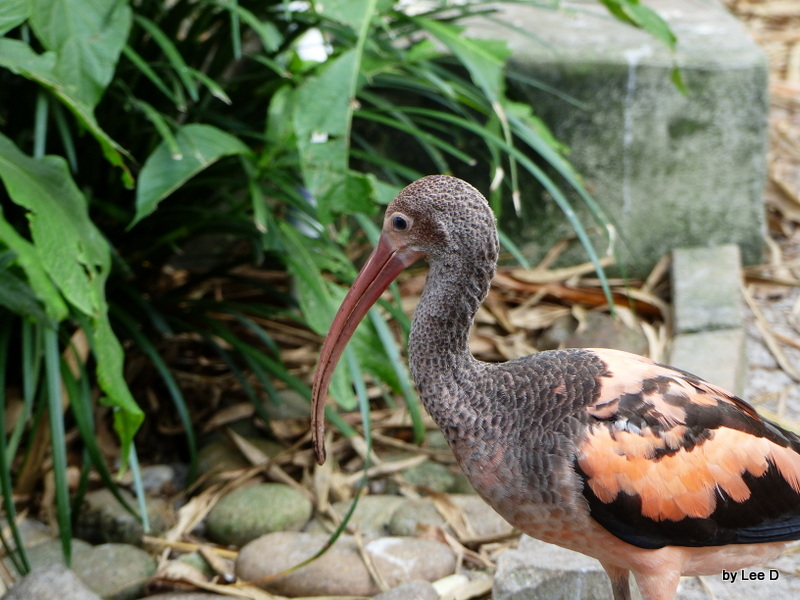
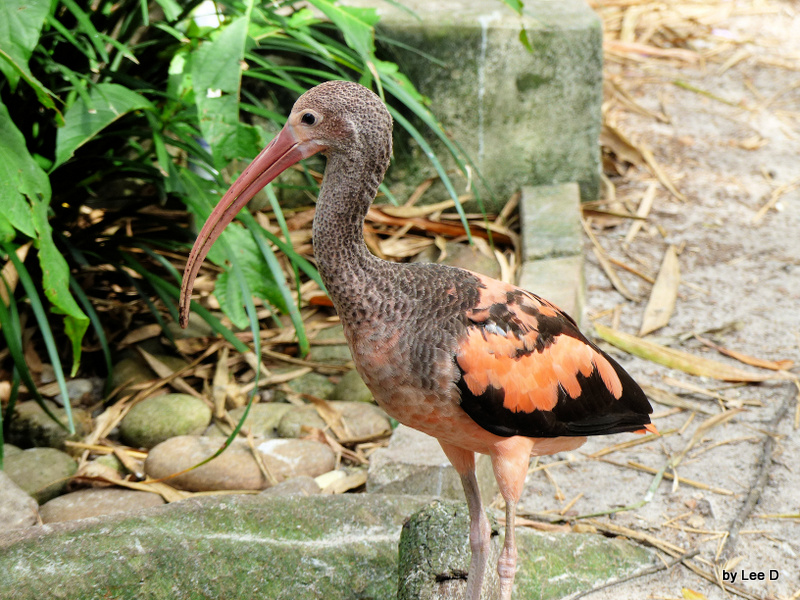
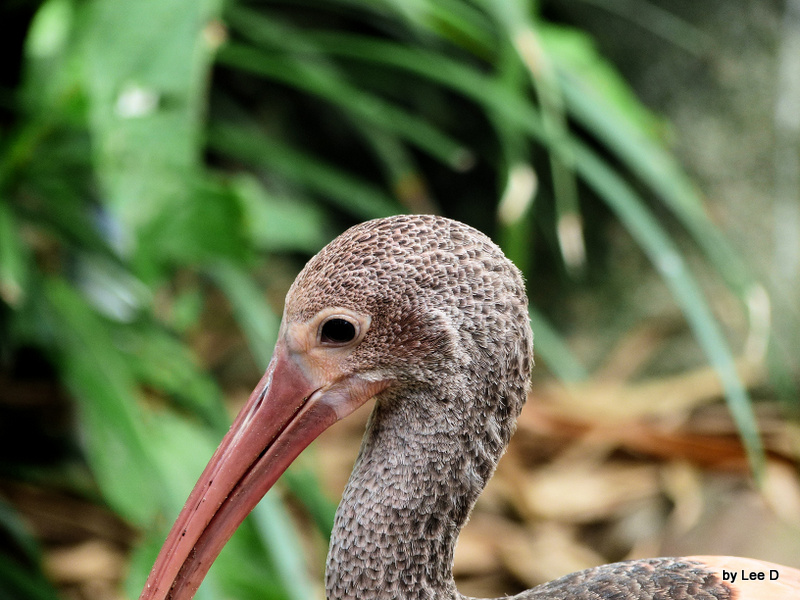
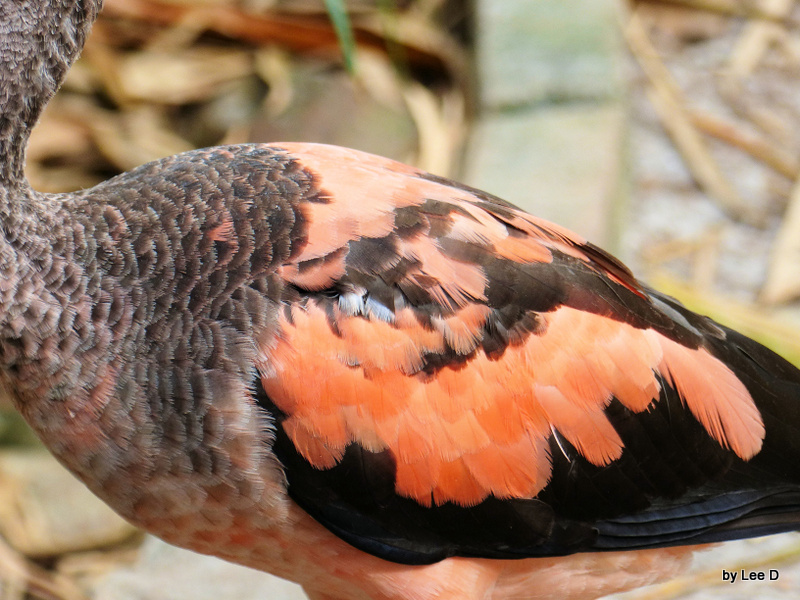
While in the Aviary at Lowry Park last week, this little avian wonder caught my attention. Our Scarlet Ibis juvenile is in the process of becoming a beautiful adult, but at present he is still in transition. The Lord’s Creative Hand gave these ibises protection while growing up, but now that change to a full-grown Scarlet Ibis is becoming very evident.

Scarlet Ibis adults in the Aviary

Scarlet Ibis adults in the Aviary

Adult plumage is virtually all scarlet. The feathers may show various tints and shades, but only the tips of their wings deviate from their namesake color. A small but reliable marking, these wingtips are a rich inky black (or occasionally dark blue) and are found only on the longest primaries – otherwise the birds’ coloration is “a vivid orange-red, almost luminous in quality.” Scarlet ibises have red bills and feet however the bill is sometimes blackish, especially toward the end. They have a long, narrow, decurved bill. Their legs and neck are long and extended in flight.

Scarlet Ibis (Eudocimus ruber) Juvenile Lowry Park Zoo

A juvenile scarlet ibis is a mix of grey, brown, and white. As it grows, a heavy diet of red crustaceans produces the scarlet coloration. The color change begins with the juvenile’s second moult, around the time it begins to fly: the change starts on the back and spreads gradually across the body while increasing in intensity over a period of about two years. The scarlet ibis is the only shorebird with red coloration in the world.

As newborn babes, desire the sincere milk of the word, that ye may grow thereby: If so be ye have tasted that the Lord is gracious. (1 Peter 2:2-3 KJV) (emphasis mine)

As these young Scarlet Ibises are growing into beautifully colored adults, you can see how they have grown from the baby to where they are now.

So, we as Christians, should be growing and changing as we grow in the Lord. How do we grow? Reading God’s Word, attending a good Bible preaching church, praying, studying, and doing whatever the Lord may lead you to do to help out. These juveniles are starting to change and so will you as grow in the Lord. Sooner or later you will bloom into a mature Christian able and willing to serve Our Lord wherever or however He chooses.

You therefore, beloved, knowing this beforehand, be on your guard so that you are not carried away by the error of unprincipled men and fall from your own steadfastness, but grow in the grace and knowledge of our Lord and Savior Jesus Christ. To Him be the glory, both now and to the day of eternity. Amen. (2 Peter 3:17-18 NASB)

For since the creation of the world His invisible attributes are clearly seen, being understood by the things that are made, even His eternal power and Godhead, so that they are without excuse, because, although they knew God, they did not glorify Him as God, nor were thankful, but became futile in their thoughts, and their foolish hearts were darkened. Professing to be wise, they became fools, and changed the glory of the incorruptible God into an image made like corruptible man—and birds and four-footed animals and creeping things. (Romans 1:20-23 NKJV) (emphasis mine)

Scarlet Ibis – Threskiornithidae – Ibises, Spoonbills

Orni-Theology

Lowry Park Zoo Articles

Sharing The Gospel

*


Birdwatching Trip – Zoo 12-31-15

Rainbow Lorikeet by Dan

Rainbow Lorikeet by Dan

So God created great sea creatures and every living thing that moves, with which the waters abounded, according to their kind, and every winged bird according to its kind. And God saw that it was good. (Genesis 1:21 NKJV)

Off we went on the last day of 2015 to try to pick up our updated Lowry Park Zoo passes. They still weren’t ready to issue all of the new ones, so, all was not lost. Never head to a zoo without a camera.

The place was sort of crowded because they were throwing a “Noon Days Eve” party for the young folks. At noon they had a count-down to Noon “10-9-8-7-6-5-4-3-2-1”. Then they shot off paper confetti and ribbons. They were all having a great time. Most of those kids would never make to 12 midnight anyway. For that matter, neither did Dan or I. :)

This slideshow requires JavaScript.

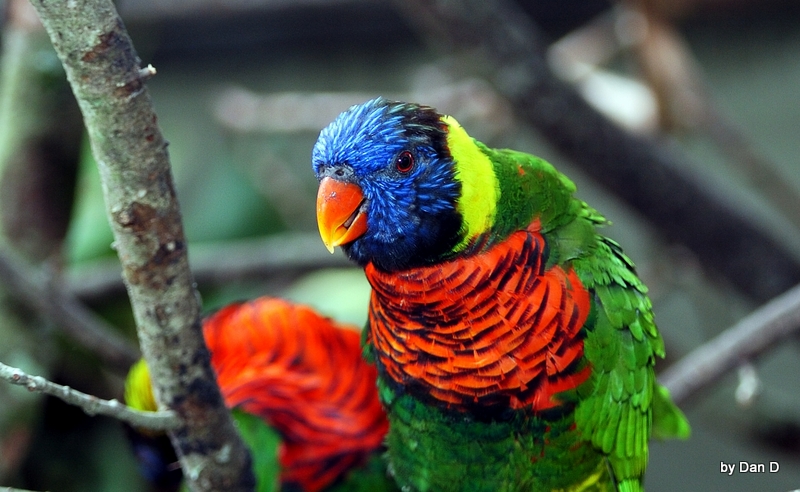
Over in the Lorikeet feeding aviary, they seemed more colorful than normal and several of them were bouncing around and carrying on. Must have been their way of celebrating the coming New Year AD 2016. Also, like those celebrating, sometimes they get carried away and start becoming destructive.

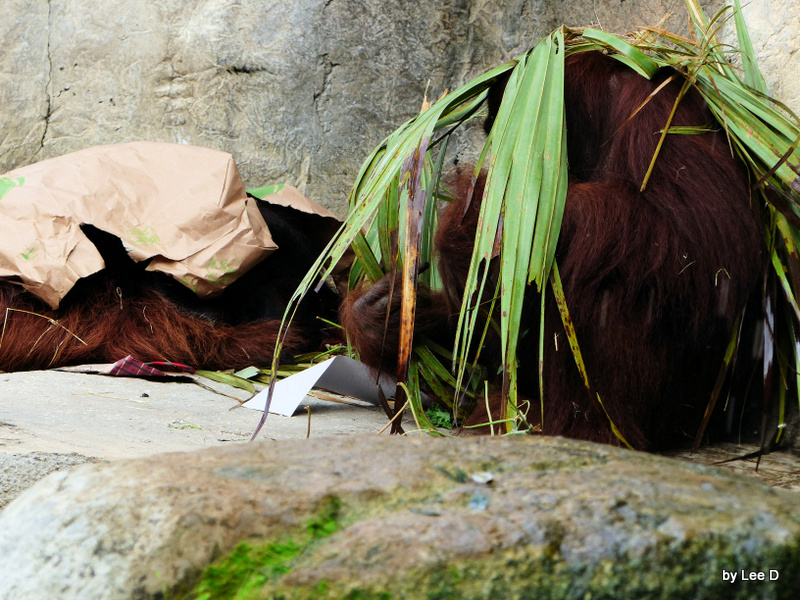
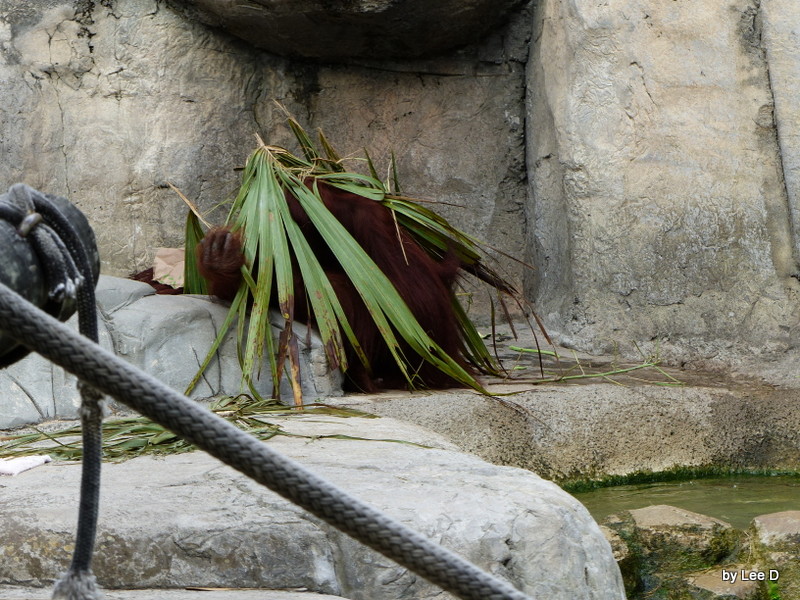
A new Orangutan was born on December 21st and hoped to see the little one, but Momma had different plans. She was laying with the baby between her and her big arm and had a piece of cardboard over her. Her mate was nearby with leaves over his head. (This is normal for these at this zoo.)

Mom and Papa Orangutan

Mom and Papa Orangutan

Mom Orangutan looking out and weary.

Mom Orangutan looking out and weary.

Papa Orangutan blocks the view.

Papa Orangutan blocks the view.

When a crowd came around to look also, he got up and sat right in front of her to block all views. The Lord even gives His critters a sense that they need privacy.

Here is a beautiful creation that takes your breath away. Wow! How did the Lord come up with so many designs in all His critters, not just the birds. I have no idea what the second fish is. He looks happy. If you know, leave a comment.

“But now ask the beasts, and they will teach you; And the birds of the air, and they will tell you; Or speak to the earth, and it will teach you; And the fish of the sea will explain to you. Who among all these does not know That the hand of the LORD has done this, (Job 12:7-9 NKJV)

Off to check out the other birds and see what else was going on. Enjoy the photos. These were our last ones of AD 2015. By the way, the first bird I spotted this year was a Sandhill Crane. (Later the same day, 1st, saw a Belted Kingfisher and a Bald Eagle, plus more normal residents.

This slideshow requires JavaScript.

*

You can see videos of a Masked Lapwing, a Demoiselle Crane and a Blue-faced Honeyeater that I also took by clicking the links.

Birdwatching Trips

Good News

*

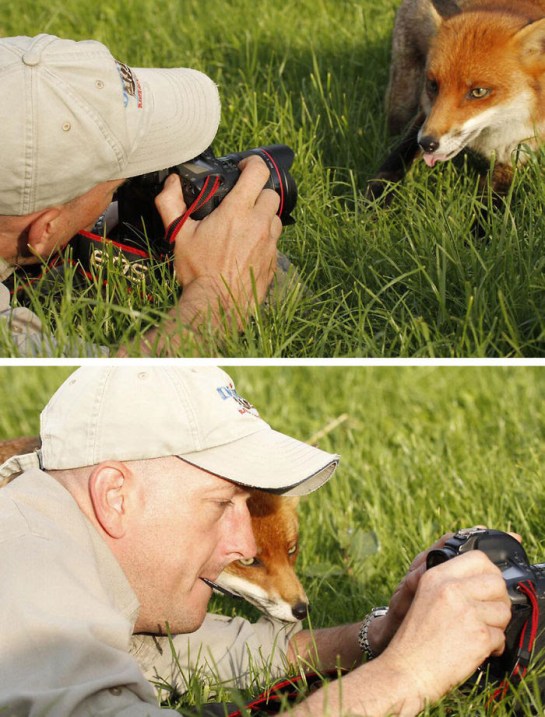
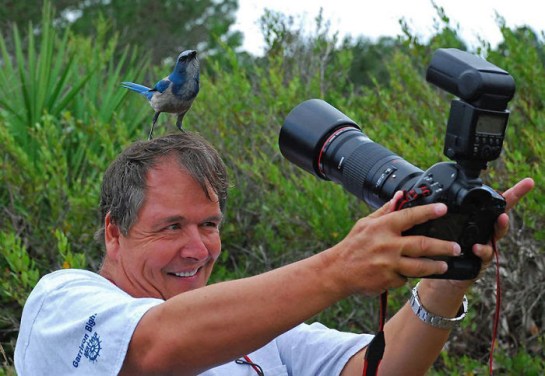
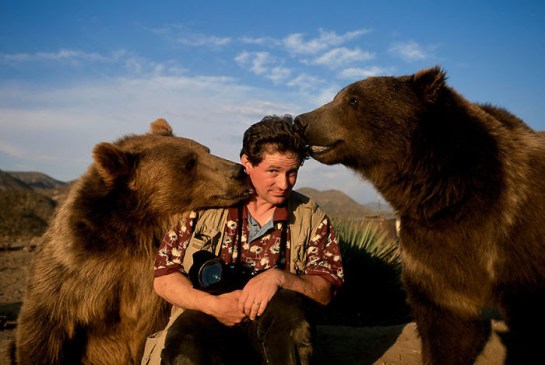
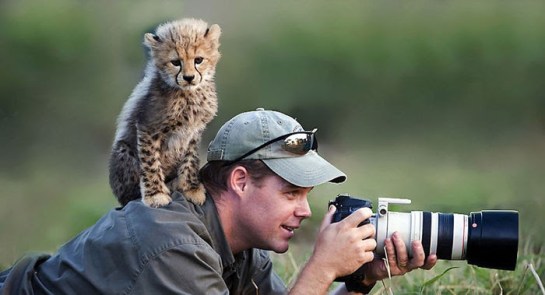
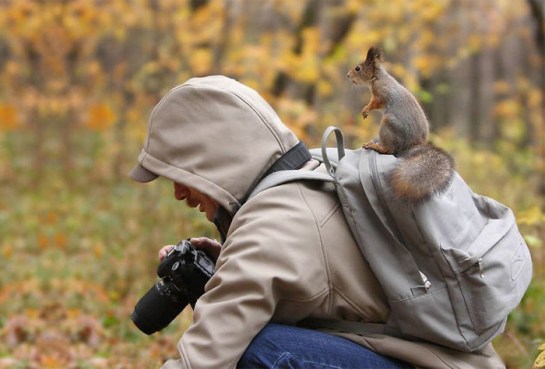
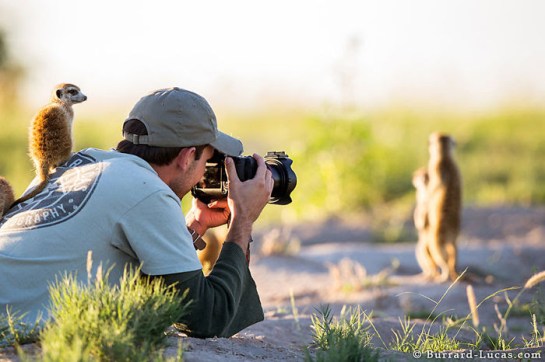
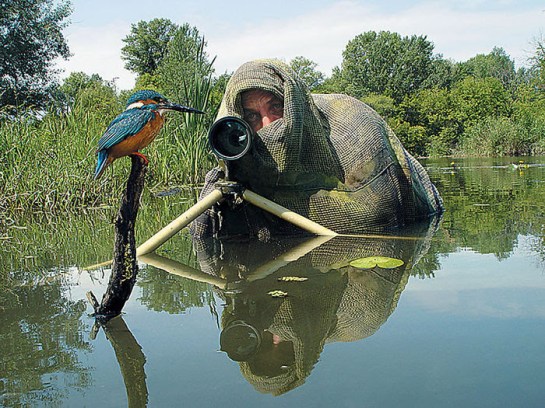
Wild Wildlife Photographers!

These are beyond awesome !  Credit goes to the quickness of the photographer that captured these moments….
A bravery award should go to the  guy that’s being checked out by the two big bears!
Nature Photographer
Photographers with animals 1Photographers with animals 9
Photographers with animals 2Photographers with animals 3Photographers with animals 4Photographers with animals 5Photographers with animals 6Photographers with animals 7Photographers with animals 8Photographers with animals 9Photographers with animals 10Photographers with animals 11Photographers with animals 12Photographers with animals 13Photographers with animals 14Photographers with animals 15Photographers with animals 16Photographers with animals 18Photographers with animals 19Photographers with animals 20Photographers with animals 21

Hear me, O LORD; for thy lovingkindness is good: turn unto me according to the multitude of thy tender mercies. And hide not thy face from thy servant; for I am in trouble: hear me speedily. (Psalms 69:16-17 KJV)

*
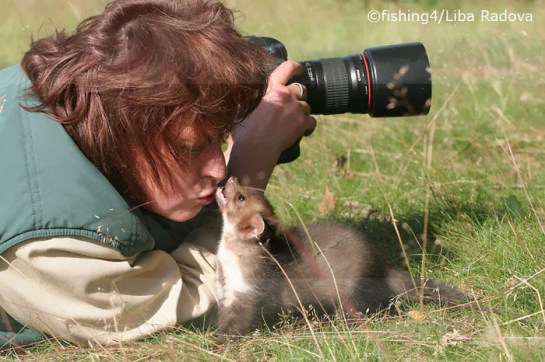
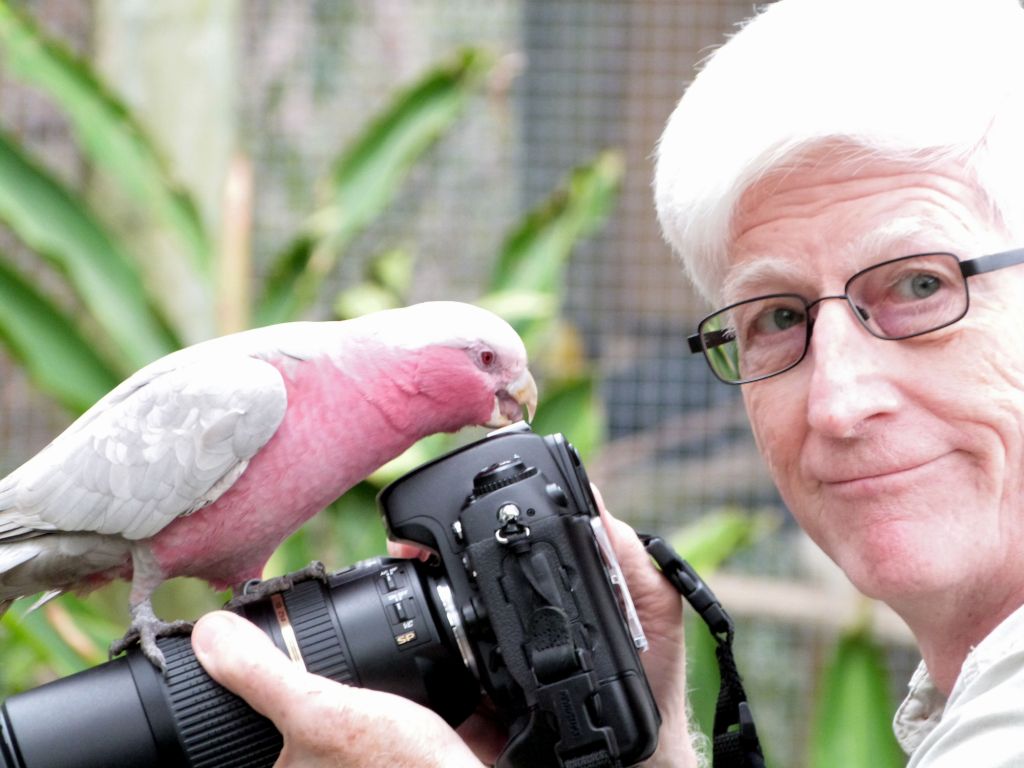
These photos are straight from an e-mail. They are about as crazy as the one I took of Dan when he was surprised.

*

Galah (Eolophus roseicapilla) and Dan

Galah (Eolophus roseicapilla) and Dan

*
Good News

*

Teach Your Children The Right Passwords!

Teach  your  children  the  right  passwords!

~ by James J. S. Johnson

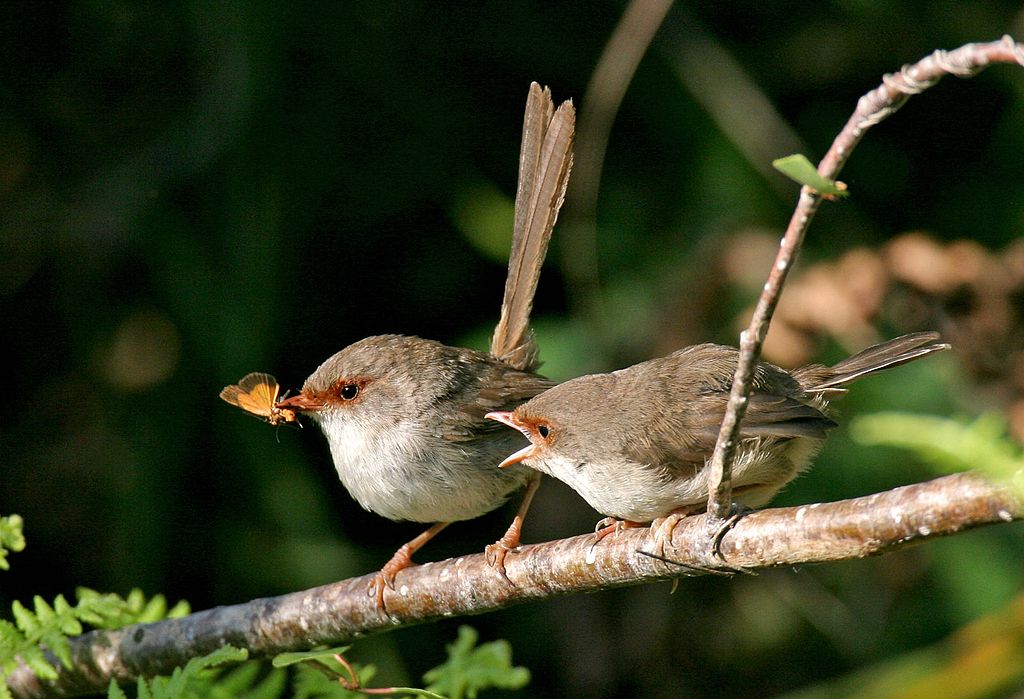
Superb Fairywren (Malurus cyaneus) Juvenile and Female ©WikiC

We will not hide them [“them” refers to God’s prophetic words – see verses 1-3] from their children, shewing to the generation to come the praises of the Lord, and His strength, and his wonderful works that He hath done.  For He established a testimony in Jacob, and appointed a law in Israel, which He commanded our [fore]fathers, that they should make them known to their children,  that the generation to come might know them, even the children which should be born [יִוָּלֵ֑דוּ — niphâl imperfect form of the verb yâlad], who should arise and declare [וִֽיסַפְּר֥וּ — piêl imperfect form of the verb sâphar] them to their children, that they might set their hope in God, and not forget the works of God, but keep His commandments, and [that they] might not be as their [fore]fathers, a stubborn and rebellious generation, a generation that set not their heart aright, and whose spirit was not steadfast with God.   Psalm 78:4-8

Superb Fairywrens teach their children to use passwords, but how?

In this fallen world even bird families have troubles.

One kind of family problem, confronted by many bird parents, is the problem of “brood parasites”, which is really a sneaky kind of “home invasion”.

Brood parasitism” is not a problem of parasitic worms or bugs.  Rather, this is a different kind of parasite – a bold “home invasion” parasite – a “foster child”, from another bird family, who was dropped into a “host” family.  The “host” family is thereafter burdened (unless and until the newcomer is evicted from the nest) with the cost of nurturing the intruding stranger who “moved in” without an invitation.  Worse, the invasive “foster child” often competes with the legitimate nestling birds for food and shelter, sometimes even competing aggressively.

PAS-Icte Brown-headed Cowbird (Molothrus ater) ©WikiC

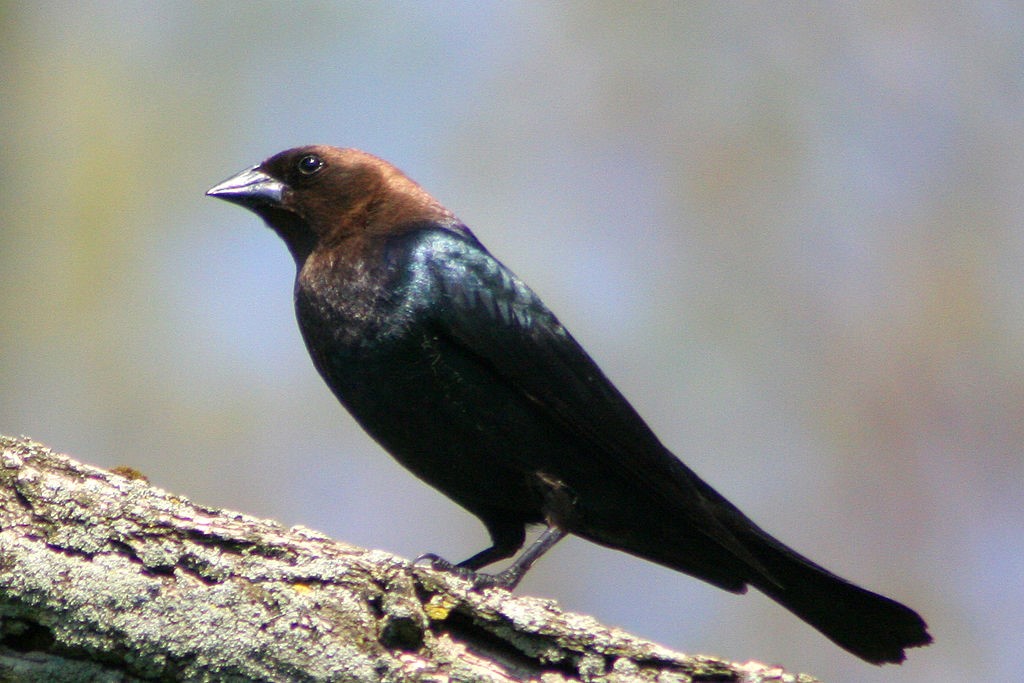
Male Brown-headed Cowbird  (Molothrus ater) ©WikiC

One of the best-known examples of such “brood parasitism” practices is those of the Brown-headed Cowbird (Molothrus ater), an icterid (i.e., member of the blackbird family) with a head that is distinctively chocolate-brown in color.

“A small, black-bodied [and iridescent-plumed] bird, a bit larger than a House Sparrow, with a brown head and a rather finchlike bill.  Females are nondescript gray [like the hue of female grackles] with a finchlike bill.

A brood parasite, the Cowbird lays its eggs in the nests of other birds.”

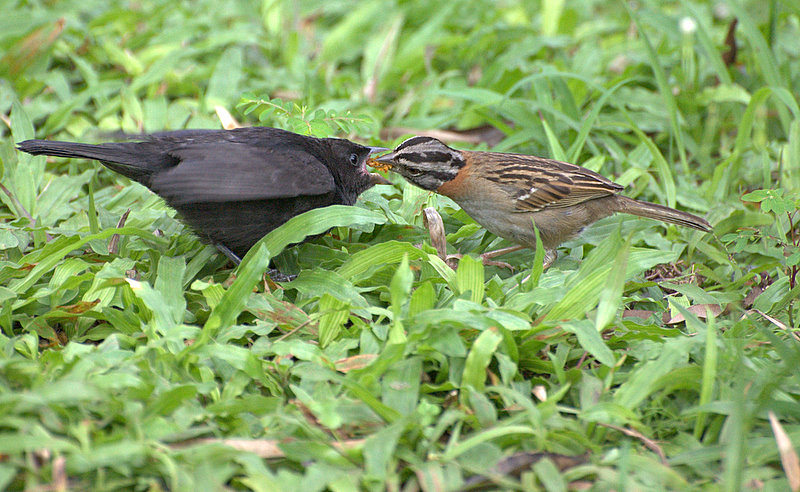
A Shiny Cowbird (Molothrus bonariensis) chick being fed by a Rufous-collared Sparrow (Zonotrichia Capensis)

A Shiny Cowbird (Molothrus bonariensis) chick being fed by a Rufous-collared Sparrow (Zonotrichia Capensis)

[Quoting from Roger Tory Peterson, PETERSON FIRST GUIDE TO BIRDS: A Simplified Field Guide to the Commonest Birds of North America (Houghton Mifflin, 1986), page 102.]

But cowbirds of North America are not the only birds that abuse the (involuntary) charity care of avian “foster parents”;  cuckoos (such as the Common Cuckoo of Eurasia) are known for the same “externalizing” of their parenting costs, producing nestling competitions that result in “changeling” conflicts.

“Once a brood parasite [mother] has managed to slip her egg into a host’s nest, her reproductive role is essentially over.  She leaves each chick to fend for itself, in a [bird] family that did not choose to raise it.

There’s no reason to feel [too] sorry for the uninvited foster chick, however; it is the unwitting adoptive parents that might soon face an unexpected brutality—the ruthless slaying of all their own offspring.

Many brood parasites, such as cuckoos, immediately dispatch of their nest mates [i.e., the children of the caring bird parents who built and maintain the nest that is now compromised] as soon as they hatch by summarily tossing them over the side of the nest.  [So much for refugee gratitude!]

Brown-headed Cowbird (Molothrus ater) Egg in Eastern Phoebe Nest ©WikiC

Brown-headed Cowbird (Molothrus ater) Egg in Eastern Phoebe Nest ©WikiC

African Honeyguides use far deadlier methods to eliminate their [nest] fellows.  Equipped from birth with hooks at the tips of their mandibles, they efficiently wield these needle-sharp barbs against their defenseless nest mates.

Cowbirds do not employ such direct methods, yet they just as effectively eliminate the competition.  Their companions often die of starvation because the larger, more aggressive cowbird grabs all the food [delivered by the nestling-caring parent birds].  It is a wonder that the adults still feed the chick when they realize the disparity in size.  Yet in most cases, the adults accept it [i.e., the cowbird “foster child”], even if it appears double the size of its foster parent and requires twice the care of its [foster] siblings.

Long-tailed Paradise Whydah by Dan

Long-tailed Paradise Whydah by Dan

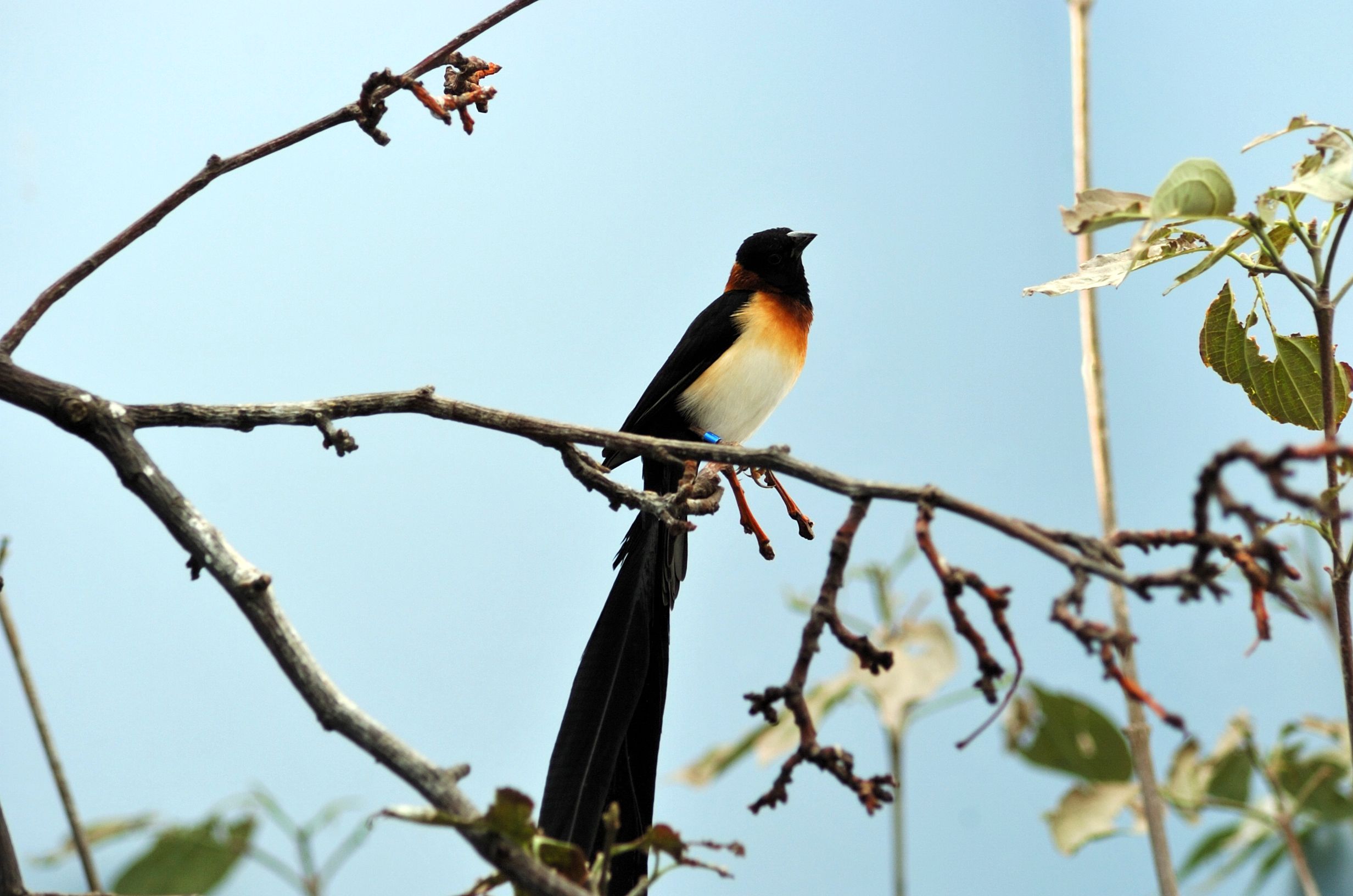
Not all brood parasites oust their nest mates.  Parents of the whydah family choose species that closely resemble them, such as waxbills.  Not only do the eggs match in coloration, but the chicks resemble their hosts as well.  They even have the same markings in their gaping mouths which signal hunger to an observing adult.  Whylahs blend in with their adopted families instead of destroying them.”

[Quoting from Sharon A. Cohen, BIRD NESTS (Harper Collins, 1993), page 110.]

So cowbird “parenting” is a short-lived experience, somewhat like clandestinely depositing a newborn on the front steps of an orphanage, trusting that the baby will be nurtured (successfully) by others.  But is this surreptitious forced-fostering habit a guarantee of avian reproductive success, at the populational level?

“At first, you may wonder why more birds are not parasites—after all, parasites don’t need to build a nest [for raising their babies], and once they have laid eggs there is no more to it [i.e., to parenting responsibilities on a daily basis]; but there are hidden costs [and risks] to being a [brood] parasite, mainly that the [child-abandoning] bird gives up control over its eggs and young.

Female cowbirds lay an average of forty eggs per year, but only two or three [on average] mature to adulthood.”

[Quoting from Donald Stokes & Lillian Stokes, A GUIDE TO BIRD BEHAVIOR, VOLUME II (Little Brown & Company, 1983), page 213.]

So what does this have to do with avian parents teaching “passwords” to their natural progeny? 

Superb Fairy-wren (Malurus cyaneus) by Ian

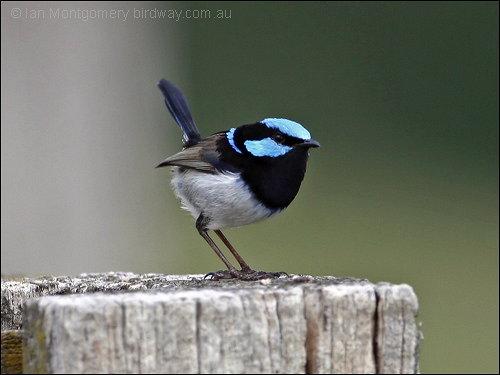
Male Superb Fairywren (Malurus cyaneus) by Ian

Consider this amazing news about the Superb Fairywren (Malurus cyaneus) of Australia, which is forced to react to the “child-abandonment” brood parasitism habits of the Horsfield’s Bronze Cuckoo. (Chrysococcyx basalis).

Horsfield's Bronze Cuckoo (Chrysococcyx basalis) by Tom Tarrant

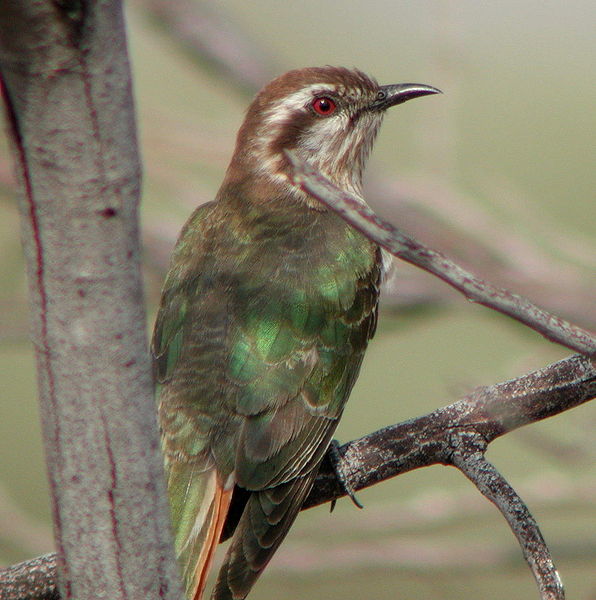
Male Horsfield’s Bronze Cuckoo (Chrysococcyx basalis) by Tom Tarrant

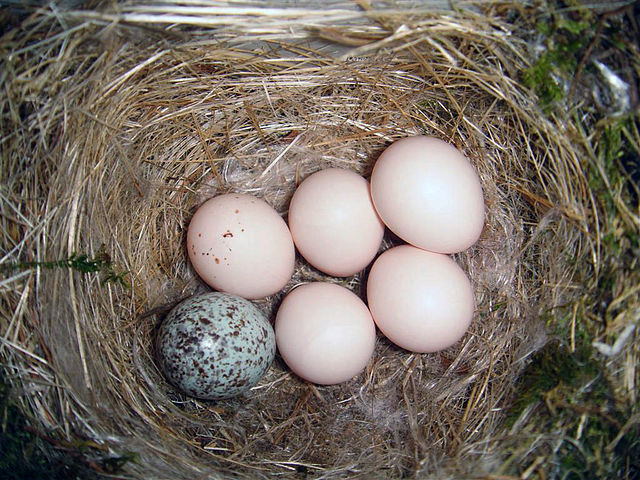
The Horsfield’s Bronze Cuckoo deposits its somewhat elongated pink-white egg, with rust-colored spots, into the nest of a fairywren.  The rust-speckled egg looks like a fairywren egg, confusing the fairywren nest owners of its true biogenetic identity.  (This is an avian version of family “identity fraud!)  The fairywren’s upside-down-dome-shaped nest is often dark inside, so visual confusion about which eggs really belong there is common – hence Horsfield’s bronze cuckoos often get by with their “changeling” deceptions, recruiting fairywren parents into fostering cuckoo eggs that hatch into cuckoo nestlings.

After a dozen days of incubation, in a fairywren nest, a bronze cuckoo chick hatches – 2 days before the hatching of fairywren eggs.  The “older” nestling often ejects the fairywren eggs from the nest, displacing the rightful “heirs”.  (What kind of “refugee gratitude” is that?!)

What can fairywrens do about this parasitic (and quasi-predatory) menace?

Is there a way to avoid the involuntary “home invasion” of such Trojan horses?

Yes, there are a few defensive habits that help to protect the fairywren from such home hijackings, including:

(1) nesting in fairywren colonies – so that teamwork is employed to drive off trespassing cuckoos when cuckoos fly near the fairywrens’ nesting colony;

(2) females attend their nests with vigilance, usually, limiting the opportunities that stealthy cuckoos have to access unattended fairywren nests;

(3) when female fairywren recognize a “changeling” in the nest, prior to laying any fairywren eggs therein, the fairywren female may abandon that (cuckoo) egg and build herself a new nest elsewhere;

(4) female fairywrens “teach” their eggs vocal “passwords” to use, to prompt being fed by their mother.  It is this last habit that demonstrates communication from (fairywren) mother to child, before the chick is hatched from its egg!

A few years ago, Diane Colombelli-Négrel, Sonia Kleindorfer, and colleagues from Flinders University in Australia discovered a remarkable way one bird fights back against brood parasites. Female superb fairywrens teach their embryos a “password” while they’re still in their eggs. Each female’s incubation call contains a unique acoustic element. After they hatch, fairywren chicks incorporate this unique element into their begging calls to ask for food. Colombelli-Négrel, Kleindorfer, and colleagues showed that chicks whose begging calls most resembled their mothers’ incubation calls received more food. But the brood parasites of the fairywren, Horsfield’s bronze-cuckoos, produced begging calls that did not so closely resemble the parental password.

[Quoting  Mary Bates, “To Beat a Parasite, Birds Teach their Young a Secret Password”, posted at http://www.wired.com/2014/06/to-beat-a-parasite-birds-teach-their-young-a-secret-password/ , accessed 11-23-AD2015.]

If fairywrens observe cuckoos in the neighborhood they become more diligent in their efforts to teach the “please-feed-me” passwords to their unhatched progeny, increasing the likelihood that the babies will successfully beg for food (using the vocal “password”) when they soon become hatchling chicks.

In a new study, Colombelli-Négrel, Kleindorfer, and colleagues again looked at the relationship between superb fairywrens and Horsfield’s bronze-cuckoos to see if a greater threat of brood parasitism would cause the fairywren to up its teaching efforts.

First, the researchers recorded calls from 17 fairywren nests in South Australia. They found the similarity between the mother’s password and the chick’s begging call was predicted by the number of incubation calls produced by the mother: If females made many incubation calls, their chicks ended up producing more similar begging calls.

Next, the researchers conducted a playback experiment at 29 nests. They broadcast either the song of Horsfield’s bronze-cuckoo or a neutral bird. After the cuckoo calls, but not after the neutral bird calls, female fairywrens made more incubation calls to their embryos. In other words, female fairywrens that heard a cuckoo near their nest increased their efforts to teach their password to their embryos.  Colombelli-Négrel and Kleindorfer say their results provide a mechanism for how fairywrens could get better at decision-making and lower the probability of committing an acceptance error for a cuckoo chick or a rejection error for one of their own chicks.  ‘When there are cuckoos in the area, you should call more to your eggs so that they have a higher call similarity after hatching and you can decide if the offspring is yours,’ Colombelli-Négrel and Kleindorfer wrote in an email. ‘We show a mechanism that starts in the nest and involves active teaching and sensorimotor learning in embryos.’”  [again quoting Mary Bates, supra]

This is truly amazing!  Anyone who is not amazed at how God programmed parenting skills into Superb Fairywrens is blind to the facts.

Also, by analogy, there may be a lesson for humans:  be careful about vulnerabilities to intrusive “foster children” that are “accepted” without informed consent  —  your own legitimate children may be put unfairly at risk.

Meanwhile, just as fairywrens teach “passwords” to their children, so should we humans.  But it is much more than “please feed me!” that we must teach our children, and our children’s children.

The vital “words of life” that we must teach, repeatedly, as the words of God, the Scriptures without which there is no real life, because mankind cannot live by physical bread alone, but by every Scriptural saying – every word that proceeds from God (Matthew 4:4).

We will not hide them [“them” refers to God’s prophetic words – see verses 1-3] from their children, shewing to the generation to come the praises of the Lord, and His strength, and his wonderful works that He hath done.  For He established a testimony in Jacob, and appointed a law in Israel, which He commanded our [fore]fathers, that they should make them known to their children,  that the generation to come might know them, even the children which should be born [יִוָּלֵ֑דוּ — niphâl imperfect form of the verb yâlad], who should arise and declare [וִֽיסַפְּר֥וּ — piêl imperfect form of the verb sâphar] them to their children, that they might set their hope in God, and not forget the works of God, but keep His commandments, and [that they] might not be as their [fore]fathers, a stubborn and rebellious generation, a generation that set not their heart aright, and whose spirit was not steadfast with God.   Psalm 78:4-8

<> JJSJ

*

Orni-Theology

Maluridae – Australasian Wrens

James J. S. Johnson’s Articles

*

Chats and Old World Flycatchers III

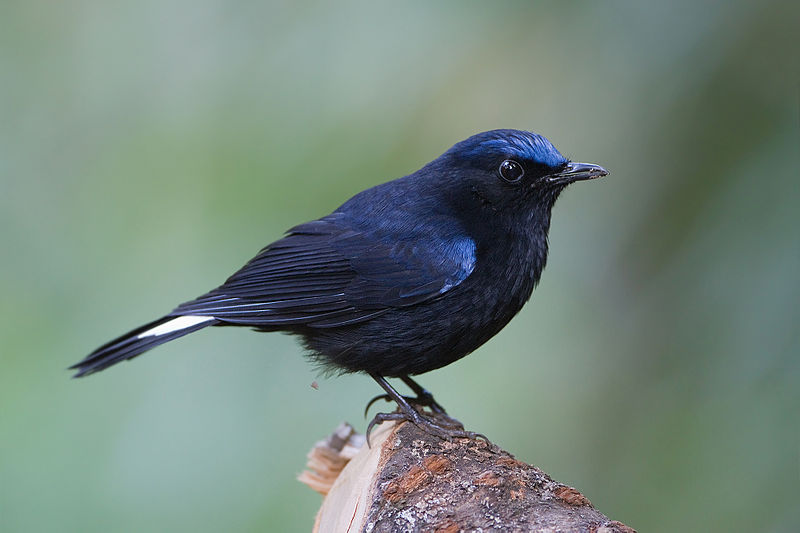
White-tailed Robin (Myiomela leucura) ©WikiC

White-tailed Robin (Myiomela leucura) ©WikiC

This third part of the Muscicapidae – Chats, Old World Flycatchers family starts with the White-tailed Robin (Myiomela leucura). What an amazing group of avian wonders from Our Lord, their Creator.

Part I and Part II of the Sunday Inspiration covered over half of the 321 member Chat and Old World Flycatcher family. This week, we should be able to finish up. Meagan Fee came back for the Christmas break (she was our summer intern at Faith) and played a fantastic violin piece for our offering last Sunday. It is fantastic and long enough, I hope, to cover the slideshow. :0)

Back to the flycatchers. The Genera covered this week are the Myiomela, Tarsiger, Enicurus, Myophonus, Cinclidium, Ficedula, Muscicapella, Phoenicurus, Monticola, Saxicola, Campicoloides, Emarginata, Pinarochroa, Thamnolaea, Myrmecocichla, Oenanthe, Pinarornis, Namibornis and Humblotia.

Old World flycatchers live in almost every environment with a suitable supply of trees, from dense forest to open scrub, and even the montane woodland of the Himalayas. The more northerly species migrate south in winter, ensuring a continuous diet of insects.

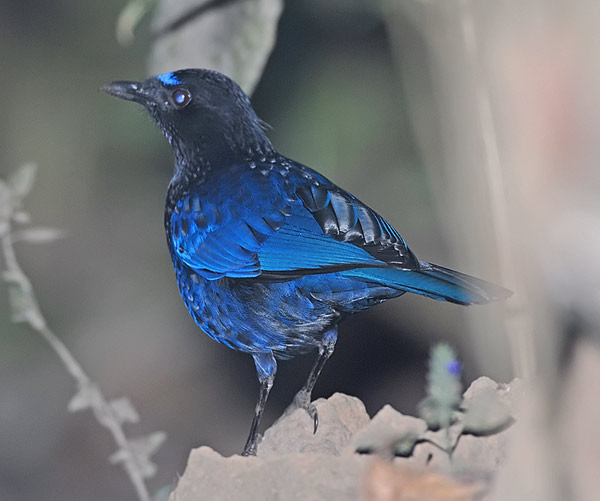
Malabar Whistling Thrush (Myophonus horsfieldii) by Nikhil Devasar

Malabar Whistling Thrush (Myophonus horsfieldii) by Nikhil Devasar

“I will whistle for them to gather them together, For I have redeemed them; And they will be as numerous as they were before. (Zechariah 10:8 NASB)

Whistling thrushes are mostly seen in hilly areas except during winter when they may descend to streams near the plains. They specialize in feeding on snails and their strong hooked bills are used to deal with them. They may choose a particular rock on which they crack the shells.

The whistling of a Malabar Whistling Thrush from xeno-canto by David Farrow.

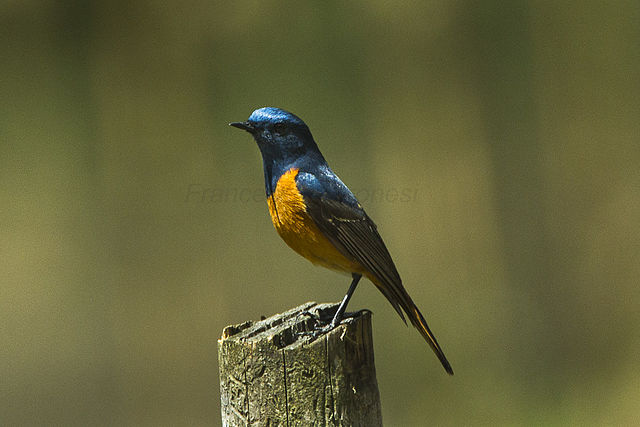
Blue-fronted Robin (Cinclidium frontale) ©WikiC

Blue-fronted Robin (Cinclidium frontale) ©WikiC

The Blue-fronted Robin (Cinclidium frontale) is a species of bird in the family Muscicapidae. It is the only species in the monotypic genus Cinclidium. It is found in Bhutan, China, India, Laos, Thailand, Vietnam, and possibly Nepal. Its natural habitat is temperate forests.

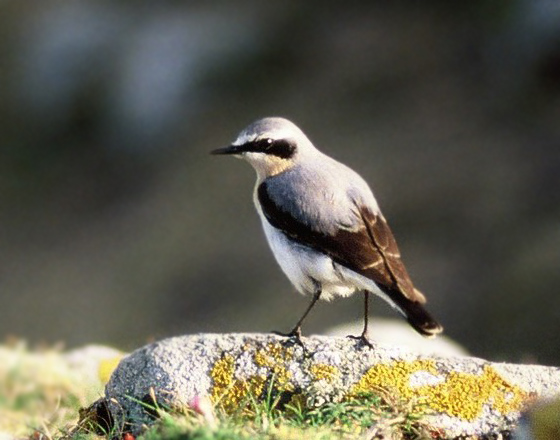
Northern Wheatear (Oenanthe oenanthe) Breeding male ©WikiC

Northern Wheatear (Oenanthe oenanthe) Breeding male ©WikiC

The Wheatears, Oenanthe, have characteristic black and white or red and white markings on their rumps or their long tails. Most species are strongly sexually dimorphic; only the male has the striking plumage patterns characteristic of the genus, though the females share the white or red rump patches.

This slideshow requires JavaScript.

Like a crane or a swallow, so did I chatter: I did mourn as a dove: mine eyes fail with looking upward: O LORD, I am oppressed; undertake for me. (Isaiah 38:14 KJV)

“O Come, O Come Emmanuel”  by Meagan Fee on Violin and Jill Foster accompanying

*

Sunday Inspiration – Chats and Old World Flycatchers I
Sunday Inspiration – Chats and Old World Flycatchers II
Muscicapidae – Chats, Old World Flycatchers

Gideon

*