Bird Barks And Lizard Growls – Creation Moments

Numbers 22:30

“So the donkey said to Balaam, ‘Am I not your donkey on which you have ridden, ever since I became yours, to this day? Was I ever disposed to do this to you?’ And he said, ‘No.’”

Have you ever noticed that we can usually sense whether an animal is hostile or friendly, simply by its sound? Did you ever wonder about the universal features that allow for important basic information to be shared between animals and humans?

None of us ever had to be taught that a dog, growling deeply and showing its teeth, was trying to threaten us. We’re all familiar with the high-pitched yips that same dog makes to welcome its owner home. Research shows that the motivations expressed by high-pitched and low-pitched sounds are universal among most creatures.

Researchers say that almost all animals bark (the high-pitched sounds) or growl (the low-pitched sounds). They were surprised to learn that animals don’t simply make arbitrary noises. Sound has meaning. Even the higher-pitched voice of birds has a barking mode that can be seen on a graph and heard when a slowed-down recording is played. Animals make lower, harsher sounds when they’re being aggressive. This is the growl. When friendly, an animal makes higher-pitched sounds. The bark seems to mean that an animal is neither hostile nor friendly, simply curious. Human speech follows the same general pattern.

These universal features of communication reflect the work of our Creator who intended for many different kinds of creatures to coexist. He gave us all a universal method for understanding important basic messages like fear, aggression and joy.

Prayer: I thank You, Lord, for the joy that animals add to our lives. I also thank You that You have made us able to share some basic but important features of communication. However, help me to value, most highly, Your communication to me in Your Holy Word. Amen.

REF.: Bennett, Dawn D. 1985. Making sense of animal sounds. Science Ne   Photo: Pembroke Corgi – pixabay.com (PD)

Used with permission. Creation Moments ©2019
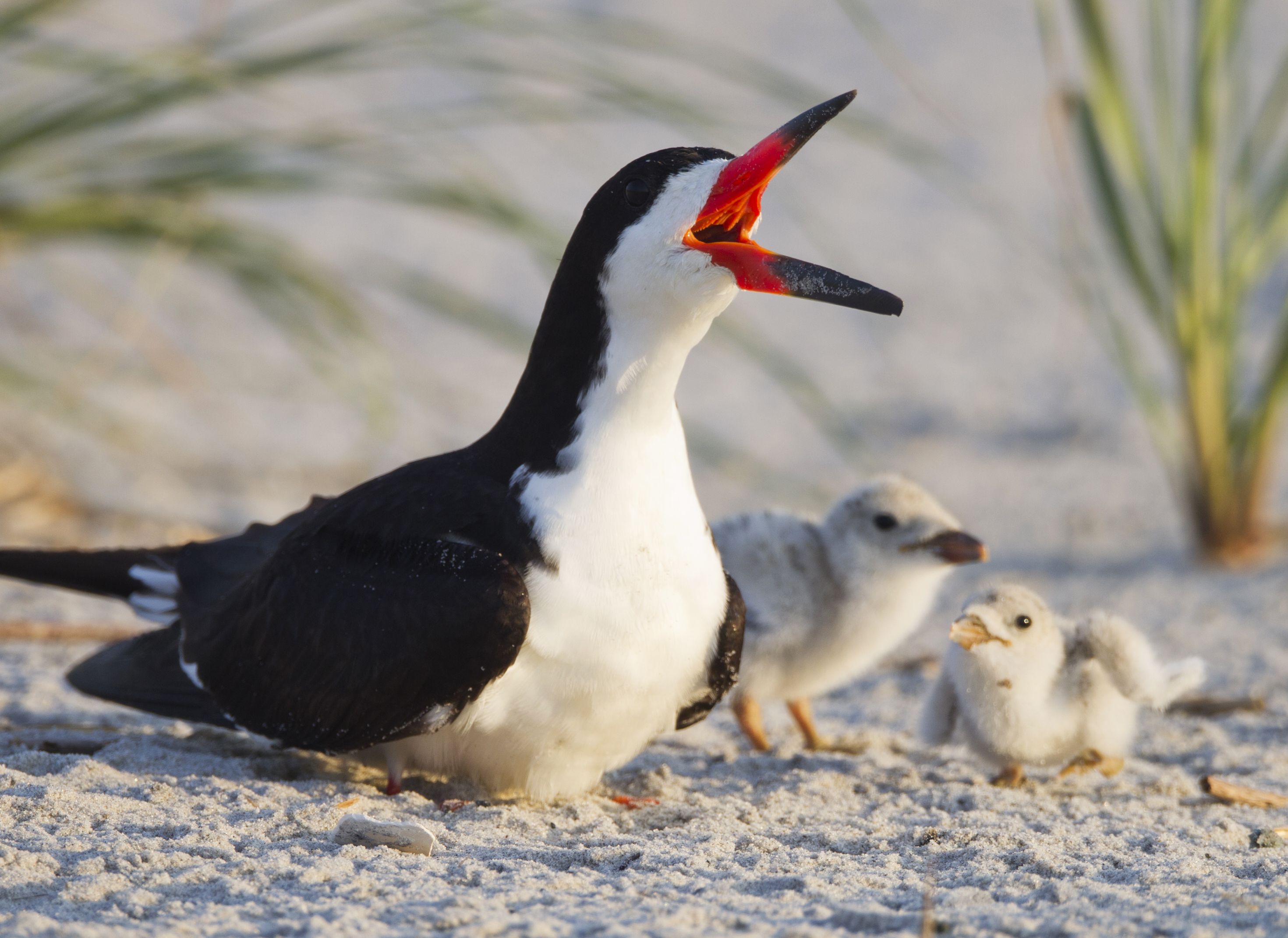
Black Skimmer (Rynchops niger niger), Northern subspecies, adult in breeding plumage calling and a pair of well camouflaged downy chicks at Nickerson Beach Park on Long Island, New York.

Wonder if this Skimmer is growling or barking?

More Creation Moments articles:

Interesting Things

What is the Gospel?

*
Nice Birdwatching Video About Circle B Bar Reserve

This is by one of the photographers that visits Circle B Bar Reserve in Lakeland, Florida. It is only a few miles from our house “as the crow flies.” We have spent many enjoyable trips there. This was from Dennis Hollingsworth.

Belted Kingfisher (Megaceryle alcyon) by Lee Circle B

Belted Kingfisher (Megaceryle alcyon) by Lee Circle B

Great Blue Heron (Ardea herodias) at Circle B By Dan'sPix

Bible Birds – Herons

Snowy Egret (Egretta thula) Notice Yellow Feet by Lee at Circle B

Snowy Egret (Egretta thula) Notice Yellow Feet by Lee at Circle B

“For since the creation of the world His invisible attributes are clearly seen, being understood by the things that are made, even His eternal power and Godhead, so that they are without excuse,” (NKJV)

This is by one of the photographers that visits Circle B Bar Reserve in Lakeland, Florida. It is only a few miles from our house “as the crow flies.” We have spent many enjoyable trips there. This was from Dennis Hollingsworth.
Belted Kingfisher (Megaceryle alcyon) by Lee Circle B Belted Kingfisher (Megaceryle alcyon) by Lee Circle BGreat Blue Heron (Ardea herodias) at Circle B By Dan'sPix Bible Birds – HeronsSnowy Egret (Egretta thula) Notice Yellow Feet by Lee at Circle B Snowy Egret (Egretta thula) Notice Yellow Feet by Lee at Circle B

“For since the creation of the world His invisible attributes are clearly seen, being understood by the things that are made, even His eternal power and Godhead, so that they are without excuse,” (Romans 1:20 NKJV)


Sandhill Crane Chick at Circle B by Lee

Sandhill Crane Chick at Circle B by Lee

Blue-Gray Gnatcatcher at Circle B Reserve by Lee

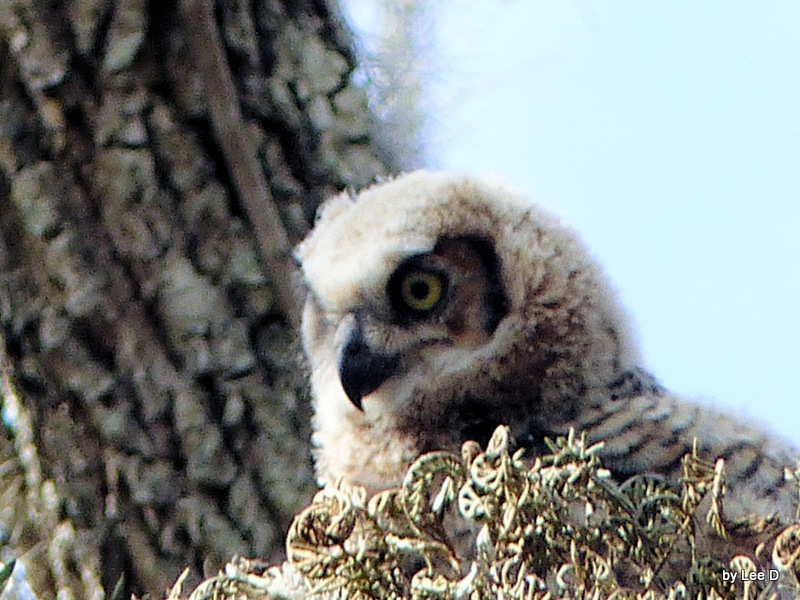
Great Horned Owl Youngsters at Circle B Bar Reserve by Lee

Snowy Egret Circle B 8-3-12 by Lee

Snowy Egret Circle B by Lee

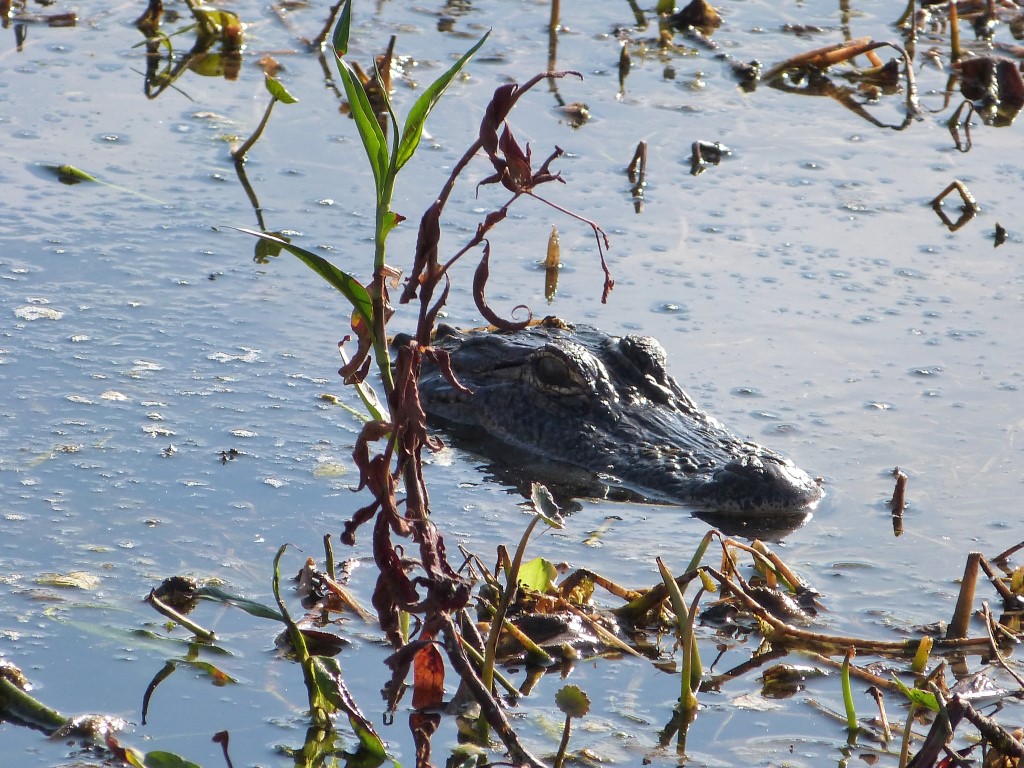
Alligator Circle B Bar Reserve by Lee

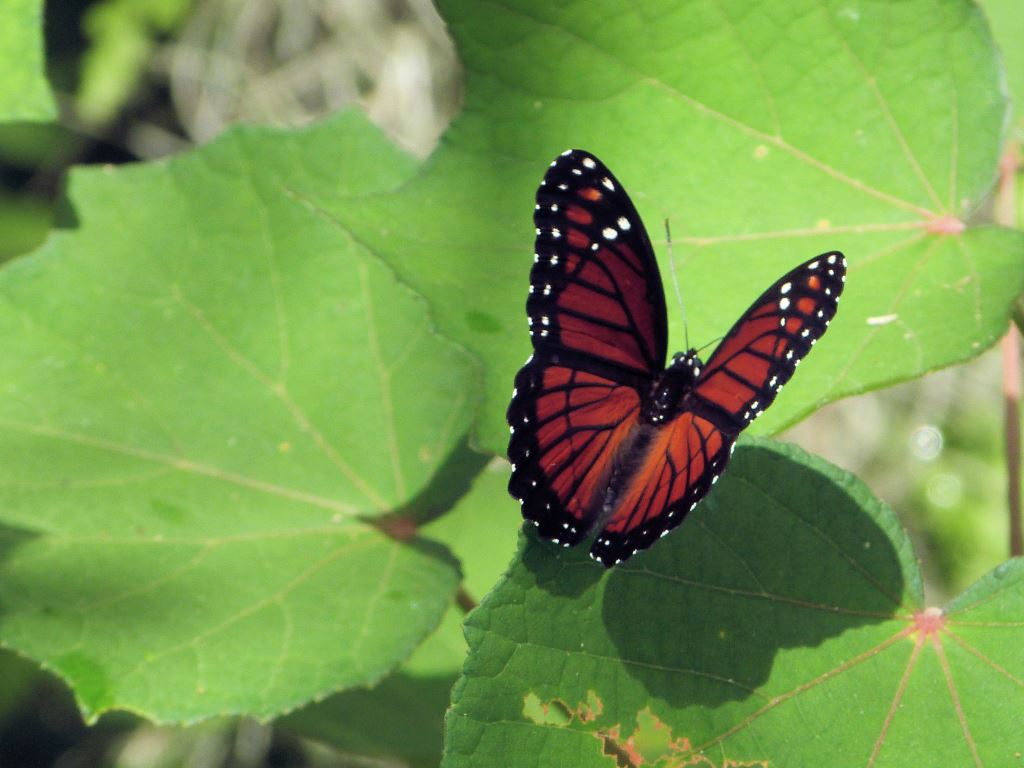
Butterfly Circle B by Lee 7-16-14

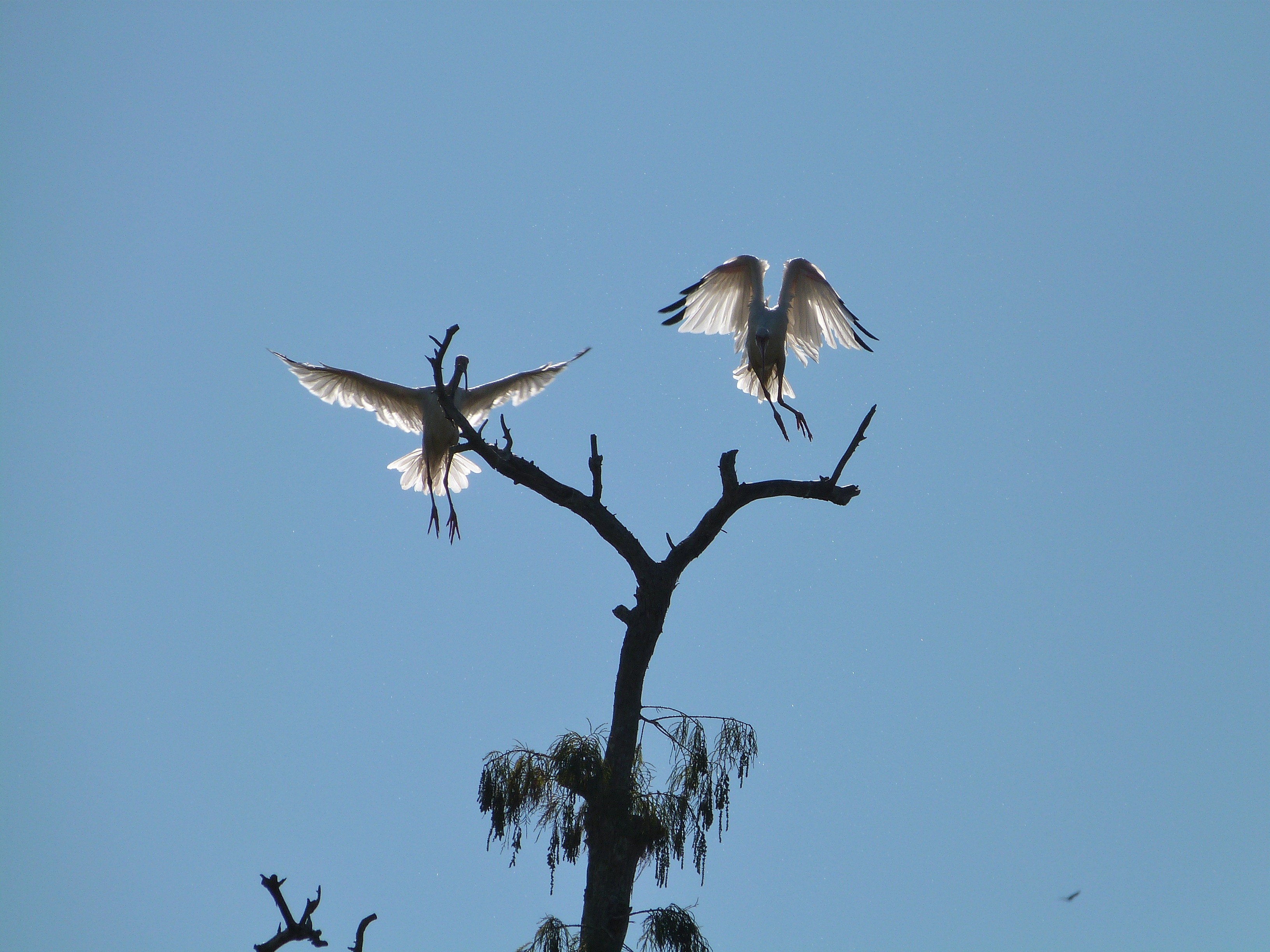
American White Ibis (Eudocimus albus) by Lee at Circle B

American White Ibis (Eudocimus albus) by Lee at Circle B

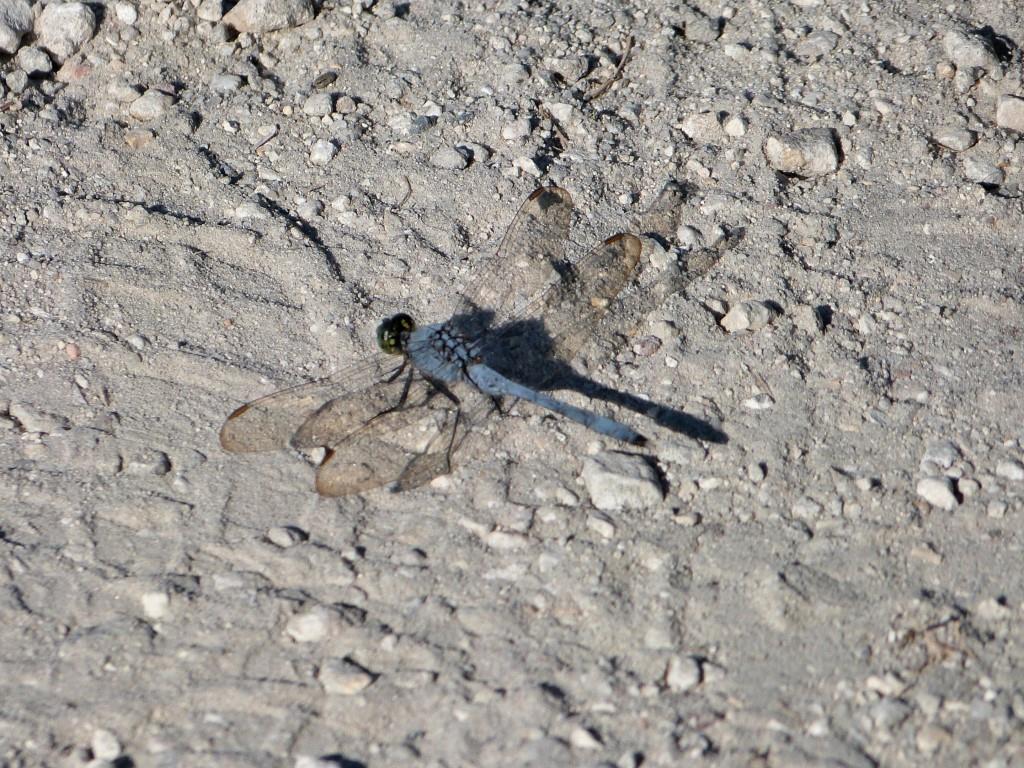
Dragonfly by Lee at Circle B

Dragonfly by Lee at Circle B

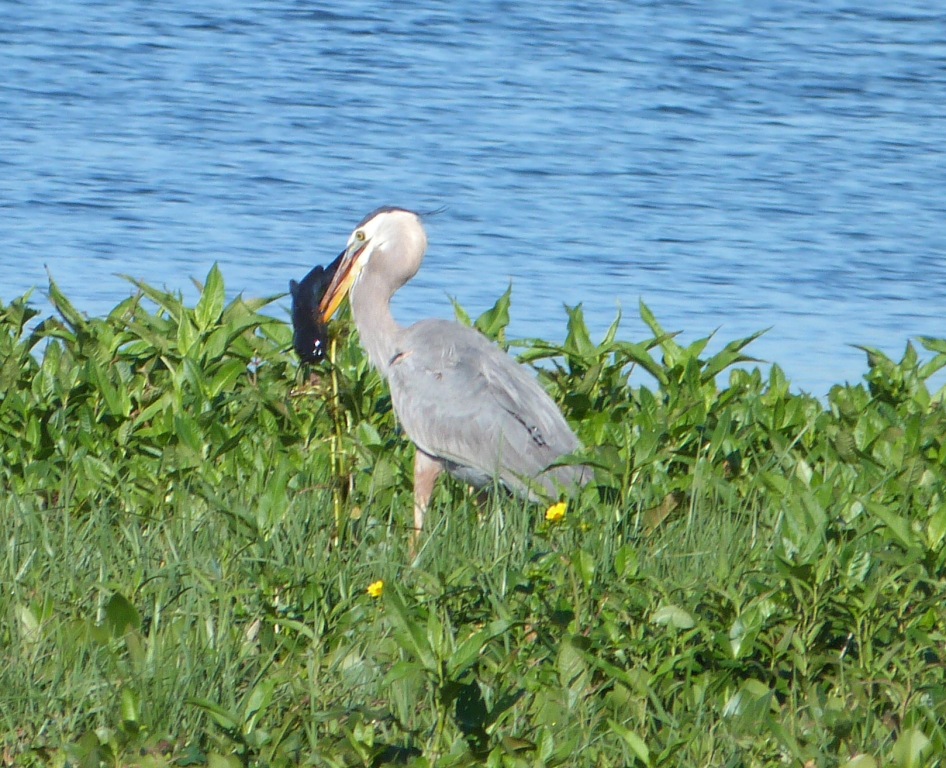
Great Blue Heron with Catfish at Circle B by Lee - cropped

Great Blue Heron with Catfish at Circle B by Lee – cropped

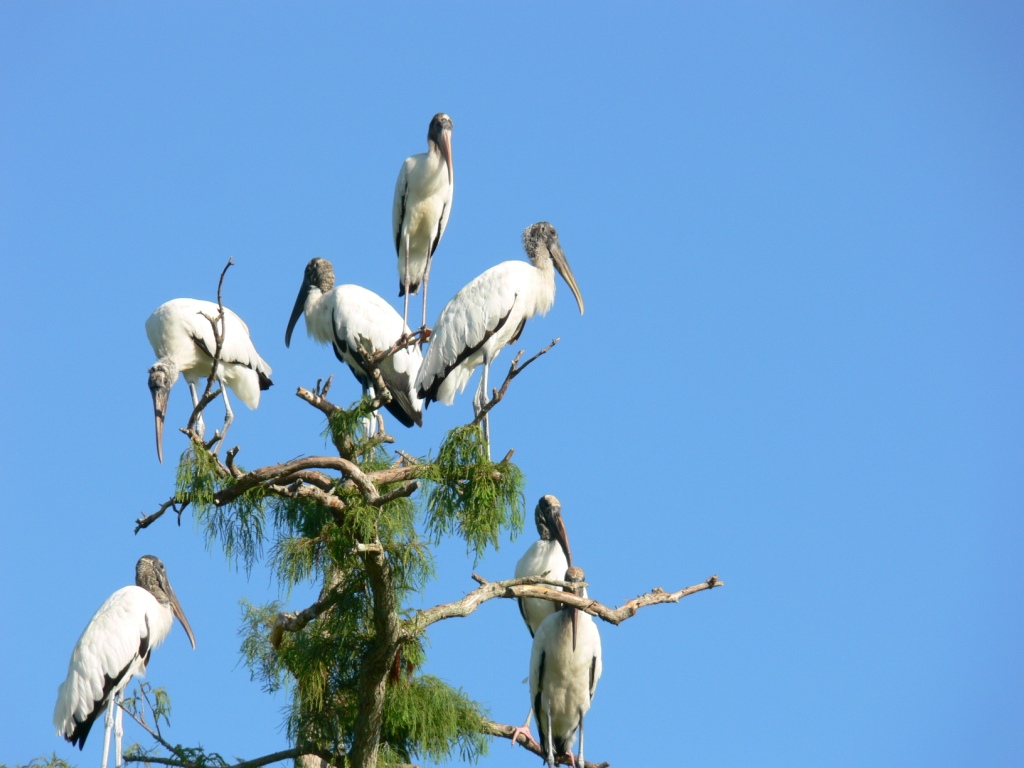
Wood Storks on top of tree at Circle B -7-22-11 by Lee

Wood Storks on top of tree at Circle B by Lee

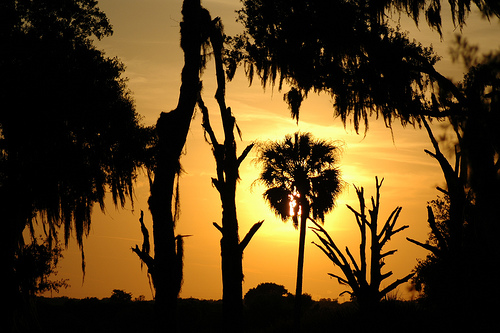
Sunset at Circle B by TommyT

IOC Version 9.2- Name Changes – Part III

IOC Version 9.2 (June 22, 2019) Name Changes

The nice thing about these name changes is that the Scientific Name normally stays with the bird. Many countries refer to birds by various names, but the scientific name helps everyone know which avian wonder is being referred to.

PREVIOUS IOC LISTS – SCIENTIFIC NAME – New Name IOC LIST V9.2

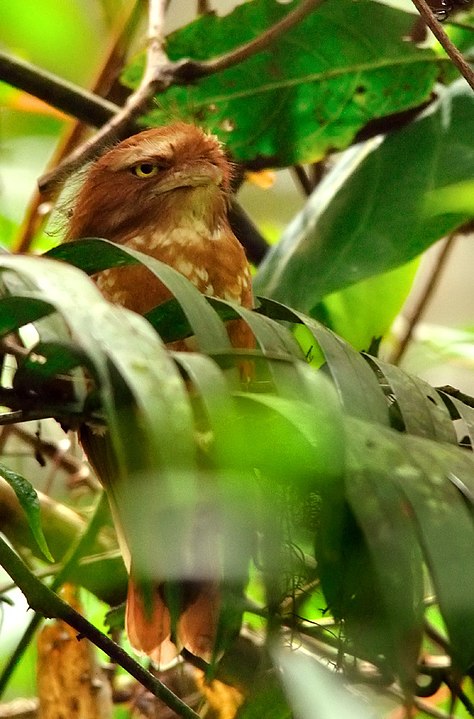
Sumatran Frogmouth ((Batrachostomus poliolophus) Female ©WikiC

Short-tailed Frogmouth – Batrachostomus poliolophus – Sumatran Frogmouth

Stipple-throated Antwren – Epinecrophylla haematonota ©Oiseaux_net

Napo Stipple-throated Antwren – Epinecrophylla haematonota – Stipple-throated Antwren

PAS-Tham Rio Madeira Antwren (Epinecrophylla amazonica) ©Flickr Claudio Dias Timm

Rio Madeira Antwren (Epinecrophylla amazonica) ©Flickr Claudio Dias Timm

Madeira Stipple-throated Antwren – Epinecrophylla amazonica – Rio Madeira Antwren

Wayanad Laughingthrush (Pterorhinus delesserti) ©WikiC

Wynaad Laughingthrush – Pterorhinus delesserti – Wayanad Laughingthrush

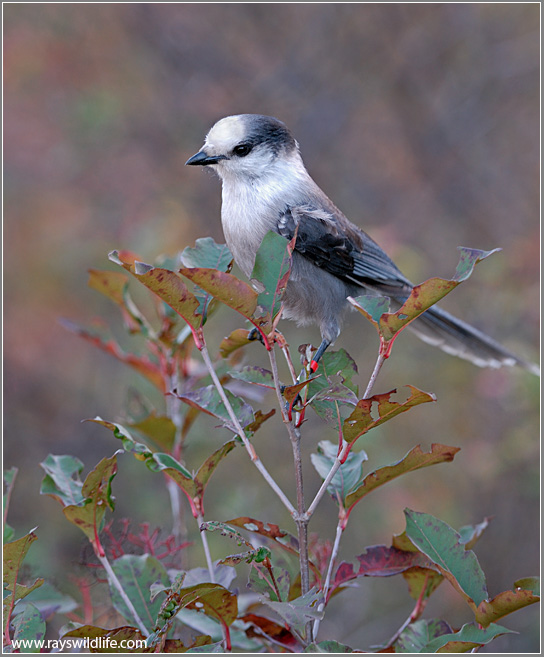
Grey Jay (Perisoreus canadensis) by Raymond Barlow

Canada Jay (Perisoreus canadensis) by Raymond Barlow

Grey Jay – Perisoreus canadensis – Canada Jay

Biak Whistler (Pachycephala megarhyncha)

Biak Whistler (Pachycephala megarhyncha) ©Flickr Graham Winterflood

Biak [Little] Shrikethrush – Pachycephala [Colluricincla] melanorhyncha – Biak Whistler

Arafura Shrikethrush (Colluricincla megarhyncha) ©WikiC

Arafura Shrikethrush (Colluricincla megarhyncha) ©WikiC

Little Shrikethrush – Colluricincla megarhyncha – Arafura Shrikethrush

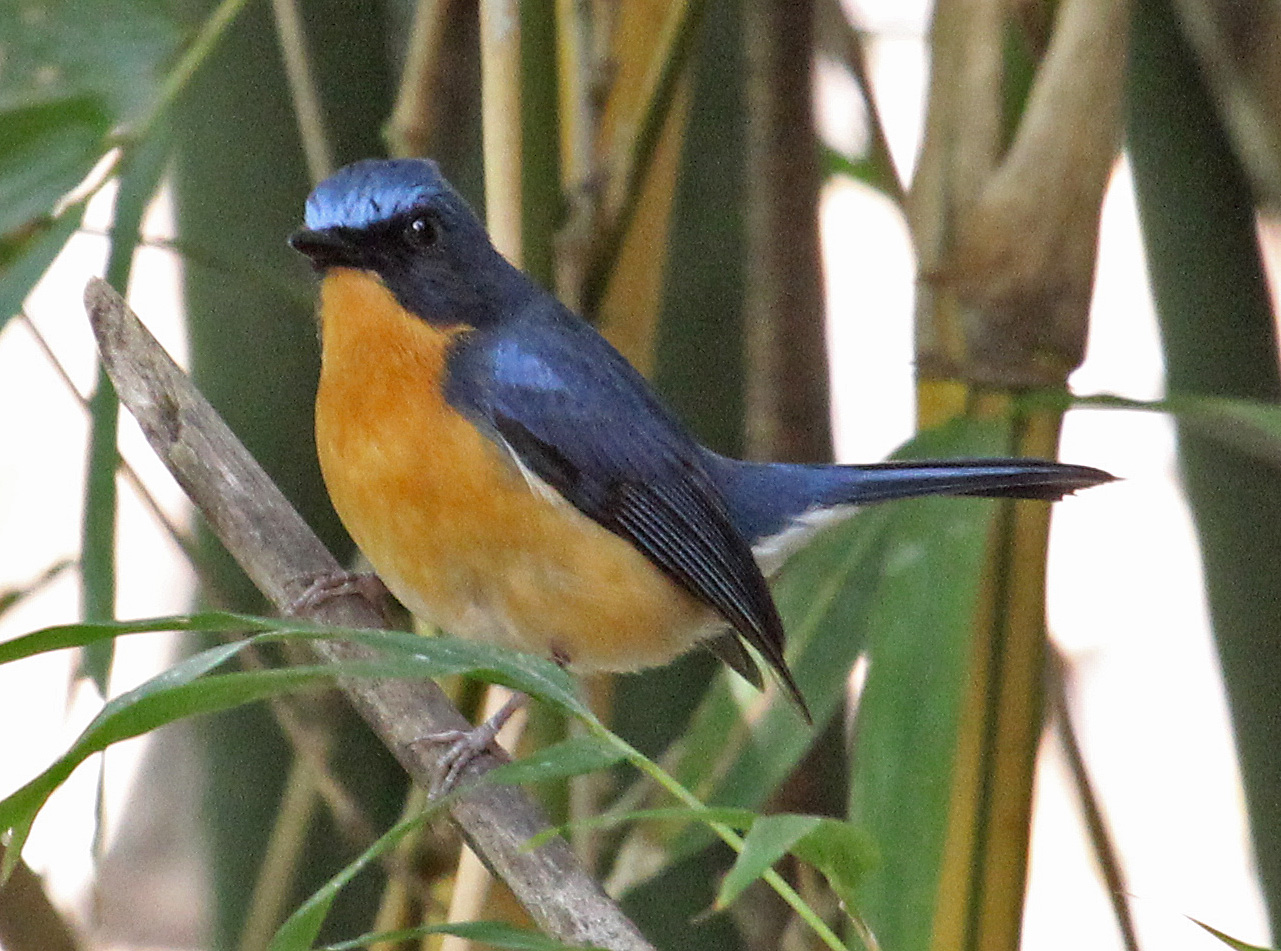
Javan Blue Flycatcher (Cyornis banyumas) ©©Flickr

Hill Blue Flycatcher – Cyornis banyumas – Javan Blue Flycatcher

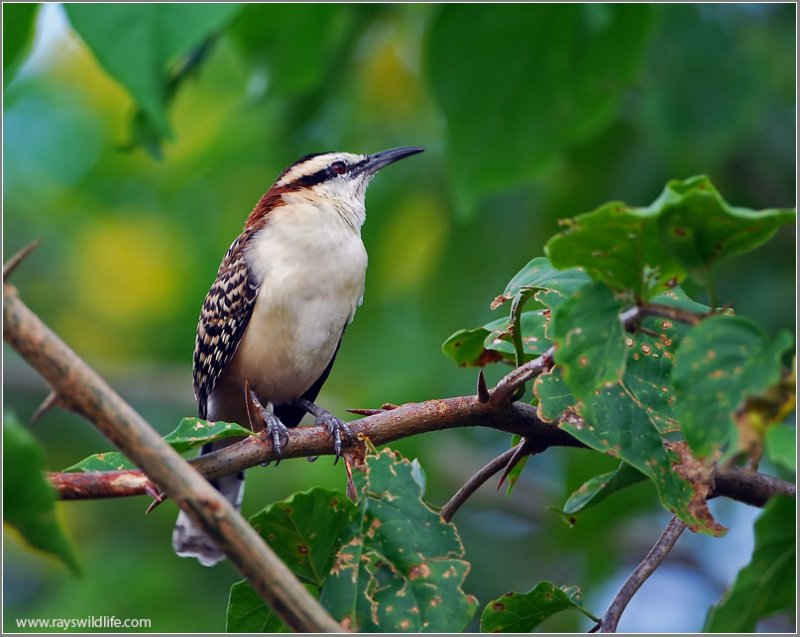
Rufous-naped Wren (Campylorhynchus rufinucha) by Ray

Veracruz Wren (Campylorhynchus rufinucha) by Ray

Rufous-naped Wren – Campylorhynchus rufinucha – Veracruz Wren

These were the name changes that I have found so far with this update. For those of us who have photos, it also required changing names of photos on the hard drive.

But names have been changing for years:

“Now among them from the sons of Judah were Daniel, Hananiah, Mishael and Azariah. Then the commander of the officials assigned new names to them; and to Daniel he assigned the name Belteshazzar, to Hananiah Shadrach, to Mishael Meshach and to Azariah Abed-nego.” (Daniel 1:6-7 NASB)

Now for the rest of the updates. Stay Tuned!

The Amazing Butterfly

World Birds I.O.C. Version 9.2 Part II

Blue-throated Hillstar (Oreotrochilus cyanolaemus) ©Sci-news

Blue-throated Hillstar (Oreotrochilus cyanolaemus) ©Sci-news

The post yesterday, I.O.C. 9.2 Update A Few Days Ago, was to inform you off the latest update. New birds aren’t usually discovered as much as the DNA studies they are providing better insight into how the birds are related. So, they like to shuffle things around, like the 5 new Families. The new species added are many times from subspecies being elevated to full species status.

Today, we will try to figure out who the new species are. As I type this, I have no clue until some investigation begins. So, Let’s Begin!

Version 9.2 (June 22, 2019)

The IOC World Bird List 9.2 contains 10,758 extant species (and 158 extinct species)  classified in 40 Orders,  250 Families and 2,320 Genera.  The list also includes 20,034 subspecies, their ranges and  authors.

Updates include:

SPECIES ADDED:                25 

SPECIES DELETED:             5

ENGLISH NAMES:              9

TAXONOMY:                         37 including  sequence of Orders,  five new Families, and genera of  Petroicidae
Add Species

I know some of this below is confusing for some, but is beneficial for many birdwatchers.

Added Species:

Stejneger’s Scoter (Melanitta stejnegeri) – Split of Stejneger’s Scoter M. stejnegeri from White-winged Scoter M. deglandi
Australian Tern (Gelochelidon macrotarsa) – Split of G. macrotarsa is based on morphological differences
Malagasy Palm Swift (Cypsiurus gracilis) – from African Palm Swift Cypsiurus parvus split
Green-headed Hillstar (Oreotrochilus stolzmanni) – Newly described species based on striking plumage differences from Andean Hillstar (Oreotrochilus estella stolzmanni)
Blue-throated Hillstar (Oreotrochilus cyanolaemus) – Newly described species based on striking plumage differences from Andean Hillstar O. (estella) stolzmanni
Indochinese Roller (Coracias affinis) – Morphologically distinct Indochinese Roller is sister to Purple-winged Roller (C. temmincki) not to Indian Roller despite narrow hybrid zone
Small-headed Elaenia (Elaenia sordida) – Elaenia sordida is split (9.2) from Highland Elaenia based on mtDNA genetics and vocal
Ceara? Woodcreeper (Xiphorhynchus atlanticus) – Split of monotypic Ceara? Woodcreeper is based on genetic, morphological and vocal distinctions
Biak Whistler (Pachycephala [Colluricincla] melanorhyncha) – The endemic Biak Little ‘Shrikethrush’ C. m. melanorhyncha is a whistler, sister to Pachycephala phaionota. Elevated from ssp Colluricincla to species of Pachycephala. Rename

Little Shrikethrush spp Colluricincla spp – The following splits (9.2) of subspecies groups of the [Arafura] Little Shrikethrush species complex are based on genetics and morphology (Marki et al. 2018, Schodde pers. comm).
Variable Shrikethrush (Colluricincla fortis) – Arafura [Little] Shrikethrush C. megarhyncha Split (9.2) of Variable Shrikethrush includes ssp trobriandi and despecta (with neos and superflua)
Waigeo Shrikethrush (Colluricincla affinis) – Variable Shrikethrush C. fortis Split Waigeo Shrikethrush is monotypic
Mamberamo Shrikethrush (Colluricincla obscura) – Waigeo Shrikethrush C. affinis Split (9.2) of Mamberamo Shrikethrush includes ssp hybridus
Tagula Shrikethrush (Colluricincla discolor) – Split (9.2) monotypic Tagula Shrikethrush
Sepik-Ramu Shrikethrush (Colluricincla tappenbecki) -Split (9.2) of Sepik-Ramu Shrikethrush C. tappenbecki includes ssp madaraszi and maeandrina.
Rufous Shrikethrush (Colluricincla rufogaster) – Split (9.2) of Rufous Shrikethrush includes ssp griseata and goodsoni. Ssp aelptes and normani are included in goodsoni; gouldii and synaptica are included in nominate rufogaster.
Stejneger’s Scoter (Melanitta stejnegeri) – Split (9.2) of Stejneger’s Scoter M. stejnegeri from White-winged Scoter M. deglandi based on lack of hybridization and on morphological characters that include the black rather than brown flanks (deglandi also has brown tinged scapulars), a more obvious hook “nose” on stejnegeri, a longer white post-ocular mark on stejnegeri, and different bill coloration.
Australian Tern (Gelochelidon macrotarsa) – Split of G. macrotarsa is based on morphological differences (Rogers et al. 2005, HBW, Schodde pers. comm).
Malagasy Palm Swift (Cypsiurus gracilis) – Split of Malagasy Palm Swift from African Palm Swift (C. parvus) based on vocalizations and plumage coloration. Includes griveaudi on Comoro Is.
Green-headed Hillstar (Oreotrochilus stolzmanni) – Green-headed Hillstar is split from O. estella based on plumage differences and mtDNA relationship to O. melanogaster.
Blue-throated Hillstar (Oreotrochilus cyanolaemus) – Newly described species based on striking plumage differences from Andean Hillstar O. (estella) stolzmanni.. Genomic analysis of estella species complex desired. New Hummingbird Species Discovered in Ecuador
Indochinese Roller (Coracias affinis) – Morphologically distinct Indochinese Roller is sister to Purple-winged Roller (C. temmincki) not to Indian Roller despite narrow hybrid zone.
Small-headed Elaenia (Elaenia sordida) – Elaenia sordida is split (9.2) from Highland Elaenia based on mtDNA genetics and vocals (Rheindt et al. 2008, Minns 2017, HBW, SACC 806). ENG Small-headed Elaenia follows SACC.

Ceara Woodcreeper (Xiphorhynchus atlanticus) ©HBW

Ceara? Woodcreeper (Xiphorhynchus atlanticus) –  Split of monotypic Ceara? Woodcreeper is based on genetic, morphological and vocal distinctions. ENG: Ceara?
Biak Whistler (Pachycephala [Colluricincla] melanorhyncha) – The endemic Biak Little ‘Shrikethrush’ C. m. melanorhyncha is a whistler, sister to Pachycephala phaionota. Elevated from ssp Colluricincla to species of Pachycephala. Rename
Little Shrikethrush spp (Colluricincla) spp – The following splits (9.2) of subspecies groups of the [Arafura] Little Shrikethrush species complex are based on genetics and morphology, Schodde pers. comm).
Variable Shrikethrush (Colluricincla fortis) – Split (9.2) of Variable Shrikethrush includes ssp trobriandi and despecta (with neos and superflua)
Waigeo Shrikethrush (Colluricincla affinis) – Split Waigeo Shrikethrush is monotypic
Mamberamo Shrikethrush (Colluricincla obscura) – Split (9.2) of Mamberamo Shrikethrush includes ssp hybridus
Tagula Shrikethrush (Colluricincla discolor) – Split (9.2) monotypic Tagula Shrikethrush
Sepik-Ramu Shrikethrush (Colluricincla tappenbecki) – Split (9.2) of Sepik-Ramu Shrikethrush C. tappenbecki includes ssp madaraszi and maeandrina.
Rufous Shrikethrush (Colluricincla rufogaster) – Split (9.2) of Rufous Shrikethrush includes ssp griseata and goodsoni. Ssp aelptes and normani are included in goodsoni; gouldii and synaptica are included in nominate rufogaster.
Hill Blue Flycatcher (Cyornis whitei) – C. whitei is split (9.2) from C. banyumas based on genetics and vocalizations. Includes subspecies lekhakuni, deignani, coerulifrons. Note transfer of established English name Hill Blue Flycatcher to C. whitei.
Indochinese Blue Flycatcher (Cyornis sumatrensis) – Widespread Indochinese Blue Flycatcher is split (9.2) from Tickell’s Blue Flycatcher based on morphology and vocalizations. Includes sumatrensis, indochina, lamprus.
Morotai White-eye (Zosterops dehaani) – Split of Morotai White-eye Z. dehaani from Cream-throated White-eye is based on distinct plumage, exceptional dawn song and submontane/montane ecology
Wakatobi White-eye (Zosterops flavissimus) – Split of Wakatobi White-eye is based on morphology, genetics, and vocalizations (O’Connell et al. 2019)
Campina Thrush (Turdus arthuri) – Split (9.2) of Campina Thrush T. arthuri from Black-billed Thrush T. ignobilis is based on sympatry without intergradation at two Colombian localities.
Pantepui Thrush (Turdus murinus) – Pantepui Thrush is split (9.2) from Black-billed Thrush T. ignobilis based on genetic divergence
Yucatan Gnatcatcher (Polioptila albiventri) – Split (9.2) of Yucatan Gnatcatcher P. albiventris from White-lored Gnatcatcher is based on genetic and vocal distinctions
Nicholson’s Pipit (Anthus nicholsoni) – Split (9.2) of South African pops of Long-billed Pipit is based on their allopatric distributions (southern and East African populations separated by ca. 1 800 km), their non-migratory nature and their high cyt b sequence divergence values. Includes palliditinctus, leucocraspedon, petricolus, and primarius.

***
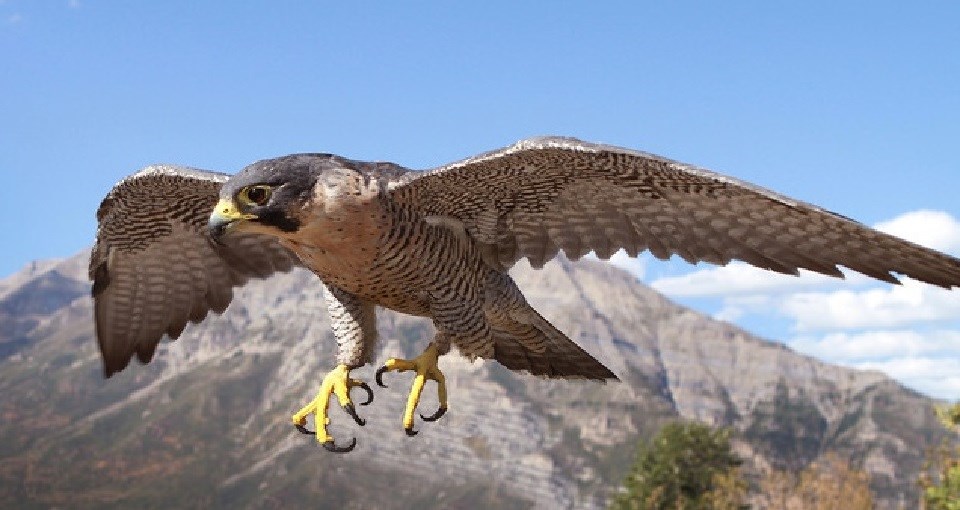
Barbery Falcon now Perregrine Falcon ©Drew Avery

Barbary Falcon now Perregrine Falcon (Falco peregrinus pelegrinoides) ssp©Drew Avery

Deleted Species (I can only find 4)
Schouteden’s Swift (Schoutedenapus schoutedeni) DEL AL Scarce Swift S. myioptilus Deemed to be darker juvenile or sub-adult Scarce Swifts subspecies chapini (Fishpool 2019)
Barbary Falcon (Falco pelegrinoides)SSP of Peregrine Falcon F. peregrinus Barbary Falcon (including subspecies babylonicus) is genetically similar to other subspecies of Peregrine Falcon and treated thus. Demoted back to SSP
Negro Stipple-throated Antwren (Epinecrophylla pyrrhonota)SSP Negro Stipple-throated Antwren was split from [Napo] Stipple-throated Antwren, but vocalizations are identical and morphological differences slight. Demoted back to SSP
Yasuni Antwren (Epinecrophylla fjeldsaai) – SSP Yasuni Stipple-throated Antwren was split from [Napo] Stipple-throated Antwren, but vocalizations are identical and morphological differences slight. Demoted back to SSP

“He determines and counts the number of the stars; He calls them all by their names. Great is our Lord and of great power; His understanding is inexhaustible and boundless.” (Psalms 147:4-5 AMP)

If the Lord knows the names of all the stars, I wonder what names He calls the Birds by?

Still need to rework the Indexes – Stay Tuned

Avian And Attributes – Stitch

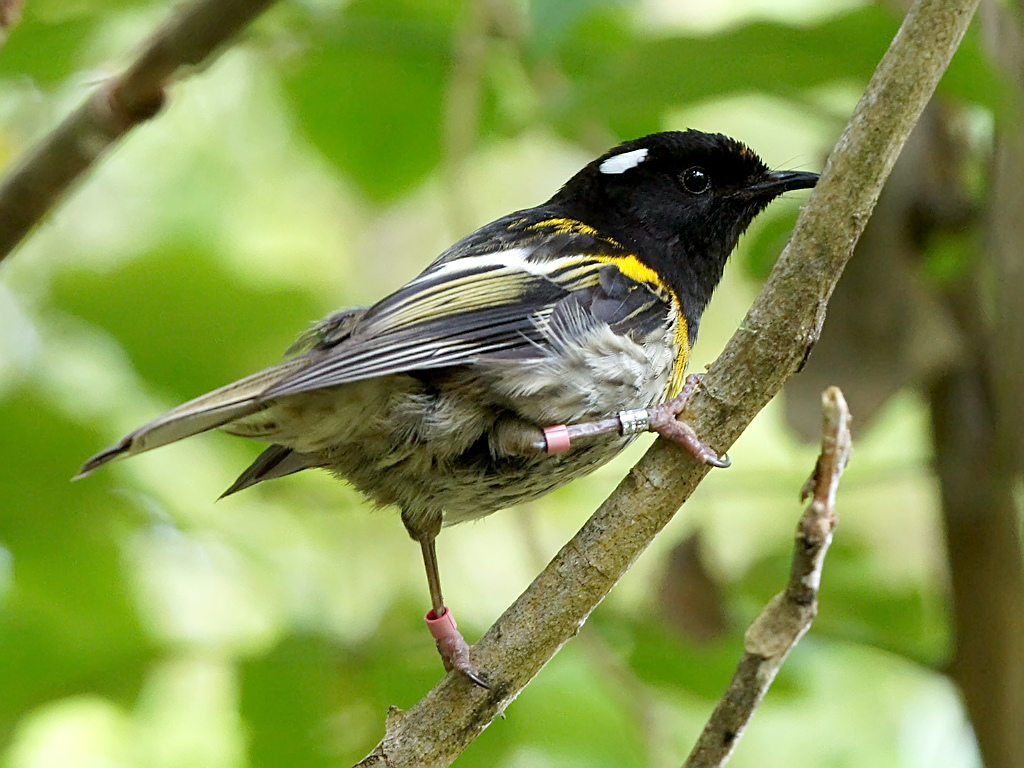
Stitchbird (Notiomystis cincta) by Tom Tarrant

“A time to tear, And a time to sew; A time to keep silence, And a time to speak;” (Ecclesiastes 3:7 NKJV)


Avian and Attributes – Stitch

STITCH, v.t. [G. This is another form of stick.]
1. To sew in a particular manner; to sew slightly or loosely; as, to stitch a collar or wristband; to stitch the leaves of a book and form a pamphlet.
2. To form land into ridges. [N. England.]
To stitch up, to mend or unite with a needle and thread; as, to stitch up a rent; to stitch up an artery.
STITCH, v.i. To practice stitching.
STITCH, n.
1. A single pass of a needle in sewing.
2. A single turn of the thread round a needle in knitting; a link of yarn; as, to let down a stitch; to take up a stitch.


Stitchbird (Notiomystis cincta) female ©Flickr Kathrin -Stefan Marks

“Then the eyes of both of them were opened, and they knew that they were naked; and they sewed fig leaves together and made themselves coverings.” (Genesis 3:7 NKJV)

The Stitchbird or hihi (Notiomystis cincta) is a rare honeyeater-like bird endemic to the North Island and adjacent offshore islands of New Zealand. It became extirpated everywhere except Little Barrier Island but has been reintroduced to three other island sanctuaries and two locations on the North Island mainland. Its [genealogical] relationships have long puzzled ornithologists, but it is now classed as the only member of its own family, the Notiomystidae.

Stitchbird (Notiomystis cincta) ©Flickr Duncan

Stitchbird (Notiomystis cincta) ©Flickr Duncan

The stitchbird is a small honeyeater-like bird. Males have a dark velvety cap and short white ear-tufts, which can be raised somewhat away from the head. A yellow band across the chest separates the black head from the rest of the body, which is grey. Females and juveniles are duller than males, lacking the black head and yellow chest band. The bill is rather thin and somewhat curved, and the tongue is long with a brush at the end for collecting nectar. Thin whiskers project out and slightly forward from the base of the bill.

Sewing has been around since Adam and Eve sinned in the Garden of Eden. When the fig leaves were sewed together, they must have used stitches.

[The word stitch is not in the Bible, but sewing is there. I took a bit of liberty with the verses.]


More Avian and Attributes

Notiomystidae – Stitchbird

Stitchbird– Wikipedia

Birds whose first or last name starts with “S”

In Our Place

*
[Definitions from Webster’s Dictionary of American English (1828), unless noted. Bird info from Wikipedia plus.]

Do Not Eat The Gripe Or The Aliet!

PEREGRINE FALCON (National Park Service photo / public domain)

Here are two more birds that are listed on the “Do Not Eat” list. A Gripe and an Aliet.

Leviticus 11:13 These things be of (the) fowls which ye shall not eat, and shall be eschewed of you (and shall be shunned by you); an eagle, and a gripe, [and] an aliet,
Deuteronomy 14:12 (but) eat ye not unclean birds, that is, an eagle, and a gripe, and an aliet,
These verses are in the Wycliffe Bible (WYC) version. “The earliest existing edition is from 1525, but manuscripts of that only have a part of Matthew. Of the whole New Testament, the earliest manuscripts available are from 1526. Old Testament books are from later, 1530’s for some. This means that these two birds mentioned, the Gripe and the Aliet, were the names they were called by back then. Languages change over hundreds of years.

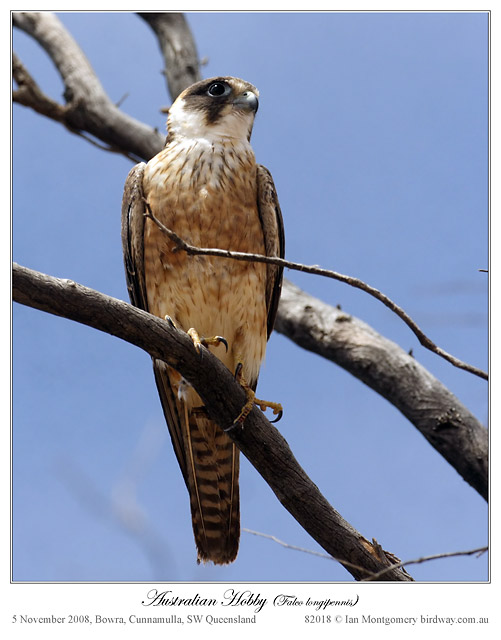
Australian Hobby by Ian Montgomery

Interesting note about how these birds are listed in the “Do Not Eat List” Here is what the Expositor’s Bible Commentary (Abridged Edition): Old Testament says:

13-19 There was no easy rule of thumb for clean birds. A negative list is given that in cases is difficult to translate with certainty. The different modern versions vary in detail. In general carrion-eating and fish-eating birds were forbidden, just as they are not used for food today. Chickens are not mentioned in the OT. The eating of bird eggs and the mother bird together is forbidden in Deuteronomy 22:6, apparently for conservation reasons. If the eggs are taken, the mother bird will lay more; but if the mother bird is taken, there will be no more eggs! Doves, their eggs, and their young were eaten.

After doing some searching on Google, the Gripe doesn’t seem to be a recognizable bird today. When searching for the Aliet, After just about giving up, this interesting article was found:

Hearldry is a displaying of different Coats of Arms. The bird in on this Crest or Coat of Arms is the Aliet:

These verses in other translations indicate some type of birds of prey. That is what is article is saying also. If you can read the “old English”, notice that it mentions “This Fowl hath her Tallons or Pounces inwardly crooked like a hook.” That is a good description of a Hawk, Falcon, or some other type of bird of prey. “and is called in Latine [Latin], Falco (faith Calepine). Falco is the genus for Falcons and includes 15 Kestrels, 22 Falcons and 4 Hobbys.

It also mentions the “Alietus is a little Fowl that preyeth upon small birds…”

American Kestrel by AestheticPhotos

Falcons, Kestrels and Hobbies are part of the Falconidae Family.


Woodstock’s Dilemma

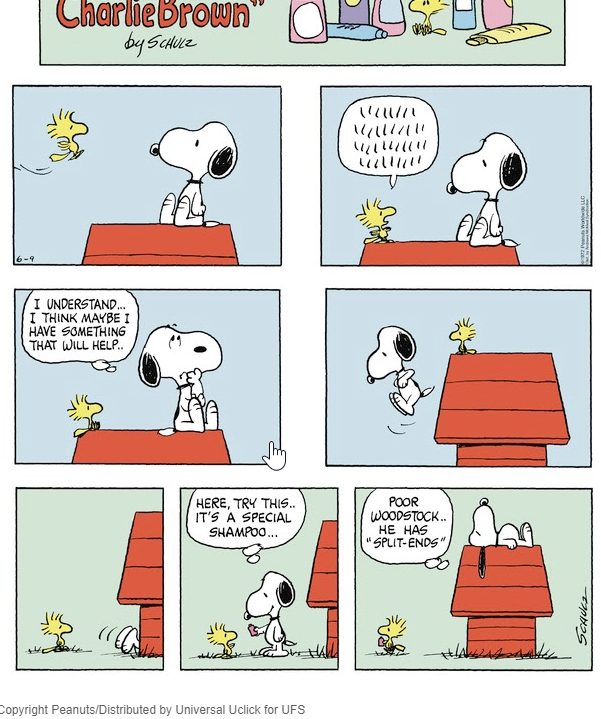
Peanuts for Sunday June 9, 2019 – A Dilemma

“A friend loves at all times,…” (Proverbs 17:17a NKJV)

Well, my friends Woodstock and Snoopy were at it again this Sunday. It appears that Woodstock has a Dilemma and patient Snoopy listened, and then offered a solution to the problem. It’s nice to have friends like that as we go through life.

Peanuts for Sunday June 9, 2019 – Split Hairs

“…And the sweetness of a man’s friend gives delight by hearty counsel.” (Proverbs 27:9b NKJV)

Here is some information that helps us understand how birds do get “Split Ends.” Notice the number 3 feather.

“A close look at feather growth reveals how these intricate structures form.

  1. Each new feather grows from a small outgrowth of skin called the papilla.
  2. As feathers mature, their tips get pushed away from the papilla, where the newest parts of the feather form. Like human hair, feathers are youngest at their base.
  3. The feather’s structure develops as proteins are laid down around the surface of this bump of skin. It’s here that the branching patterns form by smaller branches fusing at the base to make thicker ones—barbules fuse into barbs and barbs fuse into a rachis.
  4. As the feather grows, it stays curled in a tubular shape around the papilla until it is pushed away from the growth area.
  5. A protective sheath maintains the feather’s cylindrical shape until it starts to disintegrate near the tip, allowing the mature part of the feather to unfurl.
  6. The sheath falls off and the growth process is complete.”

The feather photo and above information is from: Everything You Need To Know About Feathers

Here is an interesting video that explains quite a bit about moulting. Even though she explains with captive birds, the principles are the same.

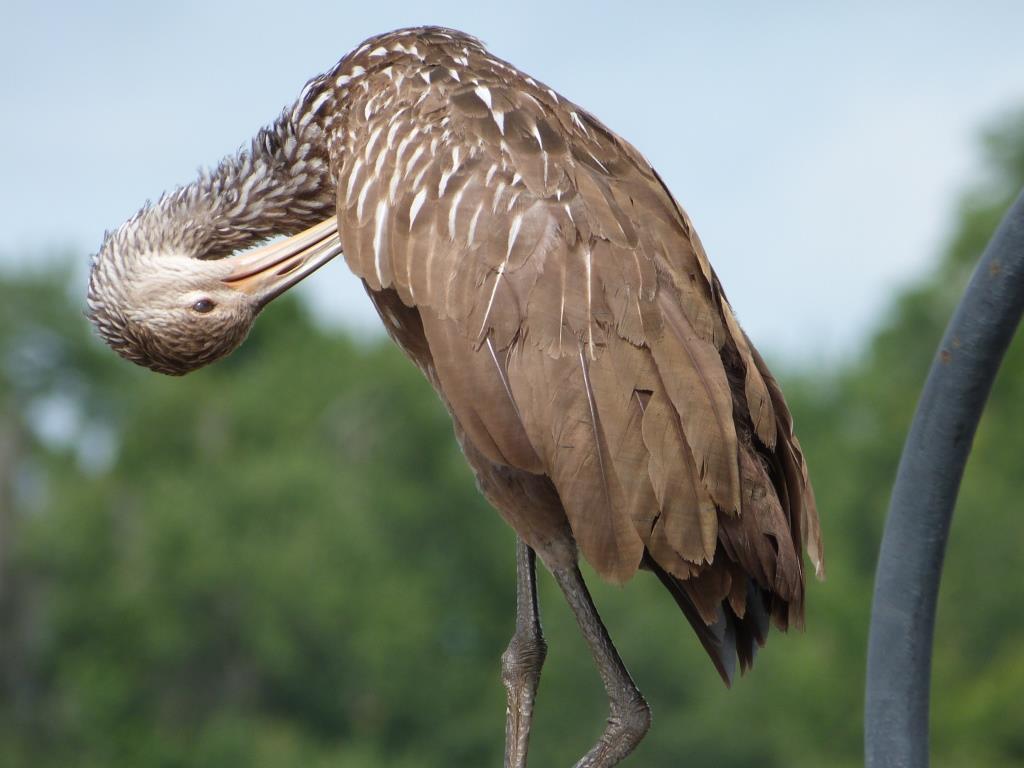
Most of us have watched birds preening their feathers. Often, they are working on a new feather that they are fixing up.

Limpkin (Aramus guarauna) Preening at Circle B

Limpkin (Aramus guarauna) Preening at Circle B

What a wonderful Creator of these Avian Wonders. I’ll never believe that feathers and their structures “just evolved.” No, their was, is, and will be a Master Creator at work.

“Then God said, “Let the waters abound with an abundance of living creatures, and let birds fly above the earth across the face of the firmament of the heavens.” (Genesis 1:20 NKJV)

Interesting Things

Save The Parrots

Porphyrion On The “Do Not Eat” List?

Is The Porphyrion On The Do Not Eat List? This is one of the reasons we post a Disclaimer about the different Bible versions. When the Birds of the Bible articles were written several years ago, I used my e-Sword program to search for the names of different species of birds on the “Do Not Eat List.” Now, the BibleGateway Bibles are also available for me to use. Time to check these new resources to see if any other name of bird is in one of their Bible translations.

I started with Leviticus 11:18 and Deuteronomy 14:17 [The beginning of the “Do Not Eat List” of birds] Looking through the list, Porphyrion caught my attention.

When I first started searching this word out on Google, here is what came up: “In Greek mythology, Porphyrion (Ancient Greek: Πορφυρίων) was one of the Gigantes (Giants)…” Whoa! That’s not a bird, but a Greek Mythology character, and not a very nice one. That is the reason for this title.

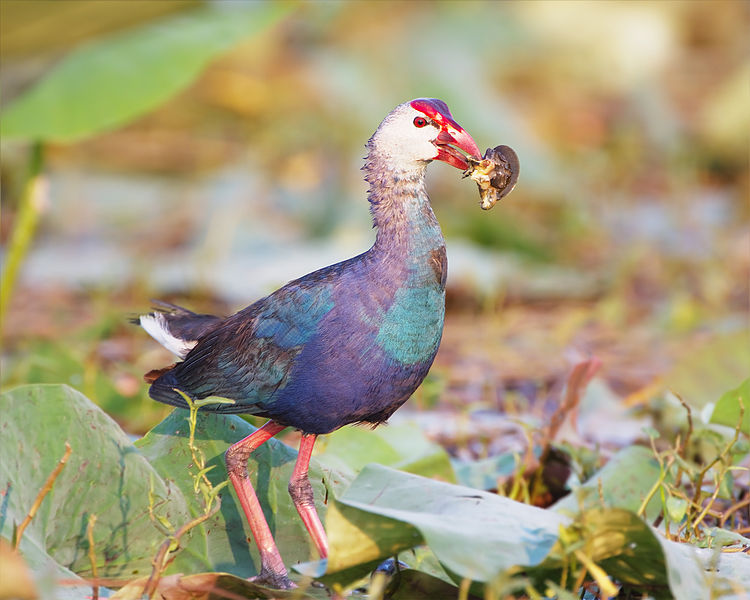
Purple Swamphen (Porphyrio porphyrio) ©WikiC

Purple Swamphen (Porphyrio porphyrio) ©WikiC

Ah! But further researching found that the Porphyrion is actually another name for the Swamphen. Notice the scientific name in the photo.

Porphyrio porphyrio. That is most likely why the Douay-Rheims 1899 [American edition DRA] translated it that way. They are the only English Bible that translates the bird this way.

They translated the two verses as:

“And the swan, and the bittern, and the porphyrion,” Leviticus 11:18 DRA

“And the cormorant, the porphyrion, and the night crow,” Deuteronomy 14:17 DRA
also
“and a dipper, a porphyrio, and a rearmouse, a cormorant,” WYC [Here’s a verse to check out :) ]

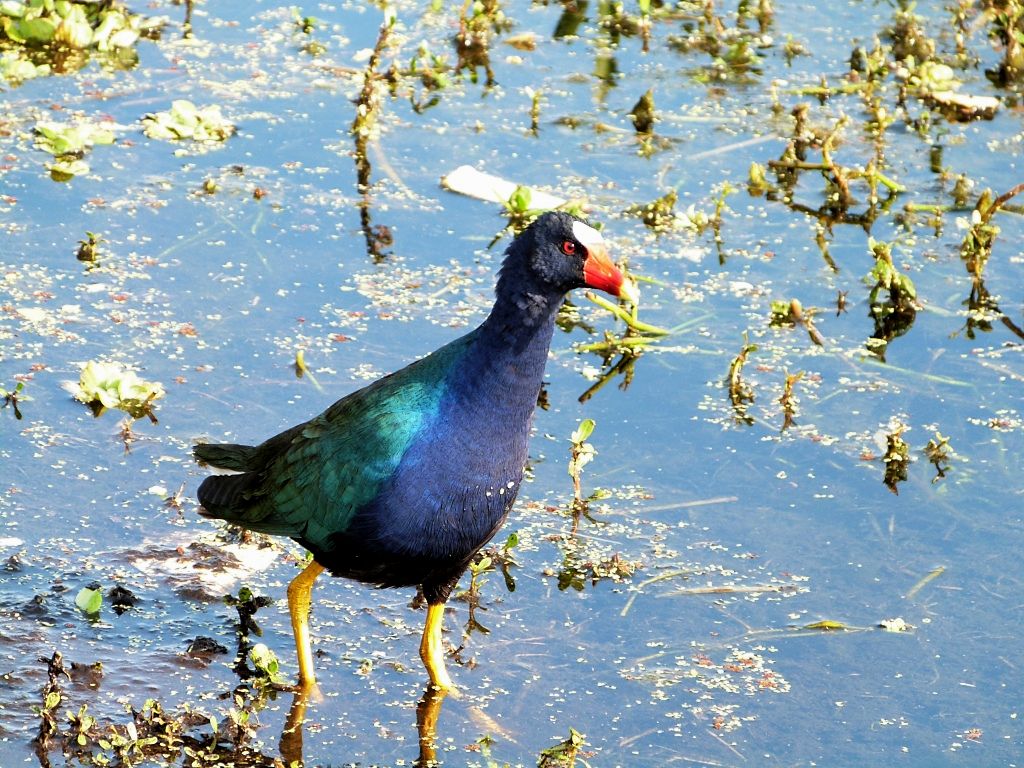
Purple Gallinule at Lake Hollingsworth by Lee

Here is a bit about this Swamphen family:

“Porphyrio is the swamphen or swamp hen bird genus in the rail family. It includes some smaller species which are usually called “purple gallinules”, and which are sometimes separated as genus Porphyrula or united with the gallinules proper (or “moorhens”) in Gallinula. The Porphyrio gallinules are distributed in the warmer regions of the world.

The genus Porphyrio was introduced by the French zoologist Mathurin Jacques Brisson in 1760 with the western swamphen (Porphyrio porphyrio) as the type species. The genus name Porphyrio is the Latin name for “swamphen”, meaning “purple“. [Wikipedia – Swamphen]

Purple Gallinule by Lee at Lake Parker 1-7-12

Purple Gallinule by Lee at Lake Parker 1-7-12

Searching this blog, there is a previous post written about the porphyrion or Swamphen in 2013. Birds of the Bible – Name Study – Swamphen or Waterhen
Stay tuned for more searches of the Birds of the Bible – Do Not Eat list!
[Yes, I believe in using the main translations of the Bible; like KJV, NKJV, and NASB, but these searches are for just finding different birds to write about. God created all the birds, and I find it interesting to see how these birds are translated.]

Does Global Warming Threaten Bird Habitats?

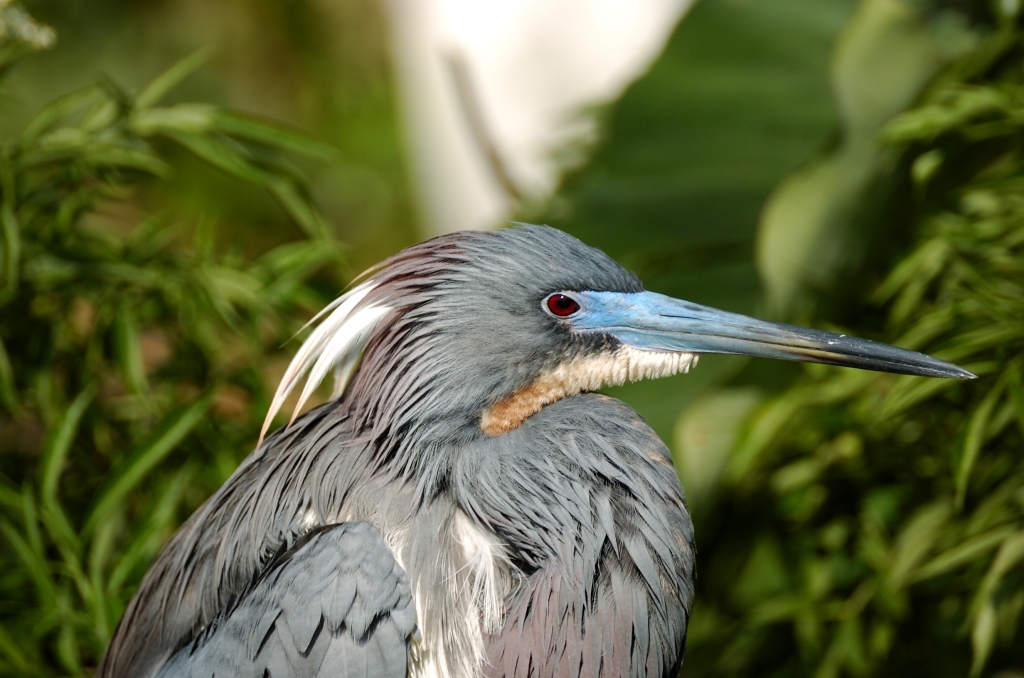
Tricolored Heron by Dan

Does Global Warming Threaten Bird Habitats?

Written by Dr. James J. S. Johnson in the latest Acts And Facts about birds, especially the Tricolored Heron, being affected by the threats of global warming.

“If you love birds, should you fight petroleum production in order to reduce greenhouse gas emissions? How you answer depends on whether you believe man-made global warming is threatening Earth’s climate. That crisis scenario is actually based on evolutionary old-earth assumptions,1 and constant media stories feed the fear.

An amateur naturalist recently sounded the global-warming alarm over tricolored herons expanding their range. He reported that about three-quarters of the population lived in Louisiana in 1976, but now many are relocating northward up the Atlantic coast.2 He had little trouble identifying the culprits:

Isolated islands, prime breeding grounds safe from land-based predators, are being lost everywhere to rising sea levels and devastating storms. The tricolor I was watching was apparently trying to adapt to a rapidly warming planet. It had arrived earlier and farther north than its ancestors ever did [sic].…Birds everywhere are being threatened by the climate crisis. The fossil fuel lobby and its enablers in Washington, DC, are handing tricolors and thousands of other species a life-threatening legacy.2

But wait! Are the fossil fuel lobby and the politically powerful petroleum industry really villains that are forcing the poor tricolored herons to migrate—in temperature-troubled desperation—to a Virginia wildlife refuge “farther north” than their ancestors had ever been? No, because the same writer admitted that earlier heron generations had populated eastern America outside of Louisiana….

Does Global Warming Threaten Bird Habitats?


Clark’s Nuthatch’s Memory – Creation Moments

Job 38:41

“Who provideth for the raven his food? when his young ones cry unto God, they wander for lack of meat.”

 The shy bird called Clark’s nutcracker collects food during the growing season and stores it for the cold winter months. In one year, a bird will store between 22,000 and 33,000 seeds in as many as 2,500 locations, which can be more than ten miles apart. But does the little bird remember where he put all those seeds?
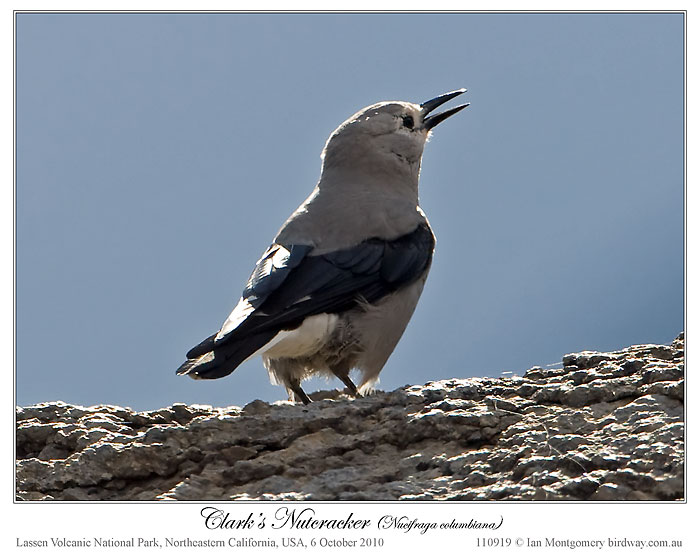
Biologists tracked the activity of Clark’s nutcrackers in the San Francisco Peaks in northern Arizona. A small army of researchers tracked the birds’ seed gathering and storing activities. One of the first things they discovered was that the birds quickly figured out that they were being observed. Some refused to store food when researchers were watching them. Others faked storing seeds when they were watched. Back in the lab, researchers studied the storing activity of Eurasian nutcrackers. After the birds stored seeds in a large sand floor, the birds were removed. Then the seeds they stored were dug up. When the birds were allowed to return, they quickly discovered that their seeds had been stolen, so they refused to store any more seeds. In the end, researchers concluded that the nutcrackers recover as many as two-thirds of their stored seeds within 13 months.

Clark's Nutcracker (Nucifraga columbiana) by Ian

Clark’s Nutcracker (Nucifraga columbiana) by Ian

The remarkable memory of these little birds is their gift from God that enables them to be fed all year around.

Prayer: Father, I thank You because You are gracious and generous, not just to the birds, but also to me. Amen.

Ref: Science News, 2/14: 2004, pp. 103-105, Susan Milius, “Where’d I Put That?” Photo: Clark’s nutcracker PD

Copyright © 2019 Creation Moments, Inc. PO Box 839, Foley, MN 56329 800-422-4253  www.creationmoments.com


What an interesting memory. How is your memory doing? Is it as good as these Nutcrackers?

See More From:

Interesting Things

Greater Necklaced Laughingthrush and the Lesser

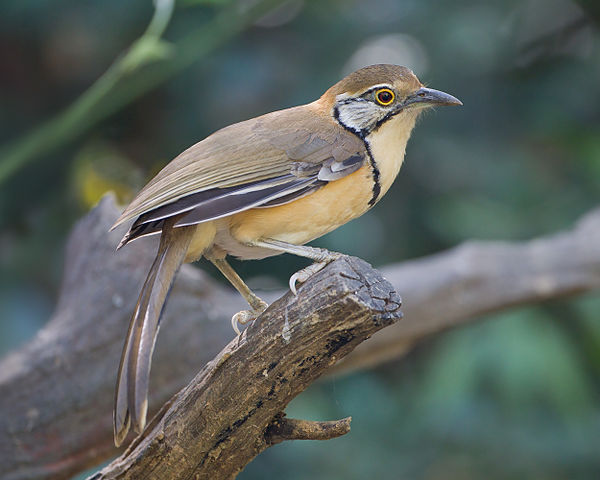
Greater Necklaced Laughingthrush (Garrulax pectoralis) ©WikiC at San Diego Zoo

“So Adam gave names to all cattle, to the birds of the air, and to every beast of the field. …” (Genesis 2:20a NKJV)

While posting Emma Foster’s latest tale about birds, the Greater Necklaced Laughingthrush (Garrulax pectoralis) was used. I picked this bird because of the “necklaced” part of its name. Where actually do they live and what can we find out about them?

I have always enjoyed the Laughingthrush every since we saw the ones in Zoo Miami’s Aviary.

Red-tailed Laughingthrush by Dan at Wings of Asia Zoo Miami

The Greater Necklaced Laughingthrush doesn’t have much written about it in Wikipedia. Here is their information:

The Greater Necklaced Laughingthrush (Pterorhinus pectoralis) is a species of passerine bird in the family Leiothrichidae. It is found in Bangladesh, Bhutan, China, India, Laos, Myanmar, Nepal, Thailand and Vietnam. It is introduced to the United States. Its natural habitats are subtropical or tropical moist lowland forest and subtropical or tropical moist montane forest.

This species was formerly placed in the genus Garrulax but following the publication of a comprehensive molecular phylogenetic study in 2018, it was moved to the resurrected genus Pterorhinus.

Greater necklaced laughingthrush, Garrulax pectoralis (formerly; Ianthocincla pectoralis ), also known as the necklaced laughingthrush or the black-gorgeted laughingthrush, photographed at Hong Kong, China.

Greater Necklaced Laughingthrush (Garrulax pectoralis) ©WikiC

The Handbook of Birds of the World gives us a few more facts:

Size is – 26·5–34·5 cm; 105–170 g. Very like G. monileger, but larger, eye dark, necklace often bolder, dark primary coverts. Nominate race has crown…

Voice – Apparent song types include repeated, clear, ringing, slightly descending and diminishing sequence…

Diet – Mostly insects; also some fruits. In Hong Kong study, of ten faecal samples Aug–May, seven contained insects, and all contained fruit…
Breeding – Feb–Aug; multi-brooded. Nest a large, broad, bulky, rather shallow cup or saucer, made of dead bamboo or other leaves, roots, moss,…

Greater Necklaced Laughingthrush (Garrulax pectoralis) ©WikiC

Here is how The Guardian describes this bird:

An adult Greater Necklaced Laughingthrush, (Garrulax pectoralis). This species can be identified by the silvery streaked ear coverts encircled by a black band. This distinguishes it from the similarly-appearing Lesser Necklaced Laughingthrush (but that species is pale and has none of the ear covert markings).

The Greater Necklaced Laughingthrush is a member of a large family of passerines known as the the Old World babblers (Timaliidae). This family is quite diverse in size and coloration, but are characterised by soft fluffy plumage — a really lame way to classify them, in my opinion, since there’s a LOT of passerines with “soft fluffy plumage” that are not included in this taxonomic family. Ho-hum.

One weird fact: the American wrentit was recently placed into the Old World babblers but that enigmatic species probably doesn’t belong there.

Another weird fact: there are two groups of birds in the world that are known as “babblers”: the timaliids are one and the other is the (unrelated) Australasian babblers of the family, Pomatostomidae. The pomatostomids are now sometimes known as the pseudo-babblers, because they deceived naturalists, ornithologists and birders for so bloody long.

From the The Guardian.com

Video of the Greater Necklaced Laughingthrushes of Bann Song Nok, south of Bangkok. By Wazooland

Just found a great link for the Greater Necklaced Laughingthrush

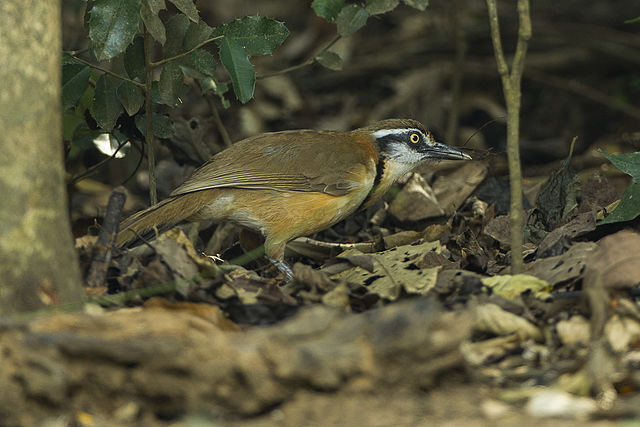
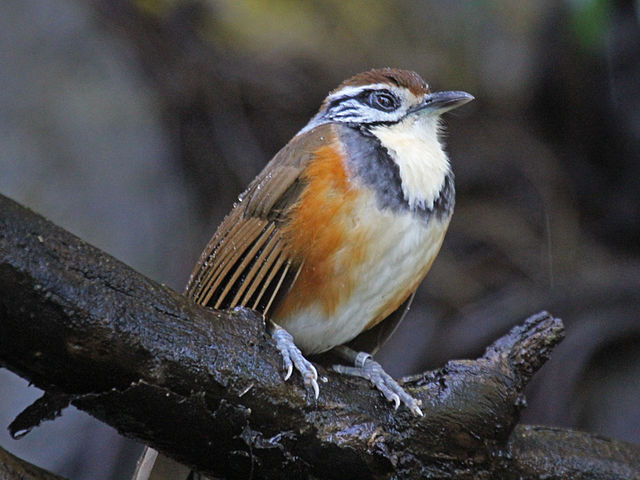
Okay, so what about these Lesser Necklaced? They look so similar that you really need to look hard to distinguish them. Look real close, and then notice the color of the eyes. Which is which? Lesser has a yellow eye and the greater has a black eye. Oh, and the “necklace” is supposed to be narrower. It is hard to tell that. The “ear covert markings” help, but those eyes are the clincher!

Lesser Necklaced Laughingthrush (Garrulax monileger) ©WikiC

Lesser Necklaced Laughingthrush (Garrulax …) ©WikiC

Lesser Necklaced Laughingthrush (Garrulax …) ©WikiC

“They came, both men and women, as many as had a willing heart, and brought earrings and nose rings, rings and necklaces, all jewelry of gold, that is, every man who made an offering of gold to the LORD.” (Exodus 35:22 NKJV)

Leiothrichidae – Laughingthrushes & allies

Timaliidae – Babblers, Scimitar Babblers

Wordless Birds

The Locket in the Woods by Emma Foster

The Locket in the Woods

By Emma Foster

Greater Necklaced Laughingthrush (Garrulax pectoralis) ©WikiC

Nora lived in the middle of a sunny wood beside a river that flowed under a small bridge. She spent most of her time building her nest, searching for food, and watching people walk across the bridge. Because Nora lived on a forest preserve, she didn’t have to worry about having to find a new home in case people chopped down her tree. Throughout the day, Nora watched groups of people walk along the many trails that were strewn along the forest preserve.

One day Nora was busy collecting some worms near the river as it rushed by. She looked up at the bridge to see a group of girls walking across and taking pictures of the trees. Nora hopped closer and watched them pass by, but when they left, she spotted something shiny in the bushes near her.

Nora rifled through the bushes and eventually found a small necklace with a heart-shaped locket on the end. Picking it up in her beak, Nora immediately started searching for the group of girls.

Locket

Unfortunately, Nora couldn’t find them anywhere. She followed the path, but it became a fork in the road, and she wasn’t sure which way she should go. It would be difficult to fly ahead because so many trees blocked her view. Nora finally decided to go left, hoping she would eventually find them.

Along the path she found an elderly couple who were biking along the trail and a couple of alligators sleeping in the water, but she didn’t find the girls. Nora decided to cut through the trees and head out to the other path.

After flying for a few minutes with the heavy locket in her beak, Nora rested on a tree in the middle of the woods. A small creek flowed near the tree she sat on. The sun shone down on Nora, making her very hot. Because of the heat and the weight, Nora accidentally dropped the locket into the small creek!

Nora raced after the locket, but the locket tumbled away down the river. Eventually, the bushes surrounding the creek became too thick for her to fly through them. Just as she was about to give up, however, a fish swam upstream with the locket in his mouth, and when Nora told him who the locket was for, he explained that he had seen the girls pass by on the other path. Nora thanked him then flew away with the locket.

When Nora finally caught up with the girls, she placed the locket on the path where they could easily see it. The girl who had lost it was glad to have found it, though she had no idea how it had gotten there. Nora, happy that she had accomplished her mission, flew back to her nest and took a well-deserved nap in the shade of her tree by the river.


“For He will deliver the needy when he cries, The poor also, and him who has no helper.” (Psalms 72:12 NKJV)

“…For your Father knows the things you have need of before you ask Him.” (Matthew 6:8b NKJV)

Lee’s Addition:

Since Emma didn’t indicate what type of bird the story is about, I am using my imagination. Besides, this bird wears a Necklace. :)

Greater Necklaced Laughingthrush (Garrulax pectoralis) ©WikiC

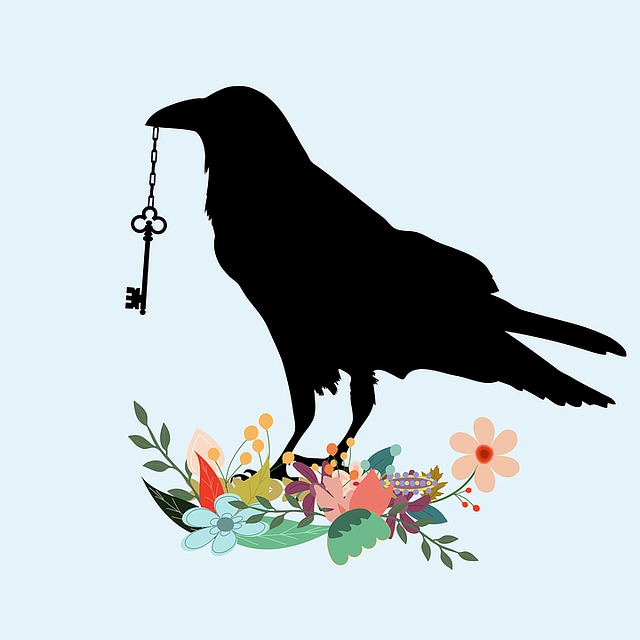
Or, it could be a Raven. They like to collect things.

Raven holding key on chain ©Pixabay

Thanks, Emma, for another interesting tale about the birds. Now, we even have a talking fish. I love your stories. Keep on writing them for us.


More of Emma Foster’s Stories

Wordless Birds