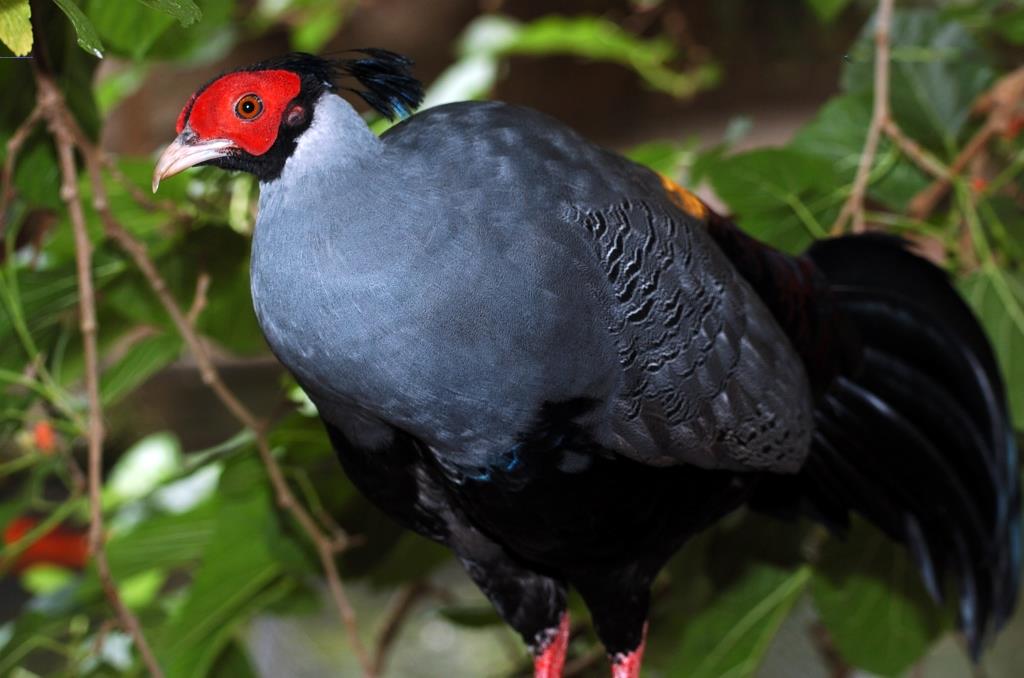
Siamese Fireback by Dan

Siamese Fireback by Dan's Pix

Siamese Fireback by Dan’s Pix at Zoo Miami

As the partridge sitteth on eggs, and hatcheth them not; so he that getteth riches, and not by right, shall leave them in the midst of his days, and at his end shall be a fool. (Jeremiah 17:11 KJV)

I was browsing through some of Dan’s photos on his Dan’s Pix site and came across the Siamese Fireback. We saw this bird in the Wings of Asia Aviary at Zoo Miami. This is another of the Lord’s interesting creations.

The Siamese Fireback (Lophura diardi) also known as Diard’s Fireback is a fairly large, approximately 31.5 in (80 cm) long, pheasant. The male has a grey plumage with an extensive red facial skin, crimson legs and feet, ornamental black crest feathers, reddish brown iris and long curved blackish tail. The female is a brown bird with blackish wing and tail feathers.

The Siamese Fireback is distributed to the lowland and evergreen forests of Cambodia, Laos, Thailand and Vietnam in Southeast Asia. Very dense forests, bamboo and evergreen from sea-level to 2,000 feet. This species is also designated as the national bird of Thailand.

Siamese Fireback (Lophura diardi) ©WikiC

Siamese Fireback (Lophura diardi) ©WikiC (You can see the yellow on its back)

The female usually lays between four to eight rosy eggs. They have a more subtle coloration that helps them blend into the area while nesting.
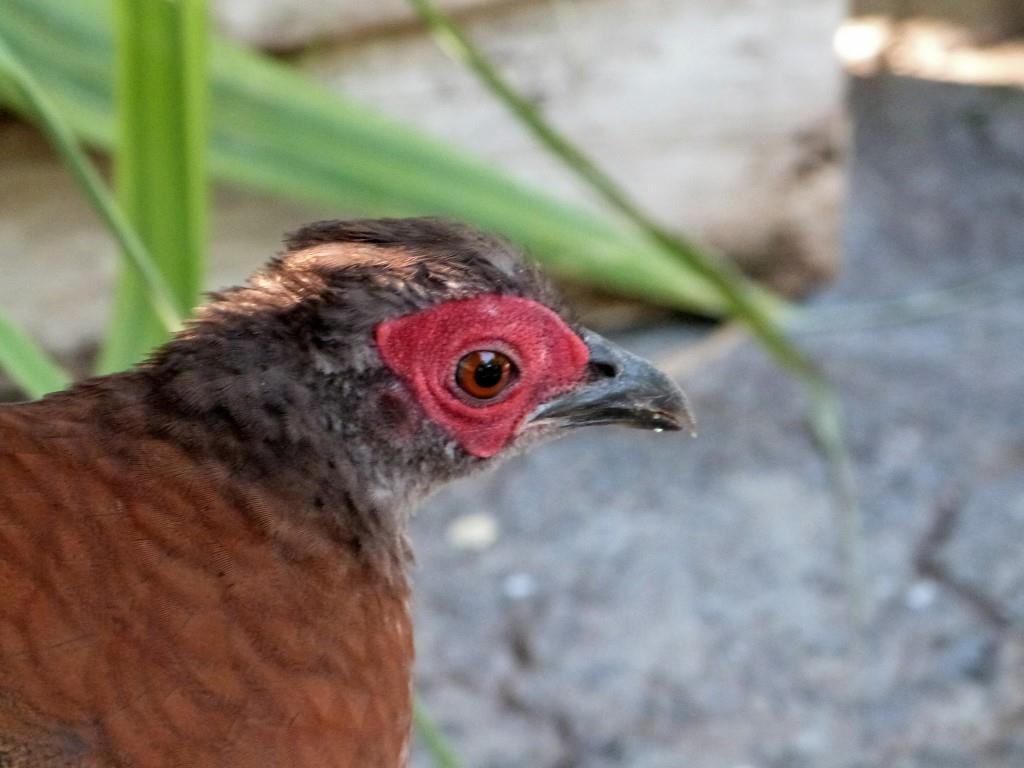
Siamese Fireback (Lophura diardi) female by Lee ZM

Siamese Fireback (Lophura diardi) female by Lee ZM

Where there is no wood, the fire goes out; And where there is no talebearer, strife ceases. (Proverbs 26:20 NKJV)

Siamese Fireback (Lophura diardi) female by Lee ZM

Siamese Fireback (Lophura diardi) female by Lee ZM

The scientific name commemorates the French naturalist Pierre-Médard Diard. (Information from various internet sources.)

The three Firebacks are part of the Phasianidae – Pheasants, Fowl & Allies Family. Partridges, Pheasants, Grouse, Quail, Francolin, Peafowl, Peacocks and others make up this family.

Crestless Fireback (Lophura erythrophthalma) IBC

Crested Fireback (Lophura ignita)

Siamese Fireback (Lophura diardi) by Dan’s Pix

Also:

*

Birds of the World – Magnificent Riflebird

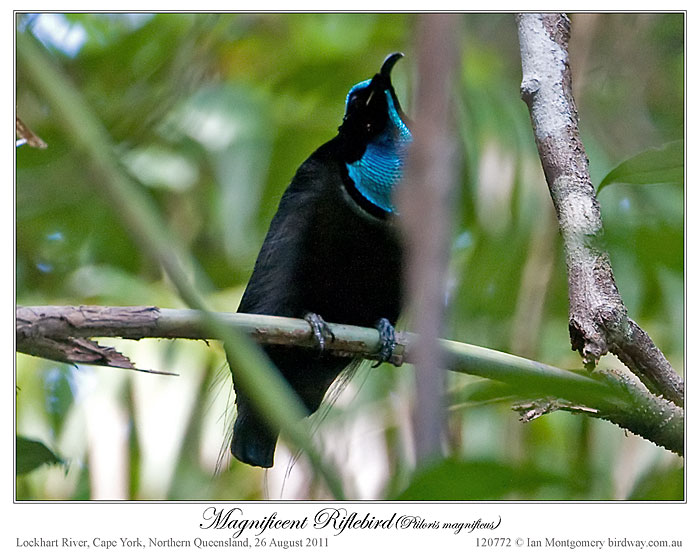
Magnificent Riflebird (Ptiloris magnificus) by Ian

Magnificent Riflebird (Ptiloris magnificus) by Ian

Let them praise the name of the LORD: for his name alone is excellent; his glory is above the earth and heaven. (Psa 148:13 KJV)

The Magnificent Riflebird is a member of the Paradisaeidae – Birds-of-paradise Family. They are a family of birds that really showcase the Lord’s Creative Hand.

The Magnificent Riflebird (Ptiloris magnificus) is a medium-sized (up to 34 cm long) passerine bird of the Paradisaeidae family. The male is velvet-black bird of paradise with elongated black filamental flank plumes, an iridescent blue-green crown, a wide, triangle-shaped breast shield, and on central tail feathers. It has a black curved bill, yellow mouth, blackish feet and a dark brown iris. The female is brownish with dark spots and buff bars below.

The Magnificent Riflebird is widely distributed throughout lowland rainforests of New Guinea and far Northeastern Australia. The diet consists mainly of fruits and arthropods.

Males perform solitary courtship displays on a ‘dancing perch’. During these displays, the male fully extends his wings and raises his tail; he hops upward while swinging his head from side to side, showing off his metallic blue-green breast shield. Multiple females will observe these displays. Females subsequently build nests, incubate, brood, and feed young without male assistance. (Wikipedia with editing)

The Lab of Ornithology produced this clip.

*

Praise him for his mighty acts: praise him according to his excellent greatness. (Psa 150:2 KJV)

P.S. I am off on a birdwatching adventure, but wanted to share this with you. More about our adventure later.

*

Paradisaeidae – Birds-of-paradise Family

Ian’s Bird of the Week – Magnificent Riflebird

Magnificent Riflebird – Wikipedia

*

Odds and Ends – Jan 2014

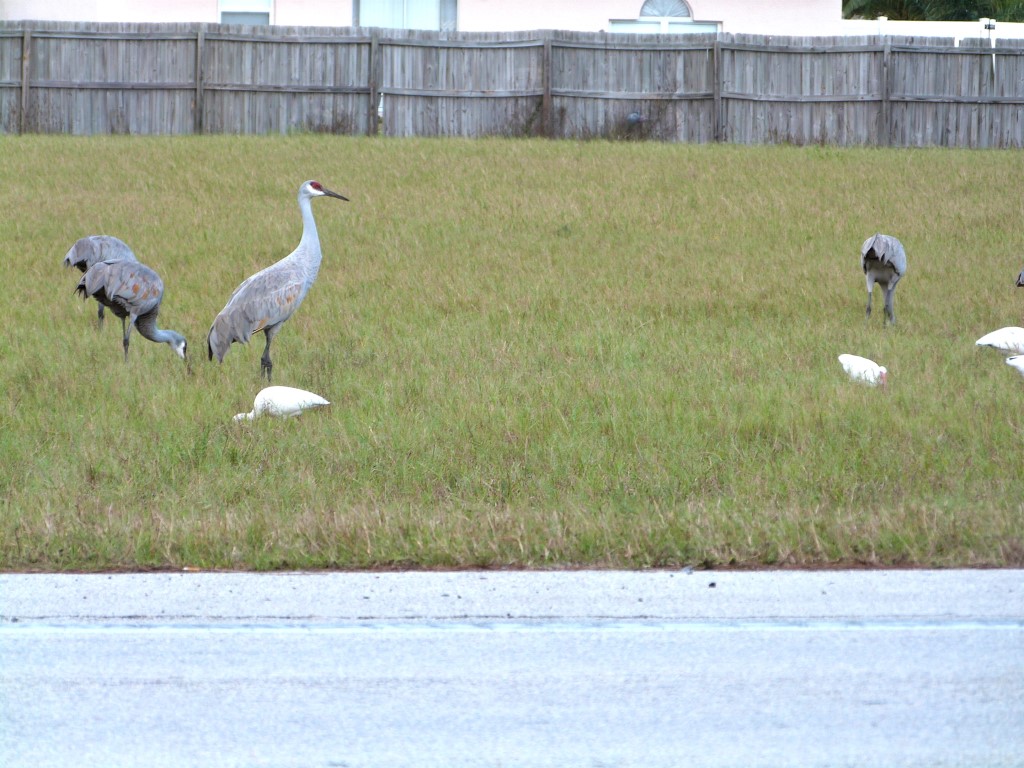
Sandhill Cranes and American White Ibis by Lee across street

Sandhill Cranes and American White Ibis by Lee across street

I am behind the scene kicking up dust again. The new I.O.C. World Bird List Version 4.1 just came out on the 7th. Yesterday, they finally released the Excel spreadsheet to update our sites. As you may know, I use the IOC’s list for my Birds of the World lists. So each page has to be updated, even if it is only changing 3.5 to 4.1. It still has to be done. There are around 350 pages involved.

There now 10,518 extant species and 150 extinct species of birds of the world (Version 4.1), with subspecies (20,976) and annotations. Classification of 40 Orders, 232 Families (plus 5 Incertae sedis), 2274 Genera are included. They added 12 new species and deleted one.

Superb Parrot (Polytelis swainsonii) by Ian

Superb Parrot (Polytelis swainsonii) by Ian

One of the big changes is in the Taxonomic orders of the Parrots and Falcons. They are now placed just before the Passerines and right after the Woodpeckers. I have that much done and am now starting on the Passeriformes Order. (Those are the perching birds and also the largest Order) Another big change is a reshuffling of the Muscicapidae – Chats, Old World Flycatchers family. (It is on my “to do” list :o) )

In the mean time, we had the privilege of seeing 22 Sandhill Cranes feeding across the street from my backyard a few days back. Then today, we spotted that same group feeding about a 1/2 mile down the road. Two more groups were spotted of 7 and 4. That is about the most I have ever seen in one day.

Did you enjoy the Sunday Inspiration – Eagles I posted Sunday? I am thinking about making that a weekly post. Either using photos of different families or some theme like “Rock Birds” in a slideshow and play a song related to the Rock of our salvation, etc. Sundays are busy for us and I don’t always post on that day. It is a day of “rest” you know.

On Duty Sandhill Crane by Lee

On Duty Sandhill Crane by Lee

By the way, when Sandhills eat, there is always at least one who is on guard and watches over the others. Brings to mind a couple of verses.

Obey those who rule over you, and be submissive, for they watch out for your souls, as those who must give account. Let them do so with joy and not with grief, for that would be unprofitable for you. (Hebrews 13:17 NKJV)

Therefore humble yourselves under the mighty hand of God, that He may exalt you in due time, casting all your care upon Him, for He cares for you. (1 Peter 5:6-7 NKJV)

Back to the dust, I have work to do.

*

Bird of the World – Blue-Cheeked Bee-eater

What a neat video of the Blue-cheeked Bee-eater. I have seen photos of them, but seeing birds in action is always special. There are some birds that just hit my fancy as I admire the Lord’s Handiwork. The Bee-eaters are one of those.

By Igor Byshnev

Matthew 6:25-34 NKJV
(25) “Therefore I say to you, do not worry about your life, what you will eat or what you will drink; nor about your body, what you will put on. Is not life more than food and the body more than clothing?
(26) Look at the birds of the air, for they neither sow nor reap nor gather into barns; yet your heavenly Father feeds them. Are you not of more value than they?
(27) Which of you by worrying can add one cubit to his stature?
(28) “So why do you worry about clothing? Consider the lilies of the field, how they grow: they neither toil nor spin;
(29) and yet I say to you that even Solomon in all his glory was not arrayed like one of these.
(30) Now if God so clothes the grass of the field, which today is, and tomorrow is thrown into the oven, will He not much more clothe you, O you of little faith?
(31) “Therefore do not worry, saying, ‘What shall we eat?’ or ‘What shall we drink?’ or ‘What shall we wear?’
(32) For after all these things the Gentiles seek. For your heavenly Father knows that you need all these things.
(33) But seek first the kingdom of God and His righteousness, and all these things shall be added to you.
(34) Therefore do not worry about tomorrow, for tomorrow will worry about its own things. Sufficient for the day is its own trouble.

Bee-eaters belong to the Meropidae – Bee-eaters Family which has 27 species.

As the name suggests, bee-eaters predominantly eat flying insects, especially bees and wasps, which are caught in the air by sallies from an open perch. While they pursue any type of flying insect, honey bees predominate in their diet. Hymenoptera (ants, bees and wasps) comprise from 20% to 96% of all insects eaten, with honey bees comprising approximately one-third of the Hymenoptera. (Wikipedia with editing)

Articles Mentioning Birds From This Family:

Other Websites that have photos of this Family:

Gideon

*

2014’s First Bird Seen

Sandhill Crane (Grus canadensis) Lake June-in-Winter S Pk

Sandhill Crane (Grus canadensis) Lake June-in-Winter S Pk

Happy New Year!

What was the first bird you saw in 2014? I am taking a survey and will publish the results in a few days.

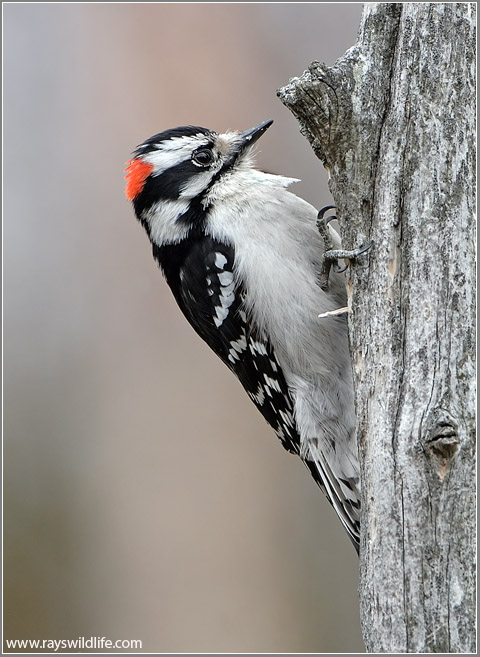
My last birds seen in 2013 were 10 Sandhill Cranes and then just before dark I saw a Downy Woodpecker. It is still 2013 as this is being posted. I will add my first bird in the morning.

Downy Woodpecker (Picoides pubescens) by Raymond Barlow

Downy Woodpecker (Picoides pubescens) by Raymond Barlow

*

*

ON THE first day of the seventh month [on New Year’s Day of the civil year], you shall have a holy [summoned] assembly; you shall do no servile work. It is a day of blowing of trumpets for you [everyone blowing who wishes, proclaiming that the glad New Year has come and that the great Day of Atonement and the Feast of Tabernacles are now approaching]. (Numbers 29:1 AMP)

*

You might want to leave a comment just in case the survey doesn’t work. It’s a new attempt on my part. Leave bird and country.

*

2013 in Review – Lee’s Birdwatching Adventures Plus

The WordPress.com stats helper monkeys prepared a 2013 annual report for this blog.

Here’s an excerpt:

The Louvre Museum has 8.5 million visitors per year. This blog was viewed about 220,000 times in 2013. If it were an exhibit at the Louvre Museum, it would take about 9 days for that many people to see it.

Click here to see the complete report.

*

Lee at Lake Morton by Dan

Lee at Lake Morton by Dan

We give thanks to God always for you all, making mention of you in our prayers; (1 Thessalonians 1:2 KJV)

Thank you all for visiting this site during 2013. I trust you have learned many things about the birds and other things of creation and have also been blessed. Also, thank you for making it possible to have the 1 Millionth visitor arrive on October 20, 2013. WOW!

Will do the best we can to make 2014 even better.

Happy New Year!

Lord Bless,

Lee and all the contributing writers and photographers.

*

Top Posts for 365 days ending 2013-12-31 (Summarized)

2012-12-31 to Today

Title Views
Home page / Archives More stats 26,590
Birds of the Bible – Eagle’s Renewal More stats 11,313
Interesting Things – Dragonflies More stats 8,435
Weaver Birds More stats 4,711
South Lake Howard Nature Park More stats 2,612
Birds of the Bible More stats 2,497
Trochilidae – Hummingbirds More stats 2,180
Hymns More stats 1,819
Columbidae – Pigeons, Doves More stats 1,728
Eagle Photos More stats 1,713
Anatidae – Ducks, Geese & Swans More stats 1,622
Interesting Things – The Egyptian “Crocodile Bird” Plover More stats 1,616
Strigidae – Owls More stats 1,548
Estrildidae – Waxbills, Munias & Allies More stats 1,464
When I Consider! – Elephant Ears and Scarab Beetles More stats 1,442
Phasianidae – Pheasants, Fowl & Allies More stats 1,369
Accipitridae – Kites, Hawks and Eagles More stats 1,332
Psittacidae – Parrots More stats 1,321
Alcedinidae – Kingfishers More stats 1,282
Fringillidae – Finches More stats 1,189
Muscicapidae – Chats, Old World Flycatchers More stats 1,114
Thraupidae – Tanagers and Allies More stats 1,062
Birds of the Bible – Clean vs. Unclean More stats 1,011
Birds of the Bible – Partridge II More stats 954
Rallidae – Rails, Crakes & Coots More stats 951
Nectariniidae – Sunbirds More stats 902
Birds of the Bible – Dove’s Eyes and Voice More stats 895
Corvidae – Crows, Jays More stats 870
Sturnidae – Starlings More stats 852
Birds of the Bible – Sparrows I More stats 825
Life List of All Birds We Have Seen More stats 816
Turdidae – Thrushes More stats 787
Picidae – Woodpeckers More stats 780
Falconidae – Caracaras, Falcons More stats 771
Birds of the Bible – Ossifrage More stats 740
Leopard More stats 721
Paradisaeidae – Birds-of-paradise More stats 708
Leiothrichidae – Laughingthrushes More stats 673
Pycnonotidae – Bulbuls More stats 673
Furnariidae – Ovenbirds More stats 671
Apodidae – Swifts More stats 631
Icteridae – Oropendolas, Orioles & Blackbirds More stats 622
Zosteropidae – White-eyes More stats 616
Birds in Songs – On Eagle’s Wings More stats 615
Ploceidae – Weavers, Widowbirds More stats 613
Birds of the Bible – Swallows More stats 605
Birds Vol 1 #3 – The Brown Thrush (Thrasher) More stats 605
Emberizidae – Buntings, New World Sparrows & Allies More stats 603
Tinamidae – Tinamous More stats 596
Photos More stats 589
Monarchidae – Monarchs More stats 586
Doves and Pigeons More stats 584
Ardeidae- Herons, Bitterns More stats 580
Birds of the Bible – Names of Birds More stats 577
The Eagle – The Loyal Mate.. More stats 573
Meliphagidae – Honeyeaters More stats 569
Cuculidae – Cuckoos More stats 561
Birds – Hymns More stats 548
Birds of the Bible – Descending Like A Dove More stats 545
Eagles More stats 536
Birds of the Bible – Osprey II More stats 504
Birds – World More stats 500
Birdwatching More stats 498
Birds of the Bible – Hawk Migration More stats 489
Cardinalidae – Grosbeaks, Saltators & Allies More stats 486
Procellariidae – Petrels, Shearwaters More stats 478
Campephagidae – Cuckooshrikes More stats 470
Scolopacidae – Sandpipers, Snipes More stats 468
Birds of the Bible – Sea Gulls More stats 446
Cisticolidae – Cisticolas and allies More stats 441
Tyrannidae – Tyrant Flycatchers More stats 436
Bucerotidae – Hornbills More stats 426
Ostrich More stats 423
Thamnophilidae – Antbirds More stats 420
Chicken, Hens, and Roosters More stats 411
Scripture Alphabet of Animals: The Ass (Donkey) More stats 411
Birds Vol 1 #2 – The American Red Bird More stats 410
Interesting Things – Grand Canyon and Squirrels More stats 402
Laridae – Gulls, Terns and Skimmers More stats 396
Troglodytidae – Wrens More stats 393
Some Very Unusual Birds More stats 393
Rhinocryptidae – Tapaculos More stats 392
Birds of the Bible – Review More stats 390
Birds of the Bible – How Many Are There? Part I More stats 386
Birds Illustrated by Color Photography – Revisited More stats 385
Birds of the Bible – Singing Birds More stats 383
Scripture Alphabet of Animals: The Camel More stats 380
Hirundinidae – Swallows, Martins More stats 380
Sharing the Gospel and Pointing Someone to Christ in the Scripture More stats 380
Bird – Week More stats 377
Birds of the Bible – Under His Wing More stats 376
Acanthizidae – Australasian Warblers More stats 369
About More stats 368
Sparrows More stats 365
Parulidae – New World Warblers More stats 360
Scripture Alphabet of Animals: The Vulture More stats 359
When I Consider! – Couch’s Spadefoot Toad More stats 356
Phylloscopidae – Leaf warblers and allies More stats 356
Ramphastidae – Toucans More stats 347
Birds of the Bible – Dove’s Dung More stats 341
Pellorneidae – Fulvettas, Ground Babblers More stats 337
Motacillidae – Wagtails, Pipits More stats 334
Caprimulgidae – Nightjars More stats 331
Passeridae – Old World Sparrows, Snowfinches More stats 328
Megapodiidae – Megapodes More stats 325
Birds of the Bible – Owls More stats 323
Peacocks More stats 320
The Futuristic Whip-poor-wills…. More stats 320
Birds of the Bible – Turtle Doves More stats 318
Birds of the Bible – Dove and Turtle-Dove More stats 318
Herons More stats 316
Birds of the Bible – Vulture More stats 314
Acrocephalidae – Reed warblers and allies More stats 314
Lybiidae – African Barbets More stats 313
Birds of the Bible – Quail More stats 308
Interesting Things – The Weaver Bird More stats 302
Birds of the Bible – Swift More stats 302

*

Christmas Birds – Ornaments 2013

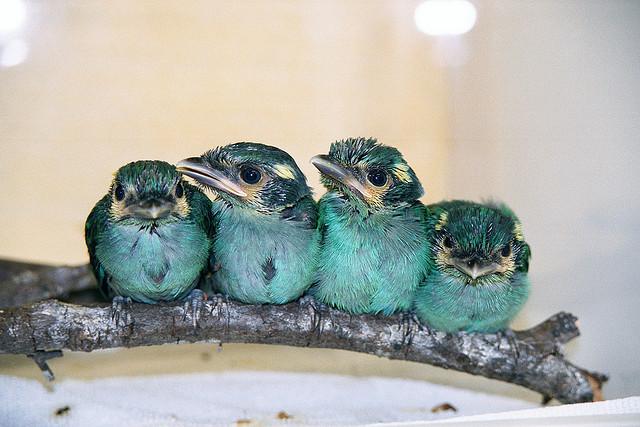
Long-tailed Broadbill (Psarisomus dalhousiae) babies ©WikiC coracii

Long-tailed Broadbill (Psarisomus dalhousiae) babies ©WikiC coracii

Here are the last of the Christmas Birds. The colors and designs would be pretty in ornaments. But most of all, they are superb examples of the Lord’s omniscient creative designs.

He was in the world, and the world was made by him, and the world knew him not. He came unto his own, and his own received him not. But as many as received him, to them gave he power to become the sons of God, even to them that believe on his name:.. And the Word was made flesh, and dwelt among us, (and we beheld his glory, the glory as of the only begotten of the Father,) full of grace and truth. (John 1:10-12, 14 KJV)

*

This slideshow requires JavaScript.

Whose adorning let it not be that outward adorning of plaiting the hair, and of wearing of gold, or of putting on of apparel; But let it be the hidden man of the heart, in that which is not corruptible, even the ornament of a meek and quiet spirit, which is in the sight of God of great price. (1 Peter 3:3-4 KJV)

*

Music to listen to while viewing the photos. “Ring The Bells” – Men’s Quartet – Faith Baptist 2012

*

See the original article – Christmas Birds – Ornaments

The Christmas Birds 2013 so far:

*

Thank You – One Million And Counting!

Oh, give thanks to the LORD, for He is good! For His mercy endures forever. (1 Chronicles 16:34 NKJV)

Thank you!

Thank you!!

THANK YOU!!!

I thank my God upon every remembrance of you, (Philippians 1:3 NKJV)

Wow!

Just had the 1 Millionth page view on this blog. 

Without the Lord’s leading, His help and your visits to this blog, this would not have happened.  I am so appreciative for every one of you who have visited throughout the years and also put up with my good and not-so-good articles. The blog started in February of 2008, but was moved here to WordPress in July of 2008. That is when this count started. Here are the dates of milestones that are in the Sidebar.

My special thanks goes to Stephen, our assistant to the Pastor at my church (Faith Baptist of Winter Haven) for suggesting that I write about the Birds of the Bible on the church’s Blog – The Fountain. That was on Blogspot. I started a blog of my own, to learn how to lay it out. That is when Lee’s Birdwatching Adventures Plus was started. We both moved our blogs off of Blogspot over the years.

Also, a big thanks to all my regular and guest writers.

  • Thanks to Visitors

    Moved to WordPress 00,000 – July 05, 2008
  • 50,000 – Oct 10, 2009
  • 100,000 – Apr 5, 2010
  • 150,000 – Sep 6, 2010
  • 200,000 – Dec 30, 2010
  • 250,000 – Apr 9, 2011
  • 300,000 – June 29, 2011
  • 350,000 – Sep 19, 2011
  • 400,000 – Nov 18, 2011
  • 450,000 – Jan 21, 2012
  • 500,000 – Mar 1, 2012
  • 600,000 – May 24, 2012
  • 700,000 – Sep 2, 2012
  • 800,000 – Dec 16, 2012
  • 900,000 – Ap 13, 2013
  • 1,000,000 – Oct 20, 2013
  • 1st 500+ Day (568) Oct 29, 2009
  • 1st 600+ Day (637) Sep 28, 2010
  • 1st 700+ Day (722) Apr 4, 2011
  • 1st 800+ Day (810) May 18, 2011
  • 1st 900+ Day (955) Oct 2, 2011
  • 1st 1000+ Day (1,016) Oct 20, 2011
  • 1st 2,000+ Day (2,220) Feb 10, 2012
  • 1st 3,000+ Day (3896) Feb 21, 2013

Links to the very first few articles on Lee’s Birdwatching Adventures original site copied over here:

  1. Introduction to Birds of the Bible
  2. Birdwatching Tips #1
  3. The Birds of the Bible – Eagles
  4. Video of Bird “Displaying”
  5. Trip to Fort DeSoto Park 2-20-08
  6. Roseate Spoonbills

Looking back at them, I trust you like the ones being produced now much better. Hey, it was a learning curve back then. These are the first seven articles on Lee’s Birdwatching Adventures Plus when it first started up here:

  1. Birds of the Bible – Ossifrage
  2. Interesting Things – Communication
  3. Video of Bird “Displaying” II
  4. Birds of the Bible – Herons
  5. Interesting Things – Bird Evolution
  6. Birds of the Bible – Pelicans
  7. Birdwatching Trip – J. N. “Ding” Darling NWR – July 15, 2008

*

Thank You again for all your visits, likes, comments, and encouragements.

Lee

*

P.S. I really have no way of knowing who the 1,000,000th visitor was, but we were at lunch with friends and kept watching the count. Saw 1,000,002 at around 1:20pm EST. Checking the Sitemeter after arriving home, someone from Brazil came in about 1:18, looked at 14 pages. Also at 1:20 an unknown came in, and at 1:22 a visitor arrived from Chicopee, Massachusetts. (This is just for trivia.)

*

Updated to the I.O.C. Version 3.5

Mountain Chickadee (Poecile gambeli) ©WikiC

Mountain Chickadee (Poecile gambeli) ©WikiC

Out of the ground the LORD God formed every beast of the field and every bird of the air, and brought them to Adam to see what he would call them. And whatever Adam called each living creature, that was its name. (Genesis 2:19 NKJV)

The newest update for the I.O.C. Version 3.5 came out September 30th. Lee’s Birdwatching Adventures Birds of the World has the latest changes.  There are now “10,507 extant species and 150 extinct species classified in 40 Orders, 232 Families (plus 5 Incertae Sedis) and 2284 Genera.  The list also includes 20,967 subspecies.”

After making changes to around 300 pages, you should be able to find one of those 10,507 avian friends with out too much difficulty. What did they change?

They (I.O.C.) added 22 new species, deleted 2 that they turned back to just a subspecies, changed the names or spelling of 47 birds (37 of those changed the name Madagascar to Madagascan), plus they made 30 taxonomy changes.

In those taxonomy changes, they took the Paridae – Tits, Chickadees family and threw it up in the air and let it fall totally different. At least, that is my description of it. Actually, because of DNA studies, they found that the birds are related differently in the family than they thought. They also shuffled the Aratinga species of Parakeets around.

These are the new birds that they added:

Reunion Sheldgoose (Alopochen kervazoi)
Ameline Swiftlet (Aerodramus amelis)
Ochre-backed Woodpecker (Celeus ochraceus)
Iberian Green Woodpecker (Picus sharpe)
Mistletoe Tyrannulet (Zimmerius parvus)
Venezuelan Tyrannulet (Zimmerius petersi)
Coopmans’s Tyrannulet (Zimmerius minimus)
Chico’s Tyrannulet (Zimmerius chicomendesi)
Junin Tapaculo (Scytalopus gettyae)
Delta Amacuro Softtail (Thripophaga amacurensis)
Pale-blue Monarch (Hypothymis puella)
Ua Pou Monarch (Pomarea mira) Extant – based on a recent sighting
Caspian Tit (Poecile hyrcanus)
Sierra Madre Ground Warbler (Robsonius thompsoni)
Cambodian Tailorbird (Orthotomus chaktomuk)
Chinese Wren-babbler (Pnoepyga mutica)
Zappey’s Flycatcher (Cyanoptila cumatilis)
Magnificent Sunbird (Aethopyga magnifica)
Maroon-naped Sunbird (Aethopyga guimarasensis)
Bohol Sunbird (Aethopyga decorosa)
Luzon Sunbird (Aethopyga jefferyi)
Zarudny’s Sparrow (Passer zarudnyi)
Taiwan Rosefinch (Carpodacus formosanus)

*

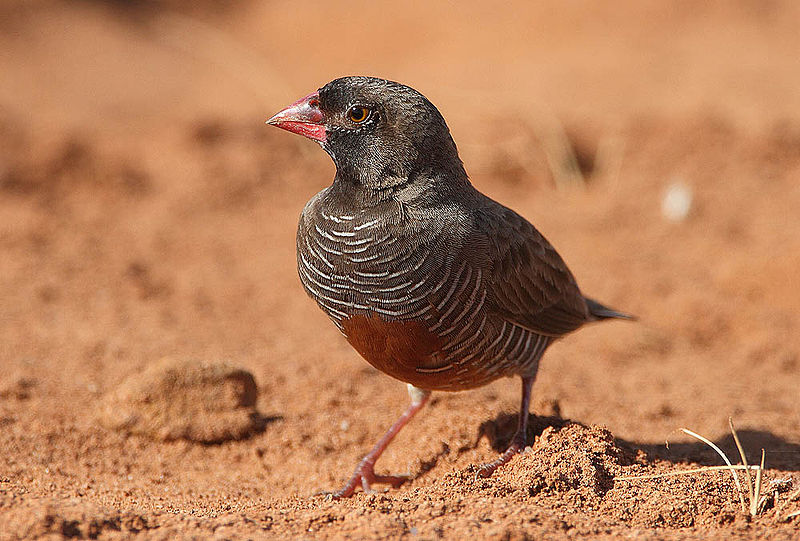
(Black-faced) Quailfinch (Ortygospiza atricollis) ©WikiC

(Black-faced) Quailfinch (Ortygospiza atricollis) ©WikiC Now only called a Quailfinch

These are the two they deleted. They went back to being supspecies of the Black-faced Quailfinch, which is now only called a Quailfinch (Ortygospiza atricollis).

African Quailfinch (Ortygospiza fuscocrissa)
Black-chinned Quailfinch (Ortygospiza gabonensis)

*

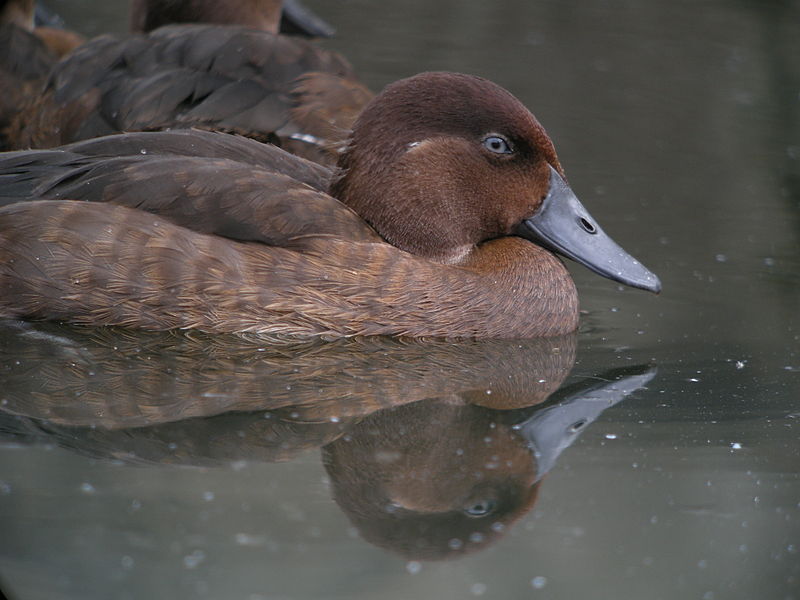
Madagascan Pochard (Aythya innotata) ©WikiC

Madagascan Pochard (Aythya innotata) ©WikiC

Their spelling changes caused me to hunt down 37 Madagascar birds and rename them Madagascan. Here are those changes:

Madagascan Blue Pigeon (Alectroenas madagascariensis)
Madagascan Buttonquail (Turnix nigricollis)
Madagascan Buzzard (Buteo brachypterus)
Madagascan Cisticola (Cisticola cherina)
Madagascan Cuckoo (Cuculus rochii)
Madagascan Cuckoo-Hawk (Aviceda madagascariensis)
Madagascan Cuckooshrike (Coracina cinerea)
Madagascan Fish Eagle (Haliaeetus vociferoides)
Madagascan Flufftail (Sarothrura insularis)
Madagascan Grebe (Tachybaptus pelzelnii)
Madagascan Green Pigeon (Treron australis)
Madagascan Harrier-Hawk (Polyboroides radiatus)
Madagascan Hoopoe (Upupa marginata)
Madagascan Ibis (Lophotibis cristata)
Madagascan Jacana (Actophilornis albinucha)
Madagascan Lark (Mirafra hova)
Madagascan Magpie-Robin (Copsychus albospecularis)
Madagascan Mannikin (Lemuresthes nana)
Madagascan Nightjar (Caprimulgus madagascariensis)
Madagascan Owl (Asio madagascariensis)
Madagascan Partridge (Margaroperdix madagarensis)
Madagascan Plover (Charadrius thoracicus)
Madagascan Pochard (Aythya innotata)
Madagascan Pratincole (Glareola ocularis)
Madagascan Pygmy Kingfisher (Corythornis madagascariensis)
Madagascan Rail (Rallus madagascariensis)
Madagascan Sandgrouse (Pterocles personatus)
Madagascan Serpent Eagle (Eutriorchis astur)
Madagascan Snipe (Gallinago macrodactyla)
Madagascan Sparrowhawk (Accipiter madagascariensis)
Madagascan Spinetail (Zoonavena grandidieri)
Madagascan Starling (Hartlaubius auratus)
Madagascan Stonechat (Saxicola sibilla)
Madagascan Swamp Warbler (Acrocephalus newtoni)
Madagascan Wagtail (Motacilla flaviventris)
Madagascan Wood Rail (Canirallus kioloides)
Madagascan Yellowbrow (Crossleyia xanthophrys)

*

There are other changes and they can be seen at the I.O.C. World Bird List Website:

*

Birdwatching Reviews

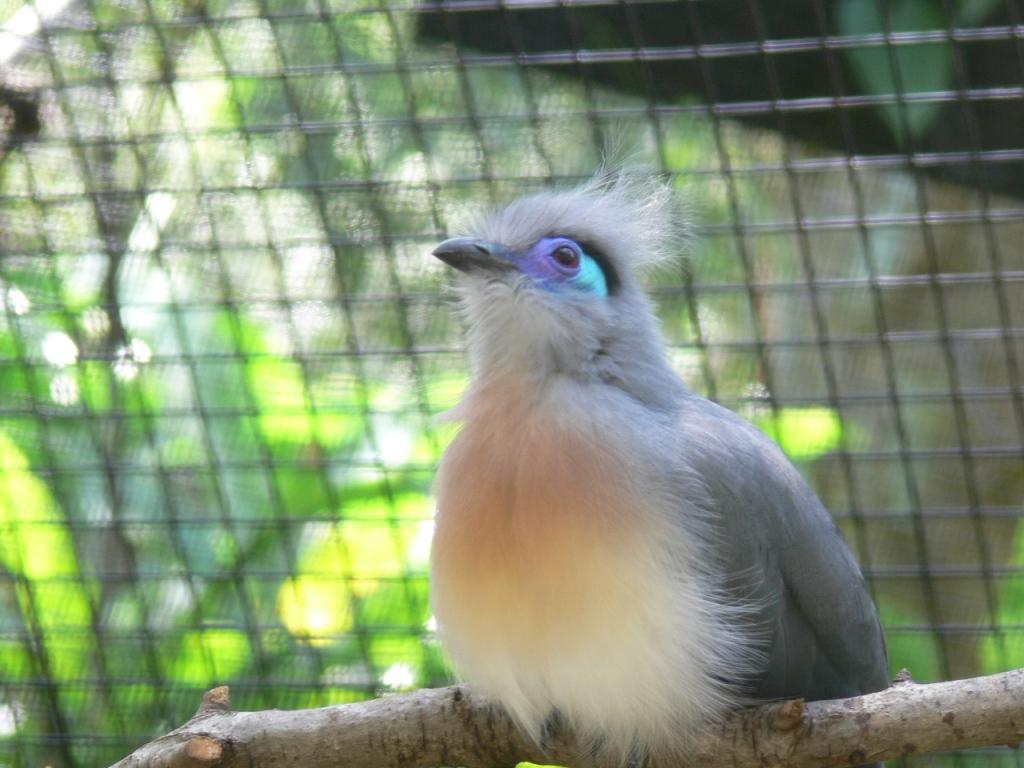
Crested Coua (Coua cristata) by Lee at LPZoo

Crested Coua (Coua cristata) by Lee at LPZoo

I remember the days of old; I meditate on all Your doings; I ponder the work of Your hands. (Psalms 143:5 AMP)

If you read yesterday’s post, Birds of the Bible Review II, you know I am in a “coasting mode” due to surgery on my neck. Today, I am encouraging you to look around the blog at some of the many Birdwatching articles that have been written over the last five years. Also, continue to pray that my cut heals and the infection clears up. It is better today.

Here are some of those many articles:

Joe Cool

(Black and White) Sumatran Laughingthrush (Garrulax bicolor) by Lee

Birdwatching

Beside them the birds of the heavens have their nests; they sing among the branches. [Matt. 13:32.] (Psalms 104:12 AMP)

Our Birdwatching Trips and other comments about birds and birding.

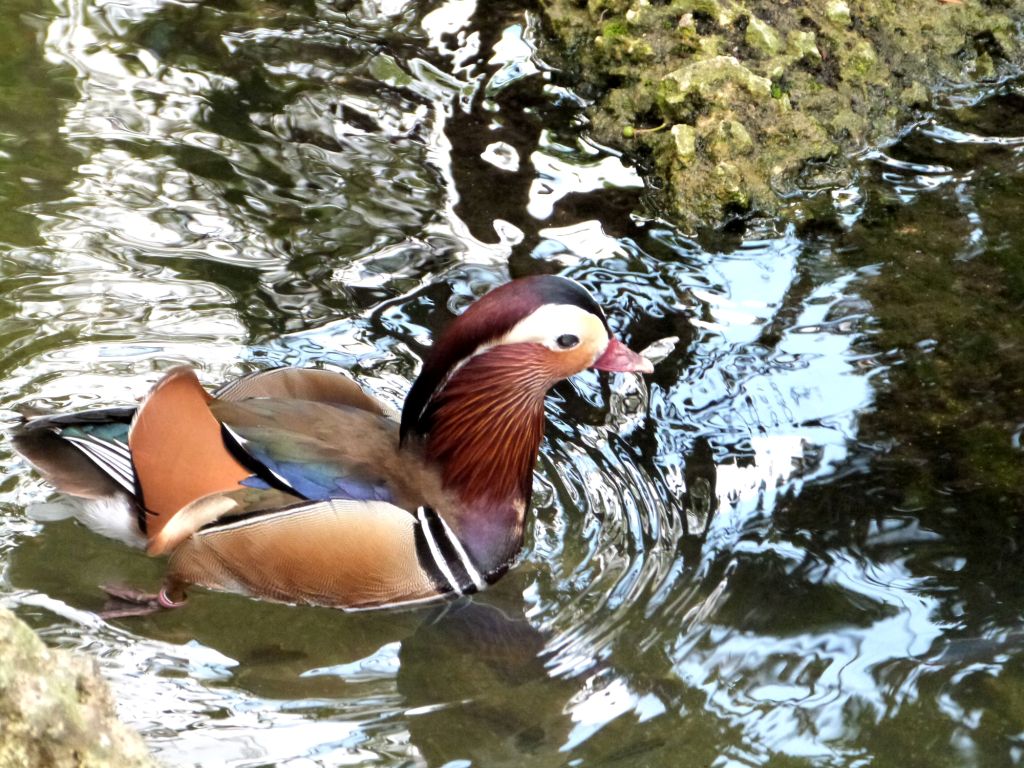
Mandarin Duck (Aix galericulata) Zoo Miami by Lee

Mandarin Duck (Aix galericulata) Zoo Miami by Lee

Formed By Him

Thou art worthy, O Lord, to receive glory and honour and power: for thou hast created all things, and for thy pleasure they are and were created (Revelation 4:11 KJV)

List of Articles:

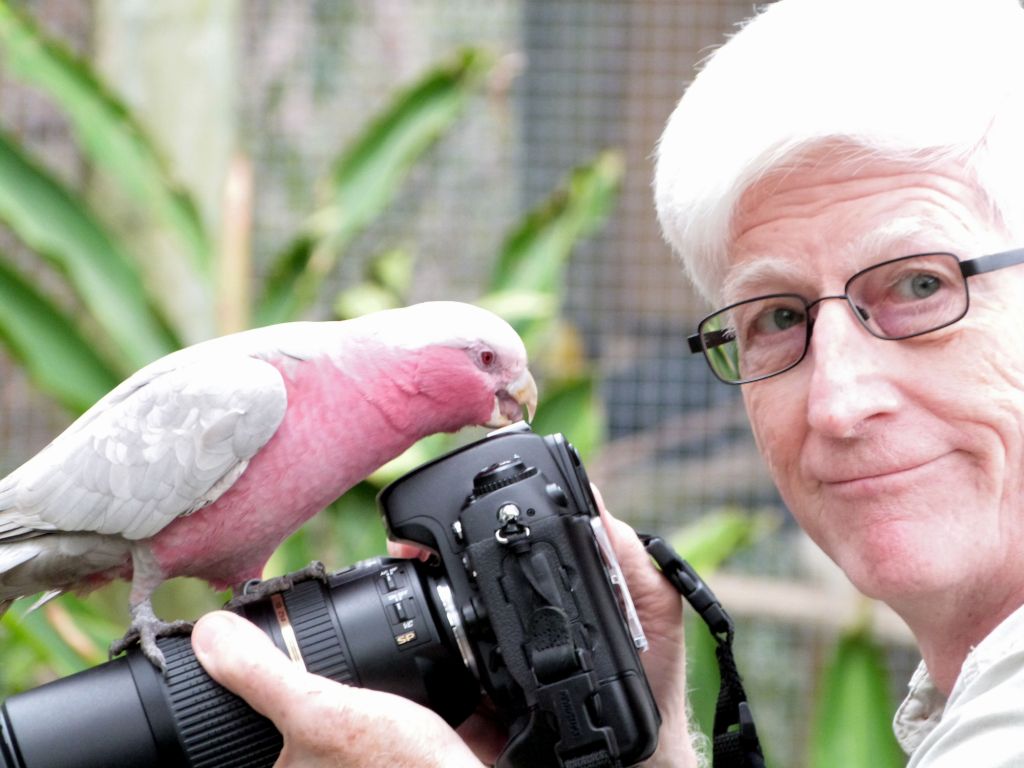
Galah (Eolophus roseicapilla) and Dan at Brevard Zoo

Galah (Eolophus roseicapilla) and Dan

Birds of the World

Are not five sparrows sold for two pennies? And [yet] not one of them is forgotten or uncared for in the presence of God. (Luke 12:6 AMP)

Birds of the World

*

Birdwatching at the Cincinnati Zoo I

Cincinnati Zoo from Phone

Cincinnati Zoo from Phone

“Remember to magnify His work, Of which men have sung. (Job 36:24 NKJV)

Yesterday, we had the pleasure of checking out more birds of the Lord’s creation at the Cincinnati Zoo. The weather and the temperature were great and the birds were quite content to let us watch and photograph them. It has been over 45 years ago since we visited this zoo. Needless to say, it has changed and the most striking was their beautiful landscaping throughout the zoo.

Statue at the entrance to the Wings of the World exhibit.

Statue at the entrance to the Wings of the World exhibit.

When we arrived at the Wings of the World area, We were greeted by several birds and a neat statute of a child holding a bird. This shows how some of the landscaping was used around the zoo.

Statue at Wings of the World exhibit. Close-up

Statue at Wings of the World exhibit. Close-up

Wings of the World Aviary is divided into several different habitats and types of birds.

Wings of the World Aviary - Cincinnati Zoo 9-5-13

Wings of the World Aviary – Cincinnati Zoo

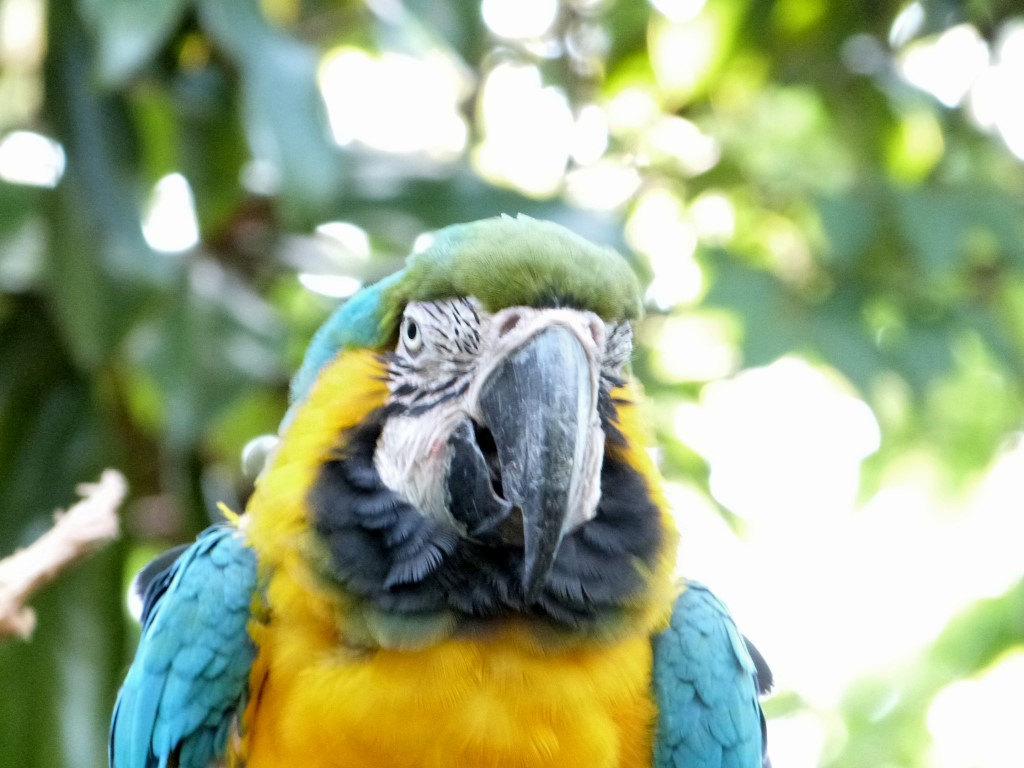
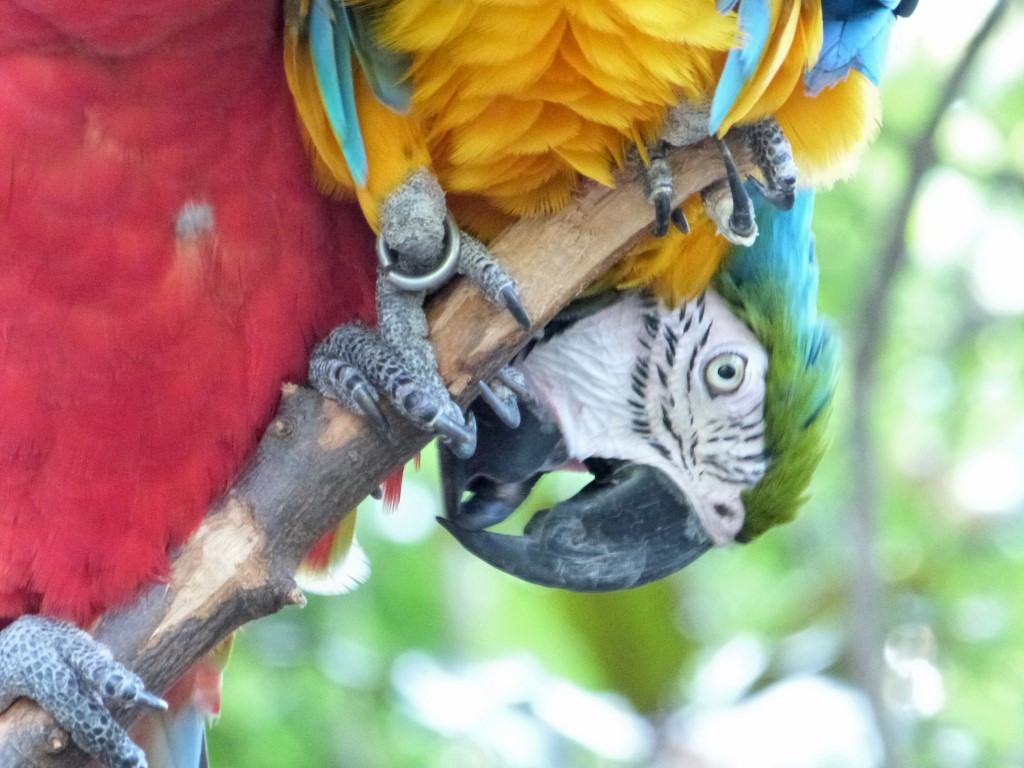
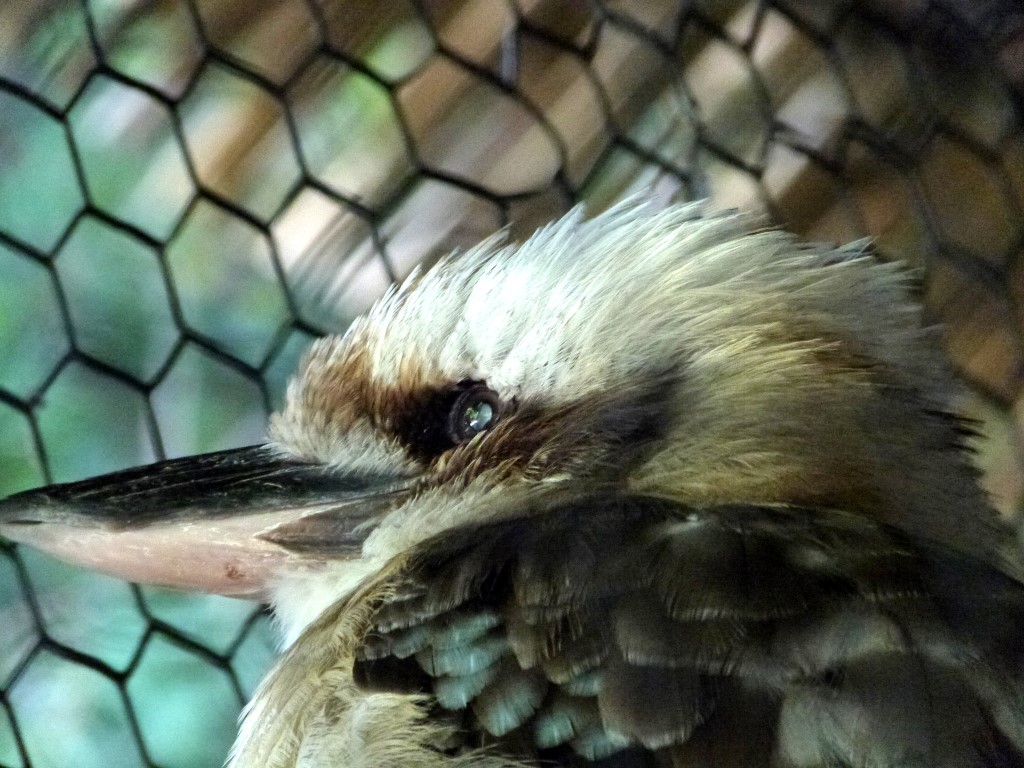
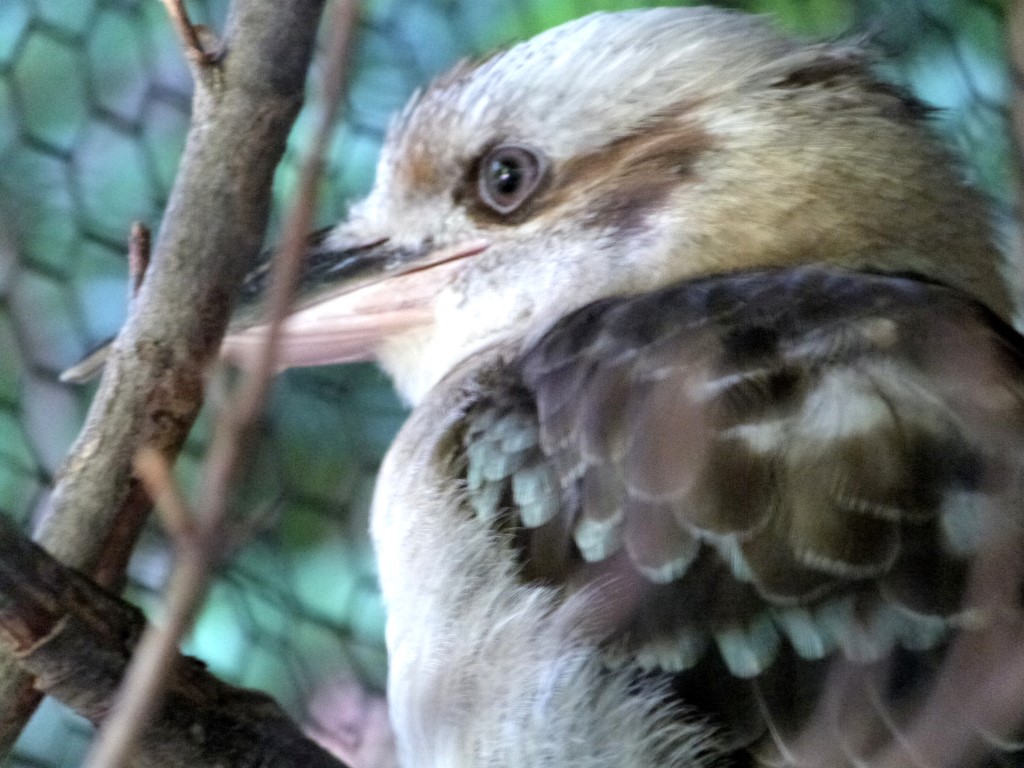
As you enter, you are greeted by Macaws, Screamers and a Laughing Kookaburra.

Southern Screamer

Southern Screamer (Chauna torquata) Cincinnati Zoo 9-5-13 by Lee

Southern Screamer (Chauna torquata) Cincinnati Zoo by Lee

*

Southern Screamer (Chauna torquata) Cincinnati Zoo 9-5-13 by Lee

Southern Screamer (Chauna torquata) by Lee

Macaws

Dan photographing the MaCaws Cincinnati Zoo

Dan photographing the MaCaws Cincinnati Zoo

*

Parrots - McCaws by Lee

Parrots – McCaws by Lee

*

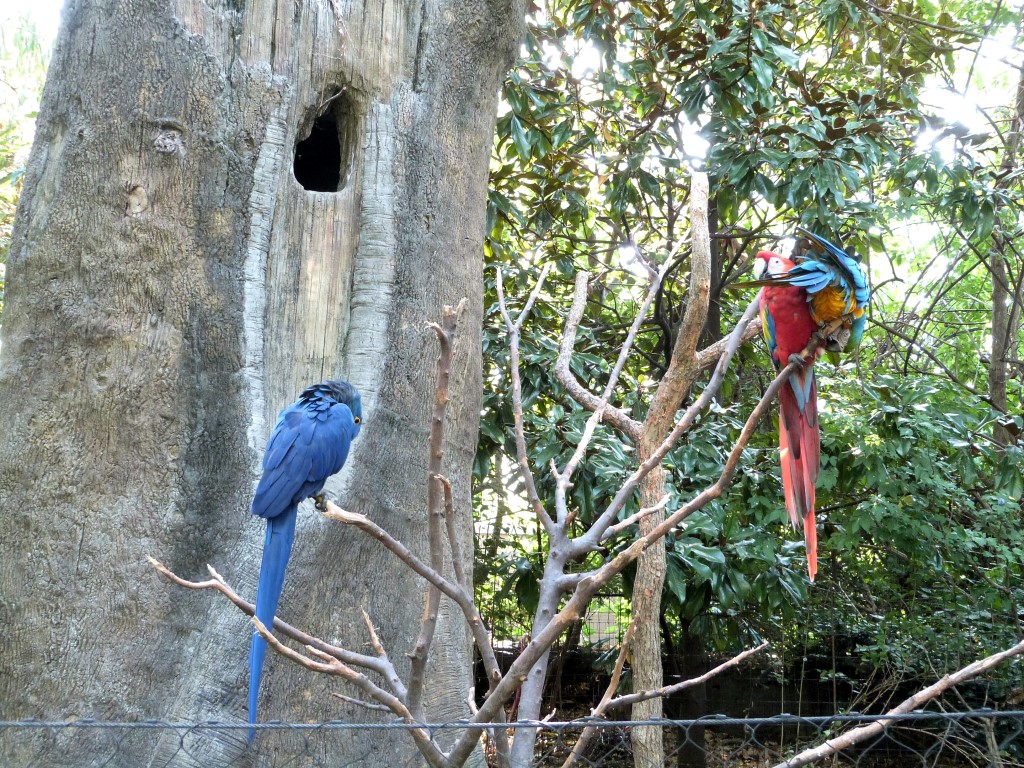
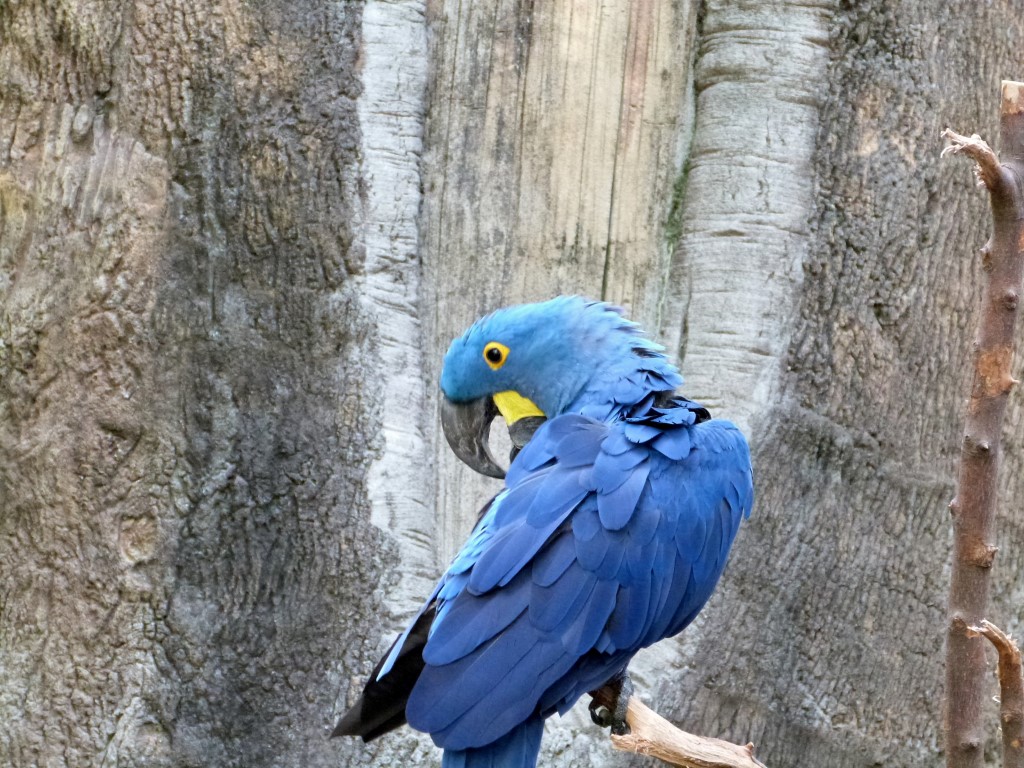
Hyacinth Macaw (Anodorhynchus hyacinthinus) Cincinnati Zoo 9-5-13 by Lee

Hyacinth Macaw (Anodorhynchus hyacinthinus) by Lee

*

Cincinnati Zoo 9-5-13

Blue-and-yellow Macaw (Ara ararauna) Cincinnati Zoo by Lee

*

Scarlet and Blue-and-yellow Macaws by Lee

Scarlet and Blue-and-yellow Macaws by Lee

*

Scarlet and Blue-and-yellow Macaw

Scarlet and Blue-and-yellow Macaw

*

Kookaburra

Laughing Kookaburra (Dacelo novaeguineae)

Laughing Kookaburra (Dacelo novaeguineae)

*

Laughing Kookaburra (Dacelo novaeguineae) by Lee Cincinnati Zoo 9-5-13

Laughing Kookaburra (Dacelo novaeguineae) by Lee

*

Laughing Kookaburra (Dacelo novaeguineae) by Lee Cincinnati Zoo 9-5-13

Laughing Kookaburra (Dacelo novaeguineae) by Lee

This is just the beginning of our visit to the Cincinnati Zoo. Look for more articles about some really neat birds like a Mousebird, Bee-eater, Bishop, Penguins, Murres and more.

Also:
Anhimidae – Screamers Family

Psittacidae – Parrots Family

Alcedinidae – Kingfishers Family

Cincinnati Zoo

*

New Type of V-Formation

Mixed Flock of birds flying in a V Formation- Put together- ©Creative Commons

Mixed Flock of birds flying in a V Formation- Put together- ©Creative Commons

One of my readers of the blog had this in his post. After checking the internet, I found that it was free to use. So, now I am sharing it. I think it is adorable. Not sure who originally put it together, but, thank you.

When I showed it to Dan and ask him what I could write about it, he gave me the following example:

All those birds are from different species, yet they are all heading in the same direction. The Bible tells us:

And He has made from one blood every nation of men to dwell on all the face of the earth, and has determined their preappointed times and the boundaries of their dwellings, (Acts 17:26 NKJV)

Then I saw another angel flying in the midst of heaven, having the everlasting gospel to preach to those who dwell on the earth to every nation, tribe, tongue, and people—saying with a loud voice, “Fear God and give glory to Him, for the hour of His judgment has come; and worship Him who made heaven and earth, the sea and springs of water.” (Revelation 14:6-7 NKJV)

And they sang a new song, saying: “You are worthy to take the scroll, And to open its seals; For You were slain, And have redeemed us to God by Your blood Out of every tribe and tongue and people and nation, (Revelation 5:9 NKJV)

Praise the Lord that it matters not where you are from, the Lord Jesus Christ has made salvation available to “whosoever.”

*

(Lord willing that photo will be posted again.)