2014’s First Bird Seen

Sandhill Crane (Grus canadensis) Lake June-in-Winter S Pk

Sandhill Crane (Grus canadensis) Lake June-in-Winter S Pk

Happy New Year!

What was the first bird you saw in 2014? I am taking a survey and will publish the results in a few days.

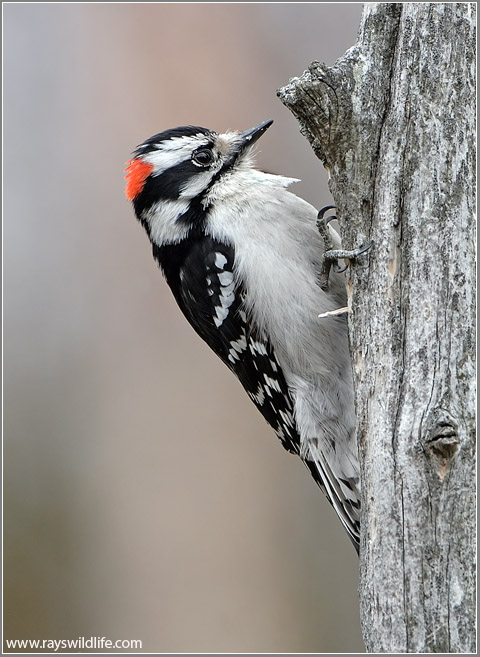
My last birds seen in 2013 were 10 Sandhill Cranes and then just before dark I saw a Downy Woodpecker. It is still 2013 as this is being posted. I will add my first bird in the morning.

Downy Woodpecker (Picoides pubescens) by Raymond Barlow

Downy Woodpecker (Picoides pubescens) by Raymond Barlow

*

*

ON THE first day of the seventh month [on New Year’s Day of the civil year], you shall have a holy [summoned] assembly; you shall do no servile work. It is a day of blowing of trumpets for you [everyone blowing who wishes, proclaiming that the glad New Year has come and that the great Day of Atonement and the Feast of Tabernacles are now approaching]. (Numbers 29:1 AMP)

*

You might want to leave a comment just in case the survey doesn’t work. It’s a new attempt on my part. Leave bird and country.

*

2013 in Review – Lee’s Birdwatching Adventures Plus

The WordPress.com stats helper monkeys prepared a 2013 annual report for this blog.

Here’s an excerpt:

The Louvre Museum has 8.5 million visitors per year. This blog was viewed about 220,000 times in 2013. If it were an exhibit at the Louvre Museum, it would take about 9 days for that many people to see it.

Click here to see the complete report.

*

Lee at Lake Morton by Dan

Lee at Lake Morton by Dan

We give thanks to God always for you all, making mention of you in our prayers; (1 Thessalonians 1:2 KJV)

Thank you all for visiting this site during 2013. I trust you have learned many things about the birds and other things of creation and have also been blessed. Also, thank you for making it possible to have the 1 Millionth visitor arrive on October 20, 2013. WOW!

Will do the best we can to make 2014 even better.

Happy New Year!

Lord Bless,

Lee and all the contributing writers and photographers.

*

Top Posts for 365 days ending 2013-12-31 (Summarized)

2012-12-31 to Today

Title Views
Home page / Archives More stats 26,590
Birds of the Bible – Eagle’s Renewal More stats 11,313
Interesting Things – Dragonflies More stats 8,435
Weaver Birds More stats 4,711
South Lake Howard Nature Park More stats 2,612
Birds of the Bible More stats 2,497
Trochilidae – Hummingbirds More stats 2,180
Hymns More stats 1,819
Columbidae – Pigeons, Doves More stats 1,728
Eagle Photos More stats 1,713
Anatidae – Ducks, Geese & Swans More stats 1,622
Interesting Things – The Egyptian “Crocodile Bird” Plover More stats 1,616
Strigidae – Owls More stats 1,548
Estrildidae – Waxbills, Munias & Allies More stats 1,464
When I Consider! – Elephant Ears and Scarab Beetles More stats 1,442
Phasianidae – Pheasants, Fowl & Allies More stats 1,369
Accipitridae – Kites, Hawks and Eagles More stats 1,332
Psittacidae – Parrots More stats 1,321
Alcedinidae – Kingfishers More stats 1,282
Fringillidae – Finches More stats 1,189
Muscicapidae – Chats, Old World Flycatchers More stats 1,114
Thraupidae – Tanagers and Allies More stats 1,062
Birds of the Bible – Clean vs. Unclean More stats 1,011
Birds of the Bible – Partridge II More stats 954
Rallidae – Rails, Crakes & Coots More stats 951
Nectariniidae – Sunbirds More stats 902
Birds of the Bible – Dove’s Eyes and Voice More stats 895
Corvidae – Crows, Jays More stats 870
Sturnidae – Starlings More stats 852
Birds of the Bible – Sparrows I More stats 825
Life List of All Birds We Have Seen More stats 816
Turdidae – Thrushes More stats 787
Picidae – Woodpeckers More stats 780
Falconidae – Caracaras, Falcons More stats 771
Birds of the Bible – Ossifrage More stats 740
Leopard More stats 721
Paradisaeidae – Birds-of-paradise More stats 708
Leiothrichidae – Laughingthrushes More stats 673
Pycnonotidae – Bulbuls More stats 673
Furnariidae – Ovenbirds More stats 671
Apodidae – Swifts More stats 631
Icteridae – Oropendolas, Orioles & Blackbirds More stats 622
Zosteropidae – White-eyes More stats 616
Birds in Songs – On Eagle’s Wings More stats 615
Ploceidae – Weavers, Widowbirds More stats 613
Birds of the Bible – Swallows More stats 605
Birds Vol 1 #3 – The Brown Thrush (Thrasher) More stats 605
Emberizidae – Buntings, New World Sparrows & Allies More stats 603
Tinamidae – Tinamous More stats 596
Photos More stats 589
Monarchidae – Monarchs More stats 586
Doves and Pigeons More stats 584
Ardeidae- Herons, Bitterns More stats 580
Birds of the Bible – Names of Birds More stats 577
The Eagle – The Loyal Mate.. More stats 573
Meliphagidae – Honeyeaters More stats 569
Cuculidae – Cuckoos More stats 561
Birds – Hymns More stats 548
Birds of the Bible – Descending Like A Dove More stats 545
Eagles More stats 536
Birds of the Bible – Osprey II More stats 504
Birds – World More stats 500
Birdwatching More stats 498
Birds of the Bible – Hawk Migration More stats 489
Cardinalidae – Grosbeaks, Saltators & Allies More stats 486
Procellariidae – Petrels, Shearwaters More stats 478
Campephagidae – Cuckooshrikes More stats 470
Scolopacidae – Sandpipers, Snipes More stats 468
Birds of the Bible – Sea Gulls More stats 446
Cisticolidae – Cisticolas and allies More stats 441
Tyrannidae – Tyrant Flycatchers More stats 436
Bucerotidae – Hornbills More stats 426
Ostrich More stats 423
Thamnophilidae – Antbirds More stats 420
Chicken, Hens, and Roosters More stats 411
Scripture Alphabet of Animals: The Ass (Donkey) More stats 411
Birds Vol 1 #2 – The American Red Bird More stats 410
Interesting Things – Grand Canyon and Squirrels More stats 402
Laridae – Gulls, Terns and Skimmers More stats 396
Troglodytidae – Wrens More stats 393
Some Very Unusual Birds More stats 393
Rhinocryptidae – Tapaculos More stats 392
Birds of the Bible – Review More stats 390
Birds of the Bible – How Many Are There? Part I More stats 386
Birds Illustrated by Color Photography – Revisited More stats 385
Birds of the Bible – Singing Birds More stats 383
Scripture Alphabet of Animals: The Camel More stats 380
Hirundinidae – Swallows, Martins More stats 380
Sharing the Gospel and Pointing Someone to Christ in the Scripture More stats 380
Bird – Week More stats 377
Birds of the Bible – Under His Wing More stats 376
Acanthizidae – Australasian Warblers More stats 369
About More stats 368
Sparrows More stats 365
Parulidae – New World Warblers More stats 360
Scripture Alphabet of Animals: The Vulture More stats 359
When I Consider! – Couch’s Spadefoot Toad More stats 356
Phylloscopidae – Leaf warblers and allies More stats 356
Ramphastidae – Toucans More stats 347
Birds of the Bible – Dove’s Dung More stats 341
Pellorneidae – Fulvettas, Ground Babblers More stats 337
Motacillidae – Wagtails, Pipits More stats 334
Caprimulgidae – Nightjars More stats 331
Passeridae – Old World Sparrows, Snowfinches More stats 328
Megapodiidae – Megapodes More stats 325
Birds of the Bible – Owls More stats 323
Peacocks More stats 320
The Futuristic Whip-poor-wills…. More stats 320
Birds of the Bible – Turtle Doves More stats 318
Birds of the Bible – Dove and Turtle-Dove More stats 318
Herons More stats 316
Birds of the Bible – Vulture More stats 314
Acrocephalidae – Reed warblers and allies More stats 314
Lybiidae – African Barbets More stats 313
Birds of the Bible – Quail More stats 308
Interesting Things – The Weaver Bird More stats 302
Birds of the Bible – Swift More stats 302

*

Christmas Birds – Ornaments 2013

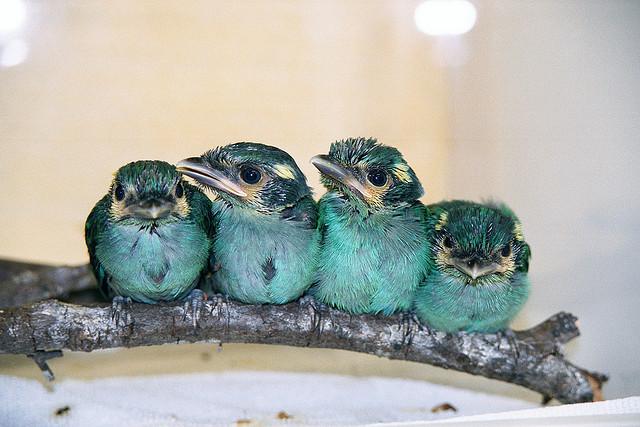
Long-tailed Broadbill (Psarisomus dalhousiae) babies ©WikiC coracii

Long-tailed Broadbill (Psarisomus dalhousiae) babies ©WikiC coracii

Here are the last of the Christmas Birds. The colors and designs would be pretty in ornaments. But most of all, they are superb examples of the Lord’s omniscient creative designs.

He was in the world, and the world was made by him, and the world knew him not. He came unto his own, and his own received him not. But as many as received him, to them gave he power to become the sons of God, even to them that believe on his name:.. And the Word was made flesh, and dwelt among us, (and we beheld his glory, the glory as of the only begotten of the Father,) full of grace and truth. (John 1:10-12, 14 KJV)

*

This slideshow requires JavaScript.

Whose adorning let it not be that outward adorning of plaiting the hair, and of wearing of gold, or of putting on of apparel; But let it be the hidden man of the heart, in that which is not corruptible, even the ornament of a meek and quiet spirit, which is in the sight of God of great price. (1 Peter 3:3-4 KJV)

*

Music to listen to while viewing the photos. “Ring The Bells” – Men’s Quartet – Faith Baptist 2012

*

See the original article – Christmas Birds – Ornaments

The Christmas Birds 2013 so far:

*

Thank You – One Million And Counting!

Oh, give thanks to the LORD, for He is good! For His mercy endures forever. (1 Chronicles 16:34 NKJV)

Thank you!

Thank you!!

THANK YOU!!!

I thank my God upon every remembrance of you, (Philippians 1:3 NKJV)

Wow!

Just had the 1 Millionth page view on this blog. 

Without the Lord’s leading, His help and your visits to this blog, this would not have happened.  I am so appreciative for every one of you who have visited throughout the years and also put up with my good and not-so-good articles. The blog started in February of 2008, but was moved here to WordPress in July of 2008. That is when this count started. Here are the dates of milestones that are in the Sidebar.

My special thanks goes to Stephen, our assistant to the Pastor at my church (Faith Baptist of Winter Haven) for suggesting that I write about the Birds of the Bible on the church’s Blog – The Fountain. That was on Blogspot. I started a blog of my own, to learn how to lay it out. That is when Lee’s Birdwatching Adventures Plus was started. We both moved our blogs off of Blogspot over the years.

Also, a big thanks to all my regular and guest writers.

  • Thanks to Visitors

    Moved to WordPress 00,000 – July 05, 2008
  • 50,000 – Oct 10, 2009
  • 100,000 – Apr 5, 2010
  • 150,000 – Sep 6, 2010
  • 200,000 – Dec 30, 2010
  • 250,000 – Apr 9, 2011
  • 300,000 – June 29, 2011
  • 350,000 – Sep 19, 2011
  • 400,000 – Nov 18, 2011
  • 450,000 – Jan 21, 2012
  • 500,000 – Mar 1, 2012
  • 600,000 – May 24, 2012
  • 700,000 – Sep 2, 2012
  • 800,000 – Dec 16, 2012
  • 900,000 – Ap 13, 2013
  • 1,000,000 – Oct 20, 2013
  • 1st 500+ Day (568) Oct 29, 2009
  • 1st 600+ Day (637) Sep 28, 2010
  • 1st 700+ Day (722) Apr 4, 2011
  • 1st 800+ Day (810) May 18, 2011
  • 1st 900+ Day (955) Oct 2, 2011
  • 1st 1000+ Day (1,016) Oct 20, 2011
  • 1st 2,000+ Day (2,220) Feb 10, 2012
  • 1st 3,000+ Day (3896) Feb 21, 2013

Links to the very first few articles on Lee’s Birdwatching Adventures original site copied over here:

  1. Introduction to Birds of the Bible
  2. Birdwatching Tips #1
  3. The Birds of the Bible – Eagles
  4. Video of Bird “Displaying”
  5. Trip to Fort DeSoto Park 2-20-08
  6. Roseate Spoonbills

Looking back at them, I trust you like the ones being produced now much better. Hey, it was a learning curve back then. These are the first seven articles on Lee’s Birdwatching Adventures Plus when it first started up here:

  1. Birds of the Bible – Ossifrage
  2. Interesting Things – Communication
  3. Video of Bird “Displaying” II
  4. Birds of the Bible – Herons
  5. Interesting Things – Bird Evolution
  6. Birds of the Bible – Pelicans
  7. Birdwatching Trip – J. N. “Ding” Darling NWR – July 15, 2008

*

Thank You again for all your visits, likes, comments, and encouragements.

Lee

*

P.S. I really have no way of knowing who the 1,000,000th visitor was, but we were at lunch with friends and kept watching the count. Saw 1,000,002 at around 1:20pm EST. Checking the Sitemeter after arriving home, someone from Brazil came in about 1:18, looked at 14 pages. Also at 1:20 an unknown came in, and at 1:22 a visitor arrived from Chicopee, Massachusetts. (This is just for trivia.)

*

Updated to the I.O.C. Version 3.5

Mountain Chickadee (Poecile gambeli) ©WikiC

Mountain Chickadee (Poecile gambeli) ©WikiC

Out of the ground the LORD God formed every beast of the field and every bird of the air, and brought them to Adam to see what he would call them. And whatever Adam called each living creature, that was its name. (Genesis 2:19 NKJV)

The newest update for the I.O.C. Version 3.5 came out September 30th. Lee’s Birdwatching Adventures Birds of the World has the latest changes.  There are now “10,507 extant species and 150 extinct species classified in 40 Orders, 232 Families (plus 5 Incertae Sedis) and 2284 Genera.  The list also includes 20,967 subspecies.”

After making changes to around 300 pages, you should be able to find one of those 10,507 avian friends with out too much difficulty. What did they change?

They (I.O.C.) added 22 new species, deleted 2 that they turned back to just a subspecies, changed the names or spelling of 47 birds (37 of those changed the name Madagascar to Madagascan), plus they made 30 taxonomy changes.

In those taxonomy changes, they took the Paridae – Tits, Chickadees family and threw it up in the air and let it fall totally different. At least, that is my description of it. Actually, because of DNA studies, they found that the birds are related differently in the family than they thought. They also shuffled the Aratinga species of Parakeets around.

These are the new birds that they added:

Reunion Sheldgoose (Alopochen kervazoi)
Ameline Swiftlet (Aerodramus amelis)
Ochre-backed Woodpecker (Celeus ochraceus)
Iberian Green Woodpecker (Picus sharpe)
Mistletoe Tyrannulet (Zimmerius parvus)
Venezuelan Tyrannulet (Zimmerius petersi)
Coopmans’s Tyrannulet (Zimmerius minimus)
Chico’s Tyrannulet (Zimmerius chicomendesi)
Junin Tapaculo (Scytalopus gettyae)
Delta Amacuro Softtail (Thripophaga amacurensis)
Pale-blue Monarch (Hypothymis puella)
Ua Pou Monarch (Pomarea mira) Extant – based on a recent sighting
Caspian Tit (Poecile hyrcanus)
Sierra Madre Ground Warbler (Robsonius thompsoni)
Cambodian Tailorbird (Orthotomus chaktomuk)
Chinese Wren-babbler (Pnoepyga mutica)
Zappey’s Flycatcher (Cyanoptila cumatilis)
Magnificent Sunbird (Aethopyga magnifica)
Maroon-naped Sunbird (Aethopyga guimarasensis)
Bohol Sunbird (Aethopyga decorosa)
Luzon Sunbird (Aethopyga jefferyi)
Zarudny’s Sparrow (Passer zarudnyi)
Taiwan Rosefinch (Carpodacus formosanus)

*

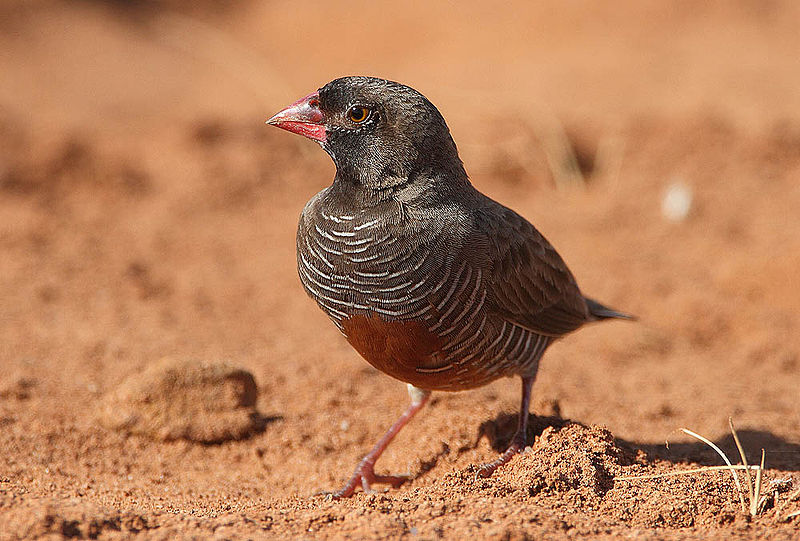
(Black-faced) Quailfinch (Ortygospiza atricollis) ©WikiC

(Black-faced) Quailfinch (Ortygospiza atricollis) ©WikiC Now only called a Quailfinch

These are the two they deleted. They went back to being supspecies of the Black-faced Quailfinch, which is now only called a Quailfinch (Ortygospiza atricollis).

African Quailfinch (Ortygospiza fuscocrissa)
Black-chinned Quailfinch (Ortygospiza gabonensis)

*

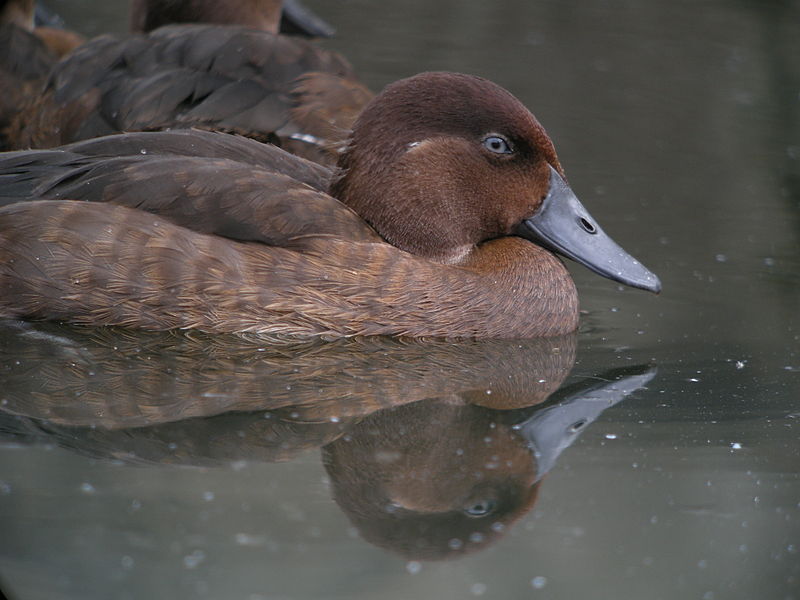
Madagascan Pochard (Aythya innotata) ©WikiC

Madagascan Pochard (Aythya innotata) ©WikiC

Their spelling changes caused me to hunt down 37 Madagascar birds and rename them Madagascan. Here are those changes:

Madagascan Blue Pigeon (Alectroenas madagascariensis)
Madagascan Buttonquail (Turnix nigricollis)
Madagascan Buzzard (Buteo brachypterus)
Madagascan Cisticola (Cisticola cherina)
Madagascan Cuckoo (Cuculus rochii)
Madagascan Cuckoo-Hawk (Aviceda madagascariensis)
Madagascan Cuckooshrike (Coracina cinerea)
Madagascan Fish Eagle (Haliaeetus vociferoides)
Madagascan Flufftail (Sarothrura insularis)
Madagascan Grebe (Tachybaptus pelzelnii)
Madagascan Green Pigeon (Treron australis)
Madagascan Harrier-Hawk (Polyboroides radiatus)
Madagascan Hoopoe (Upupa marginata)
Madagascan Ibis (Lophotibis cristata)
Madagascan Jacana (Actophilornis albinucha)
Madagascan Lark (Mirafra hova)
Madagascan Magpie-Robin (Copsychus albospecularis)
Madagascan Mannikin (Lemuresthes nana)
Madagascan Nightjar (Caprimulgus madagascariensis)
Madagascan Owl (Asio madagascariensis)
Madagascan Partridge (Margaroperdix madagarensis)
Madagascan Plover (Charadrius thoracicus)
Madagascan Pochard (Aythya innotata)
Madagascan Pratincole (Glareola ocularis)
Madagascan Pygmy Kingfisher (Corythornis madagascariensis)
Madagascan Rail (Rallus madagascariensis)
Madagascan Sandgrouse (Pterocles personatus)
Madagascan Serpent Eagle (Eutriorchis astur)
Madagascan Snipe (Gallinago macrodactyla)
Madagascan Sparrowhawk (Accipiter madagascariensis)
Madagascan Spinetail (Zoonavena grandidieri)
Madagascan Starling (Hartlaubius auratus)
Madagascan Stonechat (Saxicola sibilla)
Madagascan Swamp Warbler (Acrocephalus newtoni)
Madagascan Wagtail (Motacilla flaviventris)
Madagascan Wood Rail (Canirallus kioloides)
Madagascan Yellowbrow (Crossleyia xanthophrys)

*

There are other changes and they can be seen at the I.O.C. World Bird List Website:

*

Birdwatching Reviews

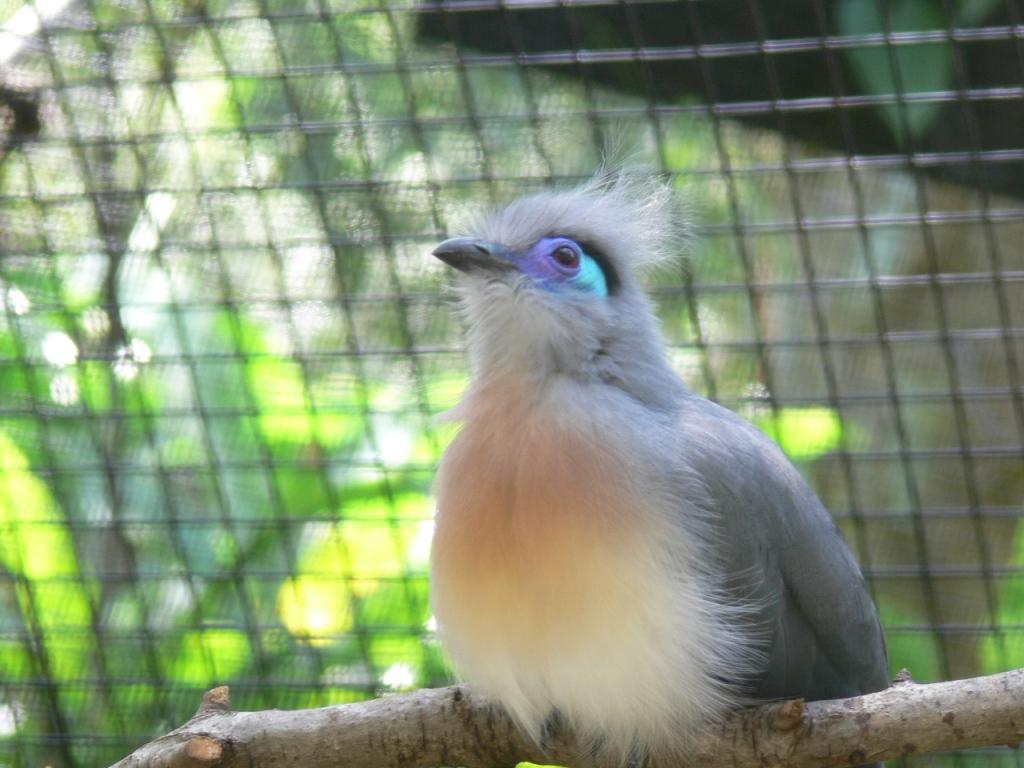
Crested Coua (Coua cristata) by Lee at LPZoo

Crested Coua (Coua cristata) by Lee at LPZoo

I remember the days of old; I meditate on all Your doings; I ponder the work of Your hands. (Psalms 143:5 AMP)

If you read yesterday’s post, Birds of the Bible Review II, you know I am in a “coasting mode” due to surgery on my neck. Today, I am encouraging you to look around the blog at some of the many Birdwatching articles that have been written over the last five years. Also, continue to pray that my cut heals and the infection clears up. It is better today.

Here are some of those many articles:

Joe Cool

(Black and White) Sumatran Laughingthrush (Garrulax bicolor) by Lee

Birdwatching

Beside them the birds of the heavens have their nests; they sing among the branches. [Matt. 13:32.] (Psalms 104:12 AMP)

Our Birdwatching Trips and other comments about birds and birding.

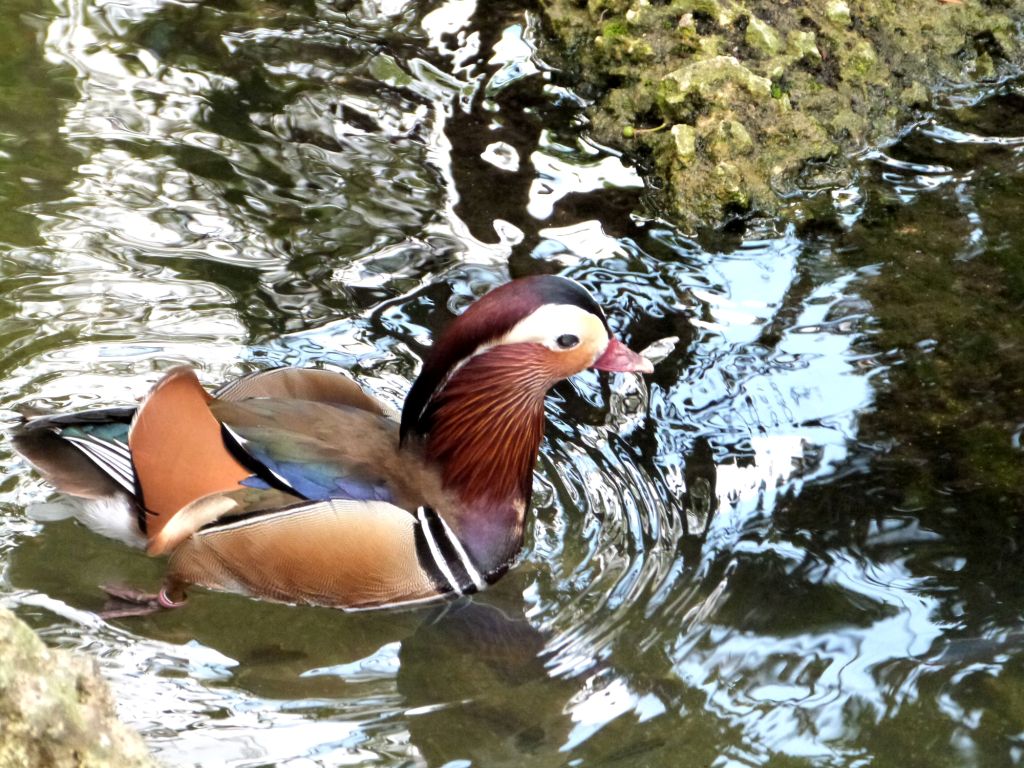
Mandarin Duck (Aix galericulata) Zoo Miami by Lee

Mandarin Duck (Aix galericulata) Zoo Miami by Lee

Formed By Him

Thou art worthy, O Lord, to receive glory and honour and power: for thou hast created all things, and for thy pleasure they are and were created (Revelation 4:11 KJV)

List of Articles:

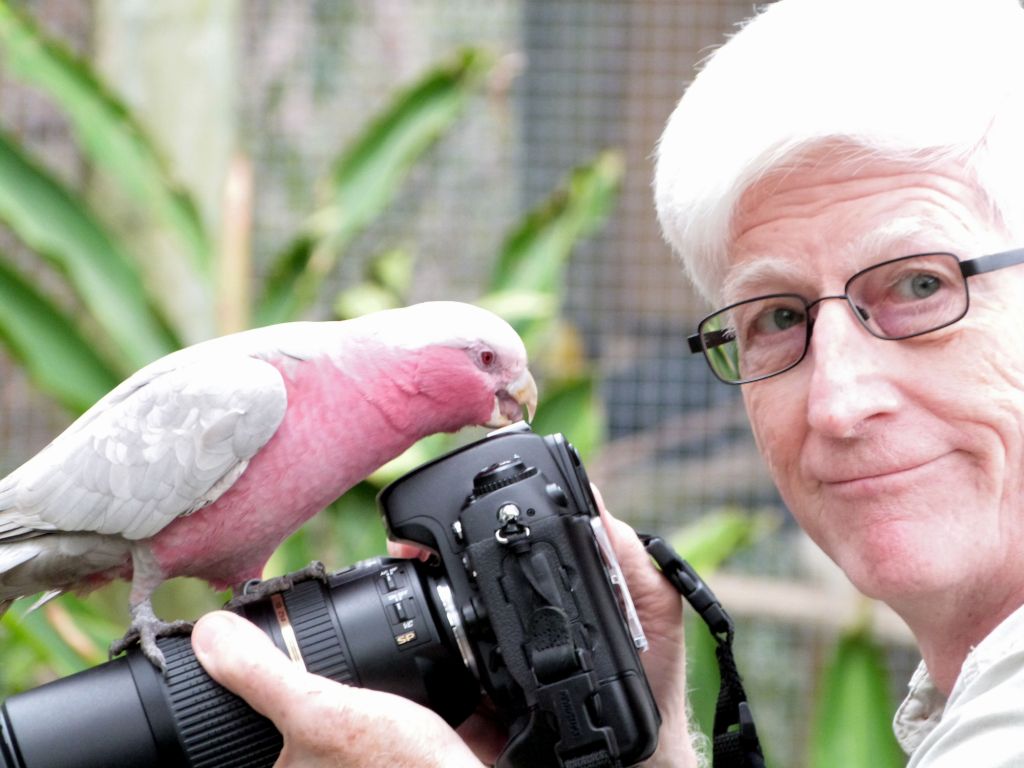
Galah (Eolophus roseicapilla) and Dan at Brevard Zoo

Galah (Eolophus roseicapilla) and Dan

Birds of the World

Are not five sparrows sold for two pennies? And [yet] not one of them is forgotten or uncared for in the presence of God. (Luke 12:6 AMP)

Birds of the World

*

Birdwatching at the Cincinnati Zoo I

Cincinnati Zoo from Phone

Cincinnati Zoo from Phone

“Remember to magnify His work, Of which men have sung. (Job 36:24 NKJV)

Yesterday, we had the pleasure of checking out more birds of the Lord’s creation at the Cincinnati Zoo. The weather and the temperature were great and the birds were quite content to let us watch and photograph them. It has been over 45 years ago since we visited this zoo. Needless to say, it has changed and the most striking was their beautiful landscaping throughout the zoo.

Statue at the entrance to the Wings of the World exhibit.

Statue at the entrance to the Wings of the World exhibit.

When we arrived at the Wings of the World area, We were greeted by several birds and a neat statute of a child holding a bird. This shows how some of the landscaping was used around the zoo.

Statue at Wings of the World exhibit. Close-up

Statue at Wings of the World exhibit. Close-up

Wings of the World Aviary is divided into several different habitats and types of birds.

Wings of the World Aviary - Cincinnati Zoo 9-5-13

Wings of the World Aviary – Cincinnati Zoo

As you enter, you are greeted by Macaws, Screamers and a Laughing Kookaburra.

Southern Screamer

Southern Screamer (Chauna torquata) Cincinnati Zoo 9-5-13 by Lee

Southern Screamer (Chauna torquata) Cincinnati Zoo by Lee

*

Southern Screamer (Chauna torquata) Cincinnati Zoo 9-5-13 by Lee

Southern Screamer (Chauna torquata) by Lee

Macaws

Dan photographing the MaCaws Cincinnati Zoo

Dan photographing the MaCaws Cincinnati Zoo

*

Parrots - McCaws by Lee

Parrots – McCaws by Lee

*

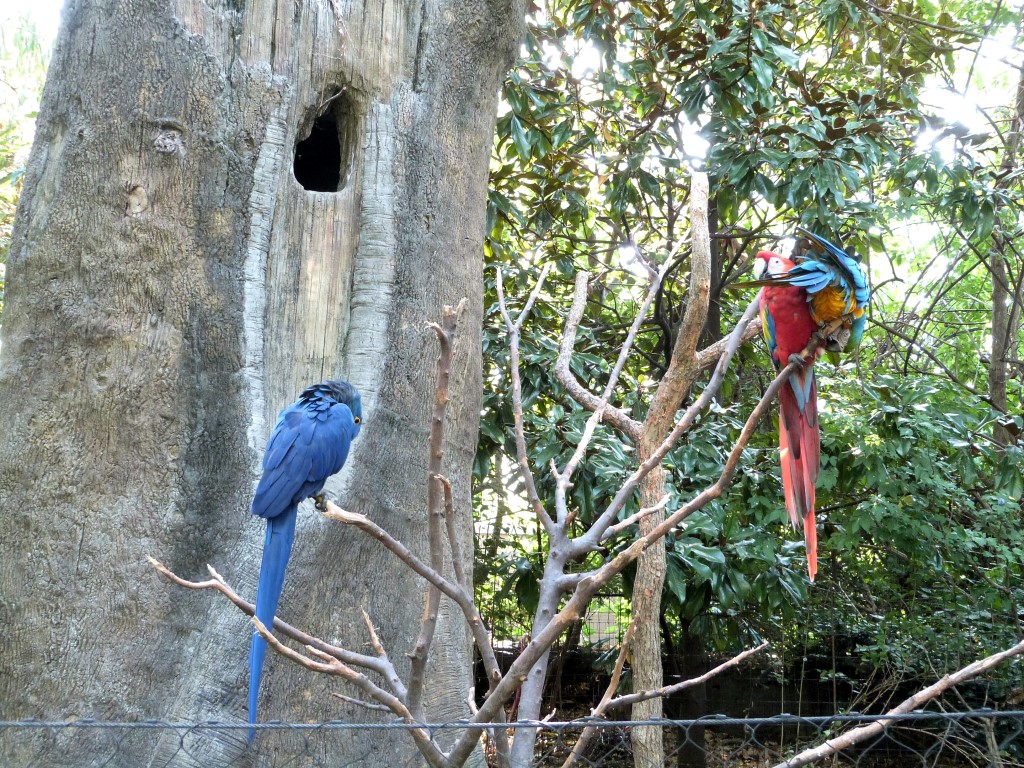
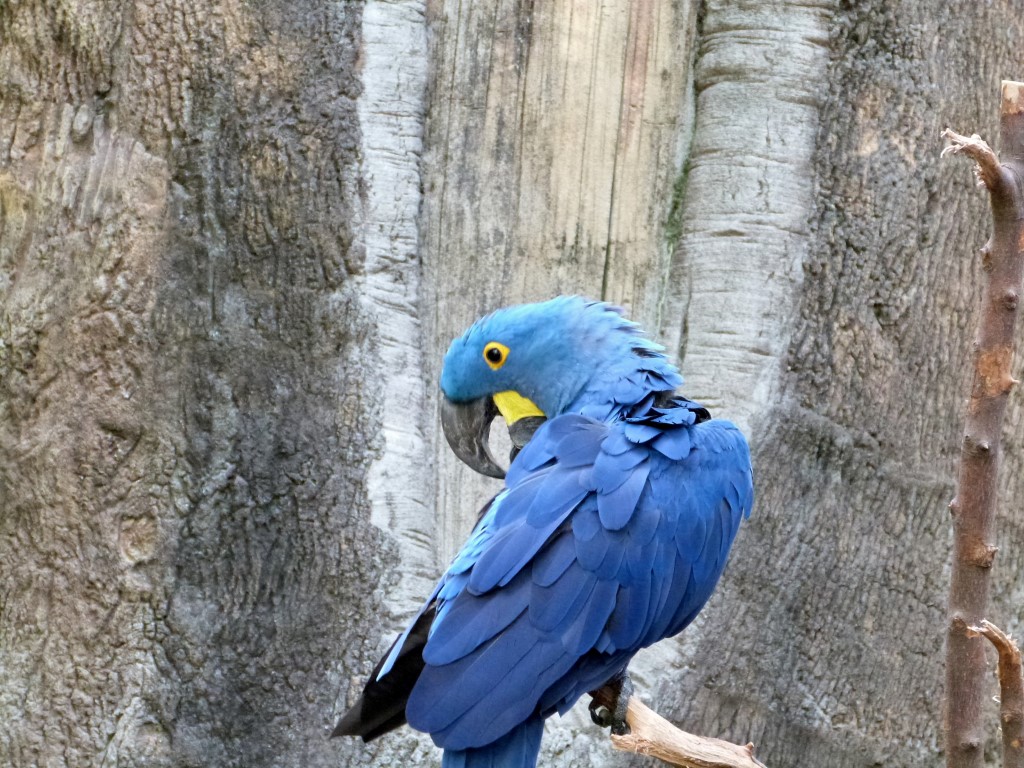
Hyacinth Macaw (Anodorhynchus hyacinthinus) Cincinnati Zoo 9-5-13 by Lee

Hyacinth Macaw (Anodorhynchus hyacinthinus) by Lee

*

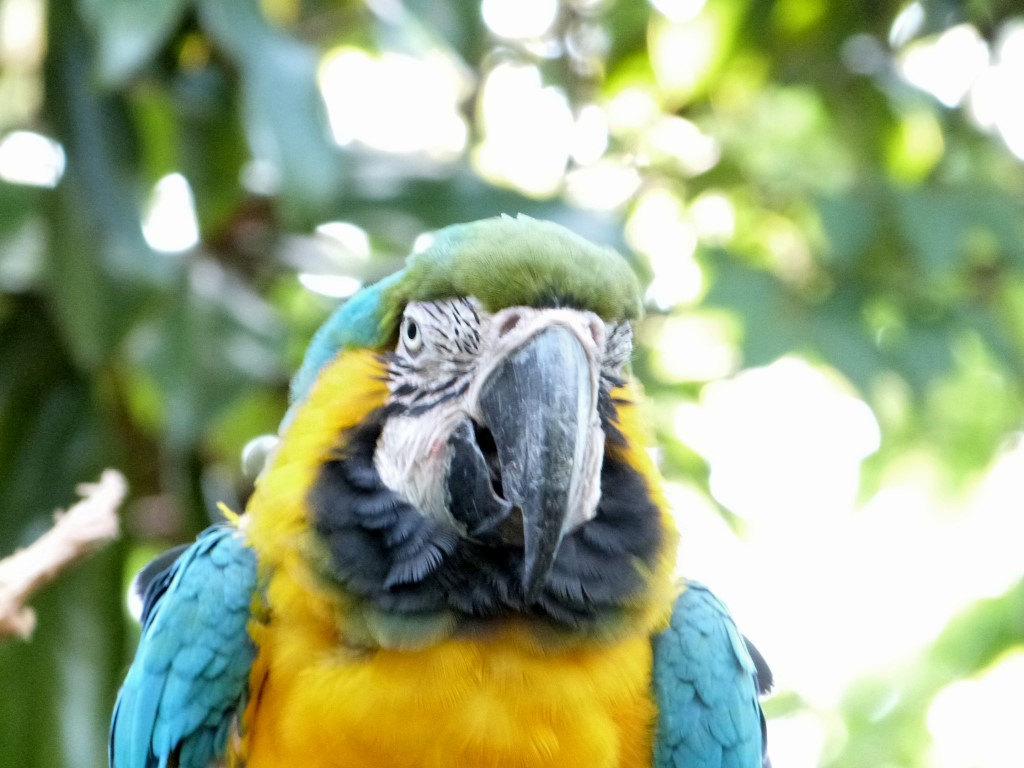
Cincinnati Zoo 9-5-13

Blue-and-yellow Macaw (Ara ararauna) Cincinnati Zoo by Lee

*

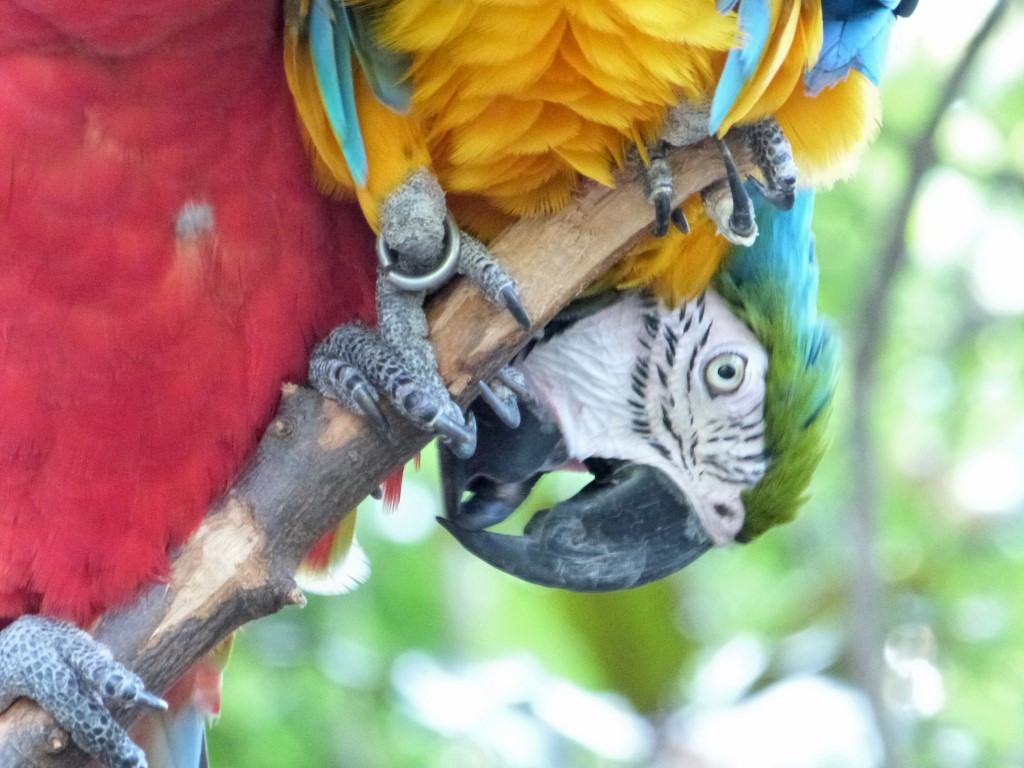
Scarlet and Blue-and-yellow Macaws by Lee

Scarlet and Blue-and-yellow Macaws by Lee

*

Scarlet and Blue-and-yellow Macaw

Scarlet and Blue-and-yellow Macaw

*

Kookaburra

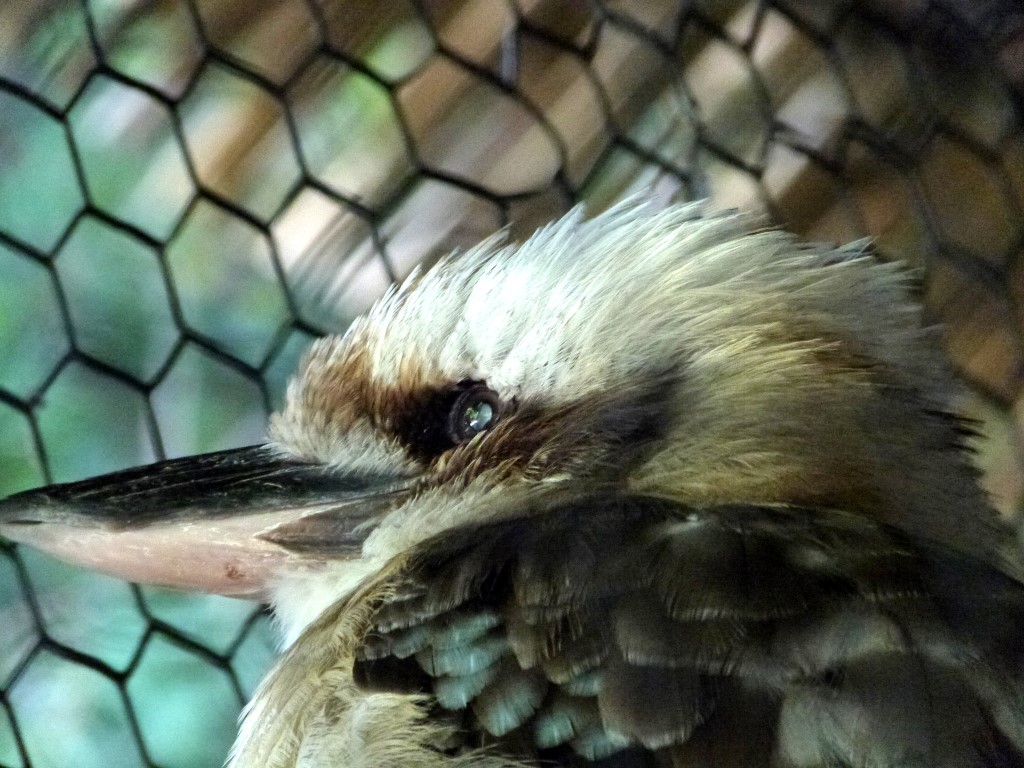
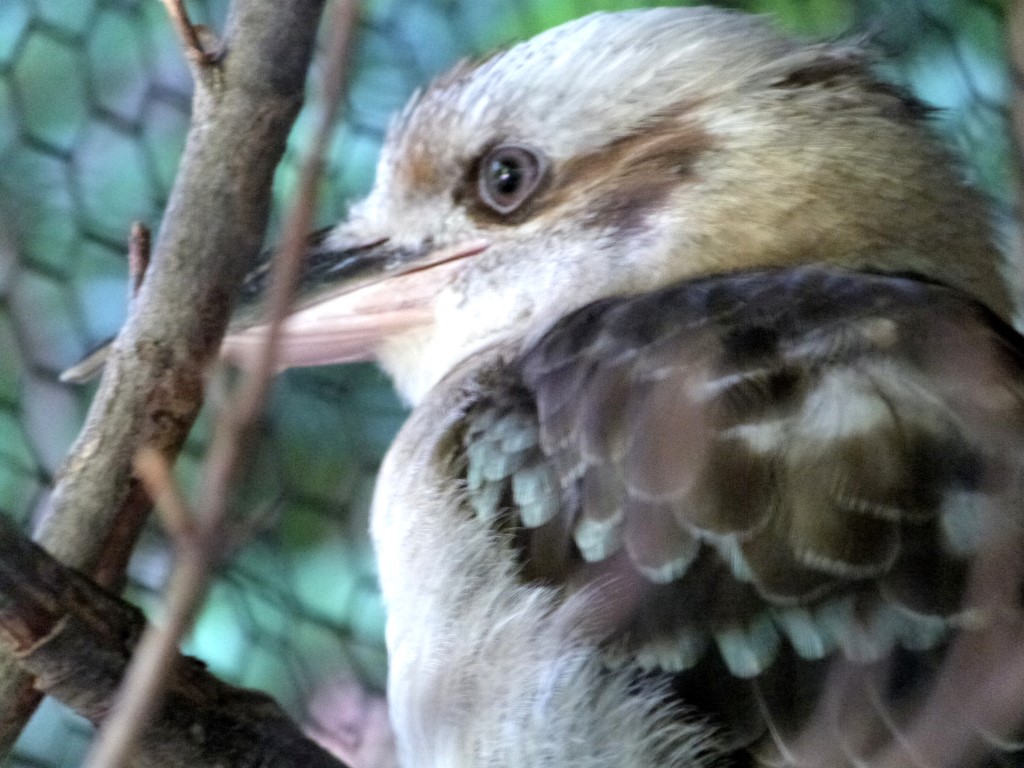
Laughing Kookaburra (Dacelo novaeguineae)

Laughing Kookaburra (Dacelo novaeguineae)

*

Laughing Kookaburra (Dacelo novaeguineae) by Lee Cincinnati Zoo 9-5-13

Laughing Kookaburra (Dacelo novaeguineae) by Lee

*

Laughing Kookaburra (Dacelo novaeguineae) by Lee Cincinnati Zoo 9-5-13

Laughing Kookaburra (Dacelo novaeguineae) by Lee

This is just the beginning of our visit to the Cincinnati Zoo. Look for more articles about some really neat birds like a Mousebird, Bee-eater, Bishop, Penguins, Murres and more.

Also:
Anhimidae – Screamers Family

Psittacidae – Parrots Family

Alcedinidae – Kingfishers Family

Cincinnati Zoo

*

New Type of V-Formation

Mixed Flock of birds flying in a V Formation- Put together- ©Creative Commons

Mixed Flock of birds flying in a V Formation- Put together- ©Creative Commons

One of my readers of the blog had this in his post. After checking the internet, I found that it was free to use. So, now I am sharing it. I think it is adorable. Not sure who originally put it together, but, thank you.

When I showed it to Dan and ask him what I could write about it, he gave me the following example:

All those birds are from different species, yet they are all heading in the same direction. The Bible tells us:

And He has made from one blood every nation of men to dwell on all the face of the earth, and has determined their preappointed times and the boundaries of their dwellings, (Acts 17:26 NKJV)

Then I saw another angel flying in the midst of heaven, having the everlasting gospel to preach to those who dwell on the earth to every nation, tribe, tongue, and people—saying with a loud voice, “Fear God and give glory to Him, for the hour of His judgment has come; and worship Him who made heaven and earth, the sea and springs of water.” (Revelation 14:6-7 NKJV)

And they sang a new song, saying: “You are worthy to take the scroll, And to open its seals; For You were slain, And have redeemed us to God by Your blood Out of every tribe and tongue and people and nation, (Revelation 5:9 NKJV)

Praise the Lord that it matters not where you are from, the Lord Jesus Christ has made salvation available to “whosoever.”

*

(Lord willing that photo will be posted again.)

The Changing Of Species

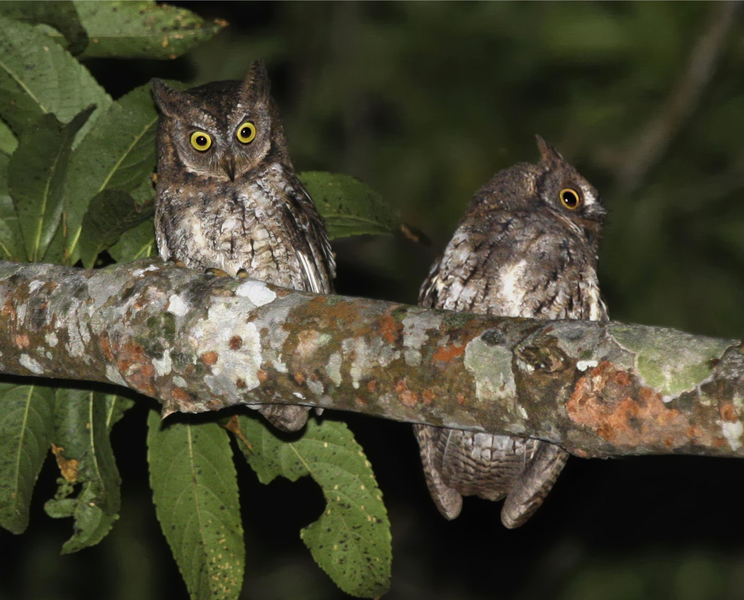
Rinjani Scops Owl (Otus jolandae) ©WikiC

Rinjani Scops Owl (Otus jolandae) ©WikiC

I came across several interesting articles from Answers in Genesis that deal with changes within the species. Having just updated the pages to the I.O.C. 3.4 Version, there were several new species added. Where did they come from? Some of them were subspecies that had been elevated to a species status. At least one, was a newly discovered species. So, how do we look at this as Christians that believe in creation and not evolution?

An article from Answers asks, “Do Species Change?” by Paul Garner. It actually gave Darwin credit for realizing that there was not a fixity or immutability of species.

Before the time of Charles Darwin, a false idea had crept into the church—the belief in the “fixity” or “immutability” of species.1 According to this view, each species was created in precisely the same form that we find it today. In his famous book, On the Origin of Species, first published in 1859, Darwin set out to demolish this widespread view.

The article goes on to show how Darwin went too far. It is a very interesting article worth reading. Do Species Change?

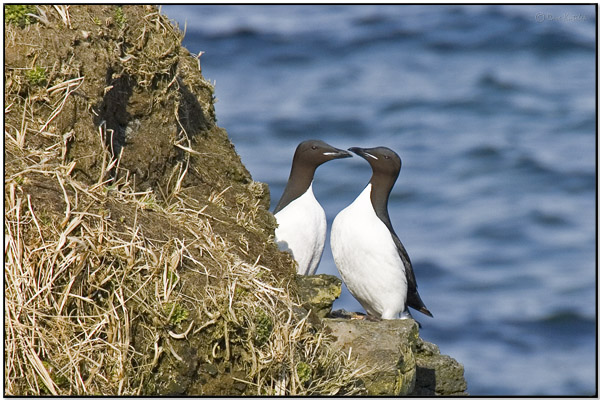
Thick-billed Murre (Uria lomvia) by Daves BirdingPix

Thick-billed Murre (Uria lomvia) by Daves BirdingPix

Seabird Study Said To Solve the Evolutionary Mystery of Flightlessness” by Dr. Elizabeth Mitchell discusses how the Penguin became flightless and use the Thick-billed Murre as a possible example. They compare the amount of energy used to swim and/or fly. “Murres, able to fly and to execute penguin-like wing-propelled dives, were the focus of the study because researchers believe their performance provides a living model of the penguin’s evolutionary past….”  Also, the bone structure is discussed. I like the wrap-up by the article writer, Dr. Elizabeth Mitchell.

Yet this fact just demonstrates a great design—an ideal “form” for a diving, flying seabird—and confirms nothing about the evolutionary path of any bird, let alone the flightless penguin.

God created birds on the fifth day of Creation week about 6,000 years ago. They reproduced “after their kinds” as the Bible describes, only varying within their created kinds. Biology does not demonstrate the evolution of flight or flightlessness or the evolution of any kind of creature into a different kind.

A few more of their writings worth reading are:

Creations Hidden Potential by Tom Hennigan, Georgia Purdom, and Todd Charles Wood

The Discontinuity of Life by Kurt P. Wise

Variation Withing Created Kinds by Dr. Gary Parker

Our Creator used His Omnipotence and His Wisdom to create the fantastic and varied creatures for us to enjoy, especially the birds. They are there in front of us all to see, observe and try to understand more about them and their development. How we look at them is where the differences in how this came about is where the creationist and evolutionist part ways.

In the beginning God created the heavens and the earth. (Genesis 1:1 NKJV)

or

For since the creation of the world His invisible attributes are clearly seen, being understood by the things that are made, even His eternal power and Godhead, so that they are without excuse, because, although they knew God, they did not glorify Him as God, nor were thankful, but became futile in their thoughts, and their foolish hearts were darkened. Professing to be wise, they became fools, and changed the glory of the incorruptible God into an image made like corruptible man—and birds and four-footed animals and creeping things. Therefore God also gave them up to uncleanness, in the lusts of their hearts… who exchanged the truth of God for the lie, and worshiped and served the creature rather than the Creator, who is blessed forever. Amen. For this reason God gave them up to vile passions. … And even as they did not like to retain God in their knowledge, God gave them over to a debased mind… (Romans 1:20-28 NKJV)

Gospel Presentation – Video

(This video is narrated by Pastor Nathan Osborne and the music is played by Sean Fielder.)

*

New I.O.C. 3.4 Version Complete

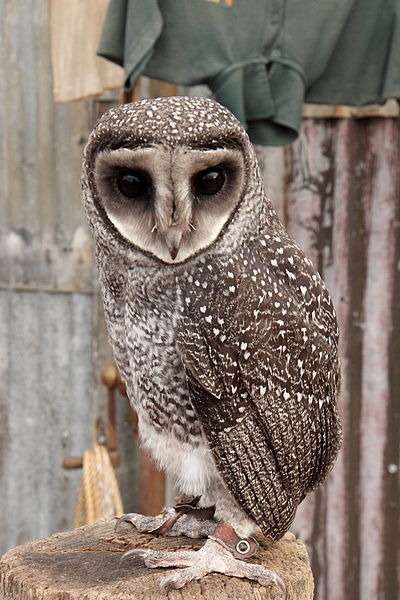
Greater Sooty Owl (Tyto tenebricosa) ©WikiC

Sooty Own now the Greater Sooty Owl (Tyto tenebricosa) ©WikiC

The I.O.C released their 3.4 Version of the lists of the Birds of the World and I have been busy behind the scenes again bring Lee’s Birds of the World up to date. Other than needing to change the names of a few photos and finding photos for the new birds now listed with the I.O.C., the pages are finished.

There are now 10,488 extant species and 149 extinct species of birds of the world (Version 3.4), with subspecies (20,984). These birds are Classified into 40 Orders, 231 Families (plus 6 “Incertae sedis” groups – Holding places for birds they are not sure which family to place them in).

Some of the new birds listed are: Pincoya Storm Petrel, Rinjani Scops Owl, Antioquia Wren and they deleted the Green-crowned Woodnymph and the Plain-breasted Earthcreeper. It appears the deletions happen when the birds are placed into a subspecies category.

Violet-crowned Woodnymph now the Crowned Woodnymph (Thalurania colombica) by RScanlon

Violet-crowned Woodnymph now the Crowned Woodnymph (Thalurania colombica) by RScanlon

There were some name changes like
Sooty Owl (Tyto tenebricosa) – now – Greater Sooty Owl
Violet-crowned Woodnymph (Thalurania colombica) – now – Crowned Woodnymph
Black-casqued Wattled Hornbill (Ceratogymna atrata) – now – Black-casqued Hornbill
Yellow-casqued Wattled Hornbill (Ceratogymna elata) – now – Yellow-casqued Hornbill
Western Slaty Antshrike (Thamnophilus atrinucha) – now – Black-crowned Antshrike
Variable Pitohui (Pitohui kirhocephalus) – now – Northern Variable Pitohui
Dark-capped Yellow Warbler (Iduna natalensis) – now – African Yellow Warbler
Red-tailed Rufous Thrush (Neocossyphus rufus) – now – Red-tailed Ant Thrush
White-tailed Rufous Thrush (Neocossyphus poensis) – now – White-tailed Ant Thrush
Sage Sparrow (Artemisiospiza belli) – now – Bell’s Sparrow

Do Species Change?

Yellow-casqued Hornbill (Ceratogymna elata) ©Wiki

Yellow-casqued Wattled now the Yellow-casqued Hornbill (Ceratogymna elata) ©Wiki

The birds are still doing their thing by multiplying and filling the earth as they were commanded to do by God. Most seem to adapt to some area and if not, they move on. Other, who can’t adapt, or have disasters or events occur that may make them go extinct. With over 10,400 plus birds to find on your birdwatching adventures, surely one is out there waiting for you to find it and enjoy the uniqueness of it. Enjoy your next adventure out and about searching for the Lord’s fantastic birds.

Bring out with you every living thing of all flesh that is with you: birds and cattle and every creeping thing that creeps on the earth, so that they may abound on the earth, and be fruitful and multiply on the earth.”
(Genesis 8:17 NKJV)

The biggest challenge was the Taxonomic Update. The Meliphagidae – Honeyeaters  Family was shuffled all around. Not only were they changed around, but they also changed the genus names for some birds, especially those in the Lichenostomus genus. As the ornithologist do more and more DNA testing, they are finding that some are not related or come from a different line with in the family. Keeps me busy.

See:

*

Wordless Birds

*

Bali Myna at Lowry Park and Palm Beach Zoos

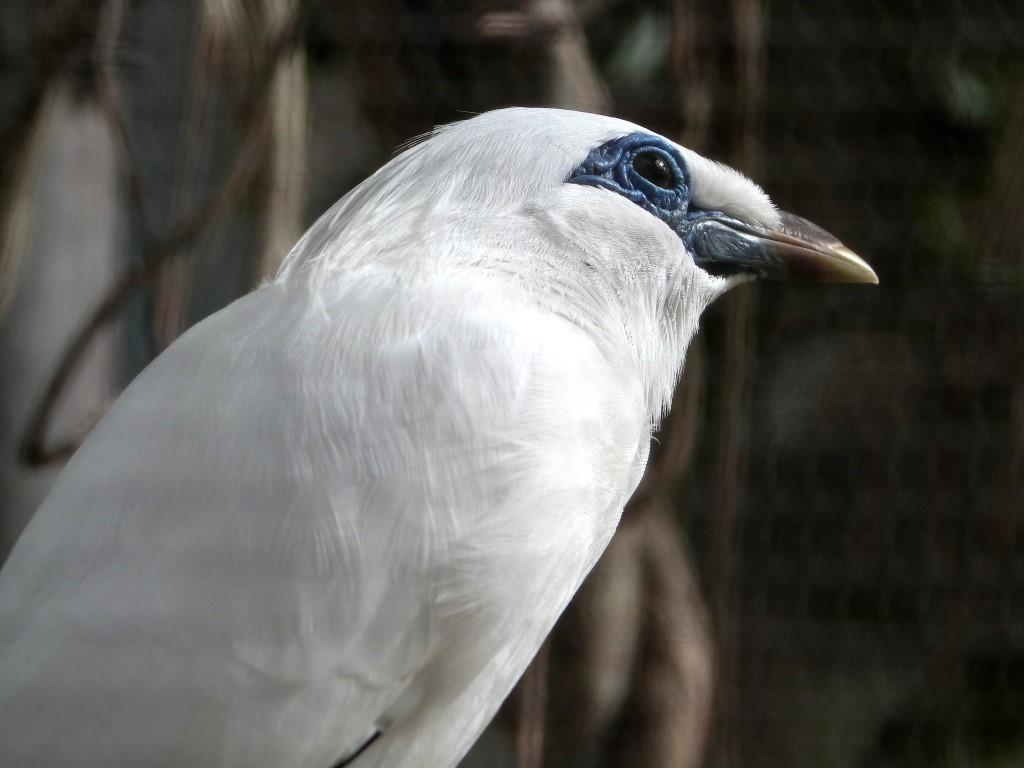
Bali Myna (Leucopsar rothschildi) by Lee

Bali Myna (Leucopsar rothschildi) at Lowry Park Zoo by Lee

Yesterday, we went over to the Lowry Park Zoo for a little while and were able to record several interesting birds and the Singing Dogs from Australia. I was especially pleased to hear the Bali Myna making a neat little call or song. Here is a video of it that I put together. This is another bird from the Lord’s Creative Hand.

God created the great sea monsters and every living creature that moves, which the waters brought forth abundantly, according to their kinds, and every winged bird according to its kind. And God saw that it was good (suitable, admirable) and He approved it. (Genesis 1:21 AMP)

These photos were taken at Palm Beach Zoo last month.

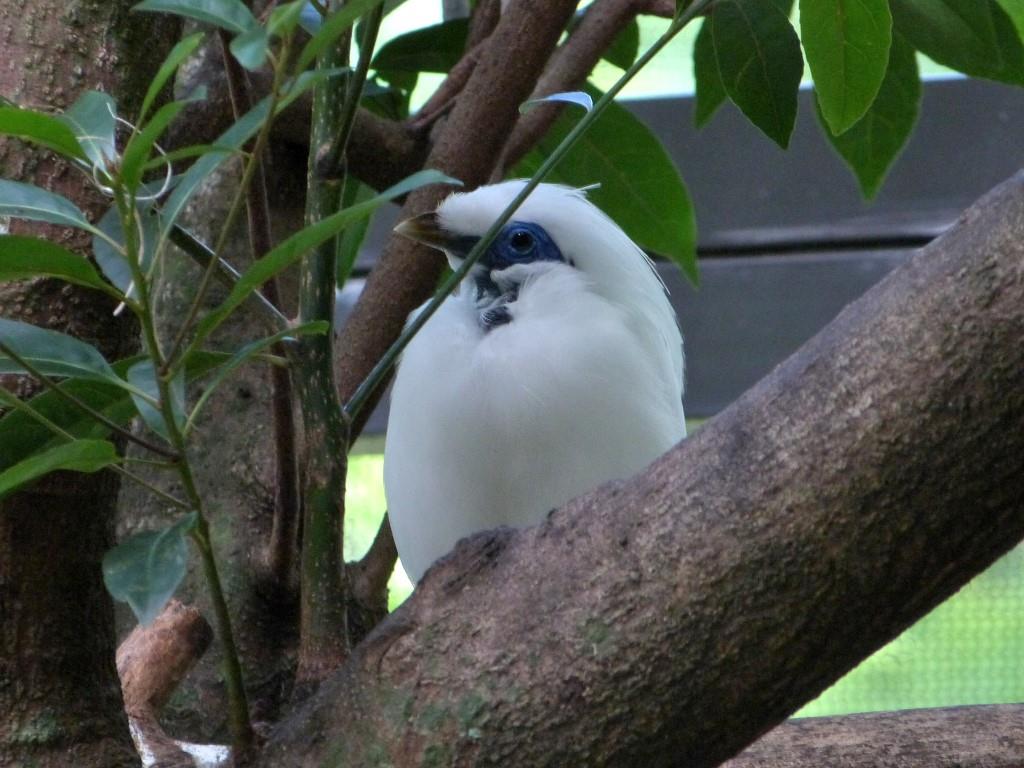
Bali Myna (Leucopsar rothschildi Palm Beach Zoo by Lee

Bali Myna (Leucopsar rothschildi Palm Beach Zoo by Lee

He was displaying and this is another view of him.

Bali Myna (Leucopsar rothschildi Palm Beach Zoo by Lee

Bali Myna (Leucopsar rothschildi Palm Beach Zoo by Lee

Here is a video of the Bali Myna at Palm Beach displaying:

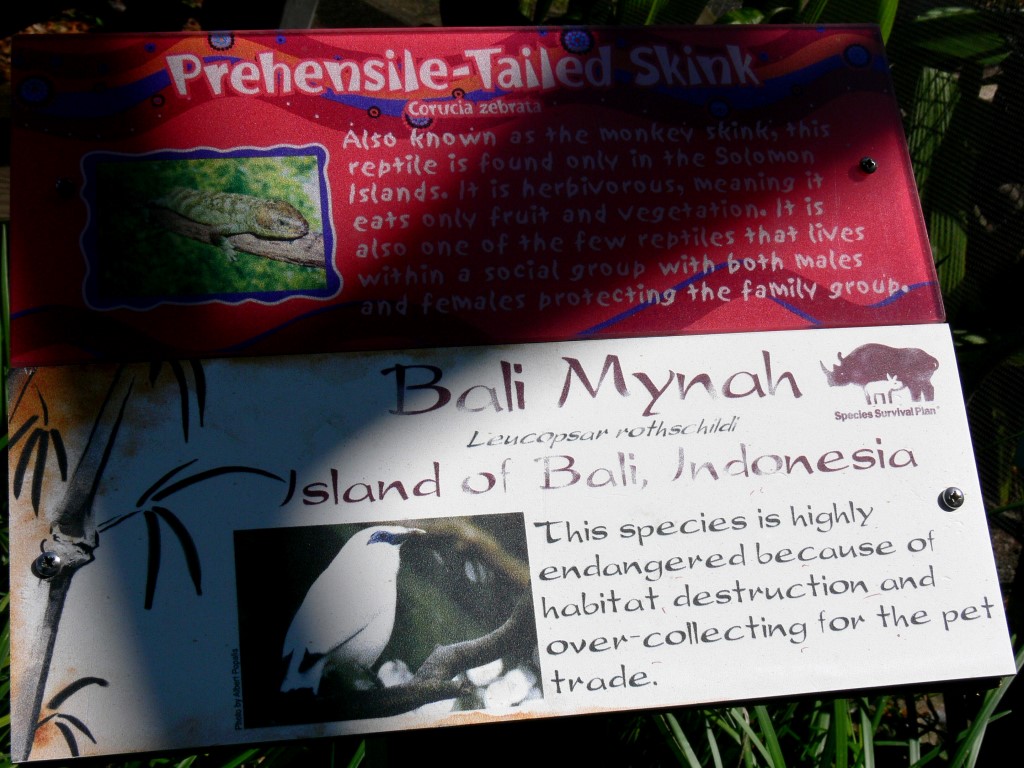
The Bali Myna is a highly endangered species and many of the zoos are trying to preserve them through there breeding programs.

Bali Myna (Leucopsar rothschildi) Sign at LPZ

Bali Myna (Leucopsar rothschildi) Sign at LPZ

This bird is a member of the Sturnidae – Starlings Family. The Bali Myna (Leucopsar rothschildi), also known as Rothschild’s Mynah, Bali Starling, or Bali Mynah, locally known as Jalak Bali, is a medium-sized (up to 25 cm long), stocky myna, almost wholly white with a long, drooping crest, and black tips on the wings and tail. The bird has blue bare skin around the eyes, greyish legs and a yellow bill. Both sexes are similar.

The Bali Myna is restricted to the island of Bali in Indonesia, where it is the island’s only endemic vertebrate species. (An endemic subspecies, the Bali Tiger, has been extinct since 1937.) The bird was discovered in 1910, and in 1991 was designated the fauna symbol of Bali. Featured on the Indonesian 200 rupiah coin, its local name is “Jalak Bali”.

In its natural habitat it is inconspicuous, using tree tops for cover and–unlike other starlings–usually coming to the ground only to drink or to find nesting materials; this would seem to be an adaptation to its noticeability to predators when out in the open. The Bali mynah often gathers in groups when it is young to better locate food and watch out for predators. The vocalizations are a variety of sharp chattering calls and an emphatic twat.

The Bali Myna’s diet includes fruit, seeds, worms and insects.

During breeding season, males attract females by calling loudly and bobbing up and down. The birds nest in tree cavities, with the female laying and incubating two-three eggs. Both males and females bring food to the nests for chicks after hatching. (Wikipedia with editing)

Oh, I almost forgot to show you the Singing Dogs from Lowry Park Zoo. They were doing their thing causing all the others to make noise also. They are from New Guinea and music is playing in the background.

See:

Sturnidae – Starlings Family

Bali Myna – Wikipedia

Bali Myna – San Diego Zoo

The Bali Myna

Lowry Park Zoo

Palm Beach Zoo

New Guinea Singing Dog – Wikipedia

*

Missing Bird Photos Desired – “Birdographers” Needed

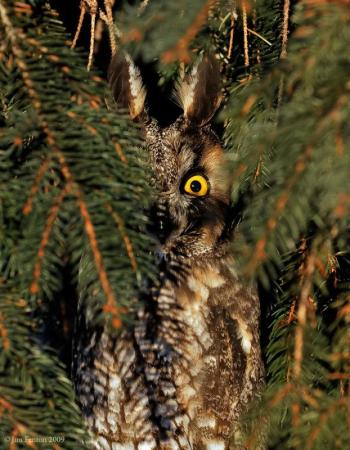
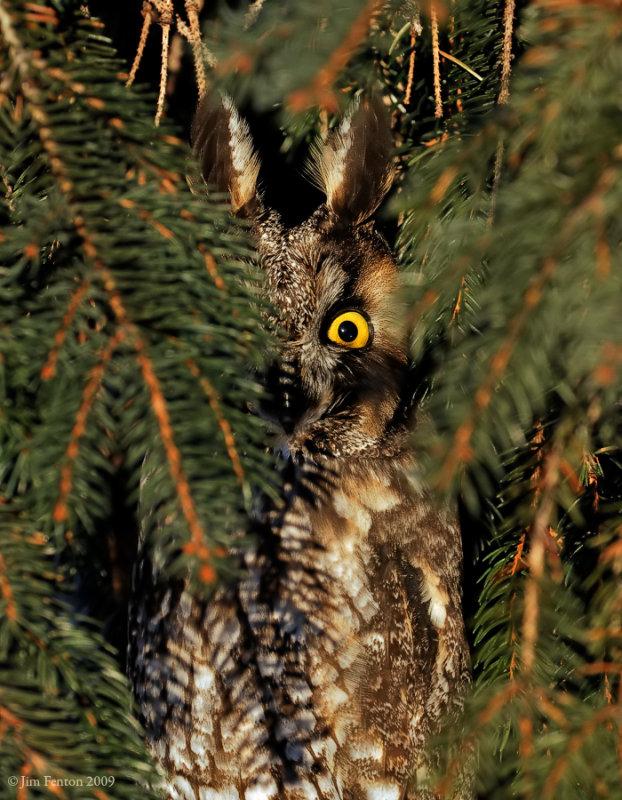
Long-eared Owl (Asio otus) by J Fenton

Long-eared Owl (Asio otus) by J Fenton

On Saturday, I concluded my search for the Birds of the World list of birds. Out of 10,615 (or 10,625) there are 74 birds who seem to have stayed hidden from the view of all the “Birdographers.” That is my name for those who are photographers, videographers, artists and stamp makers. All the major Ornithology and Birding websites are in need of them also.

I am thankful for every photo, drawing, video, specimen and sound recording of the birds that have links to them. They represent dedicated birdwatchers who have been on adventures that have taken them to places many of us would not go. Jungles, swamps, mountains, deserted islands, mudholes, etc have been traipsed so that these images could be recorded. Thank you, thank you, thank you!

When I started listing the Birds of the World several years back, I never envisioned ever seeing the images of as many as I have seen now. According to the IOC Version 3.3 list, I have seen over 10,500 species of the Lord’s fantastically created birds. That does not rate in any counting system used by birders, but it sure has been an unexpected enjoyment for me even though it represents hours of searching and updating the pages here. I have been exposed to birds that are so unique, beautiful, ugly, colorful, dull, loud, quite, etc. that I never knew even existed. Wow!
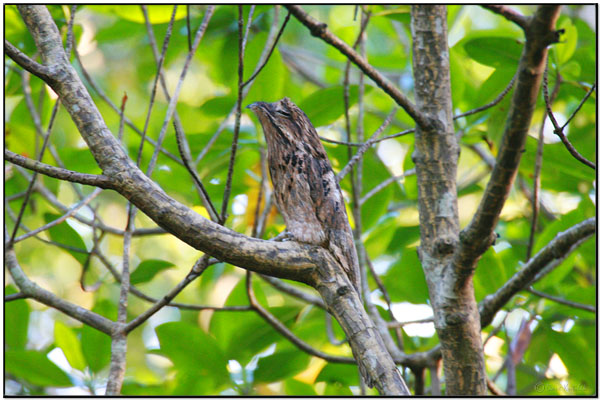
Common Potoo (Nyctibius griseus) by Daves BirdingPix

Do you see me?

Now for the plea. I made a page that list all the missing species, Missing Birds Needed. If anyone who has a photo, video, drawing, or whatever of those birds, or knows where a link can be found to them, please leave a comment or send me an email at:

Lee@Leesbird.com

Yes, there are sites out there that show photos for the listed birds, but they are of another bird in the family or genus. Here, and I am sure there are some mistakes, I would rather have a blank instead of misleading someone to think that is the real bird. Most leave the photo blank, but a few don’t. I fell for that a few times until I learned, now I am trying to find those misleading photos.

One of the biggest problems finding the birds is that the species have had name changes and several names at the same time. They also keep splitting the subspecies off into a new species. Toward the end of my searching, I felt like a detective trying to figure out a bird’s name and its past names just to be able to find it.

And further, my son, be admonished by these. Of making many books there is no end, and much study is wearisome to the flesh. (Ecclesiastes 12:12 NKJV)

Again, if you can help, check out the Missing Birds Needed page and see if you could supply an image or link to one. Let’s see if we can reduce that number down. I haven’t quit my search, just resting until the IOC updates their list next month and I get to start searching again.

Also, if you would like to become one of our photographers, leave a note.

*
Either what woman having ten pieces of silver, if she lose one piece, doth not light a candle, and sweep the house, and seek diligently till she find it? And when she hath found it, she calleth her friends and her neighbours together, saying, Rejoice with me; for I have found the piece which I had lost. Likewise, I say unto you, there is joy in the presence of the angels of God over one sinner that repenteth. (Luke 15:8-10 KJV)

*
Wordless Birds

*