Birdwatching Thru the Bible – Without Trying

Bald Eagle on Old Bartow Road – cropped

As we read through our Bible, many times we end up birdwatching without even trying. In a passage your reading, you find a type of bird mentioned. Do you make a mental note or write down the bird’s name? Many of us “birdwatchers” have our eyes and ears perk up, and we become curious. Well, at least I do.

Looking back through previous post, I spotted this one: Birdwatching Without Birdwatching. We were just out driving and spotted four Eagles. That is what happens while reading scripture. Stay curious. Whether it’s birds, animals, truths about any topic, especially scriptural truths. Many times, using a concordance will help you find other references to that same topic. Compare scripture with scripture.

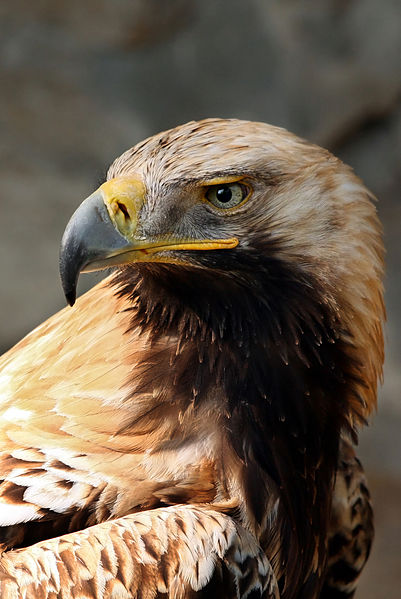
Eastern Imperial Eagle (Aquila heliaca) ©WikiC

For instance: Eagle/Eagles are mentioned 34 times in the KJV version. Plus, there are numerous online resources and books to check out.

Dr. Johnson, (Dr. Jim) told us in Birdwatching is the right thing to do!

Appreciating including, but not) is the right thing to do!

This was an unexpected view out our back door while eating breakfast. Two Bald Eagles sitting in that tree. Thankfully my camera was handy.

Birds of the Bible – Eagles

Birdwatching is the right thing to do!

Birdwatching Without Birdwatching

Heaven’s New Jerusalem and Birds – Sapphire II

This is a repost of Heaven’s New Jerusalem and Birds – Sapphire. This series originally appeared in 2019. (With a little dusting and updating they will all be reposted in the coming days. Stay tuned.)
Sapphire Gem ©WikiC

“And the foundations of the wall of the city were garnished with all manner of precious stones. The first foundation was jasper; the second, sapphire; the third, a chalcedony; the fourth, an emerald;” (Revelation 21:19 KJV)

For now, the first stone – “Jasper,” is being skipped. I am still researching what is the color or colors of the Jasper stone. Some have it all over the color spectrum. Also, there is no bird with the name “Jasper” in it. (Heaven’s New Jerusalem and Birds – Jasper II)

The Sapphire is beautiful and is typically blue but varies. Sapphire is also the stone used to represent those born in September. Yeah, my birth month. “Sapphire is the birthstone for September and the gem of the 45th anniversary. A sapphire jubilee occurs after 65 years.” [Wikipedia]

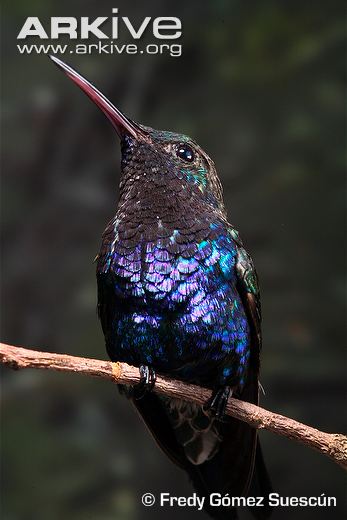
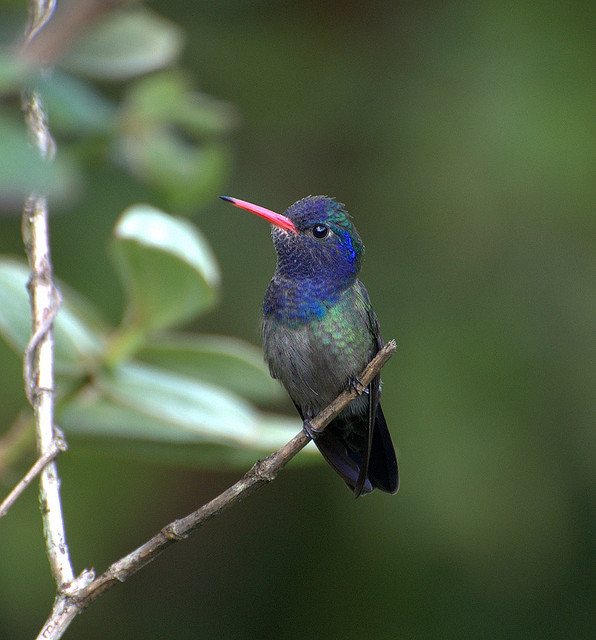
Sapphire-bellied-hummingbird-perched-on-branch ©ARKive

A rare variety of natural sapphire, known as color-change sapphire, exhibits different colors in different light. Color change sapphires are blue in outdoor light and purple under incandescent indoor light, or green to gray-green in daylight and pink to reddish-violet in incandescent light. Color change sapphires come from a variety of locations, including Thailand and Tanzania. The color-change effect is caused by the interaction of the sapphire, which absorbs specific wavelengths of light, and the light-source, whose spectral output varies depending upon the illuminant. Transition-metal impurities in the sapphire, such as chromium and vanadium, are responsible for the color change. [Wikipedia]

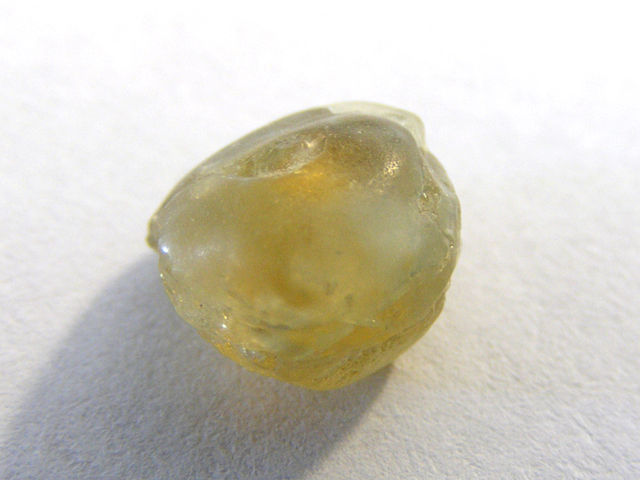
Uncut Yellow Sapphire ©Wikipedia

The sapphire is mentioned in nine verses in the King James version of the Bible.

“And they saw the God of Israel: and there was under his feet as it were a paved work of a sapphire stone, and as it were the body of heaven in his clearness.” (Exodus 24:10 KJV)

Sapphire Flycatcher (Ficedula sapphira) ©WikiC

“And the second row shall be an emerald, a sapphire, and a diamond.” [The breastplate of judgment] (Exodus 28:18 and 39:11 KJV)

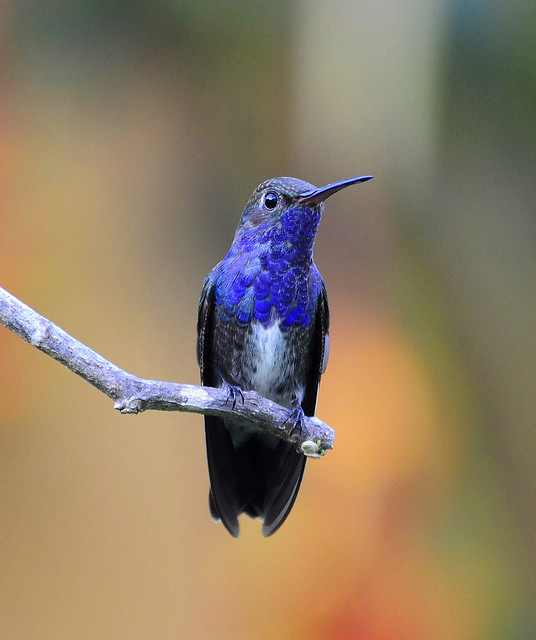
White-chinned Sapphire (Hylocharis cyanus) by Dario Sanches

“But where shall wisdom be found? and where is the place of understanding? Man knoweth not the price thereof; neither is it found in the land of the living. The depth saith, It is not in me: and the sea saith, It is not with me. It cannot be gotten for gold, neither shall silver be weighed for the price thereof. It cannot be valued with the gold of Ophir, with the precious onyx, or the sapphire.” (Job 28:12-16 KJV)
Unchanged:

Sapphire-spangled Emerald (Amazilia lactea) by Dario Sanches

“And above the firmament that was over their heads was the likeness of a throne, as the appearance of a sapphire stone: and upon the likeness of the throne was the likeness as the appearance of a man above upon it.” (Ezekiel 1:26 KJV)

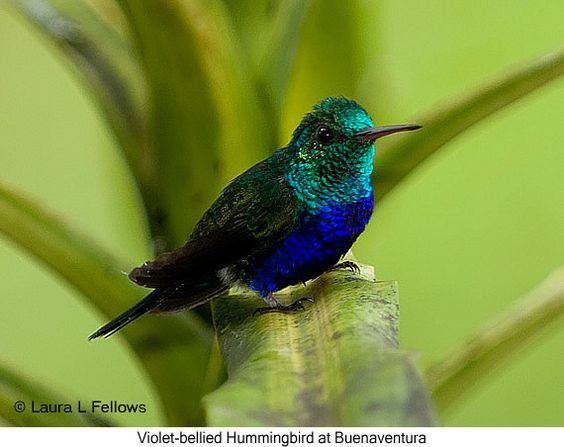
Sapphire-bellied Hummingbird ©LauraLFel

“Then I looked, and, behold, in the firmament that was above the head of the cherubims there appeared over them as it were a sapphire stone, as the appearance of the likeness of a throne.” (Ezekiel 10:1 KJV)

Blue-chinned Sapphire (Chlorestes notata) ©WikiC

“Thou hast been in Eden the garden of God; every precious stone was thy covering, the sardius, topaz, and the diamond, the beryl, the onyx, and the jasper, the sapphire, the emerald, and the carbuncle, and gold: the workmanship of thy tabrets and of thy pipes was prepared in thee in the day that thou wast created.” (Ezekiel 28:13 KJV)

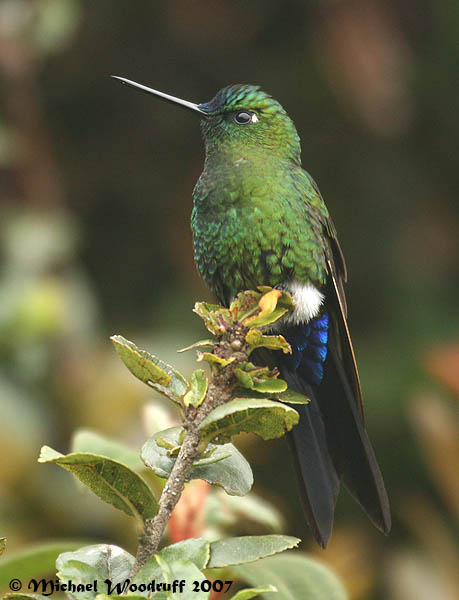
Sapphire-vented Puffleg (Eriocnemis luciani) by Michael Woodruff

Sapphire-vented Puffleg (Eriocnemis luciani) by Michael Woodruff

I trust you enjoyed seeing some of the birds with Sapphire in their name as the various verses about sapphires were given.

Previous Blogs that used Verses with Sapphires in them:

*** Articles in this Repost Series II so far:

Wordless Birds – With Hummingbirds

Heaven’s New Jerusalem and Birds – Jasper II

This is a repost of Heaven’s New Jerusalem and Birds – Jasper. This series originally appeared in 2019. (With a little dusting and updating they will all be reposted in the coming days. Stay tuned.)

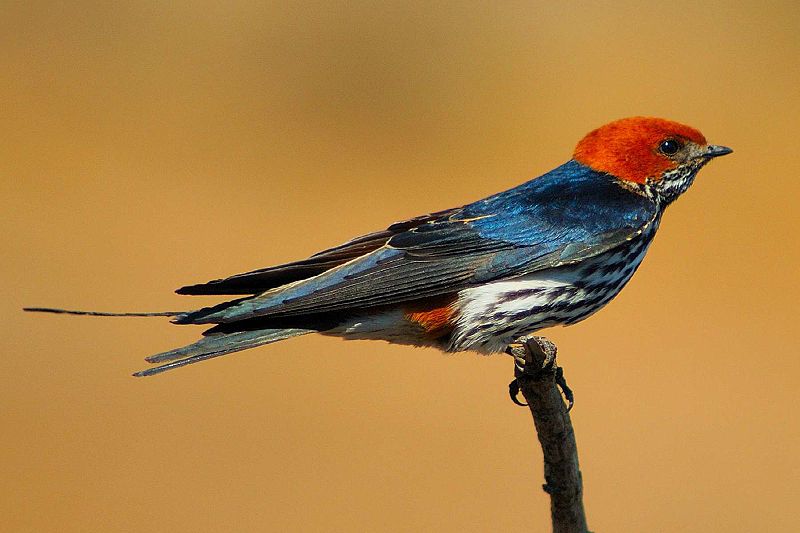
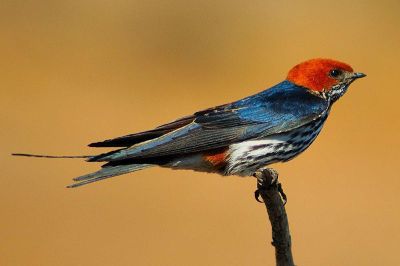
Lesser Striped Swallow (Cecropis abyssinica) ©WikiC

Lesser Striped Swallow (Cecropis abyssinica) ©WikiC

“And the foundations of the wall of the city were garnished with all manner of precious stones. The first foundation was jasper; the second, sapphire; the third, a chalcedony; the fourth, an emerald;” (KJV)

Hit a problem already. No Jasper named birds; first or last name. Now what? Most all the translations of Revelation 21:19 say that the first foundation was jasper or similar.
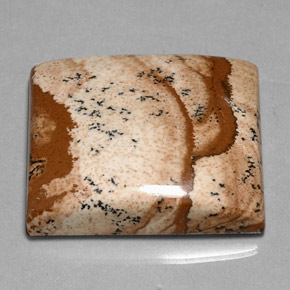
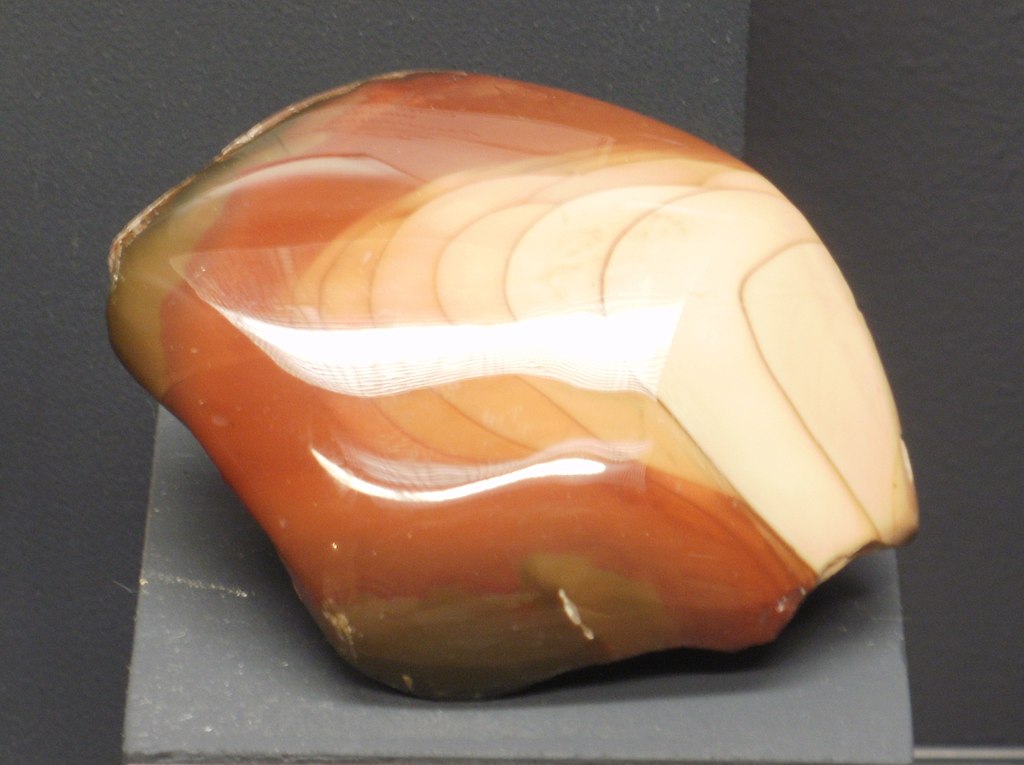
Tan and Cream Jasper – ©MineralNet

Here are a few exceptions from Bible Gateway’s list of versions:
the first foundation stone was diamond – CJB (Complete Jewish Bible)
“The first foundation was gray quartz” – GW, NOG (God’s Word & Names of God)
“The first stone was red jasper” – WE (Worldwide English)
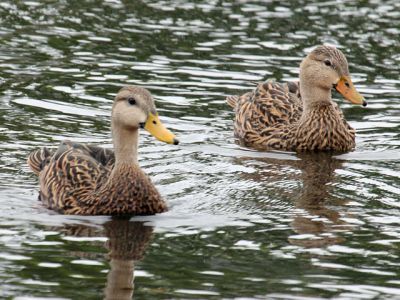
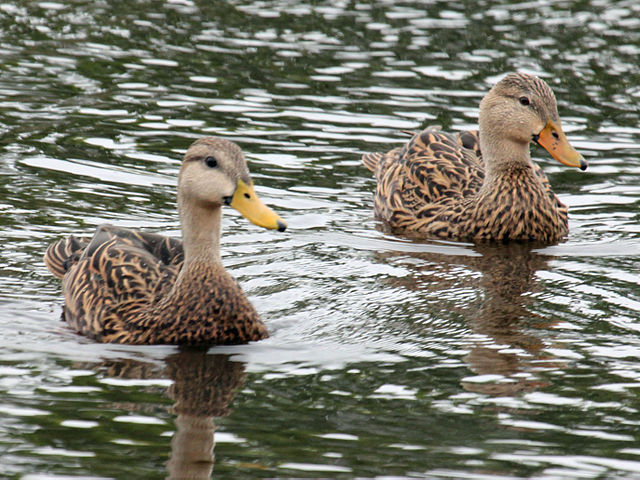
Mottled Duck (Anas fulvigula) Male and Female ©WikiC

From my e-Sword Program, here are more different translations:

(clVulgate)  Et fundamenta muri civitatis omni lapide pretioso ornata. Fundamentum primum, jaspis: secundum, sapphirus: tertium, calcedonius: quartum, smaragdus:

Vulgate fundamentum primum iaspis

KJV+ uses jasper; G2393

Translit+ uses iaspis G2393

G2393 is iaspiv iaspis

Rev_4:3 Rev_21:11 Rev_21:18-19
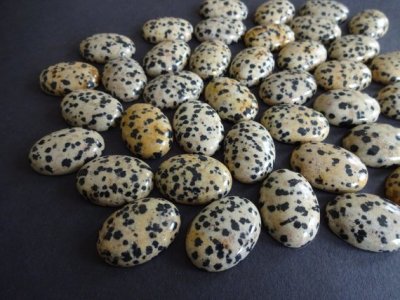
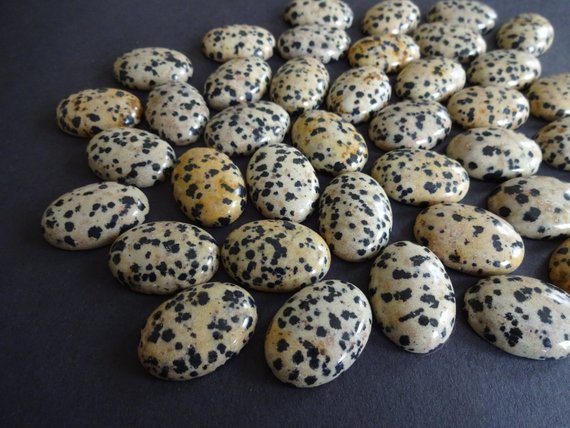
Spotted Jasper
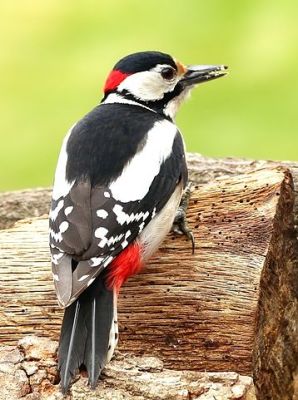
Great Spotted Woodpecker (Dendrocopos major) ©WikiC

Looking at the Dictionaries, these clues from them:

Thayer gives G2393 this:

ἴασπις
iaspis
Thayer Definition:
1) jasper, a precious stone of various colours (for some are purple, others blue, others green, and others the colour of brass)
Part of Speech: noun feminine

NASEC [New American Exhaustive Commentary]

G2393
ἴασπις
iaspis; of Semitic or.; jasper (a translucent stone): – jasper (4).

Strong LXX

G2393
ἴασπις
iaspis
ee’-as-pis
Probably of foreign origin (see [H3471]); “jasper”, a gem: – jasper.

H3471
ישׁפה
yâshphêh
yaw-shef-ay’
From an unused root meaning to polish; a gem supposed to be jasper (from the resemblance in name): – jasper.

The best clues from all of these seems to be from Thayer and NASEC. “It appears to be: a translucent stone”, and “a precious stone of various colours (for some are purple, others blue, others green, and others the colour of brass).” That could describe thousands of birds.

“Having the glory of God: and her light was like unto a stone most precious, even like a jasper stone, clear as crystal;” (Revelation 21:11 KJV)

Kaleidoscope Jasper from Oregon ©WikiC
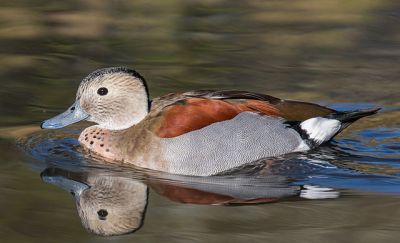
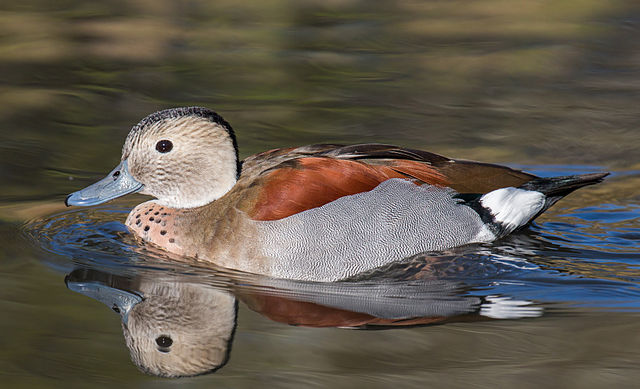
Ringed Teal (Callonetta leucophrys) ©WikiC

Which birds do I show? See the Dilemma? Could use just about any multicolored bird.

Looking on the internet, I found this: “THE GEMSTONE JASPER – Jasper is an opaque variety of Chalcedony, and is usually associated with brown, yellow, or reddish colors, but may be used to describe other opaque colors of Chalcedony such as dark or mottled green, orange, and black. Jasper is almost always multicolored, with unique color patterns and habits.

Bruneau Jasper Stone ©WikiC

The appeal of Jasper is its interesting color patterns and formations. Though it can be a solid color, it is most often mottled, spotted, ringed, or striped. Each Jasper has a unique color or pattern, lending this gemstone much variety. Jasper is an ancient gemstone, and is mentioned in the bible and other classical sources. Though fairly common and affordable today, Jasper in antiquity was regarded as a valuable stone. “[Minerals Net]

That quote makes one think of how we are to the Lord. We are often “mottled, spotted, ringed, or striped.” We are in need of the Savior because we are sinners, but each of us are valuable to the Lord. He gave His life for us on the cross. “For God so loved the world, that he gave his only begotten Son, that whosoever believeth in him should not perish, but have everlasting life. For God sent not his Son into the world to condemn the world; but that the world through him might be saved. He that believeth on him is not condemned: but he that believeth not is condemned already, because he hath not believed in the name of the only begotten Son of God. And this is the condemnation, that light is come into the world, and men loved darkness rather than light, because their deeds were evil.” (John 3:16-19 KJV)

*** Articles in this Repost Series 2024 so far:

  1. Heaven’s New Jerusalem and Birds – Introduction II
  2. Heaven’s New Jerusalem and Birds – Foundation Stones II

Previous Post About Precious Stones

Wordless Birds
The IOC World Bird List 14.1

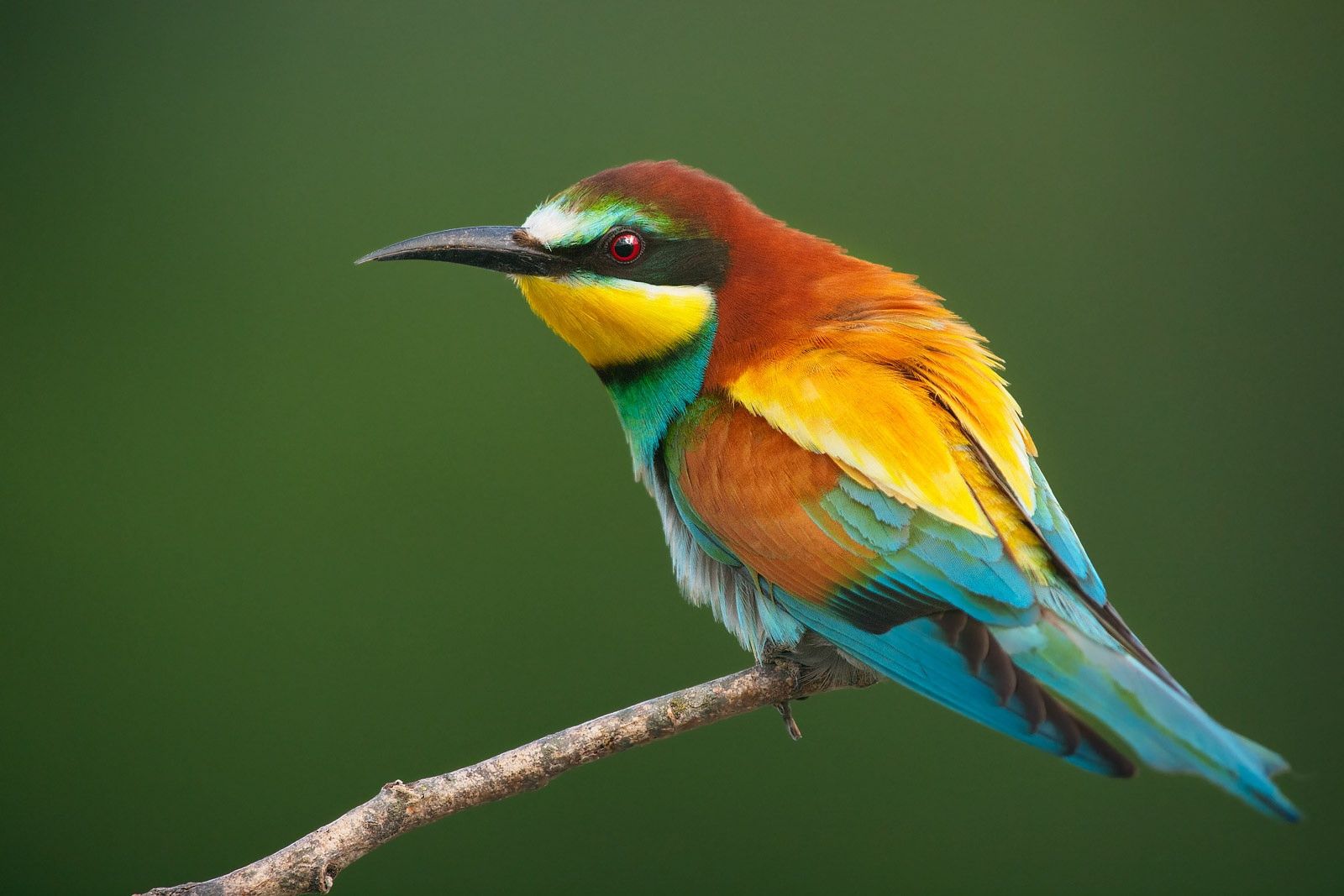
European Bee-eater @Francesco Pellegrini

European Bee-eater @Francesco Pellegrini

The IOC World Bird List 14.1 contains 11032 extant species (and 162 extinct species) classified in 44 Orders, 253 Families and 2,384 Genera.  The list also includes 19,802 subspecies, their ranges and authors.

SPECIES ADDED:                 39 extant species

SPECIES DELETED:               6 species

ENGLISH NAMES:                33 species

TAXONOMY:                         45 species (including 9 newly recognized or resurrected genera and deleted genera)

Here is a listing, with of all the current Birds of the World which is better than any list we could produce here.

Birds of the World – List of Species with Pictures

Before we can dig into these Latin/scientific names of birds, it is best to update the number of birds now listed by the I.O.C. Our last update here, which is out of date, was the List 9.2:

At the time those articles were written there were 10,758 living species. Now it contains 11,032. That doesn’t include all the subspecies. Not sure how much we will update this site, but I will refer to the new names and subspecies as we investigate the scientific/Latin names of birds.

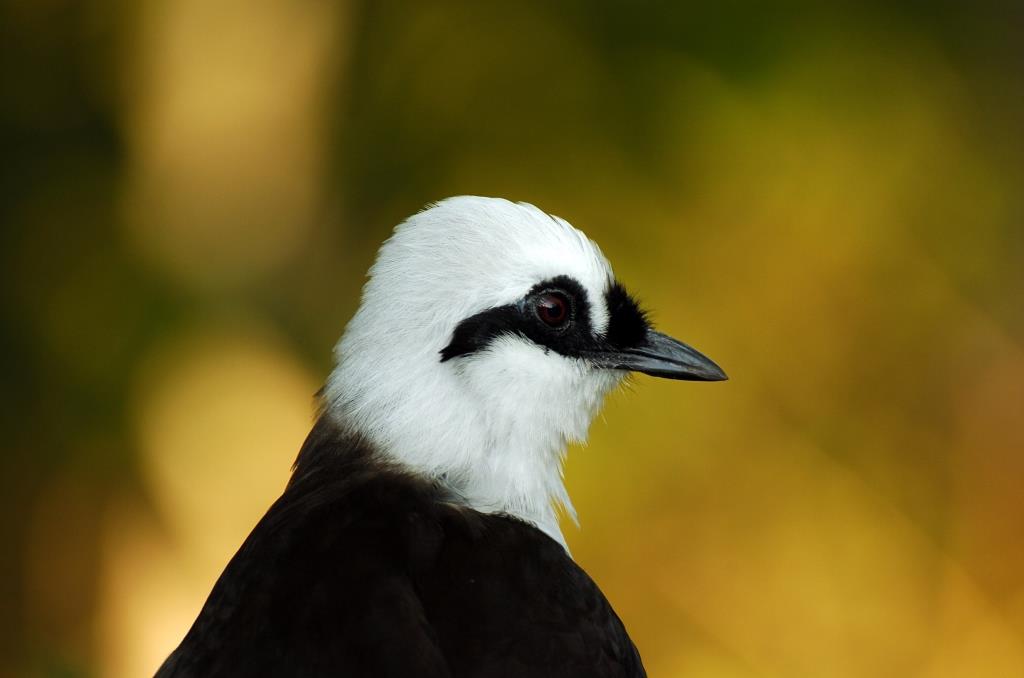
Sumatran Laughingthrush (Garrulax bicolor) by Dan at Wing of Asia ZM

Here is a listing, with of all the current Birds of the World which is better than any list we could produce here.

Birds of the World – List of Species with Pictures

The last few articles have been to lay the foundation for investigating some of these Scientific/Latin names for birds. Below are links to the experts in keeping track of the Avian Wonders:

Cornell Lab – Birds of the World

Cornell Birds of the World – Recently Updated Accounts

I.O.C.’s Latest List of Birds

I.O.C.’s Order of Birds

I.O.C.’s Family Index

Birds of the World Total List – Spreadsheet

This gives an example of how languages may be different BUT the truth is still a very important!

John 3:16 In Many Languages

A J Mithra’s Posts

A J Mithra

A J Mithra

Again, I’m still fixing the behind-the-scenes problems, and the delights of looking back over what has been posted.

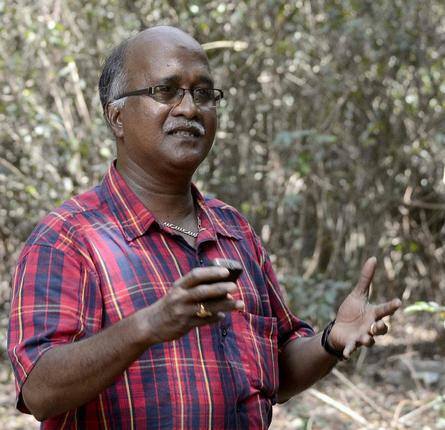
I always enjoyed a j mithra’s articles. [he never wanted his name capitalized] He is now with the Lord, but what a legacy he left behind. Thankfully, we were able to enjoy many of them here.

His list of articles is under his name a j mithra in the left side menu. While looking through them and enjoying a few, one in particular is SUPER!

Take a look at his post Humming Birds – The Believing Believers… by a j mithra – I reposted it here for you to enjoy.

Here are a j mithra’s posts:

Spiritual Catastrophe
Do They?
Golden Bowerbird – From the Smallest
Clark’s Nutcracker
Bar-tailed Godwit – Self Control
What Would God Say of Us?
Cassowary Seed Spreaders
Is The Bride Ready?
Emu – The Model Father
Stork – The Kind Mother
Cedar Waxwing
The Feet
World Sparrow Days
Azores Bullfinch and the Holly Tree…
Hermit Warbler – The Worshiper..
Worthen’s Sparrow – Lost, but found..
Ovenbirds – Ground Singers
Master Builder’s Master Builders
Malleefowl’s Incubators
Hoatzin – The Stinker
White-Fronted Bee-eaters – The Life Guards
Kirtland’s Warbler Reveals…
The Eagle – The Loyal Mate
Atlantic Puffin – The Deep Sea-Diver
Yellow-bellied Sapsucker – Chief Corner Stone’s Keystone
Thick-billed Murre – Did GOD Create Us To Fall?
Out of the Mouth of Babes…
The Purple Gallinule – The Awkward Beauty!
The Surrendered Anhinga
The Inspired and the Inspiring Rose-breasted Grosbeak
The American Dipper – The Intercessor
Araripe Manakin – The Indicator of Environmental Quality…
The White-crowned Sparrow – The Restorer
Flight 7
The Sage in the sagebrush…
Three-wattled Bellbird – The Noise Maker
Kagu – The High Profile Endemic Emblem
Wompoo Fruit Dove – The Seed Distributor
Birds, It’s Coffee-time
Long-wattled Umbrellabird – The Dawn Dancer..
Snowflake and the Eye
I Don’t Show Off – The Great Horned Owl
The Thirsty Sandgrouse…
Island Scrub Jays – The Ultimate Home-makers
The Mountain Bluebird – The Zealous Bridegroom
The Hummingbird – The Believer..
A Beauty from THE BEAUTY…
The Cerulean Warbler – The V I P …
A Beauty fro THE BEAUTY…
Cerulean Warbler – The V I P…
The Capercaillie – The Stethoscope
The Superb Fairywren – The Corporate Mob
The Space sharing seed storing Redpoll…
Montserrat Oriole – The Super Survivor
Macaw – The Beautician
The Black Skimmer – The Graceful Flier…
The Futuristic Whip-poor-wills….
Andean Cock-of-the-rock – The Changer…
Wattled Jacana – The Perfect Partner
Birds-Advertisers of Life
Worship – The God Pleaser
Birds – Purpose Filled Singers
Screeeeeeech
Renewing For Rapture
Blue Chaffinch – The High Dwellers
Birds – Watchers of Light
Scare Scarer
Disiplined Avian
Worship – Our Mating Song
Artic Terns – The Light Seekers
Yellow-rumped Cacique – The Trusted Watchman
Red-billed Leiothrix – The Rain Seekers…
Humming Birds – The Believing Believers… (Superb)
Birds – The Engineers..
Secretary Bird – The Walker
Swinhoe’s Pheasant – The Secret Agents..
Bobolink – Extraordinary Migrant…
Seeker…
Mrs. Mom…
The Launching Pad…
Light Rain..
Mysterious Sungrebe…
Tasty Household…
The Smooth-billed Ani – The Corporates…
Coppersmith Barbet – The Fruit-giver…
Macrocephalon Maleo – The Mute Missionary…
Oilbird – Mission With a Vision
Avian Worship…
The Little Spiderhunter – The Praising Pollinator
(Common) Pauraque — Big Mouth
Pompadour Continga – The Concealed Incubators…
The Apostlebird – The Ground Dwellers…
The Red-eyed Vireo – The Persistent Singer…
Goldcrest – The Royal Crown
Red-billed Quelea – Unity Unplugged
Cedar Waxwing – Fruit Passer…
The Broad-billed Prion – The well oiled night mates..
Island Scrub Jay – The Fallen One Yet The Chosen One..
Brown Thrasher – The Singing Assasin..
Red-breasted Goose – Wise Nester
American Goldfinch – The Latecomers..
White-fronted Bee-eater – The Community Developer..
Willow Flycatcher – The Solitary Singer
Baya Weaver – The Model Church
The Limpkin – Created Special..
The Christmas Bird?
Black Rosy Finch – The Grace Seeker..
The Black-throated Sparrow – The Desert Dwellers
Pollinators…
Stop Flying Solo…

Fly Light…
Is Eagle’s Weight Our Weight?
Oriental White-eye – The Grace Seeker..

Birds of the Bible – Hidden Covenant – Intro – Part 2 – Part 3

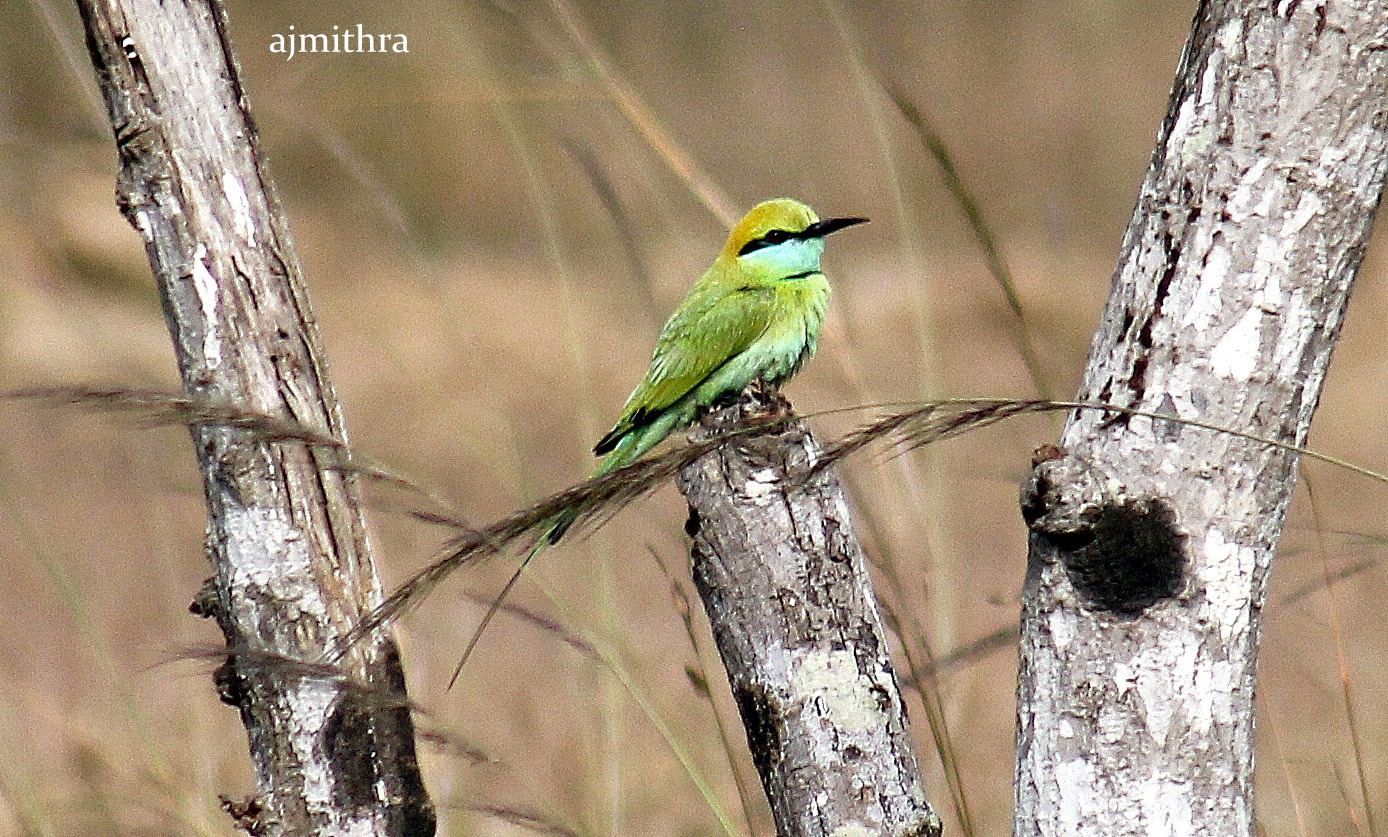
AJMithra's Photo of Green Bee-eater

AJMithra’s Photo of Green Bee-eater (Merops orientalis)

Videos by a j:
Fusion Unplugged by Boat-tailed Grackles
His Eye Is On The Sparrow
LoUiSiAnA oh LoUiSiAnA…

Nuggets Plus Series by ajmithra

Aj Mithra is now with our Lord


Avian and Attributes – Mount [Correction]

Golden Eagle (Aquila chrysaetos) Flying ©WikiC

The link was sent to many of you as https://leesbird.com/2018/02/15/avian-and-attributes-mount/ which was sent accidentally.

This caused a 404 Error.

The correct link is:

https://leesbird.com/2018/02/27/avian-and-attributes-mount/

Ian’s Bird of the Week – Crimson Rosella

Ian’s Bird of the Week – Crimson Rosella ~ by Ian Montgomery

Newsletter – 11/20/15

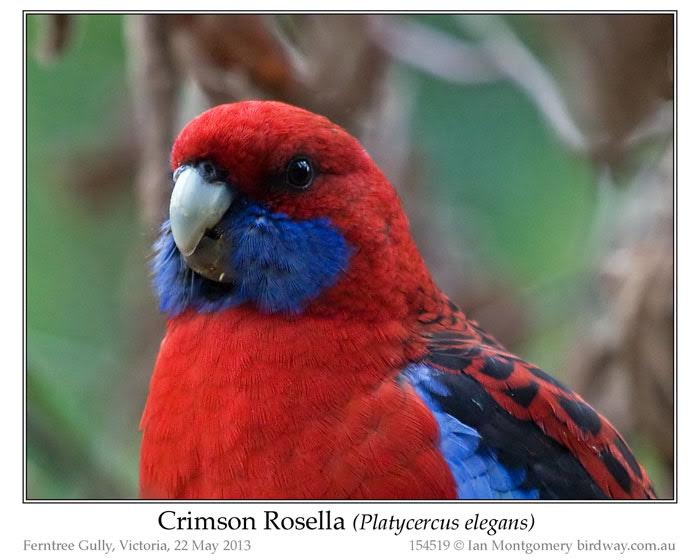
Some birds are very obvious choices for bird of the week because they are beautiful and popular. Ironically, I can overlook them for exactly that reason as I assume they’ve featured previously. Here is one such, the Crimson Rosella, an iconic and popular bird of the forests of eastern and southeastern Australia.

Crimson Rosella (Platycercus elegans) by Ian

Normally rather shy in its natural habitat and can become quite tame in parks and gardens. It’s popularity is reflected in the fact that it has been introduced to New Zealand and Norfolk Island and (unsuccessfully) to Lord Howe Island. It nests in tree hollows and is regarded by conservationists as a pest on Norfolk Island as it competes with the smaller, endangered Norfolk Parakeet for nest sites.

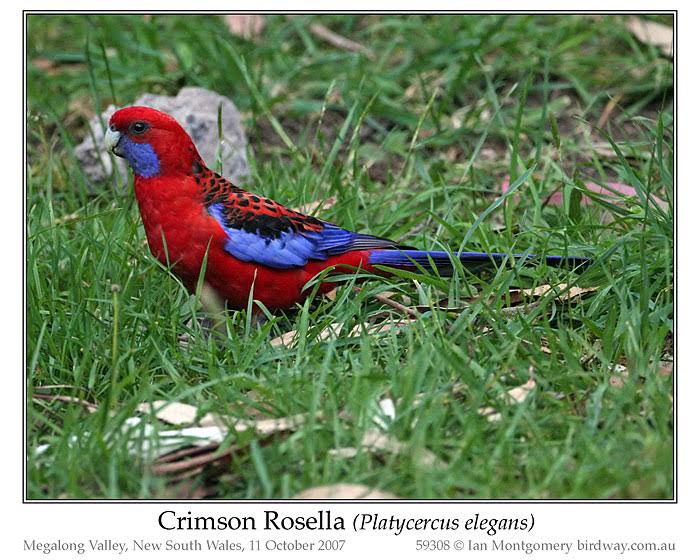
Crimson Rosella (Platycercus elegans) by Ian

It feeds mainly on the seeds and fruit of trees and will forage on the ground for the grass seed, like the bird in the third photo. It’s a very vocal species and its ringing calls are a characteristic sound of forests in eastern Australia. Out of the breeding season, it is found in small flocks but it is territorial when breeding and the pair bond is though to persist for several years or longer.

Crimson Rosella (Platycercus elegans) by Ian

Juvenile birds of the eastern nominate race are mainly olive green with blue cheeks and patches of red on the head, breast and undertail-coverts. The nominate race extends from Cooroy in Southeastern Queensland to about Kingston in eastern South Australia.

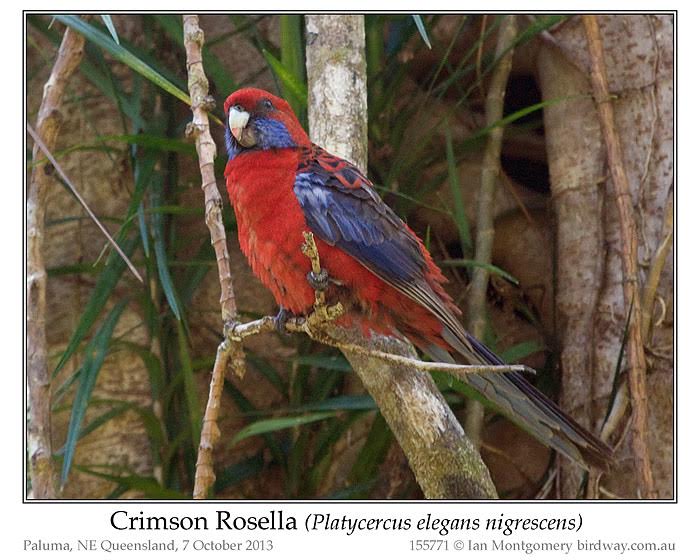
Crimson Rosella (Platycercus elegans) by Ian

Farther north, an isolated population of the race nigrescens (‘blackish’) occurs from Eungella near Mackay north to the Atherton Tableland. This is smaller and darker than the nominate race, fifth photo, and is mainly a bird of highland rainforest.

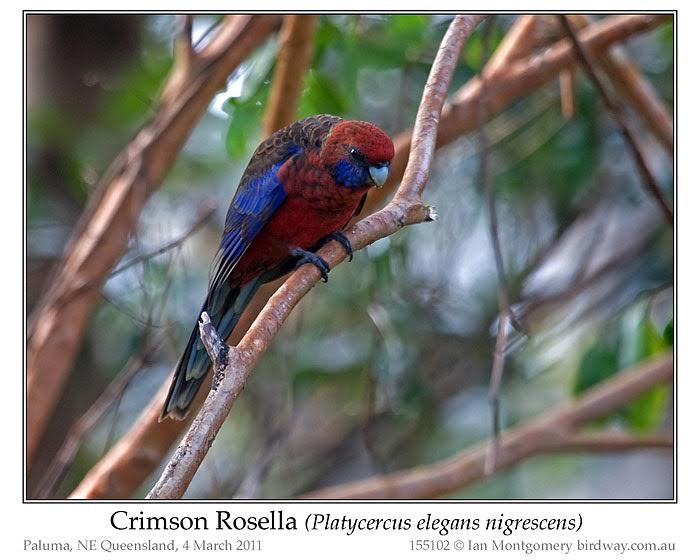
Crimson Rosella (Platycercus elegans) by Ian

Juveniles of this northern race are much more like the adults than their southern relatives and have brownish-black feathers on the back instead of green (sixth photo).

Crimson Rosella (Platycercus elegans) by Ian

Crimson Rosella (Platycercus elegans) by Ian

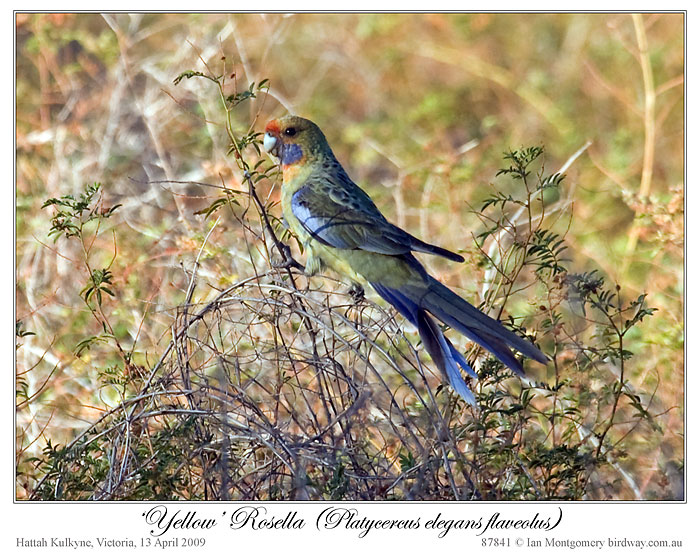
In southeastern Australia the populations of blue-cheeked Rosellas look very different and were for a long time treated as two different species, the Yellow Rosella, seventh photo, of the river systems of southern New South Wales and northern Victoria, and the orange-plumaged Adelaide Rosella of South Australia from the Flinders Ranges in the north to the Fleurieu Peninsula south of Adelaide (no photo). Yellow and Adelaide Rosellas interbreed where their ranges meet along the Murray River in South Australia. The two are now treated as races of the Crimson Rosella, flaveolus and adelaidae respectively.

Yellow Rosella (Platycercus elegans flaveolus) by Ian 4

Yellow Rosella (Platycercus elegans flaveolus) by Ian 4

The Yellow Rosella looks very like the other blue-cheeked Rosella, the Green Rosella of Tasmania. It is, however, retained as a separate species. I included this photo of the Yellow Rosella when the Green Rosella was bird of the week in March 2013.

Christmas is looming ever closer, so this wouldn’t be complete without the obligatory commercial. What do you give to the digitally-competent birder or nature-lover who has everything? An electronic book of course and both Apple and Kobo have facilities in their ebook stores for giving gifts. I’ve included a Giving Gifts section on the Publications page with help on how these stores let you give gifts. Google has facilities only for giving the equivalent of a gift token and not specific items. These book images are linked to the corresponding web pages:

Where To Find Birds - Ian

Ian's Book 2

Greetings
Ian

**************************************************
Ian Montgomery, Birdway Pty Ltd,
454 Forestry Road, Bluewater, Qld 4818
Tel 0411 602 737 ian@birdway.com.au
Bird Photos http://www.birdway.com.au/
Recorder Society  iTunes; Google Play Kobo Books


Lee’s Addition:

For the LORD God is a sun and shield; The LORD will give grace and glory; No good thing will He withhold From those who walk uprightly. (Psalms 84:11 NKJV)

Thanks again, Ian, for sharing some more avian wonders. I especially like the second photos. That little guy looks like he is walking with an attitude. :)

Cause me to hear Your lovingkindness in the morning, For in You do I trust; Cause me to know the way in which I should walk, For I lift up my soul to You. (Psalms 143:8 NKJV)

*

More Ian’s Bird of the Week

Ian’s Psittacidae – Parrots Family

Pale-headed Rosella ~ 8-24-14

Psittaculidae – Old World Parrots (Here)

Wordless Birds – Hummers
*

Collared Aracari – Beautiful Creation

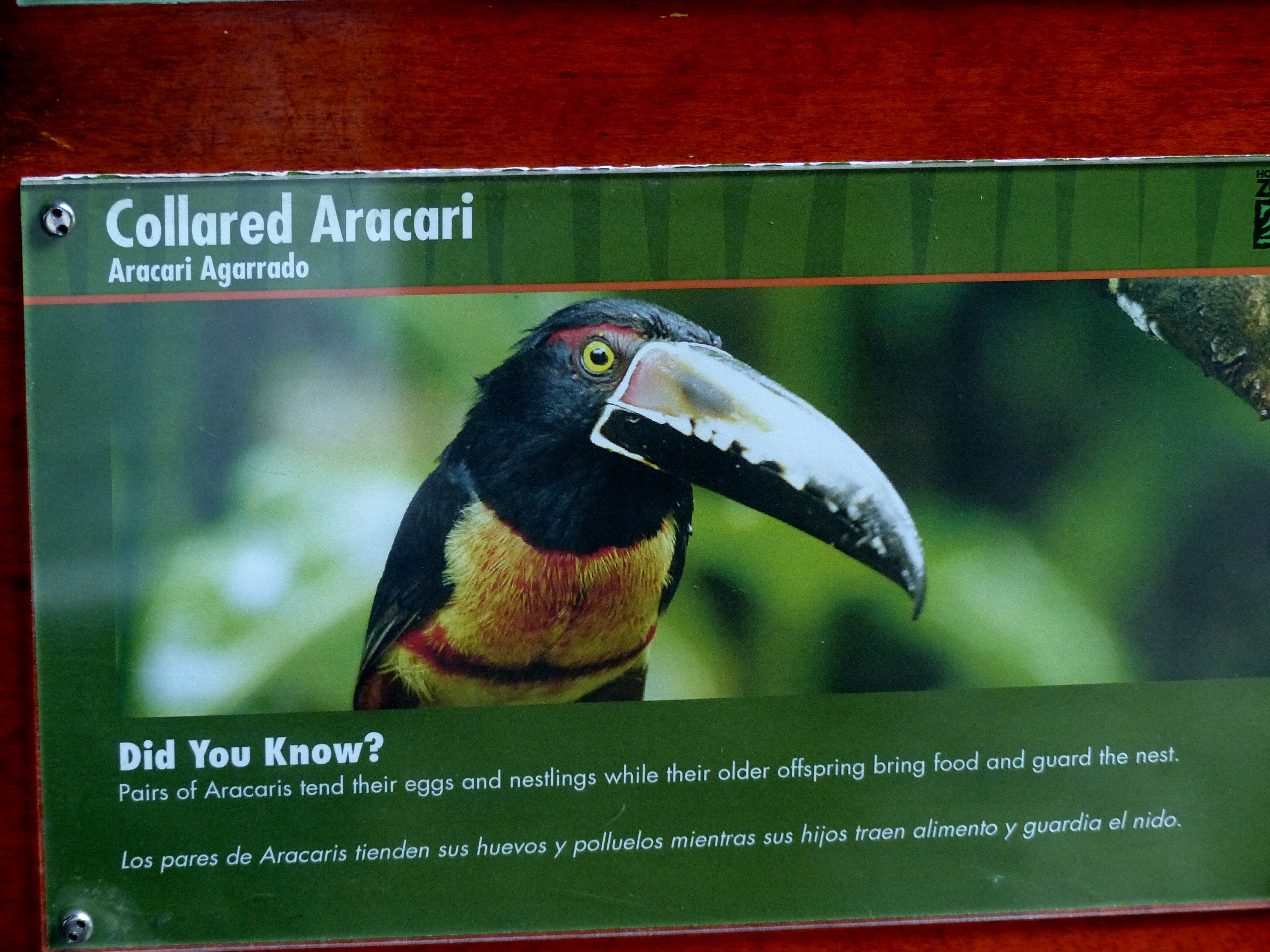
(Crooked) Collared Aracari Sign at Houston Zoo by Lee

“You are worthy, O Lord, To receive glory and honor and power; For You created all things, And by Your will they exist and were created.” (Revelation 4:11 NKJV)

When we visited the Houston Zoo this last spring, we saw a sign for the Collared Aracari. We were able to photograph two other Aracaris, but this one was “off exhibit.” Not sure why, but I was very disappointed, because it is such a neat creation from the Lord.

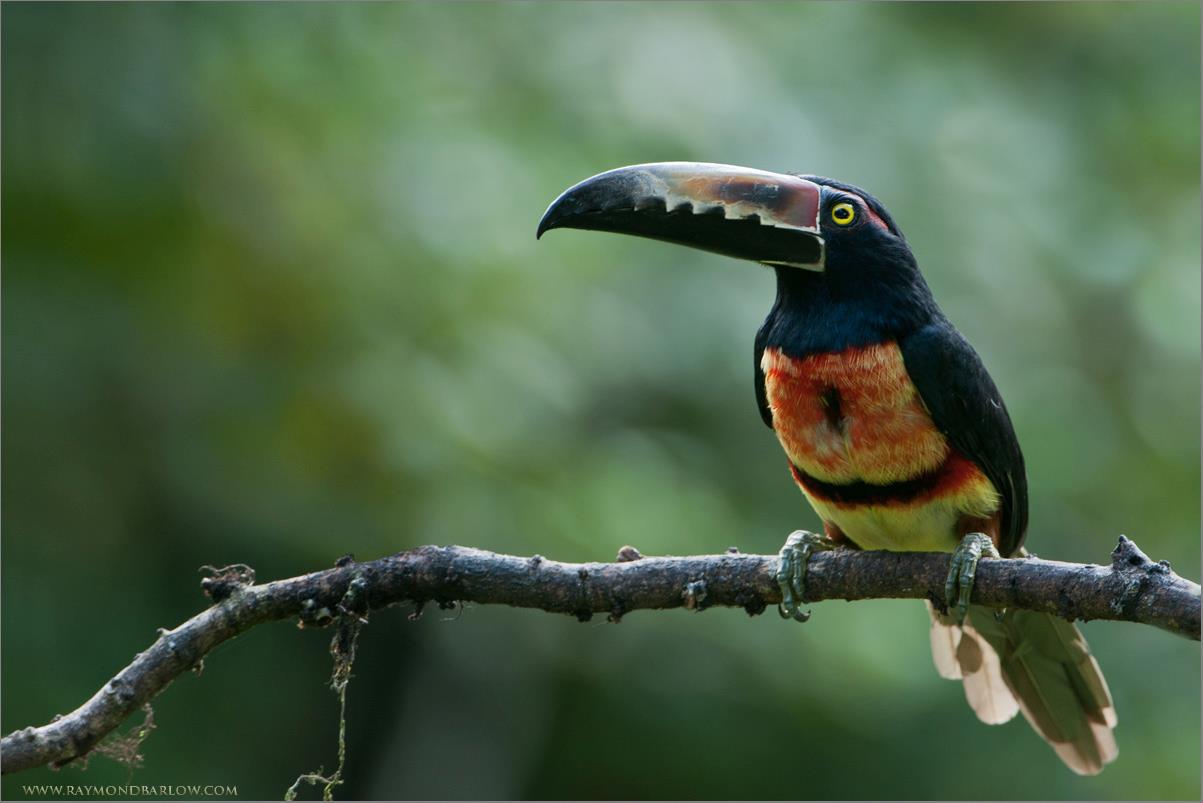
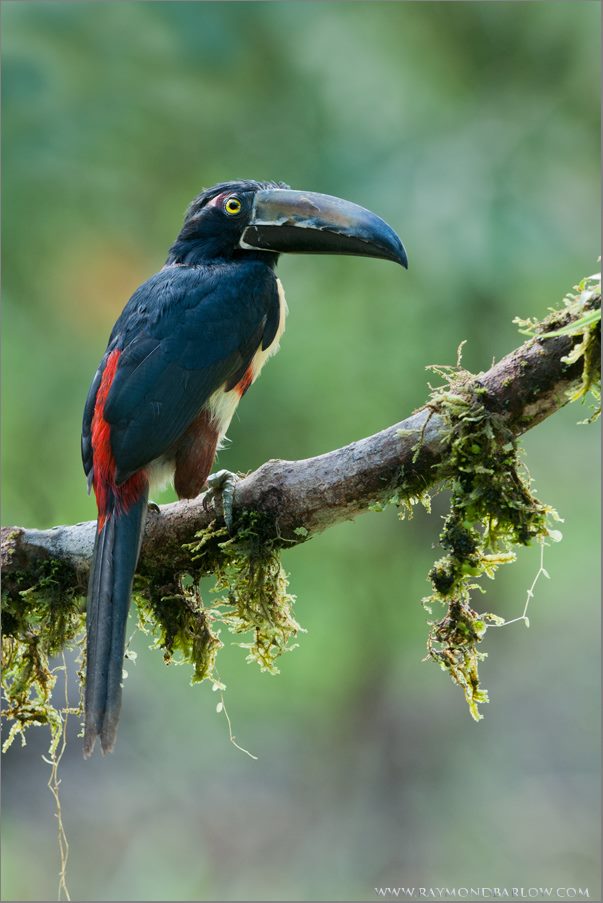
While checking through some more of Ray Barlow’s photos, guess what I found? Some really great photos of a Collared Aracari Ray had taken, and “without bars” like we get at a zoo. So I trust you will enjoy some more photos from Raymond Barlow.

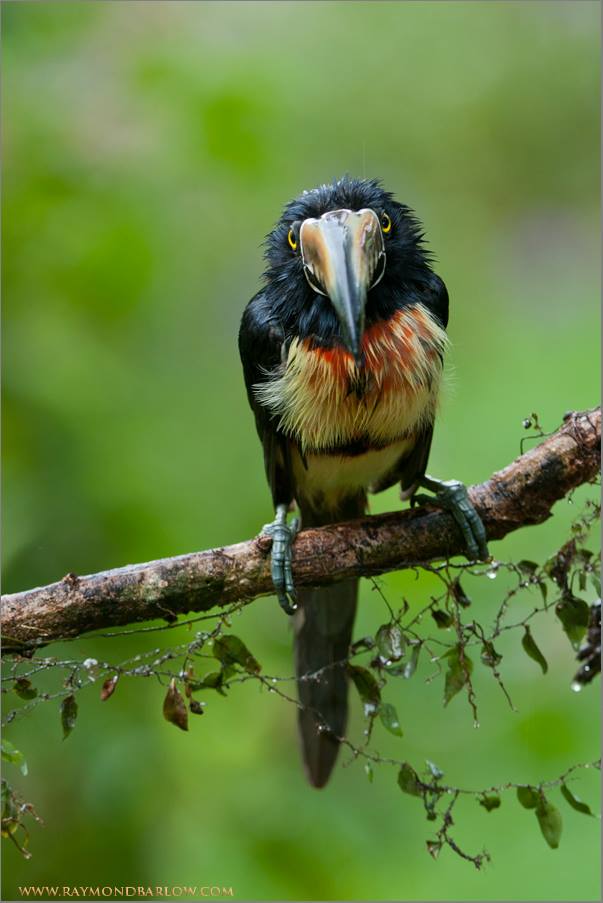
Collared Aracari (Pteroglossus torquatus) ©Raymond Barlow

Collared Aracari (Pteroglossus torquatus) ©Raymond Barlow

An aracari or araçari is any of the medium-sized toucans that, together with the saffron toucanet, make up the genus Pteroglossus. They belong to the Ramphastidae – Toucan Family. This Collared Aracari is not even one of the prettiest, but it is still very becoming.

Collared Aracari (Pteroglossus torquatus) ©Raymond Barlow

Collared Aracari (Pteroglossus torquatus) ©Raymond Barlow

They are brightly plumaged and have enormous, contrastingly patterned bills. These birds are residents in forests and woodlands in the Neotropics.

Collared Aracari (Pteroglossus torquatus) ©Raymond Barlow

Collared Aracari (Pteroglossus torquatus) ©Raymond Barlow

All the species of Aracari are basically fruit-eating, but will take insects and other small prey.

Collared Aracari (Pteroglossus torquatus) ©Raymond Barlow

Collared Aracari (Pteroglossus torquatus) ©Raymond Barlow

They are arboreal and nest in tree holes laying 2–4 white eggs. The Collared Aracari breeds from southern Mexico to Panama; also Ecuador, Colombia, Venezuela and Costa Rica.

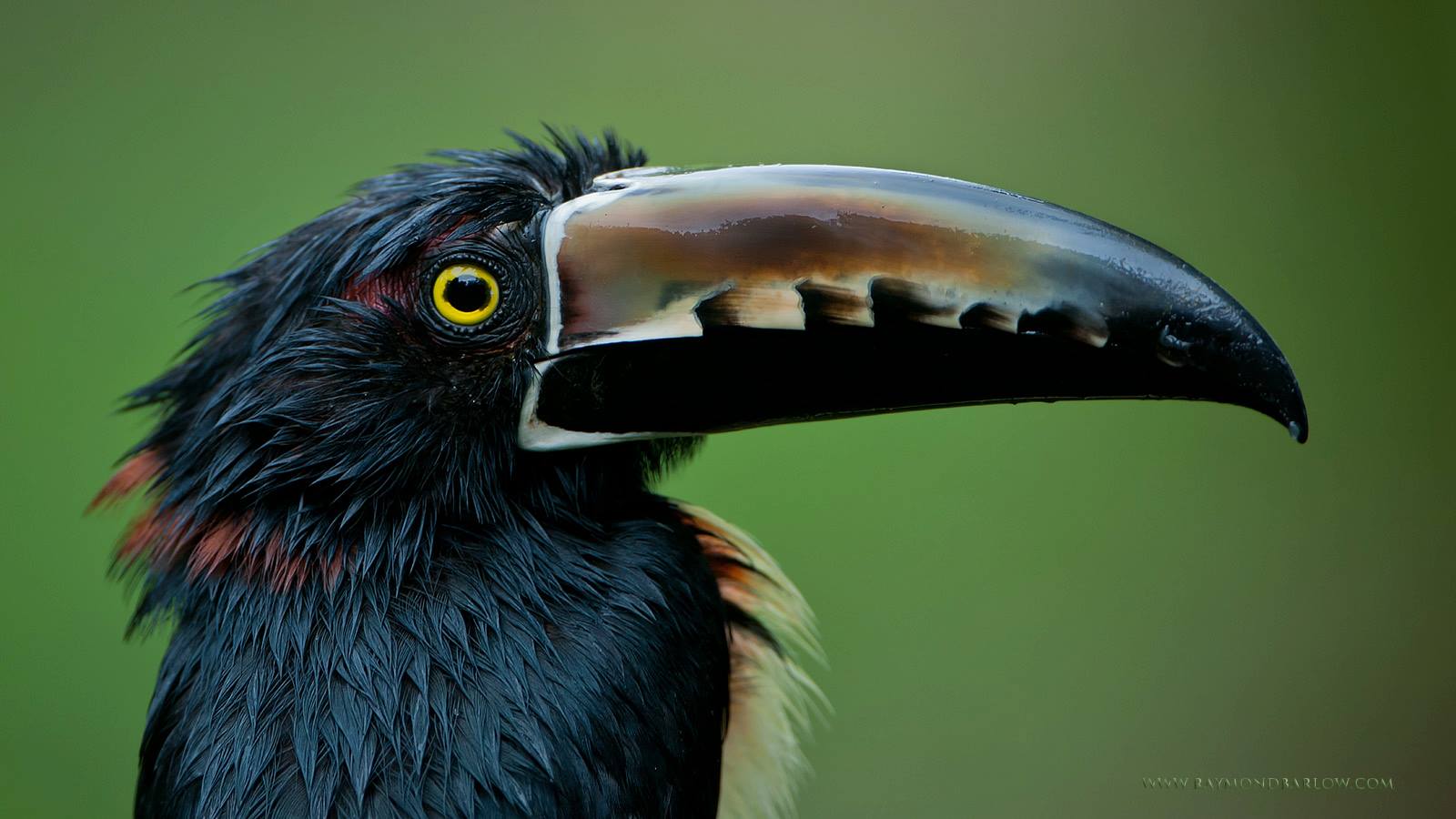
And now for the best one of Ray’s photos for the Collared Aracari, at least to me:

Collared Aracari (Pteroglossus torquatus) ©Raymond Barlow

Collared Aracari (Pteroglossus torquatus) ©Raymond Barlow

That beak is not painted by none other than the Creative Hand of the Lord Jesus Christ.

For by Him all things were created that are in heaven and that are on earth, visible and invisible, whether thrones or dominions or principalities or powers. All things were created through Him and for Him. (Colossians 1:16 NKJV)

Click on photos for larger view

Birds of the World – Ramphastidae – Toucan Family

Raymond Barlow’s Site

Ray’s Flickr Site

Collared Aracari – Wikipedia

Wordless Birds

*

Sunday Inspiration – Bulbuls

White-eared (Cheeked) Bulbul (Pycnonotus leucotis) at Zoo Miami by Lee

White-eared (Cheeked) Bulbul (Pycnonotus leucotis) at Zoo Miami by Lee

 Then the trees of the forest will sing for joy before the LORD; For He is coming to judge the earth. O give thanks to the LORD, for He is good; For His lovingkindness is everlasting. (1 Chronicles 16:33-34 NASB)

Bulbuls are a family, Pycnonotidae, of medium-sized passerine songbirds. Many forest species are known as greenbuls, brownbuls, leafloves, bristlebills, finchbills and  a Malia. The family is distributed across most of Africa and into the Middle East, tropical Asia to Indonesia, and north as far as Japan. A few insular species occur on the tropical islands of the Indian Ocean There are 151 species in around 28 genera. While some species are found in most habitats, overall African species are predominantly found in rainforest whilst rainforest species are rare in Asia, instead preferring more open areas.

Collared Finchbill by Dan at Zoo Miami

Bulbuls are short-necked slender passerines. The tails are long and the wings short and rounded. In almost all species the bill is slightly elongated and slightly hooked at the end. They vary in length from 13 cm for the tiny greenbul to 29 cm in the straw-headed bulbul. Overall the sexes are alike, although the females tend to be slightly smaller. In a few species the differences are so great that they have been described as functionally different species. The soft plumage of some species is colourful with yellow, red or orange vents, cheeks, throat or supercilia, but most are drab, with uniform olive-brown to black plumage. Species with dull coloured eyes often sport contrasting eyerings. Some have very distinct crests. Bulbuls are highly vocal, with the calls of most species being described as nasal or gravelly. One author described the song of the brown-eared bulbul as “the most unattractive noises made by any bird”

Let the field be joyful, and all that is therein: then shall all the trees of the wood rejoice (Psalms 96:12 KJV)

Maybe in the case of that brown-eared bulbul, this verse would be more appropriate:

Make a joyful noise unto the LORD, all the earth: make a loud noise, and rejoice, and sing praise. (Psalms 98:4 KJV)

This slideshow requires JavaScript.

“How Deep The Father’s Love For Us” ~ played by Megan Fee and Jill Foster

How deep the Father’s love for us
How vast beyond all measure
That He should give His only Son
To make a wretch His treasure

How great the pain of searing loss
The Father turns His face away
As wounds which mar the Chosen One
Bring many sons to glory

Behold the man upon a cross
My sin upon His shoulders
Ashamed, I hear my mocking voice
Call out among the scoffers

It was my sin that held Him there
Until it was accomplished
His dying breath has brought me life
I know that it is finished

I will not boast in anything
No gifts, no power, no wisdom
But I will boast in Jesus Christ
His death and resurrection

Why should I gain from His reward?
I cannot give an answer
But this I know with all my heart
His wounds have paid my ransom

Why should I gain from His reward?
I cannot give an answer
But this I know with all my heart
His wounds have paid my ransom

For God so loved the world, that he gave his only begotten Son, that whosoever believeth in him should not perish, but have everlasting life. (John 3:16 KJV)

*
More Sunday Inspirations

Pycnonotidae – Bulbuls Family

Bulbul – Wikipedia

Falling Plates

*

Birds of the Bible – Jeremiah 19:7
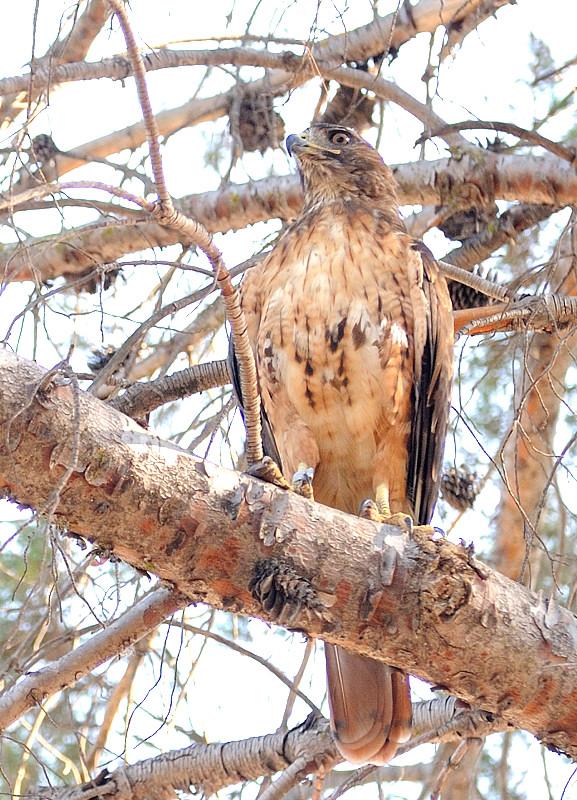
Bird of Prey by Phil Kwong Galleries

Bird of Prey by Phil Kwong Galleries

“And I will make void the counsel of Judah and Jerusalem in this place, and I will cause them to fall by the sword before their enemies and by the hands of those who seek their lives; their corpses I will give as meat for the birds of the heaven and for the beasts of the earth.” (Jeremiah 19:7 NKJV)

I’m currently traveling through Jeremiah in my personal reading of the Bible. Jeremiah is known as the weeping prophet and it is easy to see why he was called that. Parts of the Scripture are hard to read, not that the words are hard, but because of that which is happening.

When birds are mentioned, of course, those verses catch my attention. What, where, and why are they being mentioned? Normally if you just pick out a verse those questions would pop into your head. Because of reading through Jeremiah, those thoughts were already answered.

Jeremiah was sent to inform the Israelites of the judgment coming because of their sins. He was told: “Thus says the LORD: “Go and get a potter’s earthen flask, and take some of the elders of the people and some of the elders of the priests. And go out to the Valley of the Son of Hinnom.” So he did as commanded.

When they got to the valley, he was told to proclaim there the words that I will tell you.

and say, ‘Hear the word of the LORD, O kings of Judah and inhabitants of Jerusalem. Thus says the LORD of hosts, the God of Israel: “Behold, I will bring such a catastrophe on this place, that whoever hears of it, his ears will tingle. “Because they have forsaken Me and made this an alien place, because they have burned incense in it to other gods whom neither they, their fathers, nor the kings of Judah have known, and have filled this place with the blood of the innocents (they have also built the high places of Baal, to burn their sons with fire for burnt offerings to Baal, which I did not command or speak, nor did it come into My mind), therefore behold, the days are coming,” says the LORD, “that this place shall no more be called Tophet or the Valley of the Son of Hinnom, but the Valley of Slaughter. And I will make void the counsel of Judah and Jerusalem in this place, and I will cause them to fall by the sword before their enemies and by the hands of those who seek their lives; their corpses I will give as meat for the birds of the heaven and for the beasts of the earth. (Jeremiah 19:3-7 NKJV)

That is hard, but God is Just. God is Longsuffering. God is Love. God is all these at the same time. People like to say because God loves he would never condemn or judge someone. Not true. He destroyed the whole world with a universal flood because of sin, yet he saved eight souls and the critters. He destroyed Sodom because of sexual sin of those who perverted it, yet he saved three. There are other examples throughout the Bible.

Here we have a nation, His chosen people, had grown cold in their worship of Him and turned to other gods and even sacrificed their children. Sound like our nations today? People do not believe in God, but would rather believe in evolution, have abortions, pervert God’s gift of intimate relations in marriage. On and on, the churches are accepting all kinds of things that God said ” which I did not command or speak, nor did it come into My mind.” Will we come to that judgment also?

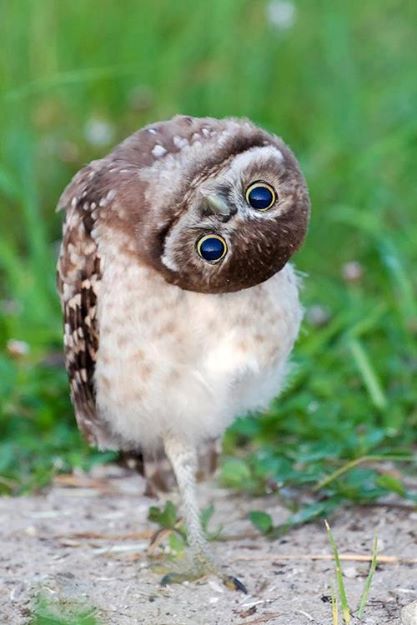
Burrowing Owl from Dusky's Wonders

Burrowing Owl from Dusky’s Wonders

I love watching the Birds of the Air, but am sorry that they have to become Birds of Prey because of people’s denial of the God and Savior, the Lord Jesus Christ.
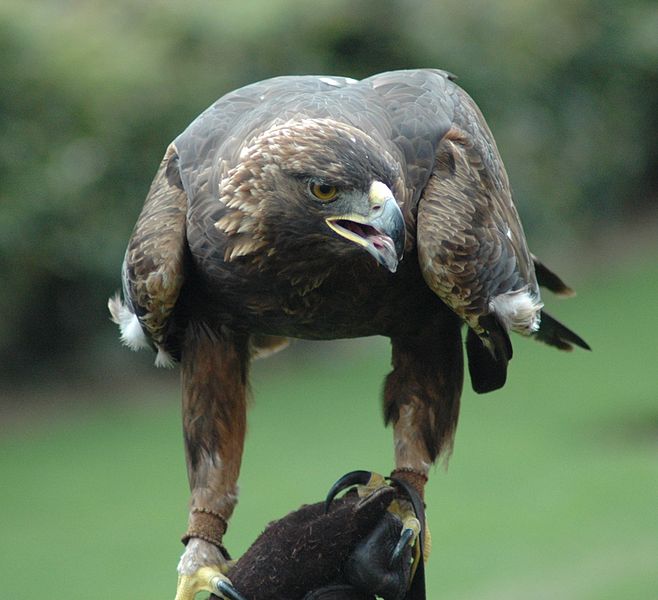
Golden Eagle (Aquila chrysaetos) ©WikiC

Golden Eagle (Aquila chrysaetos) ©WikiC

We are encouraged to return to the Lord God’s Word.

For God so loved the world that He gave His only begotten Son, that whoever believes in Him should not perish but have everlasting life. (17) For God did not send His Son into the world to condemn the world, but that the world through Him might be saved. (18) “He who believes in Him is not condemned; but he who does not believe is condemned already, because he has not believed in the name of the only begotten Son of God. (19) And this is the condemnation, that the light has come into the world, and men loved darkness rather than light, because their deeds were evil. (20) For everyone practicing evil hates the light and does not come to the light, lest his deeds should be exposed. (21) But he who does the truth comes to the light, that his deeds may be clearly seen, that they have been done in God.” (John 3:16-21 NKJV)

Like I said earlier, some things are hard to read and share, but it is there in the Word and the Word is True.

*

Birds of the Bible
Gospel Message

*

Sunday Inspiration – Fantails

Rufous Fantail (Rhipidura rufifrons) by Ian

Rufous Fantail by Ian

Thou shalt fan them, and the wind shall carry them away, and the whirlwind shall scatter them: and thou shalt rejoice in the LORD, and shalt glory in the Holy One of Israel. (Isaiah 41:16 KJV)

This week’s Inspiration comes from the Rhipiduridae – Fantails Family. You can see by Ian Montgomery’s photo above where their name came from. This family of birds has 50 species. All but three are Fantails. The other three are the Willie Wagtail, Silktail, and the Pygmy Drongo.
Fantails are small insectivorous birds of Australasia, Southeast Asia and the Indian subcontinent belonging to the genus Rhipidura in the family Rhipiduridae. Most of the species are about 15 to 18 cm long, specialist aerial feeders, and named as “fantails”, but the Australian willie wagtail, is a little larger, and though still an expert hunter of insects on the wing, concentrates equally on terrestrial prey.

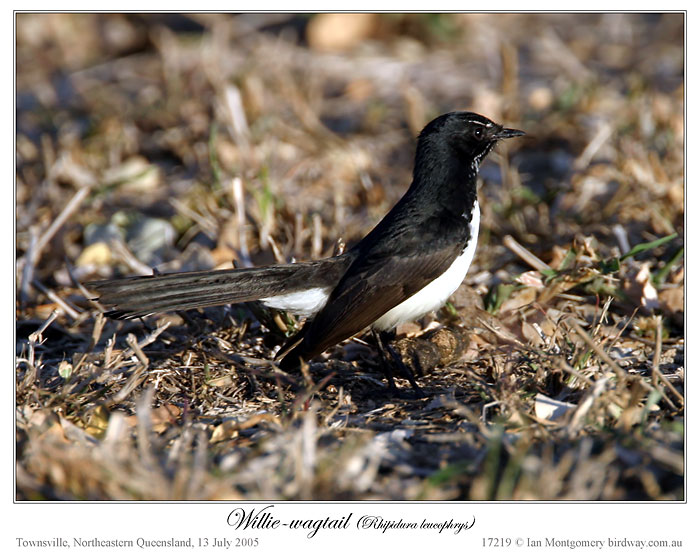
Willie Wagtail (Rhipidura leucophrys) on Wallaby by Ian Montgomery

Willie Wagtail (Rhipidura leucophrys) on Wallaby by Ian

The willie (or willy) wagtail (Rhipidura leucophrys) is a passerine bird native to Australia, New Guinea, the Solomon Islands, the Bismarck Archipelago, and Eastern Indonesia. It is a common and familiar bird throughout much of its range, living in most habitats apart from thick forest. Measuring 19–21.5 cm (7 128 12 in) in length, the willie wagtail is contrastingly coloured with almost entirely black upperparts and white underparts; the male and female have similar plumage.

Silktail (Lamprolia victoriae) ©WikiC

Silktail (Lamprolia victoriae) ©WikiC

The silktail (Lamprolia victoriae) is a species of bird endemic to Fiji. It is the only member of the genus Lamprolia. This beautiful bird looks superficially like a diminutive bird of paradise but it is actually closely related to the fantails.

The pygmy drongo or Papuan drongo (Chaetorhynchus papuensis) is a species of bird endemic to the island of New Guinea. It is the only species in the genus Chaetorhynchus. The species was long placed within the drongo family Dicruridae, but it differs from others in that family in having twelve rectrices instead of ten. Molecular analysis also supports moving the species out from the drongo family, instead placing it as a sister species to the Silktail of Fiji, and both those species in the fantail family Rhipiduridae. Some authorities reference the bird as the pygmy drongo-fantail. (Information from Wikipedia)

This slideshow requires JavaScript.

For which cause I remind you to fan into flame the gift of God which is in you through the laying on of my hands. (2 Timothy 1:6 LITV)

“So Send I You” – Men’s Quartet – Faith Baptist

*

*

Babbler For Who?

Indian Scimitar Babbler (Pomatorhinus horsfieldii) ©WikiC

Indian Scimitar Babbler (Pomatorhinus horsfieldii) ©WikiC

bab·bler – ˈbab(ə)lər/ – noun

  • a person who babbles.
  • a thrushlike Old World songbird with a long tail, short rounded wings, and typically a loud discordant or musical voice.

While reading in Ecclesiastes recently, I saw the word “babbler.” Working on the Birds of the World lists, that word caught my attention. Ahh! Maybe I could write an article about the Babblers that I had seen in the list.

A serpent may bite when it is not charmed; The babbler is no different. (Ecclesiastes 10:11 NKJV)

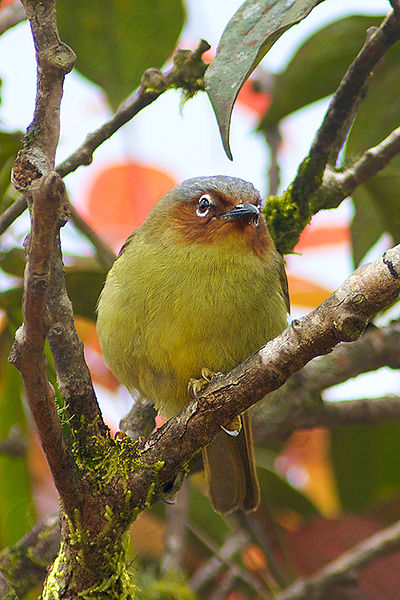
Chestnut-faced Babbler (Zosterornis whiteheadi) ©WikiC

Chestnut-faced Babbler (Zosterornis whiteheadi) ©WikiC

What I did not know is that there are seven families that have “Babbler” birds in them. There are Ground Babblers, Wren Babblers, Thrush-Babblers, Scimitar Babblers, Jewel-babblers, Hill Babblers, Tit-Babblers, a Rail-babblers and regular just plain Babblers.

Then checking for more verses on “babblers,” I found two more. The verse above and this one both have a sort of negative meaning to the word.

Whoever goes about slandering reveals secrets; therefore do not associate with a simple babbler. (Proverbs 20:19 ESV)

There is one more verse that will come later. First, what is a Babbler of the bird kind?

Rail-babbler (Eupetes macrocerus) by Peter Ericsson

Rail-babbler (Eupetes macrocerus) by Peter Ericsson

“The Old World babblers or timaliids are a large family of mostly Old World passerine birds. They are rather diverse in size and coloration, but are characterised by soft fluffy plumage. These are birds of tropical areas, with the greatest variety in Southeast Asia and the Indian subcontinent. The timaliids are one of two unrelated groups of birds known as babblers, the other being the Australasian babblers of the family Pomatostomidae (also known as pseudo-babblers).

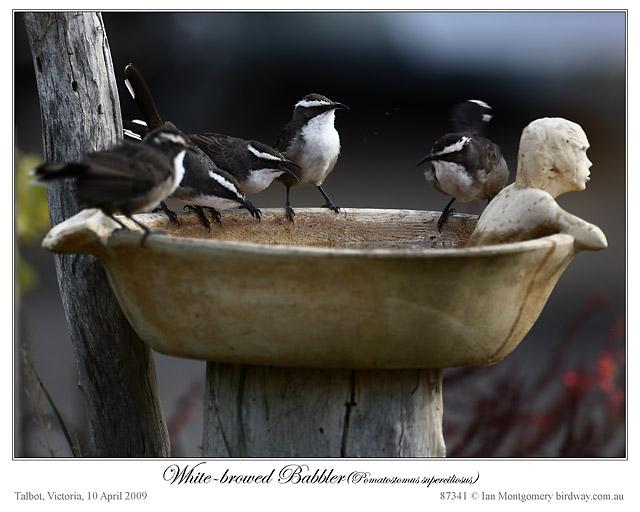
White-browed Babbler by Ian

White-browed Babbler by Ian (Australia)

Morphological diversity is rather high; most species resemble “warblers”, jays or thrushes. This group is among those Old World bird families with the highest number of species still being discovered.

Timaliids are small to medium birds. They have strong legs, and many are quite terrestrial. They typically have generalised bills, similar to those of a thrush or warbler, except for the scimitar babblers which, as their name implies, have strongly decurved bills. Most have predominantly brown plumage, with minimal difference between the sexes, but many more brightly coloured species also exist.

The systematics of Old World babblers have long been contested. During much of the 20th century, the family was used as a “wastebin taxon” for numerous hard-to-place Old World songbirds (such as Picathartidae or the wrentit). Ernst Hartert was only half-joking when he summarized this attitude with the statement that, in the passerines, (Wikipedia)

“Was man nicht unterbringen kann, sieht man als Timalien an.” (What one can’t place systematically is considered an Old World babbler)

They finally started trying to divide them into different groups and families. You will find those seven families below. Also, from the definition at the beginning, they are vocal with a “typically a loud discordant or musical voice.”

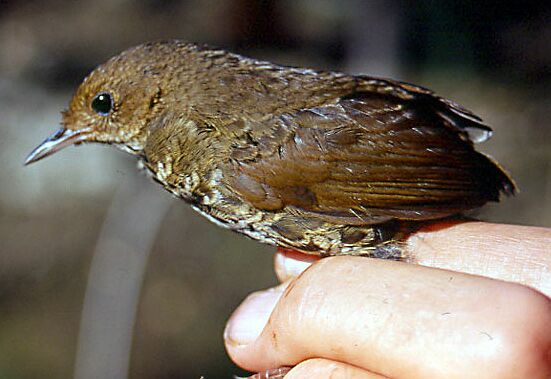
Nepal Wren-Babbler (Pnoepyga immaculata) by Nikhil Devasar

Nepal Wren-Babbler (Pnoepyga immaculata) by Nikhil Devasar

The last verse I found with “babbler” gives us a more positive emphasis. The Apostle Paul was in Athens and:

“Now while Paul waited for them at Athens, his spirit was provoked within him when he saw that the city was given over to idols. Therefore he reasoned in the synagogue with the Jews and with the Gentile worshipers, and in the marketplace daily with those who happened to be there. Then certain Epicurean and Stoic philosophers encountered him. And some said, “What does this babbler want to say?” Others said, “He seems to be a proclaimer of foreign gods,” because he preached to them Jesus and the resurrection. And they took him and brought him to the Areopagus, saying, “May we know what this new doctrine is of which you speak? For you are bringing some strange things to our ears. Therefore we want to know what these things mean.” (Acts 17:16-20 NKJV)

Are we “babblers” for the Lord like Paul? When people listen to us (or read what we write), do they hear a loud “discordant sound” or a clear “musical note”? We have no control how the words are heard. Some may consider the Words of Jesus as just another belief system in the world, while others will hear the Words as joy to their souls. We are told to tell others about Christ. So, Who do we “Babble” for?

*
Eupetidae – Rail-babbler – 1

Pellorneidae – Fulvettas, Ground Babblers – 40+ Wren Babblers, Thrush-Babbler, Scimitar Babbler, Babblers

Pnoepygidae – Wren-babblers – 5 Wren-babblers

Pomatostomidae – Australasian Babblers – 5 Babblers

Psophodidae – Whipbirds, Jewel-babblers and Quail-thrushes – 4 Jewel-babblers

Sylviidae – Sylviid Babblers – 6 Hill Babblers, Thrush-Babblers, and Babblers

Timaliidae – Babblers – 55 Scimitar Babblers, Wren-Babblers, Tit-Babblers and Babblers

Orni-Theology

Sharing The Gospel

*