Birds of the Bible – Review II

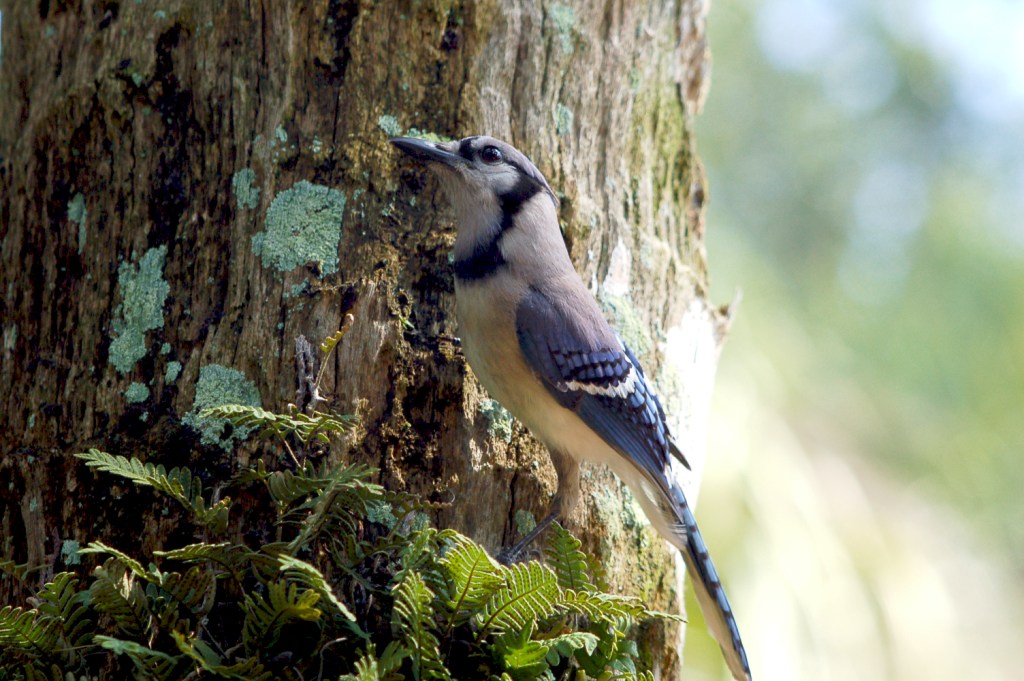
Blue Jay at Bok Tower by Dan's Pix

Blue Jay II at Bok Tower by Dan’s Pix

I will remember the works of the LORD: surely I will remember thy wonders of old. I will meditate also of all thy work, and talk of thy doings. (Psalms 77:11-12 KJV)

In 2008 Birds of the Bible – Review was written. Needless to say, many more articles have been added since then. Please take some time over the next few days and check out articles that you may have missed or you are new and didn’t know of their existence.

Scripture tells us to remember the Lord’s blessings and all His benefits. I consider watching birds one of the Lord’s great blessings. The previous articles were written in an attempt to honor the Lord through telling about His birds. I trust you will dig around and discover some interesting new or old avian friends to read and learn about.

Another reason for this blog is to ask for prayer for me. On Wednesday last week, I had a Squamous Cell Cancer removed from my neck, just under my chin. They attempted to remove it 6 months ago, but didn’t get it all. This time, he cut it out and I have an inch and half row of stitches. On Saturday, it started turning red and irritating me. Monday when I went back to have it looked at, it was infected. So, now I am on an antibiotic, which makes me sort of  drowsy. It hurts to lift my head up to look at the monitor (it pulls on the stitches), so the blogs have slowed down. My stitches are supposed to come out next Tuesday, the 8th of October.

Praise the Lord, with over 1,500 articles and 1,100 pages of material, surely there is something you haven’t read before. There are tabs or menus along the top which help you find different topics. Check them out. By you reading, it will also help my page view counts while I am in a “coasting” mode. Thank you.

Here are the Birds of the Bible Topics:

Birds of the Bible

Miscellaneous articles:

Names of Birds Study


Harriet Newell Cook – The Scripture Alphabet of Animals

Disclaimer About Bible Version Usage

*

Bible Birds – Bittern II

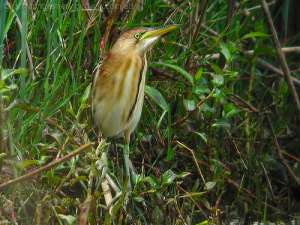
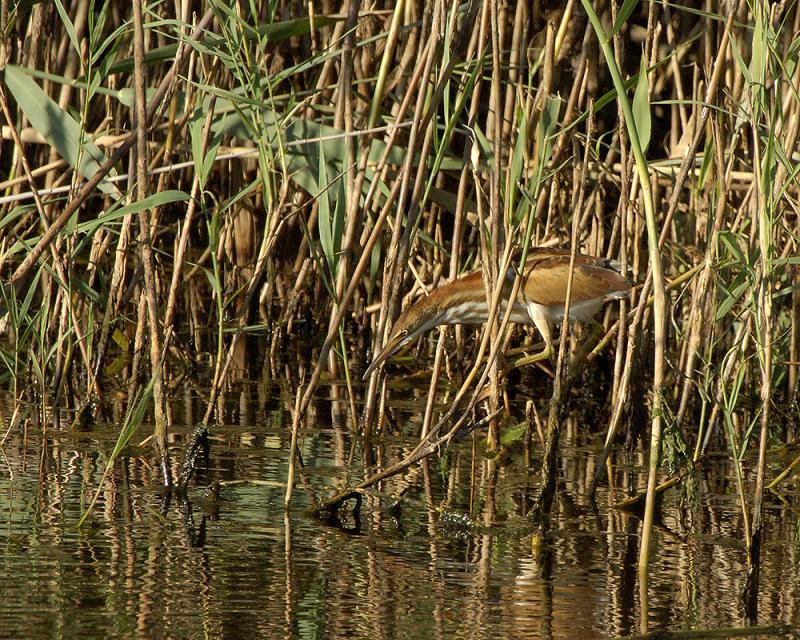
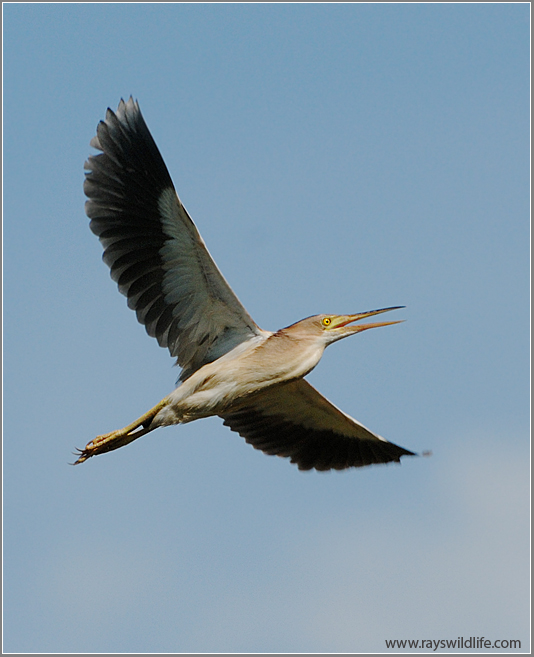
Little Bittern (Ixobrychus minutus) by Ian

Little Bittern (Ixobrychus minutus) by Ian

I will also make it a possession for the bittern, and pools of water: and I will sweep it with the besom of destruction, saith the LORD of hosts. (Isaiah 14:23 KJV)

I introduced the Bittern in the first Birds of the Bible – Bittern and now I want to add some more information about them. The Bitterns belong to the Order called Pelecaniformes which includes Ibises, Spoonbills, Herons, Bitterns, Frigatebirds, Hamerkop, Shoebills, Pelicans, Gannets, Boobies, Cormorants, Anhingas, and Darters. All of these birds like to hang out around watery places and are related. Within the Pelecaniformes order, there are different families. The Bittern is in the Ardeidae family. Below is a list of the Bitterns within this family.

Belonging to the Ardeidae family, they also have the usual long legs, long necks, and are wading birds. They are associated with water, especially in breeding season. Whereas the herons and egret stand out in the open, the bitterns like to conceal themselves in cattail and sedge marshes, bulrushes, etc. They also have shorter legs and a heavier body. Their “cryptic plumage and upright poses helps to merge with the brown upright reeds…” I’ve had the privilege to see a few of them, and they are hard to find. God has provided them with this protection and it helps them in finding their food. Fish is their favorite food, but they will also consume frogs, small snakes, and other things that pass by.

Here in North America, we only have the American and Least Bitterns. I sometimes confuse them with the smaller herons, like a Green Heron. You can tell they are in the same family (ardeidae).

Here is the sounds of an American Bittern and a Least Bittern from Stokes Bird Songs

But the cormorant and the bittern shall possess it; the owl also and the raven shall dwell in it: and he shall stretch out upon it the line of confusion, and the stones of emptiness. (Isaiah 34:11)


CLASS – AVES, Order – PELECANIFORMES, Family – ArdeidaeHerons, Bitterns

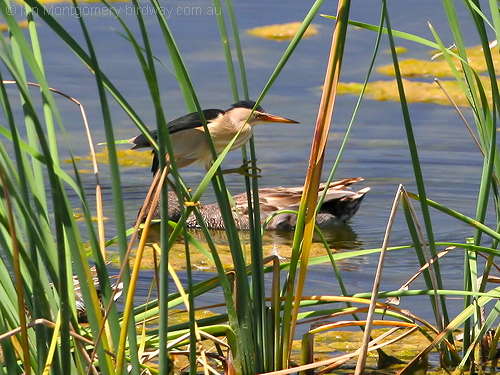
Australian Little Bittern (Ixobrychus dubius) by Ian

Australian Little Bittern (Ixobrychus dubius) by Ian

Herons, Bitterns – Ardeidae Family
Zonerodius
Forest Bittern (Zonerodius heliosylus) IBC
Botaurus
Eurasian Bittern (Botaurus stellaris) – Video
Australasian Bittern (Botaurus poiciloptilus) by Ian
American Bittern (Botaurus lentiginosus) – Video – Video2
Pinnated Bittern (Botaurus pinnatus) by Daves BirdingPix  – Video
Ixobrychus
Stripe-backed Bittern (Ixobrychus involucris) IBC
Least Bittern (Ixobrychus exilis) by Jim Fenton – Video
Little Bittern (Ixobrychus minutus) by Ian
Black-backed Bittern (Ixobrychus dubius)
New Zealand Bittern (Ixobrychus novaezelandiae †) Extinct ©WikiC Drawing
Yellow Bittern (Ixobrychus sinensis) by Ray Barlow – Video
Von Schrenck’s Bittern (Ixobrychus eurhythmus) ©WikiC
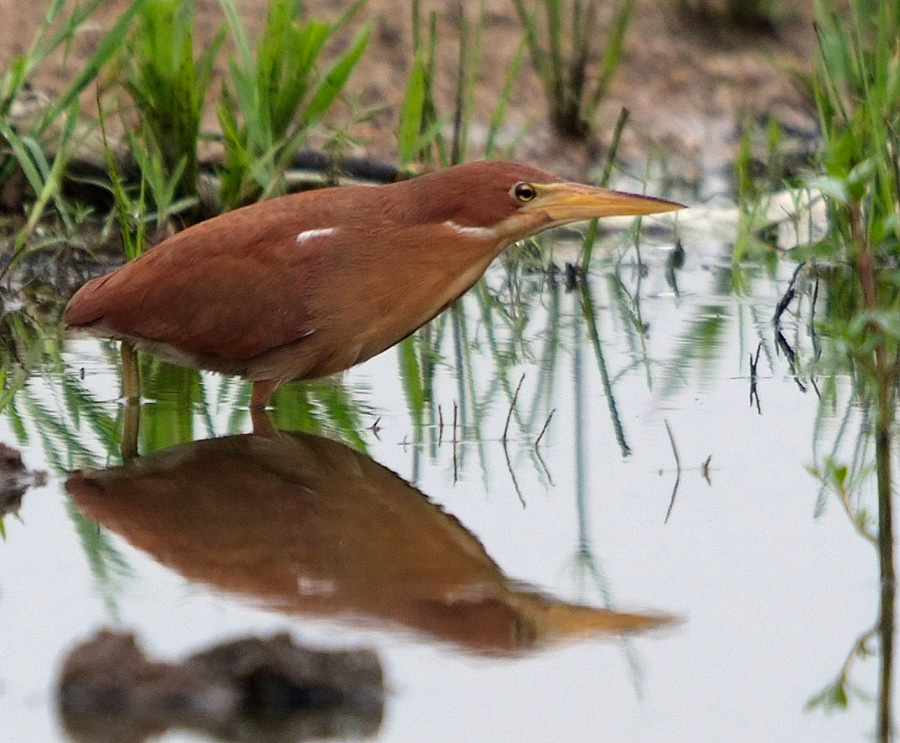
Cinnamon Bittern (Ixobrychus cinnamomeus) by Phil Kwong – Video
Dwarf Bittern (Ixobrychus sturmii) ©WikiC
Dupetor
Black Bittern (Dupetor flavicollis) by Nikhil Devasar – Video

Different Family
Sunbittern – Eurypygidae Family
Eurypyga
Sunbittern (Eurypyga helias) – Video – Video2

“Recent DNA evidence suggests that this family may in fact belong to the Pelecaniformes. From Wikipedia  They used to be in the Ciconiformes family, where most older guide books still have them. My list are from the IOC’s World Lists, 3.1 version.


Family#26 – Ardeidae

*

*

Bible Birds – Bittern I

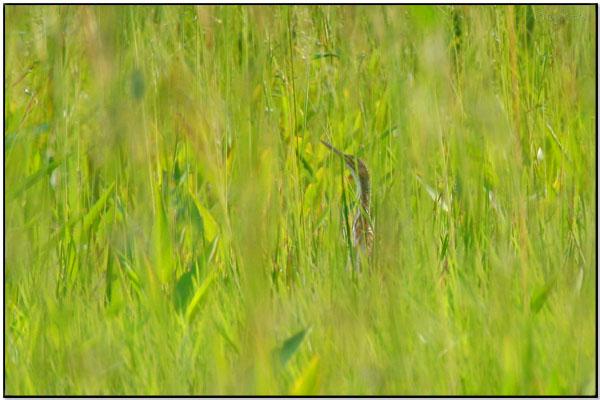
In North America we have the American Bittern (23” with a 42-50” wingspan) and Least Bittern (11-14” with a 16-18” wingspan). Both dwell in marsh or wetland habitats and are very difficult to find. God has designed them with plumage and behavior (standing very still with the head pointing up) that helps camouflage them. They eat frogs, small fish, snakes and bugs, etc.

Today there are 15 Bitterns around the world. The bittern is an interesting find in the Bible.

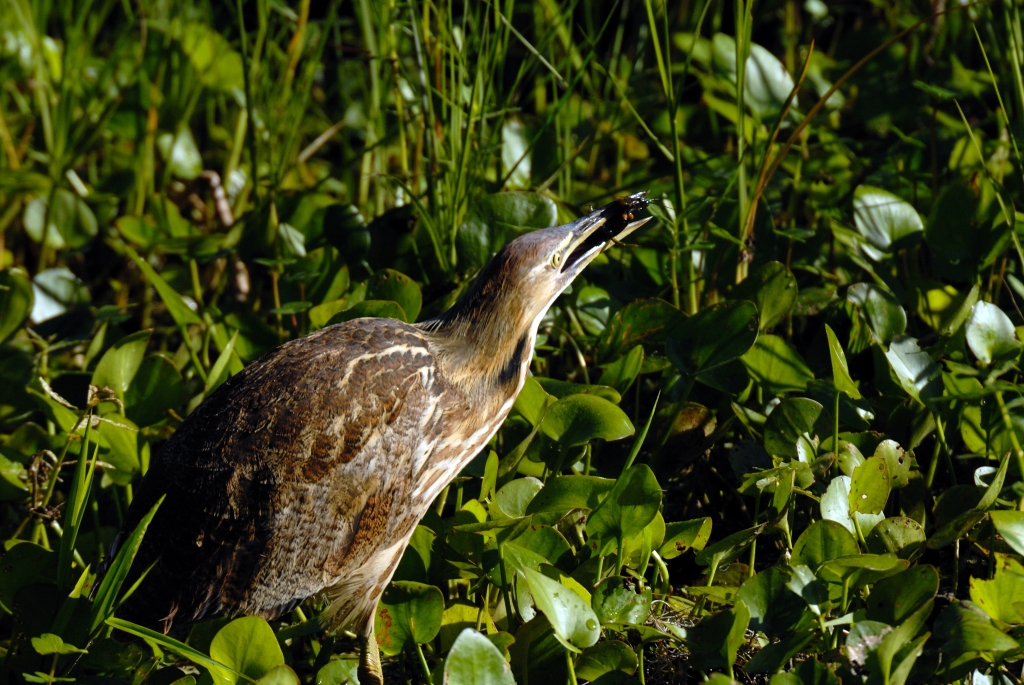
American Bittern (Botaurus lentiginosus) by Daves BirdingPix

American Bittern (Botaurus lentiginosus) by Daves BirdingPix

I will also make it a possession for the bittern, and pools of water: and I will sweep it with the besom of destruction, saith the LORD of hosts. (Isa 14:23)

Again judgment is being given and the names of the new inhabitants are given. Only the birds will dwell there.

But the cormorant and the bittern shall possess it; the owl also and the raven shall dwell in it: and he shall stretch out upon it the line of confusion, and the stones of emptiness. (Isa 34:11)
Ninevah will be barren and the bittern and pelican will be singing from the vacant windows. The herds shall lie down in her midst, Every beast of the nation. Both the pelican and the bittern Shall lodge on the capitals of her pillars; Their voice shall sing in the windows; Desolation shall be at the threshold; For He will lay bare the cedar work. (Zep 2:14)

Those verse will be explained further in future Bible Bird – Bittern articles.
_
A YouTube of a Eurasian Bittern (Botaurus stellaris). I do not know the language, but it shows how it is camouflaged so well.
*
*

See More Bible Birds

Bible Birds – Bitterns

*

CLASS – AVES, Order –PELECANIFORMES, Family – Ardeidae – Herons, Bitterns


*

The Wren Who Brought Fire

House Wren (Troglodytes aedon) by Ian

House Wren (Troglodytes aedon) by Ian

The Wren Who Brought Fire ~ from The Curious Book of Birds

THE WREN WHO BROUGHT FIRE

Cur Book of Birds letter-cENTURIES and centuries ago, when men were first made, there was no such thing as fire known in all the world. Folk had no fire with which to cook their food, and so they were obliged to eat it raw; which was very unpleasant, as you may imagine! There were no cheery fireplaces about which to sit and tell stories, or make candy or pop corn. There was no light in the darkness at night except the sun and moon and stars. There were not even candles in those days, to say nothing of gas lamps or electric lights. It is strange to think of such a world where even the grown folks, like the children and the birds, had to go to bed at dusk, because there was nothing else to do.

But the little birds, who lived nearer heaven than men, knew of the fire in the sun, and knew also what a fine thing it would be for the tribes without feathers if they could have some of the magic element.

One day the birds held a solemn meeting, when it was decided that men must have fire. Then some one must fly up to the sun and bring a firebrand thence. Who would undertake this dangerous errand? Already by sad experience the Kingfisher had felt the force of the sun’s heat, while the Eagle and the Wren, in the famous flight which they had taken together, had learned the same thing. The assembly of birds looked at one another, and there was a silence.

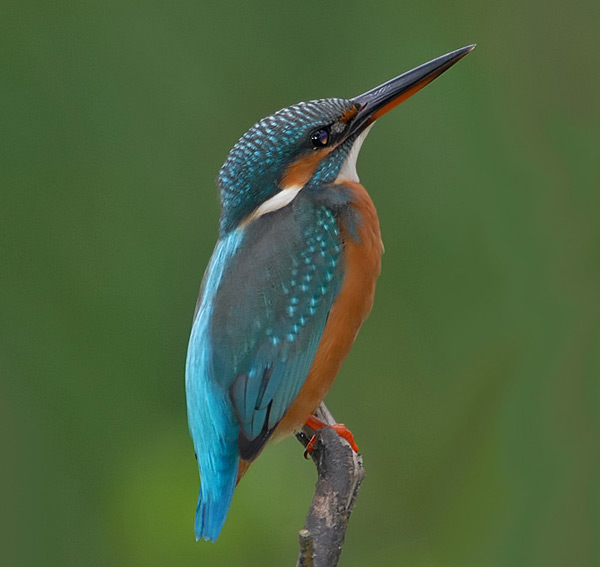
Common Kingfisher (Alcedo atthis) by W Kwong

Common Kingfisher (Alcedo atthis) by W Kwong

“I dare not go,” said the Kingfisher, trembling at the idea; “I have been up there once, and the warning I received was enough to last me for some time.”

Indian Peafowl (Pavocristatus) by Nikhil Devasar

Indian Peafowl (Pavocristatus) by Nikhil Devasar

“I cannot go,” said the Peacock, “for my plumage is too precious to risk.”

Crested Lark (Galerida cristata) by Nikhil Devasar

Crested Lark (Galerida cristata) by Nikhil Devasar

“I ought not to go,” said the Lark, “for the heat might injure my pretty voice.”

Yellow-billed Stork (Mycteria ibis) ©USFWS

Yellow-billed Stork (Mycteria ibis) ©USFWS

“I must not go,” said the Stork, “for I have promised to bring a baby to the King’s palace this evening.”

European Turtle Dove (Streptopelia turtur) ©WikiC

European Turtle Dove (Streptopelia turtur) ©WikiC

“I cannot go,” said the Dove, “for I have a nestful of little ones who depend upon me for food.”

Chipping Sparrow (Spizella passerina) by Quy Tran

Chipping Sparrow (Spizella passerina) by Quy Tran

“Nor I,” said the Sparrow, “for I am afraid.” “Nor I!” “Nor I!” “Nor I!” echoed the other birds.

Western Screech Owl (Megascops kennicottii)(captive) by Raymond Barlow

Western Screech Owl (Megascops kennicottii)(captive) by Raymond Barlow

“I will not go,” croaked the Owl, “for I simply do not wish to.”

Then up spoke the little Wren, who had been keeping in the background of late, because he was despised for his attempt to deceive the birds into electing him their king. (see King of the Birds)

Rufous-naped Wren (Campylorhynchus rufinucha) by Ray

Rufous-naped Wren (Campylorhynchus rufinucha) by Ray

“I will go,” said the Wren. “I will go and bring fire to men. I am of little use here. No one loves me. Every one despises me because of the trick which I played the Eagle, our King. No one will care if I am injured in the attempt. I will go and try.”

“Bravely spoken, little friend,” said the Eagle kindly. “I myself would go but that I am the King, and kings must not risk the lives upon which hangs the welfare of their people. Go you, little Wren, and if you are successful you will win back the respect of your brothers which you have forfeited.”

The brave little bird set out upon his errand without further words. And weak and delicate though he was, he flew and he flew up and up so sturdily that at last he reached the sun, whence he plucked a firebrand and bore it swiftly in his beak back toward the earth. Like a falling star the bright speck flashed through the air, drawing ever nearer and nearer to the cool waters of Birdland and the safety which awaited him there. The other birds gathered in a flock about their king and anxiously watched the Wren’s approach.

Suddenly the Robin cried out, “Alas! He burns! He has caught fire!” And off darted the faithful little friend to help the Wren. Sure enough, a spark from the blazing brand had fallen upon the plumage of the Wren, and his poor little wings were burning as he fluttered piteously down, still holding the fire in his beak.

American Robin (Turdus migratorius) by Daves BirdingPix

American Robin (Turdus migratorius) by Daves BirdingPix

The Robin flew up to him and said, “Well done, brother! You have succeeded. Now give me the fire and I will relieve you while you drop into the lake below us to quench the flame which threatens your life.”

So the Robin in his turn seized the firebrand in his beak and started down with it. But, like the Wren, he too was soon fluttering in the blaze of his own burning plumage, a little living firework, falling toward the earth.

Desert Lark (Ammomanes deserti) by Nikhil Devasar

Desert Lark (Ammomanes deserti) by Nikhil Devasar

Then up came the Lark, who had been watching the two unselfish birds. “Give me the brand, brother Robin,” she cried, “for your pretty feathers are all ablaze and your life is in danger.”

So it was the Lark who finally brought the fire safely to the earth and gave it to mankind. But the Robin and the Wren, when they had put out the flame which burned their feathers, appeared in the assembly of the birds, and were greeted with great applause as the heroes of the day. The Robin’s breast was scorched a brilliant red, but the poor, brave little Wren was wholly bare of plumage. All his pretty feathers had been burned away, and he stood before them shivering and piteous.

Bald Eagle (close up) Lowry Park Zoo by Lee

Bald Eagle (close up) Lowry Park Zoo by Lee

“Bravo! little Wren,” cried King Eagle. “A noble deed you have done this day, and nobly have you won back the respect of your brother birds and earned the everlasting gratitude of men. Now what shall we do to help you in your sorry plight?” After a moment’s thought he turned to the other birds and said, “Who will give a feather to help patch a covering for our brave friend?”

“I!” and “I!” and “I!” and “I!” chorused the generous birds. And in turn each came forward with a plume or a bit of down from his breast. The Robin first, who had shared his peril, brought a feather sadly scorched, but precious; the Lark next, who had helped in the time of need. The Eagle bestowed a kingly feather, the Thrush, the Nightingale,—every bird contributed except the Owl.

Great Horned Owl (Bubo virginianus) by Bob-Nan

Great Horned Owl (Bubo virginianus) by Bob-Nan

But the selfish Owl said, “I see no reason why I should give a feather. Hoot! No! The Wren brought me into trouble once, and I will not help him now. Let him go bare, for all my aid.”

“Shame! Shame!” cried the birds indignantly. “Old Master Owl, you ought to be ashamed. But if you are so selfish we will not have you in our society. Go back to your hollow tree!”

“Yes, go back to your hollow tree,” cried the Eagle sternly; “and when winter comes may you shiver with cold as you would have left the brave little Wren to shiver this day. You shall ruffle your feathers as much as you like, but you will always feel cold at heart, because your heart is selfish.”

And indeed, since that day for all his feathers the Owl has never been able to keep warm enough in his lonely hollow tree.

But the Wren became one of the happiest of all the birds, and a favorite both with his feathered brothers and with men, because of his brave deed, and because of the great fire-gift which he had brought from the sun.

Carolina Wren (Thryothorus ludovicianus)  by Quy Tran

Carolina Wren (Thryothorus ludovicianus) by Quy Tran


Lee’s Addition:

In the daytime also he led them with a cloud, and all the night with a light of fire. (Psalms 78:14 KJV)

As soon then as they were come to land, they saw a fire of coals there, and fish laid thereon, and bread. Jesus saith unto them, Bring of the fish which ye have now caught. Simon Peter went up, and drew the net to land full of great fishes, an hundred and fifty and three:… Jesus saith unto them, Come and dine. And none of the disciples durst ask him, Who art thou? knowing that it was the Lord. (John 21:9-12 KJV)

Trust you enjoyed this tale from The Curious Book of Birds. These entertaining stories were written 1903 and they are just as delightful and fun to read today.

(Photos added by me.)

Links:

House Wren (Troglodytes aedon) by Ian


Troglodytidae – Wrens Family


Painted Bunting (Passerina ciris) ©©Flickr


  Bird Tales


Curious Book of Birds - Cover


  The Curious Book of Birds


Spanish Sparrow (Passer Hispaniolensis) female ©WikiC


  Wordless Birds


*

The Forgetful Kingfisher

Pied Kingfisher (Ceryle rudis) by Ian

Pied Kingfisher (Ceryle rudis) by Ian

The Forgetful Kingfisher ~ from The Curious Book of Birds

THE FORGETFUL KINGFISHER

Cur Book of Birds letter-iN these days the Kingfisher is a sad and solitary bird, caring not to venture far from the water where she finds her food. Up and down the river banks she goes, uttering a peculiar plaintive cry. What is she saying, and why is she so restless? The American Kingfisher is gray, but her cousin of Europe is a bird of brilliant azure with a breast of rusty red. Therefore it must have been the foreign Kingfisher who was forgetful, as you shall hear.

Long, long after the sorrows of Halcyone, the first Kingfisher, were ended, came the great storm which lasted forty days and forty nights, causing the worst flood which the world has ever known. That was a terrible time. When Father Noah hastened to build his ark, inviting the animals and birds to take refuge with him, the Kingfisher herself was glad to go aboard. For even she, protected by Æolus from the fury of winds and waters, was not safe while there was no place in all the world for her to rest foot and weary wing. So the Kingfisher fluttered in with the other birds and animals, a strange company! And there they lived all together, Noah and his arkful of pets, for many weary days, while the waters raged and the winds howled outside, and all the earth was covered fathoms deep out of sight below the waves.

But after long weeks the storm ceased, and Father Noah opened the little window in the ark and sent forth the Dove to see whether or not there was land visible on which the ark might find rest. Now after he had sent out the Dove, Noah looked about him at the other birds and animals which crowded around him eagerly, for they were growing very restless from their long confinement, and he said, “Which of you is bravest, and will dare follow our friend the Dove out into the watery world? Ah, here is the Kingfisher. Little mother, you at least, reared among the winds and waters, will not be afraid. Take wing, O Kingfisher, and see if the earth be visible. Then return quickly and bring me faithful word of what you find out yonder.”

Day was just beginning to dawn when the Kingfisher, who was then as gray as gray, flew out from the little window of the ark whence the Dove had preceded her. But hardly had she left the safe shelter of Father Noah’s floating home, when there came a tremendous whirlwind which blew her about and buffeted her until she was almost beaten into the waves, which rolled endlessly over the face of the whole earth, covering the high hills and the very mountains. The Kingfisher was greatly frightened. She could not go back into the ark, for the little window was closed, and there was no land anywhere on which she could take refuge. Just think for a moment what a dreadful situation it was! There was nothing for her to do but to fly up, straight up, out of reach from the tossing waves and dashing spray.

The Kingfisher was fresh and vigorous, and her wings were strong and powerful, for she had been resting long days in the quiet ark, eating the provisions which Father Noah had thoughtfully prepared for his many guests. So up, up she soared, above the very clouds, on into the blue ether which lies beyond. And lo! as she did so, her sober gray dress became a brilliant blue, the color caught from the azure of those clear heights. Higher and higher she flew, feeling so free and happy after her long captivity, that she quite forgot Father Noah and the errand upon which she had been sent. Up and up she went, higher than the sun, until at last she saw him rising far beneath her, a beautiful ball of fire, more dazzling, more wonderful than she had ever guessed.

“Hola!” she cried, beside herself with joy at the sight. “There is the dear sun, whom I have not seen for many days. And how near, how beautiful he is! I will fly closer still, now that I have come so near. I will observe him in all his splendor, as no other bird, not even the high-flying, sharp-eyed Eagle, has ever seen him.”

And with that the foolish Kingfisher turned her course downward, with such mad, headlong speed that she had scarcely time to feel what terrible, increasing heat shot from the sun’s rays, until she was so close upon him that it was too late to escape. Oh, but that was a dreadful moment! The feathers on her poor little breast were scorched and set afire, and she seemed in danger not only of spoiling her beautiful new blue dress but of being burned into a wretched little cinder. Horribly frightened at her danger, the Kingfisher turned once more, but this time toward the rolling waters which covered the earth. Down, down she swooped, until with the hiss of burning feathers she splashed into the cold wetness, putting out the fire which threatened to consume her. Once, twice, thrice, she dipped into the grateful coolness, flirting the drops from her blue plumage, now alas! sadly scorched.

Common Kingfisher (Alcedo atthis) by W Kwong

Common Kingfisher (Alcedo atthis) by W Kwong

When the pain of her burns was somewhat relieved she had time to think what next she should do. She longed for rest, for refuge, for Father Noah’s gentle, caressing hand to which she had grown accustomed during those stormy weeks of companionship in the ark. But where was Father Noah? Where was the ark? On all the rolling sea of water there was no movement of life, no sign of any human presence. Then the Kingfisher remembered her errand, and how carelessly she had performed it. She had been bidden to return quickly; but she had wasted many hours—she could not tell how many—in her forgetful flight. And now she was to be punished indeed, if she could not find her master and the ark of refuge.

The poor Kingfisher looked wildly about. She fluttered here and there, backward and forward, over the weary stretch of waves, crying piteously for her master. He did not answer; there was no ark to be found. The sun set and the night came on, but still she sought eagerly from east to west, from north to south, always in vain. She could never find what she had so carelessly lost.

The truth is that during her absence the Dove, who had done her errand faithfully, returned at last with the olive leaf which told of one spot upon the earth’s surface at last uncovered by the waves. Then the ark, blown hither and thither by the same storm which had driven the Kingfisher to fly upward into the ether-blue, had drifted far and far to Mount Ararat, where it ran aground. And Father Noah, disembarking with his family and all the assembled animals, had broken up the ark, intending there to build him a house out of the materials from which it was made. But this was many, many leagues from the place where the poor Kingfisher, lonely and frightened, hovered about, crying piteously for her master.

And even when the waters dried away, uncovering the earth in many places, so that the Kingfisher could alight and build herself a nest, she was never happy nor content, but to this day flies up and down the water-ways of the world piping sadly, looking eagerly for her dear master and for some traces of the ark which sheltered her. And the reflection which she makes in the water below shows an azure-blue body, like a reflection of the sky above, with some of the breast-feathers scorched to a rusty red. And now you know how it all came about.


Common Kingfisher (Alcedo atthis) by Nikhil Devasar

Common Kingfisher (Alcedo atthis) by Nikhil Devasar

Lee’s Addition:

An enjoyable Bird Tale from The Curious Book of Birds. Kingfishers belong to the Alcedinidae – Kingfishers Family.

We know the Lord created Kingfishers and gave them their colors, but it is fun to read stories about them, even if they are make-believe. The flood and the ark were true, but that is not quite how they came to fly up and down the waterways.

That they may set their hope in God, And not forget the works of God, But keep His commandments; (Psalms 78:7 NKJV)

My son, do not forget my law, But let your heart keep my commands; (Proverbs 3:1 NKJV)

Get wisdom! Get understanding! Do not forget, nor turn away from the words of my mouth. (Proverbs 4:5 NKJV)

Kingfishers have been created by a loving Creator just as we have been. We differ from the birds because we were made in God’s image. Therefore, we need to remember our teachings about God and Christ and not forget them. That also includes what your parents ask you to do also.

(Photos added by me.)

Links:

White-throated Kingfisher (Halcyon smyrnensis) by Nikhil Devasar


  Alcedinidae – Kingfishers Family


Painted Bunting (Passerina ciris) ©©Flickr


  Bird Tales


Curious Book of Birds - Cover


  The Curious Book of Birds


Spanish Sparrow (Passer Hispaniolensis) female ©WikiC


  Wordless Birds


*

Birdwatching Term – Nape

Blue-naped Mousebird (Urocolius macrourus) at Cincinnati Zoo)

Blue-naped Mousebird at Cincinnati Zoo)

Nape

My son, listen to your father’s discipline, and do not neglect your mother’s teachings, because discipline and teachings are a graceful garland on your head and a golden chain around your neck. (Proverbs 1:8-9 GW)

Nape – An easy definition is the back of the neck.

 Blue-naped Mousebird - Blue Nape (Back of Neck)

Blue-naped Mousebird – Blue Nape (Back of Neck)

Topography of a Bird - Bluebird - Color Key to NA Birds - Nape

Parts of Bird – Nape in Blue

Notice the Nape is between the Crown and the Back

There are quite a few birds that have colored napes that help identify them, such as Woodpeckers, Grebes, etc. Our Blue-naped Mousebird is one where the color of the “nape” is used in its name. While learning to bird watch, I kept saying (and still do) that the Lord should have placed little signs on them. That way when we look at them through binoculars, scopes, cameras, or our eyes, that we could just read the sign.

That is not the way it is, but there are many clues do that help us ID the birds. The variety of the birds with their colors and shapes keep us busy, but aren’t we thankful that He didn’t make them all alike. How boring that would be.

Here are the “-naped” birds of the world:

Chestnut-naped Francolin (Pternistis castaneicollis)
Red-naped Ibis (Pseudibis papillosa)
White-naped Crane (Grus vipio)
Black-naped Tern (Sterna sumatrana)
White-naped Pigeon (Columba albinucha)
Eastern Bronze-naped Pigeon (Columba delegorguei)
Western Bronze-naped Pigeon (Columba iriditorques)
Island Bronze-naped Pigeon (Columba malherbii)
Scaly-naped Pigeon (Patagioenas squamosa)
Red-naped Fruit Dove (Ptilinopus dohertyi)
Black-naped Fruit Dove (Ptilinopus melanospilus)
Purple-naped Lory (Lorius domicella)
White-naped Lory (Lorius albidinucha)
Blue-naped Parrot (Tanygnathus lucionensis)
Yellow-naped Amazon (Amazona auropalliata)
Scaly-naped Amazon (Amazona mercenarius)
White-naped Swift (Streptoprocne semicollaris)
Red-naped Trogon (Harpactes kasumba)
Golden-naped Barbet (Megalaima pulcherrima)
Golden-naped Woodpecker (Melanerpes chrysauchen)
Red-naped Sapsucker (Sphyrapicus nuchalis)
White-naped Woodpecker (Chrysocolaptes festivus)
Blue-naped Pitta (Hydrornis nipalensis)
Rusty-naped Pitta (Hydrornis oatesi)
Grey-naped Antpitta (Grallaria griseonucha)
Chestnut-naped Antpitta (Grallaria nuchalis)
Ochre-naped Ground Tyrant (Muscisaxicola flavinucha)
Rufous-naped Ground Tyrant (Muscisaxicola rufivertex)
White-naped Xenopsaris (Xenopsaris albinucha)
White-naped Honeyeater (Melithreptus lunatus)
Red-naped Bushshrike (Laniarius ruficeps)
Rufous-naped Whistler (Aleadryas rufinucha)
Rufous-naped Greenlet (Hylophilus semibrunneus)
Black-naped Oriole (Oriolus chinensis)
Black-naped Monarch (Hypothymis azurea)
White-naped Monarch (Carterornis pileatus)
Azure-naped Jay (Cyanocorax heilprini)
White-naped Jay (Cyanocorax cyanopogon)
Rufous-naped Tit (Periparus rufonuchalis)
White-naped Tit (Parus nuchalis)
Rufous-naped Lark (Mirafra africana)
White-naped Yuhina (Yuhina bakeri)
Rufous-naped Wren (Campylorhynchus rufinucha)
Chestnut-naped Forktail (Enicurus ruficapillus)
Purple-naped Sunbird (Hypogramma hypogrammicum)
Golden-naped Weaver (Ploceus aureonucha)
Golden-naped Finch (Pyrrhoplectes epauletta)
Blue-naped Chlorophonia (Chlorophonia cyanea)
White-naped Brush Finch (Atlapetes albinucha)
Pale-naped Brush Finch (Atlapetes pallidinucha)
Rufous-naped Brush Finch (Atlapetes latinuchus)
Golden-naped Tanager (Tangara ruficervix)
Green-naped Tanager (Tangara fucosa)
White-naped Seedeater (Dolospingus fringilloides)

*

This slideshow requires JavaScript.

*

You can see by the photos that the “nape” can be narrow or very broad. Other birds have napes that are different colors, but do not have the word “nape” in their names. Some of the Woodpeckers that have napes were include above.
Nape – All About Birds

More Birdwatching Terms

Wordless Birds

*

Child’s Book of Water Birds ~ The Oyster Catcher

The Oyster Catcher

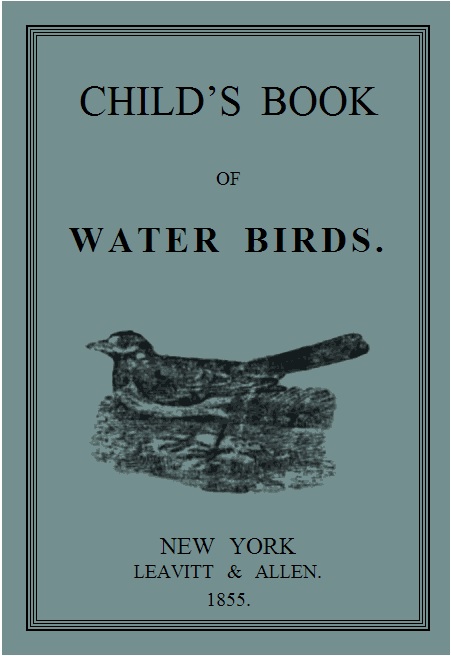
Child's Book of Water Birds - Book Cover

Child’s Book of Water Birds – Book Cover

***

Childs Bk of Water Birds titlebird

NEW YORK

LEAVITT & ALLEN.

1855.

***

Welcome to the Updated Child’s Book of Water Birds, by Anonymous. It was written in 1855 and this is 2013. That is 158 years ago.

*
*
Childs Bk of Water Birds oystercatcher

THE OYSTER CATCHER.

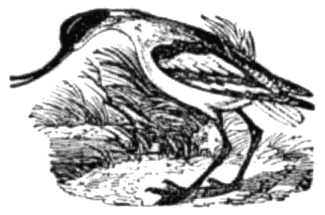
The Oyster Catcher feeds generally on shell-fish, oysters, limpets, &c. He detaches them from the rocks to which they are fastened, and opens them with his long, stout bill. The head, neck, and body are black. It lays two olive-brown eggs, spotted with black.

*

American Oystercatcher (Haematopus palliatus) by Robert Scanlon

American Oystercatcher (Haematopus palliatus) by Robert Scanlon

Update:

Just as day was breaking, Jesus stood on the shore; yet the disciples did not know that it was Jesus. (John 21:4 ESV)

American Oystercatchers are sometimes called the American Pied Oystercatcher. They are about 19 inches (42-52 cm) long. They were created with a large thick orange or red beak which helps them pry open their food, like oysters, clams, and mussels. They belong to the Oystercatcher Family which has twelve (12) species. They like the coastal areas and nest on the beaches. In winter, they are found in flocks along the coast from central New Jersey to the Gulf of Mexico (eastern) or along the Pacific coast from northwestern Baja California southward. (western).

Black Oystercatcher (Haematopus bachmani) Family by Beedie Savage

Black Oystercatcher (Haematopus bachmani) Family by Beedie Savage

***

See the other five Child’s Book of Water Birds:

The Swan

The Coot

The Dabchick

The Teal

The Goose

*

Oystercatcher Family

Oystercatcher – Wikipedia

Oystercatcher – All About Birds

Oystercatcher – ARKive


Bible Birds

Wordless Birds

*

Child's Book of Water Birds - Levit and Allen

Back Cover

*** PROJECT GUTENBERG EBOOK CHILD'S BOOK OF WATER BIRDS ***

*

The Dove – Weather Reporter… ~ Nuggets Plus

Mourning Dove (Zenaida macroura) by Quy Tran

Mourning Dove (Zenaida macroura) by Quy Tran

The Dove – Weather Reporter…
by A J Mithra
_

Nuggets Plus

Nuggets Plus

Dove sent by Noah

came at dusk with an olive leaf

and Noah knew that

the flood had receded!

God sent the dove, His Holy spirit

at dusk to the upper room

to encourage us or to help us

warn about the flood of the last days?

But as the days of Noah were, so shall also the coming of the Son of man be.”  Mathew 24:37


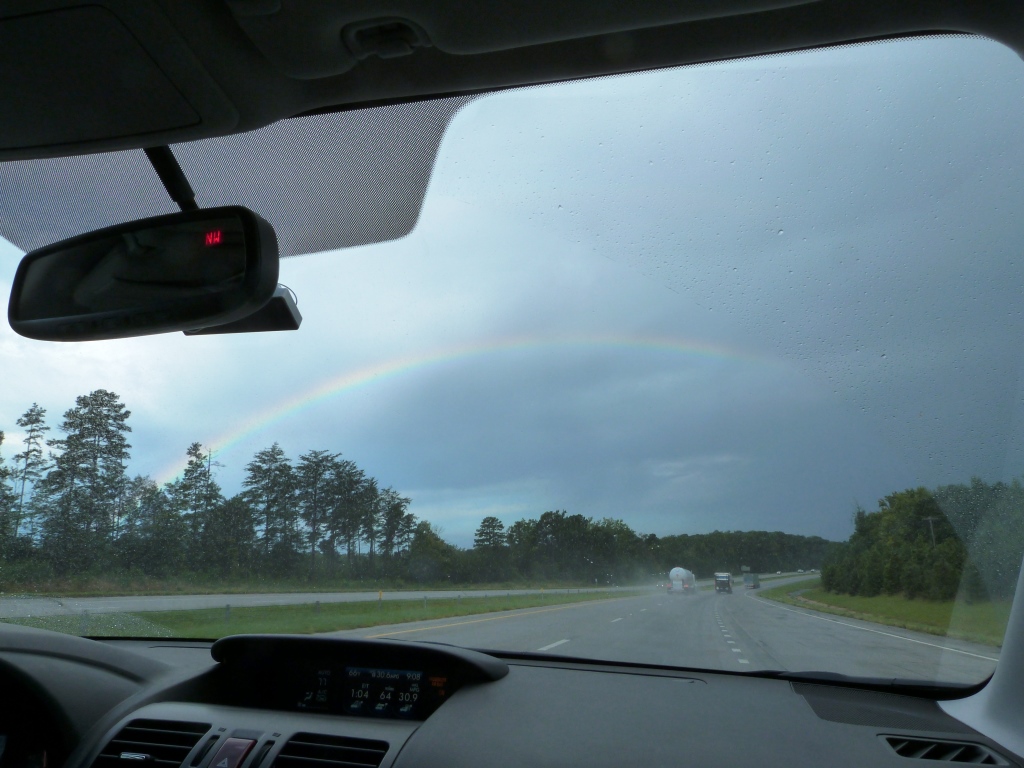
Carolina rainbow

Carolina rainbow

Lee’s Addition:

Thanks, A J, your timing is perfect as usual. We just got back from a week and a half trip to Indiana. Praise the Lord for his traveling mercies and for all of you who were praying for us as we traveled 2,300 miles. Also, we had great weather. Only one rain storm for about 10 minutes which produced a beautiful rainbow in South Carolina. More about the trip that later.

The rainbow shall be in the cloud, and I will look on it to remember the everlasting covenant between God and every living creature of all flesh that is on the earth. (Genesis 9:16 NKJV)

More Nuggets Plus

*


Birds Vol 2 #6 – The Volume II. July to December 1897 – Index

Yellow-Breasted Chat (Icteria virens) by USGS

Yellow-Breasted Chat (Icteria virens) by USGS

*

VOLUME II. JULY TO DECEMBER, 1897.

INDEX.

(RELOCATED – CLICK HERE)

Anhinga, or Snake Bird, Anhinga Anhingapages  Page  26-27
Avocet, American, Recurvirostra Americana 14-15
Audubon, John James 161
Bird Song JulSep
Bird MiscellanyBird Miscellany Plus 195-235
Blue Bird, Mountain, Sialia arctica 203-205
Bunting, Lazuli, Passerina amoena 196-198-199
Chimney Swift, Chætura pelagica 131-133
Captive’s Escape 116
Chat, Yellow-Breasted, Icteria virens 236-238-239
Cuckoo, Yellow-Billed, Coccyzus americanus 94-95
Dove, Mourning, Zenaidura macrura 111-112-113
Duck, Canvas-back, Athya valisneria 18-20
Duck, Mallard, Anas boschas 10-11-13
Duck, Wood, Aix Sponsa 21-23-24
Eagle, Baldheaded, Haliœtus lencocephalus 2-3-5
Flamingo, Phœnicopterus ruber 218-221
Flycatcher, Vermillion, Pyrocephalus rubineus mexicanus 192-193
Gold Finch, American, Spinus tristis 128-129-130
Goose, White-fronted, Anser albifrons gambeli 166-168-169
Grackle, Bronzed, Quiscalus quiscula 228-230-231
Grosbeak, Evening, Cocothraustes vespertina 68-70-71
Grouse, Black, Tetrao tetrix 217-220-223
Heron, Snowy, Ardea candidissima 38-39
How the Birds Secured Their Rights 115
Humming Bird, Allen’s Selasphorus alleni 210-211
Humming Bird, Ruby-Throated, Trochilus colubris 97-100-103
Junco, Slate Colored, Junco hyemalis 153-155
Kingbird, Tyrannus tyrannus 156-158-159
Kingfisher, European, Alcedo ispida 188-190-191
Kinglet, Ruby-crowned, Regulus calendula 108-110
Lark, Horned, Otocoris alpestris 134-135
Lost Mate 126
Merganser, Red-Breasted, Merganser serrator 54-55
Nuthatch, White-Breasted, Sitta carolinensis 118-119
Old Abe 35
Ornithological Congress 201
Osprey, American, Pandion paliœtus carolinenses 42-43-45
Partridge, Gambel’s, Callipepla gambeli 78-79
Phalarope, Wilson’s, Phalaropus tricolor 66-67
Pheasant, Ring-Necked, Phasianus torquatus 232-233
Phœbe, Sayornis phœbe 106-107
Plover, Belted Piping, Aegialitis meloda circumcincta 174-175
Plover, Semipalmated Ring, Aegialitis semi-polmata 6-8-9
Rail, Sora, Porzana Carolina 46-48-49
Sapsucker, Yellow-bellied, Sphyrapicus varius 137-140-143
Scoter, American, Oidemia deglandi 32-33
Skylark, Alauda arvensis 61-63-64
Snake Bird, (Anhinga) Anhinga anhinga 26-27
Snowflake, Plectrophenax nivalis 150-151-152
Sparrow, English, Passer domesticus 206-208-209
Sparrow, Song, Melospiza fasciata 90-91-93
Summaries (See each bird)
Tanager, Summer, Piranga rubra 163-165
Teal, Green winged, Anas carolinensis 213-214-215
The Bird’s Story 224
Thrush, Hermit, Turdus Aonalaschkae 86-88-89
To a Water Fowl 76
Tropic Bird, Yellow-billed, Phaethon flavirostris 184-186-187
Turkey, Wild, Meleagris gallopava 177-180-183
Turnstone, Arenaria interpres 170-171
Verdin, Auriparus flaviceps 226-227
Vireo, Warbling, Vireo gilvus 138-141
Vulture, Turkey, Catharista Atrata 72-73-75
Warbler, Blackburnian, Dendroica blackburnia 123-125
Warbler, Cerulean, Dendrœca caerulea 178-181
Warbler, Kentucky, Geothlypis formosa 50-51-53
Warbler, Yellow, Dendroica æstiva 83-85
Woodcock, American, Philohela minor 28-30-31
Wren, House, Troglodytes ædon 98-101-104
Wood Pewee, Contopus Virens 144-146-147-
Yellow Legs, Totanus flavipes 58-60

*

How precious also are Your thoughts to me, O God! How great is the sum of them! (Psalm 139:17 NKJV)

*

Birds Illustrated by Color Photography – Revisited

The above article is an article in the monthly serial for October 1897 “designed to promote Knowledge of Bird-Live.” These include Color Photography, as they call them, today they are drawings. There are at least three Volumes that have been digitized by Project Gutenberg.

To see the whole series of – Birds Illustrated by Color Photography – Revisited

*

Next Article – TBA

The Previous Article – The Yellow-breasted Chat

Wordless Birds

*

Child’s Book of Water Birds ~ The Goose

The Goose

Child's Book of Water Birds - Book Cover

Child’s Book of Water Birds – Book Cover

***

Childs Bk of Water Birds titlebird

NEW YORK

LEAVITT & ALLEN.

1855.

***

Welcome to the Updated Child’s Book of Water Birds, by Anonymous. It was written in 1855 and this is 2013. That is 158 years ago.

*
*

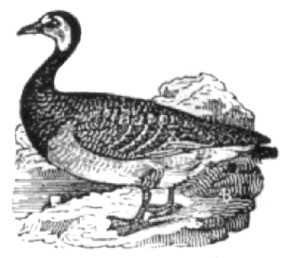
Childs Bk of Water Birds goose

THE GOOSE.

The Goose is a very common bird. In Lincolnshire, England, enormous flocks are bred, containing from two to ten thousand each. They are subjected to the plucking of their wing-feathers periodically, in order to supply the demand for quills.

*

Canada Goose (Branta canadensis) w brood ©USFWS

Canada Goose (Branta canadensis) w brood ©USFWS

Update:

Today we use ballpoint pens and the Geese do not need to have their feathers plucked for quill pens. There are many Geese here in America and around the world.  They belong to the Ducks, Geese & Swan Family. Many local parks have geese of various kinds. They are larger than Ducks, but smaller than Swans,

The female is called a “goose” and the male is the “gander.” Some of the kinds of geese are: Barnacle, Cackling, Canada, Emperor, Nene, Ross’s and the Snow Goose.

Many geese, like the Snow Goose, have their chicks in summer in the northern parts of America and then fly south in the winter. They gather in huge flocks.

*

Even the stork in the heavens knows her times, and the turtledove, swallow, and crane keep the time of their coming, but my people know not the rules of the LORD. (Jer 8:7 ESV)

***

See the other five Child’s Book of Water Birds:

The Swan

The Coot

The Dabchick

The Teal

The Oyster Catcher

*

Ducks, Geese & Swan Family.

Bible Birds

Wordless Birds

*
Child's Book of Water Birds - Levit and Allen
*** PROJECT GUTENBERG EBOOK CHILD'S BOOK OF WATER BIRDS ***

*

Birdwatching Term – Lobed Feet

Giant Coot (Fulica gigantea) Loped Feet ©©Flickr

Giant Coot (Fulica gigantea) Loped Feet ©©Flickr

Lobed Feet

Thou hast enlarged my steps under me, that my feet did not slip. (Psalms 18:36 KJV)

In the Coot article  they said: “Like other rails, they have long, lobed toes that are well adapted to soft, uneven surfaces. Coots have strong legs and can walk and run fast.”

Answers gives this definition: “Feet that have toes with stiff scale-covered flaps that extend to provide a surface analogous to webbing on a duck as an aid in swimming.”

The Lord designed these “lobed feet” to help the birds walk over uneven ground, in and out of water. He cares about all His creatures.

American Coot - from Color Key To North American Birds

American Coot – from Color Key To North American Birds

This Drawing from Color Key To North American Birds helps you to see their feet better.

It is neat to watch them walk around and see those “big feet.”

This video I took shows their feet.

*

*

See:

*

Child’s Book of Water Birds ~ The Teal

The Teal

Child's Book of Water Birds - Book Cover

Child’s Book of Water Birds – Book Cover

***

Childs Bk of Water Birds titlebird

NEW YORK

LEAVITT & ALLEN.

1855.

***

Welcome to the Updated Child’s Book of Water Birds, by Anonymous. It was written in 1855 and this is 2013. That is 158 years ago.

*
*
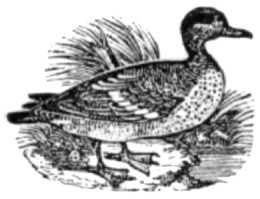
Childs Bk of Water Birds teal

THE TEAL.

The Teal is the smallest of the ducks. The Green-winged Teal is the American. It feeds on fresh-water insects, seeds, and aquatic plants. When fat it is considered a great luxury. It is almost always seen on well furnished tables. It generally feeds at night. It flies very swiftly, and utters a whistling cry.

***

*

Male Green-winged Teal at Lowry Park Zoo, Tampa, FL

*

Update:

This dabbling duck (the Green-winged Teal) flies south in the winter and will form large flocks.

This is the smallest North American dabbling duck. The male has grey flanks and back, with a yellow rear end and a white-edged green feathers. It has a chestnut head with a green eye patch.  a vertical white stripe on side of breast. The females are light brown.

Green-winged Teal (Anas carolinensis) Pair ©WikiC

14 Green-winged Teal (Anas carolinensis) Pair ©WikiC

*

It is a common duck of sheltered wetlands, usually feeds by dabbling for plant food or grazing.  It nests on the ground, near water and under cover.

This is a noisy species. The male has a clear whistle, whereas the female has a feeble “quack”.

We also have Blue-winged Teals and Cinnamon Teals here in America.

***

See the other five Child’s Book of Water Birds:

The Swan

The Coot

The Dabchick

The Goose

The Oyster Catcher

*

Green-winged Teal – WhatBird

Blue-winged Teal – WhatBird

Cinnamon Teal – WhatBird

Birdwatching Terms – Dabbling duck

Bible Birds

Wordless Birds

*
Child's Book of Water Birds - Levit and Allen
*** PROJECT GUTENBERG EBOOK CHILD'S BOOK OF WATER BIRDS ***

*