Sunday Inspiration Menu Update

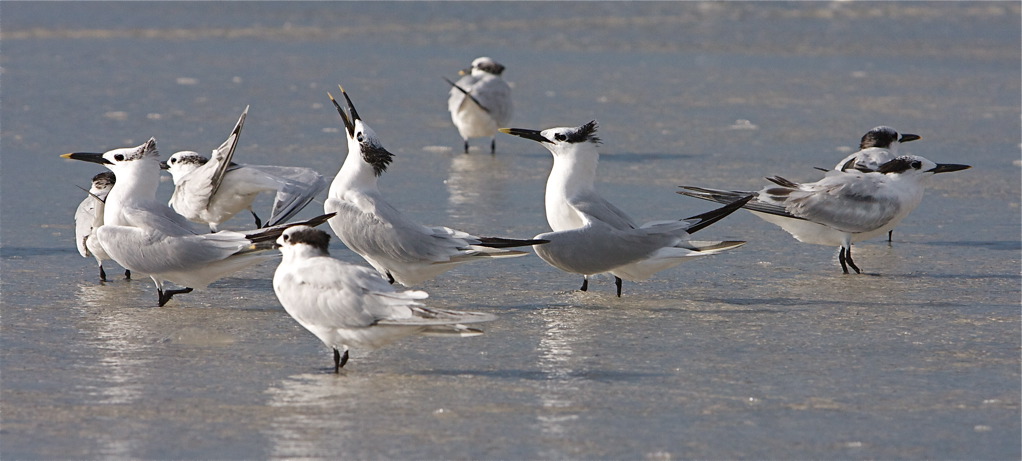
Sandwich Tern Singing (calling) By Mike Bader

Opps! I forgot to add the latest Sunday Inspiration’s to the menu in the last post about that menu. [Now Updated]

Here is the rest of the Menu:

New World Quail ~ “Man of Sorrows” – Faith Baptist Choir

Pheasants and Allies I ~ “While the Ages Roll” ~ Men’s Quartet – Faith Baptist

Pheasants and Allies II ~ In the Garden” ~ Flute Solo Lauren D – Orchestra Concert

Pheasants and Allies III ~ “Hiding in the Shadow of the Rock” ~ Dr. Richard Gregory

Pheasants and Allies IV ~ “God’s Still In Control” ~ ©Hyssongs

Pheasants and Allies V ~ “How Can I Keep From Singing” ~ Three + One Quartet (Pastor Smith, Reagan, Jessie, and Caleb)

Loons and Penguins ~ “Day Star” – With Pastor Smith and Reagan Osborne

Austral Storm Petrels and Albatrosses ~ “I Am Determined to Live for the King” ~ Three-Plus-One Quartet – Faith Baptist

Northern Storm Petrels ~ “Bless The Lord Oh My Soul” ~ By Sean Fielder

Procellariidae Family – Petrel, Fulmar and Prion ~ “You Were There” ~ Three Plus One Quartet – Solo Reagan Osborne

Procellariidae – (Pterodroma – Gadfly) Petrels ~ “Jesus What a Mighty Name” ~ Pastor Smith with Choir and Orchestra

Procellariidae – Rest of Family ~ “Big Mighty God” ~ Three plus One Quartet

Grebe Family ~ “He is God” ~ by 3 Plus 1 Quartet, Faith Baptist

Procellariidae Family – Petrel, Fulmar and Prion ~ “You Were There” ~ Three Plus One Quartet – Solo Reagan Osborne

A New Day ~ “A New Day” ~ Ernesto Cortazar

Flamingos and Tropicbirds ~ “You Are the Everlasting God” ~ 3 Plus 1 Quartet – Faith Baptist

Storks ~ “Amazing Grace” and “I Love You” ~ Orchestra and Choir combined”

Ibises and Spoonbills I ~ “Stay Close To Me” ~ by the ©Hyssongs

Hamerkop, Shoebill, and Pelicans ~ “I Will Sing The Mighty Power of God” ~ ©Hyssongs

Frigatebirds, Gannets and the Booby ~ “My Faith Still Holds” ~ Faith Baptist Church Orchestra

“Speaking to yourselves in psalms and hymns and spiritual songs, singing and making melody in your heart to the Lord; Giving thanks always for all things unto God and the Father in the name of our Lord Jesus Christ;” (Ephesians 5:19-20 KJV)

Crows and Other Corvids are Really Smart Birds!

Crows and Other Corvids are Really Smart Birds!

Dr. James J. S. Johnson

FOREST RAVEN (Corvus tasmanicus): eBird.org / David Irving photo credit
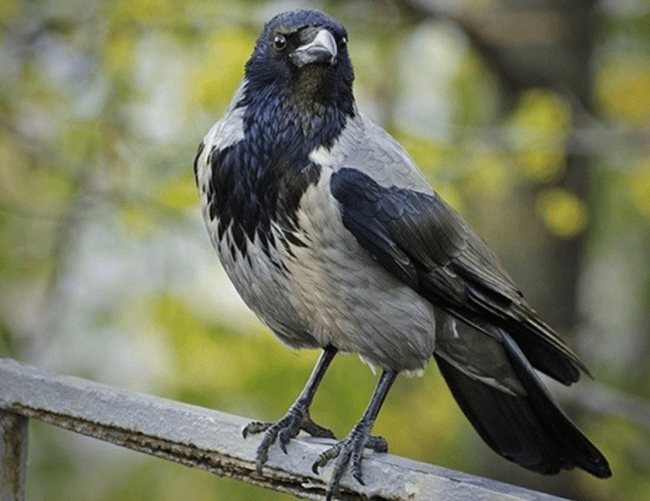
HOODED CROW (World Life Expectancy photo)

“Every raven after his kind”   (Leviticus 11:15)

Who provides for the raven his food? When his young ones cry unto God, they wander for lack of food.   (Job 38:41)

Consider the ravens: for they neither sow nor reap; they neither have storehouse nor barn, yet God feeds them; how much more are ye better than birds?   (Luke 12:24)

[quoting from the HOLY BIBLE]

There is, as Moses noted, a “kind” (i.e., genetically related family) of birds that we call “corvids”, crow-like birds, including ravens.  [In the English Bible (KJV), these birds are always called “ravens”.] 

These black (or mostly black – see Song of Solomon 5:11) omnivores are known to “crow”, often calling out a harsh KAWWWW!   Also famous for their “ravenous”appetites and eating habits, it is no wonder that the English labeled many varieties of these corvid birds as “ravens”.

The HOODED CROW (Corvus cornix) lives and thrives in the Great North – including Sweden, Finland, and Russia.  This I learned firsthand, on July 6th of AD2006, while visiting a grassy park near the Vasa Museum of Stockholm, Sweden.  The next day (July 7th of AD2006), it was my privilege to see another Hooded Crow in a heavily treed park in Helsinki, Finland.  Again, two days later (i.e., the 9th of July, AD2006), while visiting Pushkin (near St. Petersburg, Russia), I saw a Hooded Crow, in one of the “garden” parks of Catherine’s Palace.  Obviously, Hooded Crows appreciate high-quality parks of northern Europe!

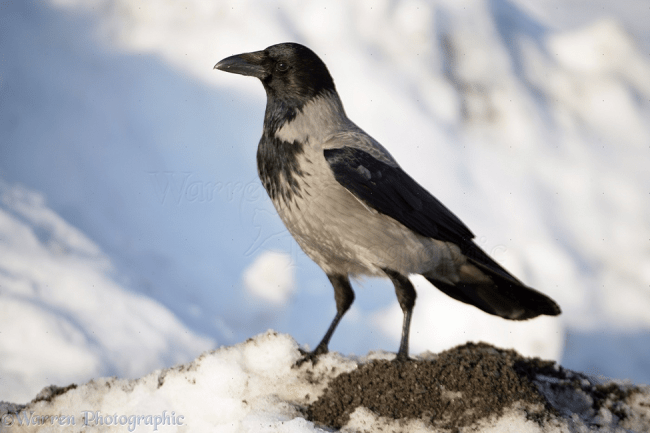
HOODED CROW (Warren Photographic photo credit)

The physical appearance of a Hooded Crow is, as one bird-book describes, “unmistakable”.

Unmistakable.  Head, wings and tail black, but body grey (can show pinkish cast in fresh plumage).

[Quoting Chris Kightley, Steve Madge, & Dave Nurney, POCKET GUIDE TO THE BIRDS OF BRITAIN AND NORTH-WEST EUROPE (Yale University Press / British Trust for Ornithology, 1998), page 271.]

Like most large corvids, the Hood Crow is quite versatile in filling various habitats.

Wary, aggressive scavenger found in all habitats from city centre to tideline, forest to mountain top.  Generally seen in ones and twos, but the adage ‘crows alone, rooks in a flock’ unreliable; often accompanies other crows, and hundreds may gather at favoured feeding spots and roosts.  Watch for crow’s frequent nervy wing flicks whenever on ground or perched.  Calls varied.  Typically a loud, angry kraa, usually given in series of 2—6 calls.  Unlike Rook, pairs nest alone (usually in tree).

[Again quoting Kightley, et al., POCKET GUIDE TO THE BIRDS OF BRITAIN AND NORTH-WEST EUROPE, page 271.]
CARRION CROW   (Ouiseaux-Birds photo)

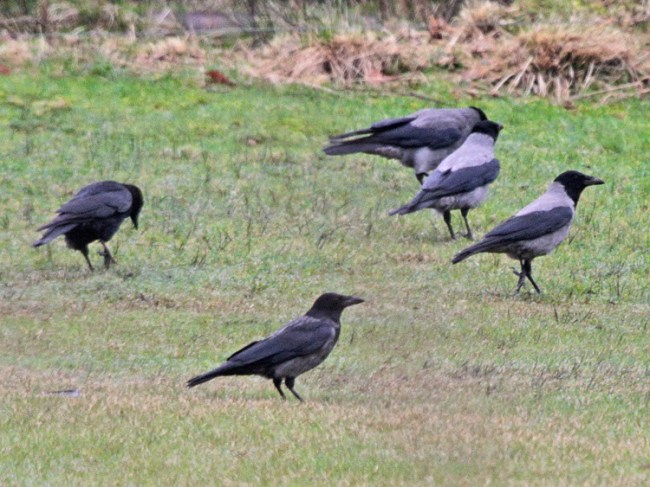
Yet the HOODED CROW is not a genetically self-contained “species”, regardless of what taxonomists might wish about them.  They happily hybridize with other crows, especially the CARRION CROW [Corvus corone], whose international range the Hooded Crow overlaps.

CARRION CROWS + HOODED CROWS = HYBRIDS   (Bird Hybrids photo)

CARRION AND HOODED CROWS.  The familiar crow.  Two distinct races occur … [In the]British Isles and western Europe, Carrion Crow (Corvus corone) is common everywhere except north and west Scotland, Ireland, Isle of Man and Europe east of Denmark, where it is replaced by Hooded (Corvus cornix).  Where breeding ranges overlap hybrids are frequent [emphasis added by JJSJ].

[Again quoting Kightley et al., page 271.]

The Carrion-Hooded Crow hybrids are also noted within a larger discussion (i.e., pages 224-228) of Corvid family hybrids, in Eugene M. McCarthy, HANDBOOK OF AVIAN HYBRIDS OF THE WORLD (Oxford University Press, 2006), at page 227. 

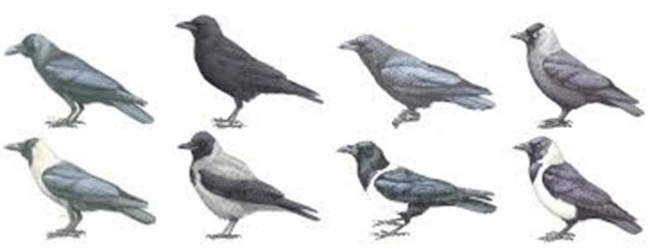
CORVIDS (Jelmer Poelstra / Uppsala University image credit)

Dr. McCarthy, an avian geneticist, has accumulated and summarized genetic research on Carrion-Hooded hybrids, especially examples observed in Eurasia:

Because the Carrion Crow has a split range … with the Hooded Crow intervening … there are two long contact zones, one extending from N. Ireland, through N. Scotland, to N.W. Germany, then S to N Italy, and another stretching from the Gulf of Ob (N Russia) to the Aral Sea.  … Even in the center of the [overlap] zone, only 30% of [these corvid] birds are obviously intermediate.  Due to hybridization these [corvid] birds are now sometimes lumped, but Parkin et al. (2003) recommend against this treatment since the two have obvious differences in plumage, as well as in vocalizations and ecology, and because hybrids have lower reproductive success than either parental type.  Hybrid young are less viable, too, than young produced from unmixed mating (Saino and Villa 1992).  Genetic variability increases within the hybrid zone (as has been observed in many other types of crossings).  Occasional mixed pairs occur well outside [the overlap range] zones (e.g., Schlyter reports one from Sweden).

[Quoting Eugene M. McCarthy, HANDBOOK OF AVIAN HYBRIDS OF THE WORLD (Oxford Univ. Press, 2006), at page 227.]

 Dr. McCarthy, on pages 224-228, lists several other examples of documented corvid hybridizations, including: Corvus capellanus [Mesopotamian Crow] X Corvus corone [Carrion Crow];  Corvus cornix [Hooded Crow] X Pica pica [Black-billed Magpie];  Corvus albus  [Pied Crow] X Corvus albicollis [White-necked Raven];  Corvus albus  [Pied Crow] X Corvus ruficollis [Brown-necked Raven];  Corvus albus [Pied Crow] X Corvus splendens [House Crow];  Corvus brachyrhynchos [American Crow] X Corvus caurinus [Northwestern Crow];  Corvus corax [Common Raven] X Corvus brachyrhynchos [American Crow];  Corvus corax [Common Raven] X Corvus corone [Carrion Crow];  Corvus corax [Common Raven] X Corvus cryptoleucus [Chihuahuan Raven];  Corvus corax [Common Raven] X Corvus levaillantii [Jungle Crow];  Corvus corax [Common Raven] X Corvus macrorhynchos  [Large-billed Crow];  Corvus corax [Common Raven] X Corvus ruficollis [Brown-necked Raven];  Corvus corone [Carrion Crow] X Corvus macrorhynchos  [Large-billed Crow];   Corvus daururicus [Jackdaw, a/k/a “Coloeus dauuricus”] X Corvus monedula [Jackdaw, a/k/a “Coloeus mondela”];  Corvus levaillantii [Jungle Crow] X Corvus macrorhynchos  [Large-billed Crow];  Pica nuttalli [Yellow-billed Magpie] X Pica pica [Black-billed Magpie];  plus it looks like an occasional Rook [Corvus frugilegus] joins the “mixer”, etc.   Looks like a good mix or corvids! 

Avian hybrids, of course, often surprise and puzzle evolutionist taxonomists, due to their faulty assumptions and speculations about so-called “speciation” – as was illustrated, during AD2013, in the discovery of Norway’s “Redchat”  —  see “Whinchat, Redstart, & Redchat:  Debunking the ‘Speciation’ Myth Again”, posted at https://leesbird.com/2017/12/12/whinchat-redstart-redchat-debunking-the-speciation-myth-again/ .

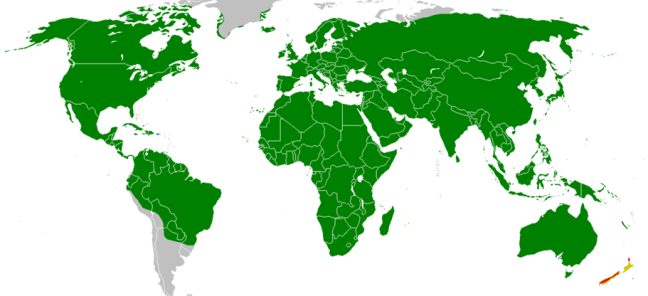
CORVID RANGES of the world (Wikipedia image credit)

Meanwhile, as the listed examples (of corvid hybridizations) above show, corvid hybrids are doing their part to “fill the earth”, including Hooded-Carrion Crows. 

Now that is are something to crow about!               ><> JJSJ    profjjsj@aol.com   

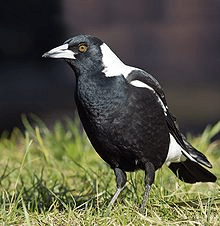
AUSTRALIAN MAGPIE (Gymnorhina tibicen) swooping to attack / CSIROscope photo credit

APPENDIX:  CROWS & OTHER CORVIDS ARE REALLY SMART BIRDS!

Crows, as well as other corvid birds (i.e., members of the Crow-Raven family), fascinate children. They should amaze adults, too, yet often we are too busy to take time to ponder and appreciate the God-given traits of the creatures who share our world.  Why should these birds capture our attention? They are alive!

Unlike plants, which are like biological machines (having no self-consciousness), higher-order animals like mammals and birds are truly alive, often displaying what might be called personalities. Although qualitatively distinct from humans—who are made in God’s image (Genesis 1:27)—animals have what Scripture calls a “soul” (the Biblical Hebrew noun is nephesh—see Genesis 1:20-21; 1:24; 2:19; 9:10; 9:12; 9:15-16 & Leviticus 11:46. )  This “soul” (nephesh)—is something more than the bird’s (or other animal’s) physical body. A bird’s nephesh-lifedeparts at death, yet its physical body remains. Thus, there is a difference between a bird’s immaterial life and its material body, just as we humans have physical bodies distinct from our own immaterial selves. The bird’s “soul” is revealed by how he or she intelligently thinks, communicates, learns, and makes decisions—including problem-solving choices.

Although many avian (and other animal) behaviors exhibit preprogrammed responses to outside world conditions, not all such behaviors are instinctive. Some such behaviors reveal that God chose to give these creatures real intelligence, real  cleverness—demonstrated by abilities to learn new ideas, to fit new situations, and to solve practical problems of daily living.

As [Benjamin] Beck tells us in his book Animal Tool Behavior, [a crow] was fed partly on dried mash, which its keepers were supposed to moisten. But sometimes (being merely human) they forgot. The crow, undaunted, would then pick up a small plastic cup that had been provided as a toy, dip it into a water trough, carry the filled cup across the room to the food, and empty the water onto the mash. “If the water was spilled accidently,” Beck writes, “the crow would return to the trough for a refill rather than proceed to the food pan with an empty cup.” The bird was not taught to do this. “The [problem-solving] behavior appeared spontaneously,” Beck reports

[Quoting from Candace Savage, Bird Brains: The Intelligence of Crows, Ravens, Magpies, and Jays (San Francisco: Sierra Club, 1997), pages 2-4.]
Australian Magpie (Wikipedia photo)

For another example of a corvid bird—in this case a magpie—demonstrating problem-solving intelligence, consider how Australian magpies deal with the unforeseeable problem of a human-imposed GPS “backpack”, which hinders its avian wearer similar to the inconvenience of a human wearing an “ankle bracelet”: 

Here, we describe one such study trialling [i.e., trial-experimenting] a novel harness design for GPS tracking devices on Australian Magpies Gymnorhina tibicen. Despite previous testing demonstrating the strength and durability of the harness, devices were removed within minutes to hours of initial fitting. Notably, removal was observed to involve one bird snapping another bird’s harness at the only weak point, such that the tracker was released. 

[Quoting from Joel Crampton, Celine H. Frère, & Dominique A. Potvin, “Australian Magpies Gymnorhina tibicen Cooperate to Remove Tracking Devices”, Australian Field Ornithology, 39:7-11 (2022).]

Likewise, some corvid birds (such as scrub jays)—acting like helpful “first responders”—are known to rescue distressed “birds of [the same] feather”, when a predator is threatening one of their own kind.

What if a large predatory bird attacks a small bird (or its nest of hatchlings)? Oftentimes, in such situations, the imperiled bird’s alarm-cry is followed by a “mob” attack. In effect, a vigilante-like “posse” of small birds chase and peck the predator, so the predator quickly flees to avoid the group counter-attack.  This has often been observed in corvid birds—the family of crows—such as Eurasia’s Siberian jay.

Jays sometimes gang up on owls and hawks, their primary predators, in an activity called “mobbing.” Uppsala University research [in Sweden] on Siberian jays, slated to appear in the Proceedings of the Royal Society Biological Sciences, investigated the specifics of how jays communicate when mobbing predators. The study found that these birds have “over 25 different vocalisations” which combine to form “over a dozen different calls [while mobbing], some of which are specific for owls and other [sic] for hawks.”

[Quoting from Brian Thomas, “Jay Talking”, Creation Science Update (June 29, 2009), posted at www.icr.org/article/jay-talking — quoting from a Uppsala University press release, “Siberian Jays Use Complex Communication to Mob Predators”, dated June 8, 2009]

Many other examples of problem solving by resourceful animals could be given. Domesticated livestock, family pets, wildlife, and laboratory-tested animals come up with clever solutions to the challenges of daily living to secure food, water, air, shelter, rest, information, and reproductive success. But the resourcefulness of animals should not surprise us.

Proverbs informs us that God wisely installed wisdom into the minds of corvid birds, as well as many other animals—even small creatures like ants, conies, locusts, and lizards.  To literally translate what Proverbs 30:24 [chakâmîm mechukkâmîm] says about such animals, they are “wise from receiving [God’s] wisdom.”  Truly amazing display — of God’s creativity and love for life !       

   ><> JJSJ     profjjsj@aol.com

father Australian Magpie (Corvus tibicen) feeding juvenile magpie (Wikipedia / Toby Hudson photo credit)

[P.S.: this blogpost updates and expands upon an earlier post on November 7th A.D.2018.]

Sunday Inspiration Menu

As you know, there is a menu along the left side which has links to many of the articles categorized to help you find interesting topics. One of those menus is Sunday Inspiration. We enjoyed producing these over the years and trust they were informative and a blessing.

I just finished updating this page and hopefully fixed the broken links and minor problems. Here is that same Sunday Inspiration Menu to help you find some of the ones you missed.

American Yellow Warbler (Dendroica aestiva) singing by J Fenton

American Yellow Warbler (Dendroica aestiva) singing by J Fenton

Sunday Inspiration is an attempt at showing God’s Creative Hand with a slideshow of different Families of Birds or a theme, such as Stone Birds. Also, music from sources that have provided permission.

Trust you enjoy seeing these birds and hearing Christian music to give you a Sunday Inspiration.

Eagles – “Don’t Give Up”  ©The Hyssongs

Laughingthrush – “My Faith Still Holds” by Faith Baptist Orchestra

Hummingbirds – “Come Thou Fount” by Faith Baptist Orchestra

Stone Birds – “Jesus Rolled Back The Stone” ©Hyssongs

Turacos – “Redeemed Medley” by Faith Baptist Choir

Woodpeckers – “Jesus Love Me” ©Bonnie Standifer

Owls – “How Great Thou Art” @Sean Fielder

Thrushes – “I Love You Lord” by Faith Baptist Orchestra

Great Egrets in Breeding Plumage – “I’ve Got Joy” by Faith Baptist Orchestra

Sparrows – “His Eye Is On The Sparrow” – Don Marsh Orchestra

Tanagers – Your Grace is Sufficient” by Courtney Love – Flute

Feet “Just A Closer Walk With Thee” – ©The Hyssongs

Palm Birds – Hosanna (Messiah Has Come) and Messiah – (Solo by Lisa Brock) from the Easter Musical 2013 by Faith Baptist Choir.

Easter – Faith Baptist Orchestra playing at the Easter Service in 2012

Jays and Cousins – “Bless The Lord Oh My Soul” © Sean Fielder

Mother’s Day – “Stay Close To Me” © The Hyssongs

Singing Birds – “Singing” by Dr. Richard Gregory

Sunrise Gives A Big Surprise – “Military Service Medley” – Faith Baptist Orchestra

Old Rugged Cross (Cross and Hill Birds) – “The Old Rugged Cross” – Faith Baptist Orchestra

Herons – “Peace Medley”  by Faith Baptist Choir

Rock Birds – “Hiding in the Shadow of the Rock” ~ © Dr. Richard Gregory

Birds and Peace – “I’d Rather Have Jesus” – © Sean Fielder

Sparrows II – “His Eye Is On The Sparrow ” – by Kathy Lisby

Thirst – “Come Thou Fount of Every Blessing – ©Sean Fielder

“King” Birds – “The King is Coming” – Faith Baptist Choir and Orchestra. Intro by Pastor Osborne and “The King is Coming” – ©Hyssongs

Hornbills – “I Sing The Mighty Power Of God” ~ by the ©Hyssongs

Bitterns ~ “Hide Thou Me” ~ by the ©Hyssongs

Hawks – “I Will Pilot Thee” ~ by Dr. Richard Gregory

Sunbirds – “Temporary Home” – Flute played by Courtney Love (artist Carrie Underwood)

Smiling – “Smile On Me Gracious Lord” – Special by Amy, Dakota and Christina

Batis and Wattle-eye – “There Shall Be Showers of Blessing”. Hymn – from Faith Baptist Church

Passerines – “Sweet Hour of Prayer” – by Sean Fielder (Faith Baptist)

Crown Birds – “All Hail The Power of Jesus Name” – Faith Baptist Orchestra

On The Sea – “Ship Ahoy ~ by Dr. Richard Gregory

“Love” Birds – “Oh The Deep, Deep Love of Jesus” Special by Christina

Creation ~ “This is My Father’s World” – YouTube Video with Sean Fielder Playing

I’ll Be A Friend – “I’ll Be A Friend To Jesus” ~ by Men’s Quartet – Faith Baptist Church

At Calvary – “At Calvary” – (Trio – Margaret H, Sue W, Pastor Jerry) and Faith Baptist Choir

One Day Too Late – “One Day Too Late” – Men’s Quartet + 1 – Faith Baptist Church

Veteran’s Day – “Military Service Medley” – Faith Baptist Orchestra

Variety ~ ”The Love Of God” – ©The Hyssongs

Worthy of Thanksgiving ~ “Worthy of Worship” – Faith Baptist Orchestra

Hide Thou Me ~ “Hide Thou Me” – ©Hyssongs

Resting ~ “God’s Still In Control” – ©Hyssongs

Christmas Birds ~ Christmas Message from Pastor Osborne III

What A Savior ~ excerpt from this year’s Christmas Program at Faith Baptist

Flamingo Gardens ~ “In The Garden” – Faith Baptist Orchestra

Let Everything Praise ~ “God Is Great.” ©The Hyssongs

Big Might God ~ “Big Mighty God” – 3+1 – Pastor Jerry, Reagan Osborne, Caleb & Jessie Padgett

Star Birds ~ “Day Star” ~ Pastor Jerry Smith and Reagan Osborne at Faith Baptist Church

Beginning of Passeriformes Order (Songbirds) For The Sunday Inspiration

More Amazing Birds ~ “Jesus What A Might Name” – Pastor Jerry w/Choir and Orchestra

Ant Birds ~ “He Looked Beyond My Fault” ~ ©The Hyssongs

Everlasting God ~”Everlasting God” – Pastor Jerry, Reagan Osborne, Caleb & Jessie Padgett

Flycatchers ~ “Amazing Grace” – Orchestra and “I Love You, Written in Red” – Choir (Faith Baptist Church)

Give Thanks ~ “Give Thanks” ~ sung by Mark Quijano, his YouTube Channel

There is a Redeemer ~ “There is a Redeemer,” played by Nell Reese at Faith Baptist Church

Australian Birds ~ “How Can I Keep From Singing” – Pastor Jerry Smith, Jessie and Caleb Padgett and Reagan Osborne

Honeyeaters ~ “Blood of Jesus Medley” ~ Faith Baptist Church Choir

Worthy ~ “Worthy” ~ Faith Baptist Choir and Orchestra

Variety II ~ “Just A Little Talk With Jesus” – Vegter Six

Whipbirds, Wattle-eyes and Allies – ” Be Thou My Vision and Battle Hymn of the Republic” ~ played by Sean Fielder

Woodshrikes and Helmetshrikes ~ ” I’ve Got Joy” ~ by the Faith Baptist Orchestra

Bushshrikes and Boatbills ~ “We Shall See Jesus” ~ Margaret Hiebert, Pastor and Jill Osborne and Pastor Jerry Smith

Vangas and Friends ~ “I Still Believe” – ©The Hyssongs

Cuckooshrikes ~ “There’s Something About That Name” ©The Hyssongs

Whistlers and Avian Friends ~ “”The Love of God” ~ Dr. Richard Gregory

Shrikes and Vireos ~ “El Shaddai” – by Nell Reese

Figbirds, Orioles and Drongos ~ “He Touched Me” -~ ©The Hyssongs

Fantails ~ “So Send I You” – Men’s Quartet – Faith Baptist

Monarchs ~ “He’s Looking on You” ~ by Dr. Richard Gregory

Crows and Jays ~ “Peace Medley” ~ by Faith Baptist Choir

Independence Day ~ “Military Medley” ~ Faith Baptist Orchestra

From Mud to Beauty ~ “I Heard The Voice of Jesus” ~ By Sean Fielder

Australian Robin and Friends ~ “Hiding in the Shadow of the Rock” ~ © Dr. Richard Gregory

Deep Love of Jesus ~ “Oh The Deep, Deep, Love of Jesus” ~ Megan Fee and Jill Foster

Tits, Chickadees and Penduline Tits ~ “Just a Little Talk With Jesus Makes It Right” ~ Vegter Quartet (together for Vi’s 90th Birthday)

Larks ~ “His Eye Is On The Sparrow ” – by Kathy Lisby, Faith Baptist Church

Bulbuls ~ “How Deep The Father’s Love For Us” ~ played by Megan Fee and Jill Foster

Swallows and Martins ~ “If I Don’t Have Love” ~ by Jessie Padgett – Special at Faith Baptist

Wren-babblers – Crombecs and Bush Warblers – “Bow The Knee” ~ Sheila Vegter and Jacob (her son who is playing the piano and singing)

Little Beauties From The Lord ~ “Beautiful Saviour (Fairest Lord Jesus)”) ~ by Kid’s Choir at Faith Baptist

Reed Warblers ~ “When I Survey The Wondrous Cross” ~ by Miss Anna Pletcher (12 years old) on piano

Grassbirds and Allies ~ “The Church’s One Foundation” – Megan Fee, Cody Hancock & Dakota Hancock ~ at Faith Baptist

Worth The Lamb ~ “Worthy The Lamb” ~ Choir at Faith Baptist Church

Cisticolas and Singing ~ “How Can I Keep From Singing?” ~  by the Trio + 1 (Pastor Jerry, Reagan Osborne, Caleb & Jessie Padgett) Faith Baptist

Fulvettas, Ground Babblers ~ “Everything’s Fine” ~ ©Hyssongs

Laughingthrush – Leiothrichidae Family ~ “Ten Thousand Joys” ~ Choir – Lisa Brock – Jessie Padgett (Faith Baptist)

Sylviid Babblers ~ “I Stand Amazed” ~ Faith Baptist Choir

White Eyes ~ “Come, Look To Jesus” ~ Played by Jill Foster at Faith Baptist (during Communion)

Seven Small Families ~ “All Hail The Power” – Faith Baptist Orchestra

Wrens ~ “He is Everything To Me” – Men’s Ensemble – Faith Baptist

Nuthatches and Creepers ~ “How Deep Is Your Love?” – Played by Jill Foster (Faith Baptist)

Mockingbirds and Thrashers ~ “I Am Loved” ~ Faith Baptist Orchestra

Starlings, Mynas and Rhabdornis ~ “Once Upon A Tree” ~ Choir – and – “Sing To Jesus” ~ Angel Long & Jessie Padgett

Oxpeckers and Thrushes ~ “I Heard The Bells With Peace On Earth” – with Jessie Padgett, Angel Long and the FX Girls

Chats and Old World Flycatchers I ~ “Wise Men Still Seek Him” – Trio and Choir

Chats and Old World Flycatchers II ~ “The Birthday of a King” ~ by Dr. Richard Gregory, now in Glory

Chats and Old World Flycatchers III ~ O Come, O Come Emmanuel”  by Meagan Fee on Violin and Jill Foster accompanying

Dippers, Leafbirds and Flowerpeckers ~ Faith Medley” – Faith Baptist Choir

Sunbirds and Spiderhunters ~ “The Fountain” Harp — 9-year-old Alisa Sadikova – Video

Old World Sparrows ~ “His Eye Is On The Sparrow” – Don Marsh Orchestra

Weavers and Allies ~ “Jesus What A Might Name” – Pastor Jerry w/Choir and Orchestra

Waxwings and Allies I ~ “My Jesus I Love Thee” – by Meagan Fee (didn’t work 1st time-fixed)

Waxwings and Allies II ~ “My Jesus I Love Thee” – by Meagan Fee at Faith Baptist

Some Small Families ~ “Little Prayers” – by the ©The Hyssongs

Wagtails and Pipits ~ “Glorious Love” – Choir, Orchestra, Solo by Pastor Jerry

Finches I ~ “Mercies Anew” ~ by Lisa Brock, accompanied by Jill Foster

Finches II ~ “My Faith Has Found A Resting Place” ~ ©Artisans in Brass (Psalms, Hymns & Spiritual Songs-Album) Used with permission

Finches III ~ “Shout To The North and the South” ~ by Faith Baptist Church Choir

Finches IV ~ “Once Upon A Tree” ~ by Faith Baptist Church Choir

New World Warblers – I ~ “How Can I Keep From Singing?” ~ Pastor Jerry Smith, Reagan, Caleb and Jessie

New World Warblers – II ~ “Heavenly Sunlight” ~ by Artisans in Brass

Three Small Families ~ “I’ll Be a Friend to Jesus” ~ Faith Baptist Quartet

Icteridae Family I ~ I’ll Stand Up and Say So” – by the ©The Hyssongs

Icteridae Family II ~ “It Is Well With My Soul” ~ by Sean Fielder

Icteridae Family III ~ “Stay Close To Me” ~ ©Hyssongs

Emberizidae’s – Buntings ~ “Triumphantly The Church Will Rise” ~ Faith Baptist Men’s Quintet

Emberizidae – Part II ~ “His Eye Is On The Sparrow” ~ by Kathy Lisby at Faith Baptist

Emberizidae Family Allies I ~ “Be Thou My Vision” ~ by Ladies and Girls Choir on Mother’s Day

Emberizidae Family Allies II ~ “Worthy The Lamb” – Faith Baptist Choir and Orchestra

Thraupidae – Tanagers and Allies I – “My Jesus I Love Thee” ~ Faith Baptist Orchestra

Thraupidae – Tanagers and Allies II – “My Faith Still Holds” ~ Faith Baptist Orchestra

Thraupidae – Tanagers and Allies III – “Jesus Paid It All” – Men’s Father’s Day Choir and “While The Ages Roll” –  Men’s Quartet

Thraupidae – Tanagers and Allies IV – “El Shaddai” ~ by Nell Reese

Thraupidae – Dacnis, Honeycreepers, Conebills ~ “Amazing Grace” and “I Love You, Written in Red” – – Orchestra & Choir (Faith Baptist Church)

Thraupidae – Flowerpiercers, Sierra Finches, Plus ~ “Your Grace is Sufficient” ~ Special by Courtney Love – Flute

Inca, Warbling and Various Finches ~ “Quiet Rest” and “Sweet Hour of Prayer” ~  by Kathy Lisby – Nell Reese acc. on piano.

Thraupidae Tanagers and Allies  VIII ~ “And Can It Be” – Sung by Angel Long and acc. Sean Fielder*

Thraupidae Tanagers and Allies Finale ~ “Hallelujah For The Cross” ~ by Jessie Padgett

Calcariidae – Longspurs and Snow Buntings ~ “House on A Rock” ~ by the Summer Kid’s Choir

Cardinalidae Family of Cardinals Plus ~ “Written in Red” – Orchestra & Choir

Cardinalidae Wrap-up ~ “Come Thou Fount of Every Blessing” ~ Choir and Orchestra

Passeriformes Review I ~ “To Win My Soul” – Sung by Jessie Padgett”

Passeriformes Review II ~ “Were You There, When They Crucified My Lord” – Communion Music – Organ & Piano

Passeriformes Review III ~ “Ship Ahoy ~ by Dr. Richard Gregory

Beginning of the Bird Orders – Tinamiformes ~ “Praise Medley” by ©The Hyssongs

Ostrich, Rhea, Cassowary, Emu & Kiwi ~ “Hosanna, Messiah Has Come” ~ Choir and Solo by Lisa Brock

Anseriformes I ~ Screamer and Magpie Goose ~ “Jesus Wrought A Miracle of Love” ~ Solo by Paul Ebright

Whistling, White-backed Ducks and Geese ~ “I’d Rather Have Jesus” ~ by Faith Baptist Orchestra

Geese and Swans ~ “Moment By Moment” ~ Faith Baptist Orchestra

Ducks and Geese ~ “I Will Rise” ~ Margaret and Sue, accompanied by Amy – cello and Jill – Keyboard

More Anatidae Swimmers ~ “God’s Greatness Medley” ~ Faith Baptist Orchestra

Anas Genus ~ “Ship Ahoy”~ from “Great is Thy Faithfulness” by Dr. Richard Gregory

Diving Ducks and Allies ~ “How Can I Keep Singing” ~ The 3+1 Trio (Pastor Jerry, Reagan Osborne, Caleb and Jessie Padgett)”

The Last of the Anatidae Family ~ “Birthday of the King” ~ Dr. Richard Gregory

Christmas At Faith 2016 ~

Galliformes Order Overview ~ “You are Worthy” ~ Faith Baptist Orchestra

Megapodiidae Family ~ “El Shadaih” ~ Played by Nell Reese

Chachalacas ~ “Quiet Rest* and “Sweet Hour of Prayer” ~ by Kathy Lisby – Nell Reese acc”

Guans ~ “Hide Thou Me” ~ ©The Hyssongs (with permission)

Curassows ~ “Its About The Cross” ~ Quartet FBC

Guineafowl ~ “Don’t Give Up” ~ ©The Hyssongs (Used With Permission of the Hyssongs)
Time To Rest

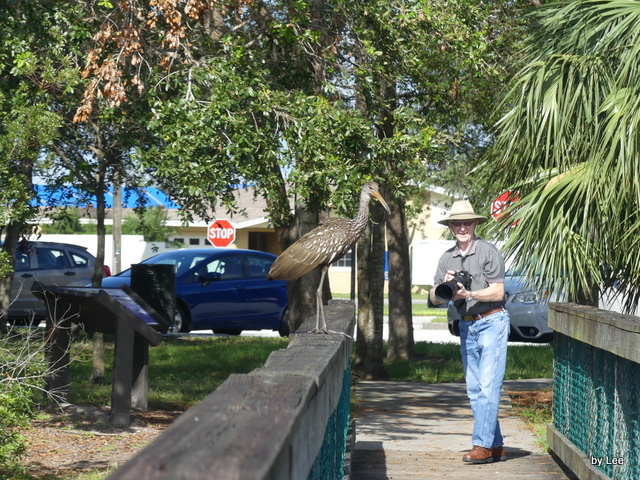
Limpkin and Dan at South Lake Howard Reserve – 2017

We believe it is time to rest from our labors at Lee’s Birdwatching Adventures Plus. This blog has attempted over the years to present the Lord’s Avian Wonders from many different perspectives. It has been a delight to present these fantastic birds in such different views, thanks to some very talented photographers. Also, to have different writers adding such information from so many places and ways of thinking about the birds of the world.

Is the blog shutting down? NO! NO! NO!

We have so many informative and useful posts to be explored that are great reading and references. (This is from remarks of our readers over the years.) I, Lee, am working behind the scenes trying to improve the Menu structures that was developed along the way. I’m trying to clean up broken links to sites that are no longer active, and make it easier to find information, photos, videos, and stories about our wonderfully created birds.

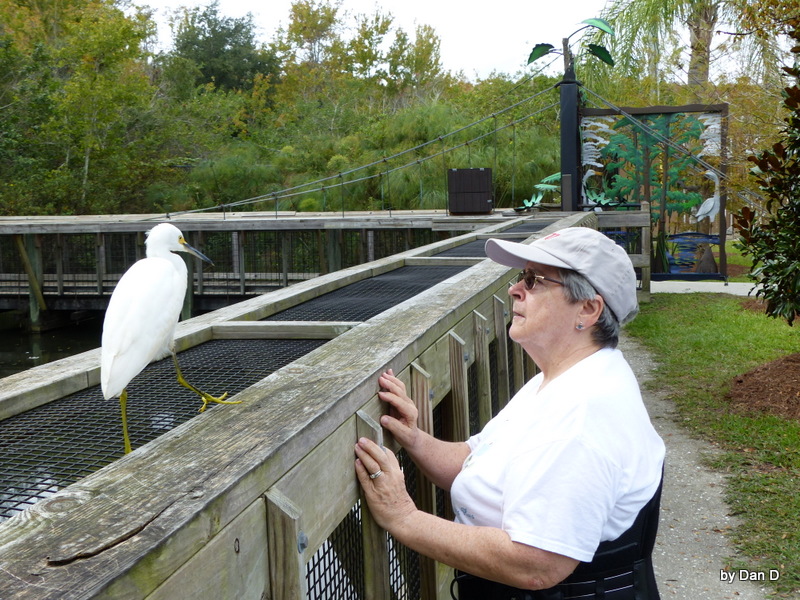
Snowy Egret and Lee Gatorland by Dan -2015

Also, Dan and I are getting older, 82 and 78, so we are starting to feel it. Our birdwatching adventures have just about slowed to a crawl. We do move a bit faster than that though. :)  It’s time! We have tried to do our best in honoring our Savior, the Lord Jesus Christ, who is our Great Creator.

“I (we) have fought a good fight, I have finished my course, I have kept the faith:” (2 Timothy 4:7 KJV)

Thought you might like a look at a bit of the history of Lee’s Birdwatching Adventures. The blog was moved over here to WordPress on July 5. 2008 (almost 14 years ago). It had started a few months earlier on another platform.

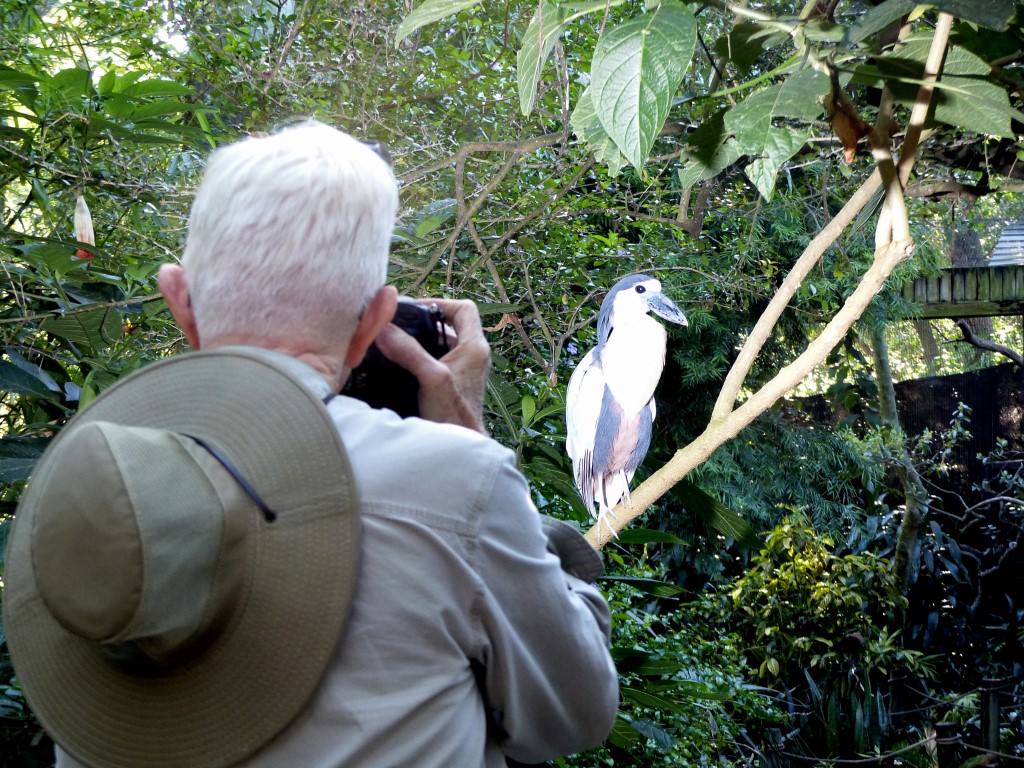
Boat-billed Heron over Dan’s Shoulder by Lee at LPZ

As of today, we have had almost 2,292,000 visitors. We have had 8-10 writers, besides myself, writing articles. I am so thankful for all of them, especially the regulars whom you can find in the side menu. Plus, all the photographers who have contributed so many fantastic photos to be used here.

Feeding White Ibises at Lake Morton [Dr. JJS Johnson, Baron (Golden Eagle), and Dan], by Lee – 2016

Here are some more statistics, if you are interested:

  • Comments – 8,201
  • Posts – 3945
  • Pages – 1207 (more to come as I work on the structure to help find information)
  • 10.8 gigabytes of Media (photos, videos, music, etc.)
  • Branched out to make a Birds of the Bible for Kids blog and have now brought those articles back under this umbrella. (These are helpful for younger readers.)

Lee at Lake Morton by Dan – 2013

As I work through setting our blog up for the future, I trust you will continue to stop by and enjoy these posts, photos, and other blessings. [I used my most favorite picture of Dan for the featured image.]

This is not the last article coming out, but they will be less frequent than previously posted.

STAY TUNED!

Ian’s Irregular Bird – The Tattlers

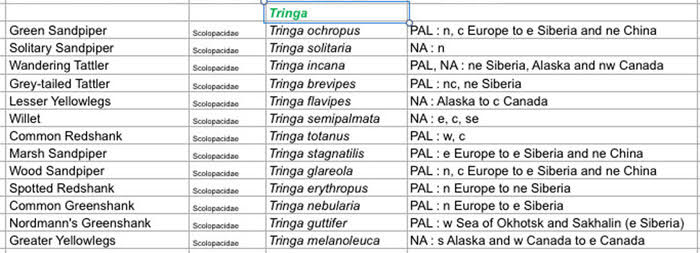
The next two birds in the IOC list of Tringas are the two Tattlers, the Wandering and the Grey-tailed, so called one assumes because they are fairly vocal.

I did a comparison between the two species in Irregular Bird #195 in January 2007 (or Bird of the Week as it was called then). Here it is:

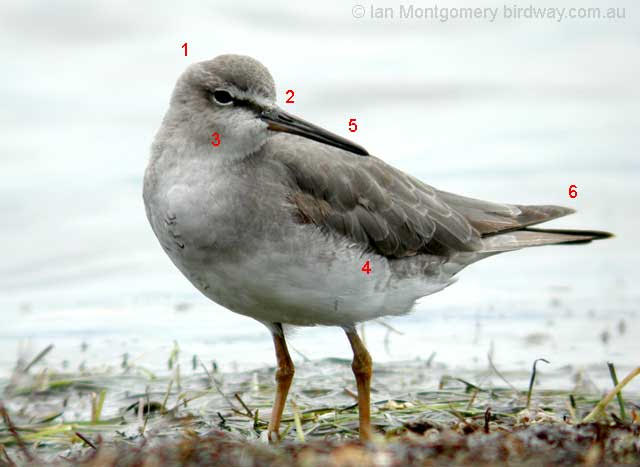
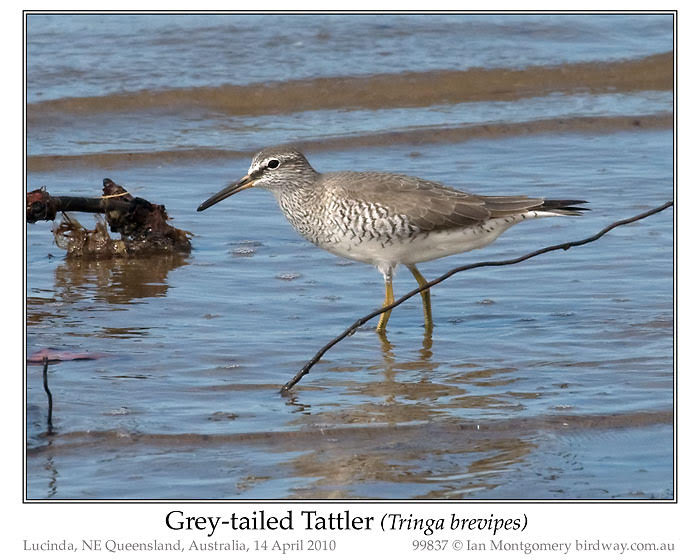
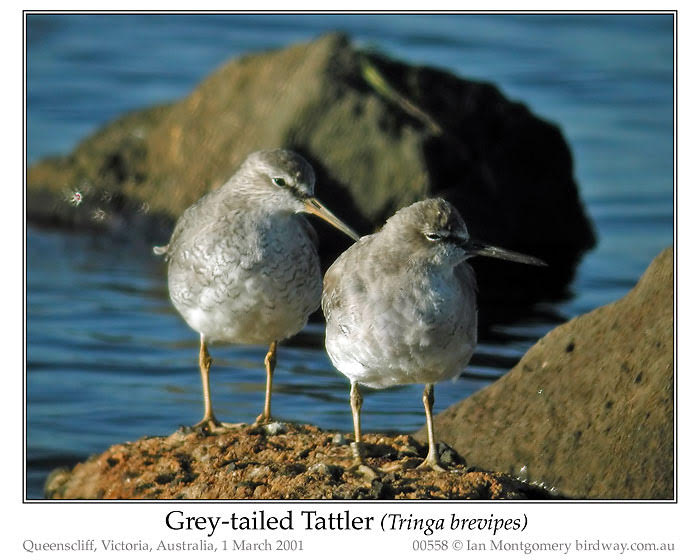
This week’s bird – or birds as I’ve included a relative for comparison – the Wandering Tattler is for those who appreciated subtlety, or at least acknowledge the challenge in identifying waders.  The Wandering Tattler (Tringa incana) in non-breeding plumage is very similar to its much commoner (in Australia) cousin the Grey-tailed Tattler (Tringa brevipes).  I’ve put numbers on the image of the Grey-tailed Tattler to highlight the differences:

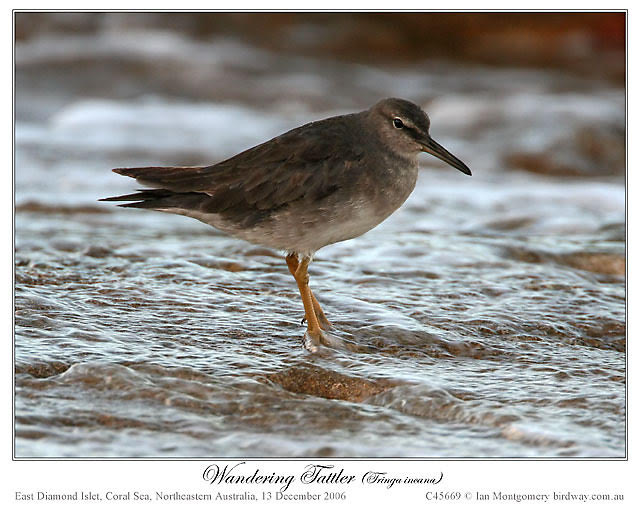
Wandering Tattler (Tringa incana) by Ian

Grey-tailed Tattler by Ian

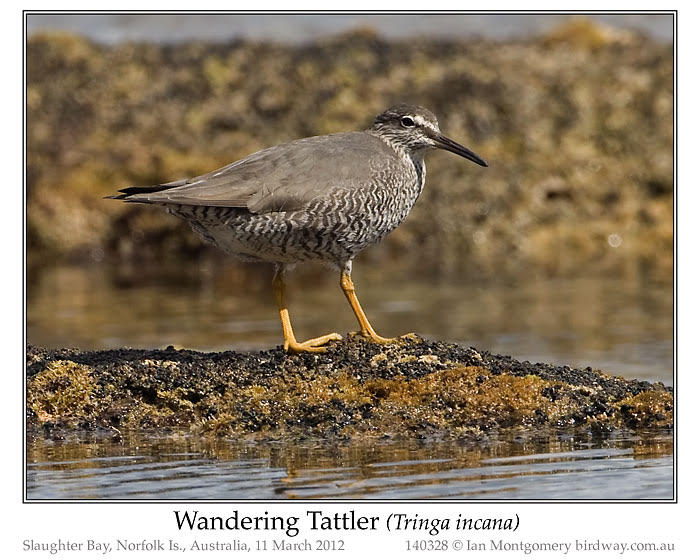
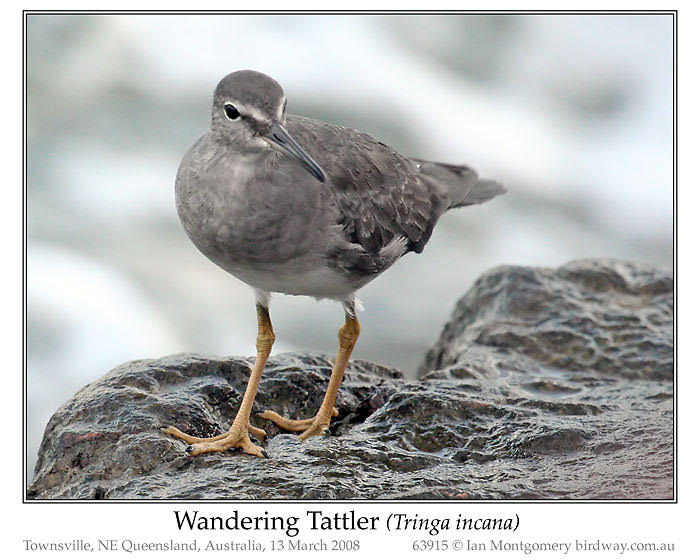
In the Grey-tailed Tattler, the white eyebrow extends behind the eye (1) and forward across the forehead (2); the cheek is whiter (3); the flanks are whiter (4); the bill is longer and more slender (5) and the wing tips, relative to the tail, are shorter (6).  The Wandering Tattler is darker overall and particularly on the back and crown and to me looked browner rather than grey-brown.  If you think this is all too hard, the calls come to the rescue, being quite different.  The Wandering has a trilling call of 6 – 10 accelerating notes, while the Grey-tailed has a drawn out 2 syllable call.

Wandering Tattler (Tringa incana) by Ian

The Grey-tailed Tattler is a (southern-) summer on the coast all round Australia on mudflats and reefs, while the Wandering is an uncommon summer visitor to the east and north coasts, with a preference for wave-washed rocks on the island of the Great Barrier Reef.

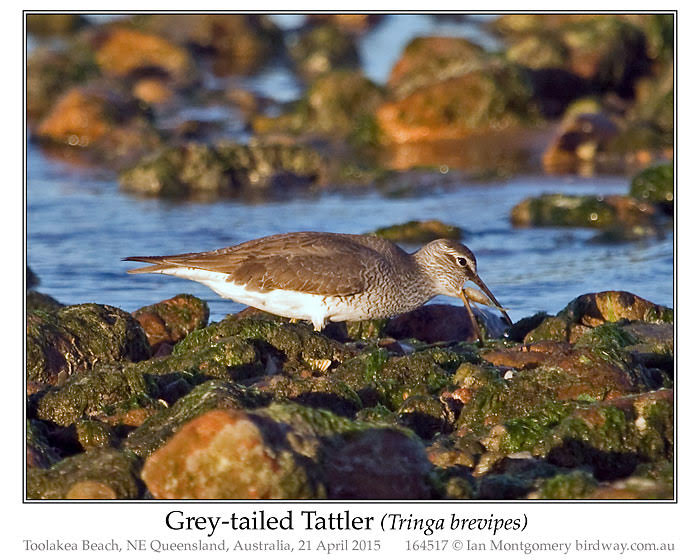
Since then I’ve photographed them in breeding plumage, when it’s easier to distinguish the two species. Both are barred on the breast and flanks, but only the Wandering has barring on the belly. The Grey-tailed retains the white belly even in breeding plumage. The one below in the third photo is feeding in a typical habitat in shallow water on a mudflat.

Here’s another Grey-tailed in breeding plumage swallowing a small crab at sunset. This might look more like the habitat of the Wandering Tattler, but it’s actually a stony area on a beach rather than a rocky headland.

This Wandering Tattler, below, is feeding in a typical habitat for this species, on a rocky foreshore with plenty of invertebrate prey on a Pacific Island. The tourist literature about Norfolk Island says that the name Slaughter Bay isn’t as ominous as it sounds, being derived from an “Old English word” meaning “slow-moving water”. Given that strong currents are reported in Slaughter Bay, that I could find no aquatic suggestions for “Slaughter” in dictionaries or online, and that Norfolk Island has a turbulent history as a convict settlement, I suspect that this is an explanation of which the Kremlin could be proud.Wandering Tattler by Ian

Wandering Tattlers in Australia are most likely to be seen on rocky islands, but they do turn up occasionally on the mainland as well, with records all on the east coast from Cape York to eastern Victoria. The one below was one of a pair that spent some time on the Townsville Breakwater in 2008 and there are more recent records there in 2010 and 2022. This photo clearly shows the grey patch on the forehead between the two short white eye-stripes.

The Grey-tailed Tattlers in this photo are also perched on rocks and pretending they’re Wandering Tattlers.  In fact they are waiting for the tide to go out so they can feed on the neighbouring mudflats. The one on the left is in transitional plumage with barring developing on the breast.

CHA-Scol Grey-tailed Tattler by Ian 7

Grey-tailed Tattler by Ian

Both species are accomplished migrants, breeding in northern latitudes and spending the northern winter in the tropics and southern hemisphere. The Grey-tailed Tattler breeds in inland northeastern Siberia and western Siberia and winters across a wide range from the Bay of Bengal and Taiwan through southeastern Asia to Australia and New Zealand. The Wandering breeds in Alaska and in neighbouring parts of Canada south to northwestern British Columbia. It winters all along the west coast of the Americas from southwestern British Columbia to Chile and across Pacific coast and islands from Japan to New Zealand, through Micronesia, Polynesia to Pitcairn Island and Easter Island.

In terms of conservation, the Wandering Tattler has a status of Least Concern, while the Grey-tailed has been uplisted from Least Concern to Near Threatened in 2014. This reflects some decline in numbers, probably as a result of land reclamation along the migratory stopovers in China.

Greetings,

Ian
Preferred Email: ian@birdway.com.au

Bird Photos http://www.birdway.com.au/


Lee’s Addition:

Thanks, Ian, for another informative post about this Tringa clan. I have to admit that I was a little tickled by their name. It reminded me of a verse about young widows becoming “tattlers.”

“And withal they learn to be idle, wandering about from house to house; and not only idle, but tattlers also and busybodies,….” (1 Timothy 5:13 KJV)

Good News

50 Stunning Hummingbird Pictures – B & B

Ruby-throated Hummingbird by Ray's Wildlife

Ruby-throated Hummingbird by Ray’s Wildlife

“So God created great sea creatures and every living thing that moves, with which the waters abounded, according to their kind, and every winged bird according to its kind. And God saw that it was good. And God blessed them, saying, “Be fruitful and multiply, and fill the waters in the seas, and let birds multiply on the earth.” So the evening and the morning were the fifth day.” (Genesis 1:21-23 NKJV)

You have got to check out this interesting article from Birds & Blooms!!

50 Stunning Hummingbird Pictures You Need To See

Still haven’t been doing much birdwatching lately, except through my back door. So, I trust you will enjoy these great photos. We have had some nice photos of hummingbirds here over the years, but these are all right together.

Ruby-topaz Hummingbird (Chrysolampis mosquitus) Male ©WikiC
Some of our previous Hummingbird articles:

Ten Beautiful Hummingbirds

Hummingbirds See Colors Over (Beyond) the Rainbow
How Much Are You Being Monitored? A Hummingbird Lesson

Hummingbird from John 10:10 Project

Tickle Me Tuesday – Hummingbirds

Peru’s Marvellous Hummingbird – Again

Creation Moments – Double Life of the Hummingbird

Hummingbirds in Ultra Slow Motion

Hummingbird Families – Firecrowns

Calliope Hummingbirds – North America’s Smallest

Wordless Birds – Hummingbirds

Ian’s Irregular Bird – Solitary Sandpiper

You may remember from the last Irregular Bird (Green Sandpiper) that the plan is to work through all the waders in the genus Tringa, the Shanks and relatives, in the order used by the IOC, below.  This is the next one the Solitary Sandpiper.

It’s fairly similar to the Green Sandpiper and they were originally treated as a single species. In fact, they are easy to distinguish in flight as the Green Sandpiper has a white rump and a tail with side to side barring, while the central feathers of the rump and tail of the Solitary Sandpiper are brown creating a longitudinal stripe. These features are visible under the flight feathers in the first photo and shown in a drawing later.
Solitary Sandpiper by Ian
In practice you can also use their ranges as the Green Sandpiper occurs in Eurasia and Africa, while the Solitary Sandpiper is an American species. It nesting range is almost entirely in Canada and Alaska.  It migrates through the United States and winters in Mexico, Central America, and in northern, central and eastern South America as far south as Peru in the west and northern Argentina in the east.
I haven’t got photos of either species in flight so here is a crude drawing to illustrate the difference in flight pattern. Don’t take too much notice of anything except the different rumps, tail and length of the legs. The latter are longer and protrude farther beyond the tail in the Solitary Sandpiper. So, if you’re a dedicated twitcher, as I am now, keep a beady eye out for something special if you are in a place where either or both of these birds don’t usually occur. There are a few records of Green Sandpipers in northern Australia and a few records of Solitary Sandpiper in Siberia and Western Europe.
Solitary Sandpiper by Ian
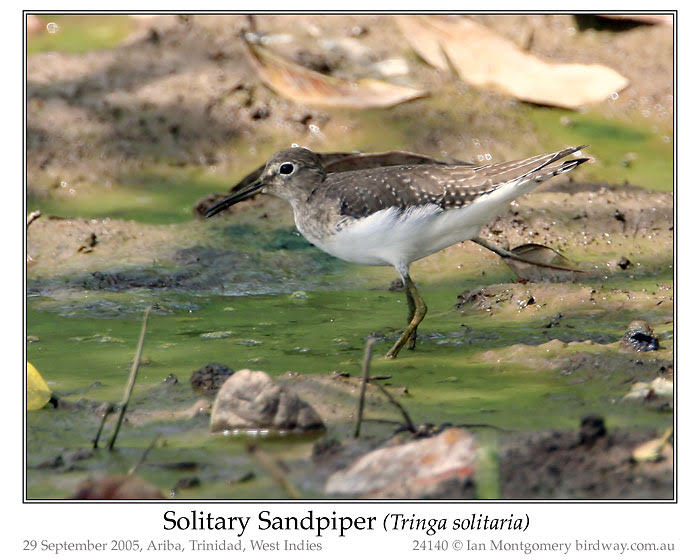
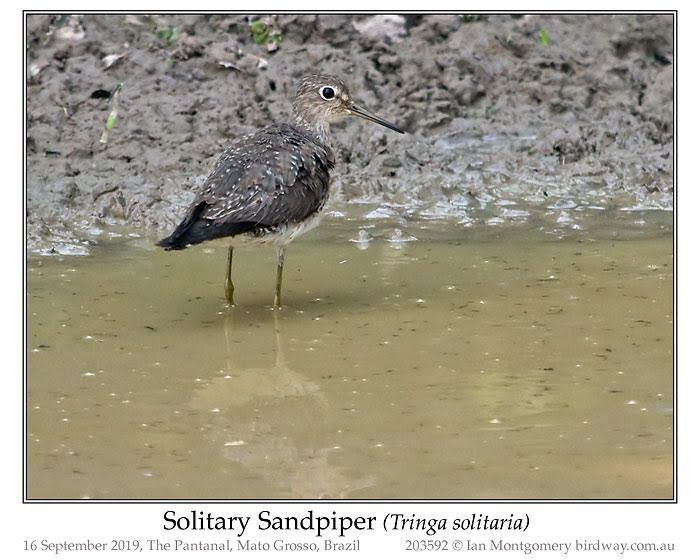
There isn’t much difference among the plumages of breeding adults, non-breeding adults, and juveniles though there is less streaking in juveniles and the spots on breeding adults are whiter, rather than buff and more conspicuous. I think the bird in the second photo in Trinidad is a juvenile, the one in the third photo in Brazil is an adult but I don’t know about the one in the first photo. If you’re an expert on the plumages of Solitary Sandpipers, I’d be happy to get your opinion: ianbirdway@gmail.com.
Solitary Sandpiper by Ian
Actually, I misidentified the two in Trinidad as Spotted Sandpipers in non-breeding plumage but maybe I had Spotted Sandpiper on the brain as I’d seen the one in the third photo in Tobago eleven days earlier. Non-breeding Spotted Sandpipers don’t have spots (go figure, as they say), just a little barring on the wings but they have conspicuous long white eyebrow stripes and shorter, much yellower legs, so I lack a reasonable excuse for the confusion.
Spotted Sandpiper by Ian
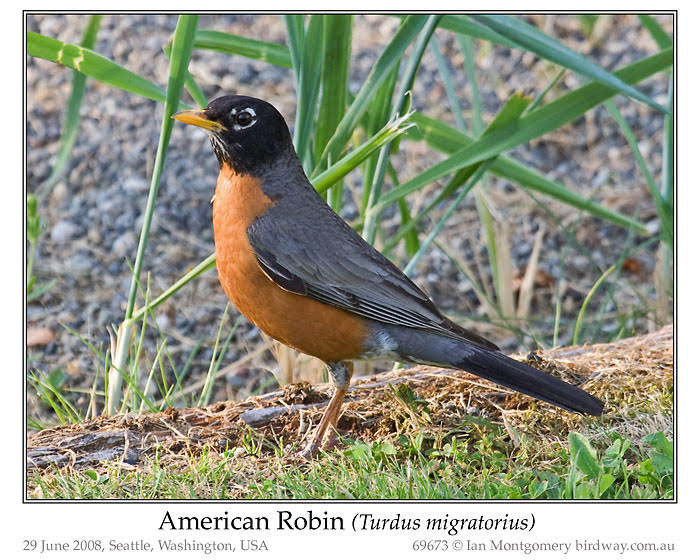
Like their Eurasian cousins, Solitary Sandpipers breed in trees and shrubs using the old nests of thrushes. It so happens that the range of perhaps the commonest thrush in North America, the American Robin, overlaps the range of the Solitary Sandpiper in Canada and Alaska. The Robin, despite its name which is based on colour not taxonomy, is a Thrush and a close relative of the Eurasian Blackbird and is the most likely candidate as a provider of nests, though not much is known about the breeding behaviour of the Sandpiper.
American Robin by Ian
So how does the Solitary Sandpiper get its name? Amazingly, unlike most waders which believe in safety in numbers, it migrates either alone or in small groups and often appear at stopovers or at the destination in ones or twos. It migrates mostly at night. I don’t know whether juvenile birds instinctively know where to go or whether the adults teach them. The mind boggles at what we don’t know about bird migration.
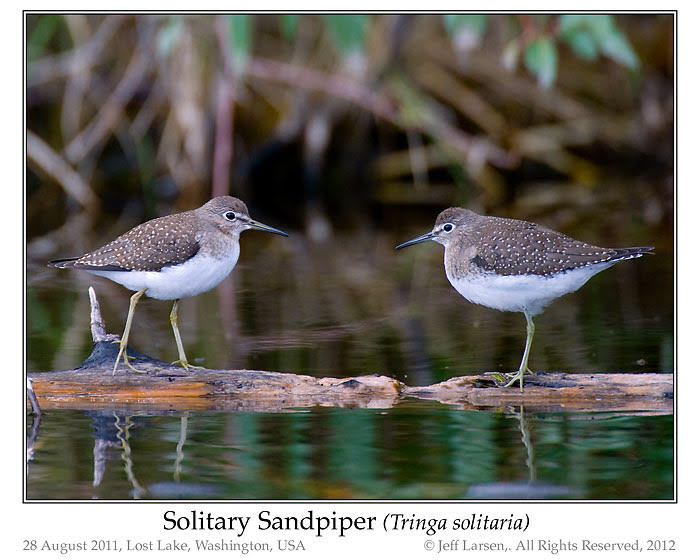
Jeff Larsen sent me this lovely photo of two birds together in Washington state, so they’re clearly not completely antisocial. He calls them Solitary Chickens, which appeals to me and he gave me permission to share this photo with you.
Solitary Sandpiper by Ian
Solitary Sandpipers are birds of freshwater and are usually found on small ponds or in marshy areas, even in winter. We spotted the one in Brazil in a roadside pond in the Pantanal.
Next time we’ll talk about the Tattlers, two rather similar species that are next on the IOC list.
Greetings
Ian


Google Groups “Birdway” group.
Write to him at ian@birdway.com.au, or visit this group at http://groups.google.com/group/Birdway


Lee’s Addition:

Here is the next Sandpiper in Ian’s “Tringa” series. He has promised more. Stay tuned.
He mentions the sameness of these birds:
“But thou art the same, and thy years shall have no end.” (Psalms 102:27 KJV)
See:

Ian’s Bird of the Week

Good News

Ian’s Irregular Bird – Green Sandpiper

The last irregular bird, Nordmann’s Greenshank, could have had a sub-heading of The Joys of Twitching. In it, I confessed to being a Twitcher at heart, discarding the respectable facade of “Wildlife Photographer”. Here follows the justifications, or at least illustrations of why it can be enjoyable. The background to this particular obsession/passion was the fact that, worldwide, there are thirteen species of Tringa sandpipers, or Shanks, characterised by different coloured legs. I had reasonable photos of all of them except the rarest, Nordmann’s Greenshank, since 2008 (when I photographed the second last one, the Willet of North America). That is, the seven-year itch twice over.
If you are, or ever were, a stamp collector, you would know the feeling. Suppose the following stamps are from a set of 13 stamps of Queen Victoria, including the first ever stamp, the Penny Black and imagine you have all of them except the rarest, the iconic Two Penny Blue, issued shortly after the first ever stamp, The Penny Black, in May 1840.
Imagine the thrill when you finally lay your hands on one, as I did in the 1960s. This one is a rather daggy example, but it is one from the original two plates issued until February 1841 and lacking white lines under “POSTAGE” and above “TWO PENCE”. The much commoner later series called ‘white lines added issue’ continued until 1858.  I’m still a kid at heart, and the subtlety of distinguishing different series of Two Penny Blues has a similar appeal to separating Common and Nordmann’s Greenshank.CHA-Scol victoria0730-01
Alternatively, maybe you were or are a card player. Suppose you’re playing a game in which you the best hand is an entire suit of cards, say a complete Straight Flush, as opposed to a mere Royal Straight Flush in Poker, but you lack the Queen.
At long last, after fourteen nail-biting years, you finally get the missing card. I’ve chosen the Queen as it’s number twelve (if you have the Ace as the first rather than the last in the suit) and Nordmann’s Greenshank is also the twelfth Tringa if you follow the IOC classification of birds. Continuing the metaphor, I’ve chosen Spades as the Queen of Spades is the most valuable card in the game Hearts. The metaphor fails if you go any further, because in Hearts, a vicious game which we loved as kids, the aim is not to win points and to force your opponents to get a high score, It’s Whist in reverse. Clearly, I also have a passion for Queens.

After that it’s just a question of whether you’re an introvert or an extrovert. An introvert gets a deep personal satisfaction from achieving a complete collection, an extrovert gets a sense  of triumph in beating the competition. Of course, you may be a bit of both: I’m mainly an introvert, but publishing all this stuff as the Irregular Bird, showing off obviously, is characteristic of extroverts.

So, back to Tringas. Waders (birdway) are fascinating birds, not least because many of them migrate extraordinary distances. As a consequence, they’re of special interest to twitchers when avian GPSs go awry and they end up in strange places. Many species, however, are hard to distinguish in non-breeding plumages, which is how we usually see them in temperate and tropical latitudes except just before the migration back to the breeding zones. Most, but not all, of the Shanks are fairly easy to identify because of their coloured legs; many of them having corresponding common names as you can see in the IOC table. Four of them, comprising the two Redshanks and the two Tattlers, have featured as Irregular Birds in the past, so I want to do a series on the remaining eight and I’ll do them in the IOC order shown in the table at the beginning of this article. The first is the Green Sandpiper.

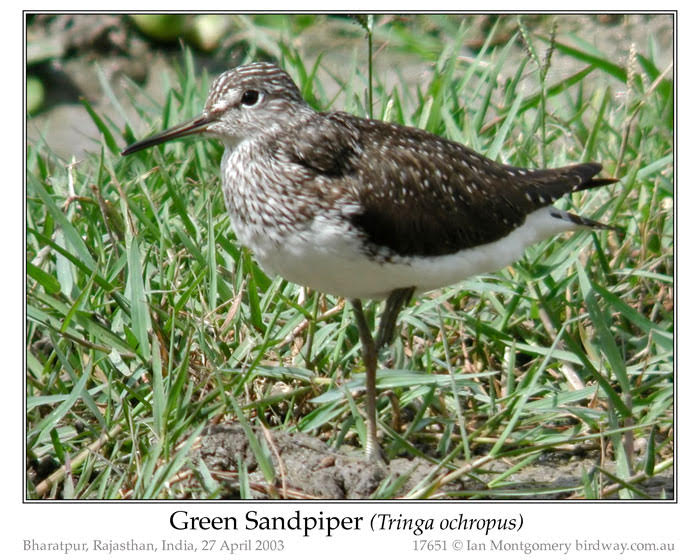
Green Sandpiper by Ian

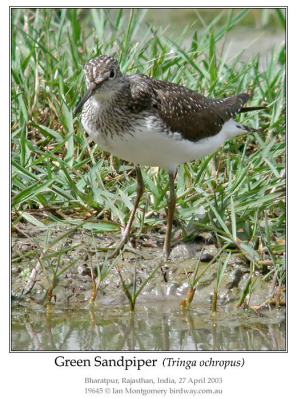
The breeding range of the Green Sandpiper stretches right across northern Eurasian from Norway to Siberia and it winters mainly in tropical Africa, South and Southeast Asia, around the Mediterranean and, to a lesser extent in Western Europe. It’s mainly a bird of fresh water marshy areas even in the non-breeding zones. I’ve photographed it only once, in India in 2003, though I had seen it in England in the 1960s before I came to Australia.It’s even rarer in Australia than Nordmann’s Greenshank with only one confirmed record, near Darwin in 1998. There are a few unconfirmed records but care needs to be taken to distinguish it from the closely related Solitary Sandpiper of America and the Wood Sandpiper.
In fact, I mistakenly identified the Indian bird as a Wood Sandpiper, reasonably common in Australia and also a fresh water species, and posted it as such to the website, and only years later did the twitcher in me take a closer look and realise happily that it was actually a Green Sandpiper. Distinguishing features of the Green Sandpiper include larger size, bulkier appearance, short white eye-stripe ending at eye, longer bill, shorter, greenish legs, sharp gradation from streaked breast to white belly and, particularly in breeding plumage like this one, darker, greener rather than brown upper parts.

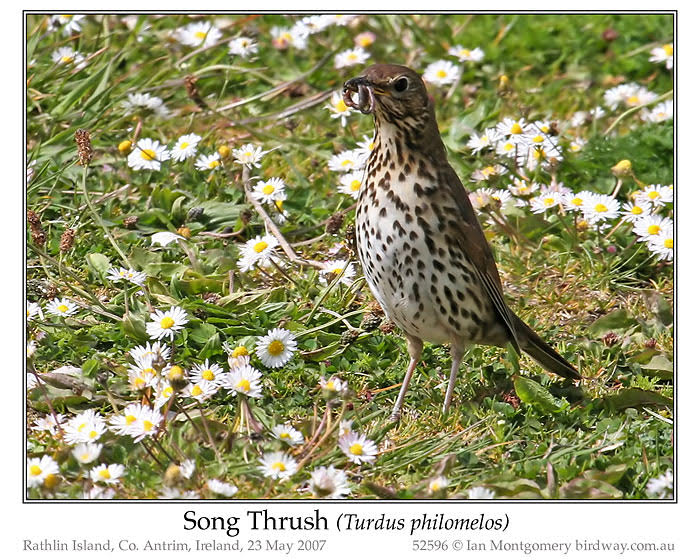
Green Sandpiper by IanI mentioned when discussing the unusual arboreal nest building habits of Nordmann’s Greenshank that the Green and Solitary Sandpipers also nest in trees, but use the old nests of thrushes.  Coincidentally the name Tringa comes from a description of a thrush-sized waterbird by Aristotle (“trungas”). He didn’t distinguish it further but later authors have suggested it was a sandpiper, a Wagtail Motacilla or a Dipper Cinclus. Thanks very much. While we’re at it, ochropus means pale-yellow footed, while the specific identifier of Normann’s Greenshank, guttifer, means spotted, which isn’t very illuminating either. Aristotle preceded the taxonomic and evolutionary ideas of Linnaeus and Darwin, and “thrush-like waterbird” is a reasonable description, except for the length of the legs. He was interested in biology, classified 500 species of animals in the work later known by philosophers as the Scala Naturae and would have been familiar with the Song Thrush, below, in Greece. The Scala Naturae was approved by the Christian Church (and probably all others) as it is hierarchical in form with man at the top, towering above all the lower species.
On the subject of passion and obsession, I’ve decided that the difference is mainly one of perception. A person might think they (in deference to gender fluidity) have a passion for another person and, if not reciprocated, the other party might regard it as an obsession. My cousin in Ireland suggests that obsessions have a negative effect, so maybe it’s more than just perception. Either way, I’ll continue the passion for Tringas next time with the closely related but geographically distinct (“allopatric”), thrush-nest-using, Solitary Sandpiper of America.
You can’t reply directly to these emails, so if you want to write to me, use my email address below. I’ve recently had occasional problems with receiving emails to ian@birdway.com.au, so ianbirdway@gmail.com is preferable.
Greetings,
Ian


Ian Montgomery,
454 Forestry Road, Bluewater, Qld 4818
Phone: 0411 602 737 +61-411 602 737
Preferred Email: ianbirdway@gmail.com

Recorder Society http://www.nqrs.org.au

Lee’s Addition:

Seems that Ian is getting active again with his birdwatching. He, like the rest of us, was quite for awhile during all these lockdowns. I have another of his articles coming soon. Stay tuned.
“As a bird that wandereth from her nest, so is a man that wandereth from his place.” (Proverbs 27:8 KJV)
See:

Ian’s Bird of the Week

Good News

Ian’s Irregular Bird – Nordmann’s Greenshank

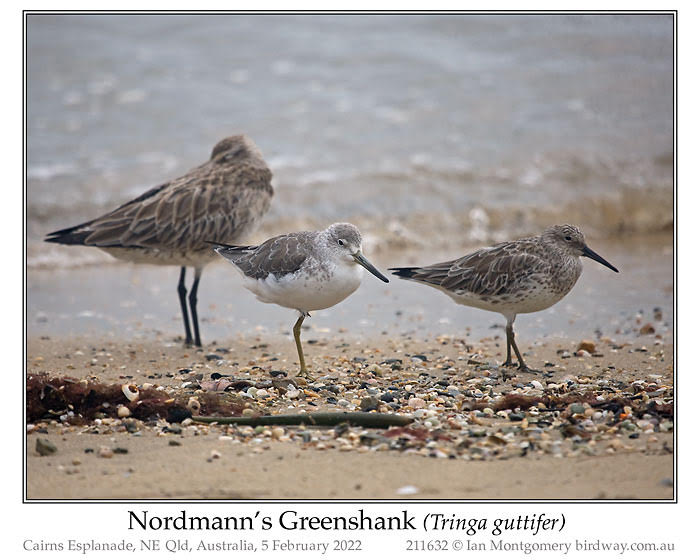
Because it’s so long since the last irregular bird, here is a special one of a very rare wader that has become something of a celebrity, perhaps the most photographed individual bird in Australian history. So you may already have superb photos of it, and I apologize in advance if you find this boring. Nordmann’s Greenshank is, sadly, one of the rarest waders in the world with a population of probably less than 2,000 individuals and a red book status of endangered as its population is declining.

Nordmann’s Greenshank (Tringa guttifer) by Ian

Its breeding range is along the coast of the Sea of Okhotsk in Siberia and is subject to disturbance from oil and gas extraction. It normally winters in southeast Asia and, very occasionally, birds end up in Australia. There are three records from wader counts along 80 Mile Beach near Broome in NW Western Australia, and this one. It first appeared in Cairns in the (northern) winter of 2021 and stayed around long enough for anyone able to navigate covid restrictions and see it. I couldn’t drive to Cairns then and resigned myself to the prospect of missing out on it. To everyone’s surprise, it reappeared this year and the scramble to see it started again.

Nordmann’s Greenshank (Tringa guttifer) by Ian

I drove the 340km/210 miles to Cairns at the end of January to catch up with some good friends of long standing from Victoria. They were on the hunt for it, in airline transit from a boat trip to Torres Strait islands to Iron Range National Park on Cape York. We spent four days checking every wader along the Cairns Esplanade at suitable and sometimes unsuitable tides without success. It definitely wasn’t there, but reappeared when they had gone to Cape York and I had returned to Townsville. I rejoined them in Cairns for two days, when it did its disappearing act again, only to reappear for them after I’d returned to Townsville for a meeting that, in hindsight, I deeply regretted attending. so I dropped everything again and returned to Cairns, determined to see and photograph it.
On the second morning of my third visit, the bird relented and I spent an exciting two hours as the incoming tide slowly coaxed it closer and closer. Ultimately, I ended up sitting a mere 6m/20ft from it on the sandy edge of the mudflat, second photo, having taken more than 400 photos. I’ll talk about obsession later. Then I rang Trish, the friend with whom I went to Brazil pre-Covid, who was flying from Brisbane to Townsville that afternoon and suggested she fly to Cairns instead. Which she did, changing her flight at the airport, and we got lovely views of it the following day. We also visited the wonderful Bill Cooper exhibition of tropical bird and fruit paintings at the Cairns Gallery.

Nordmann’s Greenshank (Tringa guttifer) by Ian

Trish suggested bringing our painter/birder friend Marjory and a botanist friend Chrissa to Cairns to see the bird and the exhibition before the latter finished on the 13 February. So we came up again at the weekend, this time in her larger, more comfortable car and saw both the exhibition and the bird yet again. What fun.

Nordmann’s Greenshank (Tringa guttifer) by Ian

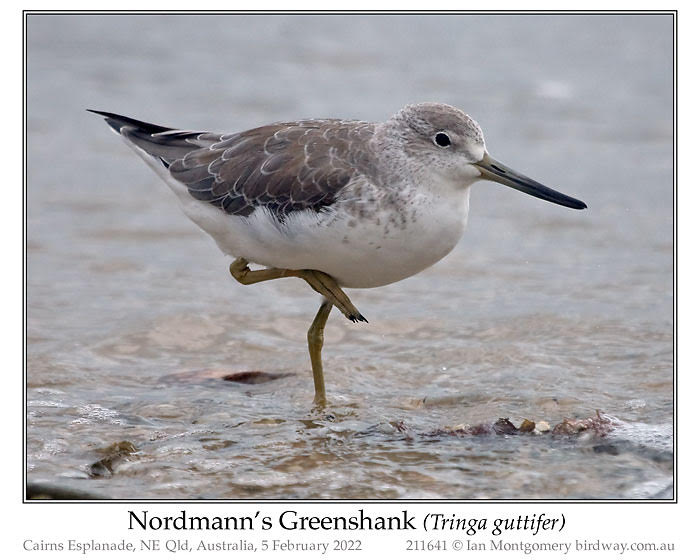
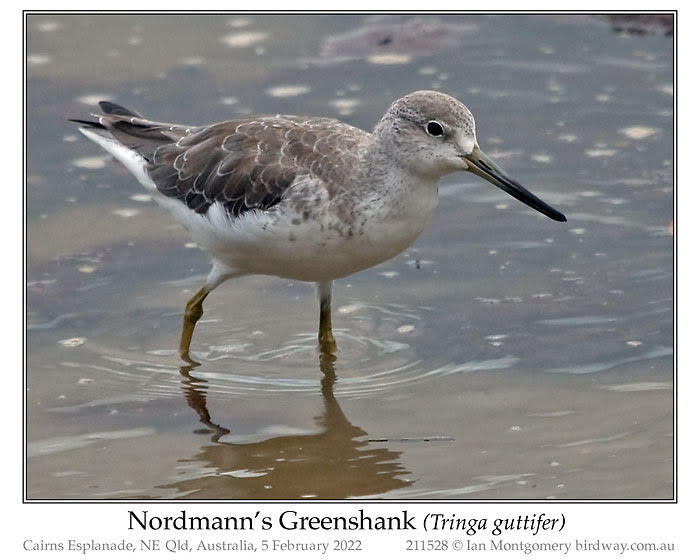
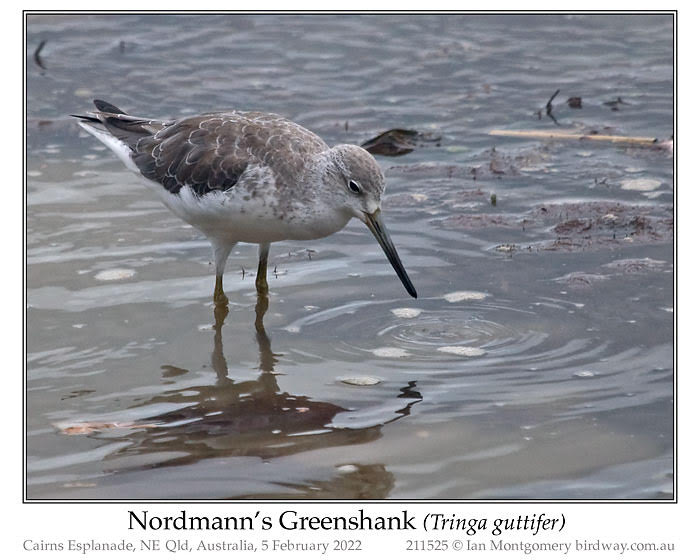
Time to mention the bird itself. It looks quite similar to the Common Greenshank and, slightly less so, to the Terek Sandpiper, both of which were present along the Esplanade. The first photo shows some of the diagnostic features: shorter, yellowish rather than greenish legs, the more robust bi-coloured bill (paler at the base) and shorter legs and bigger head (‘bull-headed’) which give it a rather stocky appearance. It’s behaviour when feeding is different too, and when one becomes accustomed to it, this is a good distinction at a distance, with poor light or muddy legs and bill. In the third and fourth photos it is feeding actively in shallow water, attempting to catch prey with a stabbing motion. It also uses its slightly upcurved bill to sieve the water surface by sweeping it back and forth, in a similar way to other waders with such bills such as the Terek Sandpiper and the Avocets. The fifth photo shows its size relative to a Bar-tailed Godwit, left, and a Great Knot, right.

Nordmann’s Greenshank (Tringa guttifer) by Ian

The second photo shows it standing on one leg, a pose it adopted often using one or the other leg, when resting or roosting (second and fifth photos) and when forced by the tide to move, it often hopped quite long distances to do so, sixth photo. In flight, last photo, the shorter legs protrude less beyond the tail than those of the Common Greenshank, it has less barring on the tail, whiter underwing coverts contrasting with dark flight feathers and it look stockier. Not much is known about its breeding habits, though it’s the only shorebird known to often build its own nest in trees. unlike its tree nesting relatives the Green and Solitary Sandpipers which use old nests of thrushes.

Nordmann’s Greenshank (Tringa guttifer) by Ian

This whole saga has revived my interest in bird photography, which rather flagged during Covid, when I took up other interests less dependent on mobility. It was also a time for personal honesty and admitting my twitching tendencies to myself rather than hiding behind the more dignified facade of a wildlife photographer. Next time, I’ll talk a bit more about the joy of twitching and explain why getting photos of this particular species was so important for me. I’m still pondering the difference between a passion and an obsession.
Greetings
Ian

Ian Montgomery,

454 Forestry Road, Bluewater, Qld 4818
Phone: 0411 602 737 +61-411 602 737
Preferred Email: ian@birdway.com.au

Recorder Society http://www.nqrs.org.au

Lee’s Addition:

Thanks, Ian. Like many of us, the Covid has slowed our birdwatching adventures. Glad you were able to finally catch up with neat Greenshank.
This Nordmann’s Greenshank is in the Scolopacidae Family of the Charadriformes Order.
More of Ian’s Articles:

Wordless Birds

Birds of the Bible – Out of the Ground

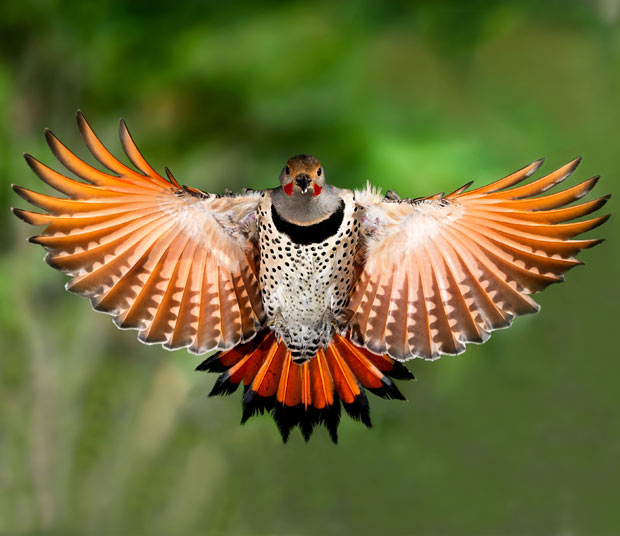
NORTHERN FLICKER (red-shafted form)
photo credit: Evergreen State College

“Out of the ground the LORD God formed every beast of the field and every bird of the air, and brought them to Adam to see what he would call them. And whatever Adam called each living creature, that was its name.” (Genesis 2:19 NKJV)

During our devotions this morning, Dan and I were reading John chapter 9. It tells about the Lord healing the blind man. Also, how the religious rulers doubted his story, and wanted to know if he had really been blind. They called the parents in, and questioned them. The temple rulers were especially upset because Jesus had healed the man on the Sabbath. Many of you know this story.

“Now as Jesus passed by, He saw a man who was blind from birth. And His disciples asked Him, saying, “Rabbi, who sinned, this man or his parents, that he was born blind?” Jesus answered, “Neither this man nor his parents sinned, but that the works of God should be revealed in him. I must work the works of Him who sent Me while it is day; the night is coming when no one can work. As long as I am in the world, I am the light of the world.” When He had said these things, He spat on the ground and made clay with the saliva; and He anointed the eyes of the blind man with the clay. And He said to him, “Go, wash in the pool of Siloam” (which is translated, Sent). So he went and washed, and came back seeing.”
(John 9:1-7 NKJV) [Bolding mine]

Here is a comment from my Chronological Life Application Study Bible (KJV, p 1350)

John 9:6 When Jesus spit on the ground and made mud in order to repair the man’s eyes, he was working with original materials. Gen2:7 states that God formed Adams body from the dust of the Ground. Jesus was demonstrating a creator’s awareness of the materials he first used to shape the human body”

I had never made that connected in that story before, but it is another view of the fact that our Creator WAS here on earth in the person of the Lord Jesus Christ. Praise the Lord for all His creation, and especially the birds, which we enjoy so much. Along with all the other parts of His Creation.

Birds of the Bible

Good News

Birds of the Bible – How Many Sparrows?

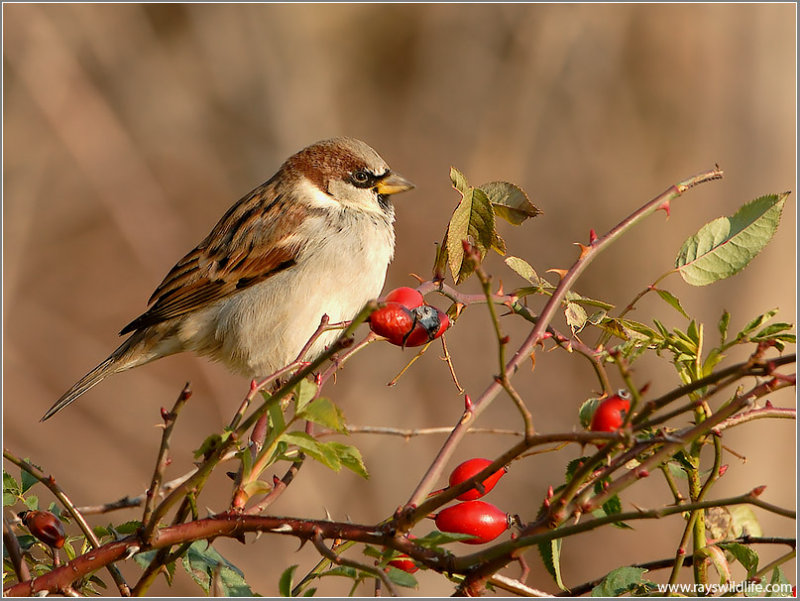
House Sparrow by Ray

While working on updating the indexes to the Birds of the Bible-Sparrows, I came across an interesting question. How many Sparrows are mentioned in the Bible? I discovered a previous search I had started from the Bible Gateway website.

The Young’s Literal Translation found 6 verses mentioning Sparrows.

Psalm 84:3 – “a sparrow

Hosea 11:11- “a sparrow

Matthew 10:29 – “two sparrows

Matthew 10:31 – “many sparrows

Luke 12:6 – “five sparrows

Luke 12:7 – “many sparrows

House Sparrows visiting National Aviary Parrot Show by Lee

House Sparrows visiting NA Parrot Show Outside by Lee

Okay, so what, you might ask? One, it challenges you to actually study what’s in the Word of God. It is also nice to see what the Bible actually says about the Sparrows and how that impacts us. Try using a website like e-sword.net or Biblegateway.com, and do a little investigation of these questions:

In Psalm 84:3, where was the sparrow and what was she doing?

Hosea 11:22, why was the sparrow trembling?

Matthew 10:29 and 31, what assurance can we get from that verse?

Luke 12:6, who remembers the sparrows?

Luke 12:7, what has been numbered? What about fear?

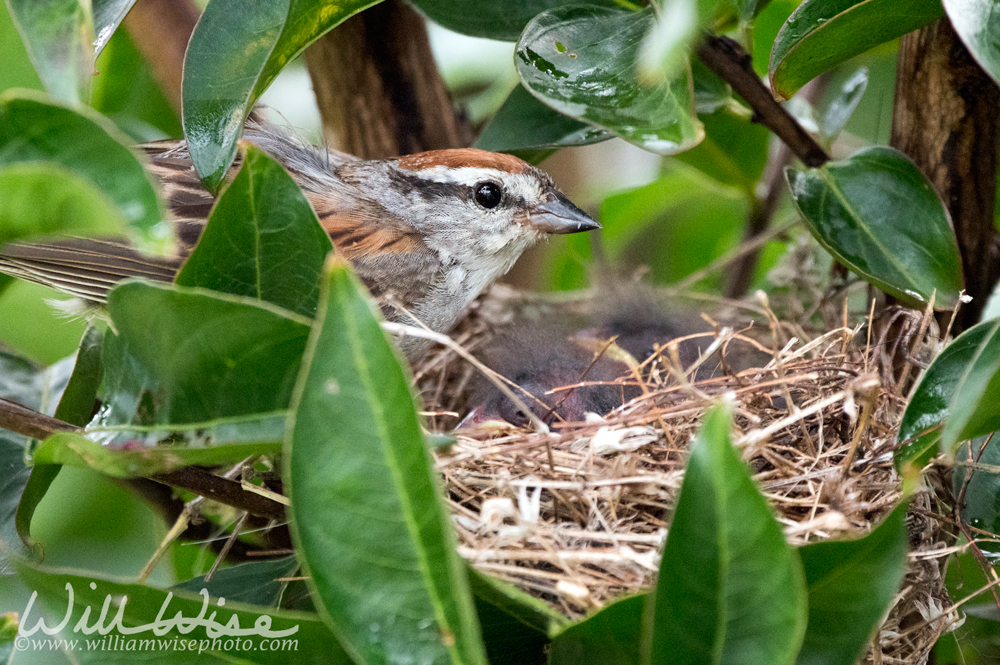
Female Chipping Sparrow bird feeding three baby Chipping Sparrow nestlings, Athens, Clarke County, GA. by William Wise

These are just some of the previous posts about these little Avian Wonders:

To find out more about Sparrows:
Birds of the Bible – Sparrow I
Birds of the Bible – Sparrow II
Birds of the Bible – More Value
Birds of the Bible – Little Brown Jobs
Birds of the Bible – Worry and Sparrows
Birds of the Bible – Lord Who Is There
Eye of the Beholder – House Sparrows
Sparrows Peterson’s Video
His Eye Is On The Sparrow (Birds in Hymns)
The Eyed Sparrow
Mighty God, While Angels Bless Thee (Birds in Hymns)
The Birds, the Economy, and My Provider – by April Lorier
Sparrows and God Care – by April Lorier
Ian’s Bird of the Week – Masked Finch
World Sparrow Days – by a j mithra
Worthen’s Sparrow – Lost, but found… – by a j mithra
White-crowned Sparrow – The Restorer – by a j mithra
Renewed Day by Day: Signs of Spring
Sparrow Quote from The Life Project ~ from Don Merritt
Sunday Inspiration – Old World Sparrows
Sunday Inspiration – Sparrows
Sunday Inspiration – Sparrows II
Emberizidae’s – Buntings
Emberizidae – Part II
Emberizidae Family Allies I
Emberizidae Family Allies II


Good News Tracts – Various Topics

Hagerman NWR:  Missing the Northern Shovelers (and Other Winter Migrants)

Hagerman NWR:  Missing the Northern Shovelers and Other Winter Migrants

Dr. James J. S. Johnson

To everything there is a season, and a time to every purpose under the heaven.

Ecclesiastes 3:1
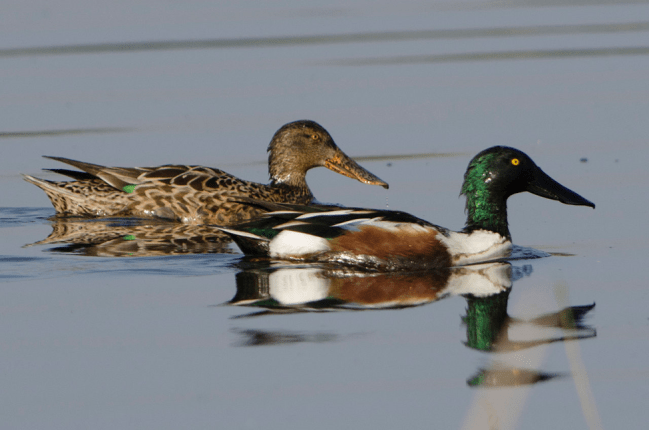
NORTHERN SHOVELER pair   (Wikipedia photo credit)

Recently I visited Hagerman National Wildlife Refuge (near Sherman, Texas — bordering Lake Texoma), hoping to see a lot of migratory birds, especially geese and ducks who visit wetlands for overwintering or for quick stopovers.  Compared to prior visits, it was a major disappointment.  Even the visitors center was locked, closed to visitors (with a posted sign claiming pandemic dangers as the excuse for the closure).

Possibly due to a year of drought, many of the large ponds were shrunken (leaving half-dried mud basins), demonstrating that water is the key ingredient for wetland habitats.  The winter wheat was mostly consumed, so the population of snow geese was minimal.  Dozens and scores of snow geese could be seen, but not the usual hundreds or thousands. An occasional Great Blue Heron could be seen. Meanwhile the oil pumps (“horseheads”) quietly pumped. Even the few ducks seemed bored.

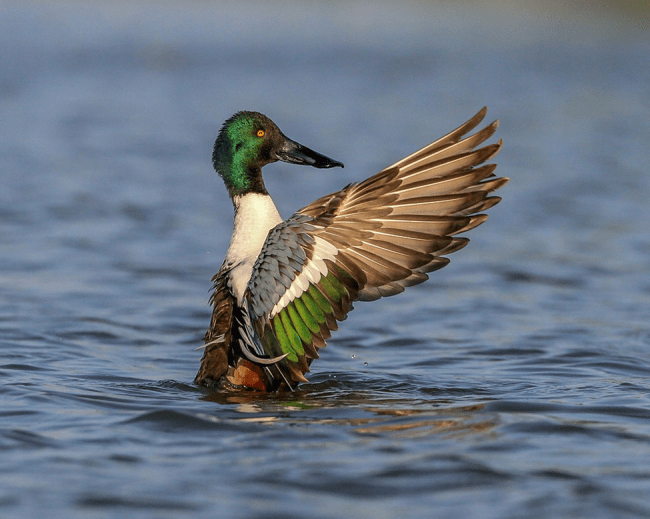
The Northern Pintail ducks were few and far between.  And, worse, I saw no Northern Shoveler ducks at all. Likewise, I don’t recall seeing the usual Green-winged Teals. Those shallow drought-dried wetlands must have been unattractive to most of the avian winter visitors, such as migratory ducks and geese. 

HAGERMAN NATIONAL WILDLIFE REFUGE, near Sherman, Texas (10,000 Birds photo credit)

So maybe this limerick can express my birding disappointment, that day, at Hagerman NWR:

DROUGHTS DISAPPOINT BIRDWATCHING AT WINTER WETLANDS

Hagerman’s a refuge of peace,

Fit for migrating ducks and geese;

Yet no shovelers were seen,

Nor teals with wings green —

Just some pintails, and a few geese.

[JJSJ, AD2022-01-19]

Oh well, goodbye — maybe next winter will be better, for viewing winter migrants at Hagerman NWR.

NORTHERN SHOVELER male in freshwater   (Steve Sinclair photo credit)