Birds With Arms?

Thought you might enjoy watching these:


If birds had arms, then they would not be able to fly or do the amazing things that the Creator meant for them to do. We were all given exactly what we need by our Lord Jesus Christ, the Creator of all.

“In the beginning was the Word, and the Word was with God, and the Word was God. The same was in the beginning with God. All things were made by him; and without him was not any thing made that was made.” (John 1:1-3 KJV)

Transfered from the Kid’s Blog – Thought you might enjoy it.

See:

If Dogs Could Fly: More than Wings are Needed for Flying High!

Raptor Rapture

“For the Lord himself shall descend from heaven with a shout, with the voice of the archangel, and with the trump of God: and the dead in Christ shall rise first: Then we which are alive and remain shall be caught up together with them in the clouds, to meet the Lord in the air: and so shall we ever be with the Lord.” 1 Thessalonians 4:16-17

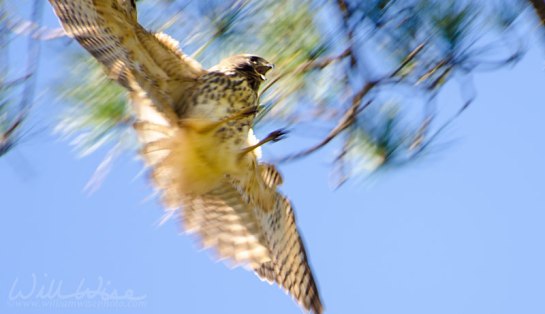
Hawk catching prey at Panola Mountain State Park, Georgia. November 3, 2014 ©www.williamwisephoto.com

Who isn’t enraptured by raptors?  With their first-rate flight, outstanding optics and on-target talons, they grab our attention and seize our fascination. The ability to swiftly and silently swoop down and snatch up prey unawares – like a thief in the night – is where this group of Birds of Prey receives their name.

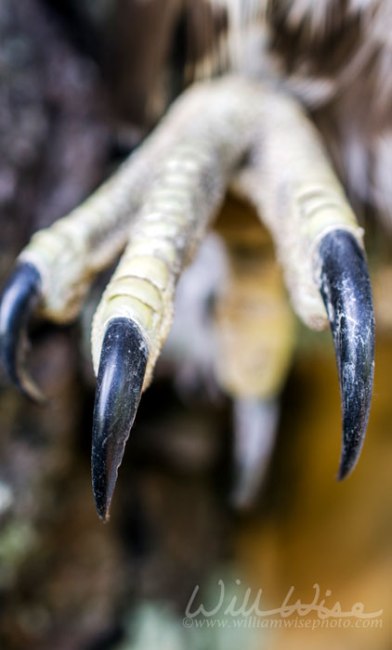
A raptor is defined as a carnivorous bird that has large, sharp talons used to seize prey. It comes from the Latin word rapio, meaning to snatch, grab, carry off or abduct. The speed at which these hawks, eagles, kites, owls and falcons can clutch an unsuspecting victim is what makes them so impressive.

Red-tailed Hawk talon characteristic of Raptors. Walton County, Georgia. August 2017 ©www.williamwisephoto.com

This same word is also used in the 4th century Latin Vulgate translation of 1 Thessalonians 4:17. In this scripture, the Apostle Paul describes the Lord as “catching up” the saints from off the earth to meet with Him in the air. It is from here that we receive the doctrine of The Rapture.

As the age of man upon earth nears midnight, Jesus Christ Himself will snatch His people away from impeding Tribulation, as swiftly and unexpectedly as a raptor descending upon its prey. But we won’t be carried off for lunch like a fish in an Osprey’s claws, we’ll be carried away to supper… the Marriage Supper of the Lamb! Revelation 19 describes a heavenly wedding reception where we, the church, are clothed in beautiful, clean bridal garments to worship the Bridegroom for eternity.

Seats on this Last Days flight called the Rapture are booking now. You can’t purchase this ticket online through Travelpediocity, but it is available for free through the blood and forgiveness of Jesus Christ. “For whosoever shall call upon the name of the Lord shall be saved” (Romans 10:13). Wherefore comfort one another with these words!


Hi, I’m wildlife photographer and nature writer William Wise. I was saved under a campus ministry while studying wildlife biology at the University of Georgia. My love of the outdoors quickly turned into a love for the Creator and His works. I’m currently an animal shelter director and live in Athens, Georgia with my wife and two teenage daughters, who are all also actively involved in ministry. Creation Speaks is my teaching ministry that glorifies our Creator and teaches the truth of creation.  — “What a wildly wonderful world, God! You made it all, with Wisdom at Your side, made earth overflow with your wonderful creations.” Psalms 104, The Message.

Are Ostriches Stupid ? – Creation Moments

ARE OSTRICHES STUPID?

Job 39:13-15

“Gavest thou the goodly wings unto the peacocks? or wings and feathers unto the ostrich? Which leaveth her eggs in the earth, and warmeth them in dust, and forgetteth that the foot may crush them, or that the wild beast may break them.”

Ostriches are certainly comical looking birds. Whenever I see a picture of one, it certainly makes me smile.  Mind you, if you meet one up close, you might not laugh so much because they can cause a lot of damage with their legs, and particularly with their feet. But where ostriches come to our notice, as biblical Christians, is that many people think that the Bible is completely mistaken about ostriches, and, therefore, these supposed errors invalidate Scripture.

The main contentious verse is in Job 39. In this chapter, God is telling Job about the various things that He has created to silence Job and show him that his complaints are irrelevant. In verses 14 and 15, the accusation is that the ostrich is pictured as stupid for leaving its eggs in the sand and accidentally crushing them. Then, we are told, the Bible tells us that the mother ostrich forgets, or even neglects, her young.

Common Ostrich (Struthio camelus) at Riverbanks Zoo SC by Lee

Common Ostrich (Struthio camelus) at Riverbanks Zoo SC by Lee

Actually, much of this is based on a false anthropomorphism. We should not expect that an animal is going to show human characteristics. In any case, the mother ostrich does tend to leave her young because the care of newly hatched chicks seems to be the job of the father ostrich, so there is no error in what the Bible is claiming.

So when were ostriches created? They are clearly birds, but they appear designed to live on land. We must assume, therefore, that God made them on Day Six.

Prayer: Dear Heavenly Father, we thank You for Your wisdom in creation, and, like Job, we must stand with our mouths stopped, in awe at Your greatness. Amen.

Author:  Paul F. Taylor

Ref:  Ostrich in the Bible, accessed 1/30/2019. Image: CC BY-SA 4.0 International.

See

Are Ostriches Stupid? Creation Moments

Bible Birds – Ostrich

Birds of the Bible – Ostrich.

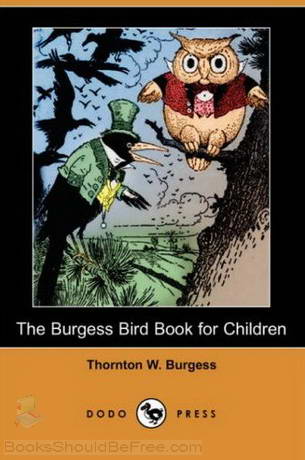
The Burgess Bird Book For Children Update

House Wren (Troglodytes aedon) by Ian

House Wren (Troglodytes aedon) by Ian

In the last few days, the Burgess Bird Book for Children, has been receiving all kinds of birds back to Lee’s Birdwatching Adventures. It has almost been more enjoyable than watching the birds return in the fall. (Other than all the work involved in reactivating these great stories.)

This series of stories were written by Thornton W. Burgess.  “The Burgess Bird Book for Children is a zoology book written in the form of a story featuring Peter Rabbit. Peter learns from his friend Jenny Wren all about the birds of North America, and we meet many of them in the Old Orchard, the Green Meadow, and the Green Forest.” (From Loyalbooks) Besides updating the stories with current photos of our avian wonders, I added scripture and questions for the younger (and older readers) to ponder. Also, for each of these stories, there is a public domain recording of the book being read.

Burgess-Bird-Book-for-Children

Burgess-Bird-Book-for-Children

From the Preface:

“This book was written to supply a definite need. Its preparation was undertaken at the urgent request of booksellers and others who have felt the lack of a satisfactory medium of introduction to bird life for little children. As such, and in no sense whatever as a competitor with the many excellent books on this subject, but rather to supplement these, this volume has been written.

Its primary purpose is to interest the little child in, and to make him acquainted with, those feathered friends he is most likely to see. Because there is no method of approach to the child mind equal to the story, this method of conveying information has been adopted. So far as I am aware the book is unique in this respect. In its preparation an earnest effort has been made to present as far as possible the important facts regarding the appearance, habits and characteristics of our feathered neighbors. It is intended to be at once a story book and an authoritative handbook. While it is intended for little children, it is hoped that children of larger growth may find in it much of both interest and helpfulness.”

Since it has been several years since this series was started, you might enjoy reading through, or listening, to some of these. You might even enjoy sharing these with your children or grand-children. They just might adopt your love for birds and birdwatching.

Enjoy! And stay tuned as more are produced in the future. (These 18 posts were all that were finished. There were 45 written by Burgess in total. Who know, maybe, if the interest is there, they might be extended.)

Here are the 18 stories:

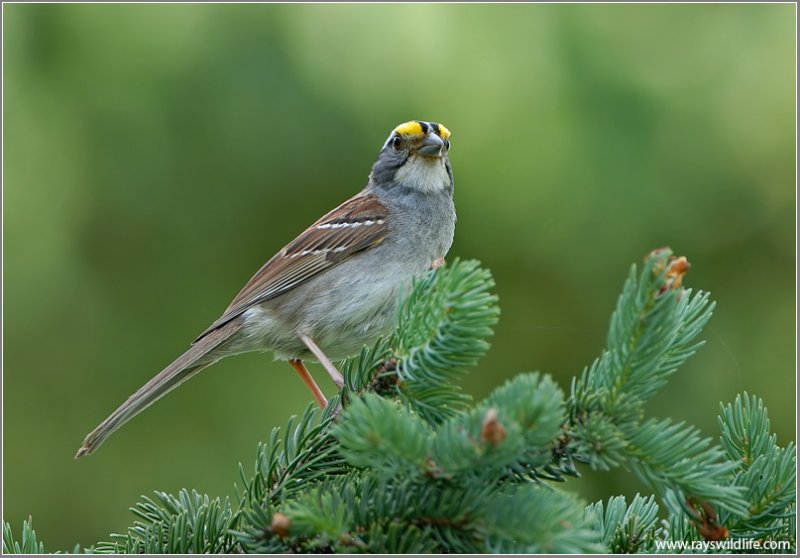
White-throated Sparrow (Zonotrichia albicollis) by Ray

White-throated Sparrow (Zonotrichia albicollis) by Ray

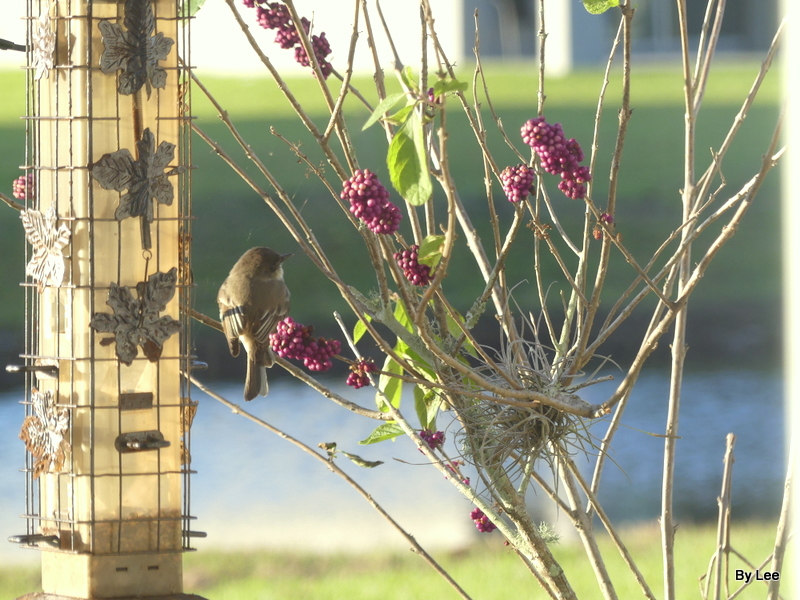
Eastern Phoebe on Beautyberry

Eastern Phoebe on Beautyberry 12-19-19 by Lee

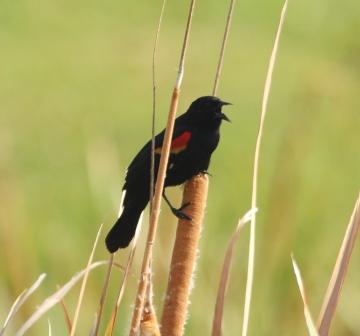
Red-winged Blackbird at Bok Sanctuary

Red-winged Blackbird at Bok Sanctuary by Lee

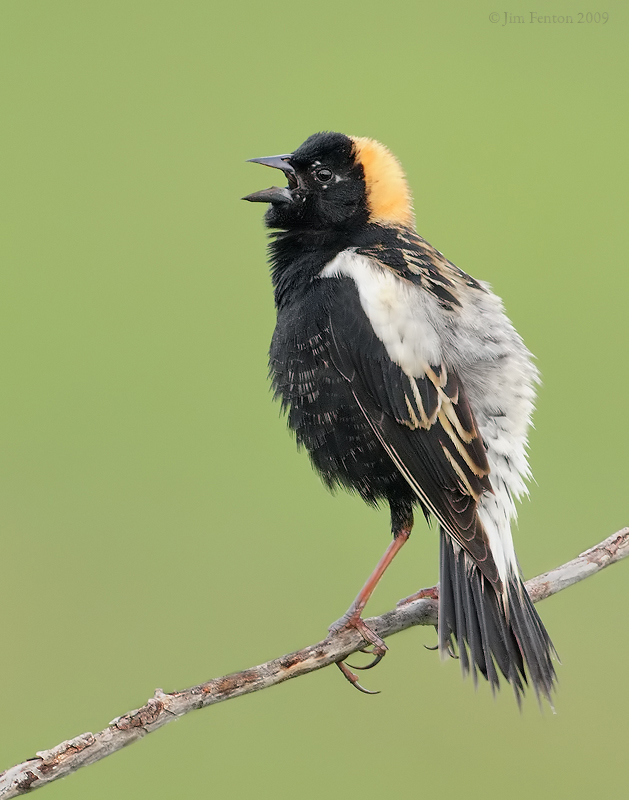
Bobolink (Dolichonyx oryzivorus) by J Fenton

Bobolink (Dolichonyx oryzivorus) by J Fenton

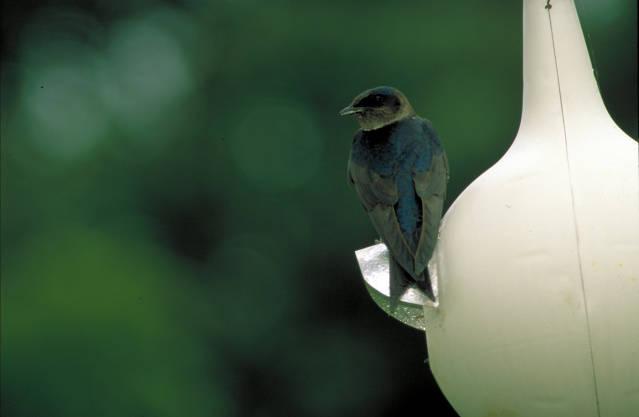
Purple Martin (Progne subis) ©USFWS

This verse has to do with teaching children the things of the Lord, but His creation also applies:

“Only take heed to yourself, and diligently keep yourself, lest you forget the things your eyes have seen, and lest they depart from your heart all the days of your life. And teach them to your children and your grandchildren,” (Deuteronomy 4:9 NKJV)

Sharing The Gospel

Four More Volumes Activated (48) – Birds Illustrated Serial

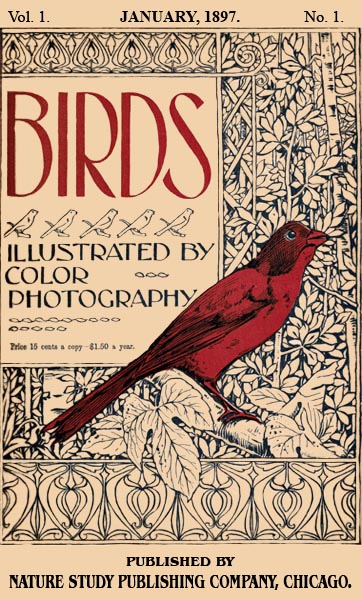
BIRDS – ILLUSTRATED BY COLOR PHOTOGRAPHY

A MONTHLY SERIAL

Again, the birds have been returning home. It’s fall, and time for the winter birds to arrive down here in Florida. Since birdwatching, for “real”, has slowed down outside my windows, the birds have been returning in droves here on my computer. In the last few days, I was able to reactivate almost 50 more articles for the “Birds Illustrated by Color Photography” series. To be honest, I had forgotten how much work had gone into producing these. Trust you will take some time to look through many of these. There are some really interesting birds sounds and videos in quite a few of them.

Enjoy, and Stay Tuned! as they continue to return back to our Kid’s Section. These are actually for “Kids of All Ages”!

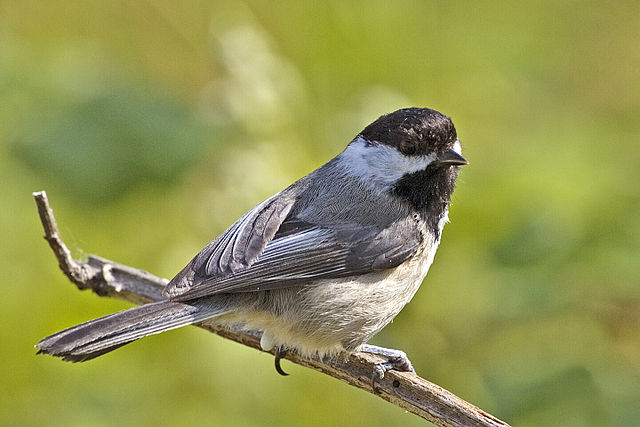
Black-capped Chickadee (Poecile atricapillus) ©WikiC

Volume 1, Number 5, May 1897

Nesting Time
National Council of Women
The Screech Owl
The Orchard Oriole
The Marsh Hawk
The Black-Capped Chickadee
The Scissor-Tailed Flycatcher
The Prothonotary Yellow Warblers
The Indigo Bunting
The Night Hawk
The Wood Thrush
The American Catbird

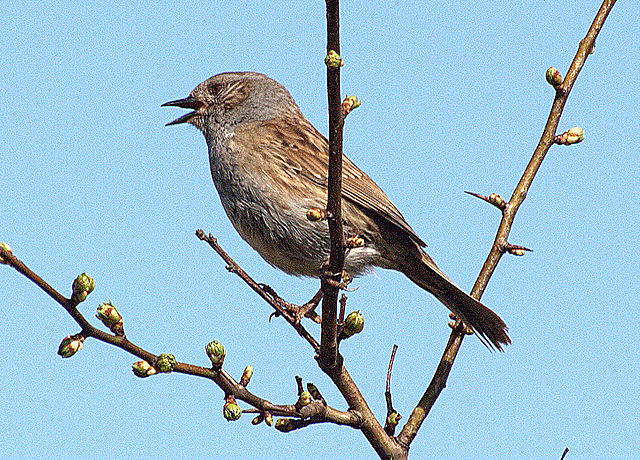
Dunnock (Prunella modularis) Singing ©WikiC

“By them the birds of the heavens have their home; They sing among the branches.” (Psalms 104:12 NKJV)

Volume 1, Number 6, June 1897

The Bird Song 1 – Many Sounds to listen to
The Yellow-throated Vireo
The Mocking Bird
June and the Birds and Farmers
The Black-Crowned Night Heron
The Ring-Billed Gull
The Loggerhead Shrike
The Baltimore Oriole
The Snowy Owl
June, Birds And Farmers
The Scarlet Tanager
The Ruffed Grouse
The Black And White Creeping Warbler

Birds Vol 1 #6 – The Volume 1. January to June 1897 – Index

Volume 2, Number 1, July 1897

Bird Song – July – Sounds for listening by ear
The Bald-Headed Eagle
The Semi-Palmated Ring Plover
The Mallard Duck
The American Avocet
The Canvas-Back Duck
The Wood Duck
The Anhinga Or Snake Bird
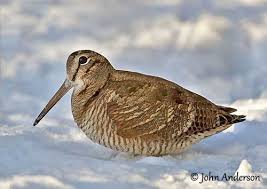
The American Woodcock
The American Scoter
The Snowy Heron
Old Abe

“Out of the ground the LORD God formed every beast of the field and every bird of the air, and brought them to Adam to see what he would call them. And whatever Adam called each living creature, that was its name.” (Genesis 2:19 NKJV)

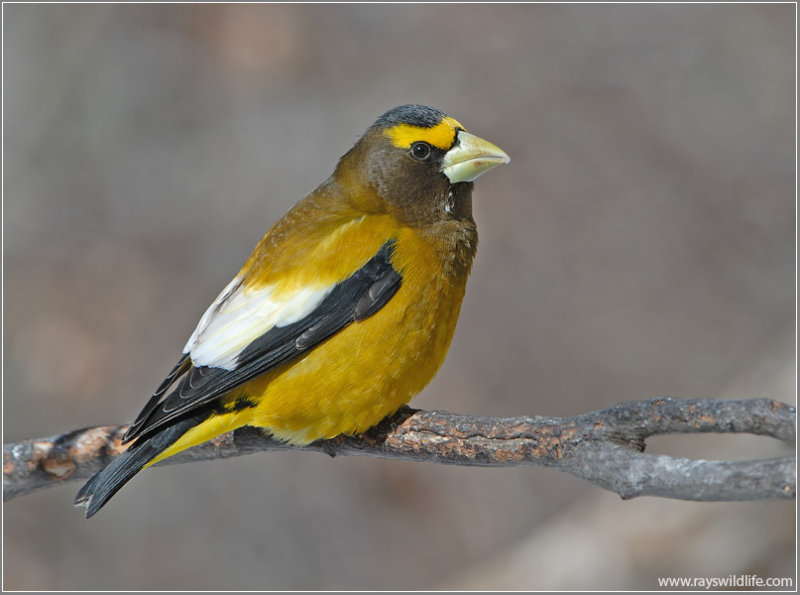
Evening Grosbeak (Hesperiphona vespertina) male by Raymond Barlow

Evening Grosbeak (Hesperiphona vespertina) male by Raymond Barlow

Volume 2, Number 2, August 1897

The American Osprey
The Sora Rail
The Kentucky Warbler
The Red Breasted Merganser
The Yellow Legs
The Skylark
Wilson’s Phalarope
The Evening Grosbeak
The Turkey Vulture
To A Water-Fowl
Gambel’s Partridge

Kid’s Section

Bible Birds

Birds Illustrated by Color Photography

Wordless Toucan

Did Birds Evolve From Dinosaurs

This Week:

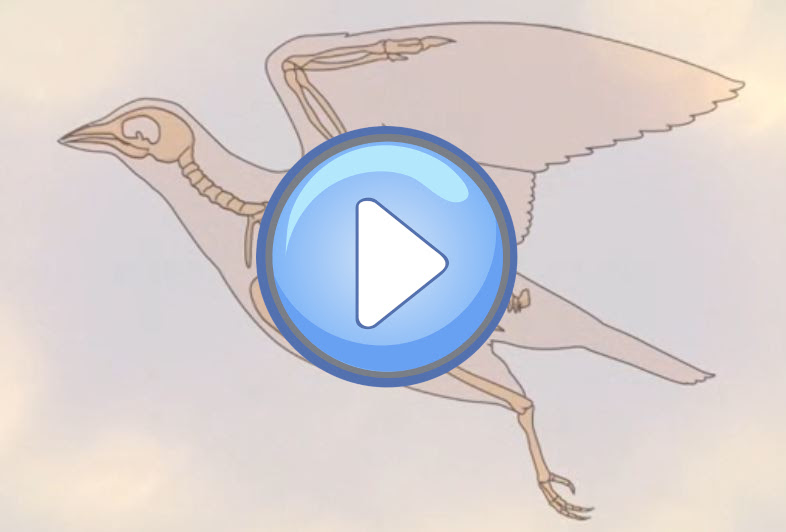
Did birds evolve from dinosaurs, as students are being taught? Watch our video for the answer

Students in public schools and universities are being taught that dinosaurs evolved into birds over millions of years … and that the Bible’s account of the six days of creation is pure myth. That’s why we encourage you to watch our “Designed for Flight” video and show it to the rest of your family. In under two minutes, you and your school-age children (or grandchildren) will see that the evolutionary explanation of birds just won’t fly!

To watch “Designed for Flight”, CLICK HERE or on the photo above. Then forward this e-mail to your friends so they can watch the video and lots of other biblical-creation videos from Creation Moments!

“Designed for Flight” is one of 26 videos you’ll find on the third volume of our Moments with God’s Creation DVD. Each video was created to glorify God and expose evolution as they myth that it really is! Order the DVD today!

Click here to order!

Creation Moments (Used with permission)


Dino to Bird Display – Desert Museum Tucson by Lee


Lee’s Addition:

“So God created great sea creatures and every living thing that moves, with which the waters abounded, according to their kind, and every winged bird according to its kind. And God saw that it was good. And God blessed them, saying, “Be fruitful and multiply, and fill the waters in the seas, and let birds multiply on the earth.” So the evening and the morning were the fifth day.” (Genesis 1:21-23 NKJV)

More Interesting Things

Wordless Bird – Green-tail Sunbird


Two More Volumes Updated – Vol 1 #3 and #4

Flash Light Picture made with “Dexter” Camera

Flash Light Picture made with “Dexter” Camera

Two More Volumes Updated – Vol 1 #3 and #4 of the Birds Illustrated by Color Photography

There really are some interesting birds in these volumes also. It takes time to update the links to articles and photos. In six years time, websites and blogs come and go. I would rather the articles be accurate as to just put them up as fast as I can. Besides that, the twenty plus posts will take time to read.

The American Cross Bill and The Legend  article is quite interesting. Also, the Amateur Photography post shows some older camera information with links to more photography topics.

Of course, there are many birds to check out. Enjoy these latest two Volumes:

Volume 1, Number 3, March 1897

Little Boy Blue – The Blue Bird
The Swallow
The Brown Thrush
The Japan Pheasant
The Flicker
The Bobolink

Bobolink (Dolichonyx oryzivorus) by J Fenton

Bobolink (Dolichonyx oryzivorus) by J Fenton

The Crow and The Common Crow
The Return Of The Birds
The Black Tern
The Meadow Lark
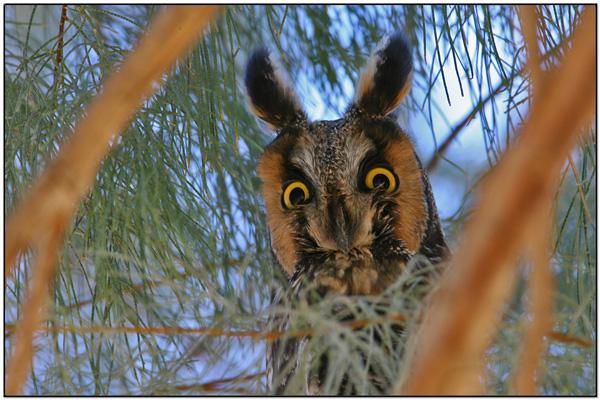
The Long-Eared Owl (Great Horned)

Northern Long-eared Owl by DavesBP

Volume 1, Number 4, April 1897

The Rose-Breasted Grosbeak
The Canada Jay
The Purple Gallinule
Smith’s Painted Longspur
The American Cross Bill and The Legend 
Bird Day In The Schools
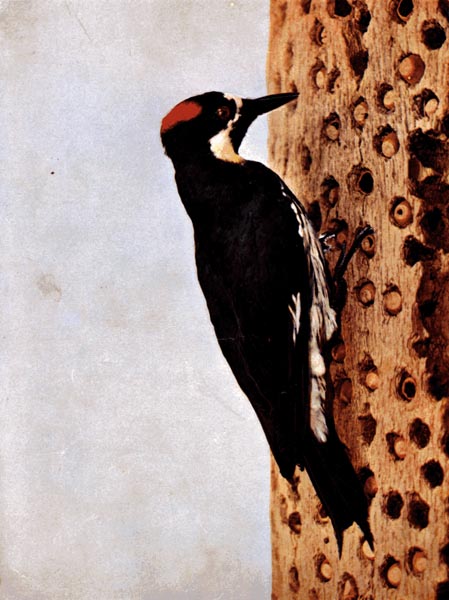
The California Woodpecker

California Woodpecker for Birds Illustrated by Color Photography, 1897

California Woodpecker for Birds Illustrated by Color Photography, 1897

The Piedbill Grebe
The Bohemian Wax-Wing
The Marsh Wren
The Arizona Green Jay
Amateur Photography

“And further, by these, my son, be admonished: of making many books there is no end; and much study is a weariness of the flesh.” (Ecclesiastes 12:12 KJV)

See also:

Volume 1 – #1 & #2 – Birds Illustrated by Color Photography Active

Birds Illustrated by Color Photography – Revisited

ABC’s Of The Gospel

Just Passing Through

“We are here for only a moment, visitors and strangers in the land as our ancestors were before us. Our days on earth are like a passing shadow, gone so soon without a trace.” 1 Chronicles 29:15

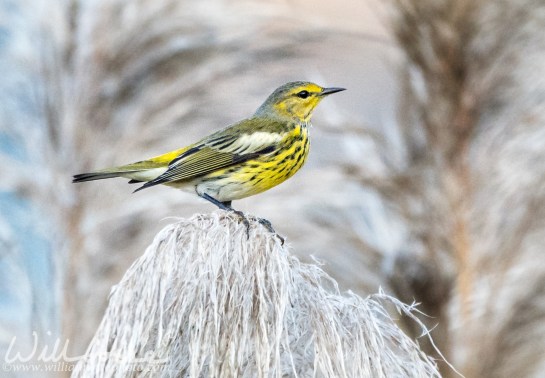
Migrating Cape May Warbler photographed October 12, 2020 in Clarke County, Georgia. ©www.williamwisephoto.com

Like a golden beam of sunshine that briefly pierces an autumn cloud cover, a Cape May Warbler made a brief but dazzling appearance in my backyard this month. Just as quickly as I was able to fire off three shots, she was off, not to be seen again. She didn’t stop to feed. She didn’t gather any nesting material. She didn’t have a bath or a drink. She was just passing through.

Just as these migrating birds only briefly stop during their long travels to and from their breeding grounds, I am reminded of the Christian’s journey here in this world. Although we may be busy putting down roots and making ourselves comfortable, the Bible describes the Christian as a pilgrim, as a sojourner just passing through. We are not permanent residents of this world, but headed for another.

Our destination is not a seasonal wintering ground in South America, but a permanent, eternal home in heaven. Like the warblers that quickly pass through our yards each spring and fall, the Christian is to have a mind of temporary residency as we pass through this life oriented towards eternity. Let us enjoy the wonders of this world, but also keep a mind on eternity!

Colossians 3:1-3  “If ye then be risen with Christ, seek those things which are above, where Christ sitteth on the right hand of God. Set your affection on things above, not on things on the earth.”


Hi, I’m wildlife photographer and nature writer William Wise. I was saved under a campus ministry while studying wildlife biology at the University of Georgia. My love of the outdoors quickly turned into a love for the Creator and His works. I’m currently an animal shelter director and live in Athens, Georgia with my wife and two teenage daughters, who are all also actively involved in ministry. Creation Speaks is my teaching ministry that glorifies our Creator and teaches the truth of creation.  — “What a wildly wonderful world, God! You made it all, with Wisdom at Your side, made earth overflow with your wonderful creations.” Psalms 104, The Message.

The Sandpiper – Fourth Grade McGuffey’s Reader

Semipalmated Sandpiper (Calidris pusilla) ©WikiC

Semipalmated Sandpiper (Calidris pusilla) ©WikiC

McGuffey Readers were a series of graded primers for grade levels 1-6. They were widely used as textbooks in American schools from the mid-19th century to the mid-20th century, and are still used today in some private schools and in homeschooling.

Here is a story of The Eagle from the Fourth Grade Reader. (From Gutenberg) Pictures are current photos.

Fourth Grade McGuffey Reader

XLIX. THE SANDPIPER. 
By CELIA THAXTER.

1. Across the lonely beach we flit,
One little sandpiper and I,
And fast I gather, bit by bit,
The scattered driftwood, bleached and dry.
The wild waves reach their hands for it,
The wild wind raves, the tide runs high,
As up and down the beach we flit,
One little sandpiper and I.

Rock Sandpiper (Calidris ptilocnemis) by Ian

2. Above our heads the sullen clouds
Scud, black and swift, across the sky;
Like silent ghosts in misty shrouds
Stand out the white lighthouses high.
Almost as far as eye can reach
I see the close-reefed vessels fly,
As fast we flit across the beach,
One little sandpiper and I.

Least Sandpiper at Fort DeSoto by Lee

Least Sandpiper at Fort DeSoto by Lee

3. I watch him as he skims along,
Uttering his sweet and mournful cry;
He starts not at my fitful song,
Nor flash of fluttering drapery.
He has no thought of any wrong,
He scans me with a fearless eye;
Stanch friends are we, well-tried and strong,
The little sandpiper and I.

Rock Sandpiper (Calidris ptilocnemis) ©USFWS

4. Comrade, where wilt thou be to-night,
When the loosed storm breaks furiously?
My driftwood fire will burn so bright!
To what warm shelter canst thou fly?
I do not fear for thee, though wroth
The tempest rushes through the sky;
For are we not God’s children both,
Thou, little sandpiper, and I?

DEFINITIONS.—l. Sand’pi-per, a bird of the snipe family, found along the seacoast. Drift’wood. wood tossed on shore by the waves. Bleached, whitened. Tide, the regular rise and fall of the ocean which occurs twice in a little over twenty-four hours. 2. Scud, fly hastily. Shrouds, Winding sheets, dresses of the dead. Close’reefed, with sails contracted as much as possible. 3. Fit’ful, irregularly variable. Draper-y, garments. Scans, looks at care-fully. Stanch, firm. 4. Wroth, angry.

“I would hasten my escape From the windy storm and tempest.” (Psalms 55:8 NKJV)

You are My friends if you do whatever I command you.” (John 15:14 NKJV)

Title: McGuffey’s Fourth Eclectic Reader, Author: William Holmes McGuffey
Release Date: February 2, 2005 [EBook #14880], Language: English

McGuffey’s Fourth Grade Reader 

Wordless Birds – With Hummingbirds

Fourth Grade McGuffey’s Reader – The Eagle

Fourth Grade McGuffey Reader

“Does the eagle mount up at your command, And make its nest on high?” (Job 39:27 NKJV)

McGuffey Readers were a series of graded primers for grade levels 1-6. They were widely used as textbooks in American schools from the mid-19th century to the mid-20th century, and are still used today in some private schools and in homeschooling.

Here is a story of The Eagle from the Fourth Grade Reader. (From Gutenberg) Pictures are current photos.

Bald Eagle (close up) LP Zoo by Lee

Bald Eagle (close up) LP Zoo by Lee

XXIX. THE EAGLE. (84)

1. The eagle seems to enjoy a kind of supremacy over the rest of the inhabitants of the air. Such is the loftiness of his flight, that he often soars in the sky beyond the reach of the naked eye, and such is his strength that he has been known to carry away children in his talons. But many of the noble qualities imputed to him are rather fanciful than true.

2. He has been described as showing a lofty independence, which makes him disdain to feed on anything that is not slain by his own strength. But Alexander Wilson, the great naturalist, says that he has seen an eagle feasting on the carcass of a horse. The eagle lives to a great age. One at Vienna is stated to have died after a confinement of one hundred and four years.

Golden Eagle (Aquila chrysaetos) Flying ©WikiC

3. There are several species of the eagle. The golden eagle, which is one of the largest, is nearly four feet from the point of the beak to the end of the tail. He is found in most parts of Europe, and is also met with in America. High rocks and ruined and lonely towers are the places which he chooses for his abode. His nest is composed of sticks and rushes. The tail feathers are highly valued as ornaments by the American Indians.

Bald Eagle (Haliaeetus leucocephalus) by AestheticPhotos

4. The most interesting species is the bald eagle, as this is an American bird, and the adopted emblem of our country. He lives chiefly upon fish, and is found in the neighborhood of the sea, and along the shores and cliffs of our large lakes and rivers.

5. According to the description given by Wilson, he depends, in procuring his food, chiefly upon the labors of others. He watches the fish hawk as he dives into the sea for his prey, and darting down upon him as he rises, forces him to relinquish his victim, and then seizes it before it again reaches the water.

Harpy Eagle (Harpia harpyja) by Lee at Zoo Miami 2014

Harpy Eagle (Harpia harpyja) by Lee at Zoo Miami 2014

6. One of the most notable species is the harpy eagle. This is said to be bold and strong, and to attack beasts, and even man himself. He is fierce, quarrelsome, and sullen, living alone in the deepest forests. He is found chiefly in South America.

***

Title: McGuffey’s Fourth Eclectic Reader, Author: William Holmes McGuffey
Release Date: February 2, 2005 [EBook #14880], Language: English

McGuffey’s Fouth Grade Reader

ABC’s Of The Gospel


McGuffey’s Fifth Reader – VI – The Singing Lesson

Ruddy-capped Nightingale-Thrush (Catharus frantzii) by Ian

Ruddy-capped Nightingale-Thrush (Catharus frantzii) by Ian

The Project Gutenberg EBook of McGuffey’s Fifth Eclectic Reader by William Holmes McGuffey

This eBook is for the use of anyone anywhere at no cost and with almost no restrictions whatsoever. You may copy it, give it away or re-use it under the terms of the Project Gutenberg License included with this eBook or online at gutenberg.net

Title: McGuffey’s Fifth Eclectic Reader Author: William Holmes McGuffey

VI. THE SINGING LESSON.

Jean Ingelow (b. 1830, d.1897) was born at Boston, Lincolnshire, England. Her fame as a poetess was at once established upon the publication of her “Poems” in 1863; since which time several other volumes have appeared. The most generally admired of her poems are “Songs of Seven” and “The High Tide on the Coast of Lincolnshire,” She has also written several successful novels, of which, “Off the Skelligs” is the most popular. “Stories Told to a Child,” “The Cumberers,” “Poor Mat,” “Studies for Stories,” and “Mopsa, the Fairy” are also well known. Miss Ingelow resided in London, England, and spent much of her time in deeds of charity.

1. A nightingale made a mistake;
She sang a few notes out of tune:
Her heart was ready to break,
And she hid away from the moon.
She wrung her claws, poor thing,
But was far too proud to weep;
She tucked her head under her wing,
And pretended to be asleep.

Crested Lark (Galerida cristata)

Crested Lark (Galerida cristata)

2. A lark, arm in arm with a thrush,
Came sauntering up to the place;
The nightingale felt herself blush,
Though feathers hid her face;
She knew they had heard her song,
She felt them snicker and sneer;
She thought that life was too long,
And wished she could skip a year.

Mourning Dove (Zenaida macroura) by Reinier Munguia

Mourning Dove (Zenaida macroura) by Reinier Munguia

3. “O nightingale!” cooed a dove;
“O nightingale! what’s the use?
You bird of beauty and love,
Why behave like a goose?
Don’t sulk away from our sight,
Like a common, contemptible fowl;
You bird of joy and delight,
Why behave like an owl?

4. “Only think of all you have done;
Only think of all you can do;
A false note is really fun
From such a bird as you!
Lift up your proud little crest,
Open your musical beak;
Other birds have to do their best,
You need only to speak!”

Thrush Nightingale (Luscinia luscinia) ©©SergeyYeliseev

Thrush Nightingale (Luscinia luscinia) ©©SergeyYeliseev

6. The nightingale shyly took
Her head from under her wing,
And, giving the dove a look,
Straightway began to sing.
There was never a bird could pass;
The night was divinely calm;
And the people stood on the grass
To hear that wonderful psalm.

Black-headed Nightingale-Thrush (Catharus mexicanus) by Michael Woodruff

Black-headed Nightingale-Thrush (Catharus mexicanus) by Michael Woodruff

6. The nightingale did not care,
She only sang to the skies;
Her song ascended there,
And there she fixed her eyes.
The people that stood below
She knew but little about;
And this tale has a moral, I know,
If you’ll try and find it out.

DEFINITIONS.—2. Saun’ter-ing, wandering idly, strolling. Snick’er, to laugh in a half-suppressed manner. 4. Crest, a tuft growing on an animal’s head. 5. Di-vine’ly, in a supreme degree. 6. Mor’al, the practical lesson which anything is fitted to teach.

NOTE.—The nightingale is a small bird, about six inches in length, with a coat of dark-brown feathers above and of grayish, white beneath. Its voice is astonishingly strong and sweet, and, when wild, it usually sings throughout the evening and night from April to the middle of summer. The bird is common in Europe, but is not found in America.

“The flowers appear on the earth; the time of the singing of birds is come, and the voice of the turtle is heard in our land;” (Song of Solomon 2:12 KJV)

Speaking to yourselves in psalms and hymns and spiritual songs, singing and making melody in your heart to the Lord;
(Ephesians 5:19 KJV)
McGuffey’s Fifth Grade Reader

Wordless Birds

Social Distancing and Mask by Birds

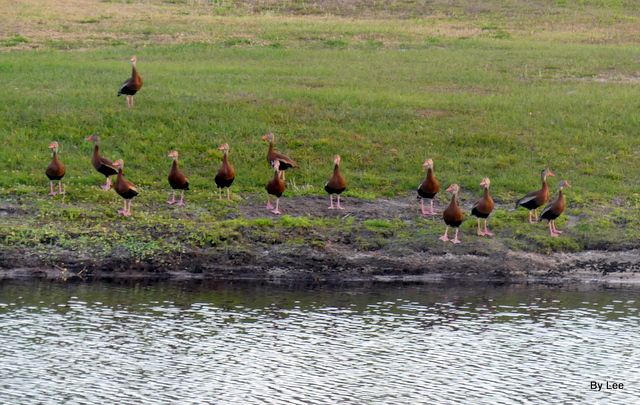
This year we were privileged to see a small flock of Black-bellied Whistling Ducks land by our home. As we are constantly being reminded to “social distance” ourselves, I think someone must have informed this flock of Ducks.
Black-bellied Whistling Ducks by Lee 3-15-20

Black-bellied Whistling Ducks by Lee 3-15-20

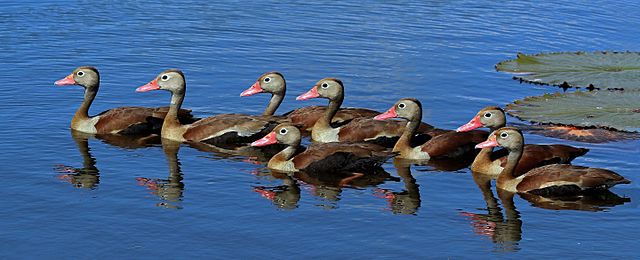
This is the way you normally see them:

Black-bellied Whistling Duck (Dendrocygna autumnalis) ©WikiC

“All the nations will be gathered before Him, and He will separate them one from another, as a shepherd divides his sheep from the goats.” (Matthew 25:32 NKJV)

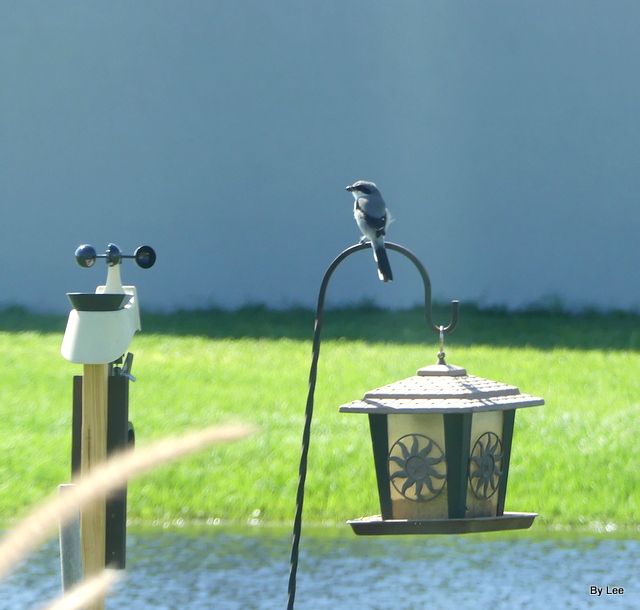
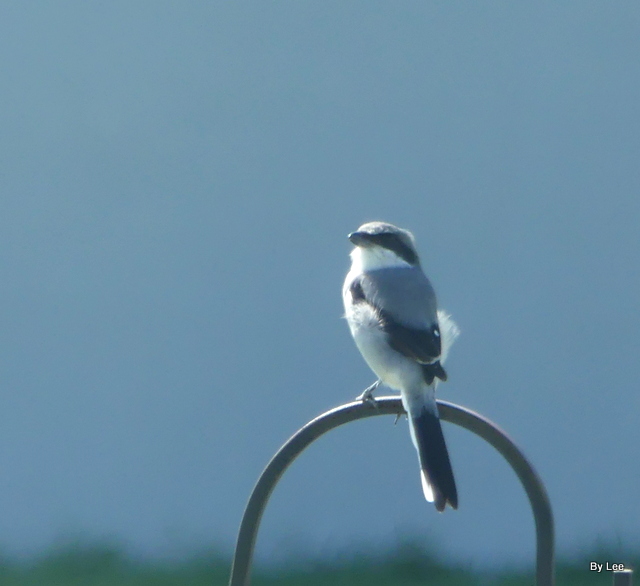
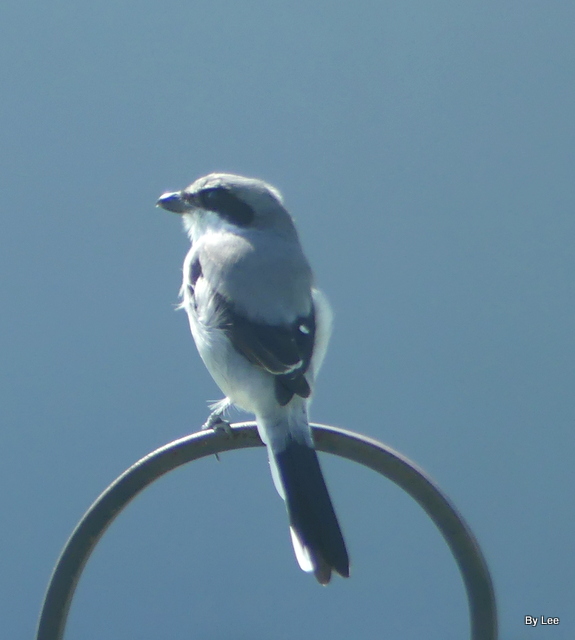
Also, we have been told to wear mask, but this recent visiter, a Loggerhead Shrike seems to have the mask a little too high.

Loggerhead Shrike on hook – by Lee

Loggerhead Shrike on hook - by Lee Closeup

Loggerhead Shrike on hook – by Lee Closeup

“Help me understand Your instruction, and I will obey it and follow it with all my heart.” (Psalms 119:34 HCSB)

Loggerhead Shrike on hook - by Lee Closeup

Loggerhead Shrike on hook – by Lee Closeup

Stay safe as we journey through this trying time.