Just Some Reviews of Several Previous Posts

Two Deer At Shi Shi Beach ©WikiC

While I am continuing to move articles from Birds of the Bible for Kids site to this one, I come across previous post, that were just delightful. Many of you enjoyed them as well. Just thought you might like a look back at a few of them:

A Curious, Leeping or Panting Deer?

This has two videos of deer running and bounding in water. Take a look!

Black-Crowned Night Heron at S Lk Howard

Black-Crowned Night Heron at S Lk Howard

Also, here are a couple of videos of resourceful Heron at work:

Black-Crowned Heron Fishing With Patience and Bread

and a

Green Heron Fishing With Bread

*

Wordless Birds

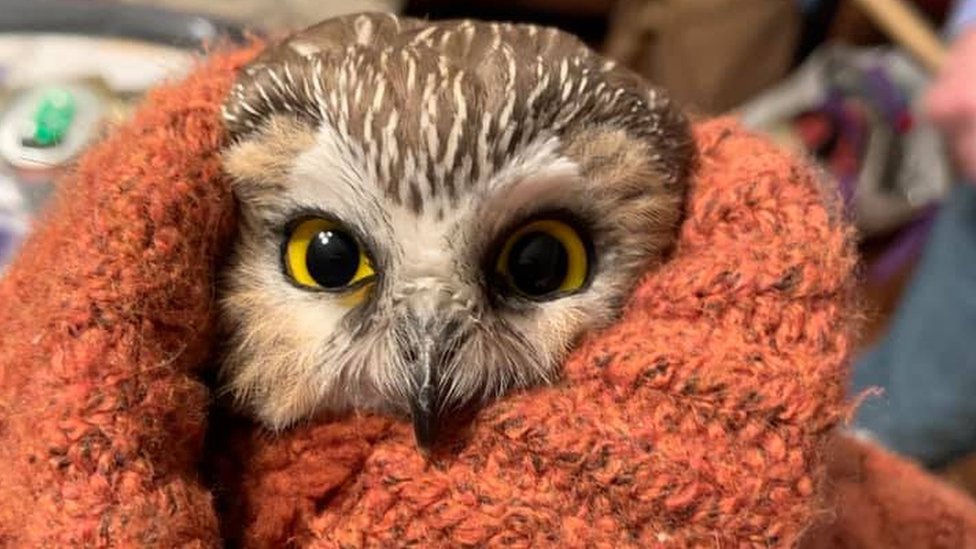
Rockefeller the Saw-Whet Owl in Christmas Tree

Rockefeller the Saw-Whet Owl ©BBC

Here’s an interesting story about a Saw-Whet Owl which showed up in the Rockefeller Christmas tree being delivered.

Northern Saw-Whet Owls are like other Owls. They appear on the “Do Not Eat” list. Too cute to eat this Little Owl.

“And the owl, and the night hawk, and the cuckow, and the hawk after his kind, And the little owl, and the cormorant, and the great owl,” (Leviticus 11:16-17 KJV)

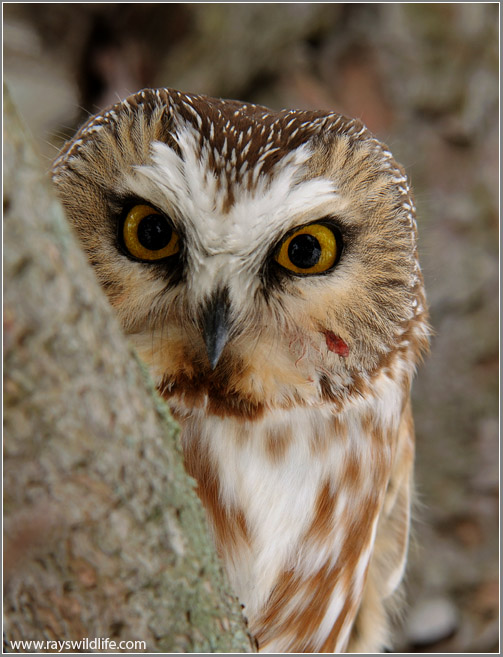
Saw-whet Owl by Ray

Saw-whet Owl by Ray

Birds of the Bible – Owls

Bible Birds – Owls

Northern Saw-Whet Owls – All About Birds

Northern Saw-Whet Owls – Wikipedia

From Decorah Eagles – Most Adorable Eaglet

“Who satisfieth thy mouth with good things; so that thy youth is renewed like the eagle’s.” (Psalms 103:5 KJV)

“Out of the ground the LORD God formed every beast of the field and every bird of the air, and brought them to Adam to see what he would call them. And whatever Adam called each living creature, that was its name.” (Genesis 2:19 NKJV)

What an interesting video! Enjoy!

Bible Birds – Eagle

Birds of the Bible – Eagle

Wordless Birds

Bible Bird – Gier Eagle (Egyptian Vulture)

and the gier-eagle,

“But these are they of which ye shall not eat: … And the pelican, and the gier eagle, and the cormorant,” (Deuteronomy 14:17 KJV)

Gier eagleHeb. raham = “parental affection,” Leviticus 11:18 ; Deuteronomy 14:17 ; RSV, “vulture”), a species of vulture living entirely on carrion. “It is about the size of a raven; has an almost triangular, bald, and wrinkled head, a strong pointed beak, black at the tip, large eyes and ears, the latter entirely on the outside, and long feet.” It is common in Egypt, where it is popularly called “Pharaoh’s chicken” (the Neophron percnopterus), and is found in Palestine only during summer. Tristram thinks that the Hebrew name, which is derived from a root meaning “to love,” is given to it from the fact that the male and female bird never part company.

Egyptian Vulture (Neophron percnopterus) Flying ©WikiC

The name Gier Eagle is no longer used. It is known by other names today, such as; Egyptian Vulture (Neophron percnopterus) or White Scavenger Vulture, or Pharaoh’s Chicken.
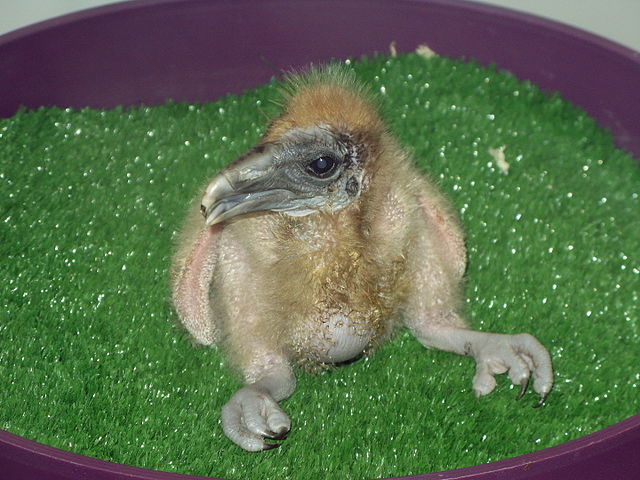
Egyptian Vulture (Neophron percnopterus) 18 day old ©WikiC

Egyptian Vulture (Neophron percnopterus)
18 day old ©WikiC

Egyptian Vulture (Neophron percnopterus) Egg ©WikiC

“The Egyptian vulture  is a small Old World vulture and the only member of the genus Neophron. It is widely distributed; the Egyptian vulture is found from the Iberian Peninsula and North Africa to India.”

Egyptian Vulture (Neophron percnopterus) ©WikiC

“It is widely distributed; the Egyptian vulture is found from the Iberian Peninsula and North Africa to India. The contrasting underwing pattern and wedge-shaped tail make it distinctive in flight as it soars in thermals during the warmer parts of the day. Egyptian vultures feed mainly on carrion but are opportunistic and will prey on small mammals, birds, and reptiles. They also feed on the eggs of other birds, breaking larger ones by tossing a large pebble onto them.”

Egyptian Vulture (Neophron percnopterus) ©WikiC

“The use of tools is rare in birds and apart from the use of a pebble as a hammer, Egyptian vultures also use twigs to roll up wool for use in their nest. Egyptian vultures that breed in the temperate regions migrate south in winter while tropical populations are relatively sedentary.” Wikipedia

Whatever this bird is called, I still wouldn’t want to eat it.

Relocated from the Kid’s Blog

Bible Birds – Eagles

Bible Birds

Wordless Toucan

Birds With Arms?

Thought you might enjoy watching these:


If birds had arms, then they would not be able to fly or do the amazing things that the Creator meant for them to do. We were all given exactly what we need by our Lord Jesus Christ, the Creator of all.

“In the beginning was the Word, and the Word was with God, and the Word was God. The same was in the beginning with God. All things were made by him; and without him was not any thing made that was made.” (John 1:1-3 KJV)

Transfered from the Kid’s Blog – Thought you might enjoy it.

See:

If Dogs Could Fly: More than Wings are Needed for Flying High!

The Wise Owl

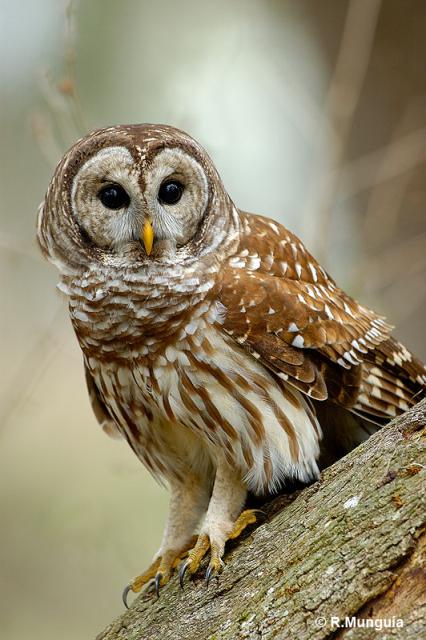
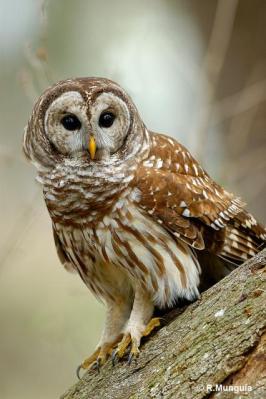
Northern Barred Owl (Strix varia) Reinier Munguia

Northern Barred Owl (Strix varia) Reinier Munguia

The Wise Owl

Have you ever heard of someone described as being “wise as an owl”? I suppose, more than anything else, that the owl’s large head and wide-open eyes mark him out as a symbol of wisdom. In any case, he is a remarkable bird, wonderfully designed and fitted by the wisdom and power of the Creator for his peculiar life. At night he is able to see far better than in the day; and in the day he is able to safely hide himself from his enemies.

Can you see in the dark?

Are you wise like the owl? Are you able to see in the night? Do you wonder what I mean? Let me try to tell you…

You see, sin has produced spiritual darkness in this world—a darkness so great that when Jesus was here as the Light of the world, “men loved darkness rather than Light because their deeds were evil” (John 3:19). And what did they do? They crucified Him because they did not want Him; they did not love Him. They did not see Him to be the Son of God who came to shed His blood and to die so that sinners like you and me might be saved.

Let me ask you: Do you know Him as the Son of God who died for you? Do you love Him? If so, then you, like the owl, have wide-open eyes in this time of night caused by the Lord Jesus Christ’s absence from this world. If you do not, then BE WISE and trust Him as your Saviour. Then you will be able to say with the blind man who Jesus healed, “One thing I KNOW, that, whereas I was blind, now I see” (John 9:25).

White-fronted Scops Owl (Otus sagittatus) by MAMuin

White-fronted Scops Owl (Otus sagittatus) by MAMuin

Are you safe from the enemy?

Are you wise like the owl? Are you able to safely hide yourself in the day? Again, do you wonder what I mean? Let me tell you…

This is the daytime of God’s salvation and grace, but do you know that the enemy of your soul stalks about like a roaring lion seeking whom he may devour? Who is that, do you ask? It is none other than Satan, the Devil, who has many deceitful tricks to make you fall into his hands. You are no match for his power nor his cunning, so you need a refuge from him—a hiding place for your soul. Is there such a hiding place? Yes! The Hiding Place is the same One who gives light so the wise may see. It is the Lord Jesus Christ (Psalm 32:7). He is referred to as the ROCK of our Salvation (Psalm 95:1)—the place of strength, safety and security. He defeated the Devil at the Cross where He was smitten for our sins, and became the “Rock of Ages” cleft for sinners. Your safety depends solely upon hiding in Him. There is no other salvation for you than in the Lord Jesus. “Neither is there salvation in any other: for there is none other Name under heaven given among men whereby we must be saved” (Acts 4:12).

How to be wise

BE WISE! Come to the Lord Jesus Christ NOW! How do you come? Come just as you are, confessing to Him that you are a sinner, and tell Him you believe He died for your sins on Calvary. He will then become your Saviour.

“Believe on the Lord Jesus Christ and thou shalt be saved” (Acts 16:31).

You will then have in Jesus Christ a Light in the darkness, and a Hiding Place from danger and judgment for time and eternity. “Verily, verily, I say unto you, he that heareth My word, and believeth on Him that sent Me, hath everlasting life, and shall not come into condemnation; but is passed from death unto life” (John 5:24).

—D.T.J.

Are Ostriches Stupid ? – Creation Moments

ARE OSTRICHES STUPID?

Job 39:13-15

“Gavest thou the goodly wings unto the peacocks? or wings and feathers unto the ostrich? Which leaveth her eggs in the earth, and warmeth them in dust, and forgetteth that the foot may crush them, or that the wild beast may break them.”

Ostriches are certainly comical looking birds. Whenever I see a picture of one, it certainly makes me smile.  Mind you, if you meet one up close, you might not laugh so much because they can cause a lot of damage with their legs, and particularly with their feet. But where ostriches come to our notice, as biblical Christians, is that many people think that the Bible is completely mistaken about ostriches, and, therefore, these supposed errors invalidate Scripture.

The main contentious verse is in Job 39. In this chapter, God is telling Job about the various things that He has created to silence Job and show him that his complaints are irrelevant. In verses 14 and 15, the accusation is that the ostrich is pictured as stupid for leaving its eggs in the sand and accidentally crushing them. Then, we are told, the Bible tells us that the mother ostrich forgets, or even neglects, her young.

Common Ostrich (Struthio camelus) at Riverbanks Zoo SC by Lee

Common Ostrich (Struthio camelus) at Riverbanks Zoo SC by Lee

Actually, much of this is based on a false anthropomorphism. We should not expect that an animal is going to show human characteristics. In any case, the mother ostrich does tend to leave her young because the care of newly hatched chicks seems to be the job of the father ostrich, so there is no error in what the Bible is claiming.

So when were ostriches created? They are clearly birds, but they appear designed to live on land. We must assume, therefore, that God made them on Day Six.

Prayer: Dear Heavenly Father, we thank You for Your wisdom in creation, and, like Job, we must stand with our mouths stopped, in awe at Your greatness. Amen.

Author:  Paul F. Taylor

Ref:  Ostrich in the Bible, accessed 1/30/2019. Image: CC BY-SA 4.0 International.

See

Are Ostriches Stupid? Creation Moments

Bible Birds – Ostrich

Birds of the Bible – Ostrich.

The Burgess Bird Book For Children Update

House Wren (Troglodytes aedon) by Ian

House Wren (Troglodytes aedon) by Ian

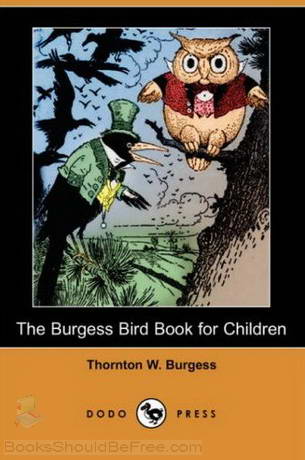
In the last few days, the Burgess Bird Book for Children, has been receiving all kinds of birds back to Lee’s Birdwatching Adventures. It has almost been more enjoyable than watching the birds return in the fall. (Other than all the work involved in reactivating these great stories.)

This series of stories were written by Thornton W. Burgess.  “The Burgess Bird Book for Children is a zoology book written in the form of a story featuring Peter Rabbit. Peter learns from his friend Jenny Wren all about the birds of North America, and we meet many of them in the Old Orchard, the Green Meadow, and the Green Forest.” (From Loyalbooks) Besides updating the stories with current photos of our avian wonders, I added scripture and questions for the younger (and older readers) to ponder. Also, for each of these stories, there is a public domain recording of the book being read.

Burgess-Bird-Book-for-Children

Burgess-Bird-Book-for-Children

From the Preface:

“This book was written to supply a definite need. Its preparation was undertaken at the urgent request of booksellers and others who have felt the lack of a satisfactory medium of introduction to bird life for little children. As such, and in no sense whatever as a competitor with the many excellent books on this subject, but rather to supplement these, this volume has been written.

Its primary purpose is to interest the little child in, and to make him acquainted with, those feathered friends he is most likely to see. Because there is no method of approach to the child mind equal to the story, this method of conveying information has been adopted. So far as I am aware the book is unique in this respect. In its preparation an earnest effort has been made to present as far as possible the important facts regarding the appearance, habits and characteristics of our feathered neighbors. It is intended to be at once a story book and an authoritative handbook. While it is intended for little children, it is hoped that children of larger growth may find in it much of both interest and helpfulness.”

Since it has been several years since this series was started, you might enjoy reading through, or listening, to some of these. You might even enjoy sharing these with your children or grand-children. They just might adopt your love for birds and birdwatching.

Enjoy! And stay tuned as more are produced in the future. (These 18 posts were all that were finished. There were 45 written by Burgess in total. Who know, maybe, if the interest is there, they might be extended.)

Here are the 18 stories:

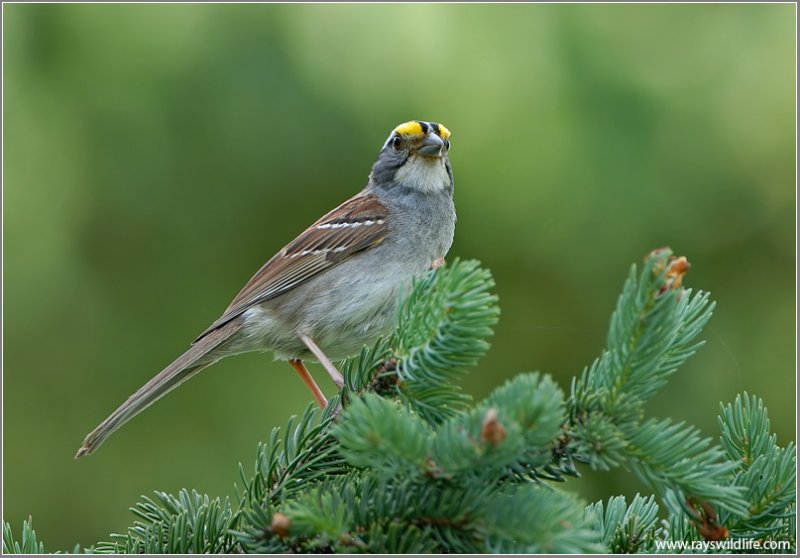
White-throated Sparrow (Zonotrichia albicollis) by Ray

White-throated Sparrow (Zonotrichia albicollis) by Ray

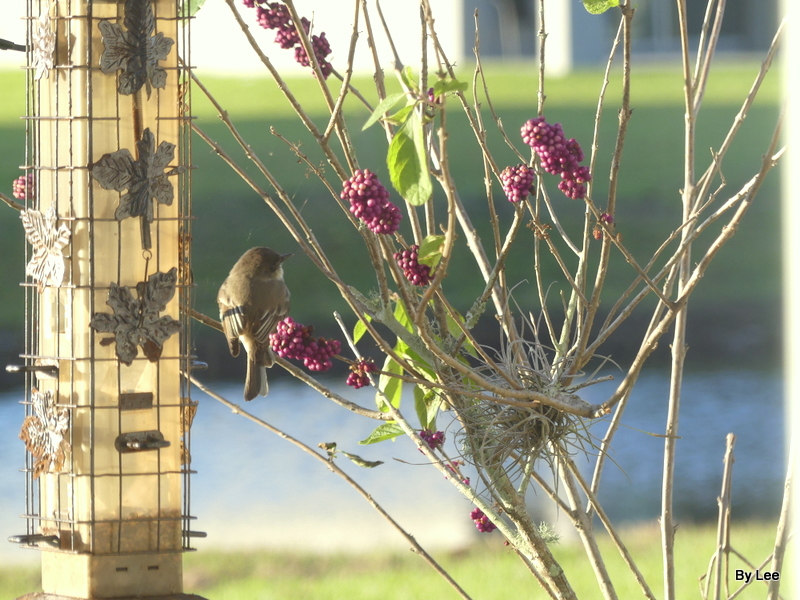
Eastern Phoebe on Beautyberry

Eastern Phoebe on Beautyberry 12-19-19 by Lee

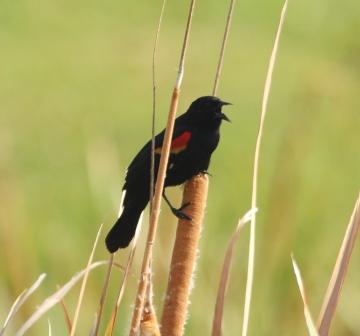
Red-winged Blackbird at Bok Sanctuary

Red-winged Blackbird at Bok Sanctuary by Lee

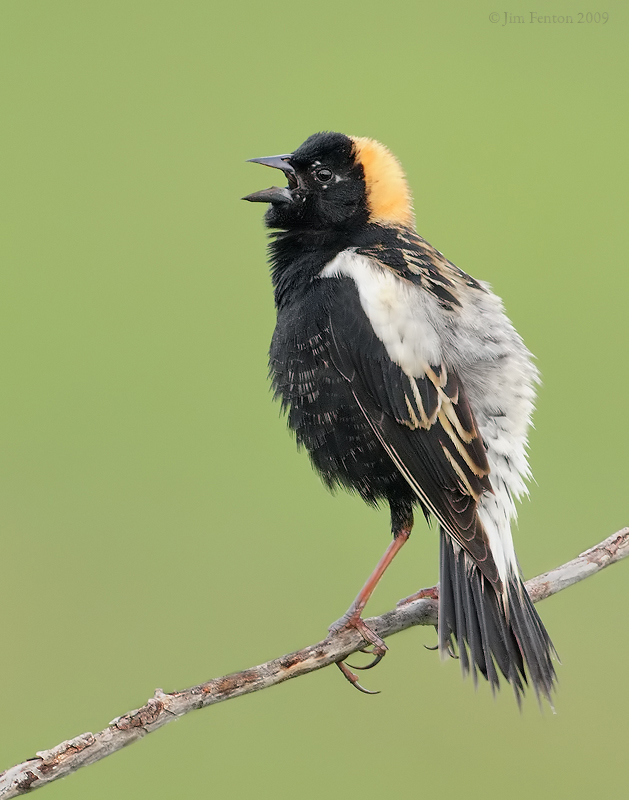
Bobolink (Dolichonyx oryzivorus) by J Fenton

Bobolink (Dolichonyx oryzivorus) by J Fenton

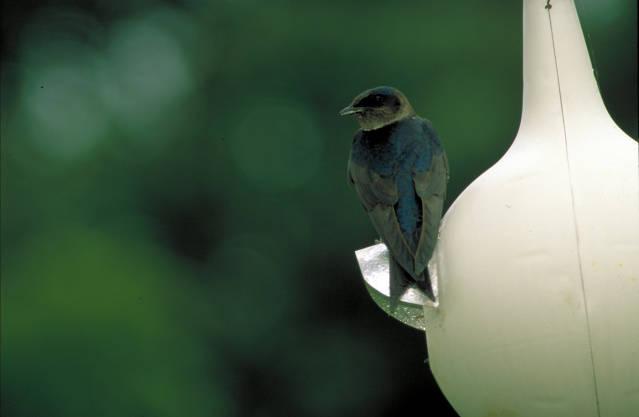
Purple Martin (Progne subis) ©USFWS

This verse has to do with teaching children the things of the Lord, but His creation also applies:

“Only take heed to yourself, and diligently keep yourself, lest you forget the things your eyes have seen, and lest they depart from your heart all the days of your life. And teach them to your children and your grandchildren,” (Deuteronomy 4:9 NKJV)

Sharing The Gospel

Four More Volumes Activated (48) – Birds Illustrated Serial

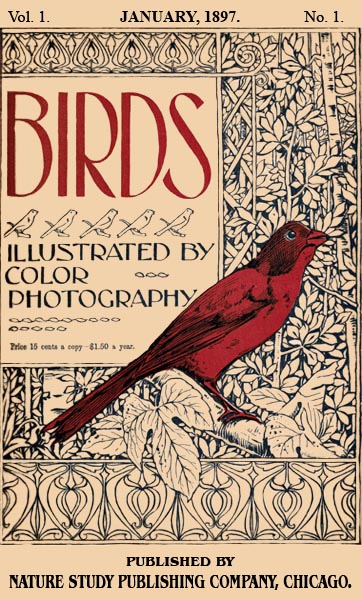
BIRDS – ILLUSTRATED BY COLOR PHOTOGRAPHY

A MONTHLY SERIAL

Again, the birds have been returning home. It’s fall, and time for the winter birds to arrive down here in Florida. Since birdwatching, for “real”, has slowed down outside my windows, the birds have been returning in droves here on my computer. In the last few days, I was able to reactivate almost 50 more articles for the “Birds Illustrated by Color Photography” series. To be honest, I had forgotten how much work had gone into producing these. Trust you will take some time to look through many of these. There are some really interesting birds sounds and videos in quite a few of them.

Enjoy, and Stay Tuned! as they continue to return back to our Kid’s Section. These are actually for “Kids of All Ages”!

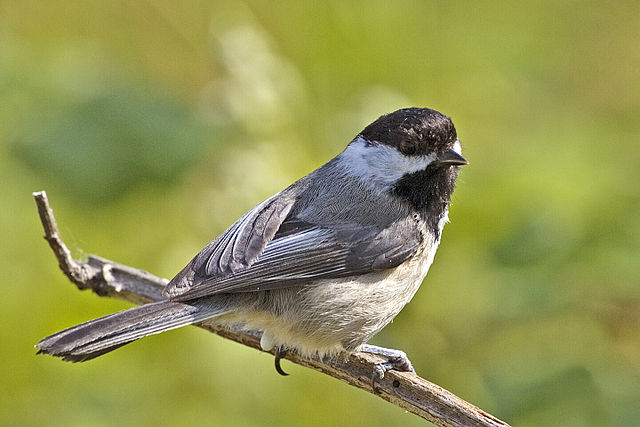
Black-capped Chickadee (Poecile atricapillus) ©WikiC

Volume 1, Number 5, May 1897

Nesting Time
National Council of Women
The Screech Owl
The Orchard Oriole
The Marsh Hawk
The Black-Capped Chickadee
The Scissor-Tailed Flycatcher
The Prothonotary Yellow Warblers
The Indigo Bunting
The Night Hawk
The Wood Thrush
The American Catbird

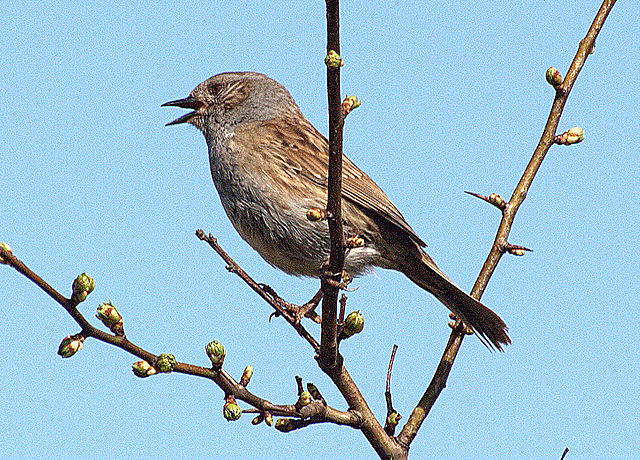
Dunnock (Prunella modularis) Singing ©WikiC

“By them the birds of the heavens have their home; They sing among the branches.” (Psalms 104:12 NKJV)

Volume 1, Number 6, June 1897

The Bird Song 1 – Many Sounds to listen to
The Yellow-throated Vireo
The Mocking Bird
June and the Birds and Farmers
The Black-Crowned Night Heron
The Ring-Billed Gull
The Loggerhead Shrike
The Baltimore Oriole
The Snowy Owl
June, Birds And Farmers
The Scarlet Tanager
The Ruffed Grouse
The Black And White Creeping Warbler

Birds Vol 1 #6 – The Volume 1. January to June 1897 – Index

Volume 2, Number 1, July 1897

Bird Song – July – Sounds for listening by ear
The Bald-Headed Eagle
The Semi-Palmated Ring Plover
The Mallard Duck
The American Avocet
The Canvas-Back Duck
The Wood Duck
The Anhinga Or Snake Bird
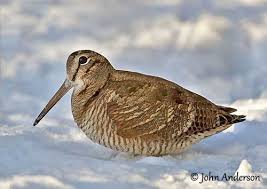
The American Woodcock
The American Scoter
The Snowy Heron
Old Abe

“Out of the ground the LORD God formed every beast of the field and every bird of the air, and brought them to Adam to see what he would call them. And whatever Adam called each living creature, that was its name.” (Genesis 2:19 NKJV)

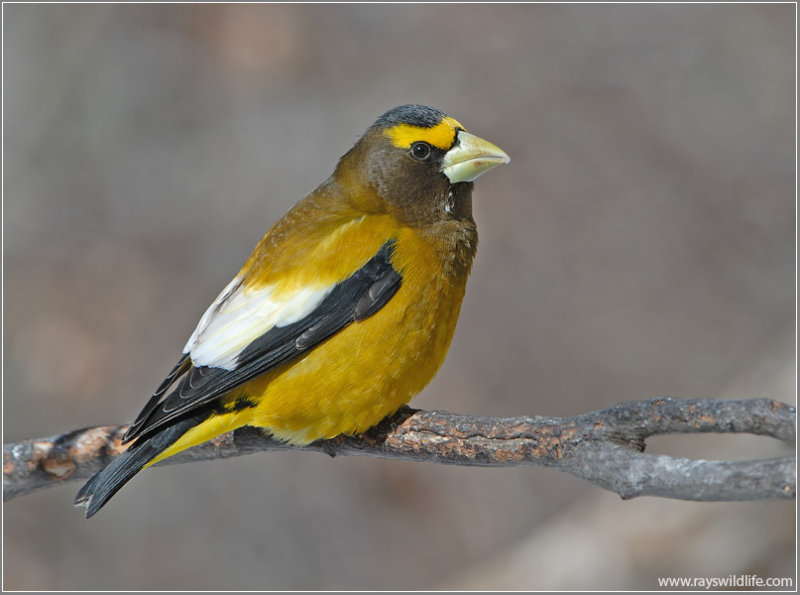
Evening Grosbeak (Hesperiphona vespertina) male by Raymond Barlow

Evening Grosbeak (Hesperiphona vespertina) male by Raymond Barlow

Volume 2, Number 2, August 1897

The American Osprey
The Sora Rail
The Kentucky Warbler
The Red Breasted Merganser
The Yellow Legs
The Skylark
Wilson’s Phalarope
The Evening Grosbeak
The Turkey Vulture
To A Water-Fowl
Gambel’s Partridge

Kid’s Section

Bible Birds

Birds Illustrated by Color Photography

Wordless Toucan

Did Birds Evolve From Dinosaurs

This Week:

Did birds evolve from dinosaurs, as students are being taught? Watch our video for the answer

Students in public schools and universities are being taught that dinosaurs evolved into birds over millions of years … and that the Bible’s account of the six days of creation is pure myth. That’s why we encourage you to watch our “Designed for Flight” video and show it to the rest of your family. In under two minutes, you and your school-age children (or grandchildren) will see that the evolutionary explanation of birds just won’t fly!

To watch “Designed for Flight”, CLICK HERE or on the photo above. Then forward this e-mail to your friends so they can watch the video and lots of other biblical-creation videos from Creation Moments!

“Designed for Flight” is one of 26 videos you’ll find on the third volume of our Moments with God’s Creation DVD. Each video was created to glorify God and expose evolution as they myth that it really is! Order the DVD today!

Click here to order!

Creation Moments (Used with permission)


Dino to Bird Display – Desert Museum Tucson by Lee


Lee’s Addition:

“So God created great sea creatures and every living thing that moves, with which the waters abounded, according to their kind, and every winged bird according to its kind. And God saw that it was good. And God blessed them, saying, “Be fruitful and multiply, and fill the waters in the seas, and let birds multiply on the earth.” So the evening and the morning were the fifth day.” (Genesis 1:21-23 NKJV)

More Interesting Things

Wordless Bird – Green-tail Sunbird


Two More Volumes Updated – Vol 1 #3 and #4

Flash Light Picture made with “Dexter” Camera

Flash Light Picture made with “Dexter” Camera

Two More Volumes Updated – Vol 1 #3 and #4 of the Birds Illustrated by Color Photography

There really are some interesting birds in these volumes also. It takes time to update the links to articles and photos. In six years time, websites and blogs come and go. I would rather the articles be accurate as to just put them up as fast as I can. Besides that, the twenty plus posts will take time to read.

The American Cross Bill and The Legend  article is quite interesting. Also, the Amateur Photography post shows some older camera information with links to more photography topics.

Of course, there are many birds to check out. Enjoy these latest two Volumes:

Volume 1, Number 3, March 1897

Little Boy Blue – The Blue Bird
The Swallow
The Brown Thrush
The Japan Pheasant
The Flicker
The Bobolink

Bobolink (Dolichonyx oryzivorus) by J Fenton

Bobolink (Dolichonyx oryzivorus) by J Fenton

The Crow and The Common Crow
The Return Of The Birds
The Black Tern
The Meadow Lark
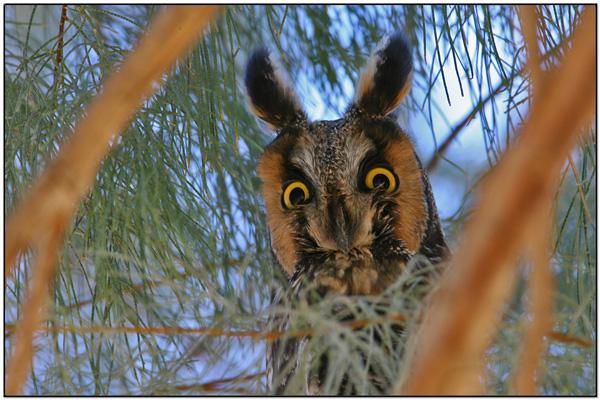
The Long-Eared Owl (Great Horned)

Northern Long-eared Owl by DavesBP

Volume 1, Number 4, April 1897

The Rose-Breasted Grosbeak
The Canada Jay
The Purple Gallinule
Smith’s Painted Longspur
The American Cross Bill and The Legend 
Bird Day In The Schools
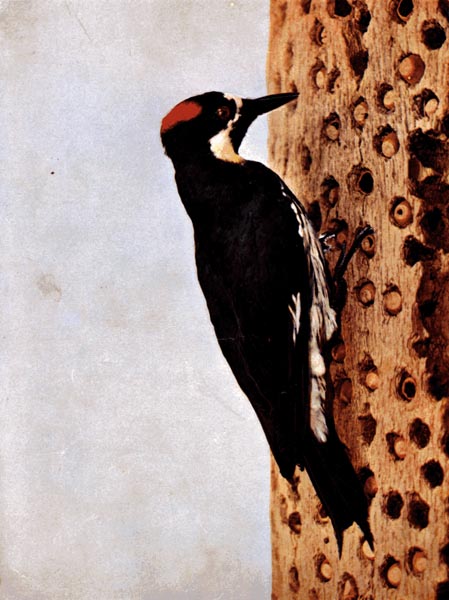
The California Woodpecker

California Woodpecker for Birds Illustrated by Color Photography, 1897

California Woodpecker for Birds Illustrated by Color Photography, 1897

The Piedbill Grebe
The Bohemian Wax-Wing
The Marsh Wren
The Arizona Green Jay
Amateur Photography

“And further, by these, my son, be admonished: of making many books there is no end; and much study is a weariness of the flesh.” (Ecclesiastes 12:12 KJV)

See also:

Volume 1 – #1 & #2 – Birds Illustrated by Color Photography Active

Birds Illustrated by Color Photography – Revisited

ABC’s Of The Gospel

Volume 1 – #1 & #2 – Birds Illustrated by Color Photography Active

Volume #1 and #2 are now active again here. There are twenty articles to read. These were originally posted around 2012 here, but they were originally written in 1897. Birds Illustrated by Color Photography Volume 1, Number 1, January 1897 and Volume 1, Number 2, February 1897

When you look at the Vol1 #2 articles, there are old photos of advertisements back then (1897) that are quite interesting. I enjoyed re-reading these again while I was moving the post back. If you have the time, you just might enjoy these:

Ad for Birds Illustrated by Color Photography, 1897

Ad for Birds Illustrated by Color Photography, 1897

Volume 1, Number 1, January 1897 (Articles will be Green when re-activated on Lee’s Birdwatching Adventures Plus)

The Nonpareil – Painted Bunting
The Resplendent Trogon
The Mandarin Duck
The Golden Pheasant
The Australian Grass Parrakeet
The Cock-Of-The-Rock
The Red Bird Of Paradise
The Yellow Throated Toucan
The Red-Rumped Tanager
The Golden Oriole

Volume 1, Number 2, February 1897

The Blue Jay
The Swallow-Tailed Indian Roller
The Red Headed Woodpecker and The Drummer Bird
Mexican Mot Mot
King Parrot Or King Lory
The American Robin – The Bird Of The Morning
The Kingfisher – The Lone Fisherman
The Red Wing Black Bird – The Bird Of Society
Blue Mountain Lory
The American Red Bird

These are being prepared. Stay Tuned!!

Birds Illustrated by Color Photography – Revisited

An Ad for Birds Illustrated, 1897

An Ad for Birds Illustrated, 1897