April Lorier With The Lord

April Lorier Adventuring With God

April Lorier Adventuring With God

Therefore we are always confident, knowing that, whilst we are at home in the body, we are absent from the Lord: (For we walk by faith, not by sight:) We are confident, I say, and willing rather to be absent from the body, and to be present with the Lord. (2 Corinthians 5:6-8 KJV)

A well know writer and friend has gone to be with Her Lord. April Lorier became a friend and has written several articles on this blog. April was the author of God’s Battered Child: Journey From Abuse to Leader. Here are the blogs she produced April Lorier Perspective – God Woman Blog – Christian Nature. They have all been made inactive. She also contributed to Nature Blog Network

Here is an excerpt from Yahoo:

April Lorier, Author and Encourager

Inspirational author, poet, writer and Christian blogger. Children’s rights activist who successfully fought for the Child Abuse and Neglect Reporting Act (CANRA) which was signed into law by Ronald Reagan. Encourager of Christian believers worldwide.

I know that she has been ailing for sometime and I do not have details about her death. Her websites have been removed, but we still have some of her articles here. It may take a day or two to find all the links to her sites, but they will be corrected.

April found my blog not long after I started it up. She began giving me tips on how to raise my ratings and just encouraged me to continue to develop this blog by honoring Our Lord. We exchanged many phone calls and became good friends. Never met her, she lived in California and I am here in Florida, but distance didn’t get between our friendship. She allowed me to repost several of her blogs and she shared links to my articles on her blog.

Now her blogs have been removed and I am glad some of her articles are still here to be enjoyed. But as for April, she could care less about what is going on here. She is in the presence of Her Lord, whom she loved. Her faith has become site.

April, you will be missed.

Here are some links to her articles:

April Lorier’s Page

Her book God’s Battered Child on Amazon

*

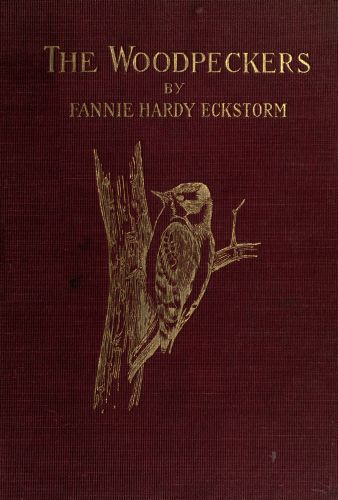
Riddlers – The Woodpeckers

The Woodpeckers by Fannie Hardy Eckstorm - coverThe Woodpeckers, by Fannie Hardy Eckstorm

A Project Gutenberg EBook

*

THE WOODPECKERS

BY

FANNIE HARDY ECKSTORM

WITH ILLUSTRATIONS

The Woodpeckers by Fannie Hardy Eckstorm

BOSTON AND NEW YORK
HOUGHTON, MIFFLIN AND COMPANY
The Riverside Press, Cambridge
1901

Title: The Woodpeckers

Author: Fannie Hardy Eckstorm

Release Date: January 25, 2011 [EBook #35062]

*** START OF THIS PROJECT GUTENBERG EBOOK THE WOODPECKERS ***

(This eBook is for the use of anyone anywhere at no cost and with almost no restrictions whatsoever. You may copy it, give it away or re-use it under the terms of the Project Gutenberg License included with this eBook or online at www.gutenberg.org)

COPYRIGHT, 1900, BY FANNIE HARDY ECKSTORM

ALL RIGHTS RESERVED

To

MY FATHER
MR. MANLY HARDY
A Lifelong Naturalist


THE WOODPECKERS


FOREWORD: THE RIDDLERS


_
Long ago in Greece, the legend runs, a terrible monster called the Sphinx used to waylay travelers to ask them riddles: whoever could not answer these she killed, but the man who did answer them killed her and made an end of her riddling.

To-day there is no Sphinx to fear, yet the world is full of unguessed riddles. No thoughtful man can go far afield but some bird or flower or stone bars his way with a question demanding an answer; and though many men have been diligently spelling out the answers for many years, and we for the most part must study the answers they have proved, and must reply in their words, yet those shrewd old riddlers, the birds and flowers and bees, are always ready for a new victim, putting their heads together over some new enigma (mystery) to bar the road to knowledge till that, too, shall be answered; so that other men’s learning does not always suffice. So much of a man’s pleasure in life, so much of his power, depends on his ability to silence these persistent questioners, that this little book was written with the hope of making clearer the kind of questions Nature asks, and the way to get correct answers.

This is purposely a little book, dealing only with a single group of birds, treating particularly only some of the commoner species of that group, taking up only a few of the problems that present themselves to the naturalist for solution, and aiming rather to make the reader acquainted with the birds than learned about them.

The woodpeckers were selected in preference to any other family because they are patient under observation, easily identified, resident in all parts of the country both in summer and in winter, and because more than any other birds they leave behind them records of their work which may be studied after the birds have flown.

The book provides ample means for identifying every species and subspecies of woodpecker known in North America, though only five of the commonest and most interesting species have been selected for special study. At least three of these five should be found in almost every part of the country. The Californian woodpecker is never seen in the East, nor the red-headed in the far West, but the downy and the hairy are resident nearly everywhere, and some species of the flickers and sapsuckers, if not always the ones chosen for special notice, are visitors in most localities.

Look for the woodpeckers in orchards and along the edges of thickets, among tangles of wild grapes and in patches of low, wild berries, upon which they often feed, among dead trees and in the track of forest fires. Wherever there are boring larvæ, beetles, ants, grasshoppers, the fruit of poison-ivy, dogwood, june-berry, wild cherry or wild grapes, woodpeckers may be confidently looked for if there are any in the neighborhood.

Be patient, persistent, wide-awake, sure that you see what you think you see, careful to remember what you have seen, studious to compare your observations, and keen to hear the questions propounded you. If you do this seven years and a day, you will earn the name of Naturalist; and if you travel the road of the naturalist with curious patience, you may some day become as famous a riddle-reader as was that OEdipus, the king of Thebes, who slew the Sphinx.


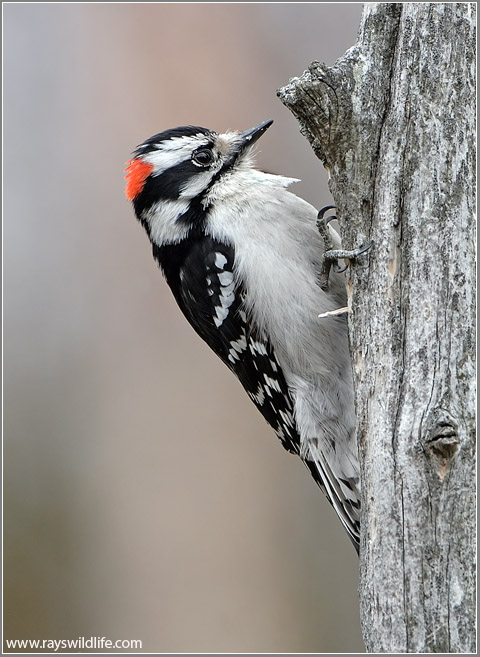
Downy Woodpecker (Picoides pubescens) by Raymond Barlow

Downy Woodpecker (Picoides pubescens) by Raymond Barlow

Lee’s Addition:

This is the beginning of a series from The Woodpeckers book. Our writer, Fannie Hardy Eckstorm, wrote this in 1901. There are 16 chapters, plus this Forward, which are about the Woodpecker Family here in America. All the chapters can be found on The Woodpeckers page.

Woodpeckers belong to the Picidae – Woodpeckers Family.

Here are the upcoming chapter titles:

CHAP. PAGE
 Foreword: the Riddlers  
I.  How to know a Woodpecker  
II.  How the Woodpecker catches a Grub  
III.  How the Woodpecker courts his Mate  
IV.  How the Woodpecker makes a House  
V.  How a Flicker feeds her Young  
VI.  Friend Downy  
VII.  Persona non Grata. (Yellow-bellied Sapsucker)  
VIII.  El Carpintero. (Californian Woodpecker)  
IX.  A Red-headed Cousin. (Red-headed Woodpecker)  
X.  A Study of Acquired Habits  
XI.  The Woodpecker’s Tools: His Bill  
XII.  The Woodpecker’s Tools: His Foot  
XIII.  The Woodpecker’s Tools: His Tail  
XIV.  The Woodpecker’s Tools: His Tongue  
XV.  How each Woodpecker is fitted for his own Kind of Life  
XVI.  The Argument from Design  

APPENDIX

A. Key to the Woodpeckers of North America

B. Descriptions of the Woodpeckers of North America

C. Explanation of Terms

*

I trust you will enjoy reading about these fantastic birds and how the Lord has created them to be able to carry out their task.

See:

The Woodpeckers by Fannie Hardy Eckstorm

Wordless Birds

*

Birdwatching Reviews – Guest Writers


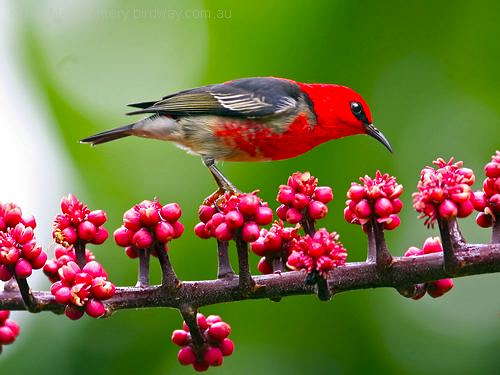
Scarlet Myzomela (Myzomela sanguinolenta) by Ian at Birdway

Scarlet Myzomela (Myzomela sanguinolenta) by Ian at Birdway

He has made His wonderful works to be remembered; the Lord is gracious, merciful, and full of loving compassion. (Psalms 111:4 AMP)

While we are reviewing while I am still in the “coasting mode“, today let’s review the various Regular and Guest Writers. I am so thankful for all of them and especially two who are regulars and have their own pages (menu).

Ian Montgomery, an Australian, was one of first photographers who gave permission to use his photos. From there, he gave permission to reproduce his newsletters in our Ian’s Bird of the Week series. I have enjoyed them and trust you have also. He has introduced us to many birds we would never have seen or heard about.

Bird and Newsletter Date

Golden Bowerbird (Prionodura newtoniana) by Ian

Golden Bowerbird (Prionodura newtoniana) by Ian

A J or a j mithra as he prefers, is from India and has been providing articles about birds and challenging us to better serve the Lord. He always seem to make great spiritual comparisons between the avian behavior and the lessons to be learned from them. You can find these at the tab,  a j mithra and he writes most of the Nuggets Plus.

a j mithra:

Nuggets Plus:

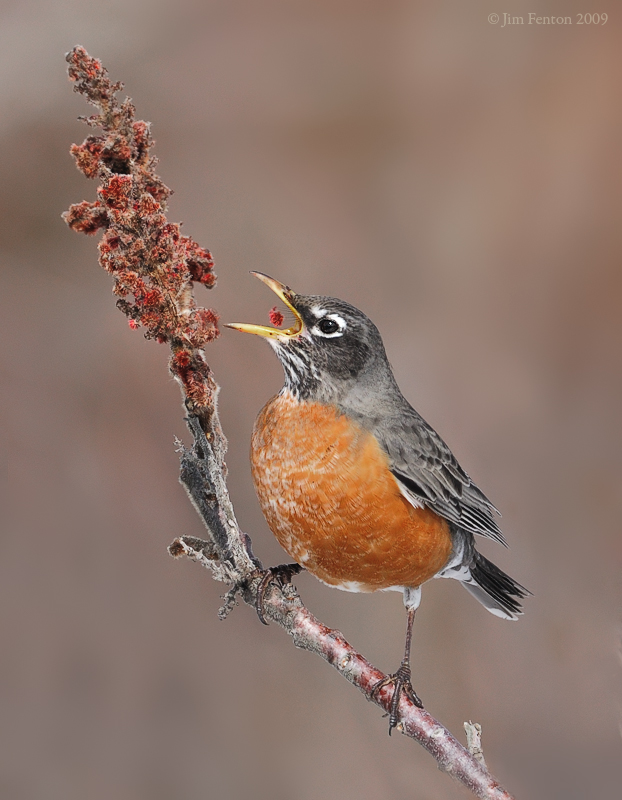
Robin Eating by Jim Fenton

Robin Eating by Jim Fenton

We also have various writers, like Dottie Malcolm and her grand-daughter, Emma, who write now and then. They are members of our church. Stephen is also from our church.

Dorothy (Dottie) Belle Malcolm’s:

Emma Foster:

Stephen Simpson’s:

Guest Writers From the Past:

And others:

The Lord has been gracious to allow the blog to have these add their additions. So, check these out. Must be one or two you haven’t read before. And thank you for visiting here as often as you do. Pressing the “Like” now and then helps us know which type articles you enjoy the best.

*

ALASKA’S BALD EAGLE by James J. S. Johnson

ALASKA’S  BALD  EAGLE

Dr. James J. S. Johnson

Associate Professor of Apologetics, ICR ( jjohnson@icr.org )

The ecological world of Southeastern Alaska hosts a diversity of animals  —   creatures of the air (like the Bald Eagle),  creatures of the land  (like the Alaskan Moose), as well as creatures of its freshwater rivers and streams (like Pacific Salmon), lakes and ponds (like Rainbow Trout).  This article will look at one of those creatures, the Bald Eagle.

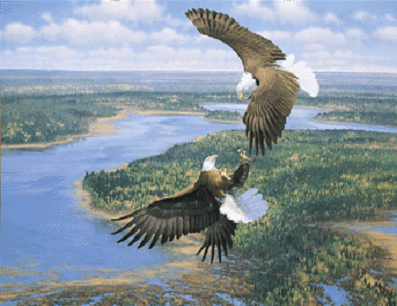
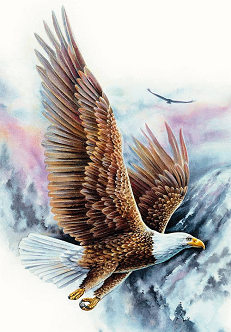
The national bird of the United States of America, since 1782, is the bald eagle.  The backside of many quarter-dollar coins (the silver coins which most Americans call “quarters”) show an American bald eagle with outstretched wings.  Mexico’s most famous eagle is the golden eagle, which is a kind of “cousin” to the bald eagle.   The bald eagle’s scientific name is “Haliaeetus  leuocephalus”,  meaning  “white-headed  sea-eagle” (which is a very accurate name).  The adult bald eagles have their heads (including their neck area) covered in white feathers, and also their tail feathers are white; the rest of the adult bald eagle’s feathers are black or blackish-grey.  Their sharp curl-ended beaks and their talons (feet) are yellow.   A bald eagle is fully grown in about four or five years after its hatching.
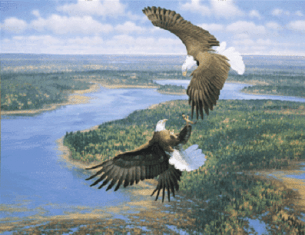
Bald Eagles 1 for Alaska' Bald EagleHow big is the adult bald eagle?  The bald eagles is a very large bird; it often weighs about ten pounds, though it may weigh as much as thirteen pounds.  The bald eagle, when fully grown, is almost three feet long and its wingspan can be as wide as six or seven feet when fully spread out!  The tough-looking eagles have a voice that seems almost silly when compared with their rough toughness – their voices make sounds like thin squealing or squeaky cackling.

Where do bald eagles live?  Eagles sometimes migrate, flying south to avoid super-cold weather in Canada’s inland forests.  However, many bald eagles, especially those which live near coastal waters, do not migrate at all.  Bald eagles like to live on land near waters where fish (their favorite food) live, such on seacoasts, by rivers, by large lakes, or in marshy areas where flowing stream-waters provide homes for fish.  Bald eagles usually live in shoreline areas where cold water flows nearby, such as where snow-melt-watered mountain creeks empty into a estuarial bay ( a place where flowing freshwater mixes with tide-washing ocean water).

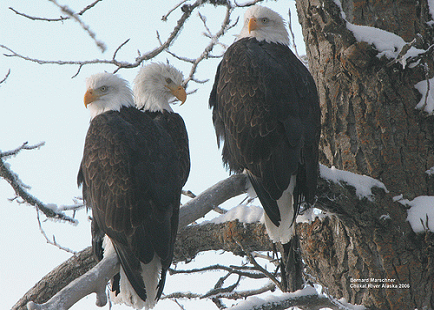
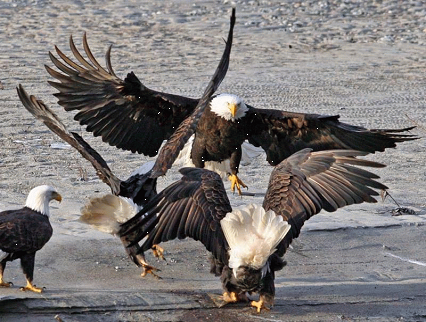
The highest concentration (most crowded gathering) of bald eagles in the world is in southeast Alaska, where the Chilkat River empties into the tidewaters near the town of Haines, a picture-postcard coastal town originally founded as a Presbyterian mission.   At the Chilkat River’s emptying point more than 3,000 bald eagles congregate annually, during autumn, for an all-you-can-eat salmon feast.  What do bald eagles like to eat?  Bald eagles are hawk-like “birds of prey”, meaning that they like to eat meat from smaller animals (like fish) that they hunt and kill for food.  Bald eagles especially like to eat salmon when then return to coastal streams and rivers during spawning seasons!  (After salmon reproduce fertilized eggs for the next generation of salmon, the parents salmon are fatally exhausted (so tired out that they are dying) and they move about in shallow water where it is easy for bald eagles to see them and to grab them for food).  If an eagle has an adequate food supply, which the eagles of Alaska usually do, they can live for twenty or thirty years, or may even live for forty years!
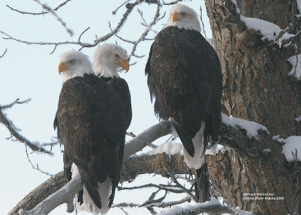
Bald Eagles 2 for Alaska' Bald EagleBald eagles have super-human eyesight (eyes able to see distances much farther than humans can see).  Their eyes are so sharp that the eagles can chase fish swimming near the surface of water, then zoom down near the water surface to grab the unsuspecting fish with their extra-strong talons (clawed-feet-like legs that can clutch things as if they were hands), then fly away with the fish to eat it (or to share it with its family).  An adult eagle’s beak is about two inches long and about one inch deep at its hook-like curled tip.  The sharp curled tip of the beak can rip into a fish easily, for eating convenience.  Sometimes bald eagles, while flying, will attack another fish-catching bird, the osprey (also called “fish hawk”), in order to get caught fish that the osprey is carrying.  Sometimes an osprey will intentionally drop its fish so that the eagle will fly down to catch the dropping fish; this allows the osprey to escape the attacking eagle – it’s better for the osprey to lose a fish than to lose its life!  Bald eagles eat other small animals, including other fish, ducks, seagulls, and other birds.

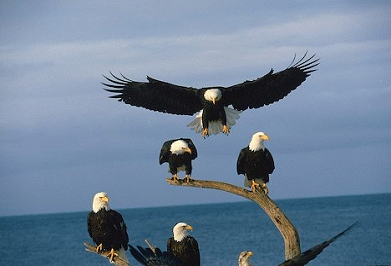
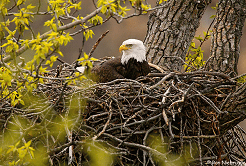
Where can eagles be easily seen?  In the coastal forestlands of southeastern Alaska (especially Juneau, Alaska’s capital city), many of the trees that cover sloping hillsides near the shoreline of rivers or bays of water are often filled with perching bald eagles.  The bald eagle prefers to make its nest in a tall tree, where sticks are gathered and arranged to provide the bald eagle family with a huge house of sticks and other materials.   Bald Eagles 3 for Alaska' Bald Eagle(Another kind of eagle, the golden eagle, prefers to make its home in rocky places on top of cliffs, and sometimes bald eagles do the same.  Baby golden eagles and baby bald eagles lookalike, but if the eaglet grows up to have a white head and a white tail it is a bald eagle.)  From the roadside, if you look up at the trees that are near Juneau’s shoreline, you will see many bald eagles perched in the high branches of those dark evergreen trees.  The eagles are easy to see, because their bald heads contrast in color against the dark green trees, so the trees look like Christmas trees decorated in popcorn balls, except that the white spots that look like popcorn are really the heads of the bald eagles!
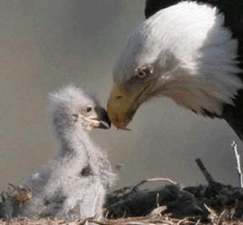
What kind of family life do eagles have?   Usually an eagle family has a father eagle and a mother eagle (who both act like they are “married” to each other), and a small number of hatched eagle children (one, two, or three) until the smaller eagles grow up large enough to fly away and start their own families (with mates for themselves).   Unlike many animals, the mother eagles are usually larger in size than the father eagles.  Bald eagle mates usually try to have one or more new eagle babies each spring.       After the eggs are laid the parent eagles take turns incubating them, to keep them warm enough to grow until it is time for hatching out of their eggs.  Whenever parent eagles walk around near the eggs they walk very cautiously.  Of course, if they did not, many eagle eggs would be accidentally broken by careless contact with a sharp eagle talon!

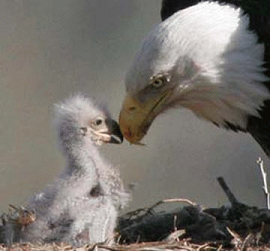
When eagles are grown up, at about four years of age, they find a mate to start a family with; so, a fully grown male eagle and a fully grown female eagle become an eagle pair, kind of like getting Bald Eagles 4 for Alaska' Bald Eaglemarried to each other.  The eagle couple will stay together as long as they both live (unless one is captured and prevented from returning to its mate).  Not all birds stay with their mates for life, but the bald eagle does.  The eagle couple will soon become parents, with the female eagle becoming a mother by laying large white fertile eggs that will one day hatch into baby eagles – called eaglets.  The baby eagles are very hungry but they cannot fly to get their own food, just as many other kinds of babies need their parents to care for them, and protect them, and feed them.
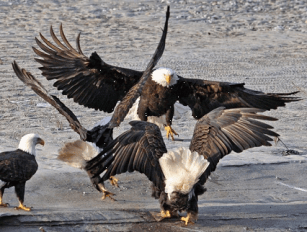
The parent eagles are very protective of their baby eaglets; they will attack any other bird that flies too close to the eagle nest, so ravens, gulls, and hawks better stay away and respect the eagle family’s privacy!   The baby eagles do not have “bald”-looking heads, because their heads do not have white feathers.  Baby eagles are blotchy brown-grey colored and begin their hatchling life with light grey-colored fuzzy feathers called “down”.  Young eagles are called nestlings during the time that they live in their parents’ nest.  It takes a while for the little eaglets to grow enough strength in their little wings so they can be ready to fly  like their parents.
Bald Eagles 5 for Alaska' Bald EagleWhen a young eagle finally learns to fly it is called a fledgling.  Eagles are such heavy birds that they don’t Bald Eagles 6 for Alaska' Bald Eaglebuild their houses, called “nests”, near the ground.  Eagles build their nests high up in trees or on top of rocky mountains or cliffs, so that they can jump out into the air and glide on rising warm air currents.               Some air currents are made of warm rising air, so an eagle can jump into such warm air and “ride” it up like an elevator, then the eagle can glide from one air current to another , until it wants to fly down.  These rising air currents are called “thermals”.  The eagle that soars on a thermal is mostly at rest, because he is trusting the thermal to carry him along for a “ride” in the air.  The eagle soaring on such a thermal air current is a reminder of how we should trust and depend upon God to carry us through life’s adventures, as we travel from one day to the next.  By “riding” on upwardly spiraling thermal air currents eagles can save their energy, because too much wing-flapping can waste an eagle’s energy and cause it to get too tired to fly.  Like eagles, we can waste a lot of energy if we fail to depend on God, because worrying and distrusting God wastes a lot of mental energy and emotions!  (See Isaiah 40:31.)
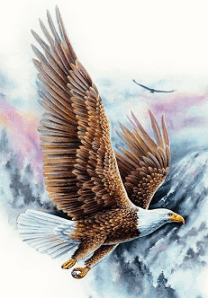
But they that wait upon the LORD shall renew their strength; they shall mount up with wings as eagles; they shall run, and not be weary; and they shall walk, and not faint. (Isa 40:31 KJV)

By conserving (carefully using, not wasting) his energy, the bald eagle can flap his wings only when he needs to, and he can rise to very high places in the air, which also means that the eagles can reach high places on top of mountains or cliffs that other animals cannot reach.  So an eagles’ nest (called an “eyrie”) can be far away from egg-eating animals that might bother parent eagles and try to eat their eggs before they have a chance to hatch into baby eaglets (the baby eaglets are called “hatchlings” when they first hatch).  Bald eagles, like other kinds of eagles, often live in rocky places in high places, so it is not surprising that people (including Biblical authors) compare highness with flying and nesting behaviors of eagles.
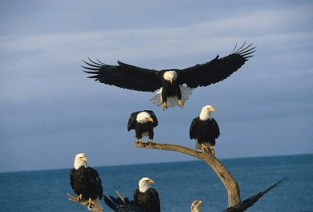
Bald Eagles 7One example of highness being compared to the nesting habits of eagles is found in the Bible, in the Book of Obadiah 1:3-4, where the eagle is described as a creature that lives in high places, much closer to the stars than do most other animals (or people).  Another Old Testament book in the Bible, the Book of Job, refers (at 39:27) to the eagle as mounting up into the air by God’s command (because God programs eagles to fly up into the air the way that they do), and as nesting in high places (because God programs eagles to do this also).

The pride of thine heart hath deceived thee, thou that dwellest in the clefts of the rock, whose habitation is high; that saith in his heart, Who shall bring me down to the ground? Though thou exalt thyself as the eagle, and though thou set thy nest among the stars, thence will I bring thee down, saith the LORD. (Oba 1:3-4 KJV)

Doth the eagle mount up at thy command, and make her nest on high? (Job 39:27 KJV)

Eagles are good parents, training their sons and daughters to live like eagles (see Deuteronomy 32:11).  Eagles can fly, like dive-bombing airplanes, at great speeds (see 2nd Samuel 1:23 and Lamentations 4:19).  Their strength is renewed from time to time, as their feather-cover adjusts to their growing bodies (see Isaiah 40:31 and Psalms 103:5). Eagles are known for their gracefulness and dignity (see Proverbs 30:19).  In fact, eagles fly very high in the air as a matter of habit – above most other birds (see Proverbs 23:5).

During winter bald eagles like to live near seacoasts or near large fast-moving rivers where fish are abundant.  Often, bald eagles must migrate south to avoid wintering in places where the food supply is too sparse or the weather is too harsh.  During spring, when the new baby eagles are hatched from eggs, bald eagles usually prefer to live in northern lands, such as Alaska and Canada, but some start their springtime families as far south as California on the West Coast and as far south as Virginia on the East Coast.  Since a thermal spring keeps the Chilkat River warm enough to prevent it from freezing in late summer and early autumn, many salmon continue to congregate in that unfrozen river during the autumn – this is like an “all-you-can-eat” salmon dinner for Alaskan bald eagles!

One place other than Alaska where bald eagles are easily seen in the later summer is along certain parts of the Snake River near Jackson Hole, Wyoming (part of the Grand Tetons National Park), in nests built in the tops of old dead trees along the river’s forested shoreline.  Of course, bald eagles are usually so high up in a tree (or soaring up in the air) that you really need to use binoculars (holding them with steady hands) to see the bald eagle’s colors, wings, talons, stern-looking face, curled beak, and clawed  talons.     Maybe learning about the salmon feasts of the Alaska bald eagles has made you hungry for some Alaska salmon!  If so, you might visit my favorite salmon bake feasting-place, “Gold Creek Salmon Bake” a few miles outside of Juneau, Alaska, an Alaskan rainforest all-you-can-eat place near an old abandoned gold mine.  But, if that’s not convenient for you at the moment, you might try buying some fresh salmon filets from your local grocery store, – and your family can enjoy a healthy protein-rich meal – a feast fit for the Bald Eagle, America’s national bird!

[The above text on Alaska’s Eagle is adapted from James J. S.  Johnson’s “The Bald Eagle”; © AD2001-AD2013 James J. S. Johnson, here reprinted/used by permission.]
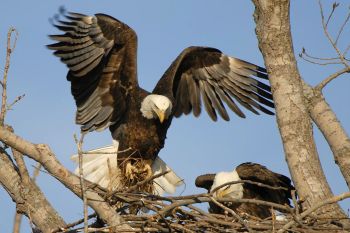
Bald Eagle Brings Nesting Material by Aesthetic Photos

Bald Eagle Brings Nesting Material by Aesthetic Photos

Lee’s Addition:

What an interesting, informative and challenging article about the Bald Eagles. Thank you, Dr. Johnson, for giving permission to post it here.

I am looking forward to some more articles that he will be sharing with us here.

See also:

Institute For Christian Research

Dr. James J. S. Johnson – Guest Author

Birds of the Bible – Eagles

Accipitridae – Kites, Hawks and Eagles

*

One is Enough ~ by Dottie Malcolm

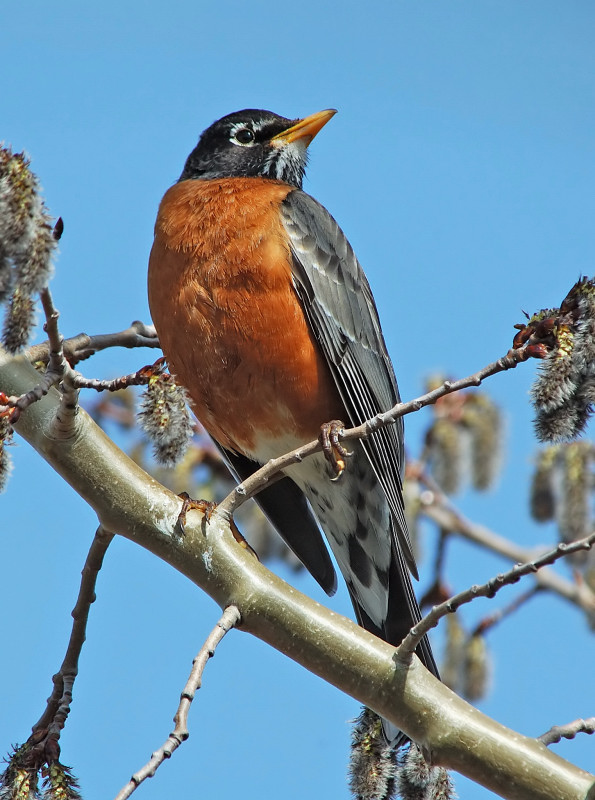
American Robin by Dan at Lake Howard

American Robin by Dan

“One is Enough” ~ by Dorothy “Dottie” Belle Malcolm

Having just returned home from a house cleaning job, my mind wasn’t about birds, but the greeting I would get from my dog Ruby. She was her usual happy, jumpy, self – anticipating a doggy treat for being left home alone.

I was not happy to find her soaking wet. This meant I had not closed the door well to the shower room and she had spent her time there during my absence. It would have been OK except my shower drips continuously – (yes, I do have a plan to have it checked out.) And this is a dog who hated to be showered! Figure that.

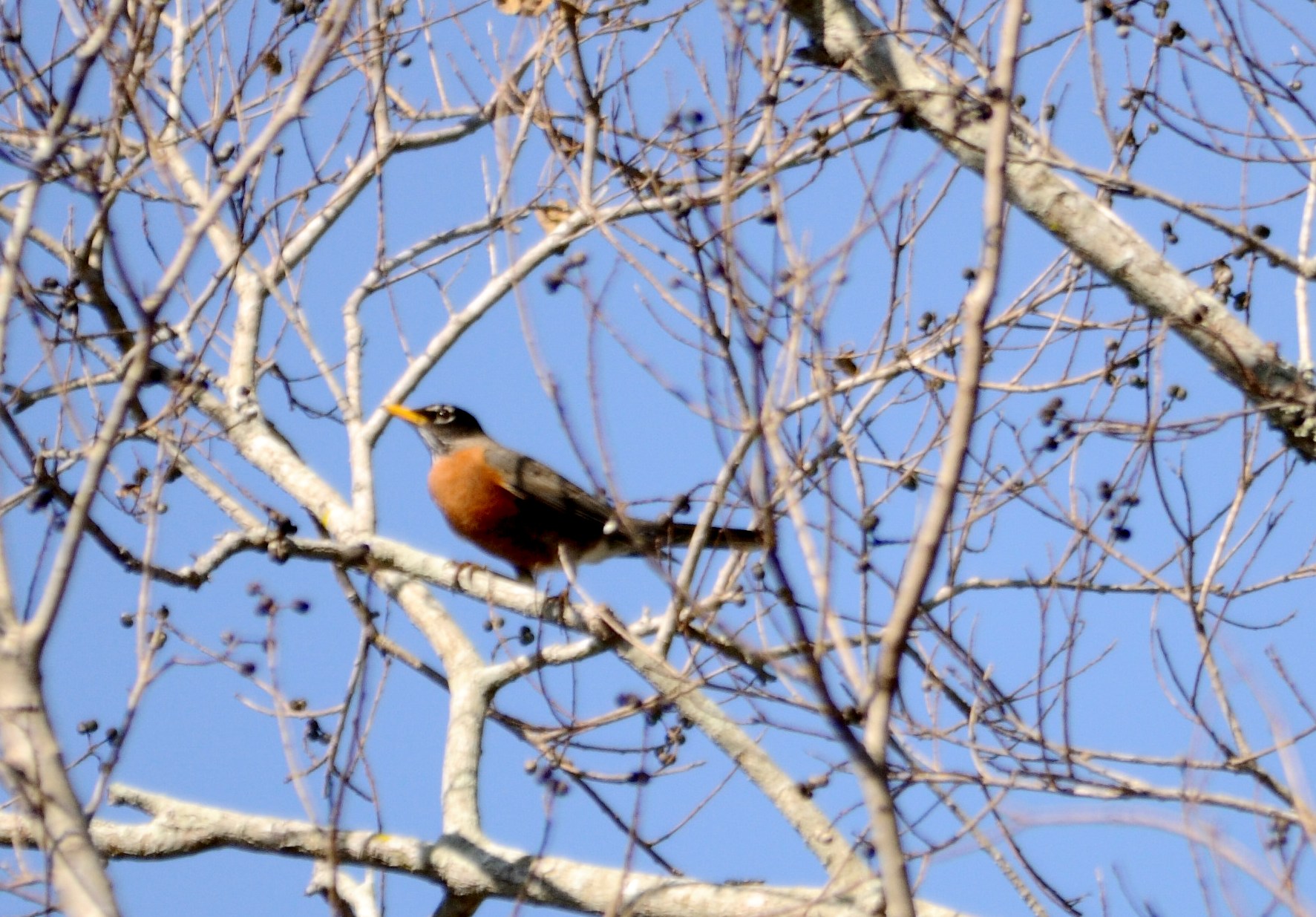
So anyway, I told her I needed to check the mail. And yes, she knows what this means. She ran outdoors and as we headed for the mailbox I heard a very familiar sound. We had startled a robin! Oh joy! I carefully began looking for it and found it was still hanging around a flower bed.

I don’t remember who I thanked first, the robin for being in my yard, or the Lord for sending it there!

It is the first and so far the only one I have seen in my yard this year. Recalling the year my yard was filled with them in Feb. 2010 and had told them they were all welcome back, put paid no return visits.

Having at least one, made my day. I’m not hard to please. I do hope to see it again, but if not, I’m happy anyway.

Every time I look out the window on this beautiful spring day, I will have a spirit of thanksgiving. Being able to enjoy God’s Creation is a great blessing.

One Robin is enough.

Dot Malcolm

(Feb 15, 2013)

Be glad in the LORD and rejoice, you righteous; And shout for joy, all you upright in heart! (Psalms 32:11 NKJV)


American Robin (Turdus migratorius)by Raymond Barlow

American Robin)by Raymond Barlow

Lee’s Addition:

What a great event. Dottie handed this to me Saturday morning at our annual Volunteer’s Breakfast. All those who volunteer around church are treated to a meal prepared by our Pastors and staff. Dottie has been a faithful Primary Sunday School teacher for years. Reading this story, I can see why they all love her and enjoy her teaching so much. Thank you, Dottie.

See her other articles:

*
Fair Fowl, Foul Fowl or Some of These Laws Are For The Birds!

Fair Fowl, Foul Fowl

Some of These Laws Are For The Birds!

Deuteronomy 14:12-20 by Francois Maurice

I love drawing birds, so illustrating this passage from Deuteronomy was a natural. I could have chosen the passage from Leviticus 11:13-19. They are identical. The same birds, in the same order with the same sentence structure. What are the odds? This got me scratching my head in quizzical puzzlement. (Wow, four z’s in two words! What are the odds?) Well, it turns out these two books were written by Moses. I didn’t know that then, but I do now! I knew that Moses spent forty days on Mt. Sinai talking to God. What I didn’t know was that, when he climbed down off that obscure, smoking, lightning-illuminated mountain; besides bringing us the Ten Commandments, he also brought the Oral Torah and six hundred thirteen specific and detailed laws meant for the people of Israel.  I want to delve briefly into these laws and to look at kosher laws, what they mean and how they apply to this illustration.

Known as the Mitzvot , these laws address all aspects of human life. There are three hundred sixty five negative and two hundred forty eight positive commandments. The negative ones are the ‘thou shalt nots…” and the positive ones are the ‘thou shalts…’

They are meant to preserve the sanctity of Jewish observance and the holiness of religious practices. They are also meant to encourage a serious perspective and importance to the business of living a meaningful and humble life.  A life that honors God and, as much as an individual is capable of adhering to the Mitzvot, keeps His commandments. This is the subjective part of the intent of Mitzvot . A couple of these laws are, for example, ‘ Know that God’ exists and ‘Do not put the word of God to the test’.

The objective intent of Mitzvot is based on the preservation, purification and health of the Jewish race. The commandments concerning dietary laws are a form of ancient health regulations! For example, the slaughtering of permitted animals is to be done rapidly, by cutting the throat of the animal with an extremely sharp knife with no serrations in the blade. This is considered the most humane way of dispatch. The goal of this type of slaughter is to get rid of as much blood as possible. Ingesting blood is forbidden. The animal is then hung to permit the evacuation of blood. It is then washed,  salted with kosher salt and cooked well. The USDA has determined that this ritual method of slaughter is so sanitary that kosher slaughterhouses are exempt from USDA regulations.

The Mizvot is divided into many categories i.e., Business practices, Clothing, Marriage, Divorce and Family, Treatment of Gentiles, Court and Judicial etc. There are many more but you get the idea.

Most of these worthy commandments have stood the test of time.  Consider the following ones, ‘Not to sell a Hebrew servant as a slave.,  ‘Not to pass a child through the fire to Molech’.,  (referring to child sacrifice),   ‘Not to wear garments made of wool and linen mixed together’.,  ‘To make a parapet for your roof’.?? And my favorite, ‘Not to put olive oil in the meal offering of a woman suspected of adultery’.!!! I presume it’s perfectly acceptable to drizzle olive oil on her matzos if you know she is an adulteress!?

Back to the birds. The forbidden birds in Deuteronomy 14:11-20 are either birds of prey or scavengers. As such, they are indiscriminate in their diet, hunt carrion and  cannibalize. They have sharp talons with strong feet for transporting their prey. Their beaks are sharp and hooked for tearing flesh.  God describes, to Ezekiel, a scene of Gog’s slain army.  Hordes of soldiers are scattered about on the mountains of Israel being devoured by (Ezekiel 39:4) “…the ravenous birds of every sort.” Quite a graphic scene made more dramatic by the presence of birds of prey.Bird of Prey by Francois Maurice

In Isaiah 46:11 God curiously refers to Cyrus the Great as a bird of prey “…a ravenous bird from the east”. It seems an incongruous reference to a man who is revered for his benevolence and justice. Cyrus tolerated and respected the culture and religion of the lands he conquered. Ah, you say! ‘Conquered’ implies blood and cruelty. Well, not in his case as when, in October of 539 BC, he annexed Babylonia without spilling a drop of blood. He then freed the Jews of whom 40,000 returned to their homeland. He then financed the rebuilding of the destroyed Temple in Jerusalem. He doesn’t seem to exhibit the tendencies of birds of prey. Was God implying that Cyrus had the tenacity and single minded intent of a predatory raptor?

Ostrich by Francois Maurice

Ostrich by Francois Maurice

Ostriches are in for some harsh treatment in Job 39:13-18. In a chapter that praises the freedom of the wild ass, the strength of the bull, the fearlessness and strength of the war-horse, the eyesight and flight of the eagle, we see the ostrich laying her eggs out in the open soil.  She is unconcerned that passing beasts will trod on them. She hopes the sun is warm enough to sustain and nurture them. “She is hardened against her young ones, as though they were not hers: her labour is in vain without fear; because God hath deprived her of wisdom, neither hath He imparted to her understanding.” The best that can be said about the ostrich in this passage is that they have wings and feathers to which I ask, “Why?” They can’t fly! Lamentations 4:3 equates the ostrich to a breast feeding sea monster! How weird is that? So- we have a strange looking, eight foot tall, three hundred pound bird who can’t fly but who can outrun a horse and kick a pursuer to death. It’s  eye is bigger that it’s brain, it makes great feather dusters and lives in a commune and hates its kids. God is humorous.

Doves are special in the Bible. They are used metaphorically to describe everything from the Spirit of God descending upon Jesus at His baptism (Mark 1:10), “And straightaway coming up out of the water, He saw the heavens opened, and the Spirit like a dove descending upon Him”, to the sorrowful murmurings of Queen Huzzab’s handmaidens. (Nahum 2:7), “And Huzzab shall be led away captive, she shall be brought up, and her maids shall lead her as with the voice of doves, tabering upon their breasts.” This magnificent run-on sentence uses a word that poignantly transforms this scene. Used but a single time in the entire Bible, the word tabering, (to beat on a small drum, tabour), infuses the scene with the pathos of the handmaidens who beat their breasts and mourn the captivity of their beloved queen. Doves, who mate for life, are used here to underscore the loyalty shown by the hand maidens. Notice also, that the phrase “the voice of doves” effectively adds another dimension to this passage. Imagine the queen following the handmaidens as naturally as one’s head turns upon hearing the nearby cooing of a pair of doves.

Doves by Francois Maurice

Doves by Francois Maurice

Francois Maurice

*

Lee’s Addition:

Francois is the author of It’s In The Bible! which was illustrations only. He is currently working of Volume Two. When asked to tell me more about himself so I could introduce him, here are parts of that information:

The article above is “one of 15 or so chapters. They are short-two to four pages- of commentary about a particular Bible passage passage. I illustrate it then analyze the theological message. My first book was It’s In The Bible!! and it was illustrations only. Volume two will have the same name since I own it. I also have ItsInTheBible.org and a Facebook page which is being developed to advertise my book. There will be some church related cartoons and some general commentaries on theological subjects along with study questions. Humor is included.”

“I am a committed Christian, on the vestry and many committees of St. John’s Episcopal in Chula Vista, CA.(Sad Diego area). I run a Bible study group there….I write and draw full time.”

“The article I sent you is not “typical” since it is “theme oriented” rather than Bible passage “in depth” study of what is going on in a particular scene. I am very curious and love to do research.”

“I am not an ornithologist however, so themes explored would be more “general” in nature. As you know there is a lot of bird influence throughout the Bible and a lot of material to be explored.”

I am looking forward to reading more articles from him and I trust you will also. Welcome, Francois.

*

Vol 2 #2 – The Evening Grosbeak

The Evening Grosbeak by Birds Illustrated by Bird Photography, 1897

The Evening Grosbeak by Birds Illustrated by Bird Photography, 1897

THE EVENING GROSBEAK.

imgh

ANDSOMER birds there may be, but in the opinion of many this visitant to various portions of western North America is in shape, color, and markings one of the most exquisite of the feather-wearers. It has for its habitation the region extending from the plains to the Pacific ocean and from Mexico into British America. Toward the North it ranges further to the east; so that, while it appears to be not uncommon about Lake Superior, it has been reported as occuring in Ohio, New York, and Canada. In Illinois it was observed at Freeport during the winter of 1870 and 1871, and at Waukegan during January, 1873. It is a common resident of the forests of the State of Washington, and also of Oregon. In the latter region Dr. Merrill observed the birds carrying building material to a huge fir tree, but was unable to locate the nest, and the tree was practically inaccessable. Mr. Walter E. Bryant was the first to record an authentic nest and eggs of the Evening Grosbeak. In a paper read before the California Academy of Sciences he describes a nest of this species containing four eggs, found in Yolo county, California. The nest was built in a small live oak, at a height of ten feet, and was composed of small twigs supporting a thin layer of fibrous bark and a lining of horse hair. The eggs are of a clear greenish-ground color, blotched with pale brown. According to Mr. Davie, one of the leading authorities on North American birds, little if any more information has been obtained regarding the nests and eggs of the Evening Grosbeak.

As to its habits, Mr. O. P. Day says, that about the year 1872, while hunting during fine autumn weather in the woods about Eureka, Illinois, he fell in with a number of these Grosbeaks. They were feeding in the tree tops on the seeds of the sugar maple, just then ripening, and were excessively fat. They were very unsuspicious, and for a long time suffered him to observe them. They also ate the buds of the cottonwood tree in company with the Rose-Breasted Grosbeak.

The song of the Grosbeak is singularly like that of the Robin, and to one not thoroughly familiar with the notes of the latter a difference would not at first be detected. There is a very decided difference, however, and by repeatedly listening to both species in full voice it will be discovered more and more clearly. The sweet and gentle strains of music harmonize delightfully, and the concert they make is well worth the careful attention of the discriminating student. The value of such study will be admitted by all who know how little is known of the songsters. A gentleman recently said to us that one day in November the greater part of the football field at the south end of Lincoln Park was covered with Snow Birds. There were also on the field more than one hundred grammar and high school boys waiting the arrival of the football team. There was only one person present who paid any attention to the birds which were picking up the food, twittering, hopping, and flying about, and occasionally indulging in fights, and all utterly oblivious of the fact that there were scores of shouting school boys around and about them. The gentleman called the attention of one after another of ten of the high school boys to the snow birds and asked what they were. They one and all declared they were English Sparrows, and seemed astounded that any one could be so ignorant as not to know what an English Sparrow was. So much for the city-bred boy’s observation of birds.


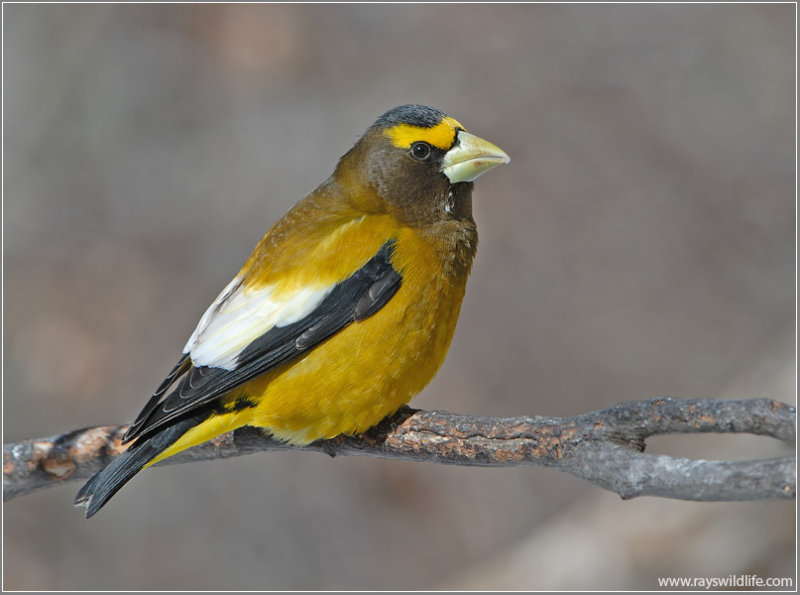
Evening Grosbeak (Hesperiphona vespertina) male by Raymond Barlow

Evening Grosbeak (Hesperiphona vespertina) male by Raymond Barlow

THE EVENING GROSBEAK.

In the far Northwest we find this beautiful bird the year around. During the winter he often comes farther south in company with his cousin, the Rose-Breasted Grosbeak.

What a beautiful sight it must be to see a flock of these birds—Evening Grosbeaks and Rose-Breasted in their pretty plumage.

Grosbeaks belong to a family called Finches. The Sparrows, Buntings, and Crossbills belong to the same family. It is the largest family among birds.

You will notice that they all have stout bills. Their food is mostly grains and their bills are well formed to crush the seeds.

Look at your back numbers of “Birds” and notice the pictures of the other Finches I have named. Don’t you think Dame Nature is very generous with her colors sometimes?

Only a few days ago while strolling through the woods with my field glass, I saw a pretty sight. On one tree I saw a Redheaded Woodpecker, a Flicker, an Indigo Bunting, and a Rose-Breasted Grosbeak. I thought then, if we could only have the Evening Grosbeak our group of colors would be complete.

Have you ever wondered at some birds being so prettily dressed while others have such dull colors?

Some people say that the birds who do not sing must have bright feathers to make them attractive. We cannot believe this. Some of our bright colored birds are sweet singers, and surely many of our dull colored birds cannot sing very well.

Next month you will see the pictures of several home birds. See if dull colors have anything to do with sweet song.


Lee’s Addition:

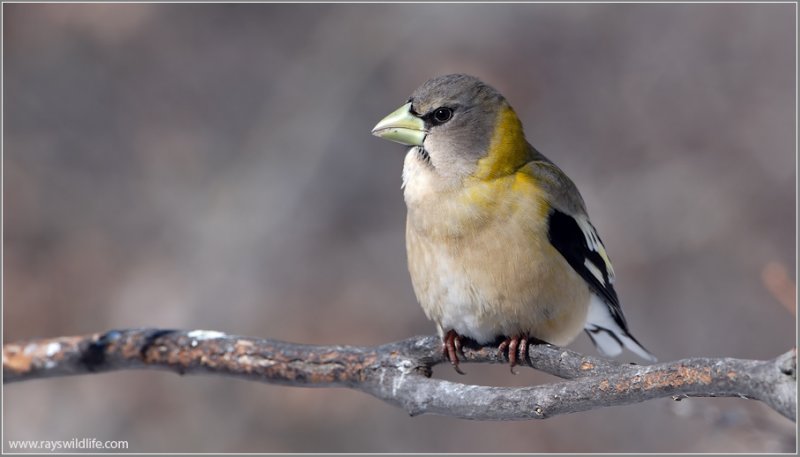
Evening Grosbeak (Hesperiphona vespertina) female by Raymond Barlow

Evening Grosbeak (Hesperiphona vespertina) female by Raymond Barlow

By awesome deeds you answer us with righteousness, O God of our salvation, the hope of all the ends of the earth and of the farthest seas; the one who by his strength established the mountains, being girded with might; who stills the roaring of the seas, the roaring of their waves, the tumult of the peoples, so that those who dwell at the ends of the earth are in awe at your signs. You make the going out of the morning and the evening to shout for joy. (Psalms 65:5-8 ESV)

What a beautiful bird the Lord created in the Evening Grosbeak. The Grosbeaks are in the Cardinalidae – Grosbeaks, Saltators & Allies Family. There are 17 Grosbeaks in the family and are found in 9 genera. The Evening Grosbeak is in the

The Evening Grosbeak (Coccothraustes vespertinus) is a large finch. In the past, it was treated in a genus of its own as Hesperiphona vespertina, but is now usually placed in the same genus as the Hawfinch of Eurasia.

The breeding habitat is coniferous and mixed forest across Canada and the western mountainous areas of the United States and Mexico. It is an extremely rare vagrant to the British Isles, with just two records so far. The nest is built on a horizontal branch or in a fork of a tree.

The migration of this bird is variable; in some winters, it may wander as far south as the southern U.S.

The Evening Grosbeak is similar in appearance to the Eurasian Hawfinch, both being bulky, heavily built finches with large bills and short tails. The Evening Grosbeak ranges in length from 6.3 to 8.7 in (16 to 22 cm) in length and spans 12 to 14 in (30 to 36 cm) across the wings. In a large sampling of grosbeaks in Pennsylvania during winter, males weighed from 1.37 to 3.04 oz (38.7 to 86.1 g), with an average of 2.1 oz (60 g), while females weighed from 1.52 to 2.59 oz (43.2 to 73.5 g), with an average of 2.07 oz (58.7 g). The adult has a short black tail, black wings and a large pale bill. The adult male has a bright yellow forehead and body; its head is brown and there is a large white patch in the wing. The adult female is mainly olive-brown, greyer on the underparts and with white patches in the wings.

These birds forage in trees and bushes, sometimes on the ground. They mainly eat seeds, berries and insects. Outside of the nesting season they often feed in flocks. Sometimes, they will swallow fine gravel.

The range of this bird has expanded far to the east in historical times, possibly due to plantings of Manitoba maples and other maples and shrubs around farms and the availability of bird feeders in winter.

“Calls from a large flock visiting a feeder” – from xeno-canto

*

Birds Illustrated by Color Photography – Revisited – Introduction

The above article is the first article in the monthly serial that was started in January 1897 “designed to promote Knowledge of Bird-Live.” These include Color Photography, as they call them, today they are drawings. There are at least three Volumes that have been digitized by Project Gutenberg.

To see the whole series of – Birds Illustrated by Color Photography – Revisited

*

(Information from Wikipedia and other internet sources)

Next Article – The Turkey Vulture

The Previous Article – Wilson’s Phalarope

Wordless Birds

Links:

Cardinalidae – Grosbeaks, Saltators & Allies Family

Evening Grosbeak Wikipedia

Evening Grosbeak All About Birds

Evening Grosbeak Sounds – xeno-canto

*

Birds Vol 2 #1 – Old Abe

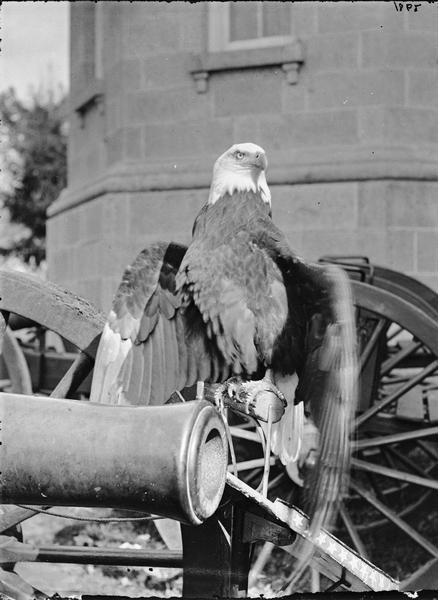
Old Abe ©WikiC

Old Abe ©WikiC

THE OLD ABE.

“I’d rather capture Old Abe,” said Gen. Sterling Price, of the Confederate Army, “than a whole brigade.”

imgo

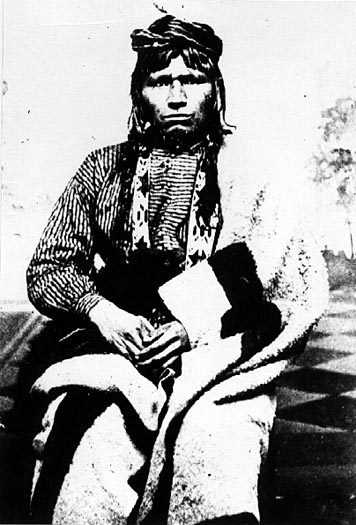
LD ABE” was the live war Eagle which accompanied the Eighth Wisconsin regiment during the War of the Rebellion. Much of a more or less problematical character has been written about him, but what we regard as authentic we shall present in this article. Old Abe was a fine specimen of the Bald Eagle, very like the one figured in this number of Birds. Various stories are told of his capture, but the most trustworthy account is that Chief Sky, a Chippewa Indian, took him from the nest while an Eaglet. The nest was found on a pine tree in the Chippewa country, about three miles from the mouth of the Flambeau, near some rapids in the river. He and another Indian cut the tree down, and, amid the menaces of the parent birds, secured two young Eagles about the size of Prairie Hens. One of them died. The other, which lived to become historical, was sold to Daniel McCann for a bushel of corn. McCann carried it to Eau Claire, and presented it to a company then being organized as a part of the Eighth Wisconsin Infantry.

What more appropriate emblem than the American Bald-headed Bird could have been thus selected by the patriots who composed this regiment of freemen! The Golden Eagle (of which we shall hereafter present a splendid specimen,) with extended wings, was the ensign of the Persian monarchs, long before it was adopted by the Romans. And the Persians borrowed the symbol from the Assyrians. In fact, the symbolical use of the Eagle is of very remote antiquity. It was the insignia of Egypt, of the Etruscans, was the sacred bird of the Hindoos, and of the Greeks, who connected him with Zeus, their supreme deity. With the Scandinavians the Eagle is the bird of wisdom. The double-headed Eagle was in use among the Byzantine emperors, “to indicate their claims to the empire of both the east and the west.” It was adopted in the 14th century by the German emperors. The arms of Prussia were distinguished by the Black Eagle, and those of Poland by the White. The great Napoleon adopted it as the emblem of Imperial France.

Old Abe was called by the soldiers the “new recruit from Chippewa,” and sworn into the service of the United States by encircling his neck with red, white, and blue ribbons, and by placing on his breast a rosette of colors, after which he was carried by the regiment into every engagement in which it participated, perched upon a shield in the shape of a heart. A few inches above the shield was a grooved crosspiece for the Eagle to rest upon, on either end of which were three arrows. When in line Old Abe was always carried on the left of the color bearer, in the van of the regiment. The color bearer wore a belt to which was attached a socket for the end of the staff, which was about five feet in length. Thus the Eagle was high above the bearer’s head, in plain sight of the column. A ring of leather was fastened to one of the Eagle’s legs to which was connected a strong hemp cord about twenty feet long.

Old Abe was the hero of about twenty-five battles, and as many skirmishes. Remarkable as it may appear, not one bearer of the flag, or of the Eagle, always shining marks for the enemy’s rifles, was ever shot down. Once or twice Old Abe suffered the loss of a few feathers, but he was never wounded.

The great bird enjoyed the excitement of carnage. In battle he flapped his wings, his eyes blazed, and with piercing screams, which arose above the noise of the conflict, seemed to urge the company on to deeds of valor.

David McLane, who was the first color bearer to carry him into battle, said:

“Old Abe, like all old soldiers, seemed to dread the sound of musketry but with the roll of artillery he appeared to be in his glory. Then he screamed, spread his wings at every discharge, and reveled in the roar and smoke of the big guns.” A correspondent who watched him closely said that when a battle had fairly begun Old Abe jumped up and down on his perch with such wild and fearful screams as an eagle alone can utter. The louder the battle, the fiercer and wilder were his screams.

Old Abe varied his voice in accord with his emotions. When surprised he whistled a wild melody of a melancholy softness; when hovering over his food he gave a spiteful chuckle; when pleased to see an old friend he seemed to say: “How do you do?” with a plaintive cooing. In battle his scream was wild and commanding, a succession of five or six notes with a startling trill that was inspiring to the soldiers. Strangers could not approach or touch him with safety, though members of the regiment who treated him with kindness were cordially recognized by him. Old Abe had his particular friends, as well as some whom he regarded as his enemies. There were men in the company whom he would not permit to approach him. He would fly at and tear them with his beak and talons. But he would never fight his bearer. He knew his own regiment from every other, would always accompany its cheer, and never that of any other regiment.

Old Abe more than once escaped, but was always lured by food to return. He never seemed disposed to depart to the blue empyrean, his ancestral home.

Having served three years, a portion of the members of Company C were mustered out, and Old Abe was presented to the state of Wisconsin. For many years, on occasions of public exercise or review, like other illustrious veterans, he excited in parade universal and enthusiastic attention.

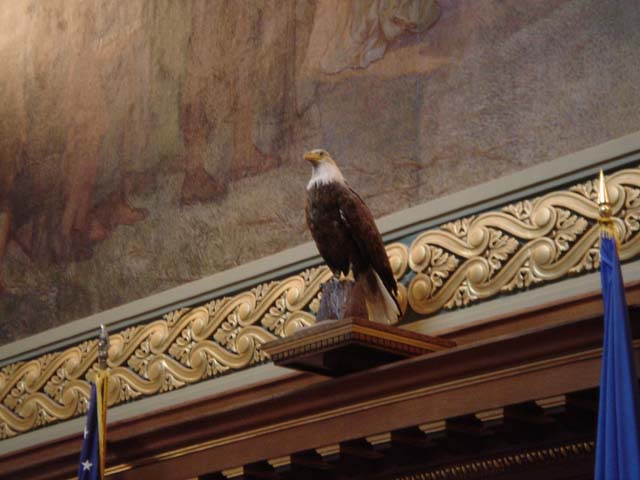
He occupied pleasant quarters in the State Capitol at Madison, Wisconsin, until his death at an advanced age.

Ahgamahwegezhig (Chief Sky)

Ahgamahwegezhig (Chief Sky)


Lee’s Addition:

Here’s some information from Wikipedia about Old Abe:

Old Abe (1861? – March 28, 1881), a bald eagle, was the mascot of the 8th Wisconsin Volunteer Infantry Regiment in the American Civil War. Later, her image was adopted as the eagle appearing on a globe in Case Corporation’s logo and as the screaming eagle on the insignia of the U.S. Army’s 101st Airborne Division.

The 101st Airborne Division patch

The 101st Airborne Division patch

To capture the eagle, Chief Sky cut down a tree in which two fledgling eagles were nesting. One eaglet died from the fall, but the other became the young indian’s pet. After a few weeks, Chief Sky went on an expedition with his father, during which the eagle was traded for a bushel of corn to Daniel McCann, who lived in Eagle Point.

In August 1861, John E. Perkins, assisted by Seth Pierce, Frank McGuire, Thomas G. Butler and Victor Wolf, recruited a company of volunteers from Eau Claire and Chippewa Counties. This company was called the “Eau Claire Badgers”.

Soon after its formation, McCann offered to sell the eagle to the Badgers, for $2.50. In his “History of Old Abe”, published in 1865, Joseph 0. Barrett, who helped McCann to bring the eagle to Eau Claire, gave a description of the transaction, which can be paraphrased as:

“Will you buy my Eagle,” said McCann, “only two dollars and a half?”

“Here, boys, let’s put in twenty five cents apiece,” answered Frank McGuire, who began to collect quarters.

He also solicited a contribution from a civilian, S. M. Jeffers, but was rebuffed. When the soldiers heard of this, they accosted Jeffers, and gave him three lusty groans. When he understood that they were protesting against his reluctance to help buy the eagle, Jeffers laughed, paid for the bird with a Quarter Eagle and presented her to the Company. After that, he had cheers instead of groans. The quarters were returned to the donors.

From left to right: Ed Homaston, Christopher Darius Gorman, Sgt Ambrose Armitage, (unknown), Myron Riggs and three more unknowns.

In September 1861, the Badgers went to Madison, where they joined the 8th Wisconsin Volunteer Infantry Regiment as Company C. They became the the regimental color company and were given the name “Eagle Company”. The regiment also became the “Eagle Regiment”. After Captain Perkins named the eagle after President Abraham Lincoln, soldiers of Company C designed a special perch on which they carried the bird into battle.

Old Abe participated in the Second Battle of Corinth (in which the 8th Wisconsin lost half of its men) and the Siege of Vicksburg, among other battles. In battle, Old Abe quickly became legendary, screaming and spreading her wings at the enemy. Confederate troops called her the “Yankee Buzzard” and made several attempts to capture her but never succeeded. Several times she lost feathers to bullets and saw her handlers get shot out from under her. When passing by, Generals Ulysses S. Grant, William T. Sherman, and William Rosecrans were known to doff their hats to the eagle.

A replica of Old Abe presides over the Wisconsin State Assembly Chamber

A replica of Old Abe presides over the Wisconsin State Assembly Chamber

Old Abe was present at numerous battles and lesser engagements during the war:

  • Fredericktown, Missouri – 21 October 1861
  • New Madrid and *Island #10 – March & April 1862 Union General John Pope captured Point Pleasant, Missouri, provoking Confederates to evacuate New Madrid; they abandoned arms and provisions valued at one million dollars during their escape across the Mississippi River to the eastern bank and to Island No. 10
  • Point Pleasant, Missouri – March 20, 1862
  • Farmington, Mississippi. – May 9, 1862
  • Corinth, Mississippi. – May 28, 1862
  • Iuka, Mississippi. – September 12, 1862
  • Burnsville, Mississippi. – September 13, 1862
  • Iuka, Mississippi. – September 16-18, 1862
  • Corinth, Mississippi. – October 3-4, 1862
  • Tallahatchie, Mississippi. – December 2, 1862
  • Mississippi Springs, Mississippi. – May 13, 1863
  • Jackson, Mississippi. – May 14, 1863
  • Assault on Vicksburg, Mississippi. – May 22, 1863
  • Mechanicsburg, Mississippi. – June 4, 1863
  • Richmond, Louisiana. – June 15, 1863
  • Vicksburg, Mississippi. – June 24, 1863
  • Surrender of Vicksburg- July 4, 1863
  • Brownsville, Mississippi. – October 16, 1863
  • Fort Scurry, Louisiana. – March 13, 1864
  • Fort De Russey, Louisiana. – March 15, 1864
  • Henderson’s Hill, Louisiana. – March 21, 1864
  • Grand Ecore, Louisiana. – April 2, 1864
  • Pleasant Hill, Louisiana. – April 8-9, 1864
  • Natchitoches, Louisiana. – April 20, 1864
  • Kane River, Louisiana. – April 22, 1864
  • Clouterville and Crane Hill, Louisiana. – April 23, 1864
  • Bayou Rapids, Louisiana. – May 2, 1864
  • Bayou La Monre, Louisiana. – May 3, 1864
  • Bayou Roberts, Louisiana. – May 4-6, 1864
  • Moore’s Plantation, Louisiana. – May 8-12, 1864
  • Mansura, Louisiana. – May 16, 1864
  • Battle of Maysville, Louisiana. – May 17, 1864
  • Calhoun’s Plantation, Louisiana. – May 18, 1864
  • Bayou De Glaise, Louisiana. – May 18, 1864
  • Ditch Bayou at Lake Chicot or River Lake, Arkansas. – June 6, 1864
  • Hurricane Creek, Mississippi. – August 13, 1864

*

Birds Illustrated by Color Photography – Revisited – Introduction

The above article is the first article in the monthly serial that was started in January 1897 “designed to promote Knowledge of Bird-Live.” These include Color Photography, as they call them, today they are drawings. There are at least three Volumes that have been digitized by Project Gutenberg.

To see the whole series of – Birds Illustrated by Color Photography – Revisited

*

(Information from Wikipedia and other internet sources)

Next Article – The American Osprey

The Previous Article – The Snowy Heron

Wordless Birds

Links:

Old Abe – Wikipedia

*

I Just Happened ~ by Dottie Malcolm

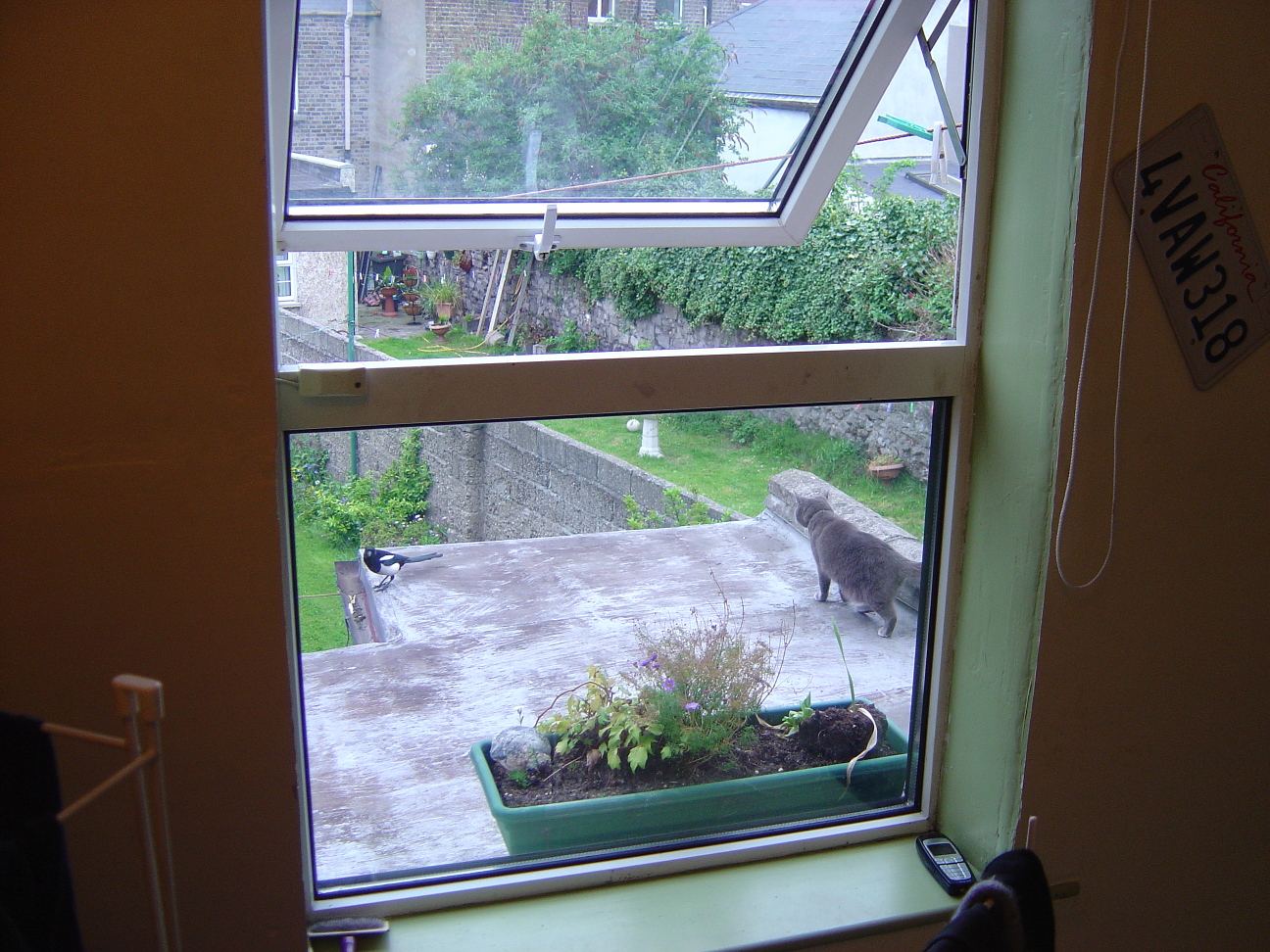
Outside A Window ©©jmason

I Just Happened ~ by Dorothy Belle Malcolm

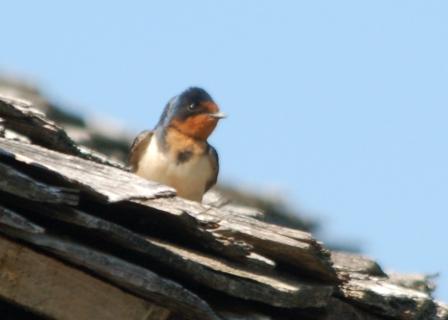
How many times have I said either out loud or to myself – “I just happened.” That seems to say it all for me when certain things occur. For instance, this spring I just happened to be looking out the family room window and saw the most beautiful bird. The colors were bright blue, red, and orange. In less than a minute it was gone. I had never seen one like it all the 30 plus years in Florida. Looking it up in a bird book the colors were described as blue-black, cinnamon belly and a reddish-brown chin. Well, yes, better than I described it. It was a Barn Swallow which I have not seen again.

Barn Swallow in Cades Cove by Dan

Barn Swallow in Cades Cove by Dan

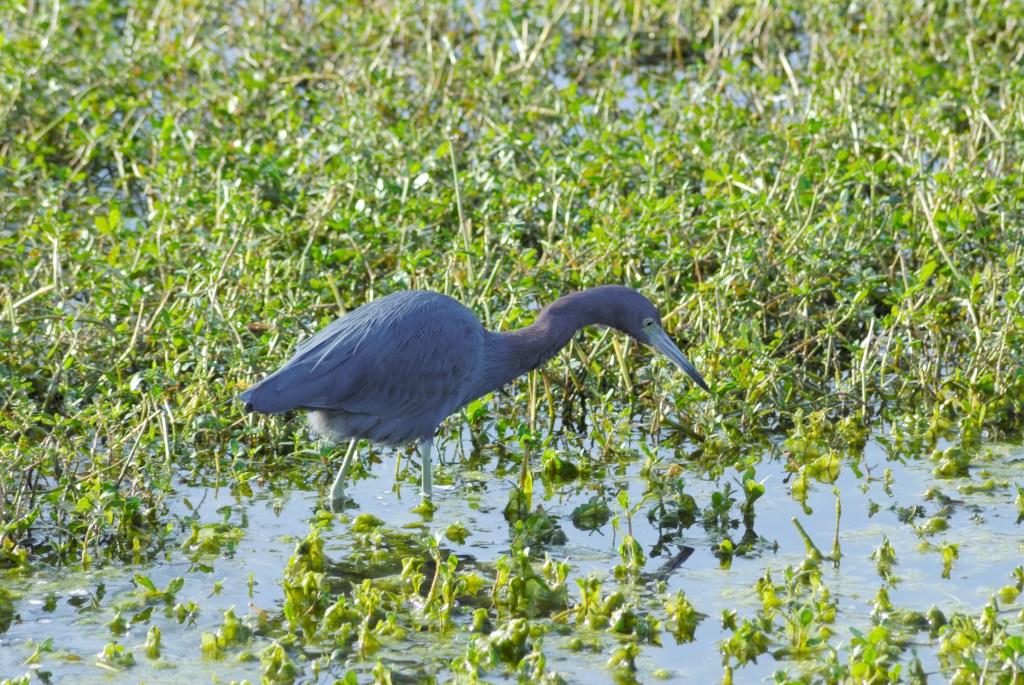
Also I had a first time visit from a non-breeding adult Little Blue Heron. Of course it was a result of “I just happened” to be looking out the same window and also had to look it up in a book.

Little Blue Heron at Lake Howard, Winter Haven, FL

Now that I think about it, maybe this particular window is proving to be a real winner for the “just happen” events. Come to think further about it, I recall seeing a pair of Orioles once.

The only thing is none of these birds have ever been seen by me again. Oh well, as long as I have the window, the book and the “I just happened,” perhaps ……

You will show me the path of life; In Your presence is fullness of joy; At Your right hand are pleasures forevermore. (Psalms 16:11 NKJV)

Other articles by Dottie:

*

Black Rosy Finch – The Grace Seeker..

Black Rosy Finch – The Grace Seeker ~ by ajmithra

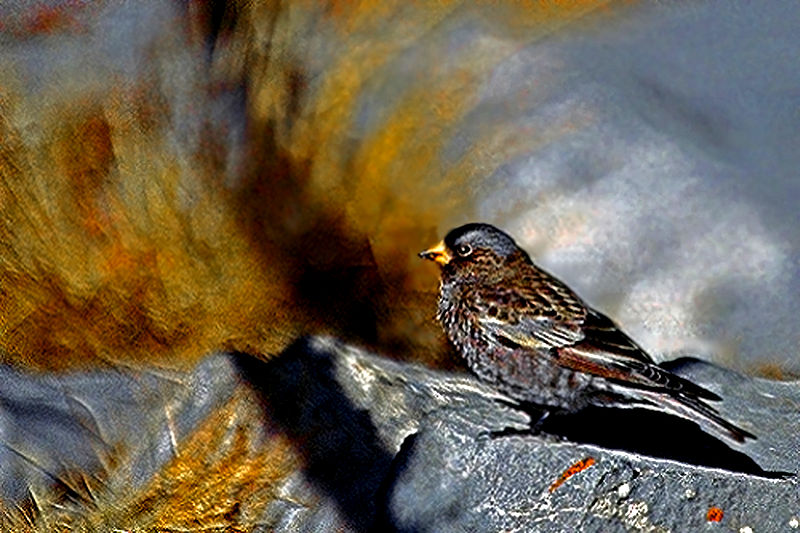
Black Rosy Finch (Leucosticte atrata) ©©Michaelandhelencox

Black Rosy Finch (Leucosticte atrata) ©©Michaelandhelencox

The Black Rosy-Finch breeds in the high mountains of the northern Great Basin. This encompasses the area from northeastern Nevada to southwestern Montana. It is not a long-distance migrant, but moves to lower elevations away from the breeding area as snow cover increases. In some winters these flights reach southward to Colorado, New Mexico, and rarely Arizona and California. Although population appears to be stable, it is uncommon over its very small breeding range.

The Black Rosy-finch breeds on the barren tundra of mountain summits, usually on rocky or grassy areas and near glaciers and continual snowfields. It winters at lower elevations in open areas such as fields, cultivated lands, roadsides, and human-made structures. Departure to higher elevations from the wintering grounds is by April. Nest building occurs between mid-June and mid-July, in a crevice or hole in near-inaccessible locations such as on vertical cliffs. The nest is made of grasses, moss, and sometimes feathers mixed with grass and animal hair, and contain four to five eggs on average. The diet consists of seeds of grasses and weeds except in summer when supplemented by insects.

Black Rosy Finch (Leucosticte atrata) ©WikiC

Black Rosy Finch (Leucosticte atrata) ©WikiC

These birds seem to know the secret of living in secret. They know that living on mountain summits, would be inaccessible for its predators. When the name of THE ROCK becomes our strong tower, it not only becomes inaccessible but also impossible for satan to even locate us.

The name of the LORD is a strong tower: the righteous runneth into it, and is safe. (Psalm 18:10)

There is not only protection on the rock, there is honey in its crevice too.

But he would feed you with the finest of the wheat, and with honey from the rock I would satisfy you. (Psalm 81:16)

The Black Rosy Finch builds a cup nest in a cavity on a cliff. Most birds migrate short distances to lower elevations and further south and return to the alpine areas in April. These birds forage on the ground, may fly to catch insects in flight. They mainly eat seeds from weeds and grasses and insects, often in areas where snow is melting, uncovering food items and new plant shoots.

God fed the Israelites with the dew wrapped Manna, bread of the angels.. God’s goodness is fresh each new morning and His goodness is like morning dew, underneath His dew lies our due. But do we seek for His dew every morning? Remember, as the sun goes up, the manna melts. His goodness too would melt if we don’t seek Him early in the morning isn’t it? When His dew melts our lives dry up..

O Ephraim, what shall I do unto thee? O Judah, what shall I do unto thee? for your goodness is as a morning cloud, and as the early dew it goeth away. (Hosea 6:4)

Black Rosy Finch (Leucosticte atrata) ©©Michaelandhelencox

Black Rosy Finch (Leucosticte atrata) ©©Michaelandhelencox

They often feed in small flocks, as the male will defend its female’s territory during breeding season, not just the nest but where ever she goes. This behavior is common with the rosy finches. When breeding both males and females develop throat pouches, known as gular pouches or gular skin, to carry food to their chicks.

God’s flock too is small, for He has promised to be present where two or three are gathered. These male birds remind us of how our Lord too defends our territories, though we haven’t yet taken steps to breed for the extension of His kingdom. We have an awesome God, who not only defends our territories but also followed us where ever we went and ended up giving His precious life for you and me.. What a mighty God we serve!!

Have I not commanded you? Be strong and courageous. Do not be afraid; do not be discouraged, for the LORD your God will be with you wherever you go. (Joshua 1:9)

Your’s in YESHUA,
a j mithra

Please visit us at:
Crosstree

ajmithra21

See more of aj’s articles – Click Here

Nice photo of a Black Rosy Finch

*

The Joy of Awareness – by Dot Malcolm

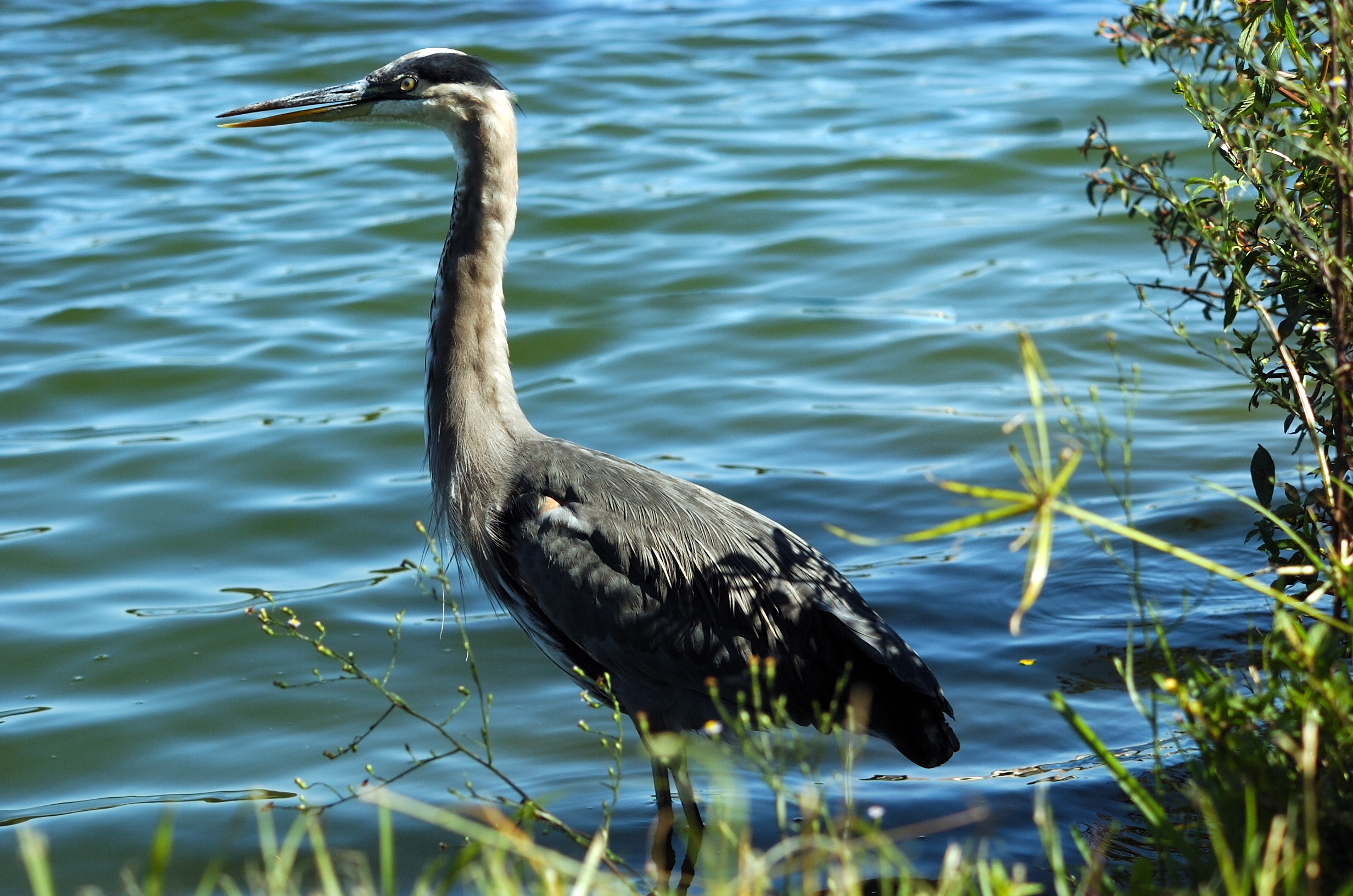
Great Blue Heron (Ardea herodias) by Dan at Lake Morton

Great Blue Heron (Ardea herodias) by Dan at Lake Morton

Since I was a child there has been an awareness of God’s creation and great enjoyment in it. At the age of 11 or 12 years, I saved my allowance and bought a book on Birds of America. It was real special to see a Heron fly over the farm headed for a swampy area.

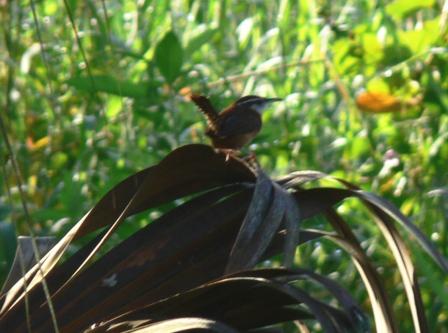
My grandparents lived a short walking distance from us, and I liked going to her house. Her kitchen always smelled of toast. Also special was looking out the south kitchen window to see the wrens flying in and out of their houses which hung at eye level.

Carolina Wren (Thryothorus ludovicianus) by Lee at Circle B

Carolina Wren (Thryothorus ludovicianus) by Lee at Circle B

I no longer live in the north, but in the south and am now a grandma. Birds, butterflies and gardens are still high on my list of favorite things. Even tho’ the seasonal changes are not as evident as in the north, still I look forward to my special feathered friends coming and going.

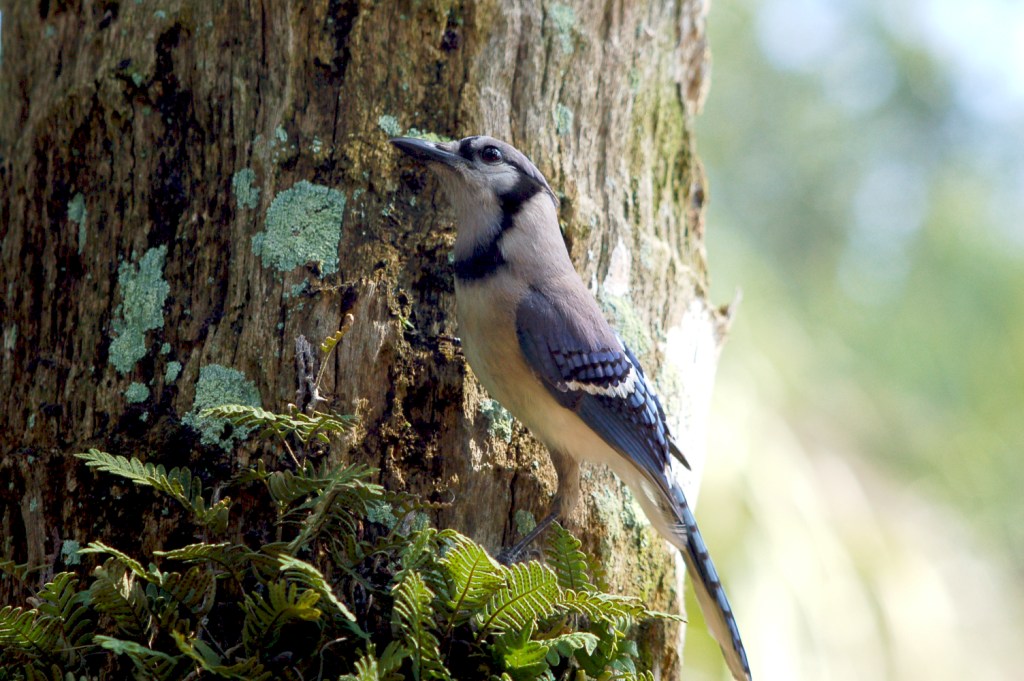
Blue Jay (Cyanocitta cristata) at Bok Tower By Dan'sPix

Blue Jay (Cyanocitta cristata) at Bok Tower By Dan’sPix

The Blue Jays are always present and they let me know before I see it, when the neighborhood Red-shouldered Hawk is around. They “Yell” enough to discourage even me if their frenzy of cries and wild flying were directed at me!

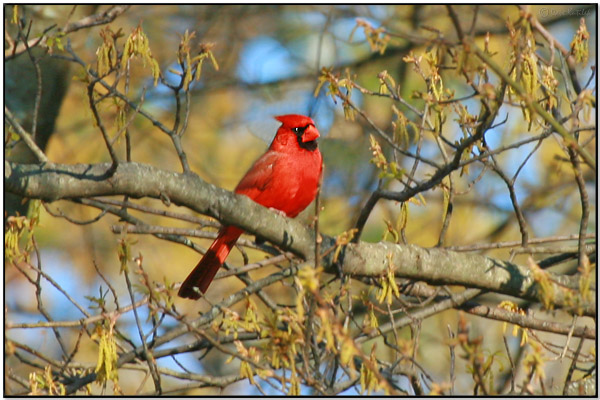
Northern Cardinal (Cardinalis cardinalis) by Daves BirdingPix

Northern Cardinal (Cardinalis cardinalis) by Daves BirdingPix

A pair of Cardinals come about the beginning of November, and I hear them before I see them. Also, in the winter months small chirpy birds can be heard which makes me look out the window for them. Today, I’m sitting on the patio swing having put out a cushion for myself and my sweet doggy companion, Ruby. When not claiming her seat, she stays busy with squirrel patrol.

Fish Crow (Corvus ossifragus) at Lake Morton By Dan'sPix

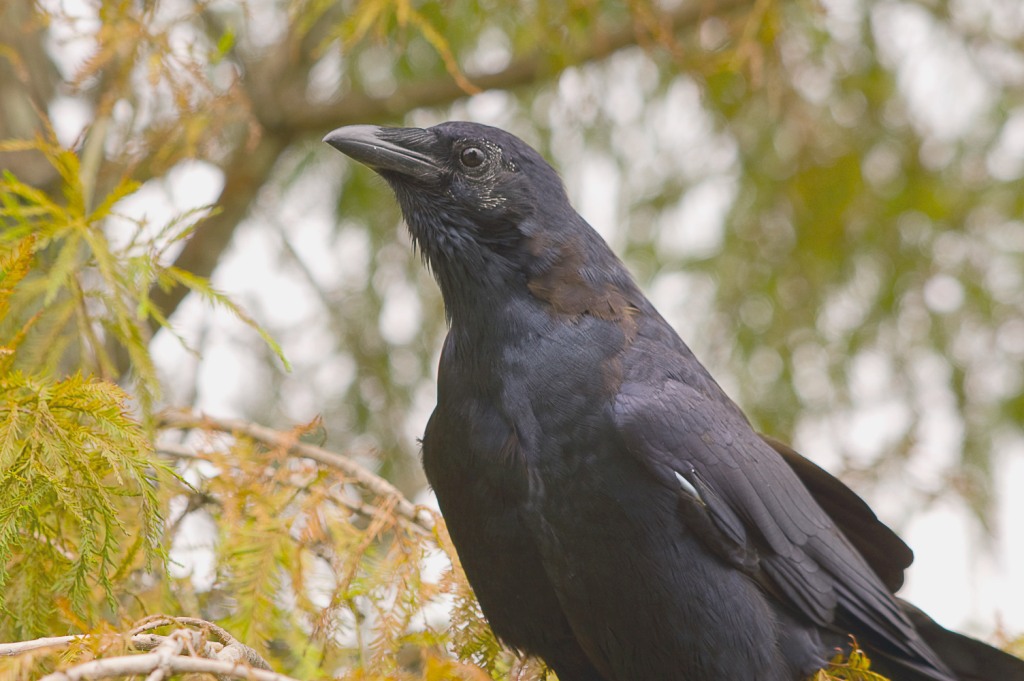
Fish Crow (Corvus ossifragus) at Lake Morton By Dan’sPix

While working on the coming Sunday School lesson, I heard them – Crows. Some people find them irritating, but not me. Looking up I see black flying bodies against a blue sky dotted with white-dumpling clouds.

White Pelicans in Flight - Circle B Bar by Dan

White Pelicans in Flight – Circle B Bar

There are also the usual Vultures beautifully soaring overhead, and a single Pelican, and four unidentifiable ducks.

Scarlet Macaw (Ara macao) Reinier Munguia

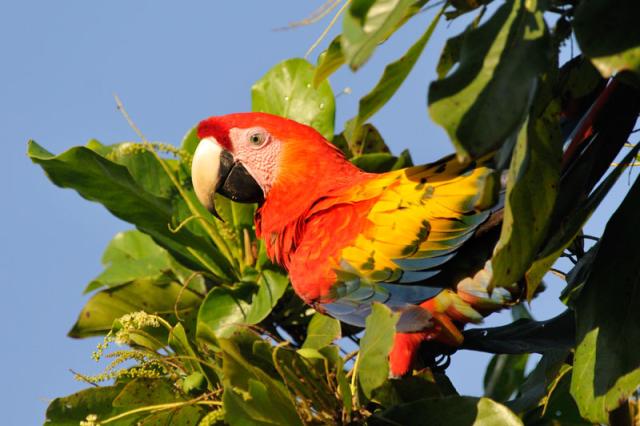
Scarlet Macaw (Ara macao) Reinier Munguia

I should also mention of the neighbors Macaw (very noisy) who only makes me smile when he talks or laughs. They also have chickens that are very pleasant to listen to.

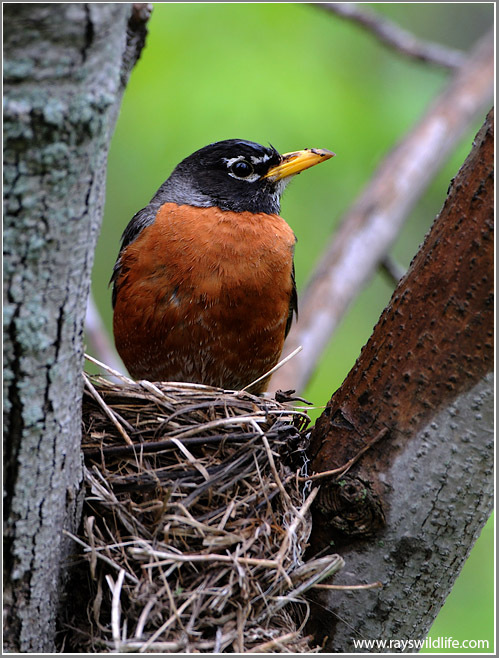
American Robin (Turdus migratorius) in nest by Ray

American Robin (Turdus migratorius) in nest by Ray

Admittedly the best will be if the Robins return. In the 5th grade our teacher had all of us draw a picture of a Robin. She then hung them around the room above the blackboards. Oh, Robins, please come back. Remember I promised not to mention your bad manners to anyone. I will gladly welcome you and you can be noisy, toss leaves, eat all the worms you want and anything else that suits you fancy.

Dot Malcolm, 12/30/11

Then God saw everything that He had made, and indeed it was very good. So the evening and the morning were the sixth day. (Genesis 1:31 NKJV)

See Dot’s other articles:

When The Robins Came – May 23, 2010

Return Of The Robins – March 14, 2011

*

Thanks, Dottie, for another interesting article. What a delight to read your love and awareness of birds. When the Robins come back, we will expect another article. You kept me busy finding photos for your many birds. Keep it up.

Dorothy is a charter member of our church, Faith Baptist, and a great friend.

*

Being and Doing as God Enables – by A. W. Tozer

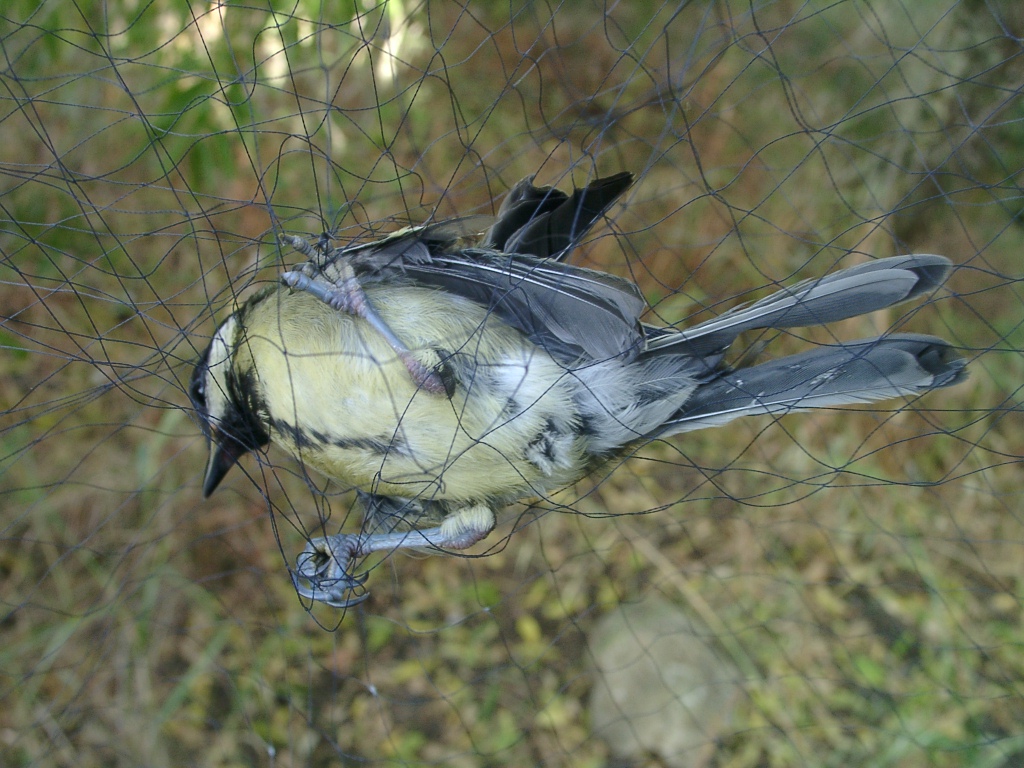
Bird caught in a net

Bird caught in a net

Being and Doing as God Enables – By A.W. Tozer  
(Guest Writer from the Past)

Surely in vain the net is spread in the sight of any bird. (Proverbs 1:17 KJV)

Failing to get ready in time for eternity, and failing to get ready now for the great then that lies out yonder, is a trap in plain sight. There is an odd saying in the Old Testament, “How useless to spread a net in full view of all the birds” (Proverbs 1:17).

When the man of God wrote that, he gave the birds a little credit. It would be silly for a bird watching me set the trap to conveniently fly down and get into it. Yet there are people doing that all the time. People who have to live for eternity fall into that trap set for them in plain sight. It is folly to put off to a tomorrow because you may never see the things that you should do now. It is an act of inexcusable folly to count on help that will never come. It is foolish to ignore God’s help now offered us. Many are guilty of ignoring the help that is presently being extended to them, all the while waiting for help that will never come from others. There is not much that can be said in favor of lazy or careless Christians. God never told anyone to do anything that he or she could not do. Jesus said to the man with the paralyzed arm that hung at his side like a limp piece of flesh, “Stretch out your hand” (Matthew 12:13a). And the man, believing that Jesus was the Christ, stretched out his hand and was healed instantly. God has never asked anyone yet to do anything that He was not enabling the person to do.

See  A.W. Tozer index.

A.W. Tozer (1897 – 1963)

A 20th-century prophet” they called him even in his lifetime. For 31 years he was pastor of Southside Alliance Church in Chicago, where his reputation as a man of God was citywide. Concurrently he became editor of Alliance Life, a responsibility he fulfilled until his death in 1963.

His greatest legacy to the Christian world has been his 30 books. Because A.W. Tozer lived in the presence of God he saw clearly and he spoke as a prophet to the church. He sought for God’s honor with the zeal of Elijah and mourned with Jeremiah at the apostasy of God’s people.

But he was not a prophet of despair. His writings are messages of concern. They expose the weaknesses of the church and denounce compromise. They warn and exhort. But they are messages of hope as well, for God is always there, ever faithful to restore and to fulfill His Word to those who hear and obey.

The Pursuit of God by A. W. Tozer – ebook

A. W. Tozer – Wikipedia

Birds of the Bible – Bird Catcher

Wordless Birds

*