Birdwatching at Circle B Bar Reserve – 10/26/13

Little Blue Heron (Egretta caerulea) by Lee at Circle B

Little Blue Heron (Egretta caerulea)

Be thou exalted, LORD, in thine own strength: so will we sing and praise thy power. (Psalms 21:13 KJV)

Had a very productive hour and 40 minute trip to Circle B Bar Reserve Saturday afternoon enjoying the Lord’s creation. The birds are definitely heading back down. After a sparse summer, things are starting to get interesting once more.

Limpkin (Aramus guarauna) by Lee at Circle B

Limpkin (Aramus guarauna) by Lee at Circle B

We haven’t been out there for a while and was a little disappointed in the viewing. It rained considerably this summer and the plants have really grown up making it hard to see the water birds. Even with that, to see 34 species in just under 2 hours is not bad.

Alligator about 8 ft by Lee at Circle B

Alligator about 8 ft by Lee at Circle B

We were greeted with the sounds of the Blue Jays, Carolina Wrens and an Eastern Phoebe. Also, an Armadillo was walking right along the path to the marsh. Later, I spotted about an 8 foot alligator. Those and the normal squirrels were the only, non-birds I saw.

One of the highlights was seeing five Bald Eagles flying over. Two in one group and three in the other. We had just seen an Eagle on Friday down in Lake Wales. I love seeing Eagles.

American White Ibis (Eudocimus albus) by Lee at Circle B

American White Ibis (Eudocimus albus) by Lee at Circle B

In God we boast all the day long, and praise thy name for ever. Selah. (Psalms 44:8 KJV)

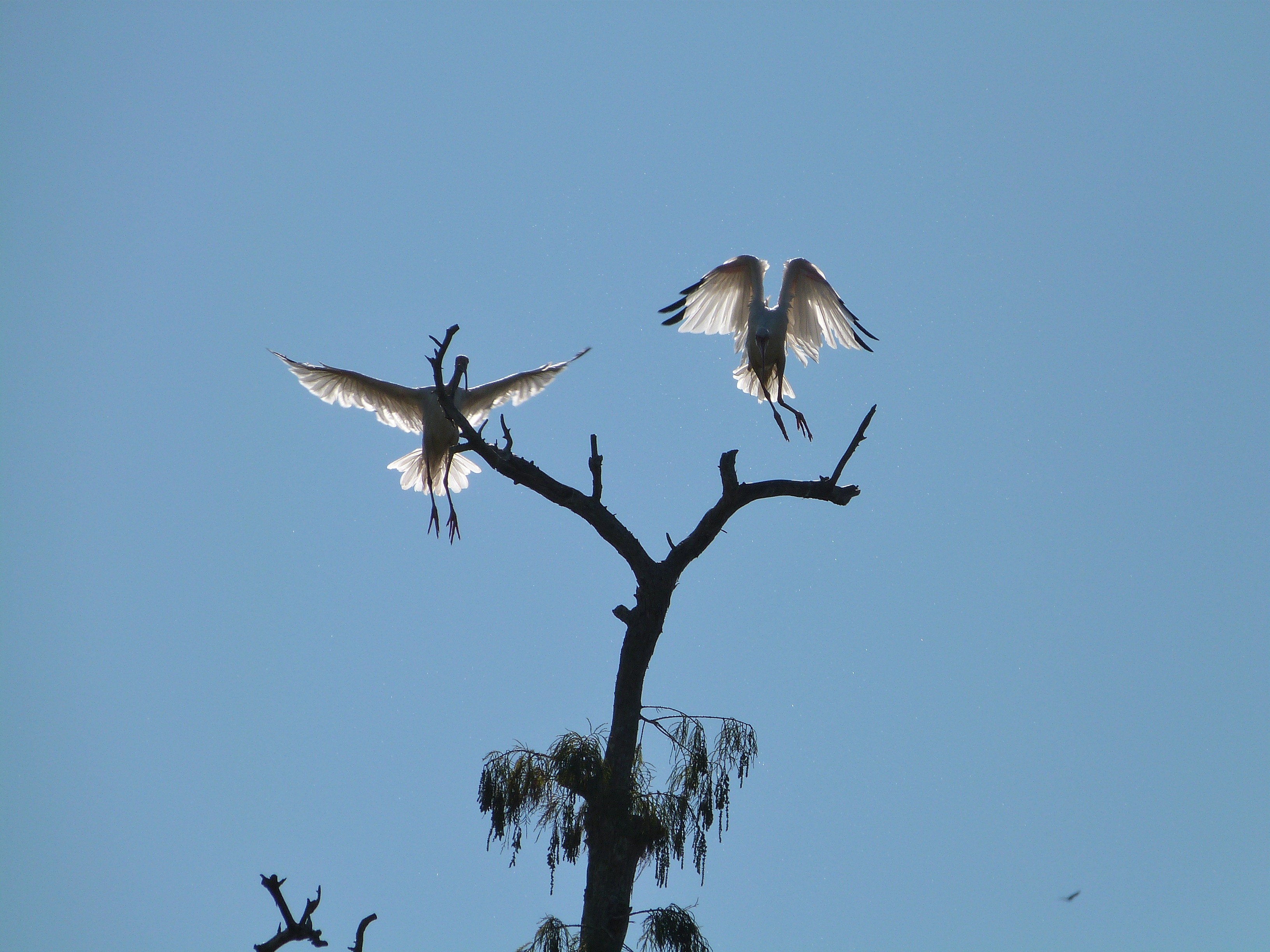
Two White Ibises landed in one of the trees when we first arrived. With the sun behind them, they remind you of Angel’s Wings. As you can see by the second photo the tree was being loaded up for the night when we passed it on the way out. That is one of the favorite “roosting” places at Circle B.

American White Ibis (Eudocimus albus) by Lee at Circle B

American White Ibis (Eudocimus albus) and friends

I am including a slideshow to give you an idea of how it was out there. The photography is not the best, but you can tell what the birds are at least. Dan doesn’t have his photos ready.

This slideshow requires JavaScript.

Here is a list of what I reported to e-Bird:

Circle B Bar Reserve, Polk, US-FL
Oct 26, 2013 3:45 PM – 5:25 PM
Traveling – 2.5 mile(s)
Clear 79 degrees
34 species
Black-bellied Whistling-Duck  15
Pied-billed Grebe  2
Wood Stork  17
Anhinga  5
Great Blue Heron  7
Great Egret  6
Snowy Egret  2
Little Blue Heron  1
Tricolored Heron  1
Cattle Egret  5
White Ibis  88
Glossy Ibis  2
Black Vulture  40
Turkey Vulture  37
Osprey  2
Bald Eagle  5
Purple Gallinule  4
Common Gallinule  6
Limpkin  4
Sandhill Crane  1
Belted Kingfisher  1
Red-bellied Woodpecker  1
Eastern Phoebe  2
Blue Jay  2
Fish Crow  5
House Wren  1
Carolina Wren  2
Blue-gray Gnatcatcher  1
Gray Catbird  1
Palm Warbler  3
Yellow-rumped Warbler  1
Northern Cardinal  1
Red-winged Blackbird  1
Boat-tailed Grackle  10
See:
*

Riddlers – The Woodpeckers

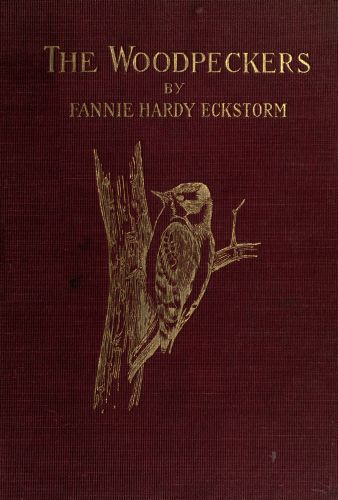
The Woodpeckers by Fannie Hardy Eckstorm - coverThe Woodpeckers, by Fannie Hardy Eckstorm

A Project Gutenberg EBook

*

THE WOODPECKERS

BY

FANNIE HARDY ECKSTORM

WITH ILLUSTRATIONS

The Woodpeckers by Fannie Hardy Eckstorm

BOSTON AND NEW YORK
HOUGHTON, MIFFLIN AND COMPANY
The Riverside Press, Cambridge
1901

Title: The Woodpeckers

Author: Fannie Hardy Eckstorm

Release Date: January 25, 2011 [EBook #35062]

*** START OF THIS PROJECT GUTENBERG EBOOK THE WOODPECKERS ***

(This eBook is for the use of anyone anywhere at no cost and with almost no restrictions whatsoever. You may copy it, give it away or re-use it under the terms of the Project Gutenberg License included with this eBook or online at www.gutenberg.org)

COPYRIGHT, 1900, BY FANNIE HARDY ECKSTORM

ALL RIGHTS RESERVED

To

MY FATHER
MR. MANLY HARDY
A Lifelong Naturalist


THE WOODPECKERS


FOREWORD: THE RIDDLERS


_
Long ago in Greece, the legend runs, a terrible monster called the Sphinx used to waylay travelers to ask them riddles: whoever could not answer these she killed, but the man who did answer them killed her and made an end of her riddling.

To-day there is no Sphinx to fear, yet the world is full of unguessed riddles. No thoughtful man can go far afield but some bird or flower or stone bars his way with a question demanding an answer; and though many men have been diligently spelling out the answers for many years, and we for the most part must study the answers they have proved, and must reply in their words, yet those shrewd old riddlers, the birds and flowers and bees, are always ready for a new victim, putting their heads together over some new enigma (mystery) to bar the road to knowledge till that, too, shall be answered; so that other men’s learning does not always suffice. So much of a man’s pleasure in life, so much of his power, depends on his ability to silence these persistent questioners, that this little book was written with the hope of making clearer the kind of questions Nature asks, and the way to get correct answers.

This is purposely a little book, dealing only with a single group of birds, treating particularly only some of the commoner species of that group, taking up only a few of the problems that present themselves to the naturalist for solution, and aiming rather to make the reader acquainted with the birds than learned about them.

The woodpeckers were selected in preference to any other family because they are patient under observation, easily identified, resident in all parts of the country both in summer and in winter, and because more than any other birds they leave behind them records of their work which may be studied after the birds have flown.

The book provides ample means for identifying every species and subspecies of woodpecker known in North America, though only five of the commonest and most interesting species have been selected for special study. At least three of these five should be found in almost every part of the country. The Californian woodpecker is never seen in the East, nor the red-headed in the far West, but the downy and the hairy are resident nearly everywhere, and some species of the flickers and sapsuckers, if not always the ones chosen for special notice, are visitors in most localities.

Look for the woodpeckers in orchards and along the edges of thickets, among tangles of wild grapes and in patches of low, wild berries, upon which they often feed, among dead trees and in the track of forest fires. Wherever there are boring larvæ, beetles, ants, grasshoppers, the fruit of poison-ivy, dogwood, june-berry, wild cherry or wild grapes, woodpeckers may be confidently looked for if there are any in the neighborhood.

Be patient, persistent, wide-awake, sure that you see what you think you see, careful to remember what you have seen, studious to compare your observations, and keen to hear the questions propounded you. If you do this seven years and a day, you will earn the name of Naturalist; and if you travel the road of the naturalist with curious patience, you may some day become as famous a riddle-reader as was that OEdipus, the king of Thebes, who slew the Sphinx.


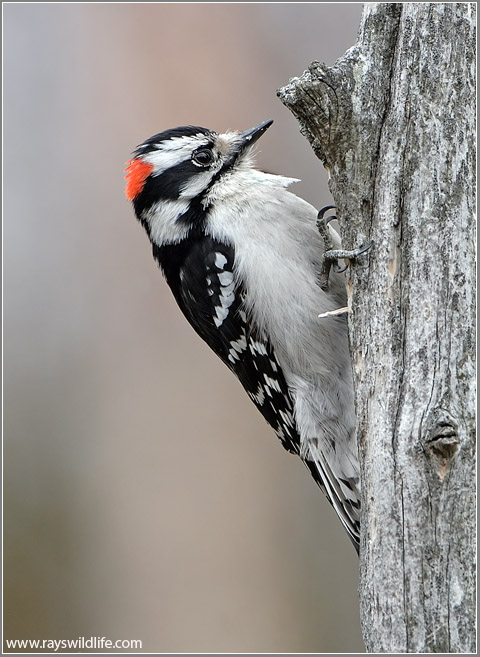
Downy Woodpecker (Picoides pubescens) by Raymond Barlow

Downy Woodpecker (Picoides pubescens) by Raymond Barlow

Lee’s Addition:

This is the beginning of a series from The Woodpeckers book. Our writer, Fannie Hardy Eckstorm, wrote this in 1901. There are 16 chapters, plus this Forward, which are about the Woodpecker Family here in America. All the chapters can be found on The Woodpeckers page.

Woodpeckers belong to the Picidae – Woodpeckers Family.

Here are the upcoming chapter titles:

CHAP. PAGE
 Foreword: the Riddlers  
I.  How to know a Woodpecker  
II.  How the Woodpecker catches a Grub  
III.  How the Woodpecker courts his Mate  
IV.  How the Woodpecker makes a House  
V.  How a Flicker feeds her Young  
VI.  Friend Downy  
VII.  Persona non Grata. (Yellow-bellied Sapsucker)  
VIII.  El Carpintero. (Californian Woodpecker)  
IX.  A Red-headed Cousin. (Red-headed Woodpecker)  
X.  A Study of Acquired Habits  
XI.  The Woodpecker’s Tools: His Bill  
XII.  The Woodpecker’s Tools: His Foot  
XIII.  The Woodpecker’s Tools: His Tail  
XIV.  The Woodpecker’s Tools: His Tongue  
XV.  How each Woodpecker is fitted for his own Kind of Life  
XVI.  The Argument from Design  

APPENDIX

A. Key to the Woodpeckers of North America

B. Descriptions of the Woodpeckers of North America

C. Explanation of Terms

*

I trust you will enjoy reading about these fantastic birds and how the Lord has created them to be able to carry out their task.

See:

The Woodpeckers by Fannie Hardy Eckstorm

Wordless Birds

*

Thank You – One Million And Counting!

Oh, give thanks to the LORD, for He is good! For His mercy endures forever. (1 Chronicles 16:34 NKJV)

Thank you!

Thank you!!

–

THANK YOU!!!

I thank my God upon every remembrance of you, (Philippians 1:3 NKJV)

Wow!

Just had the 1 Millionth page view on this blog. 

Without the Lord’s leading, His help and your visits to this blog, this would not have happened.  I am so appreciative for every one of you who have visited throughout the years and also put up with my good and not-so-good articles. The blog started in February of 2008, but was moved here to WordPress in July of 2008. That is when this count started. Here are the dates of milestones that are in the Sidebar.

My special thanks goes to Stephen, our assistant to the Pastor at my church (Faith Baptist of Winter Haven) for suggesting that I write about the Birds of the Bible on the church’s Blog – The Fountain. That was on Blogspot. I started a blog of my own, to learn how to lay it out. That is when Lee’s Birdwatching Adventures Plus was started. We both moved our blogs off of Blogspot over the years.

Also, a big thanks to all my regular and guest writers.

  • Thanks to Visitors

    Moved to WordPress 00,000 – July 05, 2008
  • 50,000 – Oct 10, 2009
  • 100,000 – Apr 5, 2010
  • 150,000 – Sep 6, 2010
  • 200,000 – Dec 30, 2010
  • 250,000 – Apr 9, 2011
  • 300,000 – June 29, 2011
  • 350,000 – Sep 19, 2011
  • 400,000 – Nov 18, 2011
  • 450,000 – Jan 21, 2012
  • 500,000 – Mar 1, 2012
  • 600,000 – May 24, 2012
  • 700,000 – Sep 2, 2012
  • 800,000 – Dec 16, 2012
  • 900,000 – Ap 13, 2013
  • 1,000,000 – Oct 20, 2013
  • 1st 500+ Day (568) Oct 29, 2009
  • 1st 600+ Day (637) Sep 28, 2010
  • 1st 700+ Day (722) Apr 4, 2011
  • 1st 800+ Day (810) May 18, 2011
  • 1st 900+ Day (955) Oct 2, 2011
  • 1st 1000+ Day (1,016) Oct 20, 2011
  • 1st 2,000+ Day (2,220) Feb 10, 2012
  • 1st 3,000+ Day (3896) Feb 21, 2013

Links to the very first few articles on Lee’s Birdwatching Adventures original site copied over here:

  1. Introduction to Birds of the Bible
  2. Birdwatching Tips #1
  3. The Birds of the Bible – Eagles
  4. Video of Bird “Displaying”
  5. Trip to Fort DeSoto Park 2-20-08
  6. Roseate Spoonbills

Looking back at them, I trust you like the ones being produced now much better. Hey, it was a learning curve back then. These are the first seven articles on Lee’s Birdwatching Adventures Plus when it first started up here:

  1. Birds of the Bible – Ossifrage
  2. Interesting Things – Communication
  3. Video of Bird “Displaying” II
  4. Birds of the Bible – Herons
  5. Interesting Things – Bird Evolution
  6. Birds of the Bible – Pelicans
  7. Birdwatching Trip – J. N. “Ding” Darling NWR – July 15, 2008

*

Thank You again for all your visits, likes, comments, and encouragements.

Lee

*

P.S. I really have no way of knowing who the 1,000,000th visitor was, but we were at lunch with friends and kept watching the count. Saw 1,000,002 at around 1:20pm EST. Checking the Sitemeter after arriving home, someone from Brazil came in about 1:18, looked at 14 pages. Also at 1:20 an unknown came in, and at 1:22 a visitor arrived from Chicopee, Massachusetts. (This is just for trivia.)

*

Birdwatching Adventure – Scrub Jays II

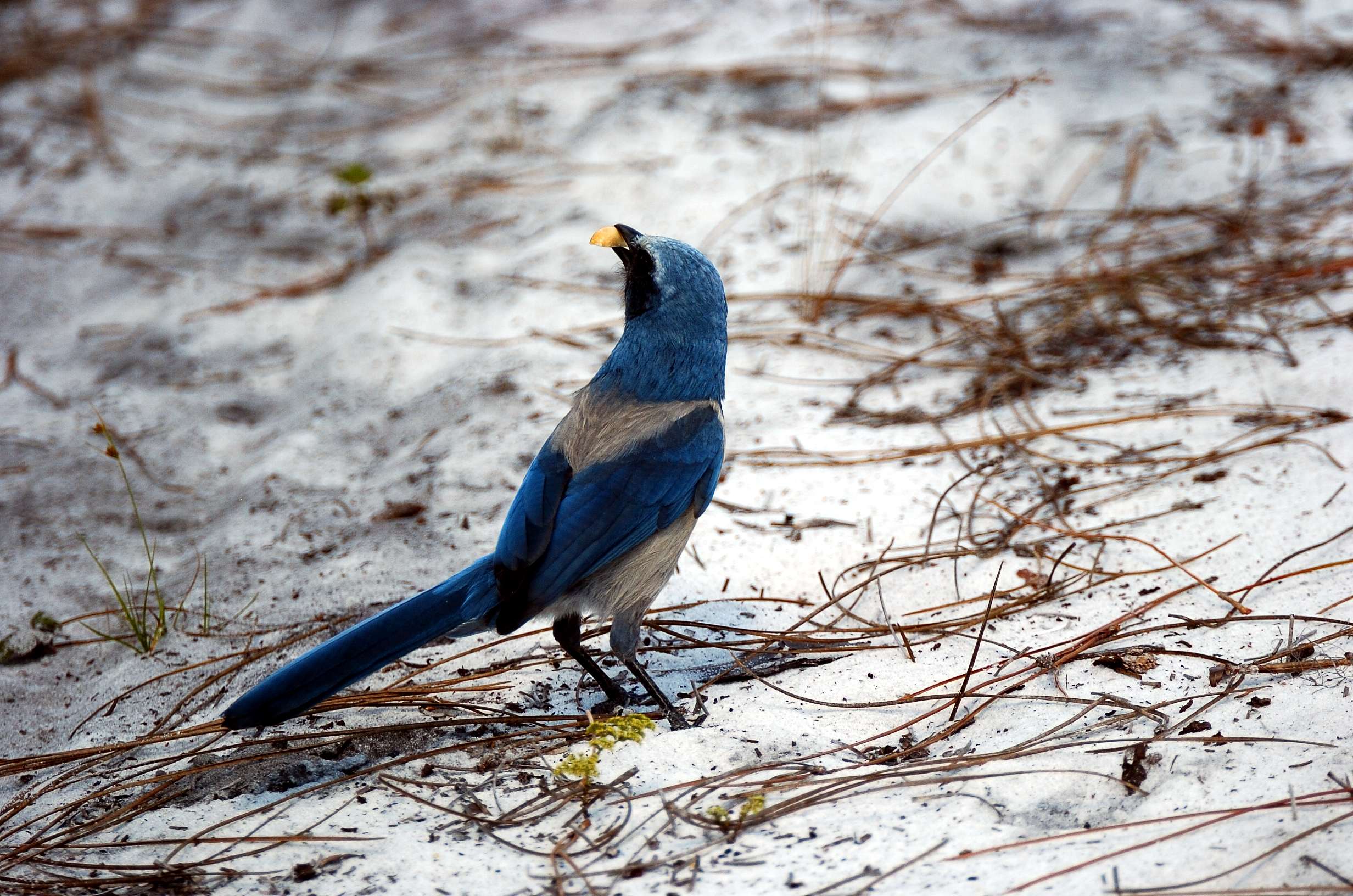
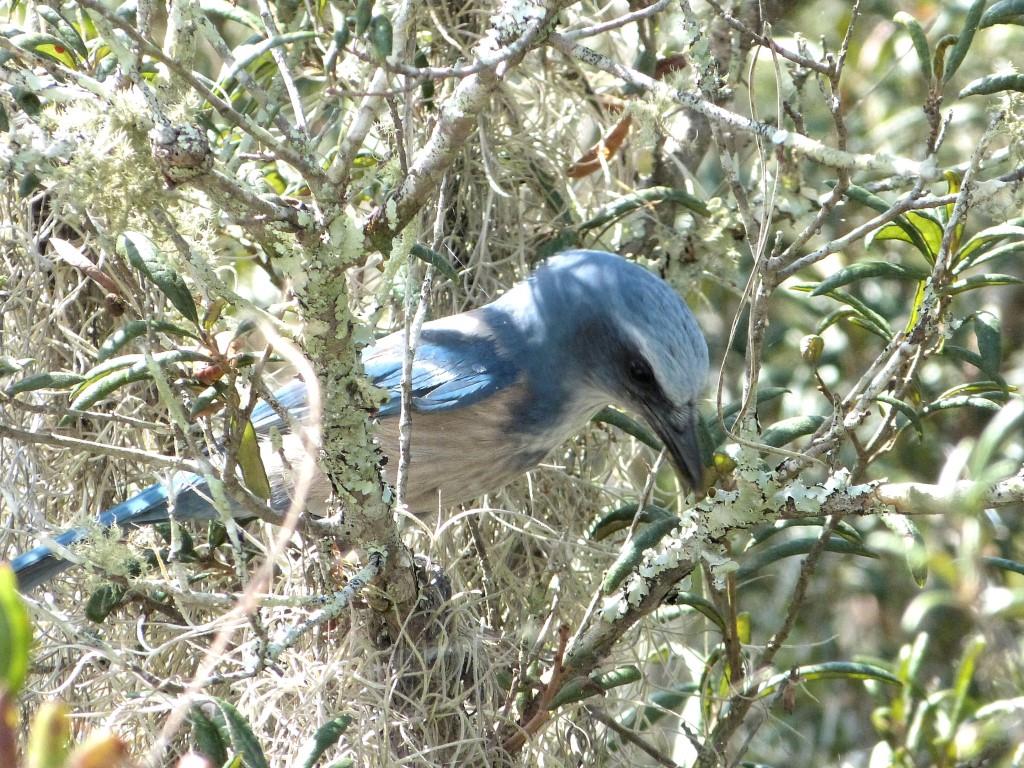
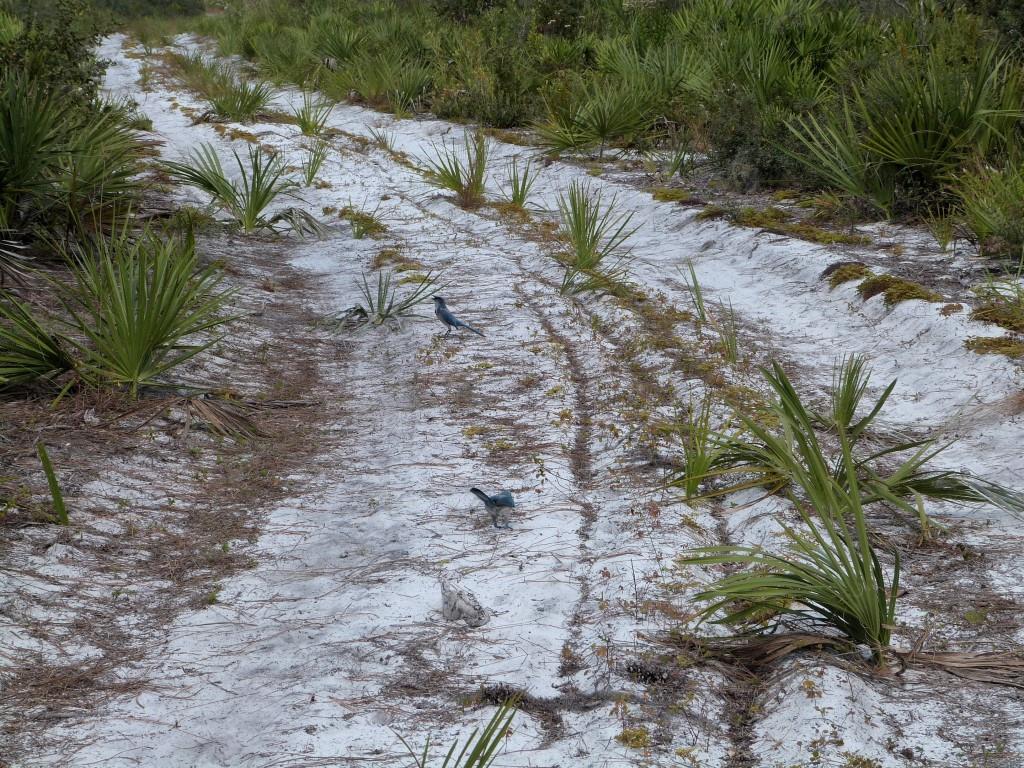
Florida Scrub Jay (Aphelocoma coerulescens)  by Dan

Florida Scrub Jay (Aphelocoma coerulescens) by Dan

Then God said, “Let the waters abound with an abundance of living creatures, and let birds fly above the earth across the face of the firmament of the heavens.” (Genesis 1:20 NKJV)

Now for the good photos from our visit to see the Florida Scrub Jays. Dan shared these that he took.

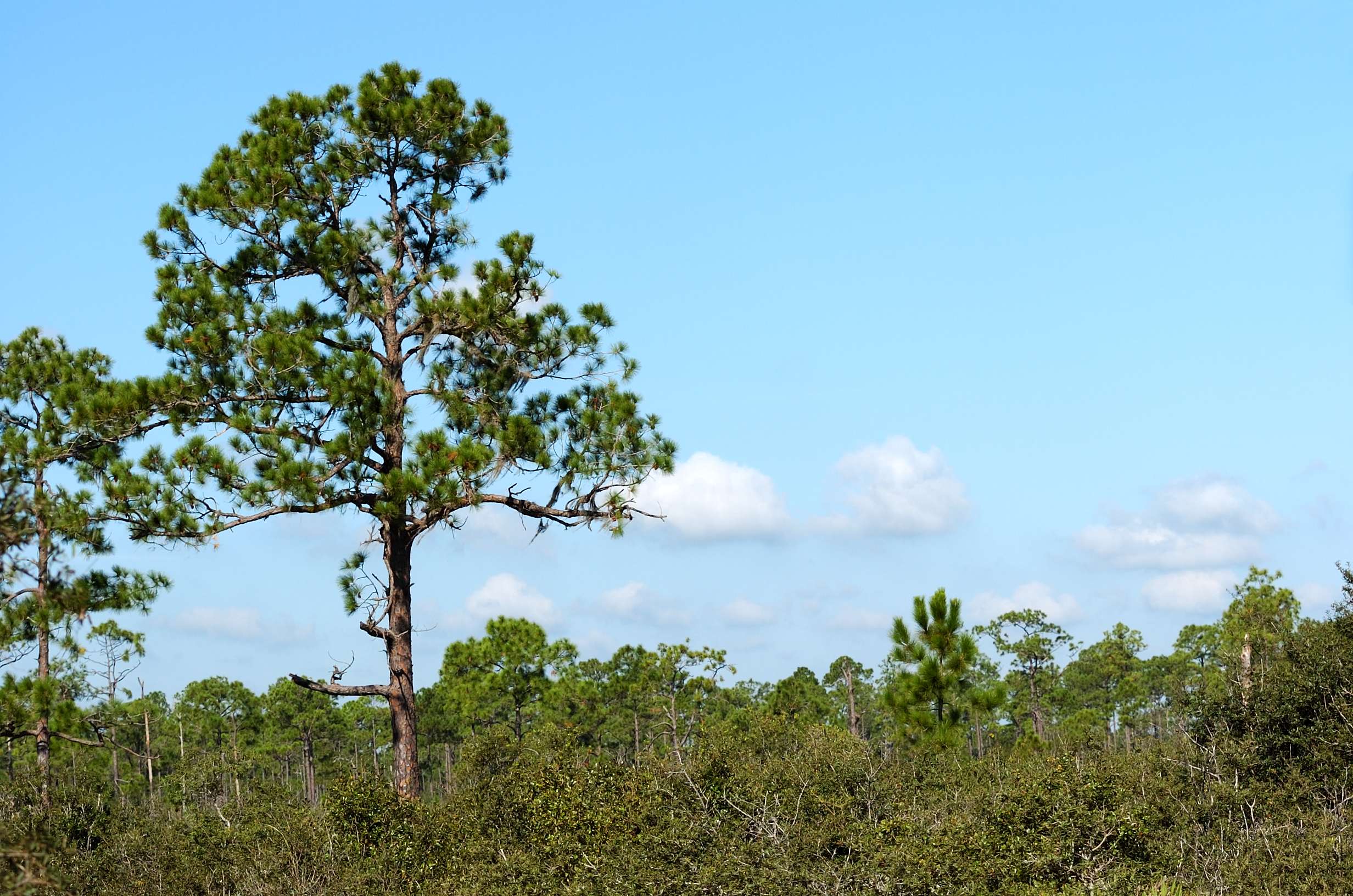
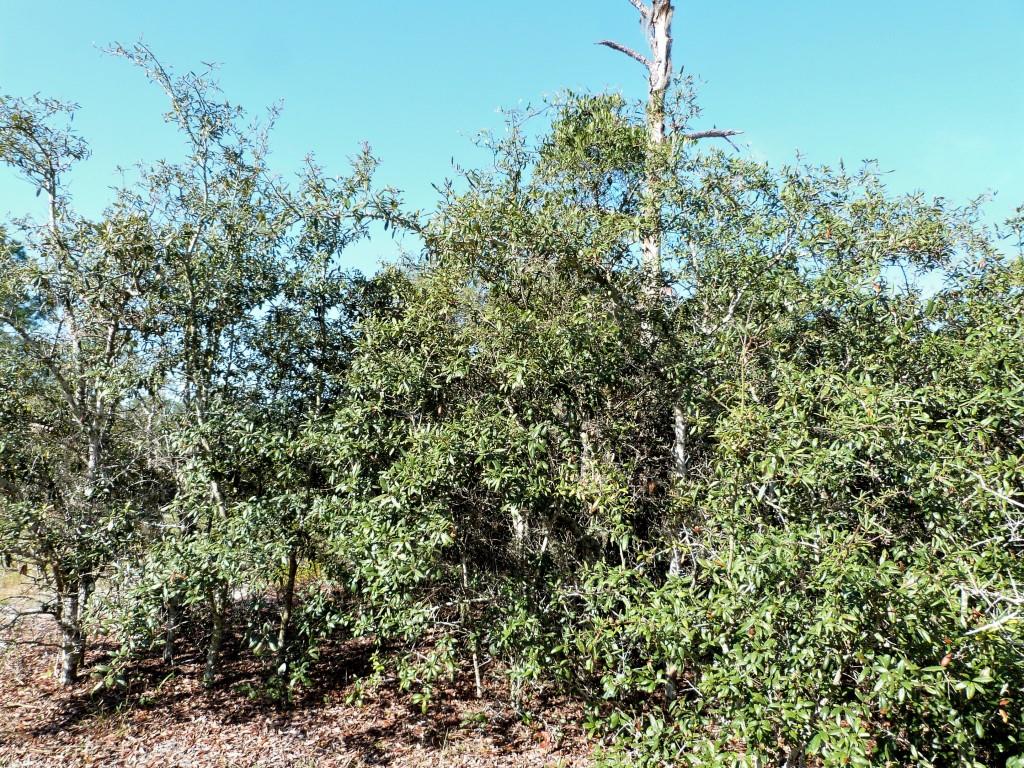
Here is an idea of the “scrub” habitat that the Florida Scrub Jays prefer. They do not like too many trees where Hawks, Eagles or other Birds of Prey can attack them.

Habitat at Lake June-in-Winter SP by Dan

Scrub Habitat at Lake June-in-Winter SP by Dan

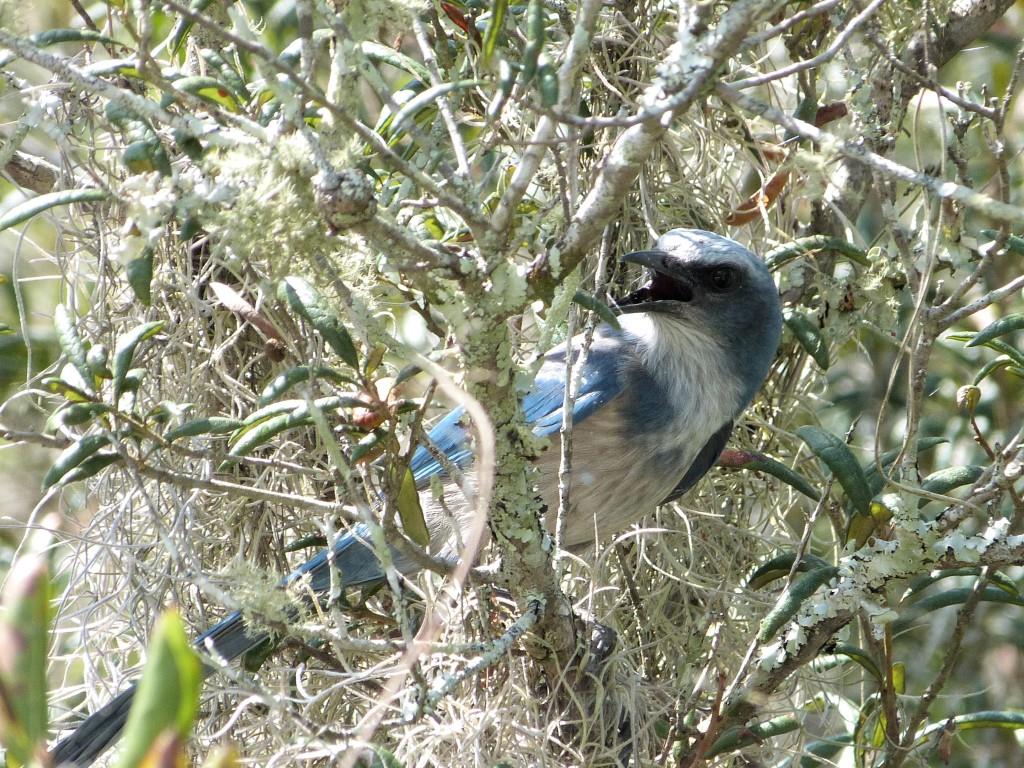
They greeted us from a distance at first.

Florida Scrub Jay (Aphelocoma coerulescens) by Dan

Florida Scrub Jay (Aphelocoma coerulescens) by Dan

Then they were more friendly when enticed.

Florida Scrub Jay (Aphelocoma coerulescens) by Dan

Florida Scrub Jay (Aphelocoma coerulescens) by Dan

They are such pretty birds. I sure am glad the Lord has given us so many varieties of avian friends to enjoy.

Florida Scrub Jay (Aphelocoma coerulescens) by Dan

Florida Scrub Jay (Aphelocoma coerulescens) by Dan

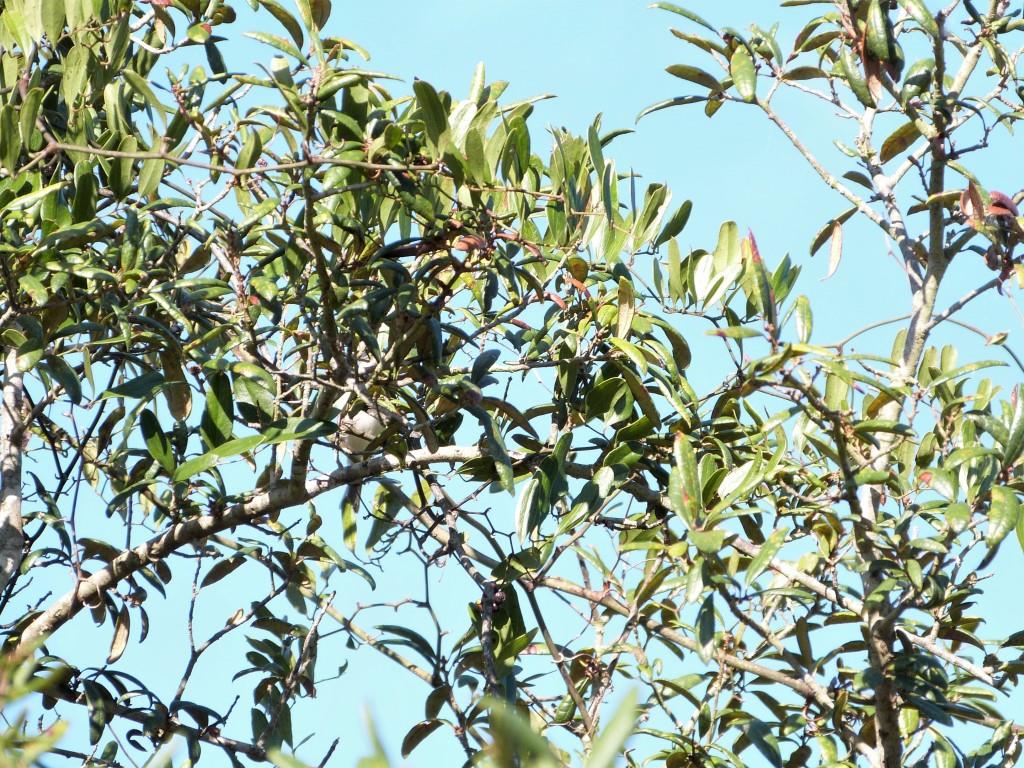
Here is another photo from the state parks habitat:

Habitat at State Park by Dan

Habitat at State Park by Dan

These two last photos were his that he photographed through the open window of the Red-Shouldered Hawk at Highlands Hammock State Park. Remember, mine was through plastic.

Red-shouldered Hawk (Buteo lineatus) Highlands Hammock SPk by Dan

Red-shouldered Hawk (Buteo lineatus) Highlands Hammock SPk by Dan

“Does the hawk fly by your wisdom, And spread its wings toward the south? (Job 39:26 NKJV)

Red-shouldered Hawk (Buteo lineatus) Highlands Hammock SPk by Dan

Red-shouldered Hawk (Buteo lineatus) Highlands Hammock SPk by Dan

Trust you have enjoyed seeing these fantastic birds.

*

*

Birdwatching Adventure – Florida Scrub Jay

Florida Scrub Jay (Aphelocoma coerulescens) Highlands Hammock S Pk by Lee

Florida Scrub Jay (Aphelocoma coerulescens) Highlands Hammock S Pk

Look at the birds of the air, for they neither sow nor reap nor gather into barns; yet your heavenly Father feeds them. Are you not of more value than they? (Matthew 6:26 NKJV)

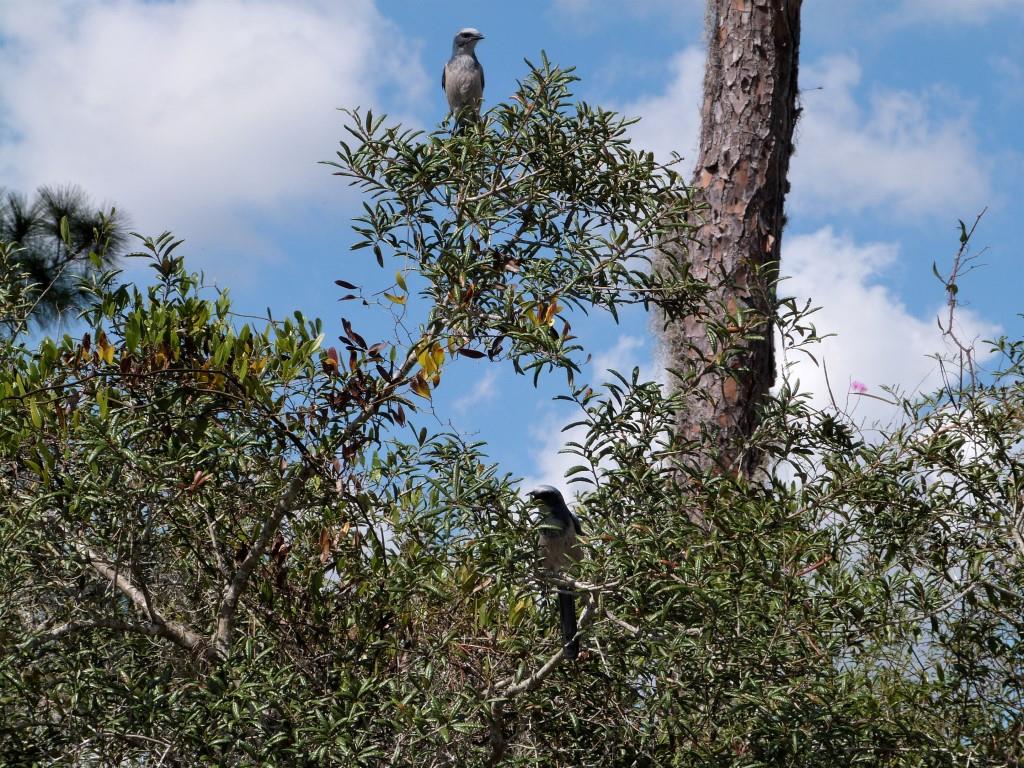
The main reason we went to Highlands Hammock State Park yesterday was to find some Florida Scrub Jays. The ranger told us where to find theirs and also where more could be found in another park.

Florida Scrub Jay (Aphelocoma coerulescens) Highlands Hammock S Pk by Lee

Florida Scrub Jay (Aphelocoma coerulescens) Highlands Hammock SPk 10-14-13

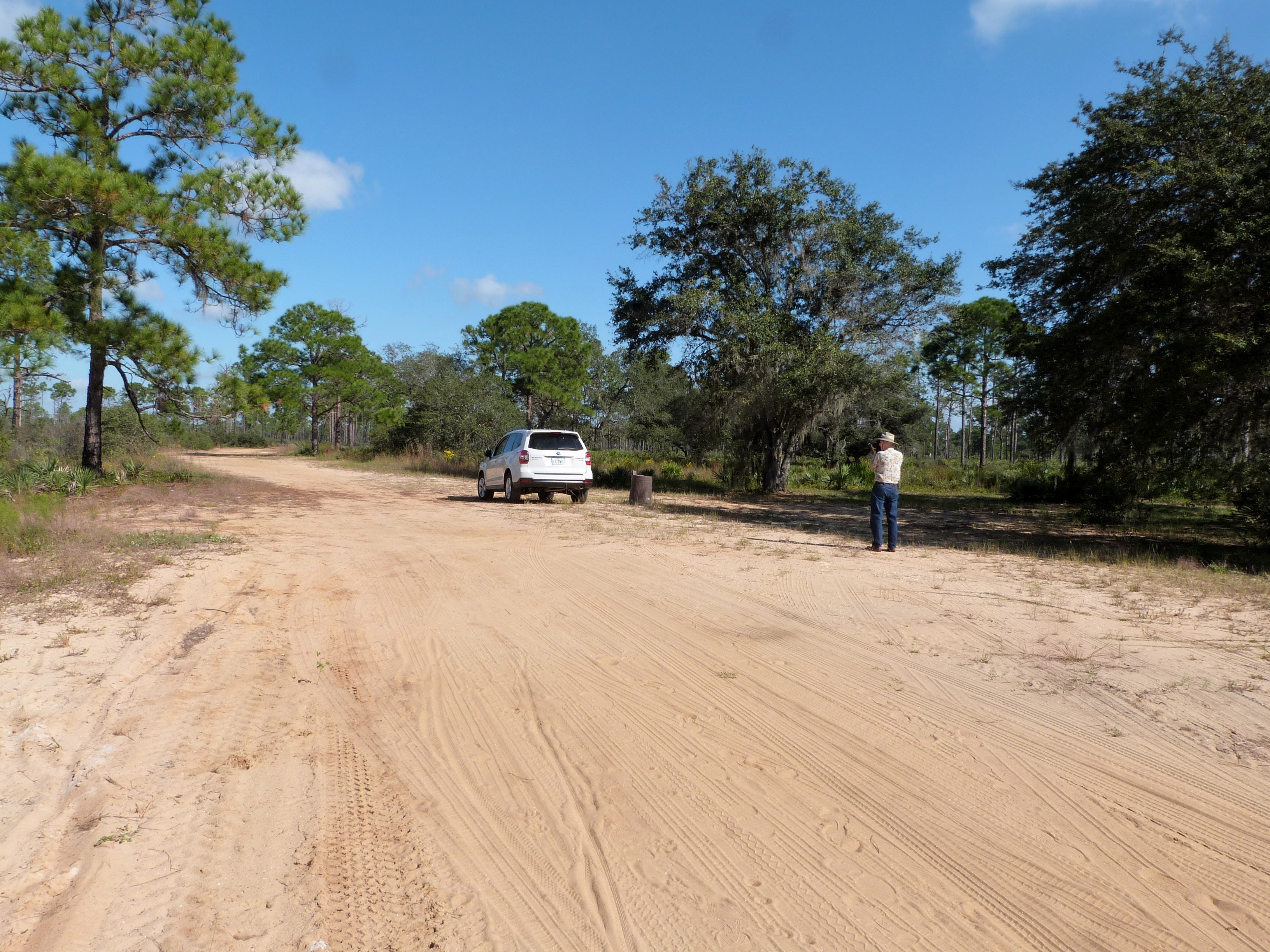
Went on the drive where the Wilderness Camping Area is located. Florida Scrub Jays prefer the scrub areas. The ranger told us that they had recently had a controlled burn and this family moved in right after that. From the pictures, you will see the kind of habitat they like.

Our new "Birding Mobile"

This is the area where we found the Scrub Jays at Highlands Hammock S P.

We found the Florida Scrub Jays, but they never got very close. We were also initiating our new “birding mobile”, as I have named it. Off the subject, but here is a photo of a Red-shouldered Hawk I shot through the “moonroof.” My first attempt at that. Next time, when we are not right under a hawk, it will be opened.

Red-shouldered Hawk (Buteo lineatus) Highlands Hammock SPk 10-14-13 Thru moonroof

Red-shouldered Hawk (Buteo lineatus) Highlands Hammock SPk 10-14-13

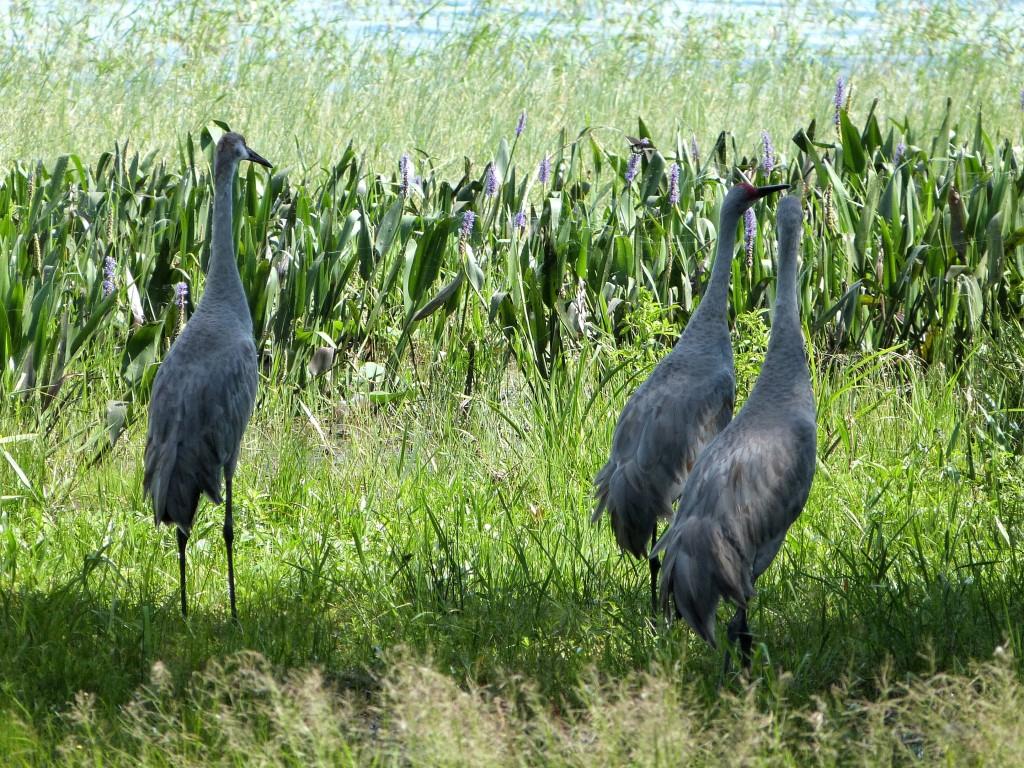
After driving through the rest of that park, we headed for the Lake June-in-Winter State Park. Never heard of it before. It is very tiny and we were the only ones there. Well, the birds of course were there, especially the Scrub Jays. We were able to get quite a few photos of them and they were quite friendly. There were also three Sandhill Cranes plus sounds of birds I do not recognize. The photos will be intermingled with some information about the jays from Wikipedia.

Florida Scrub Jay (Aphelocoma coerulescens) Lake June-in-Winter SPk

Florida Scrub Jay (Aphelocoma coerulescens) Lake June-in-Winter SPk

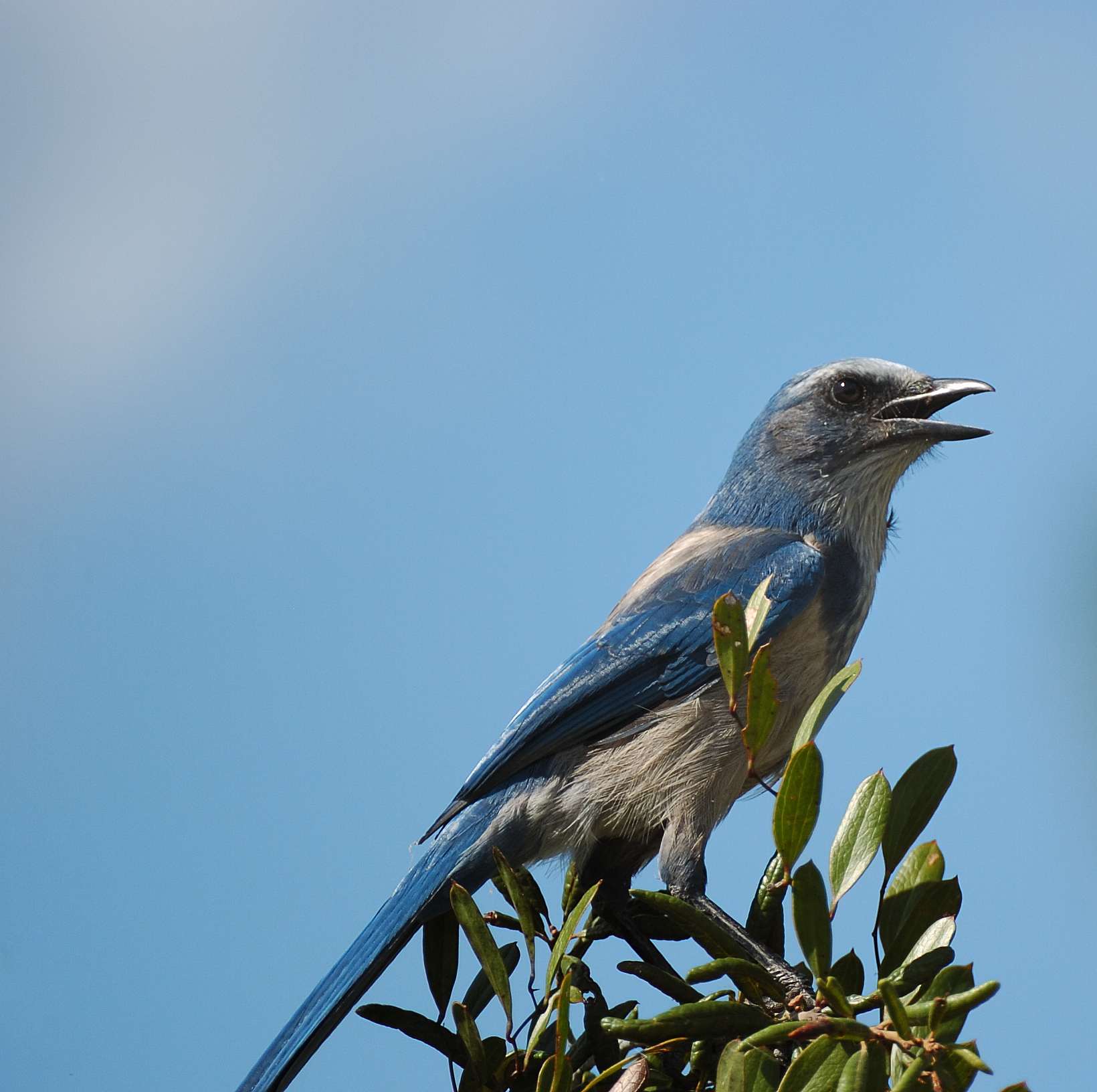
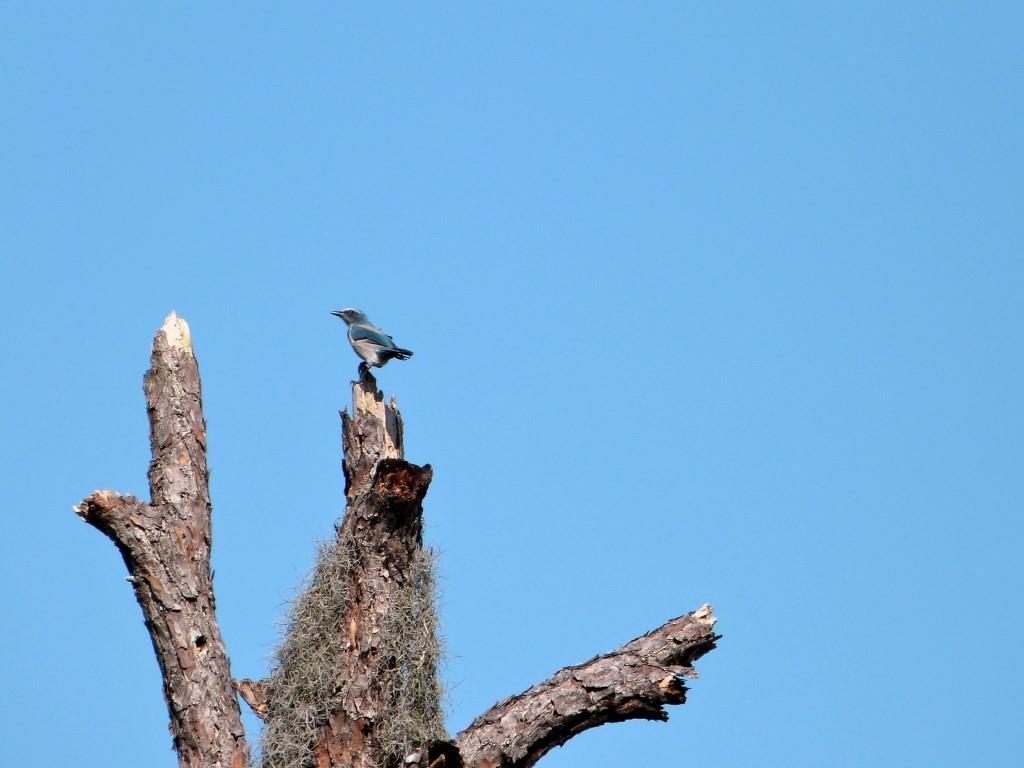
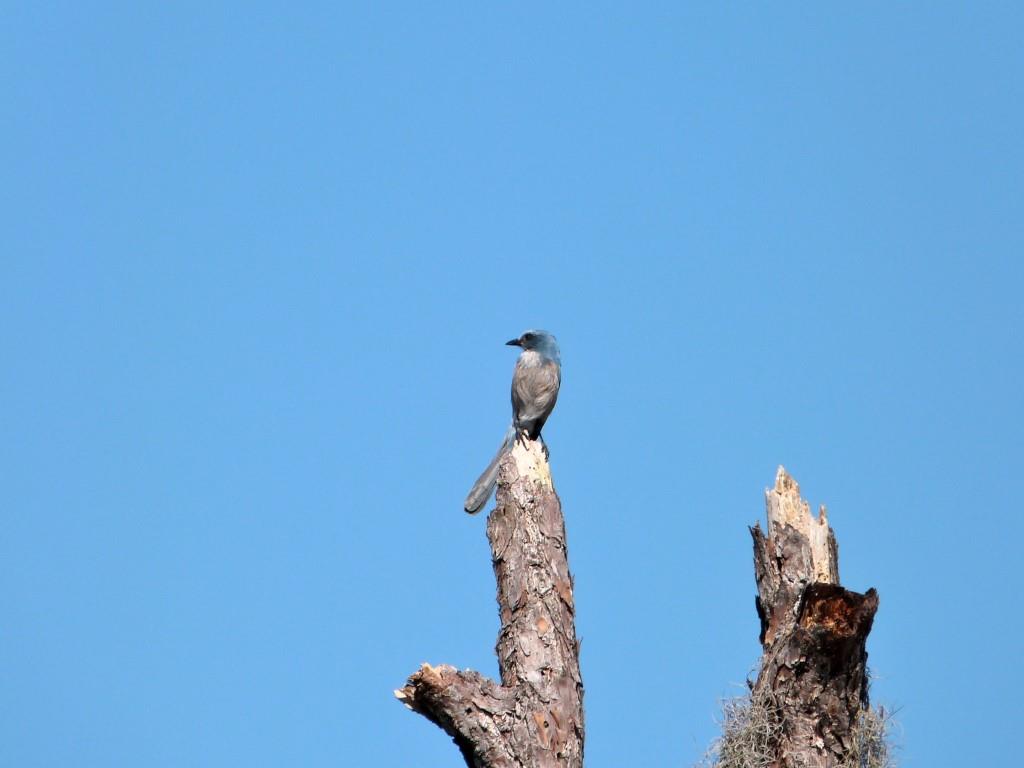
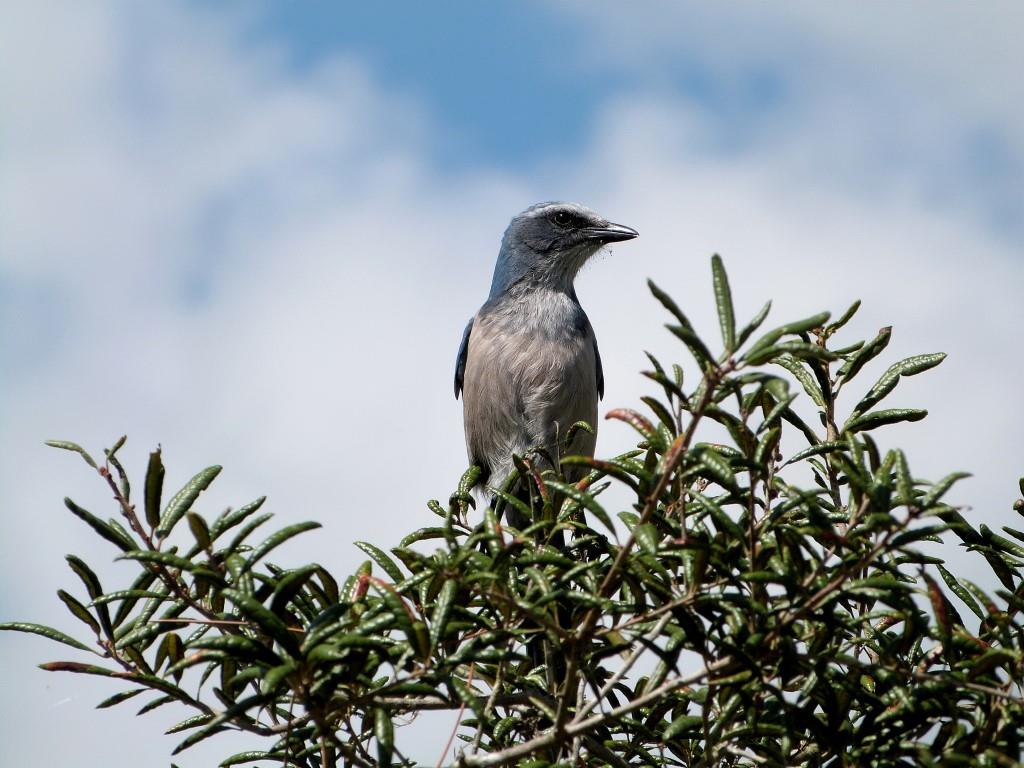
The Florida Scrub Jay (Aphelocoma coerulescens) is one of the species of scrub jay native to North America. It is the only species of bird endemic to the U.S. state of Florida and one of only 15 species endemic to the United States. Because of this, it is heavily sought by birders who travel from across the country to observe this unique species. It is possibly derived from the ancestors of Woodhouse’s Scrub Jay, the inland forms of the Western Scrub-jay. They belong to the Corvidae – Crows, Jays, Ravens Family.

Florida Scrub Jay (Aphelocoma coerulescens) Lake June-in-Winter SPk

Florida Scrub Jay (Aphelocoma coerulescens) Lake June-in-Winter SPk

It measures 9.1 to 11 in (23 to 28 cm) in length, and weighs from 2.3 to 3.2 oz (66 to 92 g), with an average 2.83 oz (80.2 g). The wingspan of the jay is 13–14 in (33–36 cm). It has a strong black bill, blue head and nape without a crest, a whitish forehead and supercilium, blue bib, blue wings, grayish underparts, gray back, long blue tail, black legs and feet.

Florida Scrub Jay (Aphelocoma coerulescens) Lake June-in-Winter SPk

Florida Scrub Jay (Aphelocoma coerulescens) Lake June-in-Winter SPk

The Florida Scrub Jay is found only in Florida scrub habitat, an ecosystem that exists only in central Florida and is characterized by nutrient-poor soil, occasional drought, and frequent wildfires. Because of its somewhat harsh weather pattern, this habitat is host to a small assortment of very specific plants, including Sand Pine, Sand Live Oak, Myrtle Oak, Chapman’s Oak, Sandhill Oak, Florida Rosemary[11] and various other hardy plants such as Eastern prickly pear.

Florida Scrub Jay (Aphelocoma coerulescens) Lake June-in-Winter SPk

Florida Scrub Jay (Aphelocoma coerulescens) Lake June-in-Winter SPk

Florida Scrub Jays are omnivorous and eat a wide variety of acorns, seeds, peanuts, insects, tree frogs, turtles, snakes, lizards, and young mice. Florida Scrub Jays have also been occasionally observed to eat other birds’ eggs or nestlings, but this occurs rarely. They routinely cache thousands of acorns a year, burying them just beneath the surface. The acorns are typically buried in the fall and consumed during the winter and spring. Acorns that are forgotten or missed may germinate, making the Florida Scrub-Jay an effective agent for the dispersal of a variety of oak trees.

Florida Scrub Jay (Aphelocoma coerulescens) Lake June-in-Winter SPk

Florida Scrub Jay (Aphelocoma coerulescens) Lake June-in-Winter SPk

Scrub jays may also take silverware and other shiny objects in a manner similar to the American Crow.

Sandhill Crane (Grus canadensis) Lake June-in-Winter SPk

Sandhill Crane (Grus canadensis) Lake June-in-Winter SPk

Here are some more of the photos from this “birdwatching adventure.”

This slideshow requires JavaScript.

See also:

Highlands Hammock State Park

Lake June-in-Winter State Park

Corvidae – Crows, Jays, Ravens Family

*

Birdwatching Adventure – Kingbird and Vireo

Western Kingbird (Tyrannus verticalis) Highlands Hammock SPk by Lee

Western Kingbird (Tyrannus verticalis) Highlands Hammock S Pk by Lee

I know all the birds of the mountains, And the wild beasts of the field are Mine. (Psalms 50:11 NKJV)

We have been off on several birdwatching adventures the last few days. We were out enjoying the Lord’s creation, especially His birds. Still sorting through the photos, but wanted to share two birds we saw today. They were at Highlands Hammock State Park in Sebring, FL. Both are birds that I have seen, but only when another birder pointed them out. That always gives a joy when you find and can figure out what a bird is.

The first one, I was only able to get one decent photo because it moved on quickly. Here is the bird cropped. (I trust this is the correct ID)

Western Kingbird (Tyrannus verticalis) Highlands Hammock SP by Lee (Cropped)

Western Kingbird (Tyrannus verticalis) Highlands Hammock SP by Lee

Kingbirds are members of the Tyrannidae – Tyrant Flycatchers Family. Adults are grey-olive on the upperparts with a grey head and a dark line through the eyes; the underparts are light becoming light orange-yellow on the lower breast and belly. They have a long black tail with white outer feathers. Western kingbirds also have a reddish crown that they only display during courtship and confrontations with other species.

These birds migrate in flocks to Florida and the Pacific coast of southern Mexico and Central America. (Lucky for us.)

They wait on an open perch and fly out to catch insects in flight, sometimes hovering and then dropping to catch food on the ground. They also eat berries.

The song is a squeaky chatter, sometimes compared to a dog’s squeaky toy. The call is a sharp loud whit. Occasionally sings before sunrise.

I have only seen this bird maybe three or four times before, so it was a nice find.

Highlands Hammock State Park

Highlands Hammock State Park

My next challenge started out in the trees and bushes above. This bird was all over the place and wouldn’t stay still as I tried to catch a photo of it. (Which is typical for those small birds.)

White-eyed Vireo (Vireo griseus) Highlands Hammock

White-eyed Vireo (Vireo griseus) Highlands Hammock

Here are some of my attempts to catch this bird. I do not use the “rule of thirds” because when I get home, finding the bird is easier if it’s centered. I figured out that it had a white breast by this photo. Let me zoom in.

White-eyed Vireo (Vireo griseus) Highlands Hammock SP cropped

White-eyed Vireo (Vireo griseus) Highlands Hammock SP cropped

Now the wings and its eye became more visible.

White-eyed Vireo (Vireo griseus) Highlands Hammock SPk 10-14-13

White-eyed Vireo (Vireo griseus) Highlands Hammock SPk 10-14-13

Then the bird finally popped out where I could get these next two photos.

White-eyed Vireo (Vireo griseus) Highlands Hammock SPk by Lee

White-eyed Vireo (Vireo griseus) Highlands Hammock SPk

That white eye is what nailed the ID on this bird. This is the first time that I’ve photographed one. When trying to figure these birds out, a good field guide and the internet sure come in handy.

My first ID in the field was wrong on both of these birds. I thought the Kingbird was some sort of Flycatcher and that this Vireo was a Warbler. Even though I only shoot in Program mode, and I do not claim to be a photographer, it does help to take proof or ID photos to help figure out what you really are seeing. It is more fun to just enjoy the birds while you are watching them and figure what it was later.

White-eyed Vireo (Vireo griseus) Highlands Hammock  SP by Lee

White-eyed Vireo (Vireo griseus) Highlands Hammock SP by Lee

They belong to the  Vireonidae – Vireos, Greenlets Family. The White-eyed Vireo (Vireo griseus) is a small songbird. It breeds in the southeastern USA from New Jersey west to northern Missouri and south to Texas and Florida, and also in eastern Mexico, northern Central America, Cuba and the Bahamas.

Populations on the US Gulf coast and further south are resident, but most North American birds migrate south in winter.The White-eyed Vireo (Vireo griseus) is a small songbird. It breeds in the southeastern USA from New Jersey west to northern Missouri and south to Texas and Florida, and also in eastern Mexico, northern Central America, Cuba and the Bahamas.

Populations on the US Gulf coast and further south are resident, but most North American birds migrate south in winter.

More of these trips will be shared. Saw lots of Wood Ducks and Florida Scrub Jays that I will “Show and Tell” later.

Thank all of you up North who have finally been sending your birds down for the coming winter. The birdwatching was getting a little boring.

See:

Tyrannidae – Tyrant Flycatchers Family

Vireonidae – Vireos, Greenlets Family

Some of our Birdwatching Trips

Highlands Hammock State Park

*


Birdwatching Reviews – Miscellaneous

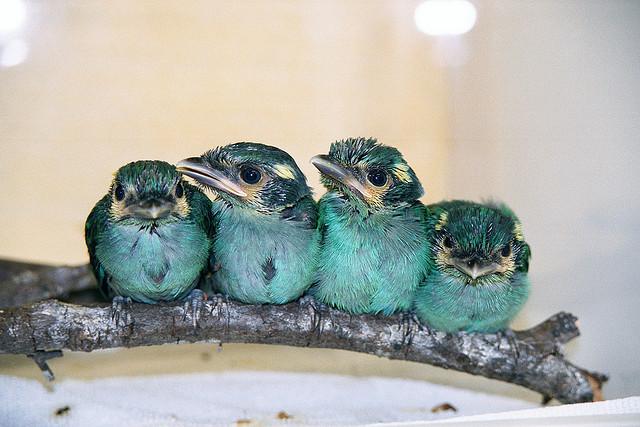
Long-tailed Broadbill (Psarisomus dalhousiae) babies ©WikiC coracii

Long-tailed Broadbill (Psarisomus dalhousiae) babies ©WikiC coracii

He hath made his wonderful works to be remembered: the LORD is gracious and full of compassion. (Psalms 111:4 KJV)

Thank all of you who have been checking out the reviews the last few days. Today will be the last of my “coasting mode” as the stitches are supposed to be removed later today. Also, thank you for your prayers. It appears the infection is decreasing and the healing is finally taking hold.

House Sparrow (Passer domesticus) by Nikhil Devasar

“His Eye Is On The Sparrow” – House Sparrow (Passer domesticus) by Nikhil Devasar

So, what is left to review? One of my enjoyable series has been the Birds in Hymns. That came about because so many hymns and songs mention birds. Listen to the words as you sing and you will be amazed how much “birdwatching” you can do while singing. Most of the material is in the Hymns section.

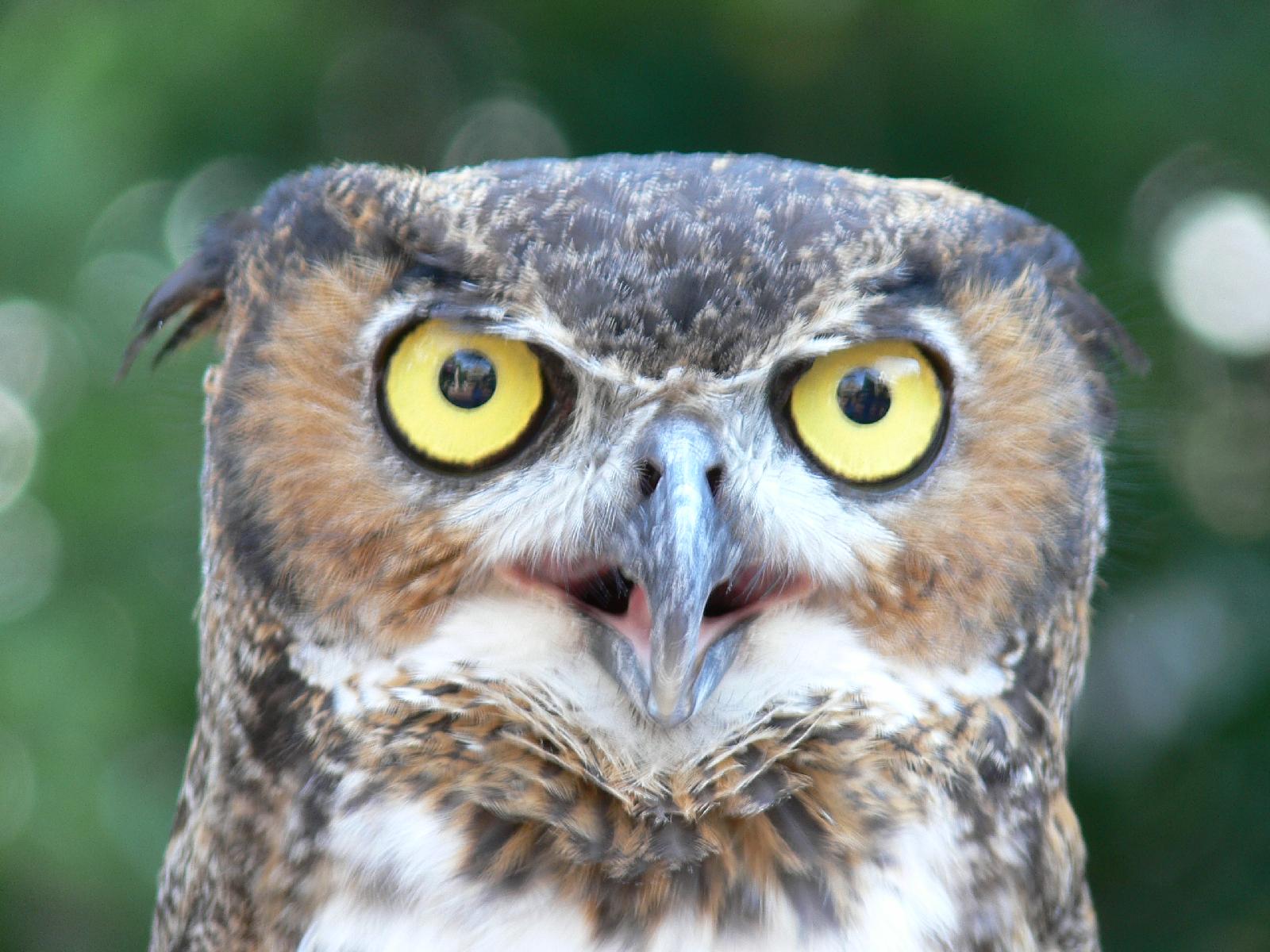
Great Horned Owl - Lowry Pk Zoo by Lee

Great Horned Owl – Lowry Pk Zoo by Lee

A fairly new section are our (mine and Dan’s) Photos from various birdwatching trips. This is still in the “rounding up stage.” The are being presented by families, but the photos are filed by our trips. Stay tuned as the photos and videos are sorted into the correct families.

Platypus From Creation Wiki

Platypus From Creation Wiki

Most readers know that I believe the Lord created the birds and all the rest of the animals, plants, world, universe and all the rest, The Formed By Him blogs are about birds, where as the When I Consider! is not limited to only our avian friends.

The fear of the LORD is the beginning of wisdom: a good understanding have all they that do his commandments: his praise endureth for ever. (Psalms 111:10 KJV)

I am sure by now, you have noticed that this website is titled “Lee’s Birdwatching Adventures PLUS.” The PLUS was added so that other interesting topics could be shared, especially Creation type articles.

The works of the LORD are great, sought out of all them that have pleasure therein. (Psalms 111:2 KJV)

Without the permission of these fantastic photographers to use their photos, where would this blog be? Please check out their sites for spectacular birds and other topics. Each have different areas of the world and interest that keep them “snapping away.”

Photography

There are other articles scattered around, but most of the main topics have been shared in these four Reviews. Thank you for visiting and looking around. You may not have noticed the

  • Our Visitors

    • 992,129 visits

tally down the sidebar, but the 1 Million mark is coming up soon. Not sure how it will be celebrated, but it will mostly be thanking you for your visits and the Lord for giving me the ideas for these many blogs and the other writers like A J, Ian and the other guest writers.

…I will praise thee, O LORD, with my whole heart; I will shew forth all thy marvellous works. (Psalms 9:1 KJV)

*

Birdwatching Reviews – Guest Writers


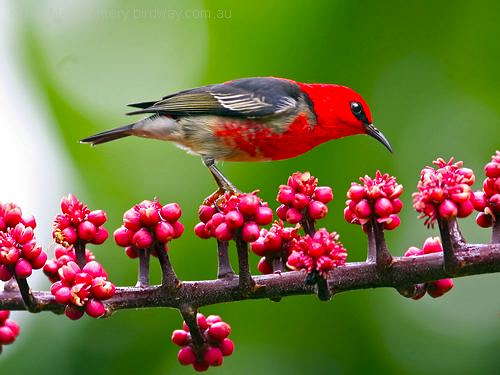
Scarlet Myzomela (Myzomela sanguinolenta) by Ian at Birdway

Scarlet Myzomela (Myzomela sanguinolenta) by Ian at Birdway

He has made His wonderful works to be remembered; the Lord is gracious, merciful, and full of loving compassion. (Psalms 111:4 AMP)

While we are reviewing while I am still in the “coasting mode“, today let’s review the various Regular and Guest Writers. I am so thankful for all of them and especially two who are regulars and have their own pages (menu).

Ian Montgomery, an Australian, was one of first photographers who gave permission to use his photos. From there, he gave permission to reproduce his newsletters in our Ian’s Bird of the Week series. I have enjoyed them and trust you have also. He has introduced us to many birds we would never have seen or heard about.

Bird and Newsletter Date

Golden Bowerbird (Prionodura newtoniana) by Ian

Golden Bowerbird (Prionodura newtoniana) by Ian

A J or a j mithra as he prefers, is from India and has been providing articles about birds and challenging us to better serve the Lord. He always seem to make great spiritual comparisons between the avian behavior and the lessons to be learned from them. You can find these at the tab,  a j mithra and he writes most of the Nuggets Plus.

a j mithra:

Nuggets Plus:

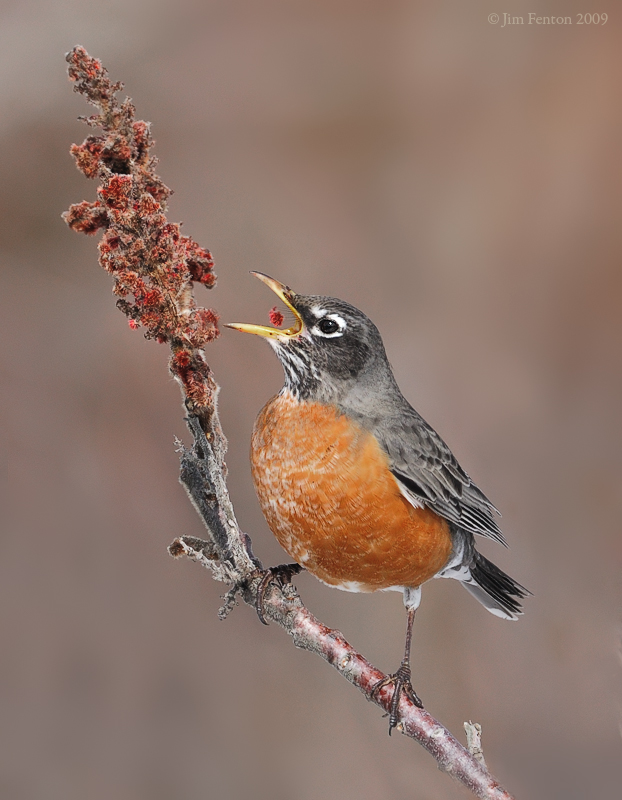
Robin Eating by Jim Fenton

Robin Eating by Jim Fenton

We also have various writers, like Dottie Malcolm and her grand-daughter, Emma, who write now and then. They are members of our church. Stephen is also from our church.

Dorothy (Dottie) Belle Malcolm’s:

Emma Foster:

Stephen Simpson’s:

Guest Writers From the Past:

And others:

The Lord has been gracious to allow the blog to have these add their additions. So, check these out. Must be one or two you haven’t read before. And thank you for visiting here as often as you do. Pressing the “Like” now and then helps us know which type articles you enjoy the best.

*

Birdwatching Reviews

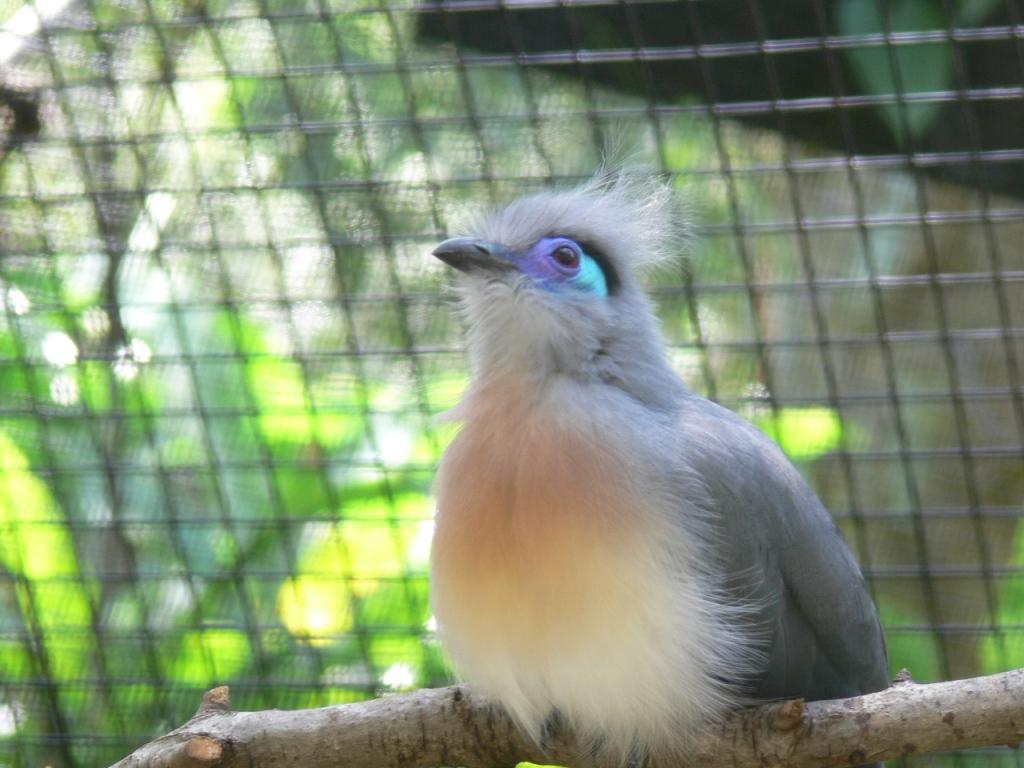
Crested Coua (Coua cristata) by Lee at LPZoo

Crested Coua (Coua cristata) by Lee at LPZoo

I remember the days of old; I meditate on all Your doings; I ponder the work of Your hands. (Psalms 143:5 AMP)

If you read yesterday’s post, Birds of the Bible Review II, you know I am in a “coasting mode” due to surgery on my neck. Today, I am encouraging you to look around the blog at some of the many Birdwatching articles that have been written over the last five years. Also, continue to pray that my cut heals and the infection clears up. It is better today.

Here are some of those many articles:

Joe Cool

(Black and White) Sumatran Laughingthrush (Garrulax bicolor) by Lee

Birdwatching

Beside them the birds of the heavens have their nests; they sing among the branches. [Matt. 13:32.] (Psalms 104:12 AMP)

Our Birdwatching Trips and other comments about birds and birding.

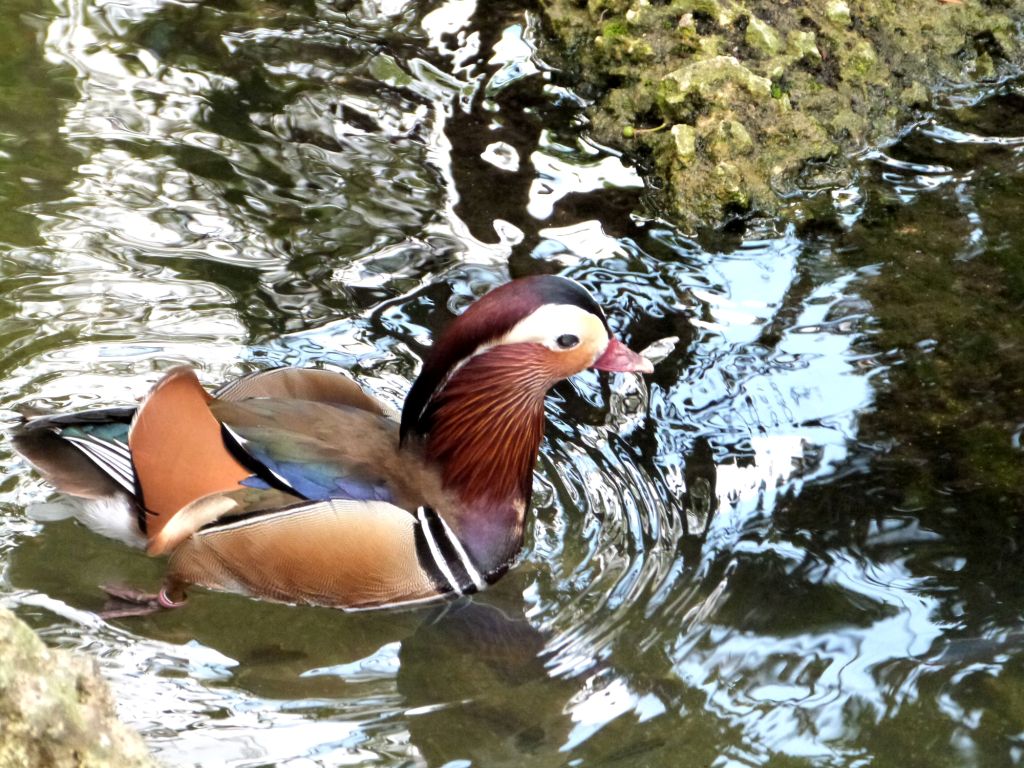
Mandarin Duck (Aix galericulata) Zoo Miami by Lee

Mandarin Duck (Aix galericulata) Zoo Miami by Lee

Formed By Him

Thou art worthy, O Lord, to receive glory and honour and power: for thou hast created all things, and for thy pleasure they are and were created (Revelation 4:11 KJV)

List of Articles:

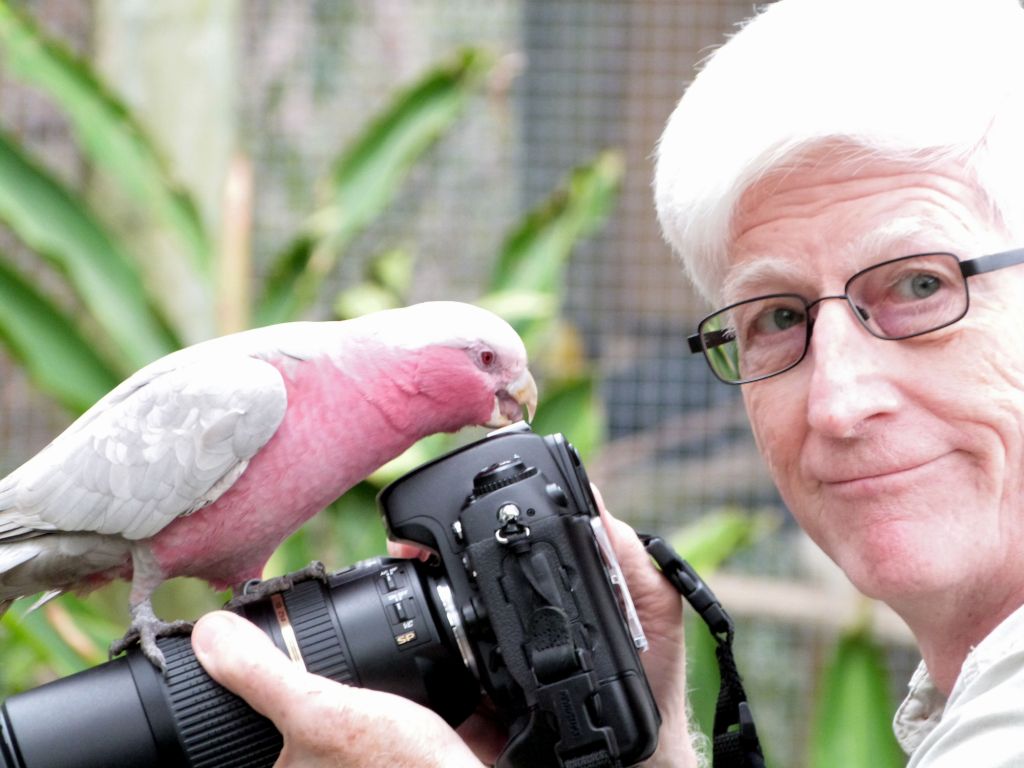
Galah (Eolophus roseicapilla) and Dan at Brevard Zoo

Galah (Eolophus roseicapilla) and Dan

Birds of the World

Are not five sparrows sold for two pennies? And [yet] not one of them is forgotten or uncared for in the presence of God. (Luke 12:6 AMP)

Birds of the World

*

Cincinnati Zoo III

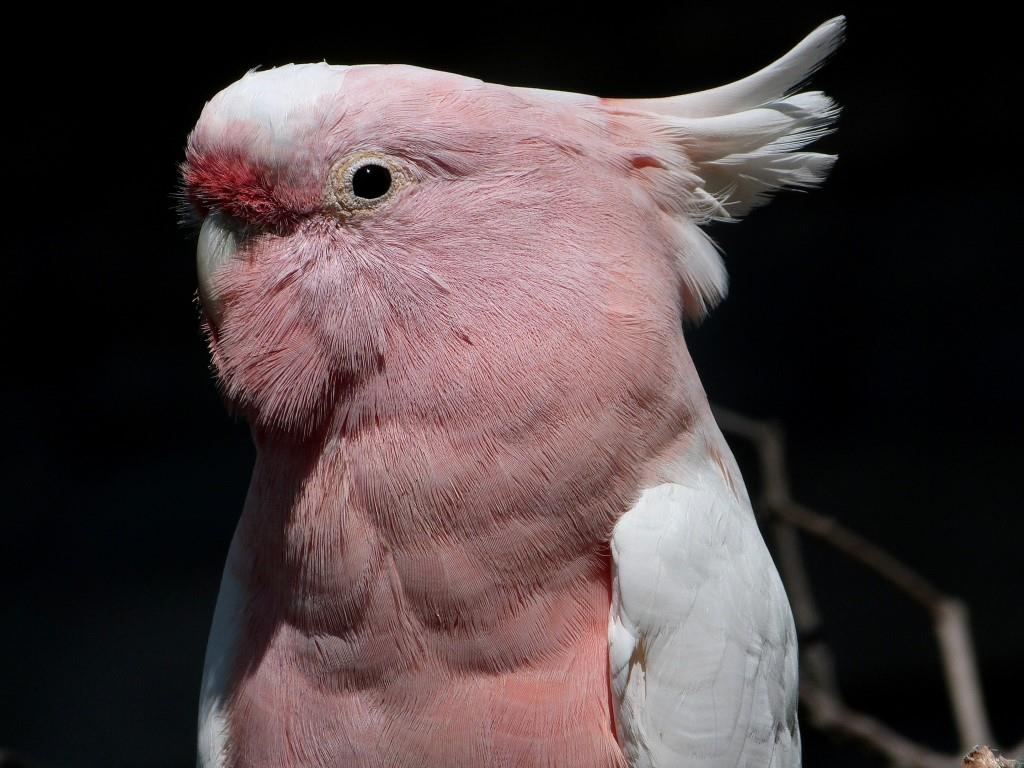
Major Mitchell's Cockatoo (Lophochroa leadbeateri) at Cincinnati Zoo 9-5-13

Major Mitchell’s Cockatoo (Lophochroa leadbeateri) at Cincinnati Zoo by Lee

I know and am acquainted with all the birds of the mountains, and the wild animals of the field are Mine and are with Me, in My mind. (Psalms 50:11 AMP)

Here are more members of the Psittaciformes Order of Parrots and Cockatoos we saw during our trip to the Cincinnati Zoo in Ohio.

They were in various areas of the Zoo. The Major Mitchell’s Cockatoo was outside enjoying himself or herself, whichever it was. The perch was in a nicely landscaped area near the entrance/exit, depending on which way you went through the zoo. For us, it was the last member of its family we saw.

Major Mitchell's Cockatoo (Lophochroa leadbeateri) at Cincinnati Zoo 9-5-13

Major Mitchell’s Cockatoo (Lophochroa leadbeateri) by Lee

These beautiful birds are from Australia and are on the decline. They look very similar to the Galah we photographed at the Brevard Zoo, but have a lighter pink color. Both are members of the Cacatuidae – Cockatoos Family and are closely related, even nesting in the same area. There has been on occasion where the two species have interbred and produced hybridised offspring.

Major Mitchell's Cockatoo (Lophochroa leadbeateri) at Cincinnati Zoo 9-5-13 by Dan

Major Mitchell’s Cockatoo (Lophochroa leadbeateri) by Dan

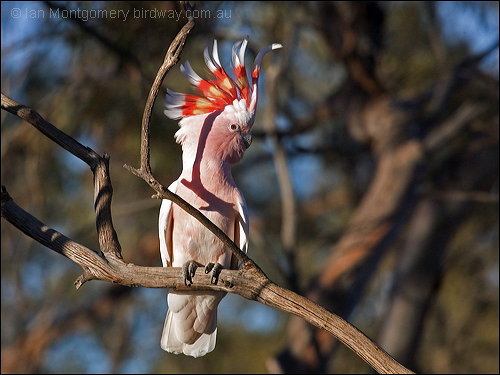
Their biggest difference is the crest that the Major Mitchell likes to pop up. Our bird didn’t show off, but Ian’s photo shows the crest raised.

Major Mitchell's Cockatoo (Lophochroa leadbeateri) By Ian

Major Mitchell’s Cockatoo (Lophochroa leadbeateri) By Ian

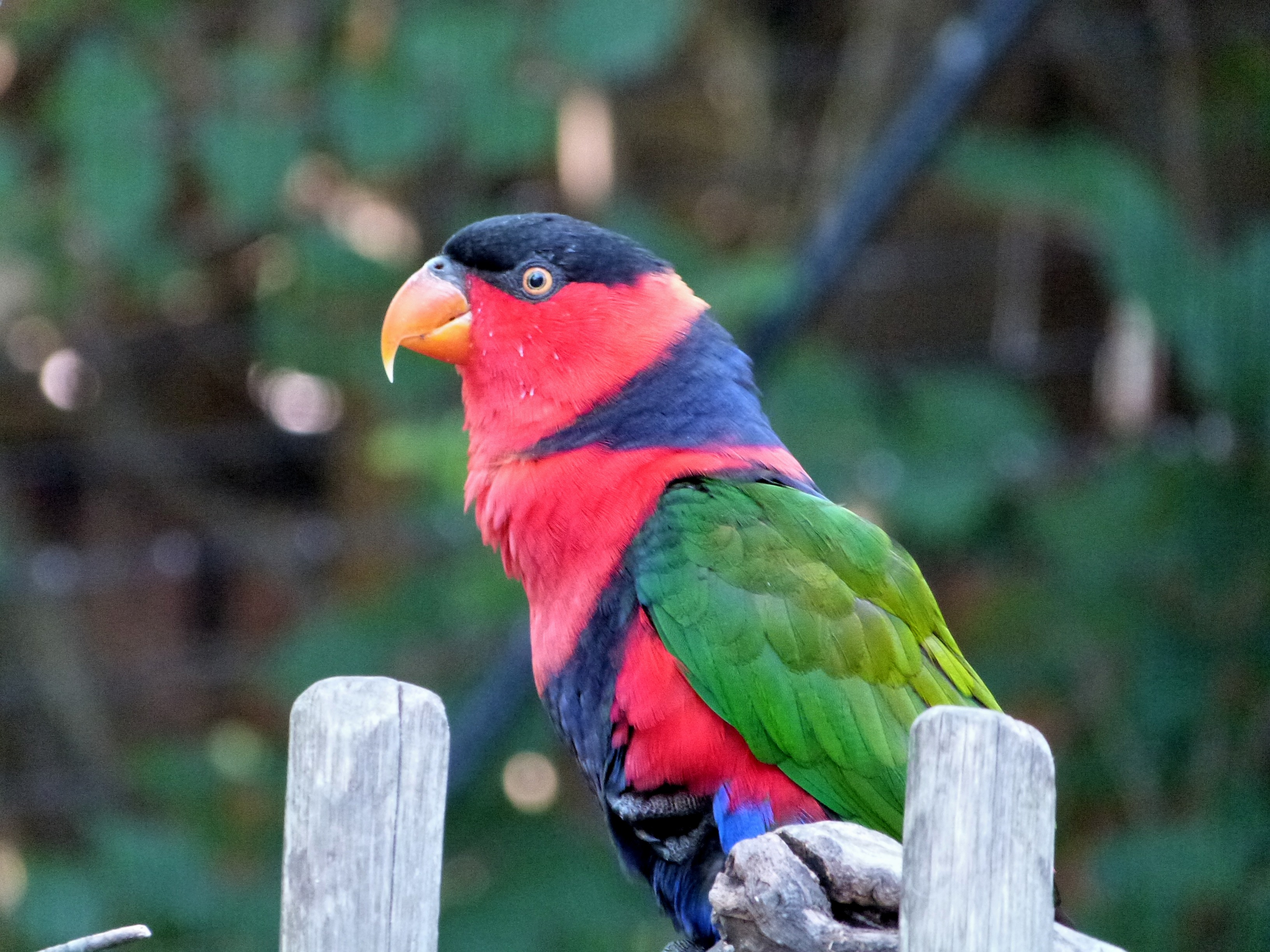
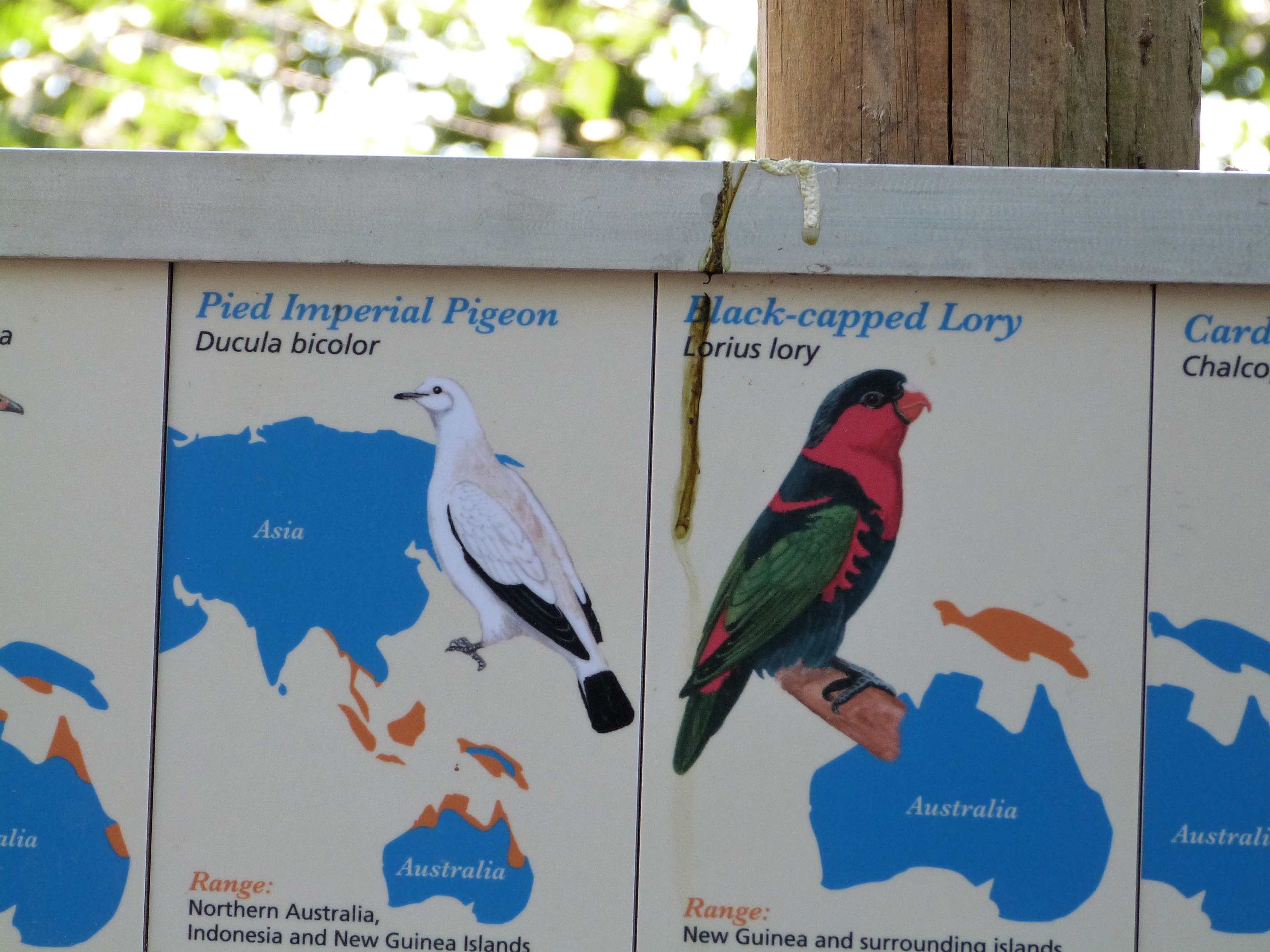
In the Lorikeet Landing area, we encountered the Black-capped Lory (Lorius lory) who also lives near Australia in New Guinea. “It is a colorful and relatively robust lory (31 cm). There are seven subspecies, all with green wings, red heads and body around the wing, a black cap, grey-black cere, yellow underwings, and blue legs and belly. Most also have a blue nape and mantle (area between wings on the back). It remains overall widespread and common

*

Black-capped Lory (Lorius lory) Cincinnati Zoo 9-5-13 by Lee

Black-capped Lory (Lorius lory) by Lee

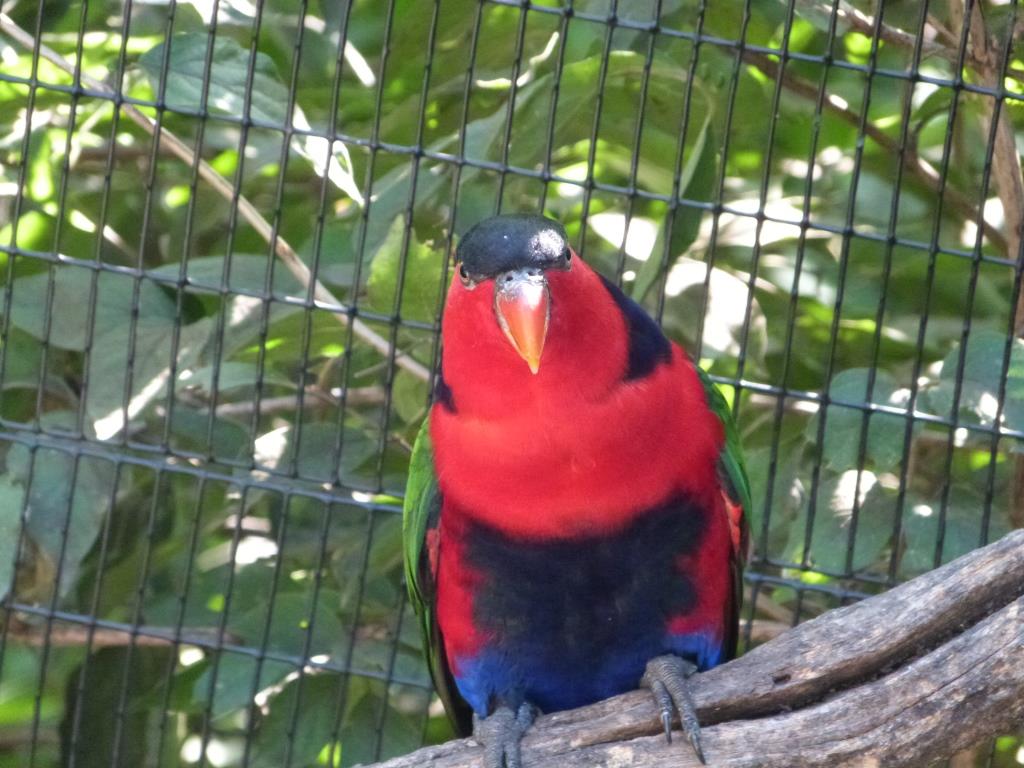
The Black-capped Lory inhabits the primary forest and forest edges in most lowland areas up to 1000m (sporadically to 1750m), but not monsoon forest or coconut plantations. It is usually found in pairs and occasionally in groups of 10 or more. Their diet includes pollen, nectar, flowers, fruit and insects.

Black-capped Lory Sign

Black-capped Lory Sign

*

Black-capped Lory (Lorius lory) Cincinnati Zoo 9-5-13 by Lee

Black-capped Lory (Lorius lory) by Lee

(Information for Wikipedia and other Internet sources)

See:

** PS – This is a little short, but I had surgery on my neck yesterday. (Removed a cancer cell.)

Birdwatching Term – Nape

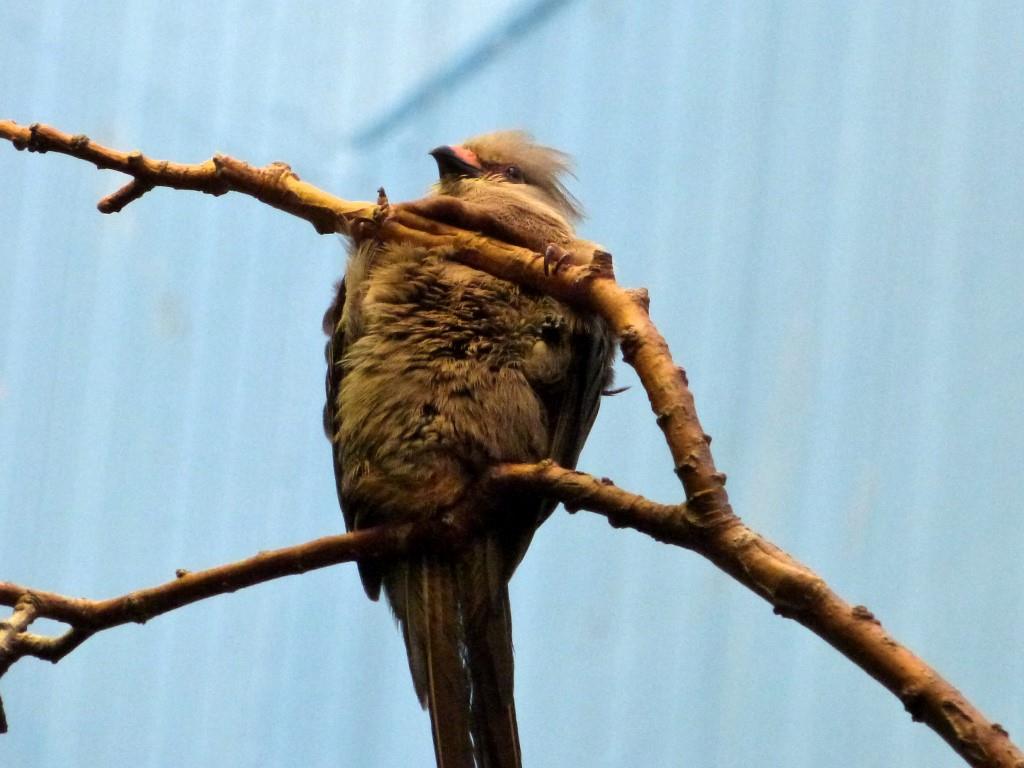
Blue-naped Mousebird (Urocolius macrourus) at Cincinnati Zoo)

Blue-naped Mousebird at Cincinnati Zoo)

Nape

My son, listen to your father’s discipline, and do not neglect your mother’s teachings, because discipline and teachings are a graceful garland on your head and a golden chain around your neck. (Proverbs 1:8-9 GW)

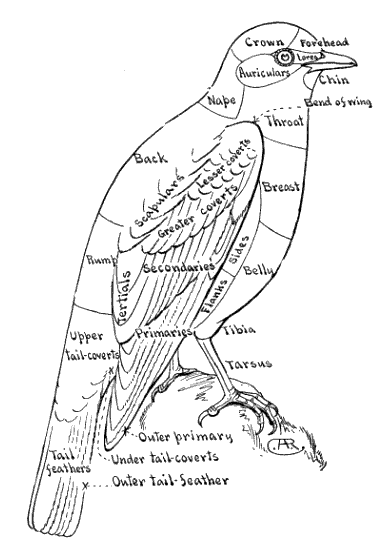
Nape – An easy definition is the back of the neck.

 Blue-naped Mousebird - Blue Nape (Back of Neck)

Blue-naped Mousebird – Blue Nape (Back of Neck)

Topography of a Bird - Bluebird - Color Key to NA Birds - Nape

Parts of Bird – Nape in Blue

Notice the Nape is between the Crown and the Back

There are quite a few birds that have colored napes that help identify them, such as Woodpeckers, Grebes, etc. Our Blue-naped Mousebird is one where the color of the “nape” is used in its name. While learning to bird watch, I kept saying (and still do) that the Lord should have placed little signs on them. That way when we look at them through binoculars, scopes, cameras, or our eyes, that we could just read the sign.

That is not the way it is, but there are many clues do that help us ID the birds. The variety of the birds with their colors and shapes keep us busy, but aren’t we thankful that He didn’t make them all alike. How boring that would be.

Here are the “-naped” birds of the world:

Chestnut-naped Francolin (Pternistis castaneicollis)
Red-naped Ibis (Pseudibis papillosa)
White-naped Crane (Grus vipio)
Black-naped Tern (Sterna sumatrana)
White-naped Pigeon (Columba albinucha)
Eastern Bronze-naped Pigeon (Columba delegorguei)
Western Bronze-naped Pigeon (Columba iriditorques)
Island Bronze-naped Pigeon (Columba malherbii)
Scaly-naped Pigeon (Patagioenas squamosa)
Red-naped Fruit Dove (Ptilinopus dohertyi)
Black-naped Fruit Dove (Ptilinopus melanospilus)
Purple-naped Lory (Lorius domicella)
White-naped Lory (Lorius albidinucha)
Blue-naped Parrot (Tanygnathus lucionensis)
Yellow-naped Amazon (Amazona auropalliata)
Scaly-naped Amazon (Amazona mercenarius)
White-naped Swift (Streptoprocne semicollaris)
Red-naped Trogon (Harpactes kasumba)
Golden-naped Barbet (Megalaima pulcherrima)
Golden-naped Woodpecker (Melanerpes chrysauchen)
Red-naped Sapsucker (Sphyrapicus nuchalis)
White-naped Woodpecker (Chrysocolaptes festivus)
Blue-naped Pitta (Hydrornis nipalensis)
Rusty-naped Pitta (Hydrornis oatesi)
Grey-naped Antpitta (Grallaria griseonucha)
Chestnut-naped Antpitta (Grallaria nuchalis)
Ochre-naped Ground Tyrant (Muscisaxicola flavinucha)
Rufous-naped Ground Tyrant (Muscisaxicola rufivertex)
White-naped Xenopsaris (Xenopsaris albinucha)
White-naped Honeyeater (Melithreptus lunatus)
Red-naped Bushshrike (Laniarius ruficeps)
Rufous-naped Whistler (Aleadryas rufinucha)
Rufous-naped Greenlet (Hylophilus semibrunneus)
Black-naped Oriole (Oriolus chinensis)
Black-naped Monarch (Hypothymis azurea)
White-naped Monarch (Carterornis pileatus)
Azure-naped Jay (Cyanocorax heilprini)
White-naped Jay (Cyanocorax cyanopogon)
Rufous-naped Tit (Periparus rufonuchalis)
White-naped Tit (Parus nuchalis)
Rufous-naped Lark (Mirafra africana)
White-naped Yuhina (Yuhina bakeri)
Rufous-naped Wren (Campylorhynchus rufinucha)
Chestnut-naped Forktail (Enicurus ruficapillus)
Purple-naped Sunbird (Hypogramma hypogrammicum)
Golden-naped Weaver (Ploceus aureonucha)
Golden-naped Finch (Pyrrhoplectes epauletta)
Blue-naped Chlorophonia (Chlorophonia cyanea)
White-naped Brush Finch (Atlapetes albinucha)
Pale-naped Brush Finch (Atlapetes pallidinucha)
Rufous-naped Brush Finch (Atlapetes latinuchus)
Golden-naped Tanager (Tangara ruficervix)
Green-naped Tanager (Tangara fucosa)
White-naped Seedeater (Dolospingus fringilloides)

*

This slideshow requires JavaScript.

*

You can see by the photos that the “nape” can be narrow or very broad. Other birds have napes that are different colors, but do not have the word “nape” in their names. Some of the Woodpeckers that have napes were include above.

Nape – All About Birds

More Birdwatching Terms

Wordless Birds

*
Mousebirds at the Cincinnati Zoo

Blue-naped Mousebird (Urocolius macrourus) at Cincinnati Zoo) by Lee

Blue-naped Mousebird (Urocolius macrourus) at Cincinnati Zoo) by Lee

I know all the birds of the mountains, And the wild beasts of the field are Mine. (Psalms 50:11 NKJV)

I was happy to finally get to see the Mousebirds. Have known and read about them, but had not been able to watch them. They were on my “birds to see” list at the zoo.

Mousebirds belong to the Coliidae – Mousebirds Family which has six (6) members.

Blue-naped Mousebird (Urocolius macrourus) at Cincinnati Zoo) by Lee

Blue-naped Mousebird (Urocolius macrourus) at Cincinnati Zoo) by Lee

They are slender greyish or brown birds with soft, hairlike body feathers. They are typically about 10 cm in body length, with a long, thin tail a further 20–24 cm in length, and weigh 45–55 grams. They are arboreal and scurry through the leaves like rodents, in search of berries, fruit and buds. This habit, and their legs, gives rise to the group’s English name. They are acrobatic, and can feed upside down. All species have strong claws and reversible outer toes (pamprodactyl foot). They also have crests and stubby bills.

Mousebirds are gregarious, again reinforcing the analogy with mice, and are found in bands of about 20 in lightly wooded country. These birds build cup-shaped twig nests in trees, which are lined with grasses. Two to four eggs are typically laid, hatching to give quite precocious young which soon leave the nest and acquire flight.

Blue-naped Mousebird (Urocolius macrourus) at Cincinnati Zoo) by Lee

Blue-naped Mousebird (Urocolius macrourus) at Cincinnati Zoo) by Lee

One Mousebird, supposedly the male, was hopping up and down. This video shows the two of them. One watching and one jumping. The orange bird is ignoring the whole deal. (I had been watching for a while and then decided to video, of course he went behind the branch.)

(Wikipedia with editing)

Bonus:

Nape – An easy definition is the back of the neck.

Topography of a Bird - Bluebird - Color Key to NA Birds

Notice the Nape between the Crown and the Back

There are quite a few birds that have colored napes that help identify them, such as Woodpeckers, Grebes, etc. Our Blue-naped Mousebird is one where the color of the “nape” is used in its name. While learning to bird watch, I kept saying (and still do) that the Lord should have placed little signs on them. That way when we look at them through binoculars, scopes, cameras, or our eyes, that we could just read the sign.

That is not the way it is, but there are many clues do that help us ID the birds. The variety of the birds with their colors and shapes keep us busy, but aren’t we thankful that He didn’t make them all alike. How boring that would be.

Here are the “-naped” birds:

Chestnut-naped Francolin (Pternistis castaneicollis)
Red-naped Ibis (Pseudibis papillosa)
White-naped Crane (Grus vipio)
Black-naped Tern (Sterna sumatrana)
Eastern Bronze-naped Pigeon (Columba delegorguei)
Western Bronze-naped Pigeon (Columba iriditorques)
Island Bronze-naped Pigeon (Columba malherbii)
Scaly-naped Pigeon (Patagioenas squamosa) –*LLABS*
Red-naped Fruit Dove (Ptilinopus dohertyi)
Black-naped Fruit Dove (Ptilinopus melanospilus) *LLABS*
Purple-naped Lory (Lorius domicella)
White-naped Lory (Lorius albidinucha)
Blue-naped Parrot (Tanygnathus lucionensis)
Yellow-naped Amazon (Amazona auropalliata)
Scaly-naped Amazon (Amazona mercenarius)
White-naped Swift (Streptoprocne semicollaris)
Red-naped Trogon (Harpactes kasumba)
Golden-naped Barbet (Megalaima pulcherrima)
Golden-naped Woodpecker (Melanerpes chrysauchen)
Red-naped Sapsucker (Sphyrapicus nuchalis)
White-naped Woodpecker (Chrysocolaptes festivus)
Blue-naped Pitta (Hydrornis nipalensis)
Rusty-naped Pitta (Hydrornis oatesi)
Grey-naped Antpitta (Grallaria griseonucha)
Chestnut-naped Antpitta (Grallaria nuchalis)
Ochre-naped Ground Tyrant (Muscisaxicola flavinucha)
Rufous-naped Ground Tyrant (Muscisaxicola rufivertex)
White-naped Xenopsaris (Xenopsaris albinucha)
White-naped Honeyeater (Melithreptus lunatus)
Red-naped Bushshrike (Laniarius ruficeps)
Rufous-naped Whistler (Aleadryas rufinucha)
Rufous-naped Greenlet (Hylophilus semibrunneus)
Black-naped Oriole (Oriolus chinensis)
Black-naped Monarch (Hypothymis azurea)
White-naped Monarch (Carterornis pileatus)
Azure-naped Jay (Cyanocorax heilprini)
White-naped Jay (Cyanocorax cyanopogon)
Rufous-naped Tit (Periparus rufonuchalis)
White-naped Tit (Parus nuchalis)
Rufous-naped Lark (Mirafra africana)
White-naped Yuhina (Yuhina bakeri)
Rufous-naped Wren (Campylorhynchus rufinucha)
Chestnut-naped Forktail (Enicurus ruficapillus)
Purple-naped Sunbird (Hypogramma hypogrammicum)
Golden-naped Weaver (Ploceus aureonucha)
Golden-naped Finch (Pyrrhoplectes epauletta)
Blue-naped Chlorophonia (Chlorophonia cyanea)
White-naped Brush Finch (Atlapetes albinucha)
Pale-naped Brush Finch (Atlapetes pallidinucha)
Rufous-naped Brush Finch (Atlapetes latinuchus)
Golden-naped Tanager (Tangara ruficervix)
Green-naped Tanager (Tangara fucosa)
White-naped Seedeater (Dolospingus fringilloides)

*
This slideshow requires JavaScript.

You can see by the photos that the “nape” can be narrow or very broad.

See:

Mousebirds – Carolinabirds

Mousebirds – The Online Zoo

Nape – All About Birds

Cincinnati Zoo Visit

*