Birds of the Bible – Flying

African Fish Eagle (Haliaeetus vocifer) by Africaddict

African Fish Eagle (Haliaeetus vocifer) by Africaddict

Wilt thou set thine eyes upon that which is not? for riches certainly make themselves wings; they fly away as an eagle toward heaven. (Proverbs 23:5)

Using e-Sword’s search for just the word “fly,” there are 15 verses in the AMP, 16 in the ESV, and 25 in the KJV. They can’t all refer to a bird flying around, so let’s see how many actually refer to the birds.

Here are the verses from the KJV:

And God said, Let the waters bring forth abundantly the moving creature that hath life, and fowl that may fly above the earth in the open firmament of heaven. (Gen_1:20)

Wherefore then didst thou not obey the voice of the LORD, but didst fly upon the spoil, and didst evil in the sight of the LORD? (1Sa_15:19)

And he rode upon a cherub, and did fly: and he was seen upon the wings of the wind. (2Sa_22:11)

Yet man is born unto trouble, as the sparks fly upward. (Job_5:7)

He shall fly away as a dream, and shall not be found: yea, he shall be chased away as a vision of the night. (Job_20:8)

Doth the hawk fly by thy wisdom, and stretch her wings toward the south? (Job_39:26)

And he rode upon a cherub, and did fly: yea, he did fly upon the wings of the wind. (Psa_18:10)

And I said, Oh that I had wings like a dove! for then would I fly away, and be at rest. (Psa_55:6)

The days of our years are threescore years and ten; and if by reason of strength they be fourscore years, yet is their strength labour and sorrow; for it is soon cut off, and we fly away. (Psa_90:10)

Wilt thou set thine eyes upon that which is not? for riches certainly make themselves wings; they fly away as an eagle toward heaven. (Pro_23:5)

Above it stood the seraphims: each one had six wings; with twain he covered his face, and with twain he covered his feet, and with twain he did fly. (Isa_6:2)

And it shall come to pass in that day, that the LORD shall hiss for the fly that is in the uttermost part of the rivers of Egypt, and for the bee that is in the land of Assyria. (Isa_7:18)

But they shall fly upon the shoulders of the Philistines toward the west; they shall spoil them of the east together: they shall lay their hand upon Edom and Moab; and the children of Ammon shall obey them. (Isa_11:14)
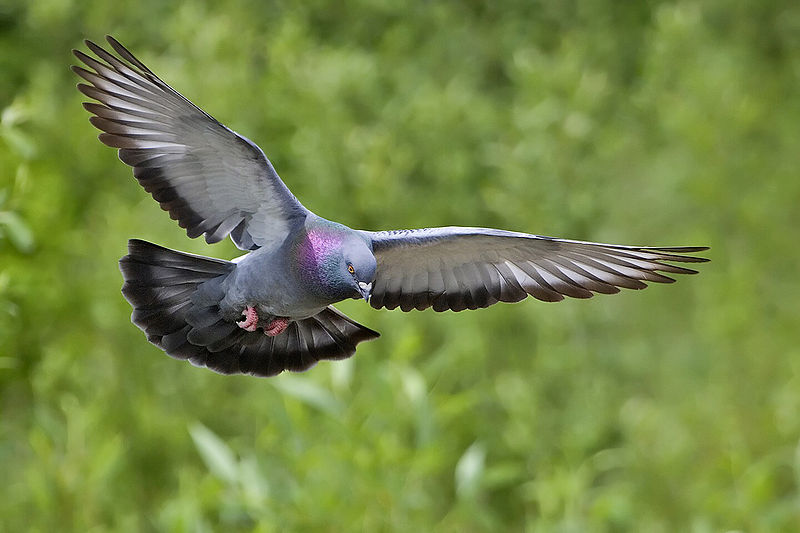
Rock Dove (Columba livia) ©WikiC

Rock Dove (Columba livia) ©WikiC

Who are these that fly as a cloud, and as the doves to their windows? (Isa_60:8)

For thus saith the LORD; Behold, he shall fly as an eagle, and shall spread his wings over Moab. (Jer_48:40)

Behold, he shall come up and fly as the eagle, and spread his wings over Bozrah: and at that day shall the heart of the mighty men of Edom be as the heart of a woman in her pangs. (Jer_49:22)

Wherefore thus saith the Lord GOD; Behold, I am against your pillows, wherewith ye there hunt the souls to make them fly, and I will tear them from your arms, and will let the souls go, even the souls that ye hunt to make them fly. (Eze_13:20)

Yea, whiles I was speaking in prayer, even the man Gabriel, whom I had seen in the vision at the beginning, being caused to fly swiftly, touched me about the time of the evening oblation. (Dan_9:21)

As for Ephraim, their glory shall fly away like a bird, from the birth, and from the womb, and from the conception. (Hos_9:11)

Their horses also are swifter than the leopards, and are more fierce than the evening wolves: and their horsemen shall spread themselves, and their horsemen shall come from far; they shall fly as the eagle that hasteth to eat. (Hab_1:8)

And to the woman were given two wings of a great eagle, that she might fly into the wilderness, into her place, where she is nourished for a time, and times, and half a time, from the face of the serpent. (Rev_12:14)

And I saw another angel fly in the midst of heaven, having the everlasting gospel to preach unto them that dwell on the earth, and to every nation, and kindred, and tongue, and people, (Rev_14:6)

And I saw an angel standing in the sun; and he cried with a loud voice, saying to all the fowls that fly in the midst of heaven, Come and gather yourselves together unto the supper of the great God; (Rev_19:17)

How many do you think directly relate to birds? Some refer to their speed of flying. How many birds were actually named?
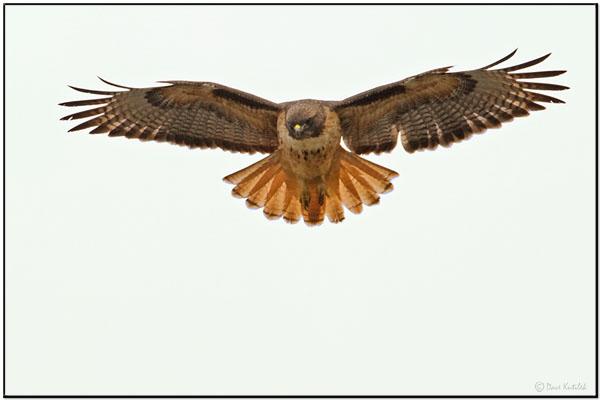
Red-tailed Hawk (Buteo jamaicensis) by Daves BirdingPix

Red-tailed Hawk (Buteo jamaicensis) by Daves BirdingPix

I trust you enjoy digging into God’s Word more than just reading it. If you have a program like e-Sword (free) or something similiar or a good concordance, you can do these type of searches.

Back to the questions – which verses have birds mentioned?

fowl that may fly above the earth (Gen_1:20)

hawk fly (Job_39:26)

dove! for then would I fly away, and be at rest. (Psa_55:6)

fly away as an eagle toward heaven. (Pro_23:5)

fly as a cloud, and as the doves to their windows? (Isa_60:8)

shall fly as an eagle, and shall spread his wings over Moab. (Jer_48:40)

fly as the eagle, and spread his wings over Bozrah (Jer_49:22)

their glory shall fly away like a bird, (Hos_9:11)

fly as the eagle that hasteth to eat. (Hab_1:8)

two wings of a great eagle, that she might fly into the wilderness (Rev_12:14)

all the fowls that fly in the midst of heaven (Rev_19:17)

The Bible tells us:

But now ask the beasts, and they will teach you; And the birds of the air, and they will tell you; (Job 12:7 NKJV)

If you had never watched a bird fly, would any of those verses above make sense to you? The Lord not only has given all the numerous birds for us to enjoy, but also to teach us lessons.

Would you understand “…for riches certainly make themselves wings; they fly away as an eagle toward heaven. (Proverbs 23:5) if you had not seen how fast an eagle flies? How fast can we waste our riches?

Thinking about how birds fly, reread the verses above, even the ones that do not mention birds and see if that doesn’t help explain parts of the verse.

See:

*

One of my favorite videos.

*

Birdwatching Adventure – Scrub Jays II

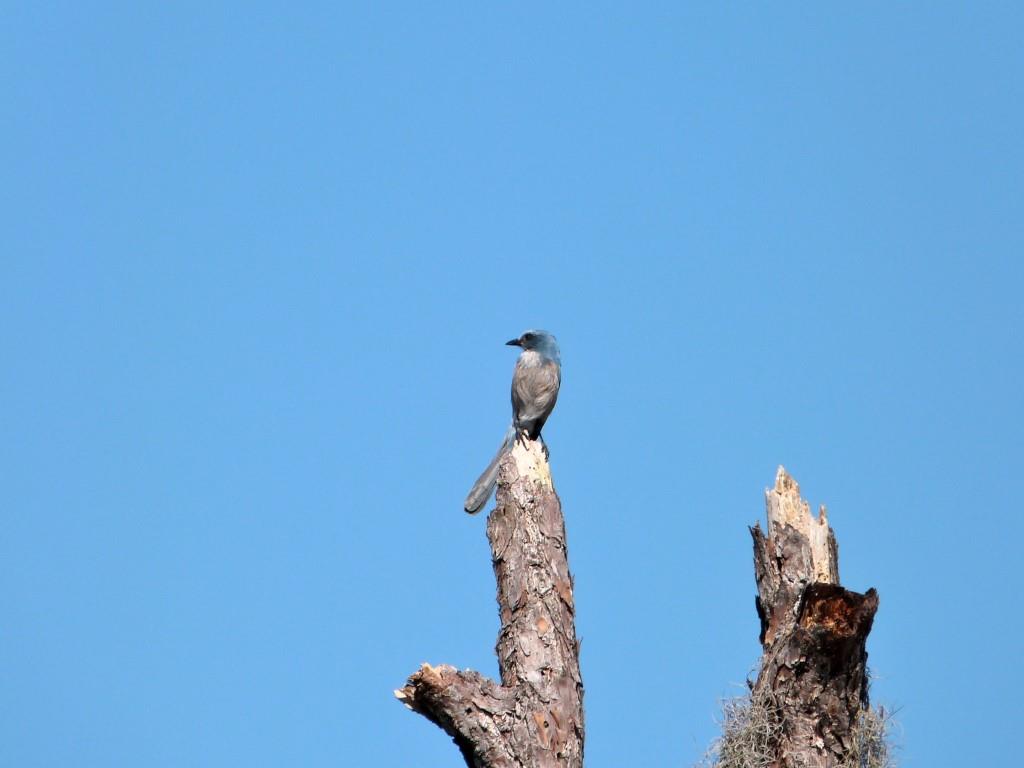
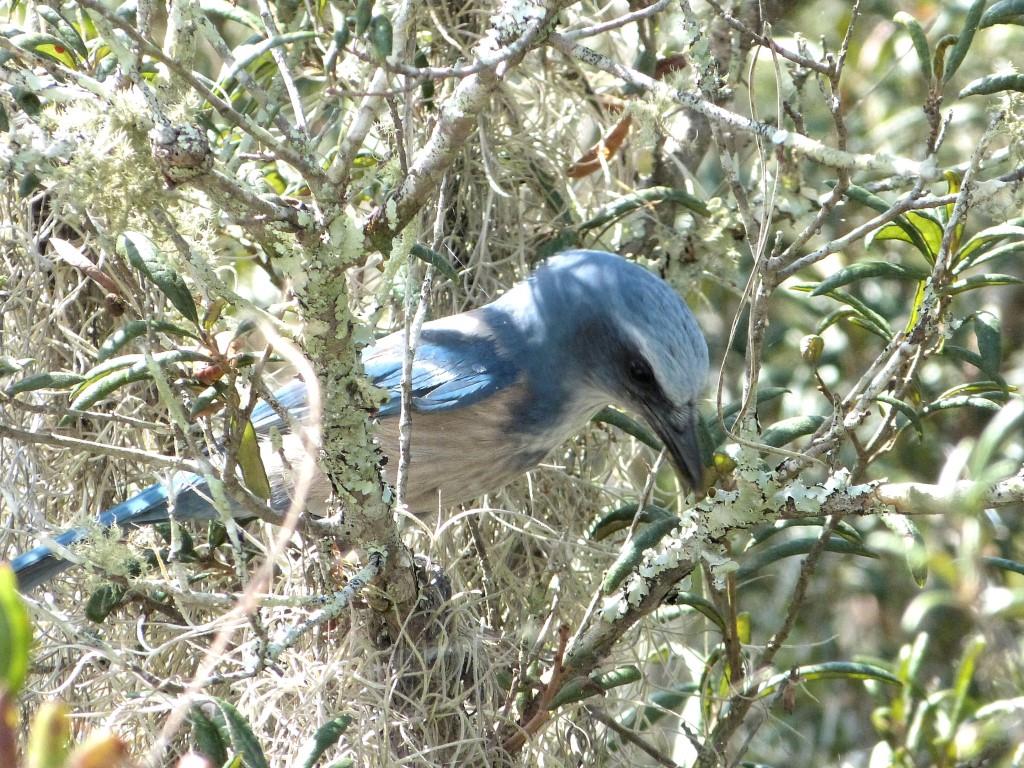
Florida Scrub Jay (Aphelocoma coerulescens)  by Dan

Florida Scrub Jay (Aphelocoma coerulescens) by Dan

Then God said, “Let the waters abound with an abundance of living creatures, and let birds fly above the earth across the face of the firmament of the heavens.” (Genesis 1:20 NKJV)

Now for the good photos from our visit to see the Florida Scrub Jays. Dan shared these that he took.

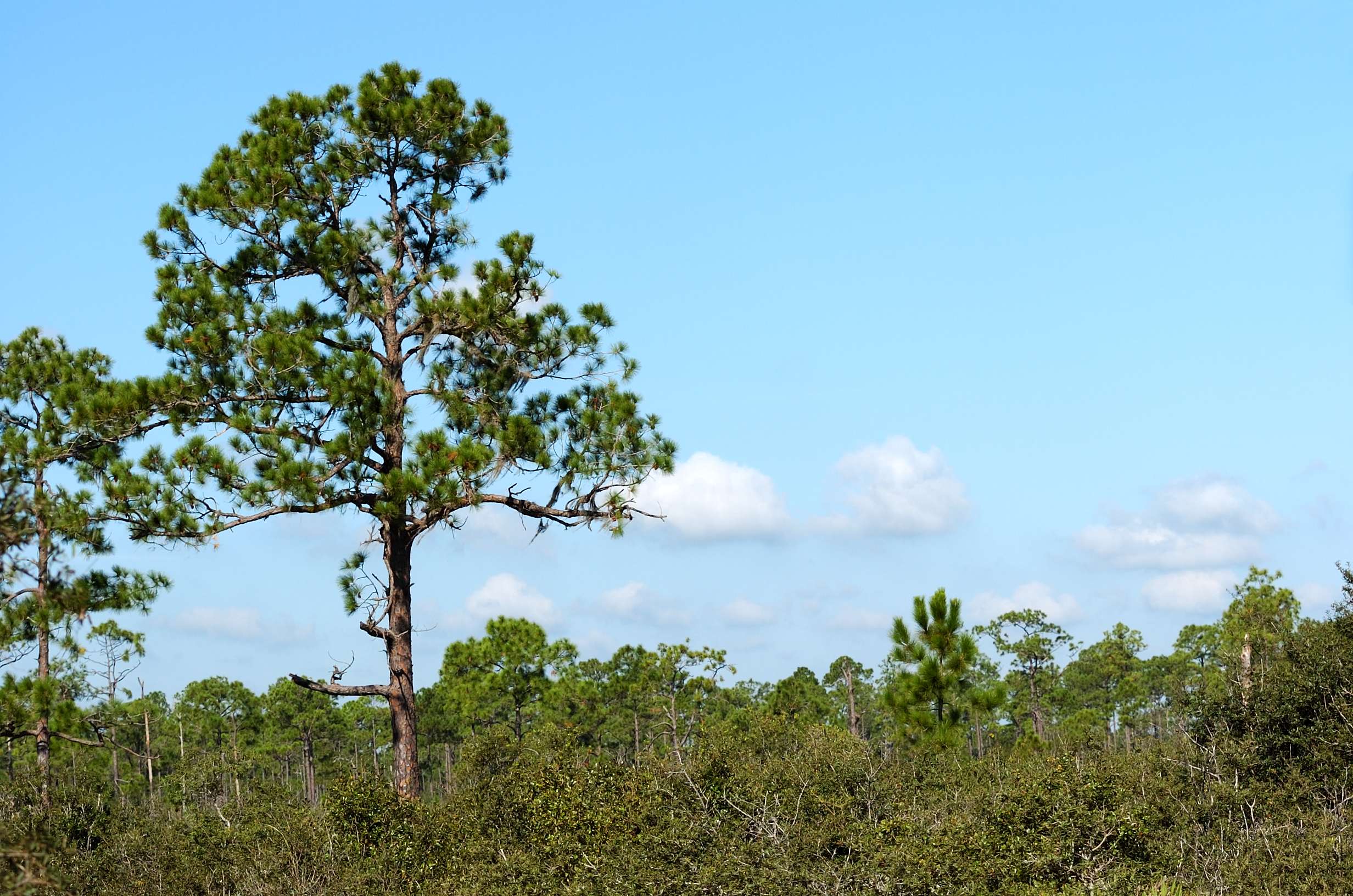
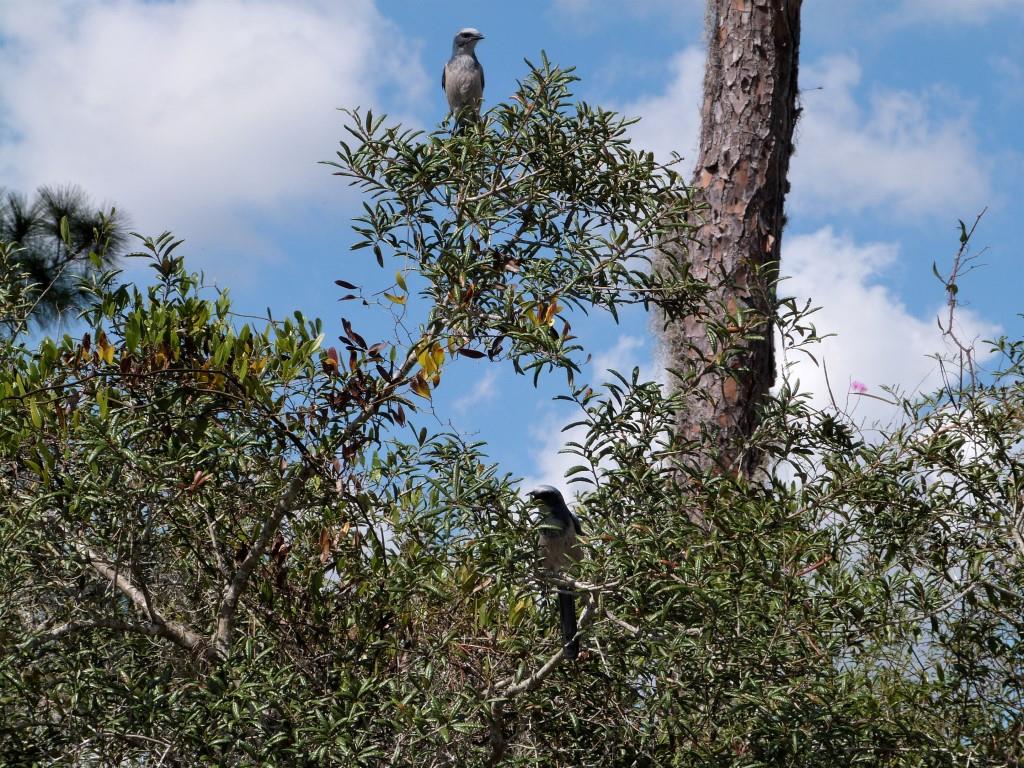
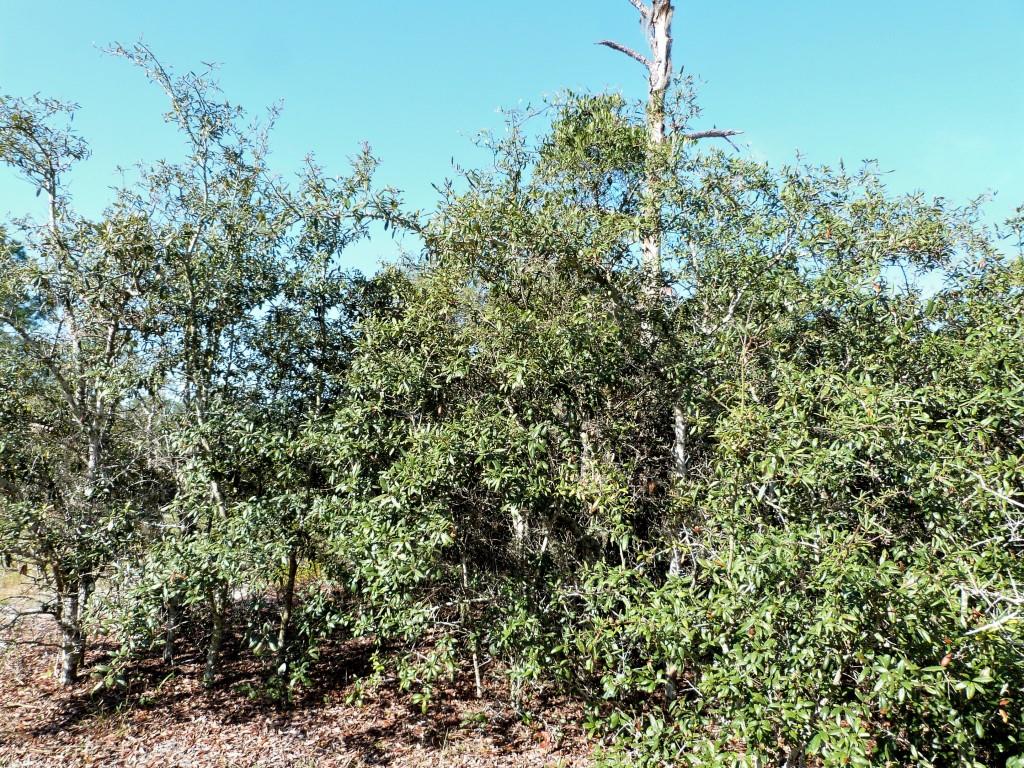
Here is an idea of the “scrub” habitat that the Florida Scrub Jays prefer. They do not like too many trees where Hawks, Eagles or other Birds of Prey can attack them.

Habitat at Lake June-in-Winter SP by Dan

Scrub Habitat at Lake June-in-Winter SP by Dan

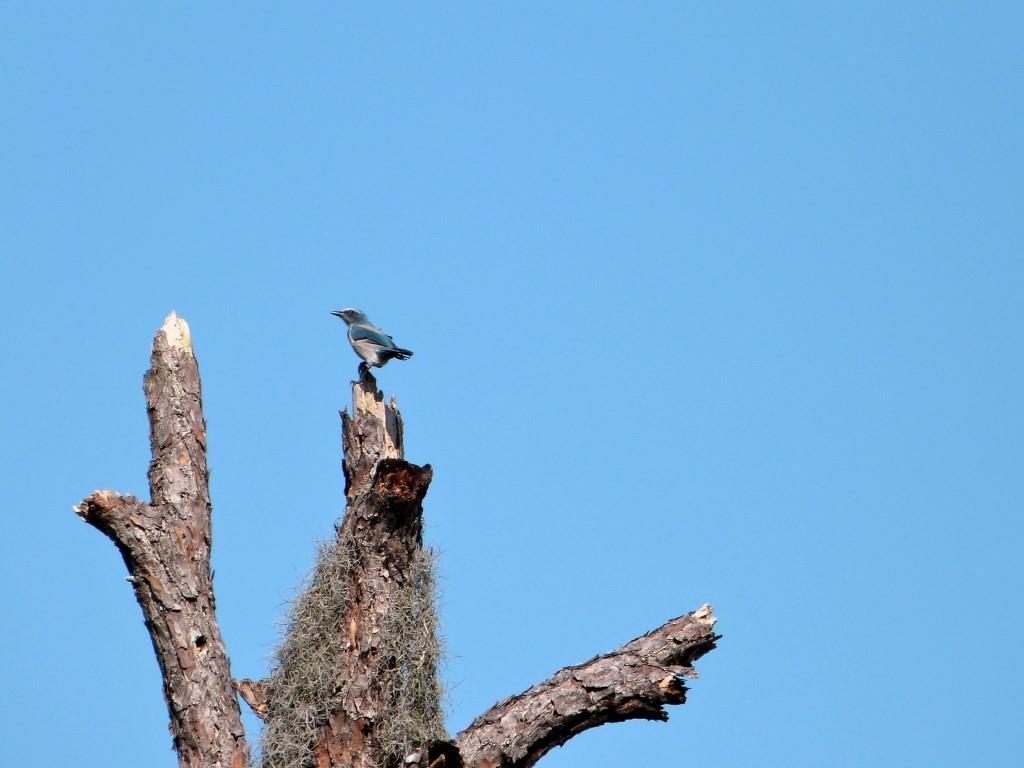
They greeted us from a distance at first.

Florida Scrub Jay (Aphelocoma coerulescens) by Dan

Florida Scrub Jay (Aphelocoma coerulescens) by Dan

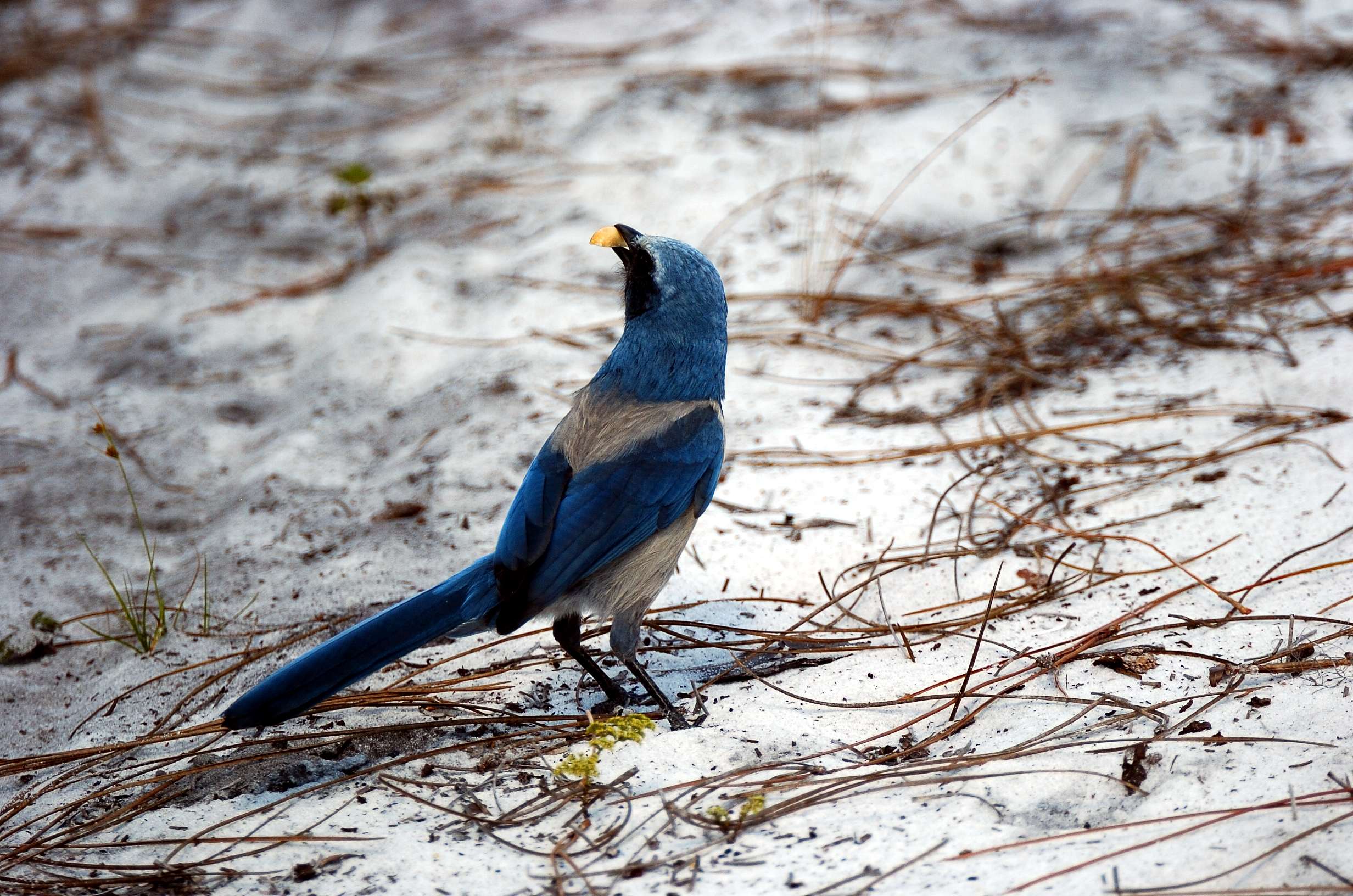
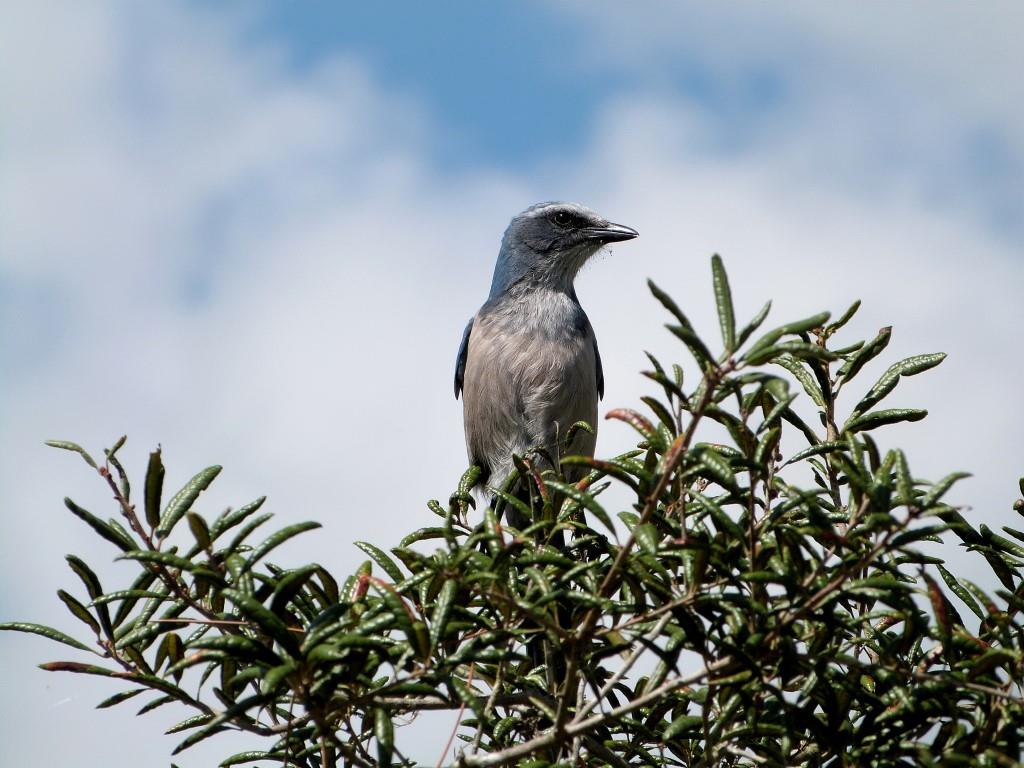
Then they were more friendly when enticed.

Florida Scrub Jay (Aphelocoma coerulescens) by Dan

Florida Scrub Jay (Aphelocoma coerulescens) by Dan

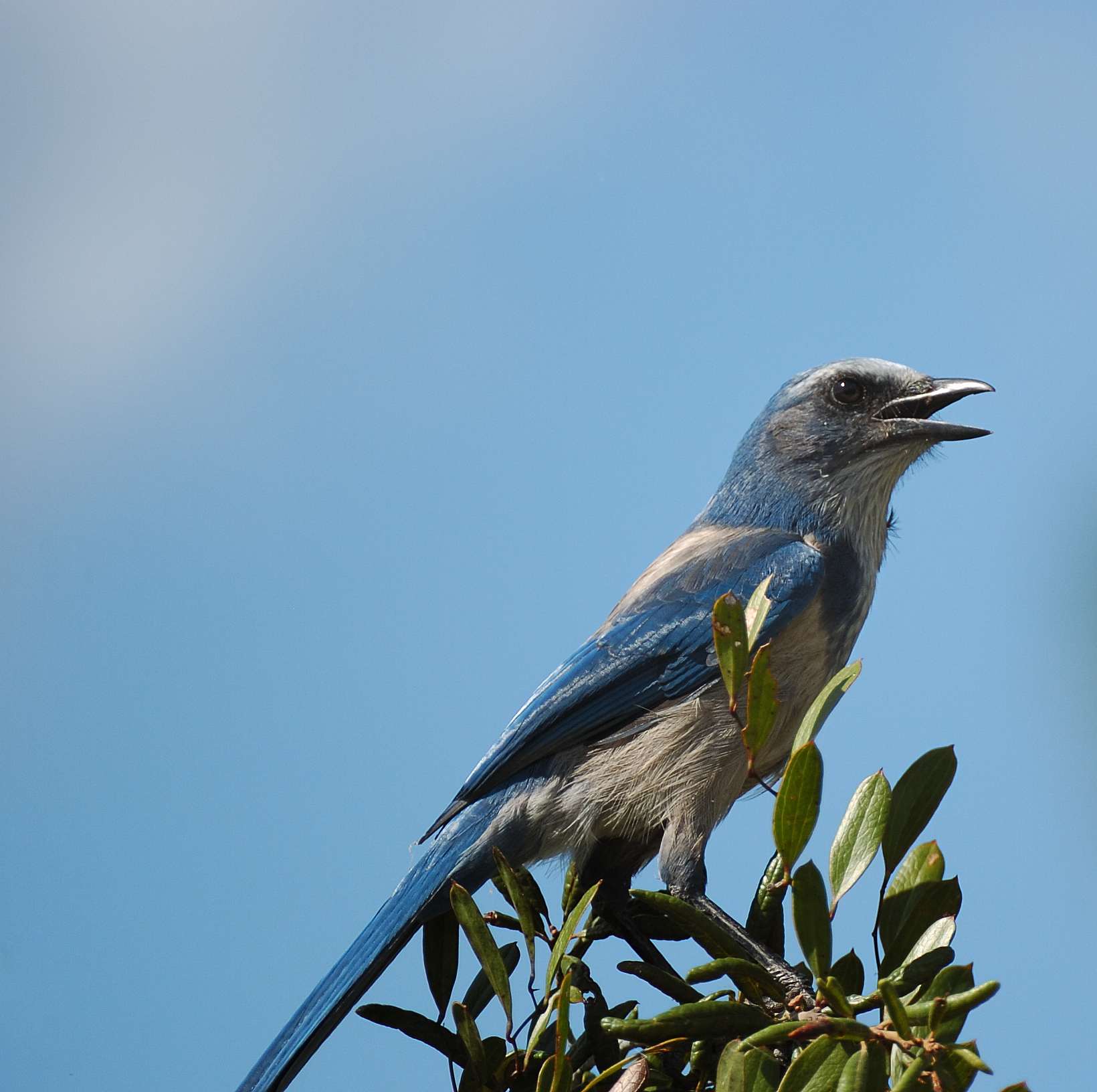
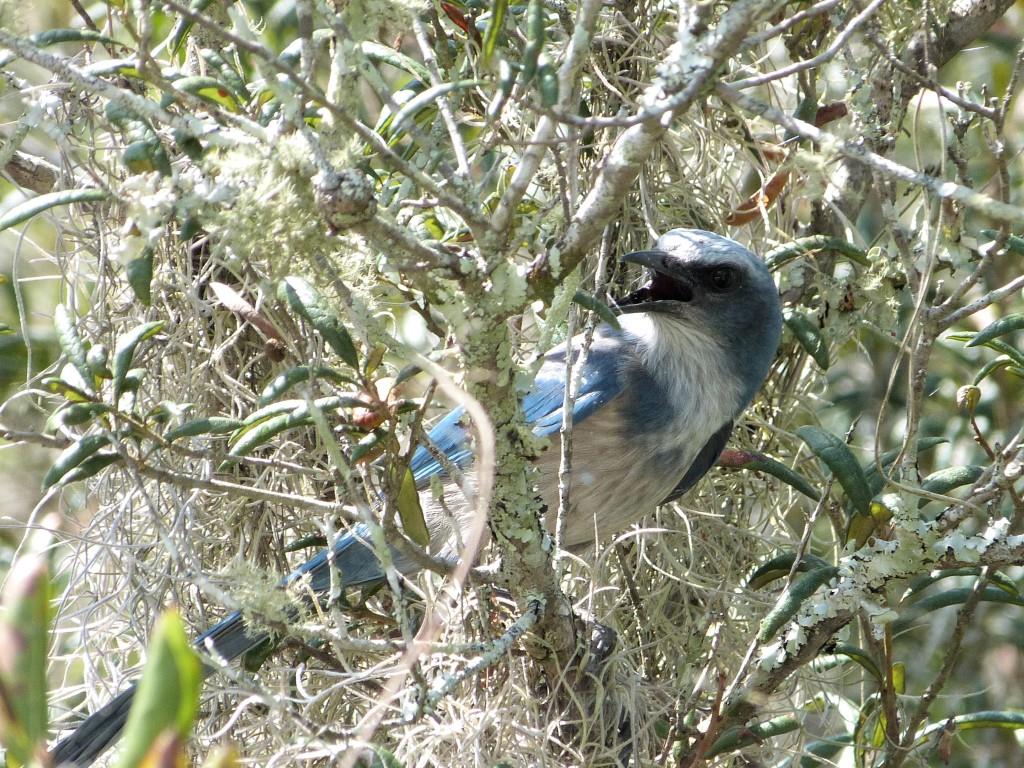
They are such pretty birds. I sure am glad the Lord has given us so many varieties of avian friends to enjoy.

Florida Scrub Jay (Aphelocoma coerulescens) by Dan

Florida Scrub Jay (Aphelocoma coerulescens) by Dan

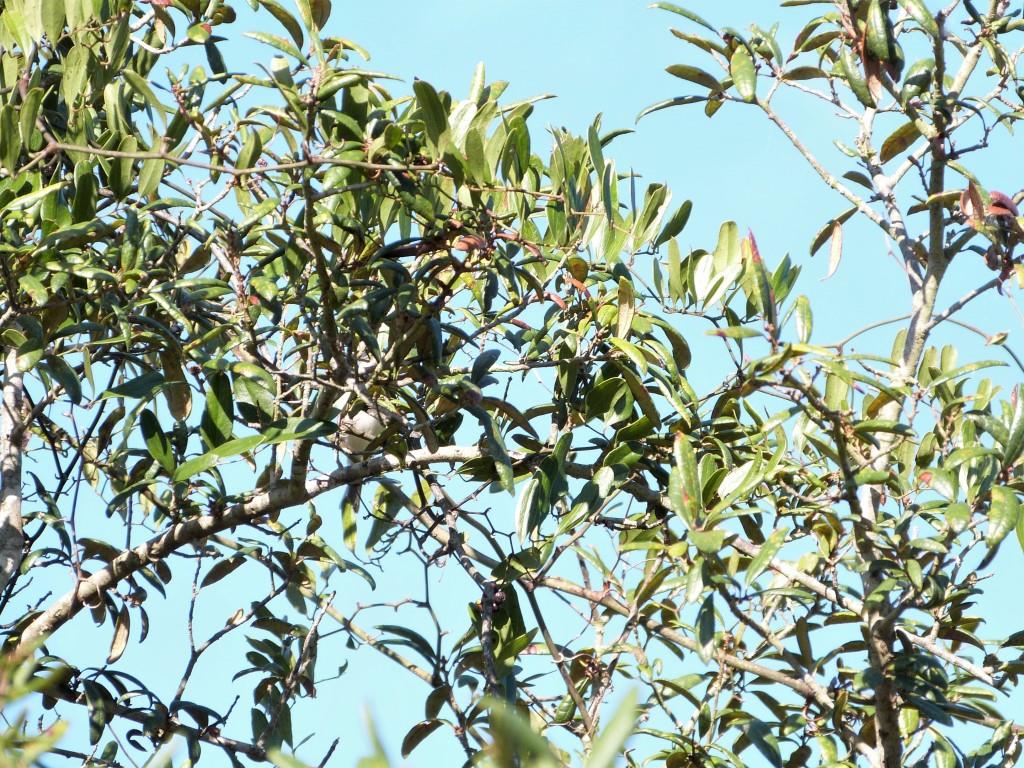
Here is another photo from the state parks habitat:

Habitat at State Park by Dan

Habitat at State Park by Dan

These two last photos were his that he photographed through the open window of the Red-Shouldered Hawk at Highlands Hammock State Park. Remember, mine was through plastic.

Red-shouldered Hawk (Buteo lineatus) Highlands Hammock SPk by Dan

Red-shouldered Hawk (Buteo lineatus) Highlands Hammock SPk by Dan

“Does the hawk fly by your wisdom, And spread its wings toward the south? (Job 39:26 NKJV)

Red-shouldered Hawk (Buteo lineatus) Highlands Hammock SPk by Dan

Red-shouldered Hawk (Buteo lineatus) Highlands Hammock SPk by Dan

Trust you have enjoyed seeing these fantastic birds.

*
*

Birdwatching Adventure – Florida Scrub Jay

Florida Scrub Jay (Aphelocoma coerulescens) Highlands Hammock S Pk by Lee

Florida Scrub Jay (Aphelocoma coerulescens) Highlands Hammock S Pk

Look at the birds of the air, for they neither sow nor reap nor gather into barns; yet your heavenly Father feeds them. Are you not of more value than they? (Matthew 6:26 NKJV)

The main reason we went to Highlands Hammock State Park yesterday was to find some Florida Scrub Jays. The ranger told us where to find theirs and also where more could be found in another park.

Florida Scrub Jay (Aphelocoma coerulescens) Highlands Hammock S Pk by Lee

Florida Scrub Jay (Aphelocoma coerulescens) Highlands Hammock SPk 10-14-13

Went on the drive where the Wilderness Camping Area is located. Florida Scrub Jays prefer the scrub areas. The ranger told us that they had recently had a controlled burn and this family moved in right after that. From the pictures, you will see the kind of habitat they like.

Our new "Birding Mobile"

This is the area where we found the Scrub Jays at Highlands Hammock S P.

We found the Florida Scrub Jays, but they never got very close. We were also initiating our new “birding mobile”, as I have named it. Off the subject, but here is a photo of a Red-shouldered Hawk I shot through the “moonroof.” My first attempt at that. Next time, when we are not right under a hawk, it will be opened.

Red-shouldered Hawk (Buteo lineatus) Highlands Hammock SPk 10-14-13 Thru moonroof

Red-shouldered Hawk (Buteo lineatus) Highlands Hammock SPk 10-14-13

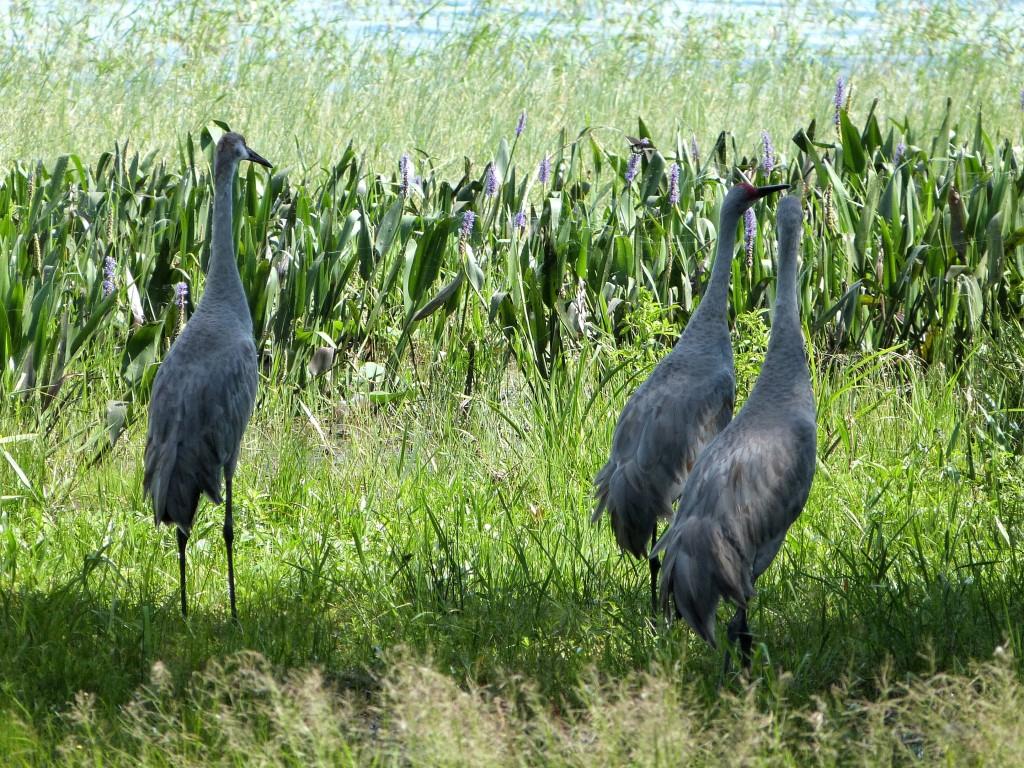
After driving through the rest of that park, we headed for the Lake June-in-Winter State Park. Never heard of it before. It is very tiny and we were the only ones there. Well, the birds of course were there, especially the Scrub Jays. We were able to get quite a few photos of them and they were quite friendly. There were also three Sandhill Cranes plus sounds of birds I do not recognize. The photos will be intermingled with some information about the jays from Wikipedia.

Florida Scrub Jay (Aphelocoma coerulescens) Lake June-in-Winter SPk

Florida Scrub Jay (Aphelocoma coerulescens) Lake June-in-Winter SPk

The Florida Scrub Jay (Aphelocoma coerulescens) is one of the species of scrub jay native to North America. It is the only species of bird endemic to the U.S. state of Florida and one of only 15 species endemic to the United States. Because of this, it is heavily sought by birders who travel from across the country to observe this unique species. It is possibly derived from the ancestors of Woodhouse’s Scrub Jay, the inland forms of the Western Scrub-jay. They belong to the Corvidae – Crows, Jays, Ravens Family.

Florida Scrub Jay (Aphelocoma coerulescens) Lake June-in-Winter SPk

Florida Scrub Jay (Aphelocoma coerulescens) Lake June-in-Winter SPk

It measures 9.1 to 11 in (23 to 28 cm) in length, and weighs from 2.3 to 3.2 oz (66 to 92 g), with an average 2.83 oz (80.2 g). The wingspan of the jay is 13–14 in (33–36 cm). It has a strong black bill, blue head and nape without a crest, a whitish forehead and supercilium, blue bib, blue wings, grayish underparts, gray back, long blue tail, black legs and feet.

Florida Scrub Jay (Aphelocoma coerulescens) Lake June-in-Winter SPk

Florida Scrub Jay (Aphelocoma coerulescens) Lake June-in-Winter SPk

The Florida Scrub Jay is found only in Florida scrub habitat, an ecosystem that exists only in central Florida and is characterized by nutrient-poor soil, occasional drought, and frequent wildfires. Because of its somewhat harsh weather pattern, this habitat is host to a small assortment of very specific plants, including Sand Pine, Sand Live Oak, Myrtle Oak, Chapman’s Oak, Sandhill Oak, Florida Rosemary[11] and various other hardy plants such as Eastern prickly pear.

Florida Scrub Jay (Aphelocoma coerulescens) Lake June-in-Winter SPk

Florida Scrub Jay (Aphelocoma coerulescens) Lake June-in-Winter SPk

Florida Scrub Jays are omnivorous and eat a wide variety of acorns, seeds, peanuts, insects, tree frogs, turtles, snakes, lizards, and young mice. Florida Scrub Jays have also been occasionally observed to eat other birds’ eggs or nestlings, but this occurs rarely. They routinely cache thousands of acorns a year, burying them just beneath the surface. The acorns are typically buried in the fall and consumed during the winter and spring. Acorns that are forgotten or missed may germinate, making the Florida Scrub-Jay an effective agent for the dispersal of a variety of oak trees.

Florida Scrub Jay (Aphelocoma coerulescens) Lake June-in-Winter SPk

Florida Scrub Jay (Aphelocoma coerulescens) Lake June-in-Winter SPk

Scrub jays may also take silverware and other shiny objects in a manner similar to the American Crow.

Sandhill Crane (Grus canadensis) Lake June-in-Winter SPk

Sandhill Crane (Grus canadensis) Lake June-in-Winter SPk

Here are some more of the photos from this “birdwatching adventure.”

This slideshow requires JavaScript.

See also:

Highlands Hammock State Park

Lake June-in-Winter State Park

Corvidae – Crows, Jays, Ravens Family

*

Birdwatching Adventure – Kingbird and Vireo

Western Kingbird (Tyrannus verticalis) Highlands Hammock SPk by Lee

Western Kingbird (Tyrannus verticalis) Highlands Hammock S Pk by Lee

I know all the birds of the mountains, And the wild beasts of the field are Mine. (Psalms 50:11 NKJV)

We have been off on several birdwatching adventures the last few days. We were out enjoying the Lord’s creation, especially His birds. Still sorting through the photos, but wanted to share two birds we saw today. They were at Highlands Hammock State Park in Sebring, FL. Both are birds that I have seen, but only when another birder pointed them out. That always gives a joy when you find and can figure out what a bird is.

The first one, I was only able to get one decent photo because it moved on quickly. Here is the bird cropped. (I trust this is the correct ID)

Western Kingbird (Tyrannus verticalis) Highlands Hammock SP by Lee (Cropped)

Western Kingbird (Tyrannus verticalis) Highlands Hammock SP by Lee

Kingbirds are members of the Tyrannidae – Tyrant Flycatchers Family. Adults are grey-olive on the upperparts with a grey head and a dark line through the eyes; the underparts are light becoming light orange-yellow on the lower breast and belly. They have a long black tail with white outer feathers. Western kingbirds also have a reddish crown that they only display during courtship and confrontations with other species.

These birds migrate in flocks to Florida and the Pacific coast of southern Mexico and Central America. (Lucky for us.)

They wait on an open perch and fly out to catch insects in flight, sometimes hovering and then dropping to catch food on the ground. They also eat berries.

The song is a squeaky chatter, sometimes compared to a dog’s squeaky toy. The call is a sharp loud whit. Occasionally sings before sunrise.

I have only seen this bird maybe three or four times before, so it was a nice find.

Highlands Hammock State Park

Highlands Hammock State Park

My next challenge started out in the trees and bushes above. This bird was all over the place and wouldn’t stay still as I tried to catch a photo of it. (Which is typical for those small birds.)

White-eyed Vireo (Vireo griseus) Highlands Hammock

White-eyed Vireo (Vireo griseus) Highlands Hammock

Here are some of my attempts to catch this bird. I do not use the “rule of thirds” because when I get home, finding the bird is easier if it’s centered. I figured out that it had a white breast by this photo. Let me zoom in.

White-eyed Vireo (Vireo griseus) Highlands Hammock SP cropped

White-eyed Vireo (Vireo griseus) Highlands Hammock SP cropped

Now the wings and its eye became more visible.

White-eyed Vireo (Vireo griseus) Highlands Hammock SPk 10-14-13

White-eyed Vireo (Vireo griseus) Highlands Hammock SPk 10-14-13

Then the bird finally popped out where I could get these next two photos.

White-eyed Vireo (Vireo griseus) Highlands Hammock SPk by Lee

White-eyed Vireo (Vireo griseus) Highlands Hammock SPk

That white eye is what nailed the ID on this bird. This is the first time that I’ve photographed one. When trying to figure these birds out, a good field guide and the internet sure come in handy.

My first ID in the field was wrong on both of these birds. I thought the Kingbird was some sort of Flycatcher and that this Vireo was a Warbler. Even though I only shoot in Program mode, and I do not claim to be a photographer, it does help to take proof or ID photos to help figure out what you really are seeing. It is more fun to just enjoy the birds while you are watching them and figure what it was later.

White-eyed Vireo (Vireo griseus) Highlands Hammock  SP by Lee

White-eyed Vireo (Vireo griseus) Highlands Hammock SP by Lee

They belong to the  Vireonidae – Vireos, Greenlets Family. The White-eyed Vireo (Vireo griseus) is a small songbird. It breeds in the southeastern USA from New Jersey west to northern Missouri and south to Texas and Florida, and also in eastern Mexico, northern Central America, Cuba and the Bahamas.

Populations on the US Gulf coast and further south are resident, but most North American birds migrate south in winter.The White-eyed Vireo (Vireo griseus) is a small songbird. It breeds in the southeastern USA from New Jersey west to northern Missouri and south to Texas and Florida, and also in eastern Mexico, northern Central America, Cuba and the Bahamas.

Populations on the US Gulf coast and further south are resident, but most North American birds migrate south in winter.

More of these trips will be shared. Saw lots of Wood Ducks and Florida Scrub Jays that I will “Show and Tell” later.

Thank all of you up North who have finally been sending your birds down for the coming winter. The birdwatching was getting a little boring.

See:

Tyrannidae – Tyrant Flycatchers Family

Vireonidae – Vireos, Greenlets Family

Some of our Birdwatching Trips

Highlands Hammock State Park

*


Birds of the Bible – Worry and Ravens

Northern Raven (Corvus corax) by Ray

Northern Raven (Corvus corax) by Ray

Better than the Birds

Luke 12:6-31

Birds of the Bible – Worry and Sparrows was the introduction to the “Better Than The Birds” message by Pastor Stephen Harvey. We were told that “1. Worry denies the gracious care of God.”

Now for part II:

2. Secondly, worry depreciates the higher value of mankind

He’s not finished with the birds yet – notice verse 7 again – the last part – Do not fear; you are more valuable than many sparrows.

Matthews account says, “Are you not worth much more than they?

In case we didn’t pick up on the lesson – in case we’re a little slow – God’s care of the lesser creation ensures His care of His highest creation.

Evidently Jesus thinks we just might be a little slow on the uptake here – or maybe find it hard to believe – so He circles back around to this subject again and adds another pearl to the string – look over at verse 24. Consider the ravens, for they neither sow nor reap, they have no store room nor barn, and yet God feeds them; how much more valuable you are than the birds!

Maybe Jesus repeated this lesson simply because He knew that billions of people one day would struggle with believing they were less valuable than animals.

Was God peering into the 21st century or what?

You sit through the average Animal Planet program or read the latest evolutionary textbook taught to middle schoolers and you’ll get the message loud and clear that human beings have messed up the circle of life; humans have interrupted the food chain; humans are in the way and if we’d only get out of the way, the animals who evidently have the right to be on the planet – because they evolved first – would get what they deserve; if we’d just go back to living in caves, the animals would be able to enjoy their lives so much better.

That message is coming across loud and clear! Whenever you remove the glory of God’s created order, Genesis 1 and 2, where mankind was made in the image of God and given the right to rule earth – to train and subjugate and benefit from the animal kingdom – you end up with a culture where animals ultimately matter more.

You now exist to serve them; you now live to make their lives more comfortable.

Now I’m not defending animal abuse, by the way. We’re to be good stewards of earth and the animal kingdom.

But go visit India today, and watch, as I did, sacred cows which have been given superior rights within their culture – watch them meander across busy roadways and down streets cluttered with starving children – and begging mothers with babies on their hips; where a child starving to death is less important than a cow having something to eat.

How do we know that human beings are more valuable than animals? How do we know that?

Apart from God, we don’t.

Apart from the words of Jesus Christ, the creator of all things (Colossians 1), we might be confused – look again at verse 24 – you are more valuable than the birds.

Is that radical news or what?

And this really got the attention of Jesus’ Jewish audience, by the way, because Jesus used ravens as an example here – ravens were considered unclean according to Mosaic Law (Leviticus 11:13-15).vii

The ravens were unclean birds.

I’m sorry for how that makes you Baltimore Ravens fans feel – I’m sorry you had to find that out – you’ve been cheering all along for unclean animals . . . you already knew that.

Here’s why this was so stunning an analogy for Christ to make: It’s one thing to be insignificant like a sparrow and be cared for by God – it’s another thing to be unclean and despised and be cared for by God.

And you know why I’m so glad Jesus added this illustration?

Because the enemy of our heart and spirit and joy will more than likely come and whisper in our ear – sparrows might be cheap, but at least they’re clean animals – no wonder God cares about them; but you’re more like an unclean bird . . . despised and unclean according to God’s holy law . . . you don’t deserve God’s attention.

You have very reason to worry about your life.

But notice – verse 24. God has managed to care for them too – He effectively feeds them too – and get this – “How much more valuable you are than the animal kingdom!”

Worry denies the gracious care of God

Worry depreciates the higher value of mankind.

Brown-necked Raven of Israel

Brown-necked Raven, Israel ©WikiC

(Copied with permission from Wisdom for the Heart and Pastor Stephen Davey.)

vii MacArthur, p. 140


Lee’s Addition:

‘And these you shall regard as an abomination among the birds; they shall not be eaten, they are an abomination: the eagle, the vulture, the buzzard, the kite, and the falcon after its kind; every raven after its kind, (Leviticus 11:13-15 NKJV)

Consider the ravens, for they neither sow nor reap, which have neither storehouse nor barn; and God feeds them. Of how much more value are you than the birds? (Luke 12:24 NKJV)

Another great encouragement not to worry. Thanks, Pastor Davey, for a great message.

See:

*

Updated to the I.O.C. Version 3.5

Mountain Chickadee (Poecile gambeli) ©WikiC

Mountain Chickadee (Poecile gambeli) ©WikiC

Out of the ground the LORD God formed every beast of the field and every bird of the air, and brought them to Adam to see what he would call them. And whatever Adam called each living creature, that was its name. (Genesis 2:19 NKJV)

The newest update for the I.O.C. Version 3.5 came out September 30th. Lee’s Birdwatching Adventures Birds of the World has the latest changes.  There are now “10,507 extant species and 150 extinct species classified in 40 Orders, 232 Families (plus 5 Incertae Sedis) and 2284 Genera.  The list also includes 20,967 subspecies.”

After making changes to around 300 pages, you should be able to find one of those 10,507 avian friends with out too much difficulty. What did they change?

They (I.O.C.) added 22 new species, deleted 2 that they turned back to just a subspecies, changed the names or spelling of 47 birds (37 of those changed the name Madagascar to Madagascan), plus they made 30 taxonomy changes.

In those taxonomy changes, they took the Paridae – Tits, Chickadees family and threw it up in the air and let it fall totally different. At least, that is my description of it. Actually, because of DNA studies, they found that the birds are related differently in the family than they thought. They also shuffled the Aratinga species of Parakeets around.

These are the new birds that they added:

Reunion Sheldgoose (Alopochen kervazoi)
Ameline Swiftlet (Aerodramus amelis)
Ochre-backed Woodpecker (Celeus ochraceus)
Iberian Green Woodpecker (Picus sharpe)
Mistletoe Tyrannulet (Zimmerius parvus)
Venezuelan Tyrannulet (Zimmerius petersi)
Coopmans’s Tyrannulet (Zimmerius minimus)
Chico’s Tyrannulet (Zimmerius chicomendesi)
Junin Tapaculo (Scytalopus gettyae)
Delta Amacuro Softtail (Thripophaga amacurensis)
Pale-blue Monarch (Hypothymis puella)
Ua Pou Monarch (Pomarea mira) Extant – based on a recent sighting
Caspian Tit (Poecile hyrcanus)
Sierra Madre Ground Warbler (Robsonius thompsoni)
Cambodian Tailorbird (Orthotomus chaktomuk)
Chinese Wren-babbler (Pnoepyga mutica)
Zappey’s Flycatcher (Cyanoptila cumatilis)
Magnificent Sunbird (Aethopyga magnifica)
Maroon-naped Sunbird (Aethopyga guimarasensis)
Bohol Sunbird (Aethopyga decorosa)
Luzon Sunbird (Aethopyga jefferyi)
Zarudny’s Sparrow (Passer zarudnyi)
Taiwan Rosefinch (Carpodacus formosanus)

*

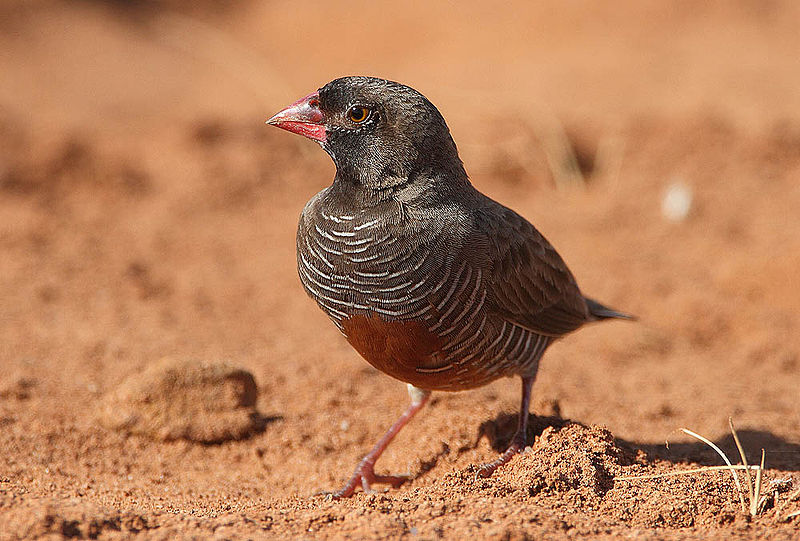
(Black-faced) Quailfinch (Ortygospiza atricollis) ©WikiC

(Black-faced) Quailfinch (Ortygospiza atricollis) ©WikiC Now only called a Quailfinch

These are the two they deleted. They went back to being supspecies of the Black-faced Quailfinch, which is now only called a Quailfinch (Ortygospiza atricollis).

African Quailfinch (Ortygospiza fuscocrissa)
Black-chinned Quailfinch (Ortygospiza gabonensis)

*

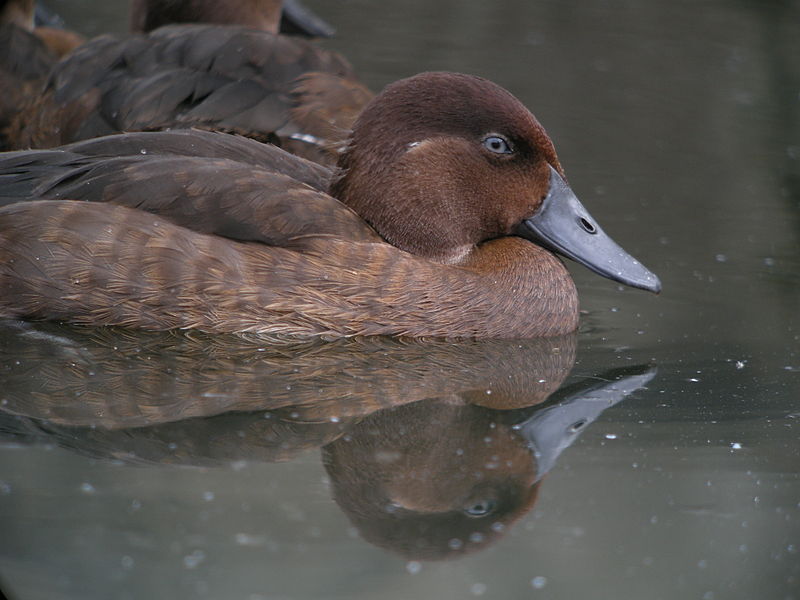
Madagascan Pochard (Aythya innotata) ©WikiC

Madagascan Pochard (Aythya innotata) ©WikiC

Their spelling changes caused me to hunt down 37 Madagascar birds and rename them Madagascan. Here are those changes:

Madagascan Blue Pigeon (Alectroenas madagascariensis)
Madagascan Buttonquail (Turnix nigricollis)
Madagascan Buzzard (Buteo brachypterus)
Madagascan Cisticola (Cisticola cherina)
Madagascan Cuckoo (Cuculus rochii)
Madagascan Cuckoo-Hawk (Aviceda madagascariensis)
Madagascan Cuckooshrike (Coracina cinerea)
Madagascan Fish Eagle (Haliaeetus vociferoides)
Madagascan Flufftail (Sarothrura insularis)
Madagascan Grebe (Tachybaptus pelzelnii)
Madagascan Green Pigeon (Treron australis)
Madagascan Harrier-Hawk (Polyboroides radiatus)
Madagascan Hoopoe (Upupa marginata)
Madagascan Ibis (Lophotibis cristata)
Madagascan Jacana (Actophilornis albinucha)
Madagascan Lark (Mirafra hova)
Madagascan Magpie-Robin (Copsychus albospecularis)
Madagascan Mannikin (Lemuresthes nana)
Madagascan Nightjar (Caprimulgus madagascariensis)
Madagascan Owl (Asio madagascariensis)
Madagascan Partridge (Margaroperdix madagarensis)
Madagascan Plover (Charadrius thoracicus)
Madagascan Pochard (Aythya innotata)
Madagascan Pratincole (Glareola ocularis)
Madagascan Pygmy Kingfisher (Corythornis madagascariensis)
Madagascan Rail (Rallus madagascariensis)
Madagascan Sandgrouse (Pterocles personatus)
Madagascan Serpent Eagle (Eutriorchis astur)
Madagascan Snipe (Gallinago macrodactyla)
Madagascan Sparrowhawk (Accipiter madagascariensis)
Madagascan Spinetail (Zoonavena grandidieri)
Madagascan Starling (Hartlaubius auratus)
Madagascan Stonechat (Saxicola sibilla)
Madagascan Swamp Warbler (Acrocephalus newtoni)
Madagascan Wagtail (Motacilla flaviventris)
Madagascan Wood Rail (Canirallus kioloides)
Madagascan Yellowbrow (Crossleyia xanthophrys)

*

There are other changes and they can be seen at the I.O.C. World Bird List Website:

*

Birdwatching Reviews – Miscellaneous

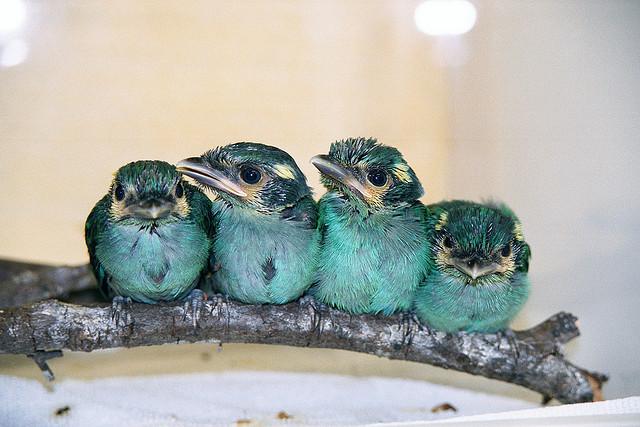
Long-tailed Broadbill (Psarisomus dalhousiae) babies ©WikiC coracii

Long-tailed Broadbill (Psarisomus dalhousiae) babies ©WikiC coracii

He hath made his wonderful works to be remembered: the LORD is gracious and full of compassion. (Psalms 111:4 KJV)

Thank all of you who have been checking out the reviews the last few days. Today will be the last of my “coasting mode” as the stitches are supposed to be removed later today. Also, thank you for your prayers. It appears the infection is decreasing and the healing is finally taking hold.

House Sparrow (Passer domesticus) by Nikhil Devasar

“His Eye Is On The Sparrow” – House Sparrow (Passer domesticus) by Nikhil Devasar

So, what is left to review? One of my enjoyable series has been the Birds in Hymns. That came about because so many hymns and songs mention birds. Listen to the words as you sing and you will be amazed how much “birdwatching” you can do while singing. Most of the material is in the Hymns section.

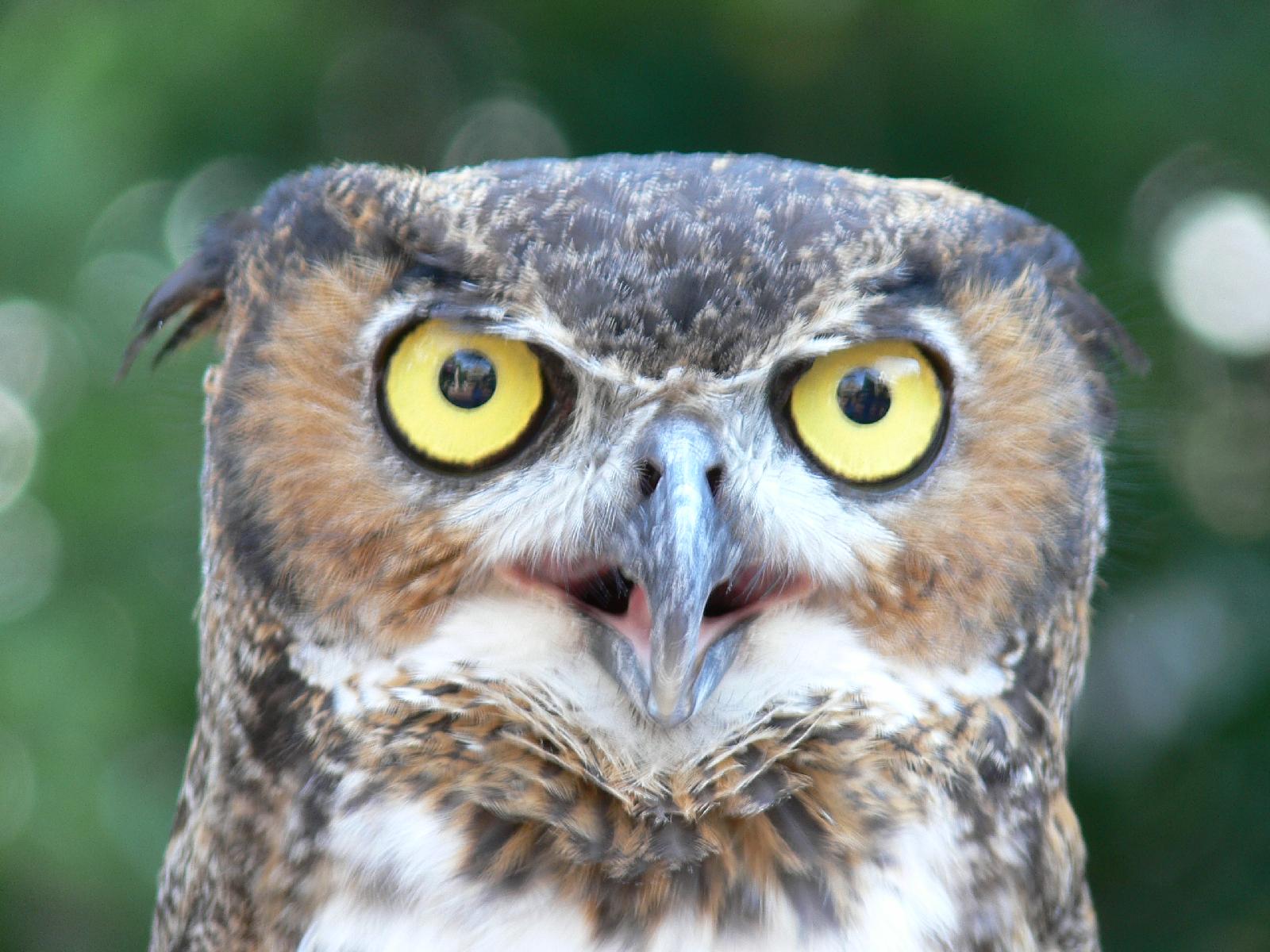
Great Horned Owl - Lowry Pk Zoo by Lee

Great Horned Owl – Lowry Pk Zoo by Lee

A fairly new section are our (mine and Dan’s) Photos from various birdwatching trips. This is still in the “rounding up stage.” The are being presented by families, but the photos are filed by our trips. Stay tuned as the photos and videos are sorted into the correct families.

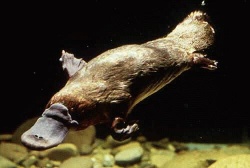
Platypus From Creation Wiki

Platypus From Creation Wiki

Most readers know that I believe the Lord created the birds and all the rest of the animals, plants, world, universe and all the rest, The Formed By Him blogs are about birds, where as the When I Consider! is not limited to only our avian friends.

The fear of the LORD is the beginning of wisdom: a good understanding have all they that do his commandments: his praise endureth for ever. (Psalms 111:10 KJV)

I am sure by now, you have noticed that this website is titled “Lee’s Birdwatching Adventures PLUS.” The PLUS was added so that other interesting topics could be shared, especially Creation type articles.

The works of the LORD are great, sought out of all them that have pleasure therein. (Psalms 111:2 KJV)

Without the permission of these fantastic photographers to use their photos, where would this blog be? Please check out their sites for spectacular birds and other topics. Each have different areas of the world and interest that keep them “snapping away.”

Photography

There are other articles scattered around, but most of the main topics have been shared in these four Reviews. Thank you for visiting and looking around. You may not have noticed the

  • Our Visitors

    • 992,129 visits

tally down the sidebar, but the 1 Million mark is coming up soon. Not sure how it will be celebrated, but it will mostly be thanking you for your visits and the Lord for giving me the ideas for these many blogs and the other writers like A J, Ian and the other guest writers.

…I will praise thee, O LORD, with my whole heart; I will shew forth all thy marvellous works. (Psalms 9:1 KJV)

*

Birdwatching Reviews – Guest Writers


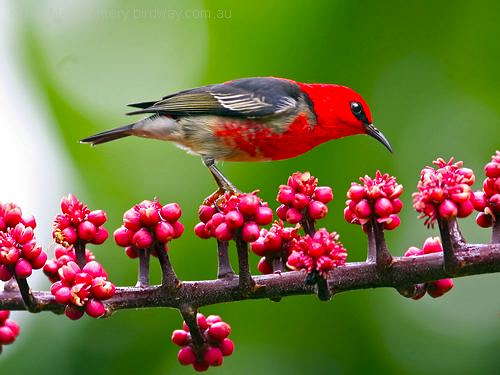
Scarlet Myzomela (Myzomela sanguinolenta) by Ian at Birdway

Scarlet Myzomela (Myzomela sanguinolenta) by Ian at Birdway

He has made His wonderful works to be remembered; the Lord is gracious, merciful, and full of loving compassion. (Psalms 111:4 AMP)

While we are reviewing while I am still in the “coasting mode“, today let’s review the various Regular and Guest Writers. I am so thankful for all of them and especially two who are regulars and have their own pages (menu).

Ian Montgomery, an Australian, was one of first photographers who gave permission to use his photos. From there, he gave permission to reproduce his newsletters in our Ian’s Bird of the Week series. I have enjoyed them and trust you have also. He has introduced us to many birds we would never have seen or heard about.

Bird and Newsletter Date

Golden Bowerbird (Prionodura newtoniana) by Ian

Golden Bowerbird (Prionodura newtoniana) by Ian

A J or a j mithra as he prefers, is from India and has been providing articles about birds and challenging us to better serve the Lord. He always seem to make great spiritual comparisons between the avian behavior and the lessons to be learned from them. You can find these at the tab,  a j mithra and he writes most of the Nuggets Plus.

a j mithra:

Nuggets Plus:

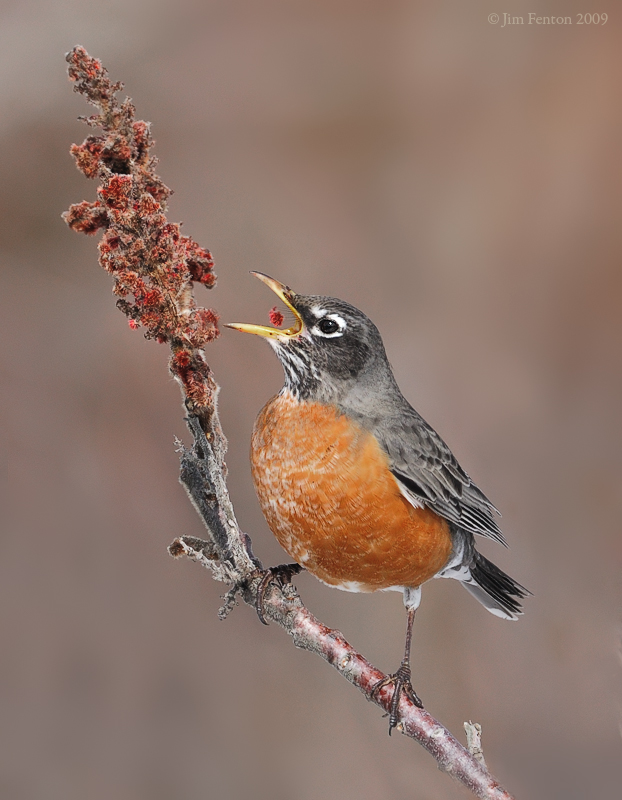
Robin Eating by Jim Fenton

Robin Eating by Jim Fenton

We also have various writers, like Dottie Malcolm and her grand-daughter, Emma, who write now and then. They are members of our church. Stephen is also from our church.

Dorothy (Dottie) Belle Malcolm’s:

Emma Foster:

Stephen Simpson’s:

Guest Writers From the Past:

And others:

The Lord has been gracious to allow the blog to have these add their additions. So, check these out. Must be one or two you haven’t read before. And thank you for visiting here as often as you do. Pressing the “Like” now and then helps us know which type articles you enjoy the best.

*

Birdwatching Reviews

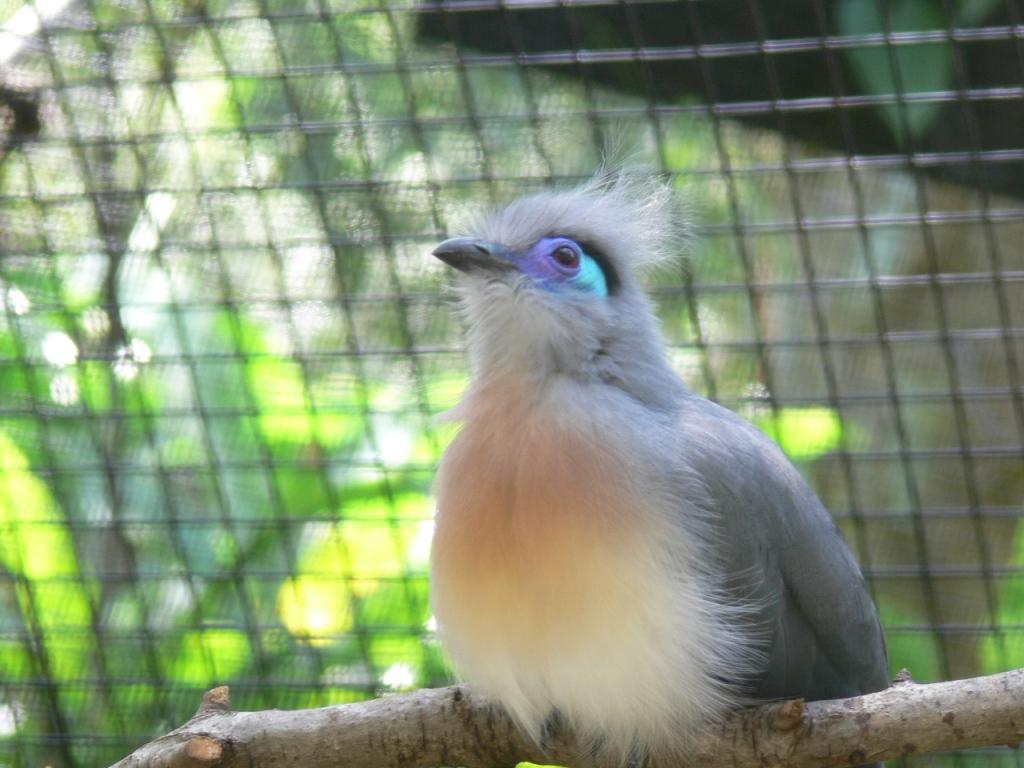
Crested Coua (Coua cristata) by Lee at LPZoo

Crested Coua (Coua cristata) by Lee at LPZoo

I remember the days of old; I meditate on all Your doings; I ponder the work of Your hands. (Psalms 143:5 AMP)

If you read yesterday’s post, Birds of the Bible Review II, you know I am in a “coasting mode” due to surgery on my neck. Today, I am encouraging you to look around the blog at some of the many Birdwatching articles that have been written over the last five years. Also, continue to pray that my cut heals and the infection clears up. It is better today.

Here are some of those many articles:

Joe Cool

(Black and White) Sumatran Laughingthrush (Garrulax bicolor) by Lee

Birdwatching

Beside them the birds of the heavens have their nests; they sing among the branches. [Matt. 13:32.] (Psalms 104:12 AMP)

Our Birdwatching Trips and other comments about birds and birding.

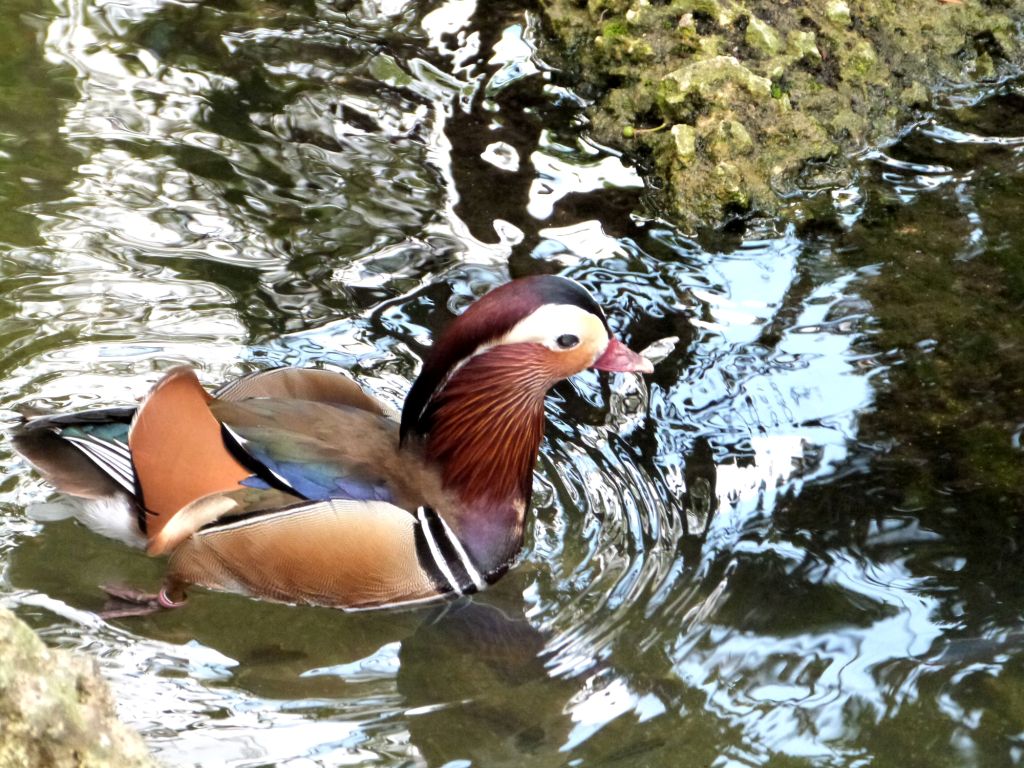
Mandarin Duck (Aix galericulata) Zoo Miami by Lee

Mandarin Duck (Aix galericulata) Zoo Miami by Lee

Formed By Him

Thou art worthy, O Lord, to receive glory and honour and power: for thou hast created all things, and for thy pleasure they are and were created (Revelation 4:11 KJV)

List of Articles:

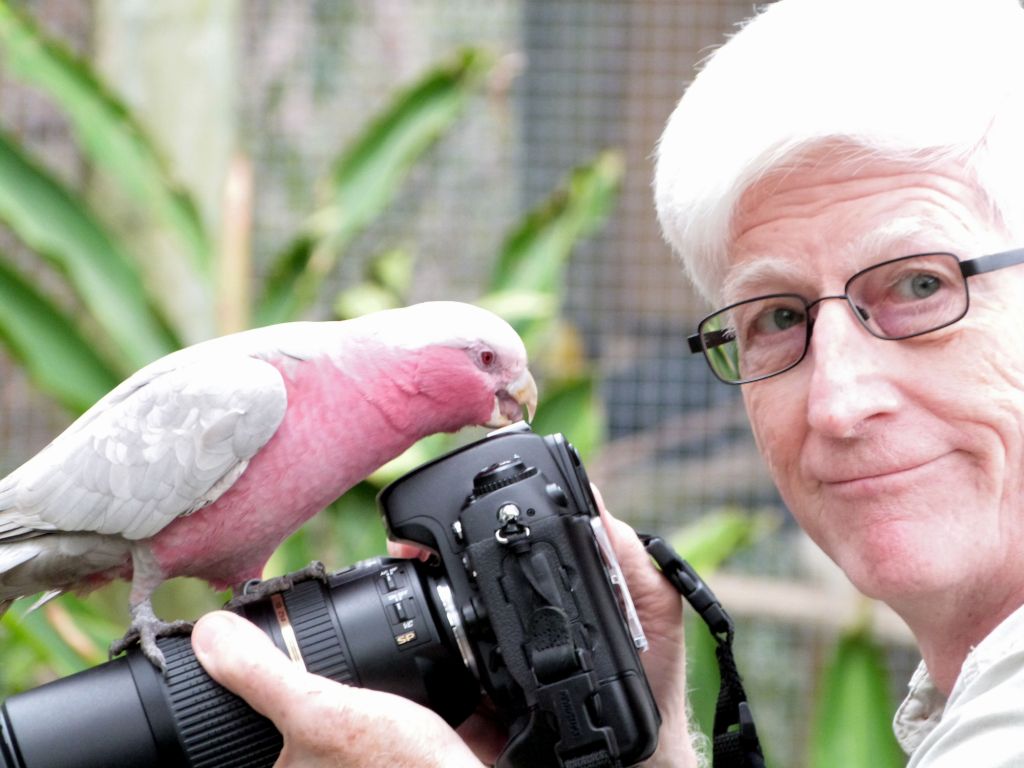
Galah (Eolophus roseicapilla) and Dan at Brevard Zoo

Galah (Eolophus roseicapilla) and Dan

Birds of the World

Are not five sparrows sold for two pennies? And [yet] not one of them is forgotten or uncared for in the presence of God. (Luke 12:6 AMP)

Birds of the World

*
Birds of the Bible – Review II

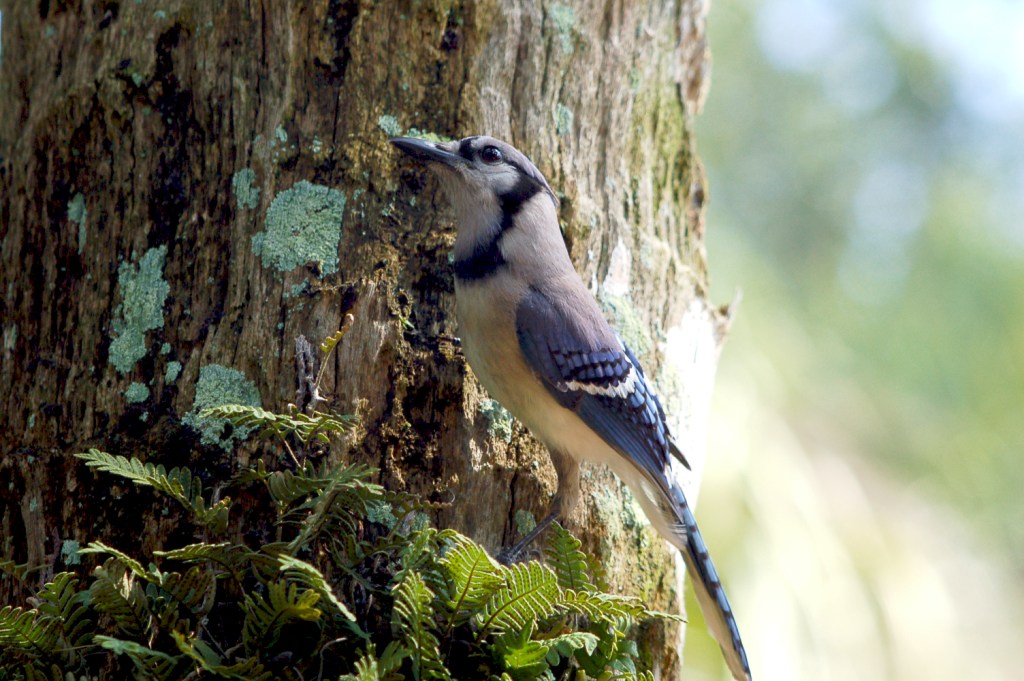
Blue Jay at Bok Tower by Dan's Pix

Blue Jay II at Bok Tower by Dan’s Pix

I will remember the works of the LORD: surely I will remember thy wonders of old. I will meditate also of all thy work, and talk of thy doings. (Psalms 77:11-12 KJV)

In 2008 Birds of the Bible – Review was written. Needless to say, many more articles have been added since then. Please take some time over the next few days and check out articles that you may have missed or you are new and didn’t know of their existence.

Scripture tells us to remember the Lord’s blessings and all His benefits. I consider watching birds one of the Lord’s great blessings. The previous articles were written in an attempt to honor the Lord through telling about His birds. I trust you will dig around and discover some interesting new or old avian friends to read and learn about.

Another reason for this blog is to ask for prayer for me. On Wednesday last week, I had a Squamous Cell Cancer removed from my neck, just under my chin. They attempted to remove it 6 months ago, but didn’t get it all. This time, he cut it out and I have an inch and half row of stitches. On Saturday, it started turning red and irritating me. Monday when I went back to have it looked at, it was infected. So, now I am on an antibiotic, which makes me sort of  drowsy. It hurts to lift my head up to look at the monitor (it pulls on the stitches), so the blogs have slowed down. My stitches are supposed to come out next Tuesday, the 8th of October.

Praise the Lord, with over 1,500 articles and 1,100 pages of material, surely there is something you haven’t read before. There are tabs or menus along the top which help you find different topics. Check them out. By you reading, it will also help my page view counts while I am in a “coasting” mode. Thank you.

Here are the Birds of the Bible Topics:

Birds of the Bible

Miscellaneous articles:

Names of Birds Study


Harriet Newell Cook – The Scripture Alphabet of Animals

Disclaimer About Bible Version Usage

*
Birds of the Bible – Worry and Sparrows

House Sparrows visiting National Aviary Parrot Show by Lee

House Sparrows at National Aviary by Lee

While listening to Wisdom For The Heart on BBN (Bible Broadcasting Network) last week, I heard this message by Pastor Stephen Davey and wanted to share it. His message was “Better than the Birds” and of course it caught my attention. There are four parts, but I am only sharing the introduction and part one here.

Better than the Birds

Luke 12:6-31

I have read that a dense fog – so extensive that it covers seven city blocks a hundred feet deep is actually composed of no more than one glass of water; water, of course that’s divided into more than 60 billion droplets of water.i

Just a couple gallons of water can cripple an entire city.

In many ways, this perfectly illustrates the substance of worry. Just a little bit of it can spread and deepen and ultimately cripple the mind and the heart of even believers.

One author put it this way when he wrote, “Worry is a thin stream of fear that trickles through the mind, which, if encouraged, will cut a channel so wide that all other thoughts will be drained out.”ii

I find it extremely gracious of our Lord that whenever He addressed the subject of worry, and He did on several occasions, He went much further than simply saying, “You know better than that . . . worrying isn’t good for you . . . it’ll mess up your mind . . . isn’t right . . . stop worrying right now!”

Instead, Jesus graciously causes us to think through this vaporous substance of worry; He gives us several reasons to stop worrying and He even condescends in His patience to give us illustrations – effectively – giving us principles to teach us why we really don’t ever need to worry.

And several of His key principles are the form of questions.

Let me invite you to Luke chapter 12 where Jesus asks some profound questions.

He’s teaching His disciples – this chapter in Luke corresponds to His sermon in Matthew’s Gospel.

Now if you’ve ever read His sermon, you’ll notice that He goes from one subject to the next – almost randomly touching on a series of different topics.

Jesus is actually employing a Jewish teaching style called Charaz – which means, stringing pearls.iii

In other words, Jesus will string pearls of wisdom on a number of subjects, like someone might string together a rare necklace of pearls.

And one of the pearls He adds to his string of pearls is this subject of worry.

Let me give you four principles in this regard as we work through His comments on overcoming worry.

The first principle to understand is that:

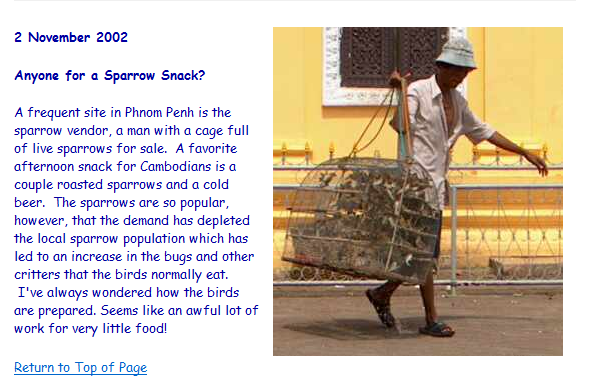
Anyone for a Sparrow Snack?

Anyone for a Sparrow Snack?

   1. Worry denies the gracious care of God

And He proves His point by asking two questions – notice His first question at verse 6. Are not five sparrows sold for two cents? Yet not one of them is forgotten before God.

Now if you compared this account with Matthews account, we’re told that 2 sparrows were sold for 1 penny.

The Greek term for this coin refers to a small brass coin worth about 1/10th of a day’s wage for a working laborer.

Which is a long way of saying, sparrows were the cheapest meat sold in the marketplace.iv

They were the food of the poorest of the poor. You barely got a mouthful of meat from a little sparrow.

In fact, Matthew’s Gospel tells us that you can buy 2 sparrows for a penny and Luke here tells us that you can get 5 sparrows for 2 penny’s; how’s that add up?

Well, we know from history that during the days of Christ, sparrows were so abundant and so cheaply sold to the poor that if you bought 4, you got one thrown in for nothing.

And that’s what Luke alludes to here – are not five sparrows sold for two cents? Yet not one of them is forgotten before God.

Now watch this – Luke is effectively saying, even the free sparrow is not forgotten by God. Even the sparrow that got thrown in for nothing matters to God.

You want to know why you never need to worry? Because to God you are never lost in the crowd.v

Not only does God not lose track of even one sparrow – he doesn’t even lose track of one single hair from your head.

Notice further in verse 7. Indeed the very hairs of your head are all numbered.

I’ve read that the average person’s head holds more than 100,000 hairs. Some of us are down to a few hundred.vi

A few dozen . . .

Now some commentators don’t think Jesus is being serious here – that He’s just exaggerating to make a point.

I mean, come on . . . He counts the number of the hairs on our heads? That number changes daily. Surely God doesn’t bother with that kind of detail. Gary Hallquist – 60,000; Dr. Burggraff – 12 . . . hundred.

No, I think that’s exactly His point. The glory of God revealed here is that He actually does know!

Jesus is effectively asking us, “Look, do you really think you can slip out of your Heavenly Father’s care – that you can somehow slip out from underneath the radar of His divine omniscience? Do you think He’s forgotten about you or that your problems are too numerous to keep up with?

I mean if He can keep track of 100,000 hairs on somebody’s head of hair, do you think He’ll get frustrated with you coming to Him over and over again to give Him your worries?

Do you think He’s going to say, “Look, there’s only so much room on my ledger and you’ve already been here a dozen times today . . . I just can’t keep track.”

Listen, if God is actually such a gracious, omniscient God – that He doesn’t overlook a single sparrow – even the one that gets thrown in for free – He will never overlook you either.

Worry denies the gracious care of God

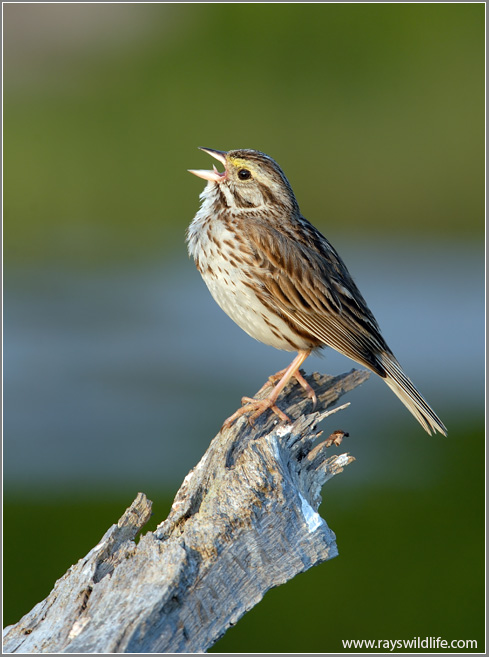
Savannah Sparrow singing by Ray

Savannah Sparrow singing by Ray

(Copied with permission from Wisdom for the Heart and Pastor Stephen Davey.)

i John MacArthur, Matthew 1-7 (Moody Publishers, 1985), p. 419
ii Ibid
iii William Barclay, The Gospel of Luke (Westminster, 1975), p. p. 160
iv Bruce B. Barton, Life Application Bible: Luke (Tyndale, 1997), p. 314
v Barclay, p. 161
vi MacArthur, p. 119


Lee’s Addition:

Are not five sparrows sold for two farthings, and not one of them is forgotten before God? But even the very hairs of your head are all numbered. Fear not therefore: ye are of more value than many sparrows. (Luke 12:6-7 KJV)

What a great encouragement not to worry. Thanks, Pastor Davey for a great message.

See:

See Worry and Sparrows – Part II

*

Bible Birds – Bittern II

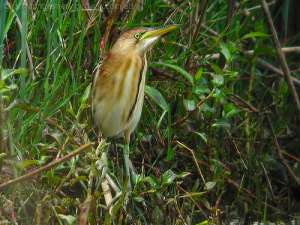
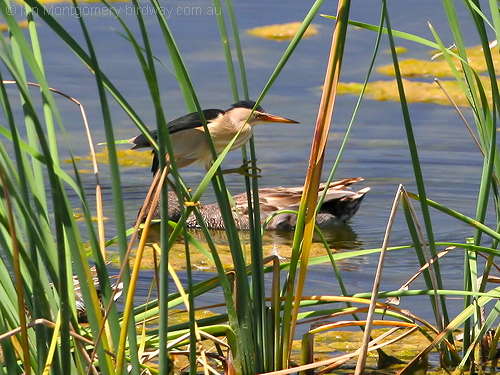
Little Bittern (Ixobrychus minutus) by Ian

Little Bittern (Ixobrychus minutus) by Ian

I will also make it a possession for the bittern, and pools of water: and I will sweep it with the besom of destruction, saith the LORD of hosts. (Isaiah 14:23 KJV)

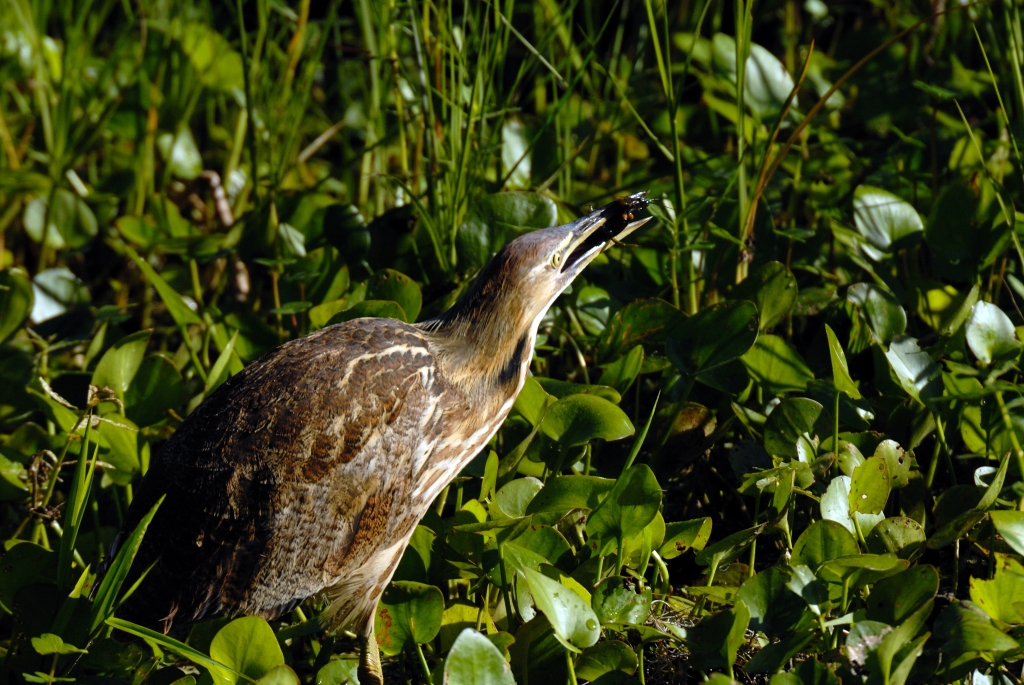
I introduced the Bittern in the first Birds of the Bible – Bittern and now I want to add some more information about them. The Bitterns belong to the Order called Pelecaniformes which includes Ibises, Spoonbills, Herons, Bitterns, Frigatebirds, Hamerkop, Shoebills, Pelicans, Gannets, Boobies, Cormorants, Anhingas, and Darters. All of these birds like to hang out around watery places and are related. Within the Pelecaniformes order, there are different families. The Bittern is in the Ardeidae family. Below is a list of the Bitterns within this family.

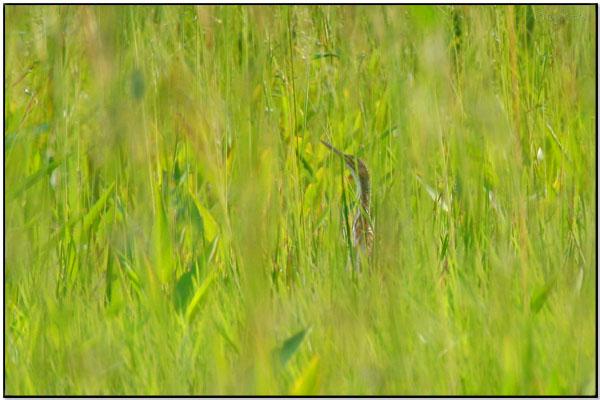
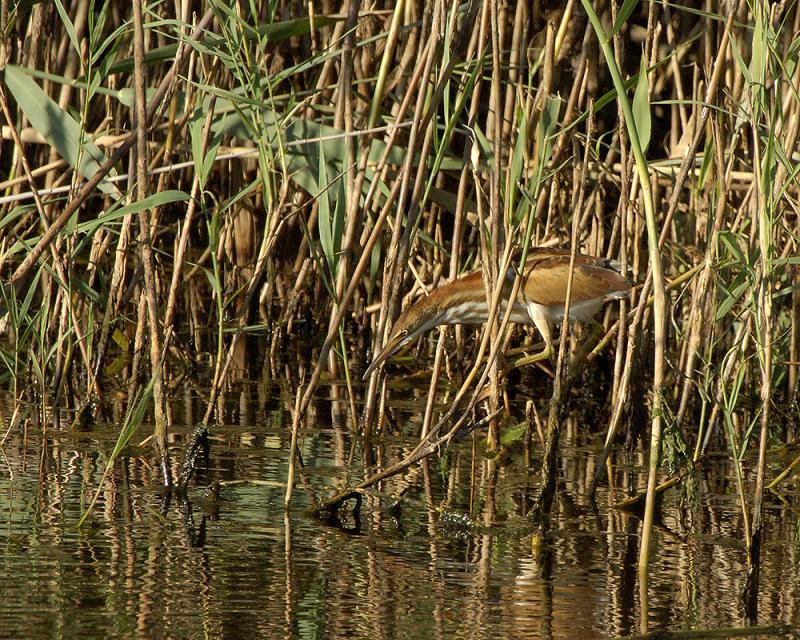
Belonging to the Ardeidae family, they also have the usual long legs, long necks, and are wading birds. They are associated with water, especially in breeding season. Whereas the herons and egret stand out in the open, the bitterns like to conceal themselves in cattail and sedge marshes, bulrushes, etc. They also have shorter legs and a heavier body. Their “cryptic plumage and upright poses helps to merge with the brown upright reeds…” I’ve had the privilege to see a few of them, and they are hard to find. God has provided them with this protection and it helps them in finding their food. Fish is their favorite food, but they will also consume frogs, small snakes, and other things that pass by.

Here in North America, we only have the American and Least Bitterns. I sometimes confuse them with the smaller herons, like a Green Heron. You can tell they are in the same family (ardeidae).

Here is the sounds of an American Bittern and a Least Bittern from Stokes Bird Songs

But the cormorant and the bittern shall possess it; the owl also and the raven shall dwell in it: and he shall stretch out upon it the line of confusion, and the stones of emptiness. (Isaiah 34:11)


CLASS – AVES, Order – PELECANIFORMES, Family – ArdeidaeHerons, Bitterns

Australian Little Bittern (Ixobrychus dubius) by Ian

Australian Little Bittern (Ixobrychus dubius) by Ian

Herons, Bitterns – Ardeidae Family
Zonerodius
Forest Bittern (Zonerodius heliosylus) IBC
Botaurus
Eurasian Bittern (Botaurus stellaris) – Video
Australasian Bittern (Botaurus poiciloptilus) by Ian
American Bittern (Botaurus lentiginosus) – Video – Video2
Pinnated Bittern (Botaurus pinnatus) by Daves BirdingPix  – Video
Ixobrychus
Stripe-backed Bittern (Ixobrychus involucris) IBC
Least Bittern (Ixobrychus exilis) by Jim Fenton – Video
Little Bittern (Ixobrychus minutus) by Ian
Black-backed Bittern (Ixobrychus dubius)
New Zealand Bittern (Ixobrychus novaezelandiae †) Extinct ©WikiC Drawing
Yellow Bittern (Ixobrychus sinensis) by Ray Barlow – Video
Von Schrenck’s Bittern (Ixobrychus eurhythmus) ©WikiC
Cinnamon Bittern (Ixobrychus cinnamomeus) by Phil Kwong – Video
Dwarf Bittern (Ixobrychus sturmii) ©WikiC
Dupetor
Black Bittern (Dupetor flavicollis) by Nikhil Devasar – Video

Different Family
Sunbittern – Eurypygidae Family
Eurypyga
Sunbittern (Eurypyga helias) – Video – Video2

“Recent DNA evidence suggests that this family may in fact belong to the Pelecaniformes. From Wikipedia  They used to be in the Ciconiformes family, where most older guide books still have them. My list are from the IOC’s World Lists, 3.1 version.


Family#26 – Ardeidae

*

*